
Paphos on a Budget 2026: Free Things to Do & Money-Saving Tips
Paphos delivers exceptional value for budget travelers in 2026, with dozens of free attractions including UNESCO archaeological sites accessible at no cost for students and seniors, pristine beaches requiring zero entrance fees, and coastal walking routes showcasing Cyprus’s southwestern beauty without spending a cent. This ancient harbor city rewards strategic planning with experiences that range from completely free to remarkably affordable, making it one of the Mediterranean’s most budget-friendly destinations.
Key Takeaways:
- Free Archaeological Access 2026: Students and seniors over 65 enter all archaeological sites including the Archaeological Park and Tombs of the Kings completely free with valid ID, saving €7 ($8) per day that other visitors pay.
- Beach Access Without Cost: Every beach in Paphos from Alykes to Coral Bay offers free entry with public facilities, while optional sunbed rentals cost just €2.50-7.50 if desired—walking the coastline and swimming costs nothing.
- Budget Transport Strategy 2026: Walking covers most Kato Paphos attractions within 20-30 minutes, eliminating transport costs entirely, while strategic use of the €6.50 daily bus pass unlocks unlimited travel versus €2 per ride.
- Self-Catering Savings: Hostel dormitories starting at €10-17 per night with shared kitchens allow travelers to prepare meals from local markets, reducing daily food costs from €50-75 in restaurants to €15-25 for groceries.
- Free Cultural Experiences 2026: Agia Kyriaki Church, Paphos Municipal Park, Havrikas Hill caves, and coastal promenade walks provide zero-cost cultural immersion that paid tours charge €35-85 to experience.
- Strategic Pass Investment: The weekly bus pass at €25 pays for itself after 13 single rides, while accommodation with kitchen facilities saves €30-50 daily versus restaurant-only dining.
People Also Ask About Paphos Budget Travel 2026
What can you do for free in Paphos in 2026?
Paphos offers extensive free experiences in 2026 including all public beaches (Alykes, Municipal Beach, Venus Beach, Coral Bay beach access), the 5-kilometer coastal promenade from Paphos Harbor to Coral Bay, Agia Kyriaki Chrysopolitissa Church and St. Paul’s Pillar, Paphos Municipal Park, Havrikas Hill ancient caves, Agia Solomoni catacomb, lighthouse area walks, and Aphrodite’s Rock viewing from the shoreline. Students and seniors over 65 access the €4.50 ($5) Archaeological Park and €2.50 ($3) Tombs of the Kings completely free with valid identification. The sea caves near Peyia, Avakas Gorge hiking trail, and sunset watching from the harbor castle walls all cost nothing.
How much money do you need per day in Paphos on a budget in 2026?
Ultra-budget travelers focusing on free attractions need €20-30 ($22-33) per person daily in Paphos during 2026: hostel dormitory €10-17, self-prepared meals from markets €8-12, occasional bus rides €2-4, and zero attraction costs using free sites. Budget-conscious travelers spending €35-50 ($38-55) daily add paid archaeological sites €7, budget restaurant meals €15-25, and daily bus passes €6.50. Mid-range comfort at €60-90 ($65-100) daily includes budget hotel accommodation €25-35 per person (two sharing), mixed dining €30-45, and combination of free and paid attractions €10-15.
Is Paphos expensive to visit in 2026?
Paphos ranks among the Mediterranean’s most affordable destinations in 2026 when leveraging free attractions and budget strategies. The Archaeological Park at €4.50 ($5) costs 70% less than comparable European heritage sites, public transport at €2 per ride undercuts Western European cities charging €3-5, and beach access remains universally free versus Italian and French coastal resorts charging €10-20 daily. Hostel accommodation from €10-17 nightly and taverna meals at €8-15 per person make Paphos significantly cheaper than Greece, Spain, or Italy while offering comparable historical significance and coastal beauty.
What is the best way to save money in Paphos in 2026?
Maximum savings in Paphos during 2026 come from staying in hostels with kitchen facilities (€10-17 nightly versus €40-80 budget hotels), preparing breakfast and lunch from supermarket groceries (€3-6 per meal versus €8-15 restaurants), walking instead of taking taxis (free versus €10-15 per trip), visiting during shoulder season April-May or September-October (accommodation 30-40% cheaper than July-August), and timing archaeological site visits for free senior/student access or using the €8.50 one-day combined pass versus individual €7 total. The weekly bus pass at €25 saves money after 13 rides versus €2 singles.
Extended multi-day tours – 5+ days
Featured Paphos Multi-Day Tour Packages
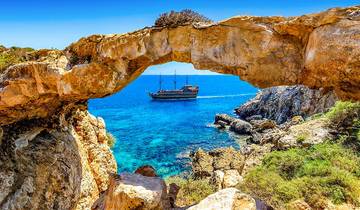
6 days
Tailor-Made 6 Days Best Private Cyprus Tour, Daily Start (Private Guide & Driver)
- ✓ Comprehensive Paphos tour
- ✓ Expert local guides included
- ✓ All accommodation arranged
- ✓ Transportation provided
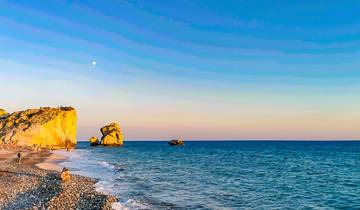
7 days
7 Days Customized Best Cyprus Family Tour, Daily Start (Private Guide & Driver)
- ✓ Comprehensive Paphos tour
- ✓ Expert local guides included
- ✓ All accommodation arranged
- ✓ Transportation provided
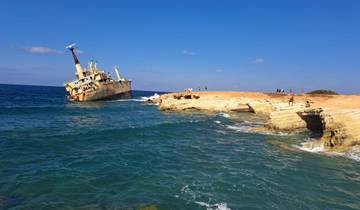
7 days
Paphos: Beaches with a Touch of Mythology
- ✓ Booking needs min. 2 travelers

5 days
The Most Beautiful Places in Southern Cyprus
- ✓ Booking needs min. 2 travelers
Multi-day tour packages powered by TourRadar. Prices and availability subject to change.
Introduction: Experiencing Paphos Without Breaking the Bank in 2026
Paphos emerged as Cyprus’s cultural capital through millennia of strategic Mediterranean importance, leaving behind archaeological treasures that now form one of Europe’s richest concentrations of free and low-cost heritage experiences. The UNESCO World Heritage site designation covering much of Kato Paphos’s ancient quarter provides budget travelers in 2026 with unparalleled access to Roman mosaics, Hellenistic tombs, Byzantine fortifications, and mythological landmarks—many requiring zero entrance fees or offering discounted access that undercuts comparable European destinations by 60-80%.
The city’s compact geography rewards pedestrian exploration, with most major free attractions positioned within a 3-kilometer coastal corridor easily navigated on foot. This natural walkability eliminates transport expenses that drain budgets in sprawling destinations, while the southwestern Cyprus climate delivers 320 sunshine days annually, ensuring outdoor free activities remain viable year-round. The harbor district concentration of complimentary experiences—from Byzantine churches to coastal caves—creates full-day itineraries costing nothing beyond personal refreshments.
Paphos’s dual structure as both ancient archaeological zone and modern residential city provides budget advantages absent from purely touristic locations. Local supermarkets serving Cypriot residents rather than tourists alone offer genuine market pricing on groceries, the municipal bus system maintains affordable €2 fares designed for daily commuters, and neighborhood tavernas beyond the harbor front charge authentic prices reflecting local cost-of-living rather than inflated tourist premiums. This authenticity extends to accommodation, where apartment rentals with cooking facilities and hostel dormitories serve long-stay visitors and students rather than exclusively catering to short-term luxury tourism.
Strategic timing amplifies savings potential in 2026, with shoulder months of April, May, September, and October delivering warm swimming temperatures of 19-24°C alongside accommodation rates 30-40% below peak summer pricing. These transitional periods maintain full access to free attractions while reducing the secondary costs—ice cream, cold drinks, sunbed rentals—that accumulate during scorching July-August heat. Winter months from November through March offer the deepest discounts but cooler 16-18°C sea temperatures that shift beach activities toward coastal walking and archaeological exploration, both completely free pursuits.
The money-saving strategies detailed throughout this guide transform Paphos from a standard €80-120 daily Mediterranean destination into a €20-50 budget haven through systematic application of free alternatives, strategic pass purchases, self-catering arrangements, and seasonal timing. These approaches maintain authentic cultural experiences and full access to UNESCO sites while eliminating unnecessary expenditures that tourists often assume are mandatory costs of visiting Cyprus’s archaeological heartland.
Free Archaeological and Historical Sites in Paphos 2026
Agia Kyriaki Chrysopolitissa Church and St. Paul’s Pillar
This active Greek Orthodox church occupies the site of the largest early Christian basilica in Cyprus, with visible foundations, floor mosaics, and granite columns dating to the 4th century scattered across the open-air complex. The ruins remain completely free to explore in 2026, with the modern church welcoming visitors during daylight hours at no charge. St. Paul’s Pillar stands within the same compound, marking where tradition holds the apostle received 39 lashes for preaching Christianity in 45 AD.
The site’s location just 300 meters from the Archaeological Park entrance makes it an ideal free addition to any paid heritage tour, while its atmospheric blend of ancient columns, Byzantine floor mosaics, and living worship spaces provides cultural experiences that paid museums cannot replicate. Information boards throughout the complex explain the basilica’s seven-aisled structure and transformation through Byzantine, Frankish, and Ottoman periods, delivering educational value without admission fees. Early morning visits before 9 AM or late afternoon after 5 PM avoid cruise ship groups while capturing golden-hour photography of the granite columns against Mediterranean backdrops.
Paphos Lighthouse Area and Coastal Fortifications
The Paphos lighthouse marks the western boundary of the Archaeological Park, accessible via free coastal paths that skirt the ancient harbor and Byzantine castle. While the lighthouse itself remains closed to climbing, the surrounding headland offers unobstructed sea views, sunset watching positions, and exploration of Byzantine fortification remnants at zero cost. The area connects to Lighthouse Beach (Faros Beach), where rocky shoreline swimming and snorkeling come without entrance fees.
Local Cypriots use this zone for evening strolls and sunrise fishing, creating authentic cultural experiences away from the harbor’s tourist concentration. The coastal path continues northward toward the Tombs of the Kings, providing free walking routes that showcase archaeological context while eliminating the €2 bus fare between sites. Strategic walkers covering Lighthouse to Tombs to Archaeological Park create 5-kilometer circuits experiencing UNESCO heritage without spending beyond a paid Archaeological Park ticket if choosing to enter.
Havrikas Hill (Fabrica Hill) Ancient Caves and Churches
This elevated rock outcrop halfway between Paphos Harbor and Kings Avenue Mall contains massive caves carved from solid rock, ancient quarries showing tool marks from Hellenistic stonecutters, and three diminutive rock-cut churches from early Christian periods. The entire complex remains free to explore in 2026, with local residents maintaining pathways and basic safety around the cave openings.
The hilltop elevation provides panoramic views across Kato Paphos and the Mediterranean, creating photography opportunities and orientation perspectives that help travelers understand Paphos’s geographic layout. The site sees minimal tourist traffic compared to paid attractions, offering quiet exploration without crowds or time pressures. Located just 500 meters from the Agia Solomoni catacomb, the two free sites combine into hour-long walking circuits that deliver genuine archaeological experiences while paid tour buses remain stuck in harbor traffic.
Agia Solomoni Catacomb and Sacred Tree
This underground complex served as Christian worship space from the early Byzantine period, with frescoes visible on cave walls and a sacred tree outside where visitors traditionally tie cloth strips while making wishes. Entrance remains free in 2026, though the catacomb’s slippery stairs and low ceilings require careful navigation. The site maintains religious significance for Orthodox Cypriots alongside its archaeological value, creating living cultural experiences rather than dead museum displays.
The adjacent Kings Avenue Mall provides modern restroom facilities and air conditioning breaks, making the catacomb an ideal free stop during shopping mall visits. Evening illumination of the tree and entrance creates atmospheric conditions for sunset visits, while the location along bus route 615 ensures easy access using the €2 single fare or €6.50 daily pass.
Free Beaches and Coastal Access in Paphos 2026
Paphos Municipal Beach and Alykes Beach
These adjacent beaches near the city center offer free sandy access with public toilets, outdoor showers, and changing facilities maintained by municipal authorities at no cost to visitors. Alykes Beach specifically provides one of Paphos’s few sandy stretches without rocks, making it ideal for families and swimmers uncomfortable with typical Cypriot rocky coastlines. The beaches sit just 10-15 minutes walk from most Kato Paphos hotels, eliminating transport costs.
Sunbed and umbrella rentals remain optional at €2.50-7.50 per set, but travelers bringing their own towels and portable umbrellas incur zero beach costs. The protected waters stay calm year-round, suitable for swimming from April through November without safety concerns or lifeguard fees. Beachfront cafes allow outside food and drink, so self-prepared picnic lunches from supermarket groceries extend the zero-cost experience beyond just beach access.
Venus Beach Free Swimming and Snorkeling
This small beach between two hotels northeast of the center features crystal-clear waters, free public toilets and showers, and breakwater rocks creating calm swimming conditions ideal for snorkeling. The beach charges nothing for access in 2026, with sunbeds available at €7.50 per day for two loungers and umbrella only if desired. Free parking in adjacent dirt lot eliminates the parking fees common at Western European beaches.
The shallow protected waters and sandy bottom make Venus Beach suitable for children and inexperienced swimmers, while the breakwater rocks attract fish species visible to snorkelers using basic masks and fins brought from home. Morning visits before 10 AM secure prime positions before sunbed renters arrive, and the beach’s small size creates an intimate atmosphere without the crowds packing Coral Bay during peak season.
Coral Bay Beach Access and Free Coastal Walks
While Coral Bay’s central beach area features dense sunbed coverage at €2.50-7.50 daily rates, the northern and southern ends maintain free public access where visitors lay towels on sand at zero cost. The beach’s 600-meter crescent shape provides ample space for free zones despite tourist crowds, and the golden sand—rare along rocky Cypriot coasts—justifies the 20-minute bus ride from Paphos Harbor at €2 each way.
The coastal path extending north from Coral Bay toward the Sea Caves offers free cliff-top walking with panoramic views, sea cave photography from above, and wildflower meadows during spring months. This 3-kilometer trail requires no fees, proper footwear being the only expense, and connects to free sea cave exploration points where nimble visitors descend rock paths to water level. Budget travelers substituting this free coastal hiking for paid boat tours to the caves save €25-35 per person while gaining exercise and photographic flexibility.
Aphrodite’s Rock (Petra tou Romiou) Free Viewing
This legendary birthplace of the goddess Aphrodite according to Greek mythology sits 15 kilometers southeast of Paphos along the B6 coastal road, accessible by bus route 631 for €2 each way. While tour operators charge €25-45 for round-trip transport and guided commentary, independent travelers reach the site for €4 total bus fare and experience identical views and swimming opportunities without time constraints or group pressures.
The beach and rock formation remain completely free to access in 2026, with public parking, restrooms, and the famous rock stack available without entrance fees. Swimming around the rock supposedly grants eternal youth and beauty according to myth, costing nothing beyond the courage to enter sometimes-choppy waters. Sunset visits create particularly atmospheric experiences as golden light illuminates the white limestone formation, this timing requiring no additional fees beyond the €3 night bus fare after 9 PM.
Free Walking Routes and Coastal Promenades in Paphos 2026
Paphos Harbor to Tombs of the Kings Coastal Path
This 2.5-kilometer paved promenade connects the harbor district to the Tombs of the Kings archaeological site, passing the Archaeological Park entrance, Paphos Castle, multiple beaches, and seaside cafes while maintaining free public access throughout its length. The flat terrain suits all fitness levels, wheelchairs navigate most sections without difficulty, and strategic rest benches every 200-300 meters provide Mediterranean views while resting.
Walking this route eliminates €2 each way bus fares while providing orientation to Paphos’s coastal geography, beach locations, and attraction spacing. Early morning walks before 8 AM coincide with local joggers and dog walkers rather than tourists, creating authentic Cypriot neighborhood experiences. The 30-40 minute walking time each direction remains faster than waiting for buses during off-peak hours, particularly during midday periods when bus frequency drops to hourly service.
The promenade’s seaside position ensures constant sea breezes that moderate temperatures even during summer heat, while the western exposure creates spectacular sunset viewing from any point along the route. Budget travelers walking this path twice daily—morning exploration outbound, evening return—burn calories that justify larger dinner portions while saving €8 daily in transport costs versus bus dependence.
Paphos Upper Town (Ktima) to Kato Paphos Historical Walk
The 1.5-kilometer descent from Ktima’s historic center to the Kato Paphos harbor follows stepped streets, passes the municipal market, and traverses residential neighborhoods where authentic Cypriot life continues beyond tourist zones. The route costs nothing to walk while delivering cultural immersion into daily Paphos life—neighborhood bakeries, coffee shops serving locals at €1.50 prices, produce vendors, and elderly residents socializing on benches.
This downhill walking direction proves easiest, with gravity assistance reducing effort while uphill returns via bus cost just €2. The route passes Kings Avenue Mall roughly halfway, providing air conditioning breaks, free restrooms, and European chain shopping that reassures travelers seeking familiar brands. Historical plaques along certain streets explain Ottoman-era architecture and British colonial planning, delivering free historical education while covering necessary distance between accommodation zones.
Avakas Gorge Free Hiking Trail
This dramatic limestone canyon 20 kilometers north of Paphos offers free hiking through narrow rock walls reaching 30 meters high, with seasonal stream crossings and wild vegetation creating adventure experiences comparable to paid canyon tours. The 7-kilometer round-trip trail requires no entrance fees, parking charges, or guided tour costs in 2026, though the remote location necessitates rental car access or expensive taxi rides of €50-70 round trip.
Budget-conscious travelers organizing group taxi splits reduce per-person transport to €12-18 while maintaining free gorge access, or combining the hike with Coral Bay visits maximizes single €15-25 taxi expenditure across multiple free attractions. The gorge’s uneven rocks, slippery stones during wet conditions, and narrow passages require proper footwear—the single necessary expense—but the dramatic scenery and wildlife sightings provide experiences that organized tours charge €45-65 to deliver.
Strategic Bus Pass Use for Maximum 2026 Savings
Daily Pass Value Analysis
The €6.50 daily bus pass pays for itself after four single rides at €2 each, making it valuable for travelers planning Coral Bay visits (€2 each way), Archaeological Park area exploration with bus positioning (€2), and evening return to accommodation (€2). This four-ride threshold occurs naturally during active sightseeing days, while the pass’s unlimited use encourages spontaneous bus-hopping that walking-only strategies cannot match.
Travelers staying in upper Paphos (Ktima) rather than harborfront Kato Paphos gain particular value from daily passes, as the 10-15 minute bus ride connecting these zones becomes a 30-40 minute steep uphill walk that tests fitness levels in Mediterranean heat. The pass eliminates decision fatigue about whether each individual trip justifies €2 expense, allowing travelers to use buses for short 3-4 stop segments that walking purists would struggle through to avoid the single fare.
The break-even calculation shifts during cooler months when comfortable walking distances expand beyond summer’s heat-limited range. November through March visitors might complete entire days walking without bus needs, making daily passes wasteful while strategic single €2 fares for longest routes (Coral Bay, airport) maintain budget efficiency. This seasonal adjustment to transport strategy can save €25-40 weekly versus year-round daily pass purchases.
Weekly Pass Investment Strategy
The €25 personalized weekly pass requires 13 single rides to break even, achievable for active travelers making two trips daily over seven days. This calculation favors visitors staying full weeks who plan extensive exploration including Coral Bay (4 rides), Tombs of the Kings area (2 rides), airport transfers (2 rides), and daily positioning between Ktima and Kato Paphos (14 rides). The pass’s €10 savings versus equivalent single fares funds one restaurant meal or two Archaeological Park admissions.
The anonymous weekly pass at €35 costs €10 more than personalized versions but allows sharing between travel companions, though official policy prohibits this practice. Budget travelers weighing the ethical implications might instead purchase the €25 personalized pass and carefully plan joint trips to maximize single-pass coverage while maintaining rule compliance. The €10 premium for sharing flexibility rarely justifies itself when both travelers maintain active schedules requiring simultaneous but separate transport.
Free Walking Alternative Cost Comparison
Travelers committed to walking rather than bus passes save €25-45 weekly while accepting 30-90 minute walks between major attraction clusters. The Harbor to Tombs of the Kings walk consumes 35-40 minutes versus 10 minutes by bus, while Ktima to Kato Paphos takes 25-30 minutes downhill versus 12 minutes by bus. These time investments of 50-80 minutes daily allow reallocation of saved €3.50-6.50 toward one restaurant meal or several supermarket upgrades.
The physical exercise from walking 5-8 kilometers daily burns approximately 250-400 calories, offsetting indulgent Cypriot desserts or extra meze portions without guilt. This health benefit lacks monetary value but contributes to overall trip satisfaction and allows budget travelers to occasionally splurge on food without fitness concerns. The walking-only strategy proves most viable for travelers under 50 with good fitness levels staying in centrally-located accommodation; older visitors or those in peripheral locations gain more value from strategic bus pass use.
Budget Accommodation Strategies for Paphos 2026
Hostel Dormitory Value and Kitchen Access
Paphos hostels charge €10-17 nightly for dormitory beds in 2026, representing 60-75% savings versus €40-80 budget hotel rooms while providing shared kitchen facilities that enable self-catering meal preparation. A six-night hostel stay at €15 per night totals €90 versus €360-480 for budget hotel accommodation without cooking facilities, creating €270-390 savings that covers an entire week’s grocery costs at €35-55 daily.
Hostels concentrated in Kato Paphos near the harbor position travelers within walking distance of free beaches, coastal paths, and archaeological sites, eliminating transport costs that peripheral budget hotels generate. The Paphos Inn Hostel specifically offers 6-bed mixed dormitories with shared bathrooms, common kitchen, free WiFi, and flexible 24-hour check-in at base rates, while Volunteer Youth Eco-hostel Asteria includes basic breakfast with fresh garden fruit and twice-daily free shuttle service to city center despite its 3-kilometer distance from harbor.
The social atmosphere in hostel common areas provides free evening entertainment through traveler interactions, local advice exchange, and shared meal preparation, reducing pressure to spend on nightlife or organized entertainment. Budget travelers staying hostel dormitories for €15 nightly while preparing two daily meals from €12 groceries total €27 daily accommodation and food costs versus €60-100 for budget hotel and restaurant combination.
Self-Catering Apartments with Weekly Discounts
Studio apartments with kitchenettes rent for €35-60 nightly in Kato Paphos, dropping to €25-45 nightly for weekly bookings that demonstrate commitment to self-catering rather than hotel dining. These units provide private space, cooking facilities, and often washing machines that eliminate laundromat fees, while the weekly discount structure rewards budget-conscious planning over spontaneous bookings.
A couple sharing a €350 weekly apartment (€50 nightly) pays €25 per person versus €40-80 each in budget hotel doubles, saving €15-55 per person nightly while gaining kitchen access that saves €20-40 daily on meals. The combined accommodation and meal preparation savings of €35-95 per person daily transforms a week’s budget from €630-1,155 down to €385-560, funding a second week’s stay or flight upgrades with saved amounts.
Shoulder Season Rate Reductions
April, May, September, and October accommodation rates in Paphos run 30-40% below June-August peaks, with typical €120 July double rooms dropping to €72-84 during shoulder months. These savings apply across all accommodation categories from hostels to luxury hotels, making shoulder season timing the single most impactful money-saving decision for budget travelers planning 2026 visits.
The shoulder season weather maintains swimming temperatures of 19-24°C while reducing beach crowding and heat exhaustion risks that plague July-August visitors paying premium rates for deteriorated comfort. Archaeological sites remain open on standard hours, free attractions maintain full access, and bus services operate complete schedules, meaning budget travelers sacrifice nothing beyond guaranteed scorching heat while gaining substantial savings.
Self-Catering Food Strategies for Paphos 2026
Supermarket Shopping for Budget Meals
Major supermarkets including Papantoniou and Orphanides near Kings Avenue Mall charge local rather than tourist prices, with breakfast ingredients (bread, cheese, yogurt, fruit, coffee) costing €8-12 for three days’ supplies versus €8-15 per person for single restaurant breakfasts. Lunch components like fresh vegetables, hummus, pita bread, and local cheeses total €5-8 daily versus €12-20 for taverna meals, while dinner ingredients including chicken, pasta, tomatoes, and olive oil run €10-15 for portions serving 2-3 people.
Strategic supermarket shopping creates daily food costs of €3-6 for breakfast, €5-8 for lunch, and €7-12 for dinner when preparing two-person portions, totaling €15-26 per person daily versus €35-60 for equivalent restaurant meals. This €20-34 daily savings over a week funds €140-238 in alternative expenditures including car rental days, paid excursions, or upgraded accommodation. The time investment of 45-60 minutes daily shopping and cooking trades against restaurant waiting times while providing authentic grocery shopping cultural experiences.
Municipal Market Fresh Produce Savings
The Paphos Municipal Market in Ktima sells fruits, vegetables, fresh fish, and local products at prices 30-50% below supermarket rates, with seasonal produce like Cyprus tomatoes, cucumbers, watermelons, and oranges especially affordable. Vendors quote prices in kilograms rather than per-item, rewarding bulk purchases that multi-day stays make practical when combined with apartment refrigeration.
Saturday morning market visits coincide with maximum vendor presence and freshest inventory, though early 8-9 AM arrival precedes tourist crowds that drive afternoon prices upward. English-speaking vendors remain common due to British expatriate customer base, eliminating language barriers that intimidate some budget travelers from market shopping. The market’s position along bus route 603 makes access easy via €2 single fare, with bags of produce costing €5-10 total replacing €15-25 supermarket equivalent purchases.
Strategic Restaurant Meal Selection
Budget travelers maintaining mostly self-catered routines can strategically splurge on one restaurant meal daily, selecting tavernas in residential neighborhoods beyond the harbor front where prices reflect local rather than tourist economics. Lunch specials at neighborhood spots run €7-12 for substantial meze portions, souvlaki plates, or moussaka servings versus €15-25 dinner pricing for identical dishes at harbor-front establishments.
The lunch timing strategy combines with self-prepared breakfasts (€3-4) and simple dinners (€6-8) to create total daily food costs of €16-24 including one quality restaurant experience versus €35-60 for three daily restaurant meals. This balanced approach maintains culinary authenticity and social dining experiences while controlling costs through strategic meal replacement rather than complete restaurant avoidance.
Free Versus Paid Attraction Comparison 2026
Archaeological Park €4.50 Value Analysis
The Archaeological Park’s €4.50 ($5) admission provides access to the House of Dionysus mosaics, House of Theseus, House of Aion, Ancient Odeon, Saranta Kolones fortress ruins, and extensive Roman villa foundations across a sprawling coastal site requiring 2-3 hours minimum exploration time. This €1.50-2.25 per hour cost undercuts Western European museum rates of €5-8 hourly while offering outdoor historical immersion rather than indoor artifact displays.
Students and seniors over 65 with valid identification enter completely free in 2026, creating zero-cost access to Cyprus’s premier archaeological concentration. Families with qualifying members save €4.50 per student or senior daily, accumulating to €31.50 weekly savings for one qualifying person or €63 for two qualifying travelers. Budget-conscious families might strategically time Cyprus visits during student members’ gap years or senior members’ retirement when free access maximizes value.
The Archaeological Park’s air-conditioned indoor mosaic pavilions provide free cooling breaks during summer heat, the site’s coastal position ensures sea breezes moderate temperatures, and free water refills at the entrance kiosk allow visitors to carry reusable bottles rather than purchasing €2-3 water bottles from vendors. These secondary savings of €5-8 daily reduce the effective admission cost to zero for properly prepared visitors.
Tombs of the Kings €2.50 UNESCO Experience
This UNESCO site’s €2.50 ($3) admission grants access to Hellenistic underground tombs carved from solid rock, Egyptian-influenced architecture, and Mediterranean coastal views while walking among 3rd century BC burial chambers. The minimal fee positions Tombs of the Kings among Europe’s cheapest UNESCO World Heritage sites, with comparable Italian or Greek ancient sites charging €8-15 for lesser experiences.
The site’s openness to elements means visitors endure full sun exposure during summer visits, making early morning or late afternoon timing essential for comfortable exploration while avoiding peak heat’s physical drain. The 20-minute walk from Paphos Harbor along the coastal promenade provides free transport alternative to €2 bus fares, creating total visit costs of just €2.50 admission for walking-capable travelers versus €6.50 for those combining bus travel and entry.
Paid Tour Alternative Cost Comparison
Organized half-day Paphos heritage tours charge €35-50 per person including Archaeological Park entry, Tombs of the Kings admission, and guided commentary, versus €7 total for independent entry to both sites plus €0-4 in optional bus fares. The €28-43 cost difference for paid tours buys historical context and transportation convenience while eliminating flexibility to linger at preferred sites or skip uninteresting areas.
Budget travelers investing €10-15 in detailed guidebooks or downloading free archaeological site apps gain comparable historical information while maintaining complete schedule control and eliminating group tour time pressures. The guidebook expense amortizes across multiple site visits and travels home as a souvenir, while tour fees evaporate as pure experience costs. Travelers prioritizing savings over convenience gain €25-40 per person daily choosing independent exploration over organized tours.
Seasonal Timing for Maximum Paphos Savings 2026
April-May Spring Value Period
Spring months deliver swimming temperatures of 19-21°C by late April rising to 22-24°C through May, while accommodation rates remain 35-45% below July-August peaks and flight costs from European hubs run 20-30% cheaper than summer. Wildflowers carpet Avakas Gorge and coastal hillsides during this period, creating photography opportunities and hiking beauty that summer’s burned vegetation cannot match.
The reduced tourist crowds mean Archaeological Park exploration without group congestion, restaurant tables without reservations, and beach space without elbow-to-elbow sunbeds. Budget travelers gain authentic Cypriot experiences during April-May as locals reclaim beaches and promenades from winter quiet but before summer tourist invasion. The shoulder season timing creates cultural immersion opportunities and photographic clarity absent during peak crowding.
September-October Autumn Bargain Window
September maintains July-August warmth with 27-29°C air temperatures and 25-26°C sea temperatures while accommodation rates drop 30-40% after August exodus of British school-term-bound families. October extends the value period with 24-26°C air and 23-24°C water temperatures, still comfortable for swimming while positioning travelers in lowest shoulder season pricing tier.
The autumn timing avoids spring’s occasional weather volatility while maintaining full beach season conditions, creates opportunities for end-of-season sales at shops clearing summer inventory, and positions visitors during grape harvest periods when village festivals and wine tastings provide free cultural entertainment. Budget travelers maximizing value choose September over April when guaranteed stable weather justifies slightly higher rates versus April’s weather risk.
November-March Deep Discount Period
Winter months slash accommodation rates 50-60% below summer peaks, with €120 July doubles dropping to €50-70 during November-March while maintaining full hotel amenities and services. The 16-18°C sea temperatures eliminate comfortable swimming but create ideal conditions for the coastal walking, archaeological exploration, and cultural activities that comprise Paphos’s free attraction base.
Budget travelers accepting beach time sacrifice in exchange for radical cost reductions can experience Paphos for €30-50 daily including accommodation, meals, and activities versus €80-120 summer equivalents. The winter sunshine—still 5-6 hours daily versus Northern Europe’s gloom—provides vitamin D and outdoor comfort while restaurant patios, archaeological sites, and walking routes remain fully accessible. January-February represents absolute cheapest timing with 60-70% below peak rates, though November and March offer better weather-cost balance.
Hidden Costs to Avoid in Paphos 2026
Tourist-Area Restaurant Markup
Harbor-front restaurants charge 40-60% premiums versus neighborhood tavernas three streets inland, with identical souvlaki plates costing €15-18 at waterfront tables versus €8-12 at local spots patronized by Cypriot residents. The sea view and prime location justify premiums for splurge meals, but budget travelers eating harbor-front daily waste €20-35 per person versus strategic inland dining.
The markup extends beyond food pricing to service charges, where tourist-area restaurants increasingly add 10-15% automatic gratuities versus optional tipping at neighborhood establishments. Reading bills carefully before payment prevents double-tipping when service charges already appear, while choosing restaurants displaying prices clearly outside avoids surprise charges appearing only at bill settlement. Budget discipline means walking five minutes inland from harbor to access authentic pricing rather than paying convenience premiums.
Bottled Water and Beverage Costs
Tourist-area vendors charge €2-3 for 500ml bottled water versus €0.50-1 at supermarkets, creating €10-20 weekly waste for travelers buying beverages at attraction sites rather than carrying refillable bottles. The Archaeological Park entrance provides free water refill points, public fountains along coastal promenades offer drinking water, and hostel/apartment accommodations allow morning bottle filling before daily exploration.
The single €8-15 investment in quality reusable water bottle pays for itself within 3-5 days while eliminating plastic waste and supporting environmental sustainability. Combined with supermarket purchases of large 1.5L bottles at €0.50-1 for apartment/hostel refilling, the bottled water expense drops to €0.10-0.20 daily versus €3-6 for tourist-area purchases. This €20-40 weekly savings funds museum admissions or quality restaurant meals.
Taxi Overpayments and Scams
Licensed Paphos taxis use meters charging standard rates, but some tourist-area operators quote fixed prices that exceed metered fares by 30-50%. The airport to Kato Paphos journey costs €30-35 by metered taxi versus €40-50 quoted by airport taxi touts, while harbor to Coral Bay runs €15-18 metered versus €25-30 fixed quotes. Insisting on meter use or using Bolt app taxi service ensures fair pricing.
The €2-4 bus alternative to short taxi rides eliminates overpayment risk entirely, with airport bus route 612/613 charging just €2 versus €30-35 taxi fares for identical destinations. Budget travelers accepting 30-40 minute bus journeys save €25-30 per airport transfer, funding entire day’s meals or two archaeological site admissions. The taxi-to-bus shift represents single largest transport saving available beyond walking strategies.
Free Evening and Night Activities Paphos 2026
Harbor Promenade Sunset Walks
The Paphos Harbor promenade provides free evening entertainment from 6 PM onward as locals and tourists stroll the waterfront, fishermen clean daily catches, and sunset colors illuminate the medieval castle and anchored boats. The activity costs nothing while delivering authentic cultural experiences, photography opportunities, and people-watching that paid nightlife venues cannot replicate.
Street performers occasionally occupy the castle square providing free music or entertainment, while the promenade’s cafes allow outside seating for customers purchasing only coffee at €2-3 versus full dinner requirements. Budget travelers spending €3 for prime cafe seating during 90-minute sunset windows gain hours of ambiance for cost less than single bar drinks at tourist nightclubs charging €8-12 per beverage.
Kings Avenue Mall Air Conditioning and Window Shopping
This modern shopping center offers free evening air conditioning from 6-10 PM when summer heat makes outdoor activities uncomfortable, along with European chain store window shopping, cinema complex browsing, and food court people-watching without purchase requirements. The facility’s clean restrooms, comfortable seating areas, and free WiFi provide budget-friendly comfort breaks while planning next day’s activities.
The mall’s position along bus route 615 ensures €2 access from most accommodation locations, while the evening hours coincide with local Cypriot shopping patterns rather than daytime tourist crowds. Budget travelers using the mall as evening base camp between dinner and sleep extend comfortable hours while avoiding €15-25 bar minimums that nightlife districts impose.
Beach Stargazing and Night Swimming
Paphos’s coastal location away from major light pollution creates excellent stargazing conditions from beach positions, particularly during new moon periods when darkness maximizes stellar visibility. Municipal beaches like Alykes remain open 24 hours without access restrictions, allowing nighttime visits that cost nothing while providing unique experiences absent from daytime beach crowds.
Summer water temperatures staying above 24°C through September enable comfortable night swimming for adventurous travelers, while the darkness provides privacy for those uncomfortable with daytime beach body exposure. The activity carries no costs beyond personal courage while creating memorable experiences and authentic connection to Mediterranean lifestyle beyond typical tourist schedules.
Group Travel and Cost-Splitting Strategies 2026
Shared Accommodation Savings
Four travelers splitting a €120 nightly two-bedroom apartment pay €30 each versus €50-80 individual hostel or budget hotel costs, saving €20-50 per person nightly while gaining private apartment space, full kitchen facilities, and living areas for social interaction. The weekly savings of €140-350 per person funds car rental, paid excursions, or upgraded dining that individual budgets cannot accommodate.
The apartment sharing strategy proves particularly valuable for family groups or established friend circles traveling together, where personal compatibility reduces the friction that hostel dormitory sharing with strangers creates. Privacy versus savings tradeoffs shift toward privacy when cost-splitting maintains budget targets, making apartment sharing optimal for groups of 3-4 travelers comfortable with shared living arrangements.
Rental Car Group Economics
Budget rental cars in Paphos cost €25-35 daily in 2026, representing €6-9 per person for four travelers splitting costs versus €8-16 individual bus expenses for equivalent travel to Coral Bay, Avakas Gorge, and surrounding attractions. The rental car provides schedule flexibility and access to remote free sites like Lara Bay turtle beach that bus routes don’t serve, while four-person cost division makes the upgraded transport affordable.
The driving group gains particular value during winter months when reduced bus frequencies make public transport inconvenient, while the ability to transport supermarket groceries, beach equipment, and luggage without carrying strain justifies rental expense even when costs slightly exceed bus alternatives. Careful fuel budgeting and advance rental bookings maintain 4-person car costs at €8-12 per person daily total including rental and petrol.
Shared Meal Preparation Efficiency
Two to four travelers sharing apartment cooking divide grocery costs and preparation effort, with €20-30 ingredient purchases creating dinners serving 4 people at €5-7.50 per person versus €12-20 individual restaurant costs. The efficiency extends beyond direct savings to reduced cooking time—30-minute group meal preparation versus 45-60 minutes individual effort—while maintaining social dinner experiences that solo self-catering often lacks.
Group cooking allows recipe complexity and ingredient diversity that single-person budgets cannot justify, with one person purchasing meat proteins, another handling vegetables, a third providing starches, and the fourth contributing dessert or wine. This collaborative approach maintains culinary interest while distributing €25-40 weekly grocery budgets across multiple contributors rather than concentrating full cost on individual travelers.
Digital Nomad and Long-Stay Budget Strategies 2026
Monthly Apartment Rental Discounts
Landlords offering monthly apartment rentals in Paphos discount nightly rates 40-60% versus weekly bookings, with €50 nightly studios (€1,500 monthly) dropping to €600-900 for 30-day commitments. This long-stay positioning transforms Paphos into viable digital nomad base with accommodation costs of €20-30 nightly for month-long stays versus €40-80 short-term rates.
The monthly rental typically includes utilities, WiFi, and kitchen facilities while eliminating daily cleaning services that short-term vacation rentals provide but working nomads don’t require. The arrangement suits remote workers maintaining steady income while minimizing living costs, with Paphos’s 320 annual sunshine days, stable WiFi infrastructure, and English-speaking population supporting productive remote work environments.
Coworking Space Alternatives
Paphos cafes with reliable WiFi allow extended laptop sessions for cost of €3-5 coffee purchases versus €15-25 daily coworking space fees, though cafe noise and limited power outlets reduce productivity compared to dedicated workspaces. Budget digital nomads alternating between Kings Avenue Mall’s free WiFi zones, apartment work sessions, and strategic cafe positioning maintain connectivity without recurring workspace fees.
The municipal library in Ktima provides free WiFi, quiet study spaces, and full-day access without purchase requirements, serving as zero-cost coworking alternative for travelers combining remote work with budget travel. The facility’s weekday 9 AM – 7 PM hours accommodate standard work schedules, while the air conditioning and bathroom facilities eliminate the cafe rotation required to maintain all-day productivity.
Resident Rather Than Tourist Pricing Access
Long-stay visitors developing relationships with local shopkeepers, restaurant owners, and service providers often gain informal discounts or preferential pricing that short-term tourists never access. The neighborhood taverna offering regular customers free desserts or wine, the produce vendor adding extra tomatoes for loyal buyers, and the landlord reducing rent for proven reliable tenants create savings through community integration rather than systematic budget strategies.
This resident-level access develops naturally through 30+ day stays where daily interactions, consistent purchasing patterns, and basic Greek phrase learning demonstrate commitment to local community rather than extractive tourist consumption. The resulting 10-20% informal discounts across food, services, and rent accumulate to €100-200 monthly savings for multi-month Paphos residents versus transient week-long visitors paying posted prices.
Frequently Asked Questions About Budget Paphos Travel 2026
Can you visit Paphos on €20 per day in 2026?
Yes, ultra-budget travelers can experience Paphos for €20-25 per person daily in 2026 by combining hostel dormitory accommodation at €10-15 nightly, self-prepared meals from supermarket groceries at €8-12 daily, free beaches and coastal walks for entertainment, and limiting paid attractions to Archaeological Park every 2-3 days averaged at €1.50 daily. This extreme budget requires walking rather than buses, hostel dormitory rather than private rooms, complete self-catering without restaurant meals, and exclusive focus on free attractions. The strategy proves sustainable for fit young travelers comfortable with basic amenities and social hostel environments, while older visitors or those requiring comfort amenities typically need €35-50 daily budgets.
What are the cheapest months to visit Paphos in 2026?
January and February represent Paphos’s absolute cheapest months in 2026, with accommodation rates 60-70% below July-August peaks and flight costs from European hubs at annual lows. November, December, and March offer slightly higher but still discounted rates at 50-60% below summer while providing better weather conditions than mid-winter. Budget travelers accepting 16-18°C sea temperatures unsuitable for swimming can access Paphos for €30-45 daily during these months versus €80-120 summer requirements. April and late October provide best value-weather compromise, with rates 30-40% below peak while maintaining 20-24°C swimming temperatures and comfortable exploration conditions.
Is food expensive in Paphos compared to other Cyprus cities?
Paphos food costs align closely with Limassol and match Ayia Napa pricing, while running 10-15% higher than less-touristic Nicosia and Larnaca. Tourist-area harbor restaurants charge premium rates comparable to any Mediterranean resort destination, but neighborhood tavernas three streets inland maintain authentic Cypriot pricing where souvlaki meals cost €8-12, meze portions run €12-18, and fresh fish plates charge €15-22. Supermarket grocery prices remain standardized across Cyprus through major chains, so self-catering costs stay consistent regardless of city. Budget travelers dining strategically in residential areas rather than tourist zones experience Paphos as affordable rather than expensive dining destination in 2026.
How much does a week in Paphos cost for budget travelers in 2026?
Budget-conscious travelers spending on hostel dormitories, self-prepared meals, bus transport, and free attractions need €240-350 per person weekly in Paphos during 2026: accommodation €70-120 for seven nights, groceries €55-85 for self-catered meals, transport €0-25 depending on walking versus bus use, and attractions €15-35 for selective paid sites. Mid-range comfort travelers using budget hotels, mixed dining, and comprehensive attraction access require €420-630 weekly: accommodation €175-245 for seven nights two sharing, meals €140-210 combining self-catering and restaurants, transport €15-35 for buses, and attractions €25-50. These ranges exclude flight costs and focus on in-destination expenses, with shoulder season timing reducing budgets 25-35% versus peak summer rates.
Are there free museums in Paphos in 2026?
Paphos’s major museums including the Archaeological Museum, Byzantine Museum, and Ethnographic Museum charge admission fees of €2.50-4.50 in 2026, with no completely free museum access for general visitors. However, students with valid ID and seniors over 65 enter all museums free of charge, creating zero-cost cultural access for qualifying travelers. The outdoor archaeological sites including Agia Kyriaki Church, Havrikas Hill caves, and Agia Solomoni catacomb provide free historical experiences equivalent to museum visits while avoiding admission costs. Budget travelers prioritizing free cultural access focus on these open-air sites rather than indoor museums, saving €10-20 daily while accessing authentic heritage.
Can you swim in Paphos beaches for free in 2026?
Yes, all Paphos beaches including Alykes Beach, Municipal Beach, Venus Beach, Coral Bay, and Lighthouse Beach maintain free public access in 2026 with no entrance fees or mandatory sunbed rentals. Visitors bringing personal towels and portable umbrellas incur zero beach costs, while public facilities including restrooms, outdoor showers, and changing areas remain free to use at municipal beaches. Optional sunbed and umbrella rentals cost €2.50-7.50 daily if desired but carry no obligation, and many beaches provide free zones without sunbed coverage where towel placement remains permitted. Swimming, snorkeling, and beach lounging cost nothing beyond personal equipment and sun protection throughout Paphos’s extensive coastline.
What free things can families do in Paphos in 2026?
Families with children find extensive free entertainment in Paphos during 2026 including all public beaches with safe swimming, Paphos Municipal Park playground areas at zero cost, coastal promenade walking and cycling, Archaeological Park entry free for student-aged children with school ID, Havrikas Hill cave exploration, tide pool marine life observation along rocky coastlines, and sunset watching from harbor areas. The Kings Avenue Mall provides free air-conditioned breaks with kids’ play areas, while the Tuesday farmers market in Ktima offers cultural experiences and free sample tastings. Beach treasure hunting, shell collecting, and sandcastle building create full-day entertainment without expenses, while evening harbor promenades provide free family time observing boats and street performers.
Is Paphos cheaper than Greece for budget travelers in 2026?
Paphos offers comparable or slightly lower costs than Greek islands like Santorini, Mykonos, and Crete while running 15-25% more expensive than mainland Greek destinations like Athens or Thessaloniki. Archaeological site admission at €4.50 undercuts most Greek heritage locations charging €8-15, while bus transport at €2 matches Athens metro pricing. Accommodation costs align closely between Paphos and mid-tier Greek islands, though Greek mainland cities offer cheaper options. Food pricing runs similar across both destinations, with tourist-area markups balanced by affordable neighborhood tavernas in each location. Overall, Paphos provides comparable budget travel value to Greek islands while offering warmer winter temperatures and potentially cheaper flights from UK and Northern European hubs.
How do you get free WiFi in Paphos in 2026?
Free WiFi in Paphos appears at Kings Avenue Mall throughout the shopping center, public library in Ktima during opening hours, most cafes and restaurants for customer use with €3-5 minimum purchase, Archaeological Park entrance area, and many hostel accommodations in common areas. McDonald’s and Starbucks maintain reliable free WiFi with minimal purchase requirements, while coastal promenade cafes offer connection for coffee purchases. Budget travelers needing extensive internet access combine accommodation WiFi with strategic cafe purchases and mall sessions rather than paying for mobile data plans or portable hotspot rentals. The widespread availability means zero-cost internet access remains achievable through tactical positioning without dedicated connectivity expenses.
What are the best free viewpoints in Paphos in 2026?
Havrikas Hill provides elevated panoramas across Kato Paphos and the Mediterranean at zero cost, while the coastal path between Lighthouse and Archaeological Park offers continuous sea views during free walking. The upper ramparts area near Saranta Kolones fortress within the Archaeological Park delivers harbor and coastal perspectives for those paying €4.50 admission, though similar views appear from free public coastal access points just outside the paid zone. Coral Bay’s northern cliff path provides dramatic elevated coastline photography without fees, and the road approaching Aphrodite’s Rock includes free pullout viewpoints showing the legendary formation and coastal landscape. Sunset watching from Paphos Harbor’s medieval castle exterior walls costs nothing while delivering iconic silhouette photography.