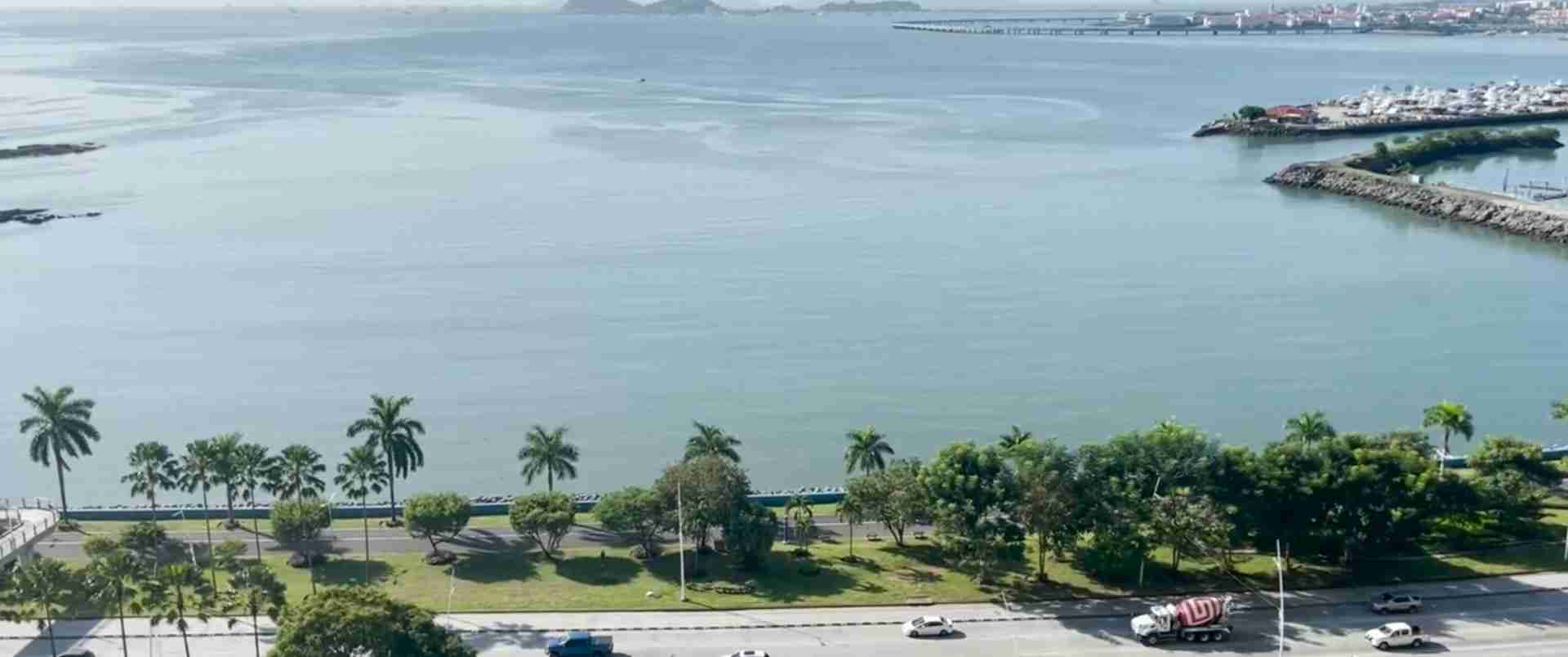
Panama City Travel Guide 2026: Ultimate Planning Resource
Key Takeaways
- Budget Planning 2026: Daily costs range $80-120 budget, $150-220 mid-range, $300+ luxury including accommodation, meals, attractions, and local transport
- Essential Attractions 2026: Panama Canal ($17.22 advance booking), Casco Viejo (free walking, paid museums $5-15), Panama Viejo ruins ($15), Metropolitan Natural Park ($5)
- Transportation Systems 2026: Metro connects key districts ($0.35 per ride), taxis $3-15 short trips, Uber/Cabify reliable with upfront pricing, rental cars unnecessary for city touring
- Accommodation Zones 2026: Casco Viejo ($150-450), financial district ($120-380), El Cangrejo ($80-220), Amador Causeway ($130-320) offer distinct neighborhood experiences
- Optimal Trip Length 2026: 3-4 days cover major highlights, 5-7 days allow day trips and deeper neighborhood exploration, 7+ days permit comprehensive cultural immersion
- Safety Considerations 2026: Downtown core and tourist areas safe during daylight with standard urban precautions; avoid specific neighborhoods (Chorillo, parts of San Miguelito) after dark
Understanding Panama City in 2026
Panama City functions as Central America’s most cosmopolitan capital, combining Spanish colonial heritage, modern high-rise architecture, tropical nature reserves, and the engineering marvel of the Panama Canal within a compact metropolitan area of 1.5 million residents. The city’s strategic position connecting Atlantic and Pacific oceans through the Canal creates an international commercial hub where global shipping, banking, and tourism intersect with authentic Panamanian culture.
The city’s physical layout spans seven distinct districts, each offering different experiences and practical advantages for visitors. Casco Viejo, the UNESCO World Heritage colonial quarter, concentrates historic architecture, boutique hotels, restaurants, and nightlife within walkable cobblestone streets. The modern financial district features gleaming skyscrapers, international hotel chains, and upscale shopping. Residential neighborhoods like El Cangrejo and Bella Vista provide authentic urban experiences away from tourist concentrations. Natural areas including Cerro Ancon and Metropolitan Natural Park protect tropical ecosystems within city limits.
Understanding Panama City’s dual identity—as both historical treasure and modern financial center—helps visitors navigate its sometimes-jarring contrasts. Colonial plazas face contemporary towers, indigenous handicraft markets operate beside luxury malls, and pristine rainforest exists minutes from traffic-congested avenues. This complexity creates a layered destination that rewards both structured sightseeing and spontaneous urban exploration.
Panama’s official currency is the US dollar (called “balboa” locally but identical to USD), eliminating currency exchange concerns for American travelers and providing straightforward pricing transparency for all visitors. Spanish dominates daily communication, though English proficiency in tourism sectors reaches workable levels in hotels, tour operators, and major attractions. Learning basic Spanish phrases significantly enhances market visits, neighborhood exploration, and interactions with local residents.
People Also Ask About Panama City 2026
How much does it cost to visit Panama City in 2026?
Daily budgets for Panama City in 2026 range $80-120 for budget travelers staying in hostels ($25-45 per night), eating at local fondas ($15-25 daily for meals), using public transport ($3-5 daily), and visiting free or low-cost attractions. Mid-range travelers allocating $150-220 daily book comfortable hotels ($80-150 per night), dine at neighborhood restaurants ($40-60 daily), use taxis and ride-sharing ($15-25 daily), and access all major paid attractions ($15-30 daily).
Luxury experiences requiring $300+ daily include boutique hotels in Casco Viejo or five-star financial district properties ($200-450 per night), fine dining at acclaimed restaurants ($80-120 daily), private guided tours ($100-200 per day), and premium experiences like helicopter tours or sunset yacht cruises. These ranges exclude international flights but include all in-country expenses. Check official attraction websites and hotel booking platforms for current 2026 rates as pricing may vary.
Is Panama City safe for tourists in 2026?
Panama City’s tourist areas—Casco Viejo, financial district, Amador Causeway, and major hotel zones—maintain good safety levels during daylight hours with standard urban precautions. The city experiences lower violent crime rates than many Central American capitals, though petty theft (pickpocketing, phone snatching) occurs in crowded areas. Walking main streets and plazas in tourist zones during daytime presents minimal risk, while evening activities should concentrate in well-lit commercial areas.
Specific neighborhoods including Chorillo, El Chorrillo, parts of San Miguelito, and Curundu require avoiding entirely, particularly after dark. Taxis or ride-sharing services provide safe transportation during evening hours rather than walking between neighborhoods after sunset. Standard precautions apply: avoid displaying expensive jewelry or electronics, keep valuables secured in hotel safes, remain aware of surroundings in crowded areas, and decline unsolicited assistance from strangers near ATMs or tourist sites.
What are the must-see attractions in Panama City in 2026?
The Panama Canal represents Panama City’s premier attraction, with Miraflores Locks offering accessible viewing of ship transits through informative visitor centers, observation decks, and educational exhibits. Advance online booking costs $17.22 for adults and secures specific entry times during busy periods. Casco Viejo, the UNESCO World Heritage colonial district, provides several hours of architectural exploration, plaza wandering, and cultural immersion through free walking plus optional paid museum visits ($5-15 per museum).
Panama Viejo ruins document the original city site destroyed in 1671, with extensive archaeological remains and a museum chronicling colonial history ($15 combined admission). Cerro Ancon offers free urban nature experiences with wildlife observation and panoramic city views from accessible hiking trails. The Amador Causeway connects four islands via a scenic recreational pathway perfect for cycling, walking, and sunset viewing while offering marina access and Pacific Ocean perspectives. Check individual attraction websites for current official rates as pricing may vary.
How many days do you need in Panama City in 2026?
Three to four days allow comprehensive coverage of Panama City’s major highlights: Panama Canal viewing (half day), Casco Viejo exploration (full day), Panama Viejo ruins (half day), nature activities at Ancon or Metropolitan Park (half day), and Amador Causeway sunset (evening). Five to seven days enable day trips to Taboga Island, indigenous Embera villages, rainforest destinations, or Pacific coast beaches while maintaining comfortable pacing for urban exploration.
Extended visits of seven or more days suit travelers interested in deeper cultural immersion, neighborhood exploration beyond tourist zones, comprehensive museum coverage, multiple day trips, or using Panama City as a base for regional exploration. The city’s compact core makes efficient use of limited time possible, while extended stays reveal layers of culture and urban complexity that short visits cannot access.
What is the best way to get around Panama City in 2026?
The Metro system provides fast, air-conditioned transportation along two lines connecting major districts: Line 1 runs north-south from Albrook to Los Andes, while Line 2 connects San Miguelito to Nuevo Tocumen. Metro rides cost $0.35 using rechargeable smart cards ($2 card deposit). The system operates 5 AM-11 PM daily with trains every 3-8 minutes during peak hours. Walking works well within individual neighborhoods (Casco Viejo, financial district), while taxis and ride-sharing apps (Uber, Cabify) provide efficient cross-district transport.
Taxis use meters starting at $1.50 base fare plus distance charges, with typical short trips costing $3-8 and longer cross-city journeys running $12-18. Ride-sharing apps offer upfront pricing and eliminate meter concerns, though fares increase during peak hours and weather events. Rental cars prove unnecessary for city touring given traffic congestion, limited parking, and effective public transport options—save rental vehicles for countryside day trips or multi-destination road trips.
Extended multi-day tours – 5+ days
Featured Panama Multi-Day Tour Packages
9 days
9 Days Across Panama: Culture, Mountains & Caribbean Paradise
- ✓ Comprehensive Panama tour
- ✓ Expert local guides included
- ✓ All accommodation arranged
- ✓ Transportation provided

8 days
Highlights of Panama
- ✓ Comprehensive Panama tour
- ✓ Expert local guides included
- ✓ All accommodation arranged
- ✓ Transportation provided
5 days
Panama & San Blas Islands (Guna Yala) – 5 days
- ✓ Comprehensive Panama tour
- ✓ Expert local guides included
- ✓ All accommodation arranged
- ✓ Transportation provided
8 days
Explore Panama and Enjoy Paradise at Playa Bonita
- ✓ Comprehensive Panama tour
- ✓ Expert local guides included
- ✓ All accommodation arranged
- ✓ Transportation provided
Multi-day tour packages powered by TourRadar. Prices and availability subject to change.
Essential Planning Information for 2026
Entry Requirements and Documentation for 2026
United States, Canadian, United Kingdom, European Union, and Australian citizens receive 180-day tourist visas upon arrival at Panama City’s Tocumen International Airport, requiring only valid passports (minimum 3 months validity beyond departure date). No advance visa applications or tourist cards are necessary for these nationalities. Immigration officers occasionally request proof of onward travel (return flight ticket) and financial means (credit card or cash), though routine checks remain inconsistent.
Travelers from other nationalities should verify specific entry requirements through Panamanian embassy websites or official government immigration portals, as visa policies vary by country of origin. Tourist visa extensions beyond 180 days require applications through Panamanian immigration offices with documentation demonstrating financial sustainability and legitimate reasons for extended stays.
Currency and Money Management in 2026
Panama uses the US dollar as official currency (locally called “balboa” for historical reasons but identical to USD), eliminating exchange concerns for American travelers and providing straightforward pricing for all visitors. ATMs throughout Panama City dispense US dollars with withdrawal limits typically $400-500 per transaction. Bank networks include BAC, Banco General, and Global Bank, all accepting major international debit and credit cards (Visa, Mastercard, American Express).
Credit cards receive wide acceptance at hotels, restaurants, tour operators, and major retailers, though small fondas, market vendors, and local buses require cash. Carry denominations of $20 or smaller, as vendors frequently lack change for $50-100 bills. ATM fees range $3-5 per withdrawal, with your home bank potentially charging additional international transaction fees. Notify banks before travel to prevent fraud blocks on foreign transactions.
Language and Communication in 2026
Spanish dominates daily communication throughout Panama City, with English proficiency varying significantly by context. Hotels, tour operators, and establishments in Casco Viejo and financial district maintain English-speaking staff, while neighborhood restaurants, markets, and local services operate primarily in Spanish. Learning basic Spanish phrases—greetings, numbers, food terminology, directional questions—substantially improves experiences in non-tourist contexts and demonstrates cultural respect.
Translation apps like Google Translate provide functional assistance for reading menus, signs, and basic communication when Spanish knowledge proves insufficient. Free WiFi availability at hotels, cafés, and restaurants allows app access throughout the city. Consider downloading offline Spanish dictionaries or translation databases before arrival to maintain functionality without constant internet connectivity.
Mobile Connectivity and Internet Access in 2026
Panama City provides extensive 4G/LTE coverage through major carriers including Cable & Wireless, Claro, and Digicel. Tourists can purchase prepaid SIM cards at Tocumen Airport immediately upon arrival ($5-10 for SIM card, $15-30 for data packages providing 5-10GB). Airport kiosks and carrier stores in shopping malls offer SIM card sales and activation, requiring passport presentation for registration.
Free WiFi operates at most hotels, many restaurants and cafés, shopping malls, and some public spaces. Connection quality varies from excellent (major hotels, upscale restaurants) to marginal (budget accommodations, neighborhood eateries). Travelers requiring consistent connectivity for work or navigation should invest in prepaid data SIM cards rather than relying exclusively on WiFi availability.
Accommodation Strategies for 2026
Casco Viejo: Historic Atmosphere and Nightlife Access
Casco Viejo concentrates Panama City’s most atmospheric accommodation options within restored colonial buildings featuring original architectural details, rooftop terraces, and proximity to restaurants, bars, and cultural sites. Boutique hotels occupy 18th-19th century structures with rates ranging $150-300 mid-range to $300-450 luxury properties offering 8-15 rooms with personalized service. Budget options remain limited in Casco Viejo, with hostels pricing $35-60 for dorm beds in colonial buildings.
The neighborhood’s advantages include walkable access to major colonial attractions, evening dining and entertainment within steps, and atmospheric surroundings that immerse guests in historical context. Disadvantages encompass premium pricing compared to other districts, potential noise from nightlife venues (request rooms on upper floors or interior courtyards), and limited accommodation inventory requiring advance bookings during peak season.
Financial District: Modern Comfort and Corporate Services
The financial district (including Punta Pacifica, Marbella, and Bella Vista towers) hosts international hotel chains (Marriott, Hilton, InterContinental, Waldorf Astoria) offering familiar standards, business services, pools, fitness centers, and executive lounges. Rates range $120-220 mid-range chains to $280-450 five-star properties, with weekend promotions sometimes reducing Friday-Sunday rates 15-25% below weekday pricing.
These hotels provide consistent quality, English-speaking staff, American-style breakfasts, and proximity to upscale shopping and dining. Trade-offs include generic international atmosphere lacking local character, distance from colonial attractions requiring taxis or metro rides, and orientation toward business travelers rather than cultural tourists. The district suits travelers prioritizing comfort, amenities, and professional service over neighborhood authenticity.
El Cangrejo and Bella Vista: Neighborhood Character and Value
El Cangrejo and Bella Vista residential neighborhoods offer mid-range hotels ($80-150), guesthouses ($60-100), and apartment rentals providing authentic urban experiences at moderate costs. These areas position guests among Panamanian daily life—neighborhood markets, local restaurants, residential parks—while maintaining metro and taxi access to major attractions. Accommodation styles range from small family-run hotels to apartment-style extended stay properties.
The neighborhoods deliver excellent value for budget-conscious travelers willing to sacrifice beachfront or historic locations for lower costs and genuine urban immersion. English proficiency drops compared to tourist districts, requiring basic Spanish for optimal experiences. The areas provide safer environments than budget options in less-stable neighborhoods while maintaining significant cost advantages compared to Casco Viejo or financial district hotels.
Amador Causeway: Waterfront Recreation and Peaceful Retreat
The Amador Causeway area offers waterfront hotels and resorts ($130-320) emphasizing recreational facilities, marina access, and Pacific Ocean views. Properties cater to cruise ship passengers, families, and travelers prioritizing resort atmospheres over urban immersion. The location provides peaceful retreats from downtown intensity while maintaining taxi or short drive access (15-25 minutes) to Casco Viejo and financial district.
Causeway accommodations suit visitors seeking self-contained resort experiences, families with children appreciating recreational facilities and safe cycling/walking paths, and travelers using Panama City as a base for beach day trips. The area’s distance from downtown cultural attractions and limited dining diversity outside hotel restaurants represent trade-offs for waterfront locations and recreational amenities.
Transportation Guide for 2026
Airport Transfer Options to Panama City in 2026
Tocumen International Airport sits 24 kilometers (15 miles) east of downtown Panama City, with multiple transfer options serving arriving visitors. Official airport taxis charge fixed rates $30-40 to downtown hotels (Casco Viejo, financial district), payable at designated taxi counters inside the terminal. Ride-sharing apps (Uber, Cabify) operate from designated pickup zones outside arrivals, pricing $20-30 for identical routes with upfront fare certainty.
Hotel shuttles serve major properties in the financial district and Amador Causeway, typically costing $25-35 per vehicle (accommodating 1-4 passengers) with advance reservation through hotel concierges. Shared shuttle services connect the airport to popular hotel zones at $12-18 per person, though they require waiting for full vehicle capacity and make multiple hotel stops. Metro Line 2 extension to the airport is scheduled for completion in late 2025/early 2026, potentially providing $0.35 public transit access, though exact operational status should be verified closer to travel dates.
Metro System Navigation in 2026
Panama City Metro operates two lines serving key districts with modern, air-conditioned trains running 5 AM-11 PM daily. Line 1 connects Albrook bus terminal (north) through downtown and financial district to Los Andes (south), with Cinco de Mayo station providing closest access to Casco Viejo (10-minute walk). Line 2 runs west-east from San Miguelito through downtown, connecting to Line 1 at San Miguelito station for transfers.
Metro fares cost $0.35 per ride regardless of distance, paid via rechargeable smart cards ($2 deposit, sold at station kiosks). The cards function across both lines and buses using the same transit system. Trains arrive every 3-8 minutes during peak hours (6-9 AM, 4-7 PM weekdays) and 10-15 minutes during off-peak periods. Station signage appears in Spanish, though system maps use universal symbols and color coding facilitating navigation for non-Spanish speakers.
Taxi and Ride-Sharing Services in 2026
Official taxis display yellow paint, numerical roof identifiers, and functional meters starting at $1.50 base fare. Short trips within the same district (Casco Viejo to financial district, downtown to Amador Causeway) cost $5-12, while longer journeys across the city run $15-25. Meters calculate fares based on distance and time, with small surcharges for airport pickups, late-night service (10 PM-5 AM), and holidays.
Uber and Cabify operate throughout Panama City with generally lower costs than metered taxis and upfront pricing eliminating meter concerns. The apps provide English interfaces, cashless payment, driver ratings, and trip tracking. Surge pricing applies during peak hours (weekday mornings and evenings), weather events (heavy rainstorms), and special events (Carnival, major concerts). Base fares start around $2-3 with per-kilometer charges creating $4-8 costs for short trips and $10-18 for cross-city journeys under normal conditions.
Walking and Cycling in 2026
Walking works well within individual neighborhoods—Casco Viejo’s compact colonial core, the financial district’s skyscraper zone, and specific residential areas like El Cangrejo. However, Panama City’s layout discourages walking between distant districts due to long distances, limited sidewalk infrastructure in transitional zones, and intense heat/humidity making extended outdoor walking uncomfortable. Plan walking activities for early morning (7-10 AM) or late afternoon (5-7 PM) to avoid midday heat.
The Amador Causeway provides Panama City’s premier cycling venue with dedicated bike paths connecting four islands over 3 kilometers. Multiple rental outlets along the causeway offer bicycle rentals $5-10 per hour or $15-25 for half-day periods. Casco Viejo’s cobblestone streets and compact size make cycling impractical, while downtown’s heavy traffic and limited bike infrastructure create unsafe conditions for recreational cycling. Restrict cycling to designated recreational paths rather than attempting to use bicycles as general transportation.
Must-See Attractions and Activities for 2026
Panama Canal: Miraflores and Agua Clara Locks
The Panama Canal represents the world’s most significant artificial waterway, with viewing experiences available at both Pacific-side Miraflores Locks (closest to Panama City) and Atlantic-side Agua Clara Locks. Miraflores Visitor Center offers multi-level observation decks, an IMAX theater documenting canal history, interactive exhibits explaining lock operations, and restaurants overlooking ship transits. Advance online booking costs $17.22 for adults and includes all exhibits and observation areas.
Optimal viewing occurs 8 AM-12 PM when ship traffic peaks with 3-5 transits visible during 3-4 hour visits. The “New Panamax” expanded locks accommodate massive container ships, while original locks continue handling smaller vessels. Guided tours providing deeper technical explanations cost additional $10-15, though self-guided visits with exhibit interpretation serve most visitors adequately. Agua Clara Locks on the Atlantic side offer comparable viewing with fewer crowds, requiring 90-minute drives from Panama City (consider this option for visitors with rental vehicles or private tours).
Casco Viejo: UNESCO World Heritage Colonial District
Casco Viejo concentrates Panama’s colonial architectural heritage within a compact peninsula of cobblestone streets, restored buildings, and atmospheric plazas. The neighborhood rewards several hours of wandering: Plaza de la Independencia (main square with cathedral), Plaza Bolivar (historic meeting site), Las Bóvedas (converted dungeon arches housing restaurants and shops), and the seawall promenade offering sunset views. Entry to the neighborhood itself is free, with specific museums and church access requiring admission fees.
Key paid attractions include Museo del Canal Interoceánico ($5 adults, documenting canal construction), Museo de Historia de Panamá ($3 adults, covering independence and political history), and the Metropolitan Cathedral (suggested donation $2 for tower access). Free activities include architectural photography, plaza observation, street art discovery, and exploring the neighborhood’s ongoing restoration transforming abandoned buildings into boutique hotels and cultural venues. Allocate 4-6 hours for comprehensive Casco Viejo exploration including museum visits and meal breaks.
Panama Viejo: Archaeological Ruins and Historical Site
Panama Viejo preserves extensive ruins of the original Panama City, founded 1519 and destroyed by pirate Henry Morgan in 1671. The archaeological park ($15 combined admission for ruins and museum) sprawls across coastal terrain mixing well-preserved stone structures, overgrown foundations, and modern residential development. The cathedral tower stands as the most prominent intact structure, with climbing access providing views across the site and modern city skyline.
The visitor center museum contextualizes the ruins through artifacts, historical exhibits, and interpretive displays documenting colonial life, commercial importance, and the city’s violent destruction. Plan 2-3 hours for combined museum and ruins exploration, with early morning or late afternoon timing avoiding intense midday heat on exposed archaeological terrain. The site’s distance from central Panama City (6 kilometers east of financial district) requires taxi or ride-sharing transport ($8-12 one way from downtown hotels).
Cerro Ancon: Urban Nature Reserve and Panoramic Viewpoint
Cerro Ancon rises 199 meters above sea level within Panama City boundaries, protecting tropical dry forest habitat accessible via paved road and dirt trails. The reserve supports sloths, coatis, iguanas, toucans, parrots, and over 200 bird species, creating exceptional urban wildlife viewing opportunities. The summit’s giant Panamanian flag provides a landmark visible throughout the city, while viewpoints encompass the entire metropolitan area, Panama Canal, and Pacific Ocean.
Access remains free with no entrance fees or formal operating hours, though optimal visiting occurs early morning (6-9 AM) when wildlife activity peaks and temperatures remain moderate. The main paved road accommodates joggers and cyclists, while secondary trails offer more intimate forest experiences. Plan 2-3 hours for ascent, summit time, and descent, bringing sun protection, water, and binoculars for wildlife observation. Taxis reach the trailhead ($5-8 from downtown), with some drivers willing to wait or arrange pickup times for return transport.
Metropolitan Natural Park: Rainforest Within City Limits
Metropolitan Natural Park protects 265 hectares of tropical semi-deciduous forest within Panama City, offering developed trail systems, visitor centers, and educational programming. The park entrance ($5 adults) provides access to multiple hiking routes ranging from easy 30-minute nature walks to challenging 2-hour summit hikes reaching Cerro Cedro viewpoint (150 meters elevation). Trail conditions vary from well-maintained gravel paths to rustic dirt tracks requiring proper footwear.
Wildlife viewing possibilities include monkeys, sloths, agoutis, diverse bird species, and reptiles, with early morning hours (6:30-9 AM) offering optimal animal activity. The park’s educational center offers exhibits on tropical ecology, Panama’s biodiversity, and conservation challenges. Guided nature tours ($25-35 per person) provide expert interpretation of forest ecology and wildlife identification assistance. The park entrance sits approximately 3 kilometers north of downtown, accessible via taxi ($6-10 from central hotels) or combination metro/taxi routing.
Cultural Experiences and Local Immersion in 2026
Market Visits: Mercado de Mariscos and Beyond
Mercado de Mariscos (Seafood Market) functions as Panama City’s most accessible authentic market experience, combining ground-floor wholesale fish sales with second-floor restaurants serving fresh ceviche and seafood preparations. The market operates daily 6 AM-6 PM with peak activity 7-11 AM when fishing boats deliver catches and wholesale buyers negotiate purchases. Upstairs restaurants prepare ceviche tableside ($8-15 per portion) using corvina, octopus, shrimp, or mixed seafood according to customer preferences.
Mercado Público de Abastos, Panama City’s main produce market, offers deeper immersion into local food culture with wholesale quantities of tropical fruits, vegetables, herbs, and prepared foods. The market serves primarily Panamanian customers rather than tourists, creating authentic commercial environments where Spanish communication becomes essential. Morning visits (7-10 AM) capture peak activity before afternoon heat intensifies and vendor energy diminishes.
Neighborhood Exploration: Beyond Tourist Districts
El Cangrejo and Bella Vista residential neighborhoods provide windows into daily Panamanian urban life away from tourist infrastructure. Walking these districts reveals local restaurants serving traditional cuisine ($6-12 per meal), neighborhood parks hosting pickup basketball games and family gatherings, and commercial streets lined with small businesses catering to local residents. The neighborhoods’ safety during daylight hours makes independent exploration viable for cautious travelers.
San Felipe, adjacent to Casco Viejo, transitions from working-class residential area to emerging arts district with independent galleries, artist studios, and cultural centers. The neighborhood’s ongoing evolution creates opportunities to observe urban change processes and engage with Panama City’s contemporary art scene beyond commercial galleries. Evening visits coincide with gallery openings and cultural events, though standard safety precautions apply for after-dark neighborhood walking.
Culinary Experiences: From Street Food to Fine Dining
Panama City’s food scene spans street vendors selling traditional breakfast items (hojaldras, empanadas, tortillas) for $1-3, neighborhood fondas serving daily lunch specials ($6-10 including rice, protein, plantains, salad), and upscale restaurants in Casco Viejo offering creative contemporary cuisine ($25-45 per entrée). Sancocho (chicken soup), ropa vieja (shredded beef), corvina (sea bass preparations), and arroz con pollo represent traditional Panamanian dishes found throughout the city.
Ceviche culture dominates Panama’s seafood consumption, with preparation styles varying by region and chef. Fresh corvina ceviche marinated in lime juice with red onion, cilantro, and aji chombo peppers represents the national standard. Street ceviche carts charge $5-8 per portion, market restaurants $8-12, while upscale interpretations in Casco Viejo restaurants range $15-25. Accompany ceviche with chilled beer or fresh fruit chichas (passion fruit, tamarind, soursop drinks) for authentic Panamanian combinations.
Day Trip Opportunities from Panama City in 2026
Taboga Island: Pacific Beach Escape
Taboga Island sits 20 kilometers offshore in the Gulf of Panama, accessible via 45-minute ferry rides from Amador Causeway. Ferries depart 8:30-9:30 AM depending on season and return mid-to-late afternoon, allowing full beach days with swimming, snorkeling, and island village exploration. Round-trip ferry tickets cost $20 adults, with advance online booking recommended during peak season weekends.
The island offers several beaches varying from developed areas with restaurant access to secluded coves requiring short hikes. The village preserves traditional Panamanian coastal architecture and culture, with small restaurants serving fresh seafood and local specialties. Day visitors should bring sun protection, reef-safe sunscreen, and snorkeling equipment (rental available on-island $10-15). The island’s proximity makes it ideal for travelers seeking beach experiences without overnight commitments or long-distance travel.
Embera Indigenous Village Visits
Several Embera indigenous communities along the Chagres River offer cultural tourism experiences combining river travel, traditional village visits, cultural demonstrations, and handicraft opportunities. Full-day organized tours ($110-140 per person) include round-trip transportation from Panama City hotels, motorized canoe river travel, village access fees, traditional lunch, and cultural performances featuring music, dance, and craft demonstrations.
These experiences provide insights into Embera traditional culture, though visitors should recognize the semi-staged nature of tourism-oriented village programs. The communities benefit economically from tourism while maintaining connections to traditional practices, creating complex cultural dynamics that thoughtful visitors should acknowledge. Photography is permitted with respect for individual privacy requests, and handicraft purchases directly support village economies.
Soberania National Park: Rainforest Ecosystems
Soberania National Park protects 22,000 hectares of tropical rainforest northwest of Panama City, with the famous Pipeline Road offering world-class birdwatching and wildlife observation. The park entrance sits approximately 40 kilometers from downtown, requiring rental vehicles ($45-65 daily) or organized tours ($85-120 per person including transportation, guide, and park fees).
Pipeline Road’s 17-kilometer unpaved route through mature rainforest hosts over 400 bird species and diverse mammals including monkeys, sloths, coatis, and agoutis. Early morning starts (departing Panama City 5:30-6 AM) position visitors at the pipeline road entrance by sunrise when wildlife activity peaks. Self-guided visits remain possible for visitors with rental cars and field guide knowledge, though guided tours provide expert species identification and ecological interpretation enhancing rainforest experiences.
Budget Planning and Cost Management for 2026
Sample Budget Breakdown: 5-Day Mid-Range Trip
This budget illustrates comprehensive costs for a mid-range 5-day Panama City visit in 2026:
Accommodation (5 nights): Mid-range hotel in El Cangrejo $110 per night × 5 = $550 total
Meals:
- Breakfast: Hotel continental breakfast or local café $8-12 daily = $40-60 total
- Lunch: Neighborhood restaurants or markets $12-18 daily = $60-90 total
- Dinner: Mix of fondas and mid-range restaurants $20-30 daily = $100-150 total
- Snacks and drinks: $10-15 daily = $50-75 total
- Total meals: $250-375
Transportation:
- Airport transfers (round-trip Uber): $50 total
- Daily metro, taxis, ride-sharing: $15-25 daily = $75-125 total
- Total transportation: $125-175
Attractions and Activities:
- Panama Canal Miraflores: $17
- Casco Viejo museums (3 museums): $13
- Panama Viejo: $15
- Metropolitan Natural Park: $5
- Taboga Island ferry: $20
- Guided city tour: $45
- Total attractions: $115
Grand Total 5-Day Budget: $1,040-1,215 per person
Money-Saving Strategies for 2026
Book accommodations during rainy season (May-October) for 40-60% discounts compared to peak dry season rates, accepting afternoon thunderstorms in exchange for substantial savings. Stay in El Cangrejo or Bella Vista neighborhoods rather than premium Casco Viejo or financial district locations, saving $50-100 nightly while maintaining metro access to major attractions. Eat lunch at local fondas and markets ($6-10) rather than tourist-oriented restaurants ($15-25), reserving restaurant budgets for selective dinner experiences.
Use metro and public buses ($0.35 per ride) for main transportation rather than constant taxi/ride-sharing usage, saving $10-20 daily in transport costs. Visit free attractions (Casco Viejo walking, Ancon Hill, Amador Causeway) and allocate paid admission budgets selectively for highest-priority sites. Book tours and activities directly through operator websites rather than hotel concierges, eliminating commission markups of 20-30%.
Safety and Health Considerations for 2026
Health Precautions and Medical Facilities
Panama City maintains modern medical infrastructure with international-standard hospitals including Hospital Punta Pacifica (affiliated with Johns Hopkins), Hospital Nacional, and Centro Médico Paitilla. These facilities provide emergency services, specialist care, and English-speaking medical staff accustomed to treating international patients. Medical costs remain substantially lower than U.S. rates, though comprehensive travel insurance with medical coverage and emergency evacuation remains advisable.
No specific vaccinations are required for Panama City visits, though routine immunizations (tetanus, hepatitis A/B) should be current. Yellow fever vaccination requirements apply only for travelers arriving from endemic countries or planning to visit Panama’s Darien province. Dengue fever and Zika virus transmission occur in Panama, making insect repellent (DEET-based) and protective clothing prudent precautions. Tap water in Panama City hotels and restaurants meets potable standards, though some travelers prefer bottled water for additional caution.
Safety Protocols and Crime Awareness
Petty theft represents the primary security concern for Panama City visitors, with pickpocketing and phone snatching occurring in crowded areas including markets, busy plazas, and public transportation. Use front pockets or concealed money belts for valuables, avoid displaying expensive electronics unnecessarily, and maintain awareness in crowded environments. Evening activities should concentrate in well-lit commercial areas with other people present rather than isolated streets or parks.
Specific neighborhoods including Chorillo, parts of San Miguelito, Curundu, and Santa Ana (outside the main commercial zone) present elevated safety risks and should be avoided entirely, particularly after dark. Consult hotel staff about specific areas before independent neighborhood exploration. Use official taxis or ride-sharing apps rather than unmarked vehicles, particularly for evening transportation. Hotel safes should secure passports, extra cash, and valuable electronics not needed during daily activities.
Practical Tips for 2026 Travelers
Electrical Systems and Connectivity
Panama uses Type A and B electrical outlets (same as United States and Canada) with 110V standard voltage. North American travelers require no adapters, while European, UK, and Australian visitors need plug adapters and should verify that electronic devices accept 110V before connecting (most modern electronics including phone chargers and laptop power supplies are dual-voltage compatible).
Tipping Customs and Service Expectations
Restaurant service charges of 10% often appear automatically on bills, with additional tipping (5-10% of bill total) customary for good service but not obligatory. Taxi drivers do not expect tips unless providing exceptional service (luggage assistance, waiting time), while ride-sharing apps include gratuity in upfront pricing. Hotel porter service warrants $1-2 per bag, housekeeping $2-3 per night, and tour guides $5-10 per person for quality service.
Shopping and Souvenirs
Mola textiles created by Guna indigenous artisans represent Panama’s most distinctive handicrafts, with authentic pieces ranging $20-100 depending on size and complexity. Verify authenticity through purchase from reputable galleries or direct from indigenous vendors rather than mass-market tourist shops selling imported imitations. Panama hats (despite the name) actually originate in Ecuador, though quality examples are available in Panama City shops. Coffee from Panama’s highlands makes an excellent lightweight souvenir, with specialty roasters in Casco Viejo and shopping malls offering vacuum-sealed packages suitable for international transport.
FAQ: Panama City Complete Guide 2026
Do I need to speak Spanish to visit Panama City in 2026?
English proficiency in Panama City’s tourism sector allows basic navigation without Spanish fluency, particularly in hotels, major tour operators, and Casco Viejo establishments. However, Spanish knowledge significantly enhances experiences in markets, neighborhood restaurants, public transportation, and interactions with local residents outside tourist zones. Learning basic phrases (greetings, numbers, common questions, food terminology) demonstrates cultural respect and facilitates practical situations like ordering food, asking directions, or negotiating taxi fares. Translation apps provide functional assistance when Spanish knowledge proves insufficient, though spotty WiFi access in some areas limits their reliability.
What should I pack for Panama City in 2026?
Pack lightweight, breathable clothing suitable for hot, humid conditions (86-91°F/30-33°C daily highs, 75-85% humidity). Quick-dry fabrics work better than cotton, which retains moisture in humid environments. Bring comfortable walking shoes with good support for cobblestone streets and uneven terrain, plus sandals for casual dining and beach activities. Sun protection essentials include SPF 50+ sunscreen, wide-brimmed hat, and UV-protective sunglasses. Rainy season visitors (May-November) need compact travel umbrella and quick-dry clothing for afternoon thunderstorms. Both seasons require light jacket or sweater for heavily air-conditioned indoor spaces (restaurants, museums, malls). Insect repellent (DEET-based) helps prevent mosquito bites, while basic first-aid supplies and prescription medications should be packed in original containers.
Is Panama City expensive compared to other Central American capitals in 2026?
Panama City costs 20-40% more than Guatemala City, San Salvador, or Managua, reflecting its status as a regional financial center and relatively developed tourism infrastructure. Accommodation, dining, and tour prices align more closely with Costa Rica (similar or slightly lower) than budget-friendly Central American destinations. However, strategic choices—staying in residential neighborhoods, eating at local fondas, using public transport—can reduce costs substantially. Luxury travelers find Panama City offers exceptional value compared to U.S. or European cities, with high-end hotels and fine dining providing quality at 40-60% lower costs. The U.S. dollar currency eliminates exchange rate uncertainties that can affect budgeting in other regional destinations.
Can I use credit cards everywhere in Panama City in 2026?
Major credit cards (Visa, Mastercard, American Express) receive wide acceptance at hotels, established restaurants, tour operators, shopping malls, and chain stores. However, small fondas, market vendors, street food sellers, local buses, and neighborhood shops operate primarily in cash. Carry $50-100 daily cash (smaller denominations of $20 or less) for situations where cards aren’t accepted or minimum purchase requirements apply. ATMs throughout the city provide easy cash access, though withdrawal fees ($3-5 per transaction) plus potential foreign transaction fees from home banks make periodic larger withdrawals more economical than frequent small withdrawals.
How does Panama City compare to other major Latin American cities for first-time visitors in 2026?
Panama City offers more compact geography than sprawling metropolises like Mexico City or São Paulo, making comprehensive exploration possible in 3-5 days. The city’s relatively recent development (primarily post-1950) means less colonial architecture than Cartagena, Cusco, or Antigua, but the well-preserved Casco Viejo and Panama Canal provide unique historical/engineering attractions unavailable elsewhere. English usage exceeds most Latin American capitals except certain Caribbean destinations, while safety levels surpass some regional cities. The combination of modern infrastructure, significant natural areas within city limits, and cultural diversity creates a distinct urban experience balancing contemporary development with historical preservation.
What are the best neighborhoods for first-time visitors to base themselves in 2026?
Casco Viejo suits travelers prioritizing historical atmosphere, walkable access to colonial attractions, and vibrant dining/nightlife scenes, accepting premium pricing ($150-450 nightly) and potential noise from evening entertainment. The financial district appeals to visitors seeking modern comforts, international hotel brands, and business amenities at moderate costs ($120-280), though the area lacks neighborhood character. El Cangrejo/Bella Vista residential neighborhoods deliver best value ($80-180) with authentic urban experiences while maintaining metro and taxi access to major attractions—ideal for budget-conscious travelers comfortable navigating Spanish-dominant environments. First-timers unsure of preferences might split stays between Casco Viejo (2-3 nights for immersion in colonial atmosphere) and El Cangrejo (2-3 nights for neighborhood exploration and cost savings).
Is Panama City suitable for solo travelers in 2026?
Panama City accommodates solo travelers effectively through extensive hostel infrastructure providing social environments, walking tour companies offering group experiences, and generally safe tourist districts allowing independent exploration during daylight hours. Solo women travelers report positive experiences following standard urban precautions (avoiding isolated areas after dark, using registered taxis/ride-sharing, maintaining awareness in crowded areas). The city’s compact core facilitates solo navigation without requiring rental vehicles or complex transportation. English-speaking tour guides and hotel staff assist with planning and logistics, while the growing digital nomad community creates opportunities for social connections through coworking spaces and international meetup groups.
What major events or festivals should I plan around in Panama City in 2026?
Panama Jazz Festival (mid-January) attracts international musicians and music enthusiasts, requiring advance hotel bookings but offering world-class performances with peak dry season weather. Carnival (late February/early March, dates vary with Easter calendar) provides Panama’s most significant cultural celebration through four days of parades and festivities, though hotel sellouts and 2-3x premium pricing create logistical challenges. Independence celebrations throughout November feature patriotic events and cultural programming at moderate costs and improving weather patterns. These major events create both opportunities for enhanced cultural experiences and challenges including elevated costs and reduced availability—decide whether to specifically target or deliberately avoid based on priorities.
How difficult is it to take day trips from Panama City to other destinations in 2026?
Panama City serves as an effective base for diverse day trips to beaches (Taboga Island 45-minute ferry, Pacific coast beaches 1.5-2 hours drive), rainforest destinations (Soberania National Park 40 minutes, Gamboa 1 hour), indigenous villages (Embera communities 90 minutes including river travel), and mountain towns (El Valle de Anton 2 hours). Organized tours ranging $85-140 per person handle transportation, guides, and admission fees while eliminating logistical planning. Independent travelers with rental vehicles can access these destinations for $45-65 daily vehicle costs plus fuel, though organized tours often provide superior value when factoring in guide expertise and admission coordination. Most day trips depart early morning (7-8 AM) and return late afternoon (4-6 PM), allowing full-day experiences while returning to Panama City accommodation.
What’s the WiFi and mobile connectivity situation in Panama City in 2026?
Major hotels, restaurants, cafés, and shopping malls provide free WiFi with connection quality ranging from excellent (upscale establishments) to marginal (budget accommodations). Mobile 4G/LTE coverage operates throughout Panama City via carriers including Cable & Wireless, Claro, and Digicel. Tourists can purchase prepaid SIM cards at Tocumen Airport ($5-10 card, $15-30 data packages providing 5-10GB) for reliable connectivity independent of WiFi availability. Data-intensive activities (video calling, streaming, large file transfers) work best on hotel WiFi or purchased data packages rather than relying on café connections. Panama’s extensive connectivity infrastructure supports digital nomads and remote workers requiring consistent internet access for professional purposes.