Panama City Photography Guide: Mastering Iconic & Hidden Perspectives
Key Takeaways
- Panama City presents photographers with extraordinary visual diversity concentrated in a compact geographic area: futuristic skylines rivaling Miami, UNESCO colonial architecture in Casco Viejo, Panama Canal engineering marvels, and tropical natural settings—all accessible within 30-minute travel distances
- The city’s equatorial position creates consistent 12-hour daylight cycles year-round with sunrise around 6 AM and sunset around 6:15 PM, enabling reliable golden hour planning and eliminating the seasonal light variation photographers face in temperate latitudes
- Optimal photography conditions occur during December-April dry season when clear skies guarantee dramatic sunsets and crisp skyline shots, while May-November rainy season delivers spectacular storm clouds, atmospheric moisture creating depth, and lush green landscapes compensating for afternoon weather unpredictability
- Essential gear includes wide-angle lenses (16-35mm) for architectural photography and skyline compositions, telephoto zooms (70-200mm) for Panama Canal ship details and compressed urban perspectives, sturdy tripods for low-light shots, and weather protection for sudden tropical downpours
- Legal and cultural considerations require respecting indigenous peoples’ photography restrictions in certain areas, exercising caution when photographing children or individuals without permission, and understanding that security-sensitive locations including some government buildings and certain Canal infrastructure prohibit photography
- Technical challenges unique to Panama City include extreme dynamic range between bright tropical sky and shadowed colonial streets requiring graduated ND filters or HDR techniques, high humidity potentially fogging lenses during temperature transitions, and intense midday sun creating harsh shadows necessitating early morning or late afternoon shooting
Understanding Panama City’s Photographic Character
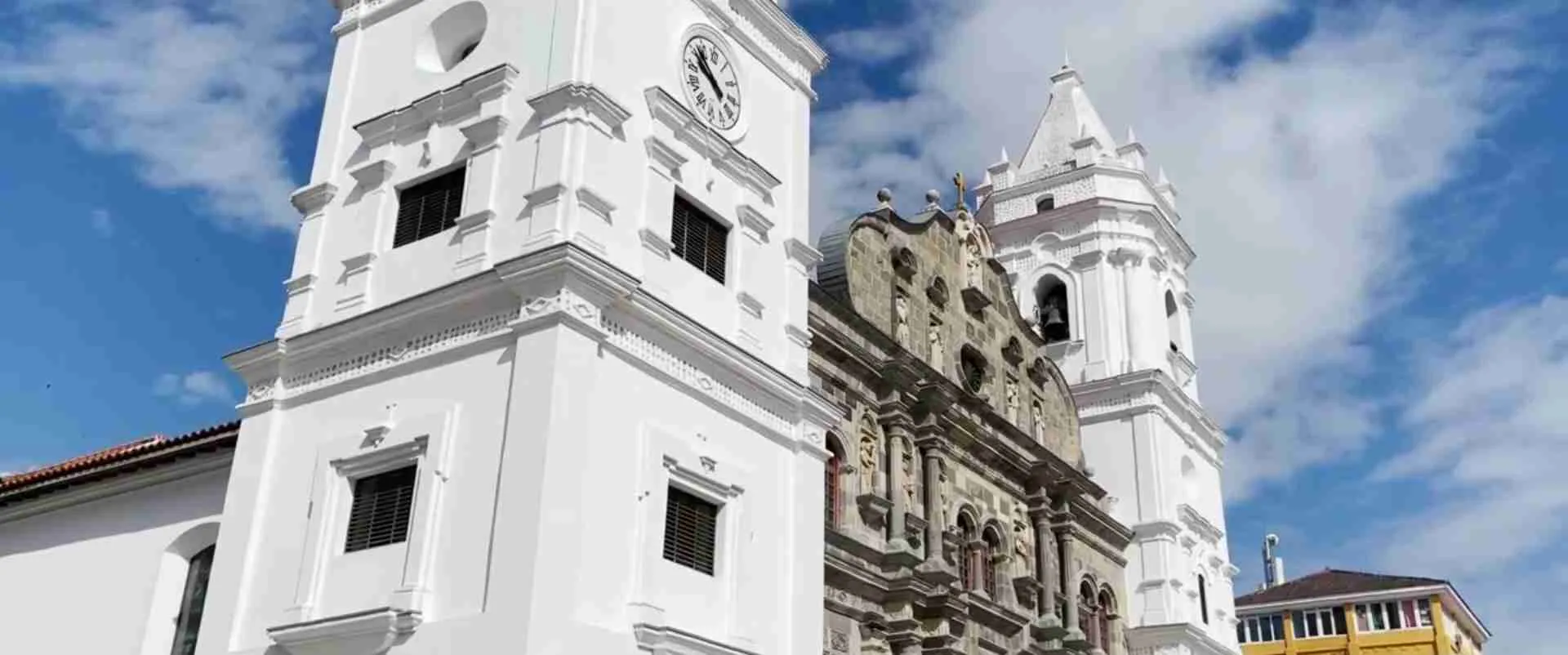
Panama City delivers visual contradictions that create compelling photographic narratives. The UNESCO-protected Casco Viejo district preserves Spanish colonial architecture from the 17th century—weathered pastel facades, ornate balconies, cobblestone streets, and baroque churches—while just three kilometers across the bay, Panama’s modern financial district rises with glass towers reaching 80+ stories, creating skylines that rival any global metropolis. This juxtaposition of colonial heritage and contemporary development within a single frame constitutes Panama City’s signature visual identity.
The Panama Canal adds an engineering dimension absent from most urban photography destinations. Massive cargo vessels navigating century-old lock systems, colossal steel gates controlling millions of gallons of water, and the infrastructure connecting two oceans create industrial-scale compositions that demonstrate human engineering achievement. The Canal’s photographic appeal extends beyond simple documentation to include dramatic scale comparisons, detailed mechanical studies, and environmental context showing how engineering integrates with tropical landscapes.
Natural elements enhance rather than compete with urban subjects. Metropolitan Natural Park brings genuine rainforest within city limits, where photographers capture sloths, toucans, and tropical vegetation with urban skylines visible through gaps in the canopy. The Panama Bay coastline provides waterfront perspectives, tidal variations affecting compositions, and atmospheric conditions including humidity, clouds, and tropical light quality distinctly different from temperate-zone cities.
Cultural vibrancy manifests through street life, markets, traditional crafts, contemporary art installations, and diverse populations representing indigenous groups, Afro-Caribbean communities, and international residents. This human element transforms architectural and landscape photography into cultural documentation, though photographers must navigate permission protocols and respect privacy boundaries while capturing authentic moments.
People Also Ask About Panama City Photography
What makes Panama City architecturally significant for photography?
Panama City’s architectural photography value derives from extreme stylistic diversity compressed into minimal geographic area. Casco Viejo represents authentic Spanish colonial urbanism—the complete neighborhood layout survives intact rather than merely isolated buildings, providing contextual architectural photography impossible in cities where modern development destroyed colonial street patterns. The district includes baroque churches with ornate facades, neoclassical government buildings with columned porticos, art nouveau residential architecture featuring decorative ironwork, and contemporary restoration projects demonstrating architectural conservation techniques.
The modern financial district’s architecture showcases cutting-edge engineering and design from globally recognized firms. The Twist Tower’s helical form created by rotating each floor 1.5 degrees, Ocean Two’s twin towers connected by elevated sky bridges, Revolution Tower’s asymmetric design, and F&F Tower’s organic curves demonstrate architectural innovation. These structures photograph exceptionally well due to thoughtful facade designs, dramatic vertical lines, and geometric complexity creating visual interest from multiple perspectives.
French colonial remnants including the Panama Canal administration buildings blend European and tropical design—wide verandas managing heat, high ceilings promoting air circulation, and decorative elements reflecting Belle Époque aesthetics. The canal infrastructure itself constitutes industrial architecture: massive lock chambers with Art Deco control houses, steel gates demonstrating engineering aesthetics, and mule locomotives representing early 20th-century mechanical design.
When is the best light for Panama City skyline photography?
Early morning light between 6-7:30 AM provides optimal conditions for skyline photography, as rising sun from the east illuminates the modern financial district’s glass facades while creating long shadows that add dimensionality to building forms. The Cinta Costera waterfront positions photographers facing east toward the skyline, allowing direct sunrise backlighting or, when positioned farther along the causeway, side-lighting that enhances architectural details. Morning humidity creates atmospheric haze adding depth to multilayered cityscape compositions, with foreground buildings sharp and distant structures gradually fading—a natural aerial perspective effect.
Golden hour before sunset (5-6:15 PM) transforms the skyline into a warm-toned spectacle as the western sun bathes buildings in orange and amber light. Photographers shooting from Casco Viejo’s waterfront or Amador Causeway capture the modern district backlit, creating silhouettes when exposing for sky or revealing architectural details when exposing for buildings. The direction reverses morning conditions—now the skyline faces away from sunset, requiring different compositional strategies including reflections in Panama Bay’s calm waters.
Blue hour immediately after sunset extends photographic opportunities for 30-40 minutes as building lights activate while residual twilight maintains sky detail. The modern towers’ LED lighting systems, illuminated windows, and architectural accent lighting create glowing structures against deep blue skies. Long exposures (1-4 seconds at ISO 100-400) balance artificial lights with natural twilight, producing the polished commercial skyline images featured in tourism marketing. Tripods become essential as shutter speeds drop below handheld thresholds.
Midday shooting presents challenges due to harsh overhead sun creating minimal shadows and intense contrast between bright sky and building shadows. However, this lighting suits certain technical approaches: black and white photography emphasizing geometric forms, architectural detail shots focusing on specific building elements rather than overall skylines, or infrared photography where intense light becomes an asset. Overcast conditions during rainy season transform midday into viable shooting time through natural light diffusion.
What lenses work best for Panama City photography?
Wide-angle lenses in the 16-35mm range serve as workhorses for Panama City architectural and cityscape photography. These focal lengths capture complete buildings in tight colonial streets, encompass entire plaza compositions in Casco Viejo, frame skyline panoramas from waterfront viewpoints, and create environmental portraits showing subjects in architectural context. The exaggerated perspective renders vertical lines dramatically when shooting upward, though this distortion requires careful correction in post-processing or acceptance as stylistic choice. The 16mm end proves essential for interior church photography where space limitations prevent backing up sufficiently for standard focal lengths.
Standard zoom lenses (24-70mm f/2.8) provide versatility for photographers preferring single-lens solutions or traveling light. The 24mm wide end handles most architectural needs while the 70mm telephoto reach isolates building details, compresses perspective for layered urban compositions, and captures street life from comfortable distances. The fast f/2.8 maximum aperture enables low-light shooting in churches, museums, and evening street scenes without requiring extremely high ISOs. This focal range works particularly well for documentary photography capturing daily life, market scenes, and cultural events.
Telephoto lenses (70-200mm, extending to 300mm for specialized work) excel at Panama Canal photography where distances between photographers and ships necessitate reach for impactful compositions. The telephoto compression effect stacks foreground, midground, and background elements creating dense, layered images—particularly effective when photographing the skyline from distant viewpoints like Amador Causeway or Ancon Hill, where compression makes buildings appear closer together enhancing metropolitan density. These lenses also enable candid street photography and wildlife shots in Metropolitan Natural Park.
Specialty lenses including tilt-shift options correct architectural perspective distortion, producing technically perfect building photographs with parallel vertical lines essential for commercial architectural work. Fisheye lenses create dramatic circular distortions suitable for creative architectural interpretations. Macro lenses capture ornate colonial architectural details, colorful street art closeups, and natural subjects in urban parks. Most photographers prioritize the 16-35mm and 70-200mm pairing covering 90% of Panama City photographic opportunities.
How does tropical weather affect photography planning?
Dry season (December-April) offers predictable photography conditions with clear morning skies, minimal afternoon clouds, spectacular sunset lighting, and essentially zero rain risk. This reliability enables advance planning of specific shots requiring particular lighting conditions, multiple-day projects depending on consistent weather, and workshop schedules where cancelled shooting days due to weather would be problematic. The trade-off involves slightly hazier atmospheric conditions due to reduced rainfall washing particles from air, and brown/tan landscapes versus the lush green vegetation of rainy months.
Rainy season (May-November) transforms photographic possibilities through dramatic storm clouds creating dynamic skies, afternoon thunderstorms producing dramatic lighting as sun breaks through clouds, consistently lush green vegetation, and fewer tourists in popular locations. The weather pattern follows reliable schedules: clear mornings until noon, cloud buildup 12-2 PM, thunderstorms 2-4 PM, clearing by late afternoon. Photographers schedule critical outdoor shoots during morning hours while using afternoon rain for indoor work, post-processing, or location scouting. Weather apps provide hourly forecasts enabling tactical planning around brief rain windows.
Humidity remains high year-round (75-90%), creating lens fogging when transitioning from air-conditioned vehicles or buildings into exterior tropical heat. Photographers allow 5-10 minutes adaptation time before removing lens caps, carry microfiber cloths for constant lens cleaning, and store equipment in sealed bags with silica gel packets between shooting sessions. The humid air creates atmospheric perspective effects adding depth to landscape and cityscape compositions—distant elements naturally fade creating layered scenes without requiring haze filters.
Tropical sun intensity peaks during midday hours creating extreme contrast ratios between highlights and shadows—often 10-12 stops dynamic range exceeding most camera sensors’ capabilities. This necessitates exposure bracketing for HDR processing, graduated ND filters balancing sky and ground exposure, or accepting clipped highlights/blocked shadows in single exposures. Early morning and late afternoon shooting avoids these challenges while providing better light quality regardless of technical limitations.
Extended multi-day tours – 5+ days
Featured Panama Multi-Day Tour Packages
9 days
9 Days Across Panama: Culture, Mountains & Caribbean Paradise
- ✓ Comprehensive Panama tour
- ✓ Expert local guides included
- ✓ All accommodation arranged
- ✓ Transportation provided

8 days
Highlights of Panama
- ✓ Comprehensive Panama tour
- ✓ Expert local guides included
- ✓ All accommodation arranged
- ✓ Transportation provided
5 days
Panama & San Blas Islands (Guna Yala) – 5 days
- ✓ Comprehensive Panama tour
- ✓ Expert local guides included
- ✓ All accommodation arranged
- ✓ Transportation provided
8 days
Explore Panama and Enjoy Paradise at Playa Bonita
- ✓ Comprehensive Panama tour
- ✓ Expert local guides included
- ✓ All accommodation arranged
- ✓ Transportation provided
Multi-day tour packages powered by TourRadar. Prices and availability subject to change.
Iconic Panama City Photography Locations
Casco Viejo Colonial Architecture
Plaza de Francia anchors Casco Viejo photography with its elevated position providing panoramic views across Panama Bay toward the modern skyline—the essential juxtaposition shot showing colonial foreground and contemporary background. The plaza’s monument to French Canal workers creates strong foreground interest, while the fortification walls’ stone texture adds tactile quality to compositions. Morning light from the east illuminates the modern skyline while keeping the plaza in softer reflected light, while afternoon sun from the west creates dramatic shadows along the fortification walls.
Wide-angle lenses (16-24mm) capture the complete plaza environment showing spatial relationships between monuments, walls, and background skyline. Telephoto compression (85-200mm) from the plaza’s southern edge stacks the colonial architecture, monuments, and distant towers creating layered compositions demonstrating Panama City’s architectural timeline in single frames. The plaza’s open space enables experimentation with perspective—shooting from ground level emphasizing monuments against sky, or elevated positions on the walls looking down into the plaza space.
The Flat Arch (Arco Chato) in Santo Domingo church ruins represents Casco Viejo’s most photographed architectural element—a freestanding arch that survived earthquakes, allegedly proving Panama’s seismic stability to American engineers. The arch’s weathered stonework, partial ruins surrounding it, and the contrast between intact arch and collapsed walls create compelling visual narratives about time, endurance, and architectural engineering. Morning light side-lights the arch revealing texture in the stonework, while late afternoon creates dramatic shadows. Wide apertures (f/2.8-f/4) blur background ruins focusing attention on the arch structure, while stopped-down apertures (f/8-f/11) maintain sharpness throughout the composition.
Colonial street scenes throughout Casco Viejo offer endless compositions: colorful building facades in blues, yellows, oranges, and pinks; ornate balconies with decorative ironwork; cobblestone streets creating leading lines; and doorways and windows framing glimpses into courtyards. The narrow streets create interesting lighting challenges—bright sky creating high contrast with shadowed facades, requiring exposure compensation or HDR techniques. The pedestrian-only streets eliminate traffic concerns enabling low-angle shots and extended exposures for motion blur effects with passing residents.
Churches including Metropolitan Cathedral, San José Church (golden altar), and San Francisco de Asís offer architectural photography opportunities both exterior and interior. Exteriors combine baroque facades, bell towers, and surrounding plazas into complete compositions showing buildings in urban context. Interiors present technical challenges with extreme dynamic range between dim nave and bright altar areas, stained glass windows, and restrictions on tripod use in active churches. Wide-angle lenses capture complete interior spaces, while telephoto shots isolate decorative elements, religious artwork, and architectural details. Respectful photography requires checking permission policies, avoiding flash during services, and maintaining quiet behavior.
Modern Skyline Perspectives
Cinta Costera waterfront promenade provides the classic Panama City skyline shot with the complete financial district visible across Panama Bay. The 3-kilometer pedestrian path offers multiple shooting positions at varying distances, allowing photographers to select preferred building arrangements and compositional balance. The waterfront wall creates foreground interest, while the calm bay occasionally produces reflections doubling the skyline’s visual impact. Wide-angle shots encompass the entire district showing metropolitan scale, while telephoto compression from the eastern end of the promenade stacks buildings creating apparent density.
Morning shoots from Cinta Costera face east directly toward sunrise and the illuminated skyline—a challenging but rewarding scenario. Exposing for the buildings underexposes sky creating silhouettes, while exposing for sky renders buildings too dark. Solutions include graduated ND filters darkening sky while maintaining building exposure, HDR bracketing combining multiple exposures, or accepting high-contrast silhouettes as aesthetic choices. The morning light quality creates crisp, clear images without the haze that sometimes affects afternoon shots.
Amador Causeway extends into Panama Bay, providing elevated positions and varied angles on both the modern skyline and the Canal entrance. The causeway’s 6-kilometer length offers perspectives impossible from mainland locations, with the ability to circle around building clusters revealing different facade orientations and lighting. Sunset shoots from the causeway position photographers looking back toward the city with western light illuminating buildings—the opposite of Cinta Costera’s orientation. The Bridge of the Americas creates additional compositional elements when included in wider framings.
Ancon Hill offers the highest easily accessible viewpoint over Panama City, with panoramic views encompassing Casco Viejo, the modern district, the Canal entrance, and Panama Bay. The elevation (199 meters) provides aerial perspective showing urban layout, density patterns, and the relationship between historical and modern quarters. Telephoto lenses compress the cityscape creating dense urban compositions, while wide-angle shots show the complete metropolitan area. Access requires vehicles or taxis climbing the hill road, with early morning visits providing best light and clearest atmospheric conditions before heat haze develops.
Panama Canal Engineering Photography
Miraflores Locks observation deck positions photographers just meters from passing vessels, creating powerful scale comparisons as 900-foot ships navigate 110-foot-wide chambers with minimal clearance. Wide-angle lenses exaggerate the ships’ size and proximity, while telephoto shots isolate specific elements: lock gates rising from chambers, mule locomotives precisely positioning vessels, or water rushing through opened valves. The four-story viewing platform offers multiple perspectives—ground level emphasizing ship height, mid-levels showing lock chamber operations, and upper decks providing overview compositions showing complete lock system layouts.
Ship transits provide dynamic subjects as vessels enter chambers, water levels change, and gates operate—events unfolding over 8-10 minutes per lock transit. Photographers anticipate key moments: vessels entering locks with bow pointing directly toward camera, water filling or draining chambers showing dramatic level changes, and gates opening with water streaming between steel panels. Continuous shooting modes capture these transient moments, while video capabilities record the complete process for time-lapse compilations. Polarizing filters reduce reflections on water and windows if shooting from enclosed viewing areas.
The visitor center architecture itself offers photographic subjects: the modernist observation deck’s geometric forms, interior museum spaces with historical artifacts, and the juxtaposition of visitors silhouetted against massive ships. Environmental portraits showing tourists experiencing ship transits, children’s reactions to the spectacle, or families pointing at vessels create human-interest images complementing technical engineering photography. The facility’s professional design includes vantage points specifically optimized for photography, acknowledging the visual appeal of Canal operations.
Agua Clara Locks on the expanded Canal’s Caribbean side provides alternative perspectives with newer, larger lock chambers (180 feet wide accommodating Neopanamax vessels). The observation platform sits lower relative to ships compared to Miraflores, creating different scale relationships and more intimate vessel perspectives. Fewer crowds than Miraflores enable patient composition selection without visitor interference. The newer architecture demonstrates contemporary engineering design versus Miraflores’ historical structures, offering comparative photography opportunities showing Canal evolution across a century.
Metropolitan Natural Park
Metropolitan Natural Park delivers rainforest photography opportunities within urban boundaries—the unusual juxtaposition of genuine tropical forest with visible city skylines through canopy gaps. Wildlife subjects including sloths, howler monkeys, agoutis, iguanas, toucans, and countless bird species provide nature photography without requiring distant travel. The challenge lies in dense vegetation obscuring subjects, constantly moving animals, and low light beneath forest canopy requiring high ISOs and fast shutter speeds or tripod support for stationary subjects.
Telephoto lenses (200-600mm) prove essential for wildlife photography, as approach distances to animals typically remain 10-50 meters. Image stabilization enables handheld shooting at the slow shutter speeds necessitated by dim forest light, though monopods or tripods improve sharpness when time permits setup. Continuous autofocus tracks moving subjects, while back-button focus allows quick switches between static and motion subjects. Exposure compensation typically requires +1 to +1.5 stops as cameras underexpose when metering includes bright sky patches through canopy.
The park’s trail system includes viewpoints where rainforest photography frames city skylines in backgrounds—the signature juxtaposition showing tropical forest foreground with modern urban development behind. These compositions work best with mid-range zooms (24-105mm) balancing foreground vegetation detail with background building recognition. Smaller apertures (f/8-f/11) maintain sharpness throughout depth from near foliage to distant architecture, though this requires higher ISOs or slower shutter speeds managed via tripods.
Macro photography captures the rainforest’s smaller inhabitants: colorful butterflies, leaf-cutter ants processing vegetation, exotic flowers, and intricate bark textures. The humid environment produces water droplets on leaves creating natural highlighting, morning dew adding sparkle to spiderwebs, and fungal growths on dead wood demonstrating decomposition processes. Macro work benefits from diffused light under canopy, eliminating the harsh shadows plaguing outdoor macro photography in direct sun. Ring lights or small reflectors fill shadows when ambient light proves insufficient.
Hidden Perspective Techniques
Rooftop and Elevated Viewpoints
Hotel rooftops throughout Panama City offer photography platforms, particularly establishments in the Bella Vista and San Francisco neighborhoods. Boutique hotels including The Bristol, Tantalo Hotel, and American Trade Hotel feature rooftop bars and restaurants where patrons access elevated positions for skyline photography. These locations require photography courtesy—purchasing drinks or meals grants legitimate access, respecting business operations while gaining photographic opportunities. Evening shoots during blue hour combine building lights with remaining twilight, creating polished cityscape images.
Parking garages in the financial district provide free elevated access, though security policies vary regarding photography. The structures’ open designs permit unobstructed views, while the height gains 10-15 stories above street level revealing perspectives impossible from ground positions. Multilevel garages enable selecting specific heights optimizing compositions—lower levels for detail shots of nearby buildings, upper levels for expansive skyline views. Evening shoots from garages avoid harsh midday light while maintaining safety compared to isolated outdoor locations after dark.
Casco Viejo building rooftops offer perspectives over the colonial quarter toward modern skylines. Access requires polite inquiries with building residents or businesses occupying upper floors—many allow brief photography sessions when approached respectfully. These viewpoints show the complete colonial district layout, demonstrating urban planning patterns and architectural density impossible to appreciate from street level. Wide-angle lenses capture comprehensive views, while telephoto shots isolate specific building groups or details.
Water-Level and Reflective Compositions
Panama Bay’s waterfront at high tide creates reflection opportunities doubling skyline visual impact. The bay’s calm morning conditions (before wind picks up) produce mirror-like surfaces reflecting buildings with minimal distortion. Photographers position themselves at water level, either on beaches near Amador or at Cinta Costera seawalls, enabling low shooting angles that maximize reflection prominence in compositions. Graduated ND filters balance exposure between bright sky and darker water, or exposure bracketing enables HDR processing merging properly exposed sky and reflection.
The Amador Causeway marina contains dozens of yachts and boats creating foreground interest for skyline photography. The vessels’ white hulls contrast against water and buildings, while their vertical masts create leading lines directing viewers’ eyes toward background architecture. Sunrise and sunset side-lighting illuminates boats while background skyline remains partially silhouetted, creating separation between compositional layers. Polarizing filters manage water reflections, either enhancing or eliminating them based on compositional intent.
Rainy season puddles throughout Casco Viejo’s cobblestone streets transform into temporary mirrors reflecting colorful colonial buildings and sky. These ephemeral compositions require quick action as puddles drain or wind disturbs water surfaces. Low shooting angles just inches above puddles maximize reflection size in frame while including surrounding street context. The technique works best immediately after rain cessation when water remains still but before evaporation or drainage eliminates puddles. The creative approach produces unique perspectives of familiar subjects.
Interior and Architectural Detail Photography
Church interiors throughout Casco Viejo present technical challenges and extraordinary photographic subjects. San José Church’s golden altar—baroque ornamentation covered in gold leaf—requires careful exposure balancing highly reflective gold surfaces against dim surrounding areas. Spot metering on mid-tone areas avoids overexposing highlights in gold or underexposing shadows in nave. Tripods enable low-ISO, long-exposure techniques maintaining image quality, though many churches restrict tripod use during services or limit photography generally. Shooting between services when churches host fewer visitors enables cleaner compositions without people interrupting sight lines.
Architectural detail shots isolate specific elements demonstrating craftsmanship, material quality, and design sophistication lost in wide environmental shots. Ornate door handles, carved wooden doors, decorative tile work, iron balcony railings, stained glass details, and weathered wall textures each constitute complete subjects. Telephoto lenses compress perspective highlighting patterns in repeated elements like window shutters or balconies. Macro lenses reveal fine details in carvings, metalwork, and stonework that go unnoticed in normal viewing.
Courtyard photography in colonial buildings captures intimate spaces where residents once lived, combining architecture with tropical vegetation that has invaded spaces over centuries. The contrast between structured architectural elements and organic plant growth creates visual tension. Top-down perspectives from upper floors looking into courtyards show complete spatial layouts, while ground-level shots emphasize vegetation overtaking architecture. Natural light filtering through plants creates dappled illumination, soft and flattering compared to harsh direct sun outside courtyard walls.
Technical Considerations for Tropical Photography
Exposure Management in High Contrast
Panama City’s tropical light creates extreme dynamic range—bright equatorial sun producing intense highlights contrasts against deep shadows, often exceeding 12-14 stops between lightest and darkest scene elements. Modern camera sensors typically capture 11-13 stops, meaning single exposures either clip highlights (losing sky detail) or block shadows (losing architectural detail in shaded areas). Photographers employ multiple techniques managing this limitation.
Graduated neutral density filters physically darken bright sky areas while leaving foreground architecture unaffected, balancing exposure across the scene. The filters work best when horizons create clear divisions between bright and dark regions—perfect for skyline shots along Cinta Costera but problematic when buildings protrude into sky creating complex boundaries. The technique requires filter holders and various ND strength options (1-3 stops typical range), adding equipment bulk but enabling single-exposure solutions preserving natural colors and avoiding HDR artifacts.
HDR (High Dynamic Range) photography brackets multiple exposures—typically three to five frames varying from underexposed to overexposed—then merges them in post-processing software combining properly exposed elements from each image. Modern cameras’ auto-bracketing modes automate exposure variation, while processing software including Photomatix, Aurora HDR, or Lightroom’s HDR merge creates final images. The technique risks unnatural appearance when overprocessed (garish colors, excessive detail, halo artifacts) but produces technically superior images containing full detail from shadows to highlights when processed subtly.
Exposure blending manually combines multiple exposures using layer masking in Photoshop, offering more control than automated HDR but requiring advanced post-processing skills. Photographers create base exposures for different scene zones—one properly exposing foreground, another for midground, another for sky—then mask elements from each layer revealing properly exposed portions. This labor-intensive approach produces natural-looking results avoiding HDR’s occasional artificial appearance, preferred by photographers prioritizing realistic color and tonality.
Weather Protection and Equipment Care
Humidity and sudden tropical downpours necessitate weather protection beyond typical photography concerns. Rain covers for cameras and lenses—ranging from simple plastic bags to professional solutions like Think Tank Hydrophobia covers—enable continued shooting during rain. The covers maintain access to controls while preventing water ingress into camera bodies and lenses. Photographers working during rainy season carry weather protection as standard equipment, as afternoon thunderstorms develop rapidly with little warning.
Silica gel packets stored in camera bags absorb moisture preventing fungal growth on lens elements and internal camera components—a serious concern in tropical climates where humidity enables fungus. The packets require regular replacement or reactivation (heating in oven dries saturated packets for reuse). Photographers shipping equipment to Panama or storing gear long-term in humid conditions prioritize moisture control preventing expensive equipment damage. Some photographers use dry boxes (sealed containers with active moisture control) for gear storage between shooting sessions.
Lens fogging when transitioning from air-conditioned environments to exterior heat creates frustrating delays as condensation must evaporate before photography commences. Prevention strategies include: gradual temperature acclimatization by leaving equipment in sealed bags while exterior temperature rises to match interior elements, allowing 10-15 minutes adaptation time before removing lens caps, or storing equipment in non-air-conditioned areas maintaining closer to exterior temperatures. Microfiber cloths enable cleaning exterior lens surfaces though internal element fogging requires waiting for natural evaporation.
Color Management in Tropical Light
Equatorial sun produces different color temperature characteristics compared to temperate latitudes—more consistent throughout the year due to minimal seasonal variation, but with intense UV content creating bluish casts particularly in shadows and distant atmospheric haze. White balance settings require adjustment from typical daylight presets, with custom white balance from neutral reference cards producing most accurate color. Many photographers bracket white balance alongside exposure, providing options during post-processing for optimal color rendering.
The golden hour’s warm light works beautifully for architectural photography, though Panama’s equatorial position creates shorter golden hour periods (30-45 minutes) compared to higher latitudes where the effect extends for hours. The rapid sunset transition—just 12 minutes from first touch of horizon to complete solar disappearance—demands quick work during the prime shooting window. Photographers prepare compositions in advance, setting up during the hour before sunset so they’re ready when optimal light arrives.
Midday light’s neutral color temperature suits some photographic approaches despite the harsh shadows and high contrast. Documentary photography capturing authentic street life, architectural detail shots where shadows aren’t problematic, and black-and-white photography emphasizing shapes over colors all work during middle hours when color photographers struggle. The consistent light enables precise exposure control and predictable results, valuable for certain commercial and editorial applications.
Street Photography and Cultural Documentation
Market and Daily Life Photography
Mercado de Mariscos (Fish Market) offers authentic cultural photography showing Panama’s fishing industry, traditional food preparation, and local commerce. The ground-floor market presents opportunities capturing fishermen displaying catches, vendors filleting fish, customers evaluating seafood, and the general bustling activity. The color palette—silver fish, red snapper, weathered wooden stalls, and vendors in working clothes—creates vivid documentary images. Respectful photography requires showing awareness that workers are conducting business not performing for tourists, photographing from unobtrusive positions, and asking permission when capturing identifiable portraits.
Via Argentina and Via Veneto areas showcase middle-class Panamanian daily life—commuters, street vendors, casual dining, and local commerce distinct from tourist-oriented Casco Viejo. These neighborhoods provide glimpses of authentic urban patterns: corner stores, bus stops filled with workers, food stalls serving traditional breakfast, and residential street scenes. The photography requires sensitivity balancing documentary value with privacy respect—establishing shots showing general activity work better than closeup portraits without permission. Telephoto lenses enable candid photography from comfortable distances.
Public parks including Parque Omar and Parque Natural Metropolitano show recreational patterns—families picnicking, children playing, joggers exercising, and social gatherings. These locations welcome photography more openly than commercial or residential areas, with subjects often receptive to being photographed when approached respectfully. Environmental portraits showing subjects in park settings create contextual documentation, while candid shots capture spontaneous moments and authentic behavior. Weekend afternoons provide peak activity when families and social groups gather.
Festival and Cultural Event Photography
Carnival celebrations in February/March transform Panama City into photography paradise with elaborate costumes, traditional pollera dresses, cumbia dancing, decorated floats, and massive street parties. The colorful spectacle provides non-stop photographic opportunities, though the crowds create composition challenges and equipment protection concerns. Wide-angle lenses capture crowd scale and environmental context, while telephoto shots isolate individual dancers or costume details. The multi-day celebration enables multiple shooting opportunities covering different events, parades, and celebrations across the city.
Independence Day celebrations on November 3rd fill streets with parades, flag displays, traditional dress, and patriotic events. Schools participate with marching bands and student groups in traditional attire, creating cultural photography documenting national identity and educational traditions. The formal parade structure provides predictable shooting positions, while surrounding celebrations offer spontaneous photography opportunities. The events’ patriotic nature makes photography generally welcome, though military parade elements sometimes restrict positioning near sensitive areas.
Religious processions during Holy Week and patron saint celebrations include street processions with religious statues, traditional music, and community participation. The photography balances documentary value with religious respect—capturing the cultural significance while maintaining appropriate behavior in sacred contexts. Participants typically welcome photography preserving their traditions, though flash use during solemn moments or inside churches during services would be inappropriate. The processions’ slow movement allows photographers to walk alongside, selecting compositions and anticipating moments as events unfold.
Legal and Ethical Photography Considerations
Street photography in Panama operates under general principles favoring photographers’ rights in public spaces, though specific considerations apply. Photography of private property interiors, individuals with reasonable privacy expectations, children without guardian permission, and security-sensitive locations faces legal restrictions or social prohibitions. Commercial use of recognizable individuals requires model releases regardless of public setting, while editorial and documentary photography enjoys broader latitude. Photographers prioritize ethical behavior over strict legal rights, respecting subjects’ dignity even when technically permitted to photograph.
Indigenous peoples including Guna, Emberá, and Ngäbe-Buglé maintain cultural protocols regarding photography, often requesting payment for portraits or prohibiting photography entirely in certain contexts. Photographers encountering indigenous subjects in urban areas ask permission before photographing, offering payment if requested (typically $1-5 for portraits), and respecting refusals without arguing. Cultural sensitivity recognizes that these groups maintain legitimate concerns about image use and cultural representation beyond typical privacy interests.
Military and government security installations including certain Canal infrastructure, government buildings, and police/military facilities prohibit photography. Guards enforce restrictions through verbal warnings or requests to delete images, with serious violations potentially involving equipment confiscation or detention. Photographers researching restricted areas in advance avoid confrontations, while remaining aware that security personnel sometimes overstep authority claiming restrictions on legitimate public photography. Polite compliance followed by seeking clarification from authorities balances cooperation with rights protection.
Post-Processing Workflow for Panama City Images
Color Correction and White Balance
RAW file processing enables extensive color adjustment recovering from non-optimal in-camera white balance or addressing mixed lighting in architectural interiors. Lightroom’s temperature and tint sliders correct color casts, while the white balance eyedropper tool samples neutral references establishing accurate color. Panama City’s colonial architecture features painted facades in blues, yellows, oranges, and pinks that must render accurately—oversaturated colors appear garish, while undersaturated images lose the vibrancy that characterizes the location.
Split toning adds subtle color casts to highlights and shadows independently, enhancing mood without overwhelming natural colors. Warming shadows (adding yellow-orange tones) in colonial architecture shots creates inviting atmosphere, while cooling highlights (adding blue tones) in modern skyline images enhances contemporary aesthetic. The technique requires restraint—excessive toning produces unnatural appearance, while subtle application elevates images beyond straight color correction.
Selective color adjustments using HSL (Hue, Saturation, Luminance) controls modify specific color ranges throughout images. Enhancing blue saturation deepens skies without affecting other colors, adjusting orange tones corrects skin tones in portraits, or shifting yellow hues corrects green color casts in artificial lighting. The precise control enables addressing specific color issues while leaving properly rendered colors untouched. Photographers develop custom presets for recurring situations—colonial architecture color palette, modern glass building reflections, or natural environment foliage tones.
Dynamic Range Recovery and HDR Processing
Shadow and highlight recovery sliders in Lightroom reveal detail in underexposed and overexposed areas approaching but not quite requiring full HDR techniques. The controls prove particularly valuable for Panama City’s high-contrast scenes—recovering shadow detail in colonial building facades while controlling overexposed tropical skies. Modern cameras’ 12-14 bit RAW files contain remarkable recoverable information, often salvaging single exposures that initially appear to require bracketing. The technique works best when exposing to preserve highlights (easily recovered shadows, difficult to recover blown highlights) then lifting shadows in post-processing.
HDR processing from bracketed exposures uses software including Lightroom’s HDR merge, Photomatix, or Aurora HDR. The natural HDR approach maintains realistic appearance while extending captured dynamic range—the goal involves showing what human eyes saw rather than creating obvious computer-processed appearance. Settings emphasize moderate strength, reduced saturation preventing garish colors, minimal structure/detail enhancement avoiding halo artifacts, and careful tone mapping preserving natural light falloff. The resulting images should appear as idealized photographs, not obviously processed graphics.
Exposure blending in Photoshop offers maximum control for critical images where automated HDR processing produces unacceptable artifacts. The workflow involves: importing multiple exposures as layers, creating layer masks revealing properly exposed portions of each image, and blending layers seamlessly. The technique requires advanced skills but produces impeccable results. Photographers typically reserve this labor-intensive approach for portfolio pieces and commercial work where the extra effort generates tangible value.
Architectural Perspective Correction
Wide-angle architectural photography from ground level creates converging vertical lines as parallel building edges appear to meet toward top of frame—technically keystoning or perspective distortion. While this distortion sometimes serves creative purposes, technical architectural photography requires parallel verticals. Lightroom and Photoshop provide perspective correction tools: Transform panel in Lightroom offers automatic correction analyzing image content, while manual adjustments using vertical/horizontal sliders provide precise control. The corrections crop images removing areas distorted during correction, requiring shooting with extra space around subjects anticipating crop.
Tilt-shift lenses provide in-camera perspective control, mechanically correcting distortion during capture rather than in post-processing. The lenses shift optical elements parallel to image sensor, maintaining parallel lines in final images without requiring post-processing corrections. The approach preserves full image resolution (no correction cropping required) and enables previewing corrected composition before capture. The significant investment ($1,200-2,500 per lens) limits adoption to specialized architectural photographers, while general photographers rely on software corrections.
The level tool in Lightroom straightens horizons and buildings, correcting slight rotational errors inevitable in handheld shooting. The correction proves particularly important in architectural photography where visual perception immediately detects tilted buildings. The straightening operation crops image edges, again requiring shooting with compositional space anticipating crop. Some photographers intentionally introduce slight perspective distortion and horizon tilt creating dynamic compositions that feel active rather than static, though this creative approach requires intentionality distinguishing it from mere sloppiness.
Equipment Recommendations and Practical Considerations
Essential Gear for Panama City Photography
Camera body selection balances image quality, size, weight, and budget. Full-frame sensors provide superior low-light performance and dynamic range critical for challenging tropical lighting, though crop-sensor bodies offer weight and cost advantages. Weather-sealing protects against sudden rain and high humidity, while dual card slots provide backup security valuable when traveling. Modern mirrorless systems including Sony, Canon R series, Nikon Z series, and Fujifilm offer excellent image quality with reduced size compared to DSLRs—significant when carrying equipment during extended shooting days.
Tripod selection requires balancing stability and portability—heavier tripods provide superior support but become burdensome during day-long shooting sessions, while lightweight travel tripods sacrifice stability particularly in wind or on uneven surfaces. Carbon fiber construction reduces weight while maintaining strength, though costs exceed aluminum alternatives. Ball heads enable quick adjustment across angles, while three-way heads provide precise control for careful architectural composition. Many photographers compromise with mid-weight tripods (3-4 pounds) providing reasonable stability and manageable portability.
Filters enhance image quality and enable effects impossible through post-processing alone. Polarizing filters reduce reflections in water and glass, deepen blue skies, and cut atmospheric haze improving clarity in distant skyline elements. Neutral density filters enable long exposures during daylight—useful for creating motion blur in clouds, smoothing water surfaces, or eliminating people through extended exposures making moving subjects disappear. Graduated ND filters balance sky and ground exposure in scenes with extreme dynamic range. Quality filters (B+W, Hoya Pro1, Lee) maintain image sharpness and color neutrality, while cheap filters degrade optical quality.
Backup and Storage Solutions
Dual memory card slots in camera bodies enable simultaneous writing to two cards—instant backup protecting against card failure or corruption. The redundancy proves invaluable during single-opportunity shoots where lost images cannot be recaptured. Photographers use matched cards (same brand, speed, capacity) ensuring consistent performance, with 64-128GB capacities providing sufficient space for day-long shooting without card swapping. UHS-II or CFexpress cards enable fast writing speeds supporting burst shooting and 4K video.
Portable backup drives including portable SSDs or dedicated photo backup devices (Gnarbox, Western Digital My Passport Wireless) enable field backup without laptops. These devices copy memory cards creating redundant storage, with photographers verifying successful transfers before formatting cards for continued use. The habit of backing up cards before any formatting creates multiple copies preventing catastrophic data loss. Some photographers ship memory cards home periodically during extended trips, creating geographic separation of backups protecting against theft or equipment loss.
Cloud backup services including Backblaze, Google Photos, or Dropbox provide off-site storage protecting against simultaneous loss of physical devices. The challenge involves upload speeds—Panama City internet varies dramatically from high-speed hotel connections to slow mobile data, potentially requiring overnight uploads for large photo collections. Photographers prioritize backing up best images and critical work first, with complete backup occurring after returning home with faster internet access.
Local Photography Resources and Workshops
Photography tour operators including Panama Photo Tours and local guides offer location scouting, model coordination, and insider access to photographic opportunities difficult to arrange independently. The services prove valuable for photographers on limited time wanting to maximize productivity, or those seeking access to locations requiring local knowledge and permissions. Costs vary from basic location guidance ($50-100 half-day) to comprehensive multi-day workshops ($500-1,500) including instruction, model sessions, and processed portfolio images.
Photography communities including Panama Photography Club and online groups (Facebook, Instagram hashtags) connect photographers for meetups, location sharing, and technical discussions. The communities provide valuable local knowledge about current conditions, recent changes at popular locations, security considerations, and emerging photographic opportunities. International photographers visiting Panama benefit from established contacts who provide updated information and potentially accompany shoots navigating unfamiliar areas.
Equipment rental services in Panama City remain limited compared to major photography destinations, though some camera stores rent basic gear. Photographers requiring specialized equipment (high-end telephotos, tilt-shift lenses, medium format bodies) generally bring gear from home or rent internationally before arrival. This limitation encourages careful planning regarding equipment needs, as on-site acquisition of forgotten items proves difficult.
Seasonal Photography Considerations
Dry Season Photography (December-April)
Clear skies during dry season provide consistent conditions for multi-day photography projects, workshops, or commercial assignments where weather unpredictability would be problematic. The reliable weather enables planning specific shots requiring particular lighting, scheduling client shoots with confidence, or executing complex productions requiring multiple location setups. Morning and evening golden hour light quality remains excellent, while midday shooting continues facing challenges from harsh overhead sun regardless of season.
The atmospheric clarity during dry months produces sharp, clear images of distant skyline elements—individual buildings remain distinct even at considerable distances, horizon remains crisp, and overall image sharpness excels. This clarity suits technical architectural photography, commercial skyline images, and any work requiring maximum sharpness throughout depth of field. The trade-off involves less dramatic skies as cloud formations diminish, potentially creating boring blue expanses above architectural subjects. Photographers using polarizing filters deepen blue sky tones partially compensating for cloud absence.
Tourist volumes peak during dry season creating crowded conditions at popular photography locations including Casco Viejo, Panama Canal visitor centers, and waterfront areas. Photographers wanting empty scenes for commercial work or minimalist compositions face challenges eliminating people from frames. Solutions include very early shooting (before 7 AM), extended exposures using ND filters making moving people disappear, or post-processing cloning removing individuals. Alternatively, embracing crowds as subject matter creates authentic documentary images showing Panama City’s tourist appeal.
Rainy Season Photography (May-November)
Dramatic storm clouds during rainy season create spectacular skies that elevate cityscape photography beyond typical blue-sky images. The afternoon cloud buildup before rain creates layered formations, shafts of sunlight breaking through clouds illuminate buildings dramatically, and post-storm clearing reveals vibrant colors and cleaned atmosphere. These dynamic conditions produce portfolio-quality images impossible during clear dry season. The challenge involves weather timing—photographers must anticipate and react quickly to ephemeral lighting conditions.
Lush green vegetation during rainy months transforms natural areas including Metropolitan Natural Park, roadside plantings, and urban parks. The vibrant greens contrast beautifully with colonial architecture’s colorful facades or modern buildings’ glass surfaces. Tropical plants flower more prolifically, butterflies and other insects become more active, and overall natural subjects provide better photography than dry season’s browner landscapes. Photographers emphasizing natural elements alongside urban subjects benefit significantly from rainy season conditions.
Reduced tourist volumes during rainy season create emptier locations and more relaxed photography conditions. Casco Viejo streets accommodate photography without constant tourist interference, waterfront promenades provide unobstructed shooting positions, and popular viewpoints don’t require arriving extremely early securing positions. Local residents often prove more receptive to photography when not overwhelmed by constant tourist presence. Commercial photographers shooting for stock or editorial purposes find that rainy season’s solitude enables productivity impossible during peak tourist periods.
Frequently Asked Questions About Panama City Photography
What camera settings work best for Panama City skyline photography?
Daytime skyline photography from waterfront locations employs standard landscape settings: aperture f/8-f/11 ensuring front-to-back sharpness, ISO 100-400 maintaining maximum image quality, shutter speeds determined by light conditions and desired motion effects. Photographers using tripods select base ISO (100-200) and allow shutter speed to fall where exposure dictates, while handheld shooting requires faster shutter speeds (minimum 1/focal length rule) necessitating higher ISOs or wider apertures. Evaluative/matrix metering handles most situations, though spot metering specific architectural elements provides precise exposure control when dynamic range challenges arise.
Blue hour skyline photography requires different approaches as artificial building lights activate while twilight remains visible. Aperture f/8-f/11 maintains sharpness, ISO 100-400 minimizes noise, and shutter speeds extend to 1-30 seconds balancing ambient twilight with building illumination. Tripods become essential as handheld shooting becomes impossible. Manual mode allows precise exposure control, with photographers making test exposures and adjusting based on histogram feedback. The optimal moment occurs when building lights and sky brightness balance, typically 20-35 minutes after sunset depending on specific date and weather conditions.
How do I photograph the Panama Canal ships effectively?
Ship photography at Miraflores Locks benefits from telephoto lenses (70-200mm minimum, 100-400mm ideal) enabling closeup shots of vessels, crew members, and mechanical operations from fixed observation deck positions. Fast shutter speeds (1/500 second minimum) freeze ship movement and prevent motion blur from camera shake when shooting handheld at telephoto focal lengths. Continuous autofocus tracks moving vessels maintaining sharp focus as ships progress through locks. Photographers anticipate key moments—ships entering chambers bow-first providing dramatic perspective, water filling/draining showing dramatic level changes visible in wet chamber walls, and gates opening with water streaming between panels.
What’s the best way to photograph colonial architecture in Casco Viejo?
Early morning and late afternoon light provide optimal illumination for colonial architecture, with sun angles creating shadows that reveal surface textures and architectural details. Midday overhead sun flattens facades eliminating dimensional shadows, though the even lighting suits some documentary approaches. Wide-angle lenses (16-35mm) capture complete buildings in tight streets, while photographers deliberately include foreground elements (cobblestones, street furniture, residents) creating compositional depth. Perspective correction either in-camera with tilt-shift lenses or in post-processing maintains parallel vertical lines essential for polished architectural images.
Do I need special permits for photography in Panama City?
Casual tourist photography requires no permits or special permissions in public areas including streets, plazas, waterfront promenades, and parks. Commercial photography for advertising, corporate use, or substantial editorial projects may require permits depending on specific locations and intended use. Fashion photography, wedding shoots, or any production involving models, lighting equipment, or activities disrupting normal public access typically require coordination with location authorities. Photographers contacting Panama Tourism Authority or specific venue managers clarify requirements for projects beyond casual photography. Interior photography in private buildings, churches, or museums requires permission from property owners or managers.
How can I protect my camera equipment from tropical weather?
Rain covers for cameras and lenses enable shooting during sudden downpours—products range from simple plastic bags to professional solutions costing $50-300. The covers maintain control access while preventing water infiltration into camera bodies and lenses. Between shooting sessions, storing equipment in sealed bags with silica gel packets controls humidity preventing fungal growth on lens elements. Photographers transitioning from air-conditioned vehicles or buildings to exterior heat allow 10-15 minutes adaptation preventing lens fogging, either leaving equipment sealed during temperature equalization or accepting brief delays while condensation evaporates. Weather-sealed cameras and lenses provide additional protection though are not completely waterproof—avoiding heavy rain remains prudent even with weather-sealed gear.
What are the rules for photographing people in Panama City?
Street photography in public spaces generally permits photographing people without explicit permission, though ethical practice encourages respectful behavior. Photographing individuals with reasonable privacy expectations (inside homes, private businesses, or in circumstances where photography would be intrusive) violates social norms even if technically legal. Commercial use of recognizable individuals always requires model releases regardless of public setting—stock photography, advertising, or any use promoting products/services necessitates formal permission. Documentary and editorial photography enjoys broader latitude, though maintaining subjects’ dignity and avoiding exploitative imagery remains ethically important. When photographing children, seeking guardian permission demonstrates respect and avoids uncomfortable confrontations. Indigenous peoples maintain specific cultural protocols regarding photography, often requesting payment ($1-5 typical) for portraits.
What time does sunrise and sunset occur in Panama City?
Panama City’s equatorial position creates minimal seasonal variation in sunrise and sunset times. Sunrise occurs approximately 6:00-6:30 AM year-round, while sunset occurs 6:00-6:30 PM with only 25-minute variation between earliest and latest times across the year. This consistency simplifies photography planning compared to temperate latitudes where sunrise/sunset times vary by hours seasonally. Photographers reliably plan golden hour shoots, blue hour sessions, and general daylight activities knowing the sun maintains predictable patterns. The rapid sunrise and sunset transitions—just 12 minutes from sun touching horizon to complete disappearance—create brief but intense color periods demanding quick execution of planned compositions.
Can I fly a drone for aerial photography in Panama City?
Drone operations in Panama require registration with civil aviation authority (AAC) for commercial use, with recreational use subject to specific restrictions. Panama City’s proximity to Tocumen International Airport creates restricted airspace prohibiting drone flight in large areas without special authorization. The Canal Zone maintains security restrictions limiting drone operations near locks and shipping channels. Photographers planning aerial work must research current regulations, obtain required permissions, and respect no-fly zones. Many hotel rooftops and elevated viewpoints provide aerial perspectives without requiring drones, offering simpler alternatives for photographers seeking elevated vantage points without navigating drone regulations.
What photo opportunities exist beyond the main tourist areas?
Neighborhoods including El Cangrejo, San Francisco, and Bella Vista show authentic middle-class Panama City life without tourist influence—local markets, residential architecture, corner stores, and daily routines. Albrook area near the massive bus terminal and mall demonstrates working-class dynamics with commuter activity, informal commerce, and dense urban character. Taboga Island, accessible by 30-minute ferry, offers fishing village photography with colonial churches, beach scenes, and slower-paced island life. Causeway Islands beyond Amador including Naos, Perico, and Flamenco provide coastal landscapes, marina scenes, and additional skyline perspectives. Metropolitan Natural Park’s multiple trails reveal different forest environments and viewpoints. These locations provide diverse subjects beyond the heavily photographed Casco Viejo and modern skyline areas.