
Palermo 3-Day Itinerary 2026: First-Time Visitor Guide
Key Takeaways
- Three comprehensive days cover Palermo’s UNESCO Arab-Norman heritage, vibrant markets, and authentic Sicilian culture with detailed timing and costs
- Daily budgets range €85-130 per person excluding accommodation, with verified calculations including monuments, street food experiences, and local transportation
- Strategic itinerary balances major attractions (Palazzo dei Normanni, Monreale Cathedral) with neighborhood exploration and culinary discoveries
- Advance booking essential for Palatine Chapel crown jewels (€12-15) and Monreale Cathedral mosaics, particularly during March-October peak season
- Walking-focused routes minimize transportation costs while maximizing authentic neighborhood experiences in Kalsa, Vucciria, and historic center
- Flexible timing accommodations allow customization based on interests while maintaining comprehensive coverage of Palermo’s essential experiences
Planning Your Palermo 3-Day Adventure in 2026
Palermo rewards first-time visitors with an intoxicating blend of Arab-Norman architecture, Byzantine mosaics, bustling street markets, and some of Sicily’s most authentic culinary traditions. This carefully structured three-day itinerary maximizes your experience of the city’s UNESCO World Heritage Arab-Norman sites while immersing you in the vibrant street life that defines Palermo’s character. The routing minimizes backtracking, groups attractions logically by neighborhood, and builds from monumental highlights to intimate cultural discoveries.
The itinerary assumes arrival in Palermo with accommodation already arranged in the historic center, ideally near Via Maqueda or Quattro Canti for optimal walking access. Each day begins at 9:00 AM to capitalize on morning light for photography and cooler temperatures for walking, particularly important during summer months. Evening activities extend until 10:00-11:00 PM, embracing Palermo’s vibrant nightlife culture where locals dine late and markets remain animated well past sunset.
Transportation relies primarily on walking, with strategic use of public buses (€1.50 per ride or €3.50 day pass) for longer distances to Monreale and Mondello. This approach not only minimizes costs but provides authentic neighborhood immersion impossible to achieve via taxi or private transport. The walking distances average 8-10 kilometers daily, manageable for anyone with moderate fitness levels and comfortable footwear.
People Also Ask About Palermo 3-Day Itineraries 2026
How much does a 3-day Palermo trip cost in 2026?
A three-day Palermo visit costs €255-390 per person excluding accommodation in 2026. This includes all monument entries (Palazzo dei Normanni €12, Cappella Palatina €12-15, Monreale Cathedral €4, churches €3 each), comprehensive street food experiences (€15-25 daily), sit-down restaurant meals (€25-45 per dinner), and local transportation (€3.50 daily bus pass or individual €1.50 rides). Budget travelers can reduce costs by focusing on free church visits, market picnics, and unlimited walking, while mid-range visitors might add guided tours (€25-35 per tour) or cooking classes (€65-85). These calculations exclude accommodation ranging €60-120 nightly for mid-range hotels near the historic center. Check current official rates at regional tourism sites as pricing may vary.
What’s the best area to stay for a 3-day Palermo visit in 2026?
The historic center between Via Maqueda and Via Roma provides optimal positioning for first-time visitors in 2026. Neighborhoods like Kalsa offer boutique hotels (€80-140 nightly) within walking distance of all major sites, evening restaurant districts, and morning market action. Quattro Canti area hotels (€90-150 nightly) place you at Palermo’s geographic and cultural crossroads with instant access to both the Norman Palace route and the Vucciria market zone. Via Maqueda accommodations (€70-130 nightly) deliver excellent value with pedestrian-street ambiance and central positioning. Book 2-3 months ahead for March-October visits when boutique properties fill quickly.
Can you see Palermo’s main attractions in 3 days in 2026?
Three days provides comprehensive coverage of Palermo’s essential UNESCO Arab-Norman monuments, major churches, historic markets, and authentic neighborhoods. The itinerary includes Palazzo dei Normanni with Palatine Chapel, Monreale Cathedral’s Byzantine mosaics, Cathedral of Palermo, four major churches (Martorana, San Cataldo, San Giovanni degli Eremiti, Chiesa del Gesù), three historic markets (Ballarò, Vucciria, Capo), and complete neighborhood exploration of Kalsa and historic center. Time constraints mean choosing between day trips (Mondello beach, Cefalù, Monti Madonie) or deeper urban exploration. Three days suits first-time visitors establishing Palermo foundations, while return visits can explore peripheral attractions and seasonal festivals.
Is advance booking necessary for Palermo attractions in 2026?
Advance booking proves essential only for Palazzo dei Normanni’s Palatine Chapel during peak season (April-October) when tour groups and cruise ship visitors create 45-60 minute entry queues. Book chapel tickets 1-2 weeks ahead through official channels (€12-15 online reservation fee). Monreale Cathedral welcomes visitors without reservations but morning arrivals (before 11:00 AM) avoid midday tour group congestion. All other Palermo churches, monuments, and markets operate on walk-in basis with minimal wait times. Street food markets and restaurants require no reservations except for premium dining experiences or large groups. Summer months (July-August) see highest visitor volumes, while spring (April-May) and fall (September-October) offer ideal balance of manageable crowds and excellent weather.
Extended multi-day tours – 5+ days
Featured Palermo Multi-Day Tour Packages
3 days
Palermo 3-Day Discovery Tour
- ✓ Comprehensive Palermo experience
- ✓ Expert local guides included
- ✓ All accommodation included
- ✓ Transportation provided

5 days
Palermo 5-Day Highlights Experience
- ✓ Comprehensive Palermo experience
- ✓ Expert local guides included
- ✓ All accommodation included
- ✓ Transportation provided

7 days
Palermo 7-Day Cultural Journey
- ✓ Comprehensive Palermo experience
- ✓ Expert local guides included
- ✓ All accommodation included
- ✓ Transportation provided

10 days
Palermo 10-Day Complete Adventure
- ✓ Comprehensive Palermo experience
- ✓ Expert local guides included
- ✓ All accommodation included
- ✓ Transportation provided
Multi-day tour packages powered by TourRadar. Prices and availability subject to change.
Essential Planning Information for 2026
Costs and Budget Planning for 2026
Understanding Palermo’s cost structure helps optimize your three-day budget without sacrificing authentic experiences. Monument entry fees remain remarkably affordable compared to mainland European cities, with major attractions costing €3-15 per visit. The Palatine Chapel (€12-15 with reservation) represents your highest single monument cost, while most churches charge €2-3 or operate on donation basis. Street food constitutes Palermo’s greatest value proposition, delivering authentic culinary experiences for €3-8 per item versus €25-45 for equivalent sit-down restaurant meals.
Transportation costs stay minimal through strategic use of daily bus passes (€3.50) covering unlimited rides within urban limits. The pass pays for itself with just three journeys, making it essential for days including Monreale Cathedral or Mondello beach visits. Walking constitutes primary movement for historic center exploration where attractions cluster within 10-15 minute radiuses.
Daily budget breakdown for mid-range first-time visitors averages €85-130 per person excluding accommodation. Budget-conscious travelers can reduce costs to €60-90 through market picnics, free church visits, and exclusive walking transportation. Luxury seekers might extend budgets to €180-250 with guided tours, premium restaurant meals, and taxi convenience.
Accommodation represents the largest variable expense, ranging from €50-80 nightly for budget guesthouses to €120-180 for boutique historic center hotels, and €200-350 for luxury properties. Mid-range travelers typically budget €80-140 nightly for comfortable three-star hotels with breakfast included. Book directly through hotel websites for best rates and cancellation flexibility, particularly important given Palermo’s unpredictable spring weather patterns.
Transportation Options for 2026
Palermo’s compact historic center makes walking the primary and most rewarding transportation method for monument-to-monument movement. Major UNESCO sites cluster within a 2-kilometer radius of Quattro Canti, requiring only 15-25 minutes walking between attractions. The pedestrianized Via Maqueda and recently restored historic squares make walking pleasant even during summer heat, with frequent cafe stops providing respite and cultural immersion.
Public buses operated by AMAT serve routes requiring longer distances, particularly the crucial 389 line to Monreale (€1.50 single ride, runs every 30-40 minutes from Piazza Indipendenza). Day passes cost €3.50 and provide unlimited 24-hour access to all urban bus routes. Purchase tickets from tobacco shops (tabacchi) displaying the AMAT logo, never onboard buses where sales don’t occur. Validate tickets immediately upon boarding using the yellow machines near doors to avoid €50-100 fines during random inspections.
Taxis prove useful for late-evening returns from Mondello beach (€25-35 to historic center) or airport transfers (€40-50 fixed rate from Falcone-Borsellino Airport). The new ride-sharing apps operate in Palermo but traditional taxis remain more reliable for airport and peripheral routes. Always confirm fixed rates before departure for non-metered destinations like Monreale (€30-40 round trip with wait time) or Mondello (€15-20 one way).
Avoid renting cars for urban Palermo exploration where parking costs €15-25 daily, ZTL restricted zones require permits, and narrow historic center streets challenge navigation. Cars make sense only for multi-day Sicily road trips extending beyond Palermo proper. The city’s integrated bus network combined with strategic walking covers all itinerary needs efficiently.
Sample 2026 Three-Day Itinerary
Day One: Norman Heritage and Historic Center Exploration
Morning: Palazzo dei Normanni and Palatine Chapel (9:00 AM – 12:00 PM)
Begin your Palermo immersion at Palazzo dei Normanni, arriving at opening time (9:00 AM weekdays, 9:30 AM weekends) to beat tour group arrivals. The Norman Palace serves as Sicily’s regional parliament building, limiting public access to specific hours and areas, making early arrival essential. Entry costs €12 for palace and grounds, with Palatine Chapel requiring separate €12-15 reservation during peak season (check official Palazzo dei Normanni website for current rates). The combined visit spans 90-120 minutes for thorough exploration.
The Palatine Chapel represents the jewel of Arab-Norman architecture, where Byzantine mosaics covering 6,500 square meters create an overwhelming golden spectacle. Roger II commissioned the chapel in 1132 as his private worship space, resulting in artistic fusion unmatched in medieval Europe. Wooden muqarnas ceiling demonstrates Islamic architectural influence while Greek artisans created the mosaic biblical narratives. Photography without flash is permitted, making morning’s soft light optimal for capturing the golden interior without harsh contrasts.
After the chapel, explore the palace’s royal apartments when open (typically Monday, Friday, Saturday with extended summer hours). The Sala dei Venti and Sala di Ruggero II feature additional Norman-era mosaics depicting hunting scenes and exotic animals. The rooftop gardens offer panoramic city views and refreshing breezes, ideal for processing the chapel’s visual intensity.
Midday: San Giovanni degli Eremiti and Local Lunch (12:00 PM – 2:30 PM)
Walk 5 minutes south to San Giovanni degli Eremiti, recognizable by distinctive red domes crowning the Norman church built on former mosque foundations. Entry costs €6 and includes beautiful cloistered gardens with citrus trees and archaeological remnants. The simple interior contrasts dramatically with Palatine Chapel’s opulence, demonstrating Norman architectural range. Budget 45 minutes for complete visit including garden contemplation.
Exit toward Via dei Benedettini for lunch in Ballarò Market’s surrounding trattorias. Antica Focacceria San Francesco (since 1834) serves traditional Palermo street food in sit-down setting: try pani ca meusa (spleen sandwich, €3.50), arancine (€3-4), and panelle (chickpea fritters, €2.50). Alternatively, explore market stalls where vendors prepare fresh food before you: stigghiola (grilled intestines, €3-5), boiled octopus (€5-8), or sfincione (Sicilian pizza, €3 per large slice). Budget €12-20 for satisfying market lunch including drinks.
Afternoon: Cathedral and Quattro Canti Exploration (2:30 PM – 6:00 PM)
Walk Via Vittorio Emanuele to Palermo Cathedral, the city’s most visible religious monument combining Norman, Gothic, Baroque, and Neoclassical elements across eight centuries of construction. Basic entry is free for prayer/viewing, while comprehensive ticket (€7) includes royal tombs, crypt, treasury, and rooftop terraces with 360-degree city panoramas. The tombs of Roger II, Frederick II, and other Norman-Swabian rulers warrant the upgrade cost. Budget 60-90 minutes for full cathedral experience.
Continue east to Quattro Canti, the baroque intersection dividing historic Palermo into quadrants. Each corner features three-tiered facades with fountains representing seasons, Spanish kings, and Palermo’s patron saints. The symmetrical urban design from 1609 creates dramatic photo opportunities from multiple angles. Cross to Piazza Pretoria with the controversial Fountain of Shame (1554-55), surrounded by baroque churches including Santa Caterina (€3 entry for cloistered convent and rooftop walk).
Explore Via Maqueda’s pedestrian corridor north toward Teatro Massimo, Europe’s third-largest opera house. Exterior photography requires no ticket, while guided tours (€10, running hourly 9:30 AM – 5:30 PM) reveal sumptuous interiors and performance spaces featured in The Godfather Part III’s climactic scenes. Budget 45 minutes for guided tour if interested, or simply admire the neoclassical facade from Piazza Verdi.
Evening: Vucciria Market and Dinner (6:00 PM – 10:30 PM)
Return toward accommodation for brief rest before evening activities. Around 7:00 PM, head to Vucciria Market area, transitioning from daytime fish and produce market to evening street food and nightlife hub. The narrow streets around Piazza Caracciolo fill with locals congregating at improvised bars serving cheap wine (€2-3 per glass) and beer (€3-5) alongside free bar snacks.
Sample street food dinner from multiple vendors: start with panelle and crocchè (potato croquettes, €5 combined), progress to grilled seafood skewers (€8-12), and finish with cannoli (€3-4) from one of several competing pastry shops. Total street food dinner costs €15-25 depending on appetite and beverage choices. The informal atmosphere, plastic tables on cobblestones, and mixed local-tourist crowd create quintessential Palermo evening energy.
Alternatively, opt for sit-down dinner at traditional trattoria: Osteria Ballarò serves exceptional pasta con le sarde (€12-14) and grilled swordfish (€16-18), with complete meals costing €30-45 including wine and cover charge. Make reservations for weekend dinings.
Day One Cost Summary: Palazzo dei Normanni €12, Palatine Chapel €12-15, San Giovanni degli Eremiti €6, market lunch €12-20, Cathedral comprehensive ticket €7, Santa Caterina €3, street food dinner €15-25, drinks €5-8. Total day cost: €72-96 per person (excluding accommodation).
Day Two: UNESCO Churches and Market Immersion
Morning: Martorana and San Cataldo Churches (9:00 AM – 11:00 AM)
Start day two at Santa Maria dell’Ammiraglio (La Martorana), opening 9:30 AM on weekdays (8:30 AM Sundays for services). This UNESCO-inscribed church preserves Palermo’s finest Byzantine mosaics from 1143, rivaling Palatine Chapel for artistic significance. Entry costs €3 and includes access to the bell tower when open. The mosaic of Roger II crowned by Christ demonstrates Norman royal iconography while Greek inscriptions reflect the church’s Orthodox origins before baroque Catholic alterations.
Adjacent San Cataldo presents striking contrast with its unadorned interior and distinctive Arab-inspired red domes. The Norman church (€3 entry) from 1160 retains original geometric floor mosaics and austere stone walls, demonstrating how dramatically decoration choices affected similar-era buildings. The two churches together require 60-90 minutes for thorough appreciation.
Walk through Piazza Bellini to Chiesa del Gesù (Casa Professa), Palermo’s most extravagant baroque interior. Entry costs €3 and reveals overwhelming decorative excess: every surface covered in polychrome marble, gold leaf, and sculptural elements. The contrast with San Cataldo’s minimalism demonstrates Palermo’s architectural schizophrenia across centuries. Budget 30-45 minutes.
Midday: Capo Market Exploration and Lunch (11:00 AM – 2:00 PM)
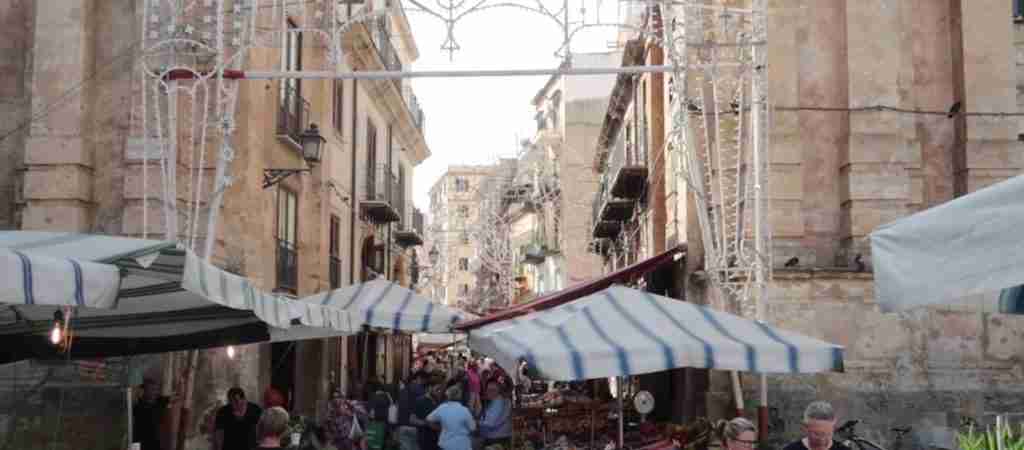
Navigate to Capo Market, one of Palermo’s three great historic markets, running along Via Porta Carini and Via Beati Paoli. Unlike touristy Vucciria, Capo retains working-class authenticity with locals shopping for daily provisions. Vendors sell spectacular seafood displays, mountain vegetables, North African spices, and hanging carcasses that might challenge squeamish visitors. Photography opportunities abound but ask permission before capturing vendors’ faces.
Eat street food lunch from market stalls: try cazzilli (potato croquettes, €2-3), sfincione (€3 large slice), and frittola (€4-5). Local wine bars surrounding the market serve €3-4 glasses with complimentary bar snacks. Budget €10-18 for filling market lunch. Alternatively, Trattoria Basile at market’s edge serves traditional first courses like pasta con le sarde or pasta alla Norma (€10-13) in authentic neighborhood setting.
Afternoon: Kalsa Neighborhood and Oratory Discoveries (2:00 PM – 6:00 PM)
Walk or take bus 10 minutes to Kalsa, the historic Arab quarter rebuilt after WWII bombing devastation. Start at Chiesa di Santa Maria della Catena, a Gothic-Renaissance transition church (free entry) at the old port entrance. The name derives from the harbor chain once secured here nightly during medieval period.
Continue to Palazzo Abatellis housing the Regional Gallery of Sicily (€8 entry). The collection includes Antonello da Messina’s Annunciation (1476), Sicily’s most celebrated Renaissance painting, plus extensive medieval and baroque collections. Budget 90 minutes for comprehensive viewing. The palazzo’s Catalan-Gothic architecture rivals its artistic contents.
Explore nearby Oratorio di San Lorenzo, a baroque jewel box featuring stucco work by Giacomo Serpotta (€3 entry). The Nativity by Caravaggio once hung here before 1969 theft, with copy now displayed. The intricate white stucco decorations covering walls and ceiling demonstrate Sicily’s unique decorative traditions. Adjacent Oratorio dei Bianchi offers similar baroque stucco intensity (€3 entry, combination tickets available).
Wander Kalsa’s recovering streets where bombed-out palaces undergo slow restoration interspersed with contemporary galleries, artisan workshops, and hip cafes. The Giardino Garibaldi provides green respite with massive Moreton Bay fig trees creating natural canopy. Free entry and ideal for afternoon rest before evening activities.
Evening: Marina and Seafood Dinner (6:00 PM – 10:30 PM)
Return to accommodation for sunset rest, then head to La Cala marina area for seafood-focused dinner. Osteria dei Vespri near Palazzo Gangi serves contemporary Sicilian cuisine in refined setting (€45-65 per person for three courses plus wine). More casual options include Antica Focacceria San Francesco’s nearby location serving traditional dishes in historic setting (€30-45 complete meal).
After dinner, walk the restored marina promenade where locals take evening passeggiata. Street performers and seasonal festivals animate the waterfront, particularly summer weekends. Gelato from one of several competing shops (€3-5 for generous cone) provides sweet finish while enjoying marina atmosphere.
Day Two Cost Summary: Martorana €3, San Cataldo €3, Chiesa del Gesù €3, market lunch €10-18, Regional Gallery €8, Oratorio San Lorenzo €3, drinks €5-8, seafood dinner €30-45. Total day cost: €65-93 per person (excluding accommodation).
Day Three: Monreale Cathedral and Final Discoveries
Morning: Monreale Cathedral Expedition (8:30 AM – 1:00 PM)
Dedicate day three’s morning to Monreale Cathedral, requiring 8 kilometers bus journey from central Palermo. Catch bus 389 from Piazza Indipendenza (near Palazzo dei Normanni) starting 8:00 AM service. Buses run every 30-40 minutes, taking 25-30 minutes to reach Monreale’s hilltop position. Use €3.50 day pass purchased previous evening from tabacchi to cover round-trip journey.
Arrive at Monreale before 9:00 AM opening to experience the cathedral’s 6,340 square meters of Byzantine mosaics in relative solitude before tour buses arrive 10:30 AM onward. Cathedral entry is free for basic nave viewing, while comprehensive ticket (€4) includes cloisters, terraces, and treasury. The mosaics depicting Old and New Testament scenes across every wall surface create one of medieval Europe’s most complete biblical picture books. William II commissioned the work in 1174 as political statement of Norman royal power and artistic sophistication.
The cloister adjacent to cathedral (included in €4 ticket) features 228 paired columns, each uniquely decorated with mosaics, carved capitals, and geometric patterns demonstrating Arab-Norman decorative synthesis. Budget minimum 90 minutes for cathedral interior appreciation, plus 45 minutes for cloisters and terraces. Photography without flash permitted throughout.
Explore Monreale’s small historic center after cathedral visit. Local cafes around Piazza Vittorio Emanuele serve excellent cornetti and coffee (€3-5) with terrace views across Conca d’Oro valley to Palermo below. The medieval streets retain authentic small-town Sicilian character absent from metropolitan Palermo. Budget €8-15 for cafe lunch or snacks before return bus journey.
Afternoon: Personal Preference Exploration (2:00 PM – 6:00 PM)
Return to Palermo by 2:00 PM for afternoon activity matching personal interests. Several compelling options suit different traveler priorities:
Option A – Beach Escape: Take bus 806 from Piazza Sturzo to Mondello, Palermo’s famous beach resort (€1.50 or included in day pass, 30-40 minutes journey). The crescent bay with Art Nouveau bathhouses provides Mediterranean beach experience 11 kilometers from city center. Beach clubs rent umbrellas and loungers (€15-25 daily) or find free beach sections toward bay edges. The clear water and mountain backdrop create postcard setting. Return bus runs until 8:30 PM summer, earlier winter. Budget €5-15 for beach expenses plus €15-25 if dining at beachfront restaurants.
Option B – Museum Deep Dive: Visit Museo Archeologico Regionale (€8 entry) housing Sicily’s finest ancient Greek and Roman collections including metopes from Selinunte temples and Phoenician artifacts. The Punic collections demonstrate pre-Roman Sicily’s North African connections. Budget 2-3 hours for comprehensive viewing. Combine with nearby Zisa Castle (€6), Norman pleasure palace featuring Arab architectural influences and elaborate water features.
Option C – Market Finale: Return to Ballarò Market for deeper exploration including surrounding streets where automotive repair shops, fabric merchants, and hardware stores create working neighborhood texture. Photography enthusiasts find endless subjects. Take cooking class at one of several schools operating in historic center (€65-85 for 3-hour hands-on pasta and seafood course with dinner). Advanced booking essential for classes.
Option D – Relaxation: Enjoy slow afternoon at accommodation or cafe, processing three days of intense experiences. Walk Villa Giulia’s public gardens or Orto Botanico (botanical garden, €8) for green respite from urban intensity. Both offer peaceful alternatives to monument touring.
Evening: Farewell Dinner and Final Stroll (6:00 PM – 11:00 PM)
Reserve farewell dinner at one of Palermo’s elevated dining experiences. Bye Bye Blues (Michelin-starred) serves contemporary Sicilian cuisine in Mondello setting (€90-120 per person, reservations mandatory). More accessible options include I Cucci near Teatro Massimo (€45-65 for full meal) or Ferro di Cavallo, beloved local institution serving traditional cucina povera dishes (€25-40 complete meal).
After dinner, take final passeggiata along Via Maqueda observing the evening ritual of locals congregating at bars, gelaterie, and street corners. The illuminated baroque facades of Quattro Canti create dramatic night photography opportunities. Stop for final cannolo (€3-4) or brioche con gelato (€5-7) from Cappello, locals’ preferred late-night pastry destination near Teatro Massimo.
Day Three Cost Summary: Bus day pass €3.50, Monreale Cathedral comprehensive ticket €4, Monreale cafe lunch €8-15, afternoon activity €5-25 (depending on choice), drinks €5-8, farewell dinner €25-65. Total day cost: €50.50-120.50 per person (excluding accommodation).
Accommodation Strategies for 2026
Strategic accommodation positioning dramatically impacts your three-day Palermo experience, affecting walking distances, evening safety, and authentic cultural immersion. The historic center bounded by Via Maqueda, Via Roma, Corso Vittorio Emanuele, and Via Cavour concentrates optimal lodging options within walking distance of all major monuments while providing evening access to restaurants and nightlife.
Mid-range boutique hotels (€80-140 nightly) occupy restored baroque palaces throughout the historic quarter. Properties like Palazzo Natoli and Quintocanto Hotel & Spa balance authentic period architecture with modern amenities including air conditioning (essential June-September), elevator access (rare in historic buildings), and rooftop terraces for evening aperitivi. These hotels typically include breakfast featuring Sicilian pastries, fresh fruit, and espresso, saving €8-12 daily versus cafe breakfasts.
Budget guesthouses and B&Bs (€50-80 nightly) operate throughout Kalsa and Albergheria neighborhoods. Family-run properties provide personalized local recommendations and authentic residential building experiences. Expect historic charm with occasional quirks like shared bathrooms, no elevators, and variable hot water pressure. The significant cost savings over hotels allow budget reallocation toward dining upgrades or cooking classes.
Luxury options (€180-350 nightly) include Grand Hotel Villa Igiea (belle époque waterfront palace), Grand Hotel et Des Palmes (historic center elegance), and contemporary boutique properties blending design aesthetics with historic contexts. These properties provide concierge services, private transfers, and elevated dining options within hotel premises. Book directly through hotel websites for complimentary upgrades and cancellation flexibility rather than third-party booking platforms.
Rental apartments (€70-150 nightly for two-bedroom units) suit longer stays or groups, particularly around Vucciria and Kalsa neighborhoods. Kitchen facilities enable market shopping and picnic preparation, reducing dining costs substantially. Verify elevator access, air conditioning functionality, and proximity to main walking routes before booking. Weekly rentals often discount 15-25% versus nightly rates.
Book Palermo accommodation 2-3 months ahead for April-October visits when festivals, cruise ship arrivals, and optimal weather drive demand. Winter (November-March) offers 30-40% lower rates with same property access and fewer tourist crowds, though some restaurants close for seasonal breaks and weather becomes unpredictable.
Transportation Planning for 2026
Palermo’s transportation network combines extensive walking with strategic bus use and occasional taxi convenience for peripheral destinations. Understanding the hierarchy of movement options optimizes both time and budget while maintaining authentic cultural immersion unavailable via private transport isolation.
Walking constitutes the primary transportation method for 80% of itinerary activities. The compact historic center concentrates major monuments within 500-meter to 2-kilometer distances from central Quattro Canti point. Download offline maps before arrival using Maps.me or Google Maps offline functionality to navigate confidently without data connection. Comfortable walking shoes prove essential as cobblestone streets, uneven sidewalks, and frequent stairs characterize historic quarter pedestrian infrastructure.
AMAT public buses serve routes requiring longer distances than practical walking. The essential routes for three-day visitors include: Bus 389 to Monreale (every 30-40 minutes, 6:00 AM-8:30 PM), Bus 806 to Mondello beach (every 20-30 minutes peak season, 7:00 AM-9:00 PM), and various city center circular routes. Day passes (€3.50 for 24 hours, €9 for three days) provide better value than individual tickets (€1.50) if using three or more bus journeys daily. Purchase passes from tobacco shops displaying AMAT logos, never from drivers who don’t sell tickets. Validate passes onboard using yellow machines immediately after boarding to avoid €50-100 fines during random inspections.
Bus route maps and real-time arrival information appear on AMAT’s website and mobile app, though service reliability varies with typical Italian flexibility around scheduled times. Budget extra 10-15 minutes beyond stated journey times for actual arrival, particularly during morning and evening peak hours when traffic congestion affects schedule adherence.
Taxis prove useful for specific situations: late-night returns from Mondello (€25-35 to historic center), airport transfers (€40-50 fixed rate, 35-45 minutes depending on traffic), or luggage-heavy movements between accommodations. Official white taxis operate on meters for urban journeys, with minimum charge around €8-10 for shortest distances. Confirm fixed rates before departure for non-metered destinations like Monreale (€30-40 round trip with 60-90 minute wait time). The Free Taxi app and traditional phone booking (Radio Taxi +39 091 513311) both function reliably.
Avoid renting cars for Palermo urban exploration. Parking costs €15-25 daily in attended lots, with street parking requiring complex permit systems and risking vehicle break-ins or damage from narrow street navigation. The restricted traffic zones (ZTL) operating throughout historic center require permits unavailable to tourists, with €100+ fines for violations captured by automatic cameras. Cars make sense only for multi-day Sicily road trips starting after Palermo city exploration concludes.
Money-Saving Strategies for 2026
Strategic cost optimization allows first-time visitors to experience Palermo’s essential offerings while controlling daily expenditures within reasonable budget parameters. The city rewards savvy planning with exceptional value unavailable in mainland European destinations of comparable cultural significance.
Monument entry costs stay modest (€3-15 per site) but accumulate across three days. Prioritize UNESCO Arab-Norman sites (Palatine Chapel, Monreale Cathedral, Martorana) which justify entry fees through unique artistic and historical significance. Many impressive churches operate on free entry with optional donation: the Cathedral’s basic nave, Chiesa della Magione, San Francesco d’Assisi, and San Domenico all welcome visitors without charge. The saved €3-5 per avoided paid entry redirects toward superior dining experiences or cooking classes providing longer-lasting memories.
Street food represents Palermo’s greatest value proposition, delivering authentic culinary experiences for €3-8 per item versus €12-18 for equivalent restaurant courses. Construct complete meals from market stalls: panelle and crocchè as starters (€5 combined), arancine as mains (€3-4), cannolo for dessert (€3-4), total €11-15 for satisfying meal. This approach saves €20-30 per meal versus sit-down restaurants while providing superior cultural immersion through market exploration and vendor interactions.
Time restaurant visits strategically. Lunch menus (pranzo) at traditional trattorias cost €15-25 for three courses including wine, house water, and cover charge. The identical establishments charge €35-50 for equivalent evening dinners. Reserve upscale dining for single farewell dinner rather than every evening, saving €60-90 across three days while maintaining one elevated culinary experience.
Purchase multi-day bus passes (€9 for three days) rather than individual tickets if planning Monreale and Mondello excursions. The pass breaks even with just six individual rides (€1.50 each) while providing unlimited transport freedom. Walking remains free and more rewarding for historic center movement, but passes eliminate decision friction about whether specific journeys justify individual ticket purchases.
Book accommodation directly through hotel websites rather than third-party platforms. Properties often offer 10-15% discounts for direct bookings plus complimentary upgrades, late checkout flexibility, and better cancellation terms. The savings across three nights (€24-42 for mid-range hotels) fund entire days’ dining budgets.
Shop at Ballarò or Capo markets for picnic supplies. Fresh bread (€2 for large loaf), local cheese (€5-8 per portion), market olives (€3-5), seasonal fruit (€2-4), and wine (€4-8 per decent bottle) creates excellent lunch for €16-27 total versus €30-50 for two restaurant meals. Enjoy picnics in Villa Giulia gardens or seaside promenade, combining cost savings with relaxing outdoor dining.
Time visits during shoulder seasons (April-May, September-October) when accommodation costs drop 20-30% versus summer peaks while weather remains excellent and attractions operate full schedules. Winter (November-March) offers 40-50% lower hotel rates but risks rain and some restaurant closures. Summer (June-August) brings heat intensity that reduces walking comfort and drives up all tourist-facing costs.
Booking and Reservations for 2026
Advance planning proves essential only for select Palermo attractions during peak season, with most sites, restaurants, and services operating successfully on walk-in basis. Understanding booking requirements prevents disappointment while avoiding unnecessary advance commitments that reduce spontaneity.
Book Palatine Chapel entry 1-2 weeks ahead for April-October visits when cruise ships and tour groups create midday congestion. The official Palazzo dei Normanni website handles reservations with €3 convenience fee added to basic €12 admission (check current rates as pricing may vary). Specify morning time slots (9:00-10:30 AM) to experience the mosaics in optimal lighting and relative quiet before group arrivals. Weekend visits require longer advance booking (2-3 weeks) given local tourist traffic.
Monreale Cathedral operates without reservation requirements but morning arrivals (before 10:30 AM) precede tour bus congestion. The comprehensive ticket (€4) rarely sells out, available at entrance counter without advance purchase. Summer months see heaviest visitation, while winter offers nearly private viewing experiences.
Restaurant reservations become necessary only for upscale dining (Bye Bye Blues, Gagini, I Pupi) or weekend evenings at popular neighborhood trattorias. Mid-week casual dining operates successfully without reservations, though arriving early (7:30-8:00 PM) ensures table availability before locals’ typical 9:00-10:00 PM dinner timing. Call directly rather than using booking platforms to confirm actual availability and secure better table positioning.
Cooking classes require 3-7 days advance booking depending on season and class size. Streaty Food Tours, Le Mafalde, and similar operators offer morning market tours combined with hands-on cooking instruction (€65-85 per person for 3-4 hours). These popular activities fill quickly during peak season but maintain availability with reasonable advance planning.
Accommodation needs 2-3 months advance booking for April-October peak season, particularly boutique properties with limited room inventory. Direct hotel website bookings provide better cancellation terms than third-party platforms, important given unpredictable spring weather that might affect travel plans. Winter accommodation books easily within 1-2 weeks of arrival given lower demand levels.
Guided tours of Teatro Massimo, walking tours of historic neighborhoods, and street food tours operate daily with walk-up availability except during summer high season when afternoon sessions sell out. Book morning departure slots for guaranteed availability or purchase tickets one day ahead at hotel concierge desks and tourist information offices around Quattro Canti.
Frequently Asked Questions About Palermo 3-Day Visits
Is Palermo safe for first-time visitors in 2026?
Palermo operates safely for attentive tourists exercising standard urban precautions. The historic center and main tourist zones maintain visible police presence and general security comparable to other major Southern Italian cities. Petty theft targeting distracted visitors represents the primary concern rather than violent crime. Secure valuables in hotel safes, carry only necessary cash and one credit card when exploring, and maintain awareness in crowded market areas where pickpockets occasionally operate. Avoid displaying expensive cameras, jewelry, or electronics conspicuously. Kalsa and Vucciria neighborhoods once considered rough now welcome visitors safely, though walking dark isolated streets late at night remains inadvisable anywhere. Women traveling solo report generally positive experiences with standard precautions about evening activities and unwanted attention. The local tradition of late-night outdoor socializing means well-populated streets even at 11 PM-midnight during summer.
What’s the best time of year for a 3-day Palermo visit in 2026?
April-May and September-October provide optimal conditions balancing comfortable temperatures (18-26°C), manageable tourist crowds, and full cultural programming. Spring brings wildflowers, longer daylight, and Easter celebrations including elaborate religious processions. Fall offers harvest abundance at markets, wine festival season, and warm sea temperatures for beach excursions. Summer (June-August) brings intense heat (28-35°C) that challenges midday walking, crowded attractions, and higher prices, though evening energy peaks with festivals and extended restaurant hours. Winter (November-March) sees 40-50% fewer tourists, lowest accommodation costs, and mild temperatures (12-18°C), but risks rain disruption and some restaurant closures. December brings Christmas market charm around Politeama and Cathedral squares.
Can vegetarians and vegans eat well in Palermo?
Palermo’s traditional cuisine emphasizes seafood and organ meats, creating challenges for strict vegetarians and vegans, but abundant market vegetables and pasta traditions provide excellent options. Classic vegetarian-friendly dishes include pasta alla Norma (eggplant and ricotta), caponata (sweet-sour eggplant relish), panelle (chickpea fritters), arancine al burro (rice balls with butter and cheese, request without meat), and parmigiana di melanzane (eggplant parmigiana). Markets offer spectacular seasonal produce for picnic assembly. Vegan adaptations require more communication with vendors and restaurants, though increasing awareness means growing options. Request pasta with vegetables and garlic oil (aglio e olio con verdure), specify no cheese or butter, and carry pocket phrase card explaining dietary requirements in Italian. Several contemporary restaurants now offer dedicated vegetarian/vegan menus, particularly around Kalsa and Vucciria neighborhoods popular with younger residents.
How much Italian language do you need for Palermo?
Basic Italian phrases dramatically improve market interactions, restaurant experiences, and local connections, though major tourist sites operate with English-speaking staff. Learn greetings (buongiorno, buonasera, grazie), numbers for market shopping, and food vocabulary for authentic dining situations. Palermo’s working-class markets and neighborhood trattorias operate primarily in Italian and local Sicilian dialect, where willingness to attempt communication opens doors literally and figuratively. Hotel reception, museum staff, and tourist restaurant servers generally speak functional English. Download Google Translate offline Italian package for emergency communication, though human connection through attempted Italian creates richer cultural experiences than device-mediated translation. Written Italian menus yield to photo translation apps, but verbal market negotiations benefit enormously from basic conversation capability. Most Palermitani appreciate sincere efforts at Italian regardless of proficiency level, responding with warmth and patience that facilitates basic communication even without shared language fluency.
What should you avoid doing in Palermo?
Avoid crossing mafia tour itineraries marketed to sensationalist tourists – these disrespectful commercializations trivialize serious contemporary social issues and provide no authentic insight beyond reinforcing stereotypes. Skip motorized tour buses that isolate you from street-level cultural immersion while contributing to traffic congestion and environmental impact. Don’t photograph people without permission, particularly market vendors, elderly residents, and children – basic courtesy that some tourists ignore. Avoid eating at restaurants around major tourist monuments (Cathedral, Quattro Canti, Teatro Massimo periphery) where quality drops and prices inflate for captured audiences – walk 2-3 blocks into neighborhoods for superior value. Don’t expect Northern Italian efficiency around service timing and schedule adherence – embrace Southern Italy’s more relaxed temporal approach. Skip tipping beyond rounding up bills or leaving €1-2 for exceptional service – unlike American practices, Italian service staff receive full wages without gratuity dependency. Avoid the temptation to over-schedule monument visits without market time, neighborhood wandering, and cafe contemplation that provide cultural understanding beyond architectural tourism.
Can you drink Palermo’s tap water?
Palermo’s tap water meets safety standards and flows safely from hotel bathroom taps for teeth brushing and face washing, but most locals and long-term residents drink bottled water preferring its taste and avoiding old building pipe systems that might affect flavor quality. Restaurants automatically serve bottled water (€2-4 per large bottle) unless you specifically request tap water (acqua di rubinetto), though some establishments resist this request. For three-day visits, purchasing 1.5-liter bottles from supermarkets (€0.50-1) proves economical and eliminates any concerns while reducing plastic waste compared to smaller bottles. The city’s medieval and baroque infrastructure sometimes includes ancient lead pipes in unrenovated buildings, making bottled water the cautious choice particularly for sensitive stomachs. Summer heat increases hydration needs substantially – budget 2-3 liters daily during June-August walking days.
Are Palermo’s UNESCO sites accessible for visitors with mobility limitations?
Palermo’s historic monuments present significant accessibility challenges given baroque-era construction predating universal design concepts. Palazzo dei Normanni includes elevator access to Palatine Chapel level, though some royal apartment areas require stair climbing. The Cathedral’s main nave offers level entry and wheelchair accessibility, but rooftop terraces and crypt require substantial stair navigation. Monreale Cathedral’s main floor provides accessible entry, though cloisters involve steps and uneven surfaces. Most smaller churches lack ramps or elevators, presenting barriers for wheelchair users or visitors with limited mobility. Historic center streets feature cobblestones, uneven sidewalks, and frequent curbs without cuts, making wheelchair navigation challenging without assistance. Modern buses serving Monreale and Mondello include low-floor accessible vehicles, though not all route services guarantee accessible buses. Booking accessible taxis in advance (specify requirements when calling Radio Taxi) ensures reliable transportation. Contact specific monuments ahead regarding accessibility features and alternative entry arrangements often available with advance notice.
What’s the best way to experience Palermo’s street food culture?
Join morning street food tours (€25-35) led by local guides who navigate markets introducing vendors, explaining dish histories, and facilitating tastings impossible to achieve alone without language skills and cultural context. These 3-4 hour walking experiences typically include 8-12 tastings across Ballarò, Vucciria, or Capo markets, providing comprehensive street food education. Alternatively, arrive at markets mid-morning (10:00-11:00 AM) when vendors prepare fresh items but crowds remain manageable. Start with familiar items like arancine before progressing to challenging options like pani ca meusa (spleen sandwich) or stigghiola (grilled intestines). Observe what locals order as quality indicators – busy stalls with neighborhood customers indicate superior products. Bring cash (most vendors don’t accept cards) in small denominations for easy transactions. Embrace the informal eating style – standing at vendor stalls or perching on plastic stools at improvised tables constitutes authentic experience. Don’t fear the unfamiliar – Palermo’s street food culture represents centuries of culinary evolution deserving adventurous engagement.
Should you rent a car for 3 days in Palermo?
Avoid renting cars for Palermo urban exploration. The compact historic center operates optimally on foot, while public buses serve peripheral destinations (Monreale, Mondello) efficiently and economically. Parking costs €15-25 daily in attended lots, with street parking requiring complex resident permit systems and risking vehicle damage from narrow street navigation by inexperienced drivers. The restricted traffic zones (ZTL) covering historic center require permits unavailable to tourists, with €100+ fines captured by automatic cameras and mailed to rental companies who add processing fees. Palermo’s aggressive driving culture and chaotic traffic patterns challenge even experienced Italian drivers, while one-way systems and limited signage frustrate navigation. Save car rentals for post-Palermo Sicily exploration when visiting Agrigento, Syracuse, or Taormina where vehicles provide independence impossible via public transport. For three Palermo days, walking plus strategic bus and taxi use delivers superior cultural immersion, significant cost savings, and zero driving stress.
What souvenirs are worth buying in Palermo?
Sicilian ceramics from Caltagirone feature distinctive color palettes and Moorish-influenced designs, available at specialized shops around Via Bara all’Olivella (€15-150 depending on size and complexity). Traditional pupi (Sicilian marionettes) representing medieval knights and literary characters range from tourist trinkets (€10-25) to serious artisan pieces (€200-500+) at authentic workshops in Kalsa. Local food products including pistachios from Bronte (€8-15 per 200g), Modica chocolate (€5-12 per bar), Marsala wine (€10-25 per bottle), and bottarga (cured fish roe, €15-30 per 100g) pack well and provide lasting culinary memories. Coppola flat caps (€15-40) traditional to Sicilian rural culture make distinctive fashion accessories. Avoid mass-produced Mafia kitsch, Godfather merchandise, and cheap plaster reproductions of monuments flooding tourist trap shops around major sites. Purchase from authentic artisan workshops and specialty food shops rather than generic souvenir stores for quality products supporting local craft traditions.