
Padua Best Tours & Walking Routes 2026: Secret Spots & Lesser-Known Treasures
Padua holds two UNESCO World Heritage inscriptions, one of the world’s oldest universities, and a medieval fresco tradition that predates and arguably inspired the entire Renaissance — yet it draws a fraction of the crowds that descend on Venice forty minutes to the east. In 2026, that asymmetry is the traveller’s greatest advantage. This guide covers every way to explore the city, from licensed guided tours to four self-guided walking circuits, with a particular focus on the monuments, courtyards, and fresco chapels that even informed visitors routinely walk past.
- Two UNESCO designations, one city pass: Padua’s Botanical Garden (1997) and the fourteen-century Urbs Picta fresco network (2021, eight sites across four components) are both served by the Urbs Picta Card at €28 for 48 hours or €35 for 72 hours — it pays for itself after just three paid admissions.
- Scrovegni Chapel requires advance booking: Timed-entry slots sell out weeks ahead in spring and summer. Book online at least 24 hours before your intended visit, ideally much further in advance. The combined adult ticket (chapel plus Eremitani Museum and Palazzo Zuckermann) costs €15 plus a €1 presale fee.
- The city centre is fully walkable: Padua’s historic core measures roughly two kilometres across. Most walking routes between major sights take 10–15 minutes on foot. Small-group guided tours run from approximately €40–55 per person; private tours with a licensed guide run €80–150 per person for two to three hours.
- The Cathedral Baptistery is the city’s most underrated monument: Its interior is covered entirely in fourteenth-century frescoes by Giusto de’ Menabuoi — a complete cosmological programme surpassing many better-known sites in ambition. Admission is €12 (with audio guide) and queues are almost never a factor.
- The Brenta Riviera cruise runs March to October: The historic Burchiello boat departs from Padua’s Portello landing and traces the canal between Palladian villas to Venice. The half-day route to Oriago costs €87; the full day to Venice runs approximately €130–150.
- Loggia e Odeo Cornaro and Oratorio di San Giorgio are the city’s best-kept secrets: Both are Renaissance monuments of European importance that draw almost no visitors — and both are included in the Urbs Picta Card at no extra cost.
People Also Ask About Padua Tours 2026
What are the best guided tours of Padua in 2026?
The most consistently rated option in 2026 is a small-group licensed walking tour covering the Scrovegni Chapel, the historic centre, and one or two additional UNESCO fresco sites, running two to three hours and priced from €40–55 per person. Private tours with a certified local guide cost €80–150 per person and allow complete itinerary customisation — ideal for visitors with specific interests in Giotto, Galileo, or medieval medicine. For those who prefer independent exploration, Padua’s tourism office produces free self-guided PDF routes covering each component of the Urbs Picta inscription, and the Audiogiro app offers multilingual audio content playable from your smartphone. The Palazzo del Bo Anatomical Theatre is accessible only on a guided tour (45 minutes, Monday to Friday, €10–12), making it a near-mandatory addition to any academic or science-focused itinerary in the city.
How much does a Padua walking tour cost in 2026?
Costs in 2026 range from free to approximately €150 per person depending on format. Self-guided exploration using printed maps or the Audiogiro app involves no tour fee, though site admission adds up quickly: the Scrovegni Chapel costs €15 (plus €1 presale fee), the Cathedral Baptistery €12, and the Palazzo della Ragione €9. The Urbs Picta Card at €28 (48 hours) or €35 (72 hours) covers all these and more, plus unlimited public transport. Small-group walking tours booked through platforms like GetYourGuide or Viator start at around €40–55 per person; food-focused tours and artisan workshop visits run €60–90. Private half-day tours with a licensed guide, including Scrovegni Chapel admission, cost €120–200 for a couple.
What hidden gems can I discover in Padua in 2026?
Padua’s least-visited monuments are among its most extraordinary. The Loggia e Odeo Cornaro, a Renaissance theatre and octagonal salon built in 1524 for Alvise Cornaro, stands discreetly behind a courtyard on Via Cesarotti and is covered by the Urbs Picta Card. The Cathedral Baptistery contains a complete fourteenth-century fresco programme by Giusto de’ Menabuoi that few international visitors seek out. The Oratorio di San Giorgio, tucked beside the Basilica di Sant’Antonio, is decorated by Altichiero da Zevio — an artist who achieved spatial perspective effects in 1379 that predate the theoretical Renaissance by decades. The city walls (Cinta Muraria) preserve a walkable rampart section that is entirely free. In the university district, the world’s first permanent anatomical theatre (1594) draws disproportionately few visitors relative to its global historical importance.
Is the Urbs Picta Card worth buying for a Padua visit in 2026?
For most visitors spending a full day or more in Padua, the Urbs Picta Card at €28 (48h) delivers clear value. The face-value admissions of three key included sites — Scrovegni Chapel (€15), Cathedral Baptistery (€12), and Palazzo della Ragione (€9) — total €36 before adding free sites and public transport. Anyone visiting at least two of those three sites in a 48-hour window saves money. The 72-hour card at €35 adds marginal value for visitors also exploring the Eremitani Museum, Palazzo Zuckermann, Oratorio di San Giorgio, Scoletta del Santo, and Oratorio di San Michele. The card is not worth purchasing if you have already visited the Scrovegni Chapel on a previous trip and have no interest in the other fresco sites. Check the official site at cappelladegliscrovegni.it for current rates before purchasing.
Extended multi-day tours – 5+ days
Featured Padua Multi-Day Tour Packages
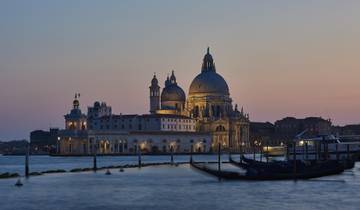
5 days
5 Days in Venice: Hidden Paths, Verona & Padua
- ✓ Comprehensive Padua tour
- ✓ Expert local guides included
- ✓ All accommodation arranged
- ✓ Transportation provided
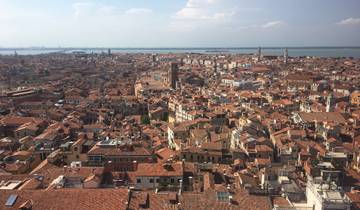
6 days
Italy's Northern Pearls: Padua, Verona & Venice
- ✓ Booking needs min. 2 travelers
7 days
Italian Holidays
- ✓ Comprehensive Padua tour
- ✓ Expert local guides included
- ✓ All accommodation arranged
- ✓ Transportation provided
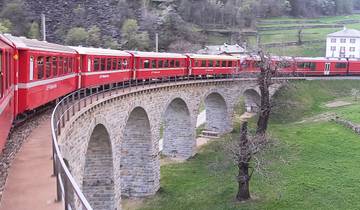
7 days
Lakes, Lagoon & Mountains: Lakes Como, Garda, Bernina train & Venice. Private Tour
- ✓ Comprehensive Padua tour
- ✓ Expert local guides included
- ✓ All accommodation arranged
- ✓ Transportation provided
Multi-day tour packages powered by TourRadar. Prices and availability subject to change.
Why Padua Rewards Slow Exploration in 2026
Venice exerts such magnetic pull on visitors to the Veneto that Padua has spent decades benefiting from an inverse logic: the greater Venice’s crowds, the more atmospheric Padua becomes by comparison. In 2026, this imbalance remains striking. A city that educated Galileo Galilei, invented the world’s first permanent anatomical theatre, and commissioned the fresco cycle that rewired European art is navigable most mornings with almost no queuing.
The historical record supports the superlatives. The University of Padua, founded in 1222, is Italy’s second-oldest — a deliberate act of academic self-determination by scholars who left Bologna seeking greater intellectual freedom. Over the following centuries it gathered a faculty that reads like a roll-call of the scientific revolution: Copernicus studied here, Galileo taught here for eighteen years, and the anatomist Andreas Vesalius produced his landmark De corporis humani fabrica in the same decade as his professorship. The first woman to receive a doctorate anywhere in the world, Elena Lucrezia Cornaro Piscopia, graduated from Padua in 1678. Her statue still watches over the staircase of the Palazzo del Bo.
The artistic legacy is equally concentrated. Enrico Scrovegni commissioned Giotto to decorate his private chapel around 1303–1305, producing a fresco cycle acknowledged as the foundation of Western representational painting. The chapel itself sits in the Arena Gardens, an easy fifteen-minute walk from the train station. But Giotto’s work was the beginning of a tradition, not its entirety. A generation of painters followed — Guariento, Giusto de’ Menabuoi, Altichiero da Zevio, Jacopo Avanzi — filling churches, oratories, and public buildings with fresco cycles of comparable ambition. In 2021 UNESCO inscribed eight of these sites collectively as Padua’s 14th-Century Fresco Cycles, bringing the city’s UNESCO World Heritage count to two (the Botanical Garden had been inscribed since 1997).
In practical terms, this means Padua in 2026 offers a walking city whose every neighbourhood contains something of genuine world-class importance — and where most of those things remain uncrowded enough to be encountered on your own terms. The routes and tours in this guide are designed around that reality, moving from the obligatory highlights through to the genuinely secret corners that even long-term residents sometimes overlook.
The Urbs Picta Card 2026: What’s Included and When to Buy It
The Urbs Picta Card replaced the older PadovaCard and operates as a combined site-access and public transport pass for tourists in Padua. In 2026 it comes in two tourist versions: €28 for 48 hours and €35 for 72 hours (check cappelladegliscrovegni.it for current pricing). A version without Scrovegni Chapel access is also available at €18 (48h) and €23 (72h) — useful for return visitors who have already seen Giotto’s frescoes.
The clock on the card starts running from the moment you enter your first included site, not from the moment of purchase. The card must be collected in person at the Eremitani Museum ticket office; it is not delivered electronically. When buying online you will be asked simultaneously to reserve a timed slot for the Scrovegni Chapel — that reservation is a compulsory part of the purchase process, not an afterthought. Arrive at the chapel at least 30 minutes before your booked time to complete accreditation.
The 48-hour card covers the following sites:
- Scrovegni Chapel (compulsory timed reservation required)
- Eremitani Museum (archaeological collections and medieval and modern art)
- Palazzo Zuckermann (applied arts and the Bottacin coin and medal collection)
- Cathedral Baptistery of Padua (with audio guide)
- Palazzo della Ragione
- Oratorio di San Giorgio and Scoletta del Santo
- Oratorio di San Michele
- Church of SS. Filippo e Giacomo at the Eremitani
- Unlimited travel on city buses and the Padua tram
The card delivers the sharpest value for first-time visitors planning a full day of structured sightseeing. The face-value admission of the Scrovegni Chapel, Cathedral Baptistery, and Palazzo della Ragione alone exceeds the 48-hour card price — so any additional sites and the included public transport represent pure savings. Check which sites close on public holidays and Mondays before purchasing, as the card cannot compensate for closures.
Guided Tours in Padua 2026: Small Groups, Private, and Specialist Options
Padua’s guided tour market divides cleanly into three tiers in 2026: small-group open tours bookable through international platforms, private tours with certified local guides, and specialist experiences focused on food, science, artisan craft, or outdoor activities. All licensed guides in Italy must carry identification issued by the Ministry of Tourism — legitimate operators display their certification on marketing materials and guides present it at meeting points.
Small-Group Walking Tours in Padua 2026
Small-group licensed walking tours of Padua’s historic centre run through platforms including GetYourGuide, Viator, and local operators such as Beescover. Groups of eight to fifteen people are standard; the best operators cap at ten. Prices start at approximately €40–55 per person for a two-hour tour covering the city’s major squares, architectural highlights, and street-level curiosities. Tours that include Scrovegni Chapel entry command a premium — expect €70–100 per person since Scrovegni admission is bundled into the fee. The meeting point for most city-centre tours is Piazza Cavour, a five-minute walk from the train station.
The most compelling small-group format in Padua is what operators market as a “Secret Padua” or “Hidden Gems” tour: a two-to-three-hour experience with a licensed guide who specialises in the overlooked corners of the city — the astrological clock on Piazza dei Signori, the claimed largest Masonic temple in Europe, the missing column capital in Piazza della Frutta, and the legends embedded in medieval stonework. These tours consistently receive strong reviews for their storytelling depth and avoid the standard tick-box itinerary. Look for operators with the “slow tourism” designation and verified Ministry of Tourism guide credentials.
Spiritual and pilgrimage tours centred on the Basilica di Sant’Antonio are a distinct category serving both religious travellers and art historians. A good operator takes visitors through the Cappella delle Reliquie, the Donatello bronzes in the high chapel, the cloisters, the Oratorio di San Giorgio, and the Scoletta del Santo in a single coherent narrative. These tours also run approximately two to three hours and cost €40–60 per person on a group basis.
Private Custom Tours with Licensed Local Guides in 2026
Private tours in Padua in 2026 are consistently priced at €80–150 per person for two to three hours, with the variation driven by group size (rates quoted per couple are often better value than per-person rates for solo travellers), guide specialisation, and whether Scrovegni Chapel admission is pre-arranged. For art historians, architects, and travellers with deep contextual knowledge of Gothic and proto-Renaissance painting, a private tour with a specialist guide transforms the visit: the standard 15 minutes inside the Scrovegni Chapel becomes a structured visual analysis rather than a hushed crowd experience.
Platforms including ToursByLocals and Avventure Bellissime list verified private guides who operate in Padua. For the Palazzo del Bo and Anatomical Theatre, access is exclusively through the university’s own guided tours (see Self-Guided Routes below) — private guides cannot bypass this system, though they can accompany you as an add-on before or after the university tour. Operators running full-day private itineraries combine the Scrovegni Chapel in the morning, the university quarter at midday, the Sant’Antonio complex in the early afternoon, and Prato della Valle at dusk, finishing under the arcades of Piazza delle Erbe or Piazza della Frutta.
Specialist Tours: Food, Science, and Artisan Workshops in 2026
Padua’s specialist tour offering expanded meaningfully in recent years and in 2026 includes several formats not found in comparable Italian cities. Food tours of the market squares — running Tuesday through Saturday when the Piazza delle Erbe and Piazza della Frutta markets operate — last two to two and a half hours, combine tastings of local charcuterie, cheese, and wine with the history of Padua’s medieval market tradition, and cost €60–80 per person. The best tours end with cicchetti (Venetian-style bar snacks) and a spritz at one of the osterie beneath the arcades of Sotto il Salone, the vaulted space below the Palazzo della Ragione that has functioned as a food market since the Middle Ages.
Artisan tours of Padua’s traditional workshops are offered by operators working with remaining craftspeople in the Via del Santo quarter — the narrow streets between the Basilica and Prato della Valle where goldsmiths, paper marblers, and wooden-altarpiece restorers maintain workshops in buildings that have housed these trades for centuries. These tours run approximately three hours and cost €70–90 per person. Book well in advance as group sizes are intentionally very small.
For science-focused visitors, the “Padua of Galileo and Vesalius” private tour is a coherent four-hour itinerary combining the Palazzo del Bo anatomical theatre (including Galileo’s original lectern in the Sala dei Quaranta), the Museo di Storia della Medicina (MUSME), and the Botanical Garden, where plants collected for medicinal research in 1545 led to the discovery of the coffee plant’s properties and sparked a revolution in botanical science. This tour can be arranged through the university’s dedicated booking service. Prices vary by group size; budget approximately €100–130 per person for private arrangements.
Self-Guided Walking Routes in Padua 2026
Padua’s street grid preserves much of its medieval structure: arcaded streets connect a sequence of major piazzas, and the city walls define a walkable perimeter roughly three kilometres in circumference. The four routes below are self-contained circuits that can be combined, reversed, or extended without backtracking. Each is rated by walking time excluding interior visits — add 30–90 minutes per major site for the full experience.
Route 1 — The Giotto and Fresco Trail (2–3 Hours Walking, Plus Site Visits)
This route traces the northern fresco cluster of Padua’s Urbs Picta inscription and works best as a morning itinerary when the Scrovegni Chapel’s early time slots are available.
Start at the Arena Gardens (Giardini dell’Arena), accessible from Piazza Eremitani, where the Scrovegni Chapel sits in the remains of a Roman arena — the curved form of the arena’s outer wall is still visible in the surrounding park. After your timed visit to the chapel, exit into the gardens and walk south-east to the Chiesa degli Eremitani, immediately adjacent. The church was nearly destroyed by Allied bombing in 1944; the fragments of Mantegna’s frescoes that survived in the Ovetari Chapel are displayed alongside photographic documentation of the destruction and ongoing restoration, making this one of the most poignant heritage conservation stories in Italy. Admission is included with the Scrovegni Chapel ticket.
From the Eremitani, follow Corso Garibaldi south toward the city centre. After five minutes you pass Piazza Cavour (the informal social hub, with Caffè Pedrocchi on the corner) and continue into Piazza dei Signori, dominated by the Torre dell’Orologio — a fifteenth-century astronomical clock whose mechanism tracks the sun, moon, and zodiacal positions simultaneously. The clock face is one of the oldest working astronomical instruments in the world. Continue through the piazza’s western loggia into the connected Piazza delle Erbe and Piazza della Frutta, the market squares that flank the Palazzo della Ragione.
The Palazzo della Ragione (€9 admission) closes this section of the route. Its upper hall — the Salone — is the largest medieval hall in Europe roofed without internal columns. The zodiac fresco cycle was painted after the original 1420 fire destroyed the earlier programme; the hall also contains the enormous wooden horse modelled on Donatello’s Gattamelata, a replica installed in the fifteenth century. Entry is through the external staircase on the Piazza delle Erbe side. Total walking time for the route: approximately 25 minutes. Allow 90 additional minutes for Scrovegni Chapel, 30 minutes for the Eremitani, and 45 minutes for Palazzo della Ragione.
Route 2 — The University and Science Trail (2 Hours Walking, Plus Site Visits)
This circuit traces Padua’s centuries-long scientific legacy through the university quarter south of the main market squares.
Begin at Piazza dei Signori and walk south along Via VIII Febbraio. The Palazzo del Bo is on the right at number 2, identifiable by its grand arched entrance and the stone ox (bue = bo) above the doorway — the original emblem of the medieval tavern the university absorbed. Guided tours of the Palazzo del Bo and Anatomical Theatre run Monday to Friday in English at 11:30 and 16:30, and in Italian at 10:30, 12:30, 15:30, and 17:30. Each tour lasts approximately 45 minutes. Saturday and Sunday tours (same times) focus on the twentieth-century additions designed by architect Gio Ponti and last 75 minutes. Adult admission is approximately €10–12; book at unipd.it and verify current rates before visiting.
Inside, the tour covers the Cortile Antico — a double-loggied Renaissance courtyard whose walls carry hundreds of painted and sculpted coats of arms representing student “nations” from across Europe — the Aula Magna Galileo Galilei (where Galileo lectured), the Sala dei Quaranta (forty portraits of distinguished international alumni, including Galileo’s original lectern), and the Anatomical Theatre itself: a steep elliptical wooden gallery built in 1594 in which up to 300 students could stand and observe dissections. The theatre is viewed from below, from the marble dissection table’s perspective — a detail that unsettles even experienced visitors.
After the Palazzo del Bo, continue south along Via San Francesco to Caffè Pedrocchi (on the corner of Via VIII Febbraio and Piazzetta Pedrocchi). The café opened in 1831 and functioned as the social and intellectual centre of Risorgimento-era Padua; it was supposedly never closed, earning the nickname “the café without doors.” The ground-floor rooms are a working café — a mint coffee (caffè alla menta) is a Paduan institution — while the Piano Nobile upstairs is a museum of eclectic nineteenth-century interiors and is included in the Urbs Picta Card. Continue east via Riviera Tito Livio to the Orto Botanico (Botanical Garden, UNESCO 1997), located a short walk from the university buildings at Via Orto Botanico 15. The garden, founded in 1545 by the Republic of Venice for the cultivation and study of medicinal plants, contains over 7,000 species across approximately 22,000 square metres. A modern Biodiversity Garden extension houses five biome greenhouses opened in 2014. Admission and current hours are at ortobotanicopd.it.
Route 3 — The Sant’Antonio Pilgrim and Garden Circuit (2–3 Hours Walking)
This circuit covers the southern quarter anchored by the Basilica di Sant’Antonio, connects to the Botanical Garden, and follows historic pilgrim routes to Prato della Valle.
Start at Piazza del Santo, dominated by the eight domes and minarets of the Basilica di Sant’Antonio — free to enter, open daily, and a functioning pilgrimage site for devotees from around the world seeking intercession at the reliquary of the saint who died in Padua in 1231. The basilica’s interior blends Romanesque, Gothic, and Byzantine elements; the highlight is the Cappella delle Reliquie, which houses the saint’s tongue, jawbone, and chin in reliquaries of extraordinary medieval craftsmanship. Donatello’s bronze relief panels on the high altar are among the earliest monumental bronzes of the Renaissance. Directly in front of the basilica stands Donatello’s equestrian monument to the condottiere Erasmo da Narni (the Gattamelata), completed in 1453 — the first free-standing equestrian bronze of the Renaissance period and one of Padua’s most photographed objects.
Directly to the right of the basilica’s main façade, through a narrow archway, is the Oratorio di San Giorgio and the adjacent Scoletta del Santo. These two small buildings contain some of the finest late-Gothic fresco cycles in Italy and are included in the Urbs Picta Card (or €7 for adults purchasing a standalone Scoletta ticket, which also covers the Oratorio). Continue south along Via Belludi into Via Orto Botanico, following the canal that once served as the delivery route for both the Franciscan friars of Sant’Antonio and the Benedictines of Santa Giustina. The canal wall here preserves fifteenth-century stone quays and mooring rings.
At the end of Via Belludi, cross Via Roma to enter Prato della Valle: a 90,000-square-metre elliptical park ringed by a canal called the Alicorn, with 78 statues of notable figures arranged in two concentric rows around the central island. The scale is genuinely arresting — Prato della Valle is among the largest public squares in Europe by area. The western side of the square is flanked by the blank exterior of the Abbey of Santa Giustina, whose vast Renaissance façade and free-to-enter interior repay a thirty-minute visit. From Prato della Valle, the Botanical Garden is a two-minute walk east along Via Orto Botanico, completing the circuit.
Route 4 — The Market Squares and Medieval Core Loop (1–2 Hours Walking)
This shorter circuit concentrates the city’s commercial and civic medieval heritage in a compact loop navigable in under an hour at walking pace, or up to three hours with market browsing and coffee stops.
Start at Piazza della Frutta, which hosts the outdoor market Tuesday through Saturday mornings. Farmers and producers from the Padua province bring vegetables, herbs, fruit, and specialty products including regional salami, Asiago cheese, and Euganean Hills wines. The stalls line the perimeter of the square and extend under the Palazzo della Ragione’s ground-floor arcade, where a permanent covered market called Sotto il Salone has operated since the Middle Ages. This vaulted space contains cheesemongers, winemakers, butchers, and a handful of osterie where locals take a morning prosecco. Cross through the Palazzo della Ragione’s external passage to reach Piazza delle Erbe on the opposite side, where a parallel outdoor market occupies the northern flank.
From Piazza delle Erbe, continue west along Via Dante to reach Piazza dei Signori with the astronomical clock tower. The square is flanked by the Loggia del Consiglio on the north side, a fifteenth-century Venetian Gothic loggia that served as the city government’s council chamber. Walk east along Corso Milano and turn south down Via Cesarotti: at number 37 you will find the entrance to the Loggia e Odeo Cornaro, an extraordinary Renaissance complex largely invisible from the street. Continue south to Riviera dei Ponti Romani, turning east to return toward the Palazzo della Ragione, completing the loop in approximately 25 minutes of walking. On Wednesdays and Saturdays, an antique market operates in Prato della Valle alongside the regular open-air stalls — a useful extension of this route for collectors and browsers.
Secret Spots and Lesser-Known Treasures 2026
Padua’s lesser-known sites are not obscure because of any deficiency — they are obscure because the city’s major attractions absorb attention that would, in most Italian cities, be spread more evenly. Each of the following deserves consideration as a primary destination rather than an afterthought.
Loggia e Odeo Cornaro: Renaissance Theatre Behind a Courtyard Wall
The Loggia e Odeo Cornaro at Via Cesarotti 37 is one of the most significant yet least-visited Renaissance complexes in northern Italy. Commissioned around 1524 by Alvise Cornaro — a Venetian nobleman, architectural theorist, and patron of theatrical performance — the complex consists of two buildings: a loggia designed in Roman style by Giovanni Maria Falconetto, and the Odeo, an intimate octagonal salon built as an acoustically refined space for private theatrical performances, musical recitals, and philosophical conversation. The playwright Ruzzante premiered his irreverent Venetian comedies here. The buildings were recently restored, and the sandstone exterior has been cleaned to reveal its original warm colour. Access is through an anonymous doorway in Via Cesarotti that opens onto a courtyard; most visitors on the adjacent Via Roma walk past without noticing it. The Loggia and Odeo are included in the Urbs Picta Card.
Oratorio di San Giorgio: Altichiero’s Forgotten Masterpiece
Set in a small passageway immediately to the right of the Basilica di Sant’Antonio’s main façade, the Oratorio di San Giorgio was built in 1377 and decorated between 1379 and 1384 by Altichiero da Zevio and his workshop. Every surface of the interior — walls, ceiling, and the arch above the altar — is covered in frescoes depicting the lives of Christ, St. George, St. Lucy, and St. Catherine. Altichiero’s achievement here is the systematic integration of architectural spatial perspective into fresco composition nearly four decades before Brunelleschi formalised the theory of linear perspective: the receding coffered ceilings and illusionistic loggia galleries in several scenes anticipate techniques that the 15th century would later claim as its own invention. The oratory draws a fraction of the visitors who enter the adjacent basilica. Admission is bundled with the Scoletta del Santo (€7 for adults without the Urbs Picta Card); both can also be visited on the card.
The Cathedral Baptistery: A Fresco Cycle That Rivals the Scrovegni
The Battistero del Duomo stands adjacent to Padua’s cathedral on Piazza Duomo, a five-minute walk west of the main market squares. Built in the twelfth century and frescoed between 1375 and 1378 by Giusto de’ Menabuoi, it contains one of the most complete and ambitious fourteenth-century decorative programmes in existence. The interior surfaces — walls, pendentives, and the entire domical vault — are covered in interconnected fresco narratives. The dome displays a full Pantocrator surrounded by concentric rings of heavenly figures: the compositional ambition of the programme, treating the entire interior as a unified cosmological diagram rather than a series of discrete scenes, is nearly without precedent in this scale. Admission is €12 for adults (includes audio guide in multiple languages plus access to the adjacent Bishops’ Hall and Diocesan Museum). The Baptistery is a Urbs Picta UNESCO component and is included in the Card. Unlike the Scrovegni Chapel, no advance booking is required — visitors arrive, pay at the door, and enter without time pressure. This combination of equal artistic weight and zero crowds makes it arguably the most rewarding single hour in Padua’s UNESCO circuit.
The Abbey of Santa Giustina and Its Overlooked Cloisters
The Abbazia di Santa Giustina flanks the western side of Prato della Valle and is one of the grandest Benedictine monasteries in Italy — yet its interior is visited by a small fraction of the people who stroll around the adjacent square. Founded in the fifth century and rebuilt in the sixteenth, the basilica is modelled on a seven-domed design echoing the Basilica di Sant’Antonio across the piazza. The interior is deliberately austere in the Benedictine tradition, which makes the quality of individual works more legible: Paolo Veronese’s Martyrdom of Santa Giustina (1575) in the first right transept is a full-scale altarpiece of great compositional drama. The chapel of St. Luke preserves the supposed relics of the evangelist, and a side chapel contains fragments of early Christian mosaic pavement surviving from the pre-Romanesque basilica. Admission to the basilica and cloisters is free; the cloisters connect to a series of atmospheric courtyard spaces that are open during church hours. Volunteer guides (including one named Giorgio, noted repeatedly in visitor accounts for his theological and historical knowledge) offer free tours of the basilica interior on an informal basis.
The Medieval Jewish Ghetto and Via degli Ebrei
Padua’s Jewish community has been documented in the city since at least the thirteenth century. The historic Ghetto Ebraico occupies a network of narrow streets between Via Roma and the Cathedral, roughly bounded by Via San Martino e Solferino and Via dell’Arco. The quarter’s urban morphology is distinctive: high narrow buildings crowd lanes that were deliberately restricted to limit the Jewish community’s physical and economic footprint, yet the same constraints produced a uniquely intimate streetscape. A pair of synagogues — the Scuola Italiana and the Scuola Tedesca — occupy adjacent floors of a single palazzo and are viewable by arrangement through the local Jewish community. The lanes of Via degli Ebrei preserve a mid-eighteenth-century character almost unaltered; specialist Jewish heritage walking tours that include the synagogues and the history of Padua’s Jewish intellectual traditions (which included the printing industry that produced early Hebrew texts) are offered through local cultural associations and some private guide operators.
The Cinta Muraria: Padua’s Walkable City Walls
Padua’s medieval and Renaissance defensive walls — the Cinta Muraria — survive largely intact around the city’s southern perimeter. A walkable rampart section, the Camminamento di Ronda, allows access to a stretch of the wall walk between the Porta Santa Croce and the adjacent bastion. The walls date primarily from Carrarese and Venetian construction phases in the fourteenth and sixteenth centuries and incorporate a series of artillery bastions designed to resist the new cannonball technology of the Renaissance. The wall section is free to access and receives very few visitors despite its architectural quality and the city views it provides across the urban fabric and toward the Euganean Hills on clear days. The associated Museo della Cinta Muraria documents the construction history and military context of the fortifications. This is one of the genuinely unknown attractions of central Padua: residents use the wall walk for jogging and evening strolls, but it barely features in tourist literature.
Padua’s Complete Urbs Picta Fresco Circuit 2026
UNESCO’s 2021 inscription of Padua’s 14th-Century Fresco Cycles formalised what art historians already knew: the city contains the densest surviving concentration of high-quality fourteenth-century fresco painting in the world. The inscription encompasses eight sites organised into four components, and in 2026 the Urbs Picta Card is specifically designed to make visiting all of them practical within 48 or 72 hours.
Component 1: Arena and Eremitani. The Scrovegni Chapel and the Chiesa degli Eremitani (with its Guariento frescoes and surviving Mantegna fragments) occupy adjacent sites in the Arena Gardens. The Eremitani church warrants its own hour of attention, separate from the chapel visit.
Component 2: Palazzo della Ragione, Reggia Carrarese, Baptistery, and the Piazzas. This component groups the major civic and religious fresco sites in the central piazza cluster. The Reggia Carrarese (the palace of the Carrarese lords, partially accessible) contains Guariento’s monumental cycle; the Baptistery holds the Giusto de’ Menabuoi programme. Together these sites span the full arc of Paduan Gothic fresco production across four decades.
Component 3: Cittadella Antoniana. The complex surrounding the Basilica di Sant’Antonio brings together the Oratorio di San Giorgio (Altichiero), the Scoletta del Santo (with sixteenth-century scenes of miracles by artists including a young Titian), and the Oratorio di San Luca. The layering of devotional art across two centuries in a single square makes this component uniquely rich for comparative viewing.
Component 4: Oratorio di San Michele. The least-visited of the four components, the Oratorio di San Michele at Via Cesarotti preserves a complete fresco cycle from around 1397 by Jacopo da Verona. The oratory is small and often open only on restricted hours; confirm access at the tourist office or via the Urbs Picta official site before planning a visit. The frescoes here represent the final generation of the tradition before the fifteenth century’s humanist revolution redirected Paduan painting in an entirely new direction.
Day Trips from Padua 2026: Brenta Riviera, Euganean Hills, and Medieval Towns
Padua’s position in the Veneto plain places it within practical day-trip distance of some of the region’s most varied landscapes: the canal-side Palladian villas of the Brenta, the volcanic hills and thermal spas of the Euganean range, and a chain of remarkably preserved medieval walled cities to the south and west.
Brenta Riviera Burchiello Cruise 2026
The Brenta Riviera is the stretch of the Brenta River between Padua and Venice, historically lined with the summer villas of Venetian aristocracy. In the eighteenth century the wealthy of Venice travelled this route aboard decorated river barges called burchielli; the Burchiello operator now runs a motor vessel on the same historic course from March to October, Tuesday through Sunday (navigation is not available on Mondays).
Departures from Padua leave from the Scalinata del Burchiello at Portello — the sixteenth-century riverside landing stage in the historic centre — at 8:00. The half-day route ends at Oriago di Mira around noon and costs €87 per person (children 6–17: €59; under 6 free). The full-day route continues to Venice San Marco, arriving around 19:00, and is priced at approximately €130–150 per person including villa entrance fees and guided commentary. Advance booking is essential; visit ilburchiello.it for current fares, availability, and lunch booking options. The full-day route includes guided visits to Villa Pisani at Stra (its famous monumental maze is a separate visit beyond the villa gardens), Villa Widmann at Mira, and Villa Foscari (La Malcontenta) near Fusina — three of the finest surviving examples of Venetian mainland villa architecture.
An alternative provider, I Battelli del Brenta, operates smaller vessels on the same route and can be booked through battellidelbrenta.it. For visitors with less time, an independent visit to Villa Pisani alone at Stra is feasible by regional train from Padua station (direction Venice, stopping at Stra) and takes under 30 minutes each way.
Euganean Hills and Abano Terme 2026
The Colli Euganei — the Euganean Hills — rise from the Padua plain approximately 12 kilometres south-west of the city centre: a group of around one hundred volcanic formations capped by chestnut and oak woodland, vineyards, and medieval villages. The Euganean Hills Regional Park encompasses 18,694 hectares across fifteen municipalities, with a network of 31 marked hiking trails ranging from 2-kilometre family walks to the 41-kilometre Alta Via dei Colli Euganei loop trail that traverses the entire park beginning and ending in Teolo.
The most accessible half-day circuit from Padua is the Monte Ceva trail (4 kilometres, 255 metres elevation gain), starting from Casa Marina in Galzignano Terme, which offers 360-degree views extending to the Venice lagoon on clear days. A longer option is the ridge walk on Monte Venda (603 metres, the highest point in the park), passing the ruins of the twelfth-century Olivetani Monastery. On the northeastern edge of the park, the thermal spa towns of Abano Terme and Montegrotto Terme offer thermal pools and mud therapy in dozens of hotels; Abano is reachable from Padua by train in 10 minutes or by car in 20. Day-use access to thermal pools is offered by many hotels for €20–45 per person depending on the facility.
The hills also produce a protected DOC wine — Colli Euganei DOC — and a dedicated wine road (Strada del Vino dei Colli Euganei) connects estates offering tastings. The village of Arquà Petrarca, listed among the most beautiful villages in Italy (Borghi più belli d’Italia), preserves the house where Francesco Petrarch spent the last five years of his life (1370–1374) and is open as a museum. The village’s medieval cobbled streets and stone buildings have changed remarkably little since the poet’s time.
Arquà Petrarca and the Medieval Walled Cities
South of the Euganean Hills, three medieval walled cities form a cultural triangle within 40 kilometres of Padua: Este, Monselice, and Montagnana. Each preserves its Carrarese or Scaligeri defensive architecture in different states of completeness, with Montagnana widely considered the finest surviving walled city in the Veneto after Venice itself — its fourteenth-century walls are intact for their full perimeter of approximately three kilometres, punctuated by twenty-four towers and four gated fortresses.
Monselice’s Castello Cini is described by many as one of the most complete medieval castles in Italy, housing a museum of armour, furniture, and ceramics across eight rooms arranged in period sequence from the Lombard era to the Venetian seventeenth century. At Este, the Este Archaeological Museum documents the pre-Roman Paleo-Venetian civilisation of the region in exceptional depth. All three towns are reachable by regional train or car in 30–50 minutes from Padua and function well as half-day excursions combined with an Euganean Hills walk or a morning in Arquà Petrarca.
Food, Markets, and Culinary Tours in Padua 2026
Padua’s food culture is quieter than its art-historical reputation suggests — which means the city’s markets and osterie function as places where locals actually eat and drink rather than as tourist infrastructure. The two market piazzas and the Sotto il Salone arcade together constitute one of the most complete medieval-era food market systems still in everyday use in Italy.
Piazza delle Erbe and Piazza della Frutta both host outdoor markets on Tuesday through Saturday mornings. Arrive before 09:30 for the best produce and the most favourable light. The Piazza della Frutta market emphasises seasonal vegetables and fruit, herbs, and local honey; Piazza delle Erbe adds a clothing and dry-goods section alongside food stalls. The Sotto il Salone arcade on the Piazza delle Erbe side of the Palazzo della Ragione contains a permanent covered food market with fixed stalls; several have operated continuously for decades and carry aged regional cheeses (particularly Asiago, Monte Veronese, and local fresh ricotta), cured meats from Veneto producers, and local wines by the glass from early morning. Standing at the marble counter of one of these stalls at 10:00 with a glass of Soave and a slice of soppressa is a distinctly Paduan experience with few equivalents elsewhere.
The aperitivo tradition in Padua is rooted in the spritz (Aperol or Campari, Prosecco, soda, and an olive) served from the student bars along Via Altinate and Via dei Zabarella, both within walking distance of the university. The best early-evening walk for this culture begins at Piazza della Frutta around 18:00, moves through the arcaded streets north of the Palazzo della Ragione, and ends at Via Altinate where the density of bars makes the ritual observable at multiple scales simultaneously. Food-tour operators running the evening spritz circuit include this corridor as a standard ending point; most tours run 90 minutes to two hours and cost €50–70 per person including two drinks and cicchetti portions.
Padua is also the origin of several DOC and DOCG wine denominations. The Euganean Hills DOC covers reds, whites, and Fior d’Arancio DOCG (a sweet and sparkling dessert wine made from Moscato Giallo). Day tours to Euganean Hills wineries are offered through several operators and include four to six tastings, a vineyard walk, and a seasonal meal, running €90–130 per person including transport from Padua.
Practical Booking Tips for Padua Tours 2026
Scrovegni Chapel booking timeline: The chapel operates on mandatory timed entry in slots of approximately 25 people. Book online at cappelladegliscrovegni.it as early as possible — in June, July, August, September, and during Easter week, slots fill eight to twelve weeks in advance. Off-season (November through February) slots are available within one to two weeks, and sometimes the same week. The website opens bookings for specific dates twelve weeks ahead. If purchasing the Urbs Picta Card, the Scrovegni slot is booked simultaneously as part of the card purchase process.
Palazzo del Bo tours: English-language tours at 11:30 and 16:30 on weekdays are popular with international visitors and should be booked at unipd.it. Tours cannot begin more than a few minutes late due to the university’s operational schedule; arrive at the entrance on Via VIII Febbraio 5 minutes early. The university building is a functioning academic institution — occasional closures for ceremonies and institutional events are normal, and access to some rooms is never guaranteed.
Best days for the market circuit: Saturday morning is the most complete market day, with both piazzas fully operating and Sotto il Salone at its busiest. Wednesday mornings offer the antique market at Prato della Valle in addition to the regular food markets — an ideal combination day for collectors. On Sundays many food stalls close; the city has a quieter, more residential atmosphere and museum queues run shorter than on weekdays.
Walking tour booking: For small-group tours, book at least 48 hours in advance through GetYourGuide or Viator. Same-day booking is sometimes possible in low season (November through February) but tours are cancelled if minimum numbers are not reached. Private guide bookings through operators like ToursByLocals and Avventure Bellissime should be confirmed at least one week in advance; in high season, two to three weeks is prudent.
Seasonal considerations: June through September brings peak crowds to the Scrovegni Chapel and the major piazzas. April, May, October, and early November offer better conditions for walking — mild temperatures, manageable crowds, and the market squares at their most photogenic. February and March see the lowest visitor numbers; the markets and the outdoor piazzas are at their quietest, and the fresco oratories can be visited in genuine solitude.
Getting to Padua: Regional trains from Venice Santa Lucia take 25–40 minutes (multiple departures per hour, approximately €4–5 each way). High-speed services from Milan take 55–75 minutes; from Bologna approximately 45–60 minutes. The train station is a 15-minute walk from the Arena Gardens and 20 minutes from Piazza della Frutta. The city tram (Line 1, SIR) runs from the station through the historic centre toward the main sights; a single ticket costs €1.50.
Frequently Asked Questions About Padua Tours 2026
Do I need to book the Scrovegni Chapel in advance for 2026?
Yes — advance booking is mandatory, not optional. The Scrovegni Chapel uses a strict timed-entry system with mandatory group sizes capped to protect the frescoes from humidity damage. Walk-up admission is not available at any time. Online booking opens twelve weeks in advance at cappelladegliscrovegni.it; in peak months (April through October), slots can sell out entirely within days of opening. If you are purchasing the Urbs Picta Card, the Scrovegni reservation is made simultaneously during the card purchase — you cannot buy the card without securing a chapel time slot. Plan your entire Padua itinerary around the chapel slot, as the Eremitani Museum and Palazzo Zuckermann (both included in the same ticket) work best visited immediately before or after.
What is the best single walking route to cover Padua’s main sights in one day in 2026?
A single efficient day route works as follows: 09:30 Scrovegni Chapel (book in advance), 10:30 Eremitani Church, 11:30 Palazzo della Ragione and market squares, 13:00 lunch under the Sotto il Salone arcades, 14:00 Palazzo del Bo Anatomical Theatre (English tour at 16:30 if the morning tour is full), 15:30 Cathedral Baptistery, 17:00 Oratorio di San Giorgio and Scoletta del Santo, 18:00 walk through the ghetto quarter toward Prato della Valle, 18:30 sunset at Prato della Valle. This covers three of the four Urbs Picta UNESCO components, the world’s first anatomical theatre, and two of Italy’s most remarkable civic spaces — all within a comfortable seven-kilometre walk. Evening aperitivo in the Via Altinate bar corridor rounds off the day.
How does the Urbs Picta Card save money compared to individual tickets in 2026?
At €28 for 48 hours, the Urbs Picta Card covers admissions whose face value exceeds the card price after visiting just three sites: the Scrovegni Chapel (€15), the Cathedral Baptistery (€12), and the Palazzo della Ragione (€9) total €36 individually. The card additionally includes the Eremitani Museum, Palazzo Zuckermann, Oratorio di San Giorgio, Scoletta del Santo, Oratorio di San Michele, and unlimited public transport on city buses and the tram. A visitor spending a full day on the Urbs Picta circuit and using public transport once or twice saves in the region of €15–20 compared to purchasing individual tickets. The 72-hour card at €35 adds only €7 for an extra day — worthwhile for anyone who cannot complete the full circuit in 48 hours or who plans a day trip by tram and bus to the outskirts.
Are there free attractions on Padua’s main walking routes in 2026?
Several major sites are free to enter: the Basilica di Sant’Antonio (including the interior and chapels, though the Treasury Museum requires a separate ticket), Prato della Valle, all public piazzas and medieval street arcades, the Arena Gardens surrounding the Scrovegni Chapel, the exterior of the Palazzo della Ragione, and the Abbey of Santa Giustina basilica and cloisters. The city’s medieval street plan — arcaded Via Roma, the Via del Santo quarter, and the lane system of the Ghetto — is accessible without entry fees and rewards unhurried walking. The Cinta Muraria rampart walk is free and open daily. On the first Sunday of each month, many state-administered museums across Italy offer free admission, though this does not apply to the Scrovegni Chapel or the Urbs Picta Card sites.
Which Padua tours are best for a first-time visitor in 2026?
A first-time visitor benefits most from a two to three hour small-group licensed walking tour that combines the Scrovegni Chapel with the market squares, the Palazzo della Ragione, and street-level curiosities. This format — offered from €40–55 per person through GetYourGuide and local operators — compresses Padua’s compressed historic geography into a legible narrative and identifies the connecting threads between the city’s academic, artistic, and commercial histories. The “Secret Padua” variant offered by Beescover and similar local operators is particularly recommended for visitors who already know the standard highlights and want to go deeper. First-time visitors with a strong interest in either art history or history of science should consider a private guide for at least part of their visit; the Urbs Picta sites and the Anatomical Theatre require specific contextual knowledge to be fully appreciated.
What is the Palazzo del Bo Anatomical Theatre and how do I visit it in 2026?
The Anatomical Theatre inside Padua University’s Palazzo del Bo is the world’s first permanent purpose-built space for human dissection, constructed in 1594 by Girolamo Fabrici d’Acquapendente. Its steep elliptical wooden galleries — six tiers that allowed up to 300 students to observe from standing positions — have survived unchanged for over four centuries. The theatre is accessible exclusively on guided tours run by the university’s own staff, not by external operators. Tours run Monday to Friday at 10:30, 11:30, 12:30, 15:30, 16:30, and 17:30 (Italian and English, check the timetable at unipd.it for current scheduling); Saturday and Sunday tours follow the same times but focus on Gio Ponti’s twentieth-century additions. The 45-minute tour costs approximately €10–12 for adults; verify current pricing and book in advance at the university’s official website. The same tour includes the Cortile Antico, the Aula Magna, the Sala dei Quaranta with Galileo’s lectern, and the Anatomical Kitchen preparatory room.
Is the Brenta Riviera Burchiello cruise worth the price in 2026?
The Burchiello cruise from Padua to Venice via the Brenta canal is a strong choice for visitors with at least two full days in Padua and an interest in Venetian villa architecture. The half-day version (Padua to Oriago, €87 per person) provides a condensed experience of the canal landscape and includes one or two villa stops; the full-day version to Venice (approximately €130–150 per person) includes three major villa visits with guided commentary and delivers a genuinely different perspective on the Venice–Padua relationship. For visitors primarily focused on Padua’s urban attractions, the cruise is better suited as an add-on day than as a priority. The season runs March to October (Tuesday through Sunday, no Monday departures); advance booking at ilburchiello.it is strongly recommended, especially for Saturdays and for any dates coinciding with Italian public holidays.
What makes the Cathedral Baptistery of Padua underrated in 2026?
The Cathedral Baptistery’s neglect in most tourist itineraries reflects a curious imbalance: the Scrovegni Chapel, which visitors book months in advance, is better-known partly because it was discovered and celebrated by Western art historians earlier. The Baptistery’s programme by Giusto de’ Menabuoi — completed between 1375 and 1378, approximately seventy years after Giotto — is arguably more iconographically complex and is better preserved. Where Giotto’s chapel reads as a sequence of individual scenes, de’ Menabuoi’s baptistery reads as a complete theological statement: the dome, the pendentives, the apse, and the walls form a unified visual argument about Creation, salvation history, and the cosmic order. The practical consequence for the visitor is the rarest combination in Italian cultural tourism: world-class quality with walk-in access, no queuing, a €12 admission, and the freedom to spend as long as you choose.
When does the Euganean Hills hiking season run in 2026?
The Euganean Hills are walkable year-round, but the optimal window runs from mid-April through June and from mid-September through November. Spring brings wildflowers and clear views toward the Venetian lagoon; autumn colours the chestnut forests and coincides with the grape and chestnut harvests. Summer (July and August) is viable but warm — early morning starts are advised for any route with significant elevation gain. The Alta Via dei Colli Euganei long-distance trail (41 kilometres, beginning and ending in Teolo) is best attempted in two or three days in spring or autumn; experienced day-hikers can cover selected sections on single visits by starting from the Abano or Montegrotto Terme area, reachable by train from Padua in ten minutes. The thermal spas at Abano Terme and Montegrotto Terme are at their atmospheric best in late autumn and early winter, when the contrast between cold air and steaming outdoor pools is most pronounced.
Can I combine Padua and Venice in the same day trip in 2026?
A Padua–Venice day trip is physically feasible — trains run every 20–30 minutes and the journey takes 25–40 minutes each way — but doing justice to both cities in a single day is difficult. The most effective approach is to commit half the day firmly to Padua (ideally the morning, beginning with the Scrovegni Chapel booking, then the market squares and one or two additional sites) and the second half to Venice, arriving by early afternoon to avoid the worst of the crowds. The reverse order — arriving at Venice by 09:00 to beat the cruise ship passengers, then transferring to Padua by early afternoon for the Baptistery and a market aperitivo — is equally logical. The one-day Burchiello full-day cruise from Padua to Venice is a third option that solves the logistics by making the journey itself the experience, arriving in Venice in the late afternoon for a brief evening exploration before returning by train. Anyone with more than a day in the region should base themselves in Padua rather than Venice: the accommodation is more affordable, the city is quieter, and the rail connections make all of Veneto accessible without the daily complexity of Venice’s water transport system.