
Oxford and Cotswolds Day Trip from London 2026: Combined Itinerary
Key Takeaways
- Combined Oxford and Cotswolds day trips require 12-13 hours total including 3-4 hours driving, limiting each destination to 2-3 hours of actual exploration time—significantly less than single-destination trips allow
- Guided tours provide the most practical solution for dual-destination visits in 2026, costing £90-140 per person with transportation, professional guiding, and optimized routing that eliminates navigation stress and parking logistics
- Self-drive options cost £85-120 per person including car rental, fuel, parking, and attraction entries, but demand confident right-side driving skills, navigation in narrow village lanes, and effective time management across two distinct destinations
- The optimal combined route visits Oxford for 2-3 hours in morning (Christ Church, Bodleian Library, brief city center walk) then continues to 2-3 Cotswolds villages for afternoon exploration including Bourton-on-the-Water and Bibury
- Summer months May through September 2026 offer the best conditions for combined trips with extended daylight hours until 9:00 PM, allowing comfortable pacing without rushing, though village crowds peak during July-August weekends
- Realistic expectations matter critically—combined itineraries deliver highlights overview rather than comprehensive experiences, working best for travelers with limited England time who accept surface-level exploration of both destinations
Planning Your Combined Oxford-Cotswolds Trip 2026
Combining Oxford’s historic university city with the Cotswolds’ idyllic honey-stone villages creates ambitious day trip planning that appeals to travelers wanting to maximize limited England time by experiencing two of the country’s most beautiful destinations in a single journey from London. The 50-mile distance between Oxford and the Cotswolds’ central villages takes 60-75 minutes driving, making the combination technically feasible though requiring careful time management and realistic expectations about the depth of exploration possible within one day.
This combined approach works best for travelers who understand they’re trading comprehensive exploration for breadth of experience, accepting abbreviated visits to both destinations rather than the thorough immersion possible with single-destination day trips. You’ll see Oxford’s most famous colleges and buildings plus 2-3 charming Cotswolds villages, capturing the essence of each location through highlights rather than exhaustive coverage. The strategy particularly suits travelers making their only England trip outside London, those with genuine time constraints preventing separate visits, or visitors planning return trips who want initial reconnaissance of both destinations before committing to future in-depth exploration.
The practical reality involves approximately 3-4 hours total driving time, 2-3 hours in Oxford, 3-4 hours across Cotswolds villages, 60-90 minutes for lunch, and inevitable time losses for parking, walking between attractions, and navigation—creating a packed 12-13 hour day from London departure to return. This demanding schedule requires early morning starts at 7:00-7:30 AM and late returns around 8:00-9:00 PM, with limited flexibility for spontaneous detours or extended time at places that captivate you beyond planned allocations. Physical stamina becomes essential as you’ll cover substantial walking in Oxford followed by village exploration without significant rest periods.
Success with combined itineraries depends on choosing between guided tour convenience eliminating navigation and logistics stress, or self-drive flexibility allowing personalized pacing and village selection. Neither approach delivers the relaxed, discovery-oriented experience possible with single-destination trips, but both create memorable days showcasing the diversity of England’s heritage landscapes within intensive but rewarding schedules. This comprehensive 2026 guide provides realistic planning frameworks, honest time allocations, verified cost breakdowns, and practical strategies for maximizing your combined Oxford-Cotswolds experience while avoiding common mistakes that leave travelers exhausted and disappointed.
People Also Ask About Oxford-Cotswolds Combined Trips 2026
Is it possible to do Oxford and the Cotswolds in one day from London in 2026?
Yes, visiting both Oxford and the Cotswolds in one day from London remains possible in 2026, though the combination creates a demanding schedule requiring 12-13 hours total with early departure and late return. The journey involves 75-90 minutes London to Oxford, 2-3 hours exploring Oxford highlights, 60-75 minutes driving from Oxford to central Cotswolds villages, 3-4 hours visiting 2-3 villages, then 100-120 minutes returning to London—creating approximately 7-8 hours of travel and activity time plus 4-5 hours driving.
This intensive schedule works for determined travelers who understand the trade-offs involved, accepting abbreviated experiences at both destinations rather than the thorough exploration possible with dedicated single-destination trips. You’ll see Oxford’s most famous colleges including Christ Church and the Bodleian Library area, walk briefly through the historic center, then visit 2-3 Cotswolds villages such as Bourton-on-the-Water and Bibury for walking, photography, and village atmosphere. The combination delivers compelling highlights showcase without the depth that makes these destinations truly memorable.
The strategy works best for travelers facing genuine time constraints such as single day in England outside London, cruise passengers with limited shore time, or business travelers adding one tourist day to their schedule. Travelers with 2-3 days for countryside exploration benefit far more from separate dedicated trips to Oxford and the Cotswolds, allowing comfortable pacing, spontaneous discoveries, better dining experiences, and reduced exhaustion from constant movement. The combined trip serves specific situations rather than representing optimal touring strategy for most visitors.
How much does a combined Oxford-Cotswolds day trip cost in 2026?
Guided tours combining Oxford and Cotswolds cost £90-140 per person in 2026, with pricing variations reflecting tour company quality, group sizes, and included meals. Premium small-group tours at £120-140 limit groups to 12-16 people in luxury minibuses with expert guides, complimentary refreshments, and more flexible timing. Budget coach tours at £90-110 accommodate 40-50 passengers in standard buses with less personalized attention but identical destinations. Check operator websites for current rates as pricing may vary.
Self-drive costs total £85-120 per person for groups of 3-4 people sharing rental car expenses. Daily car rental runs £55-75 for compact manual transmission vehicles or £75-95 for automatic transmission preferred by American drivers, with fuel adding £20-30 for approximately 220 miles total driving. Oxford parking costs £8-15 for 2-3 hours, Cotswolds village parking typically free or £2-5 per village. Oxford college entries add £8-15 for visiting 1-2 sites, lunch costs £12-20 per person, with coffee and snacks adding £8-12.
Solo travelers or pairs find guided tours more economical than renting cars, as splitting vehicle costs among only 1-2 people raises per-person expenses to £100-140 range. Groups of 3-4 people gain cost advantages from self-drive options, reducing per-person transportation costs to £30-40 while maintaining flexibility for personalized routing. The calculus shifts based on your comfort with British driving, navigation confidence, and value placed on guided commentary versus independent exploration freedom.
What’s the best route for Oxford and Cotswolds combined trip in 2026?
The most efficient combined route begins with Oxford morning exploration from 9:00-11:30 AM covering Christ Church College, the Bodleian Library area, and brief High Street walk, followed by 60-75 minute drive west via A40 to Burford entering the Cotswolds. Continue north through the Cotswolds visiting Bourton-on-the-Water for lunch and riverside walks (12:30-2:00 PM), then Bibury for village photography and Arlington Row cottages (2:15-3:15 PM), finishing at Stow-on-the-Wold for market square exploration and shopping (3:30-4:30 PM) before returning to London via M40 motorway.
This routing minimizes backtracking while creating natural progression from Oxford’s urban academic environment to progressively smaller and more rural Cotswolds villages, ending at the market town that provides good final impressions before the drive home. The A40 provides the fastest connection between Oxford and the Cotswolds, though traffic congestion occurs during weekday commute hours and summer weekend peaks. Alternative scenic routes through Woodstock and past Blenheim Palace add 15-20 minutes but reward with beautiful countryside views if your schedule permits the extra time.
Reverse routing beginning with Cotswolds villages and ending in Oxford works for travelers departing London very early (6:30-7:00 AM) who want village exploration during quiet morning hours before day-tripper crowds arrive. However, this requires navigating directly to unfamiliar Cotswolds villages without the Oxford warm-up period that helps you adjust to British roads and right-side driving. Most tours and self-drive visitors prefer the Oxford-first approach that builds confidence before tackling narrow Cotswolds lanes and village parking logistics.
Should I take a tour or self-drive for Oxford-Cotswolds in 2026?
Guided tours provide superior value for combined Oxford-Cotswolds trips unless you specifically prioritize driving flexibility and have confident right-side driving experience. Professional tour companies optimize routing and timing through years of daily operations, positioning you at each destination during optimal conditions while their expert guides handle navigation, parking, and provide historical context that enriches understanding. The stress-free experience lets you photograph, absorb scenery, and rest between locations rather than concentrating on maps, traffic, and finding parking spaces.
Tours deliver particular advantages for the challenging Cotswolds portion where narrow village lanes, limited parking, and complex rural navigation create frustration for unfamiliar drivers. Your guide knows exactly where to park in each village, which streets showcase the best architecture, optimal photo spots, and timing that avoids tour bus congestion. The transportation runs efficiently on schedule regardless of unexpected road closures or traffic that might derail self-drive plans. Small-group premium tours at £120-140 limit passenger numbers creating intimate experiences closer to private tours than budget coach service.
Self-drive works for confident drivers comfortable with right-side traffic, manual transmission vehicles, and navigation in unfamiliar territory. The independence lets you adjust village time allocations based on personal interest, skip locations that don’t appeal, extend stays at favorite spots, and control lunch timing and venue selection. Groups of 3-4 people sharing costs gain economic advantages over per-person tour pricing, while solo travelers or pairs pay premium prices for vehicle rental making tours more economical. Consider your driving confidence, stress tolerance for navigation, and value placed on guided expertise versus exploration freedom when deciding between these approaches.
Extended multi-day tours – 5+ days
Featured Cotswolds Multi-Day Tour Packages
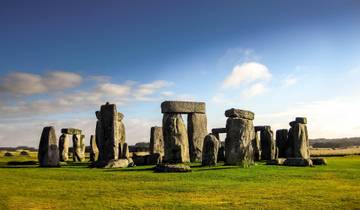
2 days
Windsor, Stonehenge, Bath & Oxford from London – 2 Days
- ✓ Comprehensive Cotswolds tour
- ✓ Expert local guides included
- ✓ All accommodation arranged
- ✓ Transportation provided
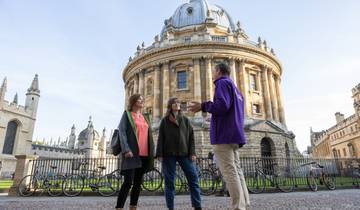
6 days
Oxford, Cotswolds, Bath, Avebury & Cambridge – 6 Days (Small-Group)
- ✓ Comprehensive Cotswolds tour
- ✓ Expert local guides included
- ✓ All accommodation arranged
- ✓ Transportation provided
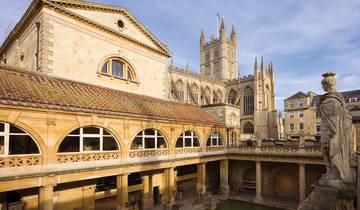
7 days
London Daytripper – 7 Days/6 Nights
- ✓ Comprehensive Cotswolds tour
- ✓ Expert local guides included
- ✓ All accommodation arranged
- ✓ Transportation provided
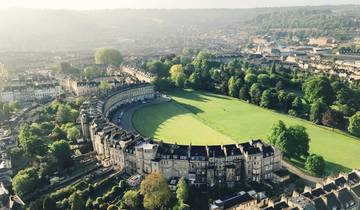
4 days
Oxford, Cotswolds, Bath & Avebury – 4-Day Small-Group Tour
- ✓ Comprehensive Cotswolds tour
- ✓ Expert local guides included
- ✓ All accommodation arranged
- ✓ Transportation provided
Multi-day tour packages powered by TourRadar. Prices and availability subject to change.
Essential Planning Information for 2026 Combined Trips
Transportation Options and Logistics
Guided tour operators including Evan Evans Tours, Golden Tours, and Premium Tours offer combined Oxford-Cotswolds itineraries departing central London pickup points at 8:00-8:30 AM and returning 7:00-8:00 PM. Tours travel in air-conditioned coaches or minibuses with reclining seats, restrooms onboard larger coaches, free WiFi, and complimentary bottled water. The professional guides provide running commentary covering history, architecture, cultural context, and insider stories that add depth beyond what independent travelers research beforehand.
Standard coach tours accommodate 40-50 passengers in full-size buses, offering economical £90-110 pricing but with large group dynamics that slow boarding, bathroom stops, and village walks. Small-group tours limited to 12-16 people in Mercedes minibuses cost £120-140, delivering more personalized experiences with easier communication with guides, faster movements between sites, and access to narrower village lanes where large coaches cannot navigate. The premium pricing buys substantially better experience quality for travelers who prioritize comfort and intimate group dynamics.
Car rental for self-drive trips requires advance booking through major providers including Enterprise, Europcar, Sixt, or Hertz with locations near London terminals including Heathrow, Paddington, and Victoria. Daily rates run £55-75 for compact manual transmission or £75-95 for automatic transmission, with the automatic premium worth paying for drivers unfamiliar with manual shifting. Reserve cars 4-6 weeks ahead during summer months when demand peaks and vehicle availability tightens. Most companies require drivers be minimum age 25 with valid license held 1+ years, charging additional fees for drivers under 25.
Navigation via Google Maps or Waze apps works throughout the route with reliable real-time traffic updates and alternative routing suggestions when congestion develops. Download offline maps before departure as mobile coverage weakens in remote Cotswolds valleys, though most routes stay connected. Consider renting GPS navigation units from car rental companies at £8-12 per day if you prefer dedicated devices over phone navigation. Physical road atlases provide backup though modern navigation apps deliver superior real-time information for avoiding traffic delays and finding parking.
Timing and Schedule Management for 2026
Depart London between 7:00-7:30 AM for self-drive trips or join guided tours leaving 8:00-8:30 AM from central London pickup points. Earlier departures allow you to reach Oxford by 8:30-9:00 AM when the city stays quieter before tour groups arrive, though most colleges don’t open to visitors until 10:00 AM making very early arrival less productive. The 75-90 minute journey from central London to Oxford via M40 motorway encounters morning traffic during weekdays but flows smoothly on weekends.
Allocate 2-3 hours for Oxford exploration focusing on 1-2 colleges plus brief city center walking rather than attempting comprehensive coverage. Visit Christ Church College (45-60 minutes including queuing) or alternatively the Bodleian Library for a standard 30-minute tour, walk past the Radcliffe Camera for photographs, stroll along High Street viewing college exteriors (30 minutes), and grab coffee at a historic café (15-20 minutes). This compressed Oxford visit delivers highlights overview sufficient for combined trip purposes while maintaining realistic time frames.
Depart Oxford by 11:30 AM-12:00 PM for the 60-75 minute drive to the Cotswolds, arriving in your first village around 12:30-1:00 PM perfect for lunch timing. The journey west on A40 then north on A429 passes through increasingly rural countryside as you transition from Oxford’s urban environment to the Cotswolds’ agricultural landscapes. Stop briefly at Burford on the approach for your first taste of honey-stone Cotswolds architecture if time permits, though Burford sits slightly outside the optimal village circuit.
Allocate approximately 60-75 minutes per Cotswolds village including parking, walking main streets, photography, shopping, and brief refreshment stops. Visit 3 villages maximum during your afternoon—attempting more creates rushed experiences with minimal village immersion. Begin return journey to London by 4:30-5:00 PM to reach central London by 6:30-7:30 PM depending on M40 traffic conditions. Evening traffic peaks during Friday and Sunday return flows when Londoners reverse commute from weekend countryside escapes, adding 30-45 minutes to journey time.
Village Selection Strategy for 2026 Cotswolds Portion
Bourton-on-the-Water delivers the quintessential Cotswolds village experience with its miniature River Windrush flowing through the center crossed by low stone bridges, honey-colored limestone buildings lining both banks, and compact layout perfect for 60-75 minute visits. The village offers numerous tea rooms, pubs, shops, and the Model Village attraction showing the entire village recreated in miniature at 1:9 scale. Parking fills quickly during summer weekends, so arrive before 1:00 PM or after 3:00 PM for better space availability at the main car park on Station Road (free for 2 hours).
Bibury provides the most photographed Cotswolds scene at Arlington Row, where medieval weavers’ cottages line a narrow lane with the River Coln and water meadows creating perfect composition. The village requires only 45-60 minutes for photographing Arlington Row, walking along the river path, and browsing the tiny village center. Parking sits adjacent to Arlington Row at the National Trust car park (£4 for 2 hours), with the village’s compact size eliminating parking stress. Visit during late afternoon at 3:00-4:00 PM when tour groups depart and golden hour light enhances the honey-stone cottages.
Stow-on-the-Wold functions as a market town rather than tiny village, featuring a historic market square surrounded by antique shops, galleries, cafes, and boutiques perfect for browsing and shopping. The town sits at the Cotswolds’ highest elevation providing distant views across surrounding countryside. Large free parking lots ring the town center within 5-minute walk of the market square, making parking significantly easier than compact villages. Allocate 60 minutes for walking the square, shopping, and refreshment stops. Stow works well as your final Cotswolds destination before returning to London, positioned optimally on the route back to M40 motorway.
Alternative villages include Castle Combe (40 minutes south requiring significant detour), Lower Slaughter and Upper Slaughter (20 minutes from Bourton, very small, limited parking), Chipping Campden (20 minutes north, beautiful high street, good for shopping), and Broadway (15 minutes from Chipping Campden, larger village with more tourist amenities). Attempting more than 3 villages creates exhausting schedule with minimal time in each location. Focus on 2-3 villages allowing proper immersion rather than windshield touring that delivers dozens of quick stops without memorable experiences.
Sample 2026 Combined Itineraries
Optimal Oxford-Cotswolds Route: Classic Combination
7:00 AM – Depart Central London
Pick up your rental car or meet your guided tour at designated London departure point. Self-drivers head northwest via M40 motorway toward Oxford, with the journey taking 75-90 minutes depending on morning traffic conditions. Guided tours depart Victoria Coach Station, hotels near Russell Square, or other central pickup locations with air-conditioned coach transport. Use travel time to review Oxford priorities and download college information apps for efficient navigation upon arrival.
8:30 AM – Arrive Oxford
Park at Oxpens Road car park (£12 for 3 hours) or Westgate Shopping Centre car park (£15 for 3 hours), both within 10 minutes’ walk of the historic center. Guided tours park at designated coach zones then walk into the city center as a group. Begin walking toward the Bodleian Library complex at the heart of Oxford’s university area, passing through the covered market if time permits for coffee and pastries from local vendors.
9:00 AM – Bodleian Library Quarter
Explore the exterior of the Bodleian Library complex and Radcliffe Camera, photographing Oxford’s most iconic architectural ensemble from Catte Street, Radcliffe Square, and Brasenose Lane. The circular baroque Radcliffe Camera creates the quintessential Oxford photograph against surrounding honey-stone college buildings. Self-guided visitors can join the 9:30 AM Bodleian tour if pre-booked, while tour groups receive guided walking commentary without interior college access to maintain schedule efficiency.
9:45 AM – Christ Church College
Walk south along St Aldate’s to Christ Church College, entering through the main gate for abbreviated exploration of the Great Hall inspiration for Harry Potter’s Hogwarts dining hall, the impressive cathedral, and Tom Quad with its iconic tower designed by Christopher Wren. Allocate 45-60 minutes rather than the 90 minutes possible during dedicated Oxford visits, focusing on main highlights without attempting comprehensive coverage of the extensive grounds. Queue times stay manageable during early morning arrival before peak tour group hours.
10:45 AM – Oxford High Street Walk
Return to High Street via St Aldate’s, walking east past University College, All Souls College, and the University Church of St Mary the Virgin. Photograph college exteriors, historic streetscapes, and the gentle High Street curve that defines Oxford’s character. Stop briefly at the covered market for coffee and light snacks if you skipped the earlier market visit. This compressed walking tour delivers essential Oxford atmosphere without attempting entry to multiple colleges that would consume departure timing.
11:30 AM – Depart Oxford for Cotswolds
Return to your parked car or board the tour coach for the 60-75 minute journey west to the Cotswolds. The route follows A40 west from Oxford through increasingly rural Oxfordshire countryside before turning north on A429 into Gloucestershire and the Cotswolds Area of Outstanding Natural Beauty. Watch for the landscape transition as stone walls replace hedgerows and honey-colored limestone buildings become ubiquitous.
12:45 PM – Arrive Bourton-on-the-Water
Park at Station Road car park (free for first 2 hours) and walk to the village center along the River Windrush. This quintessential Cotswolds village provides perfect lunch setting with multiple options including The Old New Inn for traditional pub meals (£14-22), The Croft Restaurant for lighter fare (£10-16), or Bakery on the Water for sandwiches and pastries (£6-10). After lunch, explore the low stone bridges, photograph the riverside scene, and walk through village lanes lined with honey-stone cottages and local shops.
2:00 PM – Depart for Bibury
Drive 25 minutes southwest to Bibury, arriving at the National Trust car park (£4 for 2 hours) adjacent to Arlington Row. The short drive passes through pastoral Cotswolds landscapes with stone walls, sheep pastures, and occasional villages creating picture-perfect English countryside scenery. Consider brief stops at viewpoints along the route if traffic stays light and your schedule allows spontaneous detours.
2:30 PM – Bibury Exploration
Walk to Arlington Row for photographs of the medieval weavers’ cottages that create the Cotswolds’ most iconic scene, with honey-stone buildings reflected in the River Coln and water meadows providing foreground interest. Walk along the river path through the protected meadow, visit the small village center with its historic church and Swan Hotel, and browse Bibury Trout Farm if fish farming interests you. The compact village requires only 45-60 minutes for comprehensive coverage including substantial photography time at Arlington Row.
3:30 PM – Drive to Stow-on-the-Wold
Continue 20 minutes north to Stow-on-the-Wold, parking in one of the free lots surrounding the town center. The drive passes through more Cotswolds villages including Lower Swell, showcasing additional honey-stone architecture without requiring dedicated stops. Stow sits at the Cotswolds’ highest point offering distant views across surrounding countryside from various vantage points around the market square.
4:00 PM – Stow-on-the-Wold Market Square
Explore the historic market square with its ancient market cross, surrounding antique shops, art galleries, cafes, and boutiques. The town’s larger scale compared to tiny villages provides better shopping opportunities and refreshment options, making it ideal for final Cotswolds stop before your London return. Stop for afternoon tea or coffee at one of the square’s traditional tea rooms, purchasing local products or antiques as souvenirs of your Cotswolds visit.
5:00 PM – Begin Return to London
Depart Stow-on-the-Wold for the 100-120 minute drive back to central London via A429 south to Burford, then M40 motorway east. The return journey encounters heavier traffic than morning departures, particularly on Friday and Sunday evenings when weekend travelers return to London. Build buffer time into your schedule for potential delays, planning dinner after arrival rather than attempting to reach specific London restaurants by firm reservation times.
6:45-7:15 PM – Arrive London
Return your rental car at the designated drop-off location or disembark from guided tour at your original pickup point. If energy permits, continue to a local restaurant for dinner recapping the day’s experiences, though the long day often leaves travelers ready for rest rather than extended evening activities. Review your photographs and notes about which location—Oxford or the Cotswolds—merits future dedicated trips for deeper exploration beyond today’s highlights overview.
Day Cost Summary (Self-Drive): Car rental £75 divided by 3 people = £25, fuel £25 divided by 3 = £8, Oxford parking £12 divided by 3 = £4, Christ Church £8, lunch £16, Bibury parking £4, coffee £3, snacks £6. Total day cost: £74 per person (excluding accommodation). Guided tour alternative: £90-140 per person including transportation and guiding but excluding meals and entries.
Alternative Route: Cotswolds-First Morning Approach
Some travelers prefer reversing the standard route to experience Cotswolds villages during quiet morning hours before day-tripper crowds arrive, ending with Oxford’s urban environment in afternoon. This alternative works particularly well for early risers willing to depart London at 6:30-7:00 AM to reach the Cotswolds by 8:00-8:30 AM. Begin at Bibury for sunrise photography at Arlington Row when golden morning light illuminates the honey-stone cottages without other tourists blocking compositions.
Continue to Bourton-on-the-Water arriving around 9:00 AM when the village just awakens and riverside walks remain peaceful without crowds. Enjoy breakfast or coffee at one of the early-opening cafes, then explore the bridges and lanes before tour groups arrive after 10:30 AM. Drive to Stow-on-the-Wold for mid-morning village exploration and shopping during optimal 10:00-11:00 AM timing when shops open but tourist numbers stay manageable.
Depart the Cotswolds by 11:30 AM for the 60-75 minute drive to Oxford, arriving around 12:30 PM for lunch in the covered market or a traditional Oxford pub. Spend afternoon at Christ Church College (2:00-3:30 PM avoiding morning queues), walk along High Street photographing college exteriors (3:30-4:30 PM), and visit the Bodleian Library area (4:30-5:15 PM). Return to London from Oxford departing 5:30 PM for a 7:00-7:30 PM London arrival.
This reverse routing delivers quieter Cotswolds experiences and spreads the driving more evenly throughout the day rather than concentrating it in late afternoon when fatigue sets in. However, the approach requires confident navigation directly to unfamiliar Cotswolds villages without the Oxford warm-up that helps orient first-time visitors to British roads and right-side driving. Most travelers find the standard Oxford-first route more logical psychologically and operationally, though the Cotswolds-first alternative merits consideration for particular circumstances including photography priorities and crowd avoidance strategies.
Budget Planning for 2026 Combined Trips
Guided Tour Cost Analysis
Standard coach tours priced at £90-110 per person represent the most economical combined trip option for solo travelers and pairs who cannot split car rental costs among groups. The price includes round-trip coach transportation from central London with professional driver, guided commentary throughout the journey, organized stop schedules eliminating navigation stress, and approximately 7-9 hours away from London. Tours do not include attraction entry fees, meals, or optional activities, so budget an additional £25-35 per person for Christ Church College entry (£8), lunch (£12-18), and coffee or snacks (£5-9).
Premium small-group tours at £120-140 per person limit passenger numbers to 12-16 people, traveling in Mercedes Sprinter minibuses that navigate narrow Cotswolds lanes inaccessible to large coaches. The enhanced experience includes more personalized attention from expert guides who often share advanced degrees in history or architecture, faster movement between sites without large group logistics delays, and complimentary refreshments during travel. These tours justify the £30-50 premium over budget coaches through substantially better overall experience quality, though final costs still exclude entries and meals adding £25-35 per person.
Specialized tours focusing on specific interests including Harry Potter locations, photography workshops, or historical deep-dives cost £130-180 per person, delivering expert guidance in particular subjects. Photography tours provide technical instruction on composition, lighting, and optimal shooting locations at each destination, while historical tours offer academic-level analysis of architecture, social history, and cultural evolution. These specialized options work for dedicated enthusiasts but represent overkill for general interest travelers well-served by standard tours at lower prices.
Self-Drive Cost Breakdown
Car rental costs vary by vehicle size, transmission type, and advance booking timing. Compact manual transmission cars rent for £55-75 per day when booked 4-6 weeks ahead, accommodating 4-5 people comfortably for day trips with reasonable luggage space. Automatic transmission commands premium pricing at £75-95 per day but eliminates the distraction of manual shifting while learning right-side driving, making the extra cost worthwhile for drivers unfamiliar with stick shifts. Add comprehensive insurance coverage at £15-25 per day for peace of mind, though personal auto policies or credit card benefits sometimes provide adequate protection.
Fuel costs approximately £25-30 for the combined trip covering roughly 220 miles total including London to Oxford (60 miles), Oxford to Cotswolds (30 miles), between Cotswolds villages (30 miles), and Cotswolds back to London (100 miles). British fuel prices run £1.45-1.55 per liter in 2026, with compact cars achieving 45-50 mpg making the journey relatively economical. Fill the tank before returning the rental car to avoid expensive refueling charges at car rental lots.
Parking costs total £20-30 for the day across multiple locations including Oxford city parking (£12-15 for 3 hours at Oxpens or Westgate), Bourton-on-the-Water (free at Station Road for 2 hours), Bibury (£4 at National Trust car park), and Stow-on-the-Wold (free at public lots). Additional small parking fees may apply at other villages if you extend your itinerary beyond the three recommended stops. Carry coins and payment cards as parking meters accept various payment methods with some lots preferring specific options.
Attraction entries and meals add £40-60 per person depending on your choices. Christ Church College costs £8, optional Bodleian Library tour £9, lunch £12-22 depending on venue selection (covered market versus restaurant), afternoon tea or coffee £8-12, and incidental snacks or purchases £8-15. Budget-conscious travelers can reduce meal costs to £15-20 by choosing market sandwiches and bringing snacks from London, while those seeking proper sit-down dining experiences budget £30-40 for lunch and tea combined.
Total self-drive costs for a group of 3-4 people splitting expenses run approximately £85-120 per person including all transportation, parking, entries, and meals. Solo drivers or pairs face higher per-person costs at £140-180 range when absorbing full car rental and fuel expenses, making guided tours more economical for smaller groups. The cost analysis shifts based on group size, with self-drive advantages increasing as you add passengers to split fixed vehicle costs.
Transportation Strategies for 2026 Combined Trips
Driving Tips and Navigation Guidance
British driving requires adjustment to right-side traffic flow, narrower lanes than American roads, roundabout navigation, and manual transmission vehicles unless you specifically book automatic transmission at premium pricing. Take the first 30-45 minutes on M40 motorway to acclimate to right-side driving in lower-stress highway conditions before tackling Oxford’s complex one-way system and the Cotswolds’ narrow village lanes. Remember that the driver sits on the right side of the car closest to the road center rather than the curb, helping orient your lane positioning.
Roundabouts function differently than American traffic circles, with clockwise traffic flow and yield rules giving priority to vehicles already in the roundabout. Approach roundabouts in the left lane unless specifically turning right, signal your exit as you pass the junction before yours, and accelerate confidently when gaps appear rather than stopping unnecessarily. The M40 motorway and A40 highways feature frequent roundabouts replacing traditional intersections, so practice roundabout navigation during your drive to Oxford before encountering the complex multi-lane roundabouts around the city.
Cotswolds village lanes present the greatest navigation challenge with narrow roads barely wider than a single vehicle, high stone walls limiting visibility around corners, and occasional oncoming traffic requiring one vehicle to pull into passing places. Drive slowly at 20-25 mph in villages, use designated passing places when encountering oncoming vehicles, and fold in your side mirrors if necessary to squeeze past stone walls or parked cars. Most villages implement traffic calming measures including speed humps, narrow chicanes, and priority signs indicating which direction has right-of-way in single-lane sections.
Navigation apps provide reliable guidance throughout the route, though mobile signal weakens in remote Cotswolds valleys requiring offline map downloads before departure. Google Maps and Waze both offer excellent coverage with real-time traffic updates alerting you to M40 congestion and suggesting alternative routes. However, these apps sometimes route you along extremely narrow country lanes to save 2-3 minutes, so check the map view and select routes preferring A-roads over minor country lanes when offered choices. Physical road atlases provide backup though modern apps deliver superior current information for avoiding delays.
Parking Strategies at Each Destination
Oxford parking requires patience and budget allocation, with central car parks charging £12-20 for 3-4 hours during the brief Oxford visit. Oxpens Road car park on the western edge of the historic center offers good value at £12 for 3 hours with a 10-minute walk to Christ Church College and High Street. Westgate Shopping Centre car park sits more centrally at £15 for 3 hours, placing you 5 minutes from the Bodleian Library and covered market. Avoid street parking in central Oxford where restrictions, limited spaces, and high meter rates create frustration better avoided during your compressed schedule.
Arrive at Oxford car parks before 9:30 AM for best space availability, as weekends and summer months fill lots by 10:00-10:30 AM forcing late arrivals to circle searching for alternatives or use expensive Park and Ride facilities on the outskirts. Pay parking fees immediately upon arrival rather than gambling on finding spaces at alternative lots after driving around wasting time and fuel. Most car parks accept payment by coins, cards, or mobile apps including RingGo, providing multiple payment options though signal can be weak inside underground parking structures requiring patience with app-based payments.
Bourton-on-the-Water provides free 2-hour parking at the main Station Road car park, arriving before 12:30 PM for best space availability before lunch-hour crowds fill the lot. Alternative car parks on Rissington Road and Moore Road sit 5-10 minutes walk from the village center, offering overflow capacity when the main lot fills. The village implements time limits to encourage turnover, with traffic wardens enforcing restrictions during peak summer months. Your planned 60-75 minute village visit fits comfortably within the free 2-hour limit.
Bibury National Trust car park charges £4 for 2 hours with payment machines accepting coins and cards at the lot entrance adjacent to Arlington Row. The small car park accommodates maybe 30 vehicles, filling quickly during peak afternoon hours 1:00-3:00 PM when tour buses and day-trippers converge. Arrive at 2:30-3:00 PM or later for better availability as early afternoon visitors depart and evening light improves for photography. Street parking along the main road through Bibury provides free alternatives though spaces stay limited and walking distances increase.
Stow-on-the-Wold offers the easiest parking among all destinations with multiple free car parks surrounding the town center within 5-minute walk of the market square. Tesco car park provides the largest capacity on the south side of town, while smaller lots on Sheep Street and Digbeth Street sit even closer to the square. The generous free parking reflects Stow’s larger size and role as a market town rather than tiny village, eliminating parking stress during your final Cotswolds stop before returning to London.
Best Times for 2026 Combined Trips
Seasonal Considerations and Optimal Periods
Late spring from mid-May through June provides ideal conditions for combined Oxford-Cotswolds trips in 2026, balancing comfortable temperatures at 15-22°C, extended daylight until 8:30-9:00 PM allowing relaxed pacing without rushing, and manageable tourist numbers before peak summer crowds arrive. The Cotswolds villages reach their photogenic peak during May-June when cottage gardens burst with flowers, countryside meadows show lush green, and stone villages glow in warm spring light. Oxford’s colleges open to visitors on regular schedules with most buildings accessible during your morning visit window.
Summer months July-August deliver warmest weather at 18-26°C and maximum daylight extending until 9:15 PM, but also bring peak tourist congestion at both Oxford and Cotswolds villages. Bourton-on-the-Water becomes particularly crowded during July-August weekends when thousands of day-trippers from Birmingham, Bristol, and London converge on the village. However, summer provides the most reliable weather with lowest rain probability, making it the safest choice for travelers unable to reschedule if conditions deteriorate. Book accommodations and tours 8-12 weeks ahead for summer visits when availability tightens across the Cotswolds.
Early autumn from September through mid-October offers excellent alternatives with pleasant temperatures at 13-19°C, autumn colors beginning to transform Cotswolds countryside by late September, and reduced crowds as families return to school schedules. The harvest season brings additional rural charm with farmers’ markets, countryside festivals, and autumn produce appearing in village shops and restaurants. However, daylight hours decrease significantly by October with sunset around 6:00-6:30 PM, compressing your afternoon village exploration compared to summer’s extended evening light. Plan for earlier London returns or accept driving the final hour in darkness.
Winter visits from November through March present challenging conditions for combined trips with short daylight hours ending by 4:00-4:30 PM, cold temperatures at 4-9°C, increased rain probability, and village attractions operating on reduced winter schedules. Many Cotswolds tea rooms, shops, and attractions close or limit hours during winter months, reducing the village experience significantly. However, winter brings advantages including minimal crowds, substantially lower accommodation costs if you extend to overnight stays, and occasional snow transforming the honey-stone villages into magical winter scenes perfect for photography. Winter combined trips work only for hardy travelers who accept weather uncertainty and abbreviated daylight affecting your itinerary scope.
Day of Week Strategy
Weekdays offer superior experiences compared to weekends for combined Oxford-Cotswolds trips, with smaller crowds at Oxford colleges during Tuesday-Thursday, more authentic academic atmosphere as students attend classes, and reduced village tourist numbers in the Cotswolds during midweek periods. Weekday M40 traffic flows smoothly outside commuter hours, and restaurant availability improves without weekend reservation competition. Self-drive car rental rates sometimes discount 10-15% for midweek pickups compared to Friday-Sunday premium weekend pricing.
Avoid Saturdays when both Oxford and Cotswolds villages experience maximum day-tripper congestion from across England and international tour groups. Christ Church queues extend 45-60 minutes during Saturday peak hours 11:00 AM-2:00 PM, while Bourton-on-the-Water becomes gridlocked with visitors making riverside walks and photography frustrating. Saturday parking fills earliest at all destinations, and lunch restaurants implement waits at popular venues. If Saturday represents your only option, depart London extremely early at 6:30-7:00 AM to reach Oxford by 8:00 AM before crowds arrive, gaining 90 minutes of quiet exploration time before the rush begins.
Sundays present mixed conditions with moderately reduced crowds compared to Saturdays but limited Oxford college access as many close to visitors for religious services and student activities. Christ Church restricts entry until 2:00 PM Sundays due to cathedral services, effectively eliminating it from your compressed morning Oxford schedule. However, Cotswolds villages stay quieter on Sundays with reduced tour bus traffic, making Sunday afternoons pleasant for village exploration if you accept the Oxford limitations. Trains and roads show less demand on Sundays, occasionally offering better last-minute booking availability and smoother traffic flow.
Common Mistakes to Avoid in 2026
Unrealistic Time Expectations
The most frequent mistake involves underestimating the time required for driving, parking, walking between attractions, queuing for entries, and inevitable delays from traffic or navigation errors. First-time combined trip planners allocate 30 minutes for Oxford college visits that actually require 60-75 minutes including queuing and comprehensive exploration, or budget 45 minutes per Cotswolds village when thorough walks take 75-90 minutes. These cumulative underestimates create cascading delays forcing you to rush or skip planned destinations, undermining the relaxed countryside experience that makes these destinations appealing.
Build substantial buffer time between planned activities, allowing 15-20 minute padding for each transition between destinations. Factor realistic driving times using Google Maps traffic features set for your planned travel day and time, then add 20% for unexpected delays from road work, accidents, or navigation mistakes. Accept that your combined itinerary represents an ambitious schedule requiring discipline to maintain timing, with flexibility for spontaneous detours sacrificed to cover both major destinations adequately within one day.
Poor Village Selection
Attempting to visit 5-6 Cotswolds villages in one afternoon creates exhausting windshield touring where you see dozens of honey-stone cottages from car windows without experiencing any village’s character through walking and immersion. Each village requires 60-90 minutes for proper exploration including parking, walking main streets, photography, refreshment stops, and shopping or site visits. Limit your Cotswolds itinerary to 3 villages maximum, selecting diverse examples like bustling Bourton-on-the-Water, photogenic Bibury, and market town Stow-on-the-Wold that showcase different village scales and atmospheres.
Avoid including villages that require significant detours off your main route, such as Castle Combe 40 minutes south from Bourton or Chipping Campden 30 minutes north of Stow. These worthwhile villages merit visits during dedicated Cotswolds trips but add excessive driving time that undermines combined itinerary efficiency. Stick to villages clustered along the A429 corridor between Burford and Stow-on-the-Wold, maintaining logical geographic progression that minimizes backtracking.
Inadequate Lunch Planning
Failing to research lunch options before arrival leads to wasted time searching for restaurants, settling for disappointing food at tourist traps, or discovering your preferred venue fully booked with no tables available. Bourton-on-the-Water offers the best lunch timing and venue selection during your Cotswolds afternoon, but popular restaurants fill during 12:30-2:00 PM peak hours requiring either advance reservations or flexibility to eat at 12:00 PM or 2:15 PM off-peak times. Budget tours often allocate only 30-40 minutes for lunch stops insufficient for sit-down restaurant service, forcing quick takeaway options when you wanted a relaxing meal.
Self-drive travelers gain advantage here by controlling lunch timing and venue selection, choosing early 12:00 PM or late 2:00 PM slots when restaurants show availability without reservations. Research 2-3 lunch options at your planned village before departure, checking menus and reviews to ensure the venues match your preferences and budget. Bringing picnic supplies from London provides ultimate flexibility to eat in village parks or riverside locations at your convenience without restaurant limitations.
FAQ About Combined Oxford-Cotswolds Trips 2026
How long does it take to drive from Oxford to the Cotswolds?
The drive from Oxford to the central Cotswolds villages including Bourton-on-the-Water takes 60-75 minutes covering approximately 30 miles west on A40 then north on A429. The journey passes through the Oxfordshire-Gloucestershire countryside transitioning from Oxford’s urban environment to increasingly rural landscapes as you approach the Cotswolds Area of Outstanding Natural Beauty. Traffic conditions significantly affect timing, with weekday journeys flowing smoothly in 60 minutes while weekend traffic during peak summer months extends to 75-90 minutes.
Can I visit the Cotswolds without a car in 2026?
Visiting the Cotswolds without a car requires joining guided tours that handle all transportation, as public transit connections between villages remain limited and impractical for day trips. Bus routes exist linking major towns including Cheltenham, Moreton-in-Marsh, and Stow-on-the-Wold, but services to smaller villages like Bibury run infrequently with 2-3 buses daily making multi-village visits essentially impossible. Taxis between villages cost £25-40 per journey, quickly becoming more expensive than guided tours while providing none of the expertise or convenience. For combined Oxford-Cotswolds trips, guided tours represent the only practical option for travelers without cars.
Are the Cotswolds crowded in summer 2026?
Popular Cotswolds villages including Bourton-on-the-Water, Bibury, and Castle Combe experience significant crowds during July-August weekends when domestic day-trippers combine with international tourists and tour groups. Bourton-on-the-Water particularly suffers from congestion with hundreds of visitors creating queues at tea rooms, crowded riverside walks, and challenging photography conditions. However, crowds concentrate in 4-5 famous villages while dozens of equally beautiful lesser-known villages remain peaceful even during peak season. Weekday visits reduce crowds by 40-50% compared to weekends, while visiting popular villages early morning before 10:00 AM or late afternoon after 3:30 PM avoids peak congestion.
What should I wear for an Oxford-Cotswolds day trip?
Wear comfortable walking shoes with substantial soles suitable for 5-8 miles of walking on cobblestone streets, uneven village lanes, and countryside paths. Layers work best for variable British weather with temperatures potentially ranging 10-12°C in morning to 20-22°C in afternoon, requiring light jacket or sweater that can be removed as the day warms. Bring a waterproof jacket or compact umbrella regardless of forecast, as brief showers occur even during generally sunny days. Avoid heels or dressy shoes unsuitable for walking distances and uneven surfaces. Modest casual clothing works for both destinations, with no formal dress codes at Oxford colleges during tourist visiting hours.
Is it better to visit Oxford or the Cotswolds?
Oxford and the Cotswolds offer completely different experiences making direct comparison difficult based on personal interests. Oxford delivers concentrated urban academic heritage with stunning university architecture, world-class libraries, literary connections, and walkable compact layout perfect for short visits. The Cotswolds provide expansive rural countryside dotted with honey-stone villages, peaceful pastoral landscapes, slower pace, and immersive English country atmosphere. Travelers interested in history, architecture, literature, and Harry Potter filming locations prefer Oxford, while those seeking countryside tranquility, village charm, photography opportunities, and rural English culture favor the Cotswolds. Combined trips let you sample both, determining which merits future dedicated visits.
How far apart are Oxford and the Cotswolds?
Oxford sits approximately 30 miles east of the central Cotswolds villages including Bourton-on-the-Water and Bibury, with driving time of 60-75 minutes via A40 and A429 roads. The distance remains practical for combined day trips but requires efficient time management to experience both destinations adequately within 12-13 hours total from London departure to return. The geographic proximity makes the combination logically sensible unlike trying to pair distant destinations like Oxford and Bath (55 miles, 90 minutes) or Cotswolds and Cambridge (110 miles, 2+ hours) that stretch day trip feasibility.
Should I book Oxford-Cotswolds tours in advance for 2026?
Yes, book guided tours 4-8 weeks in advance during peak season May-September when popular departures sell out, particularly for small-group premium tours with limited capacity. Budget coach tours with 40-50 passenger capacity show more availability even with shorter booking windows of 1-2 weeks, though popular Saturday departures still fill quickly. Booking ahead guarantees your preferred date and departure time while often securing early-booking discounts of 10-15% offered for reservations 8+ weeks in advance. Last-minute bookings within 3-5 days risk finding tours sold out or facing premium walk-up pricing 20-30% higher than advance rates.
What time do Cotswolds villages open in 2026?
Cotswolds villages themselves never “close” as residential communities where people live year-round, but shops, tea rooms, and attractions operate on schedules that affect visitor experiences. Most tea rooms and cafes open 9:00-9:30 AM, shops open 10:00-10:30 AM, and restaurants begin lunch service at 12:00 PM. Villages stay accessible 24 hours for walking, photography, and exterior viewing of cottages and churches. Some attractions including the Model Village in Bourton-on-the-Water open 10:00 AM-5:00 PM. Churches generally open daily for visitors during daylight hours unless services or events restrict access. The villages remain most photogenic during early morning 7:00-9:00 AM or late afternoon 5:00-7:00 PM when golden hour light enhances the honey-stone architecture.
Can I extend my Oxford-Cotswolds trip to overnight in 2026?
Extending to overnight stays dramatically improves the combined experience by eliminating rushing, allowing sunset and evening village exploration, enabling early morning photography during optimal light, and providing time for additional villages or activities impossible during compressed day trips. Cotswolds accommodation ranges from £80-150 for budget B&Bs to £150-300 for mid-range country hotels and £300+ for luxury properties. Stay in central villages including Bourton-on-the-Water, Stow-on-the-Wold, or Chipping Campden for maximum convenience. Two-day itineraries allow full day in Oxford with morning departure from London, overnight in the Cotswolds, then full second day exploring villages before afternoon return to London. This pacing creates substantially more satisfying experiences than single-day rushing.