
Osaka Best Tours & Walking Routes 2026: Complete Travel Guide
Osaka’s compact urban geography and walkable neighborhoods create ideal conditions for self-guided exploration and curated tour experiences that reveal the city’s culinary heritage, historical sites, and local culture. This comprehensive 2026 guide details the best walking routes through Osaka’s distinct districts, compares professional tour options, and provides DIY itineraries for exploring Japan’s third-largest city on foot, by bike, and through expert-led cultural experiences.
Key Takeaways: Osaka Tours and Walking Strategy 2026
- Free Walking Tours: Tip-based walking tours average ¥1,500-2,500 tips per 2.5-hour tour, covering Dotonbori, Shinsekai, and Osaka Castle with bilingual guides providing cultural context unavailable from solo exploration
- Self-Guided Efficiency: Osaka’s compact central districts enable 4-6 kilometer walking routes connecting 6-8 major attractions within 4-5 hours, eliminating transportation time and enabling spontaneous detours for discoveries
- Food Tour Value: Professional food tours cost ¥6,000-12,000 for 3-hour experiences including 6-8 tastings, guide expertise, and restaurant access difficult for independent travelers to replicate
- Optimal Walking Windows: Morning tours (9:00-11:00 AM) capture market energy and uncrowded attractions; evening tours (6:00-9:00 PM) showcase Dotonbori’s neon spectacle and active nightlife
- Transportation Synergy: Strategic metro use connects walking districts efficiently; purchase day passes (¥620-820) enabling unlimited station-to-station transfers between neighborhood explorations
- Seasonal Considerations 2026: Spring (March-April) and autumn (October-November) provide ideal walking weather; summer humidity (June-August) requires shorter routes with air-conditioned rest breaks
People Also Ask About Osaka Tours and Walking 2026
What are the best free walking tours in Osaka in 2026?
The most highly-rated free walking tours in Osaka operate on tip-based models averaging 2.5 hours with groups of 10-20 participants. Osaka Free Walking Tour covers Dotonbori, Den Den Town otaku culture, and Shinsekai districts with English-speaking guides departing daily at 2:00 PM from Apple Store Shinsaibashi, typically receiving ¥1,500-2,500 tips per person. Osaka Localized runs morning (10:30 AM) and night tours (6:30 PM) emphasizing food culture, historical context, and neighborhood stories with meeting points at Namba Station exits, averaging similar tip amounts. GuruWalk platform connects independent guides offering specialized routes including Osaka Castle historical tours, nightlife explorations, and local market experiences. These tours operate “free” meaning no upfront payment, with guide compensation through voluntary tips reflecting service quality and group size, typically totaling ¥1,500-3,000 per participant for 2-3 hour experiences including cultural insights, local recommendations, and photography assistance unavailable from solo exploration.
How walkable is Osaka compared to other Japanese cities?
Osaka ranks among Japan’s most walkable major cities due to compact central geography concentrating major attractions within 3-5 kilometer radiuses from metro hubs. Namba-Shinsaibashi to Osaka Castle measures 4.2 kilometers (45-minute walk), Dotonbori to Shinsekai spans 2.8 kilometers (30 minutes), and Umeda to Namba covers 3.5 kilometers (40 minutes) along covered shopping streets. This compares favorably to Tokyo where equivalent attraction distances often span 10-15 kilometers requiring multiple train transfers. Osaka’s flat terrain eliminates the hill-climbing required in Kyoto or Nagasaki, while underground shopping streets provide weather-protected walking during rain or extreme heat. Major tourist districts connect via intuitive north-south Midosuji Line or circular Loop Line, enabling easy metro transfers when walking distances exceed comfort levels. The city’s grid-pattern streets in central areas facilitate navigation superior to Tokyo’s complex ward system. However, Osaka’s concrete-heavy urban environment provides less pedestrian-friendly aesthetics than Kyoto’s temple districts, and summer humidity challenges outdoor walking more severely than coastal cities like Kobe or cooler northern destinations.
What’s the best walking route for first-time Osaka visitors?
The essential first-time walking route covers 5.5 kilometers from Osaka Castle through Dotonbori to Namba in 5-6 hours including attraction stops. Begin at Osakajokoen Station (JR Loop Line) at 9:00 AM, explore Osaka Castle grounds and tower (2 hours, ¥1,200 entry), walk south through business districts to Tanimachi 4-chome Station, take Metro Tanimachi Line three stops to Namba (or walk 2.5 kilometers), explore Dotonbori canal district (1.5 hours), continue through Shinsaibashi shopping arcade (1 hour), and conclude at Amerikamura for youth fashion culture (30 minutes). This route efficiently combines Osaka’s major attractions (castle, food districts, shopping) while demonstrating the city’s diverse character from historical to ultra-modern. The route operates entirely through covered or climate-controlled sections after the castle, making it feasible during summer heat or rain. Strategic timing places castle exploration during cool morning hours and Dotonbori during evening neon illumination. Alternative routes substitute Shinsekai and Tennoji for Shinsaibashi-Amerikamura, or extend north to Umeda for department store and Sky Building experiences.
Are guided tours worth the cost versus exploring independently?
Guided tours justify costs when they provide access, expertise, or efficiency impossible to replicate independently. Food tours costing ¥8,000-12,000 for 3-4 hours deliver restaurant access requiring Japanese language skills, dishes unavailable on standard menus, cultural context explaining food preparation and etiquette, and curated vendor selection requiring local knowledge. These experiences typically include ¥3,000-5,000 in food value plus guide expertise worth additional ¥3,000-5,000 to food-focused travelers. Historical tours of Osaka Castle, Sumiyoshi Taisha, or traditional districts provide architectural and historical context unavailable from signage or audio guides, valuable for culture-focused visitors. Free walking tours justify ¥1,500-2,500 tips through neighborhood navigation, local recommendations, and cultural insights. However, major attractions like Universal Studios Japan, shopping districts, and straightforward sites like Dotonbori require minimal guide enhancement; independent exploration using guidebooks or apps provides equivalent experiences at fraction of tour costs. Budget-conscious travelers maximize value through free walking tours for orientation and recommendations, then execute specific experiences independently. High-value specialized tours (tea ceremonies, cooking classes, temple meditation) justify premium pricing through unique access and instruction unavailable independently.
Extended multi-day tours – 5+ days
Featured Osaka Multi-Day Tour Packages
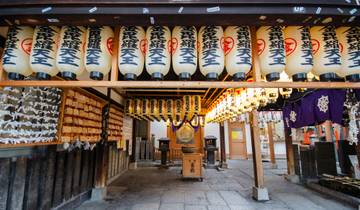
5 days
5 Day Cultural Adventure of Kyoto, Nara & Osaka
- ✓ Comprehensive Osaka tour
- ✓ Expert local guides included
- ✓ All accommodation arranged
- ✓ Transportation provided
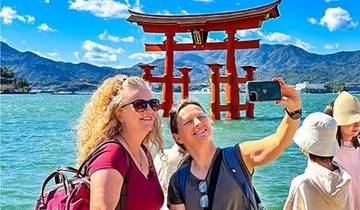
7 days
7 Day Essential Japan(Private Guide and Driver)- Umetravel
- ✓ Booking needs min. 2 travelers
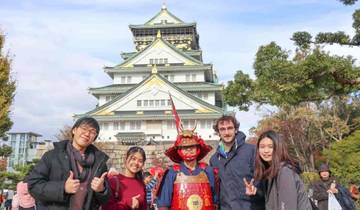
7 days
7 Day Japan Golden Route: Affordable Small Group Tour Package
- ✓ Comprehensive Osaka tour
- ✓ Expert local guides included
- ✓ All accommodation arranged
- ✓ Transportation provided
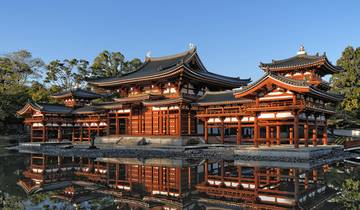
2 days
2-Day Nara & Uji: Temples, Tea, and the Spirit of Old Japan
- ✓ Comprehensive Osaka tour
- ✓ Expert local guides included
- ✓ All accommodation arranged
- ✓ Transportation provided
Multi-day tour packages powered by TourRadar. Prices and availability subject to change.
Introduction: Navigating Osaka Through Walking and Tours 2026
Osaka’s urban structure naturally accommodates walking exploration through interconnected districts accessible via compact distances, covered shopping streets protecting from weather, and relatively flat terrain eliminating the hill climbs that challenge Kyoto or Nagasaki visitors. The city divides into distinct neighborhoods each offering 2-4 hours of walking exploration: Kita (north) encompasses Umeda’s business district and underground shopping labyrinths; Minami (south) concentrates entertainment, dining, and nightlife through Namba, Dotonbori, and Shinsaibashi; Tennoji provides southern access to Shinsekai’s retro atmosphere and Abeno Harukas views; while castle grounds and eastern districts offer historical sites and quieter residential neighborhoods.
Tour options in 2026 span free tip-based walking tours, professional guided experiences (¥8,000-15,000), specialized food tours (¥6,000-12,000), cycling adventures (¥5,000-9,000), and private custom itineraries (¥25,000-40,000 for 6-8 hours). Free tours provide excellent value for budget travelers and first-time visitors seeking orientation and local recommendations before independent exploration. Food tours justify higher costs through restaurant access, off-menu experiences, and cultural education impossible to replicate solo. Private tours suit families, small groups with specific interests, or travelers valuing customization over cost efficiency. Understanding tour category benefits and limitations enables strategic selection matching budget and interest priorities.
Walking route planning requires consideration of seasonal weather, daily energy levels, and strategic metro supplementation. Spring and autumn’s moderate temperatures (15-23°C) support 6-8 hour walking days covering 10-15 kilometers across multiple districts. Summer heat and humidity necessitate shorter morning routes (9:00-11:30 AM), air-conditioned midday breaks, and evening explorations (5:00-9:00 PM) when temperatures moderate. Winter’s short daylight (sunset 5:00 PM December-January) compresses effective walking windows, though cold temperatures (3-10°C) enable comfortable walking with proper clothing. Metro day passes (¥620-820) enable efficient district transitions, allowing strategic walking within concentrated neighborhoods rather than attempting cross-city foot travel.
Self-guided walking succeeds when travelers research attractions thoroughly, download offline maps, and maintain flexibility for spontaneous discoveries. Professional tours excel at providing cultural context, navigating language barriers, accessing exclusive experiences, and maximizing limited time through efficient routing. Optimal Osaka exploration typically combines both approaches: join free walking tours during initial days for orientation and recommendations, then execute specific interests independently using gained knowledge. This hybrid strategy balances cost efficiency with information access, enabling deeper engagement than either approach alone provides.
Essential Walking Routes and Self-Guided Itineraries 2026
Osaka Castle to Dotonbori Full-Day Route
This 5.5-kilometer route connects Osaka’s premier historical site with its most famous entertainment district, requiring 5-6 hours including attraction visits and meal breaks. Begin at Osakajokoen Station (JR Loop Line) at 9:00 AM when castle grounds open and morning light optimizes photography. Enter Osaka Castle Park through the main gate, photographing moats and stone walls while walking the 800-meter approach to the castle tower. Purchase advance e-tickets (¥1,200) to skip ticket booth queues, ascending the eight-story tower for historical exhibits and eighth-floor observation deck views.
Exit castle grounds through the western Otemon Gate at 11:00 AM, walking south through business districts along Tanimachi Avenue for 1.5 kilometers. This section provides authentic Osaka neighborhood atmosphere with minimal tourist presence, passing local shops, small restaurants, and residential architecture contrasting with tourist district intensity. Alternatively, take Metro Tanimachi Line from Tanimachi 4-chome Station (three stops, ¥180) to Namba, saving 30 minutes and energy for later walking.
Arrive Namba-Dotonbori at 11:30 AM-noon, immediately experiencing peak energy as lunch crowds fill restaurants and shops open completely. Walk west along Dotonbori Canal’s northern bank toward the iconic Glico Running Man sign, photographing neon displays and mechanized advertising. Cross Ebisubashi Bridge for optimal Glico sign photography with canal reflections, then explore southern bank’s restaurants and entertainment venues. Budget 90 minutes for Dotonbori exploration including early lunch at takoyaki stands (¥600-800) or ramen shops (¥800-1,200).
Continue north through Shinsaibashi shopping arcade at 1:30 PM, walking the 600-meter covered pedestrian street connecting Dotonbori to Shinsaibashi Station. This arcade features 180+ shops spanning affordable fashion to international luxury brands, all protected from weather. Exit at Shinsaibashi Station, continuing northwest into Amerikamura (America Village) for youth fashion culture and Triangle Park’s social atmosphere. Spend 45-60 minutes browsing vintage shops, streetwear boutiques, and independent cafes before concluding at 3:00-3:30 PM.
Shinsekai and Tennoji District Route
This 3.8-kilometer route explores Osaka’s retro working-class district and southern entertainment zone, requiring 3.5-4 hours including Tsutenkaku Tower ascent and kushikatsu dining. Start at Ebisucho Station (Metro Sakaisuji Line) at 5:00 PM when neon signs activate and restaurants reach peak energy. Walk south through covered shopping streets toward Tsutenkaku Tower’s distinctive profile dominating the skyline. The 103-meter tower illuminates progressively as evening darkens; optimal photography occurs 6:00-7:30 PM during blue hour.
Purchase Tsutenkaku observation deck tickets (¥900, or included with Osaka Amazing Pass) ascending to 91-meter viewing platform. The tower provides 360-degree city views, golden Billiken statue for luck-rubbing rituals, and newly opened Tower Slider descent option. Spend 30-45 minutes at the tower, descending to ground level by 6:30 PM when street atmosphere maximizes. Shinsekai’s main street extends east-west beneath the tower, lined with 24-hour kushikatsu restaurants displaying exaggerated signage and illuminated storefronts creating photogenic street scenes.
Select a kushikatsu restaurant (Daruma, Janjanken, or similar establishments) around 7:00 PM for dinner, ordering 10-15 skewers (¥2,000-3,500 including drinks) and observing mandatory no-double-dipping sauce etiquette. Kushikatsu restaurants encourage extended sitting; linger 60-90 minutes experiencing the local working-class hospitality and retro atmosphere that defines Shinsekai’s character. Exit the restaurant at 8:30 PM, walking through remaining streets photographing neon signs and observing pachinko parlors, game centers, and standing bars creating authentic Japanese entertainment culture.
Walk 10 minutes south to Tennoji Station area, exploring underground shopping streets and the elevated walkway connecting to Abeno Harukas skyscraper. If energy remains, visit Harukas 300 observation deck (¥1,500, open until 10:00 PM) on the 60th floor for Osaka’s highest viewpoint. Alternatively, explore Tennoji’s underground shopping and restaurant complex before catching metro home. This route works equally well as afternoon exploration (2:00-5:30 PM) when tower crowds thin and earlier dining accommodates less adventurous schedules.
Umeda Underground and Sky Building Circuit
This 4.2-kilometer route navigates Osaka’s most complex urban commercial zone, requiring 4-5 hours including shopping, dining, and observation deck visits. Begin at Osaka Station’s Central Exit at 10:00 AM when department stores open, immediately descending into Whity Umeda underground shopping street extending 800 meters beneath Midosuji Avenue. The underground maze contains 180+ shops organized by color-coded sections (Blue, Yellow, North, South) that confuse first-time navigators; accept occasional disorientation as part of the authentic Umeda experience.
Surface at Umeda Station after 45-60 minutes underground shopping, crossing to Grand Front Osaka complex north of station tracks. This multi-level shopping development features 270 shops, restaurants, and rooftop terrace gardens providing rare outdoor space in Osaka’s dense urban environment. Explore Grand Front’s three buildings (North, South, Tower) spending 60-90 minutes browsing flagship stores and the Knowledge Capital innovation center. Exit Grand Front’s northern end around 12:30 PM, walking 500 meters northwest toward Umeda Sky Building’s distinctive twin-tower silhouette.
Purchase Umeda Sky Building observatory tickets (¥1,500) at ground-level machines, ascending escalators through the building’s architectural centerpiece connecting bridge to the 39th floor, then elevators to 40th floor indoor observation gallery. The outdoor Floating Garden rooftop deck (170 meters high) provides 360-degree views with floor-to-ceiling windows and exposed rooftop sections for photography. Spend 45-60 minutes at observation levels, descending around 2:30 PM for lunch at basement restaurant floor’s diverse international and Japanese options (¥1,200-2,500).
Return to Osaka Station area at 3:30 PM, exploring LUCUA shopping complex south of station tracks featuring 240 shops across connected North and South buildings. The 14th and 15th floors concentrate restaurants (opening April 2026 in South building) providing evening dining options. Conclude at 5:00-6:00 PM depending on shopping interest and energy levels. This route intentionally avoids commuter hours when Osaka Station handles 2.3 million daily passengers; never attempt during morning rush (7:30-9:30 AM) or evening peak (5:30-7:30 PM) when crowds become overwhelming.
Kuromon Market and Namba Neighborhoods Route
This 2.8-kilometer route focuses on food culture and residential neighborhood exploration, requiring 3-4 hours including market sampling and street wandering. Start at Nippombashi Station (Metro Sennichimae and Sakaisuji Lines) at 10:00 AM when market vendors complete setup and morning crowds remain manageable. Enter Kuromon Market’s western entrance, proceeding east through the 600-meter covered arcade while sampling vendors’ specialties: grilled scallops (¥400-600), sea urchin (¥800-1,200), oysters (¥300-500), takoyaki variations (¥500-800), and fresh fruit parfaits (¥800-1,200).
Budget ¥2,500-4,000 for comprehensive market sampling, selecting 5-7 different food experiences across 90-120 minutes. Strategic sampling begins with lighter items (fruit, small seafood portions) progressing to heavier foods (wagyu skewers, fried items) preventing early fullness that blocks later tasting. Exit Kuromon’s eastern end around 12:00-12:30 PM, crossing to Den Den Town (Nipponbashi area) for electronics, anime shops, and manga retailers constituting Osaka’s equivalent to Tokyo’s Akihabara district.
Spend 45-60 minutes browsing Den Den Town’s 5 blocks of specialty retailers, then walk north through Black Gate shopping area featuring discount electronics and tax-free goods. This section provides authentic local shopping atmosphere with minimal tourist presence, showcasing everyday Osaka commercial culture beyond curated tourist districts. Arrive Dotonbori’s eastern end around 2:00 PM, walking west along the southern bank photographing afternoon light on canal reflections and mechanized signs.
Explore side alleys perpendicular to Dotonbori’s main strip, discovering smaller restaurants, standing bars, and local shops away from tourist concentrations. Hozenji Yokocho alley (parallel to Dotonbori one block south) preserves traditional atmosphere with stone-paved passages, lantern lighting, and moss-covered Jizo statues. Complete the circuit by walking north through Soemon-cho entertainment district’s narrow streets, emerging at Shinsaibashi Station at 3:30-4:00 PM. This route works year-round with covered market and arcade sections protecting from weather, though summer heat makes morning timing essential.
Osaka Castle Park and Eastern Neighborhoods Route
This 6.5-kilometer route explores less-touristed eastern districts combining castle grounds, historical sites, and residential neighborhoods, requiring 5-6 hours including museum visits and meal breaks. Begin at Osaka-jo Hall Station (JR Loop Line) at 8:00 AM for quiet early-morning castle photography when soft light enhances moat reflections and tourist crowds remain minimal. Enter castle grounds through eastern gates, walking 1.5 kilometers around the moat’s perimeter before general visitors arrive.
Complete castle grounds circuit by 9:30 AM when the tower opens, either entering immediately (¥1,200) or continuing the walking route to return later. Walk northwest 800 meters to Osaka Museum of History (¥600 admission, opens 9:30 AM) featuring excellent 10th-floor panoramic windows overlooking castle grounds plus interactive exhibits about Osaka’s development from ancient times through modern reconstruction. Spend 60-90 minutes at the museum, exiting around 11:30 AM for lunch at nearby restaurants serving set meals (¥1,000-1,800).
Walk east from the museum along Tanimachi Avenue through residential neighborhoods toward Osaka Tenmangu Shrine (15-minute walk, 1.2 kilometers). This major Shinto shrine honors learning and scholarship, drawing students before exams but remaining peaceful during normal periods. Explore shrine grounds, adjacent Tenjinbashi-suji shopping street (Japan’s longest at 2.6 kilometers), and local residential atmosphere providing counterpoint to tourist district intensity. Spend 90 minutes in this area including shopping arcade exploration and shrine visit.
Return to castle grounds around 2:30 PM via metro (Minami Morimachi Station to Tanimachi 4-chome, ¥180) or continue walking south along Tanimachi Avenue (2 kilometers, 25 minutes). Enter castle tower using advance tickets to skip queues, ascending to eighth-floor observation deck for afternoon city views. Conclude at 4:00-4:30 PM, taking metro from Tanimachi 4-chome Station to central districts. This route suits spring cherry blossom season when castle park’s 600 trees create spectacular viewing, or autumn foliage in November when maple trees display seasonal colors.
Professional Guided Tours: Categories and Options 2026
Free Walking Tours: Tip-Based Exploration
Free walking tours operate throughout Osaka providing 2-3 hour guided neighborhood explorations on tip-based compensation models where participants pay nothing upfront, instead tipping guides ¥1,500-3,000 per person based on service quality. Osaka Free Walking Tour runs daily 2:00 PM departures from Apple Store Shinsaibashi (Midosuji Avenue), covering Dotonbori, Amerikamura, and Hozenji Yokocho with English-speaking guides providing cultural context, local recommendations, and photography assistance. Tours accommodate 10-25 participants, concluding at Namba Station around 4:30 PM with specific restaurant and attraction suggestions.
Osaka Localized offers morning (10:30 AM) and night (6:30 PM) tours emphasizing food culture and neighborhood history. Morning tours begin at Namba Station, exploring Kuromon Market, Dotonbori, and Shinsekai with food sampling opportunities (participants pay their own sample costs, typically ¥1,000-1,500 total). Night tours focus on illuminated streetscapes, entertainment districts, and bar recommendations, concluding around 9:00 PM. These tours particularly benefit first-time visitors seeking orientation, cultural education, and personalized recommendations before independent exploration.
GuruWalk platform connects independent guides offering specialized routes including Osaka Castle historical tours, Shinsekai food and culture explorations, and Umeda architecture walks. Tours operate on similar tip-based models with 2-2.5 hour durations. Quality varies by individual guide; review ratings and recent comments before booking. Most GuruWalk guides accept advance online reservations (no payment required), though walk-up participation often remains possible depending on group size.
Free tour participants should arrive 10-15 minutes before departure for check-in and introduction, bring cash for tips (credit card payment unavailable), and dress appropriately for extended walking in various weather conditions. Tours proceed regardless of weather, though extreme conditions may modify routes or durations. Tip amounts should reflect tour quality, guide expertise, and group dynamics; ¥1,500 represents minimum acceptable tips, ¥2,000-2,500 reflects good tours, and ¥3,000+ rewards exceptional guides providing extra value through recommendations, photos, or extended time.
Food Tours: Culinary Culture Deep Dives
Professional food tours cost ¥6,000-12,000 for 3-4 hour experiences including guide expertise, 6-8 food tastings, restaurant access requiring Japanese language skills, and cultural context explaining preparation methods and eating etiquette. These tours justify premium pricing through value impossible to replicate independently: off-menu items prepared specifically for tour groups, small family restaurants without English menus or tourist comfort, guide relationships enabling preferential seating and preparation, and educational components covering ingredients, regional variations, and historical significance.
MagicalTrip Osaka Food Tour (¥9,800, 3.5 hours) visits 5-6 restaurants and food stalls across Dotonbori, Kuromon Market, and hidden neighborhoods, including takoyaki, okonomiyaki, kushikatsu, street foods, and desserts. Guides provide cultural background on Osaka’s “Kitchen of the Nation” reputation, explain eating etiquette specific to different foods, and share personal stories about culinary traditions. Tours accommodate maximum 8 participants enabling intimate interactions and personalized attention. Departure times vary seasonally; evening tours (6:00 PM) capture illuminated street atmospheres.
Arigato Japan Food Tours operates similar 3-hour experiences (¥8,500) emphasizing family-run establishments and traditional preparation methods. Routes include standing kushikatsu counters where no-double-dipping etiquette receives detailed explanation, teppanyaki restaurants demonstrating okonomiyaki techniques, and specialized takoyaki shops revealing temperature and timing secrets producing optimal textures. Tours conclude with dessert and matcha at traditional sweet shops, completing comprehensive culinary education impossible during quick tourist visits.
Deep Osaka Food Tours (¥12,000, 4 hours) target serious food enthusiasts with 8-9 stops including premium experiences like kaiseki-style small plates, sake tasting with sommelier guidance, wagyu beef preparations, and seasonal specialties unavailable to tourists unfamiliar with ordering protocols. These higher-end tours assume culinary interest beyond casual sampling, providing detailed explanations of ingredients, regional sourcing, and preparation techniques. Tours limit groups to 6 participants, often booking weeks in advance during peak seasons.
Cycling Tours: Efficient District Coverage
Cycling tours enable efficient exploration covering 15-20 kilometers across 5-6 hours, accessing parks, riverside paths, and suburban areas difficult to reach through walking routes. MagicalTrip Osaka Highlights Bike Tour (¥7,500, 5 hours) covers Osaka Castle, Tsurumi Ryokuchi Park, Nakanoshima riverside, Dotonbori, and Shinsekai using comfortable city bikes with baskets and child seat options. Tours include lunch stops at local restaurants, photo breaks at major attractions, and guide commentary about architecture, history, and contemporary culture.
Routes utilize bike-friendly paths along rivers and through parks, minimizing traffic interactions while maximizing scenic viewing opportunities. Participants should possess basic cycling skills and comfort riding in urban environments; no advanced technical ability required. Tours provide helmets (optional but recommended), lock for bikes during walking sections, and support vehicle for mechanical issues or exhaustion. Maximum group size limits to 10 participants ensuring guide supervision and safety management.
Cycling tours particularly suit spring and autumn when moderate temperatures (15-23°C) enable comfortable multi-hour riding without summer heat exhaustion or winter cold. Summer tours (June-August) modify routes reducing distance and increasing rest stops in air-conditioned locations. Tours don’t operate during heavy rain or extreme weather conditions; alternative date rescheduling or full refunds apply when weather forces cancellation. Cherry blossom season brings specialized routes emphasizing parks and riverside cherry tree concentrations, booking weeks in advance due to limited availability.
Private Custom Tours: Tailored Experiences
Private tours cost ¥25,000-40,000 for 6-8 hour fully customized experiences accommodating 1-6 participants with dedicated guide and optional vehicle transportation. Customers specify interests (food culture, historical sites, shopping, photography, specific neighborhoods), physical capabilities, and dietary restrictions, with guides developing personalized itineraries pre-approved before tour dates. This flexibility suits families with children, elderly travelers requiring rest periods, serious photographers seeking specific locations and timing, or groups with specialized interests poorly served by standard tours.
Private food tours enable dietary accommodation (vegetarian, halal, kosher, allergies) impossible on group tours where restaurants prepare standard menus. Guides research appropriate restaurants, communicate dietary requirements in Japanese, and ensure safe enjoyable dining experiences. Family tours incorporate child-friendly activities, rest breaks, and age-appropriate cultural education maintaining engagement across different age groups. Photography tours target golden hour lighting, specific locations, and optimal camera angles with patient guides understanding photographers’ needs for perfect conditions.
Vehicle-based private tours enable broader geographic coverage including suburban attractions like Expo Memorial Park, Sakai City bicycle museums and traditional neighborhoods, or coastal areas requiring 45-90 minute drives from central Osaka. Vehicles accommodate luggage, shopping purchases, and tired participants, providing flexibility impossible through public transportation dependence. However, vehicle costs increase total expenses; walking/metro-based private tours maximize guide expertise value versus vehicle overhead.
Booking private tours requires 2-4 weeks advance notice during normal periods, 4-8 weeks during peak seasons (cherry blossoms, autumn foliage, major holidays). Communicate expectations clearly during booking process including physical capability limitations, specific must-see attractions, and preferred pace. Excellent private guides respond to group energy adjusting itineraries real-time, maintaining flexible attitudes while ensuring originally requested experiences occur. Price variations depend on group size, vehicle requirements, meal inclusions, and attraction entry tickets (sometimes included, sometimes customer-paid separately).
Specialized Tours and Cultural Experiences 2026
Historical and Architectural Tours
Osaka Castle specialized tours (¥5,000-8,000, 2-3 hours) provide architectural and historical expertise far exceeding audio guide information or independent exploration. Professional guides explain castle’s 430-year history spanning Toyotomi Hideyoshi’s original construction, Tokugawa-era reconstruction, 1931 concrete rebuilding, and modern preservation efforts. Tours detail architectural features including stone wall construction techniques, defensive moat systems, turret positioning, and internal structure contrasting with other Japanese castles. The newly opened Toyotomi Stone Wall Museum receives thorough explanation of archeological discoveries revealing original 1590s construction buried beneath Tokugawa modifications.
Guides provide context about castle’s role in Japanese unification, Osaka’s commercial development, and samurai culture impossible to absorb from exhibits alone. Photography guidance includes optimal angles for different lighting conditions, seasonal flower foregrounds, and composition techniques capturing castle’s scale and architectural details. Tours typically include Nishinomaru Garden when cherry blossoms bloom or autumn colors peak, timing visits for optimal viewing conditions. Private castle tours enable flexible pacing accommodating serious history enthusiasts or photographers requiring extended time at specific locations.
Sumiyoshi Taisha and Traditional Architecture Tours (¥6,000, 3 hours) explore Japan’s oldest shrine architectural style predating Buddhist influence on Japanese religious construction. Guides explain unique Sumiyoshi-zukuri features including straight rooflines, elevated structures, cypress bark roofing, and structural elements distinguishing pre-Buddhist indigenous architecture. Tours include detailed shrine protocol instruction, seasonal festival explanations, and historical context about shrine’s 1,800-year heritage serving maritime safety prayers.
Tea Ceremony and Traditional Arts Experiences
Tea ceremony experiences (¥5,000-10,000, 90 minutes) provide structured introduction to Japanese cultural aesthetics through formal tea preparation and consumption protocols. Participants wear kimono (included in experience), learn proper sitting positions and bowing etiquette, observe tea master’s precise preparation choreography, and consume matcha following specific sequence and gestures. Instructors explain tea ceremony’s philosophical foundations emphasizing harmony, respect, purity, and tranquility principles influencing Japanese cultural approaches beyond tea itself.
Osaka experiences occur at traditional tea houses, temple facilities, or cultural centers maintaining authentic settings with tatami floors, tokonoma alcoves displaying seasonal flowers and calligraphy, and garden views creating contemplative atmospheres. While shorter and more tourist-oriented than formal tea ceremony study, these experiences provide accessible introduction to complex cultural practice requiring years to master. Photography typically restricted during ceremonies; participants should prioritize experience immersion over documentation.
Calligraphy workshops (¥4,000-7,000, 90-120 minutes) teach basic brush technique, character composition, and aesthetic principles guiding Japanese visual arts. Participants create their own calligraphy pieces selecting favorite kanji characters (peace, harmony, love, strength) with instructor guidance on brush pressure, stroke order, and compositional balance. Completed works dry during workshops, enabling same-day take-home souvenirs representing tangible skills learned. These workshops suit rainy days or rest days when physical sightseeing takes breaks.
Cooking Classes: Hands-On Culinary Education
Osaka cooking classes (¥7,000-12,000, 3-4 hours) teach preparation of 2-4 dishes including takoyaki, okonomiyaki, sushi, ramen, or traditional Japanese home cooking. Classes accommodate 4-12 participants working individual stations or paired teams, with instruction in English covering ingredient selection, preparation techniques, cooking methods, and presentation standards. Completed dishes become participants’ lunch or dinner, creating practical value combining education with meal costs.
Takoyaki and okonomiyaki classes specifically teach Osaka’s signature street foods, revealing cooking secrets producing restaurant-quality results: proper batter consistency, optimal griddle temperatures, turning techniques creating perfect spherical shapes, and topping applications enhancing flavors. Students practice multiple rounds producing 8-12 takoyaki balls and full-size okonomiyaki for consumption. Instructors demonstrate professional techniques while accommodating beginner skill levels, creating supportive learning environments where mistakes become educational rather than frustrating.
Classes typically include recipe cards, ingredient lists with English translations, and shopping guidance enabling home recreation of learned dishes. Some classes conclude with market tours purchasing ingredients used during cooking, combining culinary education with practical shopping skills. Classes operate in residential neighborhoods providing glimpses into everyday Osaka life beyond tourist districts. Book classes well in advance during peak travel seasons as popular instructors fill weeks beforehand.
Practical Planning for Osaka Tours and Walking 2026
Booking Strategies and Timing
Free walking tours require no advance booking though online reservation ensures space during peak seasons; simply arrive at meeting points 10-15 minutes early with cash for tips. Professional food, cycling, and cultural tours require 1-2 weeks advance booking during normal periods, extending to 3-6 weeks during cherry blossom season (late March-early April), autumn foliage (November), and major Japanese holidays (Golden Week, Obon, New Year). Private tours book 2-4 weeks advance minimum, 4-8 weeks during peak seasons when popular guides fill calendars early.
Optimal tour timing places food tours during evening (6:00-9:00 PM) when restaurants reach peak energy and neon signs activate, walking tours during morning (9:00-noon) when crowds remain light and weather stays cooler, and cycling tours during late morning (10:00 AM start) when traffic moderates after morning rush. Historical tours work any time though morning light optimizes photography while afternoon allows sleeping later after jet lag or late-night entertainment. Cultural experiences like tea ceremony operate scheduled times (typically 10:00 AM, 2:00 PM) with limited daily slots requiring flexible schedule accommodation.
Cancellation policies vary by operator: free walking tours permit no-show without penalty but appreciate courtesy notification; professional tours typically allow free cancellation 48-72 hours in advance, charging 50% within 48 hours and 100% within 24 hours or no-shows. Weather-related cancellations initiated by operators provide full refunds or rescheduling; participant-initiated weather cancellations follow standard policies. Travel insurance covering tour cancellations provides protection when illness or unexpected events force itinerary changes.
What to Bring and Wear for Walking Tours
Comfortable walking shoes represent the most critical equipment for Osaka touring; athletic sneakers, walking shoes, or broken-in casual shoes that support 6-8 hours and 10,000-15,000 steps across concrete sidewalks and metro stairs. Japanese fashion runs more formal than Western casual wear, though tourists aren’t expected to match local style standards. Avoid beach footwear (flip-flops, sandals), athletic wear outside actual athletic activities, and extremely casual clothing for restaurant visits or cultural experiences. Neat casual clothing (clean jeans, casual shirts, simple dresses) suits all contexts; upgrade to business casual for upscale dining or traditional cultural activities.
Weather-appropriate layering accommodates Osaka’s climate variations: spring and autumn require light jacket or cardigan for morning cool and evening chill, summer demands breathable cotton or technical fabrics with sun protection, winter needs warm coat and thermal underlayers. Umbrellas suit rainy season (June-July) and occasional spring/autumn showers; purchase compact umbrellas at convenience stores (¥500-800) rather than packing large versions. Sun protection including hats, sunglasses, and high-SPF sunscreen becomes critical during summer months when heat indexes reach uncomfortable levels.
Backpacks or crossbody bags accommodate water bottles, snacks, cameras, purchased items, and layers removed during temperature changes. Small bags (under 10 liters) work for focused tours, medium bags (15-20 liters) suit day-long explorations with shopping intentions. Keep bags accessible for metro ticket access, restaurant payments, and attraction entries. Cash remains essential; carry ¥10,000-20,000 for daily expenses including tour tips, street food, small shop purchases, and emergency needs. Credit cards work at major establishments though cash dominates smaller restaurants and market vendors.
Group Tour Etiquette and Expectations
Punctuality represents fundamental Japanese cultural expectation; arrive at meeting points 10-15 minutes before scheduled departure times. Tours typically depart precisely on time; late arrivals miss departures or disrupt entire groups. If unavoidable delays occur, contact tour operator immediately via phone (not email) explaining situation. Group tours proceed as scheduled regardless of late arrivals; private tours typically accommodate reasonable delays when communicated promptly.
Stay with groups during walking tours; personal detours or extended photo stops disrupt guides’ schedules and create safety concerns. If you need brief breaks, inform guides who accommodate reasonable requests while maintaining overall timeline. Food tours include pre-portioned tastings; respect quantity limitations and never request additional portions unless explicitly offered. Share samples when dining family-style; don’t monopolize dishes before others taste them. Drink alcohol responsibly on tours including bar visits or sake tastings; intoxication embarrasses guides and fellow participants.
Photography requires awareness and courtesy: photograph guides only after requesting permission, avoid flash photography in restaurants and shrines, never photograph monks, geisha, or locals without permission, and prioritize experience participation over constant documentation. Guides often assist with group photos and location recommendations; express appreciation but don’t monopolize their attention. Quiet attentiveness during historical and cultural explanations shows respect for guides’ expertise and creates learning environments benefiting entire groups.
Maximizing Tour Value and Learning
Prepare for tours by researching basic information about attractions beforehand; guides provide deeper context rather than repeating basic facts available from websites or guidebooks. Come with specific questions about culture, history, or practical matters guides can answer authoritatively. Take notes during tours; memory alone rarely retains detailed information provided throughout 3-4 hour experiences. Photograph key locations, recommended restaurants, and street names for later reference when independent exploration follows tour recommendations.
Request specific recommendations aligned with your interests: vegetarian restaurants, budget dining options, best times visiting specific attractions, shopping areas, transportation tips, and hidden locations tourists typically miss. Experienced guides possess extensive local knowledge far exceeding tour script content; asking questions accesses this knowledge productively. However, avoid monopolizing guides’ attention with extended personal consultations while others wait; brief specific questions work best.
Follow up tour experiences independently by visiting recommended locations, attempting learned techniques (food preparation, photography compositions), and exploring adjacent areas briefly covered during tours. Tours provide orientation and foundational knowledge; maximum value emerges through applying gained information during subsequent independent exploration. If you particularly enjoy tours or receive exceptional service, leave positive online reviews helping future travelers make informed selections while supporting quality guide careers. Consider tipping excellent private guides beyond agreed fees; while unnecessary, extra ¥2,000-5,000 rewards superior service and enables continued quality touring businesses.
Frequently Asked Questions About Osaka Tours and Walking 2026
How physically demanding are Osaka walking tours?
Standard walking tours cover 4-6 kilometers over 2.5-3 hours at moderate pace with brief standing stops for guide explanations, requiring baseline fitness equivalent to walking 45-60 minutes without sitting. Tours include short rest breaks at attractions, cafes, or shaded areas every 45-60 minutes. Full-day self-guided routes extend to 8-12 kilometers across 5-7 hours requiring stronger endurance though flexible pacing allows frequent rest stops at cafes, attractions, or parks. Participants with mobility limitations should inquire about specific tour requirements; some routes accommodate limited mobility through shorter distances or metro supplements, while others require continuous walking over uneven surfaces. Osaka’s flat terrain eliminates hill-climbing that challenges Kyoto or Nagasaki visitors, though summer humidity increases perceived exertion significantly. Elderly participants and families with young children successfully complete tours through appropriate route selection, earlier starts avoiding heat peaks, and realistic capability assessment. Private tours customize routes matching participants’ physical capabilities, providing optimal solution for mobility concerns or endurance limitations.
Can I join walking tours with children or strollers?
Free walking tours accommodate families with children though fast pace and adult-focused content may challenge very young kids’ engagement; inquire with specific operators about family suitability. Most tours welcome well-behaved children ages 8+ who can maintain pace and attention. Professional family tours (¥8,000-15,000 for families) specifically design routes and content engaging children through interactive activities, kid-friendly food stops, and age-appropriate cultural explanations. Strollers physically navigate Osaka’s sidewalks and metro stations equipped with elevators, though crowded conditions and frequent stairs complicate stroller mobility. Many attractions and restaurants require stroller parking at entrances; bring baby carriers as backup. Consider private family tours enabling customized pacing, extended breaks, and activity flexibility matching children’s energy and interest patterns. Osaka’s compact geography suits families by reducing transportation requirements; 2-3 hour morning walking segments followed by afternoon rest periods create sustainable family touring rhythms. Convenience stores provide diaper-changing stations, snacks, and hydration supporting family logistics throughout walking exploration.
What happens if weather is bad during scheduled tours?
Tours proceed during light rain with participants bringing umbrellas or rain jackets; guides adjust routes emphasizing covered shopping arcades and sheltered attractions. Heavy rain, thunderstorms, or typhoon conditions may trigger operator-initiated cancellations providing full refunds or complimentary rescheduling. Participant-initiated cancellations due to rain follow standard cancellation policies without special weather exemptions unless conditions genuinely prevent safe operation. Summer heat doesn’t constitute cancellation reason; tours adjust timing, increase rest breaks, and emphasize air-conditioned locations but operate as scheduled. Snow (rare in Osaka) may disrupt tours depending on severity; light snow proceeds normally while heavy snow creates safety concerns potentially warranting cancellation. Winter cold rarely reaches extreme levels preventing tours; dress appropriately expecting outdoor exposure. Operators communicate cancellations via email or phone 2-4 hours before scheduled departure; check messages morning of tour days during marginal weather conditions. Travel insurance covering weather-related cancellations provides peace of mind during rainy season or typhoon-prone periods (September-October). Most visitors experience no weather cancellations; Osaka’s covered shopping streets and sheltered attractions enable comfortable touring during typical Japanese rainfall.
How do food tour tastings work with dietary restrictions?
Group food tours follow preset menus difficult to modify for dietary restrictions; vegetarian, vegan, halal, kosher, and allergy accommodations require advance communication with operators who may recommend alternative dates, private tours, or refunds when restrictions can’t be safely accommodated. Japanese cuisine heavily incorporates dashi (fish stock), soy sauce, and meat products making strict vegetarian/vegan substitutions challenging in authentic local restaurants. Allergies present serious concerns; Japanese service culture takes allergen safety seriously but language barriers and cross-contamination risks during group tours warrant extreme caution. Disclose all dietary restrictions during booking; reputable operators either confirm full accommodation or honestly advise when restrictions can’t be met safely. Private food tours provide optimal dietary accommodation by selecting appropriate restaurants, communicating restrictions in Japanese, and ensuring safe enjoyable dining. General food sensitivities (dislikes, texture aversions) typically receive accommodation through portion adjustments or alternatives. However, deeply restrictive diets conflicting with Japanese culinary practices may find better value in independent dining where total control enables safe meal selection. Operators prioritizing safety over sales honestly communicate limitations; trust these assessments rather than forcing participation risking health complications or unsatisfactory experiences.
Are tour guides licensed or certified in Osaka?
Japan requires professional tour guides conducting paid tours in foreign languages to hold national government licenses obtained through testing or training programs demonstrating language proficiency, cultural knowledge, and guiding skills. Licensed guides display certification enabling legal paid guiding; unlicensed guiding technically violates regulations though enforcement varies. Free walking tour guides operating on voluntary tip basis occupy gray regulatory area; many operate without official licenses under volunteer interpretation, while some hold proper credentials supplementing income through tips. Reputable tour companies employ licensed guides meeting professional standards; confirm credentials when booking premium-priced tours. Private guide services through established platforms verify licensing and provide customer protection through company oversight. Individual guides working independently may or may not hold licenses; review experience, qualifications, and customer feedback assessing competence independent of licensing status. Practical tour quality depends on guide personality, local knowledge, and communication skills as much as formal credentials. Excellent unlicensed guides may outperform mediocre licensed guides; conversely, licensing provides baseline competency assurance and recourse for problems. Consider licensing one factor among multiple quality indicators including reviews, experience, specializations, and operator reputation when selecting tours.
Can walking tours accommodate different pace preferences?
Group tours maintain unified pacing accommodating average fitness; faster or slower individuals must adapt to group speed rather than expecting tours to match their preferred tempo. Guides typically set moderate pace with scheduled stops enabling brief catching-up for slower walkers, though continuous lagging disrupts group cohesion and guide’s ability to provide comprehensive commentary. Participants requiring significantly slower pace or more frequent rest breaks should book private tours enabling fully customized pacing. Self-guided walking using recommended routes provides ultimate flexibility, though losing guide context and recommendations. Free walking tours tend toward brisker pace keeping groups engaged and maintaining schedule; food tours pace slower around dining stops allowing fuller experiences at each location. Communicate pace concerns during booking; operators honestly assess suitability advising whether specific tours match your capabilities. Participating in tours clearly exceeding your comfort pace creates frustration for you, strain on guides managing lagging participants, and potential group delays. Select appropriate tours matching realistic capability assessment rather than attempting tours requiring faster pace than you comfortably sustain. Osaka’s extensive self-guided walking opportunities enable comfortable independent exploration when organized tours move too quickly.
How much should I tip on free walking tours?
Free walking tour tips average ¥1,500-2,500 per person for 2-2.5 hour standard-quality tours, increasing to ¥3,000-4,000 for exceptional guides providing extra value through extended time, personalized recommendations, photography assistance, or particularly engaging presentation. Minimum acceptable tips start around ¥1,000-1,500; tipping below this level (¥500-800) signals dissatisfaction or poor service. Tips represent guide’s primary compensation; while labeled “free,” tours depend on voluntary payments sustaining guide livelihoods. Calculate appropriate tips considering tour length, group size, guide effort, and your budget. Larger groups enable lower per-person tips as aggregate amounts provide reasonable compensation; smaller groups (under 5 people) warrant higher individual tips compensating for reduced total. Weather challenges, extra distances, or extended timing justify increased tips recognizing additional guide effort. Budget travelers should tip at least ¥1,500 even on tight budgets; skip tours entirely if unable to provide reasonable compensation rather than participating then under-tipping. Cash tips only; credit card payment unavailable. Bring appropriate denominations (¥1,000 and ¥500 coins or ¥1,000 bills) enabling exact amounts rather than expecting change. Present tips discreetly in envelope or hand to guide rather than public counting before entire group.
What’s the best way to combine multiple neighborhoods in one day?
Strategic metro use enables efficient multi-neighborhood days while preserving energy for walking exploration within each district. Morning visits target single compact neighborhood (2-3 hours walking), metro transfer to second district for midday exploration (2-3 hours), afternoon rest at hotel or cafe restoring energy, then evening metro to third district for dinner and nightlife (2-3 hours). Example itinerary: Start Osaka Castle area 9:00 AM-noon, metro to Kuromon Market-Dotonbori noon-3:00 PM, rest break 3:00-5:00 PM, metro to Shinsekai for evening 5:00-8:00 PM. This pattern prevents exhaustion from continuous walking while experiencing multiple atmospheric and functional districts. Purchase Osaka Metro day pass (¥620-820) enabling unlimited station-to-station transfers supporting this strategy. Avoid attempting more than three distinct neighborhood clusters daily; four+ locations create unsustainable rushing and superficial experiences. Allow minimum 2 hours per neighborhood for meaningful exploration; shorter visits barely scratch surfaces. Weather influences strategy: rainy days suit covered shopping districts and indoor attractions requiring less walking; hot summer days demand air-conditioned midday breaks between shorter morning and evening walking windows. Spring and autumn enable longer continuous walking supporting more ambitious multi-neighborhood routes. Consider tour combinations: morning guided food tour providing orientation and lunch, followed by independent afternoon-evening neighborhood walking applying gained knowledge. Balance structured activities with unscheduled time enabling spontaneous discoveries that define memorable travel experiences.
How do I navigate if I don’t speak Japanese or read kanji?
Osaka’s tourist infrastructure strongly supports non-Japanese speakers through English signage at metro stations, romanized station names, numbered exits, and tourist maps available at station information counters. Smartphone maps with GPS (Google Maps, Apple Maps) provide real-time navigation showing current position and turn-by-turn walking directions even without Japanese language skills. Download offline maps before travel enabling navigation without data connectivity. Major attractions display English directional signs; smaller neighborhoods require more map dependence though intuitive navigation using landmarks and metro stations succeeds without language ability. Metro ticket machines offer English interfaces; select language at main screen before purchasing. IC transportation cards (ICOCA) eliminate ticket machine interaction by tap-and-go system; recharge at convenience stores using simple visual interfaces. Restaurant challenges emerge with non-English menus; smartphone translation apps photograph menus providing rough translations. Picture menus and display cases showing food models enable pointing-based ordering. Convenience store signs display romanized brand names; food packaging often includes English product names. Accommodation addresses should be written in Japanese characters for showing taxi drivers; hotels provide business cards serving this purpose. Learning basic Japanese phrases (hello, thank you, excuse me, numbers) significantly improves navigation and interactions though most essential functions succeed without language ability. Free walking tours provide orientation and practical navigation advice during initial days, establishing confidence for subsequent independent exploration.
Are night walking tours safe in Osaka?
Osaka ranks among the world’s safest major cities with minimal violent crime, rare pickpocketing, and well-lit central districts maintained by police presence and constant pedestrian activity through midnight. Night walking tours operate safely through popular districts like Dotonbori, Namba, and Shinsekai where crowds and activity create natural security. Entertainment districts maintain active nightlife through 2:00-3:00 AM providing safety through visibility. Solo female participants report comfortable experiences on night tours; Japanese cultural norms emphasize personal space respect and non-confrontational behavior. Standard urban awareness applies: watch belongings in crowded areas, avoid completely deserted districts after midnight, stay with tour groups rather than wandering alone. Night tours typically conclude by 9:00-9:30 PM when entertainment districts peak and metro service continues normally. Later explorations (after 10:00 PM) benefit from group participation rather than solo wandering, though even independent walking presents minimal risk compared to Western urban environments. Osaka’s night atmosphere emphasizes food culture and social drinking rather than aggressive clubbing or confrontational nightlife. Women walking alone at night experience minimal harassment relative to Western cities; respectful distance and polite declination handles occasional drunk advances. Exercise normal caution avoiding intoxication vulnerability, keeping valuables secure, and maintaining awareness. Night photography attracts participants wanting neon-lit streetscapes and illuminated signs; tours accommodate photographer pace through strategic timing and location selection. Japan’s lost-and-found culture returns countless personal items to foreign owners; this honesty extends throughout night hours reflecting broader social safety.