
Orlando Travel Tips 2026: Essential Planning & Practical Advice
Orlando stands as the world’s theme park capital, welcoming over 75 million visitors annually to Walt Disney World, Universal Orlando Resort including the new Epic Universe, SeaWorld, and dozens of other attractions. Smart planning transforms visits from overwhelming to extraordinary, with insider strategies maximizing experiences while minimizing costs and wait times across this sprawling entertainment destination.
Key Takeaways About Orlando Travel in 2026
- Best Value Timing: Visit mid-September through early November or late January through early March for optimal weather, lowest crowds, and best hotel rates
- Ticket Strategy: Buy multi-day theme park tickets from authorized resellers 3-6 months ahead for savings up to $38 per day versus gate prices
- Transportation Planning: Theme park resort shuttles, ride-sharing services, and rental cars serve different needs—choose based on your itinerary flexibility and group size
- Weather Preparation: Pack layers for air-conditioned attractions, rain gear for afternoon thunderstorms, and sun protection year-round regardless of season
- Money-Saving Approach: Combine off-property budget hotels with grocery runs, free hotel shuttles, and strategic park-hopping to reduce daily costs by 40-50% versus all-inclusive resort packages
- Epic Universe Impact: Universal’s newest park shifts crowd patterns throughout 2026, with weekends seeing lighter crowds at Epic Universe than weekdays contrary to traditional patterns
People Also Ask About Orlando Travel 2026
What Is the Cheapest Month to Visit Orlando in 2026?
September represents the cheapest month to visit Orlando in 2026, with hotel rates dropping 30-40% below peak season and theme park tickets offering lowest pricing tiers. The combination of children returning to school after Labor Day and the tail end of summer heat creates the year’s lowest demand period. Hotel rooms that cost $280-380 nightly during spring break fall to $95-175 in September. Early September before Labor Day sees even lower prices, though hurricane season technically extends through November 30.
Late January through mid-February provides the second-best value window. After holiday crowds disperse, hotels reduce rates significantly while weather remains comfortable with daily highs around 70-72°F. Avoid Presidents Day weekend in February and any weeks coinciding with major sporting events at ESPN Wide World of Sports Complex, which drive temporary price spikes.
How Many Days Should You Spend in Orlando in 2026?
Seven to ten days allows thorough exploration of Orlando’s major attractions without exhausting pace. A week provides adequate time for two full days each at Walt Disney World’s four main parks, two days at Universal Orlando’s four parks including Epic Universe, and one day for SeaWorld, Kennedy Space Center, or relaxation. Families with young children benefit from rest days between parks to avoid burnout.
First-time visitors focusing exclusively on Disney World need minimum five days to experience Magic Kingdom, EPCOT, Hollywood Studios, and Animal Kingdom with reasonable pacing. Adding Universal Orlando including Epic Universe requires three additional days. Budget-conscious travelers can see highlights in four to five days by strategic park-hopping and prioritizing top attractions, though this intense schedule suits adults better than families with children.
What Should You Not Miss in Orlando 2026?
Universal’s Epic Universe, opening in 2025 and fully operational in 2026, represents Orlando’s most significant new attraction in decades. This entirely new theme park features immersive lands including Super Nintendo World, How to Train Your Dragon, and Dark Universe. Book Epic Universe tickets months ahead as capacity remains limited throughout 2026.
Disney’s newest experiences include Tron Lightcycle Run at Magic Kingdom and the completed EPCOT transformation with World Celebration gardens. SeaWorld’s Arctic Flying Theater and new penguin habitat opened in late 2025. Kennedy Space Center’s Gateway complex expansion offers enhanced space shuttle exhibits. These recent additions complement classic must-see attractions like Disney’s Star Wars: Galaxy’s Edge, Universal’s Wizarding World of Harry Potter, and the nightly fireworks spectaculars at Magic Kingdom and EPCOT.
Is Orlando Expensive to Visit in 2026?
Orlando’s cost varies dramatically based on choices, ranging from budget-conscious $95-130 per person daily to luxury experiences exceeding $380-550 per person daily. Theme park tickets represent the largest fixed expense, with multi-day passes to Disney or Universal costing $119-158 per day when purchased through authorized resellers. Accommodation spans from budget hotels at $63-95 nightly off International Drive to Disney deluxe resorts at $425-650 nightly.
Strategic planning reduces costs significantly without sacrificing experience quality. Staying off-property at budget hotels with free theme park shuttles, preparing some meals from grocery stores, using park-to-park tickets efficiently, and visiting during value seasons cuts total trip costs by 40-50% compared to on-property resort packages with dining plans. A family of four can visit Orlando for a week spending $3,200-4,500 total with smart planning, versus $7,500-12,000 for all-inclusive resort packages.
Extended multi-day tours – 5+ days
Featured Florida Multi-Day Tour Packages

3 days
Florida 3-Day Discovery Tour
- ✓ Comprehensive Florida experience
- ✓ Expert local guides included
- ✓ All accommodation included
- ✓ Transportation provided
5 days
Florida 5-Day Highlights Experience
- ✓ Comprehensive Florida experience
- ✓ Expert local guides included
- ✓ All accommodation included
- ✓ Transportation provided

7 days
Florida 7-Day Cultural Journey
- ✓ Comprehensive Florida experience
- ✓ Expert local guides included
- ✓ All accommodation included
- ✓ Transportation provided

10 days
Florida 10-Day Complete Adventure
- ✓ Comprehensive Florida experience
- ✓ Expert local guides included
- ✓ All accommodation included
- ✓ Transportation provided
Multi-day tour packages powered by TourRadar. Prices and availability subject to change.
Introduction: Maximizing Your Orlando Experience in 2026
Orlando’s scale intimidates first-time visitors—Walt Disney World alone covers 25,000 acres, twice the size of Manhattan, containing four theme parks, two water parks, over 25 resort hotels, and Disney Springs entertainment district. Add Universal Orlando’s four parks, SeaWorld, LEGOLAND, countless dinner shows, outlet malls, and nearby attractions like Kennedy Space Center, and the planning complexity becomes clear. The difference between magical vacations and exhausting ordeals lies entirely in preparation.
This comprehensive guide provides essential practical advice for navigating Orlando successfully in 2026. You’ll learn when to visit for optimal weather and lowest crowds, how to choose between on-property resorts and off-property hotels, which transportation options suit different travel styles, strategies for minimizing theme park wait times, money-saving techniques that don’t compromise experience quality, and insider tips accumulated from Orlando tourism professionals.
The 2026 landscape differs from previous years due to Universal Epic Universe’s impact on crowd distribution, updated Lightning Lane systems at Disney, and new hotel options throughout the tourism corridor. Whether planning your first Orlando visit or returning after years away, current strategies replace outdated advice still circulating online. Smart travelers research thoroughly, book strategically, and remain flexible—these principles transform Orlando from overwhelming to unforgettable.
Best Times to Visit Orlando in 2026
Optimal Travel Windows for Weather and Crowds
Mid-September through early November delivers Orlando’s best combination of manageable crowds, comfortable weather, and reasonable prices. September sees the year’s lowest crowd levels as children return to school nationwide, with hotel rates dropping 30-40% below peak season. Daily high temperatures moderate from summer’s oppressive heat to more comfortable 82-87°F with lower humidity. Afternoon thunderstorms become less frequent and intense compared to summer months.
Late January through early March provides the second premium window. Winter weather brings pleasant 70-75°F daytime highs with minimal rainfall, ideal for long days exploring outdoor attractions. Crowds remain moderate after New Year’s until spring break season begins in late February. Hotel availability improves dramatically compared to December holidays, and many properties offer promotional rates during this shoulder season.
Late April through mid-May offers another favorable period after spring break crowds disperse but before summer vacation begins. Weather warms to 80-85°F with increasing sunshine hours and extended park operating hours. This window suits travelers seeking warmer weather without summer’s extreme heat and humidity. Theme parks transition from spring to summer operating schedules, providing longer evening hours for experiencing attractions.
Seasons to Avoid for Budget and Comfort
Mid-June through August represents Orlando’s most challenging season. Daily temperatures exceed 90-95°F with 95% humidity, making outdoor queue waiting genuinely uncomfortable. Afternoon thunderstorms occur almost daily, sometimes with impressive intensity. More significantly, summer vacation brings peak crowds throughout all theme parks, creating 60-90 minute waits for popular attractions and packed resort pools. Hotel rates increase 40-60% above value season pricing.
Thanksgiving week through January 2 sees Orlando’s highest prices and most extreme crowds. Disney resort hotels command premium rates often exceeding $450-650 nightly for moderate properties. Theme parks implement special event pricing with tickets reaching $180-220 per day. Christmas week specifically experiences the year’s most intense crowding, with Magic Kingdom reaching capacity and closing gates to new guests by mid-morning on several days.
Spring break season spanning late February through mid-April creates unpredictable crowd patterns as different school districts schedule breaks across eight weeks. Research your specific travel dates using crowd calendars from reliable Orlando planning sites. Some weeks see moderate crowds while others rival summer peak levels. Presidents Day weekend in mid-February triggers the first major spring crowd surge.
Special Events and Festival Considerations 2026
EPCOT’s International Flower & Garden Festival runs from early March through mid-May, drawing significant crowds to outdoor kitchens, topiaries, and garden displays. The International Food & Wine Festival spans late August through mid-November, creating weekend crowds at EPCOT that rival major holidays. These festivals enhance the EPCOT experience but increase wait times for attractions and make dining reservations essential.
Universal’s Halloween Horror Nights operates select evenings from early September through early November, creating complex planning considerations. Day guests must exit parks by early evening on event nights, shortening available attraction time. The event attracts enormous crowds on Friday and Saturday nights. Avoid Universal Studios on Halloween Horror Nights event dates unless specifically attending the upcharge event.
Mickey’s Very Merry Christmas Party and Mickey’s Not-So-Scary Halloween Party require separate tickets beyond regular park admission. These after-hours events at Magic Kingdom impact day guest experiences, as the park closes early on event nights. Check Disney’s event calendar before booking to avoid disappointment if expecting full park access on your travel dates.
Theme Park Ticket Strategies for 2026
Where to Buy Tickets for Best Value
Authorized resellers like Undercover Tourist, The Official Ticket Center, and Park Savers offer legitimate Disney and Universal tickets at discounts of $15-38 per day versus gate prices. These companies maintain direct relationships with theme park operators and deliver genuine tickets instantly via email. Disney World tickets purchased through authorized resellers start at $119 per day for multi-day passes compared to gate prices of $135-158, with savings increasing on longer ticket durations. Check current rates as pricing fluctuates based on demand and season.
Never purchase tickets from unauthorized sellers on Craigslist, Facebook Marketplace, or unfamiliar websites offering prices significantly below market rates. Counterfeit tickets exist, and partially-used multi-day tickets cannot legally transfer between individuals. Stick with well-established authorized resellers maintaining official partnerships with Disney, Universal, and SeaWorld. The $20-30 savings per ticket from authorized dealers adds up significantly for families without the risk of fraudulent tickets.
Consider package deals combining hotel stays with theme park tickets. Universal Orlando Resort hotels include Early Park Admission to all Universal parks and complimentary Universal Express Unlimited passes at the three premium properties—Hard Rock Hotel, Portofino Bay, and Royal Pacific Resort. This perk alone saves $110-170 per person daily on Express passes. Disney packages occasionally offer dining plan promotions, though carefully calculate whether prepaid dining saves money versus paying out-of-pocket based on your eating habits.
Multi-Day Versus Single-Day Ticket Economics
Multi-day tickets dramatically reduce per-day costs at both Disney and Universal. A Disney 4-day ticket costs $119 per day compared to $158 for a single-day ticket during peak periods—savings of $156 total. The per-day price continues dropping with longer durations: 5-day tickets average $108 per day, 7-day tickets $95 per day, and 10-day tickets $85 per day. This tiered pricing structure incentivizes longer stays and rewards visitors exploring multiple parks thoroughly.
Universal’s pricing follows similar patterns. A 3-day park-to-park ticket including Epic Universe costs approximately $150-180 per day depending on travel dates, while single-day admission approaches $200-225. The 14-day unlimited ticket offering access to all four Universal parks for two consecutive weeks costs less than seven individual daily tickets. Families planning comprehensive Universal experiences save hundreds by purchasing multi-day tickets rather than daily admission.
Park-to-park tickets cost more than base tickets but provide significant flexibility. At Disney, Park Hopper option adds $80-95 to ticket price regardless of duration, allowing guests to visit multiple parks daily rather than one park per day. At Universal, park-to-park access enables riding the Hogwarts Express between Universal Studios and Islands of Adventure, a signature experience unavailable with single-park tickets. The added cost justifies itself for guests wanting maximum flexibility and experiencing transportation attractions.
Lightning Lane and Express Pass Considerations
Disney’s Lightning Lane Multi Pass costs $15-30 per person daily depending on park and date, allowing advance selection of three attractions with shorter wait times. Lightning Lane Single Pass for high-demand rides like Tron Lightcycle Run and Seven Dwarfs Mine Train costs an additional $12-25 per person per attraction. These systems replaced the free FastPass+ system in 2021, adding significant daily expense for families wanting to minimize wait times. Budget whether Lightning Lane justifies costs against your patience for standard queues.
Universal Express Unlimited passes range $110-170 per person depending on date and season, providing one-time front-of-line access to most attractions throughout the day. This premium service significantly enhances the Universal experience during busy periods, turning 60-minute waits into 10-15 minutes. Universal Express becomes almost essential during summer and holidays when standard queues exceed 90 minutes for popular attractions. Budget-conscious visitors skip Express during low-crowd seasons when standard wait times remain manageable.
Staying at Universal’s premium hotels—Hard Rock Hotel, Portofino Bay, and Royal Pacific Resort—includes complimentary Universal Express Unlimited passes for all guests throughout their stay. Room rates at these properties start around $310-425 nightly, but the included Express passes saving $110-170 per person daily make the total value competitive with off-property hotels plus purchased Express passes. Families of four staying two nights save $880-1,360 on Express passes alone.
Accommodation Strategies in Orlando 2026
On-Property Resort Benefits and Costs
Disney World operates over 25 resort hotels across value, moderate, and deluxe categories. Value resorts like Pop Century and All-Star properties offer rooms from $155-220 nightly with theming, multiple pools, and complimentary transportation to all Disney parks. Moderate resorts including Caribbean Beach and Port Orleans range $230-320 nightly, providing larger rooms, table-service restaurants, and enhanced theming. Deluxe resorts like Grand Floridian and Polynesian Village command $425-650 nightly for prime locations and luxury amenities.
Key on-property benefits include Early Theme Park Entry starting 30 minutes before official opening, extended evening hours at select parks on designated days, complimentary transportation via buses, monorail, or Skyliner to all Disney destinations, and package delivery from parks to resorts. These perks prove most valuable during peak seasons when early entry provides crucial head starts on popular attractions before crowds arrive. Budget whether these benefits justify significantly higher nightly rates versus off-property hotels.
Universal Orlando Resort hotels provide Early Park Admission one hour before official opening to all parks including Epic Universe throughout 2026. The three premier properties include complimentary Universal Express Unlimited passes worth $110-170 per person daily. Mid-range properties like Cabana Bay Beach Resort and Aventura Hotel offer water taxis or walking paths to parks plus early admission without Express passes, starting around $185-265 nightly. These moderate Universal hotels often provide better value than Disney moderates due to closer proximity to parks.
Off-Property Hotel Strategies
International Drive hosts hundreds of hotels from budget chains to upscale properties, with free theme park shuttles offered by most. Budget hotels like Rosen Inn at Pointe Orlando start around $63-95 nightly for clean, comfortable rooms with pools, while mid-range properties including Hyatt Place and Drury Plaza Hotel range $125-195 nightly. These off-property options save $60-120 nightly compared to Disney value resorts while providing identical proximity to parks via complimentary shuttles.
Vacation home rentals through platforms like VRBO and Airbnb offer excellent value for groups and families. Three to five-bedroom houses with private pools, full kitchens, and living spaces rent for $180-320 nightly in communities within 10-20 minutes of Disney gates. These properties provide space, privacy, and meal preparation facilities impossible in hotel rooms. Split among two families, rental homes cost less per person than value resort rooms while offering dramatically more amenity and comfort.
Hotel location matters significantly for maximizing park time. Properties along International Drive provide central access to both Disney and Universal but require 20-30 minute drives to each. Hotels near Disney Springs or along Hotel Plaza Boulevard offer walking access to Disney Springs and short drives to Disney parks but sit farther from Universal. Universal Boulevard hotels provide walking distance to Universal parks but extend travel time to Disney. Match hotel location to your primary attraction focus rather than attempting equal proximity to everything.
Timing Your Hotel Booking for Best Rates
Book hotels 4-6 months ahead for optimal rate security and selection during peak seasons. Popular properties sell out entirely during Christmas week, spring break, and summer vacation, particularly at Disney resorts. Booking far ahead locks current rates before potential increases and ensures room availability at preferred properties. Most hotels allow free cancellation until 5-14 days before check-in, providing flexibility to rebook if better rates appear.
Monitor hotel rates regularly after booking. Price drops occur frequently as hotels adjust inventory and occupancy forecasts. If rates decrease significantly, cancel and rebook at lower rates if your cancellation policy permits. Some booking platforms offer rate guarantees automatically refunding differences if prices drop after booking. Set price alerts through hotel metasearch sites to track rate changes on your specific travel dates.
Consider booking directly through hotel websites rather than third-party booking platforms. Hotels offer price matching guarantees and often provide additional perks like resort credits, complimentary breakfast, or room upgrades to direct bookers. Disney resort guests booking through Disney directly qualify for free package planning services and can add dining plans, which become unavailable when booking through third parties. Compare final totals including resort fees and taxes across booking channels before committing.
Transportation Planning for Orlando 2026
Airport Transfer Options from Orlando International (MCO)
Orlando International Airport sits 20-30 minutes from Disney World and 15-25 minutes from Universal Orlando depending on traffic and terminal. Mears Connect operates official airport shuttle service to Disney World area hotels, with standard shared shuttles costing approximately $16-23 per adult one-way and express direct shuttles around $32-37 per adult. Children under three ride free on standard shuttles. Shuttles depart from Ground Transportation level at all MCO terminals with minimal wait times.
Ride-sharing services Uber and Lyft provide direct private transfers from MCO to hotels throughout Orlando. Standard rides to Disney or Universal range $35-55 depending on demand and time of day, with premium SUV options around $55-75. Ride-sharing offers fastest airport-to-hotel transfers with no stops, ideal for families with young children or late-night arrivals. Request rides from designated rideshare pickup areas on Ground Transportation level to avoid illegal pickups and inflated fares.
Rental cars provide ultimate flexibility for visiting multiple theme parks, outlet malls, grocery stores, and attractions beyond primary destinations. Rental rates start around $35-55 daily for economy cars during value seasons, increasing to $65-95 daily during peak periods. Factor daily parking fees at theme parks—Disney charges $30 for standard parking, Universal charges $32—and hotel parking fees if applicable. Rental cars make most sense for visitors planning Kennedy Space Center trips, outlet mall shopping, or stays at vacation homes without shuttle services.
Getting Around Theme Parks and Resorts
Disney World’s complimentary transportation network includes buses, monorail, Skyliner gondolas, and boats connecting all resort hotels to theme parks and Disney Springs. Buses run continuously from one hour before park opening until two hours after closing, with typical wait times of 10-20 minutes. The monorail connects Magic Kingdom, EPCOT, and several resort hotels. The Skyliner gondola system links EPCOT, Hollywood Studios, and five resort hotels with air-conditioned cabins and stunning aerial views.
Universal Orlando’s complimentary transportation includes walking paths from Cabana Bay Beach Resort and Aventura Hotel to parks, plus water taxis from Portofino Bay, Hard Rock Hotel, Royal Pacific Resort, and Sapphire Falls Resort to CityWalk. Walking paths take 10-15 minutes while water taxis run every 10-15 minutes and offer scenic lagoon crossings. All Universal hotels also provide bus service to SeaWorld and Aquatica for guests wanting to visit competing parks.
International Drive’s I-Ride Trolley operates hop-on-hop-off service connecting hotels, restaurants, outlet malls, and attractions along the tourism corridor for $2 per ride or $5 for unlimited daily passes. The trolley serves as economical transportation for guests staying off-property without rental cars. Service runs 8 AM to 10:30 PM with 15-20 minute intervals during peak hours. Trolley stops appear every few blocks along the route, with clear signage and route maps available online.
Rental Car Versus Ride-Sharing Decisions
Rental cars make economic sense for stays longer than five days, visits to multiple theme parks daily, or trips including Kennedy Space Center, outlet shopping, and grocery runs. Calculate total costs including rental rate, parking fees at parks and hotels, and fuel. A week-long rental costing $280-420 plus $180-210 in parking fees totals $460-630. Compare this against ride-sharing costs for equivalent trips.
Ride-sharing becomes more economical for shorter stays focused primarily on single theme park destinations with nearby hotels. A family spending four days exclusively at Disney staying at a Disney resort pays nothing for transportation using complimentary Disney buses, Skyliner, and monorail. Adding occasional Uber rides for dining at off-property restaurants costs $30-60 total, far less than rental car expenses and parking fees.
Hybrid approaches work well for many visitors. Rely on complimentary resort transportation for theme park visits while using ride-sharing for special dinners, outlet shopping, or evening entertainment. This strategy avoids daily parking fees at theme parks while maintaining flexibility for non-park activities. Book ride-shares 10-15 minutes ahead during peak hours to ensure timely pickups rather than requesting immediate rides during busy periods.
Money-Saving Strategies for Orlando 2026
Reducing Food Costs Without Sacrificing Experience
Theme park dining expenses add $75-125 per person daily when eating all meals at table-service restaurants, or $35-55 daily for exclusively quick-service dining. Bringing your own snacks and breakfast items reduces daily food costs by $15-25 per person. Pack granola bars, trail mix, crackers, and fruit in backpacks for mid-day snacks rather than purchasing $6-8 theme park snacks. Most hotels provide mini-refrigerators perfect for storing yogurt, fruit, and beverages.
Stop at Publix, Walmart, or Target near your hotel for breakfast supplies, sandwich ingredients, and snacks. A $40-60 grocery run provides breakfast for a family of four for an entire week plus snacks for park days. Prepare simple breakfasts in hotel rooms using cereal, yogurt, fruit, and bagels, then eat one quick-service meal and one table-service meal daily at parks. This strategy cuts food costs by 35-45% while maintaining enjoyable dining experiences.
Disney Dining Plan rarely provides value unless you eat exclusively at signature restaurants ordering the most expensive menu items. Calculate dining plan costs against realistic out-of-pocket expenses based on where you actually want to eat. Most families spend less paying directly for quick-service lunches and mid-range table-service dinners than prepaying for dining plans requiring signature restaurant visits to break even. Dining plan flexibility disappeared with advance commitment requirements, eliminating spontaneous meal decisions.
Free and Low-Cost Attractions
Disney Springs offers complimentary entertainment including street performers, live music stages, and elaborate holiday decorations without theme park admission. The waterfront dining and shopping district provides full-day entertainment with free parking and no entry fees. World of Disney store, LEGO Store with play area, and T-REX Restaurant with animatronic dinosaurs entertain children at no cost beyond any purchases.
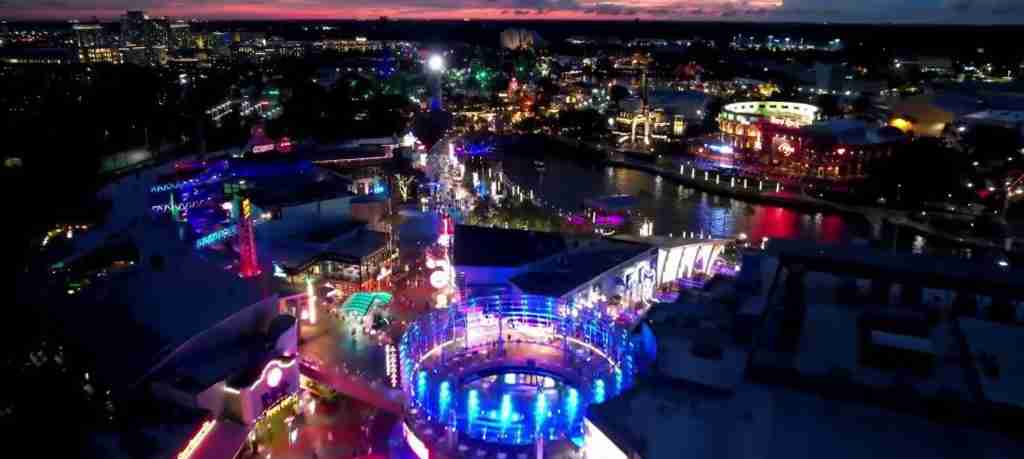
Universal CityWalk similarly provides free entertainment nightly with street performers, live music, and elaborate LED displays. The entertainment district connects Universal parks and offers free parking after 6 PM. Blue Man Group, Hard Rock Café’s memorabilia collection, and seasonal decorations create festive atmosphere without admission costs. Consider visiting CityWalk for dinner and entertainment on arrival or departure days when avoiding paid theme park time.
ICON Park on International Drive offers free admission with pay-per-attraction pricing for the Orlando Eye observation wheel, Madame Tussauds wax museum, and SEA LIFE aquarium. The outdoor complex features restaurants, shops, and the free Wheel Fountain show with music and lights nightly. Visiting ICON Park for dinner and the fountain show provides Orlando entertainment without expensive theme park tickets, ideal for budget-conscious families wanting variety.
Ticket and Package Bundling Strategies
Multi-park packages combining Disney, Universal, and SeaWorld tickets offer savings versus purchasing each separately. The Orlando Freedom Ticket provides 14 days unlimited Disney access, 14 days unlimited Universal access including Epic Universe, and three SeaWorld/Aquatica/Busch Gardens Tampa visits for approximately $50-65 per day total—significant savings versus buying individually. These combination packages suit visitors wanting comprehensive Orlando experiences across multiple weeks.
Book hotel and ticket packages through authorized sellers rather than separately. Universal vacation packages frequently include hotel discounts, early park admission, and sometimes dining credits or Express passes. Disney vacation packages allow adding discounted dining plans and provide single-payment convenience. Compare total package costs against booking components separately, as packages sometimes cost more despite advertised discounts.
Annual passes make economic sense for visitors planning two or more trips within 12 months. Disney Annual Passes start around $480-560 for Florida residents and $850-1,050 for out-of-state visitors, breaking even after 5-6 visit days. Passholders receive discounts on dining, merchandise, and resort hotels plus complimentary parking at parks. Universal Annual Passes cost $310-425 depending on type and pay for themselves after 3-4 visit days while including Halloween Horror Nights access for premier pass levels.
Weather Preparation and What to Pack 2026
Year-Round Essential Items
Sun protection proves essential regardless of season, as Florida’s subtropical latitude delivers intense UV radiation even during winter months. Bring SPF 50+ waterproof sunscreen, wide-brimmed hats or baseball caps, and UV-protective sunglasses for all family members. Reapply sunscreen every two hours and after water attractions, as Orlando’s combination of sun exposure and outdoor queue waiting causes severe burns for unprepared visitors. Consider lightweight long-sleeve UV shirts providing constant protection without reapplication hassles.
Rain gear becomes critical during summer afternoon thunderstorm season from June through September. Pack compact ponchos or lightweight rain jackets rather than umbrellas, which prove cumbersome on attractions and create safety hazards on crowded walkways. Dollar-store ponchos work adequately for single uses, while reusable rain jackets justify costs for multi-day trips. Theme parks sell emergency ponchos for $10-12, but bringing your own saves money and ensures availability before downpours begin.
Comfortable walking shoes matter more than any other clothing choice. Average theme park days involve 8-12 miles of walking across concrete and asphalt, with poor footwear causing blisters and foot pain ruining otherwise magical vacations. Break in new shoes weeks before trips rather than wearing brand-new sneakers on day one. Bring two pairs of walking shoes, alternating daily to reduce pressure points and allow shoes to dry fully between wearings. Avoid flip-flops and sandals except for water parks, as they provide insufficient support for all-day walking.
Seasonal Clothing Considerations
Summer clothing from June through September requires moisture-wicking synthetic fabrics rather than cotton, which remains damp from humidity and rain. Quick-dry athletic wear and breathable materials handle Orlando’s 90-95°F temperatures with 95% humidity far better than traditional cotton t-shirts. Pack extra outfit changes as afternoon thunderstorms and water attractions leave clothes soaked. Many visitors change into dry clothes mid-day, particularly families with young children prone to discomfort in wet clothing.
Winter layers from December through February accommodate wide temperature swings between 50°F mornings and 72°F afternoons. Bring light jackets or hoodies for early morning rope drop hours and evening fireworks, removing them during warm midday periods. Indoor attractions blast air conditioning year-round, creating 20-30°F temperature differences between outdoor queues and indoor ride experiences. Layers allow comfort adjustments throughout constantly changing theme park environments.
Spring and fall shoulder seasons require versatile wardrobes handling 65-85°F temperature ranges. Bring both short and long pants, short and long-sleeve shirts, and a light jacket for cooler evenings. March and April mornings can feel chilly during early park hours before warming considerably by noon. October and November see similar patterns with comfortable days and cooler evenings perfect for outdoor entertainment.
Theme Park Bag Essentials
Refillable water bottles reduce beverage costs while preventing dehydration in Orlando’s heat and humidity. Theme parks provide free ice water at quick-service locations and drinking fountains throughout properties. Bringing insulated bottles keeps water cold for hours, crucial during summer when staying hydrated prevents heat exhaustion. Plan for each person consuming 64-96 ounces of water daily during hot months.
Portable phone chargers ensure smartphone batteries last full park days for mobile ordering, Lightning Lane reservations, PhotoPass downloads, and navigation. Park days involve constant phone use draining batteries by early afternoon. Bring high-capacity chargers providing multiple full recharges rather than small backup batteries lasting only hours. Solar chargers work well for multi-day trips, recharging overnight in hotel rooms or via sunshine during rest breaks.
First aid supplies including adhesive bandages, pain relievers, antacids, and antihistamine tablets prove invaluable when minor issues arise. Theme park first aid centers provide basic medical supplies free, but having personal items in bags saves time walking to medical centers during emergencies. Include children’s medications, prescription items, and allergy treatments specific to your family’s needs. Small ziplock bags organize medications compactly inside larger backpacks.
Navigating Theme Parks Efficiently in 2026
Rope Drop Strategy and Early Arrival Benefits
Arriving at theme parks 45-60 minutes before official opening time provides enormous advantages during all seasons. Disney resort guests access Early Theme Park Entry 30 minutes before regular guests, conquering 2-3 major attractions before crowds arrive. Universal hotel guests enjoy full hour early admission to all parks including Epic Universe, completing 3-4 attractions before general public enters. These early morning hours represent the most productive park time possible, with walk-on or minimal waits for attractions normally requiring 60-90 minutes later in the day.
Plan rope drop strategies before arriving at parks. Identify your must-do attractions and map efficient walking routes hitting them sequentially without backtracking. At Magic Kingdom, experienced visitors proceed directly to Seven Dwarfs Mine Train or Tron Lightcycle Run during Early Entry, then hit Space Mountain and Big Thunder Mountain before crowds build. This focused approach completes four headliner attractions before 10 AM—the same attractions requiring 3-4 hours of waiting if tackled later.
Breakfast timing affects rope drop success significantly. Eat quick hotel breakfasts before departing rather than stopping for table-service meals en route to parks. Arrive at park gates with food already consumed, ready to proceed immediately when gates open. Save leisurely character dining breakfasts for late morning or lunch after completing priority attractions during low-wait early hours. The difference between being first through gates versus arriving one hour after opening equals 2-3 additional attraction experiences.
Mid-Day Break Strategy
Mid-day breaks from approximately 1 PM to 5 PM provide recovery from morning exertion and escape from peak heat and crowds. Return to hotels for pool time, naps, or air-conditioned relaxation, then return to parks refreshed for evening hours when temperatures moderate and additional attractions open. This split-day approach particularly benefits families with young children prone to afternoon meltdowns after five continuous park hours.
Parks reach maximum crowding between 11 AM and 4 PM as late arrivals merge with early birds who haven’t yet departed. Wait times peak during this window, with popular attractions topping 90-120 minutes. Using these hours for breaks, pool time, or hotel dining proves more valuable than standing in lengthy queues during the day’s hottest, most crowded period. Return to parks around 5 PM when crowds thin slightly and temperatures drop from their afternoon peaks.
Guests unable to leave parks mid-day should seek air-conditioned attractions, shows, and restaurants during peak heat hours. Watch full-length shows like Festival of the Lion King or Finding Nemo musical at Disney’s Animal Kingdom, which provide 25-30 minutes of seated air-conditioned entertainment. Enjoy leisurely table-service lunches extending 90-120 minutes inside climate-controlled restaurants. Save indoor attractions requiring no outdoor queue waiting for midday hours when outdoor queues feel most oppressive.
Evening Strategy and Nighttime Entertainment
Evening hours from park closing through fireworks provide magical experiences unavailable during daylight. Temperature and humidity drop to comfortable levels, decorative lighting transforms park atmospheres, and many attractions feature enhanced nighttime versions with special effects. Magic Kingdom’s nighttime parade and fireworks spectacular, EPCOT’s Luminous: Symphony of Us show, and Universal’s CityWalk nighttime entertainment create memorable moments justifying late nights.
Plan arrival at fireworks viewing locations 30-45 minutes before show time during busy seasons. Prime viewing spots along Magic Kingdom’s Main Street U.S.A. or around EPCOT’s World Showcase Lagoon fill early with guests staking out positions. Consider less crowded viewing areas providing excellent show visibility without crushing crowds—Tomorrowland bridge at Magic Kingdom offers perfect views with easy post-show exit access compared to Main Street bottlenecks.
Extended Evening Hours at Disney World allow Disney resort guests to remain in designated parks two hours after regular closing on select nights. These extra hours feature dramatically reduced crowds and walk-on waits for attractions typically requiring 60-90 minute queues. Check Disney’s calendar for Extended Evening Hours schedule and plan resort hotel stays to coincide with these events, providing extraordinary value to Disney resort guests. Universal offers similar late-night hours during special events, though without the same resort-guest exclusivity.
Dining Reservations and Mobile Ordering 2026
Advance Dining Reservations Strategy
Popular Disney table-service restaurants require advance reservations opening 60 days before dining dates for general guests, or 60 days plus length of stay for Disney resort guests. Highly sought restaurants like Be Our Guest in Magic Kingdom, Space 220 at EPCOT, and Oga’s Cantina in Hollywood Studios fill completely within minutes of reservation windows opening. Set alarms for 6 AM Eastern Time exactly 60 days before desired dining dates, with restaurant selection research completed beforehand to expedite booking process.
Use Disney’s mobile app for reservation management rather than website, as the app provides faster navigation and real-time availability updates. Add entire party to My Disney Experience account before attempting reservations, ensuring all family members appear in dropdown menus during booking. Have multiple restaurant options ready in case first choices show unavailable, and remain flexible on dining times—lunch reservations prove easier to secure than prime dinner slots between 6-8 PM.
Universal dining reservations open through OpenTable for select restaurants including Toothsome Chocolate Emporium and Mythos Restaurant. These reservations typically open 30-60 days ahead and rarely fill completely except during peak holiday periods. Universal generally requires fewer advance reservations than Disney due to higher overall restaurant capacity and lower demand for table-service dining. Walk-up seating remains available at most Universal restaurants with 15-30 minute waits during moderate crowd levels.
Mobile Ordering for Quick-Service Efficiency
Mobile ordering through Disney and Universal apps eliminates standing in physical quick-service restaurant lines, saving 15-30 minutes per meal. Browse menus, customize orders, and submit payment through apps, then proceed directly to designated pickup windows when order notifications arrive. This system proves essential during peak lunch and dinner hours when traditional ordering queues extend 25-40 minutes before reaching cashiers.
Place mobile orders 30-45 minutes before desired pickup times during busy periods. Restaurants prepare orders after receiving notification that you’ve arrived at pickup locations, creating slight delays between arrival and food readiness. Ordering too far in advance may result in extended waits at pickup areas as kitchen staff prioritize more recent orders. Find balance between advance ordering for time savings and arriving at appropriate windows for immediate food preparation.
Mobile ordering restrictions include inability to split checks or apply certain discounts through apps. Groups wanting separate payments must place individual mobile orders rather than combining into single transactions. Annual passholder discounts and cast member discounts require traditional counter ordering rather than mobile app purchases. Evaluate whether time savings from mobile ordering outweigh any discount forfeitures based on your specific situation.
Health, Safety, and Accessibility 2026
Heat Management and Hydration
Heat exhaustion and dehydration pose genuine health risks during Orlando summers when temperatures exceed 95°F with extreme humidity. Symptoms include dizziness, nausea, excessive sweating or absence of sweating, confusion, and rapid heartbeat. Take breaks in air-conditioned spaces every 90-120 minutes during hot months, consuming water or sports drinks to replenish electrolytes lost through perspiration. Children and elderly visitors prove most susceptible to heat-related illness, requiring extra monitoring during outdoor activities.
All theme parks provide complimentary ice water at quick-service restaurants and numerous drinking fountains throughout properties. Don’t hesitate requesting water at any food service location regardless of whether purchasing meals. Refillable water bottles reduce costs while ensuring constant hydration access. Mix in sports drinks or electrolyte packets to maintain proper sodium and potassium levels during all-day park visits involving extensive walking and sun exposure.
First aid centers at all major theme parks staff registered nurses and basic medical facilities for treating minor injuries and illness. Visit these centers immediately when experiencing heat exhaustion symptoms rather than attempting to tough it out. Staff provide air-conditioned rest areas, ice packs, medical assessment, and can arrange emergency medical services if conditions warrant. Theme parks also maintain automated external defibrillators (AEDs) throughout properties for cardiac emergencies.
Accessibility Services and Accommodations
Disney’s Disability Access Service (DAS) assists guests unable to wait in traditional queues due to disabilities. This free service allows eligible guests to schedule return times for attractions rather than standing in physical lines, similar to virtual queue systems. Register for DAS through video chat with Disney Cast Members up to 30 days before visits, providing faster approval process than in-park registration. DAS accommodates cognitive disabilities, autism spectrum disorders, and conditions preventing lengthy queue waiting but does not replace mobility assistance devices.
Wheelchair and ECV (electric convenience vehicle) rentals are available at all theme parks and many off-property rental companies deliver to hotels. Disney charges $12 daily for manual wheelchairs and $50 daily for ECVs, while third-party companies offer weekly rentals for $150-280 delivering directly to resort hotels. Renting from outside companies provides familiarity with equipment across multiple days and eliminates daily park rental procedures. Reserve mobility equipment weeks ahead during peak seasons as availability becomes limited.
Attractions provide wheelchair transfer assistance and accessible queue routing throughout theme parks. Cast members trained in accessibility protocols guide guests to appropriate entrance points and provide boarding assistance when needed. Most attractions accommodate guests remaining in wheelchairs during experiences, while some require transfers to ride vehicles. Companion restrooms, accessible dining areas, and designated viewing locations for parades and fireworks ensure complete park access regardless of mobility limitations.
Allergy-Friendly Dining and Special Dietary Needs
All Disney and Universal restaurants accommodate food allergies and dietary restrictions including gluten-free, dairy-free, nut-free, vegan, and kosher requirements. Alert servers or mobile order notes about allergies when placing orders. Chefs prepare allergen-free meals in dedicated kitchens using separate cookware to prevent cross-contamination. This service extends to quick-service locations, not just table-service restaurants, ensuring safe dining throughout all parks.
Request to speak with chef managers when dining at table-service restaurants with severe allergies. Chefs personally discuss ingredient concerns, preparation methods, and safe menu modifications meeting dietary requirements. This consultation provides confidence that meals meet medical dietary restrictions rather than relying on server knowledge alone. Many restaurants maintain allergy-specific menus listing safe options for common allergens.
Special dietary request forms submitted through Disney’s Special Diets team at least 14 days before visits ensure appropriate foods await guests at table-service reservations and quick-service locations. This advance planning proves essential for guests requiring kosher meals, which need ordering before arrival. Universal provides similar special dietary accommodations through advance requests submitted via their website’s accessibility services section.
Family Travel Tips with Children 2026
Age-Appropriate Park Selection
Magic Kingdom suits families with young children ages 2-8 better than other Disney parks, offering gentler attractions, extensive character meet-and-greets, and Fantasyland’s child-focused rides. Attractions like Dumbo, Peter Pan’s Flight, It’s a Small World, and The Many Adventures of Winnie the Pooh provide perfect first theme park experiences for toddlers and preschoolers. The park’s iconic castle, princess interactions, and nighttime fireworks create magical moments specifically designed for younger audiences.
Universal’s Islands of Adventure and Epic Universe feature primarily thrill rides with height requirements limiting options for children under 42 inches tall. Seuss Landing at Islands of Adventure caters specifically to young children with gentle rides and interactive play areas, but represents small portion of overall park. Families with children under age 7 find more value focusing on Disney’s Magic Kingdom and Animal Kingdom rather than dedicating full days to Universal parks offering limited age-appropriate attractions.
Water parks provide excellent family entertainment for all ages during hot months. Disney’s Typhoon Lagoon and Blizzard Beach feature dedicated children’s areas with age-appropriate slides and splash zones alongside family raft rides suitable for multi-generational groups. Universal’s Volcano Bay similarly balances thrilling slides with relaxed lazy rivers and children’s play areas. Water parks eliminate ride height requirements restricting theme park options, allowing families to experience attractions together regardless of children’s ages.
Stroller Strategy and Rental Options
Bringing personal strollers from home saves rental costs of $15 per day at Disney and $18 per day at Universal, adding up to $75-90 for five-day vacations. Airlines permit checking strollers free as assistive devices beyond standard baggage allowances, making transport economical. Personal strollers also provide familiarity for young children and allow use at hotels, restaurants, and non-park destinations. Consider collapsible umbrella strollers for easy bus and monorail boarding rather than full-size jogging strollers creating navigation challenges in crowds.
Theme park stroller rental provides convenience of not transporting equipment from airports and hotels. Disney’s rental strollers feature hard plastic molded seats with sun canopies and storage baskets, suitable for children up to 50 pounds. Universal’s strollers offer similar construction with slightly more comfortable padding. Both parks require parking rental strollers in designated areas before entering attractions and shows, with different strollers assigned after each parking instance rather than reclaiming original units.
Third-party stroller rental companies including Kingdom Strollers, Orlando Stroller Rentals, and Baby Wheels Orlando deliver premium strollers, wagons, and double strollers directly to hotels for $40-75 per week. These rentals provide higher-quality equipment than park rentals with softer padding, better sun canopies, and larger storage capacity. Multi-day rentals prove economical compared to daily theme park rentals while providing use at all destinations including hotels, restaurants, and Disney Springs. Reserve equipment weeks ahead during peak seasons.
Rider Switch and Height Requirement Strategies
Rider Switch service allows adults to experience attractions with height requirements while caring for young children unable to ride. One adult waits with non-riding children while the other parent experiences the attraction, then parents switch roles without requiring second queue wait. The second adult receives Lightning Lane-style return time, bypassing standard queue during their turn. This system enables parents to enjoy thrill rides together during single park visits rather than taking turns watching children while the other waits in hour-long queues.
Height requirements range from 32 inches for gentle attractions like The Barnstormer to 54 inches for extreme thrillers like Rock ‘n’ Roller Coaster. Measure children accurately before trips to avoid disappointment at ride entrances. Thick-soled shoes don’t overcome height restrictions as cast members measure guests without shoes. Plan realistic attraction schedules based on children’s actual heights rather than optimistic assumptions about meeting requirements.
Child swap areas at many attractions provide comfortable air-conditioned waiting spaces for adults caring for non-riding children. These designated zones feature seating, activities, and sometimes interactive elements entertaining young children during waits. Parents switching roles meet in these areas for handoffs rather than navigating crowded queue areas. Ask cast members at attraction entrances about Rider Switch procedures and child swap area locations when arriving at rides requiring this accommodation.
Solo Travel and Adult Group Strategies 2026
Single Rider Lines and Efficiency Tactics
Single rider lines at select attractions dramatically reduce wait times by filling empty seats in ride vehicles. Rock ‘n’ Roller Coaster, Test Track, Expedition Everest at Disney and most Universal attractions offer single rider queues with waits 50-70% shorter than standard lines. Solo travelers experience 3-4x more attractions daily by exclusively using single rider lines when available. Groups willing to split up temporarily also benefit from this option, reuniting after rides to share experiences.
Single rider line disadvantages include missing detailed queue theming and pre-show elements designed as integral attraction components. The Wizarding World of Harry Potter attractions feature spectacular queue environments with props, effects, and storytelling lost when bypassing via single rider entrances. Evaluate whether time savings justify missing queue experiences, particularly for first-time riders encountering attractions. Consider experiencing attractions once through standard queues to appreciate full theming, then using single rider for repeat rides.
Mobile apps including Touring Plans and Thrill Data provide real-time wait time tracking more accurate than posted times at attraction entrances. These apps crowdsource actual wait duration from users throughout parks, revealing which attractions overestimate waits and which underestimate. Solo travelers using these apps maximize daily attraction counts by targeting rides with low actual waits regardless of intimidating posted times. Premium app versions offer optimized touring plans suggesting next-attraction recommendations based on current conditions.
Social Opportunities and Meeting Fellow Travelers
Disney and Universal host solo traveler meet-ups and social events throughout the year, advertised through official blogs and social media accounts. These organized gatherings at hotels or CityWalk provide opportunities meeting fellow solo visitors for casual conversation, dining companionship, or informal park touring partnerships. Check theme park event calendars and dedicated solo traveler forums for scheduled meet-ups coinciding with your visit dates.
Bar areas at resort hotels and CityWalk naturally facilitate conversation between solo travelers. Territory Lounge at Disney’s Wilderness Lodge, Trader Sam’s at Polynesian Village, and Rising Star at Universal’s CityWalk attract friendly crowds open to social interaction. Arrive during early evening hours when bars fill with guests unwinding after park days but before late-night party crowds arrive. Hotel pool bars similarly provide relaxed social environments for meeting fellow travelers.
Online communities including Disney solo traveler Facebook groups and Universal fan forums organize informal park meet-ups for dining, attraction touring, or fireworks viewing. These grassroots gatherings supplement official events with flexible timing and varied interests. Join groups weeks before trips to introduce yourself and identify others visiting during overlapping dates. Most participants welcome newcomers regardless of Disney knowledge level, creating inclusive environments for first-time solo visitors.
Personal Safety Considerations
Orlando theme parks maintain excellent safety records with extensive security measures including bag checks, metal detectors, and visible security presence throughout properties. Criminal incidents at Disney and Universal parks occur rarely, with family-friendly environments deterring potential problems. Nevertheless, solo travelers should exercise standard urban precautions including securing valuables, maintaining awareness of surroundings, and trusting instincts when situations feel uncomfortable.
Hotel selection impacts solo traveler safety significantly. Major chain hotels along International Drive and near theme parks provide 24-hour front desk coverage, security cameras, and interior corridor room access rather than exterior entries. These features enhance safety compared to budget motels with external room access and limited security infrastructure. Read recent guest reviews mentioning security, cleanliness, and neighborhood safety before booking unfamiliar properties.
Store valuables in hotel room safes rather than leaving items visible in rental cars or hotel rooms. Theme park lockers provide secure storage for items during attraction days, with all-day rental options at both Disney and Universal. Avoid carrying excessive cash, expensive jewelry, or unnecessary electronics to parks. Use hotel front desk safes for items like extra credit cards, passports, and backup devices not needed during daily park visits.
Extended Attractions Beyond Theme Parks 2026
Kennedy Space Center Day Trip
Kennedy Space Center Visitor Complex sits 45 miles east of Orlando on Florida’s Space Coast, requiring approximately 60 minutes driving from International Drive or Disney area. This working NASA facility offers authentic space shuttle experiences, rocket garden exhibits, IMAX films, and occasional rocket launch viewing opportunities. Admission costs $75 for adults and $65 for children, with tickets including all exhibits, shows, and bus tours to launch facilities closed to general public.
Allocate full days for Kennedy Space Center rather than attempting half-day visits. The complex covers extensive grounds with attractions spread across visitor complex and launch pad tour destinations. Highlights include the Space Shuttle Atlantis pavilion featuring the actual orbiter, Rocket Garden displaying historic launch vehicles, Heroes & Legends experience with astronaut memorabilia, and bus tours to Apollo/Saturn V Center housing massive moon rocket. Plan 6-8 hours exploring thoroughly without rushing.
Check Kennedy Space Center’s launch schedule before planning visits, as rocket launches create extraordinary viewing opportunities. SpaceX Falcon 9 launches occur frequently from Cape Canaveral, visible from visitor complex observation areas. Launch schedule changes frequently due to weather and technical factors, but witnessing liftoffs from Kennedy Space Center beats watching from distant Orlando locations. Purchase tickets well ahead for launch viewing days as they sell out quickly.
Outlet Shopping and Premium Malls
Orlando International Premium Outlets on International Drive features 180 stores from Nike, Kate Spade, Michael Kors, Coach, and designer brands offering 25-65% discounts versus retail prices. This outdoor mall operates daily with complimentary parking and proximity to major hotels. Serious shoppers allocate 3-4 hours browsing stores, with significant savings on designer apparel, accessories, and sporting goods. Additional savings through tourist coupon books available at hotel concierge desks and mall visitor centers.
Orlando Vineland Premium Outlets near Disney Springs contains 160 stores in similar premium outlet format. This center attracts Disney resort guests via complimentary shuttle service from hotels. Both outlet centers feature identical brand selections, so visiting both proves redundant unless seeking specific items. Choose locations based on hotel proximity and transportation convenience rather than attempting visits to multiple outlet centers during single trips.
Florida Mall represents Central Florida’s largest traditional retail shopping center with over 250 stores including Apple, Microsoft, Lego Store, and The Crayola Experience interactive attraction. This climate-controlled indoor mall provides respite from heat and rain while offering mainstream shopping unavailable at outlet centers. Located 15 minutes from Universal and 20 minutes from Disney, the mall makes excellent alternative to theme parks during rest days or evening activities.
Natural Florida Experiences
Gatorland, Florida’s original alligator attraction since 1949, offers authentic Old Florida wildlife experiences 15 minutes south of Disney. This 110-acre park features thousands of alligators and crocodiles, breeding marsh, zip line over alligator habitats, and educational shows demonstrating reptile handling. Admission costs $32 for adults and $24 for children, significantly less than major theme parks while providing unique Central Florida wildlife education. Combine Gatorland with nearby Boggy Creek Airboat Adventures for half-day natural Florida experience.
Airboat rides through Florida wetlands provide glimpses of natural ecosystems and wildlife including alligators, wading birds, and cypress swamps. Multiple operators near Orlando offer 30-60 minute airboat tours for $30-55 per person. Boggy Creek Airboats, Wild Florida, and Gator Park operate daily from locations 20-35 minutes from Disney area. These tours educate visitors about Florida ecology while providing exciting high-speed airboat experiences across shallow marshlands inaccessible by traditional boats.
Wekiwa Springs State Park 25 minutes north of Orlando offers swimming in crystal-clear natural springs maintaining 72°F water temperature year-round. This 7,000-acre park features hiking trails, canoeing on Wekiwa River, and wildlife viewing in natural habitats. Park admission costs only $6 per vehicle, representing extraordinary value for outdoor recreation. The springs provide refreshing escape from theme park crowds while showcasing Florida’s natural beauty predating tourism development.
Frequently Asked Questions About Orlando Travel 2026
Do I Need a Rental Car for Orlando Vacation?
Rental cars prove unnecessary for guests staying at Disney or Universal resort hotels and focusing exclusively on those properties’ theme parks. Disney’s complimentary bus, monorail, Skyliner, and boat transportation plus Universal’s walking paths and water taxis eliminate rental car needs. However, rental cars provide valuable flexibility for visiting Kennedy Space Center, outlet shopping, grocery runs, off-property dining, and exploring beyond theme parks. Evaluate rental costs including parking fees against ride-sharing expenses for equivalent trips when deciding. Budget-conscious families staying off-property benefit from rentals for grocery shopping and transportation flexibility. Couples or solo travelers focusing primarily on single theme park destinations save money using resort transportation and occasional ride-sharing.
Can You Do Disney and Universal in Same Trip?
Combining Disney and Universal in single trips makes excellent sense for first-time Orlando visitors wanting comprehensive theme park experiences. Most visitors allocate 4-5 days for Disney World’s four main parks and 3-4 days for Universal’s four parks including Epic Universe, creating week-long itineraries covering both resorts. Stay at hotels offering free shuttles to both destinations along International Drive, or split stays between Disney and Universal resort properties to maximize early admission benefits. Attempting both resorts requires stamina and realistic expectations about pace—comprehensive experiences demand 8-10 days minimum rather than rushed 4-5 day trips. Consider focusing on single resort during shorter trips, saving the other for return visits when you can properly explore rather than rushing through attractions.
What Are Resort Fees and Parking Costs in Orlando 2026?
Disney resort hotels charge $30 daily parking fees for standard lots and $50 for preferred closer parking at theme parks, with resort hotel guests receiving complimentary parking at parks as resort benefit. Disney resort hotels themselves charge overnight parking fees of $15-30 nightly depending on resort category. Universal charges $32 standard parking and $50-60 preferred parking at parks, with Universal hotel guests receiving complimentary standard parking. Many off-property hotels charge resort fees of $15-35 daily covering WiFi, pool access, and shuttle services—confirm total costs including these fees when comparing rates. Some International Drive hotels offer complimentary parking and shuttle services without resort fees, providing better value than comparable properties adding daily charges. Always verify complete costs including parking and resort fees before booking, as advertised room rates exclude these additions.
Are Disney Dining Plans Worth the Cost in 2026?
Disney Dining Plans rarely provide value unless eating exclusively at signature restaurants ordering most expensive menu items and alcoholic beverages. Quick-Service Dining Plan costs approximately $60 per adult daily, requiring two counter-service meals and two snacks to break even against out-of-pocket costs. Most families spend less paying directly for meals than prepaying dining plans. Dining plans eliminate flexibility by committing to Disney meals for entire stays rather than exploring off-property restaurants or preparing some meals at hotels. Calculate dining plan costs against realistic meal expenses based on where you actually want to eat. Table-Service Dining Plan appears economically attractive at $95 per adult daily but requires signature restaurant reservations difficult to secure and forces spending beyond comfortable levels to justify costs. Most visitors save money and gain flexibility paying out-of-pocket, using mobile ordering for quick service, and making selective table-service reservations rather than committing to prepaid dining plans.
How Far in Advance Should I Book Orlando Hotels?
Book Orlando hotels 4-6 months ahead for peak seasons including spring break, summer vacation, Thanksgiving week, and Christmas holidays. Popular Disney resort hotels sell out completely during these periods, particularly value and moderate categories offering best price-to-benefit ratios. Universal hotels similarly reach capacity during major holidays and Epic Universe’s first operational months. Off-season travel during September, late January, and early May allows booking 6-12 weeks ahead with excellent availability and competitive rates. Monitor rates after booking as prices fluctuate based on demand forecasts. Most hotels permit free cancellation 5-14 days before check-in, allowing rebooking at lower rates if prices drop. Set price alerts through hotel comparison sites tracking your specific dates and preferred properties. Consider booking directly through hotel websites for best cancellation terms and potential perks like resort credits unavailable through third-party sites. Florida resident rates and annual passholder discounts require direct booking to apply special rates not offered through online travel agencies.
What Happens During Hurricane Season in Orlando?
Atlantic hurricane season runs June 1 through November 30, with September and October historically seeing highest hurricane activity. Orlando sits inland 60 miles from nearest coast, providing significant protection from hurricane storm surge and most intense winds affecting coastal communities. However, major hurricanes bring heavy rainfall, strong winds, and occasional tornado threats to Orlando area. Theme parks close only during direct hurricane threats, typically providing 24-48 hours advance notice. Closures occur rarely, with parks shutting approximately once every 3-5 years during major hurricane direct hits. Monitor weather forecasts if traveling during hurricane season peak months. Travel insurance covering hurricane-related cancellations costs approximately $50-120 per trip depending on total vacation expense. Parks typically reopen within 24-36 hours after hurricanes pass, though peripheral damage and cleanup may impact some attraction availability temporarily. Tropical storms bringing heavy rain but minimal wind rarely trigger park closures, though outdoor attractions and shows may suspend temporarily during severe weather.
Can You Bring Food and Drinks Into Theme Parks?
Both Disney and Universal permit guests bringing outside food and non-alcoholic beverages into theme parks with reasonable restrictions. Acceptable items include sandwiches, snacks, fruit, granola bars, and refillable water bottles. Prohibited items include glass containers except baby food jars, alcohol, and items requiring heating or refrigeration. Bringing lunches and snacks reduces daily food costs by $15-25 per person while accommodating dietary restrictions and picky eaters. Pack foods in soft-sided coolers or backpacks rather than hard-sided coolers exceeding dimensional limits. Security screening may request opening containers for inspection during bag checks at park entrances. Take advantage of this policy by preparing simple lunches at hotels and bringing substantial snacks rather than purchasing expensive theme park food for every meal. Some visitors bring frozen water bottles serving dual purpose as ice packs keeping food cool and providing cold drinking water as bottles thaw throughout the day. Combining outside food for breakfast and lunch with single theme park dinner creates balanced approach maximizing savings without eliminating enjoyable dining experiences.
Is Orlando Safe for Solo Female Travelers?
Orlando theme parks and major hotel corridors maintain excellent safety records and welcome solo female travelers regularly. Disney and Universal properties feature comprehensive security including bag checks, metal detectors, security camera coverage, and visible security personnel throughout parks and resorts. Crime rates at theme park properties remain extremely low due to controlled access, family-friendly environments, and extensive monitoring. Solo female travelers should exercise standard urban precautions including securing valuables, avoiding isolated areas after dark, using well-lit hotel parking areas, and trusting instincts when situations feel uncomfortable. Choose hotels along International Drive or near theme parks rather than isolated budget motels in less-trafficked areas. Major chain hotels provide 24-hour front desk coverage, security cameras, and interior corridor access enhancing safety versus exterior-entry budget properties. Join online solo traveler communities connecting with other visitors for optional group activities while maintaining independent flexibility. Many solo female travelers prefer Disney resort hotels for added security, convenient transportation eliminating rental car needs, and social opportunities meeting fellow guests at resort pools and lounges. Orlando’s tourism infrastructure specifically caters to families creating generally safe, welcoming environment for all visitor demographics including solo travelers of any gender.
What Time Do Orlando Theme Parks Open in 2026?
Theme park opening times vary by season, with longer hours during peak seasons and shorter hours during value periods. Disney parks typically open 8-9 AM for regular guests, with Early Theme Park Entry at 7:30-8:30 AM for Disney resort guests. Magic Kingdom often features extended morning hours opening at 8 AM even during slower seasons due to high visitor demand. Universal parks open 8-9 AM for general admission, with Early Park Admission for Universal hotel guests beginning one hour before official opening throughout all parks including Epic Universe. Extended evening hours at Disney provide resort guests with additional 2 hours beyond regular closing on select nights at designated parks. Check official park calendars when planning as hours fluctuate throughout the year. Summer and major holidays see parks operating 8 AM-11 PM or midnight, while January and September may feature 9 AM-8 PM hours. Special event nights including Mickey’s Not-So-Scary Halloween Party and Mickey’s Very Merry Christmas Party cause early closings of 6-7 PM for regular day guests at Magic Kingdom on event dates. Universal Epic Universe maintains consistent hours throughout early 2026 as demand patterns stabilize after initial opening period, with potential seasonal adjustments implemented later in the year based on attendance trends.
Should I Skip Lines with Express Passes and Lightning Lanes?
Line-skipping systems prove worthwhile during peak seasons when standard wait times exceed 60-90 minutes for popular attractions but represent poor value during low-crowd periods with manageable waits. Disney’s Lightning Lane Multi Pass costing $15-30 per person daily plus Lightning Lane Single Pass at $12-25 per top-tier attraction adds $80-165 daily for family of four accessing premium attractions. This investment makes sense during spring break, summer vacation, and Christmas week when standard queues feel overwhelming but wastes money during September and late January when waits rarely exceed 30-40 minutes. Universal Express Unlimited Pass costing $110-170 per person daily transforms experiences during busy periods, reducing 90-minute waits to 10-15 minutes. However, staying at Universal’s Hard Rock Hotel, Portofino Bay, or Royal Pacific Resort includes complimentary Express passes for all guests, often making these hotels better value than cheaper properties plus purchased Express passes. Budget-conscious visitors maximize value by timing trips during low-crowd seasons eliminating Express needs, arriving at rope drop completing headliners before crowds build, and using single rider lines when available. Families unable to schedule low-season visits and wanting comprehensive experiences without marathon queue waiting should budget for Lightning Lane or Universal Express as essential expense rather than optional add-on during peak periods.