Orlando Museums & Galleries 2026: Complete Cultural Guide
Orlando’s cultural landscape extends far beyond theme parks, offering world-class museums, intimate galleries, and specialized collections that rival those in major metropolitan areas. From the world’s most comprehensive Tiffany collection to cutting-edge contemporary art and pioneering science exhibits, the city’s cultural institutions provide enriching experiences at prices accessible to every budget, with many offering free admission opportunities throughout the year.
Key Takeaways About Orlando Museums & Galleries 2026
- World-Class Collections at Accessible Prices: Orlando’s premier museums charge $5-21 for general admission in 2026, with the Rollins Museum of Art offering completely free admission year-round and multiple institutions providing free entry days monthly or seasonally.
- Concentrated Cultural Districts: Loch Haven Park anchors Orlando’s museum corridor with three major institutions within walking distance, while Winter Park’s walkable downtown hosts four significant museums and galleries along or near Park Avenue, allowing visitors to experience multiple venues in a single day.
- Strategic Free Admission Opportunities: Bank of America cardholders access free admission to Orlando Museum of Art and Orlando Science Center the first full weekend of each month, while the Charles Hosmer Morse Museum offers free Friday nights from November through April, enabling budget-conscious visitors to experience premium collections without admission costs.
- Seasonal Programming and Special Exhibitions: Orlando’s museums maintain dynamic exhibition calendars throughout 2026, with rotating shows, festival weekends offering extended hours and free admission, and special events like the Orlando Museum of Art’s Festival of Trees in November and the Morse Museum’s outdoor Tiffany window display in December creating unique seasonal experiences beyond permanent collections.
- Comprehensive Art Historical Representation: Collectively, Orlando’s cultural institutions span 14,000 years of human creativity, from ancient indigenous artifacts at the Orange County Regional History Center through Renaissance masterworks at the Rollins Museum to contemporary installations at the Orlando Museum of Art, providing complete art historical coverage unmatched in most cities of comparable size.
- Family-Friendly Science and Interactive Learning: The Orlando Science Center offers four floors of hands-on exhibits, two theaters, live animal encounters, and observatory access for $15-21 in 2026, with special $3 admission for EBT cardholders and free entry options making science education accessible to all Central Florida families regardless of economic circumstances.
People Also Ask About Orlando Museums & Galleries 2026
What are the best free museums in Orlando in 2026?
The Rollins Museum of Art in Winter Park offers completely free admission year-round in 2026, featuring European Old Masters, American art, and the forward-looking Alfond Collection of Contemporary Art. The Charles Hosmer Morse Museum provides free admission every Friday from 4pm-8pm during November through April 2026, granting access to the world’s most comprehensive Louis Comfort Tiffany collection. Orlando Museum of Art and Orlando Science Center offer free admission the first full weekend of each month for Bank of America and Merrill Lynch cardholders through the Museums on Us program. The Orange County Regional History Center provides free admission to Orange County employees year-round, while the Mennello Museum of American Art hosts Free Family Funday every second Sunday of the month. Additionally, most museums offer free admission during specific festival weekends and holidays throughout 2026, including Christmas Eve, Easter Weekend, and Winter Park Arts Weekend in February.
How much do Orlando museums cost in 2026?
Orlando museum admission ranges from free to $21 in 2026. The Orlando Science Center charges $21 for adults, $19 for seniors and students, and $15 for children ages 3-11. The Orlando Museum of Art costs $20 for adults and $12 for children 3-12 and seniors. The Orange County Regional History Center charges $10 for adults, $8 for seniors, $7 for students and military, and $6 for children 5-12. The Charles Hosmer Morse Museum offers the region’s best value at just $6 for adults, $5 for seniors, and $1 for students. The Mennello Museum of American Art charges only $5 for adults with discounts for seniors and students. The Albin Polasek Museum & Sculpture Gardens costs $12 for adults, $10 for seniors and college students, and $8 for children 4-17. The Rollins Museum of Art maintains completely free admission for all visitors year-round. Most institutions offer additional discounts for military personnel, students with valid ID, and families, with children under certain ages admitted free at every venue.
What is the Loch Haven Cultural Park in Orlando 2026?
Loch Haven Park serves as Orlando’s primary cultural district in 2026, concentrating three major institutions within a compact, walkable area just northeast of downtown Orlando. The Orlando Museum of Art anchors the park at 2416 N Mills Avenue, housing nationally recognized collections of Ancient American and African art alongside rotating contemporary exhibitions. The Orlando Science Center stands directly across the street at 777 E Princeton Street, offering four floors of interactive exhibits, two theaters, and Florida’s largest public observatory. The Mennello Museum of American Art occupies a lakeside location at 900 E Princeton Street, preserving the world’s largest collection of Earl Cunningham paintings within a sculpture garden setting on Lake Formosa. The Orlando Repertory Theatre and Orlando Fire Museum also call Loch Haven Park home, creating a cultural campus where visitors can experience multiple venues in a single afternoon. Free parking is available throughout the park, with the Orlando Science Center’s parking garage charging $5 for non-members. SunRail’s AdventHealth Station sits within a five-minute walk, providing public transit access to all park institutions.
Which Orlando museums are best for families with children in 2026?
The Orlando Science Center ranks as Orlando’s premier family museum in 2026, designed specifically for hands-on learning with four floors of interactive exhibits including KidsTown for younger children, DinoDigs for paleontology enthusiasts, NatureWorks exploring Central Florida ecosystems, and The Hive makerspace for creative building. Two theaters present science films and planetarium shows included with admission, while the observatory offers free stargazing sessions monthly. The museum provides $3 admission for families with EBT cards (up to six people) and free admission the first weekend monthly for Bank of America cardholders. The Orlando Museum of Art engages families through Free Family Funday events, Art Night Out programming, and gallery talks, with children five and under admitted free year-round. The Mennello Museum of American Art hosts Free Family Funday every second Sunday with art activities, free admission, and sculpture garden exploration suitable for all ages. The Orange County Regional History Center brings Central Florida history to life through three floors of exhibits spanning 14,000 years, featuring a pioneer cabin, aviation displays, and interactive elements that engage children while educating about regional heritage. Most museums offer free or significantly discounted admission for children, with the Morse Museum admitting children under 12 free and the Rollins Museum providing completely free access for families year-round.
Extended multi-day tours – 5+ days
Featured Florida Multi-Day Tour Packages
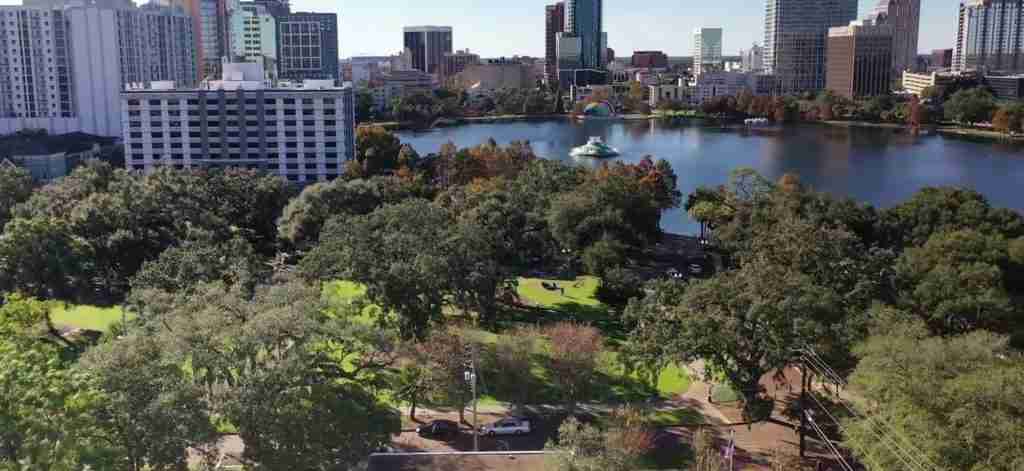
3 days
Florida 3-Day Discovery Tour
- ✓ Comprehensive Florida experience
- ✓ Expert local guides included
- ✓ All accommodation included
- ✓ Transportation provided
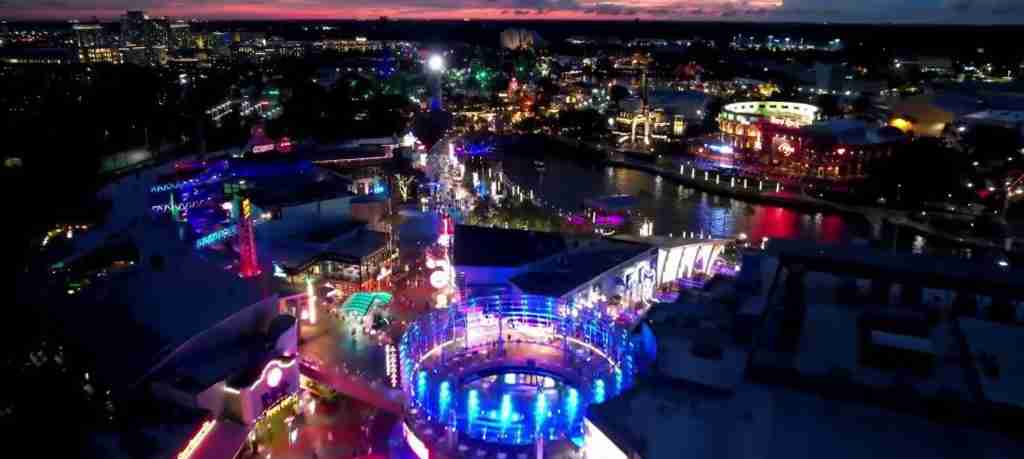
5 days
Florida 5-Day Highlights Experience
- ✓ Comprehensive Florida experience
- ✓ Expert local guides included
- ✓ All accommodation included
- ✓ Transportation provided
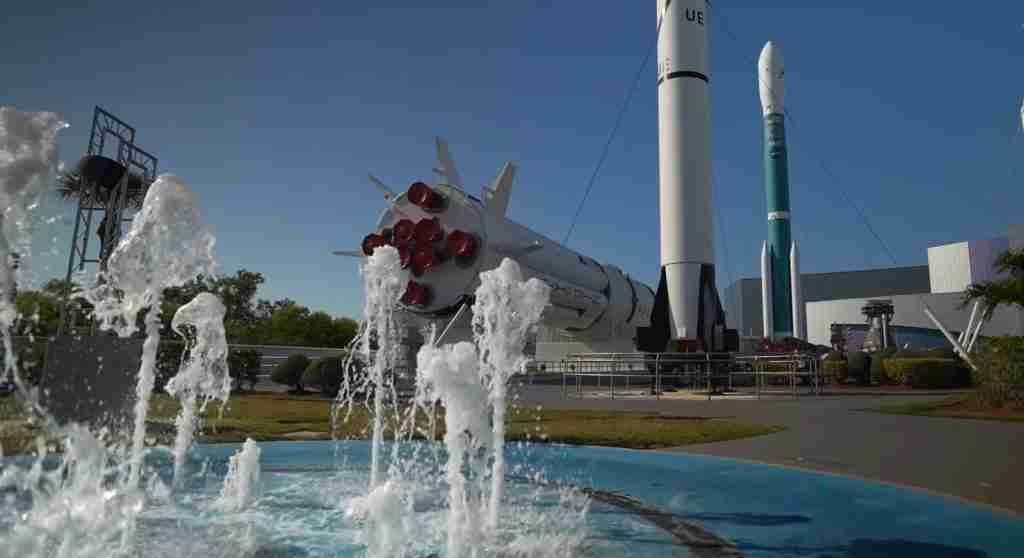
7 days
Florida 7-Day Cultural Journey
- ✓ Comprehensive Florida experience
- ✓ Expert local guides included
- ✓ All accommodation included
- ✓ Transportation provided
10 days
Florida 10-Day Complete Adventure
- ✓ Comprehensive Florida experience
- ✓ Expert local guides included
- ✓ All accommodation included
- ✓ Transportation provided
Multi-day tour packages powered by TourRadar. Prices and availability subject to change.
Introduction: Orlando’s Thriving Cultural Scene in 2026
Orlando’s identity as America’s theme park capital often overshadows its sophisticated cultural infrastructure, yet the city and surrounding Winter Park area support one of Florida’s most comprehensive museum networks outside Miami. In 2026, Orlando’s cultural institutions showcase collections and programming that would command attention in cities twice its size, offering both residents and visitors access to world-renowned art, groundbreaking science education, and deeply researched regional history at admission prices far below comparable institutions nationwide.
The city’s museum landscape divides into two primary cultural districts. Loch Haven Park, located just northeast of downtown Orlando, concentrates three major institutions—the Orlando Museum of Art, Orlando Science Center, and Mennello Museum of American Art—within a walkable park setting. Five miles north, Winter Park’s downtown corridor along and near Park Avenue hosts the Rollins Museum of Art, Charles Hosmer Morse Museum of American Art, and Albin Polasek Museum & Sculpture Gardens, creating a second cultural destination that combines museum visits with upscale shopping and dining. This geographic concentration allows culturally motivated visitors to experience multiple institutions in a single day without extensive driving, a rarity among American cities.
What distinguishes Orlando’s cultural offerings in 2026 is the combination of accessibility and quality. The Rollins Museum of Art maintains completely free admission year-round, while the Charles Hosmer Morse Museum—housing the world’s most comprehensive Louis Comfort Tiffany collection—charges just $6 for adults. Multiple institutions offer monthly free admission days, student discounts, and programs specifically designed to ensure low-income families can access cultural experiences. This commitment to democratic access, paired with nationally significant collections in American folk art, Tiffany decorative arts, ancient American artifacts, and contemporary exhibitions, positions Orlando as a cultural destination worthy of dedicated attention beyond its entertainment parks.
The 2026 calendar across Orlando’s museums features major temporary exhibitions, seasonal festivals, and special programming that refresh the visitor experience throughout the year. The Orlando Museum of Art presents rotating contemporary exhibitions and hosts its signature Festival of Trees in November, transforming galleries into a winter wonderland. The Morse Museum schedules its 47th annual Christmas in the Park outdoor Tiffany window display in December, alongside free Friday night programming from November through April. The Orlando Science Center continuously updates its traveling exhibitions while maintaining beloved permanent installations. This dynamic programming ensures that even frequent visitors encounter new experiences, while tourists can time their visits to coincide with special events that enhance permanent collections.
Orlando Museum of Art: Contemporary Excellence and Cultural Heritage 2026
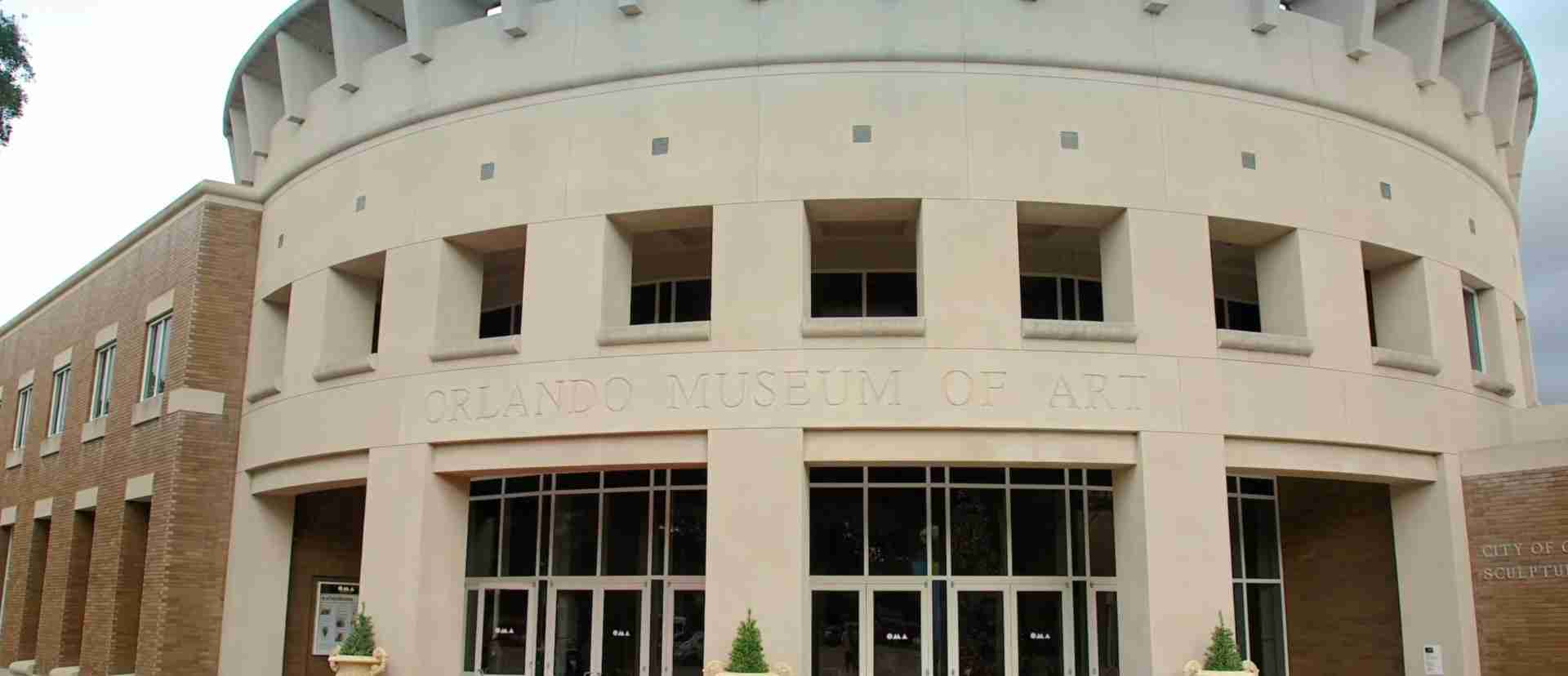
The Orlando Museum of Art anchors Loch Haven Park as Central Florida’s premier fine arts institution, celebrating over a century of service to the region with nationally recognized permanent collections and ambitious temporary exhibitions. Located at 2416 N Mills Avenue, the museum occupies a purpose-built facility that underwent significant expansion and renovation in recent decades, providing modern gallery spaces that meet international museum standards while maintaining an intimate scale that allows meaningful engagement with artworks.
Admission to the Orlando Museum of Art costs $20 for adults, $12 for children ages 3-12, and $12 for seniors, active-duty military, and first responders with valid identification in 2026. Check the official website for current rates as pricing may vary. A family bundle offers admission for two adults and up to three children for $45, available for purchase at the front desk. Children five and under enter free. The museum operates as a cashless facility during special events. Bank of America and Merrill Lynch cardholders receive complimentary admission the first full weekend of each month through the Museums on Us program, with April 2025 excluded from the program. The museum’s Access for All at OMA initiative provides free admission every third Thursday of the month with extended hours from 10am to 8pm, featuring live performances, educational activities, sketching materials from 5pm-7pm, and docent-led highlight tours at 7pm.
The museum opens Tuesday through Sunday from 10am to 5pm, with extended hours until 8pm on third Thursdays during Access for All events. The museum closes Mondays and major holidays. Two hours of free parking validation is available in the nearby Science Center garage for museum visitors with paid admission, one validation per party. The museum is wheelchair accessible with elevators and accessible restrooms throughout the facility.
The permanent collection features two areas of particular distinction that elevate the Orlando Museum of Art beyond regional significance. The museum houses one of the nation’s finest collections of Ancient American art, with pre-Columbian works spanning Olmec, Maya, Aztec, and other Mesoamerican cultures. These artifacts, acquired through decades of careful curation, represent sophisticated artistic traditions that flourished centuries before European contact. The African art collection similarly commands scholarly respect, featuring masks, sculptures, textiles, and ceremonial objects from multiple West and Central African cultures. These permanent collections provide Central Florida audiences with sustained access to world cultures rarely represented in regional museums, supporting both educational programming and academic research.
Contemporary and modern American art rounds out the permanent holdings, with paintings, sculptures, and works on paper from the 20th and 21st centuries. The museum actively acquires contemporary works, maintaining relevance to current artistic practice while preserving historical depth. This balance allows the museum to present exhibitions that connect historical artistic traditions with contemporary artistic dialogue.
Temporary exhibitions rotate regularly throughout 2026, often drawing from major institutional collections or featuring traveling shows organized by larger museums. The Orlando Museum of Art has presented exhibitions from the Smithsonian, Metropolitan Museum of Art, and other premier institutions, bringing works to Central Florida that would otherwise require travel to major metropolitan areas. Recent programming has included the Florida Prize in Contemporary Art, an annual juried competition highlighting the state’s contemporary artists, and thematic exhibitions exploring specific artistic movements, cultural traditions, or historical periods.
The museum’s signature annual event, the Festival of Trees, transforms the galleries each November into an immersive holiday experience featuring dozens of elaborately decorated trees, wreaths, and table settings created by Central Florida designers and businesses. This fundraising tradition, now entering its fourth decade, attracts thousands of visitors who return annually for the unique combination of visual spectacle and holiday tradition. The festival typically includes special events like Breakfast with Santa, preview parties, and opportunities to purchase both the decorated trees and artisan goods through silent auctions.
Educational programming extends beyond gallery exhibitions to encompass gallery talks, highlight tours, Art Night Out events for adults, summer camps for children, and family-friendly activities designed to make art accessible to all ages and backgrounds. Docent-led tours provide deeper context for both permanent collection highlights and temporary exhibitions. The museum’s education department develops programming aligned with school curricula, supporting field trips and educational initiatives throughout Orange County schools.
Orlando Science Center: Interactive Learning and Discovery 2026
The Orlando Science Center transforms science education into hands-on discovery across four floors of interactive exhibits at its Loch Haven Park location, 777 E Princeton Street. Founded in 1955 and occupying its current purpose-built facility since 1997, the institution serves as Central Florida’s premier science museum, attracting families, school groups, and curious visitors of all ages with programming designed to inspire scientific curiosity and STEM education.
General admission costs $21 for adults, $19 for seniors age 55 and older, $19 for students with valid identification, and $15 for youth ages 3-11 in 2026. Children age 2 and under enter free. These prices include access to all four floors of exhibits, both theaters, and general programming. Check the official website for current rates as pricing may vary. The Science for All program offers significantly reduced admission at $3 per person (up to six people) for visitors presenting an Access Florida EBT card with matching state-issued photo identification. This initiative ensures low-income families can access science education regardless of financial circumstances. Bank of America and Merrill Lynch cardholders receive free admission the first full weekend of each month. First responders including police, fire, EMTs, and staff from first responder organizations receive $2-3 discounts on tickets for their entire party with valid identification.
The Orlando Science Center opens Monday through Sunday from 10am to 5pm, closing Wednesdays except for the first Wednesday of each month. This schedule provides a quieter experience for homeschooling families and others who prefer to visit when school groups are less likely to be present. The museum closes on Easter Sunday, Thanksgiving Day, Christmas Eve, and Christmas Day. Special events occasionally extend hours or modify the schedule, so visitors should check the online calendar before planning their visit. Parking costs $5 per hour in the garage located across Princeton Street from the museum entrance. Members park free. Limited free parking may be available within Loch Haven Park on a first-come basis.
The museum’s four-floor layout organizes exhibits by theme and age appropriateness. The ground floor hosts NatureWorks, an extensive exploration of Central Florida’s ecosystems featuring live animals, wetland and forest recreations, and explanations of the region’s unique environmental systems. This floor also includes KidsTown, a dedicated space for children under age 7 with scaled exhibits, imaginative play structures, and parent-supervised exploration areas. The second floor features traveling exhibitions that rotate every few months, bringing nationally curated shows on topics ranging from dinosaurs to space exploration. These temporary exhibits ensure repeat visitors encounter fresh content beyond the permanent installations.
The third floor houses The Hive, a makerspace encouraging creativity through building challenges, engineering projects, and hands-on construction activities. Fusion: A STEAM Gallery combines science, technology, engineering, art, and mathematics through interactive installations. The Founders Room on this level serves as a rentable event space. The fourth floor features DinoDigs, where aspiring paleontologists can excavate fossil casts, examine dinosaur eggs, and learn about prehistoric life. The floor also includes the observatory, though exhibits on this level sometimes close for maintenance or special events.
Two theater experiences are included with general admission. The Dr. Phillips CineDome presents films on a massive dome screen, creating an immersive viewing experience for science documentaries, nature films, and planetarium-style space presentations. The Digital Adventure Theater screens additional films in a traditional theater setting. Show times vary by day and season, with the schedule posted near the admission desk and online. Visitors should plan to arrive early to secure preferred show times, as theater capacity is limited and shows may fill during peak visitation periods.
The Crosby Observatory on the sixth floor houses Florida’s largest public refractor telescope. Sun Watch sessions occur from 3pm to 5pm on the first Saturday of each month, allowing visitors to safely observe the sun through specialized filters. Evening stargazing sessions take place from 5pm to 9pm on the first and third Saturdays monthly, weather permitting. The observatory closes while the rest of the museum remains open during these after-hours sessions. These programs carry no additional charge but operate on a first-come basis with capacity limits.
Special programming throughout 2026 includes Science Night Live, an adults-only evening event occurring monthly featuring guest speakers, themed activities, cash bar, and access to all four floors. Admission costs $16 for non-members. Science & Wine, held annually in early spring, combines wine tasting with science demonstrations as the museum’s primary fundraising gala. Summer camps provide week-long day programs for children in kindergarten through eighth grade, covering topics from robotics to forensic science. These camps typically fill early and require pre-registration.
The museum operates as a nonprofit organization relying on admissions, memberships, venue rentals, and donations to support its mission. Membership options range from $169 to $209 annually and include unlimited admission, free parking, discounts on camps and events, and reciprocal admission at over 350 ASTC Passport Program museums nationwide. The bottom floor includes a Subway restaurant providing convenient meal options, though visitors may also pack lunches and picnic in Loch Haven Park outside the museum.
Mennello Museum of American Art: Folk Art and Lakeside Sculpture 2026
The Mennello Museum of American Art preserves the world’s most comprehensive collection of Earl Cunningham paintings within an intimate lakeside setting at 900 E Princeton Street in Loch Haven Park. Established in 1998 as a benefaction to the Orlando community, this city-owned museum celebrates American folk art and self-taught artists while maintaining a sculpture garden that extends the artistic experience beyond traditional gallery walls.
General admission costs just $5 for adults in 2026, with discounted rates for seniors, students, and children ages 6 and older. Children under age 6 and active or retired military personnel with valid identification enter free. Members receive free admission along with additional benefits. The museum offers Free Family Funday every second Sunday of the month with complimentary admission and family-oriented programming from 12pm to 2:30pm. The museum participates in Blue Star Museums, providing free summer admission to active-duty military personnel and their families. EBT and SNAP cardholders with matching state-issued photo identification receive free admission. Check the official website for current rates and special program details.
The museum opens Tuesday through Saturday from 10:30am to 4:30pm and Sunday from noon to 4:30pm, closing Mondays and major holidays. These hours make the Mennello particularly accessible for weekend visitors and those seeking a quieter weekday museum experience. Installation periods between exhibitions may require temporary closures of specific galleries, though the sculpture garden remains accessible. Parking is limited but free in the small lot directly in front of the museum. Visitors arriving during busy periods can park in the nearby Science Center garage.
Earl Cunningham (1893-1977) worked as a self-taught artist whose vibrant, flat-perspective paintings captured coastal landscapes with an intensity of color and imaginative vision that distinguished his work within the folk art tradition. The permanent collection donated by Marilyn and Michael Mennello of Winter Park encompasses paintings spanning Cunningham’s career, showcasing his evolution while maintaining consistent thematic interests in maritime scenes, tropical vegetation, and idealized American landscapes. These works, characterized by their brilliant blues, greens, and other saturated hues, create an immediately recognizable aesthetic that appeals to both folk art scholars and general audiences discovering Cunningham for the first time.
Temporary exhibitions rotate regularly throughout 2026, celebrating both traditional and contemporary American artists whose work embodies narrative clarity and accessible subject matter. Recent exhibitions have featured Self-Taught Black Artists in the American South, exploring the rich traditions of African American folk artists working outside formal art training, and Mark Messersmith’s Long Summer, presenting contemporary landscape paintings in dialogue with Cunningham’s coastal visions. These rotating shows ensure the museum offers fresh content beyond the permanent Cunningham collection while maintaining thematic coherence around American art that tells stories.
The Mennello Sculpture Garden features works by artist Alice Aycock installed throughout the grounds overlooking Lake Formosa. These large-scale abstract sculptures create focal points within the landscaped gardens, offering outdoor artistic encounters that complement the indoor galleries. The garden provides a peaceful setting for walking, reflection, and photography, with benches positioned to encourage leisurely engagement with both sculpture and natural lakeside beauty. Yoga sessions occur Sunday mornings lakeside, combining wellness programming with artistic environment.
Special events throughout the year expand the museum’s programming beyond traditional exhibitions. Dog Derby Day welcomes leashed pets to the sculpture garden for a unique museum experience. Art in Bloom, though primarily an Orlando Museum of Art event, sometimes includes Mennello participation. The museum hosts artist talks, workshops, and community celebrations designed to make art accessible and personally meaningful to diverse audiences. Educational programs serve school groups and families, with docent-led tours available by arrangement for groups.
The museum building itself holds historical significance, originally constructed as the home of Howard Phillips. This residential-scale architecture creates an intimate viewing environment distinct from larger institutional museums, allowing closer engagement with artworks in spaces that maintain domestic proportions. The galleries’ compact size makes the Mennello ideal for visitors seeking a shorter museum experience or families with young children whose attention spans favor concentrated rather than expansive exhibitions.
Orange County Regional History Center: 14,000 Years of Central Florida 2026
The Orange County Regional History Center occupies a magnificently restored 1927 neoclassical revival courthouse at 65 E Central Boulevard in downtown Orlando, transforming a historic landmark into four floors of permanent and temporary exhibitions exploring Central Florida’s evolution from indigenous settlement through contemporary tourist economy. As a Smithsonian Institution affiliate and AAM-accredited museum, the History Center brings nationally significant temporary exhibitions to Central Florida while maintaining permanent galleries that interpret 14,000 years of regional heritage.
Admission costs $10 for adults, $8 for seniors age 55 and older, $7 for students and military personnel with valid identification, and $6 for children ages 5-12 in 2026. Children age 4 and under enter free, as do History Center members and Orange County employees with identification. All visitors with paid admission receive validation for two hours of free parking in the Library Parking Garage at 112 E Central Boulevard across from the Orlando Public Library, one parking validation per party. The History Center operates as a cashless facility requiring card or contactless payment. Check the official website for current rates as renovations and improvements may temporarily affect certain areas.
The museum opens Monday through Saturday from 10am to 5pm and Sunday from noon to 5pm. The 2026 closure schedule includes New Year’s Day, Easter Sunday, Thanksgiving Day, Christmas Eve, Christmas Day, and New Year’s Eve (closing at 2pm). These hours accommodate both weekday and weekend visitors, with the downtown location easily accessible via Lynx bus service, SunRail commuter rail, and personal vehicle. Two handicapped parking spaces are available on the building’s north side on E Washington Street, and the entire five-story facility is wheelchair accessible with elevators serving every floor.
The permanent exhibition begins chronologically on the fourth floor and descends through the building, creating a narrative flow through Central Florida history. First Peoples introduces Florida’s indigenous populations who inhabited the region for thousands of years before European contact, explaining their sophisticated adaptations to Florida’s unique environment and complex social structures. First Contact documents how Spanish exploration beginning in the 16th century transformed indigenous life and established the colonial patterns that would shape Florida’s future. These upper-floor galleries provide essential context for understanding the region’s pre-American history, a period often overlooked in popular Florida narratives focused on more recent development.
The Pioneer Cabin recreation allows visitors to experience the material conditions of 19th-century Florida homesteading, with period furnishings and domestic implements illustrating daily life in rural Central Florida. Cattle and Citrus explains how these two industries dominated the regional economy before tourism, with Florida’s open-range cattle operations and expanding citrus groves creating wealth and attracting settlers. The Natural Environment gallery celebrates Central Florida’s distinctive flora, fauna, and geography, from wetland ecosystems to sand pine scrub habitats unique to the region.
Destination Florida traces a century of transportation evolution from the Dixie Highway auto tourism era through commercial aviation and eventually interstate highways, explaining how improved accessibility transformed Central Florida from remote frontier to accessible destination. The centerpiece Aviation exhibit features a replica B-17 bomber and celebrates Orlando-born astronaut Jake Young’s space missions, connecting Central Florida’s aviation history to the nearby Kennedy Space Center’s space program legacy. The Theme Park Era gallery documents the region’s dramatic transformation after Walt Disney World opened in 1971, examining how one decision created the tourist-centric economy that now defines metropolitan Orlando.
African American history receives dedicated attention throughout the museum, with particular focus on the Parramore neighborhood’s development as Orlando’s historic Black community, entrepreneurship and cultural achievements within segregation’s constraints, and the Civil Rights movement’s local manifestations. Orlando Collected, a special exhibition running through January 11, 2026, celebrates Orlando’s 150th anniversary with rare objects from throughout the community curated from the Historical Society of Central Florida’s collections in collaboration with local organizations including Timucua Arts, Opera Orlando, and Orlando Ballet.
The museum regularly hosts traveling exhibitions from the Smithsonian Institution and other major museums, bringing nationally important shows to Central Florida that would otherwise require travel to larger metropolitan areas. Past exhibitions have covered diverse topics from presidential history to cultural movements to technological innovation. The History Center also presents locally curated exhibitions drawing from its 35,000-artifact collection spanning 14,000 years across seven counties including Brevard, Lake, Orange, Osceola, Polk, Seminole, and Volusia.
Educational programming serves both adults and children through Lunch & Learn lectures featuring authors, artists, and historians, History Camps providing week-long summer experiences for children, and gallery tours for school groups. The History Center’s research library, though separate from public galleries, supports scholarly research and genealogical investigation into Central Florida families and communities. Special events throughout the year include exhibition openings, anniversary celebrations, and community programs designed to engage diverse audiences with regional heritage.
Rollins Museum of Art: Free European Masters and Contemporary Art 2026
The Rollins Museum of Art distinguishes itself as Central Florida’s only completely free art museum, offering year-round admission at no cost to all visitors at its Rollins College campus location, 1000 Holt Avenue in Winter Park. Formerly known as the Cornell Fine Arts Museum, this teaching museum serves both Rollins students and the broader public with over 5,000 works spanning antiquity to contemporary practice, including the Orlando area’s only European Old Masters collection.
Admission remains free for all visitors in 2026, made possible through donor support and the museum’s role within Rollins College’s liberal arts mission. This democratic access philosophy ensures financial barriers never prevent cultural engagement, positioning the Rollins Museum as an essential community resource. Suggested donations support ongoing operations but carry no obligation. Free parking is available at the Rollins Garage at the corner of Fairbanks Avenue and Ollie Avenue, approximately a 5-8 minute walk to the museum entrance. Limited museum visitor parking spaces are located directly in front of the building on a first-come basis.
The museum opens Tuesday from 10am to 7pm, Wednesday through Friday from 10am to 4pm, and Saturday and Sunday from noon to 5pm, closing Mondays, major holidays, and during installation periods when galleries are being prepared for new exhibitions. These extended Tuesday and Thursday evening hours accommodate visitors who cannot attend during traditional museum hours. The lakeside location provides beautiful Lake Virginia views, with the museum’s architecture taking advantage of this scenic setting.
The permanent collection divides into three primary areas of strength. European Old Masters paintings represent the Renaissance, Baroque, and later periods with works by recognized artists working in oil painting traditions. This collection, unique in the Orlando area, provides essential historical context for understanding Western art’s development and influences. The American art collection spans colonial period through contemporary works, documenting American artistic evolution across multiple centuries. Photography, sculpture, and decorative arts complement the painting collections.
The Alfond Collection of Contemporary Art represents the museum’s most distinctive contemporary holdings, featuring works by established and emerging artists working in diverse media. This collection appears both at the main museum and at The Alfond Inn, a boutique hotel located a few blocks from campus that functions as an extension of the museum. The Alfond Inn displays over 100 artworks from the Rollins collection throughout its public spaces, creating what may be the only hotel in the United States serving as an art museum satellite facility. Hotel guests and visitors can view significant contemporary works while enjoying the hotel’s restaurant and bar.
Temporary exhibitions change seasonally, with the museum presenting both curated shows from its permanent collection and exhibitions featuring borrowed works or contemporary artists. Recent exhibitions have included Nostalgia for My Island: Puerto Rican Painting from the Museo de Arte de Ponce (1786-1962), examining Puerto Rican artistic identity, and salon-style presentations featuring densely hung works in the tradition of historic European art exhibitions. These rotating shows ensure frequent visitors encounter new artistic experiences beyond the permanent collection’s highlights.
Free public tours occur on weekends, with knowledgeable guides providing overviews of current exhibitions and permanent collection highlights. Private tours can be arranged for groups up to 30 people with advance notice. The museum provides bilingual support with artwork labels in English and Spanish and tours offered in both languages, reflecting Central Florida’s diverse population. This commitment to accessibility extends beyond free admission to ensure Spanish-speaking visitors receive full cultural experiences.
The Mennello Sculpture Garden Trail extends across Rollins College campus with seven outdoor sculptures from the museum’s collection positioned throughout the grounds. This 1.6-mile self-guided walking tour begins at the museum’s front steps and concludes at The Alfond Inn, combining art viewing with campus exploration and outdoor exercise. The trail can be accessed via smartphone or any web-enabled device, providing information about each sculpture and artist.
Educational programming supports the museum’s teaching mission with lectures, artist talks, family programs, and events designed to engage diverse audiences. As a college art museum, the Rollins actively integrates exhibitions and collections into academic coursework across disciplines, providing students with direct engagement with original artworks rarely available at comparable institutions. The museum also serves the broader Winter Park and Orlando community with programming designed for adults, families, and children outside the college population.
High school and college students can claim free Rollins Museum memberships providing access to lectures, tours, special events, and discounts. These student memberships, offered at no cost, encourage young adults to develop museum-going habits that support lifelong cultural engagement. Non-student memberships offer additional benefits for those wishing to support the museum’s mission beyond free admission.
Construction is currently underway for a new museum facility coming to the heart of Winter Park, representing a significant expansion that will provide increased exhibition space, improved climate control for sensitive artworks, and enhanced visitor amenities. This project reflects the museum’s growing importance to both Rollins College and the broader Central Florida cultural landscape. The current facility continues full operations during construction.
Charles Hosmer Morse Museum of American Art: Tiffany Collection 2026
The Charles Hosmer Morse Museum of American Art houses the world’s most comprehensive collection of works by Louis Comfort Tiffany (1848-1933), making this Winter Park institution an international destination for decorative arts scholarship and Tiffany enthusiasts. Located at 445 North Park Avenue in downtown Winter Park, the museum preserves Tiffany’s chapel interior from the 1893 World’s Columbian Exposition in Chicago, art and architectural objects from his Long Island estate Laurelton Hall, and unparalleled holdings of his jewelry, pottery, paintings, art glass, leaded-glass lamps, and windows.
Admission costs just $6 for adults, $5 for seniors, and $1 for students with valid identification in 2026, representing exceptional value for access to museum-quality collections. Children under age 12 enter free. Members receive free admission along with additional privileges. Check the official website for current rates as pricing may vary. Free Friday Nights from November through April provide free admission for all visitors from 4pm to 8pm every Friday, with live music on selected evenings. This seasonal program allows budget-conscious visitors to experience the entire collection at no cost. Additional free admission days occur during Christmas Eve (December 24), Easter Weekend (Friday-Sunday, April 3-5), Winter Park Arts Weekend (February 6-8), and Winter Park Sidewalk Art Festival Weekend (March 20-22), with extended hours and live music during these celebrations.
Regular hours are Tuesday through Saturday from 9:30am to 4pm and Sunday from 1pm to 4pm, with the museum closed Mondays and major holidays. From November through April, Friday hours extend until 8pm to accommodate the free evening program. These hours provide ample opportunity for both residents and tourists to visit, with the Sunday afternoon opening allowing post-church or brunch museum visits. Free parking is available in the lot behind the building, accessible from Morse Boulevard.
The Tiffany collection’s depth and breadth exceed all other institutions worldwide. The museum preserves the Tiffany Chapel, created for the 1893 World’s Columbian Exposition in Chicago and later installed at Tiffany’s Long Island estate before the museum acquired it. This immersive religious space showcases Tiffany’s integration of leaded-glass windows, mosaics, and decorative elements into unified architectural design. Standing within the chapel provides direct experience of Tiffany’s visionary synthesis of color, light, and craftsmanship that defined his artistic contribution. The chapel alone justifies the museum visit for many, representing a singular survival of Tiffany’s architectural ambitions.
Laurelton Hall, Tiffany’s Long Island country estate, yielded numerous architectural elements and decorative objects now preserved at the Morse after the mansion’s destruction by fire. These objects, including fountains, windows, art glass vessels, and architectural details, allow partial reconstruction of Tiffany’s personal aesthetic environment. The museum’s holdings include the Daffodil Terrace, a stunning architectural installation featuring columns, capitals, and glass panels that surrounded Tiffany’s estate fountain. These elements, displayed in recreated room settings, convey the total design approach Tiffany pursued where every detail contributed to unified artistic effect.
Tiffany lamps represent perhaps the most recognizable category of his output, with the museum’s collection spanning early geometric designs through elaborate floral compositions. These lamps, created in Tiffany Studios’ workshops by skilled artisans working under Tiffany’s direction, demonstrate sophisticated techniques in selecting, cutting, and assembling individual glass pieces into complex patterns. The museum displays dozens of lamps, showing the evolution of Tiffany’s designs and the variety of forms his studios produced. Table lamps, floor lamps, and hanging fixtures demonstrate how Tiffany lighting transformed domestic interiors in affluent American homes during the late 19th and early 20th centuries.
Windows created by Tiffany Studios range from religious compositions commissioned for churches to residential installations and purely decorative panels. The museum’s window collection includes both early figural work and later landscape compositions that showcase Tiffany’s innovative use of opalescent glass. This material, which Tiffany championed, introduced painterly effects and naturalistic color gradations previously unavailable in traditional stained glass. The windows on display demonstrate technical mastery in selecting glasses that create depth, atmosphere, and luminosity without requiring painted details, distinguishing Tiffany’s approach from European stained glass traditions.
Beyond glass work, the museum preserves Tiffany paintings, jewelry, pottery, and decorative objects that document the breadth of his artistic practice. Tiffany began his career as a painter before pioneering innovations in glass, and the museum’s paintings show his continuous exploration of color and light across media. The jewelry collection demonstrates Tiffany’s integration of unusual stones, enameling, and unconventional materials into wearable art that challenged prevailing jewelry aesthetics. Pottery produced by Tiffany Studios in the early 20th century showcases iridescent glazes and organic forms influenced by Art Nouveau.
The museum’s holdings extend beyond Tiffany to include American art pottery by Grueby, Rookwood, and other period manufacturers, late 19th and early 20th century American paintings, graphics, and decorative arts that provide context for understanding Tiffany’s work within broader American aesthetic movements. These collections, though secondary to the Tiffany holdings, enrich the museum’s interpretation of American decorative arts’ golden age.
The 2025-26 season features two new installations opening October 14, 2025, exploring innovations in American glassmaking at the turn of the 20th century. Beyond Glass: The Paintings of Louis Comfort Tiffany opens March 3, 2026, showcasing Tiffany’s continued painting practice throughout his life despite his greater fame for glass innovations. Salon-style hanging exhibitions present dense arrangements of artworks in the tradition of historic European art displays. These temporary installations complement permanent collection displays while offering fresh perspectives on American art and Tiffany’s work.
Christmas in the Park, the museum’s 47th annual outdoor exhibition of century-old Tiffany windows, occurs Thursday, December 4, 2026, in downtown Winter Park’s Central Park from 6:15pm to 8:30pm. The Bach Festival Society Choir and Brass Ensemble performs holiday favorites during this free community event that displays monumental Tiffany windows outdoors, illuminated for public viewing. This tradition attracts thousands of visitors who experience Tiffany’s windows in an unconventional outdoor night setting, creating one of Winter Park’s signature seasonal events.
Albin Polasek Museum & Sculpture Gardens: Lakeside Art in Winter Park 2026
The Albin Polasek Museum & Sculpture Gardens preserves the world’s largest concentration of artwork by internationally renowned Czech-American sculptor Albin Polasek (1879-1965) within his retirement home and surrounding gardens overlooking Lake Osceola in Winter Park. Located at 633 Osceola Avenue, this National Register of Historic Places property combines house museum, galleries, sculpture garden, and historic architecture to create an intimate cultural experience distinct from larger institutional museums.
General admission costs $12 for adults, $10 for seniors age 60 and older, $10 for college students with valid identification, and $8 for children ages 4-17 in 2026. Children under age 4 enter free, as do members and visitors presenting EBT or SNAP cards. Active-duty military and their families receive complimentary admission during summer months through the Blue Star Museums program. AAA members receive discounted entry with membership card presentation. American Horticultural Society reciprocal visiting members receive free admission. Check the official website for current rates and special program details.
The museum opens Tuesday through Saturday from 10am to 4pm and Sunday from 1pm to 4pm, closing Mondays and major holidays. Free guided tours are offered daily during operating hours, providing context for Polasek’s life, artistic development, and the specific works on display. Private tours can be arranged for groups of 10 or more people, including access to Polasek’s private chapel not typically shown during general tours. These hours make the museum accessible for both weekday and weekend visits, with the lakeside setting particularly pleasant during cooler months.
Limited free parking is available in the small lot in front of the museum. Visitors arriving during busy periods should arrive early to secure spaces, as the museum’s intimate scale means parking fills quickly during special events and weekend peak times. Additional street parking may be available on Osceola Avenue.
Albin Polasek immigrated to the United States from Moravia (now Czech Republic) in 1901, studying at the Pennsylvania Academy of Fine Arts and later teaching at the Art Institute of Chicago for over three decades. His representational sculpture captured human form and emotional expression with classical technique and sensitivity that earned international recognition. After a stroke partially paralyzed his right side in 1950, Polasek moved to Winter Park and adapted his working methods to continue creating sculpture with his left hand. This period of continued artistic productivity despite physical limitation demonstrates remarkable determination and artistic drive.
The museum’s collection includes over 200 Polasek sculptures in bronze, marble, and plaster spanning his six-decade career. Portrait busts capture individual character and personality through subtle modeling and attention to physical detail. Figurative works explore themes of family, labor, spirituality, and human experience through bodies in motion or contemplation. These sculptures, displayed both indoors within the Capen-Showalter House galleries and outdoors throughout the sculpture gardens, allow comprehensive engagement with Polasek’s artistic evolution and thematic interests.
The Capen-Showalter House, built in 1924, served as Polasek’s retirement home and studio. This historic residence preserves period architecture while accommodating museum functions including galleries for rotating exhibitions, Polasek’s personal living spaces, and his working studio with tools and materials. Guided tours explain both the house’s architectural features and Polasek’s daily life and working methods within these spaces. The home’s restoration and adaptive reuse demonstrate sensitive preservation that maintains historical character while serving contemporary museum functions.
The sculpture gardens extend across three acres of landscaped grounds sloping down to Lake Osceola. Sculptures positioned throughout the gardens create focal points within natural settings, with mature trees, flowering plants, and lake views framing Polasek’s work. Visitors can picnic in designated areas, making the museum grounds a destination for leisurely afternoon visits combining art viewing with outdoor relaxation. The lakeside location and garden design create contemplative atmosphere suited to experiencing figurative sculpture that explores human themes.
Polasek’s private chapel, a small structure he designed and built on the property, features religious sculptures and architectural elements reflecting his spiritual commitments. This intimate space, included in private group tours, demonstrates how Polasek integrated his faith into his artistic practice and personal environment.
Rotating exhibitions in the museum’s gallery spaces feature contemporary and historical artists working across diverse media. The current exhibition, Sandy Thibeault: Contemporary Renaissance, explores traditional egg tempera painting techniques and gold leaf application used by Renaissance masters, creating dialogue between historical techniques and contemporary artistic vision. These temporary shows complement the permanent Polasek collection by celebrating other artists whose work tells stories through visual means.
The Winter Park Paint Out, held April 19-25, 2026, transforms the museum into headquarters for this annual plein air painting event. Twenty-three professional artists paint throughout Winter Park and at the museum grounds during the week-long celebration. Galleries and gardens are open free to the public during the Paint Out, with extended hours from 1pm-4pm Sunday, 9am-5pm Monday through Thursday, 9am-7:30pm Friday, and 9am-noon Saturday. All artwork created during the week becomes available for purchase with proceeds supporting the museum. This special week allows visitors to watch artists working, view completed paintings as they’re delivered, and acquire original artworks created specifically during the event.
Educational programming includes artist talks, garden tours, and community events throughout the year. The museum’s mission focuses on enriching lives through inspiration conveyed by Polasek’s story, the lakeside setting, and the art itself. This three-part approach—biography, environment, and artistic achievement—creates layered experiences where visitors engage with human determination, natural beauty, and aesthetic accomplishment simultaneously.
Specialty and Niche Museums in Orlando 2026
Beyond the major institutions, Orlando supports specialized museums serving focused interests and niche audiences. The Orlando Fire Museum, located in Loch Haven Park near the Orlando Museum of Art, preserves historic firefighting equipment and documents Orlando Fire Department history. This small museum primarily serves school groups and firefighting history enthusiasts. The Winter Park Historical Museum on New England Avenue presents local history specific to Winter Park’s development, complementing the broader regional focus of the Orange County Regional History Center with neighborhood-scale detail about Winter Park’s founding families, civic institutions, and architectural evolution.
The Madame Tussauds Orlando and SEA LIFE Orlando Aquarium on International Drive represent commercial entertainment attractions rather than traditional educational museums, operating with different admission structures and visitor experiences oriented toward tourist entertainment. These institutions, while calling themselves museums, function more as themed attractions within Orlando’s tourism economy.
WonderWorks on International Drive similarly blends museum terminology with entertainment-focused programming, offering interactive science exhibits in an amusement park-style environment. These commercial attractions charge significantly higher admission than traditional museums and target the tourist market with experiences designed for brief visits and photo opportunities rather than sustained educational engagement.
Museum Passes, Memberships and Money-Saving Strategies 2026
Strategic planning significantly reduces museum costs in Orlando through free admission programs, membership reciprocity, and family passes. Bank of America and Merrill Lynch’s Museums on Us program provides the single most valuable free admission opportunity, granting cardholders and their families free entry to both Orlando Museum of Art and Orlando Science Center the first full weekend of every month. This program alone makes both institutions accessible without admission costs for cardholders willing to time visits accordingly. April 2025 is excluded from the Orlando Museum of Art program, but the benefit resumes in May.
Free Friday Nights at the Charles Hosmer Morse Museum from November through April transforms the region’s premier Tiffany collection into a no-cost experience every Friday evening from 4pm-8pm. Visitors planning winter or spring Orlando trips can schedule Friday evening Morse Museum visits, saving the $6 adult admission while experiencing the complete collection with live music on selected evenings. This program makes one of America’s finest decorative arts museums accessible regardless of budget.
Monthly free admission days provide additional opportunities. Orlando Museum of Art’s third Thursday Access for All program offers free entry from 10am-8pm with extended hours, live performances, and special programming. Mennello Museum of American Art’s second Sunday Free Family Funday welcomes families at no cost with activities designed for children. These recurring free days allow residents to experience Orlando’s museums regularly without ongoing admission expenses.
Festival and holiday weekends often expand free admission beyond monthly programs. The Charles Hosmer Morse Museum provides free admission during Christmas Eve, Easter Weekend, Winter Park Arts Weekend in early February, and Winter Park Sidewalk Art Festival Weekend in late March. The Albin Polasek Museum & Sculpture Gardens offers free admission during the Winter Park Paint Out week in late April. These special events combine free museum access with broader community celebrations, creating enhanced experiences beyond typical museum visits.
EBT and SNAP cardholders receive significant benefits at multiple institutions. Orlando Science Center charges just $3 per person (up to six people) for visitors presenting Access Florida EBT cards with matching photo identification, reducing a family visit from potentially over $100 to $18 maximum. The Mennello Museum and Albin Polasek Museum both provide free admission for EBT/SNAP cardholders. These programs ensure low-income families can access cultural and educational experiences despite financial constraints.
Individual museum memberships become cost-effective for frequent visitors. Orlando Science Center memberships range from $169-209 annually and include unlimited admission, free parking (eliminating the $5 per visit garage fee), and reciprocal admission at over 350 ASTC Passport Program museums nationwide. Families visiting the Science Center more than three times annually save money through membership while gaining reciprocal benefits at science centers across the country. Orlando Museum of Art memberships similarly provide unlimited admission, parking validation, exhibition previews, and reciprocal privileges at over 200 Time Traveler museums. The Charles Hosmer Morse Museum offers annual memberships with unlimited admission and special event invitations.
Orange County Library System’s Local Wanderer program provides library cardholders with free museum passes bookable online. The Albin Polasek Museum & Sculpture Gardens participates, offering free admission for the cardholder and one guest. Orange County residents with library cards can check the Local Wanderer catalog for available passes, book desired dates, and receive digital passes via email for museum redemption. This program makes select cultural institutions accessible to all county residents with library cards.
Student and military discounts apply broadly across Orlando museums. Students with valid identification receive reduced rates at most institutions, with the Charles Hosmer Morse Museum charging only $1 for students and the Orlando Science Center offering $19 student admission versus $21 adult rates. Military personnel receive discounts at most museums, with several institutions providing free admission for active duty members and their families during summer Blue Star Museums programming. Seniors age 55-60 and older (varying by institution) consistently receive 10-40 percent discounts off adult admission.
Families should purchase family bundles where available rather than individual tickets. The Orlando Museum of Art’s $45 family bundle (two adults plus up to three children) saves money versus individual admission if visiting with multiple children. Group rates apply at institutions including the Orange County Regional History Center for parties of 10 or more, making museum visits attractive for extended family gatherings or friend groups.
The completely free Rollins Museum of Art eliminates cost considerations entirely. Visitors seeking multiple museum experiences on limited budgets should prioritize the Rollins Museum, free admission day programs at other institutions, and the lowest-cost venues like the Mennello ($5 adults) and Morse Museum ($6 adults, free Friday nights November-April). A full day of museum visits might include the free Rollins Museum in the morning, lunch on Park Avenue, the Mennello Museum in early afternoon ($5), and conclude with the Orlando Museum of Art during third Thursday free admission. This itinerary provides world-class art experiences across three institutions for $5 total per person.
Getting to Orlando Museums: Transportation and Parking 2026
Orlando’s museum districts are concentrated enough to visit multiple institutions in single trips, though transportation planning varies by location. Loch Haven Park institutions—Orlando Museum of Art, Orlando Science Center, and Mennello Museum—cluster within walking distance of each other approximately 1.5 miles northeast of downtown Orlando. Personal vehicles provide most convenient access, with the Orlando Science Center garage charging $5 hourly parking (free for Science Center members). Orlando Museum of Art visitors receive two hours free parking validation in this same garage with paid admission. Street parking throughout Loch Haven Park is free but limited, with availability varying by time and day.
SunRail, Central Florida’s commuter rail system, serves Loch Haven Park via the AdventHealth Station approximately five minutes’ walk from all three museums. Trains operate Monday through Saturday with limited Sunday service, providing car-free access from downtown Orlando, Winter Park, and other stations along the north-south corridor. This option works well for Orlando residents and visitors staying near SunRail stations, eliminating parking concerns entirely. The mostly shaded walk from station to museums remains comfortable even during warm months.
Lynx bus service connects Loch Haven Park to wider Orlando through several routes, though schedules and route planning require advance research via the Lynx website or mobile app. Public transit provides budget-conscious access to museums but requires more time and planning than personal vehicles. Ride-sharing services including Uber and Lyft serve all museum locations with pickup and drop-off directly at entrances.
Winter Park’s museum cluster—Rollins Museum of Art, Charles Hosmer Morse Museum, and Albin Polasek Museum—spreads across approximately one mile in downtown Winter Park. The Morse Museum and shops/restaurants on Park Avenue sit within easy walking distance. The Rollins Museum requires approximately one mile walk from Park Avenue or short drive to campus. Free parking behind the Morse Museum provides convenient access to that institution. The Rollins Museum offers free parking in the Rollins Garage at Fairbanks and Ollie Avenues, about 5-8 minutes walk to the museum, plus limited spaces directly in front of the building. The Albin Polasek Museum has small free parking lot but limited capacity during busy periods.
SunRail’s Winter Park Station on Morse Boulevard sits approximately 0.7 miles from the Morse Museum and one mile from the Rollins Museum, providing rail access to Winter Park’s cultural institutions. The walk from station to museums passes through pleasant residential neighborhoods. Winter Park’s compact downtown makes walking between museums, shops, and restaurants practical for those staying in the area or arriving by SunRail.
Downtown Orlando’s Orange County Regional History Center at 65 E Central Boulevard sits in the urban core with multiple parking options. The Library Parking Garage at 112 E Central Boulevard provides two hours free parking with museum admission validation, one validation per party. Additional downtown garages and metered street parking surround the area. Lynx bus routes converge downtown, and SunRail’s Church Street Station provides rail access. The History Center’s downtown location makes it easiest to combine with downtown dining, entertainment, or other activities.
Visitors planning full-day museum marathons should consider geographic clustering. A Loch Haven Park day might include Orlando Science Center (3-4 hours), lunch in nearby Thornton Park or downtown, Orlando Museum of Art (1-2 hours), and brief Mennello Museum visit (45 minutes), all using a single parking location. A Winter Park cultural day could combine the Rollins Museum (1-2 hours), lunch on Park Avenue, Morse Museum (1.5 hours), and Albin Polasek Museum (1 hour) with strategic parking and short drives or walks between locations.
Planning Your Museum Visits: Seasonal Considerations 2026
Orlando’s museum calendar follows seasonal patterns that affect both visitation levels and special programming. Understanding these patterns helps visitors time trips to match preferences for crowds, events, and weather conditions.
Peak tourist season from December through April brings increased museum attendance alongside theme park visitors. Families visiting Orlando for Disney World or Universal often dedicate one day to museums, creating weekend crowds at popular institutions. The Orlando Science Center particularly experiences heavy weekend traffic during these months when school groups visit weekdays and tourist families visit Saturdays and Sundays. Visitors preferring quieter experiences should schedule weekday visits or arrive at opening to avoid peak afternoon crowds. The Orlando Museum of Art and specialty institutions maintain more manageable crowds even during high season.
January through March offers ideal museum weather with comfortable temperatures for walking between Winter Park institutions or strolling Loch Haven Park. The Albin Polasek Museum’s gardens and Mennello Museum’s sculpture garden are particularly pleasant during these months before summer heat and humidity intensify. Special winter programming concentrates during this period, with the Charles Hosmer Morse Museum’s free Friday nights running November through April and multiple institutions hosting special events during Winter Park Arts Weekend in early February.
Summer months from June through August bring fewer tourists and lower admission crowds except for local family visits. Many museums run summer camps and children’s programming during this period, potentially affecting certain gallery spaces during weekday mornings. Afternoon thunderstorms are common, making museums attractive rainy-day activities for residents and summer visitors. Free admission programs continue, with Blue Star Museums providing free entry to military families at participating institutions.
Fall months from September through November transition from summer into holiday season programming. The Orlando Museum of Art’s Festival of Trees typically occurs in November, while the Morse Museum begins planning for its December outdoor Tiffany window display. Attendance remains moderate, and museums often schedule major temporary exhibition openings during fall to capture both resident audiences and early holiday visitors.
Special event timing should influence visit planning. The Morse Museum’s Christmas in the Park outdoor Tiffany window display occurs one evening in early December (December 4, 2026), attracting thousands to Central Park. The Winter Park Sidewalk Art Festival in late March (March 20-22, 2026) offers free museum admission at the Morse Museum alongside the outdoor art festival. The Winter Park Paint Out in late April (April 19-25, 2026) provides free Albin Polasek Museum access with opportunities to watch professional plein air artists working. These special events combine museum visits with broader community celebrations.
Museum Dining and Nearby Restaurants 2026
Museum visits often combine with dining, and Orlando’s cultural institutions vary in onsite food service and proximity to restaurants. The Orlando Science Center features a Subway restaurant on the ground floor, providing quick sandwich options without leaving the building. This proves convenient for families spending full days at the Science Center, though visitors can also pack lunches and picnic in Loch Haven Park outside the museum. The museum allows outside food in designated areas.
Loch Haven Park’s location between downtown Orlando and Winter Park positions it near multiple dining districts. Thornton Park, approximately one mile southeast, offers upscale casual restaurants, cafes, and bars in a walkable historic neighborhood. Downtown Orlando proper, less than two miles away, provides dozens of options from quick casual to fine dining. The nearby Mills 50 District (Mills Avenue and Colonial Drive area) features diverse international cuisine including Vietnamese, Thai, Filipino, and other Asian restaurants alongside Latin American options.
Winter Park’s museums benefit from Park Avenue’s concentration of restaurants, cafes, and bakeries within walking distance of both the Morse Museum and downtown area. Park Avenue establishments range from casual breakfast spots to upscale dinner destinations, with outdoor seating common along the tree-lined street. The Morse Museum’s location one block from Park Avenue makes lunch or dinner combinations with museum visits easy. The Rollins Museum sits on campus about one mile from Park Avenue, making that combination less walkable but still practical with short drives.
The Alfond Inn, which displays works from the Rollins Museum’s contemporary collection, operates a full-service restaurant and bar in its Winter Park location. Visitors can combine Rollins Museum visits with dining at The Alfond, viewing additional artworks while eating in an upscale boutique hotel environment. The museum offers Happy Hour Tours at The Alfond, combining art viewing with the hotel’s cocktail program.
The Albin Polasek Museum’s lakeside grounds permit picnicking, allowing visitors to bring food and eat in the sculpture gardens overlooking Lake Osceola. This option works well for extended afternoon visits combining art viewing with outdoor dining in pleasant weather. Winter Park restaurants are approximately one mile away via car.
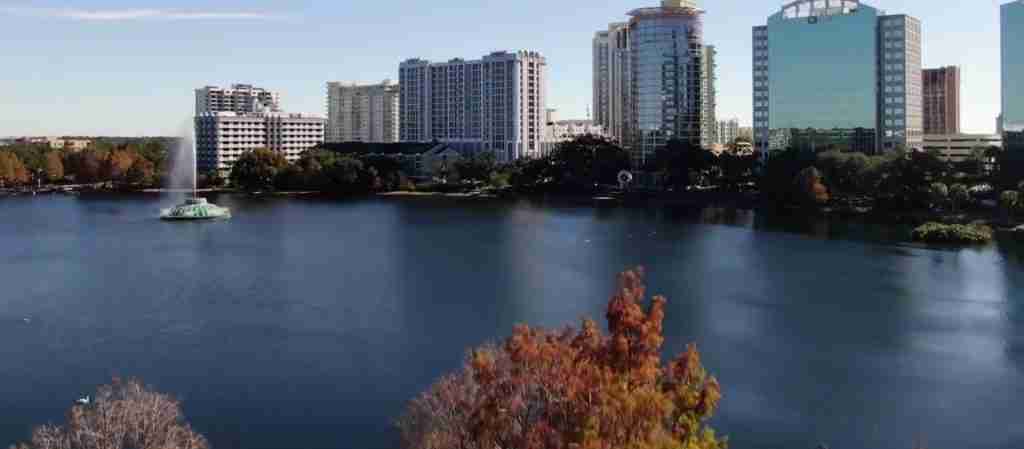
The Orange County Regional History Center’s downtown location surrounds it with lunch options ranging from food trucks to full-service restaurants. Church Street entertainment district sits blocks away, as do the restaurants clustered around Lake Eola Park. Visitors can validate two hours free parking at the Library Garage with museum admission, sufficient time for museum visit plus nearby lunch before parking charges accrue.
Accessibility and Family-Friendly Features 2026
Orlando’s major museums maintain comprehensive accessibility accommodations for visitors with disabilities. All institutions provide wheelchair access via ramps, elevators, and wide doorways throughout galleries. Accessible restrooms are available at each location, with multiple facilities in multi-floor buildings. Designated handicapped parking spaces sit near entrances at most museums, with the Orange County Regional History Center offering two spaces on the building’s north side and other institutions providing accessible parking in their lots or nearby garages.
The Orlando Science Center’s four-floor layout includes elevators serving all levels, with accessible exhibits throughout. Some interactive displays accommodate wheelchair users while others may prove challenging due to height or manipulation requirements. Staff members throughout the building can assist visitors needing accommodations or information about specific exhibit accessibility. Theater seating includes wheelchair spaces, and assisted listening devices are available for visitors with hearing impairments.
The Orlando Museum of Art and Orange County Regional History Center occupy multi-story buildings with comprehensive elevator access. Gallery layouts provide ample space for wheelchair navigation, and seating is available throughout for visitors who need rest breaks. Museum stores at both institutions are wheelchair accessible. The Mennello Museum’s single-story layout and compact size make it particularly manageable for visitors with mobility challenges, though the outdoor sculpture garden includes some uneven terrain on grass and landscaped paths.
Winter Park museums vary in accessibility based on their historic building characteristics. The Charles Hosmer Morse Museum’s galleries are wheelchair accessible, though some historic architectural elements and compact spaces may present navigation challenges during crowded periods. The Rollins Museum provides comprehensive accessibility in its purpose-built museum facility. The Albin Polasek Museum notes that all entrances, public museum areas, and gardens are wheelchair accessible, with accessible restrooms in both the museum gallery and the first floor of the Capen House.
Service animals are welcome at all Orlando museums. The Albin Polasek Museum specifically notes that pets other than service animals are not permitted, a standard policy across institutions to protect artworks and maintain appropriate museum environments.
Family amenities vary by institution. The Orlando Science Center leads in family-specific features with KidsTown designed for children under seven, family restrooms, nursing rooms, and exhibits explicitly created for different age groups. Stroller accessibility throughout most areas makes visiting with infants and toddlers practical. The cafeteria-style Subway restaurant and outdoor picnic areas accommodate families who need food breaks during extended visits.
Art museums generally welcome families but lack dedicated children’s spaces beyond occasional family programming days. The Orlando Museum of Art offers Free Family Funday events and Art Night Out programming. The Mennello Museum’s second Sunday Free Family Funday provides free admission with family activities. Gallery spaces at art museums may feel formal to young children unaccustomed to museum behavior expectations, though staff at all institutions show patience with families navigating these environments.
Strollers are generally permitted in museum galleries, though crowded special exhibitions may make navigation challenging. Parents should be prepared to fold strollers if gallery conditions require it. The Mennello and Polasek museums’ compact sizes and outdoor sculpture gardens provide relief from stroller navigation in tight indoor spaces, with gardens offering room for children to move more freely while still engaging with art.
Nursing mothers can feed infants throughout all museums, with family restrooms providing private spaces where preferred. Museum stores sell snacks and drinks at most institutions, though outside food and drinks are typically prohibited in galleries to protect artworks. Designated eating areas allow packed lunches at museums with picnic permissions.
Photography Policies and Museum Etiquette 2026
Photography policies vary across Orlando museums based on collection types and copyright considerations. Visitors should check each institution’s current policy before photographing, as temporary exhibitions may carry different restrictions than permanent collections.
The Orlando Museum of Art generally allows personal photography of permanent collection works for non-commercial purposes, though flash photography typically is prohibited to protect artworks from light damage. Temporary exhibitions may prohibit all photography if borrowed works carry lending institution restrictions. Visitors should look for signage or ask staff before photographing special exhibitions. Photography of other visitors without permission should be avoided to respect privacy.
The Orlando Science Center encourages photography of interactive exhibits and displays, with flash generally permitted given the durability of science exhibits versus fragile artworks. Families documenting children’s engagement with hands-on activities face no restrictions in most exhibit areas. Theater presentations typically prohibit photography and video recording to avoid disrupting other viewers and respect content creators’ rights.
The Charles Hosmer Morse Museum’s photography policy warrants careful attention given the historic and fragile nature of Tiffany glass. The museum typically allows personal photography without flash for permanent collection objects, but visitors must consult the detailed photography policy available on the museum website or at admission. Tripods and other equipment require permission. Commercial photography and videography require advance arrangements with museum administration.
The Albin Polasek Museum explicitly directs visitors to their detailed photography policy page, indicating nuanced rules that balance visitor documentation with artwork protection. The sculpture gardens and outdoor areas generally permit photography more liberally than indoor gallery spaces. Visitors planning extensive photography should review the specific policy before visiting.
Standard museum etiquette applies across all Orlando institutions. Voices should remain at conversational levels to avoid disrupting other visitors’ experiences. Cell phone use should be limited, with calls taken outside gallery spaces. Children should be supervised to prevent touching artworks or exhibits unless explicitly designed for hands-on interaction. Food and drinks remain prohibited in galleries at all institutions, with designated areas for consumption.
Touching artworks, even seemingly durable sculptures, should be avoided unless explicit signage invites tactile engagement. Oils from skin can damage surfaces over time, and repeated touching accelerates deterioration. Museum guards and staff enforce these policies to preserve collections for future generations. Visitors observing others violating policies should alert staff rather than confronting individuals directly.
Backpacks and large bags may require checking at coat rooms or security desks, particularly during crowded periods or special exhibitions. This policy protects both artworks from accidental contact and theft prevention. Museums provide secure storage with numbered claim tickets for retrieval after visits.
Educational Programs and Lectures 2026
Orlando’s museums extend their educational missions beyond gallery exhibitions through lectures, workshops, tours, and structured learning programs serving diverse audiences from preschoolers through adults.
The Orlando Science Center operates extensive summer camp programs for children kindergarten through eighth grade, offering week-long day camps exploring topics from robotics to forensic science. These camps typically fill early and require advance registration through the museum website. Girl Scout programs focus on STEM topics including robotics, programming, engineering, and forensic science, allowing scouts to earn badges through museum activities. School year programming includes field trip packages for K-12 groups with curriculum-aligned experiences and educator materials supporting classroom integration.
The Orlando Museum of Art develops programming for multiple age groups including summer camps for children, Art Night Out events for adults, gallery talks providing deeper context for exhibitions, and highlight tours introducing visitors to collection strengths and current shows. Docent-led tours occur regularly during operating hours, with specialized tours available by arrangement for groups. Educational initiatives support Orange County schools through curriculum-aligned field trips and teacher resources helping educators use museum collections in classroom instruction.
The Orange County Regional History Center presents Lunch & Learn programs featuring authors, artists, and historians speaking about Central Florida history topics. These midday lectures attract retirees, local history enthusiasts, and residents interested in deeper engagement with regional heritage beyond exhibition text panels. History Camps provide summer week-long programs for children exploring different aspects of Central Florida history through hands-on activities and archival research. The Brechner Research Center, though separate from public galleries, supports scholarly research into Central Florida families and communities through archival materials and genealogical resources.
The Rollins Museum of Art serves dual audiences as both a teaching museum for Rollins College students and a public institution for broader community engagement. Free public tours occur weekends with knowledgeable guides providing exhibition overviews and collection highlights. Private tours can be arranged for groups up to 30 people with advance notice. Bilingual programming offers tours in both English and Spanish, reflecting Central Florida’s diverse population and ensuring Spanish-speaking visitors receive full cultural experiences. Lectures and artist talks throughout the year feature scholars, curators, and artists discussing exhibitions, art historical topics, and creative practices.
The Charles Hosmer Morse Museum hosts gallery talks and educational programs throughout the 2025-26 season, often coordinating with temporary exhibitions to provide expert context for new installations. The museum’s focus on decorative arts and Tiffany’s work supports specialized programming exploring glass techniques, Art Nouveau movement, American decorative arts traditions, and Gilded Age aesthetic culture. Special event weekends including Winter Park Arts Weekend and Sidewalk Art Festival Weekend often feature enhanced programming beyond standard gallery access.
The Mennello Museum of American Art and Albin Polasek Museum & Sculpture Gardens host artist talks, garden tours, and community events throughout the year. The Polasek Museum’s Winter Park Paint Out week in April brings professional plein air artists to work on museum grounds, with painting demonstrations providing informal instruction as visitors watch artists creating landscapes. These artist-in-residence style programs connect audiences directly with creative processes.
Museum Memberships: Benefits and Value Analysis 2026
Museum memberships transform from optional support mechanisms to cost-saving tools for residents and frequent visitors. Analyzing membership benefits against admission costs and usage patterns determines whether annual memberships represent good value.
Orlando Science Center memberships range from $169 to $209 annually and include unlimited general admission for all named household members, free parking in the $5 garage (saving $5 per visit), 10 percent discount in the museum store, 10 percent discount on summer camps, discounted prices for select educational programs, reciprocal privileges at over 350 ASTC Passport Program museums nationwide, invitations to member-only events, and subscription to the museum’s magazine. A family visiting the Science Center four times annually saves money through membership while gaining reciprocal benefits at science centers across the country. Free parking alone saves $20 over four visits, and avoided admission costs exceed the membership fee after the fourth visit.
Orlando Museum of Art memberships provide unlimited admission, 10 percent museum store discount, discounts on select programs and events, reciprocal privileges at over 200 Time Traveler museums, invitations to member-only events, complimentary admissions for guests (quantity varies by membership level), annual museum tours, and subscriptions to Reflections magazine. Membership levels include Individual, Dual/Family, and Family Plus options at increasing price points. Two-hour parking validation per visit saves money versus paying garage fees without validation. The reciprocal admission program at Time Traveler museums nationwide provides value for members who travel, turning a local museum membership into access at institutions in other cities.
Charles Hosmer Morse Museum memberships include unlimited free admission, though non-members enjoy such low base admission ($6 adults) that membership primarily functions as philanthropic support rather than cost savings for casual visitors. However, members receive invitations to exhibition preview parties, special events, and exclusive programs unavailable to general admission visitors. For Tiffany enthusiasts and Winter Park residents visiting frequently, membership provides both financial value and enhanced experiences beyond basic gallery access.
Rollins Museum of Art maintains free admission for all visitors year-round, making traditional membership less about cost savings than supporting the museum’s operational expenses. Memberships provide benefits including free or discounted event tickets, invitations to member-only events, exhibition openings, and supporting a sustainable model for continued free public access. High school and college students receive free memberships with lecture access, tour invitations, special event invitations, and discounts.
The Mennello Museum and Albin Polasek Museum offer memberships providing unlimited admission, but their already-low base admission prices ($5 and $12 respectively) mean memberships primarily serve as donations with modest perks rather than cost-saving mechanisms. Members support these smaller institutions’ operational sustainability while receiving benefits like exhibition preview invitations, member events, and demonstration of commitment to cultural institution support.
Reciprocal admission programs magnify membership value for travelers. The ASTC Passport Program network spans over 350 science centers and museums, so Orlando Science Center members gain free or discounted admission at science museums nationwide. Planning a trip to Boston? Science Center membership includes admission to the Museum of Science Boston. The Time Traveler reciprocal program similarly extends Orlando Museum of Art membership to over 200 museums, making a single local membership valuable across multiple cities.
Families should calculate break-even points based on anticipated visit frequency. A household planning three Orlando Science Center visits annually pays $63 in base admission (two adults $42, two children $30) plus $15 parking over three visits, totaling $78 in costs versus $169-209 membership. However, summer camp discounts, special event access, and reciprocal museum visits may push actual value over the membership cost. Families planning four or more annual visits clearly benefit from membership.
Virtual Offerings and Online Resources 2026
Orlando museums expanded virtual programming during the COVID-19 pandemic and maintain enhanced online resources in 2026, supporting remote engagement and trip planning before in-person visits.
The Rollins Museum of Art provides 360-degree virtual views of exhibitions through its website, allowing remote visitors to explore galleries and view artworks from home. This technology proves particularly valuable for educators planning class visits, out-of-state art enthusiasts curious about specific exhibitions, and visitors with mobility challenges researching accessibility before arrival. The virtual galleries cannot replace in-person experiences but provide meaningful remote engagement with the permanent collection and current shows.
Museum websites universally serve as essential planning resources. Current exhibition information, event calendars, admission prices, hours, and parking details require checking before visits to ensure accurate information. Museums update websites regularly with exhibition announcements, program registrations, and temporary closures due to installations or special events. The Orange County Regional History Center website calendar lists any planned gallery closures visitors should know before arriving, while the Orlando Science Center’s online calendar shows show times, special events, and daily programming.
Social media channels including Facebook, Instagram, and sometimes TikTok extend museum engagement beyond physical visits. Museums post exhibition previews, behind-the-scenes content, educational snippets, and event announcements that build anticipation for in-person experiences while providing value to followers unable to visit. The Orlando Museum of Art, Mennello Museum, and other institutions use Instagram effectively to showcase collection highlights and current exhibitions through visually rich posts.
Online ticketing through museum websites allows advance purchase for institutions offering timed entry or limited capacity. While most Orlando museums accept walk-up visitors, purchasing tickets online occasionally provides discounts or guarantees admission during high-demand events. The Orlando Science Center encourages online ticket purchase to guarantee entry and secure best pricing. The Charles Hosmer Morse Museum’s online registration system supports program enrollment and event ticketing.
Educational resources downloadable from websites support teachers, homeschooling parents, and independent learners. The Orlando Science Center provides educator materials aligned with standards, while art museums offer curriculum guides connecting exhibitions to broader educational goals. These resources extend institutional impact beyond gallery walls into classrooms and homes throughout Central Florida.
Email newsletters keep subscribers informed about upcoming exhibitions, programs, and special events. Most museums offer newsletter subscriptions through their websites, providing regular communication about cultural opportunities without requiring social media accounts or frequent website checking.
Annual Museum Events and Seasonal Highlights 2026
Orlando’s museum calendar features recurring annual events that define each institution’s relationship with its community and create seasonal cultural traditions.
The Orlando Museum of Art’s Festival of Trees transforms the museum each November into an elaborate holiday display featuring dozens of decorated trees, wreaths, and table settings created by local designers and businesses. This fundraising tradition, celebrating over 40 years in 2026, attracts visitors who return annually for the visual spectacle combining art, holiday spirit, and charitable support. Special events during the festival typically include Breakfast with Santa, preview parties for donors and members, and opportunities to purchase both decorated trees and artisan goods. The festival runs approximately two weeks in November, with exact dates announced on the museum website months in advance. Admission typically matches or slightly exceeds regular museum admission, with proceeds supporting museum operations and programming.
Christmas in the Park represents the Charles Hosmer Morse Museum’s signature community event, occurring Thursday, December 4, 2026, from 6:15pm to 8:30pm in downtown Winter Park’s Central Park. This 47th annual outdoor exhibition displays century-old Tiffany windows in an unprecedented outdoor night setting, illuminated for public viewing in ways impossible within museum galleries. The Bach Festival Society Choir and Brass Ensemble performs holiday favorites during the free event. Thousands attend this Winter Park tradition combining art, music, and community celebration. Visitors should arrive early for parking and viewing positions near displayed windows.
Winter Park Arts Weekend (February 6-8, 2026) offers free admission at the Charles Hosmer Morse Museum Friday 9:30am-8pm, Saturday 9:30am-4pm, and Sunday 1pm-4pm, with live music Friday 5pm-8pm. This celebration coincides with broader Winter Park arts programming and gallery openings throughout the city. The Winter Park Sidewalk Art Festival (March 20-22, 2026) similarly provides free Morse Museum admission Friday 9:30am-8pm with live music 5pm-8pm, Saturday 9:30am-4pm, and Sunday 1pm-4pm. This outdoor art festival transforms Park Avenue into an open-air gallery featuring hundreds of artists, with free museum admission allowing visitors to combine outdoor festival browsing with indoor Tiffany masterworks viewing.
The Winter Park Paint Out (April 19-25, 2026) makes the Albin Polasek Museum & Sculpture Gardens its headquarters, with 23 professional plein air artists painting at the museum and throughout Winter Park during the week. Free admission to the museum’s galleries and gardens runs throughout the week: Sunday 1pm-4pm, Monday-Thursday 9am-5pm, Friday 9am-7:30pm, and Saturday 9am-noon. Visitors watch artists working, view completed paintings in the museum’s wet room, and purchase original artwork with proceeds supporting the museum. This event celebrates both outdoor painting traditions and the museum’s mission of enriching lives through art in beautiful settings.
Easter Weekend (April 3-5, 2026) brings free admission at the Charles Hosmer Morse Museum Friday 9:30am-8pm, Saturday 9:30am-4pm, and Sunday 1pm-4pm. Combined with the museum’s ongoing free Friday nights from November through April, Easter Weekend provides one of multiple opportunities for cost-free Tiffany collection access.
The Orlando Science Center’s Science Night Live events occur monthly throughout 2026, offering adults-only (21+) evening programming from approximately 6pm-9pm or 10pm. These events feature guest speakers, themed science demonstrations, cash bar, and access to all exhibits in an adult-oriented atmosphere. Admission costs $16 for non-members. Topics vary monthly, with the speaker schedule posted on the museum website. Science & Wine, the museum’s premier fundraising gala, typically occurs in early spring and combines wine tasting with science programming.
The Mennello Museum’s Free Family Funday occurs every second Sunday monthly throughout 2026 from 12pm-2:30pm, providing consistent free admission and family programming. This recurring event makes the museum accessible to families on tight budgets while introducing children to folk art in an engaging rather than formal environment.
Orlando Museum of Art’s third Thursday Access for All at OMA program provides free admission monthly from 10am-8pm with extended hours, live performances, educational activities, sketching materials available 5pm-7pm, and docent-led highlight tours at 7pm. Different months feature different performers and activities, with the museum’s event calendar detailing monthly programming variations.
Frequently Asked Questions About Orlando Museums & Galleries 2026
Do Orlando museums require advance tickets or reservations in 2026?
Most Orlando museums accept walk-up visitors without advance reservations in 2026, operating on a first-come, first-served basis for general admission. The Orlando Science Center encourages online ticket purchase to guarantee entry and secure best pricing, particularly during peak visitation periods like weekends and school holidays. The Orlando Museum of Art, Charles Hosmer Morse Museum, Mennello Museum, Orange County Regional History Center, Rollins Museum, and Albin Polasek Museum generally do not require advance tickets for regular admission. However, special exhibitions, limited-capacity programs, and seasonal events occasionally require or strongly recommend advance registration through museum websites. The Orlando Science Center’s Science Night Live events and summer camps require pre-registration as capacity is limited and popular programs sell out. Museum websites provide current reservation requirements, and calling ahead confirms admission policies if planning visits during major festivals or special exhibition openings when capacity constraints might apply.
Which Orlando museum is best for toddlers and preschoolers in 2026?
The Orlando Science Center provides the most comprehensive toddler and preschool programming in 2026 through KidsTown, a dedicated ground-floor space designed specifically for children under age 7. KidsTown features scaled exhibits, imaginative play structures, age-appropriate interactive activities, and parent-supervised exploration areas that engage toddlers’ natural curiosity without overwhelming them with complex science concepts. The entire museum maintains hands-on interactivity that appeals to young children’s learning styles, with NatureWorks’ live animals and ecosystem displays captivating preschool attention spans. Admission costs $15 for children ages 3-11, with children age 2 and under free. The museum’s $3 admission for EBT cardholders (up to six people) makes it accessible for low-income families with young children. The Mennello Museum of American Art’s Free Family Funday every second Sunday provides free admission with toddler-appropriate activities in the sculpture garden where children can move more freely than indoor art galleries typically permit. The outdoor spaces at both Mennello and Albin Polasek museums allow young children to walk, explore, and experience art in less formal settings than traditional museum galleries.
Can I visit multiple Orlando museums in one day in 2026?
Visiting multiple Orlando museums in one day is entirely feasible in 2026 given the geographic concentration of cultural institutions in two primary districts. Loch Haven Park’s three museums—Orlando Science Center, Orlando Museum of Art, and Mennello Museum—sit within a five-minute walk of each other, allowing visitors to park once and walk between venues. A full Loch Haven day might allocate 3-4 hours for the Orlando Science Center, 1-2 hours for the Orlando Museum of Art, and 45 minutes for the Mennello Museum, with lunch at nearby restaurants or picnic in the park. Winter Park’s museum cluster requires short drives or longer walks between venues, with the Charles Hosmer Morse Museum and Park Avenue shops walkable to each other, the Rollins Museum requiring approximately one mile drive from downtown Winter Park, and the Albin Polasek Museum another mile away. A full Winter Park cultural day could combine Rollins Museum morning visit (1-2 hours), Park Avenue lunch, Morse Museum afternoon (1.5 hours), and Albin Polasek Museum late afternoon (1 hour). The Orange County Regional History Center’s downtown Orlando location sits separate from other museums, best combined with downtown dining or Lake Eola Park rather than other museum visits. Stamina considerations matter—museum fatigue sets in after 4-5 hours of focused cultural engagement, so planning lighter schedules or mixing museums with outdoor activities maintains enjoyment.
Do Orlando museums offer discounts for large families or groups in 2026?
Orlando museums provide several discount mechanisms for large families and groups in 2026. The Orlando Museum of Art sells family bundles at $45 for two adults and up to three children purchased at the front desk, saving money versus individual tickets for families with multiple children. The Orlando Science Center’s Science for All program charges just $3 per person up to six people for families presenting EBT cards, dramatically reducing costs for eligible large families. The Orange County Regional History Center offers complimentary guided tours for groups of 10 or more with paid admission, adding value through enhanced interpretation. Multiple museums including the Mennello and Albin Polasek provide free admission for members plus guests, with membership levels including family designations covering multiple household members. Bank of America’s Museums on Us program grants free admission for cardholders and their families at Orlando Museum of Art and Orlando Science Center the first full weekend monthly, particularly valuable for large families where per-person admission costs multiply quickly. Group tour arrangements at most institutions provide dedicated docent guides for parties of 10+ visitors, enhancing educational value beyond self-guided visits. Families planning museum visits as extended family gatherings or friend groups should contact institutions directly about group rates and arrangements, as published policies may not capture all available options.
What are the best rainy day museums in Orlando 2026?
Orlando’s museums serve as premier rainy day destinations, with completely indoor experiences requiring no outdoor exposure beyond parking lot to entrance dashes. The Orlando Science Center provides the longest indoor engagement with four floors of exhibits, two theaters, and typically 3-4 hours of content that keeps families entertained regardless of weather. Indoor climate control makes afternoon thunderstorms irrelevant once inside, and the covered parking garage provides weather-protected access. The Orange County Regional History Center similarly occupies a large historic courthouse building with four floors of permanent exhibitions, offering extensive indoor exploration downtown. Underground parking or nearby covered garages provide relatively weather-protected access. The Orlando Museum of Art and Charles Hosmer Morse Museum offer indoor cultural experiences lasting 1.5-2 hours each, perfect for afternoon thunderstorm escapes or rainy weekend mornings. The Rollins Museum’s completely free admission makes it ideal for spontaneous rainy day visits without admission cost concerns. All museums maintain consistent indoor temperatures regardless of outdoor heat and humidity, providing climate-controlled comfort that makes afternoon visits pleasant even during July and August when outdoor activities become uncomfortable. Museum cafes and restaurants provide indoor dining options, allowing extended rainy day stays without venturing back into weather. Families should keep spare museum visits in mind when Florida’s afternoon thunderstorms disrupt outdoor plans, converting weather setbacks into cultural opportunities.
Are pets allowed in Orlando museums 2026?
Service animals are welcome at all Orlando museums in accordance with ADA regulations, but pets are not permitted except where explicitly noted. The Albin Polasek Museum & Sculpture Gardens specifically states that pets other than service animals are not permitted in the museum or gardens despite the outdoor setting. This policy protects both artworks and other visitors while maintaining appropriate museum environments. The Orlando Science Center, Orlando Museum of Art, Charles Hosmer Morse Museum, Mennello Museum, Orange County Regional History Center, and Rollins Museum similarly restrict animals to service animals only. Pet owners planning Orlando museum visits should make alternative arrangements for pets, as leaving animals in Florida heat inside vehicles creates dangerous conditions. Service animals must remain leashed or harnessed and under handler control throughout museum visits. Museum staff may request verification that animals are service animals performing tasks for handlers with disabilities. Emotional support animals without specific task training do not qualify as service animals under ADA definitions and are not permitted. The Mennello Museum’s Dog Derby Day represents a rare exception when the museum welcomes leashed pets to the sculpture garden for a special event, but this occurs once annually rather than representing general policy.
Which Orlando museum has the best gift shop in 2026?
The Charles Hosmer Morse Museum operates an exceptional museum store featuring Tiffany-inspired merchandise, art glass, jewelry, books, and decorative items that complement the world-class Tiffany collection on display. The store stocks reproduction Tiffany items, scholarly publications about Louis Comfort Tiffany and decorative arts, and gift items ranging from postcards to high-end art glass from contemporary artists working in Tiffany traditions. For visitors seeking distinctive gifts or mementos reflecting Orlando’s premier decorative arts collection, the Morse shop provides the region’s best selection of period-appropriate merchandise. The Orlando Museum of Art’s museum store offers contemporary art books, exhibition catalogs, jewelry, and gift items supporting current shows and permanent collection themes. Rotating merchandise tied to temporary exhibitions ensures fresh inventory beyond standard museum shop offerings. The Orlando Science Center’s shop stocks educational toys, science kits, books, and STEM-focused gifts appealing to children and families, with many items supporting learning beyond the museum visit. The Rollins Museum’s store features fair-trade selections, items from local and international artists, and exhibition-related merchandise rotating with current shows. The Albin Polasek Museum sells items related to sculpture, gardens, and Czech heritage reflecting the permanent collection’s focus. All museum stores offer members 10 percent discounts on purchases, adding value to annual memberships beyond admission savings.
Do I need to spend money at Orlando museums beyond admission in 2026?
Admission covers all essential experiences at Orlando museums in 2026, with additional spending optional rather than required for complete visits. The Orlando Science Center includes both theaters, all four floors of exhibits, and general programming in base admission with no upsells for standard experiences. The observatory’s free monthly stargazing sessions carry no additional charge though capacity is limited. Special after-hours events like Science Night Live require separate tickets, but daily operations include everything visitors need for satisfying experiences. The Orlando Museum of Art and other art institutions include all current exhibitions in base admission without additional fees for temporary shows or special galleries. Audio guides, when offered, typically carry minimal fees ($5 or less) but are not required to appreciate artworks or understand exhibitions. Museum stores tempt with merchandise, but browsing carries no obligation to purchase. Parking at some locations adds costs—the Orlando Science Center charges $5 per visit for non-members—but free parking alternatives exist at most institutions. Outside food consumption is generally prohibited in galleries, so visitors bringing snacks save money versus purchasing from museum cafes, though not all museums offer food service requiring purchases. The completely free Rollins Museum demonstrates that meaningful museum experiences require zero spending beyond optional parking and donations. Budget-conscious visitors can experience all of Orlando’s major cultural institutions for admission prices only, with parking and food planned independently to minimize total costs.
How do I find out about temporary exhibitions at Orlando museums in 2026?
Museum websites provide the most current and comprehensive information about temporary exhibitions in 2026, typically maintaining dedicated exhibition pages showing current shows, upcoming installations, and past exhibitions for reference. The Orlando Museum of Art’s website lists current exhibitions with descriptions, artist information, and dates, allowing visitors to plan trips around specific shows of interest. The website also announces upcoming exhibitions months in advance, supporting forward planning for dedicated art enthusiasts. Email newsletters provide regular updates delivered directly to subscribers, announcing new exhibitions, programs, and events without requiring website checking. Most museums offer newsletter subscriptions through simple web forms collecting email addresses. Social media channels including Facebook and Instagram announce exhibitions with visually rich posts showcasing featured artworks and providing exhibition context in accessible formats. Following Orlando museums on preferred social platforms ensures regular exposure to new programming announcements. Local arts publications and websites including Orlando Weekly and Arts in Orlando aggregate cultural listings showing what’s currently on view across multiple institutions, useful for visitors wanting comprehensive cultural snapshots without checking individual museum sites. Calling museums directly provides immediate answers from staff who can describe current exhibitions, confirm dates, and suggest visit timing based on exhibition-related programming. Reception events for new exhibition openings often coincide with member previews or special free admission days, creating enhanced experiences beyond standard gallery viewing for visitors timing trips strategically around exhibition calendars.
What is the appropriate amount of time to spend at each Orlando museum in 2026?
The Orlando Science Center rewards 3-4 hours minimum for families experiencing four floors of exhibits, two theater presentations, and interactive displays. Visitors attempting shorter visits feel rushed and miss significant portions of the museum’s offerings. Families with young children particularly focused on KidsTown might extend visits to full days with lunch breaks. The Orlando Museum of Art typically requires 1.5-2 hours for thorough permanent collection viewing and one temporary exhibition, with additional time if multiple special shows are on display. Art enthusiasts reading all label text and contemplating works in depth might extend to 2.5-3 hours, while visitors making quick survey walks through galleries spend 45-60 minutes minimum. The Charles Hosmer Morse Museum merits 1.5-2 hours for comprehensive viewing of the Tiffany collection, including the chapel and Laurelton Hall installations that require extended contemplation. First-time visitors should budget two hours to fully appreciate the collection’s depth, while returning visitors familiar with core holdings might spend 45-60 minutes seeing new acquisitions or revisiting favorite works. The Mennello Museum of American Art functions as a compact experience requiring 45-60 minutes for thorough indoor gallery viewing and sculpture garden strolling. The museum’s intimate scale makes it ideal for shorter cultural interludes between other activities. The Albin Polasek Museum similarly spans 60-90 minutes including house tour, galleries, sculpture garden walking, and lakeside contemplation. The Orange County Regional History Center’s four floors of permanent exhibitions plus temporary shows typically occupy 2-3 hours for comprehensive coverage, with history enthusiasts reading all interpretive text potentially extending to 3-4 hours. The completely free Rollins Museum of Art rewards 1-2 hours for thorough viewing of European Old Masters, American art, and current exhibitions, with The Alfond Inn satellite viewing adding another 30 minutes if included in the visit.