Planning a trip to Peru can be an exciting yet overwhelming experience. With its rich cultural heritage, stunning landscapes, and diverse attractions, it’s essential to approach your journey with the right tools and knowledge. Combining modern technology with local expertise ensures a seamless and enriching adventure.
From travel apps that enhance connectivity to portable solar chargers that keep devices powered, leveraging tech can significantly improve your experience. Local insights, on the other hand, provide a deeper understanding of the culture, history, and hidden gems that make Peru unique.
This guide highlights how to create a well-rounded itinerary that balances cultural immersion with practicality. Whether you’re exploring the Sacred Valley or hiking to Machu Picchu, these expert tips will help you make the most of your journey.
Key Takeaways
- Modern technology enhances safety and connectivity during your trip.
- Local expertise offers cultural depth and unique experiences.
- Travel apps and portable chargers are essential tools for convenience.
- Combining tech and local knowledge ensures a memorable adventure.
- Planning ahead helps balance cultural immersion with practicality.
- Contact us for a comfortable and personalized itinerary (Free Service)
Planning Your Peru Adventure
Discovering Peru’s treasures starts with careful research and planning. From the iconic Machu Picchu to the historic Inca Trail, understanding the destinations and creating a detailed itinerary ensures a smooth and enriching experience.
Researching Destinations and Itineraries
Begin by exploring key attractions like the Sacred Valley and Cusco, the oldest continuously inhabited city in the Americas. Online tools and travel guides can help identify hidden gems and historic landmarks. Here are some tips for effective planning:
- Use reliable travel websites and apps to gather detailed information.
- Prioritize must-see sites like Machu Picchu and the Inca Trail.
- Allocate time for both popular spots and lesser-known destinations.
Understanding Local Customs and Practical Tips
Respecting local customs enhances cultural immersion. Learn basic phrases in Spanish, the primary language, and familiarize yourself with cultural etiquette. Practical tips include:
- Dress modestly when visiting religious sites.
- Ask for permission before taking photos of locals.
- Carry small change for tips and local markets.
Balancing historical exploration with modern planning tools creates a well-rounded itinerary. By combining research with cultural awareness, travelers can fully appreciate Peru’s rich heritage and stunning landscapes.
Optimize Your Peru Travel with Local Insights
Expert advice and first-hand knowledge can transform a simple trip into an unforgettable adventure. Local guides provide invaluable insights, helping travelers navigate cultural nuances and uncover hidden gems. Personalized tips ensure a smoother, more enriching travel experience.
A well-informed traveler gains a deeper connection with their destination. Using a guide ensures access to lesser-known sites and authentic experiences. These practical tips help travelers make the most of their journey while respecting local customs.
“The best way to understand a place is through the eyes of those who call it home.”
Here are some practical tips to enhance your journey:
| Tip | Benefit |
|---|---|
| Engage with local guides | Access hidden treasures and cultural insights |
| Learn basic Spanish phrases | Enhance communication and cultural respect |
| Research festivals and events | Immerse in local traditions and celebrations |
By combining expert advice with personal curiosity, travelers can create a journey that is both meaningful and memorable. Local insights not only enrich the experience but also foster a deeper appreciation for the destination.
Leveraging Travel Apps for a Seamless Journey
Modern technology has revolutionized the way we explore new destinations. From navigating bustling cities like Lima to uncovering hidden gems in rural areas, travel apps have become indispensable tools for every adventurer. These apps not only simplify logistics but also enhance the overall experience by providing real-time updates and personalized recommendations.
Navigation and Translation Tools
Getting around unfamiliar places is easier than ever with apps like Google Maps and MAPS.ME. These tools offer detailed routes, offline maps, and real-time traffic updates, ensuring travelers can confidently explore their destination. For those venturing into remote areas, offline functionality is a game-changer.
Language barriers are no longer a hurdle thanks to translation apps. Quick and accurate translations enable smoother communication with locals, fostering deeper cultural connections. Whether ordering food or asking for directions, these tools ensure clarity and convenience.
Booking, Transport, and Accommodation Apps
Planning logistics is a breeze with platforms like Rome2Rio and EcoBnb. These apps help travelers find the best transport options and eco-friendly accommodation, saving time and reducing stress. Real-time booking features ensure flexibility, while user reviews provide valuable insights.
For those seeking guided experiences, apps connecting travelers with local operators offer curated tours and activities. This not only supports local businesses but also ensures authentic and enriching adventures. As one traveler noted, “The right app can turn a good trip into an unforgettable journey.”
For more travel tips for Peru, explore our comprehensive guide to make the most of your adventure.


Staying Connected in Peru: Wi-Fi, SIM Cards, and Digital Security
Staying connected while exploring new destinations is essential for a smooth and safe experience. Reliable internet access ensures seamless navigation, real-time communication, and access to vital updates. In Peru, travelers have several options to stay online, from local SIM cards to portable Wi-Fi devices.
Tips for SIM Card Activation and VPN Usage
Purchasing a local SIM card is a cost-effective way to stay connected. Providers like Global Yo offer affordable data plans in Lima and Cusco. Activation is straightforward, and many stores provide support for travelers. For added convenience, eSIMs eliminate the need for physical cards and allow remote activation.
Using a VPN is crucial for digital safety, especially when connecting to public Wi-Fi networks. A VPN encrypts data, protecting sensitive information from potential threats. This simple step ensures peace of mind while browsing or accessing online accounts.
- Compare data plans to find the best option for your needs.
- Activate eSIMs for flexibility and ease of use.
- Use a VPN to safeguard your online activities.
Managing connectivity effectively not only enhances convenience but also contributes to overall safety. By planning ahead and choosing the right tools, travelers can enjoy a seamless and secure journey.
Capturing Your Adventure: Photography and Drone Essentials
Capturing the essence of a journey through photography can elevate your travel experience to new heights. Whether you’re exploring the rugged Andes or documenting cultural landmarks, the right techniques and tools can transform your memories into stunning visuals.
Smartphone and DSLR Photography Tips
Modern smartphones and DSLR cameras offer powerful features for capturing high-quality images. For outdoor adventures, using HDR and panorama modes can enhance the landscape details. Smartphones with AI scene detection automatically adjust settings for optimal results.
DSLR cameras provide greater control over exposure and focus, ideal for capturing intricate details. Always carry extra batteries and memory cards to ensure you never miss a shot. Experiment with angles and lighting to create unique perspectives that highlight the beauty of your surroundings.
Drone Usage and Aerial Perspectives
Drones have revolutionized travel photography, offering breathtaking aerial views of iconic locations. Compact models like the DJI Mini 3Pro are lightweight and easy to carry, making them perfect for adventurers. However, it’s crucial to adhere to local regulations, especially in protected areas like Machu Picchu, where drone usage is prohibited.
When flying a drone, always check weather conditions and ensure you have permission to operate in the area. Use drones responsibly to document natural and cultural highlights without disturbing the environment or local communities.
“Photography is the art of capturing moments that tell a story. Every shot is a memory preserved in time.”
By combining traditional photography techniques with modern tools, travelers can create a visual narrative of their journey. Whether using a smartphone, DSLR, or drone, the key is to experiment, respect local guidelines, and let your creativity shine.
Essential Tech Gear for Your Andean Trek
Exploring the rugged landscapes of the Andes requires more than just physical preparation; the right tech gear can make all the difference. From portable power solutions to rugged gadgets, having the right tools ensures a smooth and safe journey through this breathtaking region.
Portable Power Solutions and Solar Chargers
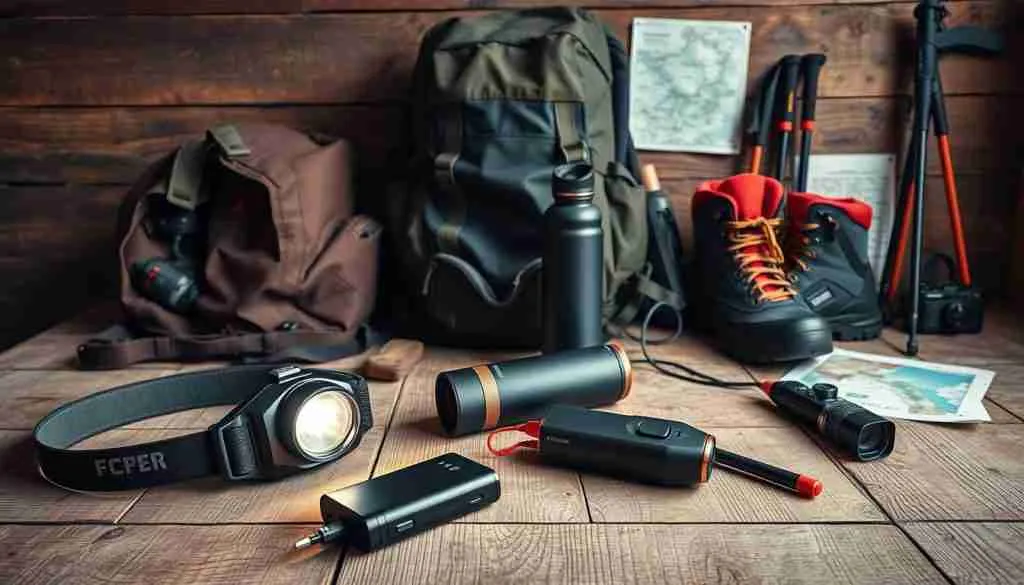
Extended treks in the Andes demand reliable power sources to keep devices charged. Portable solar chargers and high-capacity power banks are indispensable for hikers. These tools not only support connectivity but also ensure safety in remote areas like the Sacred Valley.
Trusted brands like Anker and Goal Zero offer durable and efficient options. Their products are designed to withstand challenging environments, providing consistent power even at high altitudes. A solar charger, for instance, can harness the abundant sunlight in the Andean region, keeping devices operational throughout the trail.
“In the Andes, your gear is your lifeline. Reliable technology ensures you stay connected and safe, no matter how remote the journey.”
Here are some must-have tech gear for your trek:
- Portable Solar Chargers: Lightweight and eco-friendly, ideal for long hikes.
- High-Capacity Power Banks: Compact yet powerful, ensuring devices stay charged.
- Rugged Gadgets: Durable and weather-resistant, built for challenging terrains.
Investing in quality tech gear not only enhances convenience but also provides peace of mind. Whether navigating steep trails or capturing stunning views, the right equipment ensures a memorable and safe adventure in the Andes.
Finding Authentic Cultural Experiences and Local Cuisine
Authentic cultural experiences and local cuisine are the heart of any meaningful journey. Immersing oneself in a destination’s traditions and flavors offers a deeper connection to its heritage. From bustling markets to intimate community gatherings, these moments create lasting memories.
One of the best ways to experience a destination’s culture is through its food. Sampling traditional dishes like ceviche or lomo saltado provides a taste of Peru’s rich culinary heritage. Lima, recognized as the “Gastronomic Capital of the Americas,” is a must-visit for food enthusiasts.
Engaging with local artisans and participating in cultural festivals adds another layer of authenticity. Visiting weaving communities in Chinchero or exploring the vibrant Inti Raymi festival allows travelers to witness centuries-old traditions firsthand. These interactions foster a deeper appreciation for the destination’s heritage.
“To truly understand a place, one must embrace its traditions and savor its flavors.”
Learning basic Spanish phrases enhances communication and cultural exchange. Simple greetings or expressions of gratitude can open doors to meaningful connections. This effort not only enriches the travel experience but also shows respect for the local language and customs.
Genuine cultural immersion adds depth and meaning to every journey. Whether through food, art, or traditions, these experiences transform a trip into a lifelong memory. By embracing the heart of a destination, travelers create stories that resonate long after they return home.
Budgeting, Currency Management, and Travel Safety
Effective budgeting is the cornerstone of a stress-free and enjoyable journey. Managing expenses wisely allows travelers to focus on the adventure ahead. From accommodations to local tours, smart financial planning ensures a seamless experience.
Managing Currency and Smart Budgeting Strategies
Handling local currency efficiently is essential for a smooth trip. In Peru, the Sol is the official currency, and exchange rates can vary. Using ATMs in major cities like Lima and Cusco is convenient, as most banks do not charge local commissions for withdrawals.
Here are some practical tips for budgeting:
- Compare prices in different areas and cities to ensure optimal spending. Costs can vary significantly between urban and rural regions.
- Allocate funds for meals, transportation, and unexpected expenses. On average, travelers spend around $22 per day on essentials.
- Book tours and experiences in advance to secure better rates and avoid last-minute price hikes.
Safeguarding funds is equally important. Use a mix of cash and cards, and keep valuables secure. Smaller thefts are common in urban areas, so exercise caution and use common sense.
“A well-planned budget is key to unlocking the full potential of your trip.”
By implementing these strategies, travelers can enjoy their journey without financial stress. Whether exploring a vibrant city or a remote area, smart budgeting ensures a memorable and safe experience.
Exploring Historic Sites: Machu Picchu and the Sacred Valley
Exploring the ancient wonders of Machu Picchu and the Sacred Valley offers a journey through time and culture. These iconic destinations are not just tourist spots but windows into the rich history of the Inca civilization. From the architectural marvels of Machu Picchu to the terraced fields of the Sacred Valley, every step reveals a story of ingenuity and resilience.

Trekking the Inca Trail and Other Adventures
The Inca Trail is more than just a hike; it’s an adventure that combines physical challenge with profound cultural exploration. This ancient path leads travelers through stunning landscapes, from cloud forests to high mountain passes, culminating in the awe-inspiring sight of Machu Picchu. Preparation is key, as the trail demands both physical endurance and mental resilience.
Here are some tips for a successful trek:
- Plan ahead: Secure permits and book guides well in advance, especially during peak seasons.
- Acclimatize: Spend a few days in Cusco to adjust to the altitude before starting the trek.
- Pack wisely: Bring essential gear, including sturdy hiking boots, layered clothing, and a reliable water filtration system.
Logistics play a crucial role in ensuring a smooth journey. Flights to Cusco are the first step, followed by ground transportation to the trailhead. Many travelers opt for guided tours, which provide not only logistical support but also valuable insights into the history and culture of the region.
“The Inca Trail is not just a path; it’s a journey through history, nature, and self-discovery.”
For those seeking a deeper connection with the past, the Sacred Valley offers a wealth of experiences. From the Maras Salt Mines to the circular terraces of Moray, each site tells a unique story of Inca innovation. Visiting these locations provides a broader understanding of the civilization that once thrived in this region.
To make the most of your adventure, consider exploring Machu Picchu tours that combine cultural immersion with practical logistics. These tours often include expert guides, comfortable accommodations, and well-planned itineraries, ensuring a memorable and enriching experience.
Whether trekking the Inca Trail or exploring the Sacred Valley, these adventures offer a perfect blend of physical challenge and cultural discovery. By preparing thoroughly and embracing the journey, travelers can create memories that last a lifetime.
Adventure Beyond the Cities: Amazon Rainforest and Coastal Wonders
Venturing beyond Peru’s bustling cities reveals a world of untamed beauty and adventure. The Amazon rainforest and scenic coastal regions offer stark contrasts to the Andean highlands, inviting travelers to explore pristine natural environments.
In the heart of the Amazon, eco-friendly adventures await. Manu National Park and Tambopata Reserve are biodiversity hotspots, home to thousands of bird species and iconic wildlife like the Scarlet Macaw. Guided tours provide opportunities for wildlife spotting while promoting conservation efforts.
Along the coast, travelers can discover hidden beaches and dramatic landscapes. From the towering cliffs of Paracas to the serene waters of Lake Titicaca, these regions offer unique photographic opportunities. The contrast between lush rainforests and arid coastal deserts creates a visual narrative of Peru’s diverse ecosystems.
“Nature’s wonders are best experienced when we tread lightly and respect the environment.”
For those seeking adventure, these journeys require careful planning. Here are some tips to ensure a safe and memorable experience:
- Choose eco-friendly tours that support local conservation efforts.
- Pack essentials like insect repellent, sunscreen, and sturdy footwear.
- Respect wildlife by maintaining a safe distance and avoiding disturbances.
Whether exploring the depths of the Amazon rainforest or the rugged coastline, these adventures offer a chance to connect with nature on a deeper level. By balancing excitement with responsibility, travelers can create unforgettable memories while preserving these natural treasures for future generations.
Preparing for Your Journey: Packing and Health Essentials
A well-prepared traveler can fully immerse in the journey without distractions. Proper planning ensures that health and packing concerns don’t overshadow the adventure. From vaccinations to versatile packing strategies, these essentials lay the foundation for a seamless experience.
Vaccinations, Acclimatization, and Safety Tips
Health preparation is crucial, especially for high-altitude destinations like the Inca regions. Travelers should consult their healthcare provider for recommended vaccinations, including hepatitis A, typhoid, and yellow fever. Altitude sickness is common in areas like Cusco and the Sacred Valley, so acclimatization is key.
Here are some health and safety tips:
- Acclimatize gradually: Spend a few days at lower altitudes before ascending.
- Stay hydrated: Drink plenty of water to combat altitude effects.
- Carry a first-aid kit: Include medications for traveler’s diarrhea and altitude sickness.
Multi-Climate Packing Strategies
Peru’s diverse climates demand versatile packing. From the humid Amazon to the chilly Andes, travelers need clothing that adapts to varying conditions. Layering is essential for comfort and flexibility.
Here’s a checklist for multi-climate packing:
| Item | Purpose |
|---|---|
| Lightweight, moisture-wicking base layers | Keeps you cool in humid areas |
| Insulated jacket | Provides warmth in high-altitude regions |
| Sturdy hiking boots | Ensures safety on rugged trails |
| Rain jacket | Protects against sudden downpours |
Planning for emergencies is equally important. Carry extra supplies, such as food, water, and a portable charger, in case of unexpected weather changes. A backup plan ensures peace of mind, allowing travelers to focus on their adventure.
“Preparation is the bridge between dreams and reality. A well-planned journey is a journey enjoyed to the fullest.”
By addressing health and packing essentials, travelers can embark on their journey with confidence. Whether trekking the Andes or exploring the Amazon, these preparations ensure a safe and memorable experience.
Conclusion
Embarking on a journey to explore new horizons requires thoughtful preparation and a blend of modern tools and cultural appreciation. This guide has highlighted the importance of detailed planning, leveraging technology, and embracing local insights to create a seamless experience.
From the majestic Machu Picchu to the vibrant rainforest, every destination offers unique wonders. Staying connected, safe, and informed ensures that travelers can fully immerse themselves in the beauty and history of each place.
Use this guide as a comprehensive resource to make the most of your time. Whether trekking the Andes or discovering hidden gems, the right preparation transforms a trip into an unforgettable adventure. Embrace the journey, and let the magic of exploration inspire you.
