
Notre-Dame Photography Guide 2026: Best Shots & Camera Tips
Photography at Notre-Dame de Paris in 2026 presents extraordinary opportunities to document the cathedral’s remarkable restoration and newly revealed architectural details. Following five years of meticulous reconstruction, the Gothic masterpiece displays enhanced limestone clarity, restored sculptures, and improved public access that create optimal conditions for both amateur and professional photographers.
Key Takeaways
- Golden hour (7-8 AM, 6-7 PM) provides optimal lighting for Notre-Dame’s restored limestone facades
- New LED illumination system installed in 2025 creates spectacular night photography opportunities
- Square Jean XXIII offers the best unobstructed cathedral views from the east side
- Professional photography requires advance permits, while personal use remains unrestricted
- Wide-angle lenses (14-24mm) capture complete cathedral facades from limited urban space
- Post-restoration details create unique 2026 photography opportunities unavailable since 2019
Introduction: Capturing Notre-Dame’s Renaissance
The restoration process has uncovered architectural elements hidden for centuries while modern conservation techniques have revitalized the cathedral’s original Gothic splendor. These improvements, combined with updated visitor infrastructure and lighting systems, provide photographers with unprecedented opportunities to capture Notre-Dame’s spiritual and architectural magnificence.
People Also Ask About Notre-Dame Photography 2026
What’s the best time of day to photograph Notre-Dame in 2026?
Golden hour periods offer optimal Notre-Dame photography lighting, with morning light (7-8 AM) illuminating the west facade and evening light (6-7 PM) highlighting the east facade and flying buttresses. Blue hour (30 minutes after sunset) showcases the new LED illumination system against twilight skies for dramatic architectural photography.
Are tripods allowed for Notre-Dame photography in 2026?
Personal tripods are permitted in public areas around Notre-Dame, though not inside the cathedral during services. Professional tripods requiring space blocking may need permits. Monopods provide stability without space concerns, while image stabilization technology often eliminates tripod necessity for handheld cathedral photography.
What camera settings work best for Notre-Dame photography?
Aperture priority mode (f/8-f/11) ensures sharp cathedral details while managing depth of field. ISO 100-400 maintains image quality in daylight, while higher ISOs (800-1600) accommodate evening illumination photography. Spot metering prevents exposure issues with high contrast between cathedral stones and sky backgrounds.
Can you photograph inside Notre-Dame cathedral in 2026?
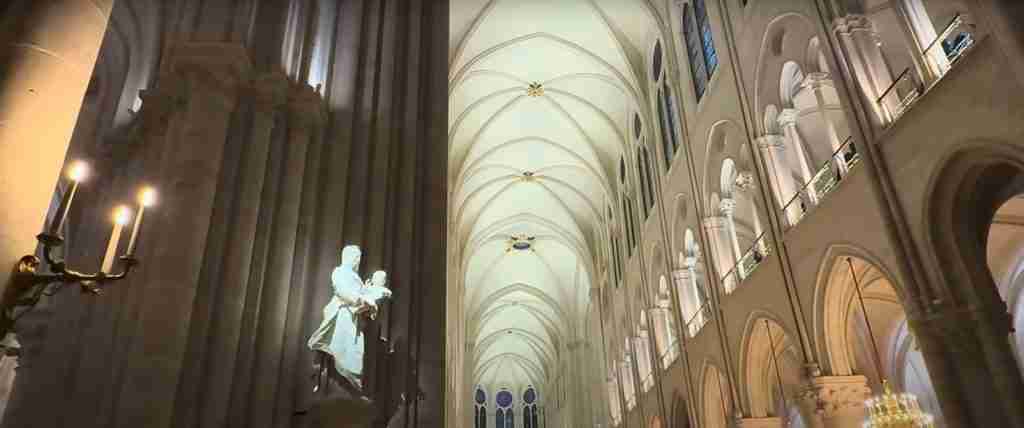
Interior photography is permitted for personal use without flash, respecting religious services and other visitors. Professional photography requires advance coordination with cathedral administration. The restored interior features enhanced lighting that improves handheld photography conditions while preserving spiritual atmosphere for worship activities.
Extended multi-day tours – 5+ days
Featured Paris Multi-Day Tour Packages
3 days
Paris 3-Day Discovery Tour
- ✓ Comprehensive Paris experience
- ✓ Expert local guides included
- ✓ All accommodation included
- ✓ Transportation provided

5 days
Paris 5-Day Highlights Experience
- ✓ Comprehensive Paris experience
- ✓ Expert local guides included
- ✓ All accommodation included
- ✓ Transportation provided

7 days
Paris 7-Day Cultural Journey
- ✓ Comprehensive Paris experience
- ✓ Expert local guides included
- ✓ All accommodation included
- ✓ Transportation provided
10 days
Paris 10-Day Complete Adventure
- ✓ Comprehensive Paris experience
- ✓ Expert local guides included
- ✓ All accommodation included
- ✓ Transportation provided
Multi-day tour packages powered by TourRadar. Prices and availability subject to change.
Best Photography Locations Around Notre-Dame
Square Jean XXIII: Prime East Side Views
Located behind Notre-Dame’s apse, Square Jean XXIII provides the most comprehensive cathedral views showcasing the flying buttresses, spire, and complete east facade. This landscaped garden offers multiple shooting positions from different elevations, allowing photographers to experiment with foreground elements including manicured lawns, seasonal flowers, and mature trees framing the Gothic architecture.
Morning photography from Square Jean XXIII benefits from eastern light illuminating the cathedral’s intricate stonework and emphasizing the three-dimensional quality of Gothic architectural elements. The square’s peaceful atmosphere early in the day provides opportunities for contemplative cathedral photography without tourist crowds disrupting composition.
Wide-angle lenses (14-24mm full-frame equivalent) capture the complete cathedral elevation from the square’s southern viewing positions, while telephoto lenses (70-200mm) isolate architectural details including the restored spire, pinnacles, and stone carvings that demonstrate the restoration’s exceptional craftsmanship.
Pont de l’Archevêché: Romantic Seine Perspectives
This pedestrian bridge crossing the Seine from the Latin Quarter to Île Saint-Louis offers elevated cathedral views incorporating the river as a leading line toward Notre-Dame’s south facade. The bridge’s positioning provides unique perspectives unavailable from ground level, while its “love locks” tradition creates interesting foreground elements for romantic cathedral photography.
Sunset photography from Pont de l’Archevêché showcases Notre-Dame’s silhouette against western sky colors, while the Seine’s reflective surface doubles the visual impact through mirror effects. Long exposure techniques (2-4 seconds) smooth water movement while maintaining cathedral sharpness using sturdy tripod support.
The bridge’s central position offers both wide compositions including riverbank context and telephoto detail shots focusing on specific architectural elements. Polarizing filters enhance sky contrast and reduce water reflections when desired, while graduated neutral density filters balance exposure between bright sky and darker cathedral stones.
Quai de Montebello: Left Bank Panoramas
The Left Bank quay provides extensive shooting positions along the Seine with unobstructed Notre-Dame views from various distances and angles. This location works exceptionally well for panoramic photography combining the cathedral with broader Parisian urban context including the Prefecture de Police and Hôtel-Dieu hospital buildings.
Evening photography from Quai de Montebello captures Notre-Dame’s illumination reflecting in the Seine while including passing river traffic and illuminated bridge architecture. The extended shooting area accommodates different focal lengths from ultra-wide environmental shots to telephoto isolation of cathedral details.
Street photography opportunities along the quay include Notre-Dame visitors, Seine activities, and authentic Parisian life providing human scale context for cathedral photography. The area’s accessibility via metro and bus transportation makes it convenient for equipment-heavy photography sessions requiring tripods and multiple lenses.
Interior Photography Techniques
Managing Gothic Lighting Challenges
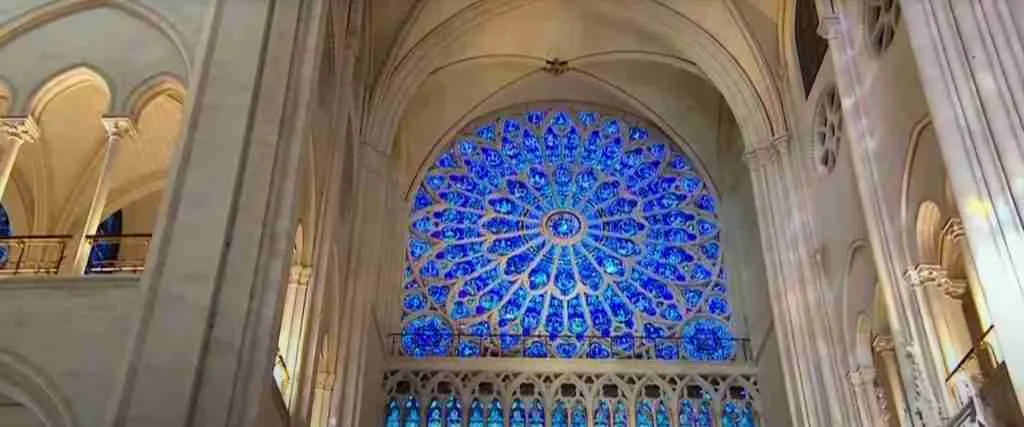
Notre-Dame’s interior lighting presents unique challenges with extreme contrast between illuminated areas and deep shadows characteristic of Gothic architecture. The restoration has improved interior lighting while preserving the spiritual atmosphere, creating better conditions for photography than existed before the 2019 fire.
High ISO performance (1600-6400) enables handheld interior photography while maintaining acceptable image quality with modern camera sensors. Image stabilization technology, whether in-body or lens-based, provides crucial support for sharp images during longer exposure times required in cathedral’s subdued lighting conditions.
Bracketed exposure techniques capture the full dynamic range of cathedral interiors, allowing post-processing combination of properly exposed highlights and shadows. This approach preserves detail in both the brilliant stained glass windows and the darker stone architectural elements throughout the nave and transept areas.
Architectural Detail Photography
The restoration has revealed architectural details previously obscured by centuries of soot and aging, creating opportunities for macro and close-up photography of stone carving, metalwork, and decorative elements. These details tell the story of medieval craftsmanship while documenting the exceptional quality of contemporary restoration techniques.
Macro lenses (90-105mm) provide working distance for detail photography while avoiding disturbance to other visitors and maintaining respectful cathedral behavior. Focus stacking techniques ensure complete depth of field for intricate three-dimensional carved elements, while ring flash or LED panels provide controlled lighting for texture emphasis.
Permission protocols for detailed architectural photography vary depending on equipment scale and intended use. Personal documentation requires no special authorization, while professional commercial photography needs advance coordination with cathedral administration and possible permit fees.
Equipment Recommendations for 2026
Camera Bodies and Lens Selection
Full-frame cameras provide advantages for Notre-Dame photography through superior low-light performance and wider angle lens capabilities essential for capturing complete cathedral facades in confined urban spaces. High-resolution sensors (24+ megapixels) ensure architectural detail preservation while allowing significant cropping flexibility for composition refinement.
Essential lens ranges include ultra-wide (14-24mm) for complete cathedral facades, standard zoom (24-70mm) for versatile compositions, and telephoto (70-200mm) for detail isolation and crowd avoidance. Prime lenses offer superior optical quality at fixed focal lengths, while zoom lenses provide composition flexibility crucial for dynamic cathedral photography.
Weather sealing proves valuable for year-round Notre-Dame photography, as Paris weather conditions change rapidly and cathedral visits often extend across varying conditions. Dust and moisture protection ensures equipment reliability during extended outdoor photography sessions around the cathedral complex.
Support and Accessory Equipment
Tripods remain essential for evening illumination photography and long exposure techniques, though carbon fiber models provide professional stability while minimizing weight during extended walking sessions around Notre-Dame. Tripod selection should prioritize stability over portability for serious architectural photography requiring sharp images.
Filters enhance Notre-Dame photography through polarization for sky contrast and reflection control, neutral density for long exposures smoothing pedestrian movement, and graduated filters balancing cathedral and sky exposures. Filter systems allow quick changes while maintaining consistent image quality across varying lighting conditions.
Additional accessories include extra batteries for extended shooting sessions, memory cards with fast write speeds for burst photography, and lens cleaning supplies for Paris’s urban environment. Weather protection for equipment proves essential during unpredictable Parisian weather conditions affecting outdoor cathedral photography.
Lighting and Timing Strategies
Seasonal Light Characteristics
Spring lighting (March-May) provides clear atmospheric conditions with moderate contrast ideal for architectural photography, while emerging foliage creates natural framing elements around Notre-Dame. The season’s variable weather produces dramatic sky conditions enhancing cathedral silhouettes against moving cloud formations.
Summer photography (June-August) benefits from extended daylight hours allowing multiple shooting sessions throughout the day, though midday harsh lighting requires careful exposure management. Early morning and late evening sessions avoid peak tourist crowds while providing favorable lighting angles for cathedral facades.
Autumn conditions (September-November) offer exceptional atmospheric quality with clear air enhancing architectural detail visibility and rich warm light emphasizing Notre-Dame’s limestone colors. Falling leaves create seasonal foreground elements while reduced tourist density improves composition opportunities.
Winter photography (December-February) provides unique opportunities with possible snow creating dramatic contrast against dark Gothic stonework, while reduced daylight hours concentrate photography into golden and blue hour periods. Indoor cathedral photography becomes more appealing during cold weather conditions.
New LED Illumination System
Notre-Dame’s restored LED illumination system, completed during the reconstruction process, creates spectacular night photography opportunities previously unavailable. The sophisticated lighting design emphasizes architectural details while providing even illumination across the cathedral’s complex facade elements.
Evening photography timing should coordinate with illumination activation approximately 30 minutes after sunset, while blue hour conditions provide optimal balance between artificial cathedral lighting and ambient sky illumination. The new lighting system offers consistent color temperature and intensity throughout the evening hours.
Long exposure techniques (5-30 seconds) create dramatic effects combining steady cathedral illumination with moving light trails from surrounding traffic and river activities. The enhanced lighting system maintains detail visibility in architectural elements while creating compelling contrast against dark evening skies.
Composition and Artistic Techniques
Gothic Architecture Photography Principles
Vertical compositions emphasize Notre-Dame’s soaring Gothic proportions while horizontal framing incorporates urban context and surrounding architectural relationships. The cathedral’s design intends vertical emphasis, making portrait orientation natural for capturing the intended spiritual and architectural impact.
Leading lines throughout the cathedral complex guide viewer attention toward focal points including the main entrance, spire, and rose windows. Seine riverbank perspectives, surrounding street alignments, and architectural elements create natural compositional paths enhancing photographic storytelling.
Symmetry and pattern recognition in Gothic architecture provide strong compositional foundations, while asymmetrical elements add dynamic tension preventing static architectural documentation. The restoration has enhanced pattern visibility in stone tracery, window designs, and structural relationships.
Creative Photography Approaches
Reflection photography using Seine water surfaces, puddles, and building glass creates unique perspectives multiplying Notre-Dame’s visual impact while adding artistic interpretation to straightforward architectural documentation. These techniques require careful positioning and timing for optimal reflective conditions.
Silhouette photography during sunrise and sunset transforms Notre-Dame into graphic shapes emphasizing architectural form over surface detail. This approach works particularly well with the restored spire creating distinctive skyline recognition while focusing on essential cathedral proportions.
Multiple exposure techniques combine different lighting conditions, seasonal elements, or temporal moments into single images telling comprehensive stories about Notre-Dame’s character and significance. Digital blending allows controlled combination of optimal elements from multiple captures.
Post-Processing for Notre-Dame Images
Architectural Photography Enhancement
Lens distortion correction ensures straight cathedral lines essential for professional architectural photography, while perspective adjustments eliminate converging verticals that diminish Gothic proportional relationships. These corrections maintain architectural integrity while enhancing visual impact.
Contrast and clarity adjustments emphasize stone texture and architectural detail revealed through the restoration process. Selective editing techniques highlight specific elements like the spire, rose windows, or flying buttresses without creating unnatural overall image appearance.
Color grading enhances Notre-Dame’s limestone warmth while maintaining natural appearance appropriate for architectural documentation. Subtle adjustments emphasize golden hour lighting effects while preserving authentic color relationships throughout the cathedral complex.
Advanced Digital Techniques
HDR processing manages extreme contrast between cathedral interior lighting and exterior brightness, though subtle application maintains natural appearance while expanding detail visibility. Tone mapping techniques should preserve architectural authenticity while maximizing shadow and highlight detail.
Focus stacking combines multiple images for complete depth of field in close-up architectural detail photography, ensuring sharp rendering from foreground elements through distant cathedral features. This technique proves particularly valuable for interior detail work with limited depth of field.
Panoramic stitching creates wide-format images capturing Notre-Dame’s complete facade relationships with surrounding urban context impossible with single-frame capture. These techniques require careful overlap planning and consistent exposure throughout the sequence.
Planning Your 2026 Visit: Photography Coordination
Permit Requirements and Restrictions
Personal photography for non-commercial use requires no special permits around Notre-Dame, while commercial photography needs advance authorization from cathedral administration and possibly city permits depending on equipment scale and shooting duration. Professional photographers should contact cathedral offices at least two weeks before planned sessions.
Equipment restrictions prohibit flash photography inside the cathedral during services, while large tripods may require special positioning coordination during peak visitor periods. Respectful behavior toward worship activities and other visitors remains essential for maintaining photography access privileges.
Drone photography around Notre-Dame requires special permits due to restricted airspace over central Paris, with complex authorization procedures through both civil aviation and cathedral authorities. Ground-based photography provides comprehensive coverage without regulatory complications.
Optimal Visit Scheduling
Photography-focused Notre-Dame visits benefit from early arrival (7-8 AM) when lighting conditions optimal and tourist crowds minimal, allowing unobstructed composition opportunities. Multiple visits throughout your stay enable different lighting conditions and seasonal variations if traveling during transitional periods.
Weather monitoring improves photography planning with clear conditions favoring architectural detail work while dramatic weather creates compelling atmospheric effects. Paris weather changes rapidly, making flexible scheduling essential for maximizing photography opportunities.
Coordination with cathedral service schedules ensures interior photography access while respecting religious activities. Major celebrations and special events may restrict photography access while creating unique documentation opportunities for cultural photography enthusiasts.
2026 Updates & Photography Changes
Restoration Documentation Opportunities
The completed restoration provides unique photography opportunities documenting conservation techniques, revealed architectural details, and contemporary craftsmanship applied to medieval structures. These documentation possibilities create historical records while showcasing modern preservation expertise.
New visitor access routes provide previously unavailable photography angles while improved safety infrastructure allows closer approach to architectural elements formerly restricted. These changes enhance photography possibilities while maintaining protective measures for the cathedral structure.
Enhanced Digital Integration
QR codes and digital information systems around Notre-Dame provide context for architectural photography while smartphone integration offers immediate sharing capabilities for social media documentation. These technologies complement traditional photography while enhancing visitor engagement with cathedral history.
Virtual reality and augmented reality installations near Notre-Dame create opportunities for multimedia photography projects combining traditional images with digital enhancement technologies. These innovations provide educational context while expanding creative photography possibilities.
FAQ Section
What’s the best camera setting for Notre-Dame’s Gothic windows?
Spot metering on the stonework prevents window overexposure while maintaining architectural detail. Exposure compensation (-1 to -2 stops) often improves overall balance, while bracket shooting captures full dynamic range for later processing combination.
Can I use flash photography inside Notre-Dame?
Flash photography is prohibited inside Notre-Dame during religious services and discouraged generally to preserve artwork and maintain spiritual atmosphere. Modern cameras’ high ISO performance makes flash unnecessary for quality interior photography.
What lens focal length captures Notre-Dame’s complete facade?
Ultra-wide lenses (14-20mm full-frame equivalent) capture complete facades from available shooting positions in the confined urban space around Notre-Dame. Wider lenses may create excessive distortion requiring post-processing correction.
Are there photography tours specifically for Notre-Dame?
Several photography workshop companies offer Notre-Dame-focused tours combining technical instruction with optimal shooting location guidance. These tours typically include sunrise and sunset sessions while providing historical context for architectural photography.
What time does Notre-Dame’s illumination turn on?
Notre-Dame’s LED illumination system activates approximately 30 minutes after sunset year-round, remaining active until midnight most nights. Special occasions may extend illumination hours, while maintenance periods occasionally affect lighting schedules.
Can I photograph Notre-Dame during religious services?
Photography during services requires discretion and respect for worship activities. Silent shooting modes, no flash, and positioning that doesn’t disturb worshippers are essential. Some services may restrict photography entirely.
What’s the best weather for Notre-Dame photography?
Partially cloudy conditions provide dramatic sky backgrounds while maintaining good architectural lighting. Clear conditions offer excellent detail visibility, while overcast skies create even lighting for color photography. Dramatic weather often produces compelling atmospheric effects.
Are there copyright restrictions on Notre-Dame photography?
Personal photography of Notre-Dame’s exterior carries no copyright restrictions as it’s public architecture. Interior photography and commercial use may have different restrictions requiring advance coordination with cathedral administration.
What’s the closest parking for photography equipment transport?
Underground parking at Place Jean XXIII provides closest vehicle access for heavy photography equipment, though public transportation often proves more efficient for accessing shooting locations around the cathedral complex.
Can I sell photographs taken at Notre-Dame?
Commercial sales of Notre-Dame photography may require permits depending on the scale of commercial activity and shooting circumstances. Small-scale art sales typically face no restrictions, while large commercial operations need advance authorization.