
Noches de Kukulkán 2026: Chichen Itza Light & Sound Show Guide
Key Takeaways
- Evening Spectacle 2026: Noches de Kukulkán transforms Chichen Itza through cutting-edge projection mapping on El Castillo pyramid, narrating Mayan cosmology and civilization history in 25-minute multimedia experience
- Show Schedule 2026: Performances run Tuesday-Sunday at 8:00 PM (Spanish) and 9:00 PM (English/French) year-round, with site opening at 7:00 PM for pre-show exploration of illuminated pathways
- Ticket Pricing 2026: General admission costs $25 for adults and $12.50 for children in 2026, with premium seating at $35 and VIP packages reaching $60-80 including site access and refreshments (check official website for current rates)
- Optimal Experience Strategy: Arrive 45-60 minutes early to explore illuminated archaeological zone, secure central seating positions, and photograph pyramids under dramatic colored lighting before crowd density peaks
- Technical Excellence: State-of-the-art laser projections, synchronized soundscapes, and architectural illumination create immersive storytelling rivaling world-class sound-and-light shows in Egypt and Petra
- Booking Requirements 2026: Purchase tickets 2-7 days ahead during high season (December-April) through official channels, shoulder season allows same-day purchases though advance booking guarantees preferred language shows
Understanding Noches de Kukulkán Experience in 2026
Noches de Kukulkán represents Chichen Itza’s premier evening attraction, transforming the archaeological site into an immersive multimedia experience that brings Mayan civilization to life through advanced projection mapping and synchronized soundscapes. The show premiered in 2015 and has undergone continuous technical upgrades, with 2026 featuring the latest laser projection systems and enhanced audio design creating one of the Western Hemisphere’s most sophisticated archaeological site presentations.
The experience centers on El Castillo pyramid serving as a massive projection screen, with state-of-the-art equipment casting animated sequences depicting Mayan cosmology, historical events, astronomical knowledge, and cultural traditions. The 25-minute presentation unfolds across the pyramid’s four facades, with imagery extending to surrounding structures including the Temple of Warriors and Great Ball Court. Synchronized lighting transforms the entire archaeological zone, creating otherworldly atmosphere as pathways glow with subtle illumination guiding visitors through the complex.
Unlike passive historical documentaries, Noches de Kukulkán employs cinematic storytelling techniques with dramatic pacing, emotional music composition, and visual effects that rival commercial entertainment productions. The narrative arc progresses from creation mythology through Chichen Itza’s founding, golden age achievements in astronomy and mathematics, cultural ceremonies including the ball game, and ultimate abandonment of the city. Projection mapping creates three-dimensional illusions across the pyramid’s stepped architecture, with jaguars appearing to climb the structure, serpent deities undulating across facades, and astronomical alignments manifesting as light patterns.
The show’s technical infrastructure includes multiple high-powered laser projectors positioned strategically around El Castillo to eliminate shadows and maintain image quality across the pyramid’s complex geometry. Audio systems feature dozens of speakers creating surround-sound effects that place audiences inside scenes rather than observing from distance. The production quality matches that of permanent shows at cultural sites worldwide, from Egypt’s Pyramids of Giza to Jordan’s Petra, establishing Chichen Itza among destinations offering world-class evening archaeological experiences.
People Also Ask About Noches de Kukulkán 2026
How much does Noches de Kukulkán cost in 2026?
Noches de Kukulkán tickets cost $25 for general admission adults and $12.50 for children (ages 4-12) in 2026. Premium seating options charge $35 per person, providing guaranteed central positions with optimal pyramid views. VIP packages range $60-80 including priority entry, reserved premium seating, welcome drinks, and site access starting 30 minutes before general admission (check nochesdekukulkan.com for current official rates as pricing may vary). Tickets include evening access to the illuminated archaeological zone for pre-show exploration, though they don’t cover daytime site entry which requires separate admission.
Family packages offer value for groups, with some tour operators bundling Noches de Kukulkán with daytime Chichen Itza visits for combined rates around $75-95 per adult including transportation from nearby cities. These packages save 15-20% compared to booking components separately while simplifying logistics. Children under 4 enter free when accompanied by paying adults, though lap seating applies during the performance.
Premium and VIP options justify costs for photography enthusiasts, visitors with limited mobility preferring guaranteed seating, or travelers wanting hassle-free experiences without arrival rush competition for best positions. General admission provides excellent experiences for budget-conscious visitors willing to arrive early for seat selection, with the show’s quality consistent across all ticket categories as projections cover the entire pyramid visible from all viewing areas.
What time does the Noches de Kukulkán show start in 2026?
Noches de Kukulkán performances begin at 8:00 PM (Spanish narration) and 9:00 PM (English and French narration) Tuesday through Sunday year-round in 2026. The site opens for evening visitors at 7:00 PM, providing one hour for pre-show exploration of the illuminated archaeological zone before the first performance. Both shows run 25 minutes, with the archaeological site remaining open until 10:00 PM for post-show photography and gradual exit avoiding congestion.
Seasonal time consistency eliminates confusion, with show hours remaining stable regardless of month or tourist season. The fixed schedule allows confident planning for visitors coordinating evening show attendance with other daily activities. Arrive at least 45-60 minutes before your preferred show time to secure good seating positions, explore illuminated pathways, and capture pyramid photographs under the dramatic lighting before crowd density peaks.
The dual-language format accommodates international audiences, with most English-speaking visitors selecting the 9:00 PM performance. Spanish shows attract primarily Mexican nationals and Latin American tourists. Content remains identical across languages, so selection depends purely on narration preference rather than presentation quality differences. Some visitors attend both shows on different evenings to experience narrative variations between Spanish and English presentations.
Is Noches de Kukulkán worth it?
Noches de Kukulkán delivers exceptional value for most Chichen Itza visitors, transforming familiar daytime archaeological sites into nighttime spectacles that enhance understanding of Mayan culture through multimedia storytelling. The show’s production quality rivals permanent installations at world-famous sites, with cutting-edge projection technology and cinematic presentation creating immersive experiences justifying the $25 admission for general tickets. Families with children particularly benefit, as the visual storytelling engages young audiences more effectively than daytime ruins exploration, while educational content enriches adult understanding of Mayan civilization.
Photography enthusiasts find significant value in the illuminated archaeological zone access, with colored lighting creating unique composition opportunities impossible during daytime visits. The one-hour pre-show period enables capturing El Castillo and surrounding structures under dramatic lighting schemes that shift from subtle ambiance to bold color washes. Post-show access allows photographing pyramids under night sky when crowds disperse, potentially capturing star trail compositions or Milky Way backdrops during clear weather.
The experience becomes less compelling for travelers who’ve attended multiple sound-and-light shows at other archaeological sites worldwide, as the format follows established patterns despite Chichen Itza’s specific cultural content. Budget travelers extending Yucatan itineraries across multiple weeks may prioritize the experience lower than those making concentrated single-destination visits. Overall value assessment depends on individual preferences: those seeking multimedia cultural education and evening archaeological site access find strong value, while visitors satisfied with daytime exploration may consider the show optional enhancement rather than essential experience.
Do I need advance tickets for Noches de Kukulkán in 2026?
Advance ticket purchases provide strong advantages during high season (December-April 2026) when shows frequently sell out, particularly English-language performances popular with international tourists. Book 2-7 days ahead for guaranteed admission and preferred language selection. Premium and VIP tickets require earlier booking, often selling out 1-2 weeks ahead during peak travel periods including Christmas, Easter, and spring break weeks.
Shoulder season (May-November 2026) offers more flexibility, with same-day ticket purchases often available at the site box office opening at 7:00 PM. However, advance online booking still provides peace of mind and eliminates potential sold-out disappointment, particularly for English shows that maintain higher demand than Spanish performances year-round. Booking ahead also enables better daily itinerary planning, confirming evening show attendance before arranging daytime activities.
Official website purchases (nochesdekukulkan.com) provide most reliable ticketing, with guaranteed authenticity and customer service for any issues. Third-party resellers occasionally charge premiums above face value without adding services, making direct booking preferable unless bundled with transportation or daytime tour packages offering legitimate value. Some Valladolid and Cancun hotels sell tickets as guest services, typically at face value plus small convenience fees justifying the booking assistance for travelers unfamiliar with Spanish-language websites.
Extended multi-day tours – 5+ days
Featured Chichen Itza Multi-Day Tour Packages
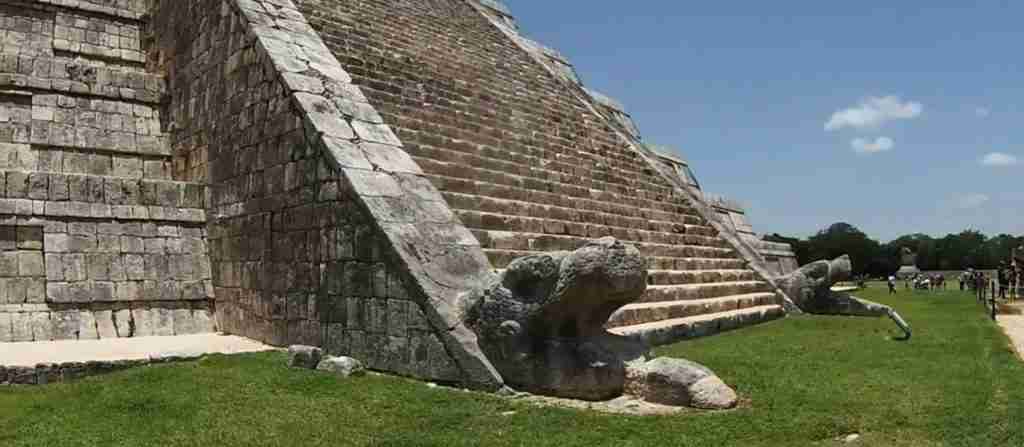
3 days
Chichen Itza 3-Day Discovery Tour
- ✓ Comprehensive Chichen Itza experience
- ✓ Expert local guides included
- ✓ All accommodation included
- ✓ Transportation provided
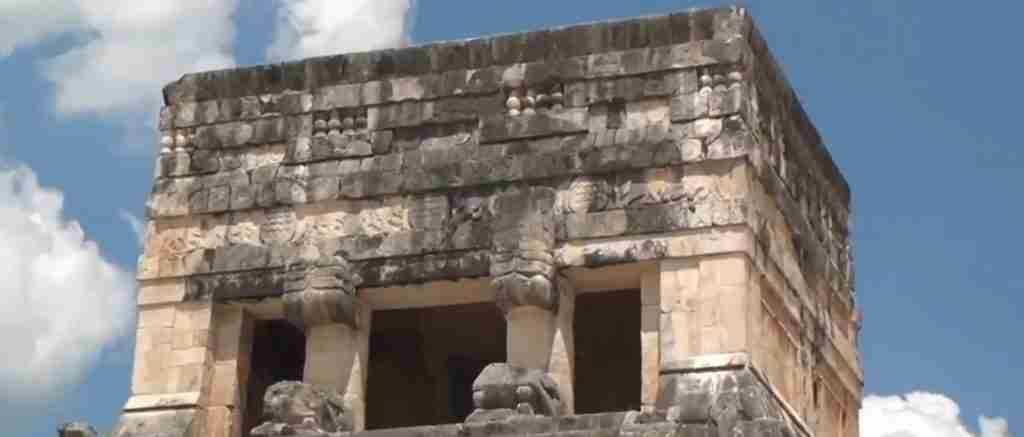
5 days
Chichen Itza 5-Day Highlights Experience
- ✓ Comprehensive Chichen Itza experience
- ✓ Expert local guides included
- ✓ All accommodation included
- ✓ Transportation provided
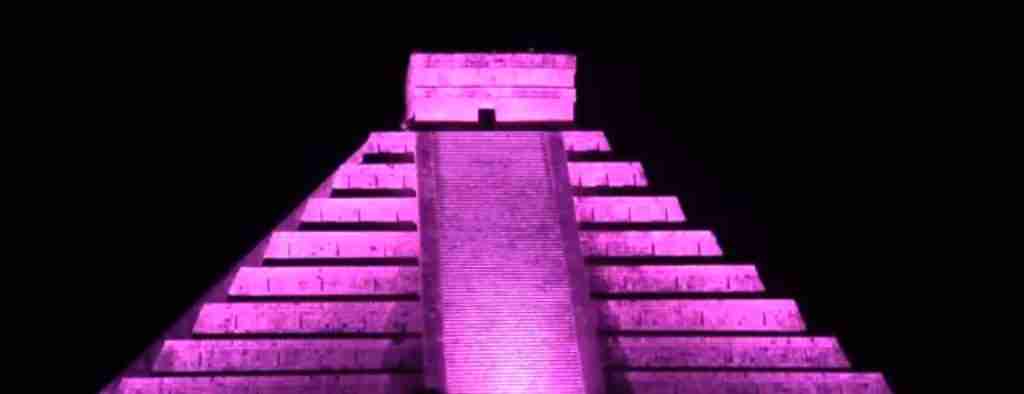
7 days
Chichen Itza 7-Day Cultural Journey
- ✓ Comprehensive Chichen Itza experience
- ✓ Expert local guides included
- ✓ All accommodation included
- ✓ Transportation provided
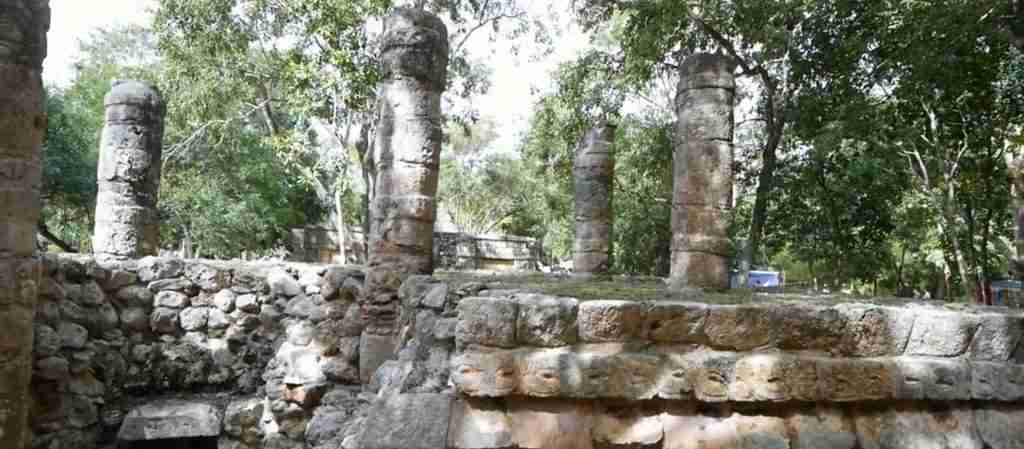
10 days
Chichen Itza 10-Day Complete Adventure
- ✓ Comprehensive Chichen Itza experience
- ✓ Expert local guides included
- ✓ All accommodation included
- ✓ Transportation provided
Multi-day tour packages powered by TourRadar. Prices and availability subject to change.
Show Technical Specifications and Production Elements 2026
Noches de Kukulkán employs 12 high-powered laser projectors positioned around El Castillo to create 360-degree coverage across the pyramid’s four facades. The projection system generates 80,000 lumens total output, creating vivid imagery visible even under ambient moonlight and residual city glow from nearby Pisté village. Mapping software precisely aligns projections with the pyramid’s architectural features, creating three-dimensional effects where imagery appears to wrap around corners, climb stairways, and integrate with stone carvings.
The audio system features 48 individual speakers distributed throughout the viewing area, creating surround-sound environments that place audiences inside scenes rather than observing from single perspective. Low-frequency subwoofers add dramatic rumble during thunder sequences and astronomical events, while directional speakers create spatial effects like approaching jaguars or circling birds. The sound design incorporates traditional Mayan instruments including wooden trumpets, shell horns, and percussion alongside orchestral composition, blending authentic cultural elements with cinematic production values.
Architectural illumination extends beyond El Castillo to encompass the Temple of Warriors, Great Ball Court, Platform of Venus, and connecting pathways. LED lighting systems generate programmable color washes that shift throughout the evening, creating different moods for various show segments. Pre-show illumination employs subtle amber and white tones highlighting architectural details, transitioning to dramatic reds, blues, and greens during performance sequences. The lighting remains sophisticated rather than garish, respecting the archaeological site’s cultural significance while creating theatrical impact.
Narrative Structure and Cultural Content 2026
The show’s narrative follows chronological progression through Mayan civilization, beginning with creation mythology from the Popol Vuh describing gods forming humanity from maize. Projection sequences illustrate the sacred ceiba tree connecting underworld, earth, and heavens, with animated roots, trunk, and branches extending across El Castillo’s facades. The cosmological section establishes Mayan worldview before transitioning to historical content about Chichen Itza’s founding and development.
Astronomical achievements feature prominently, with sequences demonstrating how Chichen Itza’s architecture incorporates celestial alignments. The show recreates the famous equinox serpent shadow descending El Castillo’s northern stairway, accelerating the hours-long natural phenomenon into dramatic 30-second projection. Mayan calendar systems receive explanation through animated glyphs and mathematical demonstrations, showcasing the civilization’s sophisticated timekeeping rivaling contemporary European systems.
Cultural practices including the ball game, ritual ceremonies, and daily life receive vivid illustration through projection mapping that populates the archaeological structures with virtual figures. Ball game sequences show athletes in motion across the Great Ball Court projection, while ritual ceremonies depict priests ascending pyramid stairs carrying ceremonial objects. These reconstructions provide context for understanding the archaeological remains, helping visitors visualize how the stone platforms and temples functioned during Chichen Itza’s occupation.
The narrative concludes with the city’s mysterious abandonment around 1200 CE, projecting imagery of empty plazas and overgrown structures reclaimed by jungle. The finale emphasizes Chichen Itza’s enduring legacy and UNESCO World Heritage significance, with closing sequences celebrating Mayan cultural continuity through modern descendants maintaining traditions across the Yucatan Peninsula. The emotional arc creates satisfying storytelling progression from mythological origins through historical glory to contemporary preservation efforts.
Booking Strategies for 2026 Shows
Official website booking through nochesdekukulkan.com provides direct ticket purchases without third-party markups or complications. The platform offers Spanish and English interfaces, accepting major credit cards and PayPal for international transactions. Booking confirmation arrives via email with QR codes scannable at site entrance, eliminating printed ticket requirements though bringing backup paper copies prevents smartphone battery or technical issues.
Combined packages bundling daytime Chichen Itza admission with evening Noches de Kukulkán tickets offer convenience and modest savings for travelers wanting comprehensive experiences. Tour operators in Cancun, Playa del Carmen, Merida, and Valladolid sell full-day packages including transportation, archaeological site entry with guide services, lunch or dinner, and light show admission. Packages range $95-145 per person depending on group size and departure city (verify current rates with tour operators), providing value through consolidated logistics despite higher costs than independent arrangements.
Premium and VIP ticket upgrades ($35 and $60-80 respectively) include guaranteed seating in central viewing positions directly facing El Castillo’s northern facade where projection coverage concentrates most intensely. VIP packages add welcome cocktails, light refreshments, and early site entry at 6:30 PM enabling extended pre-show exploration and photography. These options suit travelers with limited mobility avoiding seating competition, photography enthusiasts wanting optimal positions for pyramid shots, or visitors seeking premium experiences justifying splurge spending during special occasions.
High Season Booking Timeline 2026
December-April requires advance planning with ticket purchases 5-7 days ahead for general admission guaranteeing availability. Premium and VIP tickets sell out further in advance, particularly during Christmas week (December 20-January 5), Easter week (April 13-20), and spring break periods (varying by region but typically early-mid March). Book these premium options 10-14 days ahead during absolute peak weeks to secure spots.
English-language 9:00 PM shows fill faster than Spanish 8:00 PM performances throughout high season, creating potential sold-out situations even when earlier shows maintain availability. Flexible travelers willing to attend Spanish shows (with basic comprehension or appreciation of production quality over narration) access more last-minute inventory. Some visitors use Spanish shows for photography focus, treating narration as atmospheric background while concentrating on capturing projected imagery.
Weekend shows (Friday-Sunday) book faster than midweek performances even during high season, with Saturday representing peak attendance. Plan Chichen Itza visits for Tuesday-Thursday when possible to maximize flexibility and reduce competition for optimal seating positions. Weeknight shows provide more relaxed experiences with smaller crowds enabling better photography angles and less congested site exploration during pre-show hours.
Shoulder Season Booking Flexibility 2026
May-November shoulder season allows same-day ticket purchases for most performances, with box office sales beginning when the site opens for evening visitors at 7:00 PM. However, advance online booking still provides advantages: guaranteed language preference (English vs Spanish), avoiding potential sold-out situations during occasional busy periods, and confirmed plans enabling better daily itinerary structuring. Book 2-4 days ahead during shoulder season for optimal balance between flexibility and certainty.
September-October represents lowest attendance period when even last-minute arrivals typically secure admission, though this season’s afternoon thunderstorms create potential weather disruptions. Show cancellations due to lightning occur occasionally, with refunds or date changes offered through official ticketing. Rain alone doesn’t cancel performances as the covered projection equipment operates in wet conditions, though heavy downpours during show time reduce audience comfort despite covered seating areas.
Shoulder season pricing remains consistent with high season rates, as the show’s fixed operational costs don’t vary by audience size. Unlike hotels offering seasonal discounts, Noches de Kukulkán maintains $25 general admission year-round. Value comes from reduced crowd sizes rather than lower prices, with shoulder season audiences averaging 200-400 people compared to high season’s 800-1,000 attendees. Smaller crowds mean easier seating selection, more relaxed pre-show exploration, and superior photography opportunities with fewer people obstructing pyramid views.
Optimal Arrival and Pre-Show Strategy 2026
Arrive 60-75 minutes before your preferred show time to maximize the evening Chichen Itza experience. Site opening at 7:00 PM provides one hour before the 8:00 PM Spanish show, though this window barely suffices for comprehensive pre-show exploration. Targeting 6:45-7:00 PM arrival enables parking, entrance processing, and settling into the archaeological zone before crowds intensify around 7:30 PM when tour buses deliver mass arrivals.
The early arrival strategy serves multiple purposes: securing optimal seating positions in central viewing areas facing El Castillo’s northern facade, photographing pyramids under evening illumination before show lighting disrupts compositions, and exploring the archaeological zone’s walking paths connecting major structures. Early arrivals enjoy nearly private experiences during the first 15-20 minutes when visitor numbers remain minimal, creating atmosphere impossible during daytime when thousands crowd the site simultaneously.
Photography enthusiasts prioritize pre-show hours for capturing illuminated pyramids without projection mapping interference. The architectural lighting creates dramatic effects highlighting pyramid details through colored washes and strategic shadows. Arrive with fully charged camera batteries and empty memory cards, as the evening lighting conditions and blue-hour sky backgrounds generate compelling compositions worth extensive shooting. Tripods work well during this period before seating areas fill and setup space becomes limited.
Seating Selection and Viewing Positions 2026
General admission seating operates first-come-first-served within designated viewing areas facing El Castillo’s northern facade. The central sections directly aligned with the pyramid’s central axis provide optimal perspectives where projection coverage appears most cohesive. Early arrivals secure these prime positions, with the best spots claimed by 7:15-7:30 PM during high season even for 9:00 PM shows as attendees for both performances intermingle during pre-show hours.
Seating consists of portable chairs arranged in sections extending approximately 50 meters from the pyramid base. Front rows deliver dramatic proximity creating immersive perspectives, though viewers must angle their heads upward to see the pyramid’s summit where some projection sequences concentrate. Mid-section seating (rows 6-12) provides balanced viewing capturing the entire pyramid within comfortable sight lines without neck strain during the 25-minute presentation.
Side viewing areas along the pyramid’s eastern and western facades provide alternative perspectives revealing projection content invisible from central positions. The show’s 360-degree coverage means different facades display unique sequences simultaneously, with side positions showing content that central viewers miss. Consider attending multiple performances to experience varied perspectives, or split group members across viewing areas to compare which positions deliver superior experiences for individual preferences.
Mobility-limited visitors request assistance from staff for accessible seating arrangements near viewing area entrances. Premium and VIP tickets guarantee reserved seats in optimal positions, eliminating arrival timing stress and physical navigation through crowds. These options particularly suit older travelers, families with young children requiring reliable seating, or photography enthusiasts wanting specific positions predetermined through advance research.
Photography and Videography Guidelines 2026
Photography remains permitted throughout Noches de Kukulkán, with no restrictions on camera equipment or tripod use during pre-show and post-show periods. The show itself allows photography and video recording for personal use, though commercial filming requires advance permissions. Most visitors capture smartphone photos and videos, with some enthusiast photographers bringing DSLR or mirrorless cameras for higher quality evening shots taking advantage of the dramatic lighting conditions.
Pre-show photography benefits from architectural illumination creating vivid colors across pyramid facades. Use wide-angle lenses (16-35mm equivalent) to capture entire pyramid compositions, with blue-hour sky backgrounds during the 7:00-7:30 PM window before complete darkness. ISO settings of 1600-3200 enable handheld shooting at 1/60-1/125 second shutter speeds, though tripods allow longer exposures creating smoother water effects in cenote areas and capturing more architectural detail with reduced noise.
Show photography requires high ISO capabilities (6400-12800) to freeze projection-mapped animations at reasonable shutter speeds. The moving imagery demands faster exposures than static illumination, with 1/100-1/200 second minimums preventing motion blur. Modern cameras handle these ISO levels with acceptable noise, particularly when reducing image sizes for social media sharing. Shoot in RAW format if your camera supports it, enabling post-processing flexibility to balance the extreme contrast between bright projections and dark surroundings.
Video Recording Considerations 2026
Video recording captures show sequences effectively, though smartphone stabilization becomes challenging during 25-minute handheld recording sessions. Bring small smartphone gimbals or tripods with phone mounts for smooth video panning and stable compositions. Camera audio records narrator voice and musical score adequately despite not matching the surround-sound experience of in-person attendance, providing decent soundtrack for video sharing.
Battery life concerns affect both photo and video recording during multi-hour evening visits. Bring fully charged external battery packs for smartphones, enabling multiple video recordings and hundreds of photos without power depletion. DSLR and mirrorless camera users pack spare batteries, as cold-weather capacity reduction affects equipment even in Yucatan’s moderate evening temperatures (65-75°F). Some photographers bring 2-3 batteries to ensure capturing entire show plus extensive pre-post photography sessions.
Social media sharing works well immediately post-show as the site provides WiFi coverage, though bandwidth limitations during high-attendance performances may slow uploads. Consider saving social media posts for hotel returns when reliable internet enables proper photo editing and longer video uploads. Some visitors create multi-day social media campaigns with pre-show illumination photos one day, show projection videos the next, and post-show night photography concluding their Noches de Kukulkán content series.
What to Bring for Evening Show 2026
Evening temperatures in Yucatan range 65-75°F year-round, requiring light jacket or long-sleeve shirt for comfort during 2-3 hour site visits. The outdoor seating and exposure to evening breezes creates cooler perception than daytime temperatures suggest. Bring layering options allowing adjustment as conditions change from warm sunset periods to cooler post-show darkness, particularly during December-February when temperatures occasionally drop to 60°F.
Insect repellent becomes essential as mosquitoes emerge during dusk and evening hours in the archaeological zone. Apply DEET-based repellent before entering the site, bringing travel-size containers for reapplication if needed. The illuminated walking paths attract insects to lighting, with concentration highest along pathway edges and in vegetation areas. Long pants and closed-toe shoes reduce exposed skin while providing practical protection for navigating uneven stone pathways in limited lighting conditions.
Water bottles maintain hydration during multi-hour visits, though the site provides limited refreshment options compared to daytime operations. Bring reusable bottles filled from hotel sources, as on-site purchases carry premium pricing if available. Small snacks provide energy during pre-show exploration, though avoid odorous foods that attract insects or disturb other visitors during the performance. Granola bars, trail mix, or fruit work well for quick energy without creating dining situations.
Technical Equipment Checklist 2026
Camera equipment beyond basic smartphones benefits serious photography enthusiasts. Pack wide-angle lenses for architectural shots, possibly telephoto lenses (70-200mm) for detailed pyramid facade compositions. Bring lens cleaning cloths as evening humidity occasionally creates condensation on glass surfaces. Memory card capacity should exceed expectations, with 32-64GB recommended for extensive RAW shooting throughout the evening.
Tripods enhance low-light photography during pre-show and post-show periods, though compact travel tripods work better than full-size professional models given the crowds and seating density. Gorilla-pod style flexible tripods attach to seating structures or ground objects, creating stable shooting platforms without requiring traditional tripod legs that obstruct neighboring visitors. Bring small LED flashlights or headlamps for navigating bags and equipment in darkness, using red-light modes to avoid disturbing others’ night vision.
Power management requires multiple battery solutions for smartphone and camera equipment. External USB battery packs keep phones charged for photography, video, and post-show social sharing. Camera spare batteries prevent mid-show power depletion, with 2-3 batteries recommended for enthusiast shooters planning extensive coverage. Some photographers bring battery cases protecting equipment from humidity while maintaining organized storage of spare power sources.
Combining Daytime and Evening Visits 2026
Visiting Chichen Itza during both daytime and evening creates comprehensive experiences showcasing the archaeological site under dramatically different conditions. Daytime visits enable detailed structure exploration, climbing perspectives from various platforms, and archaeological context through guide services or self-guided study. Evening visits transform familiar daytime scenes into theatrical spectacles, adding multimedia storytelling and atmospheric lighting that evening-only visitors don’t appreciate fully without daytime reference.
Same-day combination visits require significant endurance and time commitment. Chichen Itza daytime admission begins at 8:00 AM, with optimal visits spanning 3-4 hours through midday. Departing around noon and returning for 7:00 PM evening opening creates 7-hour intervals, enough time for hotel returns, rest, and dinner before the nighttime show. However, this schedule demands 8+ hours total site time including breaks, testing stamina particularly during hot weather when daytime temperatures reach 90-95°F.
Split-day strategies work better for most travelers, visiting Chichen Itza one day during optimal morning hours (8:00-11:00 AM before heat peaks), then returning a different day for evening show attendance. This pattern reduces fatigue while enabling other regional activities between Chichen Itza visits: cenote swimming, Ek Balam exploration, or Valladolid city tours. The approach requires accommodation near Chichen Itza for multiple-night stays, with Valladolid serving as ideal base for split-day strategies given its proximity and evening activity options.
Transportation Logistics for Evening Shows 2026
Independent transportation via rental car provides maximum evening show flexibility, with parking available at the archaeological site at standard $5 rates. The departure timing after 9:25 PM (following 9:00 PM show conclusion) enables relaxed post-show photography and gradual site exit. Rental cars work particularly well for Valladolid-based travelers making the 45-minute drive, or Pisté accommodation guests with 5-minute drives.
Tour packages from regional cities include evening show transportation with hotel pickups around 5:30-6:00 PM for 7:00 PM site arrival. Tours provide convenient group experiences though they impose rigid schedules with fixed departure times after show conclusions, limiting post-show photography and independent exploration. Expect returns to Cancun around 11:30 PM-midnight, Playa del Carmen around 12:30-1:00 AM, and Valladolid around 10:30 PM depending on tour operator and pickup/dropoff sequences.
Private drivers offer customized transportation for 2-6 person groups, with rates around $80-120 for round-trip Valladolid-Chichen Itza service (verify current pricing with drivers). This option combines rental car flexibility with professional driving eliminating navigation and parking logistics. Some drivers offer combination day-evening services, providing daytime Chichen Itza tours then returning clients for evening shows, with full-day rates around $180-240 including both transfers and daytime guide services.
Comparing Noches de Kukulkán to Other Experiences 2026
Noches de Kukulkán ranks among the Western Hemisphere’s premier archaeological sound-and-light shows, though it faces international competition from established programs in Egypt, Jordan, and other cultural heritage sites. The technical production quality matches Giza Pyramids Sound and Light Show and Petra by Night, utilizing similar projection mapping and audio technologies adapted to each site’s unique architecture. Chichen Itza’s advantage lies in its narrative focus on lesser-known Mayan civilization compared to more familiar Egyptian and Middle Eastern histories covered at competing destinations.
Within Mexico, Noches de Kukulkán surpasses other archaeological site evening programs in technical sophistication and production values. Teotihuacan’s light shows near Mexico City and Uxmal’s sound-and-light presentation in Yucatan employ older projection technologies creating less immersive experiences. Chichen Itza’s investment in cutting-edge equipment and professional production design establishes it as Mexico’s premier evening archaeological attraction, justifying the experience for visitors comparing multiple cultural site options.
The show’s value proposition compares favorably to other evening entertainment options in the region. Cancun nightclubs, Playa del Carmen beach clubs, and regional dinner theaters charge $30-80 for experiences offering entertainment without educational depth. Noches de Kukulkán combines cultural learning with spectacular production quality, creating experiences that transcend pure entertainment toward meaningful travel memories. The $25 general admission represents modest premium over daytime-only site visits ($35 Chichen Itza daytime entry) while transforming understanding through multimedia storytelling impossible during static daylight exploration.
Family Appeal and Educational Value 2026
Children aged 6-12 particularly benefit from Noches de Kukulkán’s multimedia storytelling, with projected animations and dramatic soundscapes engaging young attention spans more effectively than daytime archaeological ruins. The visual spectacle compensates for limited historical knowledge, creating memorable experiences that spark interest in Mayan culture beyond what text-heavy museum displays achieve. Parents report children discussing show content days later, demonstrating educational retention rivaling formal classroom instruction.
The 25-minute duration suits children’s attention capacities while challenging adults wanting deeper historical analysis. Some sophisticated travelers critique the show’s simplified narrative glossing over complex Mayan political history and religious practices in favor of accessible storytelling. However, this approach maximizes broad audience appeal, creating entry-level Mayan cultural exposure that motivates further learning rather than assuming existing expertise. The entertainment-education balance favors accessibility, appropriate for diverse international audiences with varying background knowledge.
School groups and educational tours incorporate Noches de Kukulkán as experiential learning complementing traditional classroom instruction on Pre-Columbian civilizations. Teachers report the visual reinforcement of abstract concepts like astronomical observation and mathematical systems creates concrete understanding that lectures alone cannot achieve. The show provides shared reference experiences for group discussion, enabling meaningful dialogue about cultural achievements, historical events, and archaeological preservation during subsequent days.
Weather Considerations and Seasonal Variations 2026
Yucatan’s stable year-round climate minimizes seasonal variations affecting evening show attendance. December-April high season offers lowest precipitation probability with clear evening skies, though occasional winter cold fronts bring overcast conditions. May-November rainy season features afternoon thunderstorms that typically clear by evening show times, though September-October sees highest rainfall occasionally disrupting performances when lightning creates safety concerns requiring cancellations.
Show cancellations due to weather occur rarely, typically 2-5 times annually during severe thunderstorms. Organizers monitor weather conditions throughout the day, making cancellation decisions by 6:00 PM enabling alternative planning. Refunds or date changes apply for weather cancellations, with official ticketing providing customer service channels for rebooking. However, most rainy season shows proceed as light rain doesn’t affect the covered projection equipment or seating areas, with only electrical storm activity requiring cancellations for safety.
Clear night performances enable superior photography capturing stars above illuminated pyramids during pre-show and post-show periods. The Milky Way galactic center visible March-October creates dramatic backdrops for long-exposure compositions when moon phases cooperate with dark conditions. Cloudy nights still deliver excellent show experiences as projection mapping focuses on pyramids rather than sky, though post-show astronomy photography becomes impossible without star visibility.
Temperature and Comfort Planning 2026
Evening temperatures range 65-75°F most of the year, creating comfortable conditions for outdoor seating during 2-3 hour visits. December-February occasionally drops to 60°F requiring light jackets, particularly during cold front passages bringing unseasonably cool conditions. The covered seating provides overhead protection from potential light rain while maintaining open-air atmosphere for sound propagation and pyramid visibility.
Humidity levels remain moderate during evening hours compared to daytime peaks, with comfortable conditions for extended sitting without constant perspiration. The lack of daytime solar radiation creates pleasant environments even during summer months when daytime temperatures reach 90-95°F. Bring light layers allowing adjustment to personal comfort levels, as individual temperature sensitivity varies with some visitors comfortable in short sleeves while others prefer long sleeves or light jackets.
Wind patterns remain minimal in the archaeological zone’s protected location, reducing wind chill factors that coastal areas experience. The sheltered position between pyramid structures creates natural amphitheater effects containing sound while limiting breeze exposure. Occasional wind during weather system passages adds movement to evening air but rarely reaches levels disrupting show audio or creating discomfort for seated audiences.
FAQ – Noches de Kukulkán 2026
Can I visit Chichen Itza during the day with a Noches de Kukulkán ticket?
Noches de Kukulkán tickets provide evening-only access starting at 7:00 PM, not covering daytime archaeological site entry which requires separate admission at $35 for adults. Combined tickets bundling both daytime and evening access exist through some tour operators, typically charging $60-75 for the package versus $60 total buying separately (daytime $35 + evening $25). The combined options provide modest savings while simplifying logistics for travelers wanting comprehensive same-day Chichen Itza experiences spanning daylight exploration and nighttime multimedia presentation.
What language is the Noches de Kukulkán narration?
Noches de Kukulkán offers two nightly performances: 8:00 PM show features Spanish narration, while 9:00 PM show alternates between English and French segments. The narration provides context for projected sequences, explaining Mayan mythology, historical events, and cultural practices accompanying the visual storytelling. However, the show’s emphasis on visual spectacle means non-native speakers still appreciate the experience through projection mapping and musical score even when narration comprehension remains partial. Some visitors attend without understanding either language, treating the show as pure visual art accompanied by atmospheric soundtrack.
Is Noches de Kukulkán wheelchair accessible?
The Noches de Kukulkán venue provides wheelchair accessibility with paved pathways connecting parking areas to viewing sections. Designated accessible seating positions near viewing area entrances enable wheelchair users to experience the show without navigating stairs or uneven terrain. Staff assistance helps position wheelchairs in locations providing clear pyramid views, with companion seating adjacent to accessible positions. However, some archaeological zone areas visited during pre-show exploration feature uneven stone pathways challenging for wheelchairs, limiting comprehensive site access compared to the main viewing areas designed with full accessibility.
Can I bring food and drinks to Noches de Kukulkán?
Outside food and non-alcoholic beverages are permitted in the archaeological zone during Noches de Kukulkán visits, though on-site concessions sell snacks, soft drinks, and bottled water at premium pricing. Bring reusable water bottles and simple snacks like granola bars for sustaining energy during multi-hour visits. Avoid strongly scented foods that attract insects or disturb neighboring audience members during the performance. Alcoholic beverages from outside sources are prohibited, though VIP ticket packages sometimes include welcome cocktails served in designated areas before show times.
How long does the entire Noches de Kukulkán experience take?
Plan 2.5-3 hours total for comprehensive Noches de Kukulkán experiences including pre-show exploration, the 25-minute performance, and post-show photography. Arriving at 7:00 PM site opening enables one hour of archaeological zone exploration before the 8:00 PM show, with site remaining open until 10:00 PM allowing post-show wandering. Most visitors depart 20-30 minutes after show conclusions, creating total visit durations around 2.5 hours for 8:00 PM attendees or 3 hours for those selecting 9:00 PM performances. Photography enthusiasts extending pre-show and post-show sessions may spend 3.5-4 hours total on-site maximizing evening lighting opportunities.
Does Noches de Kukulkán operate year-round?
Noches de Kukulkán runs Tuesday through Sunday year-round with Monday closures for equipment maintenance and site preservation. The consistent schedule operates identically across high season (December-April) and shoulder season (May-November) without seasonal shutdowns or schedule variations. Holiday periods including Christmas and Easter maintain normal Tuesday-Sunday operations. The year-round availability enables flexible trip planning without concerns about seasonal closures affecting evening show attendance, though advance booking remains advisable during high-demand periods regardless of reliable operations.
Are children allowed at Noches de Kukulkán?
Children of all ages attend Noches de Kukulkán, with reduced pricing at $12.50 for ages 4-12 and free admission for children under 4 (with lap seating during performance). The multimedia presentation appeals particularly to 6-12 age range through visual storytelling and dramatic sound effects maintaining engagement throughout the 25-minute show. Very young children (under 4) may struggle with late evening timing (9:00 PM show ending around 9:30 PM) and sitting requirements during performance. Parents judge individual children’s temperament for evening activities, with the show generally working well for elementary school-aged kids accustomed to evening outings.
Can I leave and re-enter during Noches de Kukulkán?
Tickets provide single-entry admission without re-entry privileges, requiring visitors to remain in the archaeological zone for entire visits. The bathroom facilities inside the site eliminate most re-entry needs, with restrooms located near entrance areas and viewing sections. Plan to arrive when ready for 2-3 hour stays rather than expecting flexible in-out access. The single-entry policy prevents ticket sharing and maintains security throughout the evening program, standard practice for special event access at archaeological sites worldwide.
What’s the best seat location for Noches de Kukulkán?
Central viewing sections directly aligned with El Castillo’s northern facade provide optimal perspectives where projection coverage appears most cohesive and viewing angles capture the entire pyramid comfortably. Rows 6-12 from the pyramid base deliver best balance between proximity and complete visibility without excessive upward neck angles. Arrive 45-60 minutes before show time to secure these prime positions through first-come-first-served seating selection, or purchase premium tickets guaranteeing central reserved seats. Side viewing areas along eastern and western facades show different projection content simultaneously, offering alternative perspectives for repeat visitors wanting varied experiences.
Is photography allowed during the Noches de Kukulkán show?
Photography and personal video recording remain permitted throughout Noches de Kukulkán including during the 25-minute performance. Visitors capture smartphone photos and videos freely, with enthusiast photographers bringing DSLR or mirrorless cameras for higher quality imagery. However, tripod setup during the show may obstruct other viewers in densely packed seating, making tripods better suited for pre-show and post-show photography sessions. Flash photography disrupts other guests’ viewing and should remain disabled. Commercial filming requires advance permissions, though personal documentation and social media sharing face no restrictions enabling visitors to preserve and share their experiences.