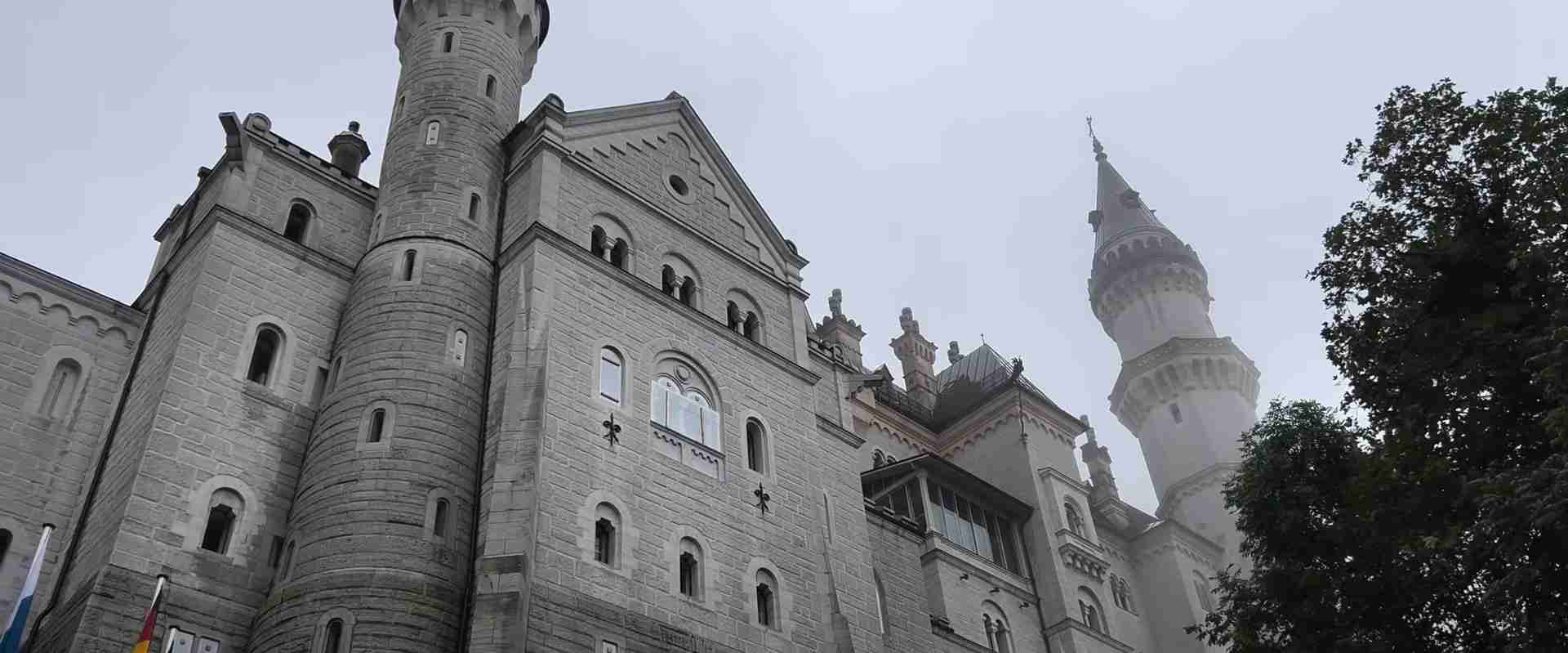
Neuschwanstein Castle Photography Guide 2026: Best Shots & Locations
Neuschwanstein Castle ranks among the world’s most photographed buildings, inspiring millions of images annually from professional photographers and casual tourists alike. King Ludwig II’s architectural masterpiece presents extraordinary photographic opportunities across seasons, weather conditions, and times of day. The castle’s dramatic Alpine setting, distinctive white towers, and surrounding mountain landscapes create endless compositional possibilities for photographers of all skill levels.
Key Takeaways
- Marienbrücke bridge provides the iconic Neuschwanstein view with optimal morning light between 8:00-10:30 AM
- Interior photography is strictly prohibited – focus all efforts on exterior locations and landscapes
- September-October delivers best photography conditions combining autumn foliage, stable weather, and manageable crowds
- Telephoto lens (70-200mm or longer) captures detailed castle architecture from Marienbrücke and distant viewpoints
- Winter morning photography (December-February) creates dramatic snow-covered fairy-tale scenes with minimal visitor interference
- Sunset photography from lower viewpoints near Hohenschwangau village offers warm golden-hour castle illumination
Introduction
Capturing outstanding Neuschwanstein photographs requires more than pointing cameras at obvious viewpoints. Understanding optimal lighting conditions, crowd-avoiding timing, seasonal variations, and technical camera settings separates memorable images from disappointing snapshots. This comprehensive photography guide reveals the locations, techniques, and strategies used by professional photographers to create stunning Neuschwanstein imagery while providing practical advice for smartphone photographers seeking excellent results.
People Also Ask About Neuschwanstein Photography 2026
Where is the best place to photograph Neuschwanstein Castle?
Marienbrücke bridge delivers the most iconic Neuschwanstein view, positioning photographers directly facing the castle’s front facade with mountain backdrop. This suspension bridge provides the classic postcard perspective seen in virtually all promotional materials. Morning light (8:00-10:30 AM) illuminates the castle front optimally. The bridge sees heavy crowds midday through afternoon, making early arrival essential for unobstructed photography.
Can you take pictures inside Neuschwanstein Castle?
Photography is completely prohibited inside Neuschwanstein Castle during all tours. Staff enforce this restriction strictly without exceptions. The ban protects interior artworks and maintains tour flow. Violators face warnings and possible tour removal. Focus all photography efforts on exterior locations including Marienbrücke bridge, approach paths, surrounding viewpoints, and landscape vistas where unlimited photography is permitted.
What camera settings work best for Neuschwanstein Castle photography?
Use aperture priority mode (f/8-f/11) for landscape shots maximizing depth of field. Shutter speed 1/125-1/250 second prevents motion blur from hand-holding or wind. ISO 100-400 maintains image quality in good light, increase to 800-1600 for overcast conditions or forests. Shoot RAW format for maximum post-processing flexibility. Enable exposure bracketing for challenging lighting situations with bright sky and darker foreground.
What is the best time of year to photograph Neuschwanstein?
September and early October offer optimal photography conditions with autumn foliage creating golden and red color contrasts against white castle towers, stable weather providing reliable clear skies, and moderate crowds allowing unobstructed viewpoints. Winter (January-February) delivers dramatic snow-covered scenes with minimal visitor interference. Spring (May) features blooming meadows and waterfalls. Summer provides guaranteed weather but intense crowds and harsh midday lighting.
Extended multi-day tours – 5+ days
Featured Munich Multi-Day Tour Packages

4 days
Germany´S Beer Experience
- ✓ Booking needs min. 2 travelers
7 days
7 Days by Train in Munich & Zurich: Alpine Dreams & Bavarian Charms
- ✓ Comprehensive Munich tour
- ✓ Expert local guides included
- ✓ All accommodation arranged
- ✓ Transportation provided
4 days
Oktoberfest Munich (3-Star Hotel Senator)
- ✓ Booking needs min. 2 travelers
7 days
GERMAN CHRISTMAS MARKETS 2026
- ✓ Comprehensive Munich tour
- ✓ Expert local guides included
- ✓ All accommodation arranged
- ✓ Transportation provided
Multi-day tour packages powered by TourRadar. Prices and availability subject to change.
Essential Photography Locations
Neuschwanstein offers numerous viewpoints ranging from world-famous perspectives to hidden gems known primarily to local photographers. Understanding each location’s characteristics, access requirements, and optimal timing ensures comprehensive photographic coverage of the castle and surroundings.
Marienbrücke Bridge – The Iconic View
Marienbrücke suspension bridge spans Pöllat Gorge 90 meters above the ravine, providing the postcard-perfect Neuschwanstein view that defines the castle’s visual identity. The bridge positions photographers directly facing the castle’s front facade at approximately equal elevation, framing the white towers against mountain backdrop. This viewpoint appears in virtually all Neuschwanstein promotional materials and represents the single most important photography location.
Access requires 10-minute uphill walk from castle exit or 15-minute climb from Hohenschwangau village via alternate trail. The narrow bridge (approximately 3 meters wide, 90 meters long) creates congestion when crowds arrive. Morning hours (8:00-10:30 AM) provide optimal lighting with sun illuminating castle front while crowds remain manageable. The bridge closes during severe weather, particularly winter ice conditions – check status before planning photography-focused visits.
Best photography approach: arrive by 8:30 AM for first-position bridge access, shoot wide-angle establishing shots (16-35mm) showing full castle and landscape, then switch to telephoto (70-200mm) for architectural details and tower closeups. Experiment with vertical and horizontal compositions. Morning light creates slight backlight requiring exposure compensation (+0.3 to +0.7 stops) preventing castle from appearing too dark against bright sky background.
Lower Viewpoint Near Hohenschwangau
The meadow area between Hohenschwangau village and castle base provides alternative perspective showing Neuschwanstein’s hilltop position and relationship to surrounding landscape. This lower elevation viewpoint works particularly well for afternoon and sunset photography when western light warms the castle facade. The location sees far fewer visitors than Marienbrücke, allowing peaceful photography sessions.
Access from village takes 5-10 minutes walking along marked paths toward castle or Alpsee lake. Multiple vantage points exist throughout meadow area allowing photographers to fine-tune compositions. Telephoto lenses (100-400mm) work best compressing distance and isolating castle from landscape. Spring wildflowers and autumn foliage provide foreground interest elements enhancing compositions.
Sunset photography (1-2 hours before sunset depending on season) bathes castle in golden warm light creating dramatically different mood than morning Marienbrücke shots. Evening shadows add depth and dimension to architecture. The lower viewpoint also captures castle reflections in Alpsee lake when water conditions permit (requires very calm days and specific positioning near lake shore).
Pöllat Gorge Viewpoint
The hiking trail descending past Pöllat Gorge waterfall includes elevated viewpoint offering unique side-angle perspective on Neuschwanstein. This location shows castle’s dramatic cliff-edge positioning and provides variation from standard front-facing Marienbrücke view. The trail sees moderate foot traffic from hikers but far less photographer concentration than main viewpoints.
Access via descent trail from Marienbrücke or uphill climb from Hohenschwangau village parking area (follow gorge signs). The viewpoint sits approximately 10 minutes below Marienbrücke on descent route. Composition possibilities include waterfall foreground with castle background (spring/early summer when water flow peaks) or forest-framed castle vistas. Wide-angle to standard zoom lenses (24-70mm) suit this location’s viewing distance and perspective.
Tegelberg Cable Car Summit
Tegelberg mountain cable car (€23 round-trip) ascends to 1,720-meter summit providing aerial perspective on Neuschwanstein and entire surrounding region. The distant elevated view shows castle in context of valleys, lakes, and Alpine ranges. This location requires very long telephoto lenses (300mm+) or powerful zoom cameras for detailed castle photography, but delivers spectacular landscape images even with standard gear.
The cable car operates 9:00 AM-5:00 PM (seasonal variations apply). Summit photography works throughout day though morning generally provides clearest atmospheric conditions. Budget 2-3 hours for round-trip journey including summit exploration. Combine castle photography with panoramic landscape shots capturing broader Bavarian Alpine scenery. Winter offers especially clear long-distance visibility when atmospheric haze decreases.
Alpsee Lake Perspectives
Alpsee lake’s north shore provides distant castle views with potential water reflections on calm days. The perspective shows castle relationship to local geography while offering foreground interest from lake, boats, and surrounding forests. Successful reflection photography requires perfect weather conditions – early morning calm before wind develops produces best mirror-like surfaces.
Walk around lake’s north side (20-30 minutes from Hohenschwangau village) to access optimal viewpoints. Very long telephoto lenses (200-400mm+) compress distance bringing castle prominence in frame. Reflections require polarizing filter removal (polarizers eliminate reflections photographers seek to capture). Sunrise and sunset timing provides dramatic lighting though castle orientation favors afternoon/evening light from this direction.
Optimal Photography Timing
Time of day dramatically affects Neuschwanstein photography through changing light quality, crowd density, and atmospheric conditions. Strategic timing based on desired photographic outcomes and weather patterns maximizes shooting opportunities while minimizing frustration from crowds and poor lighting.
Morning Photography (6:00-10:30 AM)
Morning delivers optimal conditions for Marienbrücke photography with direct sunlight illuminating castle front facade. Dawn until 8:00 AM offers emptiest viewpoints though limited light requires higher ISO settings (800-1600) and slower shutter speeds demanding tripod stability. Golden hour (first hour after sunrise) creates warm light enhancing castle architecture’s romantic appearance.
The period 8:00-10:30 AM represents prime photography window balancing excellent light quality with manageable crowd levels. First castle tour groups begin arriving by 9:00 AM but Marienbrücke remains relatively uncrowded until 10:30 AM when tour buses discharge passengers. Photographers booking earliest castle tours (8:00-9:00 AM entry) can complete interior visit and reach Marienbrücke by 9:30 AM securing prime bridge positions.
Morning light provides slightly backlit conditions requiring exposure compensation to prevent castle appearing as dark silhouette. Shoot in RAW format allowing substantial exposure recovery in post-processing. Morning atmospheric conditions typically show clearer air with better visibility and more saturated colors before afternoon haze develops. Morning also offers calmest wind conditions benefiting long-exposure photography and tripod work.
Midday Photography (10:30 AM-3:00 PM)
Midday presents photography challenges through harsh overhead lighting creating strong shadows and reduced contrast in castle architecture. The sun’s high angle eliminates dimensional modeling that makes buildings visually interesting. However, midday offers brightest conditions reducing technical difficulties with camera settings and allowing lowest ISO values (100-200) for maximum image quality.
Marienbrücke experiences peak crowding during midday requiring patience for clear viewpoints. Crowds create both obstacles (people in frames, pushing for position) and opportunities (adding human scale to landscape shots if compositionally appropriate). Midday timing suits photographers prioritizing human elements, capturing busy tourist atmosphere, or requiring guaranteed weather over optimal lighting.
Use midday period for location scouting, alternative viewpoint exploration, or less light-dependent photography like forest trails and detail shots. Overcast midday conditions actually improve photography by creating soft diffused light eliminating harsh shadows. Cloudy midday lighting often outperforms sunny midday for castle photography.
Afternoon and Sunset Photography (3:00 PM-Sunset)
Afternoon light creates different castle appearance as sun moves westward. Lower viewpoints near Hohenschwangau benefit from afternoon/evening light warming castle facade with golden tones. Marienbrücke sees decreasing crowds after 4:00 PM as day-trippers depart, though photography time compresses as sunset approaches and light fades.
Golden hour (final hour before sunset) provides magical warm light transforming castle appearance dramatically. Autumn and winter’s earlier sunsets (4:30-5:30 PM) require precise timing arriving viewpoints 60-90 minutes before sunset for optimal light progression. Summer’s late sunsets (8:30-9:00 PM) extend golden hour photography opportunities but face intense evening crowds from extended tourist hours.
Sunset photography demands exposure bracketing capturing detail in bright sky while maintaining castle visibility. Graduated neutral density filters help balance exposure between bright sky and darker foreground. Continue shooting into blue hour (20-30 minutes after sunset) when castle may illuminate with artificial lighting creating different aesthetic. Tripod becomes essential for slow shutter speeds required in diminishing light.
Seasonal Photography Opportunities
Each season transforms Neuschwanstein’s appearance through changing foliage, weather patterns, and lighting conditions. Understanding seasonal characteristics helps photographers plan visits matching desired aesthetic and technical requirements.
Spring Photography (March-May)
Spring brings blooming wildflowers to meadows surrounding castle, waterfalls running full force from snowmelt, and fresh green hillsides emerging from winter dormancy. Pöllat Gorge waterfall reaches peak flow in April-May providing dramatic foreground elements for compositions. Lower elevation meadows display colorful wildflower carpets in May creating natural foreground interest.
Weather proves unpredictable with frequent rain requiring waterproof camera protection and flexible scheduling. Overcast conditions create excellent soft light for castle photography eliminating harsh shadows. April-May offers 13-15 hours daylight extending photography windows. Moderate crowds (4,000-5,000 daily visitors) allow reasonable viewpoint access. Spring’s dynamic weather creates dramatic cloud formations and occasional storm light providing atmospheric photography opportunities.
Summer Photography (June-August)
Summer delivers most reliable weather with clear skies dominating and minimal rain disruption. Extended daylight (15+ hours) provides maximum flexibility for photography timing. Lush green forests and meadows create vibrant backdrops though lacking autumn’s color variety. Afternoon thunderstorms occasionally develop producing dramatic cloud formations and post-storm light.
Peak crowds (6,000+ daily visitors) create significant challenges at Marienbrücke requiring very early arrival (before 8:30 AM) securing unobstructed positions. Midday through mid-afternoon sees intense congestion making quality photography nearly impossible without extensive patience. Summer’s warm weather enables comfortable early morning and late evening photography sessions. The seasonal wildflowers in meadows peak in June-July.
Fall Photography (September-November)
Autumn ranks as premiere photography season combining spectacular fall foliage colors with decreasing crowds and stable weather. Larch trees near Marienbrücke turn brilliant gold mid-September through mid-October creating stunning color contrasts against white castle towers. Mixed forests display reds, oranges, and yellows throughout surrounding mountains. Clear autumn skies provide excellent visibility and saturated colors.
September maintains summer-like conditions (14-21°C) with 13 hours daylight and moderate crowds (4,000-5,000 daily). October cools significantly with increasing rain probability but delivers peak foliage color. November sees bare trees and winter approach but offers quiet photography conditions (2,000-3,000 daily visitors). Morning fog in valleys creates atmospheric effects burning off mid-morning for dramatic sequence opportunities.
Winter Photography (December-February)
Winter transforms Neuschwanstein into snow-covered fairy tale delivering arguably most dramatic photography opportunities. Snow blankets castle towers, surrounding forests, and mountains creating monochromatic white landscape punctuated by castle’s white-and-yellow architecture. Minimal crowds (2,000-3,000 daily) allow peaceful photography sessions impossible during warmer months.
Technical challenges include limited daylight (8-9 hours), cold affecting battery life (carry spares in warm pockets), and potential Marienbrücke closure during severe ice conditions. Snow-covered scenes require exposure compensation (+1 to +1.5 stops) preventing underexposure that renders snow grey instead of white. Clear winter days provide exceptional atmospheric clarity perfect for long-distance photography. Occasional winter storms create moody grey-sky conditions suiting dramatic photography aesthetic.
Camera Equipment Recommendations
Appropriate camera gear significantly impacts Neuschwanstein photography results though excellent images remain possible across equipment ranges from smartphones to professional cameras. Understanding equipment capabilities and limitations helps photographers maximize existing gear while making informed upgrade decisions.
Camera Bodies
Any camera from smartphone to professional DSLR/mirrorless produces quality Neuschwanstein photographs when used skillfully. Smartphone photographers should use native camera apps (not Instagram or social media apps) enabling RAW shooting, exposure adjustment, and focus control. Budget cameras benefit from shooting RAW format preserving post-processing flexibility for challenging lighting conditions.
Full-frame cameras (Canon 5D/R series, Nikon Z/D series, Sony A7 series) offer superior low-light performance beneficial for dawn/dusk photography and forest trails. Crop-sensor cameras provide effective focal length increase beneficial for telephoto work (1.5-1.6x multiplier extends lens reach). Weather-sealed cameras protect against Alpine weather’s rain and mist. Cameras with good dynamic range handle Neuschwanstein’s challenging bright-sky/dark-foreground exposure situations better.
Essential Lenses
Wide-angle zoom (16-35mm full-frame equivalent, 10-24mm crop-sensor) captures expansive landscape shots including foreground meadows, castle, and mountain backdrop. Marienbrücke’s limited space benefits from wide angles capturing full scene. Standard zoom (24-70mm) provides versatility covering multiple shooting scenarios from environmental portraits to architectural details.
Telephoto zoom (70-200mm or 100-400mm) proves essential for Marienbrücke detail shots, lower viewpoint photography, and isolating architectural elements. Very long telephoto (300mm+) enables distant viewpoint photography from Tegelberg summit or Alpsee lake. Smartphone photographers should leverage digital zoom sparingly (quality degrades) or consider clip-on telephoto attachments improving distant photography.
Supporting Equipment
Tripod enables sharp long-exposure photography essential for low-light conditions, water blur effects, and maximum image quality. Lightweight travel tripods (carbon fiber preferred) balance stability with portability for uphill carrying. Marienbrücke prohibits tripod use during crowded periods but permits early morning and evening setups when space allows.
Polarizing filter deepens blue skies, enhances cloud definition, and reduces glare from water/foliage. Graduated neutral density filters balance bright sky exposure with darker foreground in landscape shots. Lens hood prevents flare from bright sunlight. Extra batteries prove essential for cold weather significantly reducing battery life. Memory cards (64GB+ recommended) store hundreds of RAW images throughout full-day photography sessions.
Technical Camera Settings
Proper camera settings optimize image quality while accommodating Neuschwanstein’s challenging lighting conditions and diverse photography scenarios. These settings provide starting points requiring adjustment based on specific light conditions and creative intent.
Landscape Photography Settings
Aperture priority mode (A/Av) with f/8-f/11 aperture maximizes depth of field keeping foreground through background sharp. This aperture range provides optimal lens sharpness while maintaining sufficient depth of field for landscape photography. Shutter speed falls automatically based on light conditions – monitor values ensuring speeds above 1/125 second for handholding (1/60 acceptable with image stabilization).
ISO 100-400 maintains image quality in good light conditions. Increase to 800-1600 for overcast conditions, forest shade, or dawn/dusk shooting. Modern cameras handle ISO 1600 cleanly producing minimal noise in properly exposed images. Auto-ISO proves useful allowing camera to adjust sensitivity automatically while photographer controls aperture and exposure compensation.
Exposure Management
Neuschwanstein’s bright white architecture against darker backgrounds creates exposure challenges. Evaluative/matrix metering mode provides good starting point but often underexposes castle making it appear grey instead of white. Apply exposure compensation +0.3 to +0.7 stops ensuring castle appears properly white while avoiding blown highlights in sky.
Exposure bracketing (shooting same scene at -1, 0, +1 stop variations) provides safety net for challenging lighting and enables HDR processing merging multiple exposures for extended dynamic range. RAW format capture allows significant exposure adjustment in post-processing recovering detail from shadows and highlights impossible in JPEG files. Check histogram ensuring exposure captures detail across full tonal range.
Focus and Sharpness
Single-point autofocus on castle ensures primary subject sharpness. Focus approximately one-third into scene for landscape shots maximizing depth of field effectiveness. Manual focus provides precision control though requiring practice for efficiency. Back-button focus separates focusing from shutter release preventing refocus issues when recomposing shots.
Image stabilization/vibration reduction enables 2-3 stops slower shutter speeds when handholding. Disable stabilization when using tripod (it can actually reduce sharpness by creating micro-movements). Shutter speeds above 1/125 second eliminate motion blur from camera shake when handholding – faster speeds (1/250+) necessary for longer telephoto lenses following “1/focal length” guideline.
Composition Techniques
Strong composition separates outstanding Neuschwanstein photographs from generic tourist snapshots. Applying fundamental compositional principles while developing personal creative vision produces images that stand out from millions of castle photographs captured annually.
Rule of Thirds and Balance
Position castle off-center using rule-of-thirds grid (imagining frame divided into nine equal rectangles) rather than centering subjects creating static compositions. Place castle at intersection points or along gridlines. Allow breathing room in frame direction castle “faces” or where visual weight suggests movement. Balance castle’s visual weight with foreground interest, sky detail, or mountain background.
Foreground Interest
Include foreground elements creating depth and leading viewer’s eye toward castle. Spring wildflowers, autumn foliage, Pöllat Gorge waterfall, fence posts, or hiking trails provide natural foreground subjects. Foreground adds three-dimensional quality to otherwise flat images. Use wide aperture (f/2.8-f/5.6) for selective focus emphasizing foreground blur leading to sharp castle background, or small aperture (f/11-f/16) keeping both sharp.
Framing and Layers
Use natural elements framing castle within composition – tree branches, cave-like openings in foliage, architectural elements from Hohenschwangau Castle. Layering technique places distinct elements at different distances (foreground, middle ground, background) creating visual depth. Pöllat Gorge trail provides excellent layering opportunities with waterfall foreground, forest middle ground, castle background.
Vertical vs Horizontal Orientation
Vertical orientation suits castle’s tall tower architecture emphasizing vertical lines and including sky drama. Horizontal orientation captures wider landscape context showing castle relationship to surrounding geography. Experiment with both orientations at each location. Vertical images generally work better for social media (Instagram, Pinterest) while horizontal suits traditional displays and galleries.
Weather and Atmospheric Photography
Challenging weather conditions often produce Neuschwanstein’s most dramatic photographs. Embracing rain, fog, storms, and snow rather than waiting for perfect blue skies creates unique imagery standing apart from typical tourist photographs.
Fog and Mist Photography
Morning valley fog creates ethereal atmosphere with castle emerging from white mist blanket. Autumn mornings particularly favor fog formation in valleys. Photograph during burn-off phase (typically 9:00-11:00 AM) capturing sequence showing castle revelation through parting fog. Fog reduces contrast requiring exposure compensation and RAW shooting for post-processing flexibility. The soft light eliminates harsh shadows producing even illumination.
Storm Light and Dramatic Skies
Post-storm light when sun breaks through clearing clouds creates dramatic lighting impossible in stable weather. Watch for storm clearance timing arriving at viewpoints as weather improves. Dark storm clouds provide dramatic sky backgrounds contrasting with sunlit castle. Pre-storm light creates brooding atmospheric conditions perfect for moody photography. Summer afternoon thunderstorms frequently produce spectacular light and cloud formations.
Snow Photography Techniques
Snow scenes require exposure compensation (+1 to +1.5 stops) preventing underexposure rendering snow grey instead of white. Shoot in RAW allowing white balance adjustment in post-processing (auto white balance often creates blue color casts on snow). Falling snow creates motion blur with slower shutter speeds (1/60 second or slower) showing snowfall dynamically. Fresh snowfall provides pristine white coverage but requires quick photography before footprints and melting mar scenes.
Post-Processing Workflow
Post-processing transforms good Neuschwanstein captures into exceptional images. Modern digital photography assumes post-processing as essential workflow component rather than optional enhancement. These processing strategies optimize castle photographs while maintaining natural appearance avoiding over-processed artificial looks.
Basic RAW Processing
Import RAW files into processing software (Lightroom, Capture One, DxO PhotoLab, or free alternatives like RawTherapee). Adjust exposure ensuring castle appears properly white without blowing highlights. Recover shadow detail revealing foreground and mountain information. Adjust white balance for accurate color (often cooling slightly as cameras warm scenes). Increase vibrance/saturation moderately enhancing color without creating unrealistic results.
Targeted Adjustments
Use graduated filters darkening bright skies while maintaining castle exposure creating balanced results. Radial filters brighten or darken specific areas directing viewer attention. Adjustment brushes selectively enhance castle detail or reduce distraction from busy areas. Clarity slider adds mid-tone contrast emphasizing architectural details (use moderately avoiding artificial appearance). Dehaze reduces atmospheric haze improving distant mountain visibility.
Color and Tone Refinement
Adjust individual color channels enhancing autumn foliage, sky blue, or green forests. HSL/Color panel provides precise control over hue, saturation, and luminance for each color independently. Tone curve adjustment fine-tunes contrast and tonal relationships. Split-toning adds subtle color casts to shadows and highlights creating cohesive color palette across image. Black and white conversion creates dramatic monochrome images emphasizing form, texture, and contrast.
Planning Your 2026 Photography Visit
Successful photography-focused Neuschwanstein visits require advance planning coordinating optimal timing, weather forecasting, and logistical preparation. Photography priorities differ from typical tourist visits demanding flexible scheduling and weather-dependent decision making.
Pre-Trip Planning
Monitor long-range weather forecasts 2 weeks before visit noting trends. Book accommodation in Füssen allowing flexible morning departures for optimal light rather than fixed Munich train schedules. Research moon phase if planning night photography (new moon provides darkest skies for stars, full moon illuminates landscape enabling night shooting without stars). Download sun position apps (PhotoPills, The Photographer’s Ephemeris) calculating exact sunrise/sunset angles and times for location scouting.
On-Site Flexibility
Build itinerary flexibility allowing weather-responsive photography. Overcast days suit forest trail photography and moody castle shots. Clear days prioritize Marienbrücke and long-distance viewpoints. Rain days provide waterfall photography opportunities or rest for subsequent dawn shooting. Multi-day visits enable covering diverse conditions producing varied portfolio. Early morning photography requires discipline but delivers best results – set multiple alarms ensuring wakefulness for dawn shooting.
2026 Updates & Changes
Neuschwanstein photography access and regulations remain consistent for 2026. Interior photography prohibition continues strictly enforced. Marienbrücke bridge and all exterior locations permit unlimited photography without permits for personal use. Tripod usage allowed except during peak crowding when space limitations prevent setup. Commercial photography and drone operations require advance permits obtained through castle administration.
Check official Neuschwanstein website for any temporary closures affecting Marienbrücke or surrounding trails before 2026 photography visits. Weather-related closures occur occasionally during severe winter conditions. Operating hours follow seasonal schedule: summer (April-October) 8:00 AM-5:00 PM, winter (November-March) 9:00 AM-3:00 PM affecting photography timing possibilities.
Frequently Asked Questions
Can I use a drone to photograph Neuschwanstein Castle?
Drone photography is strictly prohibited in Neuschwanstein airspace without advance permits due to royal property status and safety regulations. Unauthorized drone flights risk significant fines and equipment confiscation. Commercial photographers can apply for drone permits through castle administration involving substantial fees and restrictions. Recreational drone use remains completely banned regardless of circumstances.
Do I need special permits for professional photography at Neuschwanstein?
Personal photography requires no permits or fees regardless of equipment quality. Commercial photography (images sold or used for business purposes) requires advance permits with associated fees. Professional photographers shooting for clients, stock photography, or commercial publication must secure permits before visiting. Tripod usage requires no permits though space limitations prevent setup during crowded periods. Contact castle administration for commercial permit applications.
What is the best lens for Neuschwanstein photography?
Telephoto zoom (70-200mm) provides most versatility capturing detailed architectural shots from Marienbrücke and enabling lower viewpoint photography. Wide-angle zoom (16-35mm) creates environmental landscapes showing full scene context. Ideally bring both covering range from wide landscape through telephoto details. Budget-conscious photographers prioritize telephoto zoom as single lens providing maximum flexibility for iconic Marienbrücke views.
Can I photograph Neuschwanstein at night?
Night photography proves challenging as castle lacks consistent exterior illumination. Occasional special events feature lighting but regular nights show minimal artificial light. Full moon nights enable long-exposure landscape photography with moonlight illuminating castle and surroundings. Stars photography requires new moon (no moonlight) and very long exposures (20-30 seconds) capturing night sky with castle silhouette. Winter’s clearer skies benefit night photography.
How do I avoid crowds in my Neuschwanstein photographs?
Arrive Marienbrücke before 8:30 AM securing positions before crowds build or visit after 4:00 PM as day-trippers depart. Winter months (January-February) see minimal crowds allowing easy people-free photography. Use longer shutter speeds (1-4 seconds with tripod) blurring moving people into ghost-like transparency while static castle remains sharp. Include people deliberately showing scale and busy tourist atmosphere as creative choice.
What camera settings do I use for waterfall photography near the castle?
Use shutter speeds 1/4 to 2 seconds creating silky smooth water blur effect. Requires tripod for camera stability. Aperture f/11-f/16 reduces light entering camera enabling slower shutter speeds. ND (neutral density) filters darken scene allowing even slower shutter speeds in bright conditions. ISO 100 minimizes noise. Pöllat Gorge waterfall appears best in spring (April-May) when snowmelt creates maximum flow.
Should I shoot JPEG or RAW for Neuschwanstein photography?
RAW format provides maximum post-processing flexibility essential for challenging castle lighting conditions. RAW files preserve complete sensor data allowing extensive exposure, white balance, and detail recovery impossible with JPEG’s compressed format. Drawbacks include larger file sizes (25-50MB per RAW vs 5-10MB JPEG) requiring more storage and processing time. Serious photographers always choose RAW while casual smartphone users accept JPEG convenience.
How do I photograph Neuschwanstein with my smartphone?
Use native camera app (not social media apps) accessing full capabilities. Enable RAW shooting if available (iPhone Pro models, recent Android flagships). Tap screen focusing on castle ensuring proper exposure. Use exposure compensation (swipe up/down on iPhone, +/- buttons Android) brightening or darkening as needed. Clean lens before shooting. Hold steady or prop against stable surface for sharpness. Edit in capable apps (Snapseed, Lightroom Mobile) enhancing results.
What are the best months for autumn foliage photography at Neuschwanstein?
Mid-September through mid-October delivers peak fall colors with golden larches near Marienbrücke creating spectacular contrasts. Exact timing varies yearly based on weather patterns – warmer falls delay color change while early cold advances foliage. Lower elevations around Hohenschwangau village change first (early September) with higher elevations following 1-2 weeks later. Monitor social media posts and photography forums for real-time fall color reports.
Can I take photos from inside the castle looking out?
Photography is completely prohibited throughout castle interior including views from windows during tours. Staff enforce restrictions strictly without exceptions for any circumstances. Focus all photography efforts on exterior locations where unlimited shooting is permitted. The interior ban applies to all cameras including smartphones. Violators face warnings and possible tour removal with no refund.