
Nerja & Frigiliana Guide 2026: Costa del Sol’s Hidden Gems
- Nerja and Frigiliana offer authentic Andalusian experiences away from mass tourism, with combined visit costs averaging €45-70 per person daily excluding accommodation
- The famous Nerja Caves entrance costs €15 for adults in 2026, while Frigiliana remains a free-to-explore pueblo blanco with stunning mountain architecture
- Spring (April-May) and autumn (September-October) provide optimal weather for exploring both destinations, with temperatures ranging 18-26°C and minimal crowds
- Direct buses connect Málaga Airport to Nerja in 90 minutes for €8.50, with local buses to Frigiliana costing €1.50 for the scenic 20-minute mountain journey
- Accommodation in Nerja ranges €60-120 per night for quality options, significantly lower than Marbella or Málaga while offering superior coastal and mountain access
- A combined 3-day itinerary allows thorough exploration of both destinations, including caves, beaches, mountain villages, and authentic Andalusian cuisine experiences
Planning Your Nerja & Frigiliana Visit in 2026
Nerja and Frigiliana represent two of Costa del Sol’s most authentic destinations, offering travelers a genuine Andalusian experience far removed from the region’s mass tourism developments. Located in the eastern Costa del Sol between Málaga and Granada, these neighboring destinations combine dramatic coastal scenery with pristine white mountain villages, creating perfect conditions for cultural immersion and natural exploration.
Nerja serves as the coastal anchor of your visit, a charming resort town of 22,000 residents that has preserved its authentic Spanish character despite decades of tourism development. The town gained international fame for its spectacular cave system, discovered in 1959 and now recognized as one of Spain’s most significant prehistoric sites. Beyond the caves, Nerja offers the iconic Balcón de Europa viewpoint, a series of hidden coves and beaches accessible via dramatic cliffside paths, and a historic old town filled with traditional tapas bars and ceramic workshops.
Frigiliana complements Nerja’s coastal attractions with pure mountain pueblo blanco beauty. Perched 300 meters above sea level in the Almijara mountain foothills, this village of 3,000 residents has earned recognition as one of Spain’s most beautiful villages. Its Moorish quarter features impossibly narrow whitewashed streets decorated with colorful flower pots, while surrounding terraced hillsides produce the sweet wine that made Frigiliana prosperous during the Nasrid period. The village offers spectacular views across sugarcane plantations to the Mediterranean, creating stunning photographic opportunities throughout the day.
Planning your 2026 visit requires understanding how these destinations complement each other. Nerja provides accommodation infrastructure, beach access, and evening entertainment, while Frigiliana offers cultural depth, mountain scenery, and authentic village life. Most travelers base themselves in Nerja and make day trips to Frigiliana, though both destinations can be explored thoroughly in a combined 2-4 day itinerary that includes caves, beaches, mountain walks, and village exploration.
The compact nature of both destinations makes planning straightforward. Nerja’s main attractions cluster within walking distance of the town center, while Frigiliana’s entire historic quarter can be explored in 2-3 hours of leisurely wandering. The regular bus connection between the two destinations operates every 1-2 hours throughout the day, providing flexibility for spontaneous exploration and multiple visit patterns.
People Also Ask About Nerja & Frigiliana 2026
How much does it cost to visit Nerja and Frigiliana in 2026?
Daily costs for visiting Nerja and Frigiliana average €45-70 per person excluding accommodation in 2026. The Nerja Caves entrance costs €15 for adults with audio guide included, while Frigiliana itself remains free to explore. A typical day includes lunch €12-18, dinner €15-25, local bus between towns €1.50, beach parking €5-8 if driving, and miscellaneous expenses like ice cream or drinks €8-12. Check official tourism websites for current pricing on caves and transportation.
Accommodation adds €60-120 per night in Nerja for quality mid-range hotels or apartments, with Frigiliana options ranging €70-140 for boutique hotels in restored historic buildings. Budget travelers find hostels and basic apartments from €35-50 per night, while luxury travelers access premium properties €150-280 per night with private terraces and mountain or sea views. Frigiliana accommodation offers more character but Nerja provides better practical infrastructure and beach access.
Transportation costs remain minimal once you reach the area. The direct Málaga Airport bus to Nerja costs €8.50 one-way with journey time 90 minutes. Local buses between Nerja and Frigiliana cost €1.50 per trip, operating every 1-2 hours throughout the day. Rental cars cost €25-45 per day and provide flexibility for beach hopping and mountain exploration, though parking can be challenging in Frigiliana’s historic quarter during peak hours.
When is the best time to visit Nerja and Frigiliana in 2026?
April-May and September-October provide optimal conditions for visiting Nerja and Frigiliana in 2026. Spring brings temperatures 18-24°C, perfect for beach visits and mountain walks, with wildflowers covering the Almijara hillsides and minimal tourist crowds. Autumn offers similar temperature ranges 20-26°C with warm sea temperatures ideal for swimming, harvest season atmosphere in Frigiliana, and clear skies for photography and outdoor activities.
Summer (June-August) brings intense heat 28-35°C and peak crowds, with Nerja’s beaches reaching capacity and Frigiliana’s narrow streets becoming uncomfortably hot during midday hours. However, summer provides the most reliable beach weather, extended opening hours for attractions, and vibrant evening atmosphere in both destinations. Accommodation prices peak during July-August, requiring advance bookings 2-3 months ahead for preferred properties.
Winter (November-March) offers mild temperatures 12-18°C and the quietest tourist conditions, with significant accommodation discounts and authentic local atmosphere. The Nerja Caves remain open year-round with consistent 19°C internal temperature, while Frigiliana’s whitewashed streets photograph beautifully under winter light. However, some beach facilities close, sea temperatures drop to 15-17°C making swimming uncomfortable, and occasional rain affects mountain walks and outdoor dining.
Do you need a car to visit Nerja and Frigiliana in 2026?
You don’t need a car to visit Nerja and Frigiliana effectively in 2026. Regular direct buses connect Málaga Airport to Nerja in 90 minutes for €8.50, while local buses link Nerja and Frigiliana every 1-2 hours for €1.50. Nerja’s compact town center places beaches, restaurants, and the famous Balcón de Europa viewpoint within walking distance, while Frigiliana’s pedestrian-only historic quarter makes a car irrelevant once you arrive.
However, a rental car significantly enhances your visit by enabling exploration of hidden beaches and mountain villages inaccessible by public transport. The eastern Costa del Sol features dramatic coves like Maro and Cala del Pino reached only by winding coastal roads, while mountain villages including Cómpeta and Sayalonga offer authentic experiences without the tourist crowds. Rental cars cost €25-45 per day, with fuel adding €10-15 daily for typical exploration patterns.
The decision depends on your priorities and budget. Car-free visitors enjoy stress-free travel, zero parking concerns, and the ability to enjoy wine with lunch in Frigiliana without driving considerations. Car-based visitors access more beaches and villages, maintain flexible schedules independent of bus timetables, and can visit during early morning or late evening when lighting conditions optimize photography. Both approaches work effectively for experiencing these Costa del Sol hidden gems.
Can you do Nerja and Frigiliana in one day from Málaga in 2026?
Yes, you can visit both Nerja and Frigiliana in a single day trip from Málaga in 2026, though the experience feels rushed compared to staying overnight. The earliest Málaga-Nerja bus departs 7:30 AM, arriving 9:00 AM and providing time for Nerja Caves visit (2 hours including travel), quick beach stop or Balcón de Europa exploration (1 hour), and the 11:30 AM or 1:00 PM bus to Frigiliana. This schedule allows 2-3 hours exploring Frigiliana’s historic quarter and enjoying lunch before returning to Nerja for the 5:00-7:00 PM bus back to Málaga.
The compressed timeline forces difficult choices. You must prioritize either caves or beaches in Nerja, cannot linger over the traditional long Spanish lunch in Frigiliana, and miss the magical late afternoon light that makes Frigiliana’s whitewashed streets glow golden. Additionally, you experience both destinations during peak tourist hours when crowds are heaviest and heat most intense, rather than enjoying early morning tranquility or sunset atmosphere.
A more satisfying approach involves staying at least one night in Nerja, allowing for caves exploration one day, beaches and Balcón de Europa the next morning, and Frigiliana in late afternoon when tour buses depart and the village returns to peaceful authenticity. This schedule provides time for spontaneous discoveries, relaxed dining experiences, and the opportunity to witness both coastal and mountain sunsets that define Costa del Sol’s special character.
Extended multi-day tours – 5+ days
Featured Andalucia Multi-Day Tour Packages
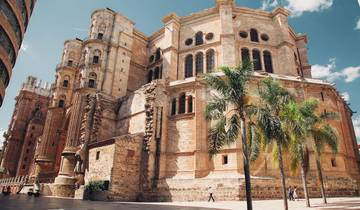
6 days
6 Day Malaga including visit to Gibraltar, Granada, Alhambra and Caminito del Rey
- ✓ Comprehensive Andalucia tour
- ✓ Expert local guides included
- ✓ All accommodation arranged
- ✓ Transportation provided
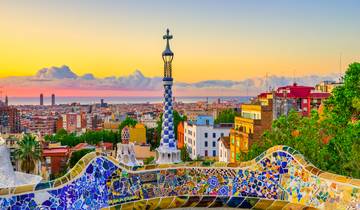
11 days
Flavors of Spain: A 11 Day Journey Through Madrid, Seville, Granada & Barcelona
- ✓ Comprehensive Andalucia tour
- ✓ Expert local guides included
- ✓ All accommodation arranged
- ✓ Transportation provided
11 days
A Taste of Spain: : 11 Days Across Madrid, Seville, Granada & Barcelona
- ✓ Comprehensive Andalucia tour
- ✓ Expert local guides included
- ✓ All accommodation arranged
- ✓ Transportation provided
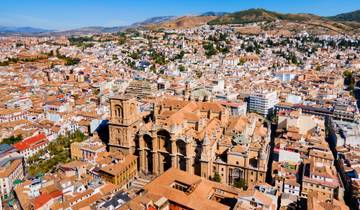
5 days
Granada: Crossroads of Arab and Christian Cultures
- ✓ Booking needs min. 2 travelers
Multi-day tour packages powered by TourRadar. Prices and availability subject to change.
Essential Planning Information 2026
Current Costs and Pricing Breakdown for 2026
Nerja Caves entrance costs €15 for adults in 2026, with the ticket including audio guide in multiple languages and access to the main galleries showcasing prehistoric paintings and spectacular stalactite formations. Check cuevadenerja.es for current official rates as pricing may vary seasonally. Children under 6 enter free, while youth ages 6-12 pay €10. The caves operate guided visit system with entry every 30 minutes, limiting daily visitors to preserve the delicate formations and prehistoric art.
Frigiliana remains free to explore, with no entrance fees for the historic Moorish quarter, viewpoints, or public spaces. The village monetizes tourism through shops, restaurants, and accommodation rather than attraction fees. However, the Casa del Apero ethnographic museum charges €1 entrance, while occasional exhibitions in the former convent space may charge €2-3. Most visitors never pay any fees in Frigiliana beyond meals and perhaps purchasing local products.
Beach facilities in Nerja operate concession system with sunbed and umbrella sets costing €12-18 per day depending on beach and season. The famous Burriana Beach charges premium rates €15-18 for front-row positions, while smaller coves like Calahonda offer €10-12 rates. Public beach access remains free everywhere, with visitors welcome to use their own equipment. Beach parking costs €5-8 per day at official lots near major beaches, though free street parking exists in residential areas requiring 10-15 minute walks.
Dining costs vary significantly between tourist areas and local neighborhoods. Tourist-focused restaurants around Balcón de Europa charge €15-25 for main courses, €8-12 for starters, and €3.50-5 for drinks. Local neighborhood restaurants offer menu del día lunch specials €12-15 including starter, main, dessert, and drink. Frigiliana’s restaurants range €14-22 for mains, with locally produced sweet wine costing €3-4 per glass. Supermarket shopping for self-catering runs €25-40 per day for two people eating breakfast and light meals at home.
Transportation between Málaga Airport and Nerja costs €8.50 per person one-way via direct Alsa bus, with return tickets available for slight discount at €16. The Nerja-Frigiliana local bus operates for €1.50 per trip, with 10-trip passes available for €12 providing savings for multiple visits. Taxis between Nerja and Frigiliana cost €12-15 one-way, useful for late evenings or when carrying beach equipment. Málaga Airport rental cars start at €25 per day for economy models, rising to €40-50 for air-conditioned vehicles recommended during summer months.
Transportation Options and Schedules for 2026
The Alsa bus company operates direct service from Málaga Airport to Nerja with departures every 1-2 hours throughout the day. The first bus leaves the airport at 7:30 AM, with the final departure at 10:00 PM, providing flexibility for various flight schedules. Journey time runs 90 minutes with stops in Rincón de la Victoria and Torre del Mar before reaching Nerja’s main bus station. Buses feature air conditioning, luggage storage, and comfortable seating, making this the most practical arrival option for travelers without cars.
From Málaga city center, buses depart the main bus station every 30-60 minutes from 6:30 AM to 11:00 PM, with journey time approximately 75 minutes. This service suits travelers staying in Málaga who want day trips to Nerja and Frigiliana. The route follows the coastal highway with spectacular Mediterranean views, particularly beautiful during late afternoon when sunlight illuminates the cliffs and whitewashed villages dotting the coastline.
Local buses connect Nerja and Frigiliana every 1-2 hours from 8:00 AM to 8:00 PM, with reduced frequency on Sundays and holidays. The journey takes 20-25 minutes climbing through agricultural landscapes and offering preview glimpses of Frigiliana’s dramatic hillside setting. Buses depart Nerja from the main bus station on Avenida de Pescia, with the Frigiliana stop located at the village edge requiring 5-minute walk uphill to the historic center. Return buses maintain similar schedule, with last departure from Frigiliana around 7:30 PM during summer, earlier in winter months.
Driving from Málaga Airport to Nerja takes 50-60 minutes via the A-7 coastal highway, a straightforward route well-signed for Almería and Nerja. The highway features modern infrastructure, minimal tolls, and spectacular coastal scenery, making it pleasant even for drivers unfamiliar with Spanish roads. Parking in Nerja concentrates in paid underground lots €12-18 per day or street parking with blue lines indicating metered zones €1-2 per hour. The drive from Nerja to Frigiliana winds through 15 minutes of mountain roads, narrow but well-maintained, ending at parking areas outside the historic quarter.
Train connections require transfer in Málaga city. High-speed AVE trains link Madrid to Málaga in 2.5 hours, while regional trains connect Granada (90 minutes), Seville (2 hours), and other Andalusian cities. From Málaga train station, travelers take urban bus to the main bus station or taxi for the bus connection to Nerja. This multi-leg journey takes 3-4 hours total from major cities, making direct bus from Málaga the simpler option for most travelers.
Best Time to Visit Nerja & Frigiliana 2026
Seasonal Analysis for 2026 Planning
Spring (April-May) delivers ideal conditions for experiencing Nerja and Frigiliana. Temperatures range 18-24°C, perfect for beach visits without the intensity of summer heat and comfortable for exploring Frigiliana’s steep streets and mountain walks. The countryside explodes with wildflowers, particularly spectacular in the Almijara foothills surrounding Frigiliana where poppies, wild orchids, and broom create colorful hillside displays. Easter week (April 13-20, 2026) brings Semana Santa processions with exceptional displays in both towns, though accommodation prices spike and advance booking becomes essential.
May offers particularly strong value with warm beach weather, extended daylight until 9:00 PM, and pre-summer pricing on accommodation and activities. The sea temperature reaches comfortable 18-20°C by late May, suitable for swimming without the crowds that arrive in June. Frigiliana celebrates its Tres Culturas festival in May, featuring medieval markets, traditional crafts, and cultural performances celebrating the village’s Christian, Muslim, and Jewish heritage. Restaurant terraces operate fully with perfect dining weather, and the blend of locals and moderate tourist numbers creates vibrant authentic atmosphere.
Summer (June-August) brings guaranteed beach weather but challenging heat and maximum crowds. July-August temperatures regularly exceed 32°C, making midday exploration of Frigiliana’s exposed hillside uncomfortable and limiting beach time to early morning or late afternoon. However, summer offers the most vibrant evening atmosphere with extended restaurant hours, beach bars operating until midnight, and weekly markets in both destinations. The famous Nerja Caves Festival runs July-August with concerts in the dramatic underground setting, while Frigiliana hosts outdoor cinema and live music throughout summer evenings.
Autumn (September-October) rivals spring as the optimal visit period. September maintains summer warmth 25-28°C while crowds diminish dramatically after August 15 when Spanish vacation season ends. The sea reaches peak temperature 23-25°C, ideal for extended swimming and water sports. October brings grape harvest in Frigiliana’s terraced vineyards, with opportunities to witness traditional winemaking and taste new vintage wines. Accommodation prices drop 30-40% compared to summer peaks while weather remains reliably sunny, creating exceptional value conditions.
Winter (November-March) offers quiet exploration and significant discounts but limited beach appeal. Temperatures 12-18°C suit hiking and cultural exploration, with Frigiliana particularly beautiful under winter light that emphasizes the brilliant white walls and terracotta roofs. The Nerja Caves maintain constant 19°C temperature year-round, making them equally appealing during winter. However, many beach bars close, some restaurants reduce hours, and you miss the outdoor dining experience central to Costa del Sol’s appeal. December brings Christmas markets and festive atmosphere, while January-February offer the lowest prices and most authentic local experience for travelers prioritizing cultural immersion over beach activities.
Weather Patterns and Crowd Predictions for 2026
Nerja and Frigiliana enjoy over 320 days of sunshine annually, with rainfall concentrated in November-February when Atlantic systems bring occasional storms. Even during winter, clear days predominate with rain falling during short intense periods rather than persistent drizzle. Summer months June-September see virtually no rainfall, guaranteeing beach weather but occasionally creating water shortages and fire risk in surrounding mountains. The Almijara mountains create localized weather patterns with Frigiliana sometimes experiencing afternoon clouds while Nerja’s coast remains sunny, and vice versa.
Wind patterns affect beach selection and comfort. The prevailing east wind (levante) blows frequently in spring and autumn, creating rough seas on east-facing beaches while west-facing coves remain calm. Burriana Beach, Nerja’s most popular, faces east and can experience uncomfortable wind conditions, while Calahonda and Carabeo beaches face west providing shelter. The wind actually benefits Frigiliana by creating pleasant breezes that moderate summer heat and make terrace dining comfortable even during July-August peaks.
Crowd patterns follow predictable rhythms. Spanish school holidays (Christmas, Easter, summer July-August) bring maximum domestic tourism with accommodation fully booked and beaches crowded throughout the day. International visitors peak June-September with northern European retirees particularly numerous during shoulder season spring and autumn. Frigiliana experiences day-tripper surges 11:00 AM-4:00 PM when tour buses from Málaga and Torremolinos arrive, with the village returning to tranquility by 5:00 PM when local character re-emerges.
The 2026 calendar creates specific planning opportunities. Easter week (April 13-20) delivers spectacular processions but requires booking 3-4 months ahead. May 1 Labor Day weekend sees Spanish domestic tourism spike. August 15 Assumption holiday marks peak crowds with accommodation impossible to find without advance booking. September 1-15 transitions from summer crush to pleasant shoulder season, often offering ideal conditions with summer weather but autumn pricing. Christmas week sees surprisingly strong occupancy with northern Europeans escaping winter cold, while January-February offer genuine low season with 40-50% discounts on published accommodation rates.
Budget Planning for 2026
Budget Traveler Strategy (€50-80 per day)
Budget travelers successfully experience Nerja and Frigiliana for €50-80 per person daily by combining smart accommodation choices with self-catering and strategic timing. Hostel beds in Nerja cost €18-28 per night, while basic studio apartments run €35-50 per night for two people (€17.50-25 per person). Frigiliana offers fewer budget options but Nerja’s accommodation serves both destinations given the €1.50 bus connection.
Food costs minimize through supermarket shopping and strategic restaurant timing. Breakfast provisions (bread, fruit, yogurt, coffee) cost €3-5 per person from supermarkets. Lunch menu del día specials in local neighborhoods offer three courses plus drink for €12-15, providing the main meal budget travelers need. Light self-catered dinners from supermarket ingredients run €5-8 per person, with occasional tapas bar visits budgeted at €15-20 including drinks. This approach provides varied dining while maintaining €25-35 daily food budget.
Free and low-cost activities fill budget itineraries effectively. Frigiliana exploration costs nothing beyond bus fare, with hours of wandering through historic streets, viewpoints, and gardens. Nerja’s beaches remain free with personal towels and umbrellas, while the Balcón de Europa viewpoint and old town exploration cost nothing. The €15 Nerja Caves entry represents the major paid attraction, justified by its significance and providing 2-3 hours of fascinating exploration. Coastal walks between beaches, mountain trails from Frigiliana, and sunset viewing cost nothing while delivering memorable experiences.
Mid-Range Traveler Strategy (€100-150 per day)
Mid-range travelers enjoy comfortable Costa del Sol experiences for €100-150 per person daily, balancing quality accommodation with diverse dining and full attraction access. Quality hotels and well-equipped apartments in Nerja cost €70-100 per night for doubles (€35-50 per person), often including pools, terraces with sea views, and central locations near beaches and restaurants. This budget enables staying in both Nerja and Frigiliana, experiencing different atmospheres.
Dining at mid-range level provides authentic Andalusian culinary experiences. Breakfast at hotel or local café costs €5-8, lunch at quality restaurants €15-22 for main courses plus drinks, and dinner €20-30 per person including appetizers, mains, wine, and desserts. This budget accesses fresh seafood at beach restaurants, traditional cuisine in Frigiliana’s historic quarter, and modern fusion restaurants in Nerja’s marina area. Weekly restaurant budget around €45-60 per day allows one excellent meal daily plus lighter second meal.
Activities include all major attractions plus guided experiences. The Nerja Caves €15 entry fits easily alongside beach equipment rental €12-18 per day, occasional water sports like kayaking €25-35, or e-bike rental €30 for day exploring mountain villages. Guided tours to remote beaches or mountain villages cost €45-65 per person, worthwhile occasional investments that provide local knowledge and access to places difficult to find independently.
Luxury Traveler Strategy (€200-350+ per day)
Luxury travelers experience Nerja and Frigiliana with premium accommodation, gourmet dining, and exclusive experiences for €200-350+ per person daily. Boutique hotels in converted historic buildings in Frigiliana cost €140-200 per night for superior doubles with private terraces and mountain views, while Nerja’s best properties along the Balcón de Europa or Burriana Beach charge €180-280 per night for sea-view rooms with spa facilities and fine dining restaurants.
Culinary experiences emphasize quality and variety. Multi-course tasting menus at Nerja’s top restaurants run €60-90 per person, showcasing creative interpretations of Andalusian ingredients and local seafood. Lunch at exclusive beach clubs costs €40-60 per person including premium sunbed access and cocktails. Wine appreciation focuses on local producers and Spanish regions, with bottles €30-80 at quality restaurants. Daily dining budget €100-150 per person accesses consistently excellent food in beautiful settings.
Private guides, exclusive experiences, and premium services define luxury visits. Private guided tours to Nerja Caves cost €200-300 for couples, providing access during quiet hours with expert archaeological interpretation. Boat charters for secluded cove exploration run €400-600 for half-day trips including lunch and water sports equipment. Helicopter transfers from Málaga cost €600-800, arriving in style while enjoying aerial views of Costa del Sol. Villa rentals with private pools and chef service range €300-500 per night, creating private retreats between cultural explorations.
Accommodation Strategies 2026
Nerja Accommodation Options for 2026
Nerja offers diverse accommodation suitable for every budget and travel style. The town divides into several distinct zones, each with advantages depending on priorities. The historic center around Balcón de Europa provides walking access to restaurants, beaches, and cultural attractions, but accommodation here commands premium prices €90-180 per night for quality hotels. The trade-off brings unmatched convenience and evening atmosphere, with tapas bars, ice cream shops, and ocean viewpoints steps from your room.
The Burriana Beach area offers direct beach access and modern resort atmosphere. Hotels and apartment complexes here range €70-150 per night with many featuring pools, beach views, and restaurant facilities. This zone suits beach-focused visitors and families wanting immediate sand access without daily walks or transportation. However, evening dining options cluster around beach bars and hotel restaurants rather than the variety available in the historic center, requiring €5-8 taxi rides or 20-minute walks for broader restaurant choices.
The residential neighborhoods like Parador and Carabeo areas provide quieter experiences with local character. Apartments and small hotels here cost €50-90 per night, offering better value than center locations while maintaining walking distance to beaches and restaurants (10-15 minutes). These areas feature supermarkets, local bakeries, and neighborhood restaurants where Spanish families eat, providing more authentic atmosphere than tourist zones. Street parking proves easier here, important for travelers with rental cars.
Budget travelers find hostels and basic apartments in areas slightly removed from the center. Hostels near the main bus station offer beds €18-28 per night, while simple studio apartments in residential buildings cost €40-70 per night for two people. These options require more walking to reach beaches and restaurants but provide functional bases for travelers prioritizing activities and dining experiences over accommodation quality. Book through Booking.com or Airbnb for verified reviews and flexible cancellation policies.
Frigiliana Accommodation Experience 2026
Frigiliana’s accommodation emphasizes character over quantity, with boutique hotels and converted historic houses providing unique stays unavailable in coastal resorts. Former merchant houses and convents transformed into hotels feature traditional Andalusian architecture: whitewashed walls, terracotta tiles, interior courtyards, and rooftop terraces with spectacular mountain and Mediterranean views. Rates run €80-140 per night for doubles, positioning Frigiliana as mid-range to luxury experience rather than budget option.
The accommodation concentration in the Moorish quarter means virtually all properties offer historic character and central location within the pedestrian zone. However, this creates practical challenges: narrow streets prohibit vehicle access, requiring guests to park in lots outside the quarter and walk 5-10 minutes carrying luggage uphill on cobblestones. Hotels usually offer luggage transport assistance, but mobility-impaired travelers should confirm access details before booking. The effort rewards you with stays in genuinely historic buildings where architectural details and atmosphere create memorable experiences.
Casa rural properties in the surrounding countryside provide alternative accommodation styles. These rural houses, often converted farmhouses, offer pools, mountain views, and parking convenience while maintaining proximity to Frigiliana (5-10 minute drives). Rates comparable to village center hotels €70-120 per night but with modern amenities, space, and privacy suitable for families or longer stays. This option requires a car but provides base for exploring multiple mountain villages beyond Frigiliana.
Staying overnight in Frigiliana versus day-tripping from Nerja represents key planning decision. Overnight stays provide evening and early morning experiences when day-trippers depart and the village reveals its authentic character. Sunset views from rooftop terraces, dinner at family-run restaurants without crowds, and dawn walks through empty whitewashed streets create different atmosphere than midday visits. However, Nerja offers better beach access, more restaurant variety, and easier transportation connections, making it more practical base for travelers wanting both coastal and mountain experiences during limited time.
Sample 2026 Itineraries
One-Day Combined Visit from Málaga
Departure from Málaga requires early start for maximizing the compressed timeline. Take the 7:30 AM bus from Málaga Airport (or 7:00 AM from city center) arriving Nerja 9:00 AM. Proceed directly to Nerja Caves, purchasing €15 tickets at the entrance and joining the 9:30 AM or 10:00 AM guided visit. The cave tour lasts 45 minutes, with additional time for the small museum and gift shop bringing total visit to 90 minutes. The caves open 10:00 AM, so early arrival from Málaga gets you ahead of later tour groups from coastal resorts.
Return to Nerja town center via the same bus that brought you to the caves or taxi €8-10 if preferring flexibility. Arrive town center 11:30 AM for quick exploration of Balcón de Europa viewpoint, taking photos of the dramatic coastal panorama and 18th-century balustrade. Walk through the adjacent historic streets browsing ceramics shops and pastelerías before catching the 12:00 PM or 1:00 PM bus to Frigiliana (€1.50, 25-minute journey).
Arrive Frigiliana 12:30-1:30 PM, entering the peak midday heat period. Navigate immediately to a restaurant with terrace dining and mountain views, ordering traditional Andalusian lunch: gazpacho or salmorejo €6-8, grilled sardines or mountain goat stew €14-18, local sweet wine €3-4, dessert €5-6. Lunch €25-35 per person including drinks. After the leisurely 90-minute meal, explore the Moorish quarter during the heat when many shops close for siesta, actually creating more atmospheric wandering without crowds or retail distractions.
Walk the main streets: Calle Real with its flower-decorated houses, the mirador viewpoint overlooking terraced vineyards, and the upper barrio alto quarter with the most dramatic hillside views. Photography enthusiasts should focus this time on architectural details and narrow street compositions, saving wider landscape shots for when returning toward the bus stop around 4:30-5:00 PM when light improves. Visit the Casa del Apero museum €1 for insight into traditional agricultural life, and browse the pottery workshops and craft shops that reopen after siesta around 4:00 PM.
Catch the 5:30 PM or 6:30 PM bus returning to Nerja, arriving with time for evening stroll along the Balcón de Europa or quick beach visit before the 8:00 PM or 9:00 PM return bus to Málaga. Alternatively, factor in dinner at a Nerja seafood restaurant before the final bus back, extending the day but providing more complete experience. Accommodation €0 (day trip). Nerja Caves €15, Frigiliana bus €1.50, lunch €25-35, dinner €20-30, Nerja-Málaga bus €8.50, snacks and drinks €8-12. Total day cost: €78-102 per person.
Three-Day Comprehensive Exploration
Day 1 – Nerja Coastal Discovery: Arrive via morning bus from Málaga Airport €8.50, checking into accommodation €60-120 per night. After settling, walk to Burriana Beach for afternoon swimming and first impressions of Costa del Sol’s transparent waters and dramatic cliff settings. Rent sunbed and umbrella €15-18 for comfort, or use personal towel for free beach access. Lunch at Burriana beach restaurant: paella €16-20, sangria €12 pitcher, water sports viewing and local atmosphere.
Afternoon explores the eastern beaches accessible via the Paseo de los Carabineros cliff path: Carabeo beach with its cove setting and casual dining, and further east the quieter Carabeillo cove. Each beach offers different character from bustling Burriana, with Carabeo particularly photogenic during afternoon light when sun illuminates the cliffs. Return to town center for sunset at Balcón de Europa, timing arrival 30 minutes before sunset to secure viewpoint position and watch the changing light across Mediterranean waters.
Evening centers on historic quarter dining. Start at a traditional tapas bar: El Pulguilla or Pata Negra for authentic local atmosphere, ordering small plates €3-6 each of grilled octopus, Iberian ham, local cheeses, and fried fish. Progress to a sit-down restaurant for main courses: La Marina for seafood, or Oliva for creative Mediterranean cuisine. Budget €35-50 per person for tapas, dinner, and drinks, experiencing the Spanish custom of extended evening dining progressing through multiple venues. Day 1 costs: Bus arrival €8.50, sunbed €15-18, lunch €15-20, dinner and tapas €35-50, accommodation €60-120. Total: €134-217 per person excluding accommodation, €194-337 including accommodation.
Day 2 – Nerja Caves and Frigiliana Village: Morning visits Nerja Caves on the 10:00 AM guided tour. Purchase tickets €15 and arrive 20 minutes early for optimal positioning in your tour group. The main gallery features spectacular formations including the tallest column in Europe and prehistoric paintings dating 42,000 years. Audio guides provided with ticket explain both geological formation and archaeological discoveries. After caves, the small museum covers local prehistory and the 1959 discovery story. Total visit time 2-2.5 hours.
Lunch near caves at mountain village restaurant Maro (3 km before Nerja), or return to Nerja for town center dining before the afternoon Frigiliana trip. Budget €15-22 for lunch main course plus drinks. Catch the 2:00 PM or 3:00 PM bus to Frigiliana €1.50, arriving during late afternoon light ideal for photography. The lower afternoon sun creates dramatic shadows in the whitewashed streets and illuminates mountain views without the harsh midday glare.
Explore systematically: Start at the lower Plaza de las Tres Culturas with its information center and stunning valley views. Walk up through Calle Real following the historic ceramic plaques that tell the story of the 1569 Moorish rebellion. Wind through the narrow streets photographing flower-decorated doorways and seeking the hidden corners that make Frigiliana special: tiny plazas with ancient fountains, ceramic workshops in converted stables, roof terraces glimpsed through iron gateways. Visit the molasses factory museum to understand the local industry heritage.
Stay for sunset from upper quarter viewpoints, watching golden light transform the whitewashed village and distant Mediterranean into spectacular color. Dinner at Frigiliana restaurant: Las Chimeneas or La Bodeguilla for traditional cuisine €18-25 mains, local sweet wine €3-4, mountain atmosphere and valley night views. Catch the 8:30 PM or 9:30 PM return bus to Nerja €1.50 (summer schedule, verify winter times). Day 2 costs: Caves €15, lunch €15-22, Frigiliana buses €3, dinner €25-35, accommodation €60-120. Total: €58-75 per person excluding accommodation, €118-195 including accommodation.
Day 3 – Beach Exploration and Departure: Final morning focuses on beaches not visited Day 1. Walk or drive to Maro-Cerro Gordo beaches east of Nerja, a spectacular protected area with crystal clear waters and dramatic geology. The Acantilados de Maro cliffs create coves and underwater caves popular with snorkelers and divers. Beach parking €6-8, or walk 30 minutes from Nerja Caves area. These beaches offer wilder character than Burriana, with less infrastructure but more natural beauty and better snorkeling.
Pack a beach picnic from Nerja supermarket €10-15 per person (gourmet items from delicatessen, fresh bread, local cheese, fruit, drinks) or lunch at basic beach bar serving grilled fish and salads €12-18. Swimming, snorkeling, and coastal walking fill the morning and early afternoon. For stronger swimmers and adventurers, kayak rental €25-30 enables exploring sea caves and remote coves inaccessible by land.
Return to Nerja mid-afternoon, shower and pack, with final activity depending on departure timing. Late afternoon/evening departures allow final tapas experience or shopping for local ceramics and products. Earlier departures might include brief historic center walk or last visit to favorite beach or viewpoint. Catch appropriate return bus to Málaga €8.50, with journey time 90 minutes factored into departure planning. Day 3 costs: Beach parking €6-8, lunch or picnic €12-20, kayak (optional) €25-30, return bus €8.50, accommodation €60-120. Total: €26.50-58.50 per person excluding accommodation, €86.50-178.50 including accommodation.
Three-Day Total Budget Summary: Transportation €20.50 (arrival bus, local buses, departure bus), caves €15, beach equipment €15-18, kayak (optional) €25-30, meals €102-160 (across three days), accommodation €180-360 (three nights at €60-120 per night). Total per person: €332.50-573.50 including accommodation, or €152.50-213.50 excluding accommodation for activities and meals only.
Money-Saving Tips for 2026
Accommodation Savings Strategies
Book accommodation 2-3 months ahead for shoulder season (April-May, September-October) to access early-bird discounts often 15-20% below standard rates. Last-minute booking works during genuine low season (January-February, November) when properties offer significant discounts to fill rooms, but summer and holiday periods require advance reservations at premium prices. Use Booking.com filters for free cancellation properties, allowing you to rebook if prices drop or plans change.
Consider apartment rental over hotels for stays exceeding 3-4 nights. Apartments with kitchens enable breakfast and light meal preparation, reducing dining costs €15-25 per person daily while providing space and local neighborhood experience. Weekly rates often discount 10-15% compared to daily pricing. Select apartments in residential neighborhoods rather than tourist center for better value and authentic character, accepting 10-15 minute walks to beaches and main restaurants.
Shoulder season months offer identical weather to peak summer with dramatically lower accommodation costs. Late May provides beach weather without June price premiums. September maintains swimming temperatures while rates drop 30-40% compared to July-August. These months also deliver better service and local interaction with restaurants and hotels operating at comfortable capacity rather than overwhelming summer rush that degrades experience while charging maximum prices.
Dining and Food Cost Reduction
The menu del día lunch special represents exceptional value throughout Spain. Available Monday-Friday at most traditional restaurants, these three-course meals with drink cost €12-15 versus €30-40 for equivalent à la carte dinner ordering. Make lunch your main meal, choosing restaurants in residential neighborhoods rather than tourist areas for better quality and lower prices. Dinner becomes light meal from supermarket ingredients or tapas bar hopping with shared small plates.
Supermarket shopping dramatically reduces costs for travelers willing to prepare some meals. Morning coffee and pastry at a café costs €4-6, but supermarket breakfast provisions run €2-3 per person. Picnic lunches assembled from local markets and supermarkets cost €6-10 per person versus €15-25 restaurant meals, while providing flexibility for beach dining and mountain walks. Evening salad and Spanish specialties from supermarket deli counter creates varied dining for €8-12 per person.
Tap water throughout Nerja and Frigiliana meets safe drinking standards, eliminating bottled water costs €2-3 per bottle in restaurants. Ask for “agua del grifo” or bring refillable bottles for beach and walking days. Wine purchases from supermarkets cost €3-8 per bottle versus €15-30 restaurant markups, enjoyable in apartments or for beach sunset watching. Local sweet wine from Frigiliana makes distinctive souvenir at €6-10 per bottle, far less than tourist shop prices.
Transportation and Activity Savings
The Málaga-Nerja bus costs €8.50 versus €80-100 taxi, providing comfortable air-conditioned transport with minimal time difference (90 minutes bus versus 60 minutes taxi). Book rental cars for weekly periods when possible, accessing rates €120-180 per week versus €30-45 daily pricing. Compare rental companies at Málaga Airport versus Nerja town locations, sometimes finding better weekly rates in town despite less convenient pickup.
Beach equipment rental fees accumulate quickly during multi-day stays. Purchase basic beach umbrella €8-12 and mats €5-8 from supermarkets or bazaar shops, using throughout your stay and leaving behind if desired or keeping for future travel. This investment breaks even after 1-2 days versus daily rental fees €12-18. Snorkeling equipment similarly worth purchasing for €15-25 versus €10-15 daily rentals if using multiple days.
Free activities provide substantial destination experience without cost. Frigiliana exploration costs nothing beyond bus fare, delivering hours of cultural immersion and photography. Coastal walks between Nerja beaches, mountain trails from Frigiliana, and sunset viewing from Balcón de Europa provide memorable experiences without fees. Many visitors report these free activities as their favorite memories, finding more value in wandering whitewashed streets or discovering hidden coves than in paid tours or attractions.
Booking Your 2026 Visit
Advance Booking Requirements for 2026
Nerja Caves do not require advance tickets except during peak summer weeks (mid-July through August) when daily visit quotas can fill by late morning. Most periods allow walk-up ticket purchase at the entrance, though arriving early (9:00-10:00 AM) ensures optimal tour group sizes and lighting conditions for viewing the formations. The caves website cuevadenerja.es offers advance online booking for €15.50 including small processing fee, worthwhile for summer visits or travelers with fixed schedules requiring specific entry times.
Accommodation booking timelines depend on season and property type. Budget hostels and apartments generally maintain availability except during Spanish holiday weeks (Easter, August, Christmas). Mid-range and upscale properties in Nerja require booking 6-8 weeks ahead for summer, 3-4 weeks for shoulder season. Frigiliana boutique hotels fill 2-3 months ahead during peak periods given limited inventory, with some properties requiring minimum 2-night stays during weekends and holidays. Last-minute availability exists during low season (November-March excluding Christmas) when properties discount rates to fill rooms.
Transportation between Málaga and Nerja does not require advance booking given frequent bus departures throughout the day. However, travelers arriving on late flights or with inflexible schedules should note final bus departures around 10:00-11:00 PM, with gaps requiring expensive taxi alternatives €80-100. The Alsa bus company website allows advance booking for small fee, guaranteeing seats during peak travel periods when buses can fill, particularly Friday evenings and Sunday returns.
Official Booking Channels for 2026
Book Nerja Caves tickets through the official website cuevadenerja.es or purchase at the entrance during visit. Avoid third-party “skip the line” tours charging premium fees €25-35 as the caves operate timed entry system regardless of booking method and standard €15 tickets provide same access without inflated pricing. The only exception involves private guided tours €200-300 for couples offering after-hours access or specialized archaeological focus, worth considering for serious history enthusiasts but unnecessary for typical visits.
Transportation bookings through Alsa (alsa.es) for Málaga-Nerja buses and local bus companies for Nerja-Frigiliana service. The websites offer advance booking though most travelers purchase tickets at bus stations without issues except during peak periods. Rental cars book through comparison sites like rentalcars.com or directly with major companies (Europcar, Hertz, Avis) at Málaga Airport, with advance booking 2-4 weeks ahead accessing better rates than last-minute rentals.
Accommodation books through Booking.com for verified reviews and flexible cancellation policies, or directly with small hotels and boutique properties via their websites for potential direct-booking discounts 5-10% below online travel agency prices. Frigiliana’s tourism office website visitfrigiliana.es lists all local accommodation with contact details and booking links. Always verify cancellation policies before booking, particularly important for summer and holiday periods when non-refundable rates offer discounts but eliminate flexibility.
Tour and Activity Bookings for 2026
Guided tours to Nerja and Frigiliana operate from Málaga and Torremolinos, typically combining both destinations in day-trip format. These tours cost €45-65 per person including transportation, Nerja Caves entry, and guided walking tour of Frigiliana, providing convenient option for travelers without cars or preferring structured experiences. However, the compressed timeline (typically 9:00 AM – 5:00 PM) limits spontaneous exploration and dining flexibility compared to independent travel. Book through established tour operators like Málaga Trip or local tourism offices for verified quality.
Water sports and activities in Nerja book at beach locations or through accommodation concierge services. Kayak rental, paddleboarding, and snorkeling equipment generally available walk-up without reservations except during peak August weeks. Scuba diving courses and guided dives require advance booking 3-7 days ahead for equipment preparation and instructor scheduling, with prices €60-95 for discover scuba experiences or €40-55 for certified divers’ guided dives to local wrecks and caves.
Food and wine experiences including cooking classes, wine tasting tours to Frigiliana wineries, and tapas walking tours book through specialized providers or tourism offices. These activities enhance cultural understanding and provide local interaction beyond independent exploration, with pricing €45-85 per person for half-day experiences. Advance booking 1-2 weeks ahead ensures availability, particularly for small-group experiences limited to 6-10 participants for quality instruction and interaction.
Practical Tips for Your 2026 Visit
Photography and Timing Guidance
Frigiliana photographs most beautifully during early morning (7:00-9:00 AM) and late afternoon (5:00-7:00 PM) when low sun angle creates dramatic shadows on whitewashed walls and golden light illuminates the hillside village against mountain backdrop. Midday sun washes out detail and creates harsh shadows unflattering for architectural photography. Overnight stays enable these optimal timing windows, while day-trippers from Nerja should plan late afternoon visits and use return buses after 7:00 PM for best light conditions.
The Balcón de Europa in Nerja offers spectacular sunset photography opportunities year-round, with viewing direction west across the Mediterranean providing unobstructed horizon. Arrive 30 minutes before sunset to secure position along the balustrade, as this popular viewpoint fills quickly during summer months. Sunset times vary from 6:15 PM in December to 9:30 PM in June, requiring seasonal adjustment to planning. Clear days provide classic sunset conditions, but partial cloud cover often creates more dramatic color displays.
Nerja Caves present specialized photography challenges with tripods prohibited for safety and visitor flow reasons. Modern smartphone cameras with night mode produce acceptable results in the illuminated galleries, while advanced cameras using manual settings can capture the spectacular formations with ISO 3200-6400 and wide apertures. The main column and prehistoric painting areas offer most impressive compositions, with cave lighting designed to enhance these features for visitor viewing and photography.
Cultural Etiquette and Local Customs
Spanish dining schedules differ significantly from northern European patterns and affect restaurant availability. Lunch service runs 1:30-4:00 PM with peak dining 2:00-3:00 PM, while dinner begins 8:30-9:00 PM and continues until 11:00 PM-midnight during summer. Restaurants in tourist areas accommodate earlier dining but local establishments strictly maintain traditional hours, closing kitchens between lunch and dinner service. Arriving for dinner at 6:00 PM finds restaurants closed or staff unprepared, though bars serve tapas continuously throughout afternoon and evening.
Siesta culture continues in Frigiliana and smaller towns despite diminishing in larger cities. Many shops close 2:00-5:00 PM for midday break, particularly family-run businesses and traditional retailers. Banks and government offices maintain these hours strictly. Tourist-oriented businesses in Nerja increasingly stay open continuously, but planning activities around siesta schedules prevents frustration when encountering closed shops during afternoon exploration. The siesta period actually offers pleasant wandering with minimal crowds and authentic local atmosphere as residents retreat indoors during peak heat.
Modest dress standards apply when visiting religious sites like the Church of Our Lady of Sorrows in Frigiliana, requiring covered shoulders and knees despite coastal resort context. Beach attire remains inappropriate for town center walking beyond immediate beach areas, with locals considering swimsuit shopping or restaurant visits disrespectful. Casual dress codes prevail for dining with shorts and sandals acceptable at most restaurants except upscale establishments requesting smart-casual evening attire.
Safety and Practical Considerations
Frigiliana’s steep cobblestone streets and staircases require appropriate footwear with good grip. Fashion sandals or smooth-soled shoes prove slippery on polished cobblestones, particularly after rain or morning dew. Athletic shoes or walking sandals with tread provide necessary traction for safe navigation of the hillside village. The vertical climb from lower parking areas to upper quarter accumulates 100+ meters elevation over short distance, challenging for visitors with mobility limitations or cardiovascular conditions.
Summer heat in both destinations reaches extreme levels requiring precautions. Midday temperatures July-August regularly exceed 35°C with intense sun exposure during beach and village exploration. Sunscreen SPF 30+ requires frequent reapplication, hats provide essential head protection, and hydration means drinking 3-4 liters water daily during active exploration. Heat exhaustion symptoms include dizziness, nausea, and confusion, requiring immediate movement to shade and rehydration. Most heat issues arise from inadequate water consumption combined with alcohol intake during beach days.
Petty theft targets tourists in Nerja’s crowded areas during summer months. Beach bags left unattended while swimming provide easy targets, while restaurant terraces near major viewpoints experience bag snatching from distracted diners. Simple precautions eliminate most risk: waterproof pouches for beach valuables, bags on laps rather than chair backs in restaurants, copies of passports rather than originals for daily carrying. Frigiliana experiences virtually no theft given small community where residents know each other and strangers remain visible.
Connectivity and Practical Infrastructure
WiFi coverage reaches high standards throughout Nerja and Frigiliana with most accommodations, restaurants, and cafés offering free access. Mobile coverage extends throughout both destinations and surrounding mountains on major Spanish networks. EU visitors roam without charges under European regulations, while international travelers should purchase Spanish SIM cards €15-25 with data packages rather than using expensive roaming. Vodafone and Orange maintain shops in Nerja’s commercial areas for card purchase and activation.
ATMs exist throughout Nerja with several machines in the historic center near Balcón de Europa. Frigiliana has two ATMs in the lower plaza area, sufficient for the small village but requiring planning for weekend visits when machines sometimes run empty. Most restaurants and shops accept cards, though small family businesses and market vendors prefer cash. Carry €50-100 cash for flexibility with small purchases, tips, and vendors not accepting cards. Spanish banks charge €2-5 per foreign ATM withdrawal, making larger withdrawals more economical than frequent small amounts.
Medical facilities in Nerja include a public health center for non-emergency care and private clinics for immediate attention. The nearest hospital operates in Vélez-Málaga 20 minutes west, with Málaga city hospitals 60 minutes away for serious emergencies. Pharmacies marked with green crosses provide over-the-counter medications and basic health consultation, with at least one pharmacy in Nerja maintaining 24-hour emergency service rotation. EU visitors use European Health Insurance Card for public healthcare access, while non-EU travelers should verify travel insurance coverage before needing medical services.
Frequently Asked Questions
Do I need to speak Spanish to visit Nerja and Frigiliana?
English reaches functional levels in Nerja’s tourist areas with hotel staff, main restaurants, and tour operators communicating effectively for standard tourism needs. However, Spanish remains primary language in local neighborhoods, traditional tapas bars, and shops catering to residents. Frigiliana operates more completely in Spanish with fewer English speakers than coastal Nerja, though younger residents and tourist-oriented businesses manage basic English communication. Learning essential Spanish phrases (greetings, numbers, food terms, directions) significantly enhances your experience and receives appreciative response from locals who value the effort regardless of grammatical accuracy.
Are Nerja and Frigiliana suitable for families with children?
Both destinations welcome families and provide age-appropriate activities. Nerja’s beaches feature calm waters in protected coves ideal for children’s swimming, with lifeguard services during summer months and beach equipment rental including children’s items. The Nerja Caves fascinate children with dramatic formations and prehistoric context, though the 45-minute guided tour requires attention span for ages 8+ to fully appreciate. Frigiliana’s steep streets and staircases challenge families with strollers, requiring baby carriers for infants and close supervision for active toddlers around drop-offs and staircases. The visual appeal of whitewashed streets and colorful flowers engages children, though the village offers limited play areas or specific children’s attractions beyond architectural exploration and ice cream shops.
Can you swim in the Mediterranean in winter at Nerja?
Sea temperatures at Nerja range 15-17°C during December-February, cold enough to deter most swimming though not impossible for cold-water enthusiasts or brief dips. Local swimmers and hardy tourists enter the water year-round, particularly during sunny winter days when air temperatures reach 18-20°C making the beach appealing despite cold water. Wetsuits enable comfortable extended swimming during winter for visitors interested in surfing or water sports. Most winter visitors enjoy beaches for walking, running, and sunbathing rather than swimming, with the temperature differential between air and water creating challenging conditions for casual beach bathing.
What’s the difference between visiting Nerja versus Marbella or Torremolinos?
Nerja maintains authentic Spanish resort character compared to heavily developed Marbella and Torremolinos. The town preserves low-rise architecture, traditional plaza atmosphere, and local population that continues year-round rather than existing primarily for tourism. Beaches in Nerja feature natural coves and cliffs versus the engineered sand beaches and high-rise seafronts dominating western Costa del Sol. Marbella offers luxury shopping and upscale dining beyond Nerja’s more modest infrastructure, while Torremolinos provides larger-scale nightlife and entertainment. Nerja appeals to travelers seeking quieter atmosphere, natural beauty, and cultural authenticity, accepting fewer international restaurants and shopping options in exchange for genuine Spanish coastal town experience.
How difficult is the walk between beaches in Nerja?
The Paseo de los Carabineros coastal path connecting Nerja’s main beaches involves moderate difficulty with sections requiring sure footing and reasonable fitness. The path runs along cliffs 10-30 meters above sea level, featuring stairs, narrow sections, and areas where path degrades to rocky trail. The complete walk from Burriana to Carabeo beaches takes 45-60 minutes with elevation changes and uneven surfaces requiring hiking shoes or sturdy athletic footwear. Families with young children and mobility-impaired visitors should use road access to individual beaches rather than attempting the coastal path. However, the spectacular coastal views and dramatic geology reward the effort for capable walkers, providing photo opportunities and swimming access to multiple beautiful coves during a single morning exploration.
Is Frigiliana worth visiting if you’ve seen other white villages?
Frigiliana distinguishes itself among Andalusia’s white villages through exceptional preservation, dramatic hillside setting, and accessibility from coastal areas. The Moorish quarter represents one of the purest examples of Islamic urban design remaining in Spain, with street layout and architecture unchanged since the 16th century. Unlike more remote white villages requiring mountain drives, Frigiliana combines with coastal beach destinations in single trips, creating convenient cultural addition to beach holidays. Villages like Ronda, Arcos de la Frontera, or Vejer each offer unique character, but Frigiliana’s combination of accessibility, architectural integrity, and photogenic setting justifies visits even for travelers experienced with Andalusian pueblo blanco destinations.
What local products should I buy in Nerja and Frigiliana?
Frigiliana’s sweet wine (vino dulce) made from sun-dried grapes represents the most distinctive local product, available from €6-15 per bottle depending on age and quality. The Ingenio honey cane factory produces molasses-based products unique to the region. Nerja offers hand-painted ceramics from local workshops, featuring traditional Andalusian designs on plates, tiles, and decorative items €15-80 depending on size and complexity. Regional food products worth purchasing include local olive oil €8-15 per liter, mountain honey from surrounding Almijara ranges €6-10 per jar, and cured meats from Frigiliana’s traditional producers. Avoid mass-produced souvenirs in tourist shops, seeking instead items from family workshops and local producers for authentic products supporting traditional crafts.
How does Nerja compare to other Costa del Sol destinations for retirement or long stays?
Nerja attracts significant expatriate retirement community, particularly northern Europeans drawn to climate, lower costs than western Costa del Sol, and Spanish rather than international character. The town offers healthcare facilities, international food options when desired, and established expat networks providing social integration while maintaining more authentic Spanish environment than Fuengirola or Torremolinos. Monthly costs for comfortable lifestyle run €1,200-1,800 for couples including rent €600-900 for quality apartments, food €300-450, utilities €100-150, entertainment €200-300. The climate provides year-round outdoor activity with minimal extreme weather, while proximity to Málaga Airport (60 minutes) enables European family visits. However, Nerja lacks the extensive expatriate services and English-speaking infrastructure of larger Costa del Sol towns, requiring Spanish language investment and adaptation to more traditional Spanish systems for bureaucracy and daily life.
Are there hiking trails accessible from Nerja and Frigiliana?
The Almijara mountain range behind Frigiliana offers extensive hiking trails ranging from gentle valley walks to challenging mountain summits reaching 1,800+ meters elevation. The Río Higuerón trail begins at Frigiliana’s edge, following a year-round stream through subtropical vegetation to mountain pools suitable for summer swimming, round-trip 8 kilometers with 300-meter elevation gain suitable for moderately fit hikers. More ambitious routes access the Maroma peak (2,068 meters), highest point in Málaga province, requiring full-day commitment and mountain experience. Nerja’s coastal trails provide easier walking along cliffs and coves, including the Maro-Cerro Gordo route combining coastal scenery with inland agricultural landscapes. Local tourism offices provide trail maps and guidance, while guided hiking tours operate year-round for €45-65 per person including transportation and expert leadership ensuring safe navigation of mountain terrain.
What festivals and events happen in Nerja and Frigiliana during 2026?
The Nerja Caves Festival runs July-August 2026 featuring classical music, flamenco, and jazz concerts in the spectacular underground setting. The Festival de las Tres Culturas in Frigiliana celebrates May 2026, recreating the village’s medieval period when Christian, Muslim, and Jewish populations coexisted, featuring historical markets, traditional crafts, period costumes, and cultural performances. Nerja’s Feria (town fair) typically occurs October bringing week-long celebration with fairgrounds, flamenco performances, traditional dress, and free-flowing wine creating authentic Spanish fiesta atmosphere. Both destinations celebrate Semana Santa (Easter Week, April 13-20, 2026) with elaborate religious processions featuring ornate floats, traditional music, and community participation creating profound cultural experience. Summer brings weekly evening markets in both towns June-September showcasing local crafts, food products, and entertainment creating pleasant social atmosphere for visitors and residents.