Nashville Food Guide: Best Restaurants and Local Cuisine
Nashville’s culinary identity extends far beyond Music City’s stages and honky-tonks, anchored instead in fiery hot chicken shacks, soul food cafeterias serving meat and three plates, and smoky barbecue joints that have defined Southern cooking for generations. The city’s food scene balances reverence for traditions dating to the 1930s with innovative chefs reimagining Southern ingredients through global techniques, creating a dining landscape where a $8 cafeteria plate and a MICHELIN-recognized tasting menu both represent authentic expressions of Nashville cuisine.
Key Takeaways About Nashville Food and Restaurants
- Hot Chicken Defines Nashville: Nashville hot chicken originated in the 1940s when Thornton Prince turned a revenge dish into the city’s signature food, characterized by cayenne-powered spice coating applied to pressure-fried chicken and served on white bread with pickles
- Meat and Three Represents Southern Soul Food: The meat and three tradition—choosing one protein and three vegetable sides from a cafeteria line—traces its roots to Nashville’s May Hosiery Mill employee cafeteria in the 1930s and remains the city’s most authentic home cooking experience
- West Tennessee Barbecue Style Dominates: Nashville barbecue centers on hickory-smoked pulled pork and dry-rubbed ribs prepared in the West Tennessee tradition, distinct from Memphis sauce-heavy style and East Tennessee vinegar-based approaches
- Farm-to-Table Movement Transformed Fine Dining: The arrival of restaurants like Husk in 2013 established Nashville as a farm-to-table center, with chefs sourcing ingredients from Middle Tennessee farms and elevating Southern vegetables to star status
- Neighborhood Dining Districts Shape Food Culture: Each Nashville neighborhood cultivates distinct culinary character—East Nashville champions innovative independent restaurants, The Gulch houses upscale barbecue and fine dining, Germantown preserves historic meat and threes, and 12 South blends tradition with contemporary concepts
- MICHELIN Recognition Validates Culinary Excellence: Nashville’s inclusion in the MICHELIN Guide American South recognizes the city’s evolution from regional Southern cuisine hub to internationally recognized dining destination where innovation and tradition coexist
People Also Ask About Nashville Food
What makes Nashville hot chicken different from regular fried chicken?
Nashville hot chicken distinguishes itself through a cayenne-based spice paste applied to the chicken immediately after frying while still oil-coated, allowing the spices to adhere and penetrate rather than sitting on top like a dry rub. The traditional preparation involves marinating chicken in buttermilk, pressure-frying until crispy, then brushing with a paste made from cayenne pepper, brown sugar, garlic powder, and the frying oil itself. This creates simultaneous heat and flavor rather than just burning sensation, with spice levels ranging from mild “Southern” style to extreme heat that requires signed waivers at some establishments. The classic presentation serves the chicken on plain white bread with dill pickle chips, which help cut through the heat and oil. Unlike Buffalo wings or other spicy chicken preparations that use sauce, Nashville hot chicken’s spice coating becomes part of the crispy exterior itself.
What is a meat and three meal in Nashville?
A meat and three meal consists of choosing one protein—typically fried chicken, meatloaf, pot roast, country-fried steak, or fried catfish—plus three vegetable sides from a cafeteria-style line, served on a partitioned plate with cornbread or a yeast roll. The term originated in Nashville and represents traditional Southern home cooking served in a cafeteria format. Vegetable options include both true vegetables like collard greens, green beans, and fried okra, plus Southern staples considered “vegetables” such as macaroni and cheese, mashed potatoes, and spaghetti. The meal almost always includes sweet tea and often concludes with classic Southern desserts like chess pie, banana pudding, or meringue-topped cream pies. Prices typically range from affordable cafeteria-style rates, making meat and three restaurants accessible daily lunch destinations for working Nashvillians rather than special occasion dining.
Which Nashville neighborhoods have the best food scenes?
East Nashville leads Nashville’s independent restaurant innovation with the highest concentration of chef-driven concepts, vintage meat and threes, and experimental kitchens blending international cuisines with Southern ingredients, particularly concentrated around Five Points and along Gallatin Pike. The Gulch anchors upscale dining with award-winning barbecue at Peg Leg Porker, fine dining establishments, and modern interpretations of Southern cuisine in a walkable district near downtown. Germantown preserves historic food traditions with classic meat and three joints alongside contemporary restaurants occupying renovated brick buildings, maintaining authenticity while embracing evolution. The 12 South neighborhood balances beloved institutions like Edley’s Bar-B-Que with newer concepts, creating a dining corridor that represents both Nashville’s culinary heritage and its contemporary direction. Downtown and SoBro cater heavily to tourists but house legitimate hot chicken destinations and Broadway honky-tonks serving Southern comfort food alongside live music.
What restaurants should first-time visitors try in Nashville?
First-time visitors should experience Prince’s Hot Chicken Shack to taste the original hot chicken at its birthplace, ordering medium heat level initially as Nashville spice scales run significantly hotter than most cities expect. Arnold’s Country Kitchen in the Gulch represents quintessential meat and three dining with a cafeteria line of Southern classics including fried chicken, vegetables cooked in traditional styles, and towering meringue pies. For barbecue, Edley’s Bar-B-Que offers accessible locations in popular neighborhoods like 12 South and East Nashville with comprehensive menus spanning pulled pork, brisket, and sides. Husk Nashville demonstrates contemporary Southern fine dining using exclusively regional ingredients and elevating vegetables to equal status with proteins. These four restaurants collectively represent Nashville’s core culinary identity—hot chicken tradition, soul food heritage, barbecue culture, and farm-to-table innovation—providing comprehensive introduction to Music City’s distinctive food landscape.
Extended multi-day tours – 5+ days
Featured South Usa Multi-Day Tour Packages
10 days
Rhythms of the Road
- ✓ Comprehensive South Usa tour
- ✓ Expert local guides included
- ✓ All accommodation arranged
- ✓ Transportation provided
5 days
Highlights of New Orleans
- ✓ Comprehensive South Usa tour
- ✓ Expert local guides included
- ✓ All accommodation arranged
- ✓ Transportation provided

14 days
Best of the South: Charleston to New Orleans
- ✓ Comprehensive South Usa tour
- ✓ Expert local guides included
- ✓ All accommodation arranged
- ✓ Transportation provided

14 days
The American South
- ✓ Comprehensive South Usa tour
- ✓ Expert local guides included
- ✓ All accommodation arranged
- ✓ Transportation provided
Multi-day tour packages powered by TourRadar. Prices and availability subject to change.
Introduction to Nashville Cuisine and Food Culture
Nashville’s food culture developed through the convergence of African American culinary traditions, rural Southern home cooking, and working-class cafeteria economics, creating signature dishes and dining formats that exist nowhere else in American cuisine. The city’s three pillars—hot chicken, meat and three, and West Tennessee barbecue—emerged from practical origins: hot chicken from a 1940s relationship gone wrong, meat and three from Depression-era mill worker lunches, and barbecue from agricultural necessity to preserve pork. These traditions survived Nashville’s transformation from regional Southern city to international destination not through museum preservation but through continuous operation in family-owned restaurants where third and fourth generations still prepare recipes according to methods established decades before tourism discovered them.
The contemporary Nashville food scene maintains this foundation while expanding dramatically through immigration, population growth, and chef talent attracted by the city’s creative culture and affordable restaurant launch costs compared to coastal cities. Neighborhoods like East Nashville and Germantown function as culinary laboratories where young chefs experiment with Southern ingredients through techniques learned in prestigious kitchens nationwide, while established institutions like Elliston Place Soda Shop continue serving the same fried chicken and hand-dipped milkshakes since 1939. This tension between preservation and innovation defines modern Nashville dining—a city where a 70-year-old meat and three operates across the street from a Japanese omakase speakeasy, both thriving by serving their respective cuisines with uncompromising authenticity.
Nashville’s recognition in the MICHELIN Guide represents external validation of what locals have known for generations: the city produces exceptional food across all price points and culinary traditions. The same standards of ingredient quality, cooking technique, and hospitality apply whether experienced at a $9 cafeteria lunch or a $200 tasting menu. This democratic approach to culinary excellence—the belief that a perfectly executed meat and three deserves equal respect as elevated fine dining—characterizes Nashville’s food culture more than any single dish or restaurant. Understanding Nashville cuisine requires abandoning hierarchies that privilege expensive over affordable, contemporary over traditional, or innovative over time-honored, embracing instead the city’s conviction that all honest cooking executed with skill and care merits celebration.
Nashville Hot Chicken: History and Essential Restaurants
Nashville hot chicken originated in the 1940s when Thornton Prince’s girlfriend attempted to punish his philandering by loading his fried chicken with excessive cayenne pepper and spices, only to discover he loved the fiery result and shared it with his brothers, eventually opening Prince’s Hot Chicken Shack. This origin story, widely accepted though impossible to verify, established hot chicken as Nashville’s most distinctive culinary contribution and launched a tradition that evolved from a single Black neighborhood restaurant to global phenomenon. The original preparation method—marinating chicken pieces in buttermilk or seasoned liquid, coating in seasoned flour, pressure-frying in lard or oil, then applying a cayenne-based paste while still hot—remains largely unchanged across Nashville’s hot chicken establishments, though individual restaurants guard their specific spice blend ratios and frying techniques as closely held secrets.
Prince’s Hot Chicken Shack continues operation as a family business nearly 80 years after Thornton Prince created the dish, now located in a larger suburban building that replaced the original cramped shack but maintains authentic preparation methods and spice levels that make even “medium” heat challenging for most palates. The restaurant operates on a first-come basis with no reservations, expecting waits during peak hours as customers order from a simple menu of chicken quarters, wings, or tenders served on white bread with pickle chips. Prince’s spice scale runs from “mild” through “medium,” “hot,” and “extra hot,” with regulars reporting that Prince’s medium equals maximum heat at most other establishments and extra hot borders on inedible for all but the most devoted spice enthusiasts.
Hattie B’s Hot Chicken democratized hot chicken access starting in 2012 with a streamlined ordering system, clearly labeled heat levels, and locations in high-traffic neighborhoods frequented by tourists and newcomers. The restaurant’s spice scale ranges from “Southern” (no heat) through “Mild,” “Medium,” “Hot,” “Damn Hot,” and “Shut the Cluck Up” (extreme), allowing customers to choose appropriate intensity rather than suffering through traditional establishments’ aggressive default spicing. Hattie B’s expanded to multiple Tennessee cities and beyond while maintaining consistent quality and generous portions, making it simultaneously criticized by purists as commercialized hot chicken and praised by advocates as introducing the tradition to broader audiences. The sides—particularly pimento mac and cheese and red beans and rice—achieve equal acclaim as the chicken itself, representing Southern soul food traditions executed with the same care as the signature dish.
Bolton’s Hot Chicken and Fish represents old-school Nashville hot chicken culture with a no-frills East Nashville location, simple menu, and spice levels that deliver genuine heat when ordered. The restaurant distinguishes itself through hot fish preparation applying the same spice treatment to fried whiting or catfish, creating what locals consider superior to the chicken and earning devoted following among Nashville residents. Bolton’s operates with minimal atmosphere—a takeout window, worn tables, and straightforward service—putting all emphasis on the food itself. The spice application uses dry rub rather than wet paste, producing different heat distribution that some prefer for its direct cayenne impact. Founded by Dollye Bolton Matthews and Bolton Matthews Sr., the restaurant experienced family splits and ownership changes but maintains reputation for legitimate heat that doesn’t compromise for tourists expecting mild American “spicy” rather than authentic Nashville fire.
Red’s 615 Kitchen earned rapid acclaim since opening near the Parthenon by combining hot chicken excellence with innovative preparations like the cult-favorite hot chicken crunchwrap, which wraps spicy tenders with comeback sauce and pimento mac and cheese inside a griddled flour tortilla. The restaurant’s approach balances tradition with creativity—the chicken itself follows classic preparation methods with proper brining and spice application, but serving formats expand beyond the standard bread-and-pickles presentation. Red’s 615 operates from a walk-up window with outdoor seating, creating casual atmosphere appropriate for hot chicken’s working-class origins while executing the dish with chef-driven precision. The restaurant’s proximity to Springwater Supper Club and Lounge, Nashville’s oldest bar, creates natural pairing for those seeking beer to accompany their spicy meal.
400 Degrees distinguishes itself through deep-frying rather than pressure-frying, creating different texture in the chicken coating and allowing more precise control over the cayenne spice paste application. Owner and chef Aqui Hines developed a following at the original downtown food court location before relocating to a larger space on Clarksville Pike, maintaining quality and heat levels throughout the move. The restaurant’s numerical heat scale—100, 200, 400, and 800 degrees—provides clearer indication than subjective terms like “hot” or “extra hot,” with 400 degrees roughly equivalent to Prince’s hot and 800 degrees entering extreme territory requiring genuine capsaicin tolerance. The deep-frying method produces exceptionally crispy coating that shatters when bitten, with juicy meat underneath that benefits from the extended brining process Hines employs.
Moore’s Hot Chicken operates as essentially a one-person show where owner Andre Prince Moore (descended from the Prince family) personally prepares each order, resulting in potential waits but ensuring absolute consistency and traditional preparation. The small operation maintains hot chicken’s original scale and approach—simple menu, straightforward service, uncompromising heat levels, and focus entirely on the chicken rather than sides or atmosphere. Moore’s reputation for gruff but caring service reflects old-school Nashville restaurant culture where food quality matters more than contemporary hospitality conventions, creating authentic experience of hot chicken as it existed before tourist discovery transformed it into marketed attraction.
Party Fowl represents contemporary hot chicken evolution with multiple locations, expanded menus including hot chicken and waffles, hot chicken nachos, and hot chicken beignets, plus full bar service creating lively atmosphere distinct from traditional shacks. The restaurant’s approach prioritizes accessibility and fun over strict adherence to hot chicken tradition, offering spice levels from “Southern Fried” (no heat) to “Poultrygeist” (extreme) plus “Not Hot Chicken” menu options for groups including non-spice-tolerant members. This commercial approach draws criticism from purists but serves practical function of introducing hot chicken to broader audiences while maintaining quality chicken preparation and legitimate heat for those seeking it.
The Meat and Three Tradition: Southern Cafeteria Culture
The meat and three meal format originated in Nashville’s May Hosiery Mill employee cafeteria during the 1930s Depression era, where workers could purchase a complete lunch—choice of meat, three vegetable sides, bread, and beverage—for 25 cents, establishing both the format and the term that spread throughout the South. The concept reflects practical economics of Southern home cooking: preparing large quantities of a few items daily allows small restaurants to offer variety, quality, and value impossible through made-to-order models. Meat and three restaurants operate on cafeteria lines where customers view steaming trays of that day’s offerings, select their protein and sides, receive the meal on a partitioned plate, and proceed to simple dining rooms with paper napkins and sweet tea pitchers on every table.
Arnold’s Country Kitchen in the Gulch stands as Nashville’s most celebrated meat and three, earning national media attention from shows like “Diners, Drive-Ins and Dives” while maintaining authenticity through third-generation family operation and unchanging preparation methods. The restaurant operates lunch-only service with a cafeteria line displaying the day’s selections—typically four meat options and twelve to fifteen vegetable sides—on a steam table where customers make selections while staff provides recommendations and describes preparations. Arnold’s signature dishes include exceptionally moist fried chicken achieved through proper buttermilk marination and temperature-controlled frying, tender roast beef swimming in pan gravy, and vegetables prepared in traditional Southern styles with appropriate amounts of butter, bacon drippings, or cream. The restaurant briefly closed in 2023 before reopening under the founder’s son, maintaining the original recipes including the legendary chicken and dressing that locals compare favorably to family Thanksgiving preparations.
Swett’s Restaurant represents African American soul food traditions in the meat and three format, operating since the mid-20th century with recipes and techniques passed through generations of the Swett family. The restaurant occupies a standalone building with ample parking and two dining rooms, accommodating the steady lunch crowds drawn by consistently excellent fried chicken, fork-tender oxtails, and vegetables seasoned with the proper balance of salt, pepper, and pork flavoring traditional to Black Southern cooking. Swett’s approach emphasizes generous portions, reasonable prices, and welcoming hospitality that makes solo diners and large family groups equally comfortable. The dessert selection includes classic Southern options like sweet potato pie, peach cobbler, and banana pudding made in-house daily.
Elliston Place Soda Shop combines vintage 1950s atmosphere—vinyl booths, black-and-white checkered floor, working soda fountain—with legitimately excellent meat and three cooking that has survived seven decades of Nashville dining trends. The restaurant’s location near Vanderbilt University and Centennial Park creates diverse customer base ranging from construction workers and university staff to students and tourists, all ordering from the same cafeteria line displaying traditional Southern plates. Elliston Place’s meatloaf achieves legendary status among Nashville meat and three enthusiasts for proper seasoning, moist texture from appropriate fat ratio, and tangy glaze topping, often selling out before 1 PM on busy days. The soda fountain still prepares hand-dipped milkshakes, phosphate sodas, and old-fashioned ice cream floats using vintage equipment and classic recipes, creating dessert options that complement rather than compete with the homemade pies.
Wendell Smith’s Restaurant has operated in The Nations neighborhood since 1952 with minimal changes to either building or cooking methods, creating time-capsule atmosphere where well-worn booths, simple décor, and rotating daily menus transport diners to mid-century Nashville. The restaurant functions on a daily rotation system where Monday’s offerings differ from Tuesday’s, encouraging regular customers to visit multiple times weekly to experience the full menu range. Wendell Smith’s excels at fundamental Southern home cooking—properly fried chicken with shatteringly crisp coating and juicy meat, slow-cooked pot roast that falls apart with fork pressure, and vegetables prepared without shortcuts or modern health-conscious modifications that would compromise traditional flavors. The breakfast menu operates with equal commitment to classic preparations, serving country ham with red-eye gravy, biscuits made from scratch, and grits cooked long and slow with appropriate butter enrichment.
Sylvan Park Restaurant exemplifies neighborhood meat and three establishments that serve local residential communities with consistent quality and reasonable prices, operating in a simple building with plastic partitioned plates and mostly female serving staff reflective of traditional Southern restaurant culture. The restaurant’s approach emphasizes straightforward execution of daily selections—no fusion experiments, no contemporary twists, just properly prepared fried catfish, country-fried steak, pulled pork, and seasonal vegetables cooked in styles that would be recognizable in any Southern grandmother’s kitchen. Sylvan Park’s fried chicken receives particular praise for appropriate seasoning in the breading, proper frying temperature creating golden exterior without greasiness, and timing that ensures juicy interior meat. The vegetable selection rotates based on seasonal availability, with summer bringing fresh corn cut from cobs, butter beans, sliced tomatoes, and fried squash, while winter features turnip greens, sweet potato casserole, and cabbage slow-cooked with ham hock.
The Centennial Café operates in a cinderblock building with office cafeteria furniture and absolutely no décor, putting all emphasis on the food emerging from the steam table and the remarkably low prices that seem frozen in an earlier economic era. The restaurant’s fried chicken achieves proper seasoning and shattering crispness, the meatloaf servings occupy half the partitioned plate, and the coleslaw follows proper mayonnaise-based tradition rather than vinegar style. Centennial’s obscure industrial area location means primarily local regular customers rather than tourists, creating authentic meat and three atmosphere where servers know customers by name and orders by habit. The limited hours—lunch only, weekdays only—reflect traditional meat and three operations designed around working people’s schedules rather than all-day contemporary restaurant service.
Silver Sands Restaurant has served soul food in the meat and three format for over 70 years with third-generation family operation maintaining original recipes and preparation methods, despite the restaurant’s weathered exterior and aged signage. The menu emphasizes African American Southern cooking traditions with options including pig feet, oxtails, fried chicken, pork chops, and extensive vegetable selections prepared with appropriate pork seasoning and long cooking times. Silver Sands represents the soul food side of Nashville’s meat and three tradition, distinguished from country cooking style by specific seasoning preferences, cooking techniques, and dish selections that reflect African American culinary heritage.
City Cafe operates lunch-only service Wednesday through Friday in a Spence Lane location, technically serving “meat and two” plus a complimentary Cajun corncake rather than traditional “meat and three,” but the format and cooking quality justify inclusion in Nashville’s cafeteria tradition. The restaurant’s slow-cooked roast beef, properly prepared deviled eggs, and unexpectedly excellent tortilla soup demonstrate range beyond standard meat and three offerings while maintaining the fundamental approach of daily preparation, cafeteria service, and home-style cooking.
Nashville Barbecue: West Tennessee Style and Local Variations
Nashville barbecue follows West Tennessee traditions centered on hickory-smoked pulled pork shoulder and dry-rubbed ribs, distinct from Memphis’s sauce-heavy approach and East Tennessee’s vinegar-based preparations, though the city’s restaurants increasingly incorporate influences from Texas brisket culture and Carolina whole-hog methods. The classic Nashville barbecue preparation involves smoking pork shoulder over hickory wood for 12 to 24 hours until the meat achieves proper bark exterior and pulls apart with minimal resistance, then either serving it chopped with sauce options or allowing customers to apply sauce according to preference. Dry-rubbed ribs receive similar smoking treatment with spice blend applied before cooking rather than sauce added during or after, creating caramelized exterior called bark that barbecue enthusiasts prize as highly as the tender meat underneath.
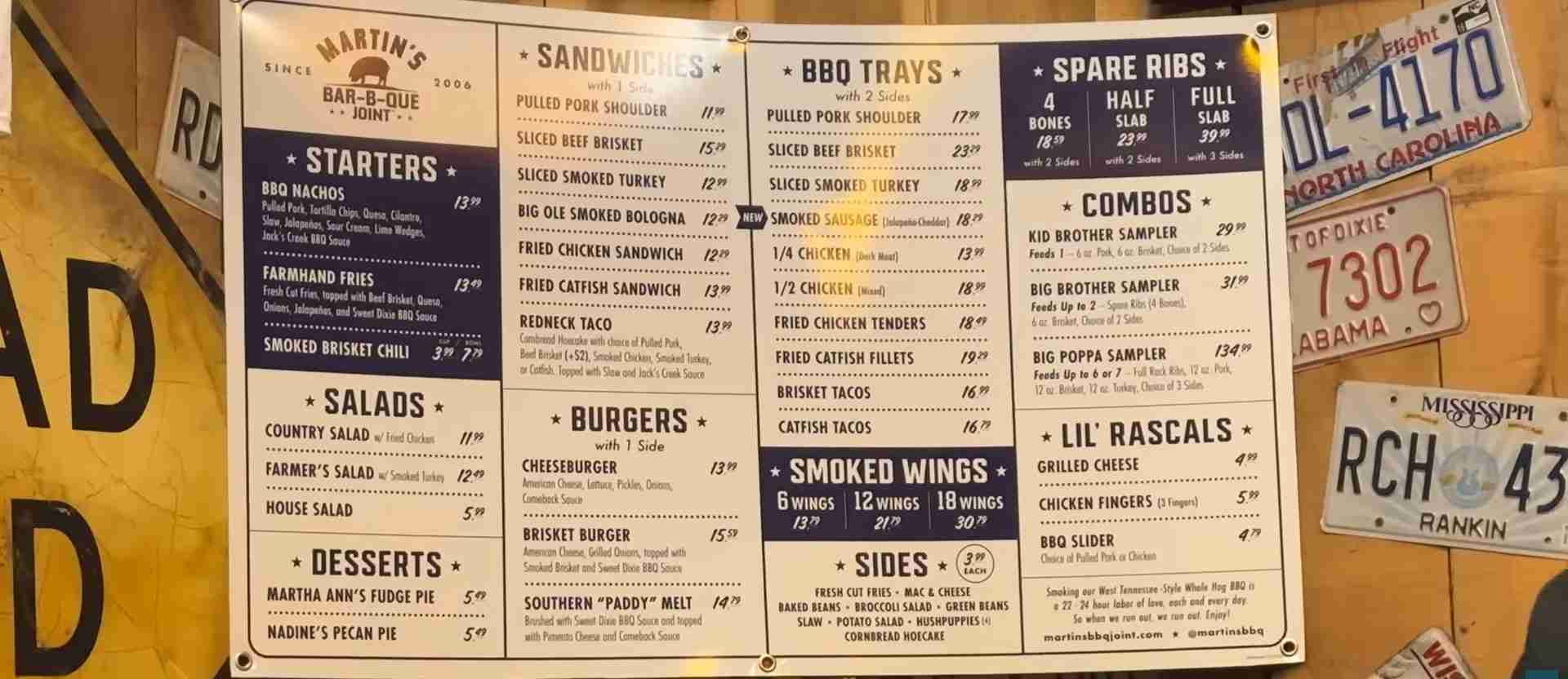
Martin’s Bar-B-Que Joint represents traditional West Tennessee whole-hog barbecue translated to Nashville’s restaurant scene, with pitmaster Pat Martin smoking whole hogs over local hickory wood for 22 to 24 hours before hand-pulling the meat. The restaurant’s commitment to whole-hog preparation rather than just pork shoulder creates different flavor and texture profile, incorporating meat from various parts of the pig including lean loin sections, fatty belly portions, and crispy skin pieces all mixed together. Martin’s operates multiple Nashville locations including SoBro, Elliston Place, and Belmont Boulevard, plus expansion throughout Tennessee and neighboring states. The menu extends beyond pulled pork to include West Tennessee-style ribs with proper dry rub, smoked chicken, and classic Southern sides like white beans, slaw, and hushpuppies. Martin’s sweet tea follows proper Southern preparation with sufficient sugar to create borderline syrup consistency that balances the smoky, savory barbecue.
Edley’s Bar-B-Que has become Nashville’s most popular barbecue chain since opening the original 12 South location in 2011, expanding to East Nashville’s Five Points, Sylvan Park, and beyond while maintaining consistent quality across locations. The restaurant’s approach combines traditional low-and-slow smoking methods with creative menu items like tacos, wings, and the locally famous “Tuck Special” sandwich. Edley’s smokes brisket, pulled pork, ribs, turkey, and chicken over hickory and oak, offering meat by the pound or in platter combinations with sides. The restaurant environment balances casual barbecue joint aesthetics with polished service and extensive beer selections, creating spaces equally appropriate for quick takeout and extended dining. Edley’s launched “Nashville-Style BBQ” as a defined barbecue category, combining traditional smoking methods with Music City’s hot chicken spice influences to create a new regional variation.
Peg Leg Porker occupies a prominent Gulch location with owner and pitmaster Carey Bringle personally overseeing smoking operations despite losing his leg to cancer as a teenager. The restaurant’s name references Bringle’s prosthetic leg while the menu focuses primarily on dry-rubbed ribs and pulled pork, though half chicken and sausage options provide alternatives. Peg Leg Porker’s ribs receive particular acclaim for proper bark development, meat tenderness that pulls cleanly from the bone without falling off prematurely, and seasoning that enhances rather than overwhelms the pork flavor. The restaurant’s signature whiskey program includes Peg Leg Porker bourbon created in collaboration with a Tennessee distillery, designed specifically to complement smoked meats. The space maintains no-frills barbecue joint atmosphere despite Gulch’s upscale surroundings, prioritizing food quality over décor while offering patio seating for Nashville’s frequent pleasant weather days.
Central BBQ brought Memphis-style hickory and pecan wood smoking to Nashville’s Capitol View area in the Gulch, using dry rub preparations and providing sauce on the side rather than integrated into the meat. The restaurant, originally from Memphis, maintains that city’s barbecue traditions while adapting to Nashville’s dining scene through expanded hours, beer selections, and menu items beyond strict Memphis offerings. Central BBQ’s ribs demonstrate proper Memphis dry rub technique with spice blend creating caramelized exterior during the smoking process, while pulled pork achieves appropriate tenderness and smoky flavor from extended cooking time. The sides follow Southern barbecue tradition with baked beans incorporating meat drippings, creamy coleslaw providing cool contrast to smoked meats, and cornbread serving as proper accompaniment.
Shotgun Willie’s in The Nations neighborhood serves Texas-style barbecue with particular emphasis on brisket preparation, bringing Lone Star State techniques to Nashville through owner and pitmaster Bill LaViolette’s Texas background. The restaurant distinguishes itself by executing authentic Texas brisket—smoking for extended periods until proper smoke ring develops and the meat achieves the desired balance between crusty bark exterior and tender, fatty interior—while also preparing Tennessee-style pulled pork shoulder to appeal to local preferences. Shotgun Willie’s massive outdoor patio ranks among Nashville’s largest restaurant outdoor spaces, equipped with bar, picnic tables, lawn chairs, cornhole games, and televisions, creating family-friendly and pet-friendly environment appropriate for extended dining sessions. The space functions particularly well during Nashville’s temperate spring and fall seasons when outdoor dining becomes preferred over indoor seating.
Edley’s cousin concept Bringle’s Smoking Oasis, also owned by Carey Bringle of Peg Leg Porker, offers West Texas-style barbecue with rotating menus and limited Wednesday-through-Sunday hours. The restaurant’s outdoor setup with picnic tables, lawn games, and big screens creates backyard barbecue atmosphere elevated through professional smoking techniques and curated sides like street corn, cowboy beans, and creative potato salad variations. Bringle’s rotating menu approach allows experimentation with different cuts, preparations, and sides beyond the fixed offerings required at Peg Leg Porker’s high-volume Gulch location.
HoneyFire BBQ in Bellevue represents family-owned neighborhood barbecue operations serving local residential communities with consistent quality and Southern hospitality. The restaurant’s burnt ends—the flavorful, caramelized pieces from brisket point sections—and smoked bologna sandwich achieve particular local acclaim, demonstrating range beyond standard pulled pork and ribs. The modern dining room and wraparound porch provide comfortable seating, while desserts like peanut butter banana pudding offer creative twists on classic Southern sweets.
Puckett’s Grocery brought its Leiper’s Fork roots to downtown Nashville near Broadway, serving Memphis-style barbecue alongside live music in a space that combines restaurant, general store, and music venue functions. The restaurant’s 18-hour smoking process produces properly tender pulled pork and ribs, while the tourist-friendly Broadway location makes it accessible destination for visitors exploring downtown Nashville. Puckett’s expanded to multiple Tennessee and Alabama locations while maintaining focus on barbecue quality and live music programming that reflects Nashville’s dual identity as both food and music city.
Contemporary Fine Dining and Farm-to-Table Movement
Husk Nashville launched in 2013 as chef Sean Brock’s first expansion from his Charleston original, immediately establishing Nashville as a serious farm-to-table destination through rigid commitment to sourcing all ingredients from the South and elevating traditional preparations through professional technique. The restaurant’s influence extended beyond its own success to validate Nashville as a city where talented chefs could build national reputations, encouraging other ambitious culinary professionals to relocate or launch concepts in Music City. Husk’s menu changes daily based on ingredient availability from Middle Tennessee and regional farms, creating dishes that showcase seasonal produce, heritage breed pork, heirloom vegetables, and artisanal Southern products. The famous “plate of Southern vegetables” often outshines protein entrées, presenting six to eight vegetables at peak ripeness prepared through techniques that honor their flavors rather than masking them with heavy sauces or excessive seasoning.
The restaurant occupies a restored Victorian mansion near downtown, maintaining elegant but approachable atmosphere where refined cooking techniques and expensive ingredients coexist with recognizable Southern dishes and genuine hospitality. Husk’s approach to Southern ingredients—sourcing specific corn varieties for grits, working with farmers growing heirloom beans and greens, collaborating with butchers on heritage pork and beef breeds—demonstrated that Southern cuisine could achieve fine dining status without abandoning its agricultural roots or copying European fine dining templates. Multiple talented chefs have led Husk’s kitchen since Brock’s departure, each maintaining the locavore commitment and seasonal focus that defined the restaurant’s philosophy.
Pastis opened in 2025 with massive anticipation and sustained popularity, bringing Keith McNally’s French bistro concept from New York to Nashville’s Germantown neighborhood. The restaurant’s extended construction period created buzz through glimpses of the lavish interior visible through windows, while the name recognition from the original New York location and subsequent Los Angeles outpost promised authentic Parisian bistro experience adapted to Nashville’s dining scene. Pastis serves classic French bistro dishes—steak frites, escargot, duck confit, nicoise salad—in a meticulously designed space that recreates Belle Époque atmosphere through imported fixtures, custom tile work, and attention to period detail. The restaurant maintains consistent demand requiring reservations well in advance, operating seven days per week with continuous service from opening through late night.
Tantísimo emerged from farmers market empanada pop-up to become one of Nashville’s most exciting restaurant openings, serving pan-Latin tapas and brunch in a choose-your-own-adventure format designed by chef Josh Cook and chef Ana Aguilar. The restaurant represents Nashville’s increasing culinary diversity as population growth brings demand for cuisines beyond traditional Southern food, while the owners’ backgrounds—Cook from Nashville via Husk kitchens, Aguilar from Guadalajara via California—demonstrate the talent convergence happening in Music City. Tantísimo’s tapas menu allows combining multiple small plates to create customized meals, with weekend brunch showcasing the chefs’ considerable pastry skills alongside savory dishes. The full bar program features coffee drinks for brunch service and craft cocktails for dinner, while the “Mexicana-owned Spanglish Shop” description reflects the restaurant’s hybrid cultural identity and Nashville’s evolving demographics.
Butcher & Bee relocated from Charleston to Nashville’s East Nashville neighborhood, bringing its vegetable-forward Middle Eastern and Mediterranean-influenced cuisine to a city increasingly receptive to creative cooking that doesn’t center on meat. The restaurant’s approach emphasizes colorful, flavorful vegetable preparations alongside protein options, making it equally appealing to vegetarians and omnivores. Butcher & Bee’s success in Nashville demonstrates the city’s dining scene maturity—a decade earlier, a vegetable-focused restaurant with Middle Eastern flavors might have struggled, but contemporary Nashville embraces diverse cuisines executed with skill and integrity.
The Catbird Seat operates as Nashville’s most ambitious fine dining experience, seating just 32 guests at a U-shaped counter surrounding an open kitchen where chefs prepare and present a multi-course tasting menu. The restaurant pioneered Nashville’s fine dining scene before farm-to-table movement gained mainstream acceptance, proving that Music City could support sophisticated, expensive dining experiences if executed with sufficient creativity and skill. The Catbird Seat’s approach emphasizes seasonal ingredients, innovative techniques, and direct chef-diner interaction as courses are plated and explained. The prix fixe menu changes regularly based on ingredient availability and chef inspiration, requiring trust in the kitchen’s vision rather than ordering specific desired dishes.
International Cuisines and Emerging Food Trends
Nashville’s rapid population growth brought demand for authentic international cuisines beyond the Southern and American comfort food that historically dominated the city’s restaurant landscape, creating opportunities for immigrant chefs and experienced culinary professionals to introduce global flavors to increasingly diverse and food-literate audiences. The East Nashville neighborhood particularly concentrates international restaurants, with Gallatin Pike functioning as an ethnic dining corridor featuring Mexican, Kurdish, Thai, Vietnamese, and Middle Eastern establishments serving immigrant communities and adventurous Nashville diners. This evolution from exclusively Southern food city to increasingly cosmopolitan dining destination reflects Nashville’s broader demographic changes as approximately 80 new residents arrive daily, many from coastal cities with expectations for diverse restaurant options.
Xiao Bao brought authentic Chinese cuisine and particularly Sichuan preparations to Nashville with chef-driven approach emphasizing proper technique, quality ingredients, and uncompromising spice levels for dishes traditionally served fiery. The restaurant’s success demonstrates Nashville diners’ increasing sophistication and willingness to embrace cuisines prepared authentically rather than adapted to conservative Southern palates. Xiao Bao’s menu spans multiple Chinese regional traditions while specializing in Sichuan dishes utilizing numbing Sichuan peppercorns, dried chilies, and complex spice blends creating the characteristic málà flavor profile. The restaurant’s popularity required expansion to larger space, validating authentic international cuisine as viable business model in contemporary Nashville.
Alebrije serves Mexican cuisine with emphasis on authentic preparations, fresh ingredients, and regional dishes beyond the Tex-Mex and Americanized Mexican food that previously dominated Nashville’s Mexican restaurant scene. The restaurant’s approach demonstrates evolution in Nashville’s Mexican food culture from primarily immigrant-worker-focused taquerias to chef-driven Mexican restaurants targeting broader audiences while maintaining culinary authenticity. Alebrije’s success alongside Tantísimo and other Latin American concepts reflects Nashville’s growing Latino population and increasing demand from all demographics for properly prepared Mexican and Latin American cuisines.
Sho Pizza Bar represents Nashville’s embrace of specialty pizza concepts focused on specific styles—in this case, Neapolitan pizza prepared in imported wood-fired ovens using Italian ingredients and traditional techniques. The restaurant’s success joining numerous other pizza concepts demonstrates Nashville diners’ willingness to pay premium prices for properly executed specialty pizzas rather than defaulting to chain delivery operations. The pizza trend reflects broader pattern of Nashville’s dining scene maturing beyond basic categories into specific sub-genres with dedicated followings.
Japanese cuisine proliferation marks Nashville’s most dramatic international food trend, with over a dozen Japanese-inspired concepts opening in recent years including multiple omakase speakeasies, ramen shops, izakayas, and Japanese-Southern fusion restaurants. This Japanese food boom reflects both Nashville’s increasing cosmopolitanism and the specific appeal of Japanese ingredients and techniques to chefs trained in contemporary American fine dining where Japanese influences like umami-focused seasoning, precise knife work, and minimalist plating have become standard. The omakase format particularly suits Nashville’s dining scene, combining intimate counter service similar to The Catbird Seat with the mystique and exclusivity that creates social media buzz and sustained demand.
Graze Nashville leads the city’s vegan and vegetarian restaurant segment, serving plant-based Southern comfort food and creative vegan preparations in East Nashville’s walkable dining corridor. The restaurant demonstrates Nashville’s gradual acceptance of vegetarian and vegan dining as legitimate cuisine category rather than dietary restriction accommodation, though the city’s food culture remains overwhelmingly meat-centric. Graze’s success serving both committed vegans and curious omnivores shows that well-executed plant-based cooking appeals across dietary philosophies when the food itself is delicious rather than positioned as virtuous sacrifice.
Breakfast, Brunch, and Bakery Culture
The Loveless Cafe occupies legendary status in Nashville breakfast culture despite location several miles from downtown, serving biscuits made from scratch throughout the day alongside country ham with red-eye gravy, fried chicken, and Southern breakfast staples. The restaurant’s history traces to the original Loveless Motel and Cafe operated by Lon and Annie Loveless starting in the 1950s, with Annie’s biscuit recipe becoming the foundation for the restaurant’s enduring appeal. The Loveless experience centers on properly made Southern biscuits—fluffy interior, slightly crisp exterior, appropriate butter and salt ratios—served with multiple preserves, alongside breakfasts featuring country ham, sawmill gravy, grits, and eggs cooked to order. The restaurant’s tourist popularity creates substantial waits, particularly on weekends, but the biscuit quality and authentic Southern breakfast preparations justify the crowds for both visitors and locals willing to drive the distance.
Biscuit Love built following through food truck operation before opening brick-and-mortar locations in the Gulch and East Nashville, serving creative Southern biscuit preparations alongside more traditional offerings. The restaurant’s signature “Bonuts”—fried biscuit dough tossed in lemon-lavender sugar—achieve dessert status while the “East Nasty” biscuit sandwich combining fried chicken, cheddar, sausage gravy demonstrates indulgent Southern breakfast construction. Biscuit Love’s approach balances reverence for traditional biscuit-making with contemporary creativity in applications and flavor combinations, appealing to both Nashville natives raised on proper biscuits and newcomers discovering Southern breakfast traditions.
Pancake Pantry operates in Hillsboro Village near Vanderbilt University, maintaining popularity since 1961 through consistent quality, extensive pancake variety, and willingness to maintain traditional recipes despite changing food trends. The restaurant’s line extending down the sidewalk on weekend mornings has become Hillsboro Village landmark, with customers waiting patiently for seats in the small dining room to order from the famously extensive menu. Pancake Pantry’s approach emphasizes fundamentals—properly mixed batter creating light, fluffy pancakes, real butter, quality maple syrup, and variations incorporating seasonal fruits, nuts, and flavorings. The restaurant’s longevity and sustained popularity demonstrate Nashville’s appreciation for establishments that execute simple concepts excellently rather than constantly chasing trends.
Five Daughters Bakery transformed Nashville’s donut landscape starting in 2015 with 100-layer croissant-donut hybrids, creative flavors, and Instagram-worthy presentations that created morning lines at multiple locations. The bakery’s technique involves laminating yeast dough through repeated folding to create distinct flaky layers, then frying and topping with creative glazes and toppings like Fruity Pebbles cereal, cookie butter, or seasonal fruit curds. Five Daughters’ success demonstrates Nashville consumers’ willingness to pay premium prices for specialty baked goods executed with professional technique rather than settling for basic chain donuts. The bakery expanded beyond donuts to include specialty cakes, cookies, and coffee drinks, creating full-service bakery-café concept.
Food Neighborhoods and Dining Districts
East Nashville emerged as the city’s culinary innovation center through combination of affordable restaurant real estate, residential gentrification attracting food-literate populations, and independent spirit encouraging experimental concepts over safe chains. The neighborhood’s dining corridor along Gallatin Pike, Woodland Street, and around Five Points intersection concentrates Nashville’s most adventurous restaurants, ranging from vintage meat and threes like Dol’s to contemporary concepts like Butcher & Bee, Xiao Bao, and numerous coffee roasters and bakeries. East Nashville’s food culture reflects the neighborhood’s broader creative community—artists, musicians, young professionals, and long-time residents coexist in transformed working-class area now housing some of Nashville’s most expensive real estate and influential restaurants.
The Five Points intersection functions as East Nashville’s dining and nightlife center, with Margot Cafe & Bar pioneering farm-to-table focus before Husk arrived downtown, establishing that neighborhood restaurants could achieve critical acclaim through excellent cooking and ingredient sourcing rather than elaborate dining rooms or prestigious addresses. The immediate Five Points area includes Edley’s East Nashville location, multiple coffee shops, cocktail bars, and rotating selection of new restaurants occupying small storefronts with limited seating but ambitious menus. The walkable radius around Five Points allows dinner at one restaurant followed by drinks at neighboring bars without requiring cars, creating urban dining experience rare in predominantly car-dependent Nashville.
The Gulch transformed from rail yard and warehouse district into Nashville’s densest concentration of upscale restaurants, hotels, and residential towers, creating walkable entertainment district attractive to tourists and downtown workers. The neighborhood houses Arnold’s Country Kitchen alongside Peg Leg Porker, Central BBQ, Biscuit Love, and numerous bars and music venues, demonstrating range from working-class soul food to contemporary concepts in compact area. The Gulch’s pedestrian-friendly design with wide sidewalks, public plazas, and mixed residential-commercial buildings enables urban dining culture where walking between venues replaces driving, though parking garages accommodate suburban visitors arriving by car.
Germantown preserves historic building stock while cultivating dining scene that balances preservation with innovation, housing both Monell’s family-style Southern restaurant and contemporary concepts like Pastis in renovated 19th-century structures. The neighborhood’s proximity to downtown combined with distinct architectural character and slightly removed atmosphere creates appeal for restaurants seeking authentic Nashville context without Broadway tourist crowds. Germantown’s dining establishments range from casual to fine dining with emphasis on locally-owned independent restaurants rather than chains, reflecting the neighborhood’s broader preservation ethos.
The 12 South neighborhood developed dining reputation through Edley’s original location, expanding to include numerous restaurants, coffee shops, bakeries, and bars along a walkable commercial corridor in residential area south of downtown. The neighborhood’s boutique shopping, vintage stores, and Instagram-friendly murals attract younger demographics seeking trendy but authentic Nashville experiences, creating customer base that supports both traditional Southern concepts and contemporary interpretations. The 12 South area balances accessibility for tourists (many Airbnb rentals populate surrounding streets) with genuine neighborhood feel where local residents patronize restaurants regularly rather than treating them as occasional destinations.
Broadway and downtown Nashville concentrate tourist-focused restaurants ranging from legitimate hot chicken establishments like Hattie B’s to honky-tonk bars serving basic Southern comfort food alongside multiple daily live music performances. The downtown dining scene serves practical function for convention visitors, tourists staying in downtown hotels, and locals attending events at Bridgestone Arena or Broadway District, though it rarely represents cutting-edge Nashville cuisine given the tourist-oriented business models. However, legitimate Nashville food exists downtown for those seeking it—hot chicken at multiple locations, barbecue at Puckett’s, and scattered meat and threes serve authentic local food alongside the tourist-trap establishments.
Southern Sides and Classic Accompaniments
Southern vegetable sides constitute essential components of Nashville’s meat and three tradition and barbecue culture, prepared through specific techniques and flavor profiles distinct from vegetable preparations in other American regional cuisines. Collard greens follow traditional long-cooking method with ham hock, bacon, or salt pork providing seasoning and pork fat enriching the pot liquor, while vinegar or hot sauce added at table cuts through the richness. Proper collard green preparation requires removing tough stems, chopping or tearing leaves into bite-sized pieces, and simmering for extended periods until tender while developing complex flavors from the greens, pork, and seasonings combining in the cooking liquid.
Macaroni and cheese achieves “vegetable” status in Southern cafeteria culture despite being pasta, prepared through baking rather than stovetop methods and incorporating eggs to create custard-like texture binding the macaroni and cheese sauce. Nashville-style baked mac and cheese uses sharp cheddar or combination of cheeses, whole milk or cream for sauce base, and eggs beaten into the mixture before baking, creating dish substantially richer and more substantial than Northern stovetop mac and cheese. Variations include pimento cheese mac incorporating Southern pimento cheese spread, or spicy versions adding hot sauce or jalapeños, but classic preparation focuses on proper cheese sauce consistency and custard-like final texture.
Green beans in Nashville meat and threes follow Southern tradition of long-cooking with bacon or ham hock rather than quick-steaming to preserve crisp texture, creating tender vegetables infused with pork flavor and pot liquor for dunking cornbread. The cooking process transforms fresh or canned green beans through extended simmering with seasonings, though fresh beans require longer cooking to achieve appropriate tenderness. Many Nashville restaurants prepare green beans with potatoes added to the pot, creating hearty side dish appropriate for working-class cafeteria meals rather than delicate accompaniment to fine dining proteins.
Fried okra represents distinctly Southern preparation of vegetable virtually unknown in Northern cuisine, coating sliced okra in cornmeal batter and deep-frying until crispy exterior surrounds tender interior. Proper fried okra requires fresh okra sliced into rounds, light cornmeal coating rather than heavy batter, and frying at appropriate temperature to cook through without burning the coating. The dish’s appeal lies in textural contrast between crispy coating and slightly mucilaginous okra interior, with seasoning in the cornmeal providing flavor without masking the vegetable itself.
Mashed potatoes in Southern cafeteria service typically incorporate significant butter and whole milk or cream, mashed to smooth consistency rather than chunky rustic texture, and served swimming in brown gravy made from meat drippings. The proper preparation creates rich, creamy potatoes substantial enough to serve as meal foundation when combined with gravy and meat, functioning more like Northern comfort food staple than side vegetable. Variations include garlic mashed potatoes or skin-on preparations, but classic Nashville meat and three style emphasizes smooth texture and butter richness.
Cornbread appears in two distinct forms across Nashville restaurants—skillet cornbread baked in cast iron producing crispy bottom crust and tender interior, or individual cornbread squares or “sticks” baked in muffin tins or specialized pans. Southern cornbread tradition uses minimal sugar compared to Northern sweet cornbread, emphasizing corn flavor and slightly savory character appropriate for sopping pot liquor, gravy, or barbecue sauce. The cornmeal-to-flour ratio varies by restaurant and cook, with some using exclusively cornmeal while others incorporate wheat flour for lighter texture, but all proper Nashville cornbread maintains corn flavor priority over sweetness.
Desserts and Southern Sweets
Southern pie traditions dominate Nashville dessert culture, with towering meringue-topped cream pies, chess pie, pecan pie, and seasonal fruit cobblers appearing on meat and three cafeteria lines and restaurant dessert menus. The distinctive meringue pies—chocolate, coconut, lemon—stack four to six inches of whipped egg white meringue atop custard filling, creating dramatic presentation and sweet, fluffy topping that balances rich cream filling underneath. Proper meringue achieves stable peaks through appropriate egg white beating, holds shape when sliced, and browns slightly during brief oven exposure without weeping or deflating. The height of meringue piles becomes point of pride among Nashville restaurants, with some establishments achieving nearly absurd proportions that challenge structural integrity but demonstrate commitment to extravagance.
Chess pie represents quintessential Southern dessert utilizing basic ingredients—eggs, sugar, butter, cornmeal—available even during economically difficult periods when fresh fruit or chocolate were luxuries. The filling achieves custard-like texture through egg and butter binding, with cornmeal providing subtle texture and preventing overly sweet result, while the name’s origin remains debated among food historians. Chess pie appears on virtually every Nashville meat and three menu, served at room temperature or slightly chilled in wedges that showcase the filling’s golden color and dense, rich texture. Variations include chocolate chess pie, lemon chess pie, or additions like coconut or bourbon, but traditional version maintains simple ingredient list producing complex flavor through proper technique rather than expensive components.
Banana pudding follows Southern tradition of vanilla wafer cookies layered with vanilla pudding and sliced bananas, topped with meringue or whipped cream, creating dessert that combines multiple textures and temperatures. Proper Nashville banana pudding uses vanilla wafers that soften slightly from pudding moisture but retain some texture, fresh banana slices that haven’t oxidized to brown, and pudding made from scratch rather than instant mix. The dessert’s appeal lies in familiar comfort food status—virtually every Nashville native has childhood memories of banana pudding at family gatherings—combined with variations in quality between mediocre versions using instant pudding and excellent preparations with homemade custard and fresh ingredients.
Pecan pie achieves particular importance in Nashville and throughout the South through abundant local pecan harvests and holiday tradition status, prepared with corn syrup or cane syrup base binding toasted pecans in sweet filling inside flaky pastry crust. The proper balance between filling sweetness and pecan toastiness distinguishes excellent pecan pie from overly sweet versions where syrup overwhelms nut flavor. Many Nashville restaurants prepare pecan pie year-round despite its association with Thanksgiving and Christmas, while bourbon pecan pie variations add Tennessee whiskey to the filling for adult version of the classic dessert.
Cobbler preparations utilize seasonal fruits—peach, blackberry, apple—topped with biscuit-like dough or cake batter, baked until fruit bubbles and topping browns. Southern cobblers differ from Northern fruit pies through the topping style, emphasizing dropped biscuit dough or simple batter rather than rolled pastry crust, creating more casual rustic presentation appropriate for home cooking rather than formal desserts. Nashville restaurants prepare cobblers based on seasonal fruit availability, with peach cobbler dominating summer menus and apple or pear versions appearing in fall and winter.
Nashville Food Festivals and Culinary Events
Nashville Hot Chicken Week occurs annually each January or February, featuring participating restaurants creating special hot chicken dishes available for limited-time pricing while competing for best overall dish, best traditional preparation, and most unique creation awards. The week-long event transforms hot chicken from individual restaurant specialty into citywide celebration, encouraging both residents and visitors to explore multiple establishments and vote for favorites through official event channels. Participating restaurants range from traditional hot chicken shacks to contemporary concepts applying hot chicken spices to non-traditional formats like pasta, quesadillas, or fusion dishes, demonstrating the cuisine’s evolution beyond its fried chicken origins. The event’s success reflects Nashville’s embrace of hot chicken as signature dish worthy of dedicated celebration, similar to oyster festivals in Gulf Coast cities or barbecue competitions in Texas.
The Music City Food + Wine Festival brings celebrity chefs, local culinary talent, and wine industry professionals together for multi-day event combining Grand Tasting showcases, chef demonstrations, wine seminars, and exclusive dinners at participating restaurants. The festival positions Nashville within national culinary event circuit alongside established food cities, featuring nationally recognized chefs alongside local talent and emphasizing Tennessee wines, spirits, and agricultural products. The event’s growth reflects Nashville’s increasing stature as food destination rather than purely music city, attracting attendees specifically for culinary programming who might have previously focused solely on music-related tourism.
Tomato Art Fest celebrates East Nashville’s community culture through street festival featuring tomato-themed art, live music, food vendors, and the famous “Tomato King and Queen” pageant where contestants wear elaborate tomato-inspired costumes. While not exclusively food-focused, the festival’s emphasis on tomatoes as agricultural product and culinary ingredient reflects East Nashville’s connection to local food culture and urban agriculture. Participating restaurants and vendors create tomato-focused dishes showcasing the fruit’s versatility in both savory and sweet applications, while the festival’s quirky, creative atmosphere embodies East Nashville’s independent spirit.
Nashville Farmers Market operates year-round in indoor-outdoor facility near Germantown and Bicentennial Mall, hosting permanent farm sheds, seasonal farmers market stalls, international food vendors, and community events. The market functions as both working agricultural marketplace connecting Middle Tennessee farmers with urban consumers and food destination where restaurants operate alongside produce vendors. The permanent international food hall houses restaurants serving Kurdish, Mexican, Jamaican, soul food, and other cuisines in casual cafeteria-style environment, creating multicultural dining experience distinct from typical restaurant settings. The market’s role in Nashville food culture extends beyond weekly shopping to include cooking classes, chef demonstrations, and seasonal celebrations connecting residents with regional agriculture.
Coffee Culture and Third-Wave Roasters
Nashville’s coffee culture evolved rapidly from chain dominance to thriving third-wave roaster scene, with local companies like Crema, Barista Parlor, Honest Coffee Roasters, and Revelator Coffee establishing multiple locations while maintaining quality control and distinct identities. The shift reflects broader food culture maturation as Nashville residents accustomed to excellent restaurant food demanded equivalent attention to coffee sourcing, roasting, and preparation. Third-wave coffee shops in Nashville emphasize direct trade relationships with coffee farmers, precise roasting profiles highlighting origin characteristics, and brewing methods like pour-over or espresso emphasizing coffee quality over syrup flavorings and excessive milk.
Barista Parlor pioneered Nashville’s specialty coffee movement through combination of meticulous coffee preparation, Instagram-worthy interior design emphasizing reclaimed materials and vintage machinery, and locations in trending neighborhoods like East Nashville and Germantown. The company’s approach treats coffee as craft beverage deserving the same attention restaurants devote to sourcing ingredients and refining techniques, with baristas trained in espresso extraction, milk steaming, and pour-over brewing methods. Barista Parlor’s success demonstrated Nashville market’s receptiveness to premium-priced specialty coffee, encouraging numerous competitors and raising overall coffee quality expectations across the city.
Crema Coffee Roasters operates multiple Nashville locations with focus on accessible specialty coffee, maintaining high quality standards while creating welcoming environments for both coffee enthusiasts and casual customers. The company roasts its own beans in-house, allowing control over profiles and freshness while providing retail bags for home brewing. Crema’s neighborhood café approach with comfortable seating, WiFi, and food options creates third places where people work, socialize, and consume coffee rather than purely transactional grab-and-go service.
The coffee shop proliferation in neighborhoods like East Nashville, Germantown, 12 South, and others reflects changing Nashville lifestyle patterns as remote work and freelance employment create demand for spaces between home and traditional offices. Nashville coffee shops function as informal coworking spaces, meeting locations, and community gathering points, serving social roles beyond caffeine delivery while maintaining commitment to quality coffee preparation that justifies premium pricing.
Honky-Tonks and Food on Broadway
Broadway’s honky-tonk district combines live country music, bar service, and food offerings in multi-story venues operating from late morning through early morning, creating Nashville’s most tourist-concentrated dining environment. The honky-tonks serve dual functions as music venues and restaurants, with many offering full kitchens preparing Southern comfort food, barbecue, hot chicken, and bar food alongside multiple stages featuring different bands throughout the day. The food quality varies substantially across Broadway establishments, ranging from legitimate Nashville cuisine to generic bar food optimized for drunk tourists, requiring discernment to identify honky-tonks where food merits attention beyond its convenience to live music.
Tootsie’s Orchid Lounge represents historic Broadway honky-tonk operating since 1960, where country music legends including Willie Nelson, Patsy Cline, and Kris Kristofferson performed before achieving fame. The bar’s distinctive purple exterior, multiple floors with different bands, and downtown location make it Nashville icon, though the food service functions primarily to keep customers present for extended drinking and music rather than destination dining. Tootsie’s menu includes hot chicken, barbecue, burgers, and Southern sides in portions designed for bar food grazing rather than substantial meals.
Robert’s Western World maintains old-school honky-tonk character with emphasis on traditional country music, fried bologna sandwiches achieving cult status among regulars, and unpretentious atmosphere resistant to Broadway’s increasing commercialization. The fried bologna sandwich—thick-cut bologna fried on the griddle, served on white bread with mustard, pickles, and onions—represents working-class Southern food elevated to iconic status through Robert’s commitment to the simple preparation. The honky-tonk’s music programming emphasizes classic country and rockabilly rather than contemporary country-pop, attracting crowds seeking authentic Nashville honky-tonk experience.
Acme Feed & Seed occupies four-story building on Lower Broadway with rooftop bar, multiple music stages, and restaurant service emphasizing Southern cuisine and barbecue in more polished environment than traditional honky-tonks. The venue’s food program attempts higher quality than typical Broadway establishments while maintaining accessibility to tourist crowds, creating middle ground between serious restaurants and pure bar food operations. The rooftop provides downtown views and outdoor seating appealing during Nashville’s frequent pleasant weather, though the space fills rapidly on weekends requiring patience or early arrival.
Food Tours and Culinary Experiences
Nashville food tours provide structured introductions to the city’s culinary landscape, combining walking tours through specific neighborhoods with tastings at multiple restaurants while guides explain local food history and cultural context. The tours serve practical function for visitors overwhelmed by restaurant choices, ensuring exposure to legitimate Nashville cuisine rather than tourist traps while providing navigation assistance and historical narrative. Walk Eat Nashville operates multiple tour routes including Gulch food tour, East Nashville exploration, and specialized hot chicken tours, with group sizes limited to allow personal interaction and access to restaurants where large groups would overwhelm operations.
Hot chicken tours specifically focus on Nashville’s signature dish, visiting multiple establishments to compare heat levels, preparation methods, and the different approaches from traditional shacks to contemporary interpretations. The structured tour format allows sampling hot chicken at several locations in single outing without the physical commitment of eating full meals at each, while guides provide context about hot chicken history, the Prince family’s role, and the dish’s evolution from neighborhood specialty to global phenomenon.
Cooking classes and culinary workshops teach Nashville food preparation techniques, with various local organizations offering sessions on biscuit-making, hot chicken preparation, Southern sides, and regional specialties. The experiential learning format appeals to food-interested visitors seeking deeper engagement than passive restaurant consumption, creating take-home skills and recipes for recreating Nashville dishes. Some classes incorporate farmers market visits or farm tours before cooking sessions, connecting ingredients to agricultural sources and seasonal availability.
Frequently Asked Questions About Nashville Food
What are the must-try signature dishes in Nashville?
Nashville’s essential signature dishes include hot chicken from Prince’s Hot Chicken Shack or Hattie B’s, meat and three cafeteria plate from Arnold’s Country Kitchen featuring fried chicken and classic Southern vegetable sides, West Tennessee-style pulled pork barbecue from Martin’s or Edley’s, and proper Southern biscuits from The Loveless Cafe or Biscuit Love. These four food categories represent Nashville’s core culinary identity and provide comprehensive introduction to the city’s distinctive food culture, spanning working-class soul food traditions through contemporary elevated preparations while maintaining connection to agricultural and cultural roots. Additional signature experiences include Elliston Place Soda Shop’s vintage soda fountain with hand-dipped milkshakes, Goo Goo Clusters as Nashville’s historic candy contribution, and farm-to-table Southern vegetable plates at Husk demonstrating contemporary fine dining’s engagement with regional ingredients.
How spicy is Nashville hot chicken actually?
Nashville hot chicken spice levels vary dramatically between establishments and within each restaurant’s heat scale, with “mild” at traditional spots like Prince’s or Bolton’s often exceeding maximum heat at casual dining chains, while “extra hot” or specialty heat levels require genuine capsaicin tolerance and potentially cause digestive distress for those unaccustomed to extreme spice. The heat comes from cayenne pepper and other chilies applied as paste while the chicken is still hot from frying, creating penetrating heat rather than surface burning, with the spice coating becoming integrated into the crispy exterior rather than sitting on top like sauce. First-time hot chicken consumers should start at mild or medium heat levels even with high spice tolerance developed through other cuisines, as Nashville hot chicken’s preparation method and cayenne concentration creates different heat experience than wings, curry, or other spicy foods. The classic accompaniments—white bread, dill pickles, and cold beverages—help manage heat, while dairy products like milk or ranch dressing provide more effective relief than water which spreads capsaicin oils.
Are there good vegetarian and vegan options in Nashville?
Nashville’s vegetarian and vegan dining options have expanded significantly with dedicated restaurants like Graze Nashville, The Southern V, and Sunflower Cafe serving plant-based Southern comfort food, while mainstream restaurants increasingly accommodate dietary restrictions through substantial vegetarian offerings. The meat and three format traditionally includes numerous vegetable side dishes, though many preparations use pork seasoning in collard greens, green beans, or other items requiring specific inquiry about vegetarian preparation. Farm-to-table restaurants like Husk and Butcher & Bee emphasize vegetable preparations that appeal to both vegetarians and omnivores, with seasonal vegetable plates often outshining protein dishes in creativity and execution. International cuisines expanding in Nashville—particularly Middle Eastern, Indian, Thai, and Mexican—typically include vegetarian options rooted in their traditional cuisines rather than afterthought accommodations, creating legitimate vegetarian dining experiences. However, Nashville’s food culture remains fundamentally meat-centric, and vegetarian travelers should research specific restaurants rather than assuming all establishments provide satisfactory options beyond basic salads or side dishes.
What is the proper etiquette for ordering at a meat and three restaurant?
Meat and three restaurants operate on cafeteria service where customers join a line viewing steam table trays of that day’s offerings, select one meat from available options and three vegetable sides, then proceed to cashier with the portioned plate while staff members assist with serving and recommendations. The proper approach involves moving through the line efficiently while viewing all options before committing to selections, asking servers for descriptions or recommendations about unfamiliar items, and understanding that vegetable sides include both true vegetables and Southern staples like macaroni and cheese or mashed potatoes. Most meat and threes allow substituting fourth vegetable for the meat selection at reduced price, accommodating vegetarians while maintaining the cafeteria format. Beverages typically include sweet tea provided in pitchers on tables with unlimited refills, while desserts display separately near the end of the line or at a dedicated counter. The dining experience emphasizes efficiency and turnover during lunch rush hours when working people constitute primary customer base, though the atmosphere relaxes between peak times allowing more leisurely dining.
When is the best time to visit Nashville restaurants to avoid crowds?
Nashville’s most popular restaurants experience heavy crowds during lunch hours from 11:30 AM to 1:30 PM when meat and threes serve working people their primary daily meal, and during dinner service from 6 PM to 8 PM when both tourists and locals fill restaurants particularly on Friday and Saturday evenings. Hot chicken establishments see particularly long lines during lunch and weekend peak hours, with some locations like Hattie B’s maintaining lines extending down sidewalks requiring 30 to 60 minute waits. Visiting restaurants between standard meal times—mid-afternoon from 2 PM to 5 PM or late dinner after 8:30 PM—typically reduces wait times substantially, though many meat and three establishments close after lunch service and don’t offer dinner. Weekend brunch creates severe crowding at popular spots like Pancake Pantry and Biscuit Love from 9 AM through 1 PM, with weekday breakfast service offering similar menus without hour-long waits. Making reservations when possible, particularly for fine dining establishments and popular contemporary restaurants, ensures seating at desired times, while walk-in casual dining requires flexibility and patience during peak hours or weekend visits.
What Southern sides are essential to try in Nashville?
Essential Nashville Southern sides include collard greens slow-cooked with ham hock or bacon producing pot liquor for cornbread dipping, creamy baked macaroni and cheese with custard-like texture from eggs and whole milk, green beans cooked long and slow with pork seasoning rather than quick-steamed, fried okra coated in cornmeal and deep-fried until crispy, and mashed potatoes enriched with butter and served swimming in brown gravy. Additional significant sides include candied yams or sweet potato casserole topped with marshmallows or pecans, turnip greens prepared similarly to collards, creamed corn achieving rich consistency from extended cooking with cream and butter, black-eyed peas or crowder peas cooked with pork, and fried green tomatoes when in season. The meat and three format allows sampling three different vegetable preparations in single meal, creating opportunity to experience the range of Southern vegetable cooking techniques and flavor profiles that distinguish Nashville’s cafeteria culture from restaurant dining in other regions. Proper appreciation requires understanding that Southern vegetables prioritize full-flavored, thoroughly cooked preparations over raw or lightly steamed vegetables, with cooking methods and seasonings developed over generations to transform humble ingredients into substantial, satisfying dishes.
How does Nashville barbecue differ from Memphis or Texas styles?
Nashville barbecue follows West Tennessee traditions emphasizing hickory-smoked pulled pork shoulder and dry-rubbed ribs, occupying middle ground between Memphis’s sauce-heavy approach and Texas’s brisket-centric culture while incorporating influences from both styles as restaurants cater to diverse customer preferences. The classic Nashville barbecue preparation involves smoking pork shoulder over hickory wood for extended periods until bark develops and meat pulls apart easily, then either chopping or pulling the meat before serving with sauce on the side rather than integrated during cooking. Dry-rubbed ribs receive spice blend before smoking, developing caramelized bark exterior that many enthusiasts prize equally with the tender meat underneath, served with minimal sauce to avoid masking the smoke flavor and rub seasoning. Memphis barbecue by contrast emphasizes wet ribs basted during cooking and sauced heavily when served, plus emphasis on barbecue spaghetti and other side dishes distinctive to that city, while Texas barbecue centers on beef brisket smoked with specific woods and served sliced rather than pulled, with sauce provided but often considered unnecessary for properly smoked meat. Nashville’s barbecue scene increasingly incorporates Texas brisket influence as restaurants like Shotgun Willie’s and Butchertown Hall demonstrate that Nashville consumers appreciate multiple barbecue traditions executed well, creating fusion environment where West Tennessee pork, Texas brisket, and Memphis ribs coexist on the same menu.
What role does farm-to-table dining play in Nashville’s food scene?
Farm-to-table dining transformed Nashville’s culinary reputation starting with Husk’s 2013 opening, establishing that Southern ingredients sourced from regional farms and prepared with professional technique could compete with any cuisine for critical acclaim and customer enthusiasm. The movement connects Nashville restaurants with Middle Tennessee’s agricultural landscape, where abundant farms grow heirloom vegetables, raise heritage breed livestock, and produce artisanal dairy and preserved products within short distances of city restaurants. Contemporary Nashville chefs emphasize seasonal menus changing based on ingredient availability rather than fixed offerings maintained year-round through distant sourcing, creating cooking that responds to Tennessee’s growing seasons and showcases produce at peak ripeness. The farm-to-table approach particularly elevates vegetables to equal status with proteins, with restaurants like Husk’s famous vegetable plate demonstrating that properly sourced and prepared produce can carry entire meals rather than functioning as garnish or afterthought. This philosophy influences restaurants across price points, from fine dining tasting menus to casual neighborhood spots incorporating local ingredients, creating broader appreciation for ingredient quality and seasonal cooking throughout Nashville’s dining landscape.
Which Nashville neighborhoods offer the best dining experiences?
East Nashville concentrates the city’s highest density of innovative independent restaurants, vintage meat and threes, specialty coffee roasters, and experimental food concepts, particularly around Five Points intersection and along Gallatin Pike’s ethnic dining corridor. The Gulch provides walkable urban dining district with upscale barbecue at Peg Leg Porker, Arnold’s iconic meat and three, Biscuit Love’s creative Southern breakfast, and numerous contemporary restaurants in mixed-use developments. Germantown preserves historic architecture while housing both traditional establishments like Monell’s family-style dining and contemporary fine dining like Pastis in renovated 19th-century buildings, creating atmosphere distinct from other neighborhoods’ modern construction. The 12 South neighborhood offers concentrated dining corridor anchored by Edley’s Bar-B-Que with surrounding restaurants, coffee shops, and boutiques creating walkable destination popular with younger demographics and Instagram-focused visitors. Downtown and Broadway serve primarily tourist functions with legitimate Nashville food available at specific establishments but overall lower quality-to-price ratios than neighborhood dining districts, though convenience for visitors staying in downtown hotels justifies the premium. Each neighborhood cultivates distinct character reflecting its residential demographics, architectural context, and relationship to Nashville’s broader development patterns, requiring multiple visits across different areas to experience the city’s full dining range.
What desserts define Nashville’s sweet traditions?
Nashville’s dessert traditions center on towering meringue-topped cream pies—chocolate, coconut, lemon—stacking inches of whipped egg white above custard fillings in displays of extravagant Southern baking, chess pie utilizing basic ingredients to create rich custard-like filling, banana pudding layering vanilla wafers with vanilla pudding and fresh bananas, and pecan pie combining local nuts with corn syrup or cane syrup in classic Southern preparation. These desserts appear ubiquitously on meat and three cafeteria lines and restaurant dessert menus, representing home cooking traditions adapted to commercial restaurant service while maintaining scratch preparation and traditional techniques. Seasonal fruit cobblers utilizing peaches, blackberries, or apples topped with biscuit dough or simple batter showcase Tennessee’s agricultural products, while the rising bakery culture introduced specialized preparations like Five Daughters Bakery’s 100-layer croissant-donuts and elaborate cake decorations at establishments like The Cupcake Collection. The dessert landscape balances preservation of traditional Southern sweets—recipes virtually unchanged since the 1930s meat and three era—with contemporary pastry innovation influenced by global techniques and Instagram-driven visual presentation, creating range from simple chess pie wedges to architectural layer cakes designed for social media documentation.