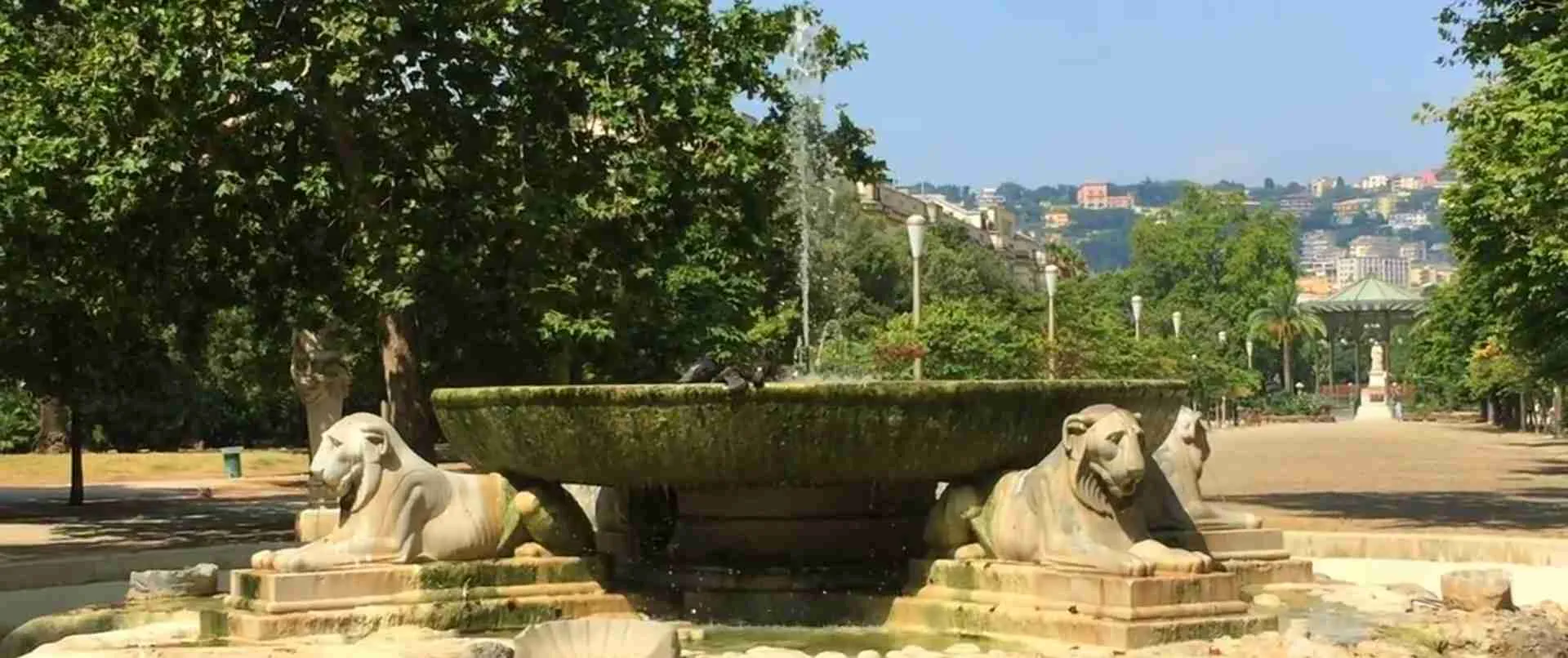
Naples Hidden Gems Guide: Secret Spots & Lesser-Known Treasures
Key Takeaways
- Naples conceals extraordinary treasures in plain sight—underground Greek-Roman cities beneath modern streets, secret baroque courtyards hidden behind nondescript doorways, and artisan workshops where ancient crafts continue unchanged for centuries
- The city’s vertical architecture creates hidden dimensions with rooftop terraces offering spectacular bay views accessible through ordinary apartment buildings, while underground passages connect neighborhoods through volcanic tuff tunnels carved over millennia
- Authentic Neapolitan life thrives in lesser-known neighborhoods like Sanità, Materdei, and Vomero where residents maintain traditional customs, local markets operate at neighborhood pace, and visitors experience genuine Italian culture free from tourist performance
- Secret religious sites including cloistered convents with majolica-tiled gardens, medieval crypts preserving ancient frescoes, and underground chapels built inside Roman cisterns offer profound spiritual and artistic experiences away from crowded cathedral queues
- Naples’s culinary hidden gems extend beyond famous pizzerias to include century-old pastry shops preserving traditional recipes, family-run trattorias serving dishes unknown outside Naples, and street food vendors whose stands have occupied the same corners for generations
- The city rewards explorers willing to wander unmarked alleyways, climb narrow staircases, and trust local recommendations—the greatest discoveries emerge from spontaneous conversations with shopkeepers, artisans, and residents eager to share their neighborhood’s secrets
Understanding Naples’s Hidden Layers
Naples operates on multiple physical and cultural levels simultaneously, creating a city where extraordinary discoveries hide behind ordinary facades and underneath modern streets. The volcanic tuff stone forming the city’s foundation proved soft enough for ancient Greeks to carve extensive underground chambers for water storage, creating a subterranean mirror city that expanded through Roman, medieval, and modern periods. These underground spaces—converted to Christian catacombs, wartime bomb shelters, wine cellars, and illegal nightclubs across different eras—remain largely unknown to surface-dwelling residents and completely invisible to conventional tourists following standard guidebook routes.
The vertical dimension creates another hidden layer as Naples buildings stack upward rather than spreading horizontally in response to the constrained peninsula geography. Ordinary residential buildings conceal roof terraces with panoramic bay views, internal courtyards preserving Renaissance fountains and baroque sculptures, and piano nobile apartments maintaining 18th-century frescoed ceilings behind peeling exterior walls. The city’s chaotic street-level energy masks refined cultural spaces existing just beyond immediate visibility—a nondescript door on a graffiti-covered alley opens into an aristocratic palazzo with marble staircases and stucco decorations, while a narrow passage between laundry-draped buildings reveals a medieval church with priceless artworks.
This multi-layered reality means that Naples rewards different exploration approaches than typical tourist destinations. The conventional strategy of visiting famous sites marked in guidebooks captures only the most obvious layer, missing the authentic character that makes the city distinctive. True discovery requires curiosity about unmarked doorways, conversations with shopkeepers about neighborhood history, willingness to follow recommendations from local residents, and comfort with temporary disorientation in tangled medieval street networks where GPS loses signal and logic fails. The hidden gems described here represent starting points rather than comprehensive inventory—each discovered secret reveals connections to others, creating an endless chain of authentic experiences.
People Also Ask About Naples Hidden Gems
Where can I experience authentic Naples away from tourist crowds?
The Sanità neighborhood delivers the most authentic Naples experience while remaining just 10 minutes walking north from the Archaeological Museum. This working-class district preserves traditional Neapolitan life unchanged by tourism—children play soccer in narrow streets, elderly women occupy doorway chairs observing neighborhood life, laundry hangs between buildings creating colorful canopies overhead, and small shops sell household goods to local residents rather than souvenirs to visitors. The Fontanelle Cemetery in Sanità’s heart provides one of Naples’s most unusual sites, with an ossuary containing approximately 40,000 skulls and bones arranged in dramatic displays within former volcanic tuff quarries.
Materdei neighborhood on Vomero hillside offers similar authenticity with easier accessibility via metro Line 1. The neighborhood operates at local pace with morning markets at Piazza Scipione Ammirato where vendors sell seasonal produce, fresh fish, and regional specialties to residents filling reusable bags. Small trattorias serve traditional dishes like genovese (pasta with onion-based meat sauce requiring 8-hour cooking) and pasta e patate (pasta with potatoes in creamy broth) rarely found in tourist-focused restaurants. The streets connecting to funicular stations preserve early 20th-century architecture with Art Nouveau details, wrought-iron balconies, and neighborhood churches maintaining daily mass schedules for parishioners rather than tourist visiting hours.
What are the most impressive underground sites in Naples?
The Bourbon Tunnel system represents Naples’s most extensive underground marvel, stretching nearly 400 meters beneath Pizzofalcone hill with passages connecting the Royal Palace to military barracks. King Ferdinand II commissioned the tunnels in 1853 to facilitate troop movements during popular unrest, but construction stopped before completion. The abandoned passages later served as Fascist-era storage for confiscated cars and motorcycles, World War II bomb shelter accommodating thousands of residents, and post-war unofficial landfill. Guided tours reveal this layered history through remarkably preserved vintage vehicles, wartime graffiti, and explanations of how Neapolitans adapted underground spaces to changing needs across 150 years.
The San Lorenzo Maggiore archaeological excavation beneath the medieval church exposes an entire Roman marketplace (macellum) with intact shop fronts, treasury rooms, and the ancient cardus (main street) 10 meters below modern ground level. Walking through these excavations places visitors inside actual Roman commercial buildings where merchants conducted business 2,000 years ago. The site demonstrates Naples’s extreme vertical stratification—Greek walls at the deepest level, Roman structures built atop them, early Christian burials inserted into abandoned spaces, and the Gothic church crowning the entire historical sequence. Unlike Pompeii where Roman life exists horizontally across ancient city surfaces, here you descend through time’s physical layers.
Are there secret gardens or peaceful spaces hidden in Naples?
The Chiostro di Santa Chiara (Santa Chiara Cloister) provides an extraordinarily peaceful oasis decorated with 18th-century majolica tiles depicting pastoral scenes, mythological figures, and daily life activities. The cloister’s garden features pathways lined with tiled benches and columns, where visitors sit surrounded by colorful ceramic artworks while citrus trees and climbing vines create natural shade. This space operates as museum rather than active convent, allowing unrestricted access to one of Southern Italy’s finest examples of decorated cloister architecture. The adjoining archaeological area reveals Roman baths beneath the medieval complex, adding yet another historical layer to the experience.
Villa Floridiana in Vomero neighborhood encompasses extensive English-style gardens with winding paths, ancient trees, panoramic viewpoints overlooking the bay, and peacocks wandering freely across lawns. The villa houses the Duca di Martina ceramics museum, though many visitors come exclusively for garden access without entering the museum. Morning hours bring local residents walking dogs, elderly couples occupying benches, and joggers circling the grounds, creating authentic neighborhood atmosphere rather than tourist spectacle. The elevated location provides cooler temperatures during summer months while offering one of Naples’s finest views combining Vesuvius, the bay, and Capri island in a single panorama.
What artisan crafts and traditional workshops can visitors observe?
San Gregorio Armeno street concentrates Naples’s presepe (nativity scene) artisan workshops, where families have crafted elaborate terracotta figures for multiple generations using techniques unchanged since the 18th century. The workshops operate year-round despite Christmas being the primary selling season, allowing visitors to watch artisans sculpting miniature shepherds, angels, animals, and increasingly popular contemporary figures including politicians and celebrities rendered in traditional style. Many workshops welcome observers, explaining mold-making processes, hand-painting techniques, and the symbolic significance of various presepe components in Neapolitan tradition. The street itself becomes an outdoor museum with displays spilling from shop fronts creating spectacular visual overload.
The Spanish Quarter preserves numerous artisan workshops where leather workers, tailors, furniture makers, and instrument builders practice traditional crafts in ground-floor spaces opening directly onto streets. Walking these narrow lanes reveals workshops where craftsmen repair antique furniture using historical techniques, create custom leather bags on hand-operated machines, and construct mandolins according to methods developed centuries ago. Unlike tourist-focused craft shops selling mass-produced souvenirs, these are actual working spaces serving local clientele, though artisans appreciate interested visitors and often demonstrate their techniques when not occupied with commissioned work. The neighborhood’s authentic character stems from this continuing presence of traditional economic activities rather than conversion to boutique shops and restaurants.
Extended multi-day tours – 5+ days
Featured Naples Multi-Day Tour Packages
3 days
Naples 3-Day Discovery Tour
- ✓ Comprehensive Naples experience
- ✓ Expert local guides included
- ✓ All accommodation included
- ✓ Transportation provided

5 days
Naples 5-Day Highlights Experience
- ✓ Comprehensive Naples experience
- ✓ Expert local guides included
- ✓ All accommodation included
- ✓ Transportation provided

7 days
Naples 7-Day Cultural Journey
- ✓ Comprehensive Naples experience
- ✓ Expert local guides included
- ✓ All accommodation included
- ✓ Transportation provided

10 days
Naples 10-Day Complete Adventure
- ✓ Comprehensive Naples experience
- ✓ Expert local guides included
- ✓ All accommodation included
- ✓ Transportation provided
Multi-day tour packages powered by TourRadar. Prices and availability subject to change.
Secret Religious and Spiritual Sites
Hidden Churches and Forgotten Chapels
San Severo al Pendino church preserves one of Naples’s most remarkable Renaissance interiors despite receiving minimal tourist attention. The church’s single nave features a stunning coffered ceiling painted with biblical scenes, while side chapels contain 16th-century frescoes and sculptures by important Neapolitan artists. The church operates on limited hours with no admission fee, creating an atmosphere of authentic religious space rather than tourist attraction. Local parishioners attend daily mass while occasionally visitors discover the church through accidental exploration of the surrounding quarter, experiencing sacred art in its intended spiritual context rather than as museum display.
The Purgatorio ad Arco church in the Sanità neighborhood demonstrates Naples’s unique relationship with death and the afterlife through extensive skull decorations and underground ossuary. The baroque facade features bronze skulls and crossed bones, while the interior displays artwork depicting souls in purgatory receiving assistance from living believers through prayer and good works. The underground level contains the skulls of anonymous dead arranged in devotional displays, representing the Neapolitan tradition of adopting anonymous souls (anime pezzentelle) and praying for their salvation in exchange for earthly favors. This practice, discouraged by official Church doctrine but persisting in popular tradition, creates one of Naples’s most distinctively local religious expressions.
Pio Monte della Misericordia church holds Caravaggio’s masterpiece “The Seven Works of Mercy” as its permanent altarpiece—one of the artist’s greatest works displayed in the exact location where it was commissioned in 1607. The small church receives far fewer visitors than the National Archaeological Museum’s Caravaggio paintings despite the artwork’s superior quality and dramatic in-situ presentation. The painting combines all seven corporal works of mercy from Christian tradition into a single nighttime street scene with characteristic Caravaggio lighting and realism. The church also operates a museum displaying 17th-19th century paintings donated to the charitable institution across its 400-year history.
Cloisters and Monastic Spaces
The Certosa di San Martino monastery complex crowning Vomero hill offers one of Naples’s finest panoramic viewpoints while preserving extraordinary baroque decoration largely unknown to conventional tourists. The monastery church displays overwhelming richness with polychrome marble inlays, frescoed vaults, inlaid semi-precious stones, and elaborate stucco work representing Neapolitan baroque at its most exuberant. The adjacent museum presents an extensive collection of presepe scenes showing the evolution of nativity tradition from simple devotional objects to elaborate miniature worlds depicting 18th-century Neapolitan society in extraordinary detail. The monastery gardens and viewing terraces provide unobstructed vistas across Naples bay with Vesuvius dominating the horizon.
The Complesso Monumentale dei Girolamini preserves a lesser-known monastic complex with picture gallery, historical library, and cloister gardens just steps from the Duomo. The pinacoteca (picture gallery) displays works by major Neapolitan artists including Luca Giordano, Francesco Solimena, and Battistello Caracciolo in rooms frescoed by the artists themselves. The historical library maintains 16th-18th century volumes in their original carved walnut bookcases with frescoed reading rooms and archives containing musical manuscripts. The complex suffered theft and mismanagement in recent decades but reopened after restoration, allowing access to spaces normally closed in active religious institutions.
Underground Naples: The Hidden City
Greek and Roman Excavations Beneath Modern Streets
The Napoli Sotterranea (Underground Naples) tour system reveals extensive Greek-Roman aqueduct tunnels carved directly into volcanic tuff stone 40 meters below current street level. The Greeks initiated these excavations in the 4th century BCE for water supply and building material extraction, with Romans expanding the network into a sophisticated aqueduct system serving the growing city. Medieval and Renaissance periods saw further expansion as residents quarried building stone, creating interconnected passages stretching for hundreds of kilometers. Guided tours lead small groups through narrow passages requiring single-file navigation and occasional tight squeezes, emerging in underground cisterns where columns carved from solid rock support vaulted ceilings.
These underground spaces served critical functions during World War II when Allied bombing campaigns targeting Naples port made street-level residence extremely dangerous. Residents converted ancient cisterns into bomb shelters, creating underground neighborhoods complete with sleeping areas, makeshift kitchens, toilet facilities, and community spaces where families lived for extended periods. The tours preserve wartime graffiti, household objects abandoned when families finally returned to surface dwellings, and explanations of how Neapolitans adapted ancient spaces to modern emergency needs. The contrast between 2,400-year-old Greek excavation techniques and 1943 bomb shelter modifications illustrates Naples’s extraordinary historical continuity.
The LAPIS Museum in the Sanità neighborhood provides another underground access point focusing on ancient quarrying techniques and water management systems. The museum includes sections of the Bolla aqueduct dating to Augustan Rome, medieval expansion phases, and explanations of how volcanic tuff’s unique properties made it ideal for both underground excavation and surface construction. Interactive exhibits demonstrate ancient tools, excavation methods, and water engineering principles, making the underground experience educational beyond simple atmospheric exploration. The museum connects to the Fontanelle Cemetery through underground passages, creating a comprehensive underground tour possibility.
War Shelters and 20th Century History
The Galleria Borbonica (Bourbon Gallery) preserves one of Naples’s most extensive WWII shelter systems, capable of accommodating thousands of residents during bombing raids. The tunnels retain wartime infrastructure including bunk beds, toilets, water cisterns, and storage areas, along with Fascist-era confiscated vehicles rusting in abandoned chambers. Guided tours explain the shelter system’s organization—how authorities assigned families to specific zones, maintained order during attacks lasting hours, and dealt with sanitation challenges in confined underground spaces. The preserved vintage cars and motorcycles create surreal atmosphere, suggesting a time capsule where normal life suddenly stopped mid-motion.
Post-war Naples experienced extreme housing shortages as bombing destroyed thousands of residences while refugees flooded the city. Some families continued living in underground shelters for years after the war, creating permanent subterranean neighborhoods with electricity, running water, and community infrastructure. Others used the tunnels for illegal dumping of debris, unwanted possessions, and even stolen vehicles, turning ancient cisterns into underground landfills. The tours reveal this complex post-war history through preserved artifacts, photographs, and oral histories from former shelter residents. The underground spaces document Naples’s resilience and adaptation capacity during the city’s most challenging modern period.
Authentic Neighborhoods Off the Tourist Path
Sanità: Naples’s Most Character-Rich District
The Sanità neighborhood occupies a valley northwest of the historic center where Greeks established early cemeteries due to the area’s location outside ancient city walls. This geographic isolation continued through centuries, creating a distinct community with strong internal identity and traditional culture. The neighborhood maintained working-class character even as central Naples gentrified, preserving authentic street life where residents know each other across generations, children play unsupervised in car-free lanes, and economic activities operate at human scale rather than tourist commerce. Walking Sanità streets reveals daily rhythms unchanged for decades—morning market shopping, midday cooking smells emanating from ground-floor kitchens, afternoon naps with shutters closed against heat, and evening passeggiata when families occupy outdoor spaces.
The Rione Sanità Cooperative operates community-led tours highlighting neighborhood history, baroque architecture, underground catacombs, and current social initiatives addressing unemployment and youth development. These tours provide insights impossible to gain through independent exploration while supporting local economy through neighborhood-designed tourism. The cooperative collaborates with local restaurants, artisan workshops, and cultural spaces, creating visitor experiences that benefit residents rather than extracting resources. The Basilica di Santa Maria della Sanità anchors the neighborhood with dramatic baroque architecture and access to San Gaudioso catacombs containing early Christian burials and remarkable skull frescoes.
Via Fontanelle climbs from Sanità’s center toward the Fontanelle Cemetery through a narrow lane lined with centuries-old buildings showing all eras of Neapolitan architecture from medieval foundations to baroque modifications to 20th-century additions. The street demonstrates Naples’s characteristic vertical growth where each generation built upon previous structures rather than demolishing and rebuilding. Small shops occupy ground floors selling necessities to local residents—butchers, bakers, fruit vendors, hardware stores—maintaining traditional commercial patterns where neighborhood shopping involves multiple specialized stops rather than single supermarket visits. The street’s daily activities, architectural layers, and community interactions provide genuine cultural immersion unavailable in sanitized tourist districts.
Materdei and Vomero: Hillside Authenticity
Materdei neighborhood extends across Vomero hillside southwest of the historic center, accessible via metro Line 1 Materdei station. The neighborhood developed as late 19th-early 20th century expansion accommodated Naples’s growing population, creating Art Nouveau and rationalist architecture distinct from the centro storico’s baroque character. Wide streets with tree-lined sidewalks, public squares with neighborhood churches, and residential buildings with spacious courtyards create a more open urban pattern than the medieval center’s dense maze. The neighborhood maintains strong local identity with residents referring to themselves as Materdeiesi, distinctive from other Neapolitan quarters.
Morning markets at Piazza Scipione Ammirato and smaller street markets throughout Materdei operate as genuine neighborhood commerce where vendors know regular customers by name, offer cooking advice with ingredient purchases, and adjust pricing for elderly neighbors on fixed pensions. The markets sell seasonal produce from Campania farms, fresh fish from Pozzuoli boats, regional cheeses and cured meats, and household goods, providing complete daily shopping needs without tourism intrusion. Watching market interactions reveals traditional social patterns—the importance of personal relationships in commerce, the role of food in cultural identity, and the persistence of cash-based informal economic networks.
The neighborhood’s trattorias and pizzerias serve almost exclusively local clientele, with menus featuring dishes rarely found in tourist restaurants including scarole ricce (escarole with raisins, pine nuts, and anchovies), migliaccio (savory polenta cake), and pasta e ceci (pasta with chickpeas in thick soup). These establishments operate casually without reservations, online presence, or English menus, requiring basic Italian or pointing at other diners’ plates to order successfully. The informal atmosphere welcomes curious visitors without tourist-focused performance, creating authentic dining experiences where you observe genuine Neapolitan social patterns surrounding food, family, and community gathering.
Secret Culinary Experiences
Century-Old Pastry Shops and Traditional Sweets
Pasticceria Carraturo near the Duomo has produced traditional Neapolitan pastries since 1837 using original family recipes and techniques. The small shop displays sfogliatelle (shell-shaped pastries with ricotta filling), pastiera (Easter wheat pie), babà (rum-soaked sponge cake), and zeppole (fried dough rings) prepared fresh daily in the basement bakery. The current generation maintains traditional methods including hand-stretching sfogliatella dough into paper-thin layers and aging pastiera filling for optimal flavor development. Locals queue on Sunday mornings for fresh baked goods, discussing pastry preferences and family celebrations with shop staff who remember customer preferences across decades.
Pintauro near Toledo metro station specializes exclusively in sfogliatelle ricce (classic layered version) produced continuously since 1818. The narrow shop focuses on perfection in a single product, with sfogliatelle emerging from ovens every 20 minutes throughout the day. The pastries are consumed immediately while warm, either standing at narrow counters inside the shop or walking nearby streets following Neapolitan tradition of eating while strolling. The shop’s singular focus and generational consistency create a living connection to 19th-century Neapolitan pastry traditions, with current techniques directly descended from the shop’s founder.
Attanasio near the train station produces another sfogliatelle variation called riccia, similar to the classic but with slightly different filling ratios and larger size. The shop’s location near Garibaldi station means serving both neighborhood residents and travelers catching morning trains, creating an interesting mix of regular customers with precise preferences and one-time visitors discovering sfogliatelle for the first time. The bakery operates from early morning through mid-afternoon, closing when the day’s production sells out, following traditional schedules where products are made fresh daily rather than preserved for extended sales.
Traditional Trattorias in Residential Quarters
Trattoria Malinconico in Vomero operates as a pure neighborhood restaurant serving dishes from Campania’s cooking traditions to local families, office workers on lunch breaks, and elderly regulars who have eaten there for decades. The menu features hand-written daily specials based on market availability, with dishes like genovese (onion-based meat sauce requiring 8-hour cooking), pasta e fagioli (pasta and beans), braciole (stuffed meat rolls in tomato sauce), and sartù di riso (elaborate rice timbale). The informal atmosphere includes shared tables, rapid service, and minimal English, creating authentic dining experiences where you participate in actual Neapolitan meal culture rather than observing tourist-focused performance.
Osteria Donna Teresa near Piazza Dante prepares traditional Neapolitan cucina povera (peasant cooking) elevated through careful ingredient selection and proper technique. Dishes like pasta e patate (pasta with potatoes in creamy broth), pasta e ceci (pasta with chickpeas), and pepata di cozze (peppered mussels) showcase how simple preparations create complex flavors through quality ingredients and attention to detail. The small dining room maintains casual family atmosphere with grandmother cooking in the visible kitchen, family members serving, and regular customers receiving personalized greetings. Reservations prove difficult as the restaurant doesn’t maintain online systems, requiring phone calls in Italian or appearing early for lunch and dinner service hoping for available tables.
Street Food Stands and Historic Friggitorie
Historic friggitorie (fry shops) scattered throughout Naples preserve traditional fried foods including pizza fritta (fried pizza pockets), crocché (potato croquettes), arancini (fried rice balls), zeppole (fried dough), and frittatine di pasta (fried pasta fritters). These establishments operate from small storefronts or street carts, serving locals rushing through quick meals during work breaks or providing cheap substantial food for those unable to afford restaurant meals. The frying techniques use specific oil temperatures and timing developed over generations, creating crispy exteriors and properly cooked interiors impossible to achieve through casual home frying.
Di Matteo near Spaccanapoli operates as both pizzeria and friggitoria, famous for its pizza fritta that President Clinton tasted during a 1994 visit. The massive fried pizza pocket—dough folded around ricotta, mozzarella, and salami before deep-frying—creates an incredibly rich indulgent food reflecting Naples’s ability to transform simple ingredients into memorable eating experiences. The shop maintains rapid service even during rush periods, with fryers continuously producing golden pockets while pizza makers stretch dough for baked pies. The dual operation showcases Neapolitan specialization where single establishments perfect specific preparations rather than offering extensive menus.
Street vendors selling taralli (ring-shaped crackers), ‘o pere e ‘o musso (boiled pig parts served on wax paper), and seasonal items like roasted chestnuts or fresh coconut pieces maintain the city’s tradition of portable food consumption. These vendors occupy the same street corners for decades, developing regular customer bases who stop daily for snacks during walks or errands. The persistence of street vending despite modern supermarket convenience demonstrates how traditional food patterns maintain cultural significance beyond mere nutrition, serving social functions of regular human interaction and neighborhood identity maintenance.
Hidden Artistic Treasures
Lesser-Known Museums and Collections
The Hermann Nitsch Museum in the Palazzo Donnaregina contemporary art space presents the disturbing and powerful work of this Austrian action artist known for elaborate ritualistic performances. The museum occupies an entire palace wing adjacent to the MADRE contemporary art museum, displaying Nitsch’s large-scale paintings created through ritualistic processes involving animal blood, body fluids, and performative actions. The work provokes strong reactions ranging from profound aesthetic appreciation to visceral rejection, representing contemporary art at its most challenging. The museum receives relatively few visitors despite the remarkable collection and dramatic installation in a medieval palace setting.
The Duca di Martina Ceramics Museum in Villa Floridiana presents one of Europe’s finest collections of 18th-19th century decorative arts including Capodimonte porcelain, Meissen figures, Sèvres vases, and Asian ceramics. The collection displays in the villa’s original rooms maintaining aristocratic domestic settings where these objects functioned as status symbols and aesthetic pleasure sources. The museum’s elevated Vomero location means fewer tourists make the journey compared to centrally-located museums, creating quiet contemplation opportunities in beautifully-maintained historic interiors overlooking Naples bay.
Church Art Collections Hiding in Plain Sight
The Gesù Nuovo church facade presents one of architecture’s strangest features—an entire exterior wall covered in pyramid-shaped rusticated stones creating a fortress-like appearance completely at odds with the baroque interior’s elaborate decoration. The church occupies a Renaissance palace that the Jesuits purchased and converted, maintaining the original defensive facade while completely transforming the interior. The vast space displays overwhelming richness with polychrome marble inlays covering every surface, frescoed vaults depicting Jesuit saints and theological concepts, and side chapels containing works by major Neapolitan artists. Few tourists venture inside despite the church sitting directly on the main tourist route between the Archaeological Museum and historic center.
Santa Maria delle Anime del Purgatorio ad Arco’s interior contains remarkable 17th-century skull and skeleton decorations reflecting Neapolitan obsession with death and the afterlife. Baroque artists created elaborate memento mori imagery where bronze skulls with wings, skeleton figures, and soul representations appear in altarpieces, decorative schemes, and architectural elements. The church’s underground level preserves the cult of anime pezzentelle (abandoned souls) where believers adopted anonymous skulls, praying for their salvation while requesting earthly favors in return. This practice, technically discouraged by official Church doctrine, persisted into the 20th century, with devotional offerings still appearing around particularly popular skull displays.
Rooftop Views and Elevated Perspectives
Secret Terraces with Panoramic Vistas
The upper terraces of the Certosa di San Martino monastery provide Naples’s finest panoramic viewpoint, looking across the entire bay from Posillipo to Vesuvius with Capri visible on clear days. The elevated position allows unobstructed views impossible from sea-level locations, with foreground context provided by the monastery’s baroque church domes, garden terraces, and surrounding Vomero architecture. The viewing area remains relatively uncrowded despite the spectacular vistas because most visitors limit themselves to the church and museum without exploring the upper terraces. Early morning and late afternoon lighting create optimal photography conditions when low-angle sun illuminates Vesuvius and bay waters while avoiding midday haze.
The terrace at Castel Sant’Elmo combines dramatic views with interesting military architecture and rotating contemporary art exhibitions. The 14th-century fortress occupies the highest point in Naples, with massive star-shaped walls providing 360-degree vistas. The elevated position allows seeing Naples’s urban pattern—how neighborhoods cluster around ancient centers, how the city spreads along the bay, and how vertical construction responds to limited horizontal space. The castle terrace operates as popular evening destination for local teenagers and young adults gathering for sunset views and social interaction, providing authentic observations of Neapolitan youth culture rather than tourist-focused experiences.
Discovering Residential Building Rooftops
Many ordinary Neapolitan residential buildings preserve rooftop access through shared terraces (terrazze condominiali) where residents hang laundry, grow plants, and socialize. These spaces technically remain private property restricted to building residents, though friendly occupants sometimes allow curious visitors to briefly access rooftops for photography after polite requests. The experience requires Italian language skills, respectful demeanor, and understanding that you’re requesting favor rather than exercising rights. Successfully reaching these private terraces rewards you with intimate views where foreground laundry, potted plants, and residential details frame distant bay vistas, creating more authentic perspectives than official viewpoints.
The Spanish Quarter’s dense vertical construction creates opportunities to climb internal staircases in residential buildings reaching high floors with bay-facing windows and small balconies. Walking these neighborhoods while observing which buildings have open street doors, you sometimes find accessible staircases continuing to upper floors. The practice requires sensitivity and situational awareness—buildings where residents eye strangers suspiciously should be avoided, while buildings with casual open-door policies and friendly greetings suggest more tolerant atmospheres. The goal isn’t to trespass in private residences but to access semi-public stairwells that reach high enough for views normally available only to residents.
Artisan Workshops and Traditional Crafts
Musical Instrument Makers
Naples’s musical tradition extends beyond famous composers to include instrument making, particularly mandolins and guitars constructed using techniques developed over centuries. Small workshops in the Spanish Quarter and Quartieri Spagnoli preserve these crafts, with individual artisans producing 20-30 instruments annually through entirely hand methods. The workshops welcome interested visitors who want to observe wood selection, sound board construction, neck carving, and finishing techniques. Master luthiers explain how Neapolitan instrument construction differs from other traditions, emphasizing particular tonal qualities valued in regional folk music and classical mandolin repertoire.
The mandolin holds particular importance in Neapolitan culture as the instrument most associated with classic songs like “O Sole Mio” and “Torna a Surriento.” The local construction tradition emphasizes bright, clear tone and rapid note articulation necessary for the virtuosic runs characteristic of Neapolitan mandolin technique. Contemporary makers continue building instruments to classical specifications while also developing modified designs for modern performance requirements. Several workshops maintain small showrooms where completed instruments await purchase, allowing visitors to handle examples and appreciate the craftsmanship even without intention to buy.
Leather Working and Traditional Tailoring
Small leather workshops throughout the historic center produce custom bags, belts, wallets, and sandals using traditional hand-sewing techniques and vegetable-tanned leather. These workshops operate as individual artisan businesses rather than organized craft cooperatives, with single masters producing all work themselves or with one or two apprentices. The craftsmen welcome visitors who show genuine interest in techniques, demonstrating how leather cutting, edge finishing, and hand-stitching create durable products impossible to achieve through industrial methods. Custom commissions allow you to select leather types, colors, and designs, returning after several days to collect completed pieces.
Traditional tailoring shops preserve the art of custom suit and shirt construction at costs significantly below Northern European or American prices. Master tailors in the Spanish Quarter and Via dei Tribunali area maintain clienteles including both local professionals requiring work clothing and international customers who discovered the quality-price ratio. The process involves multiple fittings across 2-3 weeks as tailors construct garments specifically to individual measurements, creating fit impossible with off-rack clothing. The workshops’ modest appearances—often just two-three room ground-floor spaces with minimal signage—belie the exceptional skill of craftsmen who completed multi-year apprenticeships learning traditional techniques.
Unique Shopping Experiences
Antique Shops and Vintage Markets
Via San Biagio dei Librai and surrounding streets concentrate Naples’s antique trade, with shops displaying 18th-19th century furniture, ceramics, prints, and decorative objects in cluttered storefronts. The antique dealers operate with informal atmosphere where conversation precedes commerce, with shopkeepers more interested in discussing object histories than aggressively pursuing sales. Browsing these shops reveals Naples’s material culture history—baroque carved wood furniture, majolica pharmacy jars, bronze devotional sculptures, and architectural fragments salvaged from demolished palaces. Serious collectors find genuine bargains compared to Rome or Florence prices, while casual visitors enjoy the atmospheric displays and merchants’ stories even without purchasing.
The weekend antique market at Villa Comunale along the waterfront brings dozens of vendors selling vintage clothing, old books, vinyl records, costume jewelry, and household items from the 1950s-1970s. The market attracts local collectors searching for specific items rather than tourists shopping for generic souvenirs, creating authentic atmosphere where serious negotiation over prices and authenticity occurs. The vendors know their merchandise history and often share stories about objects’ origins, previous owners, and cultural significance. The market operates with casual schedule depending on weather and vendor availability, requiring flexibility but rewarding persistent visitors with unique finds.
Specialty Food Shops and Regional Products
Gay Odin chocolate shop has produced handmade chocolates since 1894 using traditional methods and original recipes. The company maintains several locations in Naples, with the original factory store near Piazza dei Martiri offering the widest selection and occasional factory tours. The shop specializes in foresta (chocolate logs in various flavors), cremini (layered cream chocolates), and seasonal specialties using regional ingredients including hazelnuts from Campania and citrus from Amalfi Coast. The products represent genuine artisanal chocolate making distinct from industrial production, with visible differences in texture, flavor complexity, and ingredient quality.
Salumeria Manganiello near the Archaeological Museum sells regional cured meats, cheeses, and preserved foods with focus on Campania products and traditional preparations. The shop functions as neighborhood resource for local residents while also supplying high-quality ingredients to restaurants and catering services. Staff cut meats to order, recommend pairings, explain production methods, and discuss seasonal variations in product character. The shop maintains proper storage conditions including temperature-controlled cases and correct humidity for aging meats, demonstrating professional standards often absent in tourist-focused food shops. Visitors assemble picnic supplies, source ingredients for apartment cooking, or simply observe traditional Italian food retail practices.
Discovering Hidden Naples: Practical Strategies
Navigation and Exploration Techniques
Successful hidden gem discovery requires abandoning the security of GPS navigation and accepting temporary disorientation in Naples’s medieval street networks. The Spanish Quarter and Quartieri Spagnoli demonstrate this principle—their narrow lanes follow medieval patterns where streets curve, dead-end unexpectedly, change names mid-block, and intersect at irregular angles defying grid logic. Walking these neighborhoods with specific destination focus creates frustration, while wandering without rigid objectives allows serendipitous discoveries of artisan workshops, baroque churches, and neighborhood squares unknown to guidebooks.
Learning basic architectural and urban patterns helps identify potentially interesting spaces—unmarked doors with elaborate frames suggest important buildings, narrow passages between structures often lead to hidden courtyards, and worn stone steps indicate old passages still in use. Observing where locals enter buildings reveals which structures maintain accessible staircases or public ground floors despite private upper levels. Churches with modest exteriors frequently preserve elaborate interiors, following the baroque principle that spiritual wealth exists independent of external display. The willingness to open doors, climb stairs, and explore unmarked entrances (while respecting obvious private residential spaces) unlocks hidden layers invisible to cautious tourists.
Engaging with Local Residents
Genuine discoveries often emerge from conversations with shopkeepers, artisans, and neighborhood residents who know their area’s hidden features. Small purchases—espresso at neighborhood bars, produce at local markets, bread at family bakeries—create natural conversation opportunities where you can ask for recommendations about local sights, good trattorias, or interesting nearby locations. These interactions require basic Italian phrases, friendly demeanor, and understanding that locals share information based on perceived genuine interest rather than tourist checklist completion.
Older residents particularly enjoy discussing neighborhood history and often possess remarkable knowledge about local churches, aristocratic families, wartime events, and traditional customs. The evening passeggiata period, when neighborhood residents occupy doorways and street corners, provides optimal times for casual conversations that might lead to unexpected discoveries. Building rapport over multiple visits to the same bakery, market stall, or coffee bar creates relationships where vendors begin offering insider recommendations beyond what they share with one-time visitors. This approach requires time investment but produces authentic experiences impossible to achieve through guidebook research.
Timing and Seasonal Considerations
Hidden spaces become more accessible during periods when tourist crowds concentrate elsewhere. Early morning (7:00-9:00 AM) finds neighborhood markets in full operation, artisans opening workshops, and local residents engaged in daily routines before tourist influx begins. Late afternoon (4:00-6:00 PM) after tour groups depart allows quieter church visits and more relaxed exploration of residential areas. Winter months (November-February) dramatically reduce tourist presence while maintaining mild temperatures allowing comfortable walking, creating optimal conditions for discovering authentic Naples without competing with crowds.
Religious festivals and neighborhood celebrations provide unique windows into local culture unavailable during ordinary periods. These events include elaborate street decorations, traditional food preparations, religious processions, and community gathering creating intensely local experiences where visitors participate in genuine cultural expressions rather than tourist-focused performances. Learning neighborhood patron saint feast days and attending associated celebrations delivers profound cultural immersion while supporting local traditions. The challenge involves finding information about these events, which rarely appear in tourist publications but are announced through church bulletins, neighborhood posters, and local networks.
Frequently Asked Questions About Naples Hidden Gems
How safe is it to explore lesser-known Naples neighborhoods?
Exploring authentic neighborhoods like Sanità, Materdei, and the Spanish Quarter proves safe during daylight hours using standard urban awareness. These working-class areas have strong community bonds where residents observe strangers while showing no hostility toward respectful visitors. The primary safety considerations involve paying attention to belongings in crowded market areas and maintaining awareness of motor scooter traffic on narrow streets. Evening exploration requires more caution, particularly in isolated areas, though major thoroughfares and neighborhood centers remain active and safe into late evening. Local residents provide the best safety indicators—areas where families with children, elderly residents, and women walk freely demonstrate safe community spaces. The neighborhoods appearing most threatening to inexperienced visitors often prove safest due to strong community presence, while anonymous tourist zones present higher pickpocketing risk despite comfortable appearance.
Do I need Italian language skills to discover hidden Naples?
Basic Italian phrases dramatically improve hidden gem discovery experiences though not strictly required for access. Essential phrases include greetings (buongiorno, buonasera), polite requests (per favore, scusi), and simple questions (dov’è, quanto costa). Many artisans, shopkeepers, and neighborhood residents speak minimal English, requiring creative communication through gestures, translation apps, and patience. The language barrier actually enhances authentic experiences by forcing you into genuine cross-cultural interaction rather than English-language tourist bubble. Learning to read Italian menu items, understand opening hours (orari), and recognize basic signage (aperto/open, chiuso/closed, entrata/entrance) enables basic navigation. Artisans and residents appreciate language efforts regardless of accuracy, often becoming more generous with time and recommendations when visitors demonstrate respect through attempting Italian rather than expecting English accommodation.
What’s the best strategy for photographing hidden locations?
Photographing hidden gems requires respecting privacy and community norms while documenting discoveries. Always ask permission (posso fare una foto?) before photographing inside artisan workshops, private courtyards, or small churches where your presence affects other visitors. Street photography capturing neighborhood life needs sensitivity—some residents appreciate documentation of traditional culture while others view cameras as intrusion. Reading body language and backing off when people show discomfort maintains positive relationships between visitors and communities. Early morning and late afternoon light creates dramatic shadows emphasizing architectural details and texture in narrow streets where midday sun creates harsh contrast. Wider angle lenses capture narrow lane atmosphere better than telephoto compression, though both have applications depending on specific locations and desired effects.
Can I access private palazzi and historic buildings?
Many historic palazzi maintain semi-public ground floor areas including entrance halls and courtyards accessible during business hours when building doors stand open. The traditional Neapolitan palazzo features an entrance passageway (androne) leading to an internal courtyard with monumental staircase, often decorated with marble, stucco, and sculpture despite modest street facades. These spaces operate as semi-public thresholds where residents pass through daily, allowing respectful visitors to briefly observe architectural details. Upper floors almost always remain private residential spaces or professional offices requiring specific business to access. Some palazzi participate in annual “Maggio dei Monumenti” (May Monuments) events, opening otherwise restricted spaces through organized tours. Asking politely at porter’s desk (portineria) sometimes grants access for photography, particularly if you demonstrate genuine architectural interest rather than casual tourist curiosity.
How do I find authentic trattorias away from tourist areas?
Authentic neighborhood trattorias share common characteristics helping identification—hand-written daily menus reflecting market availability, predominantly Italian clientele, minimal English translation, locations in residential areas rather than near major attractions, and limited online presence. Looking for trattorias near neighborhood markets provides good strategy as many serve market vendors and shoppers taking lunch breaks. Establishments where elderly residents eat regularly demonstrate local acceptance and traditional cooking standards. The presence of famiglia (family) in the trattoria name often indicates multi-generational family operation maintaining traditional recipes. Avoiding establishments with menu photos, aggressive sidewalk touts, and locations directly on major tourist routes increases authentic experience probability. Asking hotel staff, shopkeepers, or market vendors for personal recommendations produces better results than online reviews, as locals direct you toward their preferred establishments rather than tourist-tested options.
What hidden sites are free to visit?
Numerous hidden treasures require no admission including most neighborhood churches (Gesù Nuovo, San Severo al Pendino, Purgatorio ad Arco), though modest donations appreciate. Public squares and streets throughout Sanità, Spanish Quarter, and Materdei allow free authentic neighborhood exploration. The waterfront promenade from Mergellina through Villa Comunale to Castel dell’Ovo provides beautiful bay views, gardens, and social observation without cost. Observing artisan workshops from streets as craftsmen work with open shop fronts costs nothing while providing fascinating cultural insights. Morning markets including Pignasecca and Porta Nolana offer free exploration of traditional commerce and regional product variety. Street life observation during evening passeggiata demonstrates authentic Neapolitan social patterns without any expenses. Villa Floridiana gardens welcome visitors freely (though the museum inside requires admission), providing elevated views and peaceful green spaces. Many hidden courtyards in historic palazzi remain accessible during business hours when building doors stand open.
How can I support authentic artisans and local businesses?
Direct purchases from artisan workshops and family-run shops support traditional crafts and neighborhood economies more effectively than buying mass-produced souvenirs from tourist shops. Commission custom leather goods, purchase handmade ceramics directly from makers, and buy presepe figures from multi-generational artisan families. Eating at authentic neighborhood trattorias rather than tourist-focused restaurants directs money to establishments serving local communities. Shopping at neighborhood markets benefits small-scale farmers and regional producers compared to supermarket purchases. Using locally-owned hotels and B&Bs rather than international chains keeps tourism revenue within communities. Participating in community-led tours like those organized by Rione Sanità Cooperative ensures benefits reach neighborhood residents. Recommending authentic businesses to fellow travelers extends support beyond your individual purchases. Avoiding aggressive bargaining on artisan products respects fair compensation for skilled work, though appropriate negotiation occurs in antique markets and some retail contexts.
What’s the best time of year to explore hidden Naples?
Shoulder seasons (April-May and September-October) provide optimal conditions for hidden gem exploration, combining comfortable walking temperatures with reduced tourist crowds that make authentic neighborhoods more accessible. Winter (November-March) offers the most authentic atmosphere as tourism drops dramatically while Naples life continues unchanged, though occasional rain requires flexibility. Religious festivals throughout the year create unique opportunities to observe traditional culture—Christmas presepe traditions, Easter processions, and neighborhood patron saint celebrations reveal community practices invisible during ordinary periods. Summer presents challenges due to intense heat and maximum tourist presence, though early morning and evening exploration remain productive. Market days (daily for most neighborhood markets) provide the most vibrant experiences of local commerce and social interaction. Sundays bring specific rhythms with morning mass, family lunch traditions, and afternoon closure of many shops creating both limitations and opportunities for cultural observation.
Can I find hidden gems without a guide?
Independent exploration discovers numerous hidden gems through attentive observation, willingness to deviate from planned routes, and comfort with occasional disorientation. Walking without specific destinations allows serendipitous discoveries impossible when focused on reaching particular locations. However, some hidden sites remain genuinely inaccessible without local knowledge—underground passages requiring organized tours for safety reasons, private palazzi opening only during special events, and neighborhood histories best understood through resident explanations. Combining independent wandering with occasional guided experiences provides optimal balance. Community-led tours from organizations like Rione Sanità Cooperative offer insider perspectives while supporting social initiatives. Private local guides (distinct from large tour companies) share personal neighborhood knowledge and artisan connections impossible to gain through guidebook research. Reading Naples history and culture before visiting helps recognize significant features encountered during independent exploration. The most memorable discoveries often emerge from chance conversations with shopkeepers, artisans, and residents willing to share their neighborhood’s secrets with genuinely interested visitors.