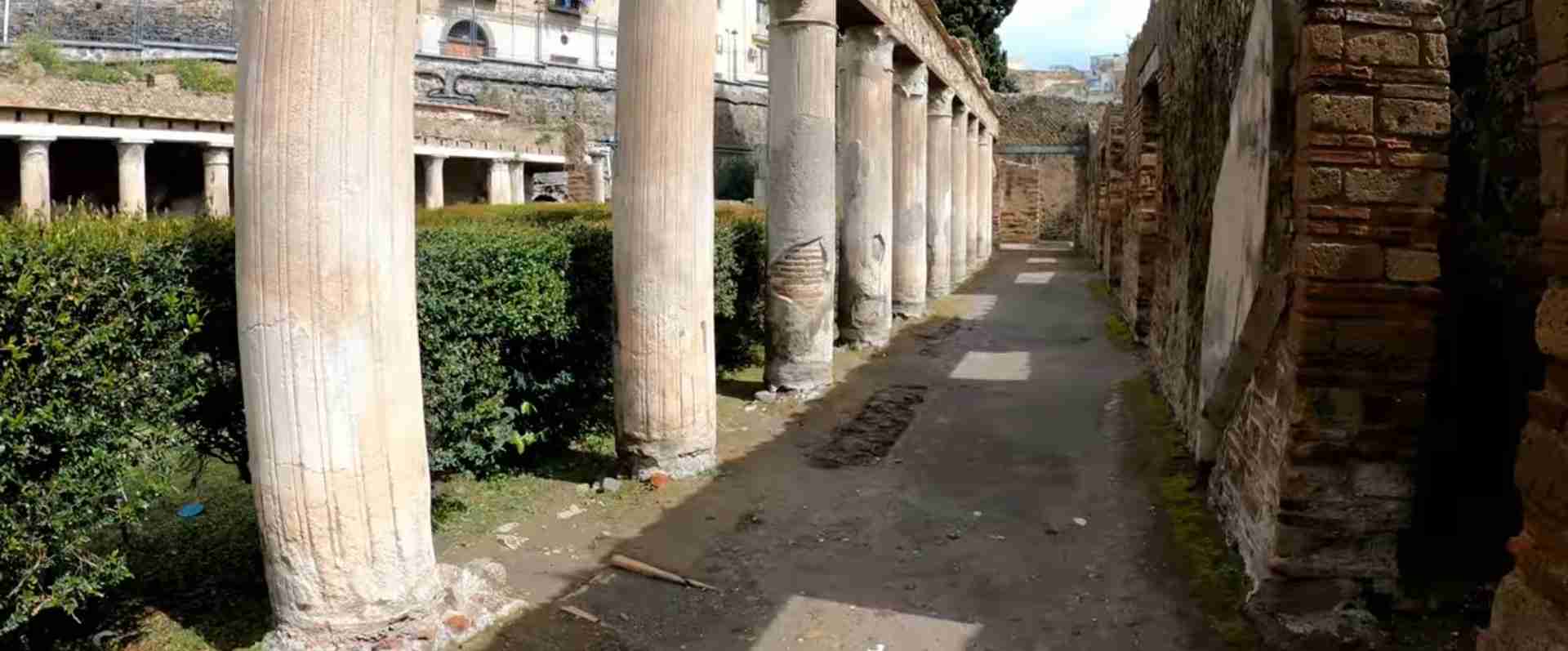
Naples Day Trips 2026: Herculaneum and Pompeii Archaeological Wonders
Key Takeaways
- Herculaneum entrance costs €13 for adults in 2026, while Pompeii charges €18 (check official parcoarcheologico.it for current rates as pricing may vary)
- Circumvesuviana train connects Naples to both sites: €2.90 to Herculaneum (20 minutes), €3.40 to Pompeii (40 minutes) with trains every 30 minutes
- Herculaneum requires 2-3 hours for thorough exploration of better-preserved ruins, while Pompeii demands 4-6 hours for comprehensive visits covering 66 hectares
- Combined day trips cost €50-85 per person including transportation, admissions, guided tours, and meals – one of Europe’s best archaeological value experiences
- Visit Herculaneum first (8:30-11:30 AM) then Pompeii (12:30-6:00 PM) to maximize time at the larger site while managing energy levels and afternoon heat
- Book timed-entry tickets online 3-7 days ahead during peak season (June-September) for guaranteed admission and reduced entry queuing
Planning Your Naples Archaeological Day Trips in 2026
The Bay of Naples preserved two remarkably different snapshots of Roman life when Mount Vesuvius erupted in 79 AD, burying Pompeii under volcanic ash and Herculaneum beneath superheated pyroclastic flows. These UNESCO World Heritage archaeological sites offer complementary experiences: Herculaneum showcases exceptional preservation with intact wooden structures, colorful frescoes, and organic materials rarely surviving at other Roman sites, while Pompeii provides vast scale revealing complete urban planning, public buildings, private homes, and commercial districts across a population of 11,000-15,000 residents. Together, they form the world’s most comprehensive window into daily Roman life during the 1st century AD.
Both sites are easily accessible from Naples via Circumvesuviana commuter railway, operating every 30 minutes throughout the day. Herculaneum sits 12 kilometers southeast of Naples (20-minute train ride to Ercolano Scavi station), while Pompeii lies 25 kilometers south (40-minute train ride to Pompei Scavi-Villa dei Misteri station). The proximity enables visiting both sites in one day, though this creates physically demanding experiences covering 8-10 kilometers of walking across ancient stone streets. Most visitors choose single-site focus for relaxed exploration, or split visits across two days for comprehensive experiences without exhaustion. Budget-conscious travelers appreciate that combining both sites costs €31 admission versus €44 when purchasing separately – savings that justify the modest effort of coordinated planning.
Practical considerations significantly impact archaeological site experiences. Summer heat (28-34°C June-August) intensifies on exposed volcanic stone with minimal shade throughout Pompeii’s vast ruins. Early morning arrivals (8:30-9:30 AM) provide cooler temperatures and fewer crowds for optimal photography and contemplative exploration. Herculaneum’s compact size and partial roof covering make it more comfortable during midday heat, creating natural sequencing for combined visits: Herculaneum morning (2-3 hours), lunch break near Pompeii (1-1.5 hours), then Pompeii afternoon exploration (3-4 hours). This rhythm balances physical demands while maximizing time at the larger site.
Audio guides (€8-10 per device) or guided tours (€15-25 per person for group tours, €120-180 for private tours) dramatically enhance understanding of sites that otherwise present confusing stone ruins without historical context. Unguided visitors frequently miss significant details, mistaking servant quarters for primary living spaces or walking past masterpiece frescoes hidden in peripheral rooms. Archaeological sites reveal their stories only to those equipped with knowledge about Roman domestic architecture, religious practices, social hierarchies, and daily routines. Investment in quality interpretation transforms passive sightseeing into meaningful historical immersion that justifies the journey to these exceptional UNESCO heritage locations.
People Also Ask About Naples Archaeological Day Trips 2026
How much does it cost to visit Herculaneum and Pompeii in 2026?
Individual site admissions cost €13 for Herculaneum and €18 for Pompeii in 2026, totaling €31 when purchased separately. The combined ticket (Biglietto 3 Giorni) costs €24 and covers Herculaneum, Pompeii, Oplontis, Stabiae, and Boscoreale across 3 consecutive days, providing excellent value for archaeological enthusiasts visiting multiple sites (check official parcoarcheologico.it for current rates as pricing may vary). Complete day trip costs including round-trip train (€6-7), admission (€13-31 depending on sites visited), audio guide or guided tour (€10-25), lunch (€15-25), snacks and water (€8-12), and incidentals total €50-85 per person. Budget travelers skipping guided tours and bringing packed lunches reduce costs to €35-50, while comprehensive experiences with private guides and upscale dining reach €150-220 per person.
Which is better to visit, Herculaneum or Pompeii in 2026?
Herculaneum suits travelers prioritizing quality over scale, offering exceptional preservation with intact multi-story buildings, vibrant frescoes, wooden furniture, and complete domestic spaces impossible to find at Pompeii. The compact site (4.5 hectares excavated) requires only 2-3 hours, making it manageable for travelers with limited time or mobility challenges. Pompeii appeals to visitors wanting comprehensive Roman city experiences including forum, amphitheater, temples, bathhouses, theaters, brothels, bakeries, and hundreds of residential structures across 66 hectares. First-time visitors typically choose Pompeii for its fame and scale, while archaeology enthusiasts or repeat visitors appreciate Herculaneum’s superior preservation and intimate atmosphere with 70-80% fewer tourists than Pompeii during peak season.
Can you visit both Herculaneum and Pompeii in one day from Naples in 2026?
Yes, visiting both sites in one day is logistically straightforward via Circumvesuviana trains connecting Naples-Herculaneum (20 minutes) and Herculaneum-Pompeii (20 minutes). The optimal sequence starts with 8:30 AM arrival at Herculaneum for 2.5-3 hours exploration, 11:30 AM-12:00 PM departure for Pompeii arriving 12:30 PM, lunch break near Pompeii entrance (1 hour), then Pompeii exploration 1:30-5:30 PM (4 hours). This schedule covers both UNESCO sites while managing afternoon heat and physical demands. Expect 8-10 kilometers total walking across ancient streets – wear comfortable shoes and bring water bottles for refilling at site fountains. Combined visits create full days requiring good physical fitness and genuine archaeological interest to maintain engagement across 6-7 hours of ruin exploration.
Do I need a guide for Herculaneum and Pompeii in 2026?
Guided experiences dramatically enhance comprehension and enjoyment at both sites, where context-free ruins confuse most self-guided visitors. Professional guides explain architectural features, interpret frescoes, describe daily Roman life, and direct attention to significant details easily missed during independent exploration. Group tours cost €15-25 per person (2-3 hours) providing cost-effective interpretation, while private guides charge €120-180 for personalized pacing and specialized interests. Audio guides (€8-10) offer compromise between independent flexibility and expert knowledge, though they lack the dynamic storytelling and question-answering that live guides provide. Budget-conscious travelers should prioritize guided experiences at Pompeii where scale creates navigation challenges, potentially exploring smaller Herculaneum independently with quality guidebook research beforehand.
Extended multi-day tours – 5+ days
Featured Naples Multi-Day Tour Packages
3 days
Naples 3-Day Discovery Tour
- ✓ Comprehensive Naples experience
- ✓ Expert local guides included
- ✓ All accommodation included
- ✓ Transportation provided
5 days
Naples 5-Day Highlights Experience
- ✓ Comprehensive Naples experience
- ✓ Expert local guides included
- ✓ All accommodation included
- ✓ Transportation provided
7 days
Naples 7-Day Cultural Journey
- ✓ Comprehensive Naples experience
- ✓ Expert local guides included
- ✓ All accommodation included
- ✓ Transportation provided
10 days
Naples 10-Day Complete Adventure
- ✓ Comprehensive Naples experience
- ✓ Expert local guides included
- ✓ All accommodation included
- ✓ Transportation provided
Multi-day tour packages powered by TourRadar. Prices and availability subject to change.
Essential Planning Information 2026
Current Costs and Pricing Breakdown for 2026 Archaeological Visits
Herculaneum admission costs €13 for adults in 2026, providing access to ancient residential area with exceptional preservation including Casa dei Cervi (House of the Deer), Casa del Tramezzo di Legno (House of the Wooden Partition), Terme Suburbane (Suburban Baths), and multiple apartment buildings revealing multi-story Roman architecture. Check official Archaeological Park website (parcoarcheologico.it) for current rates as pricing may vary seasonally. EU citizens under 18 enter free at all archaeological sites, while 18-25 year old EU citizens pay reduced €2 admission – bring valid ID to claim age-based discounts. Audio guides cost €8 at entrance, providing 90-minute narrated tours covering major structures and historical context in multiple languages including English, Italian, French, German, and Spanish.
Pompeii admission costs €18 for adults in 2026 for general access covering most excavated areas including Forum, Amphitheater, large theatres, major temples, basilica, baths, and residential quarters. Premium admission (€22) adds special houses normally closed to general visitors – the extra €4 unlocks exceptional frescoes and architectural features in properties requiring conservation monitoring to limit visitor numbers. Audio guides cost €10 for Pompeii’s more extensive content covering 3-hour exploration routes. Guided group tours from site entrance start €15-20 per person for 2-hour basic tours, €25-35 for comprehensive 3-hour tours including special access areas. Private guides cost €120-150 for up to 8 people (2-3 hours), dividing to affordable per-person rates for families or small groups.
The combined ticket (Biglietto 3 Giorni) costs €24 for adults, covering Herculaneum, Pompeii, Oplontis Villa complex, Stabiae villas, and Boscoreale antiquarium across any 3 consecutive days. This ticket saves €7 versus individual Herculaneum + Pompeii admissions (€31 separately), while adding three additional minor sites for comprehensive Bay of Naples archaeological exploration. The ticket makes sense for travelers planning 2-3 days of archaeological visits or those wanting flexibility to split Pompeii across multiple shorter visits rather than exhausting 6-hour single-day marathons. Purchase online through official Archaeological Park website to select start dates and avoid ticket counter queues at entrances.
Circumvesuviana train tickets cost €2.90 Naples-Herculaneum (Ercolano Scavi station), €3.40 Naples-Pompeii (Pompei Scavi-Villa dei Misteri station), and €2.10 Herculaneum-Pompeii for transfers between archaeological sites. Round-trip costs total €5.80-6.80 depending on routing, with tickets valid for 90 minutes from validation including transfers. Purchase tickets at tobacco shops (tabacchi), newsstands, or Circumvesuviana station ticket windows before boarding – onboard ticket purchases incur surcharges and conductor availability varies. Trains depart every 30 minutes throughout the day 5:00 AM-11:00 PM, providing flexible scheduling for varied site visit timing preferences.
Transportation Options and Schedules for 2026 Day Trips
Circumvesuviana railway operates Naples-Sorrento line serving both Herculaneum (Ercolano Scavi station) and Pompeii (Pompei Scavi-Villa dei Misteri station) with consistent 30-minute frequency throughout the day. Board trains at Napoli Porta Nolana or Napoli Garibaldi stations – Garibaldi connects directly to Naples Centrale main railway station via underground passage, making it most convenient for travelers arriving by high-speed trains or staying near city center. Platform signage indicates “Sorrento” as the destination for all trains serving archaeological sites – verify electronic displays or ask staff to confirm your train stops at desired station, as some express services skip intermediate stops.
Journey times from Naples run 18-22 minutes to Ercolano Scavi (Herculaneum) and 36-42 minutes to Pompei Scavi-Villa dei Misteri depending on train stops. Ercolano Scavi station sits 500 meters (7-minute walk) from Herculaneum entrance via downhill Via IV Novembre – exit station, turn right, and follow brown archaeological site signage. Pompei Scavi station places you 100 meters from Porta Marina entrance (2-minute walk) – exit station left, cross Piazza Anfiteatro, and proceed to ticket office and site entrance. Both routes feature clear directional signage making navigation straightforward even for first-time visitors without Italian language skills.
Circumvesuviana trains operate as commuter services with basic amenities – hard plastic seats, no air conditioning (windows open for ventilation), limited luggage space, and no onboard toilets. Peak hours (7:00-9:00 AM and 5:00-7:00 PM) create crowded conditions with standing room only, particularly on Naples outbound morning trains when local commuters fill carriages. Off-peak travel (9:30 AM-4:30 PM) provides more comfortable experiences with available seating and space for bags. Watch belongings carefully – crowded trains attract pickpockets targeting tourists with visible cameras, phones, and loose bags. Keep valuables in front pockets or cross-body bags, and maintain awareness during boarding and alighting when crowds create theft opportunities.
Private transfers offer comfortable alternatives for groups or travelers prioritizing convenience over cost savings. Taxi or private car services charge €60-90 from Naples to Herculaneum (30 minutes via A3 highway), €80-120 to Pompeii (45 minutes), or €120-180 for combined day trip with waiting time included. Split among 3-4 passengers, private transfers become competitively priced versus train costs plus audio guide rentals, while eliminating navigation concerns and providing air-conditioned comfort with door-to-door service. Drivers typically offer 3-4 hour waiting periods while you explore sites, or arrange pickup times via phone coordination. Book through hotel concierge services or licensed taxi companies for guaranteed reliability and fixed pricing established before departure.
Herculaneum Day Trip Planning 2026
Optimal Timing and Seasonal Considerations for Herculaneum
Early morning visits (8:30-9:30 AM arrival) provide optimal conditions with cooler temperatures, fewer tour groups, and better light for photography of frescoes inside roofed structures. Herculaneum opens 8:30 AM daily November-March and 8:30 AM April-October with extended evening hours during summer (until 7:30 PM June-August). The compact site (4.5 hectares excavated from ancient town’s estimated 20 hectare total area) enables complete exploration in 2-3 hours versus Pompeii’s 4-6 hour minimum, making Herculaneum suitable for half-day excursions or morning segments of combined archaeological itineraries.
Peak season (June-September) brings maximum visitors though Herculaneum receives 70-80% fewer tourists than Pompeii even during high season – summer crowds reach 2,000-3,000 daily visitors versus Pompeii’s 8,000-12,000. This difference creates more contemplative experiences at Herculaneum with space for lingering in individual houses without crowds pushing through narrow doorways. Mid-season (April-May and October) delivers ideal conditions with comfortable temperatures (18-24°C), spring wildflowers or autumn colors, and shoulder season’s 40-50% reduced visitor numbers while maintaining full site access and extended operating hours.
Winter visits (November-March) offer authentic archaeological experiences with minimal tourists (300-800 daily visitors), though shorter days and reduced hours (closing 5:00 PM) limit available exploration time. Morning visits during winter become essential to maximize the abbreviated schedule. Rain occasionally closes uncovered site sections for safety when ancient stone becomes slippery, though most Herculaneum structures feature modern protective roofing allowing continued access during wet weather. Winter temperatures (8-15°C) require layers for outdoor sections while roofed areas provide comfortable exploration conditions during cooler months.
Must-See Herculaneum Structures and Features
Casa dei Cervi (House of the Deer) showcases exceptional preservation of upper-class Roman residential architecture with intact two-story structure, complete atrium-peristyle layout, vibrant frescoes depicting mythological scenes, marble sculptures including famous deer attacked by dogs (giving the house its name), and preserved garden area with original plantings reconstructed through archaeological evidence. The house demonstrates sophisticated architectural design with private bath complex, multiple dining rooms for different seasons and occasions, and extensive fresco cycles covering walls and ceilings. Plan 20-30 minutes exploring this structure alone to appreciate details revealing elite Roman domestic life.
Casa del Tramezzo di Legno (House of the Wooden Partition) preserves the ancient world’s most complete wooden architectural elements including folding screen doors separating atrium from tablinum (office/reception room), intact second-story floor with mezzanine gallery, original wooden bed frames, and decorated wooden shrine (lararium). The carbonization process that destroyed much of Herculaneum paradoxically preserved organic materials by sealing them in superheated mud before oxygen could cause decomposition. This house offers unique glimpses at elements completely vanished from other Roman sites where only stone foundations survive.
Terme Suburbane (Suburban Baths) represent the finest preserved Roman bath complex anywhere in the empire, featuring complete heating systems, plunge pools, changing rooms with wooden shelving and benches, elaborate mosaic floors with marine themes, stuccoed ceilings, and marble wall veneers. The complex served public bathing needs with separate sections for men and women (though women’s section remains unexcavated beneath modern Ercolano). The intact roof and wall heights demonstrate original spatial qualities impossible to perceive at open-air bath ruins where only floor plans survive. Audio guide coverage of the baths provides excellent technical explanations of Roman bathing rituals and hypocaust heating technology.
Sacello degli Augustali (College of the Augustales) preserves remarkable frescoes depicting Hercules, for whom the ancient town was named, along with intricate decorative schemes showing pristine Fourth Style Roman painting with fantastic architecture, mythological panels, and trompe-l’oeil elements. The building served as headquarters for the Augustales, an association of wealthy freedmen (former slaves) who organized emperor worship and public spectacles. The preservation quality surpasses most Pompeian frescoes due to protective burial that shielded pigments from centuries of weathering and light exposure before excavation.
Villa dei Papiri remains largely unexcavated beneath modern Ercolano, but tunneling explorations from 18th century discovered the ancient world’s only intact library with approximately 1,800 carbonized papyrus scrolls. The villa owned by Julius Caesar’s father-in-law, Lucius Calpurnius Piso Caesoninus, houses an exceptional bronze sculpture collection including portrait busts, mythological figures, and philosophical representations now displayed in Naples Archaeological Museum. Recent technology enables reading carbonized scrolls without unrolling them through x-ray imaging and AI analysis – ongoing work continues revealing Epicurean philosophical texts and potentially lost works by major ancient authors. The villa complex inspired the Getty Villa in Malibu, California, which recreates its architectural layout.
Herculaneum Visitor Experience and Practical Tips
Site layout descends into the ancient town, excavated 23 meters below modern Ercolano street level where volcanic deposits buried structures. Modern ramps and walkways provide access through excavations, with some sections requiring stair descents. Visitors with mobility challenges should inquire about accessible routes at entrance – wheelchairs can access approximately 60% of the site using designated paths, though some prime structures involve stair access only. The compact dimensions create easier navigation versus Pompeii’s vast scale, though uneven ancient paving and multiple elevation changes demand sturdy footwear and reasonable mobility for full appreciation.
Photography is permitted throughout Herculaneum without restrictions on personal use images. The roofed structures create challenging lighting conditions – frescoes in dim rooms benefit from camera stabilization or higher ISO settings without flash, which is prohibited to prevent pigment damage. Morning natural light (9:00-11:00 AM) provides best illumination for open-air sections, while afternoon creates harsh contrasts in unshaded areas. The intimate scale allows careful composition without crowds photobombing every frame, unlike Pompeii where tourist-free photographs require significant patience and timing.
Herculaneum provides minimal visitor services compared to Pompeii – a small café near entrance serves drinks and snacks (€3-6), toilets at entrance and mid-site locations, and limited seating areas for rest breaks. No restaurants operate inside the archaeological zone, though Via IV Novembre walking from station to entrance features several cafés and trattorias serving lunch (€12-20 for casual meals). The compact visit duration makes elaborate facilities unnecessary – most visitors complete exploration without needing extended breaks beyond brief rest stops and restroom access.
Pompeii Day Trip Planning 2026
Optimal Timing and Seasonal Considerations for Pompeii
Pompeii’s massive 66-hectare site exposed to full sun creates physically demanding experiences during summer heat (28-34°C June-August). Early morning arrivals (8:30-9:30 AM at opening) provide 2-3 hours of cooler exploration before midday temperatures peak. Late afternoon visits (3:00 PM onward) offer second comfortable window as temperatures moderate, though limited by closing times (7:30 PM summer, 5:00 PM winter). Mid-day visits (11:00 AM-3:00 PM) during summer require heat management strategies including frequent shaded rest breaks, hydration, sun protection, and reduced walking pace – this timing works better during shoulder seasons when temperatures remain comfortable throughout the day.
Peak season (June-September) creates crowded conditions with 8,000-12,000 daily visitors concentrating in popular sections like Forum, Lupanar (brothel), Amphitheater, and preserved house with exceptional frescoes. Early arrivals beat tour bus groups that typically reach the site 10:00-11:00 AM, while late afternoon provides second quiet window after day-trippers depart 4:00-5:00 PM. Shoulder seasons (April-May and October) balance comfortable temperatures with manageable crowds and extended operating hours versus winter’s abbreviated schedule – October particularly delivers value with warm temperatures (20-26°C), reduced tourists following September school returns, and excellent autumn photography light.
Winter visits (November-March) offer dramatic crowd reductions with 2,000-4,000 daily visitors versus summer’s 8,000-12,000, creating peaceful experiences impossible during high season. Shorter days and early closing (5:00 PM) limit exploration time, requiring efficient route planning to cover priority structures before closing. Winter temperatures (10-16°C) create comfortable walking conditions without summer’s heat exhaustion risks, though occasional rain closes some sections when ancient paving becomes hazardous. Budget-conscious travelers appreciate winter’s 40-50% accommodation and dining savings in nearby towns versus peak season premiums, offsetting reduced archaeological park hours through cost advantages.
Essential Pompeii Structures and Districts
The Forum served as Pompeii’s commercial, political, and religious center, a vast rectangular plaza surrounded by temples, basilica (law courts and business center), macellum (market hall), and administrative buildings. The open space hosted public gatherings, political speeches, religious processions, and market activities central to Roman civic life. Modern visitors see column bases and fragmentary structures giving impressions of original grandeur when temples, statues, and porticos dominated the cityscape. The Forum provides essential context for understanding Pompeii’s social organization and daily rhythms – allocate 30-45 minutes for thorough exploration including Temple of Jupiter, Temple of Apollo, and Basilica ruins.
Lupanar (Purpose-built Brothel) attracts disproportionate visitor attention for small structure with explicit frescoes depicting sexual positions and graffiti from ancient customers and workers. The two-story building contains tiny rooms (cubicula) with stone beds, preserved erotic art serving as advertising menu for services, and extensive graffiti providing unique evidence of prostitution’s social role and economics. Lines form outside during peak hours with 15-30 minute waits to enter the confined space – visit during early morning opening (8:30-9:00 AM) or late afternoon (after 5:00 PM) to avoid crowds. The structure’s cultural-historical significance extends beyond titillation, revealing honest evidence of aspects rarely preserved in ancient texts or official records.
Amphitheater represents the oldest surviving Roman amphitheater anywhere (built 70 BC), predating Rome’s Colosseum by 150 years. The 20,000-capacity structure hosted gladiatorial combats, wild animal hunts, and public executions that were central to Roman entertainment culture. Visitors can descend to arena floor level, explore underground preparation areas, and climb seating sections for perspective on spectator experiences. The excellent preservation includes complete seating arrangement showing social hierarchy: elite occupied front rows with individual seats and cushions, middle classes sat in middle sections, and lower classes stood in highest galleries. Audio guides provide detailed explanations of gladiatorial combat types, animal procurement, and the 59 AD riot between Pompeii and Nuceria spectators that resulted in decade-long ban on events.
Villa dei Misteri (Villa of the Mysteries) sits outside main city walls, a wealthy suburban estate famous for exceptional Second Style frescoes depicting Dionysian mystery cult initiation rituals. The continuous 17-meter fresco cycle shows life-size figures performing religious ceremonies whose exact meanings remain debated by scholars – interpretations range from marriage preparation rituals to descriptions of secret cult practices. The vivid Pompeian red background and sophisticated figure painting represent Roman fresco art at its zenith. The villa requires separate walk from main site (800 meters from Porta Ercolano entrance, 15-20 minutes), but the effort rewards visitors with Pompeii’s finest artistic achievement viewed in original architectural context.
House of the Faun represents Pompeii’s largest and most luxurious private residence, occupying an entire city block with 3,000 square meters of living space including two atriums, two peristyles (columned gardens), private baths, and extraordinary mosaic decorations. The famous “Alexander Mosaic” depicting Alexander the Great’s victory over Persian King Darius III once adorned the floor (now in Naples Archaeological Museum, replaced by replica) – the million-tesserae masterpiece showcases Roman mosaic art’s sophistication. The house demonstrates extreme wealth concentration in Roman society, where elite families controlled resources sufficient for palace-like residences while average citizens occupied single-room apartments.
Via dell’Abbondanza serves as Pompeii’s main commercial street, lined with shops (tabernae), bars (thermopolia with built-in serving counters), restaurants, and workshops revealing economic activities from bakeries with millstones and ovens, dye works, fulleries (cloth cleaning), to metalworking establishments. Election campaign graffiti covers walls with candidates’ names and supporters’ endorsements, providing direct evidence of Roman political culture. Walking this street creates visceral connections to ancient daily life – you can identify a fast-food counter, see where bread was baked, locate the barber shop, and understand neighborhood rhythms impossible to grasp from isolated monuments in museums.
Pompeii Navigation and Route Planning
Pompeii’s 66-hectare site requires strategic route planning to maximize limited exploration time without exhausting backtracking or missing priority structures. Three main entrances serve different access points: Porta Marina (main entrance nearest Pompei Scavi train station), Piazza Anfiteatro (amphitheater entrance on opposite end), and Piazza Esedra (northern entrance). Most visitors enter via Porta Marina closest to station, though this creates clockwise or counterclockwise navigation choices affecting which structures you encounter when energy levels remain high versus when fatigue sets in later during visits.
Recommended routes depend on available time. For 3-4 hour visits: Porta Marina entrance → Forum complex (45 minutes) → Lupanar (15 minutes with potential waiting) → Stabian Baths (30 minutes) → Theater District (30 minutes) → House of Menander (20 minutes) → Via dell’Abbondanza commercial street (45 minutes) → House of the Faun (30 minutes) → exit via Porta Marina. This route covers essential highlights while maintaining logical geographic flow minimizing backtracking. For 5-6 hour comprehensive visits: Add Villa of the Mysteries (requiring 40-minute round-trip detour), Amphitheater, additional preserved houses (House of the Tragic Poet, House of Venus in Shell), and Central Baths.
Official site maps available at entrance help orientation but become challenging to follow in the labyrinth of ancient streets where modern signage varies in quality and completeness. Audio guides include route suggestions adapting to various time constraints, providing valuable navigation support beyond historical information. Smartphone GPS works throughout the site with cellular signal sufficient for maps – download offline site maps beforehand as backup when signal weakens. Key landmarks visible from distance include Forum colonnades, Amphitheater rim, and Temple of Jupiter providing geographic orientation when navigating residential quarters’ confusing street grid.
Budget Planning for 2026 Archaeological Trips
Single-Site Day Trip Cost Breakdowns
Budget Herculaneum day trips (€28-40 per person) focus on essential experiences without guided tours. Round-trip train from Naples €5.80, Herculaneum admission €13, bring packed lunch from Naples (save €15-20), site exploration 2-3 hours self-guided with pre-visit research using quality guidebooks or online resources, snacks and water €5-8. This approach requires preparation through YouTube videos, blog posts, or guidebook reading to substitute for professional interpretation, but delivers complete site access at minimum cost for budget-conscious travelers or those with archaeological background enabling self-interpretation.
Mid-range Herculaneum day trips (€50-70 per person) balance professional interpretation with controlled costs. Train €5.80, admission €13, audio guide €8, lunch at Via IV Novembre trattoria €15-20, gelato and drinks €8-12. The audio guide investment transforms ruin perception into meaningful historical immersion, justifying the cost through enhanced comprehension that self-guided visits cannot match without extensive advance preparation. This budget suits most travelers seeking quality experiences without luxury premiums or extensive private services.
Budget Pompeii day trips (€45-65 per person) cover basic site access and transportation. Train round-trip €6.80, admission €18, pack lunch and snacks from Naples (save €20-30), water bottle refills at site fountains (save €8-12), self-guided exploration 4-5 hours, return to Naples early evening. This approach works for travelers with strong archaeological interest and patience for independent discovery, though missing guided interpretation means overlooking significant features and misunderstanding structures’ original purposes without expert context.
Mid-range Pompeii day trips (€75-110 per person) include professional interpretation maximizing site value. Train €6.80, admission €18, group guided tour €20-30, lunch near entrance €18-25, snacks and drinks €10-15. The guided tour investment particularly matters at Pompeii where scale and complexity overwhelm self-guided visitors – guides navigate efficiently to priority structures while explaining social context, architectural elements, and daily life practices that transform anonymous ruins into comprehensible historical narrative. This represents optimal value balancing cost consciousness with experience quality.
Combined Herculaneum and Pompeii Day Trip Budgets
Budget combined day trips (€50-75 per person) leverage strategic planning and packed provisions. Train routing Naples→Herculaneum→Pompeii→Naples €9.30 total, combined 3-day ticket €24 covering both sites, bring all food from Naples supermarket including lunch, snacks, and beverages (save €30-40), self-guided exploration at both sites (5-7 hours total archaeological time), minimal additional expenses. This approach demands good physical fitness for extended walking, tolerance for self-directed learning, and advance planning including site research and provision preparation.
Mid-range combined day trips (€85-125 per person) balance comprehensive experiences with reasonable costs. Train €9.30, combined ticket €24, audio guides at both sites €18, lunch at Pompei Scavi restaurant €20-30, drinks and snacks €12-18. Split guided tour options create value alternatives: audio guide at Herculaneum (smaller, more manageable independently) plus group guided tour at Pompeii (complex navigation benefits from expert leadership). This budget provides thorough archaeological experiences without luxury premiums while maintaining comfort and quality throughout the long day.
Premium combined day trips (€180-280 per person) emphasize convenience and comprehensive interpretation. Private car transfers with driver-guide €60-80 per person (split among 3-4 passengers), combined ticket €24, private archaeological guide at Pompeii €35-45 per person (split among group), lunch at upscale Villa dei Misteri restaurant €40-60, audio guide at Herculaneum €8, premium wine tasting at Vesuvius vineyard en route back to Naples €25-35. This approach eliminates transportation concerns, provides expert interpretation throughout, and includes cultural enhancement beyond basic archaeological site visits.
Money-Saving Strategies for 2026 Archaeological Visits
Purchase the combined 3-day ticket (€24) instead of individual admissions (€31 separately) when visiting both Herculaneum and Pompeii, saving €7 while gaining flexibility for multiple visits if you split sites across different days or want to return for second explorations. The ticket adds three bonus sites (Oplontis, Stabiae, Boscoreale) at no additional cost, enabling expanded archaeological exploration for travelers spending multiple days in the Bay of Naples area. Book online through official Archaeological Park website to select your preferred start dates and avoid ticket counter queuing during busy periods.
Bring provisions from Naples supermarkets before departure to avoid expensive on-site or near-site restaurant options. Packed sandwiches, fruit, snacks, and water bottles cost €8-15 total versus €30-45 for equivalent restaurant meals. Pompeii permits outside food and beverages, with designated picnic areas near Amphitheater and various shaded sections suitable for lunch breaks. Water fountains throughout Pompeii enable bottle refills without purchasing overpriced bottled water at site cafés (€3-4 vs. €0.80 at Naples supermarkets). Herculaneum’s compact size makes lunch less critical since most visits complete before typical meal times.
Travel during off-peak seasons (November-March) for 40-50% accommodation savings in Pompeii, Sorrento, or Naples versus peak summer rates. Archaeological sites maintain identical admission prices year-round, so seasonal cost advantages come through lodging, dining, and general area expenses beyond site tickets. November-March also delivers dramatic crowd reductions with 60-70% fewer visitors than July-August, creating more contemplative experiences and better photography opportunities without tour groups crowding every structure. The trade-offs involve reduced operating hours (closing 5:00 PM vs. 7:30 PM summer) and occasional rain closures, though careful planning mitigates these limitations.
Share private guide costs among 3-8 travelers to reduce per-person expenses while maintaining personalized service quality. Private guides charge €120-180 for 2-3 hour tours regardless of group size – split among 6 people, costs become €20-30 per person comparable to group tour rates while providing flexibility for questions, pacing adjustments, and specialized interests. Form ad-hoc groups at site entrances by approaching other English-speaking tourists and proposing cost-sharing arrangements, or coordinate through hotel concierges to connect with other guests planning same-day archaeological visits.
Sample 2026 Itineraries
Perfect Herculaneum Half-Day Trip
Depart Naples Garibaldi station on 8:00 AM Circumvesuviana train toward Sorrento (€2.90), arriving Ercolano Scavi 8:20 AM. Walk 500 meters downhill to site entrance (7 minutes), purchasing tickets at window or using pre-purchased online reservations (€13). Enter site 8:30 AM immediately at opening, beginning exploration with Terme Suburbane (Suburban Baths) to appreciate intact Roman bath complex before crowds arrive. Progress to Casa dei Cervi (House of the Deer) for exceptional frescoes and garden areas (20-25 minutes), then Casa del Tramezzo di Legno (House of the Wooden Partition) examining preserved wooden architectural elements (15-20 minutes).
Continue through Decumanus Maximus main street examining shops, bakeries, and commercial establishments with preserved counters, storage vessels, and building facades (30 minutes). Explore Sacello degli Augustali for outstanding fresco preservation in optimal morning light (15 minutes). Visit Palestra (exercise grounds) and surrounding residential blocks including Casa del Bel Cortile and Casa dell’Atrio Corinzio (30-40 minutes). Complete circuit at boathouses where 300 skeletons discovered in 1980s revealed final moments of residents seeking escape via sea before pyroclastic flows struck. Total exploration time: 2.5-3 hours completing thorough site coverage by 11:00-11:30 AM.
Train €2.90, admission €13, optional audio guide €8, snacks/drinks €5-8. Total cost: €29-38 per person (excluding lunch). Return to Naples by noon for afternoon activities, or continue directly to Pompeii via 20-minute train connection for combined archaeological day trip.
Comprehensive Pompeii Full-Day Experience
Depart Naples Garibaldi station on 8:00 AM Circumvesuviana train toward Sorrento (€3.40), arriving Pompei Scavi-Villa dei Misteri station 8:40 AM. Walk 100 meters to Porta Marina entrance (2 minutes), entering site 8:45 AM immediately at opening with pre-purchased tickets or buying at entrance (€18). Begin at Forum complex while morning light illuminates colonnades and temple ruins (45 minutes thorough exploration). Proceed to Stabian Baths examining complete Roman bathing facilities with heating systems, changing rooms, and decorated spaces (25-30 minutes).
Walk Via dell’Abbondanza commercial street identifying shops, thermopolia (bars), and workshops revealing economic activities (30 minutes). Visit House of the Faun, Pompeii’s grandest residence occupying full city block (25-30 minutes). Head to Lupanar (brothel) before midday crowds create long queues – viewing explicit frescoes and ancient graffiti (15-20 minutes including potential waiting). Break for lunch 12:30-1:30 PM at restaurant near entrance (€20-30) or picnic in designated areas using packed provisions.
Resume exploration at Villa of the Mysteries, requiring 15-20 minute walk from main site area (800 meters from Porta Ercolano) – allocate 45 minutes for villa exploration and fresco appreciation (round-trip 90 minutes total). Return to central area visiting Theater District including Large Theater, Small Theater, and Gladiators’ Barracks (40 minutes). Explore Amphitheater for final major structure, climbing seating sections for perspective on Roman spectacle culture (30-40 minutes). Complete visit 5:30-6:00 PM departing through Piazza Anfiteatro entrance, walking 400 meters to Pompei Scavi station for return train to Naples (€3.40), arriving 7:00-7:30 PM.
Train round-trip €6.80, admission €18, lunch €20-30, snacks/drinks €10-15. Total cost: €55-70 per person (excluding guided tours). Add €20-30 for group guided tour or €10 for audio guide to enhance historical comprehension and site navigation.
Combined Herculaneum-Pompeii Archaeological Marathon
Depart Naples Garibaldi station on 7:30 AM Circumvesuviana train toward Sorrento (€2.90), arriving Ercolano Scavi 7:50 AM. Walk to Herculaneum entrance reaching site at 8:00 AM before 8:30 AM official opening – use this time for exterior viewing and photo preparation. Enter immediately at opening 8:30 AM with combined 3-day ticket purchased online or at entrance (€24). Conduct focused Herculaneum exploration hitting priority structures: Terme Suburbane, Casa dei Cervi, Casa del Tramezzo di Legno, Sacello degli Augustali, and Decumanus Maximus commercial section. Complete thorough site coverage in 2.5 hours by 11:00 AM.
Depart Herculaneum walking back to Ercolano Scavi station (500 meters, 7 minutes), catching 11:15 AM Circumvesuviana train toward Sorrento (€2.10), arriving Pompei Scavi station 11:35 AM. Walk to site entrance (2 minutes) and immediately find lunch near entrance – either restaurant meal (€20-30) or picnic using packed provisions (€8-12), eating 11:45 AM-12:45 PM. Enter Pompeii 1:00 PM with combined ticket providing admission, beginning with Forum complex (40 minutes). Follow efficient route: Stabian Baths (25 minutes) → Via dell’Abbondanza commercial street (25 minutes) → House of the Faun (20 minutes) → Lupanar (15 minutes) → Theater District (30 minutes) → Amphitheater (30 minutes).
Complete Pompeii exploration 4:30-5:00 PM after 3.5-4 hours covering major highlights without Villa of the Mysteries detour (adds 90 minutes). Depart via nearest exit, walking to Pompei Scavi station for 5:15-5:45 PM return train to Naples (€3.40), arriving 6:00-6:30 PM. Total archaeological exploration time: 6-6.5 hours across both UNESCO World Heritage sites. Train costs €9.30 total, combined ticket €24, lunch €20-30 (or €8-12 packed), snacks/drinks €12-18. Total day cost: €65-90 per person (excluding guided tours or audio guides). This demanding itinerary requires excellent physical fitness, genuine archaeological interest, and efficient time management to maximize both sites while managing afternoon heat and physical exhaustion from 8-10 kilometers walking on ancient stone streets.
Transportation Options for 2026 Day Trips
Circumvesuviana Railway Practical Guide
Circumvesuviana operates as Naples metro area’s commuter railway network, connecting city center to Bay of Naples and Mount Vesuvius destinations including archaeological sites, coastal towns, and mountain villages. The Naples-Sorrento line serves both Herculaneum (Ercolano Scavi) and Pompeii (Pompei Scavi-Villa dei Misteri) with 30-minute frequency throughout the day from 5:00 AM-11:00 PM. Board at Napoli Porta Nolana (eastern terminus) or Napoli Garibaldi (connecting to Centrale railway station) – Garibaldi offers most convenient access for travelers staying in city center or arriving via high-speed trains.
Purchase tickets at tobacco shops (tabacchi), newsstands, or Circumvesuviana ticket windows before boarding – machines at stations accept coins and cards. Single tickets cost €2.90 Naples-Herculaneum, €3.40 Naples-Pompeii, and €2.10 for Herculaneum-Pompeii transfers. Validate tickets in yellow machines before descending to platforms – unvalidated tickets incur onboard fines (€50+) if inspectors check. Tickets remain valid 90 minutes from validation allowing transfers between lines, though most archaeological day trips use direct trains without transfers. Return tickets require separate purchases – the Circumvesuviana doesn’t sell round-trip tickets, only single journey validations.
Platform announcements and electronic displays indicate train destinations – look for “Sorrento” as the terminal station serving archaeological sites. Not all Sorrento-direction trains stop at every station – some express services skip Ercolano Scavi or other intermediate stops. Verify your specific train stops at your intended destination by checking platform displays or asking station staff. Trains announce stations during journey, though pronunciation varies and background noise can make audio difficult to understand for non-Italian speakers. Count stations from Naples as backup navigation: Ercolano Scavi is the 6th stop from Garibaldi, Pompei Scavi is the 11th stop.
Circumvesuviana trains provide basic commuter service – hard plastic seating in open carriages, no air conditioning (windows open for ventilation during warm months), minimal luggage storage, no onboard toilets, and no food service. The budget orientation keeps fares low but creates less comfortable travel than intercity railways. Peak commuter hours (7:00-9:00 AM and 5:00-7:00 PM) create standing-room-only conditions with very crowded carriages – travel during mid-morning or early afternoon for better chances of seating availability. Keep belongings secure and visible, particularly in crowded conditions when pickpockets target tourists with visible cameras, phones, and loose bags.
Private Transfer and Tour Alternatives
Private car transfers provide comfortable door-to-door service at €60-90 for Naples-Herculaneum (30 minutes), €80-120 for Naples-Pompeii (45 minutes), or €120-180 for combined-site service with waiting time. Book through hotel concierge services, licensed taxi companies, or specialized transfer providers like Sorrento Limo, Positano Cars, or Naples Transfer Services. Rates typically include highway tolls, parking fees, and fuel – confirm total costs before booking to avoid surcharges. Drivers wait at archaeological sites (3-4 hours standard) or arrange specific pickup times coordinated via phone, eliminating concerns about missing return trains or navigating Circumvesuviana complexities.
Group tours from Naples include transportation, admission tickets, and guided experiences as packages costing €75-120 per person for Pompeii day trips, €65-95 for Herculaneum, or €120-180 for combined-site tours. These all-inclusive services appeal to travelers prioritizing convenience over flexibility – buses pick up from central Naples hotels, provide air-conditioned comfort, include professional archaeological guides, and return to Naples late afternoon. The trade-offs involve rigid schedules limiting individual exploration time, group pacing that may feel rushed or slow depending on your preferences, and less freedom for personal interests versus predetermined routes focusing on major highlights. Tour operators include Walks of Italy, Context Travel, and Get Your Guide booking platform connecting multiple providers.
Rental cars offer independence but limited practical advantages for archaeological day trips. Naples traffic creates stressful driving conditions for visitors unfamiliar with aggressive Italian driving culture and chaotic urban navigation. Parking near archaeological sites costs €5-8 per day and fills during peak season requiring 10-15 minute walks from distant lots. Circumvesuviana trains drop passengers 100-500 meters from site entrances versus rental car parking often situated farther away. Cars make sense for multi-day Amalfi Coast or Sorrento Peninsula exploration combining archaeological sites with coastal towns, mountain villages, and beach access, but single-day archaeological focused trips work better via train or private transfer avoiding driving stress and parking logistics.
Booking Strategies for 2026 Season
Optimal Booking Timeline and Advance Planning
Purchase archaeological site tickets 3-7 days ahead during peak season (June-September) to guarantee timed-entry slots and reduce entrance queuing. The Archaeological Park implemented timed-entry system to manage capacity and improve visitor experiences – online bookings select 30-minute arrival windows (e.g., 9:00-9:30 AM, 10:00-10:30 AM) ensuring controlled flow through entrances. Same-day tickets at site entrances remain available for most of the year, though summer weekends and Italian holidays sometimes reach capacity by 10:00-11:00 AM creating entry delays or potential turnaway. Book through official Archaeological Park website (parcoarcheologico.it) to avoid third-party agency fees adding 15-25% markups to identical tickets.
Guided tour bookings require 1-2 weeks advance reservation during high season for preferred departure times and English-language availability. Popular tour operators (Walks of Italy, Context Travel) fill their archaeological tours 7-14 days ahead during July-August, while shoulder seasons maintain availability with 2-3 days notice. Private guide services offer more flexibility with 3-5 days advance booking usually sufficient, though prime early morning slots (8:30-9:00 AM starts) book further ahead. Contact guides directly through archaeological sites’ official guide associations for competitive rates versus tourist-oriented booking platforms adding unnecessary intermediary fees.
Accommodation planning matters for overnight stays near Pompeii or Herculaneum, though most visitors base in Naples or Sorrento making day trips via Circumvesuviana trains. Hotels near Pompeii archaeological site (Pompei town) book 2-4 weeks ahead for peak season, offering 30-40% cost savings versus equivalent Naples properties while providing early morning site access before day-trippers arrive. Budget €60-90 for mid-range Pompei hotels versus €90-140 for comparable Naples properties, with the trade-off involving limited evening dining and entertainment options in smaller Pompei versus cosmopolitan Naples. Book through Booking.com or Hotels.com for best rates and flexible cancellation policies versus direct hotel bookings that sometimes lack cancellation flexibility.
Combined Tickets and Package Deal Evaluation
The official combined 3-day ticket (€24) covering Herculaneum, Pompeii, Oplontis, Stabiae, and Boscoreale represents genuine value for travelers visiting multiple sites. The ticket saves €7 versus separate Herculaneum (€13) and Pompeii (€18) admissions, while adding three bonus locations at no additional cost. Oplontis preserves exceptional villa complex with outstanding frescoes 2 kilometers from Pompeii, accessible via Circumvesuviana train to Torre Annunziata station. Stabiae features multiple villas in hillside setting overlooking Bay of Naples, requiring dedication for access but rewarding with less-crowded archaeological experiences. Purchase the combined ticket when planning 2-3 days in the area, or when archaeological enthusiasm justifies bonus site visits beyond Herculaneum and Pompeii primaries.
Tour packages bundling transportation, admissions, and guides warrant careful value analysis. Basic Pompeii group tours cost €75-95 per person including round-trip coach from Naples, admission, and 2-hour guided visit – break down to €25-35 transportation + €18 admission + €30-40 guiding. Independent travelers using Circumvesuviana (€6.80 round-trip) plus individual group tour at site entrance (€20-25) achieve similar experiences for €45-50, saving €30-45 per person while maintaining flexibility for extended exploration beyond rigid tour schedules. Premium tours (€120-180) including lunch and smaller group sizes occasionally justify costs when travel time value exceeds money saved through independent planning.
Campania Artecard tourist passes (€32 for 3-day city version, €34 for regional version) include Naples public transportation and discounted archaeological site access, though the cards rarely benefit archaeological day-trippers unless your broader Naples itinerary already justifies purchase for museum entries and city transport. Calculate total planned expenses before buying tourist cards – the cards make sense only when combined usage exceeds purchase price through accumulated savings. Most visitors spending 1-2 days on archaeological sites plus 2-3 days in Naples find individual tickets more economical than structured tourist card systems designed for extended stays with intensive attraction visiting.
Cancellation Policies and Weather Contingencies
Archaeological Park tickets purchased online allow cancellations or modifications up to 1 day before scheduled visit with full refund processing within 5-7 business days. Timed-entry bookings must be cancelled before the selected time slot expires – after your window passes unused, tickets become non-refundable. Same-day purchases at site entrances provide no refund options once admission granted. Rain rarely closes archaeological sites completely – light to moderate precipitation allows continued operation with visitors responsible for personal rain protection and appropriate footwear. Heavy storms occasionally close sites for safety when lightning danger or flash flooding creates hazardous conditions, typically 2-5 days annually concentrated November-March wet season.
Guided tour cancellation policies vary by operator – Walks of Italy and Context Travel allow free cancellation 24-72 hours before scheduled tours depending on booking type, while smaller independent guides may enforce stricter policies or charge cancellation fees. Private guides typically request 48-hour cancellation notice for full refunds, though many accommodate weather-related postponements flexibly recognizing mutual interests in rescheduling versus losing the booking entirely. Always confirm specific cancellation terms when booking to understand financial commitments and available flexibility if plans change.
2026 Updates & Current Information
Archaeological Park Service Changes for 2026
Pompeii continues progressive reopening of additional excavated areas as conservation work completes, with Regio IX northwestern section becoming fully accessible summer 2025 after multi-year restoration revealing several houses with exceptional fresco preservation. The Archaeological Park invests €105 million (2019-2024 EU funding) in conservation projects expanding visitor access while preserving structures threatened by weathering, vegetation, and previous excavation damage. Expect additional “Special Opening” properties rotating access throughout 2026 as conservation monitoring determines sustainable visitor numbers for fragile structures. Check official website announcements for current special opening schedules when planning visits.
Digital enhancements continue expanding with augmented reality applications (Pompeii Sites app, available iOS/Android) overlaying reconstructed building appearances on modern ruins through smartphone cameras. The technology shows original wall heights, roof structures, interior decorations, and populated scenes of Romans conducting daily activities. While not replacing expert human guides, AR provides engaging visualization helping visitors understand fragmentary ruins’ original appearances. The free apps work throughout sites using GPS positioning and image recognition to trigger appropriate reconstructions based on your physical location.
Transportation and Access Updates for 2026
Circumvesuviana railway maintains consistent service patterns from 2025 into 2026 with no major schedule changes announced. The aging infrastructure continues requiring maintenance-related delays and occasional substitution buses when track work forces service interruptions – allow buffer time when coordinating archaeological visits with other Naples activities or evening departures. EAV (the regional transport authority) invested €100 million in gradual fleet replacement and station upgrades 2020-2025, though full implementation extends through 2027-2028. Expect modest service improvements with some newer climate-controlled trains supplementing the basic commuter rolling stock, though not all services utilize updated equipment yet.
Pompei Scavi station completed accessibility upgrades 2024 with elevator installations and level platform access eliminating previous stair-only configurations. Wheelchair users and travelers with mobility limitations now access trains directly from street level versus previous multi-level stairs. Herculaneum’s Ercolano Scavi station maintains stair access only from street to platform level – travelers requiring accessibility should contact Circumvesuviana in advance to arrange assistance or consider accessible private transfer alternatives. Both archaeological sites provide wheelchair-accessible routes covering 60-80% of excavations, though ancient street surfaces and elevation changes limit complete access without mobility assistance.
Admission Pricing and Policy Adjustments
Expect 3-5% annual price increases for archaeological site admissions and transportation as Italy adjusts for inflation and cost recoveries. Specific 2026 rates listed throughout this guide represent projections based on 2025 pricing – verify exact costs through official Archaeological Park website 1-2 weeks before travel for confirmed current rates. Major policy changes happen gradually with advance notice published online and through tourism offices. The combined ticket pricing typically maintains better value ratios versus individual admissions even as base rates increase, making multi-site tickets worthwhile for travelers visiting several archaeological locations.
Free admission policies continue for EU citizens under 18 years and reduced €2 admission for EU citizens aged 18-25 on first Sundays of each month October-March (excluding July-September peak season). Non-EU visitors pay standard rates year-round regardless of day or season. Guided tour pricing and audio guide rentals operate independently from admission ticket policies – guides and audio devices cost the same regardless of visitor nationality or ticket discounts received. Budget these separately when calculating total archaeological visit expenses rather than assuming all-inclusive arrangements.
Frequently Asked Questions
Which archaeological site should I visit if I only have time for one?
Pompeii offers the most comprehensive Roman city experience with vast scale, diverse structures, and world-famous status justifying single-site visits. First-time visitors to the region typically choose Pompeii for its cultural significance and extensive remains revealing all aspects of Roman urban life. Herculaneum appeals more to archaeology enthusiasts, repeat visitors, or travelers prioritizing quality over scale – the superior preservation creates more intimate connections with ancient inhabitants through intact buildings and exceptional artistic elements. Travelers with limited mobility or stamina prefer Herculaneum’s compact 2-3 hour exploration versus Pompeii’s demanding 4-6 hour minimum for adequate coverage. If you can visit only one site, choose based on whether you value comprehensive scope (Pompeii) or exceptional preservation quality (Herculaneum).
Can you visit Mount Vesuvius along with Pompeii in one day?
Yes, combining Vesuvius crater and Pompeii in one day creates logistically feasible though physically demanding itineraries. Morning Vesuvius ascent (9:00-11:30 AM including bus transfer from Ercolano and 30-minute crater rim hike) followed by afternoon Pompeii exploration (1:00-6:00 PM) balances both experiences while managing midday heat. The reverse sequence works equally well for travelers preferring archaeological morning visits during cooler temperatures. Vesuvius requires separate €10 admission and €10 round-trip bus transfer from Ercolano Circumvesuviana station. Total day costs €75-110 per person including all transportation, admissions, and meals. This combination demands excellent physical fitness for volcano hiking plus 5-6 hours walking ancient streets, but rewards with dramatic geological and historical understanding of the 79 AD eruption that buried both cities.
Are the archaeological sites suitable for children?
Pompeii and Herculaneum accommodate families with children aged 8+ who show genuine interest in history and can manage extended walking (6-10 kilometers across both sites). Younger children (5-7) often struggle with heat, walking distances, and abstract connections to ruins lacking obvious appeal beyond “old stones.” The Lupanar (brothel) at Pompeii features explicit sexual frescoes – parents should evaluate whether viewing ancient pornography fits their family values and children’s maturity levels. Archaeological sites lack playground facilities, interactive exhibits, or child-specific amenities beyond basic services – this creates educational opportunities for engaged families while boring children expecting entertainment-oriented attractions. Family success depends on advance preparation building excitement through books, videos, and discussions about Roman life before visits, plus realistic expectations about children’s attention spans and physical capabilities.
How long do you need at Pompeii?
Minimum 4 hours enables covering major highlights including Forum, Amphitheater, major houses, Lupanar, baths, and Via dell’Abbondanza commercial district without rushing. This provides basic orientation and representative sampling of Pompeii’s diversity while missing many secondary structures and peripheral areas. Comprehensive visits require 5-6 hours for thorough exploration including Villa of the Mysteries detour, Theater District, multiple preserved houses, and careful examination of artifact details, frescoes, and architectural elements throughout the site. Archaeology enthusiasts or travelers with professional interest sometimes spend full days (6-8 hours) examining lesser-known structures and peripheral excavations. First-time visitors should allocate 5 hours for satisfying experiences balancing major attractions with adequate time for contemplation and photography without exhausting marathon pacing.
Is it better to visit Pompeii and Herculaneum independently or with a guided tour?
Guided experiences dramatically enhance understanding and enjoyment at both archaeological sites, particularly Pompeii where scale and complexity overwhelm self-guided visitors. Professional guides interpret architectural elements, explain social context, identify significant artistic details, and navigate efficiently to priority structures while providing engaging historical narratives impossible to replicate through independent guidebook research. Audio guides (€8-10) offer compromise between budget constraints and interpretation quality, though they lack dynamic storytelling and cannot answer spontaneous questions arising during exploration. Budget-conscious travelers should prioritize guided tours at Pompeii (where guides matter most) while potentially exploring smaller Herculaneum independently with thorough advance preparation. The interpretation investment transforms archaeological visits from confusing stone ruins into meaningful historical immersion justifying the journey to these exceptional UNESCO World Heritage locations.
What should I wear and bring to the archaeological sites?
Essential items include comfortable walking shoes with good traction (ancient streets feature uneven paving stones and occasional loose gravel), sun protection (hat, sunglasses, SPF 30-50 sunscreen) for exposed excavations lacking shade, reusable water bottle for refilling at site fountains (€0.80 in Naples vs. €3-4 at site cafés), camera and extra batteries for extensive photography opportunities, and light layers for variable conditions throughout the day. Summer visits require breathable lightweight clothing, while shoulder season demands versatile layers for morning cool and afternoon warmth. Bring small daypack for carrying provisions, purchases, and layers rather than carrying items constantly while walking. Modest dress (covering shoulders and knees) remains recommended out of respect for historical sites with religious structures, though authorities don’t enforce strict dress codes like some churches and temples.
Can you take photos at Pompeii and Herculaneum?
Yes, personal photography is permitted throughout both archaeological sites without restrictions on cameras, smartphones, or video recording for personal use. Tripods and professional equipment (defined as detachable lenses and external lighting) require special permits and may incur fees for commercial usage – casual tourists with basic cameras face no limitations. Flash photography is prohibited inside roofed structures to prevent pigment damage to ancient frescoes, though modern cameras handle available light conditions adequately with appropriate settings. The open-air nature of most excavations creates ideal photography conditions during golden hours (8:00-10:00 AM and 4:00-6:00 PM) when angled sunlight enhances architectural details and creates dramatic shadows across ancient streets.
Are there restrooms and food at the archaeological sites?
Both sites provide basic visitor services including restrooms at entrances and strategic mid-site locations, though facilities at Pompeii spread far apart requiring planning around major structures. Small cafés operate near entrances serving drinks, snacks, panini, and basic hot dishes (€8-15 for casual meals), though prices exceed nearby town restaurants by 30-50%. Pompeii permits outside food and beverages with designated picnic areas near Amphitheater and various shaded sections suitable for packed lunches. Herculaneum offers minimal food services beyond entrance café – the compact site size and typical 2-3 hour visits make elaborate facilities unnecessary since most visitors complete exploration before or after typical meal times. Bring reusable water bottles for refilling at fountains rather than purchasing repeatedly at café prices.
When do Pompeii and Herculaneum close?
Both sites operate daily except January 1, May 1, and December 25. Opening time remains 8:30 AM year-round (9:00 AM November-March). Closing times vary seasonally: November-March (5:00 PM, last admission 3:30 PM), April-October (7:30 PM, last admission 6:00 PM). The final admission cutoff falls 90 minutes before closing to ensure adequate exploration time – attempting late afternoon entries during winter’s abbreviated schedule creates rushed experiences with insufficient time for even basic coverage of major highlights. Plan arrivals at opening or mid-morning for optimal time allocation and crowd avoidance. Check official Archaeological Park website for holiday schedule changes and occasional special extended hours during summer events or festivals.
Is Mount Vesuvius visible from Pompeii?
Yes, Vesuvius dominates the northern horizon throughout Pompeii, providing constant visual reminder of the volcano that destroyed the city in 79 AD. The perspective creates powerful emotional connections understanding residents’ final moments when pyroclastic flows descended from visible mountain. Modern visitors appreciate unchanged geographic relationships between volcano and ancient city despite 2,000 years separating catastrophic eruption from contemporary archaeological tourism. Clear days provide dramatic volcano views with distinctive crater rim visible against sky, while hazy Mediterranean conditions sometimes obscure summit details without eliminating Vesuvius’s imposing presence. Photography enthusiasts capture compelling compositions juxtaposing ancient ruins with volcanic threat in background, though telephoto lenses work better than wide-angle shots for emphasizing volcano scale relative to city ruins.