
Naples Best Tours & Walking Routes 2026: Complete Travel Guide
Naples rewards travelers who venture beyond its chaotic first impressions with extraordinary cultural experiences, world-class art, and some of Italy’s most authentic urban exploration. The historic center—a UNESCO World Heritage Site—unfolds through narrow medieval streets where ancient Greek foundations still shape the city’s layout, while organized day tours provide seamless access to Pompeii, Mount Vesuvius, and the Amalfi Coast’s dramatic coastline.
Key Takeaways
- Self-guided walking routes through Naples’ historic center cost nothing and reveal UNESCO-protected architecture spanning Greek foundations to Baroque churches along Spaccanapoli and Via dei Tribunali
- Organized day tours to Pompeii and Mount Vesuvius range from $136-160 in 2026, while Amalfi Coast excursions typically cost $120-180 depending on group size and inclusions
- Food tours averaging $75-95 per person provide comprehensive tastings including Neapolitan pizza, sfogliatella pastries, and local market specialties across 3-4 hour walking experiences
- The Campania Artecard (€32-60) combines museum admission and public transport, paying for itself when visiting two major attractions plus using the metro system
- Naples’ compact historic center allows exploration of major monuments including the National Archaeological Museum (€22), Royal Palace, and Sansevero Chapel within comfortable walking distance
- Free attractions including Piazza del Plebiscito, Naples Cathedral, and the waterfront Lungomare provide exceptional experiences without admission fees, while state museums offer free entry on the first Sunday of each month
People Also Ask About Naples Tours and Walking Routes 2026
What is the best walking route through Naples’ historic center in 2026?
The classic Naples historic center route starts at Piazza Dante, proceeds through Port’Alba into Via dei Tribunali (one of the ancient decumani streets dating to Greek Neapolis), turns down Via San Gregorio Armeno with its artisan nativity workshops, then follows Spaccanapoli—the arrow-straight street slicing through the centro storico—before ending at the expansive Piazza del Plebiscito. This 3-4 kilometer self-guided route requires 2-3 hours at a moderate pace with stops for churches, cafes, and photo opportunities. The route encounters Naples Cathedral, Gesù Nuovo church with its distinctive diamond-pointed facade, Santa Chiara monastery complex, and countless smaller chapels representing eight centuries of Neapolitan religious architecture.
How much do organized tours from Naples cost in 2026?
Day tours from Naples to Pompeii and Mount Vesuvius cost $136-160 for standard group tours including transportation, guide services, and free time for exploration but excluding site entrance fees which add approximately $35-45 per person. Amalfi Coast tours range $120-180 depending on stops included (Positano, Amalfi, Ravello) and group size. Full-day Capri boat tours typically cost $140-180 including ferry transfers and coastal cruising with swimming stops. Food and street food walking tours in Naples’ historic center average $75-95 per person for 3-4 hour experiences with 8-10 tastings. Private tours command premium pricing at $200-400 for personalized itineraries with dedicated guides.
Are walking tours in Naples worth it in 2026 or should I explore independently?
Both approaches offer distinct value for different traveler types visiting Naples in 2026. Self-guided walking using detailed route maps (readily available online or in guidebooks) costs nothing, allows complete flexibility for pacing and spontaneous detours, and works excellently for confident navigators comfortable in dense urban environments. Guided walking tours ($50-75 for group tours, $150-250 for private experiences) provide crucial historical context that transforms confusing architectural layers into coherent narratives, offer insider access to specific churches or sites requiring reservations, and navigate efficiently past tourist traps toward authentic local experiences. First-time visitors to Naples benefit significantly from at least one guided experience to establish orientation and cultural understanding before subsequent independent exploration.
What are the must-see attractions accessible on foot in Naples 2026?
Naples’ walkable historic center concentrates exceptional monuments within a compact area measuring roughly 2 kilometers east-west. The National Archaeological Museum houses the world’s finest collection of Roman antiquities from Pompeii and Herculaneum (€22 admission, 3-4 hours recommended). Sansevero Chapel displays the mesmerizing Veiled Christ marble sculpture considered among Italy’s greatest artworks. Naples Cathedral preserves relics of San Gennaro with the miraculous liquefying blood phenomenon. The Royal Palace and Piazza del Plebiscito showcase Bourbon-era grandeur. Spaccanapoli and Via dei Tribunali reveal continuous occupation from Greek colonization through contemporary street life. Underground Naples (Napoli Sotterranea) descends 40 meters to Greek-Roman aqueducts and World War II bomb shelters. Castel Nuovo’s Renaissance architecture guards the waterfront. Each represents essential Naples experiences reachable by foot from any centro storico accommodation.
Extended multi-day tours – 5+ days
Featured Naples Multi-Day Tour Packages

6 days
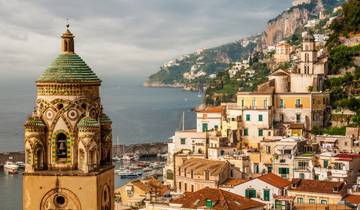
6 Days from Naples: Pompeii, Mount Vesuvius, Amalfi Coast, Sorrento, Positano & Capri Island
- ✓ Comprehensive Naples tour
- ✓ Expert local guides included
- ✓ All accommodation arranged
- ✓ Transportation provided
7 days
Sorrento Escape, Private Tour
- ✓ Comprehensive Naples tour
- ✓ Expert local guides included
- ✓ All accommodation arranged
- ✓ Transportation provided

7 days
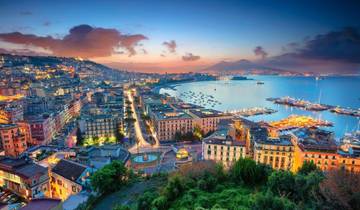
Grand Tour Amalfi Coast, Positano, Capri, Naples, Pompeii & Sorrento – 7 Days
- ✓ Comprehensive Naples tour
- ✓ Expert local guides included
- ✓ All accommodation arranged
- ✓ Transportation provided
4 days
Discovering Naples
- ✓ Comprehensive Naples tour
- ✓ Expert local guides included
- ✓ All accommodation arranged
- ✓ Transportation provided
Multi-day tour packages powered by TourRadar. Prices and availability subject to change.
Introduction to Naples Tours and Walking Routes
Naples presents a paradox for visitors—simultaneously overwhelming and extraordinarily rewarding. The city’s 2,800 years of continuous habitation created archaeological and architectural layers where Greek theater foundations support medieval churches which adjoin Baroque palaces, all compressed into narrow streets that follow ancient urban planning. This density makes Naples exceptional walking territory despite its reputation for chaotic traffic and confusing navigation.
The UNESCO-inscribed historic center extends across roughly 4 square kilometers containing over 400 churches, numerous palaces, castles, and archaeological sites. Three parallel decumani (east-west streets from the Greek city grid) organize the centro storico: Via dei Tribunali (upper decumanus), Via San Biagio dei Librai/Spaccanapoli (lower decumanus), and Via Anticaglia (middle decumanus). These ancient thoroughfares intersect with perpendicular cardines creating the characteristic dense street network perfect for walking exploration but challenging for automotive navigation.
Walking remains the most effective method for experiencing authentic Naples. The historic center’s narrow vicoli (alleyways) restrict vehicular access, encouraging pedestrian discovery of hidden churches, artisan workshops, and neighborhood life. Metro stations at strategic locations (Dante, Toledo, Municipio) provide access points, while the compact distances between major monuments—typically 10-15 minutes on foot—make car rental unnecessary and often counterproductive.
Organized tours serve complementary purposes by providing expert guidance through complex historical narratives, facilitating access to sites requiring advance booking or special permissions, and enabling comfortable day trips to destinations like Pompeii, Vesuvius, and the Amalfi Coast where public transportation presents logistical challenges. The combination of self-guided urban walking with selective organized excursions produces optimal Naples experiences in 2026.
Self-Guided Walking Routes in Naples 2026
Naples rewards independent walking exploration with exceptional freedom to discover authentic urban life, architectural treasures, and culinary experiences following your own pace and interests. The historic center’s pedestrian-friendly streets and concentrated monument density make self-guided routes practical for confident navigators.
Classic Historic Center Route (2-3 Hours)
The quintessential Naples walking route begins at Piazza Dante, easily accessed via Metro Line 1. This neoclassical square designed in the late 18th century features the Port’Alba archway marking entry to the centro storico. Bar Mexico at Piazza Dante 86 serves exceptional espresso and sfogliatella pastries providing fuel for the journey ahead.
Passing through Port’Alba delivers you onto Via dei Tribunali, the upper decumanus maximus of ancient Neapolis. This street dates to the 5th century BCE Greek foundation and has functioned continuously as a major thoroughfare for 2,500 years. The density of churches, shops, and pizzerias along Via dei Tribunali creates sensory overload—the scent of wood-fired pizza, the sound of scooters, and the visual chaos of hanging laundry and elaborate street shrines compete for attention.
Via San Gregorio Armeno branches right from Via dei Tribunali approximately 300 meters from Port’Alba. This narrow street hosts artisan workshops producing presepi (nativity scenes) year-round, though the tradition intensifies during the Christmas season. The workshops create both traditional biblical figures and contemporary additions including politicians, celebrities, and soccer players in terracotta. Prices range €10-500 depending on size and detail complexity.
Turning right at Via San Gregorio Armeno’s end deposits you onto Spaccanapoli—not an official street name but the local designation for the lower decumanus that appears to split (spaccare) the historic center in half when viewed from Vomero hill. This perfectly straight street follows the ancient Greek urban grid for nearly 2 kilometers. The official street names change several times (Via Benedetto Croce, Via San Biagio dei Librai) but locals universally call it Spaccanapoli.
Walking west along Spaccanapoli reveals the Gesù Nuovo church with its remarkable diamond-ashlar facade recycled from a demolished Renaissance palace, and the Santa Chiara monastery complex featuring a stunning majolica-tiled cloister (€6 admission). The Sansevero Chapel lies one block north at Via Francesco de Sanctis 19 (advance booking recommended via official website).
Spaccanapoli continues west to Piazza del Gesù Nuovo, then proceeds as Via Toledo leading to Piazza del Plebiscito—Naples’ grandest square flanked by the Royal Palace and the San Francesco di Paola basilica modeled after Rome’s Pantheon. This final stretch measures approximately 800 meters through increasingly commercial areas before opening onto the monumental civic space.
Vomero Hilltop Route (3-4 Hours Including Funicular)
The Vomero district crowns the hill overlooking Naples’ historic center and bay, accessible via three funicular railways. The Montesanto funicular departs from the station adjacent to the Cumana railway terminus, ascending to Via Morghen in approximately 8 minutes (funicular tickets €1.30, same as metro/bus fares).
Castel Sant’Elmo dominates Vomero’s highest point at 250 meters elevation. This 14th-century fortress built by the Angevin dynasty in distinctive star-shaped layout provides 360-degree panoramas encompassing the Bay of Naples, Mount Vesuvius, Capri, and the densely packed historic center spreading below. The castle museum charges €5 admission but the ramparts deliver exceptional photographic perspectives worth the climb.
The adjacent Certosa di San Martino—a former Carthusian monastery transformed into a museum—displays Neapolitan cultural artifacts including the world’s finest presepi collection, paintings by Caravaggio’s Neapolitan followers, and elaborate Baroque church decoration. Museum admission costs €6, with combined tickets available.
Via Scarlatti forms Vomero’s main commercial street lined with boutiques, cafes, and food shops catering to affluent residential populations. The street connects the three funicular stations (Montesanto, Centrale, Chiaia) facilitating return routes to different centro storico locations.
Waterfront and Castle Route (2-3 Hours)
Naples’ waterfront Lungomare stretches from Mergellina marina east past the Castel dell’Ovo to the commercial port, offering sea breezes and Vesuvius views away from the centro storico’s density. This route works excellently for afternoon walks after morning historic center exploration.
Castel dell’Ovo (Castle of the Egg) occupies a small island connected to the mainland by causeway at Via Eldorado di Savoia. The name derives from legends of Virgil hiding a magical egg in the fortress foundations—the castle’s survival depending on the egg remaining intact. The castle interior opens for free admission during operating hours, with rampart walks providing excellent bay panoramas.
Via Partenope runs along the waterfront from Castel dell’Ovo east toward Piazza Municipio, lined with grand hotels (including the historic Excelsior) and seafood restaurants. The pedestrian promenade adjacent to the vehicle roadway allows comfortable walking with Mount Vesuvius dominating the eastern vista.
The Borgo Marinari district at Castel dell’Ovo’s base contains fishing boat moorings and traditional seafood restaurants occupying the small harbor. This represents one of Naples’ most photogenic corners, particularly during late afternoon golden hour lighting.
Underground Naples Routes
Naples conceals extensive subterranean networks including Greek-Roman aqueducts, medieval escape tunnels, World War II bomb shelters, and archaeological excavations beneath contemporary buildings. Several organized underground routes operate in 2026 with guided access required for safety.
Napoli Sotterranea at Piazza San Gaetano 68 offers the most comprehensive underground experience, descending 40 meters to Greek aqueduct tunnels dating to the 4th century BCE, then progressing through Roman cisterns and World War II shelters. Tours operate in Italian and English at scheduled times (€10 admission, 90-minute duration, advance booking via official website recommended).
San Lorenzo Maggiore church at Via dei Tribunali 316 provides access to excavated Greek agora (marketplace) and Roman forum remains beneath the current church building. The underground archaeological area displays remarkably preserved shop structures, public buildings, and street paving from ancient Neapolis (€9 admission including church and excavations).
The Bourbon Tunnel (Galleria Borbonica) extends beneath the historic center as a 19th-century escape route connecting the Royal Palace to military barracks. The tunnel served as World War II air raid shelter and post-war storage for impounded vehicles. Access requires guided tours departing from Via D. Morelli 61 (€10-12 depending on route selected).
Organized Walking Tours in Naples 2026
Guided walking tours transform confusing architectural palimpsests into coherent narratives while providing cultural context that independent exploration misses. Multiple operators offer group and private options spanning historical overviews, culinary experiences, and specialized thematic routes.
Free Walking Tours 2026
Naples free walking tours operate on the tip-based model where guides work for gratuities rather than fixed fees. These tours typically cover the historic center highlights in 2-2.5 hours with English-speaking local guides. The quality varies significantly by individual guide, but the format provides budget-friendly introduction to Naples’ geography and history.
The Naples Old Town Free Walking Tour departing from Piazza Dante explores Spaccanapoli, Via dei Tribunali, major churches, and the Spanish Quarter with historical commentary and local insights. Tours operate daily at 10:30 AM with no advance booking required—simply arrive at the meeting point. Appropriate gratuities range €10-15 per person for satisfactory experiences.
Limitations of free walking tours include large group sizes (sometimes 20-30 participants), limited ability to ask detailed questions, and guides rushing through complex sites to maintain schedule. The format works well for orientation and basic information but lacks the depth of paid professional tours.
Historic Center Walking Tours 2026
Dedicated historic center tours with professional licensed guides provide comprehensive exploration of Naples’ UNESCO World Heritage core including monument interiors often closed to independent visitors. These tours typically cost $50-75 per person for group experiences (maximum 12-15 participants) or $150-250 for private customized itineraries.
Standard 3-hour routes cover Piazza del Plebiscito and Royal Palace exterior, Galleria Umberto I shopping arcade, Spaccanapoli street with church visits (typically Gesù Nuovo and Santa Chiara), Via San Gregorio Armeno artisan workshops, and the Spanish Quarter neighborhood. Guides explain historical transitions from Greek colony through Roman municipium, medieval duchy, Spanish viceroyalty, and Bourbon kingdom to contemporary regional capital.
Private walking tours allow customization based on specific interests—art history emphasis visiting churches with Caravaggio and Baroque paintings, archaeological focus on Greek-Roman remains, or architectural analysis of competing styles. Private guides also facilitate access to sites requiring advance permission or special opening arrangements.
Specialist Themed Walking Tours 2026
Thematic walking tours address specific aspects of Neapolitan culture and history beyond general sightseeing. These specialized experiences typically cost $60-90 per person for group tours.
Street art tours explore Quartieri Spagnoli murals including the famous Diego Maradona shrine at Vico Rua Catalana, Bansky pieces, and contemporary Italian street artists’ works. The tours examine Naples’ complex relationship with public art, urban decay, and cultural regeneration (3 hours, $65-75).
Photography walking tours operate at optimal lighting times (sunrise/golden hour) with professional photographers guiding composition techniques, camera settings, and location selection for iconic and lesser-known perspectives. These specialized tours cost $85-100 per person (2-3 hours depending on route).
Literary Naples tours follow locations from Elena Ferrante’s Neapolitan Novels series, examining Rione Luzzatti where the fictional characters lived and exploring broader social history of working-class Naples neighborhoods. The tours attract devoted readers seeking to visualize the novels’ settings ($70-80, 3 hours).
Food and Culinary Tours in Naples 2026
Naples’ food culture encompasses far more than pizza, though the city’s contribution as pizza’s birthplace ensures Margherita tastings feature prominently in culinary tours. Professional food walking tours combine historical context with carefully selected tastings at authentic local establishments away from tourist-oriented restaurants.
Comprehensive Food Tours 2026 Pricing and Operators
Naples food tours average $75-95 per person for 3-4 hour walking experiences including 8-10 tastings at 5-6 different locations. The tours constitute full meals rather than mere samplings, with cumulative food quantity often exceeding typical restaurant portions. Major established operators in 2026 include Eating Europe, Secret Food Tours, Original Food Tours, and Do Eat Better Experience, each offering similar formats with slight variation in specific stops and neighborhood focus.
Eating Europe’s Naples food tour costs $92 per person and explores the Spanish Quarter, historic center markets, and traditional pizzerias with tastings of sfogliatella pastries, buffalo mozzarella, fried pizza, Margherita pizza, pasta, limoncello, and artisan gelato. The tour emphasizes cultural context explaining why specific dishes developed in Naples and their connections to broader Italian culinary traditions.
Secret Food Tours Naples charges $89 per person for routes through Rione Sanità, Pignasecca market, and the centro storico with focus on lesser-known local specialties beyond pizza including cuoppo (fried seafood cones), pasta alla genovese, and traditional pastries. Their small group size (maximum 12 participants) allows more interaction with vendors and detailed food discussions.
Do Eat Better Experience offers Naples food tours at $85-90 with two different route options—historic center focus or Vomero residential area tour. The Vomero route explores middle-class Neapolitan food culture distinct from tourist-oriented centro storico establishments, visiting neighborhood bakeries, wine bars, and family-run trattorias.
Pizza-Focused Experiences 2026
Pizza-specific tours and classes concentrate exclusively on Naples’ most famous culinary contribution. Pizza tours visit 3-4 different pizzerias sampling variations in crust texture, sauce preparation, and topping applications that distinguish competing Neapolitan styles. These specialized tours cost $60-75 for 2.5-3 hours.
Pizza-making classes provide hands-on experience learning authentic Neapolitan techniques from professional pizzaioli (pizza makers). The classes typically include brief historical introduction to pizza’s Neapolitan origins, dough preparation and rising explanation, stretching technique instruction, topping application, and wood-fired oven baking. Participants eat their own creations plus sample pizzas prepared by the master pizzaiolo. Classes cost $65-80 per person for 2-hour experiences including materials, instruction, and full pizza consumption.
The most authentic pizza experiences occur at historic pizzerias including L’Antica Pizzeria da Michele (founded 1870, featured in “Eat Pray Love”), Pizzeria Sorbillo (fifth-generation family operation since 1935), and Di Matteo (frequented by President Clinton during the 1994 G7 summit). Independent visits to these establishments cost €5-8 for Margherita or Marinara pizzas without guided context.
Market and Street Food Tours 2026
Market-focused food tours emphasize Naples’ vibrant neighborhood markets and street food traditions distinct from restaurant dining. These tours cost $70-85 and operate during morning hours when markets function at peak activity.
The Pignasecca market tour explores this working-class market district adjacent to Via Toledo with stalls selling fresh seafood, produce, cheeses, and prepared street foods. Tastings include frittata di pasta (fried pasta cakes), taralli (savory crackers), cuoppo di mare (fried seafood), and fresh seasonal fruits. The market environment provides authentic glimpses of daily Neapolitan life beyond tourist zones.
Spanish Quarter food tours venture into this historically impoverished but culturally rich neighborhood with narrow streets, intensive street life, and hole-in-the-wall food establishments serving traditional working-class specialties. The tours address the area’s complex history including poverty, organized crime connections, and recent gentrification pressures while sampling foods at family-run shops operating for multiple generations.
Day Tours from Naples 2026
Organized day tours provide efficient access to major archaeological and coastal destinations surrounding Naples where public transportation presents timing challenges or logistical complications. Professional tour operators handle transfers, guide services, and site coordination allowing relaxed experiences without independent navigation stress.
Pompeii and Mount Vesuvius Tours 2026
Combined Pompeii-Vesuvius day tours represent the most popular excursion from Naples, visiting the ancient city buried by Vesuvius’ 79 CE eruption and ascending the volcano that destroyed it. Standard tours cost $136-160 per person for full-day experiences (8-9 hours) including air-conditioned coach transportation, English-speaking guide, Pompeii site tour, and Vesuvius crater visit. Site entrance fees cost additional €18 for Pompeii and €12 for Vesuvius National Park, totaling €30 added to tour price.
Tours typically depart Naples 8:00-8:30 AM from central meeting points near Piazza Municipio or the port area. The 30-minute drive to Pompeii allows guides to provide historical context about Vesuvius’ eruption, the burial and preservation of Pompeii and Herculaneum, and the 18th-century rediscovery that initiated modern archaeology. Pompeii visits last 2-2.5 hours with guided tours of major structures including the Forum, thermal baths, wealthy villas with preserved frescoes and mosaics, and cast displays of eruption victims.
Free time at Pompeii allows independent exploration of areas not covered in guided tours, photograph opportunities, and cafeteria lunch (not included in tour price, budget €12-18 for cafeteria meals). The drive from Pompeii to Vesuvius requires approximately 30 minutes ascending mountain roads to the parking area at 1,000 meters elevation.
The final Vesuvius approach requires a 20-30 minute uphill hike on maintained pathways to the crater rim at 1,281 meters. The effort delivers spectacular views across the Bay of Naples and into the active crater still emitting steam vents. Tours allow 45-60 minutes at the summit before descending for return to Naples by early evening (typically 5:00-6:00 PM arrival).
Alternative Pompeii-Vesuvius tour variations include small group experiences (maximum 12-15 participants) at premium pricing $160-180, private tours at $400-600 for groups up to 6 persons allowing customized timing and locations, and Pompeii-only half-day tours at $75-95 for travelers not interested in volcano climbing.
Amalfi Coast Day Tours 2026
Amalfi Coast tours from Naples navigate the spectacular coastal highway visiting combinations of Positano, Amalfi, Ravello, and Sorrento depending on tour routing and duration. Full-day group tours cost $120-180 per person for 9-10 hour experiences including transportation, guide services, and free time in each destination for independent exploration, shopping, and dining.
Standard routing departs Naples 7:30-8:00 AM heading south through Castellammare di Stabia before ascending the Sorrento peninsula via hairpin mountain roads. The first major stop typically occurs at Positano, perched dramatically on cliff slopes above crystal waters. Tours allow 60-90 minutes for walking Positano’s steep pedestrian streets, browsing boutiques, and capturing photographs of the iconic coastal setting.
Continuing east along the SS163 coastal highway delivers views of dramatic cliffs plunging to Mediterranean waters, terraced lemon groves, and white villages clinging to impossible slopes. Amalfi town serves as the second major stop with 90 minutes for visiting the cathedral, exploring the harbor area, and sampling limoncello at local producers. The cathedral admission costs €3 if visiting the interior and cloister.
Ravello represents the third destination, accessed via 10 kilometers of switchback roads climbing 365 meters above sea level. This elegant hilltop town offers respite from coastal crowds with sophisticated atmosphere, magnificent Villa Rufolo gardens (€8 admission), and panoramic terraces overlooking the coastline. Tours typically allow 60-75 minutes in Ravello.
Return routing varies by operator with some tours including brief Sorrento stops while others return directly to Naples via inland highways avoiding afternoon coastal traffic. Tours typically arrive Naples 6:00-7:00 PM depending on traffic conditions. The dramatic scenery and multiple destinations justify the tour costs despite limited time in each location, as independent navigation of the coastal highway presents significant challenges for foreign drivers unfamiliar with narrow roads and aggressive Italian driving culture.
Capri Island Tours 2026
Capri day tours combine ferry transfers with island exploration via boat and land-based transportation. Full-day tours cost $140-180 per person including Naples-Capri ferry tickets, island boat tour around coastal grottoes, funicular or bus transfers, and free time in Capri town and Anacapri. Blue Grotto admission requires additional €15-18 when sea conditions permit entry.
Departures occur from Naples’ Molo Beverello port with 8:00-8:30 AM ferries allowing full-day island experiences. The 50-minute fast ferry crossing provides views of Naples’ waterfront, Vesuvius, and the Sorrentine peninsula before approaching Capri’s dramatic cliffs. Tours meet at Marina Grande port to board small boats for coastal cruising past the Faraglioni rock formations, various sea grottoes, and natural arches. Swimming stops occur at sheltered coves when weather permits.
The Blue Grotto represents Capri’s most famous natural attraction—a sea cave where refracted sunlight creates ethereal blue illumination. Access requires transferring to small rowboats outside the grotto entrance, then lying flat while boatmen navigate the 1.3-meter-high opening. The 5-minute interior visit justifies the effort and supplemental €15-18 fee for most visitors, though rough seas close the grotto frequently.
Land exploration utilizes the funicular railway or bus from Marina Grande to Capri town at 142 meters elevation. Free time allows walking the designer shopping streets, visiting Augustus Gardens (€1 admission), and enjoying panoramic views from Tragara terrace. Additional bus transfers reach Anacapri at 275 meters with its more relaxed atmosphere and access to chairlift ascending Monte Solaro to 589 meters (€12 round-trip chairlift).
Return ferries typically depart Capri 5:00-6:00 PM arriving Naples early evening. The tours provide comprehensive island experiences without requiring independent ferry booking and island transportation coordination.
Herculaneum and Vesuvius Tours 2026
Herculaneum offers a compelling alternative to Pompeii with superior preservation of wooden structures, upper floor elements, and organic materials in the smaller, less crowded archaeological site. Combined Herculaneum-Vesuvius tours cost $120-145 for full-day experiences including transportation, guide, and site tours.
Herculaneum visits last 1.5-2 hours exploring the remarkably intact ancient Roman town with two-story houses, preserved furniture, and carbonized wooden architectural elements. The site’s compact size (compared to sprawling Pompeii) allows comprehensive coverage in shorter time. Entrance fees cost €13 for Herculaneum plus the €12 Vesuvius National Park admission.
The Vesuvius portion mirrors Pompeii-Vesuvius tour experiences with crater hike and views. The combination works excellently for travelers who visited Pompeii previously or prefer Herculaneum’s more intimate scale and superior preservation quality.
Transportation for Tours and Walking in Naples 2026
Effective navigation of Naples’ public transportation system and understanding transfer logistics for organized tours ensures smooth experiences whether exploring independently or joining scheduled excursions.
Metro and Funicular System 2026
Naples metro operates two primary lines serving tourist destinations. Line 1 (Linea 1) runs north-south connecting Garibaldi central railway station through the historic center (Università, Toledo, Dante stations) to Vomero (Vanvitelli) and northern suburbs. Line 6 serves western coastal districts including Mergellina. Single metro tickets cost €1.30 valid 90 minutes from validation allowing one metro journey plus unlimited bus/funicular transfers within the timeframe.
Day passes cost €4.50 covering unlimited metro, bus, and funicular travel for 24 hours from first validation. The day pass pays for itself with four or more journeys and eliminates repeated ticket purchases. Weekend passes valid Saturday-Sunday cost €5.40. Three-day tourist passes at €12 provide good value for extended stays with extensive public transport use.
Three funicular railways connect lower Naples to Vomero hill: Montesanto, Centrale, and Chiaia funiculars operate every 10-15 minutes during daytime hours using standard metro tickets. The steep-slope railways provide essential access to hilltop neighborhoods and monuments while offering scenic ascents above the city.
Organized Tour Meeting Points and Transfers 2026
Organized tours departing Naples utilize standard meeting points convenient to transportation hubs and hotels. Piazza Municipio at the Castel Nuovo serves as a primary gathering location for Amalfi Coast and island tours, easily reached via Metro Line 1 Municipio station. The Molo Beverello ferry terminal adjacent to Piazza Municipio hosts Capri and island tour departures.
Many tour operators offer hotel pickup service from centrally located accommodations for supplemental €5-10 per person fees. The convenience justifies modest costs for early morning departures when navigating unfamiliar transit systems presents challenges. Alternatively, Piazza Municipio sits within 10-15 minute walks from most historic center hotels allowing easy independent arrival at tour meeting points.
Day tour coaches typically park at authorized tour bus zones near departure points due to historic center vehicle restrictions. Passengers board at curbside locations marked by operator signage or representatives holding company signs. Early arrival 10-15 minutes before scheduled departure times prevents delays and allows tour manager introductions.
Walking Distances and Physical Requirements 2026
Self-guided walking routes in Naples’ historic center typically cover 3-5 kilometers total distance over 2-4 hours depending on pace and stops. The terrain varies from flat streets along the decumani to steep salite (climbing lanes) connecting different elevation levels. Comfortable walking shoes with good grip prove essential on uneven cobblestones and occasional smooth stone paving worn slippery by centuries of foot traffic.
Organized walking tours follow similar distance parameters but maintain steadier pacing to accommodate group dynamics. The guides select routes minimizing vehicular traffic exposure and steep climbs when possible, though some inclines remain unavoidable in Naples’ vertically-oriented topography. Most walking tours rate as moderate difficulty suitable for average fitness levels but challenging for mobility-impaired visitors.
Accessibility limitations affect underground tours where narrow staircases, uneven surfaces, and restricted passages prevent wheelchair access. Surface-level walking routes accommodate wheelchairs on major streets but many churches and historic sites feature stairway entrances without ramp alternatives. Travelers with mobility concerns should communicate limitations to tour operators in advance allowing route modifications or alternative suggestions.
Free Walking Attractions vs Paid Sites in Naples 2026
Naples offers exceptional free experiences alongside paid attractions, allowing budget-conscious travelers to enjoy substantial cultural immersion without admission costs. Strategic combination of free sites with selective paid attractions optimizes value and experience quality.
Free Churches and Religious Sites 2026
Naples’ churches generally welcome visitors without admission charges, though modest donations appreciated. The Naples Cathedral (Duomo di San Gennaro) opens free daily with hours 8:00 AM-12:30 PM and 4:30-7:30 PM on weekdays. The cathedral’s main nave, chapel of San Gennaro housing the saint’s blood relics, and archaeological excavations beneath the current structure all permit free access. The blood liquefaction miracle occurs three times annually (first Saturday of May, September 19, December 16) drawing massive crowds.
Gesù Nuovo church at Piazza del Gesù Nuovo provides free access to its lavishly decorated Baroque interior featuring dense frescoes, marble work, and ornate chapels. The church opens 7:00 AM-1:00 PM and 4:00-7:30 PM daily. Santa Chiara church adjacent to the Gesù Nuovo offers free entry though the renowned majolica cloister requires €6 admission tickets.
San Domenico Maggiore on Spaccanapoli impresses with its soaring Gothic interior and royal burial monuments. San Lorenzo Maggiore features remarkable Gothic-Baroque hybrid architecture with free church access (archaeological excavations beneath the church cost €9 additional). These major churches represent just a fraction of Naples’ 400+ ecclesiastical buildings, most permitting free visits during non-service hours.
Free Public Spaces and Viewpoints 2026
Piazza del Plebiscito functions as Naples’ grandest public square surrounded by the Royal Palace, San Francesco di Paola basilica, and Palazzo Salerno. The expansive space hosts occasional concerts and events while always remaining open for public access and photography. The Royal Palace exterior and square provide exceptional architectural appreciation without admission costs, though palace interior visits require €6 tickets.
The Lungomare waterfront promenade extends several kilometers along the Bay of Naples providing free walking routes with Vesuvius views, sea breezes, and Castel dell’Ovo access. The castle opens to public with free admission during operating hours (check official hours as they vary seasonally), allowing rampart walks and sea-view terraces.
Via Toledo shopping street features the award-winning Toledo metro station recognized among Europe’s most beautiful transit stops. The station’s artistic installation “Crater de Luz” by Robert Wilson creates dramatic blue light effects descending to platform levels. Access requires valid metro ticket (€1.30) though the station itself functions as contemporary art gallery.
Major Paid Attractions 2026 Entrance Fees
The National Archaeological Museum (Museo Archeologico Nazionale di Napoli / MANN) charges €22 admission for the world’s foremost collection of Roman antiquities from Pompeii, Herculaneum, and other Campanian sites. The ticket price includes access to all permanent collections plus temporary exhibitions, with validity for two consecutive days allowing split visits. Students aged 18-25 from EU countries receive reduced €2 admission with valid student ID. All visitors enter free on the first Sunday of each month per Italian state museum policy.
Sansevero Chapel (Cappella Sansevero) requires advance booking via the official website due to limited capacity, with admission costing €9 for adults. The chapel houses the extraordinary Veiled Christ marble sculpture by Giuseppe Sanmartino plus other baroque artworks and the mysterious anatomical machines. Time slots fill weeks in advance during peak seasons necessitating early booking.
Royal Palace (Palazzo Reale) admission costs €6 including access to the royal apartments, court theater, and palace gardens. The palace opens 9:00 AM-8:00 PM Thursday-Tuesday (closed Wednesdays). Combined tickets bundling Royal Palace with Capodimonte Museum offer modest savings at €13 total versus €15 purchased separately.
Capodimonte Museum housing the Farnese collection of Renaissance and Baroque paintings charges €12 admission (€6 reduced for EU citizens 18-25). The hilltop location requires bus transfer from the historic center but rewards effort with masterpieces by Caravaggio, Titian, and Raphael displayed in a former royal palace with panoramic city views.
Money-Saving Strategies 2026
The Campania Artecard provides combined museum admission and public transportation in tiered packages. The “Napoli 3 giorni” (Naples 3 days) version costs €32 and includes free entry to the first two sites visited plus 50% discount on subsequent attractions, plus unlimited public transport in Naples and Pozzuoli. The card pays for itself when visiting the Archaeological Museum (€22) and one other major attraction given the included transport value.
Regional Artecard versions expand coverage to Pompeii, Herculaneum, and Amalfi Coast sites. The “Tutta la regione 3 giorni” (Whole region 3 days) costs €34 including free admission to five sites across Campania plus regional transport for €2 per journey. The “Tutta la regione 7 giorni” version at €52 provides seven days of benefits with free entry to five attractions plus regional transport.
First Sunday free admission to all state museums allows strategic planning of expensive attractions for the monthly free day. The National Archaeological Museum, Royal Palace, Capodimonte Museum, and Castel Sant’Elmo all participate in the first Sunday program. Expect significantly larger crowds on free days with longer entrance queues and more congested galleries.
Church visits concentrate exceptional art and architecture at no cost. The Pio Monte della Misericordia church at Via dei Tribunali 253 displays Caravaggio’s “Seven Acts of Mercy” masterpiece visible during free church hours (Thursday-Tuesday 9:00 AM-2:30 PM), though €7 gallery admission accesses additional artworks and better painting views. San Paolo Maggiore features spectacular Baroque decoration matching paid attractions in quality without admission charges.
Best Times for Tours and Walking in Naples 2026
Strategic timing maximizes enjoyment of walking routes and organized tours while minimizing crowds, heat, and closed attractions. Naples experiences distinct seasonal patterns affecting tour conditions and availability.
Seasonal Considerations 2026
April-May and September-October represent optimal periods for Naples tours and walking combining moderate temperatures (18-25°C / 64-77°F), reduced tourist crowds versus summer peak, and reliable weather with lower precipitation than winter months. Spring brings flowering gardens and comfortable conditions for extended walking without summer heat stress. Autumn delivers similar temperature advantages with typically stable weather through October before November rain increases.
June-August constitute high season with intense heat (often 30-35°C / 86-95°F), maximum crowds, and elevated prices for tours and accommodation. Walking in midday summer heat proves challenging, requiring early morning or evening scheduling. The compensating advantages include longest daylight hours (sunset around 8:30 PM in June-July), full operation of all seasonal attractions, and vibrant street life extending late into warm evenings. Summer visitors should schedule major walking for early morning (7:00-11:00 AM) and late afternoon-evening (5:00-8:00 PM) avoiding midday heat.
November-March brings cooler temperatures (8-15°C / 46-59°F), increased precipitation, and shortest days limiting evening walking time. Winter advantages include lowest accommodation costs, minimal crowds at major attractions, and authentic local atmosphere with tourism reduced. Some Amalfi Coast tours suspend operations November-March due to reduced demand and occasional weather disruptions, though Pompeii, Vesuvius, and Naples city tours operate year-round.
Daily Timing Strategies 2026
Morning represents the ideal timeframe for historic center walking routes, particularly 8:00-11:00 AM when shops and churches open, markets operate at peak activity, and temperatures remain comfortable before afternoon heat builds. The early timing allows fresh pastry purchases from neighborhood bakeries and coffee at local bars functioning as genuine neighborhood gathering spots rather than tourist cafes.
Major attractions including the Archaeological Museum and Sansevero Chapel open 9:00 AM, attracting crowds by 10:30-11:00 AM. Early arrival at opening time provides relatively empty galleries for optimal viewing and photography. Advance booking becomes crucial for Sansevero Chapel regardless of arrival time due to capacity limits.
Afternoon 2:00-4:00 PM sees many churches and smaller sites close for riposo (midday break). Walking routes continue functioning as streets remain accessible, but indoor attraction options diminish. The afternoon heat during summer months makes this natural rest period aligning with Italian dining and rest traditions.
Late afternoon and evening (5:00-8:00 PM) revive as churches reopen and locals emerge for the passeggiata (evening stroll). The golden hour lighting 6:00-7:00 PM provides exceptional conditions for photography of outdoor monuments and waterfront views. Summer evening walking extends comfortably to 9:00 PM with lingering daylight.
Day Tour Scheduling 2026
Full-day tours to Pompeii, Amalfi Coast, and Capri require full calendar days from early morning departures (7:30-8:30 AM) to early evening returns (5:30-7:00 PM). These extensive commitments prevent combining with other Naples activities on tour days. Strategic scheduling places day tours mid-visit allowing initial Naples city orientation before excursions and final Naples days for completing missed sites after returning.
Half-day tours to Pompeii, Herculaneum, or Vesuvius operate with morning departures (8:00-9:00 AM) returning early afternoon (1:00-2:00 PM) or afternoon departures (2:00-3:00 PM) returning early evening. The half-day format allows combination with Naples city exploration on the same calendar day, though participants typically feel exhausted after 4-5 hours of tour activities and transportation.
Food tours generally operate late morning through early evening (10:00 AM-2:00 PM for lunch-focused tours, 4:00-8:00 PM for aperitivo and dinner-style tours). The substantial food quantities consumed during tours typically replace regular meals, necessitating scheduling around dining plans. Morning food tours work well followed by light evening dining, while evening food tours eliminate dinner requirements.
Booking and Planning Tours in Naples 2026
Effective advance planning ensures securing desired tour dates, understanding cancellation policies, and preparing appropriately for various activity types. Naples tour market offers numerous operators with varying quality standards requiring informed selection.
Advance Booking Requirements 2026
Sansevero Chapel requires advance booking weeks to months ahead during peak seasons (April-June, September-October) due to limited hourly capacity. The official website (museosansevero.it) processes direct bookings with €9 admission plus €1.50 service fee. Time slots fill rapidly for mid-morning hours (10:00 AM-12:00 PM) when most visitors prefer touring. Early morning (9:00-10:00 AM) and late afternoon (4:00-5:00 PM) slots typically show better availability even during busy periods.
Popular organized tours including Amalfi Coast and Pompeii-Vesuvius excursions benefit from booking 1-2 weeks ahead during high season ensuring participation and securing preferred dates. Last-minute booking remains possible but risks tour sellouts or higher pricing as operators adjust rates based on demand. Winter months (November-March) typically accommodate same-week booking without capacity concerns.
Food tours with smaller group sizes (8-12 participants maximum) often sell out 3-7 days in advance during peak seasons. Private walking tours require less advance notice unless requesting specific guides or unusual scheduling. Free walking tours accept walk-up participation though groups occasionally reach capacity during summer requiring turned-away participants.
Selecting Quality Tour Operators 2026
Established operators with multi-year track records and extensive online reviews provide reliability indicators. TripAdvisor, GetYourGuide, and Viator aggregate customer reviews allowing assessment of guide quality, organization efficiency, and value delivery. Tours consistently rated 4.5+ stars across 500+ reviews demonstrate reliable quality standards. Individual negative reviews deserve reading to identify recurring complaints versus isolated incidents.
Legitimate operators provide transparent pricing with clearly listed inclusions and exclusions. Detailed itinerary descriptions explaining time allocation, specific sites visited, and physical requirements indicate professional operation. Vague marketing language emphasizing superlatives without concrete details often signals lower-quality experiences.
Licensed professional guides in Italy must complete rigorous certification programs including art history, archaeology, and foreign language examinations. Tour operators employing licensed guides typically advertise this credential. Unlicensed guides operate legally but may lack depth of knowledge and access permissions that licensed guides command.
Cancellation Policies and Weather Considerations 2026
Standard tour cancellation policies allow full refunds for cancellations made 24-48 hours before scheduled departures. Cancellations within the 24-48 hour window typically forfeit full payment or incur substantial penalties (50-100% of tour cost). Travel insurance covering tour cancellations provides protection against illness, emergencies, or changed plans.
Weather-dependent tours including Capri boat excursions and Vesuvius summit hikes may cancel or modify itineraries due to conditions. Operators generally offer rescheduling to alternate dates or full refunds when weather forces cancellations. Rough seas frequently close the Blue Grotto on Capri even when overall weather remains good—tours proceed visiting other island attractions with Blue Grotto admission refunded.
Walking tours operate rain or shine with guides providing route modifications sheltering under church porticos and covered passages during precipitation. Participants should bring umbrellas and waterproof footwear during seasons with higher rain probability (November-March). Tour operators rarely cancel walking tours for rain alone, though severe thunderstorms or flooding may force cancellations.
What to Bring on Tours 2026
Comfortable walking shoes with good grip prove essential for all Naples tours due to cobblestone streets, uneven paving, and occasional stairs. Athletic shoes or hiking shoes work better than fashion footwear. Summer tours require sun protection including hats, sunglasses, and SPF 30+ sunscreen as limited shade exists in archaeological sites and along coastal routes.
Refillable water bottles allow hydration without purchasing bottled water repeatedly. Many tours include water bottle refill opportunities at restaurants and cafes along routes. Summer heat necessitates consistent hydration with 1-1.5 liters recommended for full-day tours. Snacks supplement energy between meal stops on extended tours, though food tours provide abundant nutrition eliminating separate meal requirements.
Cameras and smartphones capture memorable experiences though photography restrictions apply in some sites. The Sansevero Chapel prohibits all photography protecting the delicate artworks from light exposure. Archaeological sites generally permit photography for personal use without flash or tripods. Charged camera batteries and adequate memory storage prevent missing photo opportunities.
Small daypacks or crossbody bags carry personal items more conveniently than handheld bags during active walking. Anti-theft design with slash-proof materials and locking zippers provides security in crowded urban environments. Large backpacks require coat-check deposits at many museums and churches creating inconvenience.
Tours for Different Traveler Types in Naples 2026
Naples tours adapt to varied preferences, physical capabilities, and travel styles through specialized offerings addressing specific demographic needs and interests.
Family Tours with Children 2026
Family-friendly Naples tours accommodate children with shorter durations (2-3 hours maximum), interactive elements maintaining attention, and flexible pacing for rest stops. Underground Naples tours particularly engage children with the adventure of descending ancient tunnels and exploring wartime shelters providing tactile historical experiences beyond standard museum visits.
Pizza-making classes appeal strongly to families, allowing children to participate actively in food preparation rather than passive observation. The hands-on format keeps young participants engaged while teaching Italian culinary traditions. Classes typically accommodate children ages 6+ though individual operators set minimum age requirements.
Pompeii tours adapted for families emphasize dramatic eruption narratives, victim casts, and well-preserved house details over complex architectural history. Many operators offer family-specific tours with guides trained in engaging children through storytelling techniques. The archaeological site’s scale can overwhelm young children—half-day Pompeii tours rather than full-day combinations with Vesuvius suit family attention spans better.
Senior and Accessibility-Adapted Tours 2026
Senior-focused tours emphasize comfortable pacing with frequent rest stops, avoiding excessive walking distances and difficult terrain. Private tours allow complete customization to mobility limitations and stamina levels. Many operators provide transportation between walking segments minimizing cumulative distances even on “walking tours.”
Wheelchair accessibility remains challenging in Naples’ historic center due to cobblestones, absent curb cuts, and stairway-only building access. Some operators offer wheelchair-adapted routes selecting level streets and accessible monuments, though options remain limited. The waterfront Lungomare and Piazza del Plebiscito provide relatively accessible major spaces.
Audio assistance devices help hearing-impaired tour participants through headphone systems delivering guide commentary directly. Many operators provide these systems standard on larger group tours managing crowd noise and distance from guides. Advance notice allows operators to ensure equipment availability.
Solo Traveler Tours 2026
Solo travelers benefit from joining group walking and food tours for social interaction without single supplements charging double occupancy rates common in accommodation. The group format facilitates meeting other travelers sharing Naples experiences and potentially coordinating future independent exploration together.
Free walking tours attract high solo traveler proportions providing budget-friendly introduction to Naples while connecting with fellow independent travelers. The pay-what-you-wish model suits varied budgets and eliminates commitment pressure if tour quality disappoints.
Small group tours (maximum 12-15 participants) balance intimacy with social opportunities, allowing personality interaction with guides and fellow travelers without large impersonal crowds. Food tours work particularly well for solo travelers as shared dining experiences naturally encourage conversation and connection.
Combining Tours and Independent Walking in Naples 2026
Optimal Naples experiences blend guided tour insights with independent exploration freedom, leveraging each approach’s strengths while minimizing weaknesses.
Recommended Tour-Walking Combination Strategies 2026
First-time Naples visitors benefit from initial guided walking tour providing geographical orientation, historical framework, and practical local knowledge (best coffee bars, authentic pizzerias, navigation shortcuts). The 3-hour investment establishes confidence for subsequent independent walking with improved understanding of what specific monuments and streets represent within broader Neapolitan history.
Day tours to Pompeii, Amalfi Coast, and Capri handle logistically complex excursions where organized groups significantly outperform independent attempts in efficiency and stress reduction. These tours consume full calendar days best scheduled mid-visit after initial Naples city orientation allows informed planning of final independent exploration days.
Food tours deliver concentrated local knowledge and pre-vetted restaurant selections worth their €75-95 cost through time savings and quality assurance. The tours introduce neighborhoods, specialties, and vendors that independent travelers can revisit later, essentially functioning as paid research for subsequent authentic dining experiences.
Underground Naples requires guided tours for access to restricted archaeological areas and safety in subterranean passages. The specialized expertise justifying professional guides proves most valuable in contexts where independent access proves impossible or inadvisable. After underground tours, visitors can independently explore surface-level related sites (San Lorenzo Maggiore church, Greek walls at Piazza Bellini) with enhanced understanding from the guided experience.
Using Tour Insights to Enhance Independent Walking 2026
Guides often share recommendations for restaurants, shops, and lesser-known sites beyond official tour routes. Recording these suggestions (smartphone notes, photographs of business cards) provides curated local knowledge for subsequent independent exploration. Guides familiar with current events and temporary exhibitions can recommend timing for specific visits.
Tour routes demonstrate practical navigation techniques through Naples’ confusing street network including landmark recognition, orientation by major monuments, and metro station access points. Observing how professional guides move through crowds, cross streets safely, and locate specific addresses provides templates for independent navigation confidence.
Historical and artistic context delivered during guided tours enriches subsequent independent church and museum visits. Understanding the Counter-Reformation’s influence on Baroque church decoration, for example, transforms random church visits into coherent exploration of Naples’ religious art traditions. The contextual framework allows independent learners to recognize patterns and interpret unfamiliar artworks based on guided tour foundation.
Frequently Asked Questions About Naples Tours and Walking Routes 2026
How many days do I need for Naples tours and walking routes in 2026?
Three full days allows comprehensive Naples experiences combining historic center walking (1 day), major museum visits (0.5-1 day), and one organized day tour to Pompeii-Vesuvius or Amalfi Coast. Four-five days enables relaxed pacing with multiple day tours, deeper neighborhood exploration including Vomero and Chiaia districts, and strategic revisits to favored sites without rushed scheduling. Two-day minimum visits permit historic center highlights and one day tour but sacrifice depth and flexibility. Naples rewards extended stays as familiarity reduces initial disorientation, allowing confident independent exploration discovering authentic trattorias, neighborhood markets, and lesser-known churches beyond tourist concentrations.
Are Naples walking routes safe for tourists in 2026?
Naples historic center presents normal urban safety considerations without exceptional danger to tourists exercising basic precautions. Pickpocketing occurs in crowded areas including Spaccanapoli, Via dei Tribunali, and metro stations, particularly targeting distracted tourists focused on smartphones or cameras. Crossbody bags worn in front, secure phone pockets, and awareness in dense crowds prevent most theft opportunities. The Spanish Quarter (Quartieri Spagnoli) maintains working-class character with visible poverty but welcomes respectful tourists—avoid displaying expensive jewelry or electronics prominently. Evening walking along well-lit main streets proves safe, though deserted side streets and the port area after dark deserve caution as in any major city. Women traveling solo report generally positive experiences with normal vigilance. Traffic presents greater actual danger than crime, as aggressive scooters and inadequate pedestrian infrastructure require constant attention crossing streets.
Can I do Naples walking routes with limited mobility in 2026?
Limited mobility significantly challenges Naples historic center exploration due to extensive cobblestones, irregular paving, frequent steps, and absent ramp infrastructure at many monuments. Wheelchairs and walkers manage major thoroughfares including Via Toledo, the waterfront Lungomare, and Piazza del Plebiscito’s level expanses, but narrow vicoli (alleyways) and church entrances often feature step-only access. Metro stations serving tourist areas (Toledo, Dante, Municipio) provide elevator access to platforms. The Vomero hilltop requires funicular rides—all three funicular lines accommodate wheelchairs with level platform entry. Underground tours remain inaccessible to wheelchair users and those with limited stair climbing ability due to necessary descents and narrow passages. Private tours can customize routes emphasizing accessible sites and utilizing taxis for transfers between walking segments. Realistic expectations about physical demands and advance communication with tour operators ensures appropriate experience matching capability levels.
What should I wear for Naples walking tours in 2026?
Comfortable walking shoes with good traction prove essential for Naples’ cobblestone streets and uneven surfaces—athletic shoes, hiking shoes, or well-cushioned walking shoes outperform fashion footwear or sandals. Church visits require covering shoulders and knees regardless of temperature, so lightweight long pants or below-knee skirts plus sleeved tops or shawls/scarves for shoulder coverage meet dress codes. Summer heat (June-August) necessitates light, breathable fabrics allowing air circulation while maintaining modesty for religious sites. Wide-brimmed hats and sunglasses protect against intense Mediterranean sun during outdoor walking and archaeological site tours. Layering accommodates temperature variation between air-conditioned museums and hot streets plus cooler morning hours and warm afternoons. Winter visitors (November-March) need medium-weight jackets and rain protection as precipitation increases during cooler months. Avoid wearing expensive jewelry prominently displayed as this attracts unwanted attention in crowded areas.
When is the best time of day for walking Naples in 2026?
Early morning (7:30-10:30 AM) provides optimal conditions for historic center walking routes combining comfortable temperatures before midday heat builds, authentic neighborhood atmosphere with local residents conducting daily activities, and open churches, markets, and bakeries at peak freshness. Major monuments opening at 9:00 AM allow early entry before tourist crowds arrive mid-morning. Late afternoon-evening (5:00-8:00 PM) offers second-best timing as reopened churches and cooling temperatures make walking pleasant while golden hour lighting enhances photography. Midday (12:00-3:00 PM) sees many sites closed for riposo, intense summer heat, and reduced local street activity making this least appealing for walking tours. Evening walks extending past 8:00 PM during summer months take advantage of lingering daylight and animated street life as locals emerge for passeggiata. Winter shorter days compress optimal walking windows to 9:00 AM-4:00 PM before early sunset around 5:00 PM.
Do I need to book Naples walking tours in advance in 2026?
Free walking tours accept walk-up participation without advance booking, though popular dates during peak season (April-June, September-October) occasionally reach capacity requiring turned-away participants—arriving 15-20 minutes before stated departure times secures spots. Paid walking tours benefit from 3-7 day advance booking ensuring preferred dates and group sizes, particularly for food tours with limited participant numbers (8-12 maximum) that sell out regularly. Private walking tours require advance notice coordinating guide availability and customization discussions but rarely need more than 48-hour booking windows except peak holiday periods. Underground Naples tours (Napoli Sotterranea, Bourbon Tunnel) sell timed entry tickets through official websites with advance booking recommended during busy seasons but same-day availability common in winter. Sansevero Chapel demands advance booking weeks to months ahead regardless of tour participation or independent visit due to capacity restrictions. Organized day tours to Pompeii, Amalfi Coast, and Capri benefit from 1-2 week advance booking during high season securing seats and avoiding higher last-minute pricing.
Are Naples food tours worth the cost in 2026?
Food tours at $75-95 deliver strong value through curated authentic experiences, local expertise, and comprehensive tastings replacing regular meals while providing cultural context elevating simple eating to educational experiences. The tours introduce neighborhood markets, family-run establishments, and traditional specialties that independent travelers typically miss without insider knowledge. Professional guides navigate language barriers, explain historical food traditions, and share restaurant recommendations for subsequent visits. The 8-10 tastings across 3-4 hours constitute substantial food quantities—participants often skip additional meals on tour days due to cumulative consumption. Travelers comfortable with independent restaurant research, willing to risk occasional tourist-trap selections, and uninterested in historical culinary context can replicate similar food experiences for less money but will invest significant research time and accept lower success rates finding authentic establishments. First-time Naples visitors benefit most from food tours providing geographical orientation, vendor relationships for return visits, and cultural framework enhancing subsequent independent dining. The social aspect of group food tours appeals to solo travelers seeking interaction while eating.
Can I see Pompeii and the Amalfi Coast in one day from Naples in 2026?
Combined Pompeii-Amalfi Coast single-day tours exist but sacrifice meaningful experience quality through rushed scheduling covering too much ground superficially. These marathon 11-12 hour tours typically allocate 1.5 hours at Pompeii (insufficient for the vast site), 45-60 minutes each in Positano and Amalfi, then return to Naples exhausted without proper appreciation of either destination. Separate dedicated days for Pompeii-Vesuvius combination (proper pairing due to geographical proximity and historical connection) and standalone Amalfi Coast excursions deliver substantially superior experiences with appropriate time allocation for each destination’s scale and character. Travelers with severe time constraints better served selecting one destination for quality experience rather than attempting superficial both-in-one-day approaches that satisfy neither objective well. Four-five day Naples visits comfortably accommodate separate dedicated days for Pompeii, Amalfi Coast, and Naples city exploration without exhausting marathon schedules.
Do Naples tours operate year-round in 2026?
Naples city walking tours, food tours, Pompeii-Vesuvius excursions, and underground Naples experiences operate throughout the calendar year with consistent daily departures. Archaeological sites including Pompeii and Herculaneum maintain year-round opening with reduced winter hours (closing earlier in afternoon) but continuous access. Amalfi Coast tours reduce frequency November-March as some operators suspend service during lower-demand winter months, though selective companies maintain year-round Amalfi operations with fewer weekly departures than summer daily schedules. Capri boat tours become weather-dependent in winter with rough seas forcing cancellations more frequently than summer’s reliable conditions—the Blue Grotto specifically closes during extended winter periods when wave action prevents safe rowboat entry. Museum and church sites maintain consistent hours year-round barring occasional closures for restoration or religious holidays. Winter visitors (November-March) should verify specific tour availability in advance as reduced tourist demand prompts some operators to consolidate departures or implement minimum participant requirements before tours proceed.
How much should I tip Naples tour guides in 2026?
Tipping practices in Italy differ from American norms with lower expectations but appreciation for recognition of excellent service. Free walking tours operating on tip-based compensation expect €10-15 per person for satisfactory experiences with €15-20 reflecting exceptional guides and engagement. Paid walking tours (already including guide compensation in tour price) appreciate but don’t require additional tips—€5-10 per person for notably outstanding service shows appreciation without obligation. Day tour guides to Pompeii, Amalfi Coast, or Capri typically receive €5-10 per person from satisfied participants with €10-15 for exceptional experiences where guides exceeded expectations. Food tour guides generally work for established companies receiving standard compensation—tips of €5-10 per person for excellent service prove appropriate though not required. Private tour guides providing personalized extended services merit higher tips of €20-40 depending on tour duration and quality delivered. Cash tips in euros allow guides to receive full amounts without processing fees. Tipping remains discretionary based on service quality rather than mandatory obligation—poor service warrants no tip without guilt.