
Mykonos Budget Guide 2026: Complete Cost Breakdown
Mykonos stands as one of Greece’s most expensive islands, combining legendary nightlife, pristine beaches, and luxury services that command premium prices throughout the summer season. This comprehensive 2026 budget guide provides verified pricing across all spending categories, strategic money-saving advice, and realistic daily cost estimates to help travelers plan financially successful Mykonos vacations regardless of budget tier.
Key Takeaways
- Daily costs in Mykonos 2026 range from €65 ($77) for strict budget travel to €780+ ($921+) for luxury experiences, with mid-range travelers spending €285 ($337) per day on average
- Accommodation represents the largest expense, with 3-star hotels averaging €60-100 ($72-122) nightly in shoulder season, increasing 150-200% during July-August peak period
- Beach club culture drives significant costs—sunbeds range €20-50 for basic spots to €100-240+ for premium positions at famous clubs like Nammos and Scorpios
- Transportation within Mykonos proves expensive with taxis charging €30-40 minimum per ride, making public buses at €1.90 the essential budget-saver for beach access
- Shoulder season visits (May-June, September-October) reduce costs 40-60% compared to July-August while maintaining excellent weather and manageable crowds
- Strategic spending—supermarket breakfast, budget taverna lunches, public transport, free beach areas—allows comfortable Mykonos experiences at €100-150 daily per person
People Also Ask About Mykonos Budget 2026
How much money do I need per day in Mykonos in 2026?
Daily Mykonos budgets in 2026 vary dramatically by travel style and season. Budget travelers spending on hostels, street food, public buses, and free beaches require minimum €65-85 ($77-100) daily, though this demands significant sacrifices in comfort and dining quality. Mid-range travelers staying in 3-star hotels, eating at traditional tavernas, using occasional taxis, and renting basic sunbeds need €200-300 ($237-355) daily per person. Luxury travelers experiencing 4-5 star hotels, upscale dining, beach clubs, and cocktail bars spend €500-1,000+ ($592-1,184+) daily. These estimates exclude accommodation for budget calculations focused on daily spending—adding accommodation brings total daily costs to €100-150 budget, €285-400 mid-range, and €780-1,200+ luxury ranges per person.
Is Mykonos more expensive than Santorini in 2026?
Mykonos generally proves more expensive than Santorini in 2026 due to its aggressive beach club culture, premium nightlife scene, and higher baseline costs for basic services and transportation. While Santorini’s highest costs concentrate in caldera-view accommodations and sunset-view dining (where premium rooms command €300-800+ nightly), Mykonos spreads expensive pricing across broader categories including basic transport (taxis €30-40 minimum versus Santorini’s €20-30), beach access (Mykonos sunbeds €35-100+ versus Santorini’s €10-30), and street food (Mykonos gyros €7-9 versus Santorini’s €5-7). Mid-range travelers find similar overall costs between islands, but budget travelers discover Mykonos more challenging with fewer free beaches, more expensive basic meals, and pricier local transport creating 20-30% higher minimum daily spending compared to Santorini.
What are the hidden costs in Mykonos 2026?
Mykonos presents several hidden costs that surprise unprepared travelers in 2026. The Climate Resilience Tax adds €1-10 per night at accommodations (higher at luxury properties), often appearing only at checkout. Taxi airport/port tolls charge €2.85 per trip beyond meter fares, while after-midnight taxi surcharges add €5 to standard rates. Many beach clubs implement minimum spend requirements (€50-150 per person) beyond sunbed rental fees, particularly for premium positions. Tavernas frequently place bread and water automatically at tables charging €2-5 per person as “cover fees” without requesting consent. Compulsory water bottles (€3-6 for large sizes) replace free tap water at many establishments. ATM fees reach €4-7 at “Euronet” machines (blue/yellow branding) compared to €1-2 at local bank ATMs. Maintaining a 15% budget buffer above calculated costs covers these hidden charges and provides flexibility for unexpected surcharges common across Mykonos services.
When is the cheapest time to visit Mykonos in 2026?
November through February represents the absolute cheapest period for Mykonos visits in 2026, with accommodation prices dropping 60-80% below peak season and many hotels offering rooms at €40-80 nightly compared to €200-400+ in summer. However, Mykonos essentially “closes” during these months—most beach clubs shut completely, many restaurants close for winter, ferry schedules reduce dramatically (often just 1-2 daily connections to Athens), and weather brings frequent wind, rain, and temperatures of 10-18°C unsuitable for beach activities. For visitors wanting actual Mykonos experiences with open facilities and reasonable weather, late May, early June, and September represent optimal value periods. These shoulder months offer 40-60% lower costs than July-August (hotels €100-180 versus €300-600+, sunbeds €40-60 versus €80-150), pleasant swimming temperatures (22-26°C), manageable crowds, and full operational infrastructure including beach clubs, restaurants, and frequent ferry connections.
Extended multi-day tours – 5+ days
Featured Mykonos Multi-Day Tour Packages

3 days
Mykonos 3-Day Discovery Tour
- ✓ Comprehensive Mykonos experience
- ✓ Expert local guides included
- ✓ All accommodation included
- ✓ Transportation provided
5 days
Mykonos 5-Day Highlights Experience
- ✓ Comprehensive Mykonos experience
- ✓ Expert local guides included
- ✓ All accommodation included
- ✓ Transportation provided
7 days
Mykonos 7-Day Cultural Journey
- ✓ Comprehensive Mykonos experience
- ✓ Expert local guides included
- ✓ All accommodation included
- ✓ Transportation provided

10 days
Mykonos 10-Day Complete Adventure
- ✓ Comprehensive Mykonos experience
- ✓ Expert local guides included
- ✓ All accommodation included
- ✓ Transportation provided
Multi-day tour packages powered by TourRadar. Prices and availability subject to change.
Introduction: Understanding Mykonos Costs in 2026
Mykonos earned its reputation as Greece’s most expensive island through decades of deliberate positioning as a luxury destination attracting international celebrities, wealthy travelers, and party enthusiasts willing to pay premium prices for exclusive experiences. Unlike typical Greek islands where traditional tavernas and simple accommodations dominate, Mykonos developed sophisticated infrastructure centered on high-end beach clubs, designer boutiques, gourmet restaurants, and world-famous nightlife venues that command prices comparable to Monaco, Ibiza, or Saint-Tropez rather than neighboring Cyclades islands.
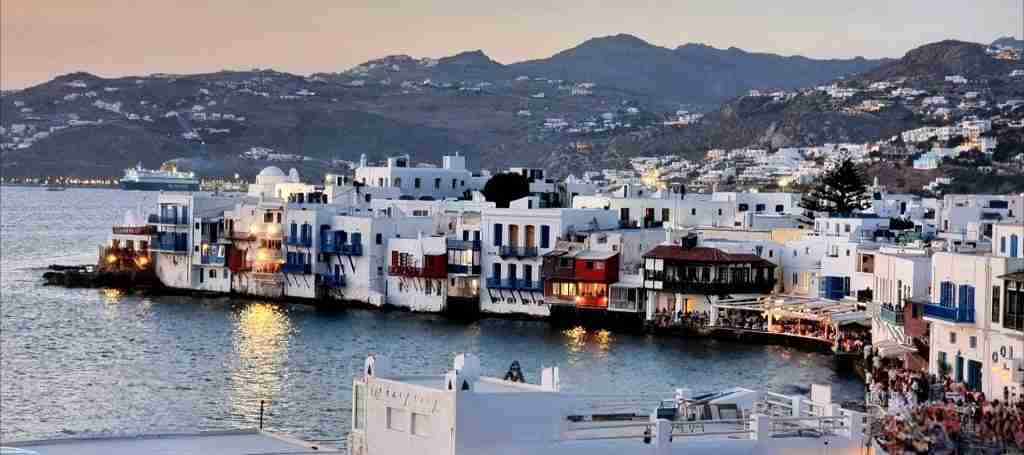
The island’s cost structure reflects this luxury orientation across every category—basic services like taxis and street food cost 50-100% more than elsewhere in Greece, while premium offerings like beach club cabanas, bottle service at nightclubs, and upscale dining reach eye-watering levels exceeding many European capitals. A single sunbed at Nammos beach club can cost what budget travelers spend for entire days on other islands, while cocktails at Little Venice sunset bars match London or New York pricing despite Greece’s overall lower cost of living.
However, beneath Mykonos’s luxury facade exists a complete range of budget options allowing cost-conscious travelers to experience the island without financial devastation. Public buses provide excellent beach connectivity at €1.90 per ride, traditional back-street tavernas serve authentic Greek food at reasonable prices (€10-15 per meal), and free beach areas exist at virtually every major beach for those bringing their own towels and shade. Understanding where Mykonos demands premium spending versus where budget alternatives thrive represents the key to controlling costs while still enjoying this iconic destination.
The 2026 season brings continued price pressure from inflation, increased demand post-pandemic, and Mykonos’s limited supply of prime beachfront real estate. Peak season (July-August) sees prices surge to maximum levels with hotels, beach clubs, and restaurants exploiting intense demand from visitors willing to pay any price for Mykonos experiences. Strategic travelers visiting shoulder seasons, utilizing public transport and supermarkets, avoiding notorious price-gouging establishments, and mixing free activities with selective premium splurges discover Mykonos offers reasonable value when approached with informed planning and realistic expectations about where costs concentrate.
Accommodation Costs in Mykonos 2026
Accommodation represents the largest single expense for most Mykonos visitors, with pricing varying dramatically by season, location, star rating, and booking timing. Understanding accommodation cost structures and strategic booking approaches helps travelers secure suitable lodging without overspending on this budget-dominating category.
Budget Accommodation Options 2026 (€40-80 Per Night)
Budget accommodation in Mykonos centers on hostels, guesthouses, and basic hotels located away from Mykonos Town center and prime beach areas. Hostel dormitory beds cost €40-60 per night during shoulder season (May-June, September-October), increasing to €60-80 in July-August peak period. Check official websites for current rates as pricing may vary significantly. Private rooms in budget guesthouses range €50-80 nightly in shoulder season, climbing to €80-120 during peak summer.
These budget options typically offer basic amenities including air conditioning, WiFi, and private or shared bathrooms, but lack pools, restaurants, sea views, and premium locations. Most sit in Mykonos Town’s less central neighborhoods or near inland villages like Ano Mera, requiring bus journeys (€1.90 per ride) to reach beaches and nightlife areas. Budget properties rarely include breakfast, though some provide basic continental spreads adding €5-8 to daily costs.
Key budget accommodation areas include Drafaki neighborhood (walking distance to town but uphill from beaches), Ano Mera village (8km inland, traditional atmosphere, excellent value but remote from beaches), and Ornos area (good beach access but less central for nightlife). Booking 4-8 weeks ahead during shoulder season secures availability at quoted prices, while July-August requires 2-3 months advance booking as budget options fill rapidly.
Mid-Range Accommodation 2026 (€100-250 Per Night)
Mid-range accommodation encompasses 3-star hotels and quality guesthouses offering comfortable facilities, central locations or beach proximity, and genuine value for money compared to Mykonos’s luxury-tier pricing. Three-star hotels average €100-150 nightly during May-June and September-October shoulder season, increasing to €150-250 in July-August. Four-star properties without premium locations cost €160-300 shoulder season, rising to €300-450 peak summer.
Mid-range properties typically include swimming pools, on-site restaurants or breakfast service, comfortable rooms with modern amenities, and locations either in Mykonos Town within walking distance of attractions or near popular beaches like Platis Gialos, Ornos, and Paraga. Breakfast inclusion varies—some properties provide full buffets (representing €10-15 value), while others offer continental basics or room-only rates requiring separate breakfast arrangements.
Best value mid-range areas include Platis Gialos (excellent beach access, good bus connections, active but not overwhelming party scene), Ornos (family-friendly beach, short bus ride to town, restaurant variety), and Mykonos Town hillside positions (walking distance to nightlife, sea views, quieter than waterfront). Booking 6-10 weeks ahead for shoulder season and 3-4 months for peak season ensures selection and reasonable rates before prices escalate closer to arrival dates.
Luxury Accommodation 2026 (€400-1,500+ Per Night)
Luxury accommodation defines Mykonos’s reputation, featuring 5-star beach resorts, boutique hotels with infinity pools, and designer properties offering sophisticated Cycladic aesthetics combined with premium amenities and services. Five-star hotels average €500-800 nightly shoulder season, escalating to €800-1,500+ during July-August peak period. Ultra-luxury properties and villas with private pools command €1,000-3,000+ nightly, with some celebrity-favorite villas exceeding €5,000 per night.
Luxury properties deliver comprehensive services including multiple restaurants and bars, full-service spas, private beach access, infinity pools with sea views, concierge services, and room designs by acclaimed architects featuring premium linens, high-end toiletries, and sophisticated technology. Locations concentrate in Psarou (celebrity beach, Nammos proximity), Agios Ioannis (stunning views, quieter atmosphere), and Mykonos Town premium positions (historical quarter views, shopping access, nightlife connectivity).
Notable luxury establishments include Cavo Tagoo (iconic adults-only property, famous infinity pool, €1,200+ nightly), Santa Marina Resort (full resort experience, multiple pools, private beach, €800-1,500), and Bill & Coo (boutique elegance, Michelin-starred dining, personalized service, €700-1,200). Booking luxury properties 4-6 months ahead for peak season proves essential as top properties sell out early, while shoulder season allows 2-3 month booking windows with occasional last-minute deals during unexpected quiet periods.
Seasonal Price Variations 2026
Mykonos accommodation demonstrates extreme seasonal price fluctuations exceeding most European destinations. July represents the most expensive month with average hotel rates reaching €589-897 nightly across all categories, driven by intense demand from August-vacationing Europeans, American summer travelers, and peak party season. June and September see 20-30% lower prices (€400-650 average), offering excellent weather with reduced crowds and costs.
May and October shoulder months bring 40-50% discounts compared to peak (€250-400 average), maintaining pleasant temperatures (20-26°C) and full operational infrastructure though some beach clubs operate limited schedules. November through February sees 60-80% price drops (€100-180 average), but most beach clubs close, nightlife becomes minimal, weather turns unreliable with wind and rain, and ferry schedules reduce dramatically making these months suitable only for off-season explorers prioritizing solitude and savings over typical Mykonos experiences.
Weekend rates (Friday-Sunday) during all seasons add 15-25% premiums compared to midweek stays, particularly impactful during June-September when weekend party atmosphere peaks. Booking Tuesday-Thursday stays when possible reduces costs while maintaining full access to beaches, restaurants, and daytime activities even if missing peak nightlife intensity.
Food and Dining Costs in Mykonos 2026
Dining costs in Mykonos span the widest range of any Greek island, from €7 gyros to €150+ tasting menus, with strategic choices between budget tavernas, mid-range restaurants, and luxury establishments dramatically impacting overall vacation budgets.
Budget Dining Strategies 2026 (€25-40 Daily Per Person)
Budget dining in Mykonos requires active effort locating affordable options and supplementing restaurant meals with supermarket purchases. Breakfast from supermarkets (Carrefour, Flora) costs €3-5 for yogurt, fruit, pastries, and coffee supplies versus €8-15 at cafes. Gyros and souvlaki from street vendors and simple takeaway shops range €7-9 for substantial wraps including meat, vegetables, and tzatziki, providing filling meals far below taverna prices.
Traditional back-street tavernas away from Little Venice, harbor front, and prime beach positions serve authentic Greek meals at reasonable prices—Greek salads €6-9, moussaka or grilled meats €10-14, house wine €8-12 per half-liter. Sakis Grill House offers island-famous gyros at €7, while Cantina serves traditional souvlaki and kebabs at €9-13. Local BBQ and Souvlaki restaurants provide kontosouvli (large pork souvlaki) around €13.
Budget-focused travelers achieve €25-40 daily food costs through: supermarket breakfast €3-5, gyros or simple taverna lunch €8-12, back-street taverna dinner €12-18, plus snacks and water €2-5. This demands avoiding waterfront restaurants, tourist-area cafes charging €5-8 for coffee, and beach club dining where simple salads cost €15-20. Bringing reusable water bottles and refilling at accommodations versus buying €2-4 bottled water saves €5-10 daily.
Mid-Range Dining 2026 (€50-80 Daily Per Person)
Mid-range dining allows traditional taverna experiences, quality local restaurants, and occasional upscale meals while maintaining budget consciousness. Breakfast at local bakeries or hotel buffets costs €8-15, providing pastries, coffee, and basic hot items. Lunch at beachside tavernas ranges €15-25 for main courses, salads, and drinks, with many beaches offering reasonable taverna options away from premium beach club restaurants.
Traditional dinner at established Mykonos tavernas costs €20-35 per person including appetizers (Greek salad €8-12, tzatziki and bread €6-8), main courses (fresh fish €25-40 per kilo, grilled meats €14-20, pasta and vegetarian dishes €12-18), house wine (€10-15 per half-liter), and occasional dessert (€6-8). Well-regarded mid-range establishments include To Maereio (harbor backstreets, traditional Greek, mains €12-18), Opa Taverna (daily specials, good value), and numerous Ornos/Platis Gialos area tavernas offering quality at €15-25 per main course.
Mid-range budgets accommodate: bakery or cafe breakfast €8-15, simple beach taverna lunch €15-25, traditional taverna dinner €25-35, plus coffee/snacks €5-8, totaling €53-83 daily. This enables authentic Greek dining experiences, fresh seafood occasionally, local wine, and comfortable meals without premium-location surcharges or beach club markups.
Upscale and Luxury Dining 2026 (€100+ Daily Per Person)
Luxury dining in Mykonos features renowned chef restaurants, premium beach club dining, and exclusive establishments where presentation, ambiance, and celebrity-spotting potential justify €45-80 main courses and €150-300+ tasting menus. Breakfast at upscale hotels or cafes costs €18-30 for elaborate spreads, fresh juices, and specialty coffee drinks. Lunch at premium beach clubs like Nammos or Scorpios ranges €35-70 for main courses, with full lunches including drinks reaching €80-150 per person before minimum spends.
Dinner at Mykonos’s acclaimed restaurants represents significant investment—Krama at Mykonos Ammos offers Greek fine dining at €45-70 per main, Interni serves contemporary cuisine in designer settings at €40-65 mains, while waterfront Little Venice establishments charge €35-60 for standard dishes plus substantial markups for premium seating. Full dinners including appetizers, mains, wine, and dessert easily reach €100-200 per person at these establishments.
Beverage costs drive upscale dining expenses significantly—cocktails at trendy bars cost €16-27, premium wine bottles €60-150+, and champagne €100-400+. Many upscale venues implement minimum spends (€50-150 per person) during peak hours, particularly sunset-view positions at Little Venice bars where seating premium justifies mandatory expenditures regardless of consumption desires.
Alcohol and Beverage Costs 2026
Beverage pricing in Mykonos reflects the island’s party reputation with significant bar markups and nightclub premiums. Domestic beer at local tavernas costs €7.50-9.50 compared to supermarket prices of €3-5 for six-packs, representing 150-200% markups. House wine at tavernas ranges €10-15 per half-liter, while premium Greek wines cost €35-80 bottles. Cocktails span €16-27 at most bars, escalating to €25-40 at exclusive venues.
Coffee culture carries Mykonos premiums—freddo espresso (iced coffee) costs €3-5 at normal cafes, rising to €7-11 at Little Venice sunset-view establishments where location commands price premiums. Beach club bars charge €8-12 for beers and €20-30 for cocktails, with many implementing minimum drink orders (2-3 drinks minimum) for certain seating areas.
Money-saving beverage strategies include: purchasing supermarket beer/wine for accommodation pre-drinking before nightlife (saving €20-40 nightly), choosing local tavernas over tourist bars for drinks (€8 versus €12+ for beer), avoiding waterfront/sunset-view establishments during peak hours when surcharges apply, and utilizing hotel/villa bases for social drinking before selective bar visits rather than sustained bar-hopping throughout evenings.
Transportation Costs in Mykonos 2026
Transportation represents a significant Mykonos expense where strategic choices between public buses, taxis, and car rentals dramatically impact budgets, with public transport offering 95% savings compared to taxi dependency.
Public Bus System 2026
Mykonos’s KTEL bus system provides excellent value at €1.90 per one-way journey, connecting Mykonos Town (Fabrika terminal) with all major beaches including Paradise, Super Paradise, Elia, Ornos, Platis Gialos, Agios Stefanos, and Ano Mera village. Buses operate frequently during summer season (every 15-30 minutes to popular beaches), reducing to hourly service during shoulder seasons and minimal winter schedules.
The SeaBus offers scenic transport between Mykonos Old Port and New Port (where ferries dock) at €2.50 per journey, providing economical alternative to €15-20 taxi rides between ports. Buses prove particularly valuable for beach access—daily beach visits by bus cost €3.80 round-trip compared to €60-80 for round-trip taxis, representing €56-76 daily savings that accumulate substantially over week-long stays.
Bus limitations include crowding during peak hours (particularly morning beach runs and late afternoon returns), no evening service to most beaches (limiting sunset beach visits), and inability to reach remote beaches like Agios Sostis or Fokos. Summer peak season sees buses at capacity requiring sometimes waiting for subsequent departures, though services run frequently enough that delays rarely exceed 20-30 minutes.
Taxi Costs 2026
Taxis in Mykonos operate on fixed minimum fares rather than purely metered systems, with €30-40 representing standard charges for most trips regardless of distance. Airport to Mykonos Town costs €30-35, while trips to beaches like Paradise or Psarou charge €35-40 minimum. Longer distances to Elia Beach or Ano Mera reach €40-50. Airport/port trips add €2.85 toll surcharge beyond base fares, and after-midnight rides include €5 night surcharges.
Taxi availability proves inconsistent during peak season with high demand, limited vehicle numbers, and no reliable ride-hailing apps (Uber doesn’t operate in Mykonos). Waiting times of 30-60 minutes occur regularly at popular locations during peak hours, while advance bookings through hotels provide more reliability at 10-20% premium prices. Some taxi drivers quote flat rates exceeding standard €30-40 minimums—confirming prices before departure prevents disputes.
Taxi dependency becomes extremely expensive—travelers making 3-4 daily trips (accommodation to beach, beach to town, town to dinner, return to accommodation) spend €120-160 daily on transport alone. Budget-conscious travelers reserve taxis for essential journeys (airport transfers, late-night returns when buses don’t operate, beach access for beaches without bus service) while relying on buses for routine daytime beach and town access.
Car and ATV Rental 2026
Car rental in Mykonos costs €40-80 daily depending on vehicle size, season, and rental duration, with week-long rentals providing 15-20% discounts compared to daily rates. Small cars (Fiat Panda, similar compacts) rent for €40-50 daily shoulder season, increasing to €60-80 July-August. Larger vehicles and SUVs cost €70-120+ daily. Comprehensive insurance adds €10-15 daily but proves worthwhile given Mykonos’s narrow roads, challenging parking, and other drivers’ variable skills.
ATV and scooter rentals range €25-45 daily for scooters (50-125cc) and €40-60 for ATVs, offering economical transport and easy parking but presenting safety concerns on Mykonos’s crowded, poorly maintained roads with aggressive drivers. Accident rates peak July-August when inexperienced riders combine with maximum traffic, heavy drinking, and challenging road conditions.
Rental vehicles provide freedom accessing remote beaches (Agios Sostis, Fokos, Mersini), enable sunset beach visits impossible via public transport, and prove economical for groups of 3-4 splitting costs (€50 rental ÷ 4 people = €12.50 each versus €3.80 bus). However, parking challenges in Mykonos Town (limited spaces, €10-20 daily lots, aggressive tow enforcement) and high fuel costs (€1.80-2.10 per liter, approximately $8-9 per gallon) add expenses beyond base rental rates.
Ferry Costs from Athens 2026
Ferry transport from Athens to Mykonos represents essential costs for most visitors, with pricing varying by ferry type, departure port, and booking timing. Economy class seats on conventional ferries (4-6 hour journeys) cost €38-60, departing primarily from Piraeus port. Business or VIP class seats offering more space and quieter lounges range €70-90 on conventional ferries.
High-speed ferries reducing journey time to 2.5-3.5 hours charge €85-145 for standard seats, with premium/VIP seating reaching €120-160. The Rafina-Mykonos route typically offers slightly lower prices (€38-55 economy) compared to Piraeus departures, though Rafina’s location 33km from Athens center adds transport costs offsetting ferry savings for travelers staying in central Athens.
Ferry cabin options exist on some overnight or longer conventional routes, costing €85-220 for 2-4 person cabins with beds, providing sleep opportunity during transport. Vehicle transport adds €74-128 for cars and €33 for motorcycles. Children under 5 travel free, ages 5-10 receive 50% discounts, and students with valid ISIC cards qualify for reduced fares on most operators. Booking 2-3 weeks ahead during peak season secures availability and prevents last-minute price increases, while shoulder season allows 1-2 week booking windows.
Beach and Activity Costs in Mykonos 2026
Beach club culture and organized beach infrastructure create significant costs for traditional “relaxing beach day” activities that prove free or minimal expense on most Greek islands, with Mykonos sunbed and beach club pricing representing major budget considerations.
Sunbed and Umbrella Rental 2026
Sunbed rental costs vary dramatically by beach, position, and establishment, ranging from €20-50 for basic organized beach areas to €100-240+ for premium beach club positions with full service. Paradise and Ornos beaches offer basic sunbed sets (2 beds + 1 umbrella) at €20-35, providing affordable organized beach access with minimal amenities. Super Paradise charges €35-70 depending on row position, with front-row proximity to water commanding highest prices.
Premium beach clubs implement stratified pricing systems where position determines cost—Psarou’s Nammos charges €30-100+ per sunbed depending on proximity to water and club facilities, with front-row “prime” positions requiring €80-100+ even before minimum spend requirements. Scorpios operates cabana systems rather than individual sunbeds, charging €200-240 for full cabanas accommodating up to 4 guests, plus €50-60 per additional person for larger groups.
Many beach clubs enforce minimum spend requirements separate from sunbed fees, particularly during peak hours (11:00 AM-6:00 PM) and premium positions. Minimum spends range €50-150 per person for food and beverages, effectively increasing total beach costs to €85-250+ per person for full-day premium beach club experiences. These requirements often remain unstated until seating, creating surprise charges for unprepared visitors.
Free Beach Access 2026
Despite Mykonos’s organized beach dominance, free beach areas exist at virtually every beach for visitors bringing their own towels, umbrellas, and supplies. Elia, Kalafatis, Agios Sostis, and Fokos beaches maintain substantial free areas with minimal organized infrastructure, allowing zero-cost beach days beyond transport and personal refreshments. Even heavily organized beaches like Paradise, Super Paradise, and Ornos preserve strips of free sand beyond sunbed zones, though space proves limited and fills quickly during peak season.
Free beach visitors must bring complete supplies—beach towels or mats, portable shade (umbrellas, beach tents), water, food, and any recreational equipment. Beach bars still operate at free beach areas, allowing selective purchases (cold drinks €3-6, coffee €4-6, snacks €5-10) without mandatory minimums. Arriving early (before 10:00 AM) secures best free beach positions before crowds fill available space.
Remote beaches including Mersini, Agios Sostis (except organized section), and Fokos offer pristine free beach experiences with minimal facilities but exceptional natural beauty and relative solitude even during peak season. These require vehicle access (car/ATV rental) or significant walking from bus stops, trading transport costs and convenience for free beach access and uncrowded experiences.
Water Sports and Activities 2026
Water sports at Mykonos beaches follow typical Greek island pricing with jet ski rentals costing €60-90 per 15-20 minutes, banana boat rides €15-20 per person, and parasailing €60-80 per person. Scuba diving excursions range €60-120 for single dives and €250-400 for PADI certification courses. Stand-up paddleboard and kayak rentals cost €15-25 per hour at beaches offering these activities.
Boat tours and excursions represent popular Mykonos activities, with day trips to archaeological site Delos costing €25-30 for boat transport plus €12 Delos entrance fee, totaling €37-42. Private boat charters for swimming and beach-hopping cost €300-1,000+ depending on boat size, duration (half-day versus full-day), and included services (food/drinks, water toys). Sunset sailing cruises with drinks and snacks range €80-150 per person for shared tours.
Mykonos Town activities cost minimally—wandering Little Venice, photographing windmills, exploring white-washed streets, and visiting Panagia Paraportiani Church remains free. Shopping in boutiques ranges from €20-50 for typical souvenirs to €100-500+ for designer items at luxury shops. Nightclub entry fees vary from free (early evening) to €20-50 (peak hours), with bottle service and table reservations reaching €500-20,000 depending on venue, night, DJ, and table position.
Sample Daily Budget Breakdowns 2026
Understanding realistic daily costs across different travel styles helps travelers budget accurately for complete Mykonos experiences in 2026. The following breakdowns represent typical expenses for different visitor profiles, excluding accommodation which varies too dramatically for meaningful averaging across budget tiers.
Strict Budget Daily Costs 2026 (€65-85 Per Day)
Accommodation €40-60 per night (hostel dormitory or basic guesthouse), supermarket breakfast €3-5, street food lunch €8-10, back-street taverna dinner €12-18, water and snacks €3-5, public bus transport €5-8 (2-4 rides), free beach access with own supplies €0. Total daily cost: €71-106 per person including accommodation.
This budget demands significant compromises including hostel dormitories or distant basic rooms, predominantly street food and simple tavernas, public transport exclusively, free beaches only, minimal alcohol consumption (supermarket beer at accommodation), and avoiding beach clubs, upscale restaurants, taxis, nightclubs, and organized tours. Achievable but requires discipline and acceptance of limited access to premium Mykonos experiences.
Comfortable Mid-Range Daily Costs 2026 (€200-300 Per Day)
Accommodation €120-200 per night (3-star hotel or quality guesthouse), cafe or hotel breakfast €10-15, beach taverna lunch €18-25, traditional taverna dinner €25-35, coffee and drinks €8-15, mixed transport (primarily buses €5-8, occasional taxi €30-40), beach sunbed rental €25-40, evening drinks at bars €15-25. Total daily cost: €261-398 per person including accommodation.
Mid-range budgets enable comfortable hotels, quality Greek dining at traditional tavernas, organized beach access, occasional upscale meals or beach club visits, selective taxi use, and moderate nightlife participation while maintaining overall budget consciousness. Represents realistic comfortable Mykonos experience without extreme luxury or severe restrictions.
Luxury Daily Costs 2026 (€500-1,000+ Per Day)
Accommodation €400-1,000+ per night (4-5 star hotels or luxury villas), upscale breakfast €20-30, premium beach club lunch €50-100 including minimum spend, fine dining dinner €80-150, cocktails and drinks €40-80, taxi transport exclusively €80-120, premium beach club access €80-150 including sunbed and minimum spend, nightclub or luxury bar visits €100-300. Total daily cost: €860-1,930+ per person including accommodation.
Luxury budgets deliver complete Mykonos experiences including top-tier accommodations, premium beach clubs like Nammos and Scorpios, renowned restaurants, extensive cocktail consumption, taxi convenience, and active nightlife participation. No budget restrictions allow spontaneous experiences and access to all premium aspects defining Mykonos’s luxury reputation.
Weekly Budget Estimates 2026
Seven-day Mykonos stays cost approximately €537 ($637) for strict budget travel, €2,100-2,786 ($2,490-3,304) for comfortable mid-range experiences, and €6,020-13,510+ ($7,135-16,019+) for luxury vacations per person excluding flights. These totals include accommodation, all meals, transport, beach access, activities, and moderate entertainment but exclude international flights, shopping, and extraordinary expenses like private yacht charters or ultra-premium nightclub bottle service.
Budget travelers benefit from week-long bus passes (if available) and accommodation weekly rates offering 10-15% discounts, while luxury travelers discover marginal additional daily costs for extended stays as accommodation and experience infrastructure remains constant beyond initial investment levels.
Money-Saving Strategies for Mykonos 2026
Strategic approaches to common Mykonos expenses enable significant savings without sacrificing enjoyable island experiences, with transportation, dining, and beach access offering greatest optimization opportunities.
Transportation Savings
Relying on public buses (€1.90) instead of taxis (€30-40 minimum) saves €28-38 per trip, accumulating to €112-228 daily for travelers making 4 typical journeys. Planning beach and town visits during bus operating hours (roughly 8:00 AM-11:00 PM peak season) eliminates most taxi needs except late-night returns and airport transfers. Groups of 3-4 discover car rentals (€50-70 daily split four ways = €12.50-17.50 per person) cost less than multiple bus trips while providing schedule freedom.
Walking within Mykonos Town saves €8-12 compared to short taxi rides between hotels and restaurants/nightlife areas, with most town locations within comfortable 10-15 minute walks. Booking accommodations near Fabrika bus terminal reduces taxi needs for beach access, while Ornos or Platis Gialos lodging provides beach proximity with easy bus connections to town.
Dining Cost Control
Supermarket breakfast supplies (€3-5) versus cafe breakfast (€10-18) save €7-13 daily, accumulating to €49-91 weekly. Mixing gyros/street food lunches (€8-10) with traditional taverna meals (€15-25) rather than consistent beach club dining (€35-70) reduces meal costs 60-75% while maintaining quality Greek cuisine. Purchasing supermarket wine and beer for accommodation consumption before evening activities saves €15-30 nightly compared to sustained bar drinking.
Seeking back-street tavernas away from Little Venice waterfront, harbor views, and prime beach positions discovers authentic restaurants charging €12-20 for mains versus €25-45 at tourist-oriented establishments, delivering identical or superior food quality without location premiums. Using Google Maps and TripAdvisor to identify local favorites versus relying on waterfront convenience reveals numerous excellent-value dining options.
Beach Access Optimization
Utilizing free beach areas with personal towels and portable shade eliminates €25-50 daily sunbed costs, saving €175-350 weekly for couples. Visiting beaches like Agios Sostis, Fokos, and free sections of organized beaches provides excellent beach experiences at zero cost beyond transport. Arriving at organized beaches after 3:00 PM sometimes allows discounted or free sunbed access as establishments reduce prices for partial-day visitors.
Selective premium beach club visits (1-2 times per week) rather than daily beach club attendance balances experiencing Mykonos’s famous beach culture with budget management, spending €150-300 for couple’s premium beach day instead of €700-1,400 weekly for consistent beach club access. Shoulder season visits (May-June, September-October) reduce sunbed prices 40-60% (€40-60 versus €80-150) while maintaining excellent weather and beach conditions.
Seasonal Timing Advantages
Visiting Mykonos in May, early June, or September delivers 40-60% accommodation savings (€120-180 versus €300-600+ for 3-4 star hotels), 30-50% lower sunbed prices, less crowded beaches and restaurants, and excellent weather (22-28°C, minimal rain) while avoiding July-August’s extreme heat, overwhelming crowds, and peak pricing. Late September particularly offers outstanding value as schools resume reducing family travelers while weather remains excellent.
Weekday stays (Monday-Thursday) cost 15-25% less than weekend rates throughout summer season, with Tuesday-Wednesday often representing cheapest nights. Planning 5-night Tuesday-Saturday stays versus Friday-Tuesday trips reduces accommodation costs while maintaining weekend party atmosphere access.
Advance Booking Benefits
Booking accommodation 2-4 months ahead for peak season secures significantly better rates than last-minute bookings where limited availability creates seller’s market with 50-100% premiums. Ferry tickets booked 2-3 weeks ahead guarantee availability during sold-out periods and occasionally offer early-bird discounts. Restaurant reservations at popular establishments prevent desperation dining at expensive tourist traps when desired restaurants become full.
Package deals combining accommodation with car rental or ferry transport sometimes provide 10-20% savings compared to booking components separately, with travel booking platforms offering occasional flash sales on Mykonos packages during shoulder seasons.
Common Budget Traps and Scams 2026
Mykonos presents several pricing traps and questionable practices that catch unprepared visitors, costing hundreds of euros in unexpected charges and poor-value experiences when not anticipated and avoided.
The “No Menu” Restaurant Trap
Certain Platys Gialos and waterfront restaurants avoid displaying menus or prices, quoting only when orders placed, then delivering bills 2-3 times higher than expected with “fresh fish” charged at €80-120 per kilo (yielding €160-240 bills for two-person meals), simple salads at €15-20, and basic pasta at €25-35. Insisting on seeing menus with clear prices before ordering prevents these situations, with legitimate restaurants willingly providing written pricing.
Compulsory Bread and Water Charges
Many tavernas automatically place bread baskets and large water bottles on tables without requesting consent, then charge €2-5 per person as “cover fees” appearing only on final bills. Some establishments claim these charges represent mandatory service fees or table minimums. Requesting removal of unwanted bread/water immediately upon seating and confirming no associated charges prevents these surprise costs.
Vague Beach Club Pricing
Beach clubs sometimes quote sunbed prices (€40-60) without mentioning front-row seats cost €100-150, or that minimum spends (€50-150 per person) apply beyond sunbed fees. Explicitly asking about total costs including all mandatory spending, position-based pricing tiers, and minimum requirements before accepting beach club seating prevents €100-300 surprise bills for services assumed included in initial quotes.
Unofficial Taxi Overcharging
Airport and port areas attract unofficial taxi drivers and aggressive official drivers quoting €50-80 fares for trips normally costing €30-35, exploiting new arrivals’ unfamiliarity with standard pricing. Confirming prices match approximately €30-35 for airport-town trips, €30-40 for most beach transfers, and insisting on established pricing before departing prevents 100%+ overcharges. Using taxi apps or hotel pre-arranged transfers provides price transparency.
Oversold Boat Tour Promises
Street vendors selling “all-inclusive” boat trips sometimes promise food, drinks, and multiple stops included in €60-80 prices, then deliver minimal offerings once vessels depart with complaints met by claims of “misunderstanding” or add-on charges for promised items. Booking established tours through hotels, official tour operators, or recognized booking platforms with clear written descriptions prevents these disappointments.
Comparing Mykonos to Other Greek Islands 2026
Mykonos consistently ranks as Greece’s most expensive island, with cost comparisons to popular alternatives revealing 30-100% premiums across most categories while offering unique attributes justifying higher spending for appropriate visitor types.
Mykonos versus Santorini
Santorini rivals Mykonos in high-end costs but concentrates extreme pricing in caldera-view accommodations (€400-1,200+ nightly) while offering reasonable alternatives in non-caldera locations (€80-150). Mykonos spreads high costs more uniformly across all locations and categories. Daily spending averages €250-350 per person for mid-range comfort in both islands, but Mykonos requires higher spending for equivalent beach experiences due to sunbed costs and beach club culture. Santorini offers superior sunset views and volcanic landscapes, while Mykonos delivers better beaches and more intense nightlife.
Mykonos versus Paros/Naxos
Neighboring Cyclades islands Paros and Naxos cost 40-60% less than Mykonos for comparable quality accommodation, dining, and experiences. Mid-range hotels cost €70-120 versus Mykonos’s €120-200, taverna dinners €15-25 versus €25-40, and beaches remain predominantly free versus €25-100 sunbed costs. Daily mid-range budgets average €120-180 in Paros/Naxos versus €250-350 in Mykonos. These islands offer authentic Greek atmosphere, excellent beaches, and quality dining without Mykonos’s party scene, luxury infrastructure, or international celebrity attention.
Mykonos versus Crete
Crete provides Greece’s best overall value with daily mid-range budgets of €80-150 per person, 50-70% below Mykonos levels. Crete’s size and diversity offer beach variety, archaeological sites, mountain villages, and comprehensive infrastructure at reasonable prices. However, Crete lacks Mykonos’s compact convenience, international party reputation, and concentrated luxury services. Budget-conscious travelers seeking Greek beaches, culture, and cuisine discover Crete delivers superior value, while luxury-seekers and party enthusiasts find Mykonos’s premium positioning worth additional costs.
Frequently Asked Questions
Can you visit Mykonos on a budget in 2026?
Visiting Mykonos on a true budget remains possible in 2026 but demands significant compromises and strategic planning compared to effortless budget travel on other Greek islands. Strict budget travelers achieving €70-100 daily spending (including hostel accommodation) must accept dormitory lodging or distant basic guesthouses, rely exclusively on public buses at €1.90 per ride, eat predominantly gyros and street food with occasional back-street taverna meals, use free beach areas bringing own supplies, avoid taxis entirely, limit alcohol to supermarket purchases consumed at accommodation, and skip beach clubs, upscale restaurants, and most nightlife beyond free beach parties. This approach allows Mykonos experiences but misses much of what makes the island famous—premium beach clubs, waterfront dining, cocktail bars, and luxury atmosphere. More comfortable “budget-conscious” travel requiring €150-200 daily enables 3-star hotels, traditional taverna dining, occasional taxis for essential trips, basic sunbed rentals, and moderate nightlife participation while maintaining overall cost awareness. Mykonos rewards higher spending more than most destinations, with premium experiences justifying costs for appropriate travelers, but determined budget visitors can experience the island’s natural beauty and culture at €100-150 daily through careful choices.
How much money should I bring to Mykonos for a week in 2026?
Weekly Mykonos budgets for 2026 vary dramatically by travel style, with budget travelers requiring minimum €700-1,000 ($830-1,185) covering hostel accommodation, street food, public transport, and free beaches. Comfortable mid-range travelers should budget €2,000-3,000 ($2,370-3,555) per person for the week, enabling 3-star hotels, traditional restaurant dining, organized beach access, occasional upscale experiences, and moderate nightlife. Luxury travelers seeking full Mykonos experiences including premium beach clubs, upscale dining, top-tier accommodation, extensive nightlife, and taxi convenience require €6,000-15,000+ ($7,110-17,775+) weekly per person. These estimates exclude international flights but include accommodation, meals, local transport, beach access, activities, and entertainment. Additional buffers of 15-20% above calculated budgets cover hidden costs including Climate Resilience Tax, unexpected surcharges, taxi tolls, compulsory restaurant charges, and spontaneous opportunities. Bringing mix of cash euros and credit cards proves most practical, with €300-500 cash for small purchases, tips, and establishments not accepting cards, while using cards for major expenses, accommodations, and established restaurants. ATMs throughout Mykonos provide euro access, though avoiding “Euronet” branded machines (€4-7 fees) in favor of local bank ATMs (€1-2 fees) reduces transaction costs.
What is the most expensive month to visit Mykonos in 2026?
July represents Mykonos’s most expensive month in 2026, with accommodation prices reaching peak levels averaging €589-897 per night across all hotel categories and individual 3-4 star properties charging €300-600+ nightly compared to €120-250 during shoulder seasons. August follows closely behind with marginally lower (5-10%) average prices but similar peak-season surcharges, while early July (first two weeks) costs slightly less than late July and early August period when European vacation season intensifies. July’s premium pricing extends beyond accommodation—beach clubs charge maximum sunbed fees (€80-150 versus €40-70 shoulder season), restaurants implement highest menu prices, taxis become most expensive and least available, and ferry tickets sell out requiring advance booking at premium rates. The intense demand driving July pricing creates additional hidden costs including mandatory minimum spends at beach clubs (€100-150 per person versus €50-80 shoulder season), extended wait times requiring bar spending, and limited accommodation availability forcing acceptance of higher-priced alternatives. Travelers with schedule flexibility discover visiting late May, June, or September provides virtually identical beach weather (24-28°C, minimal rain) with 40-60% lower costs across all categories while avoiding July’s overwhelming crowds, extreme prices, and stressed infrastructure.
Are credit cards widely accepted in Mykonos in 2026?
Credit cards enjoy widespread acceptance in Mykonos 2026 at hotels, established restaurants, beach clubs, car rental agencies, ferry ticket offices, and most shops, with Visa and Mastercard functioning universally while American Express sees more limited acceptance. However, cash remains essential for certain situations including traditional tavernas in back streets, street food vendors, public buses (exact change required for €1.90 fares), taxis (many prefer or demand cash despite regulations requiring card acceptance), beach bars at remote beaches, small shops, and tips for service staff. The island’s tourist orientation means card infrastructure exceeds most Greek islands, but maintaining €200-400 cash reserves prevents situations where card-only travel creates problems. Some smaller establishments implement €10-20 minimum purchase requirements for card transactions, while others add 3-5% surcharges for credit card payments violating merchant agreements but occurring occasionally. Contactless payments work at most modern establishments, while chip-and-PIN remains standard requiring PIN knowledge for card transactions. Notifying banks of Greece travel prevents fraud-prevention card blocks that occur when sudden Greek charges appear on accounts, with backup cards from different issuers providing security against lost or blocked primary cards during vacations.
Is tipping expected in Mykonos restaurants and bars in 2026?
Tipping in Mykonos follows standard Greek practices with service charges generally included in restaurant bills but additional tips appreciated for good service. Rounding up bills at casual tavernas by €2-5 represents common practice for satisfactory service, while quality restaurant service warrants 5-10% tips on pre-tax totals. Beach club staff appreciate 10% of sunbed and service charges, particularly when providing attentive drink service throughout the day. Taxi drivers don’t expect tips beyond rounding to next euro (€38 fare becomes €40), though exceptional service or assistance with luggage merits €2-5 additional. Hotel staff including porters, housekeeping, and concierges respond positively to €2-5 tips per service, with daily housekeeping tips of €2-3 appropriate for multi-day stays. Bartenders at nightclubs and upscale bars receive €1-2 per drink or 10% of bar tabs, though this becomes optional when already paying €20-30 cocktails. Unlike American tipping culture, Greek tips represent genuine appreciation for good service rather than mandatory wage supplements, with no service staff depending exclusively on tips for income. Budget travelers omitting tips face no negative consequences, while generous tipping improves service attention and creates positive interactions throughout stays. Cash tips prove most appreciated as direct delivery to service providers, though card-added tips work at establishments with tip-entry systems.
What hidden fees should I expect in Mykonos 2026?
Mykonos presents several hidden fees that surprise unprepared visitors, significantly impacting final vacation costs beyond quoted prices. The Climate Resilience Tax adds €1-10 per room per night at accommodations, scaling with property star rating and appearing only at checkout rather than booking prices. This mandatory environmental/infrastructure tax costs €1-3 nightly at budget properties, €4-7 at mid-range hotels, and €8-10 at 5-star establishments. Taxi rides include €2.85 airport/port tolls charged beyond metered fares, while after-midnight surcharges add €5 to standard rates. Beach clubs implement minimum spend requirements (€50-150 per person) beyond advertised sunbed prices, particularly for premium positions and peak hours. Tavernas automatically place bread and water on tables charging €2-5 per person as unstated “cover fees” appearing only on final bills. ATM fees reach €4-7 at “Euronet” machines compared to €1-2 at local banks, with some ATMs adding percentage-based charges (3-5%) beyond flat fees. Rental car insurance costs €10-15 daily beyond base rates, though comprehensive coverage proves worthwhile given challenging driving conditions. Ferry cancellation/change fees range €10-30 depending on timing and operator, while some restaurants add 3-5% credit card surcharges despite merchant agreement prohibitions. Maintaining 15% budget buffer above calculated costs covers these hidden charges, with careful attention to bill itemization preventing overcharges and disputing unjustified fees when they occur.
How do Mykonos prices compare to other Mediterranean party islands in 2026?
Mykonos ranks among the Mediterranean’s most expensive party destinations in 2026, exceeding Ibiza in baseline costs while trailing Monaco and Saint-Tropez in ultra-luxury pricing. Compared to Ibiza, Mykonos charges 20-40% more for basic services including street food (€7-9 versus €5-7 for equivalent meals), taxis (€30-40 minimum versus €20-30), and public transport (€1.90 versus €1.50). Beach club pricing proves comparable between islands with both offering €40-100+ sunbeds and similar minimum spends, though Ibiza provides more variety in budget beach options. Mid-range hotel accommodation costs similarly (€120-200 nightly) at both destinations, while restaurants show Mykonos premiums of 15-30% for equivalent quality dining. Split, Croatia offers dramatically lower costs (40-60% below Mykonos) with excellent beaches, growing party scene, and mid-range daily budgets of €80-120 versus Mykonos’s €200-300. Malta provides another Mediterranean party alternative at 50-70% of Mykonos costs with daily budgets of €60-100 for comfortable experiences. Mykonos justifies premium pricing through iconic Cycladic architecture, superior beaches compared to rocky Ibiza coastlines, extremely compact layout concentrating nightlife and beaches within minimal distances, and international celebrity cachet attracting ultra-wealthy visitors creating exclusive atmosphere. Budget-focused party seekers discover better value in Ibiza, Split, or Malta, while luxury travelers and those prioritizing Greek island atmosphere over pure economics find Mykonos worth premium costs.
Can I use public transport to reach all beaches in Mykonos in 2026?
Public KTEL buses in Mykonos provide excellent coverage to major organized beaches including Paradise, Super Paradise, Paraga, Platis Gialos, Ornos, Psarou, Elia, Kalafatis, and Agios Stefanos, with frequent service (every 15-30 minutes to popular beaches) during peak summer season. These accessible beaches represent 70-80% of visitor beach needs, allowing budget travelers to avoid expensive taxi dependency for most beach activities. However, several beaches remain inaccessible by public transport requiring car/ATV rental, taxi, or boat access. Remote northern beaches including Agios Sostis, Fokos, Mersini, and Kapari lack bus service, necessitating vehicle rental (€50-70 daily) or expensive taxi rides (€40-60+ each way). Agios Sostis particularly attracts visitors for its pristine character and excellent taverna (Kiki’s), but reaching it demands personal transport. Some southern beaches like Agia Anna connect via coastal walking paths from Platis Gialos (15-20 minutes), avoiding transport costs entirely. Bus service operates roughly 8:00 AM to 11:00 PM during peak season with reduced hours and frequency during shoulder periods, limiting sunset beach visits and creating late-night taxi dependency for post-dinner beach bar experiences. Overall, visitors focusing on major beaches achieve 90%+ transport needs via €1.90 bus system, while those seeking remote beach exploration or maximum schedule flexibility benefit from rental vehicles despite higher costs. Strategic travelers utilize buses for routine beach access while splurging on occasional taxis for special trips to vehicle-required beaches, balancing economy with comprehensive beach access.
What is the cheapest way to get from Athens to Mykonos in 2026?
The cheapest Athens-Mykonos transport option in 2026 involves conventional ferry service from Rafina port with economy class tickets costing €38-55, representing 30-50% savings compared to high-speed ferries at €85-145 or flights at €60-150+ during peak season. The Rafina route proves slightly cheaper than Piraeus departures (€44-60 conventional ferries), though Rafina’s location 33km from Athens center adds €15-25 transport costs (bus or taxi) potentially offsetting ferry savings for travelers based in central Athens. The conventional ferry journey requires 4-6 hours versus 2.5-3.5 hours on high-speed vessels, trading time for cost savings of €30-90 per person each direction. For budget travelers prioritizing minimal expense, accepting the longer journey duration delivers meaningful savings, particularly for couples or groups where per-person savings multiply significantly. Booking ferry tickets 2-3 weeks ahead during peak season guarantees availability without last-minute price increases, while shoulder season allows 1-2 week booking windows. Children under 5 travel free and ages 5-10 receive 50% discounts, making conventional ferries excellent family value. Students with ISIC cards qualify for reduced fares on most operators. The cheapest absolute approach involves booking the lowest-priced conventional ferry during off-season periods (November-March) when tickets sometimes drop to €30-35, though limited schedules (1-2 daily departures) and rough winter seas make this suitable only for hardy budget travelers unconcerned with travel comfort. Overall, conventional Rafina ferries at €38-55 provide optimal balance of cost savings and reasonable travel experience for budget-conscious visitors.
How much should I budget for nightlife in Mykonos 2026?
Mykonos nightlife budgets vary enormously from €20-40 for casual bar-hopping to €300-1,000+ for premium beach club parties and exclusive nightclub experiences in 2026. Budget nightlife participation costs €20-40 nightly through supermarket pre-drinking at accommodations (€10-15 for beer/wine supplies), then visiting 1-2 bars for €16-27 cocktails or €8-12 beers, avoiding cover charges by arriving early (before 11:00 PM when many venues charge €20-50 entry), and departing before midnight when drink prices surge. Mid-range nightlife budgets of €60-120 enable full bar-hopping experiences visiting 3-4 venues, cocktails at waterfront Little Venice bars capturing sunset atmosphere, cover charges at 1-2 nightclubs, and sustained drinking throughout evenings without strict budget constraints. Premium nightlife at €200-500+ nightly involves extensive cocktail consumption (€20-30 each at exclusive venues), bottle service at tables (€500-2,000 for vodka/champagne bottles serving 4-8 people), VIP areas at famous clubs, and participating in sunrise beach parties where drinks cost €15-25. Ultra-luxury nightlife exceeds €1,000 per person for DJ-booth proximity tables (€10,000-20,000 for groups), premium champagne (€400-1,000+ bottles), and celebrity-attended events at venues like Cavo Paradiso and Scorpios. Strategic nightlife budgeting involves pre-drinking at accommodations reducing bar spending by €30-50, visiting happy hour periods (5:00-7:00 PM at some bars offering 2-for-1 drinks), avoiding waterfront premium seating surcharges, and mixing free beach parties with selective paid venue visits. Groups splitting bottle service costs (€100-250 per person for table access and drinks) discover better value than individual drink purchases, while couples find individual cocktails more economical than minimum bottles. Planning 3-4 serious nightlife evenings weekly rather than sustained nightly participation allows experiencing Mykonos’s famous party scene without devastating vacation budgets.