
Munich Food Guide: Bavarian Cuisine Essentials
Key Takeaways
- Bavarian cuisine represents centuries of culinary tradition rooted in agricultural heritage, combining hearty meat dishes, exceptional bread-making, and world-renowned beer culture
- Munich’s food scene centers around traditional beer gardens, historic Wirtshäuser (taverns), and vibrant markets like Viktualienmarkt that preserve authentic regional gastronomy
- Essential Bavarian dishes include Schweinshaxe (roasted pork knuckle), Weisswurst (white sausage), Leberkäse, and pretzels that define Munich’s culinary identity
- Beer culture remains inseparable from Bavarian food traditions, with specific beer styles paired with traditional dishes following centuries-old customs
- Seasonal food festivals and culinary celebrations throughout the year showcase Bavaria’s gastronomic heritage beyond the famous Oktoberfest
- Understanding Bavarian dining etiquette and traditions enhances the authentic culinary experience in Munich’s traditional establishments
Introduction to Munich’s Bavarian Culinary Heritage
Munich stands as the gastronomic capital of Bavaria, where centuries of culinary tradition converge with a distinctive regional identity that has shaped German cuisine. The city’s food culture reflects Bavaria’s agricultural abundance, Alpine geography, and the profound influence of beer brewing traditions that date back to medieval monastic communities. Unlike the lighter, more refined cuisines of other European capitals, Bavarian gastronomy celebrates robust flavors, generous portions, and the communal dining experiences that define Munich’s social fabric.
The essence of Munich’s food scene lies in its unwavering commitment to traditional preparation methods and locally sourced ingredients. Bavarian cuisine evolved from the practical needs of agricultural workers and Alpine communities who required substantial, energy-dense meals to sustain demanding physical labor. This heritage manifests in dishes characterized by rich meats, hearty bread, substantial dumplings, and the creative use of every part of the animal—a principle known as “nose-to-tail” eating long before it became a modern culinary trend.
Munich’s culinary landscape encompasses everything from humble street food stalls serving Leberkäse sandwiches to elegant Wirtshäuser where white-jacketed waiters deliver silver platters of Schweinshaxe. The city’s beer gardens function as outdoor dining halls where strangers share long wooden tables, creating a uniquely Bavarian social experience centered around food and drink. Markets like the historic Viktualienmarkt serve as living museums of regional gastronomy, where vendors have sold the same family recipes for generations.
What distinguishes Bavarian cuisine from other German regional cooking is its remarkable consistency and resistance to international influences. While Berlin embraced currywurst and Hamburg developed its maritime specialties, Munich preserved its culinary traditions with almost religious devotion. The strict adherence to the Reinheitsgebot (German Beer Purity Law of 1516) exemplifies this commitment to tradition, and the same philosophy extends to food preparation throughout the region.
Understanding Munich’s food culture requires appreciating the relationship between agriculture, brewing, and Catholicism that shaped Bavarian society. The monastic brewing tradition established beer as a nutritious “liquid bread” consumed during fasting periods, while Catholic feast days created the calendar of culinary celebrations that continues today. This historical context transforms a simple meal in Munich into a connection with centuries of Bavarian heritage.
People Also Ask About Munich Food and Bavarian Cuisine
What makes Bavarian cuisine unique compared to other German regional cooking?
Bavarian cuisine distinguishes itself through its exceptional preservation of medieval culinary traditions and its unique combination of Alpine and agricultural influences. The region’s food culture emphasizes hearty meat dishes, particularly pork and veal preparations, alongside substantial bread and dumpling traditions that reflect Bavaria’s wheat-growing heritage. Unlike northern German cuisine with its maritime influences, or western regions shaped by French culinary techniques, Bavarian cooking maintains a distinctly rustic character rooted in monastic brewing traditions and Alpine farming practices.
The integration of beer culture into every aspect of dining sets Bavarian cuisine apart. Specific beer styles pair with particular dishes according to centuries-old customs—Weissbier with Weisswurst in the morning, Helles with roasted meats at lunch, and dark Dunkles with evening meals. This beer-food relationship extends beyond simple beverage pairing to influence cooking methods, with beer frequently used in marinades, braising liquids, and bread dough.
Bavarian culinary identity also reflects the region’s Catholic heritage more strongly than Protestant-influenced northern German cooking. The tradition of Brotzeit (bread time) evolved from monastic meal schedules, while dishes like Weisswurst originated from pre-Lenten carnival celebrations. The rhythm of the liturgical calendar continues to influence what Bavarians eat and when, creating a food culture deeply connected to religious and seasonal cycles.
The emphasis on locally sourced ingredients and traditional preparation methods remains stronger in Bavaria than in most German regions. While modern German cuisine increasingly incorporates international influences, Bavarian restaurants maintain strict adherence to regional recipes passed down through generations. This culinary conservatism creates both authenticity and remarkable consistency—a Schweinshaxe in Munich tastes fundamentally similar to one served in any Bavarian village.
What are the most important traditional dishes every visitor should try in Munich?
The essential Bavarian dishes that define Munich’s culinary identity begin with Schweinshaxe, the iconic roasted pork knuckle that represents Bavarian cooking at its most spectacular. This massive joint arrives at the table with crackling skin, tender meat, and accompaniments of potato dumplings and sauerkraut. The preparation requires hours of slow roasting to achieve the perfect contrast between crispy exterior and succulent interior, making it a technical masterpiece of traditional cooking.
Weisswurst holds special cultural significance as Munich’s breakfast sausage, traditionally consumed before noon with sweet mustard, pretzels, and Weissbier. Made from minced veal and pork back bacon, these delicate white sausages reflect the sophistication possible within Bavarian cuisine. The ritual of eating Weisswurst—removing the skin by “sucking” the filling from the casing—represents an authentic cultural practice that separates locals from tourists.
Obatzda, a creamy cheese spread made from aged Camembert, butter, paprika, and onions, serves as the quintessential beer garden snack. This pungent delicacy pairs perfectly with radishes and pretzels while complementing the flavor profiles of Bavarian lagers. The dish demonstrates the Bavarian talent for transforming simple ingredients into complex flavors through traditional preparation techniques.
Leberkäse, despite its name suggesting liver and cheese, contains neither ingredient in its traditional form. This smooth meatloaf made from corned beef, pork, and bacon gets baked until a crispy crust forms, then sliced and served hot on a crusty roll with sweet mustard. Popular as street food and late-night sustenance, Leberkäse represents Munich’s comfort food at its finest—simple, satisfying, and quintessentially Bavarian.
Käsespätzle brings Bavarian egg noodles together with melted cheese and crispy fried onions in a dish that showcases the region’s dumpling-making expertise. While spätzle appears throughout southern Germany and Austria, the Bavarian version emphasizes the quality of local Emmental and Bergkäse cheeses, creating a richer, more indulgent preparation than variations from neighboring regions.
How does beer culture influence Bavarian food traditions and dining experiences?
Beer culture permeates every aspect of Bavarian gastronomy, functioning not merely as beverage choice but as the foundational element around which the entire food culture revolves. The monastic brewing tradition established beer as nutritious sustenance rather than simple refreshment, leading to the development of dishes specifically designed to complement beer’s flavor profiles and enhance the drinking experience. This symbiotic relationship between food and beer creates dining experiences unique to Bavaria.
The morning tradition of Weisswurst with Weissbier exemplifies this integration. The delicate veal sausage pairs specifically with the banana and clove notes of wheat beer, while the combination of protein and carbohydrates from beer creates a substantial breakfast that historically sustained workers through demanding mornings. The tradition of consuming Weisswurst before noon connects to pre-refrigeration practices when the sausages needed consumption the same day as production, but continues as cultural ritual rather than practical necessity.
Beer gardens function as outdoor dining halls where food and beer achieve perfect equality in the dining experience. The traditional practice of bringing your own food to beer gardens while purchasing beer from the establishment demonstrates beer’s primacy in Bavarian culture. However, the food sold in beer gardens—radishes carved into decorative spirals, pretzels, Obatzda, grilled mackerel—represents specifically beer-friendly fare developed over centuries of outdoor communal drinking.
The Reinheitsgebot (Beer Purity Law) of 1516 influences not only brewing but also Bavarian attitudes toward food authenticity and ingredient quality. The same philosophy that restricts beer to water, barley, and hops extends to expectations for traditional food preparation. This creates a culinary culture that values purity, tradition, and transparent ingredient sourcing above innovation or fusion influences.
Seasonal beer releases drive the culinary calendar in ways unmatched in other food cultures. The arrival of Starkbier (strong beer) in spring brings menus featuring hearty dishes designed to complement the higher alcohol content and rich maltiness. Oktoberfest beer’s arrival in late September transforms the entire city’s dining culture for weeks, with restaurants offering special menus designed around the festival beer’s particular characteristics.
What role do food markets play in Munich’s culinary culture?
Munich’s food markets, particularly the historic Viktualienmarkt, function as living archives of Bavarian culinary tradition while serving as the backbone of the city’s daily food supply. The Viktualienmarkt occupies the same location since 1807, creating continuity between medieval marketplace traditions and contemporary food culture. Vendors often represent multiple generations of family businesses, maintaining preparation methods and recipes passed down unchanged for over a century.
The market structure reflects Bavaria’s agricultural abundance and the importance of seasonal eating in regional cuisine. Dedicated sections for cheese, meat, fish, bread, vegetables, and prepared foods create a comprehensive representation of Bavarian gastronomy under one roof. The presence of specialty vendors offering items like Bavarian horseradish, fresh forest mushrooms, and locally produced honey demonstrates the continued importance of regional ingredients in Munich’s food culture.
Viktualienmarkt’s beer garden serves as the social heart of the market, where shoppers and workers gather for Brotzeit (bread time) breaks. This integration of shopping, eating, and social interaction creates a distinctly Bavarian market experience different from purely transactional food markets in other cities. The beer garden’s rotation of different breweries each week reinforces Munich’s diverse brewing culture while maintaining the tradition of communal drinking.
The market functions as an educational institution where visitors learn about seasonal ingredients, traditional preparation methods, and the relationships between different components of Bavarian cuisine. Vendors willingly share knowledge about cheese aging, sausage making, and bread baking, preserving artisanal food knowledge that might otherwise disappear in an era of industrial food production. This educational role makes markets essential to the transmission of culinary culture across generations.
Smaller neighborhood markets throughout Munich complement Viktualienmarkt’s tourist appeal by serving local communities with daily shopping needs. These markets maintain the same emphasis on quality, seasonality, and traditional products while creating neighborhood gathering spaces similar to their historic function. The persistence of market culture despite supermarket competition demonstrates Bavarians’ continued commitment to traditional food sourcing and community-centered shopping experiences.
Extended multi-day tours – 5+ days
Featured Munich Multi-Day Tour Packages

3 days
Munich 3-Day Discovery Tour
- ✓ Comprehensive Munich experience
- ✓ Expert local guides included
- ✓ All accommodation included
- ✓ Transportation provided
5 days
Munich 5-Day Highlights Experience
- ✓ Comprehensive Munich experience
- ✓ Expert local guides included
- ✓ All accommodation included
- ✓ Transportation provided

7 days
Munich 7-Day Cultural Journey
- ✓ Comprehensive Munich experience
- ✓ Expert local guides included
- ✓ All accommodation included
- ✓ Transportation provided

10 days
Munich 10-Day Complete Adventure
- ✓ Comprehensive Munich experience
- ✓ Expert local guides included
- ✓ All accommodation included
- ✓ Transportation provided
Multi-day tour packages powered by TourRadar. Prices and availability subject to change.
Historical Background of Bavarian Cuisine
Bavarian cuisine’s foundations reach back to medieval agricultural practices and the monastic brewing tradition that shaped the region’s food culture. The arrival of Benedictine monks in Bavaria during the 8th century established brewing as a controlled, sophisticated craft rather than a simple folk practice. Monasteries developed the techniques for creating stable, nutritious beer that could sustain communities through harsh winters and provide calories during fasting periods when solid food was prohibited.
The medieval period saw the development of Bavaria’s distinctive meat-centric cuisine, driven by the region’s success in pig farming and cattle raising. Unlike coastal regions where fish dominated diets, or agricultural areas focused on grain cultivation, Bavaria’s Alpine foothills and forests created ideal conditions for livestock. The practice of seasonal pig slaughter in late autumn led to preservation techniques—smoking, salting, curing—that created the diverse sausage traditions for which Bavaria remains famous.
The Catholic Church’s influence on Bavarian food culture extended beyond monastic brewing to shape the entire culinary calendar. Pre-Lenten carnival celebrations (Fasching) created traditions like Weisswurst, invented in Munich in 1857 but rooted in centuries of carnival food customs. The rhythm of feast days and fasting periods established eating patterns that continue to influence when and what Bavarians consume, even among secular residents.
The Renaissance period brought refinement to Bavarian court cuisine while the rural population maintained simpler, more traditional preparations. The Wittelsbach rulers of Bavaria maintained elaborate kitchens that combined local ingredients with imported spices and techniques learned from Italian and French courts. However, unlike in other European regions where court cuisine eventually influenced popular eating, Bavarian common food remained remarkably unchanged, creating the traditional cuisine that defines the region today.
The 19th century industrialization of Munich paradoxically strengthened rather than weakened traditional food culture. As rural Bavarians migrated to the growing city, they brought their food traditions and created demand for familiar dishes. Beer gardens, Wirtshäuser, and food markets expanded to serve this population, institutionalizing rural food traditions within the urban environment. This urbanization of rural cuisine preserved traditional recipes and preparation methods that might have disappeared if Bavaria had remained predominantly agricultural.
The Reinheitsgebot of 1516 represents a watershed moment not only in brewing history but in establishing Bavarian attitudes toward food purity and tradition. Duke Wilhelm IV’s decree that beer contain only water, barley, and hops created the world’s oldest food regulation still in effect. This legal framework established expectations for ingredient transparency, quality standards, and traditional production methods that influenced all aspects of Bavarian food culture beyond brewing.
The World Wars and subsequent economic hardships of the 20th century tested Bavarian culinary traditions as ingredients became scarce and rationing forced adaptations. However, the post-war period saw a remarkable return to traditional foods as Bavarians reasserted their cultural identity through cuisine. Unlike other German regions that embraced international influences during reconstruction, Bavaria deliberately maintained its culinary conservatism, viewing traditional food as essential to cultural continuity.
The late 20th century brought the challenge of balancing tradition with modern health consciousness and international food trends. While some Bavarian restaurants modernized their menus, the core establishments maintained traditional preparations with minimal concessions to contemporary dietary preferences. This resistance to change created Munich’s current dining landscape, where authentic traditional restaurants coexist with modern establishments without the fusion or hybridization common in other European cities.
Essential Bavarian Dishes and Their Cultural Significance
Schweinshaxe stands as the undisputed king of Bavarian meat dishes, representing the region’s mastery of pork preparation. This roasted pork knuckle requires hours of slow cooking at carefully controlled temperatures to achieve the ideal combination of crackling crispy skin and tender, fall-off-the-bone meat. The dish arrives at the table as a dramatic presentation piece, often weighing over a kilogram and served with traditional accompaniments of Knödel (dumplings) and Sauerkraut or Blaukraut (red cabbage).
The preparation of Schweinshaxe follows traditional methods developed over centuries. The knuckle gets scored, salted, and sometimes marinated in beer or caraway-infused brine before roasting. During cooking, the skin is basted repeatedly with beer or pork stock, creating the distinctive mahogany color and crispy texture. The collagen-rich meat breaks down during the long cooking process, creating a gelatinous richness that characterizes perfect Schweinshaxe. Skilled cooks achieve a delicate balance where the meat remains moist while the skin shatters at the touch of a fork.
Weisswurst represents Munich’s most culturally significant food invention, surrounded by traditions and rituals that define proper Bavarian behavior. Created in 1857 by butcher Sepp Moser in Munich’s Marienplatz area, this delicate white sausage combines minced veal and pork back bacon with parsley, lemon, and a blend of spices including mace, cardamom, and ginger. The sausages are never cooked but rather heated gently in water below boiling point to prevent the natural casings from bursting.
The tradition of consuming Weisswurst before noon stems from pre-refrigeration days when the sausages needed eating the same day as production. While modern refrigeration has eliminated this practical concern, the custom persists as cultural law—ordering Weisswurst after 12 PM marks one as a tourist or cultural outsider. The proper eating method involves removing the casing by “sucking” the filling from one end, though tourists can acceptably use a knife and fork. The sausages pair exclusively with sweet mustard (never the sharp mustard used with other sausages), soft pretzels, and Weissbier.
Leberkäse translates literally as “liver cheese” but contains neither ingredient in its traditional Bavarian form. This smooth, pink meatloaf consists of finely ground corned beef, pork, and bacon baked in a loaf pan until a distinctive crispy crust forms on all sides. The name possibly derives from the loaf shape resembling a cheese wheel, while older recipes did include liver, though modern Bavarian Leberkäse typically does not. The dish serves as Munich’s quintessential street food, sliced thick and served on a crusty roll with sweet mustard.
Leberkäse preparation requires specific techniques to achieve the proper texture and appearance. The meat gets ground extremely fine, then mixed with ice to prevent fat separation during grinding. The mixture is emulsified until smooth, creating the distinctive fine-textured interior. Proper Leberkäse develops a crispy crust during baking while maintaining a juicy, tender interior. The best examples have a slight pink color from curing salts and a savory, slightly smoky flavor from the quality of meats used.
Schweinebraten (roast pork) appears on every traditional Bavarian menu, served as a main course with gravy, dumplings, and cabbage. Unlike the rustic Schweinshaxe, Schweinebraten represents a more refined approach to pork, using loin or shoulder cuts that are marinated, then roasted with vegetables to create rich gravy. The dish exemplifies Bavarian home cooking translated to restaurant menus—comforting, substantial, and rooted in centuries of tradition.
Knödel (dumplings) exist in numerous varieties throughout Bavarian cuisine, serving as the essential starch accompaniment to meat dishes. Semmelknödel (bread dumplings) utilize day-old bread cubes bound with milk and eggs, creating light, fluffy spheres that absorb meat gravies. Kartoffelknödel (potato dumplings) offer a denser, more substantial option made from either raw grated potatoes or cooked mashed potatoes. Leberknödel (liver dumplings) combine ground liver with bread and seasonings, serving in clear beef broth as a soup course.
The art of dumpling-making represents essential culinary knowledge passed down through Bavarian families. The consistency of the dough must achieve perfect balance—too dry and dumplings crumble, too wet and they dissolve in boiling water. Skilled cooks can judge proper consistency by touch alone, adding flour or liquid until the dough reaches the ideal state. Properly made dumplings have a tender, slightly springy texture that holds together when cut but feels light on the palate.
Obatzda brings together aged Camembert cheese, butter, onions, paprika, and beer in a pungent spread that defines Bavarian beer garden cuisine. The dish requires aged, soft-ripened cheese mixed until creamy with softened butter, creating a smooth base for finely diced onions and sweet paprika. Some variations add cream cheese for extra smoothness or caraway seeds for additional flavor. The resulting spread has an assertive, funky flavor that pairs perfectly with strong beer and cuts through the richness of pretzels.
The preparation of Obatzda follows no strict recipe, with each family and restaurant maintaining its own proportion of ingredients and preparation style. Some versions include chopped radishes, others add chives or additional spices. This variability makes Obatzda a personal expression of the cook’s taste while maintaining the essential character of creamy, tangy cheese spread. The dish serves as beer garden essential, where it appears on wooden boards alongside radishes, pretzels, and often sliced sausages.
Traditional Beer Culture and Food Pairings
Bavarian beer culture represents far more than beverage preference—it constitutes a complete social institution that shapes dining experiences, food choices, and daily rhythms throughout Munich. The region produces distinct beer styles, each with traditional food pairings developed over centuries. Understanding these pairings enhances the dining experience and provides insight into Bavarian culinary logic.
Weissbier (wheat beer) serves as the traditional morning beer, paired specifically with Weisswurst breakfast. The banana and clove notes from the beer’s yeast complement the delicate veal and pork flavors while the carbonation cuts through the richness of the sausages. The traditional tall, curved Weissbier glass showcases the beer’s cloudy appearance and thick foam head, both essential characteristics of properly served wheat beer. Skilled servers pour Weissbier in a specific technique that releases the yeast sediment from the bottle while creating the perfect foam cap.
Helles, Munich’s signature pale lager, functions as the universal food pairing beer throughout the city. This golden, mildly hoppy beer pairs exceptionally with roasted meats, particularly Schweinshaxe and Schweinebraten. The subtle malt sweetness complements the caramelized flavors from roasting while the clean finish refreshes the palate between bites. Helles represents Munich brewing at its most refined—simple ingredients creating complex, balanced flavor through precise brewing technique.
Dunkles, Munich’s traditional dark lager, brings richer malt flavors that pair with heartier dishes and evening meals. The toasted bread and caramel notes complement beef dishes, venison, and rich sauces. Traditionally served in stone mugs called Maßkrug, Dunkles represents the oldest style of Munich beer, predating the development of pale lagers by centuries. The darker malts create a perception of heavier body without actually increasing alcohol content significantly over Helles.
Märzen, the traditional Oktoberfest beer, combines characteristics of both Helles and Dunkles in a medium-amber lager with balanced malt sweetness and gentle hop bitterness. Originally brewed in March (März) for consumption during summer months before refrigeration technology existed, Märzen now serves as the official Oktoberfest beer style. The slightly higher alcohol content and robust malt character pair perfectly with roasted chicken, grilled sausages, and the rich foods served during the festival.
Starkbier (strong beer) appears during Lent as “liquid bread,” a tradition originating from monastic fasting practices. These powerful beers contain higher alcohol content and intense malt character, paired with substantial dishes like duck, roast pork, and rich stews. The annual Starkbier season in March brings special menus designed around these beers, creating a distinct culinary moment in Munich’s calendar. The most famous Starkbier, Paulaner Salvator, sets the standard for the style with its deep mahogany color and complex malt flavors.
The beer garden tradition creates unique food-beer pairings centered around dishes that travel well and eat easily at outdoor tables. Radishes carved into decorative spirals provide a crisp, peppery contrast to rich beer flavors. Steckerlfisch (grilled fish on a stick) offers protein that pairs with any beer style while requiring no utensils. Hendl (roasted chicken) arrives at the table in halves or quarters, meant to be eaten with hands while drinking from massive one-liter Maß mugs.
Pretzels (Brezn) serve as the universal beer accompaniment, their salty crust and slightly alkaline flavor enhancing beer’s taste while providing carbohydrates to moderate alcohol absorption. The distinctive pretzel shape originated in Bavaria, where bakers developed the technique of dipping dough in lye solution before baking to create the characteristic mahogany crust and unique flavor. Proper Bavarian pretzels are large, soft-centered, and generously salted with coarse salt crystals.
Beer garden etiquette permits bringing your own food while purchasing beer from the establishment, a tradition unique to Bavaria that demonstrates beer’s primacy in the cultural hierarchy. However, most beer gardens operate food counters selling traditional items specifically designed for outdoor consumption. The foods available—whole radishes, hard-boiled eggs, Obatzda, various sausages, pretzels—represent centuries of development creating the ideal beer garden menu.
Munich Food Markets and Where to Find Authentic Ingredients
Viktualienmarkt stands as Munich’s premier food market and one of Europe’s finest examples of traditional market culture thriving in a modern city. Occupying 22,000 square meters in the city center, the market contains 140 stalls and shops selling everything from exotic fruits to traditional Bavarian specialties. The market’s history dates to 1807 when King Maximilian I moved the original farmers market from Marienplatz to its current location, creating an institution that has served Munich for over two centuries.
The market structure divides into distinct sections, each dedicated to specific food categories. The cheese section contains vendors offering hundreds of varieties from across Bavaria and neighboring Alpine regions. Traditional Bavarian cheeses like Allgäu Emmentaler, Bergkäse, and Obazda share space with mountain cheeses from Switzerland and Austria, creating a comprehensive selection that reflects the region’s dairy excellence. Many vendors offer samples, encouraging exploration of unfamiliar varieties and educating customers about aging processes, production methods, and regional characteristics.
The meat and sausage section showcases the full spectrum of Bavarian butchery traditions. Vendors display dozens of sausage varieties including Weisswurst, Leberkäse, various Bratwurst styles, and specialty sausages for different seasons and occasions. The butchers prepare fresh cuts daily and often cook items to order, allowing customers to taste before purchasing. This section also features game during hunting season, with venison, wild boar, and other forest meats prepared according to traditional recipes.
The fish vendors at Viktualienmarkt offer both local freshwater varieties and seafood imported from distant waters. Steckerlfisch stalls grill whole mackerel, trout, and other fish over charcoal, creating the distinctive smoked flavor that defines this beer garden staple. Fresh fish counters display trout from Bavarian streams, carp from local ponds, and zander from regional lakes, alongside imported options. The presence of substantial fish offerings in a landlocked city demonstrates historical trade connections and the importance of river fishing in Bavarian culture.
The bread and pastry section features artisanal bakeries maintaining traditional recipes and preparation methods. Bavarian bread culture emphasizes dense, dark rye breads alongside the pretzels and white breads used for dumplings and sandwiches. Vendors sell Bauernbrot (farmer’s bread), Vollkornbrot (whole grain bread), Roggenbrot (rye bread), and specialty loaves studded with seeds, nuts, or dried fruits. The bakery stalls also offer traditional Bavarian pastries including Dampfnudel (steamed dumplings), Apfelstrudel, and seasonal specialties.
The market’s beer garden operates year-round (weather permitting), rotating through different Munich breweries on a weekly schedule. This ensures representation for all major and several smaller Munich breweries while maintaining the traditional beer garden atmosphere. The beer garden contains the traditional self-service area where customers can bring their own food and the service sections offering market-prepared dishes. The atmosphere embodies Munich’s beer garden culture—communal tables, traditional music, and the mixing of all social classes in shared appreciation of beer and food.
Smaller neighborhood markets throughout Munich serve local communities while maintaining similar emphasis on quality and tradition. The Elisabethmarkt in Schwabing offers a more intimate market experience focused on daily shopping for neighborhood residents. The market contains fewer stalls than Viktualienmarkt but maintains high quality standards and features many vendors selling organic and locally produced items. The atmosphere is more residential, with regular customers developing relationships with specific vendors over years of patronage.
The Pasinger Viktualienmarkt in Munich’s western district serves a different neighborhood demographic while offering similar product quality. This market emphasizes organic produce, sustainable meats, and artisanal products reflecting the changing preferences of Munich residents. However, traditional Bavarian products remain central to the market’s identity, demonstrating how food markets adapt to contemporary concerns while preserving cultural continuity.
Specialty shops throughout Munich’s neighborhoods offer focused selections of particular food categories. Traditional butcher shops (Metzgerei) maintain the craft of whole-animal butchery, creating fresh sausages daily and preparing cuts according to customer specifications. Bakeries (Bäckerei) continue operating throughout the city, with some maintaining wood-fired ovens and traditional recipes unchanged for generations. Cheese shops (Käseladen) specialize in Alpine and Bavarian varieties, offering aging and storage services for customers building cheese collections.
The persistence of independent food shops despite supermarket dominance demonstrates Munich’s continued commitment to artisanal food production and traditional shopping patterns. Residents often patronize multiple specialized shops for weekly shopping rather than relying on single supermarket visits. This shopping pattern preserves culinary knowledge, supports artisanal production, and maintains the neighborhood-based community structures that characterize Munich’s social fabric.
Regional Specialties and Seasonal Variations
Bavarian cuisine follows distinct seasonal rhythms that reflect agricultural cycles and religious traditions. Winter brings hearty preparations designed for cold weather—duck, goose, and rich stews that provide calories and warmth. The Christmas season introduces Christkindlmarkt (Christmas market) specialties including Lebkuchen (gingerbread), Glühwein (mulled wine), and roasted chestnuts. These seasonal foods create anticipation and mark the passage of time through the year with distinctive flavors available only during specific periods.
Spring arrives with Starkbier season, when breweries release their strongest beers traditionally consumed during Lent. The beers pair with substantial dishes including duck, roast pork, and beef preparations that complement the high alcohol content and rich malt character. Asparagus (Spargel) season brings white asparagus dishes that dominate menus from April through June. Bavarians prepare asparagus simply—boiled and served with hollandaise sauce, butter, or vinaigrette—celebrating the delicate flavor of this highly anticipated seasonal vegetable.
The arrival of wild game (Wildzeit) in autumn transforms restaurant menus throughout Bavaria. Hunters bring venison, wild boar, hare, and various game birds that appear in traditional preparations unchanged for centuries. Restaurants advertise their game offerings prominently, with dishes like Rehbraten (roasted venison), Wildschweingulasch (wild boar goulash), and Fasanenbraten (roasted pheasant) attracting customers seeking these seasonal delicacies. The game preparations emphasize rich sauces, red cabbage, and potato or bread dumplings that complement the robust flavors of wild meats.
Mushroom season brings forest expeditions to gather wild mushrooms including porcini (Steinpilze), chanterelles (Pfifferlinge), and various other varieties. These mushrooms appear in soups, ragouts, and as accompaniments to meat dishes. The Viktualienmarkt features specialized mushroom vendors during peak season, offering both cultivated and wild varieties. Bavarian cooks prepare mushrooms simply to preserve their distinctive flavors—sautéed in butter with parsley, added to cream sauces, or featured in clear broths.
Regional variations within Bavaria create distinct culinary sub-traditions even within this relatively small geographic area. Franconia (northern Bavaria) maintains different sausage traditions and develops its own brewing culture distinct from Munich’s. The Allgäu region emphasizes cheese production and dairy-based dishes reflecting Alpine farming traditions. Upper Bavaria, centered on Munich, represents the stereotypical Bavarian cuisine that most visitors encounter, but exploring regional variations reveals the complexity within Bavarian food culture.
Lake fish from Bavaria’s numerous freshwater bodies contribute seasonal variety to the regional diet. Renke (whitefish) from Lake Starnberg and other Alpine lakes appears on menus throughout the year but peaks in quality during specific seasons. Traditional preparations involve simple pan-frying or smoking to highlight the delicate fish flavor. The presence of substantial freshwater fish traditions in a landlocked region demonstrates historical food preservation and distribution systems that connected Bavaria to wider European trade networks.
Farmhouse cuisine (Bauernküche) represents another layer of regional tradition, distinct from restaurant preparations. Traditional farm dishes emphasize using every part of the animal and incorporating ingredients from kitchen gardens. These dishes include blood sausages, head cheese, various organ preparations, and hearty soups using bones and trimmings. While less common in restaurants, these preparations survive in rural areas and some traditional establishments, preserving culinary techniques that predate modern food sensibilities.
Culinary Traditions and Dining Etiquette in Bavaria
Bavarian dining etiquette reflects centuries of social customs and the communal nature of traditional eating experiences. The practice of sharing tables (Tischgemeinschaft) in beer gardens and traditional restaurants creates social dynamics unfamiliar to visitors from cultures emphasizing private dining. Strangers sit together at long wooden tables, creating opportunities for conversation and reinforcing the communal aspects of Bavarian food culture. This tradition requires basic courtesy—acknowledging table companions with a greeting upon sitting, respecting others’ space, and participating in the convivial atmosphere without intrusion.
The toast “Prost!” when clinking glasses follows specific etiquette rules. Drinkers must make eye contact with each person in the clinking sequence, and the mugs should connect at the base rather than the rim (which could chip the glass). After toasting, tradition dictates placing the mug on the table before drinking—lifting directly to mouth without the intermediate table touch brings bad luck. These seemingly minor customs matter in traditional establishments and demonstrate respect for Bavarian culture.
Brotzeit (bread time) represents the traditional Bavarian snack meal, consumed mid-morning or mid-afternoon. The meal consists of bread, cold cuts, cheese, radishes, and perhaps pickles or spreads like Obatzda. Beer accompanies Brotzeit even during working hours—the traditional right of workers to consume beer during breaks remains culturally accepted in Bavaria despite being unusual in other contexts. The practice of Brotzeit creates natural breaks in the day and opportunities for social interaction centered around food.
Restaurant service in traditional Bavarian establishments follows different patterns than international fine dining. Waiters address customers with informal “Servus” rather than formal greetings, creating a casual atmosphere even in upscale restaurants. Service can appear brusque to those unfamiliar with Bavarian directness—orders are taken efficiently, food delivered without excessive description, and tables turned quickly during busy periods. This efficient, no-nonsense service style reflects Bavarian pragmatism rather than rudeness.
Payment customs in Bavarian restaurants involve practices that can confuse international visitors. When requesting the bill (Zahlen, bitte), customers indicate whether paying separately or together. Tipping (Trinkgeld) operates differently than in some countries—rather than leaving cash on the table, customers tell the server the total including tip when paying. For example, if the bill totals €18.50, saying “zwanzig” (twenty) indicates keeping €1.50 as tip. This direct communication of the tip amount represents standard practice throughout Bavaria.
The concept of Stammtisch (regulars’ table) appears in most traditional Bavarian restaurants and beer gardens. Specific tables are reserved for regular customers, often marked with signs indicating private reservation. These tables foster community among regular patrons while potentially creating confusion for tourists who sit at reserved tables unknowingly. Understanding and respecting the Stammtisch tradition demonstrates cultural awareness and avoids uncomfortable encounters with establishments’ regular customers.
Seasonal and holiday dining traditions create moments of culinary celebration throughout the Bavarian calendar. Goose (Gans) traditionally appears on tables for St. Martin’s Day (November 11th) and Christmas, prepared roasted with bread dumplings and red cabbage. Fasching (carnival) brings Krapfen (jelly doughnuts) that fill bakery windows in the weeks before Lent. These food traditions mark time and create anticipation for specific flavors available only during appropriate seasons, reinforcing the connection between food and cultural identity.
Where to Experience Authentic Bavarian Cuisine in Munich
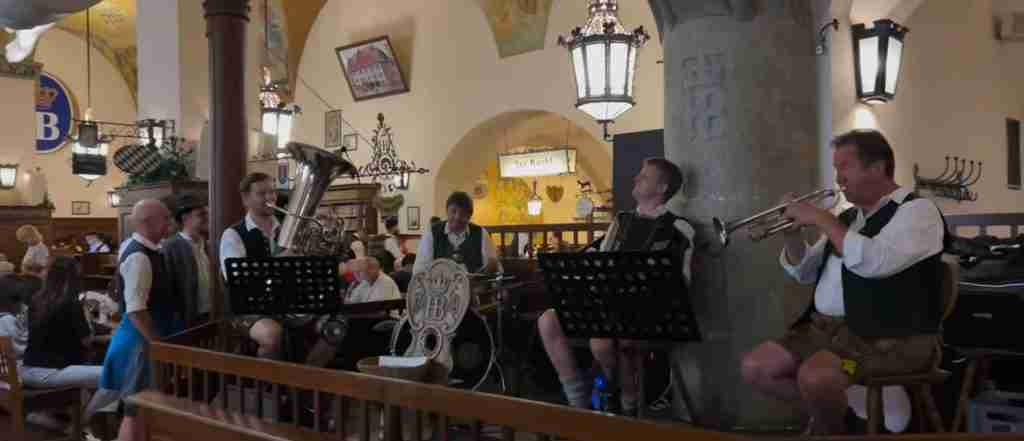
Hofbräuhaus represents Munich’s most famous beer hall, serving traditional Bavarian dishes in a historic setting that attracts both tourists and locals. Founded in 1589, the establishment operates on three floors with a capacity for thousands of diners. While the tourist presence can be overwhelming, Hofbräuhaus serves authentic Bavarian food prepared according to traditional recipes. The atmosphere embodies Munich’s beer hall culture—oompah bands, communal seating, and waitresses carrying multiple liter mugs demonstrate the organized chaos of traditional beer hall service.
Augustiner Bräustuben offers a more local alternative to Hofbräuhaus, with fewer tourists and stronger adherence to traditional beer hall culture. Located near the main train station, this large establishment serves Augustiner beer (many Munich residents’ preferred brewery) alongside classic Bavarian dishes. The wooden tables, vaulted ceilings, and traditional decor create an authentic atmosphere, while the clientele represents a mix of business people, students, and families rather than primarily tourists.
Schneider Bräuhaus specializes in wheat beer and the dishes that complement this style. The restaurant serves excellent Weisswurst with the proper accompaniments of sweet mustard, pretzels, and Schneider’s renowned Weissbier. The intimate dining rooms and professional service create a refined beer hall experience focusing on food quality and traditional preparation. The location near Marienplatz makes it convenient for visitors while maintaining strong local patronage.
Wirtshaus in der Au represents the neighborhood Wirtshaus (tavern) experience in its purest form. Located in the Au district, this traditional restaurant serves seasonally focused Bavarian cuisine in a setting unchanged for decades. The menu emphasizes game during hunting season, asparagus in spring, and traditional dishes year-round. The atmosphere reflects local dining culture—regular customers occupy their Stammtisch, service is efficient and direct, and the focus remains on food quality rather than tourist experience.
Paulaner am Nockherberg combines brewery, beer garden, and restaurant in a complex dedicated to Bavarian beer and food culture. The Starkbier season celebration held here each spring attracts politicians, celebrities, and beer enthusiasts for the ceremonial tapping of Salvator, Paulaner’s strong beer. The restaurant serves traditional dishes with careful attention to preparation quality, while the beer garden offers outdoor dining with city views. The combination of historical significance and continued cultural relevance makes this a destination for serious beer and food enthusiasts.
The Chinesischer Turm beer garden in the English Garden represents the quintessential Munich beer garden experience. Shaded by chestnut trees and centered around a Chinese-style pagoda tower, this massive beer garden serves thousands of customers during peak season. Customers can bring their own food (a tradition unique to Bavarian beer gardens) or purchase from the food counters offering traditional beer garden fare. The atmosphere on warm summer evenings—families at communal tables, traditional brass bands playing from the tower, and servers navigating crowds with trays of liter mugs—embodies Munich’s outdoor dining culture.
Viktualienmarkt’s beer garden offers the unique experience of combining market shopping with beer garden culture. After purchasing food from various market stalls, customers bring their selections to the beer garden for consumption with the brewery’s beer (which rotates weekly). This integration of market and beer garden creates opportunities to sample diverse foods while maintaining traditional communal drinking customs. The central location and year-round operation make this an accessible introduction to beer garden culture.
Seasonal Food Festivals and Culinary Events
Oktoberfest dominates Munich’s culinary calendar, transforming the city each September and October into a massive celebration of Bavarian food and beer culture. While famous for beer consumption, the festival features enormous food tents serving traditional dishes prepared on an industrial scale. Hendl (roasted chicken), Schweinshaxe, Würstl (sausages), Käsespätzle, and other traditional foods are consumed by millions during the sixteen-day festival. The official Oktoberfest beer—a special Märzen style brewed by Munich’s six traditional breweries—pairs with these foods according to centuries-old traditions.
The Auer Dult represents Munich’s traditional fair, held three times annually on the Mariahilfplatz. This event combines traditional market stalls selling everything from pottery to clothing with food vendors offering seasonal specialties and traditional sweets. The Auer Dult maintains a more local character than Oktoberfest, attracting Munich residents shopping for household goods while sampling fair foods like Lebkuchen hearts, roasted almonds, and seasonal specialties. The event’s history stretches back over 300 years, creating continuity with Munich’s medieval market traditions.
Starkbierfest (Strong Beer Festival) takes place during Lent at various Munich breweries, most famously at Paulaner’s Nockherberg complex. These festivals celebrate the “liquid bread” tradition of consuming strong beer during fasting periods, combining beer consumption with political cabaret and substantial food offerings. The Starkbierfest represents a distinctly Bavarian celebration—simultaneously honoring religious traditions while satirizing politics and embracing indulgence during what should be a period of abstinence.
Frühlingsfest (Spring Festival) operates as a smaller, more local alternative to Oktoberfest, held on the same grounds (Theresienwiese) in April and May. The festival features similar beer tents, traditional rides, and food offerings as Oktoberfest but attracts primarily local residents rather than international tourists. The atmosphere is more relaxed, prices are lower, and the focus remains on community celebration rather than tourist spectacle. Food offerings emphasize spring vegetables, fresh fish, and lighter preparations suitable for the season.
Christkindlmarkt (Christmas Market) transforms central Munich into a winter wonderland featuring traditional foods and seasonal specialties. Lebkuchen (gingerbread), Glühwein (mulled wine), Gebrannte Mandeln (roasted almonds), and Stollen (fruit bread) fill market stalls throughout the city center. The markets create a festive atmosphere where food becomes central to holiday traditions—families shop for decorations while sampling seasonal treats, creating memories that connect food with seasonal celebration.
Tollwood Festival combines music, performance art, and a substantial food market featuring both traditional Bavarian and international cuisines. Held twice annually in summer and winter, Tollwood attracts younger, more diverse audiences than traditional festivals. The food offerings emphasize organic ingredients, sustainable production, and creative preparations while maintaining connections to Bavarian culinary traditions. This festival demonstrates how Munich’s food culture adapts to contemporary concerns while preserving essential elements of tradition.
Frequently Asked Questions About Munich Food and Bavarian Cuisine
What is the difference between Bavarian and German cuisine?
Bavarian cuisine represents a distinct regional tradition within the broader category of German cooking. While all Bavarian food is technically German, not all German food follows Bavarian traditions. Bavarian cuisine emphasizes pork preparations, substantial dumplings, beer integration, and rich sauces more than northern German regions, which feature more fish, potatoes, and lighter preparations. The Catholic heritage of Bavaria versus Protestant influences in northern Germany creates different culinary calendars and festival foods. Bavarian cuisine also shares more characteristics with Austrian and Czech cooking (neighboring regions) than with distant German areas like Hamburg or Berlin.
Is it really necessary to eat Weisswurst before noon?
The tradition of consuming Weisswurst before noon originated from practical food safety concerns in pre-refrigeration times when the delicate sausages needed eating the same day as production. While modern refrigeration has eliminated this necessity, the custom persists as cultural practice rather than safety requirement. Ordering Weisswurst after noon won’t cause food poisoning but will identify you as culturally uninformed. Traditional establishments serve Weisswurst only during morning hours, making the question moot in authentic settings. However, some tourist-oriented restaurants offer Weisswurst throughout the day to accommodate visitor preferences.
Are vegetarians able to find suitable options in traditional Bavarian restaurants?
Traditional Bavarian cuisine centers heavily on meat, creating challenges for strict vegetarians in traditional establishments. However, options exist including Käsespätzle (cheese noodles), various salads, Obatzda with pretzels, vegetable soups, and Reiberdatschi (potato pancakes). Many restaurants now include vegetarian sections on menus, though these often feature Italian or international dishes rather than Bavarian preparations. Beer gardens offer more flexibility since customers can bring their own food or purchase from multiple vendors. Modern Munich includes excellent vegetarian and vegan restaurants, but these generally don’t serve traditional Bavarian cuisine.
How does one properly eat a pretzel in Bavaria?
Bavarian pretzels are designed to be pulled apart by hand rather than cut with a knife. The traditional method involves pulling the “arms” (thinner sides) apart first to eat separately, then breaking the “body” (thicker bottom) into pieces. Pretzels served with Weisswurst get torn and used to push sausage onto forks. In beer gardens, pretzels often come sliced horizontally and filled with butter or Obatzda. There’s no single “correct” method—the key is eating with hands rather than utensils and enjoying the contrast between salty crust and soft interior.
What makes Munich’s beer gardens unique compared to beer gardens elsewhere?
Munich beer gardens maintain specific traditions that distinguish them from similar establishments elsewhere. The legal right to bring your own food while purchasing beer from the establishment exists nowhere else in Germany and reflects historical drinking privileges granted to Munich residents. The massive chestnut trees planted specifically to shade beer cellars while keeping beer cool represent another unique feature. The size and number of beer gardens in Munich exceeds anywhere else—several hold thousands of customers simultaneously. The integration of brass band music, traditional food vendors, and family-friendly atmosphere creates a distinctly Munich experience that beer gardens in other cities attempt to replicate but never fully achieve.
Are there specific beer types that should be consumed with certain foods?
Bavarian food culture includes traditional beer-food pairings developed over centuries. Weissbier pairs with Weisswurst during morning hours. Helles serves as the universal pairing for roasted meats including Schweinshaxe and Schweinebraten. Dunkles complements richer dishes like beef and game meats. Märzen pairs with Oktoberfest foods including roasted chicken and sausages. Starkbier matches duck, goose, and rich stews during Lent. However, these pairings serve as guidelines rather than strict rules—personal preference ultimately determines the best beer-food combination for individual taste.
What should first-time visitors to Munich definitely try?
Essential experiences for first-time visitors include Weisswurst breakfast with pretzels and Weissbier at a traditional restaurant, followed by afternoon exploration of Viktualienmarkt sampling Obatzda, various sausages, and local cheeses. An evening at a beer garden or beer hall experiencing Schweinshaxe or Schweinebraten with Helles beer provides the quintessential Munich dining experience. Visiting during Oktoberfest offers unique cultural immersion but isn’t necessary to experience authentic Bavarian food culture. Multiple visits to different traditional restaurants and beer gardens reveal the consistency of Bavarian cuisine across establishments while showcasing individual chef interpretations of classic dishes.
How expensive is eating traditional Bavarian food in Munich?
Traditional Bavarian food offers excellent value compared to fine dining or international cuisines in Munich. A Weisswurst breakfast costs €8-12 including sausages, pretzels, and beer. Main courses in traditional restaurants range €12-20 for standard dishes, with premium items like Schweinshaxe reaching €18-24. Beer gardens offer the most economical dining, with half-liter beers at €4-5 and most food items under €15. Street food like Leberkäse sandwiches costs €3-5. The substantial portions and high-quality ingredients create good value for money. Visitors can eat well on €30-40 daily including beer, or splurge on special meals for €50-70 per person with drinks.
Do Munich restaurants serve traditional Bavarian breakfast?
Many traditional restaurants and beer halls serve Weisswurst breakfast (Weisswurstfrühstück) from morning until around 11 AM or noon. This meal includes Weisswurst, pretzels, sweet mustard, and Weissbier as a complete breakfast set. Some establishments offer expanded breakfast options including cold cuts, cheeses, bread, and soft-boiled eggs in traditional breakfast format. However, many Bavarians simply eat pretzels with coffee for quick breakfast, reserving Weisswurst for weekend or special occasions. Hotels typically offer international breakfast buffets rather than traditional Bavarian breakfast, so visitors seeking authentic morning meals should visit dedicated restaurants or beer halls.
What is the proper way to order beer in a Bavarian beer garden or restaurant?
Beer orders in Bavaria use specific terminology and customs. A Maß (pronounced “mahss”) refers to a one-liter mug, while a Halbe is a half-liter. Ordering simply requires stating the size and beer type: “Eine Maß Helles” or “Eine Halbe Weissbier.” In beer gardens with self-service, customers order and pay at the counter, receiving a deposit receipt for the glass mug. Table service requires catching the waiter’s attention (they often serve specific sections) and placing orders directly. Tipping involves rounding up or adding 5-10% when paying. Saying “Prost!” when toasting and making eye contact with drinking companions follows traditional custom.