
Munich Day Trips 2026: Alps, Castles & Lakes
Key Takeaways:
- Neuschwanstein Castle tours from Munich cost €58-75 including transport and skip-the-line tickets, with advance booking required 2-3 months ahead for peak summer season
- Zugspitze Germany’s highest peak reaches 2,962 meters with cable car access costing €71 round-trip, offering year-round Alpine experiences from Munich in 90 minutes
- Lake Königssee boat cruises operate April-October with tickets at €19.50, departing every 30 minutes from Berchtesgaden accessible via 2.5-hour train journey from Munich
- Salzburg Austria day trips combine Mozart heritage with Alpine scenery, requiring valid passport for border crossing and Bayern-Ticket train passes at €27 for unlimited regional travel
- Budget-conscious travelers save 30-40% booking combination tours versus individual tickets, with early morning departures maximizing daylight at Alpine destinations
- Public transportation reaches most destinations within €30-50 daily budget, while organized coach tours provide convenience at €55-85 with expert commentary included
Planning Your Munich Day Trips in 2026
Munich’s central Bavarian location positions travelers within striking distance of Germany’s most spectacular Alpine scenery, fairy-tale castles, and crystal lakes. The city serves as the perfect base for exploring destinations that capture the romantic imagery of Bavaria: King Ludwig II’s architectural fantasies perched on mountain peaks, emerald lakes reflecting snowcapped summits, and traditional villages where centuries-old customs survive alongside modern tourism infrastructure. Planning day trips from Munich in 2026 requires understanding seasonal patterns, transportation logistics, and booking strategies that maximize experiences while managing costs effectively.
The 2026 travel season presents optimal conditions for Munich-based excursions, with improved rail connections reducing journey times to key destinations and expanded tour operator services accommodating increased visitor demand. Summer months from June through September deliver ideal weather for Alpine hiking and lake activities, though this peak season demands advance reservations for popular attractions like Neuschwanstein Castle and Zugspitze cable cars. Shoulder seasons in May and October offer excellent value with 20-30% lower accommodation rates and reduced crowds at major sites, while winter transforms the region into a wonderland for Christmas markets and snow sports accessible via the same transportation networks.
Strategic planning determines day trip success, balancing ambitious itineraries against realistic travel times and seasonal constraints. The Bayern-Ticket regional pass revolutionizes budget travel, offering unlimited train access across Bavaria for €27 per person, making self-guided exploration economically attractive compared to organized tours. However, complex destinations like Neuschwanstein benefit from guided tours that handle logistics, skip-the-line access, and expert commentary while eliminating navigation stress. Understanding these trade-offs allows travelers to customize day trip strategies matching their preferences, budgets, and comfort levels with independent travel.
People Also Ask About Munich Day Trips 2026
What is the best day trip from Munich in 2026?
Neuschwanstein Castle ranks as Munich’s most popular day trip destination, combining fairy-tale architecture with dramatic Alpine scenery just 90 minutes from the city center. King Ludwig II’s 19th-century masterpiece inspired Disney’s iconic castle design and attracts over 1.5 million visitors annually to its mountaintop perch above the village of Hohenschwangau. Organized tours from Munich include round-trip transportation, skip-the-line castle entry, and guided commentary for €58-75, departing daily at 8:30-9:00 AM and returning by 6:00-7:00 PM. The castle interior showcases opulent Romantic-era decoration across 14 rooms open to visitors, while surrounding trails offer spectacular Bavarian Alps photography opportunities with Forggensee lake views.
Alternative top-tier day trips include Zugspitze for Alpine summit experiences, Salzburg for Mozart heritage combined with Austrian culture, and Berchtesgaden National Park for pristine lake scenery at Königssee. Each destination delivers distinct experiences: Zugspitze provides year-round mountain access via cable car to 2,962-meter elevation with panoramic views across four countries, Salzburg blends baroque architecture with Sound of Music filming locations, while Königssee’s emerald waters reflect vertical rock faces in Germany’s only Alpine national park. Selection depends on personal interests, weather conditions, and physical activity preferences, with castle tours suiting cultural enthusiasts, summit experiences appealing to nature lovers, and Salzburg attracting music and history fans.
How much does a Munich day trip cost in 2026?
Independent day trips from Munich range €30-60 per person using public transportation and self-guided exploration, while organized coach tours cost €55-95 depending on destination and inclusions. Check tour operator websites for current official rates as pricing may vary. The Bayern-Ticket at €27 covers unlimited regional train travel for one day across Bavaria, reaching Neuschwanstein, Salzburg, Berchtesgaden, and Garmisch-Partenkirchen, with additional costs for individual attraction entries: Neuschwanstein Castle €15, Zugspitze cable car €71, Königssee boat cruise €19.50. Organized tours bundle transportation, admission tickets, and expert guides, often providing better value than piecing together components independently, particularly for complex multi-stop itineraries.
Budget breakdowns for typical 2026 Munich day trips: Neuschwanstein independent visit €42-55 (Bayern-Ticket €27 + castle ticket €15), Neuschwanstein organized tour €58-75 (all-inclusive), Zugspitze summit €98-125 (Bayern-Ticket €27 + cable car €71), Salzburg exploration €35-50 (Bayern-Ticket €27 + walking tour €8-23), Berchtesgaden-Königssee €55-75 (Bayern-Ticket €27 + boat cruise €19.50 + lunch €15-25). These costs exclude meals and optional activities, with lunch typically adding €12-20 at tourist destinations and snacks/drinks €5-10. Money-saving strategies include early booking discounts of 10-15% on tours, combination tickets reducing individual attraction costs by 20%, and self-catering lunch provisions saving €8-12 compared to restaurant meals.
How far in advance should you book Munich day trips for 2026?
Book Neuschwanstein Castle tours 2-3 months ahead for summer 2026 visits (June-September), as daily visitor quotas of 6,000 tickets sell out during peak season with morning time slots disappearing first. The castle implements timed entry to manage crowd flow, with tickets released 8 weeks before visit dates and selling fastest for weekends and German school holidays. Organized tours from Munich guarantee entry through advance group allocations, eliminating sold-out risk while independent travelers must secure individual castle reservations plus Bayern-Ticket train passes. Last-minute availability occasionally appears for weekday visits during shoulder seasons, but summer travelers face disappointment without advance planning.
Zugspitze cable car reservations open 6 months ahead with flexible booking policies allowing date changes up to 24 hours before travel, though summit weather makes same-week booking advisable to select optimal visibility days. Salzburg and Berchtesgaden day trips require minimal advance booking except during major festivals: Salzburg Festival (July-August) and Christmas markets (November-December) demand accommodation and tour reservations 3-4 months ahead. General tour operator bookings benefit from 2-4 week lead times securing preferred departure dates and early-bird discounts of 10-15%, with cancellation policies typically allowing full refunds until 48-72 hours before departure.
Can you do multiple destinations in one day from Munich in 2026?
Combination day trips work for geographically proximate destinations, with Neuschwanstein-Linderhof pairing as the most practical option covering two Ludwig castles in 10-12 hours. Organized tours departing Munich at 8:00 AM visit Neuschwanstein Castle for 90-minute guided tours, then continue 30 kilometers north to Linderhof Palace for afternoon exploration before returning to Munich by 7:00 PM. These combination tours cost €75-95 versus €58-75 for Neuschwanstein alone, offering 25-30% savings compared to separate visits while maximizing limited vacation time. The itinerary requires efficient time management with strict departure schedules, leaving minimal flexibility for extended photography or spontaneous detours.
Realistic multi-destination options include Salzburg combined with Berchtesgaden (shared border region allowing 2-3 hours at each), Zugspitze with Garmisch-Partenkirchen town exploration (adjacent locations), and Nuremberg paired with Rothenburg ob der Tauber (medieval towns along same train route). Attempting geographically separated destinations like Neuschwanstein plus Salzburg produces rushed experiences with 5-6 hours transportation time reducing actual sightseeing to hurried snapshots. Experienced travelers recommend single-destination focus for first-time visitors, reserving combination itineraries for return trips when familiarity with logistics permits aggressive scheduling without sacrificing experience quality.
Extended multi-day tours – 5+ days
Featured Munich Multi-Day Tour Packages
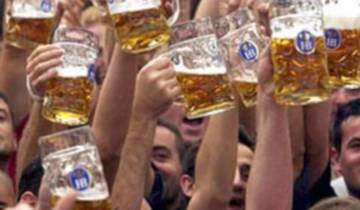
4 days
Germany´S Beer Experience
- ✓ Booking needs min. 2 travelers
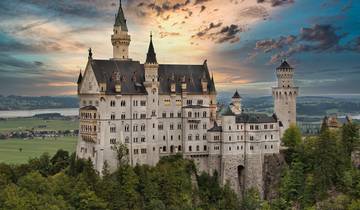
7 days
7 Days by Train in Munich & Zurich: Alpine Dreams & Bavarian Charms
- ✓ Comprehensive Munich tour
- ✓ Expert local guides included
- ✓ All accommodation arranged
- ✓ Transportation provided
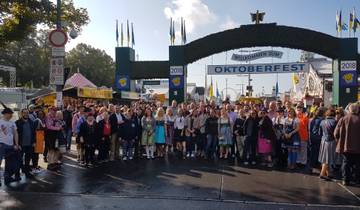
4 days
Oktoberfest Munich (3-Star Hotel Senator)
- ✓ Booking needs min. 2 travelers
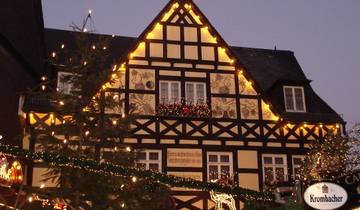
7 days
GERMAN CHRISTMAS MARKETS 2026
- ✓ Comprehensive Munich tour
- ✓ Expert local guides included
- ✓ All accommodation arranged
- ✓ Transportation provided
Multi-day tour packages powered by TourRadar. Prices and availability subject to change.
Essential Planning Information 2026
Current Costs and Pricing Breakdown
Transportation forms the foundation of day trip budgeting, with Bayern-Ticket regional passes at €27 for one person providing unlimited train travel across Bavaria, scaling to €36 for two people, €45 for three, €54 for four, and €63 for five travelers sharing one ticket. This pass covers regional trains (RE, RB, S-Bahn) but excludes high-speed ICE services, operating Monday-Friday from 9:00 AM until 3:00 AM next day, and all day Saturday-Sunday. Alternative options include point-to-point tickets: Munich-Füssen (Neuschwanstein) €28 each way, Munich-Salzburg €35-45 each way, Munich-Garmisch €22 each way, though Bayern-Ticket delivers superior value for all-day exploration with multiple stops permitted.
Attraction admission costs in 2026: Neuschwanstein Castle €15 adults (€14 with online booking fee), Linderhof Palace €10, Hohenschwangau Castle €15, Zugspitze cable car €71 round-trip, Königssee boat cruise €19.50 full route to St. Bartholomä, Salzburg Fortress funicular €16 round-trip, Eagle’s Nest bus €22.60 round-trip from Obersalzberg. Combination tickets reduce costs: Neuschwanstein + Hohenschwangau €31 versus €30 separate, Bavarian Palace Department annual pass €65 covering 45 palaces including all Munich area castles. Organized tour packages from Munich range €55-95 depending on destination, inclusions, and group size, with typical breakdown: transportation €25-35, admission fees €15-25, guide services €15-25, profit margin €10-15.
Meal budgets for day trips require €25-45 per person covering breakfast pastries €4-6, midday meal €12-18 at tourist-area restaurants or €8-12 for packed provisions, afternoon snacks €3-5, and beverages €5-8 throughout the day. Tourist destinations command premium pricing: Neuschwanstein village restaurants €15-25 per entrée versus €10-15 in Munich, Zugspitze summit café €8-12 for soup or sandwich. Budget-conscious travelers pack lunch from Munich supermarkets (€6-10 for quality provisions) and limit restaurant spending to one sit-down meal, saving €10-15 daily while enjoying flexibility for scenic picnic locations along trails and lakeshores.
Transportation Options and Schedules
Deutsche Bahn regional trains depart Munich Hauptbahnhof (main station) every 1-2 hours for major day trip destinations, with journey times: Füssen (Neuschwanstein access point) 2 hours, Garmisch-Partenkirchen (Zugspitze base) 1 hour 30 minutes, Salzburg 1 hour 30 minutes-2 hours, Berchtesgaden 2 hours 30 minutes-3 hours via Freilassing transfer. Bayern-Ticket passengers use slower regional trains (RE, RB) making multiple stops, adding 15-30 minutes versus faster connections available with standard tickets. Trains run from 6:00 AM-11:00 PM with reduced frequency on Sundays and holidays, requiring schedule verification via DB Navigator app or bahn.de website for precise departure times.
Organized coach tours provide door-to-door service from central Munich meeting points, typically departing 8:00-9:00 AM and returning 6:00-7:30 PM for full-day excursions. Major operators include Gray Line, Radius Tours, Mike’s Bike Tours, and GetYourGuide partners, offering air-conditioned buses, English-speaking guides, and coordinated logistics eliminating navigation stress. Tours handle parking, admission tickets, and optimal routing while participants relax during scenic drives through Bavarian countryside. This convenience costs €55-95 versus €30-50 independent travel, appealing to first-time visitors, families with children, and travelers prioritizing efficiency over budget.
Local connections at destinations require planning: Füssen station to Neuschwanstein Castle uses bus 73/78 (€2.50 each way, 10 minutes) or 30-minute uphill walk, Garmisch station to Zugspitze cable car involves Eibsee bus (€6 round-trip, 15 minutes), Berchtesgaden station to Königssee boat dock uses bus 841 (€4.50 each way, 10 minutes). These secondary connections operate hourly during peak season, reducing to 2-hour intervals in shoulder periods, with final departures around 6:00-7:00 PM limiting late afternoon flexibility. Taxis serve as expensive fallback options: €15-25 for short destination transfers, viable for groups splitting costs but budget-prohibitive for solo travelers.
Best Time to Visit Munich Day Trip Destinations 2026
Seasonal Analysis for 2026
Summer months June-August deliver peak day trip conditions with longest daylight hours (sunrise 5:00 AM, sunset 9:00 PM), warmest temperatures averaging 20-25°C in valleys and 10-15°C at Alpine elevations, and full operational schedules for cable cars, boat cruises, and mountain facilities. Neuschwanstein Castle welcomes maximum daily visitors during this period, requiring 2-3 month advance booking and navigating significant crowds at viewpoints and interior rooms. Zugspitze summit experiences optimal weather with 60-70% clear-day probability compared to 40-50% in shoulder seasons, while Königssee boat operations run full schedules with departures every 15-30 minutes versus hourly in spring/fall.
Spring (May) and fall (September-October) represent ideal shoulder seasons combining favorable weather, reduced crowds, and 20-30% lower tour prices compared to peak summer rates. May averages 15-20°C valley temperatures with Alpine wildflower blooms creating spectacular photography conditions, though occasional rain showers require flexible planning and waterproof layers. September maintains summer warmth while October introduces autumn foliage color across Bavarian forests, with crisp mornings (5-10°C) warming to pleasant afternoons (15-18°C). These months see 30-40% fewer visitors than July-August, allowing relaxed castle exploration and spontaneous itinerary adjustments, with accommodation availability improving significantly.
Winter transforms day trip destinations into Christmas market wonderlands and snow sports venues, requiring different planning approaches focused on festive experiences rather than hiking and lake activities. December markets at Nuremberg, Rothenburg, and Salzburg operate late November through December 24, with special Christmas-themed tours departing Munich throughout the season. Zugspitze becomes ski resort accessible year-round via cable car, offering winter sports and summit restaurant experiences in snow-covered Alpine landscape. Neuschwanstein Castle maintains operations with reduced hours (10:00 AM-4:00 PM) and dramatic snow-covered appearance rivaling summer beauty, though icy conditions limit trail access around the castle grounds.
Weather Patterns and Crowd Predictions
Alpine destinations experience unpredictable weather patterns requiring flexible planning even during stable summer months, with Zugspitze summit visibility ranging from crystal-clear 200-kilometer views to complete fog obscuration within hours. Morning departures from Munich maximize clear-weather windows, as afternoon thermal activity frequently generates clouds and precipitation at elevations above 1,500 meters. Weather apps provide forecasts 3-5 days ahead, though experienced travelers verify conditions the evening before through webcams: zugspitze.de for summit views, neuschwanstein.de for castle area, koenigssee.com for lake conditions. Backup planning for poor-weather days shifts focus to indoor attractions like Munich museums or lower-elevation destinations less affected by Alpine conditions.
Crowd patterns follow predictable cycles throughout 2026, with absolute peak density occurring mid-July through mid-August when German school holidays coincide with international tourism highs. Neuschwanstein Castle reaches daily visitor capacity (6,000 tickets) consistently during this period, with morning time slots (9:00 AM-12:00 PM) selling out weeks ahead and afternoon entries involving 45-60 minute queues despite timed tickets. Zugspitze cable car wait times extend to 60-90 minutes on sunny summer weekends versus immediate boarding on weekday mornings or shoulder season visits. Strategic timing avoids weekends year-round when German domestic tourists join international visitors, with Tuesday-Thursday representing optimal crowd management days.
Festival and event calendars impact specific destinations: Salzburg Festival (late July-August) increases accommodation costs 40-60% and requires 3-4 month advance booking, Munich Oktoberfest (late September-early October) creates reverse flow with fewer Munich-based day trippers but higher regional transportation demand, Christmas market season (late November-December 24) concentrates visitors in historic towns like Nuremberg and Rothenburg. These events transform normal tourism patterns, making destinations either exceptionally attractive for cultural experiences or advisable to avoid depending on tolerance for crowds and premium pricing.
Top Munich Day Trip Destinations 2026
Neuschwanstein Castle and Bavarian Alps
King Ludwig II’s fairy-tale masterpiece commands a mountaintop position above Hohenschwangau village, combining 19th-century Romantic architecture with dramatic Alpine scenery that inspired Disney’s iconic castle design. Construction began in 1869 and remained unfinished at Ludwig’s mysterious death in 1886, with only 14 of 200 planned rooms completed before the Bavarian government opened the site to tourism in 1886. The castle interior showcases Neo-Romanesque and Neo-Gothic styling across the Throne Room, Singer’s Hall, and Ludwig’s private apartments, featuring murals depicting Germanic legends, elaborate woodwork requiring master craftsmen four years to complete, and technological innovations including central heating and running water unusual for 1880s construction.
Access requires combination of transportation modes: train to Füssen (2 hours from Munich), bus to Hohenschwangau village (10 minutes), then steep 30-40 minute uphill walk to castle entrance or horse-drawn carriage €8 uphill/€4 downhill. The castle operates timed entry with 35-40 visitors per group touring every 5 minutes, maintaining flow through narrow corridors and small rooms while audio guides provide commentary in 16 languages. Photography prohibits interior spaces, focusing exterior efforts on Marienbrücke (Mary’s Bridge) viewpoint suspended 90 meters above Pöllat Gorge offering the iconic castle composition. Surrounding area includes Hohenschwangau Castle (Ludwig’s childhood residence) 15-minute walk from Neuschwanstein, Alpsee lake with 5-kilometer shoreline walking path, and museum exhibitions on Ludwig’s life and architectural vision.
Organized tours from Munich depart 8:30-9:00 AM, arriving Hohenschwangau 10:30-11:00 AM for morning castle entry slots, with 3-4 hours on-site before returning to Munich by 6:00-7:00 PM. These tours cost €58-75 including round-trip transportation, skip-the-line castle tickets, and guide commentary during scenic drive through Bavarian countryside. Independent travelers using Bayern-Ticket save €30-45 versus tour prices but handle logistics including bus connections, castle ticket reservations, and time coordination, appealing to experienced travelers comfortable with German transportation systems and self-guided exploration.
Zugspitze Summit and Garmisch-Partenkirchen
Germany’s highest peak reaches 2,962 meters elevation on the Austrian border, accessible via cogwheel train and cable car systems operating year-round from Garmisch-Partenkirchen base town. The summit platform offers 360-degree Alpine panoramas spanning four countries (Germany, Austria, Italy, Switzerland) on clear days, with permanently glaciated slopes supporting ski operations even in summer months. Three access routes serve different preferences: Zugspitze Railway cogwheel train departing Garmisch (75 minutes, €43 one-way), Eibsee Cable Car from lakeside base station (10 minutes, €40 one-way), or combination tickets at €71 round-trip allowing ascent via one route and descent via another.
Summit facilities include viewing platforms at multiple elevations, the highest beer garden in Germany (2,600 meters), restaurant serving Bavarian specialties with floor-to-ceiling Alpine views, and glacial skiing terrain operating June-May. Weather determines experience quality, with morning departures recommended for optimal visibility before afternoon cloud formation obscures views. Winter transforms Zugspitze into ski resort with 20 kilometers of groomed runs, though summer visitors access hiking trails, glacial walking routes, and panoramic photography opportunities. Temperature averages 10-15°C cooler than valley elevations, requiring warm layers even during summer months, with winter conditions ranging -5 to -15°C and fierce wind chills.
Garmisch-Partenkirchen base town merits 2-3 hours exploration before or after summit visits, featuring Olympic ski jump towers from 1936 Winter Games, painted house facades characteristic of Bavarian architecture, and Partnach Gorge natural attraction with dramatic rock walls and waterfalls accessible via 20-minute walk from town center. Combined day trips cost €90-110 total: Bayern-Ticket €27, Zugspitze cable car €71, Partnach Gorge entry €6, lunch €15-20, representing premium positioning among Munich day trip options but delivering unmatched Alpine summit experience.
Salzburg Austria and Sound of Music Country
Mozart’s birthplace combines baroque architecture, Alpine scenery, and Sound of Music filming locations just 1.5-2 hours from Munich via regional train connections. The historic Altstadt (Old Town) concentrates major attractions within compact walking area: Mozart’s birthplace museum €13, Salzburg Cathedral free entry with €5 donation suggested, Mirabell Gardens free access to manicured grounds and palace exterior, Hohensalzburg Fortress €16 including funicular transport. The fortress dominates the city skyline from 400-meter elevation, offering spectacular views across medieval rooflines toward surrounding peaks while interior museums chronicle 900 years of Salzburg history.
Sound of Music fans pursue filming locations scattered across Salzburg region, with organized tours (€55-65, 4 hours) visiting Leopoldskron Palace (lakeside gazebo and von Trapp villa exterior), Nonnberg Abbey (Maria’s convent), Hellbrunn Palace (glass pavilion), and countryside locations in Mondsee and St. Gilgen. These tours include transportation via air-conditioned bus, expert commentary on film history and production details, and photo stops at key locations while playing original soundtrack. Independent exploration follows self-guided routes through Old Town hitting central filming sites within 2-3 hours, though outlying locations like Mondsee require additional transport.
Border crossing between Germany and Austria requires valid passport or EU identity card for non-European Union citizens, with immigration checks possible though rare on train routes. Bayern-Ticket covers trains to Austrian border but not Salzburg itself, requiring supplement ticket €4-6 or Austrian rail ticket from border station. Day trips from Munich allow 5-6 hours exploration in Salzburg departing 8:00 AM and returning by 7:00-8:00 PM, sufficient for major attractions and lunch though insufficient for comprehensive museum visits or extended hiking in surrounding mountains. Salzburg deserves overnight stay for relaxed exploration, making day trips suitable for overview visits preceding future dedicated stays.
Lake Königssee and Berchtesgaden National Park
Germany’s deepest lake (190 meters maximum depth) cuts through vertical limestone cliffs in Bavaria’s only Alpine national park, creating emerald-green waters reflecting surrounding peaks for 8 kilometers through pristine wilderness. Boat cruises operate April-October with electric motors maintaining silent operation that highlights the lake’s famous echo phenomenon, where boat captains sound horns triggering reverberations off rock walls. Cruises cost €19.50 for full route to St. Bartholomä pilgrimage chapel and €28 for extended service to Salet at the southern end, departing every 15-30 minutes during peak season from Königssee village with 90-minute round-trip duration to St. Bartholomä.
St. Bartholomä chapel marks the mid-lake destination, featuring distinctive red onion domes dating to 1697 and serving as iconic Berchtesgaden photography subject with vertical Watzmann East Face rising 1,800 meters directly behind. The landing allows 45-60 minutes exploration before return boats, with restaurant serving smoked fish caught from the lake, short walking paths to quiet shoreline areas, and trail access for experienced hikers attempting the demanding Eiskapelle (ice chapel) route requiring 3-4 hours round-trip. Southern extension to Salet adds another 30 minutes boat time, accessing Obersee sub-lake and Röthbach waterfall cascading 470 meters as Germany’s highest waterfall, though time constraints make this extension difficult for Munich day trippers.
Berchtesgaden town provides base for lake access, located 2.5-3 hours from Munich via regional trains through Freilassing with bus connection 841 to Königssee boat landing (10 minutes, €4.50). The town itself warrants 1-2 hours exploration featuring salt mine tours €20 demonstrating historic extraction methods, Documentation Center Obersalzberg €3 chronicling Nazi history in region, and Eagle’s Nest mountain retreat accessible via special bus €22.60 ascending dramatic Alpine road. Complete day trips from Munich require 12-13 hours total (6:00 AM departure, 7:00 PM return) for lake cruise plus modest town exploration, making this destination suitable for ambitious travelers accepting long transportation times rewarded by exceptional natural scenery.
Nuremberg Medieval Old Town
Bavaria’s second city combines medieval heritage with powerful World War II history, accessible via direct train from Munich in 1 hour using high-speed ICE service €30-45 or 2 hours via regional trains covered by Bayern-Ticket €27. The Altstadt (Old Town) concentrates attractions within defensive walls, featuring Imperial Castle dominating the skyline from hilltop position, St. Sebaldus and St. Lorenz Gothic churches with masterpiece altarpieces, and Hauptmarkt square hosting the Schöner Brunnen fountain and historic marketplace. The castle complex charges €8 admission covering residential quarters, deep well demonstration, and tower climb rewarding efforts with panoramic city views across traditional red-tiled roofscape.
Nuremberg’s Christmas market ranks among Europe’s finest, operating late November-December 24 with 180 wooden stalls selling traditional crafts, ornaments, and seasonal foods including famous Nürnberger Rostbratwurst grilled sausages and Lebkuchen spiced gingerbread. The market transforms the Hauptmarkt into winter wonderland with festive lighting, nativity scenes, and ceremonial opening featuring the Christkind angel. Non-Christmas visits emphasize historical and cultural attractions: Documentation Center Nazi Party Rally Grounds €6 examining Third Reich history, Albrecht Dürer House €6 exploring Renaissance artist’s home and workshop, Germanic National Museum €10 displaying 600,000 art and cultural history objects.
Day trips from Munich allow 6-7 hours in Nuremberg departing 8:00-9:00 AM and returning 5:00-6:00 PM, sufficient for major Old Town attractions, lunch at traditional brewery restaurant, and selective museum visits. The compact historic center permits walking exploration without transportation, though summer heat and winter cold merit breaks at atmospheric cafés serving Franconian beer and regional specialties. Nuremberg combines effectively with Rothenburg ob der Tauber for medieval town double-header day trips using regional trains, though aggressive scheduling leaves limited time at each destination.
Rothenburg ob der Tauber Medieval Walled Town
Germany’s best-preserved medieval walled town maintains authentic architectural character through strict historic preservation, creating storybook atmosphere within defensive walls encircling the Old Town. The completely intact town wall allows 4-kilometer walk along the battlements, passing defense towers and gates while offering views across terracotta rooftops and surrounding Tauber River valley. Central Marktplatz features Town Hall with 60-meter tower climb €3 for panoramic views, St. Jakob’s Church €3 housing Tilman Riemenschneider’s famous Holy Blood Altar, and half-timbered guild houses exhibiting classic Franconian architecture.
Rothenburg’s tourism infrastructure emphasizes medieval theming: Criminal Museum €8 displaying medieval justice instruments and execution methods, Medieval Crime Museum €9 with torture device collection, and Käthe Wohlfahrt Christmas store operating year-round across 5,000 square meters selling German ornaments and holiday decorations. The town’s compact size (population 11,000) allows complete exploration in 4-5 hours including wall walk, church visits, and leisurely lunch at traditional restaurant serving Franconian specialties like Maultaschen pasta and Schäufele pork shoulder. Evening illumination creates magical atmosphere as day-trippers depart and authentic medieval character emerges with gas-lamp lighting and quiet cobblestone streets.
Access from Munich requires 2.5-3 hours via regional trains through Steinach with quick transfer, covered by Bayern-Ticket €27 for unlimited day travel. Organized tours bundle Rothenburg with Nuremberg or Harburg Castle for full-day excursions €75-90, handling complex rail connections and providing guided walking tours through historic center. Independent travelers using public transport face tight connections requiring precise schedule adherence, though successful navigation delivers authentic medieval experience without crowds typical of popular organized tour times. Winter Christmas market season (late November-December 24) transforms Rothenburg into holiday wonderland but increases hotel costs 50-80% and requires significant advance booking.
Accommodation Strategies for Multi-Day Exploration 2026
Munich Base versus Destination Stays
Munich serves as optimal base for single-day excursions, offering superior accommodation variety, competitive pricing outside major event periods, and central rail connections to all major destinations within 1-3 hours. Hotels near Munich Hauptbahnhof (main station) provide convenient early morning departures, with budget options €60-90 per night (Motel One, ibis Styles), mid-range choices €110-160 (NH Collection, Derag Livinghotel), and luxury properties €200-350 (Bayerischer Hof, Mandarin Oriental). Staying in Munich eliminates daily packing/unpacking while allowing evening exploration of the city’s beer gardens, museums, and cultural attractions between day trip adventures.
Alternative strategies involve overnight stays at destination towns for relaxed exploration and early morning access: Füssen for Neuschwanstein Castle area €70-120 per night, Garmisch-Partenkirchen for Zugspitze adventures €80-140, Salzburg for Austrian experience €90-180, Berchtesgaden for lake and mountain combinations €75-130. These destination bases eliminate long morning commutes and allow sunset/sunrise photography opportunities impossible with day trips, while providing authentic small-town atmosphere and local dining experiences. Two-night stays create balanced schedules: arrival afternoon with town exploration, full second day for main attractions, departure following third morning.
Hybrid approaches combine Munich base with strategic overnight extensions, like 2 nights Munich + 1 night Füssen + 2 nights Munich, maximizing both city culture and Alpine scenery while maintaining single primary base. This strategy reduces packing frequency while accessing experiences requiring full days or optimal timing. Cost comparison: 5 nights Munich (€110 average) = €550 total versus 2 nights Munich + 1 night Füssen + 2 nights Munich (mixed) = €490-540, delivering comparable costs with enhanced destination access and reduced transportation fatigue from daily commutes.
Budget Accommodation Options 2026
Hostels provide economical accommodation across Bavaria, with dormitory beds €25-40 per night and private rooms €60-90 at properties like Wombat’s City Hostel Munich, Jaeger’s Munich, and Euro Youth Hotel. These establishments offer shared kitchen facilities, common areas for trip planning, and social atmosphere connecting international travelers, while maintaining cleanliness standards and modern amenities including free WiFi, luggage storage, and 24-hour reception. Age restrictions vary with some hostels welcoming all ages while others target under-35 demographics, requiring verification during booking.
Guesthouses (Pension/Gasthof) deliver authentic Bavarian hospitality in family-run properties offering private rooms with breakfast €50-85 per night, often located in residential neighborhoods 15-20 minutes from city centers via public transport. These accommodations emphasize personal service, local knowledge sharing, and traditional breakfast spreads featuring regional cheese, cold cuts, fresh bread, and jams. Online booking platforms (Booking.com, Hotels.com) aggregate guesthouse options with verified reviews, though direct booking sometimes secures 10-15% discounts bypassing commission fees.
Vacation rentals through Airbnb and VRBO offer space and kitchen facilities €60-120 per night for entire apartments sleeping 2-4 people, delivering better value than hotels for groups or families while providing authentic neighborhood experiences. Munich’s Schwabing, Haidhausen, and Glockenbach districts offer residential character with good public transport connections to Hauptbahnhof, restaurants, and local shops. Vacation rentals require careful verification of location relative to transit lines, as peripheral properties offering lower prices impose significant commuting costs and time investments reaching day trip departure points.
Mid-Range and Luxury Accommodations
Mid-range hotels €110-180 per night cluster around Munich’s Hauptbahnhof and historic center, delivering reliable quality through international chains (NH Hotels, Novotel, Mercure) and German brands (Derag Livinghotels, Platzl Hotel). These properties provide modern rooms 20-25 square meters, ensuite bathrooms with good shower pressure, air conditioning for summer comfort, and breakfast buffets €12-18 featuring hot and cold options. Location near main station enables 5-10 minute walks to platform areas, critical for early morning day trip departures requiring 7:00-8:00 AM train catches.
Boutique hotels emphasize design and personalized service, with Munich options like Hotel Deutsche Eichel, Cortiina Hotel, and Cocoon Hauptbahnhof offering distinctive aesthetics, curated local recommendations, and attention to detail justifying €140-220 per night rates. These properties target travelers valuing atmosphere over standardization, featuring unique room designs, specialty breakfast selections, and concierge services providing insider tips on day trip planning, restaurant reservations, and cultural experiences. Smaller room sizes (15-20 square meters) reflect urban constraints while thoughtful design maximizes space functionality.
Luxury hotels €200-450 per night deliver premium experiences through properties like Bayerischer Hof, Vier Jahreszeiten Kempinski, and Mandarin Oriental Munich, offering spacious rooms 30-50 square meters, spa facilities, rooftop terraces, Michelin-level dining, and exceptional service standards. These hotels cater to travelers prioritizing comfort after long day trip adventures, providing features like pillow menus, turndown service, 24-hour room service, and concierge assistance with complex itinerary planning. Prime locations in Altstadt (Old Town) create walkable access to Marienplatz, Viktualienmarkt, and cultural attractions, though require 15-20 minute transit to Hauptbahnhof for day trip departures.
Budget Planning for 2026 Day Trip Adventures
Budget Traveler Daily Costs
Budget-conscious day trippers from Munich manage total costs €50-80 per day excluding accommodation through strategic choices across transportation, meals, and attractions. Transportation dominates savings potential with Bayern-Ticket €27 enabling unlimited train travel versus €35-60 for standard point-to-point tickets, immediately establishing budget foundation. Packed lunches from Munich supermarkets (Rewe, Edeka, Aldi) cost €6-10 for quality provisions including sandwiches, fruit, snacks, and beverages, saving €8-15 compared to tourist-area restaurant meals while providing flexibility for scenic picnic locations.
Attraction selection prioritizes free or low-cost experiences: Marienbrücke viewpoint at Neuschwanstein requires no fee versus €15 castle entry, Partnach Gorge near Garmisch costs €6 versus €71 Zugspitze cable car, Salzburg Old Town walking exploration free versus €13 Mozart museum. Strategic combination with paid experiences creates balanced days: Neuschwanstein exterior/viewpoint €0 + Hohenschwangau Castle €15 + Bayern-Ticket €27 + packed lunch €8 + dinner €12-15 = €62-65 total. This approach delivers authentic experiences without sacrificing cultural depth, as many destinations offer excellent free elements supplementing selective paid attractions.
Money-saving techniques include early booking discounts on organized tours (10-15% savings), visiting during shoulder seasons for reduced accommodation (20-30% lower), sharing Bayern-Ticket costs among groups (€27 for 1 person, €36 for 2, €45 for 3), and leveraging free walking tours with €10-15 tip versus €25-35 paid tours. Museum passes like Munich City Pass €55 for 3 days provide value if visiting 4+ paid attractions, though day trippers focusing on excursions see limited benefit. Accommodation costs dominate multi-day budgets at €60-90 per night for hostels or budget hotels, making 3-4 day Munich-based exploration feasible at €350-450 total including day trips.
Mid-Range Traveler Daily Costs
Mid-range travelers allocate €100-160 per day excluding accommodation, balancing convenience with value through organized tours, restaurant meals, and paid attractions without luxury positioning. Organized day trips (€58-95) eliminate transportation logistics while providing expert commentary and guaranteed attraction access, appealing to first-time visitors prioritizing efficiency over budget optimization. Restaurant budgets accommodate €12-18 lunch and €20-30 dinner at quality establishments, sampling Bavarian specialties like Schweinshaxe (pork knuckle), Käsespätzle (cheese noodles), and regional beer varieties in atmospheric settings.
Typical mid-range daily breakdown: organized Neuschwanstein tour €65, additional Linderhof visit €10, lunch €15, dinner €25, snacks/drinks €8, incidentals €10 = €133 total. Alternative independent approach: Bayern-Ticket €27 (solo use), Neuschwanstein entry €15, Hohenschwangau entry €15, restaurant lunch €15, quality dinner €28, afternoon cake and coffee €8, museum visit €10 = €118 total. Both approaches deliver comprehensive experiences with comfort and convenience, differing primarily in transportation independence and guide service value.
Mid-range accommodation €110-160 per night combines location convenience near Hauptbahnhof with amenities like air conditioning, good WiFi, and breakfast options, totaling €450-650 for 4-night Munich base. Five-day itinerary costs €950-1,300 combining accommodation, day trips, and meals: 4 nights hotel €560, three organized day trips €195, one independent exploration €40, daily meals €280-420, incidentals €75. This budget level enables relaxed exploration without constant cost calculation while avoiding luxury pricing, targeting mainstream travelers seeking quality experiences at fair value.
Luxury Traveler Daily Costs
Luxury day trip experiences from Munich range €200-350 per day excluding premium accommodation, emphasizing private transportation, exclusive experiences, and elevated dining. Private tour operators provide customized itineraries with luxury van transportation, expert guides, skip-the-line arrangements, and flexible scheduling accommodating spontaneous requests. Private Neuschwanstein tours cost €350-500 for 2-4 people versus €58-75 per person on group tours, delivering personalized pacing and enhanced access while eliminating crowds.
Luxury dining elevates day trip experiences through Michelin-level restaurants in destination towns: Restaurant Alpspitze in Garmisch (1 Michelin star, €80-120 tasting menu), Biohotel Mattlihüs near Berchtesgaden (organic fine dining €65-95), Sternbräu in Salzburg (elevated Austrian cuisine €40-65 per entrée). These establishments transform meals into cultural experiences featuring regional ingredients, innovative preparations, and exceptional wine pairings, justifying 3-4x costs versus standard restaurants through memorable gastronomic experiences.
Premium accommodation at €250-450 per night in Munich’s luxury hotels provides spa facilities, concierge services, and superior comfort supporting demanding day trip schedules. Seven-day luxury Bavaria exploration totals €3,500-5,500: 6 nights luxury hotel €2,100, four private day tours €1,400, premium dining €1,200-1,800, helicopter flight over Alps €600, incidentals €500. This budget enables stress-free travel with exceptional service standards, targeting affluent travelers seeking comprehensive Bavaria experiences without compromise.
Sample 2026 Day Trip Itineraries
Classic Neuschwanstein Day Trip
Departure 7:00 AM Munich Hauptbahnhof via regional train toward Füssen, utilizing Bayern-Ticket €27 for unlimited travel enabling potential return route variations or additional stops. Journey duration 2 hours with scenic Bavarian countryside views, arriving Füssen station 9:00 AM and connecting immediately to bus 73/78 (€2.50) reaching Hohenschwangau village 9:15 AM. Pre-booked Neuschwanstein castle entry at 10:30 AM allows 60 minutes for steep uphill walk to entrance or horse-drawn carriage (€8 uphill), arriving castle grounds 10:00 AM for photography opportunities before timed entry.
Castle tour duration 35-40 minutes covers 14 rooms with audio guide commentary in multiple languages, focusing on Throne Room’s Byzantine-inspired mosaics, Singer’s Hall’s elaborate murals depicting Germanic legends, and Ludwig’s private apartments showcasing Romantic-era excess. Post-tour exploration includes Marienbrücke (Mary’s Bridge) viewpoint 10-minute walk from castle exit, offering iconic suspended perspective 90 meters above Pöllat Gorge. Lunch 12:30 PM at Schlossrestaurant Neuschwanstein €15-25 per entrée or packed provisions at scenic trail overlooks, followed by Hohenschwangau Castle visit 2:00 PM entry time (pre-booked €15) exploring Ludwig’s childhood residence with 45-minute guided tour.
Afternoon options include Alpsee lake shoreline walk (5 kilometers, 90 minutes easy terrain) or Museum der bayerischen Könige (Museum of Bavarian Kings) €11 entry chronicling Wittelsbach dynasty history. Return journey begins 4:30-5:00 PM from Hohenschwangau village via bus to Füssen station, boarding regional train departing 5:15-5:45 PM and arriving Munich Hauptbahnhof 7:00-7:30 PM. Total day cost: Bayern-Ticket €27, local bus €5, Neuschwanstein entry €15, Hohenschwangau entry €15, lunch €15-25, snacks €5-8, museum €11. Total: €93-106 per person excluding dinner (excluding accommodation).
Zugspitze Summit Adventure
Early 6:30 AM departure Munich Hauptbahnhof toward Garmisch-Partenkirchen via regional train, journey time 90 minutes arriving 8:00 AM for breakfast at station area café (€6-10) before continuing via bus to Eibsee cable car base station (€6 round-trip bus, 15 minutes). Eibsee Cable Car begins operation 8:30 AM with 10-minute ascent to 2,962-meter summit, avoiding mid-morning crowds while maximizing clear-weather window before afternoon cloud formation. Early arrival enables 3-4 hours summit exploration during optimal visibility conditions.
Summit activities include viewing platform circuit accessing multiple elevation points, glacier walking on permanently snow-covered slopes (proper footwear required), and weather station observation area explaining Alpine meteorology. Lunch at Panorama 2962 restaurant €15-25 featuring traditional Bavarian dishes with floor-to-ceiling mountain views, or summit beer garden €12-18 for casual dining with outdoor seating during warm weather. Photography focuses on panoramic compositions spanning four countries (Germany, Austria, Italy, Switzerland visible on clear days) and detailed glacial formations accessible via marked trails.
Descent 1:30 PM via cogwheel railway (included in round-trip ticket €71) providing alternative perspective during 75-minute journey through Alpine terrain to Garmisch station. Afternoon 3:00-5:00 PM explores Garmisch-Partenkirchen town: Partnach Gorge entrance €6 with dramatic waterfalls and rock walls (45-minute walking loop), Olympic ski jump towers from 1936 Winter Games (free exterior viewing), or Ludwigstraße painted house facades characteristic of Bavarian architecture (free walking exploration). Return train departing Garmisch 5:30-6:00 PM arrives Munich 7:00-7:30 PM. Total day cost: Bayern-Ticket €27, Eibsee bus €6, Zugspitze cable car €71, breakfast €8, summit lunch €18, Partnach Gorge €6, snacks €6. Total: €142 per person excluding dinner (excluding accommodation).
Salzburg and Sound of Music Day Trip
Departure 7:30 AM Munich Hauptbahnhof via regional train toward Salzburg, journey time 2 hours with passport/ID required for Austria border crossing (rare checks but documents mandatory). Bayern-Ticket €27 covers transport to German border requiring small supplement €4-6 for Salzburg entry, or purchase through-ticket €35-45 providing seamless connection. Arrival Salzburg Hauptbahnhof 9:30 AM with 10-minute walk or bus 1/3/5/6 (€2.50) to Altstadt (Old Town) central area, beginning at Mirabell Gardens for free exploration of baroque palace grounds and Sound of Music filming location (Do-Re-Mi sequence).
Morning 10:00 AM-1:00 PM walking tour covers Old Town highlights: Mozart’s Birthplace museum €13 (1-hour visit with audio guide), Salzburg Cathedral free entry with ornate baroque interior and Mozart baptismal font, Getreidegasse shopping street with wrought-iron guild signs, Residenzplatz with fountain and DomQuartier museum complex €14 (if time permits). Lunch 1:00 PM at traditional Austrian restaurant €12-20 per entrée sampling Wiener Schnitzel, Tafelspitz, or Kaiserschmarrn dessert with local beer or wine.
Afternoon option A: Organized Sound of Music tour departing 2:00 PM (pre-booked €55-65, 4 hours) visiting Leopoldskron Palace, Nonnberg Abbey, Hellbrunn Palace, and countryside locations with original soundtrack and expert film commentary. Option B: Independent exploration of Hohensalzburg Fortress via funicular €16 round-trip, allowing 2 hours for fortress museums, battlement walks, and panoramic city views, descending via walking path through medieval fortifications. Return train departing Salzburg 5:45-6:15 PM arrives Munich 7:30-8:00 PM. Total day cost Option A (tour): Bayern-Ticket + supplement €33, Mozart museum €13, lunch €16, afternoon tour €60, snacks €6. Total: €128 per person (excluding accommodation). Total day cost Option B (independent): transport €33, Mozart museum €13, lunch €16, fortress €16, cathedral donation €5, snacks €6. Total: €89 per person (excluding accommodation).
Berchtesgaden and Königssee Adventure
Early 6:00 AM departure Munich Hauptbahnhof toward Berchtesgaden via regional train, requiring transfer at Freilassing station and total journey time 2.5-3 hours arriving Berchtesgaden Hauptbahnhof 8:30-9:00 AM. Immediate connection via bus 841 (€4.50 each way, 10 minutes) to Königssee boat landing for early boat departure 9:15-9:30 AM to St. Bartholomä (€19.50 round-trip, 90 minutes total with 45-minute shore stop). Electric motor boats maintain silence highlighting famous echo phenomenon with horn demonstrations bouncing off vertical rock walls.
St. Bartholomä landing allows 45-60 minutes exploration before return boat: pilgrimage chapel photography with iconic red onion domes and Watzmann East Face backdrop, lakeside restaurant serving fresh smoked fish €12-18, short walking paths accessing quiet shoreline areas away from crowds. Energetic hikers attempt Eiskapelle (ice chapel) trail requiring 90-minute steep ascent to glacial cave formations, though time constraints make this challenging for day trippers. Return boat 11:00 AM-12:00 PM reaching Königssee village for lunch at traditional restaurant €15-25 or lakeside picnic with provisions from village shops.
Afternoon 2:00-5:00 PM options include Salzbergwerk (Salt Mine) tour €20 with underground slides and miners’ train through historic extraction tunnels, Documentation Center Obersalzberg €3 examining Nazi history in region through exhibits and preserved Eagle’s Nest access road, or gentle Hintersee lake walking loop 6 kilometers through pristine forest scenery. Return bus 841 departing Königssee 5:30 PM connects to train departing Berchtesgaden 6:00 PM, arriving Munich 8:30-9:00 PM after Freilassing transfer. Total day cost: Bayern-Ticket €27, bus 841 round-trip €9, boat cruise €19.50, lunch €18, salt mine or documentation center €20, snacks €8. Total: €101.50 per person excluding dinner (excluding accommodation).
Money-Saving Strategies for 2026 Day Trips
Advance Booking Benefits
Early booking secures discounts of 10-15% on organized tours, with operators like Gray Line, Radius Tours, and GetYourGuide offering reduced rates for reservations made 4-8 weeks ahead of travel dates. These savings typically apply to flexible-cancellation bookings allowing changes until 48-72 hours before departure, eliminating risk associated with advance commitments while capturing early-bird pricing. Additional benefits include guaranteed departures during peak season when last-minute availability disappears for popular destinations like Neuschwanstein, and preferred seating selections on coach tours providing better views during scenic drives.
Attraction tickets booked online avoid processing fees and occasional price premiums at on-site ticket counters, with Neuschwanstein Castle charging €1 processing fee for online reservations versus potential €2-3 upcharge for day-of purchases during peak periods (when available). Rail tickets purchased through Deutsche Bahn app or website 7-14 days ahead access Sparpreis (saver fares) starting €19.90 for long-distance routes like Munich-Salzburg, delivering 40-50% savings versus standard flexible tickets. These advance fares require specific train selection and lack flexibility, suitable for fixed itineraries but risky for weather-dependent destinations like Zugspitze requiring last-minute adjustments.
Accommodation booking 2-3 months ahead for summer peak season (June-September) secures availability at desired properties and occasionally captures early-bird rates 10-20% below standard pricing. Major events like Munich Oktoberfest (late September-early October) and Salzburg Festival (July-August) require 4-6 month booking windows as accommodation sells out completely for nearby dates. Booking platforms (Booking.com, Hotels.com) offer free cancellation policies on many properties until 1-7 days before arrival, enabling advance reservations without commitment risk while protecting against sold-out scenarios.
Seasonal Optimization Strategies
Shoulder season travel in May or September-October delivers 20-30% lower accommodation costs compared to July-August peak, with Munich hotels averaging €90-130 versus €120-180 for comparable properties during summer high season. Weather remains favorable with May temperatures 15-20°C ideal for castle visits and Alpine hiking, while September maintains summer warmth with reduced crowds enabling relaxed attraction exploration. October introduces autumn foliage color across Bavarian forests creating spectacular photography conditions, though unpredictable weather requires flexible planning and backup indoor activities.
Winter travel outside Christmas market season (January-February) sees dramatic price drops with Munich hotels €60-100 per night for properties commanding €140-200 during summer, though limited daylight hours (8:00 AM sunrise, 5:00 PM sunset) and cold temperatures -2 to +5°C restrict outdoor activities. Zugspitze skiing attracts premium pricing December-March but delivers winter sports opportunities, while Neuschwanstein’s snow-covered appearance rivals summer beauty despite reduced hours and trail access. Budget travelers willing to sacrifice long days and warm weather achieve significant savings, accessing uncrowded attractions and affordable accommodation.
Event-based travel targeting specific experiences like Munich Oktoberfest or Salzburg Easter Festival requires accepting premium pricing and crowds while gaining unique cultural immersion impossible during standard tourism periods. Oktoberfest hotel rates increase 80-150% with minimum 3-night stay requirements, while tent reservations require 6-12 month advance planning through official channels. These events transform normal budget calculations, appealing to travelers prioritizing distinctive experiences over cost optimization and willing to invest in once-in-lifetime cultural participation.
Transportation and Combination Ticket Savings
Bayern-Ticket represents single greatest budget tool for Bavaria exploration, offering unlimited regional train travel for €27 solo or €36 for two people (€9 each), €45 for three (€15 each), €54 for four (€13.50 each), €63 for five (€12.60 each). Groups of 2-5 travelers split costs dramatically reducing per-person transportation expenses versus individual tickets, with family travel particularly benefiting from this scaling. The ticket covers regional RE and RB trains, S-Bahn networks, and local buses in participating transit systems, valid Monday-Friday from 9:00 AM until 3:00 AM next day, all day Saturday-Sunday and holidays.
Combination attraction tickets reduce costs when visiting multiple related sites, with Neuschwanstein + Hohenschwangau combo €31 saving €4 versus separate purchases, and Bavarian Palace Department annual pass €65 covering 45 royal residences including both Neuschwanstein area castles, Linderhof Palace, Nymphenburg Palace Munich, Residenz Munich. Active travelers planning 4+ palace visits across multi-day Bavaria exploration recoup pass costs while gaining flexibility for spontaneous stops at additional properties. Single-destination visitors rarely benefit from passes, as individual tickets provide better value for focused itineraries.
Museum passes including Munich City Pass (€42 one-day, €55 three-day) bundle public transportation with admission to 45+ museums and attractions, delivering value for intensive Munich sightseeing but limited benefit for day-trippers focused on excursions outside the city. The pass economics require 3-4 paid museum visits daily to break even, achievable for dedicated culture enthusiasts but unrealistic for typical travelers balancing museums with outdoor exploration, shopping, and dining experiences. Careful calculation of planned activities determines pass worthiness versus à la carte ticket purchases.
Transportation Deep Dive 2026
Deutsche Bahn Regional Train System
Regional trains (RE – Regional Express, RB – Regionalbahn) form the backbone of Bavaria’s public transportation network, connecting Munich to major day trip destinations with frequencies every 1-2 hours throughout operating hours 5:00 AM-midnight. These trains operate at moderate speeds 80-120 km/h making frequent stops at intermediate stations, with journey times: Munich-Füssen 2 hours, Munich-Garmisch 90 minutes, Munich-Salzburg 2 hours, Munich-Berchtesgaden 2.5-3 hours via Freilassing transfer. Trains feature open-plan seating without reservations, boarding on first-come first-served basis with seating capacity generally sufficient except during peak commuter hours 7:00-9:00 AM and 4:00-6:00 PM.
Bayern-Ticket passengers use dedicated regional trains avoiding premium ICE (InterCity Express) high-speed services requiring standard tickets, occasionally creating confusion about valid services. DB Navigator smartphone app clearly indicates Bayern-Ticket eligible trains with “RE” or “RB” designations in journey planner results, while excluding ICE, IC (InterCity), and EC (EuroCity) options. Experienced travelers download offline timetables and route maps as backup for areas with limited mobile coverage, particularly mountain regions approaching Alpine destinations.
Station facilities at major destinations vary considerably: Füssen provides small station with basic services, Garmisch offers medium station with food vendors and information desk, Salzburg Hauptbahnhof features full-service facility with luggage storage (€4-6 per bag), restaurants, and comprehensive tourist information. Munich Hauptbahnhof ranks among Europe’s busiest stations with 450,000 daily passengers, featuring extensive shopping, dining, and service offerings across multiple levels. Navigating complex stations requires allowing 10-15 minutes connection time between platform changes, particularly for travelers unfamiliar with layouts or managing luggage.
Organized Tour Coach Services
Professional tour operators provide air-conditioned coach transportation with multilingual guides, guaranteed seating, and coordinated logistics eliminating navigation stress for first-time visitors and travelers preferring structured experiences. Major operators including Gray Line, Radius Tours, Mike’s Bike Tours, and GetYourGuide affiliates offer daily departures to popular destinations with meeting points at central Munich locations (Hauptbahnhof, Marienplatz, major hotels). Coaches typically accommodate 45-55 passengers with individual seats, onboard restrooms, WiFi connectivity, and luggage storage beneath the cabin.
Tour packages include round-trip transportation, admission tickets with skip-the-line access where available, expert guide commentary during drives and site visits, and coordinated meal stops at vetted restaurants. Neuschwanstein tours cost €58-75 for 10-hour excursions, Zugspitze tours €85-110 including cable car, Salzburg tours €55-75 with Sound of Music emphasis, and combination tours like Neuschwanstein + Linderhof €75-95. These prices represent convenience premiums of €30-45 versus independent travel using Bayern-Ticket, justified by stress reduction, guaranteed attraction access, and expert insights enhancing cultural understanding.
Coach tour limitations include fixed schedules allowing minimal flexibility for extended photography or spontaneous exploration, larger group dynamics potentially slowing attraction visits, and mandatory participation in all itinerary components even if specific elements hold limited interest. Weather-dependent destinations like Zugspitze face challenges when conditions deteriorate, as coaches maintain schedules regardless of summit visibility. Experienced independent travelers often prefer public transport freedom despite additional planning requirements, while tour services excel for visitors prioritizing efficiency and risk mitigation over personalized pacing.
Local Destination Transportation
Secondary transportation connects train stations to actual attraction sites, requiring advance research to avoid confusion and delays upon arrival. Füssen station to Neuschwanstein Castle uses bus 73/78 (€2.50 each way, 10 minutes, departures every 30-60 minutes), with final stops at Hohenschwangau village requiring additional 30-minute uphill walk or horse-drawn carriage €8 to castle entrance. Taxis serve as expensive alternatives €15-20 one-way, viable for mobility-limited travelers or groups splitting costs but budget-prohibitive for solo adventurers.
Garmisch-Partenkirchen station connects to Zugspitze Eibsee cable car base via bus €6 round-trip (15 minutes, hourly departures coordinated with cable car operations), or Partnach Gorge entrance via 20-minute walk from station through town center. Berchtesgaden station links to Königssee boat landing via bus 841 (€4.50 each way, 10 minutes, every 30 minutes peak season). These connections operate reduced schedules during shoulder seasons and winter months, requiring timetable verification via local transit websites or tourist information offices.
Walking serves as viable option for many destinations with appropriate physical fitness and time allowances: Füssen station to town center 10 minutes flat terrain, Garmisch station to Olympic ski jump complex 15 minutes, Berchtesgaden station to town center 8 minutes. Salzburg Hauptbahnhof to Old Town requires 15-20 minute walk or frequent buses (€2.50) operating every 10 minutes. Comfortable walking shoes prove essential for cobblestone streets, hill climbs, and extended site exploration, while elderly travelers or families with young children benefit from utilizing local bus networks despite additional costs.
Booking Platforms and Resources 2026
Official Booking Channels
Neuschwanstein Castle official tickets available exclusively through hohenschwangau.de website or ticket center phone +49 8362 930830, with online reservations opening 8 weeks before visit dates charging €2.50 processing fee per ticket. The website implements timed-entry system requiring selection of specific tour time slots available 8:30 AM-3:30 PM, selling 35-40 tickets per 5-minute interval until daily quota of 6,000 visitors reached. Peak summer weekends sell out within hours of release, while weekday shoulder season dates maintain availability closer to visit dates. Timed tickets must be collected at ticket center 90 minutes before tour time or forfeit without refund, creating stress for delayed travelers.
Deutsche Bahn (bahn.de) provides official rail ticketing for Germany’s national railway network, offering standard flexible tickets, advance Sparpreis discount fares, and Bayern-Ticket regional passes. The DB Navigator smartphone app delivers real-time schedule updates, platform changes, and delay notifications essential for time-sensitive connections. Online booking opens 6 months ahead for most routes, with Sparpreis availability limited to specific trains and selling quickly for popular travel times. Customer service operates English-language phone support (+49 30 2970) for complex itineraries and special requirements, though automated systems handle most routine bookings efficiently.
Zugspitze cable car tickets available through zugspitze.de with various package options: Eibsee Cable Car round-trip €71, Cogwheel Railway round-trip €67, combination tickets allowing different ascent/descent routes €71, and seasonal passes for regular visitors. Online booking allows date selection without specific time slots, providing flexibility for weather-dependent decisions, with free cancellation until 24 hours before travel. Family packages and group discounts reduce per-person costs for parties of 4+, with special rates for children under 16 and seniors over 65.
Third-Party Tour Operators
GetYourGuide aggregates hundreds of tour operators offering Munich-based day trips, providing centralized comparison shopping for prices, reviews, and availability across multiple providers. The platform charges no booking fees to consumers while taking commission from operators, enabling straightforward price comparison between similar offerings. Customer reviews average 4.2-4.7 stars for established operators with thousands of ratings, providing reliable quality indicators, while newer operators with limited reviews warrant caution despite attractive pricing.
Viator (TripAdvisor owned) offers similar aggregation services with emphasis on verified customer reviews and “Reserve Now, Pay Later” flexibility allowing bookings without immediate payment commitment. The platform’s Lowest Price Guarantee matches competitor pricing when identical tours found cheaper elsewhere, though fine print requires exact matching of inclusions, departure times, and tour length. Viator’s 24-hour customer service supports booking changes and emergency assistance, adding value for travelers concerned about trip disruptions.
Direct booking with established operators like Gray Line Munich, Radius Tours, and Mike’s Bike Tours occasionally delivers 5-10% savings versus aggregator platforms while supporting direct customer relationships and dedicated support channels. These operators maintain comprehensive websites with detailed itinerary descriptions, professional photography, and transparent pricing including all fees. Loyalty programs reward repeat customers with discounts and priority access, appealing to travelers returning for multiple Bavaria visits or exploring various European destinations with same operator networks.
Accommodation Booking Strategies
Booking.com dominates European hotel reservations with extensive inventory across budget, mid-range, and luxury segments, featuring free cancellation on 70% of properties until 1-3 days before arrival. The Genius loyalty program provides 10-20% discounts and upgrades for frequent users, achieved through 2+ bookings within 2 years triggering Level 1 benefits. Property reviews average 10,000+ ratings for major Munich hotels, offering detailed insights on location, cleanliness, staff, and amenities from verified guests. Filter functions enable searching by distance from Hauptbahnhof, breakfast inclusion, and specific amenities (air conditioning, elevator access, 24-hour reception).
Airbnb and VRBO deliver vacation rental alternatives with entire apartments, converted lofts, and guesthouse annexes providing space, kitchen facilities, and neighborhood experiences at €60-120 per night for 2-4 person accommodations. Superhosts with 100+ reviews and 4.8+ ratings demonstrate reliability and quality, while new hosts offering below-market rates warrant careful verification of location, photos, and cancellation policies. Vacation rentals excel for extended stays of 5+ nights or groups seeking shared accommodations, though lack daily housekeeping and hotel-style services like 24-hour reception and luggage storage.
Direct hotel booking occasionally provides 5-10% savings versus aggregator platforms, particularly at independent properties and small chains implementing Best Rate Guarantee policies. Munich boutique hotels and family-run guesthouses maintain direct booking incentives including complimentary breakfast upgrades, early check-in/late checkout flexibility, and room preference guarantees unavailable through third-party platforms. However, major chains integrate with aggregators preventing rate arbitrage, making direct booking equivalent or more expensive than Booking.com or Hotels.com with their loyalty rewards.
Safety and Practical Considerations 2026
Health and Safety Guidelines
Alpine destinations require appropriate physical fitness for hiking trails, castle approaches, and mountain access, with Neuschwanstein’s steep 30-40 minute uphill walk challenging for visitors with cardiovascular or mobility limitations. Horse-drawn carriages and shuttle buses provide alternatives for physically demanding approaches, while many attractions offer elevator access or accessible viewing areas accommodating wheelchairs and walkers. Travelers with specific health concerns should verify accessibility provisions through official attraction websites or operator customer service before committing to itineraries.
Mountain weather changes rapidly with temperature drops of 10-15°C between valley and summit elevations, requiring layered clothing systems even during summer months. Zugspitze summit averages 10-15°C cooler than Munich with fierce winds adding significant wind chill, necessitating warm jacket, hat, and gloves even in July-August. Weather forecasting becomes less reliable at Alpine elevations with conditions deteriorating quickly, making early morning departures advisable for optimal visibility windows before afternoon cloud formation and precipitation.
Emergency services across Bavaria operate via universal European number 112 for police, fire, and medical assistance, with English-speaking operators available at major tourism centers. Basic travel insurance covering medical emergencies and trip cancellation costs €25-45 for one-week coverage protecting against injury, illness, and unexpected travel disruptions. European Health Insurance Card (EHIC) holders from EU countries access reciprocal healthcare, while non-EU travelers require comprehensive travel medical insurance preventing catastrophic costs from emergencies requiring hospitalization or medical evacuation.
Documentation and Border Requirements
Salzburg day trips cross international border into Austria, requiring valid passport for non-EU citizens and national ID card or passport for EU residents. Border controls remain theoretically possible despite Schengen Agreement provisions, with random checks occurring occasionally on trains during periods of heightened security concerns. Travelers without proper documentation face refusal of entry, train removal at border stations, and potential fines, making passport carriage mandatory regardless of perceived enforcement likelihood.
Train conductors verify Bayern-Ticket validity and passenger counts throughout journeys, issuing €60 fines for improper use including exceeding group size limits, traveling outside valid hours (before 9:00 AM Monday-Friday), or using on excluded train types (ICE, IC, EC). Tickets must be activated with handwritten departure date in designated field before boarding first train, with failure to properly complete ticket treated as traveling without valid fare. Digital tickets via DB Navigator app eliminate completion requirements but require charged smartphone throughout journey for verification scans.
Currency considerations affect Austria visits, though €40-60 cash covers typical day trip expenses for meals, snacks, and public transport, with credit cards widely accepted at restaurants and shops. ATMs throughout Salzburg dispense euros at standard bank exchange rates plus €2-5 withdrawal fees depending on home bank policies. Bavaria operates cashless-friendly environment with card acceptance prevalent, though small vendors, public restrooms (€0.50-1 typical charge), and church donations expect coins.
Luggage and Storage Solutions
Day trips from Munich require minimal luggage with small daypack (20-30 liters) sufficient for essentials: water bottle, snacks, rain jacket, sun protection, camera, phone charger, and maps. Large backpacks and rolling suitcases prove cumbersome on trains and inappropriate for castle stairs and hiking trails, while also lacking secure storage at most attractions. Travelers combining Munich city exploration with day trips benefit from hotel luggage storage, leaving main bags at accommodation while carrying only day-essential items on excursions.
Munich Hauptbahnhof offers automated luggage lockers (€4-6 per 24 hours depending on size) for travelers with early check-outs or late check-ins needing temporary storage before departing on day trips. Lockers operate €2 coin deposit systems with keys provided upon payment, located in multiple station areas though filling quickly during peak tourism season requiring early morning access for guaranteed availability. Private luggage storage services near Hauptbahnhof charge €8-12 per bag with more flexible hours and customer service support, appealing to travelers with valuable items or oversized luggage.
Photography equipment warrants careful transport planning, with DSLR cameras, multiple lenses, tripods, and accessories requiring padded camera bags protecting against impacts during crowded train boarding and station navigation. Neuschwanstein and Zugspitze permit photography everywhere except castle interiors, making comprehensive gear worthwhile for serious photographers capturing Alpine landscapes and architectural subjects. Casual photographers find smartphone cameras adequate for most day trip documentation, eliminating equipment burden while accepting image quality limitations versus dedicated camera systems.
Frequently Asked Questions 2026
Can you visit Neuschwanstein Castle from Munich without a tour?
Independent Neuschwanstein visits from Munich use Bayern-Ticket €27 for unlimited regional train travel to Füssen station (2 hours), connecting via bus 73/78 to Hohenschwangau village (€2.50 each way, 10 minutes), then 30-minute uphill walk or horse carriage to castle entrance. Castle tickets €15 require advance reservation through hohenschwangau.de website opening 8 weeks before visit dates, with timed entry slots filling quickly during summer season. The self-guided approach saves €30-45 versus organized tours while demanding greater logistical management and German transportation system familiarity.
Is one day enough for Munich day trips?
Single day trips allow comprehensive exploration of focused destinations: Neuschwanstein Castle with Hohenschwangau addition, Zugspitze summit with Garmisch town, Salzburg Old Town highlights, or Königssee boat cruise with Berchtesgaden. Transportation times consume 3-5 hours total depending on destination, leaving 5-8 hours for actual site exploration, meals, and activities. Attempting multiple geographically separated destinations produces rushed experiences with insufficient time for meaningful engagement, making focused single-destination days preferable to scattered multi-stop marathons.
What is the best day trip from Munich for families with children?
Neuschwanstein Castle appeals to families through fairy-tale architecture capturing children’s imagination, moderate hiking challenge suitable for ages 6+, and horse-drawn carriage options for younger children or tired walkers. The castle tour duration (35-40 minutes) maintains child attention spans while audio guides provide age-appropriate information. Alternative family destinations include Salzburg for Sound of Music connection and fortress exploration, or Zugspitze for cable car excitement and snow play opportunities year-round. Berchtesgaden’s boat cruise and salt mine tours combine scenic beauty with interactive educational experiences engaging young travelers.
Do I need to speak German for Munich day trips?
English functions adequately throughout Bavarian tourism infrastructure, with train station signage, attraction materials, and restaurant menus providing English versions or visual clarity. Deutsche Bahn personnel at major stations speak functional English, though smaller regional stations may require basic German phrases for assistance. Organized tours operate in English with multilingual guide teams, eliminating language concerns entirely. Learning basic German courtesies (“Guten Tag” hello, “Bitte” please, “Danke” thank you, “Entschuldigung” excuse me) enhances local interactions while German speakers appreciate effort even when switching to English for complex communication.
Can you do Neuschwanstein and Zugspitze in one day?
Combining Neuschwanstein and Zugspitze exceeds realistic day trip parameters, requiring 2 hours Munich-Füssen, 2+ hours castle visit, 90 minutes Füssen-Garmisch, 3-4 hours Zugspitze experience, 90 minutes return to Munich = 11-12 hours minimum without meals or delays. This aggressive schedule eliminates meaningful engagement with either destination, rushing through experiences deserving focused attention. Separate dedicated days enable proper appreciation: full day Neuschwanstein with Linderhof Palace addition, and full day Zugspitze with Garmisch or Partnach Gorge exploration, providing balanced itineraries matching realistic travel times with quality destination experiences.
Are Munich day trips possible in winter?
Winter day trips operate year-round though snow, ice, and reduced daylight hours (8:00 AM-5:00 PM) limit hiking activities and outdoor photography. Neuschwanstein maintains operations with spectacular snow-covered appearance rivaling summer beauty, though icy trail conditions restrict access to Marienbrücke viewpoint. Zugspitze transforms into ski resort with winter sports focus replacing summer hiking, while Christmas markets at Nuremberg, Rothenburg, and Salzburg create festive seasonal experiences impossible during other months. Train services maintain regular schedules with occasional weather-related delays during severe conditions, making winter travel feasible for properly prepared visitors accepting seasonal limitations.
How crowded are Munich day trips in summer 2026?
Peak summer months (July-August) deliver maximum crowds at popular destinations with Neuschwanstein Castle reaching 6,000 daily visitor capacity, Zugspitze experiencing 60-90 minute cable car queues on sunny weekends, and Salzburg Old Town packed with tour groups 10:00 AM-4:00 PM. Strategic crowd avoidance includes early morning arrivals (8:00-9:00 AM) before tour groups, weekday visits avoiding weekend domestic tourist surges, and shoulder season travel in May or September with 30-40% fewer visitors. Organized tours navigate crowds through skip-the-line arrangements and guide expertise timing visits during lower-density periods, while independent travelers maximize early starts leveraging Bayern-Ticket’s 9:00 AM weekday start time for optimal positioning.
What should I pack for Munich day trips?
Essential day pack items include water bottle (1 liter minimum for Alpine destinations), snacks for energy maintenance between meals, rain jacket or umbrella for unpredictable weather, sun protection (hat, sunscreen, sunglasses), comfortable walking shoes with ankle support, smartphone with offline maps and tickets, portable phone charger, small first-aid kit with blister treatments, and camera for photography. Alpine destinations require additional warm layers even summer months as temperature drops 10-15°C between valley and summit elevations. Winter adds gloves, warm hat, and insulated jacket to essentials while shoulder seasons demand flexible layering systems accommodating 5-20°C temperature ranges throughout single days.
Are credit cards accepted everywhere on Munich day trips?
Major credit cards (Visa, Mastercard) achieve 80-90% acceptance at restaurants, hotels, tour operators, and attraction ticket counters throughout Bavaria, with increasing contactless payment prevalence. However, cash remains necessary for small purchases (public restrooms €0.50-1, church donations, market vendors), some traditional restaurants in smaller towns, and backup when card readers malfunction or internet connectivity fails. Carrying €60-80 cash per person covers typical day trip incidentals while minimizing cash loss risk, with ATM access available in all destination towns for additional withdrawal needs. Deutsche Bahn ticket machines accept both cash and cards though occasional technical issues warrant backup payment methods.
Can I store luggage during Munich day trips?
Munich Hauptbahnhof provides automated luggage lockers €4-6 per 24 hours (small/medium/large sizes) throughout the station, operating coin-deposit systems with key retrieval. These lockers fill quickly during peak summer season requiring early morning access for guaranteed availability, with alternative private storage services near station charging €8-12 per bag with extended hours and customer service support. Most Munich hotels offer complimentary luggage storage for guests before check-in or after checkout, enabling day trip departures with main bags secured at accommodation. Carrying large luggage on day trips proves impractical due to train crowding, station stairs, and attraction access limitations.