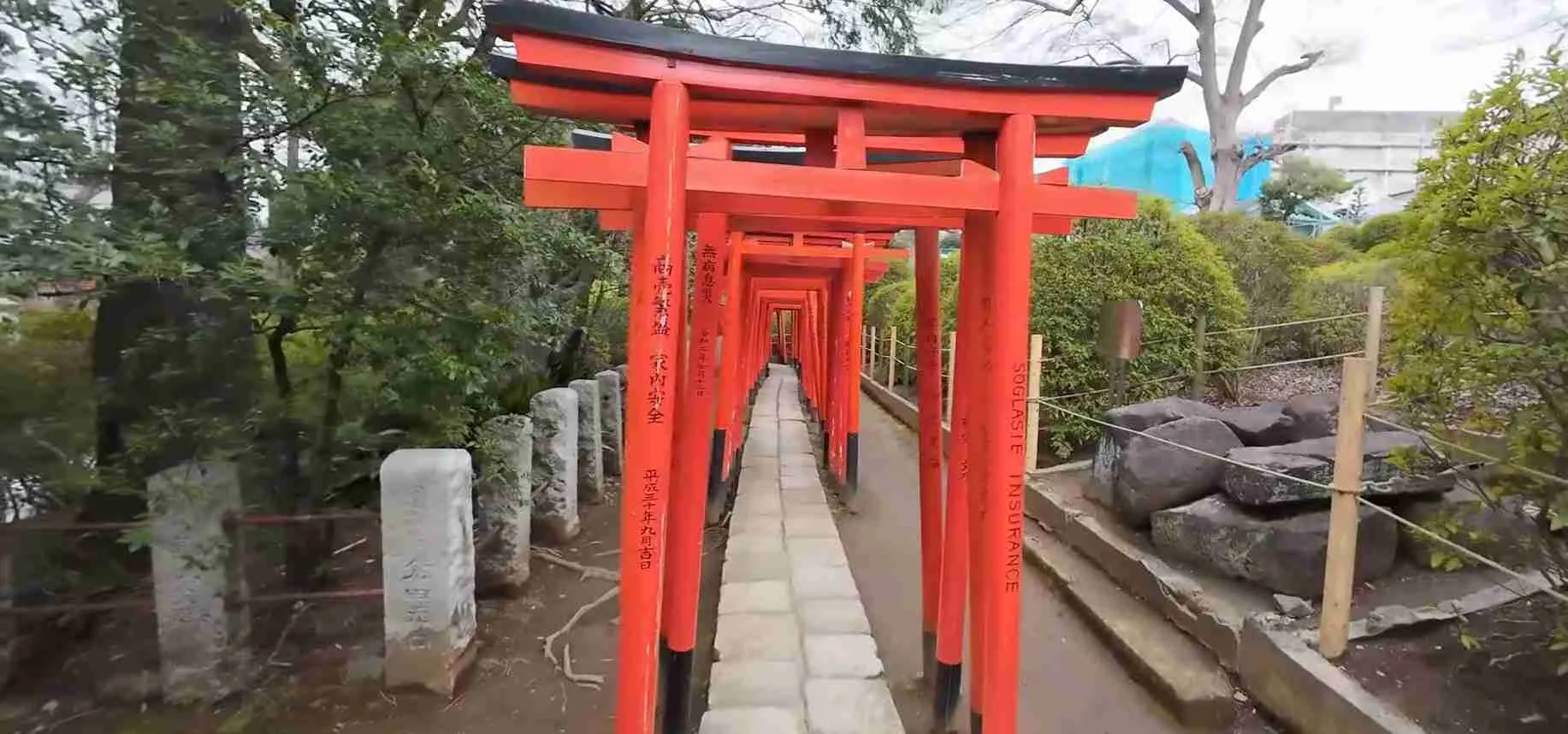
Mt Fuji & Hakone Day Trip from Tokyo 2026: Travel Planning Guide
Mount Fuji and Hakone form Japan’s most iconic day trip combination from Tokyo, offering UNESCO World Heritage mountain views, volcanic valleys, serene lake cruises, and traditional hot spring culture within a single journey. This comprehensive planning guide provides verified 2026 logistics, pricing, itinerary options, and booking strategies to help travelers maximize their experience while navigating transportation choices, seasonal considerations, and tour operator selections efficiently.
Key Takeaways for Mt Fuji & Hakone Day Trip Planning 2026
- Complete Day Trip Duration: Tours operate 10-13 hours from Tokyo, departing 7:00-8:30 AM and returning 18:30-20:30, with guided group tours at ¥10,000-15,000 ($65-100) and private tours starting ¥32,000 ($210) per person depending on group size.
- Essential Stops Covered: Standard itineraries include Mt Fuji 5th Station (2,300m elevation), Owakudani volcanic valley, Lake Ashi pirate ship cruise, Hakone Ropeway cable car, and optional Gotemba Premium Outlets shopping.
- Weather and Visibility Strategy: Mt Fuji visibility averages 60-70% in winter months (December-February), drops to 30-40% during summer (July-September), requiring flexible expectations and booking during clear weather patterns for optimal mountain views.
- Transportation Options 2026: Round-trip coach tours provide comprehensive coverage with English guides, while bullet train return options add ¥3,000-5,000 ($20-33) premium for faster Tokyo return via Shinkansen from Odawara Station.
- Booking Timing Optimization: Reserve tours 2-4 weeks ahead for peak seasons (April cherry blossoms, October-November autumn), 1-2 weeks for summer, with last-minute availability common during winter months excluding Japanese holidays.
- Lunch and Dietary Planning: Tour packages with included Japanese-style lunch buffets cost ¥2,000-3,000 ($13-20) more than base pricing, with vegetarian, halal, and special dietary options requiring advance notification to tour operators.
People Also Ask About Mt Fuji & Hakone Day Trips 2026
Can you do Mt Fuji and Hakone in one day trip from Tokyo in 2026?
Yes, Mt Fuji and Hakone combine efficiently in a single day trip from Tokyo in 2026 through organized tours or independent travel. Standard guided tours operate 10-13 hours, departing Tokyo between 7:00-8:30 AM and returning 18:30-20:30. Tours visit Mt Fuji 5th Station (2,300m elevation, weather permitting), descend to Hakone for Owakudani volcanic valley exploration, Lake Ashi pirate ship cruise (20-30 minutes), and Hakone Ropeway cable car journey. The compact geography allows efficient movement between attractions – Mt Fuji 5th Station to Hakone takes 60-90 minutes by coach. Independent travelers using public transport require 12-14 hours and more complex coordination. The day trip format works because neither location requires extended time commitment; visitors experience iconic views, cultural touchpoints, and natural phenomena without overnight stays, though this pace limits deeper exploration of Hakone’s extensive hot spring and museum offerings.
How much does a Mt Fuji and Hakone day tour from Tokyo cost in 2026?
Mt Fuji and Hakone day tours from Tokyo cost ¥10,000-15,000 ($65-100) per person for standard guided group tours in 2026, with pricing varying based on inclusions and return transportation method. Check official tour websites for current rates as pricing may vary seasonally. Tours departing Shinjuku with round-trip coach transportation, English-speaking guides, and entrance fees typically cost ¥10,000-12,000 ($65-78). Packages including Japanese-style lunch buffets add ¥2,000-3,000 ($13-20). Bullet train return options from Odawara Station to Tokyo increase total cost to ¥13,000-18,000 ($85-117), offering 45-minute Shinkansen return versus 2.5-hour coach ride. Private tours for small groups (4-9 people) cost ¥32,000-45,000 ($210-295) per person or ¥450,000 ($2,950) per group flat rate, providing customizable itineraries and flexible scheduling. Budget-conscious travelers using independent public transport spend approximately ¥8,000-10,000 ($52-65) on transportation, cable car, pirate ship, and meal costs combined, though this requires significantly more planning and coordination effort.
What is the best time of year to visit Mt Fuji and Hakone from Tokyo in 2026?
The optimal period for Mt Fuji and Hakone day trips from Tokyo in 2026 spans late autumn (October-November) and winter (December-February), when Mt Fuji visibility reaches 60-70% compared to 30-40% during summer months. October through November combines comfortable temperatures (10-18°C/50-64°F), vibrant autumn foliage around Lake Ashi, and consistently clear atmospheric conditions. December through February offers the highest probability of seeing Mt Fuji’s snow-capped peak against brilliant blue skies, though temperatures at the 5th Station drop to -5 to 5°C (23-41°F) requiring warm clothing. Spring cherry blossom season (late March-April) provides spectacular pink frame views around Hakone shrine and Lake Ashi, though Mt Fuji visibility decreases to 45-55%. Summer (July-September) presents the poorest visibility (30-40%) due to humid air masses and frequent cloud cover, plus road access to Mt Fuji 5th Station becomes restricted July-September requiring shuttle bus transfers. Early mornings year-round offer better mountain visibility than afternoons when clouds typically gather.
Is Mt Fuji 5th Station accessible year-round during day trips in 2026?
Mt Fuji 5th Station accessibility varies by season and weather conditions in 2026, with road closures affecting tour itineraries during specific periods. The Subaru Line road to 5th Station typically opens late April and remains accessible through mid-November, weather permitting. Winter months (December-March) often see road closures due to snow and ice, with tours substituting alternative Mt Fuji viewpoints including Fujisan World Heritage Center, Arakurayama Sengen Park, or extended time at Lake Kawaguchi area. During official climbing season (July-September), private vehicle access becomes restricted to reduce congestion, with visitors including tour groups required to use mandatory shuttle buses from parking areas below, adding ¥2,500 ($16) per person round-trip cost paid on-site. Real-time road conditions change rapidly based on weather – snowfall, high winds, or poor visibility trigger immediate closures for safety. Reputable tour operators monitor conditions and adjust itineraries same-day, visiting highest accessible points while maintaining comprehensive Hakone portions. Tours departing Tokyo typically confirm 5th Station accessibility by departure time, with alternative arrangements communicated to participants.
Extended multi-day tours – 5+ days
Featured Mount Fuji Multi-Day Tour Packages
8 days
Japan – Unveiled Beyond the Surface
- ✓ Comprehensive Mount Fuji tour
- ✓ Expert local guides included
- ✓ All accommodation arranged
- ✓ Transportation provided

7 days
Central Japan Express (12 destinations)
- ✓ Comprehensive Mount Fuji tour
- ✓ Expert local guides included
- ✓ All accommodation arranged
- ✓ Transportation provided

7 days
Japanime: 7-Day Tour of Tokyo's Anime Scene
- ✓ Comprehensive Mount Fuji tour
- ✓ Expert local guides included
- ✓ All accommodation arranged
- ✓ Transportation provided
5 days
5-Day Japan Tour: Tokyo & Mt Fuji
- ✓ Comprehensive Mount Fuji tour
- ✓ Expert local guides included
- ✓ All accommodation arranged
- ✓ Transportation provided
Multi-day tour packages powered by TourRadar. Prices and availability subject to change.
Introduction: Planning Your Mt Fuji and Hakone Day Trip from Tokyo in 2026
The Mt Fuji and Hakone day trip represents Japan’s most sought-after single-day excursion from Tokyo, combining the spiritual grandeur of UNESCO World Heritage-listed Mount Fuji with the volcanic drama and cultural richness of Hakone’s hot spring resort region. This journey brings travelers face-to-face with Japan’s most iconic mountain, rising 3,776 meters as a sacred symbol visible from Tokyo on clear days, while exploring Hakone’s active volcanic landscapes, traditional pirate ship cruises across mirror-like Lake Ashi, and aerial cable car journeys through sulfurous valleys. The geographical proximity of these destinations – located approximately 100 kilometers southwest of Tokyo – creates an efficient loop that maximizes natural beauty, cultural immersion, and photographic opportunities within a manageable timeframe.
Planning this day trip in 2026 requires understanding complex variables including seasonal weather patterns, transportation logistics, tour operator differences, and realistic visibility expectations for Mt Fuji viewing. The mountain’s notorious shyness – hiding behind clouds and haze during approximately 60% of days annually, with worse odds in summer – means strategic timing and flexible attitudes become essential planning components. Hakone’s volcanic activity, demonstrated through Owakudani’s active fumaroles releasing sulfurous steam, occasionally triggers area closures requiring itinerary adjustments. Transportation choices between guided tours, private charters, or independent public transport each offer distinct advantages in cost, flexibility, convenience, and cultural depth.
This comprehensive guide provides verified 2026 information for all planning aspects. It examines detailed itinerary structures, compares tour operator offerings and pricing, analyzes optimal visiting seasons with month-by-month visibility data, explains transportation options including bullet train return alternatives, and offers practical advice for booking, packing, and maximizing the experience. Whether seeking budget-efficient group tours, customizable private experiences, or independent exploration using Japan’s exceptional public transport system, this guide equips travelers with information needed to create memorable Mt Fuji and Hakone day trip experiences from Tokyo.
Understanding the Mt Fuji and Hakone Day Trip Route in 2026
The Mt Fuji and Hakone day trip follows a logical geographical loop from Tokyo, typically departing from Shinjuku Station’s centrally located meeting points between 7:00-8:30 AM. Coaches travel southwest via the Tomei Expressway and Ken-O Expressway system, reaching the Mt Fuji area in approximately 2-2.5 hours depending on traffic conditions. The route first ascends to Mt Fuji’s 5th Station at 2,300-2,400 meters elevation (when accessible), providing the day’s highest viewpoint before descending toward Hakone for the afternoon portion spanning volcanic valleys, lake cruises, and cable car journeys. Return to Tokyo follows either the same coach route (arriving 19:00-20:30) or bullet train departure from Odawara Station (arriving Tokyo Station 18:30-19:30).
Tours allocate approximately 40-50 minutes at Mt Fuji 5th Station, allowing time to absorb the alpine atmosphere, browse souvenir shops selling mountain-specific items, and capture photographs of the summit and surrounding peaks. When road conditions prevent 5th Station access, alternative Mt Fuji viewpoints include Arakurayama Sengen Park (famous for Chureito Pagoda framing Mt Fuji), Lake Kawaguchi northern shores providing reflection views, or Fujisan World Heritage Center offering educational exhibits. The descent from Mt Fuji to Hakone takes 60-90 minutes by coach, transitioning from alpine environments through forest zones into the volcanic valley geography characterizing Hakone’s landscape.
Hakone’s portion begins with lunch stops at designated restaurants serving Japanese-style buffets or set meals, followed by the main attractions sequence. Owakudani volcanic valley represents the first major Hakone stop, accessible via Hakone Ropeway cable car providing aerial views over active fumaroles releasing sulfurous steam and gases. The famous black eggs (kuro-tamago) boiled in volcanic hot springs become available for purchase here, following local legend that eating one extends life by seven years. From Owakudani, the ropeway continues to Togendai station at Lake Ashi’s northern shore, where pirate ship replicas embark on 20-30 minute cruises across the lake toward Hakone-machi or Moto-Hakone, offering classic Mt Fuji views across water when weather permits. The iconic red torii gate of Hakone Shrine creates striking photographs rising from Lake Ashi’s edge. Tours conclude with coach return to Tokyo via expressway, typically arriving Shinjuku 19:00-20:30, or participants separate for independent bullet train return from Odawara Station.
Mt Fuji 5th Station Experience and Accessibility in 2026
Mt Fuji’s 5th Station serves as the primary accessible viewpoint for day trip visitors, positioned at approximately 2,300-2,400 meters elevation roughly halfway up Japan’s tallest mountain. Four different 5th stations exist around Mt Fuji’s base (Yoshida/Subaru Line being most common for tours), each offering slightly different elevations and facilities. The 5th Station provides the closest approach to Mt Fuji’s summit possible without undertaking serious mountaineering, creating an alpine environment dramatically different from Tokyo’s urban landscape just hours away. Temperatures at this elevation run 10-15°C (18-27°F) cooler than Tokyo, with strong winds common even on calm days below, requiring appropriate layered clothing year-round.
The station area features multiple souvenir shops selling Mt Fuji-specific items including hiking sticks for summit climbers (used during July-September climbing season), local foods, and mountain-themed goods. Several restaurants offer hot meals and drinks welcome after the temperature drop from Tokyo. Small shrines dot the area, reflecting Mt Fuji’s sacred status in Shinto tradition where pilgrims have worshipped the mountain for centuries. Observation decks provide panoramic views of the summit cone rising above, surrounding peaks of the Japanese Alps visible on exceptionally clear days, and the urban sprawl of Tokyo visible as haze in the distance. The thin air at 2,300m elevation causes mild shortness of breath for some visitors, particularly those ascending rapidly from sea level.
Road accessibility to the 5th Station operates on seasonal schedules with weather-dependent closures. The Subaru Line typically opens late April following winter snow clearing, remaining accessible through mid-November during favorable conditions. Winter months (December-March) frequently see closures due to snow, ice, and hazardous driving conditions, with the road remaining closed sometimes until May depending on snowpack. During the official Mt Fuji climbing season (July-September), authorities restrict private vehicle access to reduce environmental impact and congestion, implementing mandatory shuttle bus systems from lower parking areas. Day tour coaches using commercial permits access closer but not directly to 5th Station during this period, with participants walking final approaches or using shuttles at ¥2,500 ($16) per person round-trip.
When 5th Station becomes inaccessible due to weather or seasonal closures, reputable tour operators substitute alternative Mt Fuji viewing locations. Arakurayama Sengen Park’s Chureito Pagoda provides the most photographed Mt Fuji composition, with the five-story pagoda creating foreground interest (requiring 400 steps to reach optimal vantage point). Lake Kawaguchi’s northern shores offer classic reflection views, particularly stunning during calm early morning conditions. Fujisan World Heritage Center near Fujinomiya provides educational exhibits explaining Mt Fuji’s cultural significance, geological formation, and UNESCO World Heritage designation criteria. Oshino Hakkai’s eight crystal-clear ponds fed by Mt Fuji snowmelt create traditional village atmosphere with mountain backdrop. These alternatives provide excellent Mt Fuji experiences despite lacking the elevation and proximity of 5th Station access.
Hakone Volcanic Valley and Lake Ashi Highlights in 2026
Hakone’s volcanic landscape provides dramatic contrast to Mt Fuji’s symmetrical peak, revealing raw geological forces through active fumaroles, hot spring sources, and altered rock formations colored by mineral deposits. The region sits within a large volcanic caldera formed 180,000-300,000 years ago, with subsequent volcanic activity creating the diverse topography visible today. Owakudani (“Great Boiling Valley”) represents Hakone’s most accessible active volcanic area, where visitors witness earth’s internal heat escaping through steam vents and bubbling pools, smell pervasive sulfur compounds, and observe yellow sulfur deposits coating rocks around venting areas.
Access to Owakudani typically occurs via the Hakone Ropeway cable car system, providing spectacular aerial perspective over the volcanic valley between Sounzan and Togendai stations. The 30-minute ropeway journey spans three segments with two intermediate stations, climbing over the valley’s most active areas where viewing platforms allow close approaches to steaming vents safely contained behind barriers. The famous black eggs (kuro-tamago) created by boiling regular chicken eggs in volcanic hot spring water at 80°C acquire their distinctive black shells through chemical reactions with iron and sulfur compounds. Local legend suggests eating one black egg adds seven years to one’s life, making them popular purchases at ¥500-600 ($3.30-4) for five-egg sets.
Volcanic activity levels fluctuate naturally, occasionally requiring temporary closures when sulfur dioxide concentrations exceed safe limits or seismic activity increases concern. Recent years saw extended Owakudani closures during heightened volcanic alert periods, with ropeway operations suspended and valley access prohibited. Tours adjust itineraries during such closures, substituting Lake Ashi boat cruises from alternative ports, extended time at Hakone Shrine, visits to Hakone Open-Air Museum, or stops at other ropeway viewpoints outside restricted zones. Monitoring systems track volcanic activity continuously, with decisions to close areas made prioritizing visitor safety above tourism considerations.
Lake Ashi (Ashinoko) provides the centerpiece of Hakone’s natural beauty, formed in the volcanic caldera and measuring approximately 7 kilometers long by 1 kilometer wide at 723 meters elevation. The lake’s famous pirate ship replicas – recreations of 17th-century European vessels – operate regular cruises between multiple ports including Togendai, Hakone-machi, and Moto-Hakone, with 20-30 minute crossings offering optimal Mt Fuji viewing angles across water. On clear days, Mt Fuji’s snow-capped peak reflects in Lake Ashi’s calm morning waters, creating iconic Japanese landscape compositions. The lake’s shoreline features traditional ryokan inns, restaurants, and the vermillion torii gate of Hakone Shrine rising directly from water, marking a sacred site dating to 757 CE. Boat cruises include both indoor climate-controlled seating and outdoor observation decks, with multilingual recorded narration explaining passing landmarks and Mt Fuji viewing angles.
Tour Options and Operator Comparisons for 2026
Multiple tour operators offer Mt Fuji and Hakone day trips from Tokyo in 2026, with packages varying in price, group size, inclusions, transportation quality, and guide expertise. JTB Sunrise Tours operates as one of Japan’s largest and longest-established tour companies, running daily departures from Shinjuku with professional English-speaking guides, comfortable coaches, and comprehensive itineraries including Mt Fuji 5th Station, lunch, Owakudani, Lake Ashi cruise, and Hakone Ropeway. Their standard packages cost approximately ¥12,000-14,000 ($78-92) with lunch included, with bullet train return option adding ¥4,000-5,000 ($26-33) premium.
Viator and GetYourGuide aggregate tours from multiple local operators, offering price comparison and user review systems. Their platform-listed tours range ¥9,000-18,000 ($59-117) depending on inclusions, with the most economical options providing basic transportation and guide services while higher-priced packages include premium lunches, smaller group sizes (15-20 versus 40+ participants), and extended time at each stop. Customer reviews indicate tour quality varies significantly by specific operator, with English-speaking guide fluency, punctuality, and flexibility receiving particular attention in feedback. Platform booking protections provide cancellation insurance and dispute resolution unavailable when booking directly with smaller operators.
Private tour options serve small groups seeking customizable itineraries and flexible scheduling. Private vehicle services with English-speaking drivers accommodate 4-9 passengers, charging ¥32,000-45,000 ($210-295) per person for smaller groups or flat rates of ¥450,000 ($2,950) per vehicle for up to nine people. Private tours allow custom stop selections, extended time at preferred locations, early departures avoiding crowds, or lunch at specific restaurants matching dietary preferences. Families with young children, photographers seeking optimal lighting times, or visitors with mobility concerns benefit particularly from private tour flexibility. Licensed guide services add ¥20,000-30,000 ($130-195) to driver-only private tours, providing historical context and cultural explanations beyond basic navigation.
Budget-conscious independent travelers can replicate the tour experience using public transportation at approximately ¥8,000-10,000 ($52-65) total cost. The most efficient route uses Odakyu Railway’s special tourist passes from Shinjuku to Hakone (¥5,000-6,000/$33-39 for two-day Hakone Free Pass including unlimited local transport), combined with highway buses to Mt Fuji 5th Station (¥2,800/$18 round-trip from Kawaguchiko). This approach requires careful schedule coordination, English signage comprehension, and flexibility when transportation delays occur. The freedom to explore at personal pace and potential cost savings appeal to experienced travelers comfortable navigating Japanese transport systems, though the convenience and time efficiency of guided tours outweigh savings for most visitors.
Pricing Breakdown and Budget Planning for 2026
Standard guided group tours for Mt Fuji and Hakone day trips from Tokyo cost ¥10,000-15,000 ($65-100) per person in 2026, with several pricing tiers based on inclusions and transportation options. Entry-level tours at ¥9,000-11,000 ($59-72) provide basic round-trip coach transportation, English-speaking guide, entrance fees to Hakone Ropeway and Lake Ashi pirate ship, but exclude lunch with 60-90 minute breaks at designated rest stops where participants purchase meals independently at ¥1,500-2,500 ($10-16). Mid-range packages at ¥12,000-14,000 ($78-92) include Japanese-style lunch buffets featuring seasonal ingredients, tempura, rice dishes, and miso soup served at hotels or restaurants in the Hakone area.
Premium tour options incorporate bullet train return from Odawara Station, increasing total cost to ¥15,000-18,000 ($98-117). The Shinkansen return provides significant time savings (45 minutes Odawara-Tokyo versus 2.5 hours by coach) and includes the experience of Japan’s famous high-speed rail system reaching 285 km/h. Trains depart Odawara approximately 15:30-16:30, arriving Tokyo Station 16:15-17:15, allowing earlier evening plans in Tokyo compared to coach tours returning 19:00-20:30 to Shinjuku. The bullet train option suits travelers prioritizing time efficiency or wishing to experience Shinkansen travel without separate booking complexity.
Private tour pricing operates on entirely different structures, charging per vehicle or per person based on group size. Small groups of 4-5 people pay approximately ¥35,000-40,000 ($230-260) per person for full-day private vehicle with English-speaking driver, while larger groups of 8-9 people reduce per-person costs to ¥32,000-35,000 ($210-230). Flat-rate private tours charge ¥450,000 ($2,950) per vehicle accommodating up to nine passengers regardless of actual group size, making them economical for maximum capacity groups (¥50,000/$328 per person for nine people). Private tours exclude entrance fees and meals, adding approximately ¥3,000-4,000 ($20-26) per person for Hakone Ropeway, Lake Ashi cruise, and lunch expenses.
Additional costs beyond base tour prices include optional expenses at each location. Mt Fuji 5th Station souvenirs range ¥500-3,000 ($3.30-20), with commemorative items, local snacks, and hiking equipment available. Owakudani’s famous black eggs cost ¥500-600 ($3.30-4) for five-egg sets. Souvenir shops at Lake Ashi and throughout Hakone sell regional specialties including Hakone marquetry (yosegi-zaiku), hot spring-based cosmetics, and traditional crafts at ¥1,000-10,000 ($6.50-65). During restricted access periods (July-September climbing season), mandatory Mt Fuji 5th Station shuttle buses add ¥2,500 ($16) per person when tour coaches cannot access directly. Participants should budget ¥3,000-5,000 ($20-33) beyond tour costs for personal expenses, souvenirs, and contingency funds for itinerary variations.
Seasonal Considerations and Weather Planning for 2026
Mt Fuji visibility varies dramatically by season, fundamentally impacting day trip experiences and requiring strategic planning for optimal mountain viewing. Winter months (December-February) provide the highest visibility rates at 60-70%, with cold, dry air masses creating crystal-clear atmospheric conditions and Mt Fuji’s snow-covered peak contrasting brilliantly against blue skies. Temperatures at Tokyo level range 5-12°C (41-54°F), while Mt Fuji 5th Station experiences -5 to 5°C (23-41°F) requiring warm jackets, gloves, and winter accessories. The 5th Station road frequently closes during this period due to snow and ice, with tours substituting lower-elevation viewpoints offering excellent visibility despite reduced proximity.
Spring (March-May) brings transitional weather with moderate visibility rates around 50-60% and spectacular cherry blossom displays during late March through April in Hakone’s lower elevations. Cherry trees around Lake Ashi, Hakone Shrine approaches, and throughout the town areas create pink-accented landscapes framing Mt Fuji views. Temperatures warm to 12-22°C (54-72°F) in Tokyo with 5-15°C (41-59°F) at elevation, requiring layered clothing adaptable to changing conditions. Spring’s variable weather includes both clear days with exceptional mountain visibility and rainy periods obscuring views, making flexible scheduling and weather forecast monitoring valuable for booking decisions.
Summer (June-August) presents the most challenging period for Mt Fuji viewing, with visibility dropping to 30-40% due to humid air masses, frequent cloud formation, and haze accumulation. The mountain often remains completely hidden behind clouds, particularly during afternoons when convective heating generates local weather systems. Rainy season (tsuyu) spanning June through mid-July brings extended periods of precipitation and persistent cloud cover. Paradoxically, summer coincides with Mt Fuji’s official climbing season (July-September) when the 5th Station road remains open (with shuttle bus requirements) and weather permits summit attempts, though day trip visibility remains poor. Temperatures reach 25-32°C (77-90°F) in Tokyo with 15-20°C (59-68°F) at elevation, though humid conditions make temperatures feel warmer.
Autumn (September-November) rivals winter for optimal Mt Fuji viewing, with visibility improving to 55-65% as cooler, drier air returns. October and November provide ideal conditions combining comfortable temperatures, stunning autumn foliage around Lake Ashi (peak color late October through mid-November), and reliable mountain visibility. Maple trees display brilliant reds, oranges, and yellows creating foreground interest for Mt Fuji photographs. Temperatures range 15-23°C (59-73°F) in Tokyo and 5-15°C (41-59°F) at elevation, requiring moderate layering. Autumn’s popularity drives increased tour demand, with advance booking 3-4 weeks ahead recommended for weekend departures.
Time-of-day considerations influence viewing success regardless of season. Early morning hours (7:00-11:00 AM) consistently provide better Mt Fuji visibility than afternoons, when thermal heating generates clouds that gather around the summit and persist through evening. Tours departing Tokyo 7:00-8:00 AM reach Mt Fuji 5th Station during optimal morning viewing windows. Weather forecasts specific to Mt Fuji area (distinct from Tokyo or general Shizuoka Prefecture forecasts) help predict visibility, with specialized Japanese websites and apps providing mountain-specific conditions. Flexible booking policies allowing date changes accommodate weather-related rescheduling when forecasts predict poor visibility.
Transportation and Logistics Details for 2026
Tour departures concentrate at Shinjuku Station in Tokyo, specifically at easily accessible meeting points near the station’s western exit or at nearby hotels including Keio Plaza Hotel or Shinjuku Washington Hotel. Shinjuku serves as Tokyo’s busiest transportation hub with excellent subway, train, and bus connections, allowing convenient access from all Tokyo areas. Tours typically require arrival 15-20 minutes before departure time for check-in procedures, with strict punctuality expected as coaches depart precisely on schedule. Multilingual tour conductors verify participant names, distribute any materials or audio guide devices, and explain itinerary details during initial boarding.
Modern tour coaches feature comfortable reclining seats, climate control, onboard restrooms (available but encouraged for use only during genuine emergencies), overhead storage, and USB charging ports at seats on newer vehicles. Free Wi-Fi operates on most tour buses, though connectivity quality varies in mountainous areas between Tokyo and destinations. Large luggage storage underneath buses accommodates suitcases for travelers combining the day trip with same-day hotel changes or departures from different Tokyo locations, though standard tourist backpacks and day bags represent more practical options. Coaches typically seat 40-45 passengers, with private tour vehicles accommodating 4-9 passengers in minivans or small buses providing more intimate experiences.
Route travel time from Shinjuku to Mt Fuji area spans 2-2.5 hours depending on traffic conditions, using Tomei Expressway and Ken-O Expressway systems. Weekend and Japanese holiday traffic significantly impacts travel times, potentially adding 30-60 minutes each direction. Early departure times (7:00-8:00 AM) help minimize traffic delays while maximizing time at destinations. Rest stop breaks occur at highway service areas, typically 60-75 minutes into the journey, providing restroom facilities, vending machines, and light snack options. The return journey to Tokyo follows similar routes, with tours including round-trip coach transportation arriving Shinjuku 19:00-20:30 depending on traffic and exact itinerary timing.
Bullet train return options modify the standard route by concluding at Odawara Station rather than returning by coach. After completing Hakone portions (Lake Ashi cruise, ropeway, etc.), tour buses transport participants to Odawara Station where groups separate – some continuing by coach to Tokyo while others board Shinkansen trains independently. Tour operators provide Shinkansen tickets as part of premium packages, typically for unreserved seats on Kodama trains (all-station stopping service, 45-50 minutes to Tokyo) or occasionally faster Hikari trains (limited stops, 35 minutes to Tokyo). The premium for bullet train return (¥3,000-5,000/$20-33) primarily reflects the ¥3,220 Odawara-Tokyo fare, with small additional charges for ticketing and coordination services.
Booking Strategies and Timing Recommendations for 2026
Optimal booking timing for Mt Fuji and Hakone day tours varies by season and trip dates. Peak periods including cherry blossom season (late March-April), autumn foliage period (October-November), and Japanese national holidays require advance reservations 3-4 weeks ahead to secure desired dates and avoid sold-out situations. Popular weekend departures (Friday-Sunday) fill faster than weekday tours, particularly during optimal weather seasons. Golden Week (late April-early May), Obon period (mid-August), and Silver Week (September) represent the busiest domestic tourism times when Japanese families travel extensively, driving maximum demand and requiring earliest possible booking.
Summer months (July-September) and winter periods (January-February) excluding Japanese holidays offer more flexible booking, with availability often remaining until 1-2 weeks before departure or occasionally even last-minute. The reduced demand during these seasons reflects summer’s poor Mt Fuji visibility and winter’s cold temperatures, though both periods provide advantages for specific traveler priorities. Winter’s exceptional mountain visibility when present, smaller tour groups, and reduced crowds at attractions appeal to photographers and visitors prioritizing Mt Fuji views over weather comfort. Summer’s accessible 5th Station road and pleasant weather (despite poor visibility) suit families and visitors where mountain proximity matters more than distant views.
Booking platforms and methods influence pricing and cancellation flexibility. Official tour operator websites (JTB Sunrise Tours, Willer Travel, etc.) provide standard pricing with transparent cancellation policies, typically allowing free cancellation 2-4 days before departure and partial refunds for cancellations 1-2 days ahead. Third-party booking platforms (Viator, GetYourGuide, Klook) aggregate multiple operators with competitive pricing and sometimes promotional discounts, plus platform-specific cancellation insurance options protecting against weather-related changes or personal emergencies. Direct bookings with smaller operators may offer marginal price advantages but lack platform booking protections and standardized policies.
Flexible booking policies became increasingly common post-pandemic, with many operators allowing date changes (subject to availability) when weather forecasts predict poor Mt Fuji visibility. Travelers monitoring weather patterns can request date modifications 2-3 days before scheduled departures when forecasts show clouds or precipitation. This flexibility allows rescheduling to clearer days within the same trip period, maximizing chances of successful Mt Fuji viewing. Operators cannot guarantee Mt Fuji visibility due to weather unpredictability, with tours operating regardless of mountain visibility unless severe weather creates safety concerns. Understanding this reality and maintaining flexible expectations prevents disappointment when clouds obscure views despite clear Tokyo conditions.
What to Pack and Practical Preparation for 2026
Appropriate clothing layers form the foundation of comfortable day trip experiences, with temperature variations between Tokyo and mountain elevations requiring adaptable options. Summer visits need lightweight, breathable clothing for Tokyo’s heat plus light jacket or sweater for Mt Fuji 5th Station’s cooler temperatures (10-15°C/18-27°F difference). Winter trips demand warm jackets, thermal layers, gloves, and winter accessories for sub-freezing conditions at elevation despite mild Tokyo temperatures. Spring and autumn require versatile layering combinations including light jacket, removable mid-layers, and potentially rain gear for variable weather. Comfortable walking shoes prove essential, though trails remain paved and accessible for standard athletic shoes or casual footwear – technical hiking boots unnecessary for standard tour routes.
Photography equipment deserves careful consideration given Mt Fuji’s iconic status and varied shooting opportunities. Smartphones capture excellent images during good visibility, though dedicated cameras with zoom lenses (70-200mm or longer) provide superior results for distant mountain shots and wildlife encounters. Tripods generally prove impractical given limited time at each stop and movement between locations, though compact travel tripods work for enthusiasts prioritizing landscape photography. Backup batteries and memory cards prevent disappointing capacity issues mid-tour. Waterproof camera protection or rain covers protect equipment during unexpected precipitation, particularly during spring and summer months.
Sun protection items including sunscreen (SPF 30-50), sunglasses, and hats provide comfort despite altitude UV exposure at Mt Fuji 5th Station. Thin mountain air increases ultraviolet radiation intensity, with sun exposure more intense than Tokyo despite cooler temperatures. Reusable water bottles help maintain hydration through the long day, with refill opportunities at most stops. Energy snacks supplement included or purchased lunches, particularly appreciated during longer coach segments. Motion sickness medications benefit susceptible individuals facing winding mountain roads, with tablets taken 30-60 minutes before departure preventing symptoms.
Cash remains essential despite Japan’s increasing credit card acceptance, with many souvenir shops, food vendors, and facilities at Mt Fuji and Hakone preferring or requiring cash payments. Carrying ¥5,000-10,000 ($33-65) covers meals if not included in tours, souvenirs, black eggs at Owakudani, and contingency expenses. Credit cards work at major shops and restaurants, though relying solely on cards risks limitations at smaller vendors. Power banks maintain smartphone charges for photography, navigation, and communication throughout the 12-hour day, as charging opportunities remain limited.
Dietary Considerations and Meal Planning for 2026
Tour meal inclusions significantly impact overall experience and costs, with packages ranging from no meals (independent lunch arrangements) to comprehensive Japanese-style lunch buffets. Tours excluding lunch typically stop at designated rest areas or hotel restaurants for 60-90 minute breaks, where participants purchase meals independently at restaurants, cafes, or convenience stores. Budget options include convenience store bentos (¥500-800/$3.30-5.20), while full restaurant meals cost ¥1,500-2,500 ($10-16). This approach provides menu control and potentially reduces costs for budget-conscious travelers comfortable with independent meal arrangements in Japanese-language environments.
Included Japanese-style lunch buffets represent the most common tour meal option, served at hotels or designated restaurants in the Hakone or Mt Fuji area. Buffet selections typically feature seasonal vegetables, tempura, rice dishes, miso soup, pickles, and regional specialties, with some locations including limited Western options. Quality varies by specific restaurant contracts, with reputable operators using established venues serving freshly prepared food in comfortable settings. Buffet formats allow pacing and selection according to individual preferences, with vegetarian options available though limited compared to meat and fish selections. Tea, water, and sometimes soft drinks accompany meals, with alcohol available for purchase separately.
Special dietary requirements require advance communication with tour operators, typically requested during initial booking or at least 3-5 days before departure. Vegetarian meals can be arranged at most venues, though strict vegan diets pose greater challenges given Japanese cuisine’s use of fish-derived dashi stocks and ingredients. Halal meal requirements receive accommodation at some operators offering Muslim-friendly tour packages with certified halal restaurants, though not all tours can guarantee halal compliance. Food allergies (particularly common allergens including shellfish, nuts, wheat, eggs, dairy) should be communicated clearly, with English-speaking tour guides coordinating with restaurants for safe alternatives when possible. Travelers with complex dietary restrictions may prefer bringing supplemental food items ensuring adequate meal options regardless of restaurant capabilities.
Independent lunch timing during tours typically occurs late morning to early afternoon (11:30-13:30) depending on Mt Fuji 5th Station accessibility and morning schedule. The relatively late breakfast (6:00-7:00 AM pre-departure) and early dinner upon Tokyo return (19:30-21:00) means lunch serves as the primary substantial meal during the 12-hour tour. Snack opportunities exist at rest stops, Mt Fuji 5th Station, and throughout Hakone, with vending machines universally available providing drinks, light snacks, and energy supplements. Coffee and tea purchases at rest stops and attractions cost ¥150-300 ($1-2), with hot drinks particularly welcome during cold weather months.
Photography Opportunities and Tips for 2026
Mt Fuji photography opportunities during day trips depend fundamentally on weather and visibility conditions, with clear days providing multiple classic compositions while cloudy conditions require adaptability and alternative subject focus. The 5th Station offers direct mountain summit views rising approximately 1,400 meters above, creating dramatic perspective emphasizing the volcanic cone’s steep upper slopes. Early morning light (optimal during tours’ 9:30-10:30 AM typical arrival window) provides excellent illumination with lower contrast than harsh midday sun. Wide-angle lenses (16-35mm) capture the summit within surrounding alpine landscape context, while telephoto lenses (70-200mm or longer) compress perspective creating more imposing mountain presence.
Hakone’s Lake Ashi viewpoints create Mt Fuji’s most iconic photographic compositions, with the mountain rising beyond the lake’s far southern shore approximately 20 kilometers distant. Pirate ship cruises provide constantly changing angles and perspectives, with bow and stern observation decks offering unobstructed views. The famous red torii gate of Hakone Shrine rising from Lake Ashi’s edge creates powerful foreground elements framing Mt Fuji views, particularly photogenic during calm water conditions producing reflections. Photographing from boats requires faster shutter speeds (1/500 second or faster) preventing motion blur from boat movement, with image stabilization helping significantly.
Alternative viewpoints during 5th Station closures often provide superior photographic opportunities despite reduced mountain proximity. Arakurayama Sengen Park’s Chureito Pagoda creates Japan’s most recognized Mt Fuji composition, with the five-story pagoda’s traditional architecture framing the mountain in perfect proportional balance. The pagoda requires climbing approximately 400 steps from the base level, arriving at viewpoint platforms offering direct sight lines. Cherry blossom season (late March-April) and autumn foliage (late October-November) add seasonal color to this composition. Arrive early during peak seasons as the platform becomes extremely crowded with photographers and tourists competing for the limited optimal vantage points.
Owakudani volcanic valley presents entirely different photographic subjects beyond Mt Fuji – active steam vents, sulfur-colored rock formations, Hakone Ropeway cable cars suspended over volcanic landscape, and tourists interacting with the dramatic environment. Wide-angle lenses capture the expansive valley views, while telephoto lenses isolate individual steam vents and detail shots. The Hakone Ropeway’s aerial perspective provides unique downward views photographing the volcanic valley, Lake Ashi, and Mt Fuji simultaneously during optimal visibility. Cloudy conditions that obscure distant Mt Fuji views still permit excellent close-up photography of volcanic features, autumn foliage, traditional architecture, and cultural elements throughout Hakone.
Technical considerations include backup batteries essential for cold weather (batteries drain faster at low temperatures common at Mt Fuji 5th Station), lens cleaning cloths for removing volcanic dust or spray from Lake Ashi boat rides, and polarizing filters reducing haze and enhancing sky contrast for clearer distant mountain photography. Smartphone cameras produce excellent results in good light, with newer models featuring telephoto lenses capturing surprisingly detailed Mt Fuji shots. Avoid excessive photo editing attempting to enhance poor visibility conditions – authentically documenting the actual experience, whether clear or cloudy, provides more meaningful travel memories than artificially enhanced images misrepresenting actual conditions.
Family Travel Considerations for 2026
Mt Fuji and Hakone day trips accommodate families with children effectively, though specific considerations optimize experiences for different age groups. Tour durations spanning 10-13 hours with early morning departures require realistic assessment of children’s endurance and patience for extended coach travel. Children ages 6-12 generally manage full-day tours well with appropriate preparation including entertainment options (tablets, books, games) for coach segments, snacks supplementing meal breaks, and understanding expectations for walking distances and waiting times at attractions. Tour operators typically offer reduced children’s rates, with children under 3-5 years free (without seat, specific cutoff varies by operator) and children 6-11 receiving 10-30% discounts from adult pricing.
Private tours provide superior family flexibility compared to group tours, allowing customization for children’s interests, extra rest stops when needed, adjustable itinerary pacing, and elimination of group coordination delays. Private vehicles accommodate car seats for younger children with advance request (typically no additional charge), provide more luggage space for family gear including strollers, and allow spontaneous itinerary modifications when children become tired or particularly engaged at specific locations. The premium cost of private tours (¥32,000-45,000/$210-295 per person) becomes economically reasonable for families of 4-6 people compared to group tour per-person pricing, while offering dramatic convenience improvements.
Stroller accessibility varies by specific destinations within the itinerary. Mt Fuji 5th Station features paved paths and minimal elevation changes accommodating standard strollers easily. Hakone’s attractions present more challenges – the Hakone Ropeway cable cars permit strollers but involve navigating stairs at stations, Lake Ashi pirate ships easily accommodate strollers on main decks, while Owakudani’s walking paths include some rougher surfaces and elevation changes. Compact, lightweight strollers work better than full-size models given limited coach storage space and frequent boarding/disembarking. Baby carriers or wraps provide alternative options for younger children, particularly at locations with extensive walking or stairs.
Age-appropriate engagement strategies maintain children’s interest throughout the long day. Mt Fuji’s dramatic size and elevation creates tangible excitement for children understanding they’re visiting Japan’s tallest mountain and a volcano. Owakudani’s active steam vents, sulfur smell, and black eggs (safe for children to eat, providing novelty experience) offer sensory engagement beyond passive sightseeing. Lake Ashi’s pirate ship cruise naturally appeals to children through boat transportation and “pirate” theming. The Hakone Ropeway cable car journey provides aerial perspective exciting for children while adults appreciate mountain views. Bringing reward systems (sticker charts, small prizes) and planning specific child-focused highlights throughout the day maintains motivation during less engaging segments like coach travel or adult-oriented explanations.
Accessibility and Mobility Considerations for 2026
Accessibility for travelers with mobility limitations requires careful planning and realistic assessment of specific tour itinerary components. Modern tour coaches typically include steps requiring stair climbing for entry and exit, though some operators maintain accessible vehicles with wheelchair lifts upon advance request (limited availability, book 2-3 weeks ahead). Coach seating does not accommodate wheelchairs during transport – passengers must transfer to standard seats with wheelchairs stored in luggage compartments. The frequency of boarding and disembarking (minimum 5-6 times during standard itineraries) creates challenges for travelers with limited mobility, though tour guides provide assistance with boarding and luggage handling upon request.
Mt Fuji 5th Station offers relatively good accessibility with paved paths, gentle slopes, and accessible restroom facilities. Observation platforms require minimal walking from coach drop-off points (generally 100-200 meters on level pavement), making 5th Station the most accessible major stop. However, cold temperatures and occasional strong winds create challenges for individuals sensitive to weather conditions. Alternative viewpoints used during 5th Station closures vary significantly in accessibility – Chureito Pagoda requires climbing 400 steps (no elevator alternative), while Lake Kawaguchi shore viewpoints and Fujisan World Heritage Center offer excellent accessibility with minimal walking requirements.
Hakone’s attractions present mixed accessibility. The Hakone Ropeway cable cars accommodate wheelchairs and walkers with staff assistance, though transfer requirements exist between platforms and cars. Stations include elevators for main level changes, though some secondary platforms require stairs. Owakudani’s walking paths feature some rough surfaces, inclines, and stairs limiting full accessibility, though main observation areas near ropeway stations remain accessible with effort. Lake Ashi pirate ships permit wheelchair boarding with crew assistance, featuring accessible restrooms and both indoor and deck viewing areas (indoor spaces more accessible). Hakone Shrine approaches include extensive stairs (over 100 steps from main road to shrine buildings), making the famous torii gate viewable from Lake Ashi boats the most accessible perspective.
Travelers requiring significant accessibility accommodations should strongly consider private tours over group tours. Private vehicles can be specified as accessible-equipped, itineraries customized to emphasize most accessible viewpoints, extra time allocated for slower movement, and rest stops added as needed without group schedule pressures. Tour conductors and drivers for private tours provide more individualized assistance compared to group tour guides managing 30-40 participants. Communicating specific accessibility requirements clearly during booking ensures operators can confirm whether they can adequately accommodate needs or recommend alternative solutions. Some travelers with moderate mobility limitations find group tours manageable, while others discover mid-tour that accessibility challenges exceed comfortable thresholds – private tours eliminate this risk through advance customization.
Extending Your Visit: Multi-Day Hakone Options for 2026
Travelers seeking deeper Hakone immersion beyond day trip limitations should consider overnight stays leveraging the region’s extensive ryokan (traditional inns) featuring private hot spring baths, kaiseki cuisine, and authentic Japanese accommodation experiences. Hakone contains dozens of ryokan ranging from modest family-run properties (¥15,000-25,000/$98-165 per person with two meals) to ultra-luxury establishments (¥50,000-100,000+/$328-655+ per person). Staying overnight allows experiencing traditional dinner kaiseki courses with multiple intricate dishes, relaxing in private or semi-private onsen baths, wearing yukata robes, and sleeping on futon bedding in tatami-mat rooms – cultural experiences impossible during day trips.
Multi-day Hakone visits enable exploration of attractions inaccessible during day trip time constraints. The Hakone Open-Air Museum showcases contemporary sculptures within garden settings against mountain backdrops, with Picasso Pavilion housing extensive ceramic and painting collections (admission ¥1,600/$10.50, 2-3 hours recommended). Pola Museum of Art features impressionist paintings, Japanese modern art, and cosmetics history exhibits in striking architectural setting (admission ¥1,800/$12, 2-3 hours). Narukawa Art Museum specializes in contemporary Japanese painting with panoramic Lake Ashi views (admission ¥1,300/$8.50). The Hakone Venetian Glass Museum displays Venetian glass art in European-style gardens (admission ¥1,500/$10). Multiple museums require separate half-day allocations impossible within day trip schedules.
The Hakone Loop route utilizing various transportation methods creates an excellent multi-day exploration structure. From Hakone-Yumoto Station (reached by Odakyu Railway from Shinjuku, 85 minutes), travelers ascend via Hakone Tozan Railway switchback train through forested mountains to Gora (40 minutes). The Hakone Tozan Cable Car continues from Gora to Sounzan (10 minutes), connecting to Hakone Ropeway spanning to Togendai (30 minutes) over Owakudani volcanic valley. Lake Ashi pirate ships cross from Togendai to Hakone-machi or Moto-Hakone (30 minutes), where buses complete the loop returning to Hakone-Yumoto. The Hakone Free Pass (¥6,100/$40 for two-day version, ¥6,500/$43 for three-day) provides unlimited travel on all these transport modes plus discounted museum admissions.
Combining Mt Fuji and Hakone across multiple days allows more thorough exploration. Day one focuses on Mt Fuji area destinations including 5th Station, Lake Kawaguchi circuit, Arakurayama Sengen Park, and Oshino Hakkai, with overnight at Kawaguchiko lakeside hotel or ryokan. Day two transitions to Hakone via highway bus (80 minutes Kawaguchiko-Hakone), executing the Hakone Loop with ryokan stay in Hakone-Yumoto or Gora. Day three completes remaining Hakone museums or attractions before returning to Tokyo. This structure eliminates rushed day trip pacing, allows both Mt Fuji and Hakone proper attention, and incorporates two nights of authentic Japanese accommodation experiences while maintaining reasonable 3-day total duration.
Alternative Mt Fuji Day Trip Routes from Tokyo in 2026
Multiple alternative Mt Fuji day trip routes exist beyond the standard Mt Fuji-Hakone combination, each emphasizing different aspects of the greater Mt Fuji region. The Mt Fuji Five Lakes area (Fujigoko) surrounding the mountain’s northern base offers distinct perspectives and attractions. Lake Kawaguchi provides the most developed lakeside area with numerous hotels, restaurants, museums (Kawaguchiko Music Forest Museum, Itchiku Kubota Art Museum), and ropeway access to Mt Tenjo observation platform (1,075m elevation) providing aerial lake and mountain views. Lake Yamanaka, largest of the five lakes, offers quieter atmosphere with mountain reflections during calm conditions. Motosuko Lake claims fame as the lake featured on ¥1,000 bills and 5 Sen coins, with specific viewpoints recreating the famous mountain-lake composition.
The Fuji Five Lakes route typically includes Mt Fuji 5th Station, multiple lake viewpoints, Arakurayama Sengen Park (Chureito Pagoda), and Oshino Hakkai’s eight sacred ponds fed by Mt Fuji snowmelt creating crystal-clear spring waters. Oshino Hakkai provides traditional village atmosphere with thatched-roof houses, local crafts, and regional food specialties including handmade soba noodles. This route emphasizes Mt Fuji viewing from diverse angles and distances rather than volcanic activity focus of Hakone, appealing to photographers and visitors prioritizing mountain photography over broader geological interest. Tour costs range similarly to Hakone combination tours (¥10,000-15,000/$65-100), with day trip logistics and timing comparable.
Gotemba Premium Outlets shopping experience combines with Mt Fuji viewing in tours appealing to shoppers seeking luxury brand bargains. Gotemba Premium Outlets represents Japan’s largest outlet mall with over 200 stores selling domestic and international brands at 30-70% discounts. Located directly at Mt Fuji’s base with excellent mountain views from shopping areas (weather permitting), the outlets create unique combination of nature viewing and retail therapy. Tours allocating 2-3 hours for shopping combined with Mt Fuji 5th Station or Five Lakes viewing suit travelers desiring commercial shopping alongside natural sightseeing. Private vehicle options allow customizing shopping time allocation based on individual interest levels.
The Fujinomiya area at Mt Fuji’s southern base provides different regional atmosphere and access points. The Fujinomiya 5th Station (different from Yoshida/Subaru Line 5th Station) reaches similar elevation from the southern approach, offering alternative perspectives and fewer crowds. Fujisan Hongu Sengen Taisha Shrine, one of 1,300 Sengen shrines nationwide dedicated to Mt Fuji worship, creates spiritual connection to the mountain’s sacred significance. Shiraito Falls, located on Mt Fuji’s southwestern slopes, cascade 20 meters over 200-meter-wide cliff face creating ethereal curtain of water. The Fujinomiya route works particularly well for travelers making circuit journeys between Tokyo and Kyoto/Osaka using Shinkansen bullet trains, stopping at Shin-Fuji or Mishima stations for Mt Fuji day trips before continuing westward.
Frequently Asked Questions About Mt Fuji & Hakone Day Trips in 2026
Can I climb Mt Fuji during a day trip from Tokyo in 2026?
Mt Fuji summit climbing cannot be accomplished during standard day trip timeframes and requires advance planning, appropriate gear, and typically overnight mountain hut stays. The official climbing season spans early July through early September when mountain huts operate and summit trails remain open. Summit ascents via the most popular Yoshida Trail require 5-7 hours ascending from Yoshida/Subaru 5th Station to the summit (3,776m elevation, approximately 1,400m vertical gain), plus 3-5 hours descending, totaling 8-12 hours of strenuous hiking. Most climbers stay overnight at mountain huts positioned at 7th or 8th Station (3,000-3,400m elevation, reservations required, approximately ¥10,000/$65 per person including two meals), departing 2:00-3:00 AM for sunrise summit arrival. Day trips visit the 5th Station only, providing mountain proximity and high-elevation experience without summit climbing commitment. Travelers seeking summit experiences should dedicate 2-3 days to climbing tours or independent climbing preparations rather than attempting incorporation into Tokyo day trip schedules.
What happens if Mt Fuji is not visible due to clouds during my tour in 2026?
Tours operate regardless of Mt Fuji visibility since weather unpredictability prevents advance cancellation for potential cloud cover. Mt Fuji remains completely hidden on approximately 40-60% of days depending on season, creating reasonable probability of tours without mountain views. Reputable operators explain this reality clearly during booking, with refunds not provided for weather-related visibility limitations. When the mountain remains obscured, tours still visit all standard destinations including Mt Fuji 5th Station (experiencing high elevation atmosphere despite summit clouds), Hakone volcanic valley, Lake Ashi cruise, and cable car journeys – all worthwhile independently even without Mt Fuji backdrop. The volcanic landscapes, cultural sites, and natural beauty of Hakone provide substantial value separate from Mt Fuji viewing. Travelers can request date changes if weather forecasts predict poor visibility days before scheduled tours, subject to availability and operators’ flexible booking policies. Monitoring detailed weather forecasts specific to Mt Fuji area (distinct from Tokyo or general regional forecasts) helps set realistic expectations and potentially reschedule when extended poor visibility periods develop.
Are Mt Fuji and Hakone day trips suitable during winter months in 2026?
Winter day trips (December-February) work excellently for travelers prioritizing Mt Fuji visibility over weather comfort, offering the year’s highest mountain viewing success rates at 60-70% despite cold temperatures. Winter’s clear, dry atmospheric conditions create stunning contrast between snow-covered Mt Fuji and brilliant blue skies, producing the most photogenic conditions and rewarding long-distance photography. However, the Mt Fuji 5th Station road closes frequently during winter due to snow and ice accumulation, with tours substituting lower-elevation viewpoints including Arakurayama Sengen Park, Lake Kawaguchi shores, or Fujisan World Heritage Center – these alternatives provide excellent mountain views when present despite reduced proximity. Temperatures at Tokyo level remain moderate (5-12°C/41-54°F) but drop significantly at elevation (Mt Fuji area experiences -5 to 5°C/23-41°F), requiring warm jackets, gloves, scarves, and winter accessories. Hakone’s volcanic valley and Lake Ashi cruise operate year-round with heated facilities, remaining comfortable despite cold outdoor temperatures. Smaller tour group sizes during winter create more intimate experiences with less crowding at attractions. Travelers comfortable with cold weather conditions find winter tours highly rewarding specifically for superior Mt Fuji visibility probabilities.
Can I visit Mt Fuji and Hakone independently using public transportation in 2026?
Independent travelers can replicate tour experiences using Japan’s excellent public transportation system, achieving cost savings (approximately ¥8,000-10,000/$52-65 versus ¥10,000-15,000/$65-100 for tours) while gaining schedule flexibility, though requiring navigation skills and time investment. The Odakyu Railway operates direct Limited Express trains from Shinjuku to Hakone-Yumoto (85 minutes, ¥2,470/$16 one-way plus Limited Express surcharge ¥1,470/$10), with the Hakone Free Pass (¥6,100/$40 for two-day pass) providing round-trip Shinjuku-Hakone transportation plus unlimited use of Hakone’s local transport network including cable cars, ropeway, pirate ships, and buses. For Mt Fuji 5th Station access, highway buses operate from Shinjuku direct to Mt Fuji 5th Station seasonally (¥2,800/$18 one-way, 2.5 hours), or travelers connect through Kawaguchiko Station via train then local bus (combined ¥3,500-4,500/$23-30 one-way). The logistics require coordinating multiple transportation modes, understanding Japanese signage (English often available but not universal), and managing schedule dependencies when delays occur. Independent travel allows spending preferred time at locations, choosing meal locations matching budgets and dietary needs, and adjusting itineraries based on conditions and interests impossible with group tours’ fixed schedules.
How far in advance should I book Mt Fuji and Hakone day tours for 2026?
Booking timing depends on travel dates and flexibility requirements. Peak seasons including cherry blossom period (late March-April), autumn foliage (October-November), and Japanese national holidays require reservations 3-4 weeks ahead to secure desired dates and preferred tour operators, with weekend departures selling out faster than weekdays. Popular travel periods including Golden Week (late April-early May), Obon (mid-August), and autumn weekends see maximum demand with tours selling out 4-6 weeks ahead. Off-peak periods including summer months (excluding Obon, July-September) and winter (January-February excluding New Year’s week) offer more booking flexibility, with availability often remaining 1-2 weeks before departure or even last-minute for weekday tours. Booking 2-3 weeks ahead regardless of season provides optimal balance of securing reservations while allowing weather forecast monitoring for potential date adjustments. Travelers with rigid schedule constraints should book as early as possible (4-8 weeks ahead) regardless of season, while flexible itineraries can wait for favorable weather predictions, booking 1-2 weeks ahead. Third-party booking platforms (Viator, GetYourGuide) typically show real-time availability calendars, while direct operator bookings may require email inquiry for specific dates, with responses usually within 24-48 hours.
What is included in standard Mt Fuji and Hakone tour packages for 2026?
Standard tour packages include round-trip coach transportation from Tokyo (typically departing Shinjuku), English-speaking tour guide providing narration and logistics coordination, all entrance fees for included attractions (Hakone Ropeway, Lake Ashi pirate ship), and basic itinerary covering Mt Fuji 5th Station when accessible plus multiple Hakone destinations. Tours operate 10-13 hours departing 7:00-8:30 AM and returning 18:30-20:30. Not included in basic packages (available as add-ons or separate purchases): meals unless specifically listed as “with lunch,” travel insurance, personal expenses including souvenirs, optional activities, gratuities for guides, and Mt Fuji climbing season shuttle bus fees when applicable (¥2,500/$16 per person during July-September restrictions). Premium tour options adding ¥2,000-5,000 ($13-33) to base pricing include lunch buffets and bullet train return from Odawara Station to Tokyo. Private tour packages generally exclude entrance fees and meals (¥3,000-4,000/$20-26 additional per person) but include vehicle, English-speaking driver, fuel, tolls, and parking fees with customizable itinerary planning support. All tours provide climate-controlled coaches with restrooms, Wi-Fi (connectivity varies in mountainous areas), and reclining seats for passenger comfort during highway segments. Tour conductors distribute audio guide devices to non-English speakers when groups include multiple language speakers, with recorded narration available in Chinese, Korean, Spanish, French, and other major languages.
Are there luggage storage options during Mt Fuji and Hakone day trips in 2026?
Most tour coaches provide underneath luggage storage accommodating standard suitcases and large backpacks, allowing travelers checking out of Tokyo hotels or arriving from airports to bring luggage on day trips before proceeding to different accommodations or departure points. Advance notice to tour operators when booking ensures adequate luggage space allocation. However, day trip itineraries involve frequent boarding and disembarking (minimum 5-6 times), making luggage retrieval and carrying between stops impractical – participants bringing large bags leave them on coaches at each destination. Large luggage cannot be brought to Mt Fuji 5th Station, Hakone Ropeway, or Lake Ashi pirate ships due to space limitations, so essential items needed during stops must be transferred to smaller day bags. Coin lockers exist at major stations including Shinjuku (before tour departure) and Odawara (for bullet train return participants), costing ¥300-800 ($2-5.20) depending on locker size. Hotels typically offer luggage storage services for guests checking out early and returning later, potentially preferable to tour bus storage when feasible. Travelers staying at Tokyo hotels throughout their visit should bring only day bags on tours, avoiding unnecessary luggage complications.
Can I customize Mt Fuji and Hakone day trip itineraries in 2026?
Standard group tours follow fixed itineraries accommodating 30-45 participants, with no customization possible beyond optional inclusions (lunch, bullet train return). Tours visit predetermined destinations with scheduled timing, stopping where infrastructure (parking, facilities, coordination) supports large groups. Participants cannot extend time at preferred locations, skip attractions, or modify the standard route. This structure creates operational efficiency keeping costs reasonable while ensuring comprehensive attraction coverage, though limiting personal preferences. Travelers requiring customization should book private tours charging ¥32,000-45,000 ($210-295) per person (4-6 person groups) or ¥450,000 ($2,950) per vehicle (up to nine passengers), offering complete itinerary control. Private tours allow emphasizing specific interests (photography requiring optimal lighting conditions, extended shopping at outlets, additional time at Mt Fuji 5th Station, inclusion of alternate destinations like museums or specific viewpoints), adjusting pacing to group’s preference (elderly travelers or families with children benefiting from more rest stops and slower movement), and responsive modifications when weather or conditions suggest itinerary adjustments. The cost premium for private tours becomes economically reasonable for groups of 5-7+ people compared to standard tour pricing, while providing dramatic flexibility advantages. Solo travelers or couples seeking customization find private tour premiums substantial but worthwhile for personalized experiences matching specific priorities and constraints.
Is travel insurance recommended for Mt Fuji and Hakone day trips in 2026?
Travel insurance provides valuable protection for Mt Fuji and Hakone day trips despite their relatively short duration and limited risk profile. Comprehensive travel insurance policies covering trip cancellation, interruption, medical emergencies, and evacuation costs approximately 4-8% of total trip value, with day trip coverage available through daily policies (¥1,000-2,000/$6.50-13 per day) or as part of broader Japan trip insurance. Cancellation coverage protects non-refundable tour deposits when illness, family emergencies, or other covered circumstances prevent participation, with most policies requiring purchase within 14 days of initial booking for full coverage. Medical coverage addresses potential injuries during trips (slips on wet surfaces, altitude sickness at Mt Fuji 5th Station, transportation accidents) requiring emergency treatment or evacuation from remote mountain areas to Tokyo hospitals. Standard tours operate safely with excellent safety records, though unpredictable circumstances occasionally create issues requiring insurance protection. Credit card travel insurance benefits (available through premium cards when charging travel purchases) often provide adequate coverage for day trips without separate policy purchases. Travelers already carrying comprehensive trip insurance for broader Japan visits need only verify day tour activities fall within coverage parameters, with no additional policies necessary. Independent travelers using public transportation may face higher cancellation risks (non-refundable train tickets, last-minute itinerary changes) than guaranteed departure tours, suggesting greater insurance value for DIY approaches.
What is the group size for Mt Fuji and Hakone day tours in 2026?
Standard group tours typically accommodate 30-45 participants using full-size tour coaches, creating economical pricing while necessitating larger group dynamics. Group sizes vary by operator and specific departure dates, with weekday tours during off-peak seasons sometimes running smaller groups (15-25 people) while peak weekend departures fill to maximum capacity. Larger groups mean longer boarding/disembarking times at each stop, potentially reduced individual guide attention for questions, and more complex logistics coordinating participant movements. However, reputable operators employ experienced guides managing groups efficiently, use audio amplification systems ensuring all participants hear narration, and maintain strict punctuality preventing delays. Small group tours advertised at 15-20 maximum participants cost ¥15,000-20,000 ($98-130) per person versus ¥10,000-12,000 ($65-78) for standard tours, providing more intimate experiences with increased guide interaction and flexibility. The cost premium reflects reduced per-person revenue, with small group tours typically using minibuses rather than full coaches. Private tours represent the ultimate small group experience accommodating 2-9 people, charging premium rates but offering complete customization and personal attention. Travelers preferring independent experiences over group tourism should evaluate whether standard tour savings justify group dynamics versus small group or private alternatives better matching personal travel styles and priorities.