Mount Vernon Day Trip from Washington DC 2026: Complete Travel Planning Guide
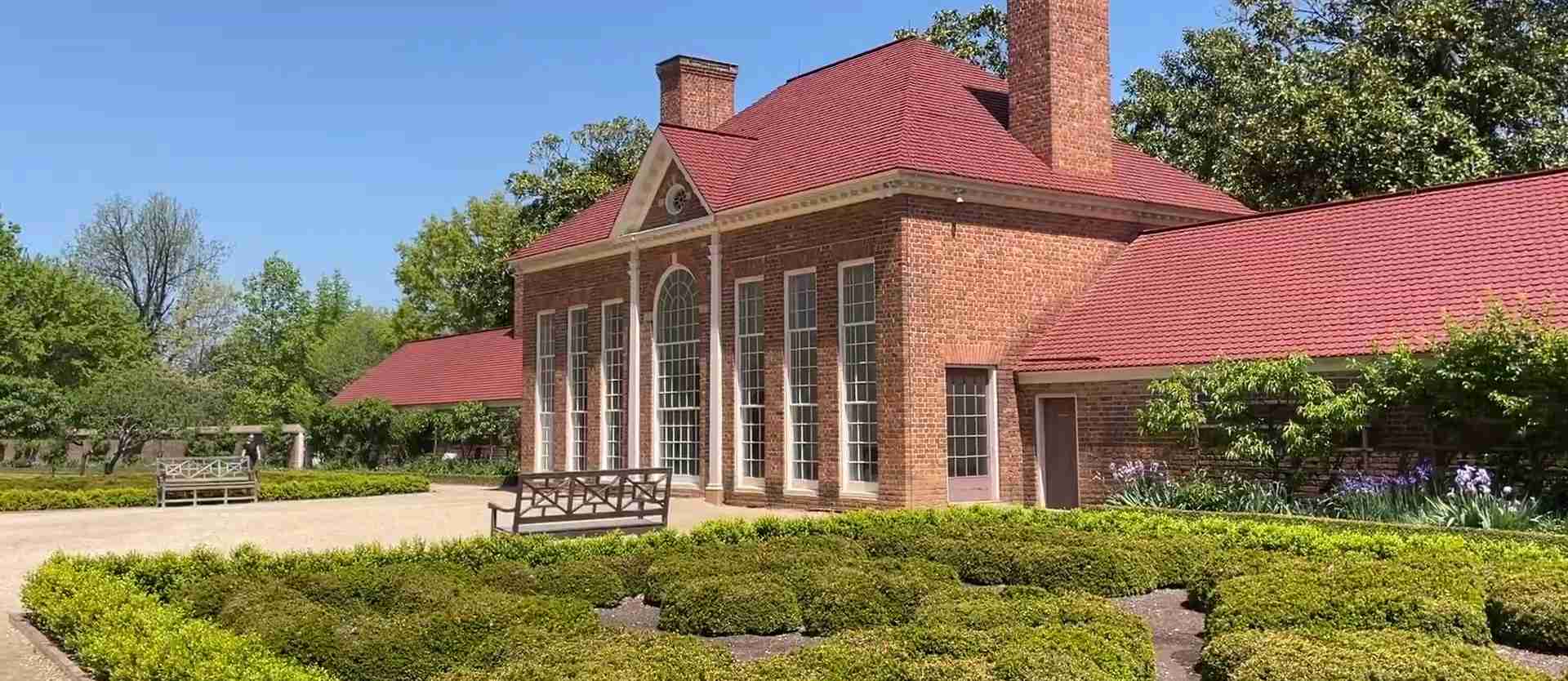
George Washington’s Mount Vernon estate sits just 16 miles south of Washington DC along the Potomac River, offering an accessible escape into Revolutionary history without leaving the capital region. This meticulously preserved plantation provides visitors with an authentic glimpse into America’s founding era through mansion tours, extensive gardens, working farm demonstrations, and museums that bring the first president’s world to life.
Key Takeaways for Planning Your Mount Vernon Visit 2026
- Budget-Friendly Access 2026: Visit Mount Vernon for $48-58 per person using public transportation (Metro plus Fairfax Connector bus) with advance online ticket purchase saving $2 on the $30 admission price.
- Mid-Range Comfort 2026: Expect $100-140 per person for a relaxed day trip including rideshare transportation, admission with mansion tour access, and lunch at the historic Mount Vernon Inn Restaurant.
- Premium Experience 2026: Luxury visitors invest $150-225+ per person for scenic Potomac River cruises that include admission, VIP or private tour experiences, and upscale dining options at the estate.
- Seasonal Operations: Mount Vernon opens 365 days annually with extended hours April through October (9 AM-5 PM) and shorter winter hours November through March (9 AM-4 PM), making year-round visits possible.
- Time Investment: Plan three to four hours minimum to tour the mansion, explore the grounds and gardens, visit museum exhibits, and experience the Pioneer Farm and Gristmill demonstrations.
- Advance Planning Advantage: Book tickets online at least three days ahead to save $2 per person and secure preferred mansion tour times, particularly crucial during peak spring and summer weekends when same-day tickets often sell out.
People Also Ask About Mount Vernon Day Trips 2026
How much does a Mount Vernon day trip cost per person in 2026?
A Mount Vernon day trip costs $48-58 per person for budget travelers using public transportation, $100-140 for mid-range visitors with rideshare and dining, or $150-225+ for premium experiences including boat cruises and VIP tour options. The base admission price is $30 for adults when purchased online in advance (check official website for current rates), with an additional $2 fee for mansion tour access. Public transportation via Metro Yellow Line to Huntington Station plus Fairfax Connector Bus #101 costs $3-4 each way, making it the most economical option. Boat cruises from Washington DC include admission in their $54-62 fare and provide narrated scenic tours along the Potomac River.
What is the best way to get to Mount Vernon from Washington DC in 2026?
The Metro Yellow Line to Huntington Station followed by Fairfax Connector Bus #101 represents the most affordable option at $3-4 each way, with total travel time approximately one hour. Driving takes 25-30 minutes via George Washington Memorial Parkway with free parking available at the estate. Seasonal Potomac River cruises departing from Washington DC’s waterfront provide the most scenic route at $54-62 roundtrip including admission, operating March through October with narrated tours highlighting riverside landmarks. Rideshare services cost $35-50 each way depending on traffic and time of day.
How long should I plan to spend at Mount Vernon in 2026?
Most visitors spend three to four hours at Mount Vernon to tour the mansion (15-25 minutes), explore the grounds and four gardens (45-60 minutes), visit the Donald W. Reynolds Museum and Education Center (60-90 minutes), and experience either the Pioneer Farm or Gristmill & Distillery site. Full-day visitors allocating five to six hours can thoroughly explore all attractions including both satellite sites, attend interpretive demonstrations, dine at the Mount Vernon Inn Restaurant, and browse the gift shops without feeling rushed. Arrive early during peak season as mansion tour times can be delayed two or more hours after your admission time on busy weekends.
Is Mount Vernon worth visiting in winter 2026?
Winter visits to Mount Vernon offer distinct advantages despite November through March shortened hours (9 AM-4 PM). Crowds thin dramatically compared to spring and summer peaks, providing intimate mansion tour experiences and unobstructed photography opportunities. The estate’s architecture and formal gardens maintain year-round visual interest, while indoor museum exhibits occupy a larger portion of winter itineraries. Mild Virginia winters frequently allow comfortable outdoor exploration, and the estate decorates for the holidays in December with special candlelight tours and seasonal programming. Budget an extra layer for outdoor areas and check weather forecasts before your visit.
Extended multi-day tours – 5+ days
Featured Eastern Usa Multi-Day Tour Packages

3 days
Eastern Usa 3-Day Discovery Tour
- ✓ Comprehensive Eastern Usa experience
- ✓ Expert local guides included
- ✓ All accommodation included
- ✓ Transportation provided
5 days
Eastern Usa 5-Day Highlights Experience
- ✓ Comprehensive Eastern Usa experience
- ✓ Expert local guides included
- ✓ All accommodation included
- ✓ Transportation provided

7 days
Eastern Usa 7-Day Cultural Journey
- ✓ Comprehensive Eastern Usa experience
- ✓ Expert local guides included
- ✓ All accommodation included
- ✓ Transportation provided
10 days
Eastern Usa 10-Day Complete Adventure
- ✓ Comprehensive Eastern Usa experience
- ✓ Expert local guides included
- ✓ All accommodation included
- ✓ Transportation provided
Multi-day tour packages powered by TourRadar. Prices and availability subject to change.
Introduction to Mount Vernon Day Trips from Washington DC 2026
Mount Vernon stands as America’s most visited historic estate, drawing over one million visitors annually to George Washington’s meticulously preserved plantation overlooking the Potomac River. Located in Fairfax County, Virginia, just 16 miles south of the nation’s capital, this 500-acre property offers Washington DC visitors an accessible immersion into Revolutionary-era life without requiring overnight accommodations or extensive travel time. The estate opens 365 days per year, maintaining its commitment to year-round public access that began in 1860 when the Mount Vernon Ladies’ Association saved the property from deterioration.
The 2026 visiting experience reflects ongoing preservation work that enhances rather than diminishes the estate’s appeal. Major restoration projects continue through mid-2026 as Mount Vernon prepares for America’s 250th birthday celebrations in 2026, with some mansion rooms temporarily closed for conservation while others remain fully accessible. The Donald W. Reynolds Museum and Education Center, which underwent extensive renovations through 2025, now presents refreshed exhibits including the new “George Washington: A Revolutionary Life” exhibition opening July 2026. These improvements ensure Mount Vernon maintains its position as an essential destination for understanding American history through the lens of its most consequential founding father.
Day trips from Washington DC to Mount Vernon appeal to diverse visitor interests. History enthusiasts engage with authenticated 18th-century interiors, original artifacts including Washington’s presidential chair, and interpretive programs led by costumed historians. Architecture admirers study the mansion’s evolution from modest farmhouse to grand estate through multiple expansion phases directed by Washington himself. Garden lovers stroll through four distinct period gardens maintained according to Washington’s detailed planting records. Family visitors enjoy hands-on learning at the Pioneer Farm where heritage-breed animals and crops demonstrate 18th-century agricultural practices. The flexibility of transportation options—from budget public transit to premium river cruises—makes Mount Vernon accessible across all travel styles and budgets.
Planning considerations for 2026 center on timing, transportation selection, and ticket strategy. Peak visitation occurs April through June when spring gardens bloom and school groups tour most frequently, creating mansion tour waits extending beyond two hours on weekends. Summer months July through September offer longest operating hours but also highest temperatures for outdoor exploration. Fall September through October provides ideal weather and autumn foliage with moderate crowds. Winter November through March delivers peaceful experiences with shortest hours but minimal competition for mansion tour slots. Regardless of season, advance online ticket purchase saves money and secures preferred timing while avoiding gate queues that form by mid-morning during popular periods.
Mount Vernon Admission Prices and Ticket Options 2026
Mount Vernon admission prices for 2026 start at $30 for adults age 12 and older, $16 for youth ages 6-11, and free for children under 6 (check official website for current rates as pricing may vary). Purchasing tickets online at least three days in advance reduces the adult price to $28, representing a $2 savings per person that quickly adds up for families and groups. The base admission fee grants access to the mansion’s exterior grounds, all four formal gardens, the tomb of George and Martha Washington, the Slave Memorial and Burial Ground, museum galleries, education center exhibits, and the Pioneer Farm. Parking remains free regardless of arrival method, eliminating a common hidden cost at many historic attractions.
The mansion interior tour requires an additional $2 reservation fee beyond base admission, payable either during online ticket purchase or at the estate entrance. This nominal fee secures a specific entry time slot for the mansion tour queue, crucial during peak visitation when available slots can disappear hours into the future. Without a reserved mansion time, visitors arriving on busy days may receive tour slots two to three hours after their preferred exploration time, disrupting planned itineraries. The mansion tour itself lasts 15-25 minutes depending on crowd flow, guiding visitors through multiple restored rooms on the first and second floors while interpretive staff provide historical context and answer questions.
Discount programs reduce admission costs for qualifying visitors. Active military personnel, first responders, and medical professionals receive $4 off admission through ID.me verification both online and at the gate. Purple Heart recipients enter free year-round with appropriate identification. Teachers save $4 using ID.me credentials. The Museums for All initiative provides $2 admission for up to four family members presenting EBT cards at the entrance, though this discount applies in-person only and cannot be redeemed online. The Key to the City pass purchased for $20 at Alexandria Visitor Center grants 40 percent off Mount Vernon admission for an effective $18 entry price.
Special admission opportunities supplement regular pricing. Presidents’ Day (third Monday in February) traditionally offers free admission on a first-come, first-served basis with limited tickets distributed at the gate starting early morning—expect substantial lines for this popular annual event. A 2025 promotion allowing unlimited return visits after one full-price admission purchase may continue into 2026, rewarding frequent visitors and extended-stay travelers with exceptional value. Group rates apply to parties of 20 or more, requiring advance arrangement through the group sales office at 703-780-2000. Private tours and VIP experiences carry premium pricing starting around $100 per person beyond base admission, offering exclusive access and specialized interpretation.
The Gristmill & Distillery site three miles from the main estate charges $10 for standalone visits without Mount Vernon admission, operating seasonally on weekends April through October from 10 AM to 5 PM. Visitors holding same-day Mount Vernon admission tickets enter the Gristmill & Distillery at no additional charge, making the satellite site an excellent value-add for those with transportation flexibility. Audio tours in multiple languages are included with admission at no extra fee, providing self-guided interpretation for visitors preferring independent exploration over guided group tours.
Transportation Options from Washington DC to Mount Vernon 2026
Public Transportation: Metro and Bus Combination
Washington Metro’s Yellow Line provides the foundation for budget-conscious Mount Vernon access. Board any Yellow Line train heading south toward Huntington Station, the terminus approximately 12 miles from downtown Washington DC. The Metro portion of the journey takes 25-35 minutes from central locations like Metro Center or L’Enfant Plaza, costing the standard Metro fare of $2-3 depending on time of day and origin station. Metro operates from approximately 5 AM to midnight weekdays with reduced weekend hours, requiring early departure for morning Mount Vernon arrival.
Upon reaching Huntington Station, exit at the lower level (Huntington Avenue) where Fairfax Connector buses depart. The Fairfax Connector Bus #101 Fort Hunt Line provides direct service to Mount Vernon’s main entrance, departing from Bay C at the Huntington Metro North platform. This 20-minute bus ride travels through residential Virginia neighborhoods before reaching the estate, operating Monday through Saturday with limited Sunday service. Bus fare costs $2 payable with exact change or SmarTrip card, with transfers from Metro requiring proper card tap procedures at both vehicles.
Critical timing considerations affect Metro-bus connections. Fairfax Connector #101 operates on a limited schedule with buses departing Huntington Station roughly hourly during midday periods and every 30-40 minutes during morning and afternoon peaks. Missing a connection can delay Mount Vernon arrival by an hour, emphasizing the importance of checking current bus schedules at fairfaxconnector.com before departure. The return journey follows the same route in reverse, with buses departing Mount Vernon for Huntington Station on a comparable schedule. Plan to catch the return bus at least 30 minutes before desired Huntington arrival time to ensure Metro connections for onward DC travel.
Total one-way travel time via Metro-bus combination averages 60-75 minutes from central Washington DC to Mount Vernon’s entrance, making round-trip public transit journeys consume 2-2.5 hours of the day trip. Budget $6-8 total for roundtrip public transportation per person, representing significant savings compared to rideshare or cruise alternatives. Bring reading material or downloaded entertainment for the bus portion, and verify return bus schedules upon Mount Vernon arrival to avoid extended waits at the estate after tour completion.
Driving and Parking
Personal vehicle or rental car access to Mount Vernon offers maximum flexibility and minimal travel time. From Washington DC, follow signs toward Ronald Reagan Washington National Airport then continue south on George Washington Memorial Parkway, a scenic route paralleling the Potomac River through wooded parkland. The 16-mile drive takes 25-30 minutes under normal traffic conditions, extending to 40-50 minutes during weekday rush hours (7-9 AM and 4-6:30 PM). The parkway provides a beautiful approach with river overlooks and historical markers, though limited roadside parking along the route discourages extended sightseeing stops.
Mount Vernon provides free parking in multiple lots flanking George Washington Memorial Parkway near the main entrance at 3200 Mount Vernon Memorial Highway. East and west parking areas accommodate hundreds of vehicles on a first-come, first-served basis, filling completely during peak spring weekends and holiday periods by 10-11 AM. Oversized vehicle spots occupy the rear section of the East Parking Lot, suitable for RVs and vehicles pulling trailers, though tight turns require careful maneuvering. Tour buses and motor coaches park in the designated Bus Lane on Route 235 South across from the post office. No overnight parking is permitted, and the estate discourages leaving valuables visible in parked vehicles.
Navigation systems and GPS devices should use the address 3200 Mount Vernon Memorial Highway, Mount Vernon, VA 22121. Older GPS units lacking this address in databases can substitute 3500 Mount Vernon Memorial Highway—the post office across from the estate—for successful routing. From Alexandria’s Old Town district eight miles north, the drive takes 15-20 minutes south on George Washington Memorial Parkway. From Interstate 495 (Capital Beltway), take Exit 177A onto US Route 1 South, then turn left onto Mount Vernon Memorial Highway for a four-mile approach from the west.
Potomac River Cruise Options 2026
Seasonal boat cruises combine transportation with sightseeing for a premium Mount Vernon experience. Spirit Cruises and City Cruises operate narrated roundtrip voyages departing from Washington DC’s waterfront between March and October, with increased frequency during summer months. The cruise fare of $54-62 per adult includes Mount Vernon admission, making the combined package competitively priced against separate rideshare and admission costs. Departures typically occur mid-morning (9-10 AM) from piers near the Wharf district, with return trips departing Mount Vernon in mid-afternoon (2-3 PM).
The 90-minute southbound cruise travels past iconic DC landmarks including the Washington Monument, Jefferson Memorial, and Pentagon before entering more natural Potomac landscapes approaching Mount Vernon. Onboard narration highlights historical significance of riverside sites while food and beverage service provides snacks, lunch options, and alcoholic and non-alcoholic drinks for purchase. Covered and open deck seating accommodates various weather preferences, with climate-controlled interior spaces available during temperature extremes. The cruise vessel docks directly at Mount Vernon’s wharf, allowing passengers to disembark and begin estate exploration immediately.
Three to four hours of shore time permits comprehensive Mount Vernon touring including mansion access, museum visits, and lunch at the estate’s restaurant or food court. Passengers must reboard by the announced departure time—missing the return cruise requires expensive alternative transportation arrangements back to DC. Alexandria-based cruise operators offer similar services departing from Alexandria City Marina at 105 North Union Street, reducing cruise time to approximately one hour each direction at comparable $56 pricing. These Alexandria departures suit visitors staying in Old Town or preferring shorter water transit times.
Private charter options through vintage yacht services accommodate groups up to 13 passengers seeking exclusive experiences. These premium charters require two weeks advance booking and include VIP guided tours upon Mount Vernon arrival, with pricing starting around $150-200 per person depending on group size and selected dining packages. All water-based transportation operates weather-dependent with possible cancellations during severe conditions—confirm cruise status on departure day before committing to this transportation mode.
Rideshare and Taxi Services 2026
Uber and Lyft provide door-to-door convenience for visitors prioritizing time efficiency over cost savings. One-way rideshare fares from central Washington DC to Mount Vernon range $35-50 depending on pickup location, traffic conditions, and surge pricing periods. Round-trip rideshare costs total $70-100, positioning this option between budget public transit ($6-8) and premium cruises ($54-62) while offering superior flexibility. Request return pickup 30 minutes before desired departure time to ensure vehicle availability, particularly during off-peak hours when driver density decreases in suburban Virginia.
Traditional taxi services cost slightly more than rideshare equivalents but provide guaranteed metered fares without surge pricing volatility. Estimate $45-60 one-way for DC-to-Mount Vernon taxi service, with return journeys requiring phone dispatch from the estate rather than street hailing. Arlington and Alexandria taxi services offer shorter pickup times and potentially lower fares for visitors staying in those jurisdictions versus downtown Washington DC locations.
Guided Bus Tours from DC
Commercial tour operators bundle Mount Vernon admission with narrated bus transportation, eliminating individual planning requirements at premium pricing. Half-day tours typically cost $75-120 per person including admission and transportation, departing Washington DC hotels or central meeting points mid-morning and returning by early afternoon. Full-day combination tours pairing Mount Vernon with Alexandria Old Town exploration or Arlington National Cemetery visits range $120-175 per person with lunch included or available for purchase. Tour schedules follow fixed itineraries with limited flexibility for individual interests, but provide expert commentary and simplified logistics appealing to first-time visitors or those preferring structured experiences.
Exploring George Washington’s Mansion 2026
The Mount Vernon mansion tour provides intimate access to George Washington’s private residence as it appeared in 1799, the final year of his life. The 21-room mansion evolved through five major construction phases between 1735 and 1787 as Washington expanded his inherited farmhouse into a grand estate befitting his rising prominence. Approaching from the bowling green’s circular drive, visitors first encounter the mansion’s iconic river-facing facade with its distinctive cupola and piazza overlooking the Potomac River—Washington’s favorite architectural feature where he entertained guests and observed estate operations.
First-floor rooms open to tour groups include the Large Dining Room where Washington hosted elaborate dinners for political allies and foreign dignitaries, furnished with original Windsor chairs and the family’s Chinese export porcelain. The West Parlor displays Martha Washington’s clavichord and period furnishings reflecting the family’s refined tastes. The Front Parlor served as the estate’s formal reception space with original harpsichord and family portraits including the famous “Lansdowne” portrait of Washington. The Little Parlor functioned as the family’s private sitting room, more intimate than public reception spaces.
The study preserves Washington’s personal workspace where he managed his extensive agricultural enterprises, maintained correspondence with Revolutionary War veterans, and planned his presidency. Original furnishings include Washington’s presidential desk chair returned from Philadelphia after his retirement, his globe showing the young United States, and shelves holding portions of his 900-volume library. The New Room, Mount Vernon’s grandest space added in 1775, stretches two stories high with ornate ceiling details and serves as the mansion’s architectural centerpiece—though this room may be closed during 2026 preservation work.
Second-floor bedchambers include the Washingtons’ bedroom where George Washington died on December 14, 1799. The chamber contains the bed where he passed, original furnishings, and personal items providing poignant intimacy with the founding father’s final moments. Lafayette’s bedroom honors the French general’s visits to Mount Vernon, while additional guest chambers reflect the mansion’s constant stream of visitors during Washington’s lifetime. The tour concludes with a descent via the mansion’s central staircase, which Washington himself designed with careful attention to proportions and craftsmanship.
Preservation work scheduled through mid-2026 affects mansion accessibility as rooms undergo conservation preparing for the 250th birthday celebrations. The New Room underwent extensive work through 2025, while additional chambers may close for briefer periods during 2026. Interpretive staff supplement any closed rooms with detailed descriptions and historical context, ensuring visitors receive comprehensive understanding regardless of temporary access limitations. Photography policies prohibit flash and tripods inside the mansion while permitting handheld camera use, allowing documentation of this extraordinary residence.
Museum Galleries and Educational Exhibits 2026
The Donald W. Reynolds Museum and Education Center houses Mount Vernon’s most significant artifacts in climate-controlled galleries protecting irreplaceable objects from environmental degradation. The museum’s premier treasure is the life mask plaster cast of George Washington’s face created in 1785 by sculptor Jean-Antoine Houdon. This direct facial mold represents the most accurate likeness of Washington’s features ever captured, revealing details impossible to discern from painted portraits. The resulting marble bust stands nearby, demonstrating how Houdon translated the mask into idealized sculpture.
The “George Washington: A Revolutionary Life” exhibition opening July 2026 chronicles Washington’s transformation from Virginia planter to military commander to president through interactive displays, original documents, and artifact presentations. Touchscreen stations allow visitors to explore Washington’s correspondence, battle strategies, and presidential decisions through digitized primary sources. A theater presentation employs actors and dramatic lighting to recreate pivotal moments in Washington’s career, bringing historical events to emotional life beyond static museum displays.
Revolutionary War galleries display Washington’s Continental Army uniform, campaign tent, and battlefield equipment demonstrating the harsh conditions of 18th-century warfare. Interactive maps illuminate major battle movements and strategic decisions, while artifact cases contain soldiers’ personal items revealing the human dimension of military service. The museum’s dental exhibition addresses Washington’s lifelong struggle with tooth loss through his actual dentures—not wooden as myth suggests, but rather uncomfortable contraptions made from human and animal teeth set in ivory bases with gold wire springs.
The “Lives Bound Together” exhibition examines slavery at Mount Vernon with unflinching honesty about the 317 enslaved individuals who lived and worked across Washington’s five farms. Personal narratives drawn from estate records humanize enslaved families, documenting their names, occupations, family relationships, and occasional acts of resistance. Artifacts including tools, pottery fragments, and clothing remnants recovered from archaeological excavations of slave quarters provide material connection to these largely unwritten lives. The exhibition contextualizes Washington’s evolving views on slavery while acknowledging the fundamental contradiction between his revolutionary ideals and slaveholding practices.
The Hands-on History Center engages younger visitors with interactive learning stations designed for ages 5-10. Children try on reproduction 18th-century clothing, practice penmanship with quill pens and ink, and explore tactile exhibits explaining daily life in Washington’s era. Programs operate Monday through Friday 2-4 PM with drop-in participation encouraged for families. The education center also houses a comprehensive research library available by appointment for scholars studying Washington, Mount Vernon, and Revolutionary period history.
Gardens and Grounds Tour 2026
Mount Vernon’s four formal gardens demonstrate George Washington’s passion for landscape design and botanical experimentation. The Upper Garden occupies the north side of the bowling green with geometric beds growing vegetables, herbs, and flowers in layouts based on Washington’s own garden journals and correspondence. Interpreters maintain heritage vegetable varieties Washington would have cultivated including artichokes, cardoons, and sea kale alongside more familiar crops. The garden produces year-round harvests for estate programs and seasonal displays reflecting monthly growing patterns visitors would encounter during their specific visit dates.
The Lower Garden on the bowling green’s south side focuses on ornamental plantings with boxwood parterres, perennial borders, and specimen trees Washington personally selected. Flowering bulbs create spectacular spring displays March through May, while summer perennials and annuals maintain continuous bloom through September. The garden includes Washington’s greenhouse—one of the largest privately owned greenhouses in colonial America—now reconstructed and operational with period-appropriate plants including citrus trees, tropical specimens, and tender ornamentals requiring winter protection in Virginia’s climate.
The Botanical Garden showcases Washington’s experimental approach to introducing new plant species to American agriculture. This specialized garden grows rare and unusual plants Washington obtained through correspondence with botanists, diplomats, and fellow planters across the Atlantic world. Interpretive signage explains each plant’s origin story and Washington’s hopes for its economic potential in the new nation. Spring visitors encounter the garden at peak bloom, though substantial interest persists across all seasons as evergreen specimens and structural plantings maintain visual composition.
The Kitchen Garden supplied the mansion’s daily needs with practical vegetables, herbs, and fruits. Period gardening techniques including raised beds, companion planting, and cold frames demonstrate 18th-century agricultural methods still relevant to modern sustainable gardening practices. Volunteers and staff maintain the garden using hand tools exclusively, providing living interpretation of pre-industrial farming during operational hours. Visitors often encounter gardeners at work who readily discuss techniques and answer questions about historical growing practices.
The bowling green’s expansive lawn connecting the mansion to the river serves as the estate’s central organizing feature, designed by Washington to frame the residence while providing recreational space. Ancient trees Washington planted still stand including the original tulip poplars flanking the approach, though storm damage and age necessitate ongoing care and eventual replacement planning. The grounds also include the fruit garden and nursery where Washington propagated trees for landscape plantings, the slave memorial honoring the estate’s enslaved community, and walking trails through wooded areas preserving the property’s natural character.
Pioneer Farm and Agricultural Demonstrations 2026
The four-acre Pioneer Farm recreates Mount Vernon’s working agricultural operations with heritage breed animals, crop plantings, and demonstrator-interpreters conducting daily 18th-century farming tasks. Located a 15-minute walk from the mansion (or accessible via free shuttle), the farm operates a 16-sided treading barn designed by Washington to thresh grain—a revolutionary architectural innovation improving efficiency over traditional threshing methods. Demonstrations occur April through October when agricultural activities align with historical seasonal patterns.
Heritage livestock breeds populate the farm including Hog Island sheep, Ossabaw Island hogs, Dominique chickens, and American Cream Draft horses—all breeds existing during Washington’s lifetime or descended from colonial-era stock. Newborn lambs typically arrive in March and April, delighting spring visitors with opportunities to observe young animals. Summer months feature crop demonstrations including corn cultivation, wheat harvesting, and vegetable tending using period-appropriate tools and techniques. Fall brings harvest activities with wheat threshing, corn husking, and food preservation preparations for winter months.
The slave quarters at the Pioneer Farm present sobering context about who actually performed the agricultural labor making Mount Vernon profitable. Reconstructed based on archaeological evidence and estate records, these small log structures housed enslaved field workers in cramped, uncomfortable conditions contrasting sharply with the mansion’s elegance. Interpretive programs discuss the brutal realities of chattel slavery while honoring the skilled agricultural knowledge enslaved workers brought from African and Caribbean backgrounds, contributing essential expertise to the plantation’s operations.
Blacksmith demonstrations at the reconstructed forge show metal-working techniques producing tools, hardware, and hardware repairs essential to farm operations. The spinning and weaving house illustrates textile production from sheep shearing through carding, spinning, and weaving processes creating cloth for clothing and household linens. All demonstrations welcome visitor questions and often invite participation in select activities, transforming passive observation into engaged learning experiences particularly valuable for children and hands-on learners.
Gristmill and Distillery Sites 2026
George Washington’s reconstructed Gristmill and Distillery occupy their original location three miles from the main Mount Vernon estate at 5514 Mount Vernon Memorial Highway. These satellite sites operate seasonally on Saturdays and Sundays from April through October, 10 AM to 5 PM, providing insight into Washington’s most profitable commercial enterprises. The sites accept same-day Mount Vernon admission for free entry or charge $10 for standalone visits without main estate tickets.
The gristmill originally built 1770-1771 ground grain for Washington’s farms and neighboring customers, generating significant income through merchant milling operations. The reconstructed mill contains functional 18th-century style milling equipment powered by a massive water wheel, with demonstrations showing how wheat transforms into flour through stone-grinding processes. Interpreters explain the economic importance of milling in colonial Virginia while operating the machinery to produce actual flour visitors can purchase as unique souvenirs. The mill’s mechanical complexity and engineering sophistication surprise many visitors expecting simpler technology from the period.
Washington’s distillery produced 11,000 gallons of whiskey annually by 1799, making Mount Vernon one of America’s largest whiskey producers at his death. The reconstructed five-still distillery operates seasonally producing small batches of rye whiskey using Washington’s original recipes and methods. Visitors observe the complete distillation process from grain mashing through fermentation and final distillation, with the resulting spirit aged in barrels for eventual bottling. Finished Mount Vernon rye whiskey sells at the estate gift shop in limited quantities at premium prices, offering historically minded spirits enthusiasts authentic period liquor.
Reaching the Gristmill and Distillery requires personal transportation as no public transit serves the site. Drivers continue three miles south on Mount Vernon Memorial Highway from the main estate, following directional signage. Plan 60-90 minutes for a comprehensive visit including demonstrations, building tours, and interaction with interpretive staff. The sites provide welcome additions to full-day Mount Vernon itineraries for visitors with transportation flexibility, though the distance and weekend-only operations make them optional rather than essential stops for most day-trippers.
Dining Options at Mount Vernon 2026
The Mount Vernon Inn Restaurant occupies a colonial-revival building near the main entrance, serving lunch and dinner in historically-themed dining rooms with fireplaces, period-style furnishings, and servers in 18th-century attire. The restaurant operates independently of estate admission—guests can dine without purchasing Mount Vernon tickets, and estate visitors can depart and return specifically for meals. Lunch service runs 11 AM to 3:30 PM with dinner beginning at 5 PM, while weekend brunch operates 11 AM to 3 PM Saturdays and Sundays. Reservations strongly recommended during peak visitation, available by phone at 703-780-0011.
Menu offerings emphasize regional American cuisine with historical influences including peanut and chestnut soup, colonial turkey pie, and Martha Washington’s crab cakes. Main courses range $18-38 for lunch entrees and $24-48 for dinner selections, with appetizers $8-16 and desserts $8-12. The restaurant serves George Washington’s signature Mount Vernon rye whiskey distilled on-site, offering flights and cocktails incorporating the estate’s spirits. Lunch for two averages $60-90 including appetizers, entrees, and beverages, while dinner reaches $90-130 for comparable ordering. Group dining packages for parties of 20 or more offer fixed menus at $28-39 per person including tax and service.
The Food Court and Pavilion provides faster, more economical dining near the Ford Orientation Center. Hot and cold sandwiches, salads, soups, and snacks fill typical lunch menus at $8-15 per person. Pizza, chicken tenders, and burgers appeal to children and budget-conscious visitors seeking familiar options. Beverages include soft drinks, bottled water, coffee, and juice at standard concession pricing $2-5. Outdoor pavilion seating accommodates several hundred guests with river views, though winter months drive diners to limited indoor seating. The food court operates daily during estate hours, closing 30 minutes before the estate’s daily closure time.
Visitors prioritizing budget control or dietary restrictions often pack lunches for consumption at designated picnic areas on the estate grounds. No specific picnic facilities exist, but the bowling green’s perimeter and garden pathways offer pleasant spots for outdoor eating during favorable weather. The Mount Vernon Inn Restaurant and Food Court both welcome guests with food allergies and dietary restrictions, though advance notification helps kitchen staff prepare appropriate modifications. Estate policies prohibit outside food in dining facilities but allow personal food in outdoor areas and picnic spots.
Gift Shops and Souvenirs 2026
The Shops at Mount Vernon occupy several buildings near the main entrance and within the education center complex, offering extensive selections of historical books, reproductions, gifts, and specialty foods. Unlike most estate attractions, the gift shops remain open to non-ticket-holders allowing purchases without admission fees. Operating hours match estate hours with the museum shop staying open one hour past closing to accommodate departing visitors making final purchases.
Book selections emphasize George Washington biographies, Revolutionary War histories, American founding narratives, and regional Virginia topics. Mount Vernon’s publishing program produces exclusive titles unavailable elsewhere including detailed studies of estate architecture, gardens, and enslaved community members. Children’s sections stock age-appropriate historical fiction, activity books, and educational games introducing young readers to Revolutionary period topics. Prices range from $8 paperbacks to $75 illustrated coffee table volumes, with most adult titles $15-35.
Reproduction items allow visitors to acquire period-style goods crafted using historical methods and designs. Pottery recreates archaeological finds from estate excavations, jewelry reproduces Washington family pieces, and textiles employ 18th-century patterns and weaving techniques. Higher-end reproductions including furniture pieces, silverware, and decorative arts command prices from $100 to several thousand dollars for museum-quality items. More accessible souvenirs include postcards, magnets, ornaments, and apparel at $5-25 price points appealing to casual visitors seeking Mount Vernon mementos.
Specialty foods feature Mount Vernon rye whiskey ($95-115 per 750ml bottle in limited release batches), chocolate truffles flavored with estate-distilled spirits, Virginia peanuts honoring Washington’s agricultural experiments, and preserves made from historic fruit varieties. The estate’s own coffee blend, tea selections, and spice mixtures provide consumable souvenirs reflecting 18th-century trade goods Washington would have known. Food items range $6-45 with most falling in the $12-25 range for gift-appropriate packaging.
Sample Day Trip Itineraries to Mount Vernon 2026
Budget Day Trip by Public Transportation
7:00 AM – Depart Washington DC hotel via Metro Yellow Line to Huntington Station ($3). 7:45 AM – Board Fairfax Connector Bus #101 at Huntington Metro North Bay C ($2). 8:05 AM – Arrive Mount Vernon, purchase admission at gate ($30). 8:30 AM – Join mansion tour (reserved during ticket purchase). 9:00 AM – Explore gardens and grounds self-guided. 10:30 AM – Visit museum galleries and education center. 12:00 PM – Lunch at Food Court ($12). 1:00 PM – Pioneer Farm shuttle and demonstrations. 2:30 PM – Gift shop browsing and purchases. 3:15 PM – Board Fairfax Connector return bus to Huntington ($2). 3:35 PM – Transfer to Yellow Line Metro for DC return ($3). Total cost approximately $52 per person.
Mid-Range Day Trip with Rideshare
9:00 AM – Uber from DC hotel to Mount Vernon ($42). 9:30 AM – Arrive Mount Vernon, begin pre-purchased mansion tour ($32 including mansion access). 10:00 AM – Explore gardens and slave memorial. 11:00 AM – Museum galleries and education center exhibits. 12:30 PM – Lunch at Mount Vernon Inn Restaurant ($35). 2:00 PM – Pioneer Farm demonstrations. 3:00 PM – Gift shop and final grounds walk. 3:30 PM – Uber return to DC ($45). Total cost approximately $155 per person.
Premium River Cruise Experience
9:00 AM – Board Spirit Cruise at DC waterfront ($62 including admission). 10:30 AM – Arrive Mount Vernon wharf, begin estate exploration. 11:00 AM – Reserved mansion tour. 12:00 PM – Gardens and grounds self-tour. 1:00 PM – Mount Vernon Inn Restaurant lunch ($45). 2:30 PM – Museum galleries and final exhibits. 3:00 PM – Reboard cruise for narrated return journey. 4:30 PM – Arrive DC waterfront. Total cost approximately $107 per person.
Full-Day Comprehensive Visit
8:00 AM – Drive from DC to Mount Vernon, arrive at opening. 8:30 AM – First mansion tour of the day. 9:15 AM – Upper and Lower Garden walks. 10:00 AM – Museum galleries and Reynolds Education Center. 11:30 AM – Pioneer Farm shuttle and agricultural demonstrations. 1:00 PM – Mount Vernon Inn Restaurant lunch. 2:30 PM – Drive to Gristmill and Distillery (3 miles). 3:00 PM – Gristmill and distillery tours and demonstrations. 4:30 PM – Return to main estate for final gift shop visits. 5:00 PM – Depart for DC return drive. Total cost approximately $85 per person (admission, lunch, parking free, gas ~$8).
Best Times to Visit Mount Vernon 2026
Spring months from March through May offer Mount Vernon’s most spectacular garden displays as tulips, daffodils, and flowering trees create colorful landscapes throughout the grounds. The Upper and Lower Gardens reach peak bloom late April through early May when hundreds of tulips and spring perennials burst into flower. Dogwoods and cherry trees add layers of white and pink blossoms to wooded areas and the bowling green. This visual splendor attracts maximum crowds with spring weekends and school vacation weeks (late March-early April) generating two to three hour waits for mansion tours and packed museum galleries. Arrive before 9 AM or after 2 PM to minimize crowd impact, or visit weekdays when school groups depart by early afternoon.
Summer from June through August brings longest operating hours (9 AM-5 PM) providing maximum time for comprehensive estate exploration. The Pioneer Farm operates at full capacity with daily demonstrations, newborn animals transition to interactive age, and gardens maintain continuous bloom through heat-tolerant annuals and perennials. High temperatures frequently reach 85-95°F with substantial humidity typical of Tidewater Virginia summers, making morning hours most comfortable for outdoor touring. The estate’s many mature trees provide welcome shade, while the mansion’s river breezes cool piazza spaces. Summer crowds remain heavy through July 4th week then moderate somewhat in late summer as schools resume. Afternoon thunderstorms occur frequently July through August—monitor weather forecasts and carry rain gear for summer visits.
Fall September through October delivers ideal touring conditions with moderate temperatures 60-75°F, lower humidity, and spectacular foliage color mid-October through early November. The estate’s diverse tree collection creates extended fall color season with early-turning maples, mid-season oaks, and late-turning hickories providing multiweek displays. Crowds thin noticeably after Labor Day as school groups reduce field trip frequency and family travel declines before holiday seasons. Gardens maintain late-season interest through asters, mums, and ornamental grasses while harvest activities at the Pioneer Farm demonstrate food preservation and winter preparation techniques. October weekends still generate substantial attendance but rarely approach spring’s density.
Winter from November through March offers Mount Vernon’s most peaceful visiting experiences. The estate reduces hours to 9 AM-4 PM but maintains daily operations 365 days annually including Thanksgiving, Christmas, and New Year’s Day. Crowds diminish to fractions of peak-season levels, allowing intimate mansion tours with opportunities to engage interpretive staff in extended conversations. Outdoor exploration remains viable during Virginia’s generally mild winters with average temperatures 35-50°F and occasional snow providing photogenic backdrops for the mansion and grounds. The estate decorates for Christmas holidays with period-appropriate greenery and candlelight tours creating special seasonal experiences. January and February deliver absolute lowest attendance, rewarding hardy visitors with nearly private tours of America’s most visited historic home.
Weekday visits throughout the year generate lighter crowds than weekends, with Tuesday through Thursday representing optimal touring days. Mondays sometimes experience increased attendance from weekend overflow, while Fridays attract both day-trippers extending weekends and locals seeking lighter crowds than Saturdays and Sundays bring. Early morning arrival (first 30 minutes after opening) provides freshest touring experiences before crowds build, while late afternoon visits (final two hours before closing) thin as early arrivals depart. Mansion tour reservations matter most during peak attendance days when tour times stretch hours beyond desired schedules.
Planning Tips for Mount Vernon Day Trips 2026
Advance Ticket Purchase Strategy
Mount Vernon’s online ticket system opens sales three days before visit dates, offering $2 per person savings compared to gate prices. This advance purchase window creates strategic planning opportunities. For peak season weekends (April-May, July 4th week, October weekends), book tickets exactly three days ahead when sales open to secure optimal mansion tour times. Preferred mansion slots depart 30-60 minutes after estate opening, allowing fresh touring before crowds accumulate. Mid-day tour times (11 AM-2 PM) bunch visitor flows creating congestion throughout the estate, while late afternoon slots (3-4 PM) rush visitors through experiences before closing.
The mansion tour reservation carries particular importance during busy periods. Without a specific time slot, same-day ticket purchasers receive tour assignments hours into the future based on capacity constraints. A visitor arriving 9 AM on a Saturday in May without advance reservation might receive a 1 PM mansion tour time, creating awkward three-hour gaps requiring strategic activity planning. Pre-selected tour times eliminate this uncertainty, allowing logical activity sequencing from arrival through departure.
Accessibility Considerations
Mount Vernon provides comprehensive accessibility accommodations across the estate. Wheelchair-accessible entrances serve the mansion, museums, and visitor center buildings through ramps and elevators. The mansion tour includes first-floor access via ramp, though second-floor bedchambers remain inaccessible due to historic staircase preservation requirements. Video presentations in the Ford Orientation Center substitute for second-floor mansion rooms, ensuring all visitors receive complete historical interpretation regardless of mobility limitations.
Accessible parking occupies designated spaces near the main entrance. The estate loans wheelchairs and electric scooters at no charge from the admissions building on first-come, first-served basis—reserve by calling 703-780-2000 in advance during peak seasons. Paved pathways connect major attractions, though some garden areas and the Pioneer Farm involve gravel paths potentially challenging for wheeled mobility devices. The shuttle to the Pioneer Farm accommodates wheelchairs and provides an accessible alternative to the 15-minute walk through uneven terrain.
Service animals receive welcome throughout the estate while adhering to standard service animal protocols. Visitors requiring sign language interpretation should request this accommodation two weeks in advance, allowing the estate to arrange qualified interpreters for mansion tours and demonstrations. Audio tour devices include both standard and amplified headsets for hearing-impaired visitors. Braille guides and tactile elements supplement visual exhibits in museum galleries. The estate maintains detailed accessibility information at mountvernon.org/accessibility updated regularly as improvements continue.
Photography Guidelines
Photography policies permit handheld camera use throughout the estate with specific restrictions protecting artifacts and other visitors’ experiences. Flash photography is prohibited inside the mansion and museum galleries where intense light damages historic furnishings, paintings, and documents. Tripods and monopods cannot be used in interior spaces due to visitor flow constraints in confined historic rooms. These limitations still allow excellent photography using natural light streaming through mansion windows and skylit museum spaces, particularly with modern cameras’ high ISO capabilities.
Exterior photography faces no restrictions beyond basic courtesy toward other visitors. The mansion’s iconic river facade, formal gardens, and tomb area provide endlessly photogenic subjects across all seasons and lighting conditions. Sunrise and sunset visits (when estate hours permit) deliver dramatic lighting on the mansion’s columned piazza and bowling green. Spring bloom and fall foliage create seasonally distinctive images, while winter snow transforms the landscape into historical Christmas card scenes. Professional photography including wedding and portrait sessions requires advance arrangements and separate fees—contact the special events office at 703-780-2000 for commercial photography permissions.
Weather Preparation
Mount Vernon’s primarily outdoor experience demands weather-appropriate preparation. Summer visitors need sun protection including hats, sunscreen, and sunglasses for extended hours on exposed pathways and garden walks. The estate provides minimal shade along bowling green approaches and many garden paths, concentrating tree cover near buildings and wooded trail sections. Carry water bottles for summer hydration—refill stations exist at food service areas. Light, breathable clothing suits Virginia’s humid summers with temperatures frequently exceeding 90°F.
Winter visits require layering as indoor heated spaces alternate with extended outdoor touring. The mansion maintains period-appropriate temperatures (cooler than modern climate control) while museum buildings offer contemporary heating. Pack warm outerwear, gloves, and hats for comfortable winter grounds exploration, with the option to shed layers during indoor segments. Rain gear serves year-round as Virginia experiences precipitation distributed across all months, with spring thunderstorms and winter rain/snow systems arriving with minimal warning. The estate remains open during rain and snow (except severe weather endangering safety), rewarding weather-hardy visitors with emptier experiences during precipitation.
Timing Your Visit Duration
Minimum Mount Vernon visits require three hours covering mansion tour (15-25 minutes), essential gardens and grounds (60 minutes), and museum galleries (60-90 minutes). This compressed timeline omits the Pioneer Farm, sacrifices detailed garden exploration, and rushes museum exhibits, but delivers core Mount Vernon experiences for time-constrained travelers. Four to five hours represents optimal visiting duration for thorough but not exhaustive estate coverage, including Pioneer Farm demonstrations, complete garden circuits, and comprehensive museum touring with time for lunch either at the Food Court or Mount Vernon Inn.
Full-day visitors allocating six to eight hours can explore every estate attraction including the satellite Gristmill and Distillery site three miles distant. This extended timeframe permits leisurely mansion touring, multiple garden circuits photographing different areas, complete museum gallery exploration with repeat visits to favorite exhibits, both Pioneer Farm and Gristmill demonstrations, and relaxed dining at the Mount Vernon Inn Restaurant. The estate’s 9 AM-5 PM peak-season hours accommodate these comprehensive visits, while winter’s 9 AM-4 PM schedule compresses full-day itineraries requiring strategic prioritization.
Group Visit Considerations
Groups of 20 or more receive discounted admission rates and dedicated services through advance arrangement. School groups access educational programming including curriculum-aligned tours, hands-on activities at the Pioneer Farm, and specialized museum gallery experiences designed for different age levels. Adult groups including tour companies, military units, and civic organizations benefit from group rates, reserved mansion tour times, and optional group dining packages at the Mount Vernon Inn ($28-39 per person for buffet or plated meals). Contact the group sales office at 703-780-2000 or [email protected] at least two weeks before planned visits to secure group benefits and coordinate logistics.
Tour buses park in designated areas across from the main entrance, avoiding competition with individual vehicle parking. Bus drivers receive complimentary admission during group stays. Groups should communicate special needs including accessibility requirements, dietary restrictions, and timeline constraints during advance planning to ensure smooth on-site experiences. The estate accommodates thousands of group visitors annually, bringing refined systems supporting efficient large-party management without diminishing individual attention or interpretive quality.
Combining Mount Vernon with Alexandria Attractions 2026
Alexandria’s Old Town historic district sits just eight miles north of Mount Vernon along George Washington Memorial Parkway, creating natural combination touring for full-day DC-area itineraries. The compact waterfront district preserves 18th and 19th-century architecture along brick sidewalks and cobblestone streets where Washington shopped, worshiped, and conducted business. Christ Church on Washington Street maintains Washington’s family pew (Pew 60) available for viewing when services aren’t in session. Gadsby’s Tavern Museum occupies the 1785 tavern where Washington attended balls and meetings, now offering guided tours ($6 adults) Tuesday through Sunday.
The Alexandria waterfront features restaurants, shops, and the Torpedo Factory Art Center where 82 working artists maintain studios open for observation and sales. Street parking costs $2 per hour metered with two-hour maximums, while parking garages offer day rates $10-20. King Street, Old Town’s main commercial corridor, runs from the waterfront inland through the historic district lined with boutiques, galleries, and dining options ranging from casual cafes to upscale restaurants. Many Alexandria restaurants feature outdoor seating March through November, ideal for post-Mount Vernon relaxation before returning to Washington DC.
Transportation between Mount Vernon and Alexandria flows easily via George Washington Memorial Parkway’s 15-minute scenic drive. Alternatively, budget travelers can reverse the Metro-bus route, taking Fairfax Connector #101 from Mount Vernon to Huntington Station then transferring to Metro Yellow Line toward Alexandria’s King Street Station ($3). This combination visit suits travelers seeking Revolutionary-era immersion across multiple historic sites, with Mount Vernon’s plantation focus complementing Alexandria’s urban colonial experience. Plan seven to eight hours for comprehensive Mount Vernon and Alexandria touring including travel time and meals in both locations.
Frequently Asked Questions About Mount Vernon Day Trips 2026
Can I visit Mount Vernon without touring the mansion?
Yes, base admission to Mount Vernon grants access to all attractions except the mansion interior. Visitors choosing grounds-only experiences enjoy the four formal gardens, museum galleries, education center exhibits, Pioneer Farm, slave memorial, and Washington’s tomb without entering the mansion itself. This option suits travelers with limited time, mobility restrictions preventing stair navigation, or primary interests in landscapes and outdoor history rather than interior decoration. The mansion exterior remains fully visible and photogenic from the bowling green and piazza areas without interior access. However, the mansion tour represents a Mount Vernon highlight providing intimate connection with Washington’s private spaces—most first-time visitors should include mansion access in their plans unless specific constraints prevent it.
Is Mount Vernon suitable for young children?
Mount Vernon welcomes children with dedicated family programming and kid-friendly amenities. The Hands-on History Center in the education building engages ages 5-10 with interactive exhibits allowing children to try colonial clothing, write with quill pens, and handle reproduction artifacts safely. The Pioneer Farm delights children with newborn animals (spring), heritage breed livestock, and hands-on demonstrations where kids sometimes participate under supervision. Museum galleries include child-height displays and touch-friendly elements alongside traditional exhibits. The Food Court offers familiar menu items (pizza, chicken fingers) appealing to selective young palates.
Challenges for very young children include substantial walking distances between attractions (particularly the 15-minute Pioneer Farm walk), limited playground facilities, and mansion tour requirements for quiet behavior in confined historic spaces. Strollers navigate paved main pathways but struggle on gravel garden walks and uneven Pioneer Farm terrain. Families with children under 5 should plan abbreviated visits focusing on outdoor attractions and hands-on areas while potentially skipping the mansion tour if behavioral concerns arise. School-age children generally manage full estate tours successfully, especially with advance discussion about respectful behavior in historic buildings and maintaining interest through scavenger hunt-style observation challenges.
What happens if it rains during my Mount Vernon visit?
Mount Vernon remains open during rain except in severe weather endangering visitor safety (lightning, severe wind, flooding). The estate provides substantial indoor attractions including the mansion tour, museum galleries, education center exhibits, Ford Orientation Center film, and gift shops occupying two to three hours independent of weather. Covered pavilions at the Food Court protect diners during precipitation. However, the gardens, grounds, tomb area, and Pioneer Farm require outdoor exposure, limiting rainy day experiences compared to sunny conditions.
Light rain and drizzle shouldn’t deter visits with appropriate rain gear including jackets and umbrellas. Many visitors enjoy quieter rainy-day touring with thinner crowds and atmospheric lighting on the mansion and gardens. Heavy rain or all-day precipitation diminishes the experience sufficiently that flexible travelers might consider rescheduling if weather forecasts predict poor conditions. The estate’s 24-hour advance cancellation policy for online ticket purchases allows weather-based rescheduling without financial penalty, though this requires monitoring forecasts and acting proactively before departure. Same-day ticket purchases offer no refunds for weather-related decisions not to tour after admission purchase.
How far in advance should I book Mount Vernon tickets for 2026?
Mount Vernon’s online ticket sales open three days before visit dates, establishing the advance booking window. For off-season weekdays (November-March, Monday-Thursday), booking one to two days ahead suffices to secure admission and preferred mansion tour times. Peak season dates including April-May weekends, Memorial Day week, July 4th period, and October weekends warrant booking exactly three days in advance when sales open to capture optimal tour slots before they fill. Spring break weeks (typically late March-early April) and Presidents’ Day weekend also justify maximum advance booking.
Groups requiring the 20-person threshold for discounted rates should contact group sales 2-4 weeks ahead to coordinate admission, mansion tour times, and potential dining arrangements. Private tours and special access experiences need 2-4 weeks minimum notice for scheduling and coordination. The estate occasionally offers special event programming requiring advance tickets beyond the standard three-day window—monitor the mountvernon.org calendar for annual events of interest and book when specific event tickets become available.
Can I bring food and drinks into Mount Vernon?
Mount Vernon permits outside food in outdoor areas and designated picnic spots but prohibits food in the mansion, museum buildings, and food service facilities. Visitors packing lunches for budget control or dietary requirements can consume meals on the bowling green periphery, garden benches, or grounds pathways during favorable weather. No dedicated picnic tables exist, requiring visitors to find suitable spots among the estate’s landscaping. Water bottles are encouraged for hydration, particularly during hot summer months when temperatures exceed 90°F. The Food Court and Mount Vernon Inn Restaurant welcome outside water bottles but prohibit other outside food and beverages in dining facilities.
Commercial food operators (food trucks, catering services) cannot operate on estate grounds without specific advance arrangements and permissions. Visitors bringing birthday cakes, celebration foods, or large group meals should contact the estate in advance to confirm policy compliance and identify appropriate consumption locations. The estate’s restaurants and food court provide adequate dining options eliminating necessity for outside food for most visitors, though the economic advantage and dietary control of packed lunches appeal to budget travelers and those with specialized nutritional requirements.
Are there lockers or luggage storage at Mount Vernon?
Mount Vernon provides limited luggage storage at the gatehouse near the main entrance for visitors arriving directly from airports or hotels before check-in. This complimentary service accommodates standard suitcases and backpacks on a first-come, first-served basis during normal operating hours. Retrieve stored items before estate closing to avoid overnight hold complications. The storage area cannot accommodate oversized items, valuable belongings requiring high security, or extremely large group volumes simultaneously. Contact visitor services at 703-780-2000 to confirm current storage capacity and policies before relying on this amenity for travel planning.
No coin-operated locker systems exist for securing personal items during tours. The estate discourages bringing unnecessary bags into the mansion and museum buildings where tight quarters and artifact protection concerns limit appropriate carrying items. Small purses, camera bags, and daypacks navigate tours successfully, but large backpacks, rolling luggage, and oversized parcels create movement difficulties in historic rooms and gallery spaces. Plan to travel light during Mount Vernon visits, leaving unnecessary items in vehicles (locked and out of sight) or hotel rooms before departure.
What is Mount Vernon’s policy on pets?
Service animals receive welcome throughout Mount Vernon under ADA guidelines with handlers maintaining appropriate control and cleanup responsibilities. Pet dogs, cats, and other animals cannot enter estate buildings or grounds due to historic preservation concerns, visitor safety considerations, and operational regulations. The estate provides no pet boarding facilities or outdoor kennels for visitor animal accommodation during tours. Travelers accompanied by pets should arrange alternative boarding at commercial pet care facilities in Alexandria or Washington DC before visiting Mount Vernon.
The Pioneer Farm houses livestock including sheep, goats, pigs, chickens, and horses as historical interpretation animals, not pets available for visitor interaction beyond supervised viewing and occasional touching under staff guidance. These heritage breed animals serve educational purposes demonstrating 18th-century agricultural practices and cannot be approached independently outside programmed activities. Children excited about farm animals should observe safety distances and follow interpreter instructions during Pioneer Farm demonstrations to ensure both visitor and animal safety.
How crowded does Mount Vernon get during peak season 2026?
Peak spring weekends (April-May) and holiday periods (Memorial Day, July 4th, Labor Day) generate maximum attendance reaching several thousand daily visitors. During these periods, mansion tour wait times extend two to three hours beyond assigned time slots as continuous visitor flows tax capacity. Museum galleries experience shoulder-to-shoulder crowding during midday peaks (11 AM-2 PM), and garden pathways fill with clusters of tour groups and individual visitors. Parking lots reach capacity by 10-11 AM, occasionally requiring overflow parking and shuttle arrangements. Food service facilities develop 20-30 minute wait lines at lunch peak (12-1 PM).
Mitigation strategies include arriving at opening (9 AM April-October, reduced winter hours), visiting weekdays instead of weekends, touring during off-peak seasons (November-March), and scheduling mansion tours for early morning or late afternoon rather than midday. Even during peak attendance, the 500-acre estate provides sufficient space that crowds disperse across attractions rather than concentrating everywhere simultaneously. The Pioneer Farm, distant gardens, and wooded trails remain relatively uncrowded even when main attractions overflow. Patient visitors who plan strategic timing around crowd patterns enjoy excellent experiences even during busy periods, while flexibility to reschedule allows avoiding the most congested dates entirely.
Does Mount Vernon offer educational programs beyond tours?
Mount Vernon’s education department operates extensive programming for school groups grades K-12, homeschool organizations, scout troops, and lifelong learning groups. School programs align with Virginia and national history standards, offering age-appropriate tours emphasizing different curricular themes from colonial daily life through Revolutionary War military history to early republic governance. Hands-on workshops allow students to engage with reproduction artifacts, participate in 18th-century craft demonstrations, and conduct primary source analysis using Washington’s correspondence and estate records. These programs require advance booking (2-4 weeks minimum) with specific educational rates and customized itineraries available.
Adult learners access lecture series, symposia, and special-topic seminars throughout the year exploring Washington’s life, Revolutionary history, and early American topics through expert presentations. The Fred W. Smith National Library for the Study of George Washington supports scholarly research with specialized collections and research services available by appointment. Summer teacher institutes provide professional development for educators teaching American history, combining content knowledge with pedagogical strategies. Public programming includes monthly lectures, book discussions, and special events commemorating Washington’s birthday, July 4th, and other historical anniversaries. Check the education calendar at mountvernon.org/education for current program offerings and registration details.
What COVID-19 or health protocols should I expect at Mount Vernon in 2026?
As of 2026, Mount Vernon operates under normal pre-pandemic capacity and access protocols, with health measures adjusted to current public health guidance and visitor comfort levels. The estate maintains enhanced cleaning procedures for high-touch surfaces in the mansion, museum buildings, and public facilities developed during pandemic operations and retained for general sanitation improvement. Hand sanitizer stations remain available at building entrances and high-traffic areas. Ventilation systems in museum buildings operate at enhanced air exchange rates supporting indoor air quality.
Visitors experiencing illness symptoms should postpone visits under standard sick etiquette regardless of specific diagnoses. The estate reserves authority to implement temporary health protocols if public health conditions warrant, including capacity limitations, enhanced cleaning, or specific facility modifications. Current operational status and any temporary measures appear on the website homepage at mountvernon.org before visit planning. The 24-hour advance cancellation policy for online tickets provides flexibility for illness-related rescheduling without financial penalties when acted upon promptly before visit dates.