Montreal Cultural Heritage Guide: French-Canadian Identity & Global Influence
Montreal stands as North America’s most distinctive bilingual metropolis, where four centuries of French colonial heritage blend seamlessly with British, Indigenous, and global immigrant cultures to create a unique identity that defies simple categorization. This cultural crossroads designation as a UNESCO City of Design recognizes not merely aesthetic achievement but the city’s fundamental role in shaping North American francophone culture while maintaining dynamic engagement with global creative movements. Montreal’s heritage significance extends beyond preserved architecture to encompass living cultural practices that continue evolving while maintaining connections to deep historical roots.
Key Takeaways: Montreal’s Cultural Heritage Essence
- Bilingual Cultural Foundation: Montreal preserves North America’s largest francophone community outside France while maintaining vibrant English cultural institutions, creating a bilingual environment where 56% speak French as first language, 18% English, and 26% other languages, producing unique cultural expressions found nowhere else on the continent
- UNESCO City of Design Status: Designated in 2006 for excellence in architecture, urban planning, industrial design and creative industries, Montreal joins fewer than 50 global cities recognized for leveraging design as fundamental urban development force, with institutions like the Canadian Centre for Architecture establishing international research standards
- Four-Century French Heritage Continuity: Founded in 1642 as Ville-Marie, Montreal maintains unbroken francophone cultural continuity despite British conquest in 1760, preserving distinct Quebec identity through language laws, educational systems, religious traditions, and artistic movements that distinguish it from both France and English Canada
- Religious Heritage Transformation: Once known as “City of a Hundred Bell Towers” for Catholic dominance, Montreal’s 600+ churches, cathedrals, and religious institutions now serve diverse functions from concert halls to community centers, documenting Quebec’s Quiet Revolution transformation from theocratic society to secular francophone culture
- Indigenous Heritage Recognition: Built on traditional Kanien’kehá:ka (Mohawk) territory at the confluence of critical waterways, Montreal increasingly acknowledges Indigenous presence through place name recognition, cultural programming, and heritage interpretation that contextualizes French colonial settlement within longer Indigenous stewardship
- Global Cultural Laboratory: Montreal’s international festivals, particularly the Montreal International Jazz Festival and Just for Laughs, combined with thriving film, circus arts, and contemporary art scenes, establish the city as testing ground for cultural innovations that influence global creative industries
People Also Ask About Montreal Cultural Heritage
What Makes Montreal Culturally Significant?
Montreal’s cultural significance stems from its unique position as North America’s francophone cultural capital outside France, where approximately 4.3 million metropolitan residents maintain French language and cultural traditions while creating distinctly Quebecois identity separate from European French culture. The city preserves this heritage through comprehensive French-language education systems, cultural institutions funded by Quebec provincial policies, and creative industries that produce French-language content for global consumption. Montreal’s bilingual reality creates cultural expressions unavailable in purely anglophone or francophone contexts, from code-switching linguistic creativity to architectural styles blending French planning traditions with North American construction methods.
This significance extends to religious heritage transformation, as Montreal’s evolution from Catholic-dominated society to secular multicultural metropolis provides documented case study of rapid cultural secularization while preserving historical religious architecture. The city’s 600+ churches represent every Catholic architectural period from New France colonization through 20th-century modernism, with many repurposed for contemporary cultural uses that maintain architectural integrity while serving secular functions.
Is Montreal a UNESCO World Heritage Site?
Montreal itself is not inscribed as a UNESCO World Heritage Site, though the city holds UNESCO City of Design designation awarded in 2006, recognizing excellence in architecture, urban planning, industrial design, and creative industries. This status places Montreal among an elite global network of cities committed to leveraging design and creativity as fundamental drivers of urban development and economic prosperity. Mount Royal, Frederick Law Olmsted’s designed urban park and cultural landscape central to Montreal identity, appears on Canada’s Tentative List for potential World Heritage nomination, recognizing its blend of natural landscape, Indigenous significance, and civic design excellence.
Quebec City, approximately 250 kilometers northeast of Montreal, holds UNESCO World Heritage Site designation for its Historic District inscribed in 1985 as the only remaining fortified colonial city north of Mexico. While Montreal lacks World Heritage Site status, the city’s cultural heritage significance manifests through living cultural practices, contemporary creative industries, and architectural preservation that maintains historical character while accommodating modern urban development.
What Cultural Heritage Does Montreal Preserve?
Montreal preserves multilayered cultural heritage spanning Indigenous presence pre-dating European contact through contemporary multicultural influences. French colonial heritage remains most visible through Old Montreal’s preserved 17th-19th century architecture, French language dominance in public life, Quebec civil law traditions derived from Napoleonic Code, and Catholic religious architecture throughout neighborhoods. British colonial influence persists in Victorian commercial architecture, English educational institutions like McGill University founded in 1821, and anglophone cultural organizations maintaining distinct traditions within the predominantly francophone environment.
The city actively preserves working-class heritage through designated neighborhoods like Plateau Mont-Royal’s iconic exterior staircases and triplexes, industrial heritage sites including Lachine Canal repurposed for recreational use, and cultural institutions documenting immigrant communities from Italian, Jewish, Greek, Portuguese, and more recent arrivals. Montreal’s preservation extends beyond buildings to intangible cultural heritage including Quebecois French linguistic distinctiveness, traditional cuisine like poutine and smoked meat, cultural festivals, and creative traditions in circus arts, animation, and contemporary dance that influence global cultural production.
How Did Montreal Develop Its Unique Cultural Identity?
Montreal’s unique cultural identity developed through geographic positioning at the confluence of the St. Lawrence and Ottawa Rivers, where Indigenous trade routes created natural crossroads for cultural exchange long before European arrival. French colonization beginning in 1642 established francophone linguistic and cultural foundations that survived British conquest in 1760 through institutional preservation of French language, Catholic Church social dominance, and civil law traditions. The 1763 Royal Proclamation’s guarantee of French linguistic and religious rights created legal framework enabling francophone culture survival despite British political control.
Montreal’s identity crystallized through 19th-20th century immigration waves bringing diverse populations who integrated into either anglophone or francophone communities, creating multicultural texture within bilingual framework. The Quiet Revolution of the 1960s-1970s transformed Quebec society from Catholic theocracy to secular francophone culture while establishing language laws protecting French linguistic dominance. This political-cultural shift combined with Montreal’s role as cultural production center for global French-speaking markets positioned the city as laboratory for francophone modernity distinct from both France and English North America.
Extended multi-day tours – 5+ days
Featured Montreal Multi-Day Tour Packages

7 days
Eastern Canada City Stay: Toronto and Montreal
- ✓ Comprehensive Montreal tour
- ✓ Expert local guides included
- ✓ All accommodation arranged
- ✓ Transportation provided
4 days
Montreal to Quebec Canadian Discovery – 4 days
- ✓ Comprehensive Montreal tour
- ✓ Expert local guides included
- ✓ All accommodation arranged
- ✓ Transportation provided

7 days
Essential East Coast (5 destinations)
- ✓ Comprehensive Montreal tour
- ✓ Expert local guides included
- ✓ All accommodation arranged
- ✓ Transportation provided
7 days
Christmas Markets of Montreal and Quebec City (2026)
- ✓ Comprehensive Montreal tour
- ✓ Expert local guides included
- ✓ All accommodation arranged
- ✓ Transportation provided
Multi-day tour packages powered by TourRadar. Prices and availability subject to change.
Introduction: Montreal’s Cultural Heritage Complexity
Montreal occupies exceptional position in North American cultural geography as the continent’s second-largest primarily French-speaking city, preserving linguistic and cultural traditions established during French colonial expansion while continuously evolving through successive waves of immigration, political transformation, and globalization pressures. This cultural heritage encompasses both tangible manifestations in preserved architecture, urban planning, and physical landscapes, and intangible expressions through language, artistic traditions, social practices, and collective memory that distinguish Montreal from other North American metropolises.
The city’s heritage significance emerges from multiple intersecting factors: geographic positioning at critical waterways facilitating Indigenous trade and European exploration; four centuries of francophone cultural continuity despite British conquest and anglophone economic dominance; transformation from Catholic-dominated society to secular multicultural metropolis within single generation; and contemporary role as creative industries hub producing French-language content for global consumption. Montreal’s designation as UNESCO City of Design recognizes not merely aesthetic accomplishment but fundamental understanding that cultural heritage preservation requires active engagement with contemporary creative expression rather than static historical commemoration.
Understanding Montreal’s cultural heritage requires examining how historical layers accumulate and interact rather than simply cataloging individual landmarks. The city’s streetscapes reveal architectural palimpsests where 17th-century French colonial foundations support 19th-century British commercial buildings topped with 20th-century modernist additions, each layer documenting specific economic, political, and cultural moments. This physical layering mirrors cultural complexity where francophone Quebec identity coexists with anglophone traditions, Indigenous heritage claims, and vibrant immigrant communities from over 120 countries contributing to metropolitan cultural texture.
Montreal’s approach to heritage preservation balances conservation of historical character with accommodation of contemporary urban needs, creating living city rather than static museum. Heritage districts like Old Montreal maintain architectural integrity while hosting modern businesses, cultural institutions repurpose religious buildings for secular uses maintaining architectural fabric, and working-class neighborhoods preserve vernacular architecture while gentrification pressures create tensions between heritage conservation and affordable housing needs. These ongoing negotiations reflect broader questions about whose heritage deserves preservation, how cities balance historical character with growth demands, and whether cultural heritage serves primarily historical commemoration or contemporary community needs.
French Colonial Foundations and New France Heritage
Montreal’s cultural heritage begins with French colonial establishment in 1642 when Paul de Chomedey de Maisonneuve founded Ville-Marie as Catholic missionary settlement aimed at converting Indigenous populations to Christianity. The settlement’s strategic location at Lachine Rapids, where St. Lawrence River navigation from the Atlantic Ocean terminated, established Montreal as critical transshipment point for fur trade that drove New France economic development. Early colonial architecture reflected French building traditions adapted to harsh Canadian climate, with thick stone walls for insulation, steep roofs to shed snow, and compact urban planning clustering buildings for defensive purposes against hostile forces.
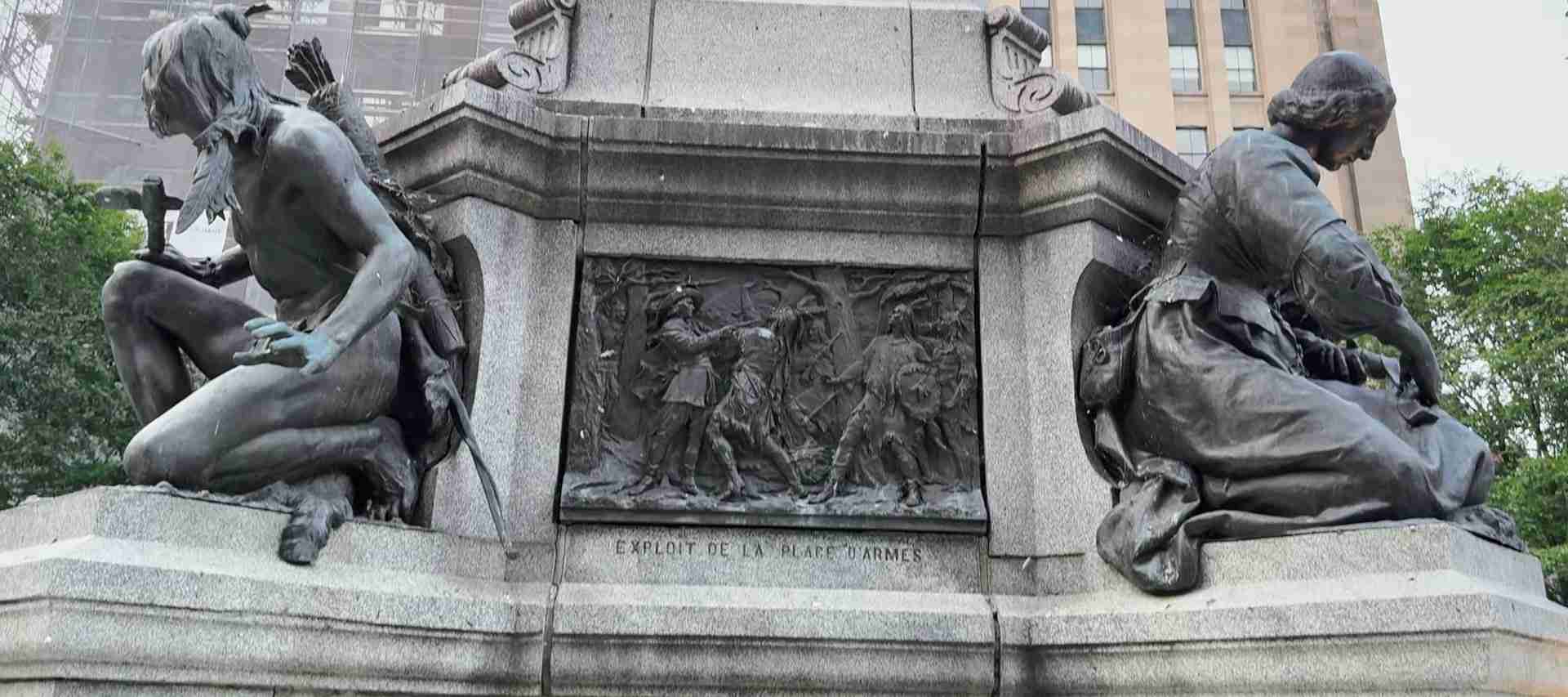
French colonial urban planning principles established spatial organization that persists in Old Montreal contemporary street patterns. The colonial grid oriented perpendicular to the St. Lawrence River facilitated riverfront access for trade while creating manageable building lots for residential and commercial construction. Place d’Armes served as central square organizing civic, religious, and commercial functions, with Notre-Dame Basilica, Seminary of Saint-Sulpice, and merchants’ residences clustered around this focal point. Colonial planning philosophy emphasized walking-scale neighborhoods, mixed-use buildings combining residential and commercial functions, and public spaces facilitating community interaction—principles rediscovered by contemporary urban designers promoting sustainable city development.
New France cultural patterns established during 1642-1760 colonial period created foundations distinguishing Quebec society from both France and British North America. The seigneurial land system granted feudal-style estates along the St. Lawrence River, creating long narrow farm strips perpendicular to waterfront that maximized riverfront access while establishing rural settlement patterns visible in contemporary suburban development outside Montreal. Catholic Church dominance over education, healthcare, and social services embedded religious authority into Quebec society’s structural fabric, influence persisting until Quiet Revolution secularization of the 1960s-1970s. French civil law traditions based on Napoleonic Code rather than British common law created legal framework differentiating Quebec from other Canadian provinces, affecting property rights, contract law, and family law administration.
The 1760 British conquest of New France might have eliminated francophone cultural presence through forced assimilation, as occurred with French colonial populations in Louisiana and Acadia, but geographic and demographic realities prevented complete anglicization. French-speaking Catholic population of approximately 70,000 far outnumbered British settlers, and remote location from British power centers limited enforcement capabilities for aggressive cultural suppression. The 1763 Royal Proclamation and subsequent 1774 Quebec Act guaranteed French language rights, Catholic religious freedom, and civil law traditions, creating legal framework enabling francophone cultural survival. Montreal emerged from British conquest with French language and culture intact though subordinated to British political and economic power, establishing bilingual social structure persisting through contemporary period.
British Colonial Influence and Bilingual Cultural Development
British conquest in 1760 introduced new cultural layer transforming Montreal from homogeneous French Catholic settlement into bilingual metropolis where francophone majority coexisted with anglophone minority wielding disproportionate economic and political power. British merchants recognized Montreal’s strategic commercial position controlling Great Lakes-Atlantic Ocean trade routes and invested in infrastructure including Lachine Canal completed in 1825, enabling ships to bypass Lachine Rapids and establishing Montreal as Canada’s primary inland port. This commercial development attracted English, Scottish, and Irish immigrants creating anglophone business elite that dominated banking, manufacturing, and transportation sectors while francophone population provided labor force and maintained cultural institutions.
The 19th century witnessed architectural transformation as British commercial prosperity manifested in monumental Victorian buildings asserting anglophone economic power. Old Montreal’s Notre-Dame Street commercial district showcases this period through grey limestone warehouses, Beaux-Arts bank headquarters, and Victorian Gothic commercial buildings employing architectural grandeur to communicate financial stability and imperial confidence. The Golden Square Mile residential district northwest of downtown became Canada’s wealthiest neighborhood, where anglophone business magnates constructed mansions demonstrating prosperity through architectural excess inspired by Scottish baronial castles, English country estates, and French chateaux—eclectic display reflecting owners’ cosmopolitan aspirations and imperial connections.
Bilingual cultural development created parallel institutional systems serving anglophone and francophone communities with minimal interaction until late 20th century. Montreal established separate educational systems teaching in English and French, distinct hospital networks serving each linguistic community, and cultural organizations including museums, theaters, and social clubs organized along linguistic lines. This institutional separation created what observers termed “two solitudes”—English and French communities occupying same geographic space while maintaining separate social worlds with limited cross-cultural contact. The system persisted through mid-20th century despite both communities contributing to Montreal’s cultural development through their respective institutions and creative outputs.
McGill University, founded in 1821 with bequest from Scottish fur trader James McGill, exemplifies anglophone institutional heritage influencing Montreal’s intellectual and cultural life. McGill established itself as Canada’s premiere English-language research university, producing Nobel Prize winners, pioneering medical research, and training anglophone professional class dominating Quebec business and government until Quiet Revolution. The university’s Beaux-Arts campus buildings on Mount Royal’s southern slope represent architectural manifestation of anglophone cultural confidence, with grey limestone structures designed by prominent architects creating visual monument to British educational traditions transplanted to Canadian environment.
Indigenous Heritage Recognition and Territorial Acknowledgment
Montreal’s cultural heritage narrative increasingly acknowledges the city occupies traditional territory of the Kanien’kehá:ka (Mohawk people), part of the Haudenosaunee Confederacy, where Indigenous communities maintained settlements, agricultural activities, and extensive trade networks long before French colonial arrival. Archaeological evidence reveals Indigenous presence in Montreal region spanning thousands of years, with major settlements at Hochelaga visited by Jacques Cartier in 1535 documenting substantial Iroquoian village of several thousand inhabitants occupying sites near contemporary Old Montreal. European diseases, warfare, and displacement eliminated Hochelaga and surrounding villages before French permanent settlement, creating absence that French colonizers termed “uninhabited territory” despite ongoing Indigenous presence and territorial claims.
The name “Montreal” itself reflects Indigenous linguistic heritage filtered through French interpretation. Mount Royal, the city’s defining geographic feature, derives from French “Mont Royal” (Royal Mountain), though Indigenous peoples knew the triple-peaked volcanic formation by various names reflecting its spiritual and practical significance as landmark visible throughout the region. The St. Lawrence River’s Kanien’kehá:ka name “Kaniatarowanenneh” (big waterway) describes the massive watercourse connecting Great Lakes to Atlantic Ocean, while Indigenous portage routes around Lachine Rapids established transportation patterns that French colonizers adopted and contemporary highways still follow.
Contemporary Montreal institutions increasingly incorporate Indigenous perspectives through territorial acknowledgments, cultural programming, and heritage interpretation challenging colonial narratives that minimized or erased Indigenous presence. Major cultural institutions including Montreal Museum of Fine Arts, McCord Museum, and Pointe-à-Callière archaeology museum feature permanent exhibitions and programming highlighting Indigenous art, history, and contemporary cultural expressions. The city government formally acknowledges Montreal’s location on unceded Indigenous territory, recognizing that no treaty formally transferred Kanien’kehá:ka lands to French, British, or Canadian authorities—a legal and moral question remaining unresolved through contemporary period.
Kahnawake Mohawk community, located on the St. Lawrence River’s south shore approximately 15 kilometers from downtown Montreal, maintains direct cultural and territorial connections to Montreal region dating to 17th-century Jesuit mission establishment. Kahnawake’s approximately 10,000 Kanien’kehá:ka residents preserve language, traditional governance structures, and cultural practices while negotiating complex relationship with surrounding Quebec society. The community’s cultural presence influences Montreal through annual powwows attracting thousands of visitors, ironworking traditions that built many of Montreal’s skyscrapers and bridges, and ongoing advocacy for Indigenous rights and recognition shaping Quebec political discourse.
UNESCO City of Design Status and Creative Industries
Montreal’s 2006 designation as UNESCO City of Design recognizes the city’s excellence in architecture, urban planning, industrial design, fashion, graphic design, and creative industries, placing Montreal among elite global network of cities committed to leveraging design as fundamental driver of economic development and quality of life. This designation acknowledges both historical design accomplishments and ongoing commitment to supporting creative industries, design education, and innovative urban development that positions design thinking as central to addressing urban challenges from climate adaptation to social inclusion.
The Canadian Centre for Architecture, founded in 1979 by architect Phyllis Lambert, exemplifies Montreal’s design heritage leadership through its role as international research center and museum dedicated to architectural history, theory, and contemporary practice. The CCA’s collection includes 300,000 architectural drawings, 250,000 photographs, and extensive archives documenting architectural movements from Renaissance through contemporary periods, making it one of world’s most important architectural research institutions. The center’s exhibition programming, publications, and public programs influence global architectural discourse while grounding Montreal’s identity as city where architecture receives scholarly attention matching its practical application.
Montreal’s design excellence manifests across multiple disciplines reflecting the UNESCO designation’s comprehensive scope. Industrial design programs at institutions including Université de Montreal and Concordia University train designers creating products for global markets. Fashion design centered in the Quartier des Spectacles and Mile End neighborhoods supports approximately 1,700 fashion companies employing 20,000 workers, with Montreal Fashion Week showcasing emerging designers alongside established brands. Graphic design and multimedia production capabilities support thriving advertising, video game development, and animation industries, with companies including Ubisoft, Electronic Arts, and numerous animation studios employing thousands of creative professionals producing content consumed globally.
Iconic architectural landmarks demonstrate Montreal’s design heritage spanning multiple periods and styles. Habitat 67, architect Moshe Safdie’s modular housing experiment for Expo 67, remains internationally recognized example of brutalist architecture’s utopian ambitions, with 354 stacked prefabricated concrete units creating complex three-dimensional composition overlooking the St. Lawrence River. The Montreal Olympic Stadium, designed by French architect Roger Taillibert for 1976 Summer Olympics, represents structural engineering achievement with its inclined tower and retractable roof system, though construction cost overruns and operational challenges complicated the building’s cultural legacy. These structures demonstrate Montreal’s willingness to commission bold experimental architecture rather than defaulting to conservative design approaches, positioning the city as laboratory for architectural innovation.
Religious Heritage and Architectural Transformation
Montreal earned designation as “City of a Hundred Bell Towers” during the 19th-early 20th centuries when Catholic Church dominance manifested through intensive church construction establishing religious institutions as neighborhood focal points throughout the expanding city. Contemporary Montreal contains over 600 churches, chapels, and religious buildings representing comprehensive architectural survey of Catholic building traditions from French colonial New France through post-Vatican II modernism. This religious architecture documents Quebec society’s evolution from theocratic Catholic culture to secular multicultural metropolis, with many churches now repurposed for cultural, residential, or commercial uses while maintaining architectural heritage values.
Notre-Dame Basilica, completed in 1829 in Old Montreal’s Place d’Armes, represents Montreal’s most architecturally significant religious building and major tourist attraction receiving 400,000 annual visitors. Architect James O’Donnell’s Gothic Revival design features twin towers reaching 69 meters, richly decorated interior with intricate wood carving covered in gold leaf, and massive Casavant Frères organ containing 7,000 pipes. The basilica’s construction marked Catholic Church’s architectural assertion of presence in increasingly British-dominated Montreal, with scale and ornamentation surpassing contemporary Protestant churches and demonstrating francophone Catholic community’s cultural confidence despite political subordination. The building exemplifies how religious architecture served cultural-political functions beyond liturgical requirements, creating monuments asserting community identity and aspirations.
Saint Joseph’s Oratory, located on Mount Royal’s northern slope, represents 20th-century Catholic architectural ambition through its massive dome ranking among world’s largest church domes. Construction beginning in 1924 and continuing through 1967 created pilgrimage site attracting millions of visitors annually to venerate Brother André, canonized in 2010 as Canada’s first male saint. The oratory’s Renaissance Revival architecture with monumental scale, combined with panoramic city views from its elevated site 263 meters above sea level, creates powerful visual statement about Catholic Church’s central role in Quebec society even as secularization processes challenged that dominance through the 20th century.
The Quiet Revolution’s 1960s-1970s secularization of Quebec society dramatically reduced Catholic Church influence over education, healthcare, and social services, creating crisis for religious institutions as attendance declined and financial support evaporated. Many neighborhood parish churches became financially unsustainable as congregations aged and younger generations abandoned religious practice. Creative adaptive reuse transformed churches into concert halls, community centers, condominiums, cultural venues, and university facilities, preserving architectural heritage while acknowledging changed social functions. Church of Saint-Jude conversion into Espace Mushagalusa art gallery, Saint-Enfant-Jésus church transformation into public library, and numerous churches converted to residential condominiums demonstrate pragmatic approaches balancing heritage preservation with contemporary urban needs.
Neighborhood Cultural Heritage and Working-Class Identity
Montreal’s neighborhood heritage encompasses working-class residential architecture and urban patterns reflecting the city’s industrial development and immigrant settlement patterns. The Plateau Mont-Royal neighborhood northeast of downtown exemplifies this heritage through its iconic exterior staircases, colorful duplexes and triplexes, and tree-lined streets creating distinctive Montreal streetscape recognized globally. These exterior staircases, emerging from late 19th-century building code requirements and space-saving construction practices, transformed functional necessity into architectural signature creating visual rhythm along residential streets and fostering street life as residents interact while ascending and descending shared outdoor stairs.
The Mile End neighborhood northwest of Plateau Mont-Royal documents multiple immigrant communities’ contributions to Montreal’s cultural texture. Early 20th-century Jewish immigrants from Eastern Europe established synagogues, schools, and businesses creating vibrant Yiddish-speaking community that produced writers including Mordecai Richler, whose novels chronicle Montreal Jewish life. St. Lawrence Boulevard (known as “The Main”) divided anglophone western neighborhoods from francophone eastern districts, becoming cultural boundary and commercial corridor where diverse communities interacted despite linguistic and religious differences. Contemporary Mile End gentrification raises heritage preservation questions as rising property values displace working-class residents and alter neighborhood character that attracted gentrifying newcomers.
Little Italy neighborhood, centered on Jean-Talon Market, preserves Italian immigrant heritage dating to early 20th-century arrivals who worked construction, manufacturing, and service sectors. The neighborhood’s low-rise residential architecture, Italian social clubs, cafes serving authentic espresso, and Jean-Talon Market’s Italian vendors create distinctive cultural enclave within predominantly francophone city. Italian community contributions extend beyond Little Italy through construction industry influence, where Italian contractors and tradespeople helped build contemporary Montreal, and through cultural institutions including Italian Cultural Institute and Casa d’Italia promoting Italian language and culture.
Industrial heritage sites including Lachine Canal document Montreal’s 19th-20th century transformation into manufacturing powerhouse. The canal, operational from 1825 to 1970 for commercial shipping, attracted manufacturers exploiting water power and transportation access, creating industrial corridor employing thousands in textiles, food processing, metalworking, and other industries. The canal’s 1978 closure for commercial shipping and subsequent redevelopment for recreational use created linear park popular with cyclists, joggers, and kayakers while preserving industrial buildings converted to residential lofts, offices, and museums. This adaptive reuse demonstrates heritage preservation approaches transforming obsolete industrial infrastructure into urban amenities while documenting working-class industrial heritage.
Language Heritage and Quebec French Distinctiveness
Montreal’s most fundamental cultural heritage manifests through French language preservation and evolution, where Quebec French developed distinctive vocabulary, pronunciation, and grammatical features differentiating it from European French while maintaining mutual intelligibility. This linguistic distinctiveness emerged from geographic isolation following British conquest, limited contact with France during critical language evolution periods, contact with English creating loanwords and code-switching patterns, and preservation of 17th-18th century French features that evolved differently or disappeared in European French. Quebec French represents living linguistic heritage documenting four centuries of North American francophone cultural development while continuously evolving through contemporary influences.
Montreal’s bilingual environment creates unique sociolinguistic situation where language choice carries cultural, political, and identity implications. The city’s commercial and public life operates primarily in French following 1977 Charter of the French Language (Bill 101), which mandated French as Quebec’s official language and required businesses to provide services in French. This language legislation responded to historical anglophone economic dominance and declining French language use in Montreal business contexts, asserting francophone cultural rights while creating tensions with anglophone community and new immigrants preferring English for economic mobility. Contemporary Montreal negotiates these linguistic tensions through multilingual practices where many residents function in French, English, and additional languages depending on context and interlocutors.
Language preservation efforts extend beyond legislation to cultural production in French creating music, literature, theater, film, and media content affirming Quebec French validity and cultural vitality. Montreal’s music industry produces francophone artists achieving international success including Celine Dion, Arcade Fire’s multilingual output, and numerous French-language rappers, electronic musicians, and indie rock bands. Literary production in Quebec French includes internationally recognized authors, poets, and playwrights whose works explore Quebec identity, language politics, and cultural distinctiveness. This cultural production in French counters linguistic assimilation pressures while demonstrating that French language maintains cultural relevance and creative vitality in contemporary North American context.
Quebec French vocabulary distinctiveness reveals cultural heritage through words and expressions unavailable in European French. Terms including “dépanneur” (convenience store), “tuque” (winter hat), “magasiner” (to shop), and hundreds of other Quebecois-specific terms reflect local cultural realities and historical development paths diverging from European French evolution. English loanwords integrated into Quebec French including “char” (car), “chum” (boyfriend), and workplace terminology reveal sustained contact with English while maintaining French grammatical structures and pronunciation patterns. This linguistic hybridity documents cultural contact and negotiation processes shaping Montreal’s identity as bilingual city where language mixing reflects daily lived experience.
Cultural Festivals and Performing Arts Heritage
Montreal’s festival culture represents intangible cultural heritage demonstrating the city’s commitment to public cultural expression, artistic experimentation, and community celebration. The Montreal International Jazz Festival, founded in 1980, has become the world’s largest jazz festival according to Guinness World Records, attracting approximately 2 million visitors annually to 500+ concerts including 300+ free outdoor performances transforming downtown streets into open-air performance venues. The festival’s success established Montreal as major jazz destination while demonstrating how large-scale cultural events contribute to urban identity, tourism economy, and cultural vitality beyond their immediate artistic impact.
Just for Laughs (Juste pour rire), established in 1983 as French-language comedy festival, evolved into world’s largest comedy festival with bilingual programming attracting major international comedians alongside emerging talents. The festival’s success in Montreal, a city where linguistic and cultural nuances create particular comedy sensibilities, demonstrates how cultural specificity can achieve global appeal. Comedy venues including Club Soda and Théâtre Saint-Denis maintain year-round programming building on festival-generated audiences and establishing Montreal as important comedy industry center where performers develop material and industry professionals scout new talent.
Cirque du Soleil represents Montreal’s most internationally recognized cultural export, transforming circus arts from traditional animal acts and tent shows into theatrical spectacles combining acrobatics, music, dance, and elaborate staging. Founded in 1984 by street performers in Quebec City and relocating headquarters to Montreal’s Saint-Michel district, Cirque du Soleil employs approximately 4,000 people and generates annual revenue exceeding $1 billion through touring shows and permanent installations in Las Vegas and other cities. The company’s success inspired Montreal’s circus arts infrastructure including École nationale de cirque training institution producing professional acrobats for Cirque du Soleil and other companies, establishing Montreal as global circus arts capital.
Montreal’s theater heritage encompasses both established institutions and experimental venues supporting diverse theatrical traditions. Théâtre du Nouveau Monde, founded in 1951, presents classic and contemporary French-language theater maintaining high production values and showcasing Quebec playwrights alongside international works translated into French. Centaur Theatre Company, established in 1969, serves anglophone community with English-language productions in converted stock exchange building in Old Montreal. Smaller venues including Théâtre La Licorne and Espace Libre support experimental French-language theater pushing artistic boundaries and addressing contemporary social issues, maintaining Montreal’s reputation for theatrical innovation and risk-taking.
Mount Royal: Cultural Landscape and Urban Icon
Mount Royal defines Montreal’s identity as geographic landmark, recreational space, and cultural symbol representing the city’s relationship with nature within urban environment. The volcanic intrusion rising 233 meters above sea level provides panoramic views of the city, St. Lawrence River, and surrounding region while creating green space offering year-round recreational opportunities from hiking and cycling to skiing and snowshoeing. Mount Royal Park, designed by Frederick Law Olmsted in 1876 following his success with New York’s Central Park, represents 19th-century landscape architecture philosophy emphasizing naturalistic design, public access, and democratic urban space available to all social classes.
Olmsted’s design philosophy preserved Mount Royal’s natural character rather than imposing formal geometric gardens, creating winding paths following topography, maintaining forest cover, and strategically opening viewpoints showcasing city vistas. This approach contrasted with contemporary European park design favoring formal layouts and geometric patterns, reflecting American democratic ideals and Romantic movement’s emphasis on nature appreciation. The park’s 1876 establishment prevented private residential development that would have excluded public access, establishing principle that major landscape features within cities should serve collective public benefit rather than private interests.
Mount Royal’s cultural significance extends beyond recreational use to symbolic representation of Montreal identity across linguistic and cultural communities. The mountain’s illuminated cross, installed in 1924 to commemorate Ville-Marie founder Maisonneuve’s 1643 promise to erect cross if settlement survived flooding, glows nightly as city icon visible throughout Montreal despite contemporary secular society. Beaver Lake (Lac aux Castors) attracts families year-round for paddle boating in summer and ice skating in winter, creating shared recreational experiences connecting generations through memory and tradition. The mountain serves as filming location for countless movies and television shows, background for tourism marketing imagery, and subject of paintings and photographs documenting Montreal across seasons and decades.
Mount Royal appears on Canada’s Tentative List for potential UNESCO World Heritage Site nomination, recognizing its combination of natural landscape, Indigenous spiritual significance, urban design excellence, and cultural symbolism. The potential nomination would emphasize Mount Royal as cultural landscape integrating nature and culture rather than separating them, demonstrating how urban green spaces function as living heritage evolving through use rather than static monuments requiring protection from human contact. Heritage designation would recognize Mount Royal’s role in Montreal’s identity formation, its demonstration of democratic park movement principles, and its ongoing importance as space where diverse communities experience nature, recreation, and cultural expression within dense urban environment.
Immigration Heritage and Multicultural Transformation
Montreal’s contemporary cultural landscape reflects successive immigration waves layering new communities onto established francophone and anglophone foundations. Major 20th-century immigration periods brought Southern and Eastern Europeans, Middle Eastern communities, Latin Americans, and Asian populations transforming Montreal from primarily French-British cultural binary into multicultural metropolis where over 120 origin countries contribute to cultural texture. Parc Extension neighborhood exemplifies this diversity with South Asian shops, Greek restaurants, Bangladeshi mosques, and Haitian community centers creating intercultural spaces where multiple communities interact through commercial, religious, and social activities.
Jewish community heritage, though much reduced from early 20th-century peak, remains visible through architectural landmarks including Spanish and Portuguese Synagogue (1768, oldest synagogue structure in Canada), Shaar Hashomayim Synagogue’s Byzantine Revival architecture, and institutions including Jewish General Hospital serving broader Montreal population while maintaining community connections. The Musée du Montréal juif / Museum of Jewish Montreal documents community contributions through walking tours, exhibitions, and educational programming preserving memory of vibrant Yiddish-speaking culture that shaped Mile End, Plateau Mont-Royal, and Outremont neighborhoods before suburban migration dispersed concentrated community presence.
Chinese community establishment dating to 1870s created Chinatown in contemporary downtown area, where restaurants, grocery stores, associations, and cultural institutions serve Chinese diaspora from multiple origin regions including Hong Kong, mainland China, Taiwan, and Southeast Asia. Friendship Gate marking Chinatown entrance, pagoda-style architecture on commercial buildings, and bilingual signage in Chinese and French create distinctive cultural district within downtown urban fabric. More recent Chinese immigration settled suburban areas including Brossard on Montreal’s South Shore, where shopping centers, restaurants, and services cater to Mandarin-speaking populations creating new concentrations of Chinese cultural presence beyond traditional Chinatown.
Montreal’s multiculturalism negotiates tensions between Quebec nationalism emphasizing French language and culture and immigrant communities bringing linguistic and cultural diversity. The province’s intercultural model, distinct from Canadian federal multicultural policy, emphasizes integration into francophone Quebec society while respecting cultural diversity, creating expectations that immigrants learn French and participate in Quebec public life primarily through French language. This approach reflects concerns that multiculturalism might fragment francophone majority into multiple minorities, undermining French language protection that motivated language legislation. Ongoing negotiations between cultural diversity recognition and Quebec identity preservation shape Montreal’s approach to heritage recognition, public space use, and cultural policy development.
Art Museums and Cultural Institutions
Montreal Museum of Fine Arts, founded in 1860 as Canada’s oldest art museum, houses encyclopedic collection spanning ancient civilizations through contemporary art, with particular strength in Canadian art including Quebec artists and Indigenous art gaining increased institutional recognition. The museum’s five interconnected pavilions along Sherbrooke Street in downtown’s Golden Square Mile create cultural campus where permanent collection galleries, temporary exhibitions, concert hall, and conservation laboratories establish MMFA as comprehensive cultural institution beyond traditional museum definition. Recent expansion projects including Pavilion for Peace opened in 2016 and Claire and Marc Bourgie Pavilion housing decorative arts and Quebec and Canadian art demonstrate institutional ambition positioning MMFA among North America’s major art museums.
Musée d’art contemporain de Montréal (MAC), established in 1964 as first institution in Canada dedicated exclusively to contemporary art, showcases post-1939 art with emphasis on Quebec and Canadian artists while presenting international contemporary art exhibitions. The museum’s location in Place des Arts cultural district, Montreal’s performing arts center, integrates visual arts into broader cultural ecosystem where audiences experience multiple art forms in concentrated area. MAC’s collection documents Quebec’s participation in international contemporary art movements including abstract expressionism, pop art, conceptual art, and contemporary installation practices, while providing platforms for emerging artists through exhibitions, acquisitions, and public programs.
McCord Museum specializes in Montreal and Quebec social history through collections including 1.3 million artifacts, photographs, archives, and documents chronicling everyday life, fashion, First Peoples cultures, and urban development. The museum’s costume and textile collection provides comprehensive documentation of Quebec fashion history, while extensive photography holdings including renowned Notman Photographic Archives capture Montreal’s transformation from colonial settlement through contemporary metropolis. Exhibitions exploring topics from Montreal’s material culture to Quebec’s social movements position McCord as institution where cultural heritage connects to contemporary social issues and identity questions.
Pointe-à-Callière archaeology and history museum, built over archaeological site in Old Montreal where city’s founders established initial settlement, integrates archaeological remains into museum experience through underground galleries preserving in-situ remnants of fortifications, buildings, and infrastructure spanning Indigenous pre-contact period through contemporary times. The museum’s architectural integration of new construction with archaeological preservation demonstrates approaches allowing cities to develop while acknowledging and interpreting layered histories. Exhibitions combine archaeological evidence with contemporary interpretation addressing colonialism, Indigenous-settler relations, and urban development processes, engaging with heritage as contested terrain requiring critical examination rather than simple celebration.
Contemporary Cultural Production and Creative Industries
Montreal’s video game industry represents contemporary cultural production achieving global economic significance while creating interactive entertainment products consumed by millions worldwide. Major studios including Ubisoft Montreal, Warner Bros. Games Montreal, and Electronic Arts Montreal employ approximately 15,000 people producing games including Assassin’s Creed series, Far Cry, and numerous other major franchises. Tax incentives, skilled workforce from university game design programs, bilingual capabilities enabling North American and European market access, and collaborative studio culture established Montreal as third-largest game development center globally after San Francisco Bay Area and Tokyo region.
Animation and visual effects industries build on Quebec’s established animation traditions dating to National Film Board of Canada’s animation studio established in Montreal in mid-20th century. Studios including Cinesite Montreal, Framestore, and Rodeo FX produce visual effects for major Hollywood films and streaming television productions, employing thousands of artists working on productions including Game of Thrones, The Crown, and numerous Marvel films. This industry concentration reflects government support through tax credits, training programs producing skilled workers, and clustering effects where companies benefit from proximity to competitors, suppliers, and specialized talent pools.
Film production infrastructure including soundstages, equipment rental companies, post-production facilities, and skilled below-the-line workers positions Montreal as major North American filming location for domestic and international productions. The city’s architectural diversity allows Montreal to “play” various cities from European capitals to American urban centers, while lower production costs compared to Los Angeles or New York and provincial tax credit programs attract productions seeking budget efficiencies without compromising production values. Quebec cinema maintains distinct identity producing French-language films addressing Quebec society, identity, and culture for domestic audiences while occasionally achieving international festival success and distribution.
Music production and performance venues support diverse music scenes from classical orchestras to indie rock, hip-hop, electronic music, and experimental sounds. Orchestre Symphonique de Montréal, founded in 1934, performs at Maison symphonique concert hall and tours internationally maintaining Montreal’s classical music presence. Smaller venues including Casa del Popolo, La Sala Rossa, and Le National support indie music scenes that launched internationally successful acts including Arcade Fire, whose success inspired increased attention to Montreal indie rock. Electronic music festivals including Igloofest winter outdoor festival and MUTEK experimental music and digital arts festival position Montreal as electronic music center producing and presenting cutting-edge sounds.
Preservation Challenges and Heritage Management
Montreal’s heritage preservation confronts ongoing challenges balancing historical character conservation with contemporary development pressures, affordable housing needs, and climate adaptation requirements. Old Montreal’s status as preserved historic district requires design review for exterior alterations and new construction, creating tensions between preservation standards and property owners’ desires for modifications accommodating contemporary uses or aesthetic preferences. Heritage designation benefits including increased tourism and property values offset restrictions through economic gains, though debates continue regarding appropriate adaptation approaches and whether preservation serves primarily tourism versus local community needs.
Religious building preservation presents particular challenges as declining congregations cannot maintain deteriorating structures while heritage significance argues against demolition. Quebec’s religious heritage legislation provides some protection for significant churches, but implementation requires funding for conservation work exceeding many communities’ financial capacity. Adaptive reuse success stories demonstrate viable preservation approaches, but finding appropriate new uses for hundreds of neighborhood churches requires creative solutions balancing architectural conservation with contemporary functional requirements and economic sustainability.
Gentrification pressures in working-class neighborhoods including Mile End, Plateau Mont-Royal, and Southwest neighborhoods raise questions about whose heritage receives preservation priority. Architectural conservation focusing on building fabric may preserve physical structures while displacing working-class residents whose cultural practices and community networks constitute intangible heritage equally worthy of preservation. Heritage policies inadequately addressing affordable housing preservation alongside architectural conservation allow physical heritage protection while eliminating socioeconomic diversity that created heritage neighborhoods’ cultural character, producing preserved streetscapes populated by different, more affluent residents than those who established neighborhood identity.
Climate change adaptation requires heritage buildings and districts to improve energy efficiency, flood resistance, and heat island mitigation while maintaining historical character. Retrofitting heritage buildings with improved insulation, modern mechanical systems, and renewable energy installations requires balancing technical performance with heritage conservation principles. Green roofs, solar panels, and other climate adaptation measures visible from public streets may conflict with heritage appearance standards developed before climate imperatives forced reconsideration of preservation priorities. Montreal’s approach to these tensions will determine whether heritage preservation adapts to contemporary environmental challenges or becomes obstacle to necessary urban sustainability improvements.
Frequently Asked Questions
Why Is Montreal Considered Culturally Significant in North America?
Montreal’s cultural significance derives from its unique position as North America’s francophone cultural capital, where approximately 4.3 million metropolitan residents maintain French linguistic and cultural traditions distinct from both European France and English Canada. The city preserves four centuries of continuous francophone presence through comprehensive French-language institutions including schools, universities, hospitals, cultural organizations, and media outlets producing French content for Quebec, Canadian, and international francophone markets. Montreal’s bilingualism creates cultural expressions unavailable in monolingual contexts, from code-switching linguistic creativity to architectural traditions blending French urban planning with North American construction methods, making it laboratory for cultural hybridity and innovation.
What UNESCO Recognition Does Montreal Hold?
Montreal holds UNESCO City of Design designation awarded in 2006, recognizing excellence in architecture, urban planning, industrial design, fashion, and creative industries. This status places Montreal among approximately 50 global cities in UNESCO’s Creative Cities Network committed to leveraging design as fundamental driver of economic development and quality of life improvement. The designation acknowledges institutions including the Canadian Centre for Architecture, design education programs, architectural heritage, and thriving creative industries from video games to fashion that employ tens of thousands of workers producing globally consumed content. Montreal does not hold UNESCO World Heritage Site status, though Mount Royal appears on Canada’s Tentative List for potential future nomination.
How Does Montreal Preserve Its French Heritage While Accommodating Diversity?
Montreal preserves French heritage through language legislation including Bill 101 (Charter of the French Language) requiring French as primary language for business, government, and public signage, combined with francophone educational systems ensuring younger generations maintain French language competence. The province’s intercultural model, distinct from Canadian federal multiculturalism, expects immigrants to integrate into francophone Quebec society while maintaining cultural traditions, creating officially bilingual environment where French dominates public life and English maintains institutional presence through universities, hospitals, and media. This approach attempts balancing French language protection with recognition of linguistic and cultural diversity, though tensions persist regarding appropriate balance between Quebec francophone identity preservation and multicultural accommodation.
What Happened to Montreal’s Religious Heritage During Secularization?
The Quiet Revolution of the 1960s-1970s rapidly secularized Quebec society, eliminating Catholic Church dominance over education, healthcare, and social services that had characterized Quebec from colonial period through mid-20th century. Religious practice declined dramatically as younger generations abandoned church attendance, leaving approximately 600 churches and religious buildings without congregations or funding for maintenance. Many significant churches received heritage designation protecting architectural fabric while requiring adaptive reuse for financial sustainability. Successful conversions transformed churches into concert halls, libraries, community centers, condominiums, and cultural venues preserving architecture while acknowledging changed social functions, though funding challenges persist for smaller neighborhood churches lacking resources for expensive conservation work.
Which Neighborhoods Best Represent Montreal’s Working-Class Heritage?
Plateau Mont-Royal northeast of downtown exemplifies working-class heritage through exterior staircases, colorful duplexes and triplexes, and tree-lined streets creating distinctive Montreal residential character. Mile End northwest of Plateau documents successive immigrant communities from Eastern European Jews through contemporary artists and young professionals, though gentrification pressures transform neighborhood character. Little Italy centered on Jean-Talon Market preserves Italian immigrant heritage through architecture, businesses, and cultural institutions. Southwest neighborhoods including Saint-Henri, Pointe Saint-Charles, and Verdun maintain working-class character despite gentrification pressures, with industrial heritage sites along Lachine Canal documenting Montreal’s manufacturing history and contemporary adaptive reuse converting warehouses and factories to residential lofts and offices.
How Did Montreal Develop Its Bilingual Character?
Montreal’s bilingualism emerged from geographic and political circumstances following 1760 British conquest of New France. The conquering British recognized impossibility of eliminating established French-speaking Catholic population of approximately 70,000 through forced assimilation, leading to 1763 Royal Proclamation and 1774 Quebec Act guaranteeing French language rights, Catholic religious freedom, and civil law traditions. British merchants recognized Montreal’s commercial strategic position and established anglophone business elite dominating banking, manufacturing, and transportation while francophone majority provided labor and maintained cultural institutions. This created bilingual social structure with parallel English and French institutional systems serving respective communities with limited interaction until late 20th century, though contemporary Montreal increasingly functions as integrated bilingual environment with widespread individual bilingualism despite ongoing linguistic tensions.
What Role Do Cultural Festivals Play in Montreal’s Identity?
Cultural festivals transform Montreal into performance city during summer months, with major events including Montreal International Jazz Festival (world’s largest jazz festival), Just for Laughs comedy festival, and numerous smaller festivals celebrating film, francophone culture, electronic music, and diverse artistic expressions. These festivals generate significant tourism revenue while establishing Montreal as cultural destination and providing platforms for local artists alongside international performers. Festival infrastructure including temporary outdoor stages, street closures for pedestrian areas, and programming accessible without admission charges democratizes cultural participation and creates shared experiences across linguistic and cultural communities. The festivals’ success demonstrates how large-scale cultural programming contributes to urban identity, supports creative industries, and positions mid-sized cities as cultural centers despite lacking global city scale.
How Does Montreal Balance Heritage Preservation With Urban Development?
Montreal navigates heritage-development tensions through designated heritage districts requiring design review for alterations and new construction, municipal heritage designation protecting significant buildings, and incentive programs encouraging heritage building rehabilitation. Old Montreal maintains strict preservation standards protecting 17th-19th century architectural character while accommodating hotels, restaurants, offices, and residences in adapted historical buildings. Neighborhood heritage conservation varies by area, with some districts including Milton-Parc and Shaughnessy Village establishing community-based conservation approaches balancing preservation with affordable housing needs. Ongoing debates address appropriate adaptation standards, whether tourism or local community benefit should drive preservation decisions, and how heritage conservation intersects with affordable housing, climate adaptation, and equity issues as gentrification follows heritage designation into working-class neighborhoods.
What Makes Quebec French Different From European French?
Quebec French developed distinctive features during four centuries of evolution isolated from France following British conquest, preserving 17th-18th century French features that disappeared or evolved differently in European French while incorporating English loanwords and developing unique vocabulary reflecting North American contexts. Pronunciation differences particularly distinguish Quebec French, with vowel sounds, intonation patterns, and speaking pace differing noticeably from Parisian French. Vocabulary distinctions include hundreds of Quebec-specific terms for everyday objects, activities, and concepts, with English borrowings integrated following French grammatical patterns. Grammatical structures remain mutually intelligible with European French, though Quebec French employs some verb tenses, pronouns, and constructions rarely used in contemporary European French. These differences create distinct identity marker for Quebec society while occasionally causing comprehension challenges between Quebec and European French speakers unfamiliar with each other’s variants.
How Does Montreal’s Indigenous Heritage Connect to Contemporary City?
Montreal increasingly acknowledges the city occupies traditional Kanien’kehá:ka (Mohawk) territory through official territorial acknowledgments, cultural programming at major institutions, and heritage interpretation challenging colonial narratives minimizing Indigenous presence. Kahnawake Mohawk community on the St. Lawrence River’s south shore maintains direct territorial and cultural connections through language preservation, traditional governance, cultural events, and advocacy for Indigenous rights. Archaeological sites including Hochelaga village visited by Jacques Cartier in 1535 document substantial Indigenous settlement before European diseases and displacement eliminated populations. Contemporary Montreal’s approach to Indigenous heritage recognition evolves through consultation with Mohawk communities, educational programming addressing colonialism’s impacts, and increased representation of Indigenous perspectives in museums, public art, and cultural institutions, though tensions persist regarding land rights, cultural appropriation, and meaningful versus tokenistic Indigenous engagement.