Monteverde Birdwatching 2026: Quetzal & Hummingbird Guide
Key Takeaways for Monteverde Birdwatching in 2026
- Monteverde supports over 500 bird species including the legendary Resplendent Quetzal and 30 hummingbird species
- Guided birdwatching tours cost $70-180 depending on duration and exclusivity in 2026, with the best operators achieving 50+ species per outing
- Peak Quetzal season runs February through June when males display spectacular tail plumes during breeding displays
- The Monteverde Hummingbird Gallery offers free access to dozens of hummingbirds daily, located at the entrance to Monteverde Cloud Forest Reserve
- Early morning tours departing 5:30-6:00 AM produce dramatically higher species counts than later departures
- The endemic Coppery-headed Emerald hummingbird occurs only in Costa Rica’s central highlands, with Monteverde offering reliable sighting locations
Introduction to Monteverde Birdwatching in 2026
Monteverde’s cloud forests rank among the world’s premier birdwatching destinations, supporting an avian diversity that draws ornithologists, serious birders, and casual wildlife enthusiasts from every continent. More than 500 species have been recorded in the greater Monteverde region, representing nearly 60% of Costa Rica’s total bird diversity within a relatively compact geographic area. This extraordinary concentration results from Monteverde’s position on the continental divide, where Atlantic and Pacific weather patterns converge to create the perpetual mist that defines true cloud forest habitat.
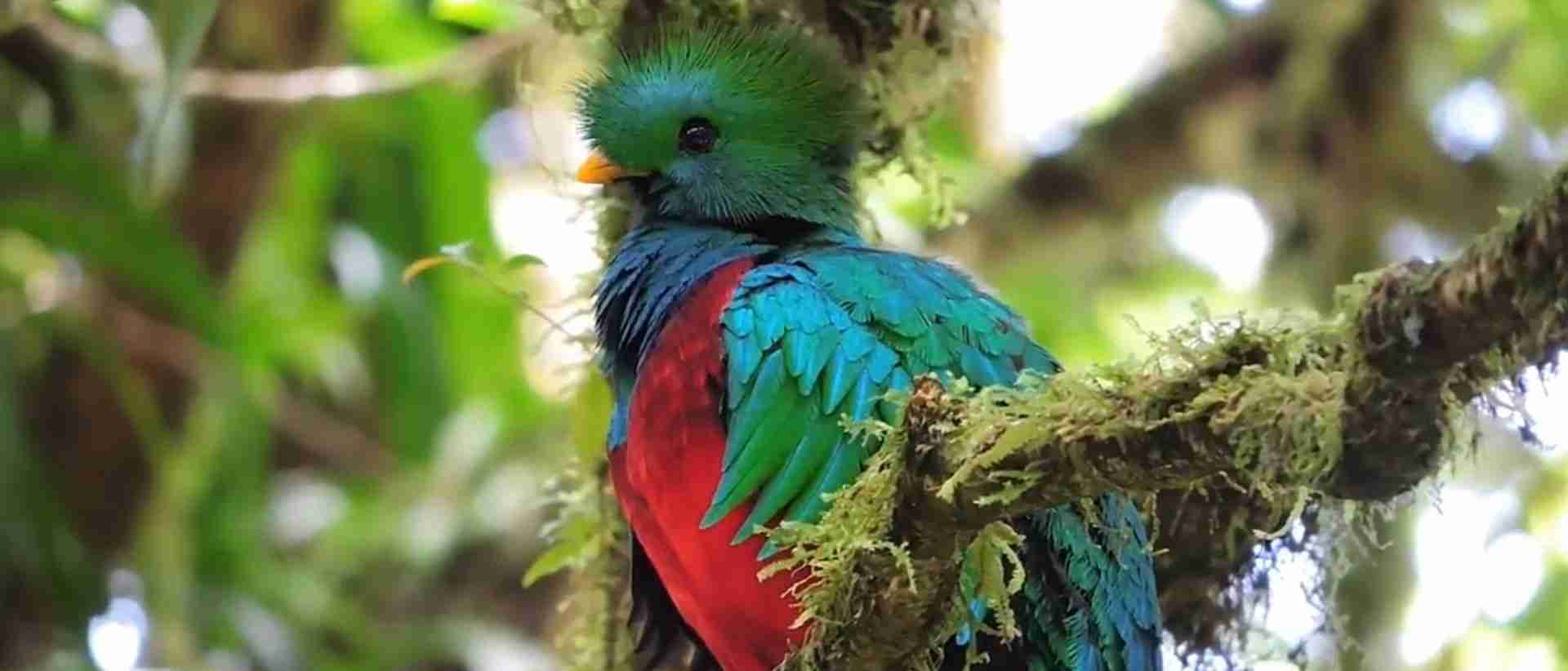
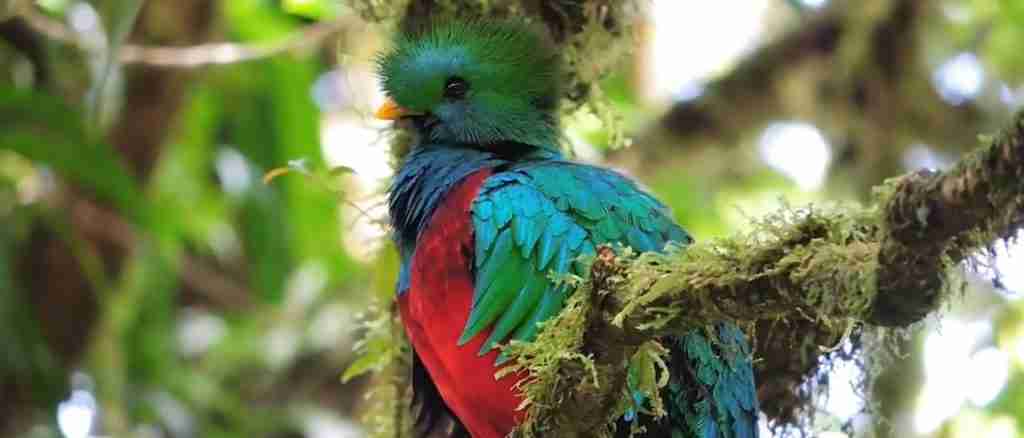
For 2026 visitors, Monteverde delivers world-class birdwatching opportunities ranging from quick hummingbird garden visits to multi-day guided expeditions targeting rare species. The Resplendent Quetzal—often considered Central America’s most beautiful bird—inhabits these forests year-round, with breeding season from February through June producing spectacular displays as males exhibit their meter-long iridescent tail plumes. Hummingbirds appear everywhere, from forest edges to specialized gardens where feeders concentrate dozens of species in photographable proximity.
This comprehensive guide examines every aspect of Monteverde birdwatching for 2026 visitors: the species you can expect to encounter, the best locations for different targets, tour operator options and pricing, optimal timing strategies, and practical preparation for successful birding days in the cloud forest. Whether you’re adding Costa Rica birds to a serious life list or simply hoping to see something beautiful during your vacation, Monteverde’s feathered residents will not disappoint.
People Also Ask About Monteverde Birdwatching 2026
When is the best time to see Quetzals in Monteverde in 2026?
The Resplendent Quetzal remains present in Monteverde year-round, but February through June breeding season offers dramatically improved sighting opportunities in 2026. During breeding, male quetzals develop spectacular tail plumes exceeding one meter in length and actively display to attract mates, making them more visible and photogenic than during other seasons. Guides know nesting locations and can position groups to observe the changeover periods when parents switch incubation duties—typically mid-morning hours around 10:00 AM-2:00 PM. Outside breeding season, quetzals remain in the forest but prove more difficult to locate as they forage quietly without display behaviors.
How much do Monteverde birdwatching tours cost in 2026?
Birdwatching tour prices in Monteverde range from $70 for basic 3-hour group tours to $180 for comprehensive 5-6 hour private experiences in 2026 (check individual tour operator websites for current official rates as pricing may vary). The typical guided half-day tour costs $90-100 per person including guide services and reserve entrance fees. Private tours command premium pricing at $150-180 but provide personalized attention, flexible pacing, and routes adjusted to your specific target species. Reserve entrance fees ($20-28 at most locations) are sometimes included in tour prices and sometimes charged separately—confirm inclusions when booking.
What birds can you see in Monteverde besides Quetzals in 2026?
Monteverde’s 500+ species extend far beyond the famous Quetzal, offering exceptional diversity across all bird families. Hummingbirds dominate with 30 species including the endemic Coppery-headed Emerald found only in Costa Rica. Trogons, tanagers, and honeycreepers add brilliant tropical colors to forest edges. The Three-wattled Bellbird’s distinctive call echoes through cloud forest during breeding season. Emerald Toucanets and Collared Aracaris represent the toucan family, while mixed-species feeding flocks containing dozens of species pass through forest regularly. Raptors include Ornate Hawk-Eagles and various falcons. Nocturnal species—owls, potoos, nightjars—emerge after dark for specialized night birding experiences.
Do you need a guide for Monteverde birdwatching in 2026?
Guides dramatically improve birdwatching success for most visitors in 2026, though experienced birders can productively self-guide at major reserves. Professional guides know current nesting locations, recognize calls instantly (crucial for locating cloud forest birds hidden in vegetation), and spot camouflaged species invisible to untrained eyes. A skilled guide with spotting scope often produces 50-80 species on morning outings versus 10-20 for unguided visitors covering identical trails. Self-guiding works best at hummingbird feeders and open areas like the Monteverde Hummingbird Gallery, where birds concentrate predictably and don’t require tracking through dense forest.
Extended multi-day tours – 5+ days
Featured Costa Rica Multi-Day Tour Packages
3 days
Costa Rica 3-Day Discovery Tour
- ✓ Comprehensive Costa Rica experience
- ✓ Expert local guides included
- ✓ All accommodation included
- ✓ Transportation provided
5 days
Costa Rica 5-Day Highlights Experience
- ✓ Comprehensive Costa Rica experience
- ✓ Expert local guides included
- ✓ All accommodation included
- ✓ Transportation provided
7 days
Costa Rica 7-Day Cultural Journey
- ✓ Comprehensive Costa Rica experience
- ✓ Expert local guides included
- ✓ All accommodation included
- ✓ Transportation provided
10 days
Costa Rica 10-Day Complete Adventure
- ✓ Comprehensive Costa Rica experience
- ✓ Expert local guides included
- ✓ All accommodation included
- ✓ Transportation provided
Multi-day tour packages powered by TourRadar. Prices and availability subject to change.
Understanding Monteverde’s Bird Diversity in 2026
Why Monteverde Hosts Exceptional Bird Populations
Monteverde’s position on Costa Rica’s continental divide creates unique conditions that explain its extraordinary bird diversity. Moist air masses from both Caribbean and Pacific slopes rise against the Tilarán mountain range, producing the perpetual cloud cover that defines this ecosystem. The resulting habitat—cool temperatures, constant humidity, abundant epiphytes, and complex vegetation structure—supports species unable to survive in drier or warmer conditions elsewhere in Central America.
Elevation gradients within the Monteverde region further multiply diversity. Bird communities shift dramatically across the 1,000-1,800 meter elevation range, with lowland species at lower boundaries, cloud forest specialists in core areas, and high-elevation endemics near peaks. Seasonal movements add another layer—many species migrate vertically, moving upslope during dry season and descending during wet periods. This dynamic creates changing birding conditions throughout the year, with different target species becoming accessible at different times.
Cloud Forest Bird Specialization in 2026
True cloud forest supports bird species found nowhere else in the region. The Three-wattled Bellbird, with its extraordinary vocalizations audible over 1 kilometer, breeds primarily in Costa Rica’s highland cloud forests including Monteverde. The Black Guan—a large turkey-like bird endemic to Central American highlands—forages along trails at dawn. Prong-billed Barbets, Azure-hooded Jays, and Silvery-fronted Tapaculos represent additional cloud forest specialists that reward patient observers.
Epiphyte-laden vegetation creates feeding opportunities unavailable in other forest types. Hummingbirds probe orchids and bromeliads blooming in tree crowns. Tanagers and honeycreepers seek fruits and nectar among canopy plants. Insect populations concentrated in moist epiphyte masses attract specialized foragers. This three-dimensional habitat complexity explains why cloud forest bird densities often exceed those of structurally simpler ecosystems despite sometimes lower species totals.
The Resplendent Quetzal: Monteverde’s Star Bird in 2026
Understanding Quetzal Biology and Behavior 2026
The Resplendent Quetzal holds legendary status across Central America, where Mayan and Aztec civilizations revered it as divine and used its feathers exclusively for royalty. Modern birders consider it among the world’s most beautiful birds, with males displaying iridescent green-gold plumage, crimson bellies, and tail streamers that can exceed body length by three times. Female quetzals appear duller but remain stunning birds with shorter tails and muted coloration.
Quetzals are frugivores specializing in wild avocados (aguacatillo trees) that fruit seasonally in cloud forest. They swallow fruits whole, processing flesh and regurgitating seeds—a behavior making them critical seed dispersers for their food plants. During breeding season, pairs excavate nest cavities in dead trees, with both parents sharing incubation and chick-rearing duties. This shared parenting creates optimal observation windows when guides position groups to watch nest exchanges.
Where to See Quetzals in Monteverde 2026
Several Monteverde reserves support resident Quetzal populations with varying accessibility. Curi-Cancha Reserve offers perhaps the most reliable Quetzal sightings, with experienced guides knowing current nest locations and fruiting trees that attract feeding birds. The Monteverde Cloud Forest Reserve, while more heavily visited, maintains Quetzal territories throughout its extensive trail system. Santa Elena Cloud Forest Reserve at higher elevation often produces sightings on less crowded trails.
Guided Quetzal tours maximize encounter probability by combining habitat knowledge, timing optimization, and real-time intelligence about active nest sites. Guides communicate via radio networks, sharing information about recent sightings across the region. When one guide locates an active nest or feeding tree, others can bring groups to the location before birds move. This collaborative approach produces sighting success rates substantially higher than independent searching.
Quetzal Photography Techniques for 2026
Photographing Quetzals presents challenges and opportunities distinct from other tropical birds. Perched males displaying tail plumes require patient positioning and appropriate lens selection—300-500mm focal lengths typically work best, though longer lenses help at distant nest sites. Light conditions in cloud forest are notoriously difficult, with overcast skies and forest shade creating low-light situations that demand high ISO settings or flash assistance.
Feeding Quetzals hover briefly at fruiting trees, creating action photography opportunities for fast shutter speeds and continuous focusing modes. Nest observation provides predictable positioning but requires ethical distance maintenance to avoid disturbing breeding activities—guides enforce appropriate separation, and photographers must accept resulting distance limitations. The most spectacular images often come from patient waiting at known feeding trees where birds return repeatedly to the same branches.
Monteverde’s Hummingbird Diversity in 2026
Hummingbird Species Found in Monteverde 2026
Costa Rica hosts 52 hummingbird species, with approximately 30 occurring regularly in the greater Monteverde region—among the highest concentrations anywhere in the country. The cloud forest’s abundant flowering plants and high-elevation specialization create ideal hummingbird habitat, while feeders at various locations concentrate species for easy observation. Understanding which species to expect helps maximize identification success during your 2026 visit.
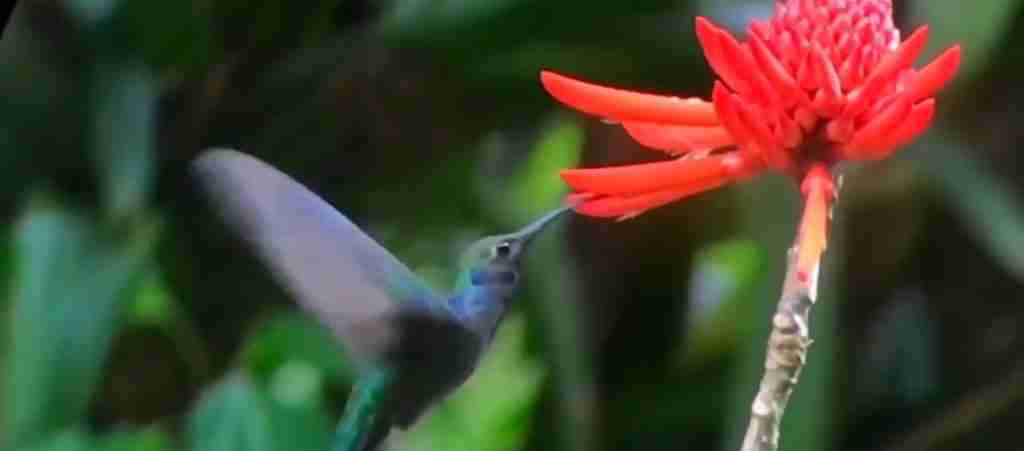
Large species include the Violet Sabrewing—Costa Rica’s largest hummingbird—with males displaying deep violet coloration and females showing white-tipped tails. Green Hermits, with their distinctive curved bills and striped faces, probe long flowers unavailable to shorter-billed species. Magnificent (Rivoli’s) Hummingbirds rival Violet Sabrewings in size, with males showing green gorgets that flash brilliant in direct light.
Medium-sized species dominate feeder activity. Green-crowned Brilliants appear frequently, males displaying iridescent green crown patches. Purple-throated Mountain-gems—among Monteverde’s most beautiful hummingbirds—show striking purple throats in males and white underparts in females. Coppery-headed Emeralds, endemic to Costa Rica’s central highlands, occur nowhere else on Earth and should be priority targets for visiting birders.
Smaller hummingbirds include the Magenta-throated Woodstar, whose males display impossibly vivid magenta gorgets during flight displays. Scintillant Hummingbirds, Costa Rica’s smallest species at just 6.5 centimeters, appear at higher elevations. Green Thorntails, with their distinctive elongated tail shape, favor forest edges and second growth where flowering plants concentrate.
Best Hummingbird Locations in Monteverde 2026
The Monteverde Hummingbird Gallery stands as the region’s premier free-access hummingbird viewing location in 2026. Positioned at the entrance to Monteverde Cloud Forest Reserve, this wildlife photography gallery maintains extensive feeders attracting dozens of hummingbirds continuously throughout daylight hours. No entrance fee applies to the outdoor feeder areas—visitors can observe freely while optionally supporting the facility through cafe purchases or gallery shop patronage. Over 248 bird species have been recorded on this small property, with hummingbirds the main attraction.
The Selvatura Hummingbird Garden within Selvatura Park features over 14 hummingbird species including varieties less common elsewhere in Monteverde. The garden’s waterfalls and native plant arrangements create natural aesthetics enhancing photography beyond simple feeder shots. Admission fees apply as part of Selvatura Park entrance or à la carte garden access.
Curi-Cancha Reserve maintains feeding stations that attract diverse hummingbird assemblages in more natural settings than dedicated gardens. The combination of feeders and wild-flowering plants produces varied photography opportunities. Reserve entrance fees apply ($20 adults in 2026), with hummingbird viewing included in general admission.
Hummingbird Photography in Monteverde 2026
Feeder setups produce the most accessible hummingbird photography, with birds returning predictably to known positions. Camera positioning relative to feeders determines background and lighting quality—experienced photographers arrive early to claim optimal angles before crowds develop. Flash photography enhances feather detail and freezes wing motion but requires diffusion to avoid harsh shadows and reflections from iridescent plumage.
Natural light photography demands high shutter speeds (1/2000 second minimum) to freeze hovering birds, pushing ISO requirements in shaded feeder locations. Continuous autofocus with tracking helps maintain sharp focus on moving subjects. Background selection significantly impacts image quality—position yourself so feeders fall against distant vegetation rather than nearby branches that create distracting blur patterns.
Flight photography presents advanced challenges rewarding skilled practitioners with spectacular imagery. Predictable flight paths between feeders enable pre-focused setups where birds pass through focused distance. Manual focus at anticipated positions combined with continuous shooting modes captures peak action. The distinctive hovering posture of hummingbirds feeding at flowers provides extended shooting windows compared to typical bird flight photography.
Other Target Species for Monteverde Birding 2026
Toucans and Trogons of Monteverde 2026
Emerald Toucanets represent the most frequently observed toucan family members in Monteverde’s cloud forest. These smaller toucans—green body plumage with yellow-and-black bills—travel in small flocks through forest canopy, their squeaky calls often audible before birds become visible. Collared Aracaris occasionally appear at lower elevations, while Keel-billed Toucans (Costa Rica’s national bird) occur but are less common than in lowland regions.
Trogon diversity includes several spectacular species beyond the Quetzal. The Orange-bellied Trogon, while lacking the Quetzal’s tail plumes, displays brilliant orange underparts contrasting with green upperparts. Collared Trogons—smaller with banded tails—respond to playback and patient observation at known territories. The Black-headed Trogon appears at lower elevation boundaries of the cloud forest zone.
Bellbirds and Other Monteverde Specialties 2026
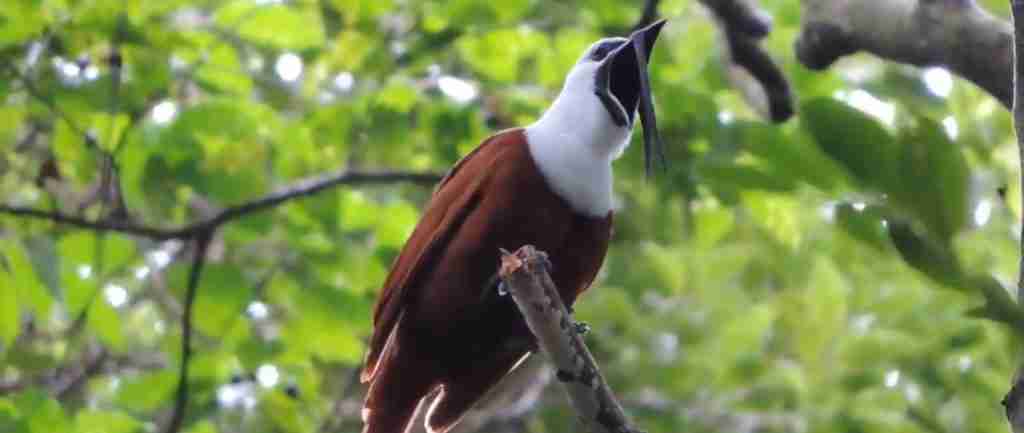
The Three-wattled Bellbird produces one of tropical America’s most distinctive vocalizations—a resonant “bonk” audible over vast distances that gives the species its name. Males display peculiar wattles dangling from the bill base during breeding season, performing calls from exposed canopy perches. Breeding occurs primarily March through June, when males establish calling territories and females visit to assess potential mates. Outside breeding season, bellbirds disperse to lower elevations and become difficult to locate.
Black Guans forage along trails at dawn and dusk, their turkey-like silhouettes distinctive among Monteverde’s birds. Great Curassows occasionally appear at lower elevations, while Crested Guans occur throughout. Mixed-species feeding flocks passing through forest contain tanagers, honeycreepers, woodpeckers, and various insectivores—patient observation of a single flock may reveal 20-30 species in minutes.
Tanagers and Songbirds of Monteverde 2026
Tanager diversity exceeds 20 species in the greater Monteverde region, adding brilliant color to forest edges and second growth. Bay-headed Tanagers, with their striking chestnut heads and green bodies, often lead mixed-species flocks. Silver-throated Tanagers display yellow bodies with silver-gray throats. Spangle-cheeked Tanagers—cloud forest specialists with distinctive spotted facial patterns—represent regional prizes for visiting birders.
Honeycreeper species include the Green Honeycreeper, with males displaying brilliant turquoise plumage, and the widespread Red-legged Honeycreeper. Golden-browed Chlorophonias—small green birds with golden eyebrows—favor epiphyte-laden canopy but occasionally descend to fruiting trees. Euphonias, including the Olive-backed and Yellow-throated species, feed on mistletoe and other small fruits.
Monteverde Birdwatching Tours and Guides 2026
Guided Birdwatching Tour Options 2026
Half-day morning tours represent the most popular birdwatching format in Monteverde, typically departing 5:30-6:00 AM and returning by 11:30 AM. This timing captures peak bird activity during first light hours when species are most vocal and active. Tour prices range from $70 for basic group experiences to $180 for private guide services, with most comprehensive half-day options falling in the $90-120 range. Group sizes are limited to 4-6 participants at quality operators, ensuring adequate attention and sighting opportunities for all participants.
Extended full-day tours provide deeper exploration for serious birders, covering multiple habitat types and elevation zones. Full-day pricing typically runs $150-250 depending on destinations and guide expertise. These comprehensive experiences target higher species totals and allow time for challenging species that require patience and multiple approaches.
Specialized tours focus on particular species groups or challenging targets. Quetzal-focused tours during breeding season concentrate entirely on locating and observing these spectacular birds. Night birding tours seek owls, potoos, and nightjars invisible during daylight. Photography-specific tours adjust pacing for participants prioritizing images over species counts, spending extended time at productive subjects rather than maximizing territory coverage.
Top Monteverde Birding Guides for 2026
MonteverdeTravel.com operates comprehensive birdwatching programs led by certified local experts with decades of combined experience. Their standard birdwatching tour costs $180 for up to 2 participants as a base rate, with additional participants added at reduced per-person costs. Tours typically access Curi-Cancha Reserve and public birding areas around Monteverde, with routes adjusted based on current species activity. Guides carry spotting scopes and possess encyclopedic knowledge of local bird populations.
The Wildlife Refuge Monteverde offers specialized birdwatching tours at $100 per adult and $65 for children ages 5-12 in 2026. Their 55-acre property supports diverse bird communities, and guides know precise locations of resident species including nesting territories. Tours begin early (6:00-6:30 AM) to capture peak activity periods. The small-group format (maximum 6 participants) ensures personalized attention.
MonteTours provides two birdwatching tour formats: a 3-hour morning tour at $70 per person covering public areas and Monteverde’s open roads, and a comprehensive 5-hour tour including Curi-Cancha Reserve entrance for fuller exploration. Their certified guides have compiled extensive species lists through years of local experience, and customer reviews consistently praise wildlife spotting abilities and knowledge depth.
Choosing the Right Guide Service 2026
Guide selection significantly impacts birdwatching success, and several factors help distinguish quality operators. Experience level matters—guides who have worked Monteverde trails for years know current nest locations, seasonal patterns, and behavior nuances that newer guides may lack. Equipment quality affects observation capability; guides should provide quality spotting scopes (not just binoculars) for distant viewing and photography digiscoping.
Group size limitations indicate operator priorities. Tours accepting 10+ participants inevitably compromise individual attention, while strict limits of 4-6 participants suggest commitment to quality experiences. Reserve relationships also matter—some guides maintain special access arrangements or receive priority information about rare bird sightings.
Review platforms including TripAdvisor, Google Reviews, and eBird provide insight into past client experiences. Look for specific mentions of species totals achieved, guide knowledge and communication style, and how guides handled challenging conditions. Birders posting detailed species lists from tours often indicate guide competence more reliably than general praise.
Best Birdwatching Locations in Monteverde 2026
Monteverde Cloud Forest Reserve 2026
The Monteverde Cloud Forest Biological Reserve encompasses 10,500 hectares of protected habitat across multiple life zones, representing the region’s flagship conservation area. Entrance costs $25 per adult in 2026, with guided tours available at additional cost. The extensive trail system accesses diverse microhabitats from lower montane forest to elfin forest near the continental divide.
Bird diversity within the reserve is exceptional, with resident populations of most Monteverde specialty species. Quetzals occur throughout, with guides knowing current activity zones. Three-wattled Bellbirds establish breeding territories along certain trails during season. Mixed-species flocks traverse the canopy regularly, and patient observers at known spots can compile impressive species lists. The reserve’s protected status and minimal disturbance support wildlife populations sometimes reduced in more accessible areas.
Curi-Cancha Reserve 2026
Curi-Cancha Reserve provides arguably the best birdwatching experience in Monteverde, combining excellent habitat, well-maintained trails, and lower visitor density than the main Cloud Forest Reserve. Entrance costs $20 per adult in 2026, with guides available for additional fees. The reserve’s strict visitor limits maintain tranquil conditions that favor wildlife observation.
Quetzal sighting success at Curi-Cancha ranks among the highest in Monteverde, with resident populations habituated to careful observers. Guides stationed at the reserve share information about active nests and recent sightings, enabling targeted searches. Hummingbird feeders near the entrance provide reliable close-range observations, while forest trails reveal the full spectrum of cloud forest bird diversity.
Santa Elena Cloud Forest Reserve 2026
Santa Elena Cloud Forest Reserve sits at higher elevation than the Monteverde Reserve, accessing different habitat zones and sometimes different species. Entrance costs $22 per adult in 2026. The community-managed reserve sees fewer visitors than its famous neighbor, providing quieter birding conditions for observers preferring solitude.
Higher-elevation specialists including Silvery-fronted Tapaculos, Large-footed Finches, and Timberline Wrens appear more reliably here than at lower reserves. The elfin forest near the continental divide supports unique bird communities adapted to wind exposure and stunted vegetation. Trails can be steep and challenging, but the effort rewards dedicated birders with species absent or rare elsewhere.
Monteverde Hummingbird Gallery 2026
The Monteverde Hummingbird Gallery deserves specific mention as the region’s most accessible birding location. No entrance fee applies to outdoor areas where feeders attract dozens of hummingbirds daily. Over 248 species have been recorded on this small property, though hummingbirds represent the primary attraction. The adjacent Café Colibri serves coffee, pastries, and meals, allowing extended comfortable observation.
Location at the Monteverde Cloud Forest Reserve entrance makes the Hummingbird Gallery convenient for visitors already planning reserve visits—arrive early to observe hummingbirds before entering the reserve for broader birding. Early morning (6:30-8:00 AM) produces peak feeder activity before later visitors increase noise levels. Photography conditions excel with feeders positioned for natural backgrounds and good light angles.
Optimal Timing for Monteverde Birdwatching 2026
Best Seasons for Birding in Monteverde 2026
Dry season (December-April) brings the most comfortable birding conditions, with reduced rainfall and clearer skies improving visibility and trail conditions. February through June overlaps with breeding season for many species, increasing vocalization activity and display behaviors that aid detection. Quetzal breeding peaks during this period, and Three-wattled Bellbirds establish territories and begin calling.
Green season (May-November) produces different advantages despite wetter conditions. Migratory species from North America pass through during autumn months, adding diversity beyond resident populations. Breeding activity continues through early green season, while fruit production increases attracting frugivorous species to predictable feeding sites. Fewer tourists during green season means quieter trails and less competition for guide services.
Daily Timing for Maximum Bird Activity 2026
Early morning hours from first light (approximately 5:30 AM) through 9:00 AM produce dramatically higher bird activity than later times. Species vocalize actively during dawn chorus, making detection easier through sound even before visual location. Feeding activity peaks as birds break their overnight fast, increasing movement and reducing wariness. Serious birders should book tours departing at 5:30-6:00 AM to capture this optimal window.
Mid-morning through early afternoon typically sees reduced activity as birds become less vocal and more stationary. Mixed-species flocks continue moving, but encounter rates drop compared to early hours. Late afternoon (4:00-6:00 PM) brings secondary activity peaks as birds feed before roosting, though this window proves shorter than morning opportunities.
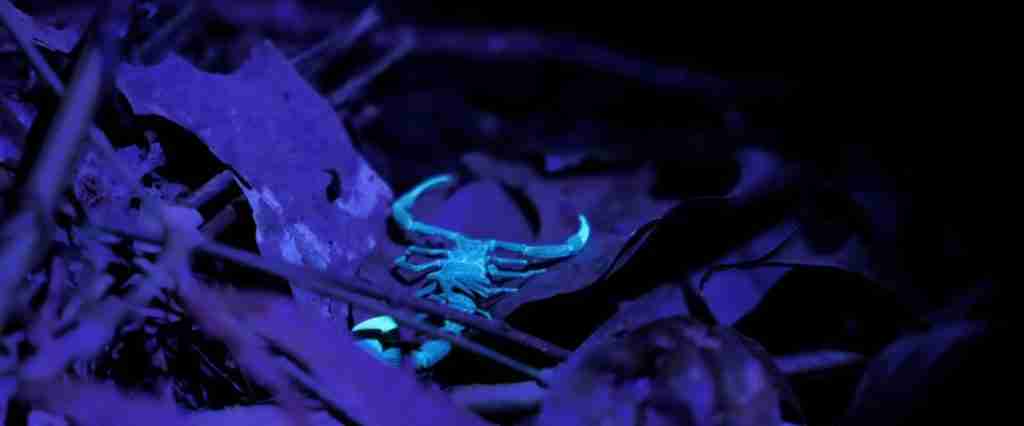
Night birding targets entirely different species—owls, potoos, and nightjars that remain invisible during daylight. Specialized night tours departing around sunset locate these species through calls and eye-shine, revealing aspects of cloud forest ecology unavailable through daytime birding alone.
Weather Considerations for Birding 2026
Cloud forest weather changes rapidly and unpredictably, making preparation essential regardless of forecast. Light rain and mist are normal conditions that don’t significantly impact birding—many species remain active in light precipitation, and forest canopy provides shelter. Heavy rain reduces activity temporarily, but showers often pass within 30-60 minutes followed by productive birding periods.
Wind presents greater challenges than rain for cloud forest birding. Strong winds push birds into sheltered areas and reduce vocalization activity, making detection more difficult. When wind picks up, experienced guides shift to protected areas or adjust expectations accordingly. Wind also affects photography, particularly for long telephoto work where camera shake multiplies.
Essential Gear for Monteverde Birdwatching 2026
Optics Recommendations for 2026
Quality binoculars represent the single most important birding equipment investment. For cloud forest conditions, 8×42 configurations balance magnification with light-gathering capability—the 42mm objective lenses pull in adequate light for dim forest interior conditions where smaller objectives struggle. Waterproof construction is essential given perpetual cloud forest moisture. Budget at least $300-500 for binoculars that will perform adequately; premium models from Swarovski, Zeiss, or Leica deliver noticeably better images but at significantly higher cost.
Spotting scopes enable detailed observation at distances beyond binocular range—essential for Quetzal photography and observation of canopy species. Guides typically provide scope access during tours, eliminating the need for personal scope ownership unless planning extensive independent birding. Travelers bringing personal scopes should select waterproof models rated for tropical humidity conditions.
Camera gear for bird photography ranges from smartphone digiscoping (effective through guide scopes) to professional telephoto setups. DSLR or mirrorless cameras with 400-600mm lenses capture publication-quality images but add significant weight and bulk. Modern smartphone cameras produce surprisingly good results when positioned at spotting scope eyepieces—ask guides about digiscoping possibilities before investing in heavy telephoto equipment.
Clothing and Personal Equipment 2026
Layered clothing handles Monteverde’s variable cloud forest conditions best. Morning temperatures at 1,400+ meters elevation feel cool, warming through midday before evening cooling. A light fleece or jacket over moisture-wicking base layers addresses this range comfortably. Waterproof outer layers (rain jacket with hood) should accompany every birding outing regardless of forecast—mist and rain can materialize rapidly.
Neutral-colored clothing in greens, browns, and grays reduces visual disturbance that can flush wary birds. Avoid white, bright colors, and reflective materials that draw attention. Long pants protect against trail-edge vegetation and insects while providing warmth in cool morning conditions. Sturdy closed-toe shoes with good traction handle forest trails safely—hiking shoes or boots outperform sneakers on wet surfaces common in cloud forest.
Additional essentials include insect repellent (mosquito populations vary but application prevents distraction), sunscreen for exposed areas during clearing periods, and a waterproof bag or cover protecting electronics from moisture. Energy snacks and water sustain focus during multi-hour morning sessions, though guides typically schedule brief breaks. A small notebook or bird app facilitates species recording during the excitement of active birding.
Budget Planning for Monteverde Birdwatching 2026
Tour and Admission Costs 2026
Comprehensive birdwatching experiences in Monteverde involve multiple cost components in 2026. Guided tours range from $70 for basic 3-hour outings to $180 for private comprehensive experiences. Reserve entrance fees add $20-25 per visit (Curi-Cancha $20, Monteverde Cloud Forest $25, Santa Elena $22), though some tour prices include admission. The Monteverde Hummingbird Gallery charges no entrance fee, providing free access to spectacular hummingbird viewing.
Independent birders avoiding guided tours can achieve meaningful experiences at significantly lower cost. Self-guided reserve visits at $20-25 produce genuine cloud forest birding, though species counts typically fall well below guided results. The free Hummingbird Gallery alone justifies Monteverde visits for casual bird enthusiasts without any additional expense.
Sample Birdwatching Day Budget 2026
A full birding day in Monteverde might include early morning guided tour, afternoon independent exploration, and evening rest. Sample costs: Guided morning tour including Curi-Cancha access $100, breakfast before tour $8-12, coffee and snacks at Hummingbird Gallery $8-12, lunch $15-20, afternoon exploration at Santa Elena Reserve $22, dinner $20-30. Total day cost: $173-196 per person (excluding accommodation).
Budget-conscious birders can reduce expenses significantly. Self-guided morning at Curi-Cancha $20, free time at Hummingbird Gallery, packed lunch $5-8, afternoon at Monteverde Reserve $25, simple dinner $15-20. Budget day cost: $65-73 per person (excluding accommodation).
Tipping for Birding Guides 2026
Tipping birdwatching guides reflects appreciation for expertise and effort that produces successful experiences. Standard tips range from $10-20 per person for group tours and $20-40 per person for private guides who deliver exceptional results. Guides who locate particularly difficult species, demonstrate outstanding knowledge, or show unusual dedication to participant success warrant higher appreciation.
Tips are presented directly to guides at tour conclusion in cash (US dollars or Costa Rican colones). Guide income depends significantly on tips, as base wages don’t reflect the advanced ornithological expertise required for quality birding guide work. Your generosity directly supports the local guiding community that makes Monteverde’s birding tourism possible.
Frequently Asked Questions About Monteverde Birdwatching 2026
Is Monteverde good for beginning birdwatchers in 2026?
Monteverde provides excellent entry-level birdwatching experiences alongside advanced opportunities. Hummingbird gardens offer immediately rewarding close-range observations requiring no technical skill—simply watch feeders and enjoy the spectacle. Guided tours translate expert knowledge into accessible experiences, with guides explaining identifications and pointing out species that beginners would never detect independently. The combination of easily observed hummingbirds and guide-assisted forest birding creates satisfying experiences across all skill levels.
Can you see Quetzals without a guide in Monteverde in 2026?
Independent Quetzal sightings occur but remain substantially less likely than guided encounters. Quetzals call infrequently, blend remarkably well into forest vegetation despite their bright colors, and occupy territories requiring local knowledge to locate. Self-guided birders occasionally spot Quetzals along established trails, but guides achieve dramatically higher success rates through knowledge of current nest locations, fruiting tree schedules, and radio communication about recent sightings. Visitors prioritizing Quetzal observation should invest in guided experiences.
How many bird species can you see in one day in Monteverde in 2026?
Species totals vary enormously based on timing, guide skill, and effort level. Casual visitors spending a few hours might record 20-40 species. Dedicated birders with experienced guides covering multiple habitats during optimal early morning hours regularly achieve 60-100 species per day. Exceptional days during peak seasons with perfect conditions and expert guidance can exceed 100 species, though such totals require all-day effort and favorable circumstances.
What is the best reserve for birdwatching in Monteverde in 2026?
Curi-Cancha Reserve offers the best overall birdwatching experience for most visitors in 2026, combining excellent habitat, maintained feeders, lower crowds than the famous Monteverde Cloud Forest Reserve, and consistently high Quetzal success rates. The main Monteverde Cloud Forest Reserve provides more extensive trail systems and diverse habitats but with higher visitor density. Santa Elena Cloud Forest Reserve suits birders seeking higher-elevation species and quieter conditions. The optimal strategy involves visiting multiple reserves across a multi-day Monteverde stay.
Are there nocturnal birdwatching tours in Monteverde in 2026?
Night birding tours target owls, potoos, nightjars, and other nocturnal species invisible during daylight. Several operators offer specialized evening departures seeking these elusive birds through call playback and flashlight searches. Success rates vary based on conditions and luck, but dedicated night outings frequently produce Mottled Owls, Spectacled Owls, Common Potoos, and various nightjar species. Night tours typically cost $45-65 per person and last 2-3 hours.
When do migratory birds arrive in Monteverde in 2026?
North American migratory species begin arriving in Monteverde during September-October, with populations building through November. Warblers, thrushes, and various other Neotropical migrants overwinter in cloud forest habitat, adding diversity beyond resident populations. Spring migration during March-April sees these species departing northward. Planning visits during migration periods (October-November or March-April) maximizes species diversity by combining residents with passing migrants.
Planning Your 2026 Monteverde Birding Adventure
Monteverde’s cloud forests deliver birdwatching experiences that rank among the world’s finest, from the legendary Resplendent Quetzal to hummingbird diversity that seems impossible until you witness it firsthand. Your 2026 visit, whether focused on intensive birding or casual wildlife appreciation, will be rewarded with avian encounters unavailable in most global destinations.
Success requires appropriate preparation: book guides in advance during peak seasons, arrive at reserves and feeders during early morning hours, bring optical equipment matched to your interest level, and maintain realistic expectations about species detection in challenging cloud forest conditions. The combination of expert guides, pristine habitat, and remarkable species diversity creates an environment where memorable bird sightings become routine rather than exceptional.
Whether you’re seeking your first Quetzal, adding Costa Rica endemics to a serious life list, or simply hoping to enjoy beautiful birds during vacation travels, Monteverde’s feathered residents await your arrival. The cloud forest’s 500+ species, concentrated feeders, and professional guide community ensure that birders of every skill level and interest find exactly what they’re seeking among the mist-shrouded trees of this remarkable highland ecosystem.