
Mont Saint-Michel Travel Guide 2026: Complete UNESCO Abbey Experience
Key Takeaways
- Abbey tickets cost €14 for adults in 2026, with free entry for EU citizens under 26 and visitors under 18 from any country (check monuments-nationaux.fr for current official rates)
- Spring tide periods in March and September 2026 create the most dramatic island conditions, with tidal coefficients exceeding 110 during equinox weekends
- Free shuttle buses run every 10 minutes from parking areas 2.5km away, costing €3 per person round-trip versus walking the causeway for free
- Arriving before 9 AM or after 5 PM avoids peak crowds of 15,000+ daily visitors during summer 2026, creating superior photography and exploration conditions
- Budget planning requires €80-120 per person for day visits including transportation, abbey entry, and meals, while overnight stays increase costs to €180-350 depending on accommodation choices
- Advance abbey tickets aren’t required but skip-the-line options reduce wait times from 45-90 minutes to under 15 minutes during peak summer days
Planning Your Mont Saint-Michel Visit in 2026
Mont Saint-Michel stands as one of France’s most iconic UNESCO World Heritage sites, attracting over 3 million visitors annually to experience its medieval abbey rising dramatically from tidal waters. Planning an effective 2026 visit requires understanding the unique characteristics of this island monument—its tidal rhythms, crowd patterns, abbey access protocols, and seasonal variations that dramatically affect the visitor experience. Strategic planning transforms a potentially rushed, crowded visit into a memorable exploration of this architectural and natural masterpiece.
The 2026 season brings no major operational changes compared to recent years, maintaining the established visitor infrastructure including the bridge access completed in 2014, shuttle bus system, and abbey tour protocols. However, understanding current pricing, optimal timing strategies, and crowd management techniques proves essential for maximizing your experience while minimizing common frustrations like excessive wait times and limited viewing access during peak congestion.
This comprehensive guide covers everything needed for successful Mont Saint-Michel planning in 2026, from transportation logistics and abbey ticket strategies to budget optimization and sample itineraries. Whether planning a quick day trip or extended exploration of the mount and surrounding Normandy-Brittany region, understanding the practical realities of visiting this unique site ensures your time and investment create the memorable experience this extraordinary place deserves.
The mount’s tidal setting creates opportunities unavailable at conventional monuments—timing visits around spring tides allows experiencing the mount completely surrounded by water, while low tide periods enable guided walks across the exposed bay floor. These natural rhythms add complexity to planning but also create unique photographic and experiential opportunities that reward visitors who coordinate their schedules with tidal patterns and crowd dynamics.
People Also Ask About Mont Saint-Michel 2026
How much does it cost to visit Mont Saint-Michel in 2026?
Entry to Mont Saint-Michel island and village is free—you can explore the ramparts, streets, and exterior areas without charge. Abbey tickets cost €14 for adults, €12 for reduced-rate visitors (EU citizens 18-25), and free for EU citizens under 18 and all visitors under 18 regardless of nationality in 2026 (check monuments-nationaux.fr for current official rates as pricing may vary). Audio guides add €3, guided tours €7 additional to the base ticket price.
Transportation costs depend on your approach. Parking at official lots 2.5km from the mount costs nothing, but shuttle buses charge €3 per person round-trip. Alternatively, walking the causeway from parking areas takes 30 minutes and costs nothing. Meals on the mount range €15-25 for casual options, €35-65 for sit-down restaurants. A complete day visit budget typically runs €80-120 per person including transportation, abbey entry, audio guide, and meals.
When is the best time to visit Mont Saint-Michel in 2026?
The optimal period balances weather, crowds, and tidal conditions. Late April through May 2026 offers pleasant weather with moderate crowds and occasional spring tides. September provides excellent conditions with warm weather, lower summer-peak crowds, and the year’s highest tides during the autumn equinox (September 15-28). Winter months from November through February deliver the smallest crowds and lowest prices but face variable weather and shorter daylight hours.
For dramatic tidal conditions, target spring tide periods during full and new moon phases throughout 2026, particularly the March equinox (March 15-30) and September equinox (September 15-28) when tidal coefficients exceed 110. These periods create spectacular conditions when the mount becomes completely surrounded by water, though they also attract the largest crowds outside peak summer season.
Do you need tickets in advance for Mont Saint-Michel in 2026?
Advance tickets aren’t required—you can purchase abbey tickets on-site at the entrance. However, during peak summer days (July-August) and spring tide weekends, ticket queues extend 45-90 minutes. Skip-the-line tickets purchased online reduce wait times to under 15 minutes, costing the same €14 as on-site tickets. The benefit comes purely from bypassing the queue, not from price savings.
For the mount itself, no tickets or reservations are needed for village access, rampart walks, or exploring the medieval streets. Only the abbey interior requires paid admission. Guided bay walks require advance booking through authorized operators, as these tours have limited capacity and specific tidal timing requirements that fill weeks ahead during peak season.
How long does it take to visit Mont Saint-Michel in 2026?
A basic abbey visit requires 1.5-2 hours including the entrance queue, self-guided tour with audio guide, and exploration of the church, cloisters, and rampart views. Adding village exploration and rampart walking extends the visit to 3-4 hours. A comprehensive visit including abbey, village, ramparts, museum, and relaxed meal spans 5-7 hours. Overnight stays allow experiencing both day and evening atmospheres, observing tidal transformations, and exploring without time pressure.
Day-trippers from Paris or other distant bases should allocate 10-12 hours total including 6-8 hours round-trip driving or 7-9 hours by train and bus, leaving 3-4 hours on-site. This compressed schedule limits the experience but remains feasible for those unable to overnight nearby. Multi-day visits provide vastly superior experiences, allowing observation of complete tidal cycles and exploration during optimal early morning or evening light conditions.
Extended multi-day tours – 5+ days
Featured Mont Saint Michel Multi-Day Tour Packages
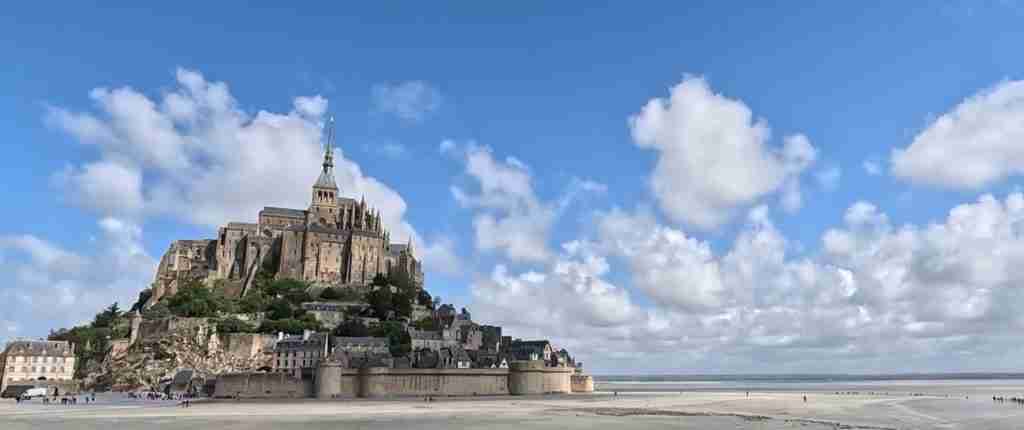
3 days
Mont Saint Michel 3-Day Discovery Tour
- ✓ Comprehensive Mont Saint Michel experience
- ✓ Expert local guides included
- ✓ All accommodation included
- ✓ Transportation provided
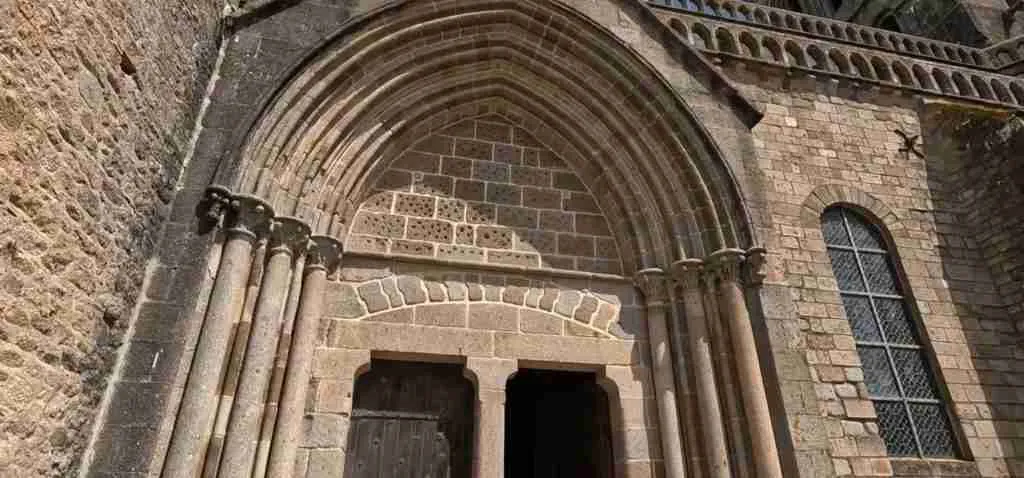
5 days
Mont Saint Michel 5-Day Highlights Experience
- ✓ Comprehensive Mont Saint Michel experience
- ✓ Expert local guides included
- ✓ All accommodation included
- ✓ Transportation provided

7 days
Mont Saint Michel 7-Day Cultural Journey
- ✓ Comprehensive Mont Saint Michel experience
- ✓ Expert local guides included
- ✓ All accommodation included
- ✓ Transportation provided
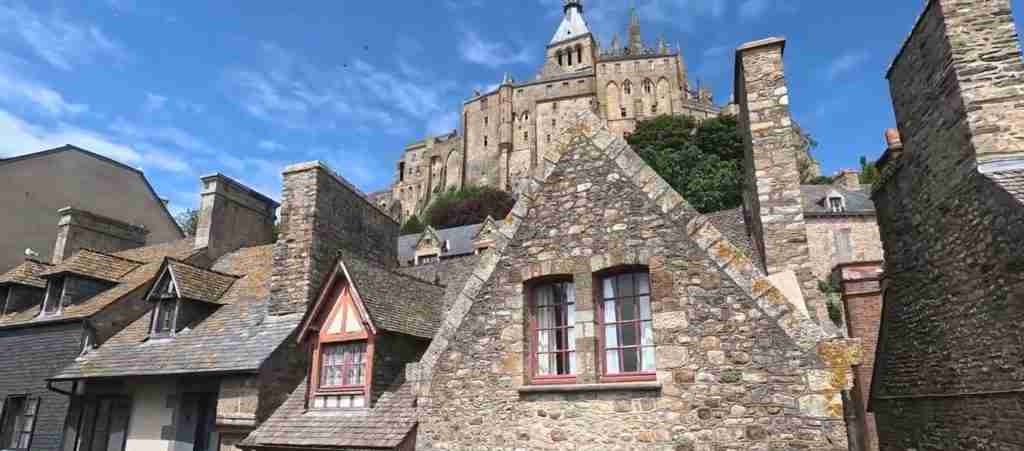
10 days
Mont Saint Michel 10-Day Complete Adventure
- ✓ Comprehensive Mont Saint Michel experience
- ✓ Expert local guides included
- ✓ All accommodation included
- ✓ Transportation provided
Multi-day tour packages powered by TourRadar. Prices and availability subject to change.
Essential Planning Information 2026
Understanding Access and Transportation
Mont Saint-Michel’s island location creates unique access requirements that affect all visits. The mount sits 1 kilometer from the mainland shore, connected by a modern bridge that replaced the old causeway in 2014. This bridge allows tides to flow beneath it, restoring more natural water circulation while maintaining permanent pedestrian and shuttle access regardless of tidal state.
Private vehicles cannot access the mount directly. All visitors park at official lots 2.5km from the island, then either walk the causeway and bridge (30 minutes, free) or take shuttle buses (10-minute ride, €3 per person round-trip, departing every 10 minutes). The shuttle system operates year-round from 7:30 AM until midnight during peak season, with reduced hours in winter. Horse-drawn cart service offers a traditional alternative at €6 per person one-way, departing every 30 minutes when demand justifies.
Parking areas accommodate 4,000 vehicles in official lots operated by the Mont Saint-Michel management. Parking costs nothing—revenue comes from shuttle fares rather than parking fees. The lots include spaces for cars, motorcycles, RVs, and buses, with designated accessible parking near the shuttle departure point. Arriving before 9 AM during peak season secures parking closest to shuttles, while late arrivals may face parking in more distant sections requiring longer walks to shuttle pickup.
Bicycle access follows dedicated paths from parking areas to the mount, with bicycle parking available at the bridge base. The 2.5km ride takes 10-12 minutes, providing free transportation alternative to shuttles while allowing independent timing. Several hotels in the mainland village and nearby communities offer bicycle rentals at €12-18 per day, making this attractive for multi-day stays when repeated shuttle costs accumulate.
Abbey Access Protocols 2026
The abbey opens daily except January 1, May 1, and December 25. Operating hours extend 9:30 AM-6 PM from May through August 2026, reducing to 9:30 AM-5 PM September through April. Last entry occurs 45 minutes before closing. These hours accommodate peak summer visitor flows while adjusting for shorter winter daylight periods.
Entry tickets include access to all abbey interior spaces—the church, cloisters, refectory, knights’ hall, crypts, and rampart terraces. Self-guided visits with audio guides (included in €14 ticket, available in 11 languages) typically take 1.5-2 hours. Guided tours (€7 additional, French or English, 1 hour) depart at scheduled times throughout the day, providing enhanced historical context and architectural explanation.
Skip-the-line tickets purchased online through monuments-nationaux.fr cost the same €14 but allow immediate entry via a separate priority queue. During peak summer days and spring tide weekends, this bypasses standard queues that often extend 45-90 minutes. The system works on timed-entry basis—you select arrival time when booking, then enter during your designated 30-minute window. This proves particularly valuable for visitors with tight schedules or those traveling with children who tolerate long queues poorly.
Free entry applies to EU citizens under 26 (with ID verification) and all visitors under 18 regardless of nationality. The first Sunday of each month from November through March also offers free entry to all visitors, creating opportunities for budget optimization during low season. However, free entry days attract larger crowds than typical winter weekdays, partially offsetting the cost savings with increased congestion.
Village and Rampart Access
Access to Mont Saint-Michel village, ramparts, and exterior areas remains free with no tickets required. The medieval streets, shops, restaurants, and rampart walks are open to all visitors regardless of whether they enter the abbey. This allows budget-conscious visitors to experience the mount’s exterior architecture, tidal setting, and village atmosphere without paying abbey admission.
The Grande Rue, the mount’s main street, climbs steeply from the entrance gate to the abbey staircase, lined with restaurants, souvenir shops, and small museums. This cobblestone street becomes extremely crowded during midday peak hours in summer, with thousands of visitors compressing into the narrow medieval passage. Early morning (before 10 AM) or evening (after 6 PM) visits find the street dramatically less crowded, allowing more contemplative exploration.
Rampart walks encircle the mount at mid-height, offering panoramic views across the bay and toward the mainland. Multiple access points connect the Grande Rue to the ramparts, with signage in French and English directing visitors. The complete rampart circuit takes 45-60 minutes at a relaxed pace, though shorter segments can be walked selectively. Some rampart sections include steps and uneven surfaces, making them challenging for visitors with mobility limitations.
The parish church of Saint-Pierre, located midway up the Grande Rue, offers free entry and provides an example of medieval parish church architecture distinct from the abbey above. The church operates active services on Sundays and holy days, limiting tourist access during worship times. The small interior can be explored in 10-15 minutes, featuring 15th-century statuary and a silver statue of Saint Michael that’s paraded during special ceremonies.
Abbey Visit Guide 2026
Self-Guided Tour Experience
The standard abbey visit follows a prescribed route through interconnected spaces spanning the mount’s summit. The self-guided tour with audio guide typically requires 1.5-2 hours, though visitors can extend this by spending additional time in spaces of particular interest. The audio guide provides room-by-room commentary explaining historical context, architectural features, and the functions of different spaces during the abbey’s active monastic period.
The tour begins at the West Terrace, an open platform offering panoramic views across the bay. This outdoor space provides orientation to the mount’s setting and initial views of the church’s western façade. The audio guide explains the mount’s geology, tidal environment, and the vision of Saint Aubert that led to the abbey’s 8th-century founding. This opening section takes 10-15 minutes including time for photographs and initial orientation.
The abbey church occupies the mount’s highest point, its Romanesque nave and Gothic choir demonstrating successive architectural campaigns from the 11th through 16th centuries. The church’s austere Norman architecture creates powerful spatial effects through massive stone piers, barrel vaults, and high clerestory windows. The choir’s Gothic reconstruction after a 1421 collapse introduced pointed arches and flying buttresses, contrasting with the nave’s round-arched Romanesque character. Visitors typically spend 20-30 minutes in the church, appreciating both the architecture and the spiritual atmosphere maintained despite tourist activity.
The cloisters provide the tour’s visual centerpiece—a delicate arcade of slender columns surrounding an open courtyard. This Gothic masterpiece, completed in the 13th century, exemplifies the refinement possible in medieval stonework. The columns’ double rows create intricate patterns when viewed from different angles, while the courtyard offers reflective space contrasting with the church’s monumental scale. The cloisters require 15-20 minutes for adequate appreciation, with many visitors lingering to photograph the columns’ interplay with natural light.
The refectory demonstrates medieval communal dining arrangements, with a long hall featuring tall windows and elegant proportions. The room’s acoustics create the illusion of natural light despite relatively small window openings—a characteristic of Romanesque design. The knights’ hall below served administrative functions, its massive columns and vaulted ceiling creating an impressive civic space. These functional rooms each warrant 10-15 minutes for understanding their role in monastic life.
Lower levels include crypts supporting the church above, their massive pillars and barrel vaults demonstrating engineering solutions for building monumental architecture on an irregular rocky summit. The crypts’ dimmer lighting and compressed scale contrast dramatically with upper-level spaces, emphasizing the architectural achievement of creating horizontal platforms for major buildings on the sloping mount. These lower spaces add 15-20 minutes to the complete tour.
Guided Tour Benefits
Guided tours (€7 additional to the €14 base ticket) provide enhanced understanding beyond audio guide capabilities, with live guides responding to questions and adjusting explanations based on group interests. Tours operate in French and English, departing at scheduled times throughout the day with frequency increasing during peak season. Group sizes limit to 25 participants, ensuring everyone can hear commentary and view described features.
Guides emphasize architectural analysis, explaining construction techniques, structural innovations, and the challenges of building on the irregular rocky summit. This technical commentary proves particularly valuable for visitors interested in medieval engineering and Gothic architecture. Guides also provide historical context about monastic life, the mount’s military history, and its transformation from active abbey to national monument.
The guided tour follows the same route as self-guided visits but allocates time differently, spending longer in architecturally significant spaces like the cloisters and church while moving more quickly through transitional areas. The 1-hour duration proves sufficient for comprehensive coverage while maintaining group cohesion. However, this fixed schedule eliminates the flexibility to linger in personally interesting spaces or skip areas of less interest—a trade-off between expert commentary and individual pacing.
Photography during guided tours requires awareness of group movement, as stopping for shots can separate you from the guide and group. The audio guide alternative allows unlimited time for photography, making it preferable for visitors prioritizing image capture over historical detail. Combining both approaches—taking the guided tour first for context, then returning with audio guide for photography—provides comprehensive understanding plus photographic freedom, though this requires allocating 3+ hours for abbey exploration.
Special Access and Extended Tours
Evening visits during July-August 2026 offer extended abbey access until 10 PM on select nights, with atmospheric lighting creating dramatically different visual effects compared to daytime visits. These evening sessions include live music performances in the cloisters, transforming the spaces through sound and illumination. Tickets cost €14 (same as day admission) and must be booked separately from daytime visits. The evening program attracts significant interest, requiring advance booking 2-4 weeks ahead for popular dates.
Special behind-the-scenes tours visit areas normally closed to the public, including the abbey’s crypts, storage areas, and some monastic cells. These tours operate irregularly based on guide availability and visitor demand, requiring advance inquiry through the monuments-nationaux website or by contacting the abbey directly. Pricing varies but typically reaches €25-30 for extended access with specialist guides. These specialized tours particularly suit architecture enthusiasts, repeat visitors, or those with professional interest in medieval construction.
Transportation to Mont Saint-Michel 2026
By Car from Major Cities
Driving provides maximum flexibility for Mont Saint-Michel visits, allowing control over timing and enabling exploration of the Normandy-Brittany region. Major approach routes serve different origin cities, with driving times and highway characteristics affecting route selection.
From Paris (360km, 3.5-4 hours), the A13 and A84 highways provide the most direct route via Caen. Toll costs total €25-32 depending on entry point and vehicle class. The route passes through Normandy countryside, with opportunities for stops at Bayeux, Caen, or other towns along the way. Weekend and summer holiday traffic can extend driving time by 30-60 minutes, particularly on Friday evenings and Sunday afternoons when Parisians travel to/from coastal destinations.
From Rennes (70km, 1 hour), the N175/D175 provides direct access without highway tolls. This short distance makes Rennes a convenient base for Mont Saint-Michel day trips or an intermediate stop when approaching from southern Brittany. The route crosses rural Brittany landscape with light traffic except during peak tourist season weekends. Rental cars from Rennes airport (€35-50 per day for compact vehicles) enable independent access from the regional transportation hub.
From Saint-Malo (50km, 50 minutes), the D797 coastal route offers scenic approaches through coastal villages and salt marshes. The drive takes slightly longer than direct inland routes but provides superior views, particularly when approaching from the west with the mount visible across the bay from several kilometers distance. This route suits visitors combining Mont Saint-Michel with Saint-Malo’s walled city or coastal Brittany exploration.
From Caen (130km, 1.5 hours), the A84 provides direct highway access. This route serves visitors combining Mont Saint-Michel with D-Day beaches, Bayeux tapestry, or other Normandy attractions. The highway quality allows consistent travel times year-round, though summer traffic increases congestion around Avranches where the highway ends and regional roads begin.
By Train and Bus
Public transportation to Mont Saint-Michel requires combining train and bus segments, as no direct rail service reaches the mount. Understanding connection protocols and timing prevents missed links and excessive waiting times.
From Paris (3.5-4.5 hours total), the TGV to Rennes (2 hours 10 minutes, €40-75 depending on booking timing and class) connects with buses to Mont Saint-Michel (1 hour 20 minutes, €16 one-way). Four daily bus departures from Rennes coordinate with TGV arrivals, though the schedule requires checking specific dates as timing varies seasonally. The complete journey costs €56-91 per person one-way, making it price-competitive with car rental for solo travelers but expensive for groups.
Alternative train routes via Dol-de-Bretagne or Pontorson require regional trains with less frequent schedules. Dol-de-Bretagne (20km from Mont Saint-Michel) receives TGV service from Paris but has limited connecting bus service to the mount. Pontorson (9km from Mont Saint-Michel) sits on regional rail lines from multiple directions but lacks direct TGV service. These alternatives work for specific routing needs but generally prove less convenient than the Paris-Rennes-Mont Saint-Michel connection.
Bus service from Rennes to Mont Saint-Michel operates via FlixBus and regional carriers, with the journey taking 1 hour 20 minutes to 1 hour 50 minutes depending on route and stops. Tickets purchased online in advance cost €12-16, while same-day tickets at the bus station reach €18-22. Four departures spread throughout the day provide reasonable flexibility, though the schedule requires planning around specific bus times rather than travel-on-demand flexibility possible with cars.
Return connections from Mont Saint-Michel to Rennes require similar coordination, with the last daily bus typically departing 5:30-6:00 PM. This limits day-trip visits to approximately 6-7 hours on-site, sufficient for basic abbey and village exploration but precluding evening visits or relaxed meal experiences. Overnight stays eliminate this time pressure, allowing fuller exploration without connection stress.
Organized Tours from Regional Cities
Organized day tours from Paris, Saint-Malo, and other cities provide all-inclusive transportation plus guided commentary, eliminating independent logistics planning. These tours vary in quality, included services, and pricing, requiring comparison shopping for optimal value.
Paris day tours (€100-190 per person) operate full-day itineraries departing 7:00-7:30 AM and returning 9:00-10:00 PM. The tours include coach transportation, abbey entry, and guided visit, though meals typically cost extra. Some tours combine Mont Saint-Michel with Loire Valley châteaux or D-Day beaches, creating comprehensive but exhausting 14-16 hour days. The value proposition depends on your priorities—solo travelers and couples often find organized tours price-competitive with train/bus alternatives while providing expert commentary, though groups of 3-4 save money by driving independently.
Saint-Malo day tours (€45-75 per person) offer shorter itineraries given the 50km distance, typically operating 9:00 AM-5:00 PM schedules. These half-day tours provide 3-4 hours on-site, adequate for abbey visits and village exploration but limiting opportunities for experiencing tidal changes or relaxed dining. The proximity makes independent driving more attractive from Saint-Malo, as the tour premium over car rental becomes harder to justify for the short distance.
Regional multi-day tours combining Mont Saint-Michel with broader Normandy or Brittany exploration range €300-600 per person for 2-3 day programs including accommodation, transportation, some meals, and entry fees. These packaged tours eliminate all logistics planning and provide expert regional guides, though they lack the flexibility of independent travel and typically involve set itineraries that may not align perfectly with your interests.
Best Time to Visit Mont Saint-Michel 2026
Seasonal Weather and Crowd Patterns
Mont Saint-Michel’s coastal Normandy location creates mild maritime climate with moderate seasonal variations. Understanding weather patterns and crowd dynamics by season helps identify optimal visit windows balancing pleasant conditions, reasonable crowds, and experiential quality.
Spring (April-May 2026) brings increasingly pleasant weather with average highs reaching 13-16°C (55-61°F) and moderate rainfall. Visitor numbers increase through this period but remain well below summer peaks until late May. The March equinox spring tides (March 15-30) attract substantial crowds despite cool weather (8-11°C highs), with tidal coefficients exceeding 110 creating dramatic island conditions. Late April through mid-May represents optimal spring timing—pleasant weather, manageable crowds, and occasional strong tides during full/new moon phases.
Summer (June-August 2026) delivers the warmest weather (average highs 19-22°C/66-72°F) but also the largest crowds. Daily visitor numbers reach 15,000-20,000 during July-August, creating congestion on the Grande Rue and 45-90 minute abbey ticket queues during peak afternoon hours. Early morning visits (before 10 AM) or evening arrival (after 5 PM) partially mitigates crowds even during peak season. Weather proves most reliable in July-August, with lower rainfall probability than other months, making this attractive despite crowds for visitors prioritizing weather certainty.
Autumn (September-October 2026) combines excellent weather with diminishing crowds, creating arguably the year’s best overall conditions. September maintains summer-like temperatures (17-19°C/63-66°F) while visitor numbers drop 30-40% after school resumptions. The September equinox spring tides (September 15-28) produce the year’s highest tidal coefficients (110-115), creating spectacular conditions with the mount completely surrounded by water. October sees further crowd reductions and pleasant weather through mid-month, though rainfall increases and temperatures cool to 13-15°C (55-59°F).
Winter (November-February 2026/2027) brings the smallest crowds and lowest prices but variable weather and short daylight hours. Average highs drop to 7-10°C (45-50°F) with frequent rain. However, winter also delivers opportunities for dramatic atmospheric conditions—stormy weather creates powerful waves around the mount, while clear days produce excellent visibility and photographic light. The Christmas-New Year period sees brief crowd increases, but overall winter remains the quietest season. Free entry on first Sundays (November-March) provides budget optimization opportunities.
Spring Tide Periods and Tidal Planning
Experiencing Mont Saint-Michel completely surrounded by water requires coordinating visits with spring tide periods when tidal coefficients exceed 100. These conditions occur approximately 40-50 days annually during full and new moon phases throughout 2026, with the highest amplitudes during equinox periods in March and September.
March equinox spring tides (March 15-30, 2026) produce the year’s first major spring tide sequence, with multiple days featuring coefficients above 110. Specific high-impact dates include March 20-22 when coefficients reach 113-115. High tides during this period occur at varying times each day, requiring checking specific tide tables for your visit dates. Weather in late March averages 10-13°C (50-55°F) with moderate rainfall probability, making conditions less comfortable than later seasons but still manageable with appropriate clothing.
September equinox spring tides (September 15-28, 2026) deliver the year’s highest tidal amplitudes, with coefficients regularly exceeding 110 and peaking around 115 during September 20-22. Weather proves significantly more pleasant than March, with temperatures averaging 17-19°C (63-66°F) and lower rainfall probability. This combination of maximum tidal amplitude and excellent weather makes September 15-28 arguably the optimal annual period for experiencing Mont Saint-Michel’s tidal phenomena, though it also attracts the largest crowds outside peak summer season.
Summer spring tides (during full/new moons in June-August 2026) produce coefficients typically reaching 95-105, creating notable but less extreme tidal conditions than equinox periods. These summer spring tides still generate conditions where the mount becomes fully surrounded at high tide, while benefiting from warm weather and extended daylight hours. Specific high-coefficient dates in summer include June 21-23 (coefficient 100-102), July 20-22 (98-101), and August 19-21 (100-103).
Timing visits to arrive 2-3 hours before high tide allows observation of water advancing across the bay, experiencing the maximum encirclement around high tide, and observing the initial retreat phase—a complete 3-4 hour tidal transformation sequence. Consulting official tide tables (available at maree.info or on-site at the visitor center) provides exact high tide times for your specific visit dates, enabling precise scheduling coordination.
Optimal Visit Timing by Priority
Different visitor priorities favor different timing strategies within the 2026 calendar, requiring alignment of travel plans with specific objectives.
For maximum tidal drama, the September equinox period (September 15-28, 2026) combines the year’s highest tidal coefficients with excellent weather and clear atmospheric conditions. The trade-off involves larger crowds than typical September dates, particularly during the peak tidal days around September 20-22. Booking accommodation and skip-the-line abbey tickets 4-6 months ahead proves essential for this period.
For minimal crowds, January-February 2027 and November 2026 deliver the quietest conditions, with daily visitor numbers dropping to 2,000-4,000 versus summer peaks of 15,000-20,000. The compromise involves shorter daylight hours (8 hours in December vs. 16 in June), variable weather, and some reduced services. However, winter’s dramatic atmospheric conditions—storm waves, fog effects, and low-angle light—create photographic opportunities impossible during other seasons.
For weather reliability, July-August 2026 provides the highest probability of dry, warm conditions, though at the cost of maximum crowds and peak pricing. Visitors prioritizing weather certainty over crowd avoidance find this period optimal, particularly when employing crowd-mitigation strategies like early morning arrival or evening visits.
For overall balance of weather, crowds, and costs, late April through May 2026 and the first two weeks of October provide optimal combinations. These shoulder periods deliver pleasant weather (90% as good as peak summer), crowds reduced 40-60% from summer levels, and accommodation prices 20-30% below summer peaks. Weather proves less predictable than July-August but substantially better than winter months.
Budget Planning for 2026 Mont Saint-Michel Visits
Cost Breakdown by Visit Type
Understanding complete visit costs requires accounting for transportation, admission, meals, and accommodation across different visit scenarios. Budget planning by visit type helps identify total costs and opportunities for optimization.
Day trip from Paris by car (for 2 people sharing): Fuel €70-85 round-trip, tolls €50-64, parking free, shuttle €12 for couple, abbey tickets €28, audio guides €6, lunch €40-50, snacks €16-20. Total: €222-265 per couple, or €111-133 per person. Adding dinner before return increases costs by €50-70. Solo drivers face the same transportation costs, making per-person expenses reach €160-185 for complete day trips.
Day trip from Paris by train/bus (per person): TGV Paris-Rennes €40-75 one-way, bus Rennes-Mont Saint-Michel €16 one-way, abbey ticket €14, audio guide €3, lunch €20-25, snacks €8-10. Total: €141-207 per person round-trip. The higher end applies when booking trains close to departure, while advance booking (6+ weeks) secures lower fares. Groups of 3-4 save significantly by driving rather than taking train/bus connections.
One-night stay with mainland village mid-range hotel (per couple): Accommodation €180-220, parking €12, breakfast €30 for couple, abbey tickets €28, audio guides €6, dinner day 1 €70-90, lunch day 2 €40-50, snacks €16-20. Total: €382-456 per couple excluding transportation to region, or €191-228 per person. Transportation adds €120-140 per person from Paris (train/bus) or €60-85 per person when driving (costs split among occupants).
Budget one-night stay in Pontorson (per couple): Accommodation €85-110, parking free, breakfast €20, fuel Pontorson-Mont Saint-Michel €8 round-trip, shuttle €12, abbey tickets €28, audio guides €6, dinner €45-65, lunch €30-40, snacks €12-16. Total: €246-321 per couple excluding transportation to Pontorson, or €123-161 per person. This approach saves €135-135 versus mainland village accommodation while requiring rental car for mount access.
Money-Saving Strategies for 2026
Multiple strategies reduce Mont Saint-Michel visit costs without significantly compromising experience quality, particularly valuable for budget-conscious travelers or families managing expenses for multiple people.
Free entry qualifications eliminate the €14 abbey ticket for eligible visitors. EU citizens under 26 and all visitors under 18 (regardless of nationality) enter free with ID verification. The first Sunday of each month from November through March offers free entry to all visitors, creating €14-56 savings for couples to families. However, free Sundays attract larger crowds than typical winter weekdays, partially offsetting the financial benefit with increased congestion.
Walking instead of shuttle riding saves €3 per person round-trip, totaling €12 for a family of four. The 30-minute walk from parking to the mount provides exercise and bay views, though hauling luggage or managing small children makes this less practical for some visitors. Bicycle access splits the difference—faster than walking, cheaper than shuttles—at no cost beyond bike rental (€12-18 per day from mainland village or nearby town hotels).
Picnic lunches versus restaurant meals save €15-30 per person. The mainland village includes a small supermarket where bread, cheese, fruit, and drinks cost €8-12 per person versus €20-30 for casual restaurant lunches. Rampart benches provide scenic picnic locations, though weather-dependent access requires backup plans for rainy days. On-mount restaurants prohibit outside food, so picnicking means eating before abbey entry or on ramparts rather than in village restaurants.
Accommodation in Pontorson or Beauvoir saves €60-110 per night versus mainland village mid-range hotels. The trade-off requires rental car or shuttle dependency (adding €8-12 per day for fuel or shuttle costs), so net savings reach €50-100 per night. For multi-night stays, these savings accumulate significantly—three nights saves €150-300, partially or fully offsetting rental car costs for the trip.
Advance train booking from Paris secures TGV tickets at €40-50 versus €65-75 for last-minute purchases, saving €30-50 per person round-trip. Booking 6-12 weeks ahead captures the lowest fares, though this requires firm itinerary commitment. Flexibility fares cost €10-15 more but allow date changes, providing insurance against plan modifications while maintaining some savings versus day-of-departure pricing.
Premium Experience Investment Value
Some premium options deliver value exceeding their cost through enhanced experience quality, particularly for once-in-a-lifetime visitors prioritizing comprehensive Mont Saint-Michel exploration.
Skip-the-line abbey tickets (€14, same price as standard tickets) provide no cost premium but deliver 30-75 minutes time savings during peak summer days. For visitors with limited on-site time or low tolerance for queuing, this proves valuable despite identical pricing. The online booking fee (€1-2 depending on platform) represents the only additional cost, marginal compared to time savings during peak periods.
Guided abbey tours (€7 additional to €14 base ticket) provide expert architectural and historical commentary impossible to replicate with audio guides alone. The €7 premium delivers enhanced understanding of construction techniques, monastic life, and architectural significance, particularly valuable for first-time visitors or those with specific interest in medieval architecture. The guided tour’s fixed 1-hour duration proves efficient, though it eliminates the flexibility to linger in personally interesting spaces.
Bay-view accommodation premiums (€80-120 per night above standard rooms) provide sunrise/sunset viewing and tidal observation from private rooms. For visitors prioritizing photography or contemplative tidal observation, this premium proves worthwhile. However, rampart walks and outdoor viewing areas provide similar views at no cost, making bay-view rooms more about convenience than exclusive access. Couples celebrating special occasions often find the premium justified, while budget-focused travelers achieve 90% of the experience from standard rooms plus rampart visits.
On-mount accommodation (€380-580 per night versus €120-220 for mainland village) delivers after-hours village access and morning photography before day-tripper arrivals. The €250-360 premium suits photography enthusiasts, honeymoon couples, or travelers treating Mont Saint-Michel as a centerpiece destination rather than one stop among many. The unique experience of sleeping within the medieval village creates memories justifying the cost for some, while others find better value directing the €250-360 savings toward extended regional exploration or upgraded dining experiences.
Sample 2026 Itineraries
One-Day Visit from Paris
This compressed itinerary maximizes Mont Saint-Michel experience within the constraints of a Paris day trip, requiring early departure and late return but delivering comprehensive abbey and village exploration.
6:30 AM: Depart Paris by car via A13/A84 (or 7:15 AM TGV from Paris Montparnasse). Arrive Mont Saint-Michel 10:00-10:30 AM. Fuel €35-40 one-way, tolls €25-32 (or TGV €40-75 per person). Parking free, shuttle €3 per person = €6 for couple. Total morning cost: €66-78 by car for couple, €86-156 by train for couple.
10:30 AM-12:30 PM: Abbey visit with skip-the-line ticket and audio guide. Abbey tickets €14 per person = €28, audio guides €3 per person = €6. Explore church, cloisters, refectory, ramparts. Photography in cloisters and from terraces. Total visit cost: €34.
12:30-1:30 PM: Lunch at mid-range Grande Rue restaurant. Galettes or crêpes €12-16 per person, drinks €5-8 = €38-48 for couple. Alternative: packed lunch from Paris (€0 additional cost) eaten on ramparts.
1:30-3:00 PM: Village and rampart exploration. Walk Grande Rue shops, complete rampart circuit (45 minutes), visit parish church. Photography from ramparts at various angles. Free access.
3:00-4:00 PM: Return to mainland for coffee/snack €8-12 for couple at village café, or depart immediately for return journey.
4:00 PM: Depart for Paris return. Arrive Paris 7:30-8:00 PM by car (or 6:00 PM bus to Rennes, 8:15 PM TGV to Paris, arrive 10:30 PM). Fuel €35-40, tolls €25-32 (or bus €16 + TGV €40-75 per person).
Total day cost: €205-238 per couple by car (€103-119 per person), or €244-374 per couple by train/bus (€122-187 per person). Excludes Paris parking and any highway snacks/coffee stops.
Two-Day Mid-Range Exploration
This two-day itinerary balances comprehensive Mont Saint-Michel exploration with regional touring, creating a fulfilling Normandy experience without excessive rushing.
Day 1 Afternoon-Evening: Arrive Mont Saint-Michel 2:00-3:00 PM. Check into mainland village mid-range hotel €180-220, parking €12. Afternoon abbey visit with guided tour €21 per person = €42 for couple. Village and rampart exploration 4:00-6:00 PM. Dinner at upscale village restaurant €55-70 per person = €115-145 for couple. Evening return to mount for illuminated photography (free). Total Day 1: €349-419 (excluding accommodation €180-220).
Day 2 Morning-Early Afternoon: Hotel breakfast €15 per person = €30 for couple. Early morning photography on ramparts 7:30-9:00 AM (free). Return visit to abbey with audio guide for detailed exploration and photography €14 per person = €28, audio guides €3 per person = €6. Lunch at casual Grande Rue crêperie €18-24 per person = €40-50. Afternoon departure 2:00 PM. Total Day 2: €104-114 (excluding accommodation).
Optional Day 2 Extension: Instead of departing afternoon, visit Scriptorial museum in Avranches (14km, €8 per person = €16, fuel €8 round-trip). Returns 5:00 PM for departure. Adds €24 to Day 2 costs.
Total two-day budget: €633-753 per couple including accommodation, or €317-377 per person. Excludes transportation to/from region.
Three-Day Comprehensive Experience
This extended itinerary combines thorough Mont Saint-Michel exploration with regional attractions and optimal tidal timing, ideal for visitors treating this as a primary destination rather than brief stopover.
Day 1: Afternoon arrival 3:00 PM, check mainland village hotel €190 per night × 2 nights = €380, parking €12 per night × 2 = €24. Initial village exploration and rampart walk (free). Evening high tide observation from ramparts (coordinate arrival with tide tables). Dinner at hotel restaurant €35-45 per person = €75-95. Total Day 1: €99-119 (excluding accommodation €202).
Day 2: Hotel breakfast €15 per person = €30. Morning guided bay walk 9:00-11:30 AM, €18 per person = €36 (advance booking required). Return to hotel to refresh, then abbey visit with guided tour €21 per person = €42. Lunch on mount €25-30 per person = €55-65. Afternoon regional museum visit €8 per person = €16. Dinner at Mère Poulard (traditional omelets and regional cuisine) €55-70 per person = €115-145. Total Day 2: €294-334 (excluding accommodation €202).
Day 3: Hotel breakfast €30. Early morning photography on mount 7:00-8:30 AM (free). Check out, drive to Avranches (14km) for Scriptorial museum visit €8 per person = €16, fuel €8. Lunch in Avranches €18-25 per person = €40-52. Afternoon visit to Mont Dol viewpoint (23km from Avranches, fuel €12, free entry). Depart region 4:00 PM. Total Day 3: €106-118 (no accommodation).
Total three-day budget: €903-1,019 per couple including accommodation, or €452-510 per person. Excludes transportation to/from region. Bay walk timing requires coordinating with specific tide schedules for your visit dates.
Booking Strategies for 2026 Season
Advance Planning Timeline
Successful Mont Saint-Michel visits in 2026 benefit from phased planning and booking at optimal intervals before arrival, balancing the security of confirmed reservations against maintaining flexibility for plan adjustments.
6-12 months before arrival, book accommodation for peak summer (July-August) or spring tide weekends (March 15-30, September 15-28). Properties near the mount sell out entirely during these periods, leaving only distant options or last-minute cancellations available for late bookers. Premium bay-view rooms and the on-mount hotel require the longest advance booking—often 10-12 months for September equinox spring tides when tidal coefficients exceed 110.
3-4 months before arrival, finalize transportation arrangements. Train tickets from Paris become available 90 days ahead, with the lowest fares selling quickly. Car rental reservations don’t require such advance timing but booking 8-12 weeks ahead sometimes captures early booking discounts of 10-15%. Organized tour availability needs verification at this stage, particularly for multi-day packages that often fill 2-3 months ahead for popular dates.
4-6 weeks before arrival, book skip-the-line abbey tickets if visiting during peak summer or spring tide weekends. While these tickets cost the same as on-site purchases, they sell out for the most popular time slots during ultra-peak periods. Booking this far ahead provides good time slot selection while avoiding the risk of sold-out preferred times. For shoulder and low seasons, skip-the-line tickets can be booked just 1-2 weeks ahead without availability concerns.
2-4 weeks before arrival, book guided bay walks if interested in this experience. These specialized tours have limited daily capacity and specific tidal timing requirements, creating scarcity during peak season. The walks require advance booking through authorized operators, with popular spring tide dates filling 3-4 weeks ahead. Standard season dates maintain availability closer to departure but still benefit from 2-week advance booking.
1 week before arrival, finalize meal plans and make restaurant reservations if dining at popular establishments. Restaurants on the mount and in the mainland village take reservations, with upscale options like La Mère Poulard filling during peak season evenings. Casual crêperies and bistros typically don’t require reservations except during ultra-peak periods, but calling ahead prevents disappointment if you have specific dining preferences.
Flexibility Strategies
Maintaining some itinerary flexibility allows capitalizing on weather variations, crowd dynamics, and personal energy levels that become apparent only upon arrival. Strategic flexibility planning distinguishes rigid schedules that create stress from adaptable frameworks that enhance experience.
Book accommodation with free cancellation when possible, even if this costs 10-15% premiums over non-refundable rates. This flexibility proves valuable when weather forecasts show poor conditions or when personal schedules shift. Free cancellation typically allows modifications up to 24-72 hours before arrival, providing substantial adjustment windows while still securing preferred properties months ahead.
Avoid booking skip-the-line abbey tickets for the first day on-site, instead reserving them for day 2 or 3 of multi-day visits. This allows assessing actual crowd conditions and weather on day 1 before committing to specific abbey visit timing. If day 1 reveals light crowds and excellent weather, the skip-the-line tickets prove unnecessary and can be cancelled for refund or modified to different times.
Build open time blocks into daily itineraries rather than scheduling every hour. A 2-3 hour unscheduled afternoon allows spontaneous decisions based on actual conditions—extending abbey exploration if particularly engaged, taking additional photography time during exceptional light, or resting if fatigued rather than forcing through a rigid schedule. These open periods create breathing room that transforms scheduled tourism into genuine exploration.
Keep accommodation checkout times flexible when possible, selecting hotels offering late checkout or flexible departure timing. This prevents the 11 AM checkout pressure common at many properties, instead allowing departure decisions based on actual timing needs. Some properties charge modest fees (€10-20) for late checkout, but this proves valuable when flight timing or personal preference favors afternoon departures.
Practical Travel Tips 2026
What to Bring and Wear
Mont Saint-Michel’s coastal setting, medieval architecture, and extensive walking create specific packing and clothing requirements beyond typical tourism gear, particularly for visits during shoulder or winter seasons.
Footwear proves critical given the mount’s steep cobblestone Grande Rue and irregular rampart surfaces. Sturdy walking shoes with good ankle support and non-slip soles handle the cobblestones safely, while high heels or smooth-soled dress shoes create genuine hazards on wet stone. The climb from village entrance to abbey involves approximately 150 meters of elevation gain, equivalent to a 15-story building, requiring footwear that supports sustained uphill walking.
Weather protection includes rain gear even during summer months, as coastal conditions create sudden showers impossible to predict days ahead. Lightweight waterproof jackets pack easily while providing protection when needed, more valuable than umbrellas on the mount’s exposed ramparts where wind makes umbrellas impractical. Layered clothing allows adjustments as you move between wind-exposed ramparts and sheltered village streets or abbey interiors, with temperature variations of 5-8°C common between exposed and protected areas.
Photography equipment benefits from wide-angle lenses for architectural interiors (16-35mm range) and longer focal lengths for bay views and tidal observations (70-200mm). Tripods aren’t permitted inside the abbey but work well on ramparts for long-exposure water effects and sunset photography. Polarizing filters help manage reflections on tidal water and enhance sky contrast, particularly valuable during midday photography when harsh light creates challenges.
Backpacks and bags face size restrictions within the abbey—only small bags under 40cm × 30cm × 20cm are permitted. Larger bags must be checked at the entrance free bag storage, creating inconvenience if you need items during the visit. Planning ahead by using small day packs or leaving larger luggage in vehicles prevents this issue. Water bottles and small snacks are permitted, allowing you to carry refreshments during extended abbey exploration.
Accessibility and Mobility Considerations
Mont Saint-Michel’s medieval architecture creates genuine accessibility challenges that visitors with mobility limitations must understand when planning visits, though some accommodations and alternative routes exist.
Wheelchair access reaches only the mount’s lower levels, including the entrance gate, lower Grande Rue, and some rampart sections. The abbey itself remains inaccessible to wheelchairs due to the historical staircases connecting different levels—no elevator or ramp alternatives exist given the protected monument status and complex topography. Visitors using wheelchairs can experience the village atmosphere, some rampart views, and the parish church, but cannot access the abbey interior.
Visitors with limited mobility who can manage stairs slowly or with assistance can access all areas but should expect significant physical demands. The abbey visit involves approximately 200 stairs total, including some steep spiral sections in towers and connecting passages. The route cannot be modified to avoid stairs, as the mount’s vertical architecture makes stair-free access impossible. Allowing extra time for rest breaks and moving at individual pace helps manage the physical demands.
The shuttle bus system offers priority boarding for passengers with reduced mobility, with dedicated spaces for wheelchairs and walkers. Shuttle drivers assist boarding when needed, though the automated ramp system handles most accessibility needs. Walking the causeway alternative requires 30 minutes on level paved surface, accessible for many visitors who find stairs challenging but can walk longer distances on flat ground.
Accessible parking spaces exist at the parking area closest to shuttle pickup, reducing walking distances to shuttle boarding. These spaces require disabled parking permits, with enforcement preventing able-bodied parking in accessible spaces. The official parking management can provide specific accessibility information and assistance when contacted ahead of visits—emailing or calling the visitor center before arrival helps clarify specific capability questions.
Photography Best Practices
Mont Saint-Michel ranks among France’s most photographed sites, creating both opportunities and challenges for capturing distinctive images that move beyond obvious tourist snapshots toward more personal creative visions.
Timing proves crucial for photograph quality, with early morning (before 9 AM) and evening (after 6 PM) offering dramatically better light and fewer crowds than midday hours. Dawn photography from the ramparts captures the mount emerging from morning mist, while evening light creates warm tones on the abbey’s granite. These marginal hours require overnight stays near the mount, as day-trippers rarely experience these optimal conditions.
Tidal coordination creates unique opportunities—photographing from ramparts as water advances across the bay during spring tides produces dramatic transformation sequences. Setting up 2 hours before high tide and maintaining position through high tide and initial retreat captures the complete cycle. Long exposures during high tide smooth water movement, creating ethereal effects impossible during low tide periods when the bay floor lies exposed.
Interior photography in the abbey faces challenging lighting conditions, with dim spaces punctuated by bright windows creating extreme contrast ranges. HDR techniques or manual exposure blending help manage these conditions, while patient timing finds moments when crowds temporarily clear from compositional frames. The cloisters offer the best interior photography opportunities, with delicate column work and courtyard light creating compelling architectural details.
Alternative viewpoints beyond the mount itself often produce more distinctive images than standard on-mount photography. The mainland village offers elevated positions showing the complete mount in context, while viewpoints along the bay’s periphery capture the mount’s island character with foreground tidal channels and sandbanks. These external perspectives require rental cars or bicycles for access but deliver dramatically different compositional options.
2026 Updates and Current Information
Operational Status and Recent Changes
The 2026 season continues established operational patterns from recent years, with no major infrastructure changes planned beyond ongoing maintenance and minor service improvements. Understanding current operational status helps prevent confusion from outdated information in older guidebooks or websites.
The bridge access completed in 2014 remains the primary vehicle and pedestrian route, with no changes planned to this critical infrastructure. The design allows natural tidal flow beneath the bridge, successfully restoring more natural sediment dynamics around the mount. Ongoing monitoring continues assessing the bridge’s environmental impact, but no modifications are anticipated for 2026.
Abbey management under the Centre des Monuments Nationaux maintains stable pricing and access protocols, with the €14 adult admission unchanged from previous years. Audio guide quality continues improving through updated content and enhanced multilingual options, now available in 11 languages including English, French, German, Spanish, Italian, Japanese, Chinese, Russian, Portuguese, Korean, and Dutch. Guided tour frequency increases during peak season based on visitor demand, with English tours typically running every 30-60 minutes May through September.
Digital services including online ticketing, mobile apps, and information resources receive continuous updates. The official monuments-nationaux website provides current information, online ticket booking, and educational resources. Mobile apps offer interactive maps, historical information, and practical visit planning tools, though cellular coverage on the mount can be inconsistent, making pre-downloaded content valuable.
COVID-related protocols that affected operations in 2020-2022 have been discontinued, with full capacity restored and no capacity limits, mask requirements, or distancing protocols in place. This restoration to pre-pandemic operations means current visitor experiences match historical norms rather than the modified protocols of recent years. Standard health and safety measures remain in place but don’t create the significant operational constraints of pandemic periods.
Sustainable Tourism Considerations
Mont Saint-Michel faces increasing pressure from mass tourism, with over 3 million annual visitors creating environmental and preservation challenges. Understanding sustainable tourism approaches helps visitors minimize their impact while supporting the mount’s long-term conservation.
Timing visits during off-peak periods (November-March, mid-week days) distributes visitor pressure more evenly throughout the year, reducing the concentrated impact of summer peaks. This shift benefits both the site’s preservation—fewer people simultaneously stressing infrastructure and surfaces—and visitor experience through reduced crowding. Encouraging this temporal distribution represents a primary sustainable tourism strategy for the site.
Supporting local businesses rather than international chains keeps tourism revenue within the regional economy, funding community development and local heritage conservation. Dining at independently owned restaurants versus chain operations, purchasing regional products versus mass-market souvenirs, and using local guides versus international tour operators all contribute to sustainable economic distribution. While individual choices create modest impacts, collective visitor preferences significantly affect community benefit from tourism.
Respecting fragile heritage through careful behavior preserves the monument for future generations. This includes staying on designated paths, not touching fragile stonework or decorations, and following photography restrictions where posted. The abbey’s medieval construction includes irreplaceable artistic and architectural elements that careless behavior can damage, making visitor awareness essential for long-term preservation.
Transportation choices affect environmental impact significantly. Public transport via train and bus generates far lower per-person emissions than individual car travel, though the practical challenges of train/bus connections make this less convenient for many visitors. Carpooling when driving, combining Mont Saint-Michel with other regional destinations to maximize trip value, and choosing nearby accommodation to minimize repeated daily transport all contribute to reduced environmental impact.
Frequently Asked Questions
Can you stay overnight on Mont Saint-Michel in 2026?
Yes, one hotel operates on the mount—Auberge Saint-Pierre offers approximately 20 rooms within the medieval village. Staying overnight provides after-hours access to streets and ramparts after day-trippers depart, creating opportunities for photography and exploration without crowds. Rooms cost €380-580 per night for doubles in 2026 and require booking 6-12 months ahead for peak season. The medieval setting means stairs and narrow passages, making this challenging for guests with mobility limitations.
Is Mont Saint-Michel worth visiting in 2026?
Mont Saint-Michel offers one of Europe’s most unique combinations of medieval architecture, dramatic tidal setting, and cultural significance. The abbey’s Romanesque and Gothic architecture represents medieval construction at its finest, while the tidal bay creates constantly changing natural scenery. Over 3 million annual visitors confirm its appeal, though managing crowds through strategic timing proves essential for optimal experience. First-time France visitors typically find it worthwhile, particularly when combining with broader Normandy or Brittany exploration rather than treating it as an isolated destination.
How crowded is Mont Saint-Michel in summer 2026?
Peak summer days (July-August) see 15,000-20,000 daily visitors, creating significant congestion on the narrow Grande Rue and 45-90 minute abbey ticket queues during afternoon peaks. Early morning arrival (before 9 AM) or evening visits (after 5 PM) substantially reduce crowd impact even during peak season. Mid-week days prove less crowded than weekends throughout summer. September offers near-summer weather with 30-40% fewer visitors after school resumptions, providing better balance of weather and crowd management.
What should you not miss at Mont Saint-Michel in 2026?
The abbey interior, particularly the Gothic cloisters and Romanesque church, represents the essential experience—allow 1.5-2 hours with audio guide. The complete rampart walk (45-60 minutes) provides panoramic bay views and architectural perspectives impossible from the village streets. Timing one visit during high spring tide allows experiencing the mount completely surrounded by water, the dramatic tidal phenomenon that defines the site’s character. Early morning or evening visits capture the mount without daytime crowds, creating contemplative atmosphere impossible during peak hours.
Can you walk to Mont Saint-Michel from parking in 2026?
Yes, the causeway from official parking areas (2.5km from the mount) remains open to pedestrians at all times, providing free walking alternative to paid shuttles. The walk takes approximately 30 minutes on level paved surface, with bay views throughout. Shuttles (€3 per person round-trip) operate every 10 minutes for those preferring faster transit. Walking proves manageable for most visitors but becomes less attractive when carrying luggage or managing small children, and during hot summer days or rainy weather when shelter proves valuable.
Are there bathrooms at Mont Saint-Michel in 2026?
Yes, public restrooms exist at the parking area, at the bridge base near shuttle arrival, in the mainland village, and at the mount’s entrance area. The abbey includes restrooms accessed during your visit. Restroom facilities on the mount itself are limited given the medieval architecture constraints, making use of the entrance-area facilities before beginning your abbey visit advisable. All facilities meet modern sanitation standards despite the historic setting.
What time of day is best for Mont Saint-Michel photography in 2026?
Early morning (6:00-9:00 AM) offers the best combination of light quality, minimal crowds, and atmospheric effects like morning mist rising from the bay. Evening hours (5:00-8:00 PM) provide warm light on the abbey’s western façade and reduced crowds. Midday creates harsh overhead light and maximum congestion, proving least favorable for photography. Timing visits around spring tide high tides (checking specific tide tables for your dates) captures dramatic water surrounding the mount, impossible during low tide periods when the bay floor lies exposed.
Is Mont Saint-Michel accessible for wheelchairs in 2026?
The mount’s lower areas including entrance gate, lower Grande Rue, and some rampart sections accommodate wheelchairs, but the abbey interior remains inaccessible due to historical staircases connecting different levels. No elevators or ramps exist given the protected monument status and complex vertical architecture. The shuttle bus system offers priority boarding for reduced-mobility passengers with dedicated wheelchair spaces. Visitors who can manage stairs slowly can access all areas but should expect significant physical demands with approximately 200 total stairs in the abbey visit.
How far is Mont Saint-Michel from Paris in 2026?
Mont Saint-Michel sits 360km west of Paris, requiring 3.5-4 hours by car via A13 and A84 highways, or 3.5-4.5 hours by TGV train to Rennes plus connecting bus. Driving costs €70-85 fuel plus €50-64 tolls round-trip for typical vehicles. Train travel costs €56-91 per person one-way depending on booking timing. The distance makes day trips feasible but exhausting, with 10-12 total hours including travel leaving only 3-4 hours on-site. Overnight stays near the mount provide dramatically superior experiences by eliminating time pressure and allowing observation of tidal transformations.
Can you see Mont Saint-Michel in one day in 2026?
Yes, a basic visit covering the abbey interior, village exploration, and rampart walk fits within 4-5 hours, making day trips feasible from regional bases like Rennes or Saint-Malo. However, experiencing the mount’s tidal transformations, avoiding peak crowds through strategic timing, and exploring without rushing requires overnight stays. Day-trippers from Paris face 6-8 hours driving or 7-9 hours by train/bus, leaving limited on-site time. The question isn’t whether one can see it in a day—that’s clearly possible—but whether that compressed schedule creates the experience this remarkable site deserves.