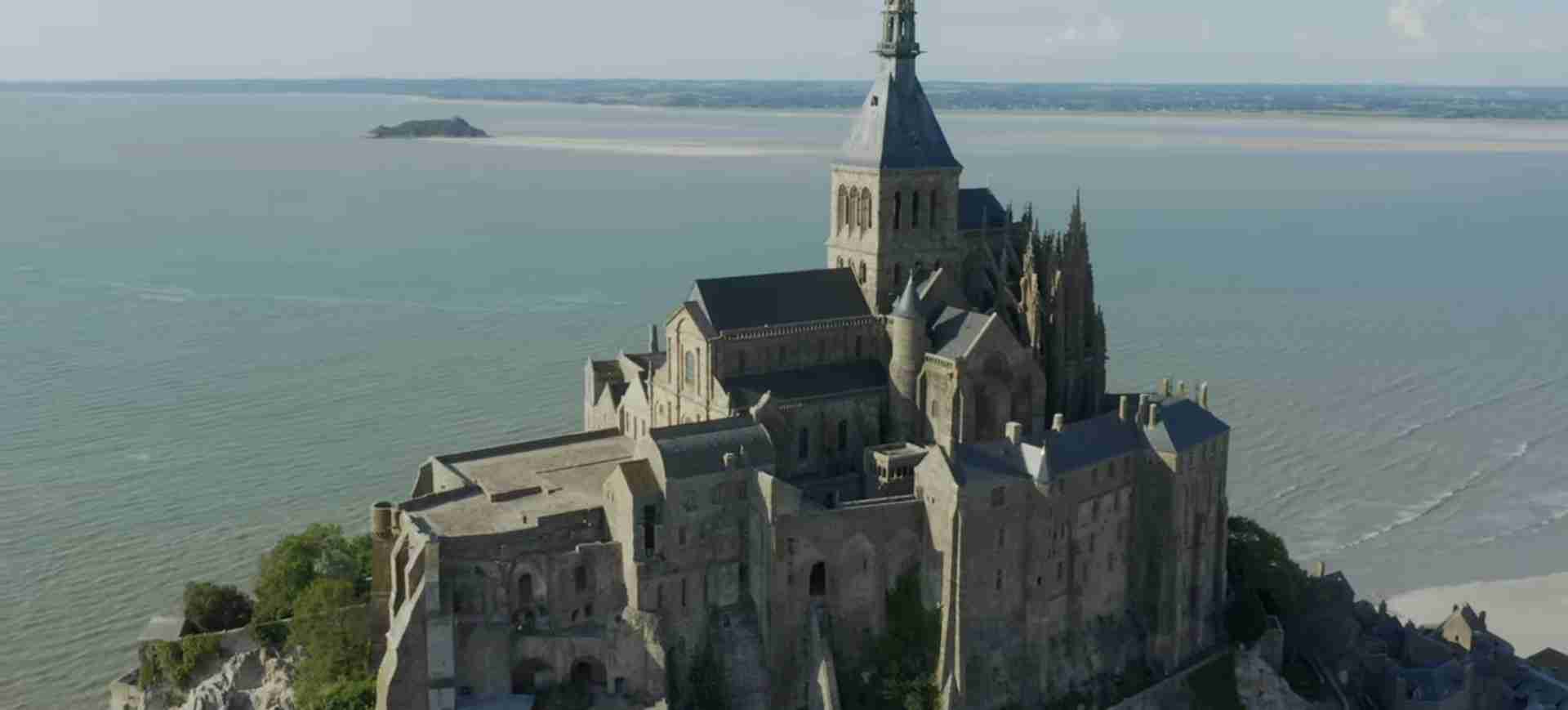
Mont Saint-Michel Budget Guide 2026: Complete Cost Breakdown
Key Takeaways
- Day Trip vs Overnight Costs 2026: Day trips from Paris cost €180-240 per person including transportation, abbey entry, and meals, while overnight stays range €280-450 including accommodation, enabling magical sunrise/sunset experiences without daily crowds.
- Abbey Admission 2026: Mont Saint-Michel Abbey tickets cost €14 for adults, €12 for young adults (18-25 EU residents), free for under-18s and under-26 EU residents, with audio guide included. Check mont-saint-michel.monuments-nationaux.fr for current official rates.
- Transportation Expenses 2026: Getting to Mont Saint-Michel requires strategic planning—shuttle buses from nearby towns cost €3-4.50, parking €14.70 daily, while organized tours from Paris range €65-150 depending on service level and group size.
- Accommodation Strategy 2026: Island hotels cost €280-450+ per night, mainland hotels 2-3km away charge €90-160, while nearby towns like Pontorson offer budget options at €65-95, requiring rental cars or taxis for access.
- Dining Economics: Island restaurants charge premium prices (€18-35 mains, €38-58 menus) due to limited competition and tourist captive audience, while mainland options in Beauvoir or Pontorson deliver 30-40% savings with similar quality French cuisine.
- Optimal Budget Balance 2026: Budget-conscious travelers minimize costs through day trips with packed lunches (€45-65 daily excluding transport), mid-range visitors overnight on mainland with restaurant dining (€140-200 daily), while luxury travelers experience island hotels and fine dining (€350-550+ daily).
Introduction: Planning Your Mont Saint-Michel Budget 2026
Mont Saint-Michel presents unique budgeting challenges combining UNESCO World Heritage significance, isolated island location, limited infrastructure, and intense tourism creating premium pricing dynamics. This Gothic abbey rising dramatically from tidal flats attracts over 2.5 million annual visitors to a medieval village originally housing religious communities rather than modern tourist infrastructure. The resulting budget landscape requires strategic planning balancing transportation logistics, accommodation location decisions, dining options, and timing considerations that collectively determine whether visits cost €45-65 for efficient day trips or €350-550+ for immersive overnight island experiences.
The fundamental budget decision involves day trip versus overnight stay. Day trips from Paris, Rennes, or other regional cities minimize accommodation costs while providing 4-6 hours exploring the abbey and village—sufficient for most visitors given the site’s compact 0.6-square-kilometer area. However, day trips compress experiences into midday peak hours when crowds reach maximum density, buses queue for shuttle access, and restaurants operate at capacity. Overnight stays enable sunrise and sunset experiences when crowds vanish, revealing the island’s medieval character. Morning visitors enter the abbey at opening before tour groups arrive, while evening strollers essentially have the ramparts to themselves. This magical atmosphere justifies overnight costs for travelers prioritizing depth over efficiency.
Transportation costs dominate Mont Saint-Michel budgets due to the site’s isolation. Located on the Normandy-Brittany border 360 kilometers west of Paris, 55 kilometers south of Saint-Malo, and 9 kilometers north of Avranches, Mont Saint-Michel lacks direct rail connections requiring combined train-bus journeys or private vehicles. Organized tours simplify logistics but add costs (€65-150 from Paris), while independent travel via rental car and parking fees (€14.70 daily) or regional bus connections (€3-15 depending on origin) provides flexibility at lower costs. The 2.5-kilometer causeway connecting the island to mainland parking requires free shuttle buses (operates 7:30 AM-midnight) that create bottlenecks during peak hours.
Seasonal timing dramatically affects both costs and experience quality. Summer (June-August) brings peak crowds (15,000+ daily visitors), highest accommodation rates, restaurant reservations essential, and parking lots filling by mid-morning. The island’s medieval streets, barely 2-3 meters wide in sections, become nearly impassable when thousands of visitors converge simultaneously. Spring (April-May) and autumn (September-October) offer moderate crowds, lower accommodation rates (20-30% below summer peaks), and comfortable weather. Winter (November-March) delivers lowest prices (30-40% below summer), minimal crowds, but shorter daylight hours, occasional closures during severe weather, and some restaurants closed seasonally. The spring tides (grandes marées), when water completely surrounds the island, occur 36-48 hours after full and new moons throughout the year, creating spectacular natural phenomena worth timing visits to witness.
People Also Ask About Mont Saint-Michel Budget 2026
How much does it cost to visit Mont Saint-Michel in 2026?
A day visit to Mont Saint-Michel costs €45-65 per person for budget-conscious travelers: abbey admission €14, shuttle bus free (parking €14.70 if driving or train/bus €15-25 if using public transport), packed lunch €8-12, coffee/snacks €6-8, souvenir crepe €5-7. Mid-range day visitors spending €85-120 add restaurant lunch (€25-38), more extensive shopping (€15-25), and perhaps guided tour (€15-20). These costs exclude transportation to the region—day trips from Paris via organized tours cost €65-150 round-trip, rental cars from Rennes cost €45-70 daily plus fuel (€20-30), while regional trains and buses range €25-55 round-trip depending on origin city. Overnight stays add accommodation: island hotels €280-450, mainland hotels €90-160, budget options in nearby towns €65-95. A complete overnight visit totals €280-450 budget (mainland accommodation, self-catering some meals), €420-650 mid-range (mainland hotel, restaurant dining, abbey tour), or €550-850+ luxury (island hotel, fine dining, premium experiences).
Is Mont Saint-Michel worth visiting in 2026?
Mont Saint-Michel ranks among Europe’s most iconic sites, combining spectacular Gothic architecture, dramatic tidal island setting, 1,300 years of religious history, and UNESCO World Heritage significance. The abbey’s soaring architecture, the medieval village’s atmospheric streets, the bay’s extraordinary tides (up to 15-meter range), and the panoramic views from ramparts create unforgettable experiences justifying the journey. However, the site suffers from intense tourism—summer crowds reaching 15,000+ daily visitors overwhelm the narrow medieval streets designed for populations of 50-100 monks and support staff. Budget travelers must weigh costs against their interest in medieval architecture, religious history, and dramatic landscapes. The abbey tour requires 1.5-2 hours, village exploration adds 1-2 hours, totaling 3-4 hours for thorough visits. For travelers already in Normandy or Brittany, Mont Saint-Michel provides essential regional context. For travelers making special trips from Paris or distant starting points, the journey’s time and expense requires genuine interest in medieval monastic architecture rather than casual sightseeing.
Can you visit Mont Saint-Michel for free in 2026?
The island village access costs nothing—visitors can walk the ramparts (exterior), explore the Grande Rue shops and restaurants, wander the medieval streets, and experience the tidal island setting without entrance fees. The abbey interior, containing the architectural masterpieces and historical significance, requires paid admission (€14 adults, €12 EU young adults 18-25, free under-18 and under-26 EU). The shuttle bus from mainland parking operates free, though parking costs €14.70 for up to 24 hours (cars must move after 24 hours or pay additional daily fees). Free experiences include viewing the island from mainland vantage points (spectacular perspectives from the dam causeway), walking the bay at low tide with certified guides (guide fees €8-12 but bay access free), and attending religious services at the parish church (separate from abbey). Budget travelers can experience Mont Saint-Michel’s essential character through village exploration, rampart views, and exterior appreciation for minimal cost, though missing the abbey interior means foregoing the Gothic architecture and medieval spaces that constitute the site’s primary significance.
What is the best way to get to Mont Saint-Michel in 2026?
The optimal transportation depends on starting location and budget priorities. From Paris, organized day trip tours (€65-150) provide simplest logistics: round-trip coach, abbey entrance, guided commentary, departing Paris 7-7:30 AM, returning 9-10 PM, totaling 14-15 hour days with 4-5 hours at Mont Saint-Michel. These tours eliminate planning but compress experiences into midday crowds. Independent travelers using rental cars gain flexibility: rent in Paris or regional cities (Rennes, Caen), drive 3-4 hours, park at designated lots (€14.70), take free shuttle. Car rental costs €45-90 daily plus fuel €25-40 round-trip from Paris. Public transport combines trains and buses: Paris to Rennes via TGV (2.5 hours, €35-75), then bus Rennes to Mont Saint-Michel (75 minutes, €15 one-way via FlixBus or Breizh Go). From regional bases like Rennes, Saint-Malo, or Caen, rental cars or buses provide economical access. The key consideration involves trading convenience (organized tours) against flexibility and cost (independent travel) based on comfort with French regional transport and desire to control timing.
Extended multi-day tours – 5+ days
Featured Mont Saint Michel Multi-Day Tour Packages
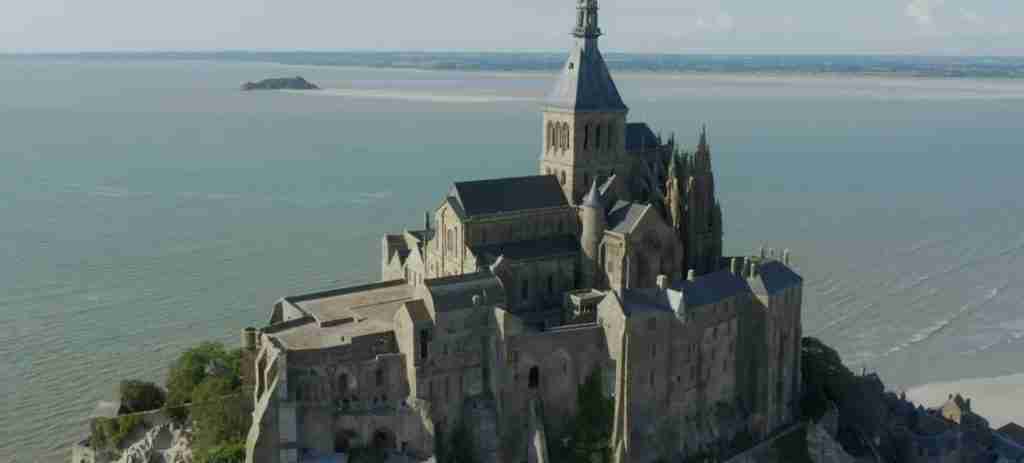
3 days
Mont Saint Michel 3-Day Discovery Tour
- ✓ Comprehensive Mont Saint Michel experience
- ✓ Expert local guides included
- ✓ All accommodation included
- ✓ Transportation provided
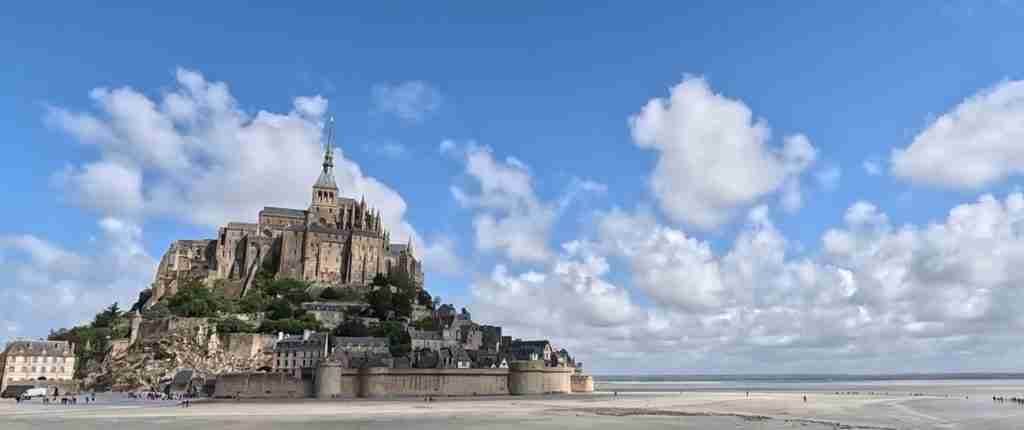
5 days
Mont Saint Michel 5-Day Highlights Experience
- ✓ Comprehensive Mont Saint Michel experience
- ✓ Expert local guides included
- ✓ All accommodation included
- ✓ Transportation provided
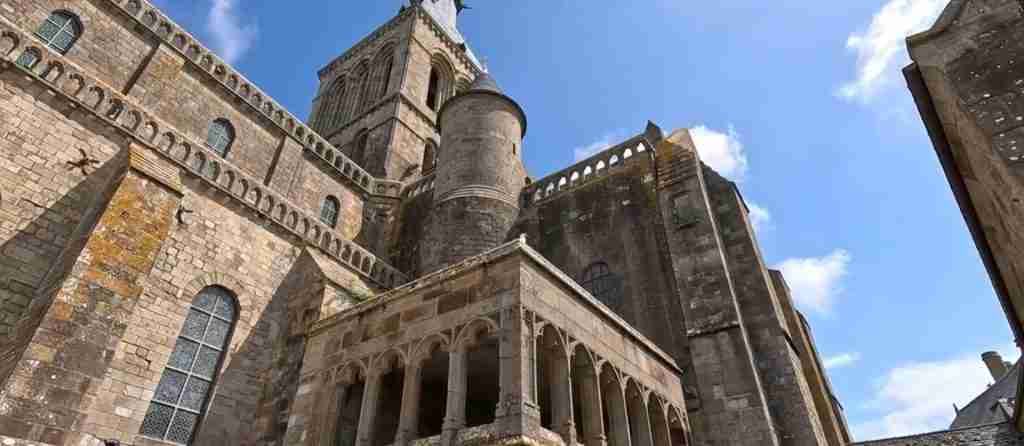
7 days
Mont Saint Michel 7-Day Cultural Journey
- ✓ Comprehensive Mont Saint Michel experience
- ✓ Expert local guides included
- ✓ All accommodation included
- ✓ Transportation provided
10 days
Mont Saint Michel 10-Day Complete Adventure
- ✓ Comprehensive Mont Saint Michel experience
- ✓ Expert local guides included
- ✓ All accommodation included
- ✓ Transportation provided
Multi-day tour packages powered by TourRadar. Prices and availability subject to change.
Essential Planning Information 2026
Understanding Mont Saint-Michel Cost Structure 2026
Mont Saint-Michel’s unique economics stem from geographic isolation and tourism intensity creating captive market dynamics. The island contains just 30 permanent residents (down from 50+ historically), with most buildings operating as hotels, restaurants, or souvenir shops serving tourist economy. This commercial concentration eliminates competition—visitors eat where available or carry food from mainland. Restaurant prices reflect both premium tourist positioning and operational costs transporting supplies across the causeway. The three island hotels charge premium rates justified by location exclusivity, historical buildings, and limited inventory (approximately 60 total rooms). Mainland commercial development along D976 highway offers standard French provincial pricing more favorable to budget travelers.
The abbey admission (€14 adults) represents France’s Monuments Nationaux standard museum pricing, not premium tourist markup. However, the audio guide included with admission adds value—the self-guided tour provides 1.5-2 hours of architectural and historical commentary explaining the complex’s construction phases, monastic life, and architectural innovations. The abbey represents Mont Saint-Michel’s primary attraction—visitors not entering the abbey miss the Gothic Merveille, the Romanesque church, the cloister, and the refectory that justify the site’s UNESCO designation and cultural significance.
Seasonal Budget Considerations 2026
Summer (June-August) peak season creates maximum costs: island hotels €380-550+, mainland hotels €140-220, restaurant wait times 30-60 minutes during lunch hours, parking lots filled by 10-11 AM on weekends. The crowds reach problematic levels—the Grande Rue becomes shoulder-to-shoulder human traffic, abbey tours involve constant queuing, and the island loses atmospheric medieval character when overwhelmed by thousands of visitors. However, summer provides longest daylight hours (sunset after 10 PM in June), guaranteed weather for bay walks, and full service availability with all restaurants operating.
Shoulder seasons (April-May, September-October) deliver optimal value: accommodation costs drop 20-30%, crowds moderate significantly (weekdays often manageable), weather remains generally favorable though less predictable, and the island regains character with breathing room in medieval streets. These periods suit budget travelers prioritizing value and experience quality over guaranteed weather. Some restaurants reduce hours or close weekdays during shoulder season—confirm dining options before visiting.
Winter (November-March) offers lowest costs: island hotels €240-380 (40% below summer peaks), mainland hotels €75-120, minimal crowds except Christmas/New Year periods, and authentic atmosphere with locals outnumbering tourists. The trade-offs include short daylight hours (sunset by 5:30 PM December-January), occasional closures during severe storms, cold temperatures requiring warm layers, and reduced restaurant hours with some establishments closed entirely January-February. The spring tides become more dramatic in winter storms, creating spectacular wave conditions and water surrounding the island—scenic but limiting bay walks.
Free Shuttle and Parking System 2026
All visitors park at designated mainland facilities 2.5 kilometers from the island, then take free shuttle buses operating 7:30 AM-midnight (extended to 1 AM during summer). Parking costs €14.70 for up to 24 hours regardless of vehicle size, paid at automated kiosks accepting credit cards (ticket required for exit). The shuttles run every 10-15 minutes during daytime, reducing to 20-30 minute intervals during early morning and evening. Journey time reaches approximately 12 minutes. Alternatively, the walking/cycling path parallels the shuttle route—the 2.5-kilometer walk takes 30-35 minutes providing exercise and perspectives unavailable from buses. The final 280 meters crosses the footbridge with excellent photo opportunities of the island from multiple angles.
Disabled visitors and overnight hotel guests can drive directly to the island’s parking area (limited spaces, requires advance reservation through hotels, costs €28 beyond standard parking fees). This privileged access provides door-to-door service but loses the anticipatory approach crossing the causeway with the island growing larger ahead.
Getting to Mont Saint-Michel Transportation Costs 2026
From Paris Options 2026
Organized day tours from Paris provide comprehensive packages: coach round-trip, abbey entrance, guided tour, departing Paris 7-7:30 AM from central locations, returning 9-10 PM. Economy tours cost €65-95 (large coaches, basic commentary, independent abbey exploration), mid-range tours €110-140 (smaller groups, expert guides, structured abbey tours), premium tours €135-180 (deluxe coaches, maximum 20 participants, extended commentary, sometimes including lunch). Book through platforms like GetYourGuide, Viator, or tour operator direct websites. These tours eliminate logistics but constrain timing and compress visits into midday crowd peaks.
Independent train-bus combinations cost less with more complexity: Paris Montparnasse to Rennes via TGV (2 hours 15 minutes, €35-75 depending on advance booking and flexibility), then Rennes to Mont Saint-Michel via Breizh Go or FlixBus (75 minutes, €15 one-way, 3-4 buses daily). Total transport costs €50-90 round-trip plus full day travel time (depart Paris 7-8 AM, arrive Mont Saint-Michel 11 AM-noon, depart Mont Saint-Michel 5-6 PM, return Paris 10-11 PM). This option suits budget travelers comfortable with French regional transport and provides more control over timing than organized tours.
Rental car from Paris costs €50-85 daily (economy manual transmission), €70-120 (automatic or larger vehicles), plus fuel €25-40 round-trip (approximately 720 kilometers total), tolls €35-45, parking at Mont Saint-Michel €14.70. Total driving costs €125-210 providing maximum flexibility: depart Paris when desired, stop at Norman towns en route (Honfleur, Bayeux, etc.), control Mont Saint-Michel timing. The 3.5-4 hour drive each direction requires comfort with French highways, GPS navigation, and rural driving.
From Regional Cities 2026
From Rennes (55 kilometers): Breizh Go bus direct service costs €15 one-way (75 minutes, 3-4 daily departures), rental car €35-60 daily plus fuel €10-15, taxi €110-140 each direction. The bus provides most economical option for travelers already based in Rennes using the city as Brittany exploration hub.
From Saint-Malo (55 kilometers): Seasonal bus services operate summer months (€15-18 round-trip, 75 minutes), rental car €35-60 daily plus fuel €10-15, taxi €120-150 each direction. Many travelers combine Mont Saint-Michel with Saint-Malo visits as both destinations cluster in Brittany-Normandy border region.
From Caen (120 kilometers): No direct bus service requires connections through Pontorson or rental car €40-70 daily plus fuel €18-25. From Bayeux (110 kilometers): Similar situation requiring car or complex bus connections. These Norman cities work better as overnight bases with rental cars enabling flexible exploration of D-Day beaches, Bayeux Tapestry, and Mont Saint-Michel as day trips from central accommodation.
Local Transportation from Nearby Towns 2026
Pontorson, the nearest town (9 kilometers south), serves as budget accommodation base with several hotels and bus connections. The bus from Pontorson train station to Mont Saint-Michel costs €3 (15 minutes, coordinated with train arrivals), taxis charge €25-35 one-way. However, Pontorson offers limited dining and minimal tourist infrastructure—it functions primarily as transportation junction rather than destination. Budget travelers basing here trade cost savings (hotels €65-95 versus €90-160 mainland Mont Saint-Michel area) against inconvenient location requiring taxis or bus coordination.
Beauvoir (3 kilometers south) along D976 highway contains several hotels, restaurants, and services walkable to Mont Saint-Michel parking area (45-minute walk or short taxi €8-12). This location provides best balance for travelers without cars: walking distance to the island, restaurant variety, mid-range accommodation (€90-140), and reasonably authentic Norman character beyond pure tourist orientation.
Accommodation Costs and Strategies 2026
Island Hotels 2026
Three hotels operate on Mont Saint-Michel island commanding premium pricing for exclusive location enabling after-hours island access when day visitors depart. Auberge Saint-Pierre charges €180-280 for standard rooms, €280-380 for superior rooms and suites, occupies 15th-century building with period character and rustic charm. La Mère Poulard costs €280-420 for traditional rooms featuring Norman décor, operates famous ground-floor restaurant (the omelet tourist institution), provides full island-life immersion. Hotel Gabriel costs €240-380 for contemporary rooms in historic building, includes breakfast, offers modern amenities within medieval setting. All three provide atmospheric experiences: waking to empty medieval streets, evening rampart walks without crowds, sunrise over the bay, and privileged access making overnight stay feel like time travel to medieval pilgrimage era.
The premium pricing reflects limited inventory (approximately 60 total island rooms), operational costs (all supplies transported across causeway), prime location, and captive market dynamics. However, the experience quality justifies costs for travelers prioritizing immersive overnight stays over day trip efficiency. Book 2-4 months ahead for summer dates, 4-8 weeks for shoulder season. Winter rates drop to €180-280 providing relative value for magical winter atmosphere.
Mainland Accommodation 2026
Hotels along D976 highway within 2-3 kilometers of Mont Saint-Michel parking offer conventional lodging at moderate prices. Hotel Le Relais du Roy (Beauvoir) charges €110-160 for comfortable rooms, includes breakfast, operates restaurant, provides free parking. Le Relais Saint-Michel costs €95-145 for modern rooms with Mont Saint-Michel views across fields, includes pool, delivers excellent value. Hotel Gabriel (mainland property) charges €90-130 for reliable accommodation. Mercure Mont Saint-Michel costs €120-180 for chain hotel comfort and consistency.
These hotels suit budget-conscious overnight visitors wanting morning/evening Mont Saint-Michel access without island premium pricing. The locations require either walking 45-60 minutes to parking area or short taxi rides (€8-15). Most operate restaurants eliminating need to return to the island for dinner. Advance booking 4-8 weeks recommended for summer, 2-3 weeks for shoulder season.
Budget Accommodation Options 2026
Pontorson hotels provide basic budget accommodation: Hotel Ariane charges €65-95 for simple rooms, includes breakfast, maintains adequate comfort. Hotel de Bretagne costs €60-85 for budget rooms with basic amenities. These options suit extreme budget travelers prioritizing cost over convenience, though the 9-kilometer distance requires bus or taxi coordination. The town offers limited dining beyond hotel restaurants—travelers may prefer bringing supplies from larger towns.
Camping municipal La Lande (Beauvoir) operates April-October charging €18-25 per pitch plus €5-8 per person, totaling €28-40 for two-person stays with tent. The campground provides basic facilities (showers, toilets, electrical hookups) 2 kilometers from Mont Saint-Michel. This suits budget travelers with camping equipment or vans comfortable with outdoor accommodation. The campground lacks atmosphere or services but delivers maximum cost efficiency.
Airbnb rentals in nearby villages (Pontorson, Beauvoir, Servon) range €60-100 for studios or rooms, €90-150 for full apartments or houses. These work well for groups or extended stays enabling self-catering, though requiring rental cars or taxi coordination for Mont Saint-Michel access. Weekend minimums and cleaning fees can increase effective nightly rates.
Accommodation Booking Strategies 2026
Book island hotels 2-4 months ahead for July-August, 6-10 weeks for shoulder season. Mainland hotels require shorter lead times: 4-6 weeks summer, 2-3 weeks shoulder season. Winter booking can wait until 1-2 weeks ahead except Christmas/New Year demanding 2-3 month advance reservations. The spring tide (grandes marées) weekends attract photographers and nature enthusiasts—book 6-8 weeks ahead when visiting specifically for tidal phenomena.
Comparison shopping across Booking.com, Hotels.com, and hotel direct websites reveals occasional rate differences. Island hotels rarely discount (limited inventory sells consistently), but mainland properties sometimes offer lower rates direct versus booking platforms. Free cancellation options provide flexibility adjusting plans as travel dates approach.
Dining and Food Costs 2026
Island Restaurant Pricing 2026
Mont Saint-Michel island restaurants charge premium prices reflecting tourist demand, limited competition, and operational costs. La Mère Poulard, famous for theatrical omelet preparation, charges €38-58 for prix fixe menus, €18-32 for individual omelets, €22-38 for main courses. The spectacle (eggs whisked in copper bowls over open fires) creates memorable experience but delivers ordinary food at extraordinary prices. Restaurant Le Saint-Michel costs €25-35 for mains, €38-52 for menus, serves traditional Norman cuisine (seafood, lamb, cream sauces). Crêperie La Sirène charges €8-15 for sweet crepes, €12-18 for savory galettes—better value than full restaurants but still tourist-inflated.
Most island restaurants focus on volume rather than quality given captive tourist audience. The food quality ranges from acceptable to mediocre at prices 30-50% above equivalent mainland restaurants. However, dining on the island contributes to atmospheric experience, particularly for overnight guests eating after day visitors depart. Lunch reservations prove essential July-August (30-60 minute waits without reservations), while dinner requires reservations at better establishments.
Budget strategy: eat lunch off-island (packed picnic or mainland restaurant before/after visit), reserve island dining for single memorable dinner if staying overnight, focusing on atmosphere over culinary excellence.
Mainland Dining Options 2026
Restaurants in Beauvoir and along D976 provide better value: La Ferme Saint-Michel charges €16-24 mains, €28-38 menus, delivers solid Norman cuisine at fair prices. Le Relais du Roy restaurant costs €18-28 mains, €32-42 menus, serves refined cooking utilizing regional ingredients. Restaurant Les Terrasses Poulard (mainland location, separate from island operation) charges €15-22 mains, offers views toward Mont Saint-Michel from dining room.
These mainland establishments deliver similar food quality to island restaurants at 25-35% lower costs. The locations require short drives or taxis from Mont Saint-Michel parking (€8-12), but savings offset transportation costs for budget-conscious travelers. Many mainland hotels operate restaurants serving guests and public providing convenient dining without returning to island.
Budget Dining Strategies 2026
Packed lunches minimize food costs: purchase supplies at supermarkets in Rennes, Saint-Malo, or other larger towns before arriving Mont Saint-Michel area. Picnic components cost €8-15: baguette €1.50-2, cheese €4-6, charcuterie €4-6, fruit €2-3, bottle of water €1-2. Consume on the dam causeway benches overlooking the bay, or in designated picnic areas at parking lots. This strategy works perfectly for day visitors focusing budgets on abbey admission rather than overpriced restaurants.
The island contains small shops selling takeaway items: sandwiches €6-9, crepes €6-10, ice cream €4-7. These provide quick snacks avoiding full restaurant meals. However, the picnic strategy delivers better value and quality purchasing supplies at mainland supermarkets.
For overnight visitors, dining at mainland hotel restaurants provides best value: many include breakfast (saving €12-18 versus island hotel breakfasts or cafés), offer dinner packages (fixed-price menus €28-38), and eliminate logistics returning to island for evening meals. Budget overnight strategies combine hotel breakfast, packed island lunch, mainland hotel dinner keeping daily food costs at €40-55 versus €70-95 dining entirely on the island.
Abbey and Attraction Costs 2026
Mont Saint-Michel Abbey Admission 2026
The abbey entrance costs €14 for adults, €12 for EU residents ages 18-25, free for under-18s and EU residents under-26. These rates apply year-round for individual visitors (check mont-saint-michel.monuments-nationaux.fr for current official rates as pricing may vary). The admission includes audio guide in multiple languages providing 1.5-2 hour self-guided tour through the Romanesque church, Gothic Merveille, cloister, refectory, knights’ hall, and multiple levels revealing the architectural complexity built over 700 years. The audio guide proves essential—the abbey’s complex history and architectural innovations require explanation to appreciate fully.
Guided tours (included with admission) operate at scheduled times in French, English, and other languages. These 45-minute tours provide expert commentary but less flexibility than self-guided audio tours. Most visitors prefer audio guides enabling personal pacing through spaces at individual interest levels.
The abbey represents Mont Saint-Michel’s primary attraction—visitors not entering miss the Romanesque crypts, Gothic spaces, architectural innovations, and historical context that justify the site’s fame. Budget travelers should prioritize abbey admission over island restaurant dining when allocating limited funds.
Additional Paid Attractions 2026
The Archéoscope costs €9 for multimedia presentation (25 minutes) explaining Mont Saint-Michel’s construction, medieval life, and tidal phenomena. The production quality proves basic—most visitors find the abbey audio guide sufficient without additional multimedia experiences. The Musée Historique charges €9 for collection of artifacts, prison cells, and historical displays—interesting but not essential given the abbey provides superior historical context.
The parish church (separate from abbey) offers free admission for religious services and self-guided visits. This small church serves the island’s tiny residential community maintaining Catholic worship traditions. The logis Tiphaine (medieval dwelling) costs €4 for self-guided visits showing 14th-century domestic architecture—worthwhile for medieval architecture enthusiasts, skippable for general visitors on limited budgets or time.
Bay Walks with Guides 2026
Walking the bay at low tide requires certified guides due to quicksand risks, tidal currents, and fog conditions. Official guide services cost €8-12 per person for 2-3 hour guided walks exploring the sand flats, explaining the tidal phenomena, and approaching Mont Saint-Michel from the bay. These walks provide unique perspectives and natural history education appealing to nature-focused travelers. However, they require coordination with tide schedules (only possible 2-3 hours before low tide, returning before waters return), appropriate footwear (participants walk barefoot in mud and water), and reasonable fitness (walking in soft sand proves tiring). Book through official guide associations or tourism offices.
Sample 2026 Budget Breakdowns
Budget Day Trip from Rennes: 2026 Costs
Transportation: Rennes to Mont Saint-Michel bus €15 each direction = €30 round-trip
Daily Costs:
Abbey admission €14, packed lunch brought from Rennes €10, coffee/crepe snack €8, souvenir €12, water bottle €2. Total day cost: €46 per person (excluding round-trip bus €30).
Complete Day Trip Total: €30 transport + €46 island costs = €76 total per person
Mid-Range Day Trip from Paris: 2026 Costs
Transportation: Organized day tour €120 including coach and abbey entrance
Daily Costs:
Tour already includes transportation and abbey entry, island lunch €28, coffee/snacks €10, souvenirs €18. Total day cost: €56 per person (excluding tour €120).
Complete Day Trip Total: €120 tour + €56 additional costs = €176 total per person
Budget Overnight Stay Mainland Hotel: 2026 Costs
Accommodation: Mainland hotel €110 per night (double room), per person = €55
Day 1 Costs:
Rental car from Rennes €45, fuel €12, Mont Saint-Michel parking €14.70, abbey admission €14, packed lunch €10, hotel dinner €32, snacks/coffee €8. Total: €135.70 shared costs + €64 individual = €67.85 per person + €55 accommodation = €122.85 per person including accommodation.
Day 2 Costs:
Hotel breakfast €12, bay walk guided tour €10, packed lunch €10, coffee €4. Total: €36 per person (excluding accommodation).
2-Day Budget Overnight Total: €55 accommodation night 1 + €122.85 day 1 costs + €36 day 2 costs = €213.85 per person (car costs shared between 2 travelers)
Luxury Island Hotel Overnight: 2026 Costs
Accommodation: Island hotel €360 per night, per person = €180
Day 1 Costs:
Rental car from Paris €80, fuel €35, tolls €40, Mont Saint-Michel parking €14.70 (all shared), island lunch €38, abbey admission €14, afternoon coffee/crepe €12, island dinner €65, wine €25. Total: €84.85 shared costs + €154 individual = €42.43 shared + €154 individual = €196.43 per person (excluding accommodation).
Day 2 Costs:
Hotel breakfast €22, bay walk guide €12, island lunch €35, departure coffee/pastry €8. Total: €77 per person (excluding accommodation).
2-Day Luxury Overnight Total: €180 accommodation + €196.43 day 1 costs + €77 day 2 costs = €453.43 per person
Money-Saving Strategies for 2026
Transportation Cost Optimization 2026
Independent travel via regional trains and buses costs 30-50% less than organized tours from Paris but requires comfort with French transport systems. The Paris-Rennes TGV purchased 2-3 months ahead costs €35-45 (versus €65-90 last-minute), combined with Rennes-Mont Saint-Michel bus (€15), totals €50-60 versus €65-150 organized tours. The time investment increases (full day travel versus half-day on tours), but budget travelers comfortable with independent logistics save substantially while gaining flexibility over timing.
For groups of 3-4 travelers, rental cars deliver better value than multiple bus/train tickets: daily rental €50-70 plus fuel €25-35 totals €75-105 split four ways equals €18.75-26.25 per person versus €50-90 each via public transport. The car provides flexibility stopping at intermediate destinations (Bayeux Tapestry, D-Day beaches, Norman villages), controlling departure and arrival times, and carrying picnic supplies from supermarkets reducing food costs.
Visiting Mont Saint-Michel as day trip from nearby regional cities (Rennes, Saint-Malo, Caen) rather than from Paris eliminates 6-8 hours transport time and €50-120 additional costs. Budget itineraries might allocate 2 nights Rennes or Saint-Malo (excellent bases for exploring Brittany), day-trip to Mont Saint-Michel (€30-45 transport), and explore surrounding region maintaining reasonable daily budgets impossible when making isolated Mont Saint-Michel trips from Paris.
Accommodation Location Strategy 2026
Mainland hotels 2-3 kilometers from Mont Saint-Michel cost €90-160 versus island hotels €280-450, saving €190-290 nightly. The overnight experience differs significantly—mainland stays trade magical after-hours island access for substantial cost savings. Budget-conscious travelers prioritizing cost over romance find mainland hotels deliver adequate comfort and convenience. The morning walk or short taxi to parking area (€8-12) adds minor costs but substantially less than island hotel premiums.
Pontorson hotels cost €65-95 versus mainland Mont Saint-Michel area hotels €90-160, saving €25-65 nightly. However, the 9-kilometer distance requires bus coordination (€3 each way, limited schedule) or taxis (€25-35 each direction). The savings prove marginal after transport costs, and Pontorson’s limited infrastructure (few restaurants, no atmosphere) makes mainland hotels near Mont Saint-Michel better overall value despite higher base rates.
For winter visits, island hotels drop to €180-280 (versus €380-550+ summer), narrowing the premium to €90-160 over mainland hotels. Winter travelers finding €180-280 rates acceptable can experience island overnight stays at costs approaching mid-range budgets during peak season. The winter atmosphere—minimal crowds, dramatic winter light, empty medieval streets—creates arguably superior experiences despite shorter daylight and colder weather.
Dining Cost Management 2026
Packed lunches purchased at mainland supermarkets (Rennes, Saint-Malo, or en route) cost €8-15 versus island restaurant meals at €25-45. Weekly travelers save €119-210 over seven days dining through picnic strategies. Purchase supplies at large supermarkets (Carrefour, Leclerc, Intermarché) before entering Mont Saint-Michel area—the small shops in Beauvoir and Pontorson charge 20-30% premiums over urban supermarket pricing.
For overnight visitors, dining at mainland hotel restaurants rather than returning to the island for dinner saves €15-25 per person. Many hotels offer dinner packages or fixed-price menus at €28-38 including service, equivalent to island restaurant prices but superior food quality and easier logistics. The mainland hotels also include breakfast (€12-18 value) reducing morning costs.
The food strategy for budget overnight stays: hotel breakfast, packed island lunch, hotel dinner. This approach totals €40-55 daily food costs versus €70-95 dining entirely on island, saving €210-280 weekly. The trade-off involves missing atmospheric island dining, but budget-conscious travelers prioritize financial efficiency over ambiance.
Seasonal Timing for Value 2026
Visiting November through March (excluding Christmas/New Year) reduces accommodation costs by 30-45%: island hotels drop to €180-300 (versus €380-550+ summer), mainland hotels €70-110 (versus €140-220 summer). A two-night stay saves €220-380 winter versus summer. The weather averages 5-12°C with occasional rain requiring warm layers and waterproof gear, but Mont Saint-Michel’s compact size and primarily indoor abbey visit enable comfortable exploration. Winter light creates dramatic photography conditions, while minimal crowds reveal authentic medieval character impossible during summer crush.
Shoulder season (April-May, September-October) balances moderate costs with optimal weather: accommodation prices 15-25% below summer peaks, manageable crowds (weekdays particularly), comfortable temperatures 12-18°C, and full service availability. These periods deliver best overall value for travelers flexible with travel dates. Book 4-8 weeks ahead for shoulder season securing favorable rates before last-minute demand drives prices upward.
Abbey Admission Optimization 2026
EU residents under 26 receive free abbey admission (bring passport or national ID for verification at entrance), saving €14 per visit. Families with children under 18 benefit from free admission for young members, reducing family costs substantially. Teachers and art/architecture students sometimes qualify for professional admission reductions—inquire at ticket office with proper documentation.
The first Sunday of November through March offers free abbey admission (verify this policy as it may change). Timing winter visits for first Sundays saves €14 per person, partially offsetting travel costs for budget-conscious travelers. However, first Sundays can create moderate crowding even in winter as locals and regional visitors exploit free admission.
Planning Your 2026 Mont Saint-Michel Visit
Day Trip vs Overnight Decision Framework 2026
Day trips make sense for travelers on tight budgets (saving €110-350 accommodation costs), those prioritizing quantity over depth (checking UNESCO sites efficiently), visitors already spending significant time elsewhere in France, and travelers uncomfortable with overnight stays in isolated locations. Day trips provide adequate time experiencing the abbey and village (3-4 hours sufficient for thorough visits), work well combining with other Norman or Breton destinations as multi-stop itineraries, and eliminate accommodation booking complexity.
Overnight stays justify costs for travelers valuing depth over efficiency (experiencing the island’s transformation from crowded tourist site to atmospheric medieval village), photography enthusiasts capturing sunrise/sunset/night scenes impossible during day visits, romantic couples seeking memorable experiences, and visitors specifically focused on Mont Saint-Michel as primary destination. Overnight stays enable bay walks timed with optimal tides, multiple abbey visits (perhaps evening and morning for different lighting), and unhurried exploration at personal pace without day trip time pressures.
Advance Planning Essentials 2026
Book organized tours from Paris 4-8 weeks ahead for summer dates, 2-4 weeks for shoulder season. Independent travelers should reserve rental cars 2-3 weeks ahead (earlier for July-August when inventory tightens), particularly automatic transmissions which cost more and book faster than manual options. Purchase TGV train tickets 2-3 months before travel for best rates—SNCF releases advance purchase fares 90 days ahead, with cheapest fares selling quickly for popular routes.
Island hotel reservations require 2-4 months advance booking for summer, 6-10 weeks shoulder season, 2-4 weeks winter (except Christmas/New Year requiring 2-3 months). Mainland hotels need shorter lead times: 4-6 weeks summer, 2-3 weeks shoulder season, 1-2 weeks winter. Restaurant reservations prove essential at popular island establishments during summer—book 1-2 weeks ahead for La Mère Poulard and other tourist favorites.
Budget Contingency Planning 2026
Build 15-20% budget contingency for unexpected expenses: weather-related costs (rain gear if forgot to pack, warm layers for colder-than-expected conditions), spontaneous opportunities (guided bay walk decided on arrival, additional souvenir purchases), or timing miscalculations (missing shuttle requiring taxi, extra meals if stayed longer than planned). Mont Saint-Michel’s isolated location and tourist-focused economy create fewer alternatives when plans change—having financial buffer prevents stress when adjustments prove necessary.
Frequently Asked Questions
How much time should I spend at Mont Saint-Michel in 2026?
Most visitors find 3-4 hours sufficient for thorough Mont Saint-Michel exploration: 1.5-2 hours for complete abbey tour with audio guide, 45-60 minutes for village wandering including ramparts walk, 30-45 minutes for shopping and refreshments. Day trip itineraries should allocate 4-5 hours total accounting for shuttle waits, lunch, and relaxed pacing. Overnight visitors enjoy 8-12 hours over evening and morning, enabling sunset views, empty-island exploration after day visitors depart, sunrise photography, unhurried abbey revisit in different lighting, and bay walks. The island’s 0.6-square-kilometer area limits extended exploration—visitors spending full days exhaust available experiences unless deeply passionate about medieval architecture, photography, or simply contemplative presence in historical environments.
Can I drive to Mont Saint-Michel island in 2026?
Private vehicles cannot drive to the island except disabled visitors and overnight hotel guests with advance reservations (limited spaces, €28 fee beyond standard parking). All other visitors park at mainland facilities 2.5 kilometers away (€14.70 for up to 24 hours), then take free shuttle buses (7:30 AM-midnight, every 10-15 minutes) or walk the footpath (30-35 minutes). The system eliminated vehicle traffic from the causeway and island enabling pedestrian safety and preserving medieval character. The walking option provides excellent perspectives and photo opportunities of the island growing larger during approach, though shuttle convenience appeals to most visitors, particularly those with limited mobility or carrying luggage for overnight stays.
Is Mont Saint-Michel crowded in 2026?
Summer months (June-August) bring severe crowding: 10,000-15,000 daily visitors overwhelm the narrow medieval streets (2-3 meters wide in sections) creating shoulder-to-shoulder human traffic during midday peak hours (11 AM-4 PM). Weekends prove worse than weekdays, with Saturday crowds reaching maximum intensity. The abbey queues extend 20-30 minutes during peak summer periods, while restaurants impose 45-60 minute waits without reservations. Spring (April-May) and autumn (September-October) deliver manageable crowds, particularly weekdays, though popular weekends still experience significant visitor numbers. Winter (November-March) brings minimal crowds (2,000-5,000 daily) enabling comfortable exploration, though some services close and weather requires appropriate clothing. For crowd-averse travelers, visiting November-March weekdays, or overnight stays enabling early morning/evening exploration provide best experiences.
What is the best time to visit Mont Saint-Michel in 2026?
The optimal timing balances weather, crowds, costs, and natural phenomena. April-May and September-October shoulder seasons deliver best overall balance: comfortable temperatures 12-18°C, moderate crowds (especially weekdays), accommodation costs 20-30% below summer peaks, full service availability, and favorable photography light. For experiencing the spring tides (grandes marées) when water completely surrounds the island, visit 36-48 hours after full or new moons—consult tide tables for specific dates. For minimal crowds and lowest costs, November-March provides authentic atmosphere with locals outnumbering tourists, though short daylight hours (sunset by 5:30 PM in winter) and cold weather (5-10°C average) require appropriate expectations. Summer (June-August) offers longest daylight and guaranteed weather but maximum crowds and highest costs.
Can you walk around Mont Saint-Michel in 2026?
The outer ramparts path circumnavigates the island enabling complete 360-degree walking circuit (approximately 1 kilometer, 20-25 minutes leisurely pace) with spectacular bay views from all angles. This walk costs nothing—access remains free without abbey admission. The ramparts path includes medieval defensive walls, towers, and gates revealing the island’s military architecture alongside its religious functions. The interior streets—Grande Rue and smaller passages—enable exploration of the village independent of abbey entry, including souvenir shops, restaurants, and medieval dwellings converted to commercial uses. The complete island surface (excluding private abbey interior) requires 45-60 minutes thorough walking exploration. Visitors not entering the abbey can still experience substantial Mont Saint-Michel character through ramparts circuit and village wandering at minimal cost (only parking €14.70 or shuttle bus fare if arriving via public transport).
Do I need advance tickets for Mont Saint-Michel abbey in 2026?
Advance online tickets prove unnecessary—visitors purchase admission at abbey entrance without significant queues except during absolute peak summer hours (July-August weekends 11 AM-2 PM when waits reach 20-30 minutes). However, the abbey never sells out or limits daily admissions, so visitors arriving any time gain entry after queueing if necessary. Some organized tours from Paris include abbey entrance in package pricing (verify when booking), while independent travelers purchase tickets at entry. Credit cards receive universal acceptance at ticket windows. Families with children under-18 or EU residents under-26 should bring appropriate ID documentation (passport, national ID) for free admission verification. The ticket price (€14 adults) includes audio guide automatically—visitors receive devices at entry point after ticket purchase.
What should I bring to Mont Saint-Michel in 2026?
Essential items include comfortable walking shoes (cobblestone streets and abbey stairs require sturdy footwear with good traction), layers for variable weather (even summer days can start cool and windy on exposed island), rain jacket or umbrella (Normandy weather changes rapidly), reusable water bottle (fountains available for refilling, reducing €3-4 water purchase costs), small backpack for picnic supplies and purchases, sunscreen and sunglasses for bay exposure, camera/phone with fully charged battery (bring power bank as charging facilities limited), and headphones for abbey audio guide (own headphones more comfortable than provided earpieces). Day visitors should bring packed lunch to avoid overpriced island restaurants. Overnight visitors need standard overnight supplies plus comfortable clothes for evening/morning island exploration. Bay walk participants need footwear that can get muddy/wet and can walk barefoot if joining guided bay excursions.
Are there hotels on Mont Saint-Michel island in 2026?
Three hotels operate on Mont Saint-Michel island: Auberge Saint-Pierre (€180-380), La Mère Poulard (€280-420), and Hotel Gabriel (€240-380). These provide approximately 60 total rooms offering exclusive access to the island after day visitors depart (last shuttle 11 PM-midnight, island essentially closes to day visitors). Overnight guests experience magical transformation: empty medieval streets, evening rampart walks without crowds, sunrise over the bay, and privileged access creating time-travel atmosphere impossible during crowded daylight hours. The premium pricing reflects limited inventory, operational costs, and exclusive location. Many visitors find the experience worth the cost for romantic overnight stays or dedicated photography sessions. However, budget travelers achieve 40-60% savings staying at mainland hotels 2-3 kilometers away while sacrificing after-hours island access and convenience.
Can you see Mont Saint-Michel from the mainland in 2026?
Multiple mainland vantage points provide spectacular Mont Saint-Michel views without island visit costs. The dam causeway pedestrian path offers excellent perspectives from 2.5 kilometers distance, accessible free from parking areas (shuttle bus to island, walk back along footpath photographing from multiple angles). Observation points along D976 highway provide elevated views across fields. The village of Le Mont-Saint-Michel (mainland settlement) contains several spots with clear sightlines. For the most dramatic perspectives, walk partway along the causeway at low tide when the island stands surrounded by sand flats creating classic postcard compositions. These free viewpoints enable photography and appreciation of Mont Saint-Michel’s setting without parking costs (if arriving via dropped-off by others or public transport) or admission fees. However, exterior viewing misses the Gothic architecture, historical context, and medieval atmosphere that justify UNESCO designation and require abbey interior access.
How far is Mont Saint-Michel from Paris in 2026?
Mont Saint-Michel lies approximately 360 kilometers west of Paris, requiring 3.5-4 hours driving via A11/A81 autoroutes. Organized coach tours require 4-5 hours including rest stops. Train-bus combinations via Rennes total 4-5 hours: Paris Montparnasse to Rennes TGV (2 hours 15 minutes), Rennes to Mont Saint-Michel bus (75 minutes), plus connection time between services. The journey length makes Mont Saint-Michel challenging as Paris day trip—departing 7 AM allows 11:30 AM-noon arrival, staying until 5-6 PM enables 10-11 PM Paris return, creating exhausting 15-16 hour days with just 5-6 hours at the destination. Most organized tours operate on this schedule. Budget travelers comfortable with very long days manage Paris day trips, though overnight stays in Normandy or Brittany provide more reasonable pacing while exploring surrounding regions (D-Day beaches, Saint-Malo, medieval villages) beyond isolated Mont Saint-Michel visits.