Milan Travel Guide 2026: Ultimate Planning Resource
Key Takeaways
- Plan your Milan visit around The Last Supper reservations, which sell out 2-3 months ahead for 2026 peak season
- Budget €120-200 per day for mid-range travelers excluding accommodation, with significant savings during winter months
- Book accommodation 3-4 months ahead for September Fashion Week and April Design Week when rates double
- The Milano Card provides access to 20+ museums and unlimited public transport at €17-24 for 24-72 hours
- Summer 2026 sees extended museum hours and rooftop Duomo access until 10 PM on Fridays and Saturdays
- Direct flights from major European cities start at €80-150 round-trip when booked 2-3 months ahead
Planning Your Milan Visit in 2026
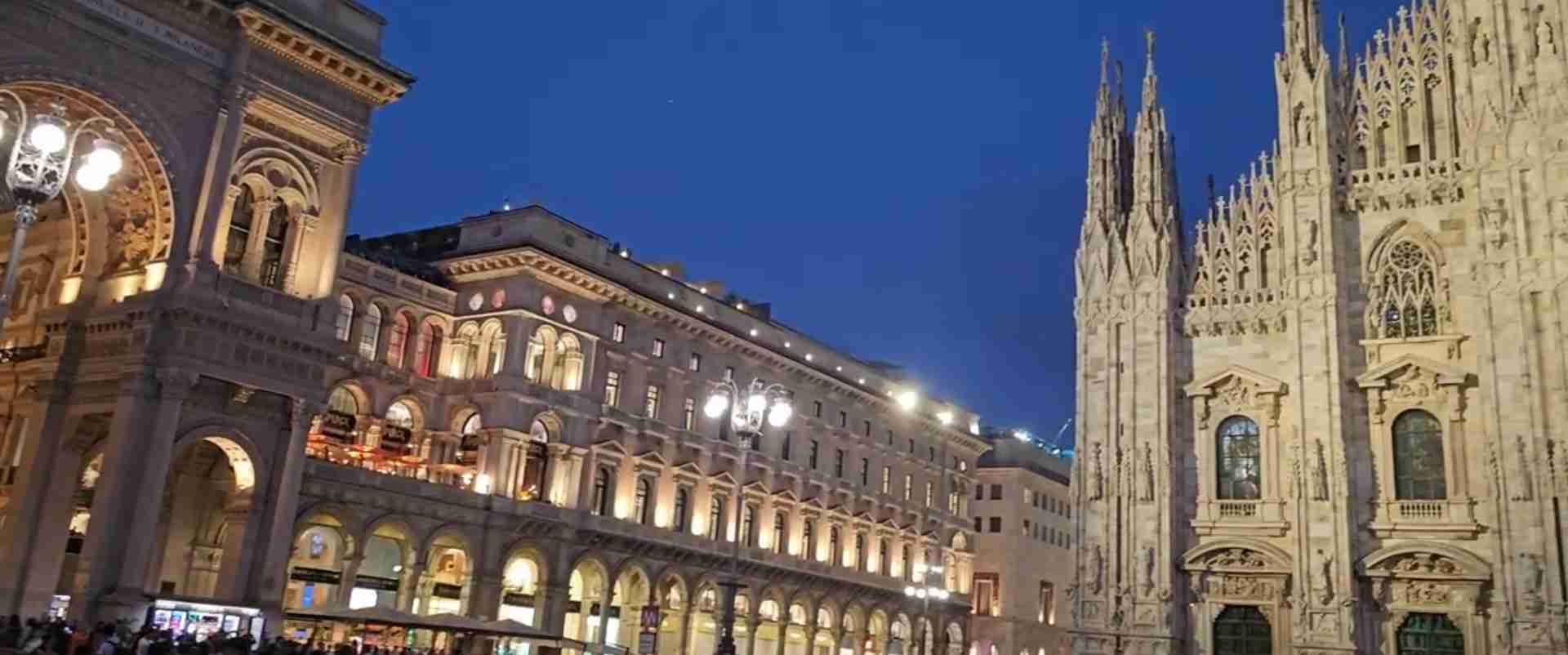
Milan stands as Italy’s most dynamic metropolitan center, where Renaissance masterpieces meet contemporary design excellence. Home to Leonardo da Vinci’s The Last Supper—a UNESCO World Heritage site—the city combines world-class art, Gothic architecture, haute couture, and innovative gastronomy into an unforgettable urban experience. This comprehensive guide provides everything you need to plan your 2026 Milan visit, from booking The Last Supper tickets months in advance to navigating the efficient metro system, choosing accommodation across diverse neighborhoods, and timing your trip to match fashion weeks, design fairs, or quieter cultural exploration.
The city rewards careful planning. The Last Supper viewing slots accommodate only 25 people every 15 minutes, making advance reservations essential. Fashion Week transforms hotel availability and pricing twice annually. The Milano Card streamlines museum access and transportation. Understanding these dynamics ensures you experience Milan at its finest—whether admiring Bramante’s Renaissance cloisters at Santa Maria delle Grazie, exploring the Duomo’s marble forest, discovering contemporary art at Fondazione Prada, or savoring aperitivo in the Navigli canal district.
People Also Ask About Milan 2026
How much does it cost to visit Milan in 2026?
Mid-range travelers budget €120-200 per day excluding accommodation in 2026. This includes The Last Supper tickets at €15 (reserve) or €18 (standard), museum admissions €10-15 each, lunch €15-25, dinner €30-50, aperitivo €12-18, and local transport €2 per ride or Milano Card €17-24. Budget travelers manage on €70-100 daily by choosing fixed-price lunch menus at €12-18, free museums on first Sundays, and staying in peripheral neighborhoods. Luxury experiences reach €300-500+ daily with Michelin-starred dining €150-300 per person, luxury hotels €350-800 per night, and private Duomo tours €200-400. Check official museum websites for current pricing as rates may vary.
When is the best time to visit Milan in 2026?
April-May and September-October offer ideal Milan conditions in 2026. Spring brings temperatures of 15-22°C, blooming parks, and manageable crowds, though Fashion Week (late February) and Design Week (mid-April) create accommodation challenges. Autumn delivers 18-25°C weather, harvest cuisine, and cultural events, with September Fashion Week bringing international energy. Summer (June-August) sees temperatures reaching 28-35°C with many Milanese on vacation, resulting in quieter museums but some restaurant closures. Winter (November-March) offers the lowest rates at €100-180 per night for hotels, Christmas markets, and La Scala opera season, though weather stays cold and often rainy at 2-12°C.
Do you need advance bookings for Milan attractions in 2026?
The Last Supper requires bookings 2-3 months ahead for peak season (April-October) in 2026, with slots selling out within days of release. Book through the official Vivaticket system at €15 for advance reservations. The Duomo rooftop terrace benefits from advance booking during summer weekends to avoid 45-60 minute queues. La Scala museum accepts same-day visits, but opera performances need 1-2 months advance booking for popular productions. Most other museums (Pinacoteca di Brera, Castello Sforzesco, Museo del Novecento) accept walk-in visitors, though temporary exhibitions may require timed entry. Design Week (April) and Fashion Week (February, September) require booking everything—accommodation, restaurants, and attractions—3-4 months ahead.
What’s included in the Milano Card for 2026?
The Milano Card costs €17 (24 hours), €20 (48 hours), or €24 (72 hours) in 2026 and includes unlimited ATM public transport plus free or discounted admission to 20+ museums. Free access covers Castello Sforzesco museums, Museo del Novecento, Casa Museo Boschi Di Stefano, and Casa Milano. Discounts apply to Pinacoteca di Brera (€2 off standard €15), Leonardo’s Vineyard (€2 off €10), and Triennale Design Museum (€3 off €12). The card does not include The Last Supper, Duomo rooftop, or La Scala, which require separate booking. Purchase the card at tourist information offices, major metro stations, or online through the official Milano Tourism website. The transport component alone saves money for anyone taking 4+ metro rides daily at €2 each.
Extended multi-day tours – 5+ days
Featured Milan Multi-Day Tour Packages
7 days
Two Cities & Two Lakes: From Como to Verona
- ✓ Comprehensive Milan tour
- ✓ Expert local guides included
- ✓ All accommodation arranged
- ✓ Transportation provided

5 days
5 Day Italy Tour Package with Bernina Express – Verona, Sirmione, Bellagio & Como
- ✓ Comprehensive Milan tour
- ✓ Expert local guides included
- ✓ All accommodation arranged
- ✓ Transportation provided
6 days
Lugano for All Ages: Adventures in the Alps
- ✓ Booking needs min. 2 travelers
7 days
Discover Italy end Milan
- ✓ Comprehensive Milan tour
- ✓ Expert local guides included
- ✓ All accommodation arranged
- ✓ Transportation provided
Multi-day tour packages powered by TourRadar. Prices and availability subject to change.
Essential Planning Information 2026
Current Costs and Pricing Breakdown
Milan pricing in 2026 reflects its status as Italy’s financial and fashion capital. Major attraction costs include The Last Supper at €15 (advance reservation) or €18 (standard booking including €3 pre-booking fee), Duomo complex at €18 (church only) to €35 (rooftop elevator and museum), Castello Sforzesco museums at €10 (individual) or €15 (cumulative ticket), Pinacoteca di Brera at €15, and La Scala Museum at €10. Check official museum websites for current rates as pricing may vary. The Milano Card at €17-24 provides the best value for museum enthusiasts visiting multiple sites.
Dining ranges from budget-friendly to world-class. Breakfast at bars costs €2-5 for cappuccino and cornetto. Fixed-price lunch menus at trattorie run €12-18 for primo, secondo, and water. Casual dinner at neighborhood restaurants costs €30-50 per person with wine. Aperitivo—Milan’s pre-dinner ritual—costs €12-18 for cocktails with complimentary buffet food at 6-9 PM. Michelin-starred dining reaches €150-300 per person at restaurants like Seta, Contraste, or Enrico Bartolini. Gelato costs €3-6 depending on size, while espresso at historic cafés runs €2-4 at bar or €5-8 seated.
Transportation costs favor public transit. Single metro/bus/tram tickets cost €2 (90 minutes of transfers), day passes €7, and weekly passes €18. Taxis charge €6.50 initial flag plus €1.30-2 per kilometer depending on time, averaging €15-25 for cross-city trips. Rideshare services cost similarly. The Milano Card at €17-24 includes unlimited transport, making it worthwhile for anyone taking 4+ trips daily. Airport connections cost €10-13 for Malpensa Express train, €8-10 for shuttle buses, or €90-120 for taxis.
Documentation and Entry Requirements 2026
EU citizens enter Italy with national ID cards or passports for 2026. Non-EU visitors need passports valid for at least three months beyond their departure date. US, Canadian, Australian, and many other nationalities receive visa-free entry for stays up to 90 days within any 180-day period under Schengen rules. The European Travel Information and Authorization System (ETIAS) launches for visa-exempt visitors, requiring online pre-authorization at €7 with 3-year validity—apply at least 72 hours before travel. Verify current requirements through your country’s foreign ministry as regulations may change.
COVID-19 protocols for 2026 have normalized, with no vaccination certificates or testing required for entry to Italy. Museums and attractions operate at full capacity without restrictions. Check the Italian Ministry of Health website closer to your travel dates for any updates. Travel insurance remains advisable for medical coverage, trip cancellation, and lost luggage protection, with policies costing €40-80 for typical week-long trips.
Best Time to Visit Milan 2026
Seasonal Analysis for 2026
Spring (March-May) delivers Milan’s most pleasant conditions with temperatures climbing from 10°C in early March to 22°C by late May. April and May bring blooming magnolias in city parks, outdoor café season, and Salone del Mobile (Design Week) in mid-April—the world’s largest furniture fair attracting 300,000+ visitors. Book accommodation 3-4 months ahead for Design Week as hotels fill completely and rates double to €250-450 per night for mid-range properties. Milan Fashion Week in late February brings similar accommodation pressure. Spring rainfall averages 8-10 days per month, so pack layers and a compact umbrella.
Summer (June-August) sees temperatures reaching 28-35°C with high humidity making sightseeing challenging during midday hours. Many Milanese take August vacation, resulting in restaurant and shop closures but quieter museums and lower hotel rates at €120-200 per night. Museums extend hours with the Duomo rooftop open until 10 PM on Friday and Saturday evenings, offering sunset views over the city. Summer brings free outdoor cinema, rooftop bars, and evening concerts. Air conditioning features in most hotels and museums but can be inconsistent in budget properties and historic buildings.
Autumn (September-November) ranks as Milan’s cultural peak with September Fashion Week, opera season at La Scala beginning, and harvest cuisine featuring porcini mushrooms, truffles, and new wines. Temperatures range from 25°C in September to 10°C by November, creating comfortable walking conditions. October offers the best weather-crowd-price balance with mild temperatures, manageable tourist numbers, and reasonable hotel rates at €150-250 per night. Book early for September Fashion Week when accommodation becomes scarce and expensive. Autumn rainfall increases through November, requiring waterproof jackets.
Winter (December-February) brings cold, often rainy weather with temperatures between 2-12°C and frequent fog. December sees Christmas markets, elaborate window displays, and festive atmosphere, though hotel rates spike for Christmas and New Year’s to €200-350 per night. January-February offers the year’s lowest prices at €100-180 per night with minimal crowds at museums and restaurants. La Scala opera season runs November-July with peak performances December-March. Winter visits require warm, waterproof clothing and acceptance of gray skies, but reward visitors with authentic Milan without tourist crowds and significant cost savings.
Weather Patterns and Crowd Predictions 2026
Milan’s climate follows distinct patterns across 2026. January-February averages 2-8°C with 6-8 rainy days monthly and occasional snow. March-May sees temperatures rising from 10-22°C with 8-10 rainy days monthly and increasing sunshine. June-August brings 25-35°C heat with 5-7 rainy days (often thunderstorms) and high humidity. September-November transitions from 25°C to 10°C with rainfall increasing to 8-10 days monthly by November. Pack accordingly: winter needs warm coats, spring/autumn requires layers and rain gear, summer benefits from light clothing and sun protection.
Crowd patterns vary significantly throughout 2026. Peak periods (Easter week, April Design Week, September Fashion Week, Christmas/New Year) bring intense crowds, full hotels, and reservation challenges—book 3-4 months ahead and expect premium pricing. High season (April-June, September-October) sees steady tourist numbers with advance booking recommended 1-2 months ahead for optimal choice. Shoulder season (March, November) offers fewer crowds, moderate weather, and good availability with 2-4 weeks advance booking sufficient. Low season (January-February) provides minimal crowds, immediate availability, and lowest prices but challenging weather conditions.
Accommodation Strategies 2026
Budget Accommodation Options
Budget travelers find excellent options at €45-80 per night in 2026. Hostel dorms in central locations like Ostello Bello cost €30-45 per bed with social atmosphere, free breakfast, and evening aperitivo events. Private rooms at budget hotels and B&Bs in neighborhoods like Porta Romana and Navigli run €55-80 nightly with basic amenities and good public transport connections. Apartment rentals through platforms start at €60-90 per night for studios in peripheral neighborhoods like Lambrate or Città Studi, offering kitchens for cost-saving meal preparation.
Best budget neighborhoods include Città Studi (near universities, authentic restaurants, metro access), Lambrate (emerging creative district, 20 minutes to center), and Porta Romana (residential feel, good dining, central location). Book 1-2 months ahead for standard dates, 3-4 months for Fashion Week and Design Week when even hostels raise prices to €60-90 per bed. Look for properties within 10-minute walk of metro stations—Milan’s public transport makes peripheral locations perfectly convenient for exploring the city.
Mid-Range and Luxury Options
Mid-range hotels cost €120-250 per night in 2026 depending on season and location. Three-star hotels near Centrale station or in Porta Venezia offer €120-180 nightly with breakfast included, modern amenities, and metro access. Four-star properties in Brera and Centro Storico run €180-250 with superior locations, elegant rooms, and often rooftop terraces. Boutique hotels in Navigli and Porta Romana cost €150-220 with design-forward interiors and neighborhood character. Aparthotels provide full kitchens at €140-200 nightly, ideal for longer stays or families.
Luxury accommodations range €300-800+ per night for five-star properties. Historic hotels like Park Hyatt Milano (€400-700) and Armani Hotel (€500-900) offer prime locations, Michelin-starred restaurants, and spas. Design hotels in Porta Nuova like ME Milan Il Duca (€300-500) provide contemporary style and rooftop pools. Suite availability requires 2-3 months advance booking for standard periods, 4-6 months for Fashion Week when rates reach €800-1,500 per night even at mid-range properties.
Best neighborhoods for accommodation include Centro Storico (near Duomo, walking distance to major sites, premium pricing), Brera (artistic quarter, galleries, upscale dining, central), Porta Venezia (residential elegance, excellent restaurants, slightly lower prices), Navigli (canal district, nightlife, bohemian atmosphere), and Porta Nuova (modern towers, business district, contemporary hotels). Avoid staying too far from metro lines—neighborhoods like Lambrate or Bicocca offer savings but require 25-35 minutes to reach major attractions.
Transportation Guide 2026
Getting to Milan in 2026
Air travel serves three airports in 2026. Malpensa Airport (MXP), 50km northwest, handles most international flights with connections to 200+ destinations. The Malpensa Express train costs €13 one-way with 52-minute service to Centrale station every 15-20 minutes from 5:30 AM-1:30 AM. Airport shuttle buses run €8-10 with 50-minute service to Centrale. Taxis cost €90-120 for fixed rates to city center. Linate Airport (LIN), 8km east, serves European flights with bus service to Centrale at €5 (25-40 minutes depending on traffic) or taxis at €25-35. Bergamo Orio al Serio (BGY), 50km northeast, handles budget carriers with Terravision and Autostradale buses at €10-12 (60-70 minutes) or taxis at €100-130.
Train service connects Milan to major Italian and European cities. Trenitalia and Italo high-speed trains link to Rome (3 hours, €49-89), Florence (1h 40min, €35-65), Venice (2h 30min, €39-69), Turin (1 hour, €18-35), and Bologna (1 hour, €22-45) with advance booking providing significant savings. International trains reach Paris (7 hours, €115-180), Zurich (3h 30min, €65-110), and Munich (8 hours, €80-140). Book Trenitalia and Italo tickets 2-3 months ahead for best prices—last-minute fares run 2-3x higher. Centrale station serves as the main hub with excellent metro connections to all neighborhoods.
Public Transportation and Getting Around 2026
Milan’s ATM network operates four metro lines (M1 red, M2 green, M3 yellow, M5 purple), trams, and buses covering the entire city efficiently. Single tickets cost €2 (valid 90 minutes with unlimited transfers), day passes €7, and weekly passes €18. Validate tickets at yellow machines before boarding—inspectors fine €50-100 for unvalidated tickets. The metro runs 6 AM-12:30 AM daily with extended hours until 2 AM on Friday and Saturday. Night buses (N prefix) cover major routes after metro closure.
The Milano Card at €17 (24 hours), €20 (48 hours), or €24 (72 hours) includes unlimited ATM transport plus museum discounts, breaking even after 4+ metro rides daily. Purchase at tourist information offices, major metro stations, or online. Validate the card on first use—it expires at midnight on the last day rather than 24/48/72 hours from activation. The card covers all metro, tram, and bus routes within city boundaries but not airport connections or regional trains.
Taxis display “TAXI” signs on roofs with white cars being official taxis and must use meters. Base fare starts at €6.50 plus €1.30-2 per kilometer depending on time (higher rates 9 PM-6 AM and Sundays). Average cross-city trips cost €15-25. Apps like it Taxi and MyTaxi (now FreeNow) book official taxis. Rideshare services Uber and BlaBlaCar operate with similar pricing to taxis. Taxis wait at designated stands—street hailing proves difficult except on main boulevards. Airport taxis use fixed rates: €90-120 to Malpensa, €25-35 to Linate.
Cycling works well in Milan with expanding bike lanes and bike-sharing systems. BikeMi provides 4,650 bikes at 330 stations with day passes at €4.50 (first 30 minutes free per ride, then €0.50 per additional 30 minutes) or weekly passes at €9. Download the BikeMi app for station locations and bike availability. Cycling between major sites saves time compared to metro transfers, though summer heat and winter rain limit appeal. Dedicated bike lanes connect Duomo to Castello, Brera to Porta Venezia, and extend to Navigli—ride defensively as traffic remains chaotic despite improvements.
Money-Saving Strategies 2026
Advance Booking Benefits
Book The Last Supper tickets 2-3 months ahead at €15 advance reservation rate—waiting until days before arrival often means sold-out slots or paying €75-150 for private tour packages as the only remaining option. The official Vivaticket system releases tickets 90 days in advance, selling out within 24-48 hours for peak season (April-October). Set calendar reminders for exactly 90 days before your visit date to secure preferred time slots.
Hotel booking timing dramatically affects costs in 2026. Standard periods benefit from 1-2 months advance booking for 20-30% savings over last-minute rates. Fashion Week (late February, mid-September) and Design Week (mid-April) require 3-4 months advance booking as properties sell out completely—booking closer to dates means either no availability or paying €400-600 for standard rooms normally costing €150-200. Christmas/New Year sees similar patterns with 2-3 months advance booking essential. January-February offers same-week booking with good availability and rates 40-50% below peak season.
Flight booking follows similar patterns with 2-3 months advance purchase providing €80-150 round-trips from major European cities compared to €200-400 last-minute. Budget carriers like Ryanair, EasyJet, and Wizz Air serve Bergamo airport with advance fares at €40-80 round-trip but €150-250 when booked within two weeks. Set fare alerts on Google Flights or Skyscanner to monitor prices—Milan sees frequent sales from European cities with fares dropping to €60-90 round-trip during promotional periods.
Seasonal Optimization Tips
Winter visits (January-February) cut accommodation costs by 40-50% with mid-range hotels at €100-180 per night compared to €200-300 in peak season. Museums have no queues, restaurants offer immediate seating, and flight prices drop to €60-120 round-trip from European cities. Trade-offs include cold, rainy weather (2-8°C) and some restaurants closing for January vacation, but La Scala opera season runs full program and major museums operate normal hours.
Shoulder season (March, November) balances good weather with lower prices—hotels cost €130-200 per night (20-30% below peak), attractions have manageable crowds, and restaurants operate normally. Avoid Fashion Week dates when even shoulder season sees peak pricing and availability challenges. Book 4-6 weeks ahead for best selection during shoulder periods.
Free museum entry on first Sundays saves €10-15 per person at Castello Sforzesco museums, Museo del Novecento, Casa Museo Boschi Di Stefano, and other civic museums—arrive at opening time (9-10 AM) as crowds build through the day. Many commercial galleries in Brera and Porta Romana offer free admission daily. Free church access includes stunning interiors at Sant’Ambrogio, San Lorenzo, and San Fedele—dress modestly with covered shoulders and knees.
Aperitivo provides dinner-quality food at cocktail prices from 6-9 PM. Pay €12-18 for cocktails and access all-you-can-eat buffets featuring pasta, risotto, salads, cold cuts, and focaccia at bars throughout the city. Popular aperitivo neighborhoods include Navigli, Corso Como, and Porta Venezia. This tradition lets you skip dinner entirely while experiencing authentic Milanese social culture—locals often make aperitivo their evening meal.
Lunch menus at trattorie offer fixed prices of €12-18 for primo, secondo, contorno, and water—the same dishes cost €25-40 at dinner. Business lunch specials from Monday-Friday provide excellent value at restaurants that triple prices for dinner service. Markets like Mercato Comunale and Mercato di Via Fauché sell fresh produce, cheeses, and prepared foods at 40-60% below restaurant prices for apartment dining.
Sample 2026 Milan Itineraries
Three-Day Essential Milan Itinerary
Day 1: Historic Center & The Last Supper
Start at the Duomo at 9 AM (rooftop stairs €10, elevator €15, museum included). Spend 90 minutes exploring the cathedral, rooftop terraces, and museum for panoramic city views and Gothic architecture details. Walk to Galleria Vittorio Emanuele II (5 minutes) for the stunning iron-and-glass shopping arcade and Camparino for espresso €2. Continue to La Scala Theatre (10 minutes) for exterior photos and museum visit €10. Lunch at a nearby trattoria costs €15-25 for pasta and wine.
Afternoon visits Brera district (15-minute walk) with Pinacoteca di Brera €15 housing Mantegna’s Dead Christ and Raphael’s Marriage of the Virgin. Explore surrounding galleries and boutiques before your reserved 4:30 PM Last Supper viewing at Santa Maria delle Grazie (€15). Allow 30 minutes for travel from Brera via metro. After the 15-minute viewing, walk to Navigli district (25 minutes or metro M2) for aperitivo €12-18 along the canals. Dinner costs €30-50 per person at canal-side restaurants.
Milano Card €17, Duomo complex €15, La Scala Museum €10, Pinacoteca di Brera €15, Last Supper €15, lunch €20, aperitivo €15, dinner €40, gelato €5. Total day cost: €152 per person (excluding accommodation).
Day 2: Art & Culture
Begin at Castello Sforzesco at 9 AM (cumulative museum ticket €15) to explore Michelangelo’s Rondanini Pietà, Egyptian collections, and Renaissance art across multiple museums within the fortress. The castle park behind offers peaceful gardens for morning passeggiata. Walk through Sempione Park (free) to the Arco della Pace triumphal arch (15 minutes). Coffee and cornetto at a bar cost €3-5.
Lunch in Chinatown district near the castle costs €15-25 for excellent Asian cuisine. Afternoon visits Museo del Novecento €10 for Italian modern art in the rationalist Palazzo dell’Arengario. Cross Piazza del Duomo to explore the royal palace exhibitions (€14-18 depending on temporary shows). Mid-afternoon break at Prada Pasticceria in Galleria for pastries €8-12.
Evening in Porta Nuova business district features Piazza Gae Aulenti with contemporary architecture and Bosco Verticale vertical forest towers. Aperitivo in the district costs €15-20 at modern venues. Dinner in Isola neighborhood offers trendy restaurants at €35-50 per person. Post-dinner drinks in Corso Como cost €10-15.
Milano Card covered (from Day 1 multi-day card), Castello museums €15, Museo del Novecento €10, Royal Palace €16, pastries €10, lunch €20, aperitivo €18, dinner €45, drinks €12. Total day cost: €146 per person (excluding accommodation).
Day 3: Design & Shopping
Visit Triennale Design Museum in Sempione Park at 10 AM (€12, or €9 with Milano Card) for Italian design history and temporary exhibitions. Walk to Design District around Via Tortona and Via Savona (30 minutes or tram) to explore showrooms and galleries—most free entry. Coffee break at design-forward cafés costs €3-5.
Lunch at Porta Romana costs €15-25 at neighborhood trattorias. Afternoon shopping explores Quadrilatero della Moda (Fashion Quadrilateral) with flagship stores of Italian and international designers—window shopping free, actual purchases begin at several hundred euros. Visit Museo Poldi Pezzoli €10 for Renaissance art in an aristocratic mansion. Alternative visit Fondazione Prada in southern Milan (metro M3, €10-12) for cutting-edge contemporary art and Wes Anderson-designed café.
Final aperitivo in Porta Venezia costs €12-18 at art deco bars. Farewell dinner at Osteria or Trattoria Milanese costs €40-60 per person for traditional Milanese cuisine including risotto alla Milanese, cotoletta, and ossobuco. Gelato for dessert costs €5.
Triennale €12, Poldi Pezzoli €10, lunch €20, aperitivo €15, dinner €50, gelato €5, transport €4. Total day cost: €116 per person (excluding accommodation).
Three-Day Summary: Total costs approximately €414-452 per person excluding accommodation (€120-180 per night mid-range). Daily average: €138-150 per person. Add accommodation at €150-200 per night (mid-range double occupancy, €75-100 per person) for total trip costs of €639-752 per person for three days.
Five-Day Comprehensive Milan Experience
Days 1-3 follow the essential itinerary above. Add the following for extended exploration:
Day 4: Sant’Ambrogio & Leonardo
Visit Basilica di Sant’Ambrogio at 9 AM (free, donations welcome) for Romanesque architecture and early Christian mosaics. Walk to Museo Nazionale Scienza e Tecnologia Leonardo da Vinci (15 minutes, €10) for Leonardo’s engineering models and science exhibits—allow 2-3 hours. Lunch in the area costs €15-25.
Afternoon visits Leonardo’s Vineyard (€10, reserve online) to see the Renaissance garden where Leonardo cultivated grapes, followed by Santa Maria delle Grazie cloisters (free after Last Supper visit the previous day). Alternative afternoon explores Armani Silos fashion museum €12 or 10 Corso Como design complex (free, with restaurant and bookshop). Aperitivo in Porta Ticinese costs €12-18. Dinner at neighborhood osteria costs €30-45.
Science Museum €10, Leonardo’s Vineyard €10, lunch €20, aperitivo €15, dinner €38, transport €4. Total day cost: €97 per person (excluding accommodation).
Day 5: Day Trip to Lake Como or Bergamo
Take regional trains to Como (1 hour, €5-9) or Bergamo (50 minutes, €5-7) for day trips to UNESCO heritage sites or alpine towns. Como offers lakeside promenades, Villa Olmo, and funicular to Brunate (€3-6) with Como-Brunate views. Bergamo’s Città Alta features medieval walls, Piazza Vecchia, and Accademia Carrara art museum. Budget €50-80 total for the day trip including train, lunch, admissions, and gelato.
Return to Milan evening for final aperitivo in your favorite discovered neighborhood €12-18. Light dinner at enoteca costs €25-35 with wine tastings. Final gelato and evening passeggiata complete your Milan experience.
Day trip €70 (average), aperitivo €15, light dinner €30, gelato €5. Total day cost: €120 per person (excluding accommodation).
Five-Day Summary: Total costs approximately €631-669 per person excluding accommodation (five nights at €120-180 per night). Average daily spending: €126-134 per person. Total trip costs including mid-range accommodation: €1,231-1,569 per person for five days in Milan.
Booking and Reservations for 2026
Official Booking Channels
The Last Supper reservations open 90 days in advance through the official Vivaticket system at vivaticket.com or +39-02-92800360. Reserve slots cost €15 per person (€12 admission plus €3 pre-booking fee). Tickets release at midnight Central European Time 90 days before visit dates, selling out within 24-48 hours for peak season (April-October). Set multiple alarms for 90 days before your travel dates to book immediately upon release. Check the official Cenacolo Vinciano website for current information.
Duomo complex tickets (€15-35 depending on package) book through the official Duomo Milano website with timed entry slots recommended for summer weekends. Walk-up access remains possible but expect 30-60 minute queues during peak hours (10 AM-3 PM). Purchase rooftop access separately at €10 (stairs) or €15 (elevator) if not included in your complex ticket. Fast-track tickets cost an additional €5-8 but prove worthwhile during busy periods.
La Scala opera performances book through teatroallascala.org opening 60 days before performances. Popular productions sell out quickly at €30-200 for standard seats and €200-350 for premium boxes. Last-minute same-day tickets sometimes release at the box office for €15-30 (limited view or standing) starting at 2:30 PM. The La Scala Museum accepts walk-in visitors at €10 without reservations needed.
Tour Operator Recommendations
Private Last Supper tours through licensed operators like Context Travel, Walks of Italy, and Milan Tour offer guaranteed entry at €75-150 per person including skip-the-line access, expert guides, and sometimes Santa Maria delle Grazie church access. Book these 2-3 months ahead when official tickets sell out—the premium proves worthwhile over missing Leonardo’s masterpiece entirely. Verify operators are authorized through the official Cenacolo website.
Food tours through Walks of Italy (€99), Devour Milan (€110-125), or Secret Food Tours (€85-95) provide 3-4 hour experiences covering aperitivo culture, traditional trattorias, and market visits with 8-12 tastings included. Book 4-6 weeks ahead for preferred dates. Tours include enough food to constitute lunch or dinner, providing good value combined with cultural insight from local guides.
Bike tours with We Bike Milan or Milan Bike Tour (€35-50 for 3 hours) cover major sites efficiently with comfortable city bikes and English-speaking guides. Morning tours work best before midday heat and traffic intensify. E-bike options cost an additional €10-15 but prove worthwhile for covering greater distances to outlying areas like Fondazione Prada or Navigli.
Day trip tours to Lake Como (€120-180), Bergamo (€90-120), or Verona (€140-180) include transportation, guides, and sometimes lunch. Compare costs versus independent train travel at €10-18 round-trip—tours provide convenience and context but independent travel offers flexibility and significant savings for confident travelers. Book tours 3-4 weeks ahead through GetYourGuide, Viator, or direct operator websites.
Practical Tips for 2026 Milan Travel
Navigation and Orientation
Milan’s layout centers on the Duomo with radiating concentric rings following medieval walls. The metro system connects major sites efficiently: M1 (red) serves Duomo, Cadorna, and fashion district; M2 (green) links Centrale station to Navigli and Porta Genova; M3 (yellow) reaches Centrale and southern areas; M5 (purple) serves Porta Nuova and Bicocca. Download the ATM Milano Official App for real-time schedules and route planning.
Free WiFi operates at metro stations, major plazas, and most cafés/restaurants with passwords usually posted. Purchase Italian SIM cards at tobacconists or mobile shops for €15-25 (20-30GB data, 1 month validity) from TIM, Vodafone, or Wind. EU visitors use existing phones without roaming charges. Google Maps works perfectly for navigation, though the ATM app provides more accurate public transport timing including delays and service interruptions.
Safety and Health Considerations
Milan ranks as one of Italy’s safest major cities with low violent crime but elevated pickpocketing on crowded metros (especially M1 and M2 at Centrale), in Duomo plaza, and during Fashion Week events. Keep valuables in front pockets or interior jacket pockets, particularly on public transport. Avoid displaying expensive cameras, jewelry, or phones when not actively using them. Evening safety concerns remain minimal in central neighborhoods, though use common sense in peripheral areas after midnight.
Emergency services use 112 (unified European number) for police, ambulance, and fire. Pharmacies (farmacia) display green cross signs with at least one location open 24/7 in each district—check posted schedules for “farmacia di turno” (pharmacy on duty). Emergency rooms (pronto soccorso) at Policlinico and San Raffaele hospitals treat tourists with EU health cards free or nominal charges; non-EU visitors pay directly and seek insurance reimbursement later. Bring prescription medications in original packaging with doctor letters for controlled substances.
Cultural Etiquette and Local Customs
Dress codes apply strictly at churches requiring covered shoulders, knees, and chest—churches sometimes refuse entry or loan disposable coverings at €1-2. Upscale restaurants expect smart casual dress (no shorts, sandals, or sportswear at dinner). Fashion-conscious Milanese dress stylishly but not formally—neat jeans with blazers work for most evening venues.
Aperitivo culture from 6-9 PM serves as Milan’s signature social ritual. Pay €12-18 for cocktails and access complimentary buffets with substantial food—pasta, risotto, focaccia, vegetables, cold cuts. Making a single drink last while eating heartily is perfectly acceptable and expected behavior. Many locals skip dinner entirely after substantial aperitivo. Popular times run 7-8 PM with crowds building earlier during summer.
Coffee culture follows Italian traditions: cappuccino until 11 AM only (afternoon orders mark you as a tourist), espresso at the bar costs €1.20-2 versus €2-5 seated, and linger only briefly at bar service (5 minutes) versus leisurely seated service (as long as desired). Greet bar staff with “buongiorno” or “buonasera” before ordering—politeness matters greatly in service interactions.
Restaurant timing runs 12:30-2:30 PM for lunch, 7:30-10:30 PM for dinner with kitchens closing promptly. Arrive by 1:30 PM for lunch, 9 PM for dinner to ensure full menu availability. Service (coperto) charges of €2-4 per person appear as line items on bills—this covers bread and table settings, not tips. Tipping adds 5-10% for good service by rounding up bills or leaving small additional amounts—credit card machines sometimes offer tip options at checkout.
FAQ: Milan Planning Questions 2026
Is Milan expensive to visit in 2026?
Milan costs more than most Italian cities but remains affordable with smart planning in 2026. Budget travelers manage on €70-100 daily (hostels, street food, free museums), mid-range travelers spend €120-200 daily (good hotels, restaurant meals, paid attractions), and luxury experiences reach €300-500+ daily (five-star hotels, Michelin dining, private tours). Accommodation represents the largest expense at €45-80 (budget), €120-250 (mid-range), or €300-800 (luxury) per night. The city costs 20-30% more than Rome or Florence but 30-40% less than Paris or London for comparable experiences.
How many days should I spend in Milan in 2026?
Three days covers major attractions: Day 1 Duomo and Last Supper, Day 2 Castello and Brera, Day 3 design museums and shopping. Five days allows deeper exploration adding Sant’Ambrogio, Navigli evening culture, Fondazione Prada, and day trips to Lake Como or Bergamo. Two days works for brief visits focusing on Duomo, Last Supper, and Brera—but feels rushed without time for aperitivo culture and neighborhood wandering. First-time visitors benefit from 3-4 days combining major sites with authentic Milan experiences.
Can I see The Last Supper without advance booking in 2026?
Official advance booking through Vivaticket (€15) 90 days ahead proves essential for April-October peak season when slots sell out within 24-48 hours of release. Last-minute options include private tour packages at €75-150 per person from licensed operators—expensive but the only way to see Leonardo’s masterpiece when official tickets are gone. Some tours include Santa Maria delle Grazie church and cloisters making the premium more justifiable. Check the official Cenacolo website one week before your visit for occasional cancellations becoming available. Never skip this masterpiece—book the 90-day advance tickets or accept the premium tour cost.
Is the Milano Card worth it for 2026?
The Milano Card at €17 (24 hours), €20 (48 hours), or €24 (72 hours) provides excellent value for museum lovers visiting 3+ attractions daily plus using public transport extensively. The transport component alone (€7 day pass) covers most of the cost, with museum discounts and free entries adding significant value. The card does not include The Last Supper, Duomo rooftop, or La Scala opera—major expenses requiring separate booking. Calculate your planned attractions: if visiting 4+ museums plus taking multiple metro rides daily, the card saves €10-20 per day. For visitors focusing mainly on The Last Supper and Duomo with limited other museum visits, skip the card and pay individual entries.
What should I wear in Milan in 2026?
Milan’s fashion reputation intimidates many visitors, but comfortable smart casual clothing works perfectly for tourists. Spring (March-May) needs layers with light jackets, long pants, and rain gear as temperatures range 10-22°C. Summer (June-August) allows shorts, sundresses, and sandals for daytime, though bring light sweaters for evening and air-conditioned interiors at 25-35°C. Autumn (September-November) requires layers similar to spring at 10-25°C. Winter (December-February) needs warm coats, scarves, and waterproof shoes for 2-12°C cold, rainy conditions. Churches enforce strict dress codes (covered shoulders, knees, chest) year-round—carry a light scarf for covering up. Upscale restaurants prefer smart casual (no sportswear) but rarely enforce formal dress codes outside Fashion Week events.
Is Milan safe for solo travelers in 2026?
Milan ranks among Italy’s safest cities for solo travelers with low violent crime and generally respectful street culture. Pickpocketing occurs on crowded metros (especially M1, M2 near Centrale) and around Duomo plaza—keep valuables secure in front or inside pockets. Evening safety concerns remain minimal in central neighborhoods through midnight. Solo women report comfortable exploration with standard precautions (avoiding deserted areas late at night, trusting instincts, not accepting drinks from strangers). Hostel common areas provide easy social connections for solo travelers seeking company. Emergency services (112) respond quickly and many Milanese speak English in central areas. Overall, Milan provides excellent solo travel experiences with cosmopolitan atmosphere and excellent public safety.
What are the best day trips from Milan in 2026?
Lake Como (1 hour by train, €5-9) tops day trip options with alpine scenery, elegant villas, and lakeside promenades in Como town. Take the funicular to Brunate (€3-6) for panoramic views. Bergamo (50 minutes, €5-7) offers medieval Città Alta with Renaissance architecture and Venetian walls—a UNESCO World Heritage site. Verona (1h 30min, €12-25) provides Roman amphitheater, Juliet’s house, and historic center. Lake Maggiore (1h 30min, €10-15) features Borromean Islands with baroque palaces and gardens. Turin (1 hour, €18-35) showcases Egyptian Museum, Mole Antonelliana, and chocolate culture. All destinations reach easily by regional trains from Centrale or Porta Garibaldi stations with flexible scheduling allowing spontaneous trips.
What’s the food scene like in Milan for 2026?
Milan blends traditional Milanese cuisine with international innovation. Signature dishes include risotto alla Milanese (saffron risotto), cotoletta alla Milanese (breaded veal cutlet), ossobuco (braised veal shank), and cassoeula (pork and cabbage stew). Aperitivo culture from 6-9 PM serves cocktails with substantial complimentary buffets at €12-18. Michelin-starred restaurants (15 total, including 3 three-star venues) provide world-class dining at €150-300 per person. International cuisine thrives with excellent Japanese, Chinese, Middle Eastern, and fusion restaurants throughout the city. Food markets like Mercato Comunale offer fresh produce, cheeses, and prepared foods. Vegan and vegetarian options appear increasingly at traditional restaurants and dedicated plant-based venues. Budget fixed-price lunch menus at €12-18 provide excellent value at trattorias throughout the city.
Should I rent a car for visiting Milan in 2026?
Never rent a car for Milan city exploration—public transport proves faster, cheaper, and far less stressful than driving in chaotic traffic and searching for expensive parking at €3-5 per hour or €30-50 daily in garages. The metro, tram, and bus network covers all attractions efficiently at €2 per ride or €7 daily passes. Milano Card at €17-24 includes unlimited transport plus museum discounts. Cars make sense only for multi-day countryside tours to Tuscan vineyards, Dolomites hiking, or extended Lake District exploration—in those cases, collect cars at Malpensa Airport after Milan city sightseeing to avoid city driving entirely. Within Milan, rely completely on excellent public transport and occasional taxis (€15-25 cross-city) or rideshare services.
What’s the best way to see Milan’s fashion scene in 2026?
Fashion Week (late February, mid-September) brings runway shows, showroom presentations, and glamorous parties—but most events are invitation-only for industry professionals. Public fashion experiences include the Fashion Quadrilateral (Via Montenapoleone, Via della Spiga, Via Sant’Andrea, Via Manzoni) with flagship stores for Italian and international designers, Armani Silos museum (€12) showcasing Giorgio Armani’s design evolution, 10 Corso Como design complex (free) blending gallery, bookshop, and café, and Galleria Vittorio Emanuele II housing historic boutiques under stunning 19th-century glass arcade. Corso Como and Corso Garibaldi provide emerging designer boutiques at accessible prices. Window shopping costs nothing and provides fascinating cultural immersion—actual purchases start at hundreds of euros for designer items. For Fashion Week atmosphere without invitations, explore the Quadrilateral where street style photography and impromptu events create electric energy.