
Milan Local Culture Guide: Fashion, Aperitivo & Milanese Lifestyle
Key Takeaways
- Aperitivo Culture: The sacred 6-8 PM ritual combining drinks, abundant buffets, and social networking defines Milanese evening life
- Fashion as Identity: Milan’s fashion heritage extends beyond runway shows into everyday life where presentation and style carry cultural significance
- Dialect Pride: Milanese dialect preserves unique linguistic identity distinct from standard Italian, reflecting centuries of cultural independence
- Work Ethic Excellence: Northern Italian productivity culture emphasizes efficiency, punctuality, and professional excellence as social values
- Cosmopolitan Sophistication: Milan balances international business culture with deeply rooted local traditions, creating distinctive cultural duality
- Culinary Traditions: Milanese cuisine centers on risotto, ossobuco, cotoletta, and panettone with seasonal ingredient emphasis
Understanding Milanese Cultural Identity
Milan presents a fascinating cultural paradox: Italy’s most international city maintains fiercely protective local traditions. The Milanese identity combines northern European work ethic with Mediterranean social warmth, creating a distinctive cultural character unlike anywhere else in Italy. This cosmopolitan sophistication coexists with neighborhood loyalty, dialect preservation, and culinary traditions dating back centuries.
The city’s cultural foundation rests on economic prosperity, artistic patronage, and intellectual achievement. Milan functions as Italy’s business capital, fashion headquarters, and design center while preserving traditional values around family, food, and social ritual. Understanding this duality proves essential for authentic cultural engagement.
Milanese culture emphasizes substance over spectacle, quality over quantity, and efficiency over improvisation. The famous Milanese reserve reflects not coldness but respect for others’ time and personal space. Once this initial formality passes, genuine warmth and hospitality emerge. Social relationships progress through structured stages from formal acquaintance to trusted friend, following unwritten but universally understood protocols.
The city’s international population creates cultural layers where traditional Milanese customs blend with global influences. Business executives from Tokyo, fashion professionals from New York, and students from across Europe contribute to Milan’s cosmopolitan atmosphere while local culture maintains its distinctive character. This cultural complexity requires nuanced understanding rather than superficial observation.
People Also Ask About Milan Local Culture
What makes Milanese culture different from other Italian regions?
Milanese culture differs fundamentally from southern Italian regions through northern European influences, stronger work ethic emphasis, and greater formality in social interactions. The Milanese value punctuality, efficiency, and professional excellence more than spontaneity or emotional expressiveness. This reflects centuries of Austrian, French, and German cultural exchange combined with prosperous merchant traditions.
Language patterns reveal cultural distinctions: Milanese speak more quickly and directly than Romans or Neapolitans, using fewer hand gestures and maintaining greater personal space. Business relationships proceed formally through titles and surnames longer than elsewhere in Italy. Social warmth emerges gradually through demonstrated reliability rather than immediate emotional connection.
The aperitivo ritual exemplifies distinctly Milanese culture – this structured social hour combining drinks and abundant buffets originated in Milan and remains more developed here than elsewhere in Italy. Fashion consciousness permeates daily life at levels uncommon in other Italian cities, where presentation standards apply universally regardless of activity or location.
How important is fashion in everyday Milanese life?
Fashion functions as cultural language in Milan, communicating social status, professional identity, and aesthetic values through daily clothing choices. The Milanese maintain high presentation standards for all activities from morning coffee to evening aperitivo, treating appearance as respect for oneself and others. This fashion consciousness extends beyond luxury brands to overall style coherence, fit quality, and appropriate context matching.
Professional environments demand impeccable presentation where clothing quality and style sophistication indicate career seriousness and cultural competence. Even casual settings maintain elevated standards – the concept of “sloppy casual” barely exists in Milanese culture. Weekend wear emphasizes coordinated leisure style rather than athletic comfort, reflecting fashion’s deep cultural integration.
This fashion emphasis stems from Milan’s role as global fashion capital combined with longstanding traditions of textile excellence and artisan craftsmanship. Fashion houses, showrooms, and ateliers throughout the city reinforce continuous style awareness. Local culture treats fashion not as vanity but as cultural expression and professional necessity.
What role does Milanese dialect play in local identity?
Milanese dialect preserves linguistic identity distinct from standard Italian, representing centuries of independent political and cultural development. Native Milanese speakers use dialect for intimate communication, neighborhood solidarity, and cultural authenticity while switching to standard Italian for formal contexts or outsider interaction. This code-switching reinforces insider/outsider boundaries and maintains cultural continuity.
The dialect incorporates Spanish, French, German, and Austrian influences reflecting Milan’s complex political history. Pronunciation patterns and vocabulary differ substantially from standard Italian – the Milanese phrase “Va là” (go there) means “really?” or “you’re kidding,” while “Bauscia” describes someone overly proud or boastful, concepts requiring cultural context for proper understanding.
Younger generations increasingly speak standard Italian or English, yet dialect revival movements preserve linguistic heritage through cultural associations, theater productions, and literature. Understanding basic Milanese phrases demonstrates cultural respect and facilitates neighborhood integration, though fluency remains rare among non-native speakers.
How does aperitivo culture work in Milan?
Aperitivo culture structures Milanese social life around the sacred 6-8 PM hour when bars serve drinks accompanied by elaborate buffets ranging from chips and olives to complete meals. This ritual combines after-work relaxation, social networking, and efficient dining in characteristically Milanese fashion. The tradition originated in Milan during the 1920s and remains more developed here than anywhere else globally.
Typical aperitivo proceeds through established patterns: arrive between 6-7 PM, order a drink (Aperol Spritz, Negroni, Campari, or wine), access the buffet once or multiple times depending on establishment policy, and socialize for 1-2 hours. Some venues charge fixed prices including unlimited buffet access, while others provide modest buffets with drink purchase. The most authentic aperitivo experiences occur in Navigli, Brera, Porta Venezia, and Corso Como neighborhoods.
Aperitivo etiquette requires drink purchase before buffet access, reasonable portion sizes allowing others equal opportunity, and eventual table vacation for waiting customers. This combines Italian social pleasure with Milanese efficiency awareness, creating unique cultural synthesis. Business aperitivo serves networking purposes where professional relationships develop in relaxed settings, while weekend aperitivo emphasizes pure social enjoyment.
Extended multi-day tours – 5+ days
Featured Milan Multi-Day Tour Packages
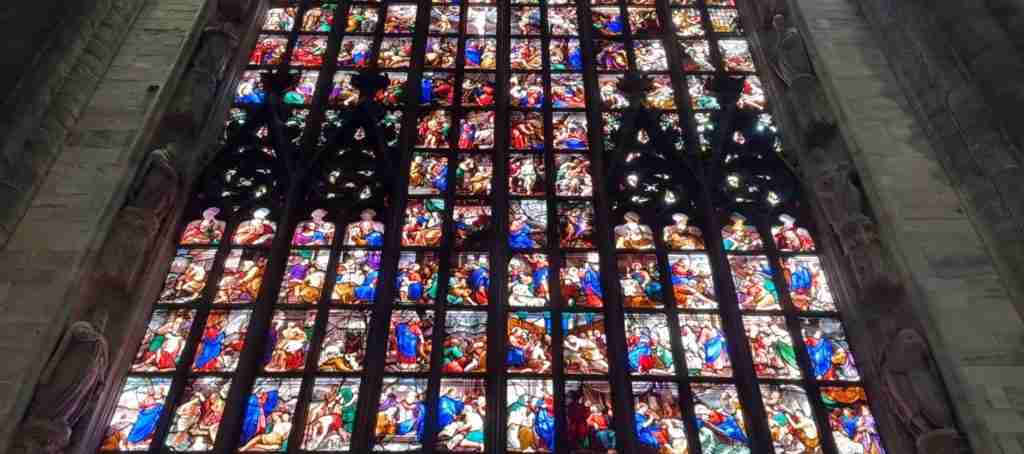
3 days
Milan 3-Day Discovery Tour
- ✓ Comprehensive Milan experience
- ✓ Expert local guides included
- ✓ All accommodation included
- ✓ Transportation provided
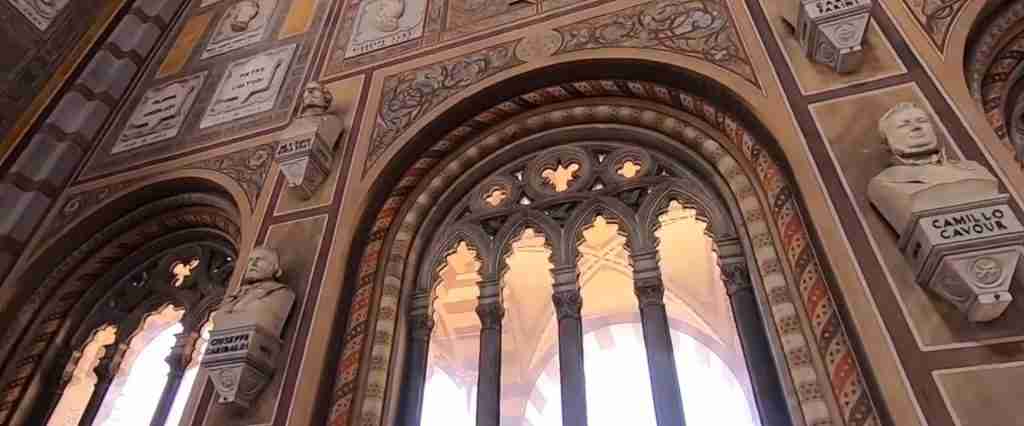
5 days
Milan 5-Day Highlights Experience
- ✓ Comprehensive Milan experience
- ✓ Expert local guides included
- ✓ All accommodation included
- ✓ Transportation provided

7 days
Milan 7-Day Cultural Journey
- ✓ Comprehensive Milan experience
- ✓ Expert local guides included
- ✓ All accommodation included
- ✓ Transportation provided
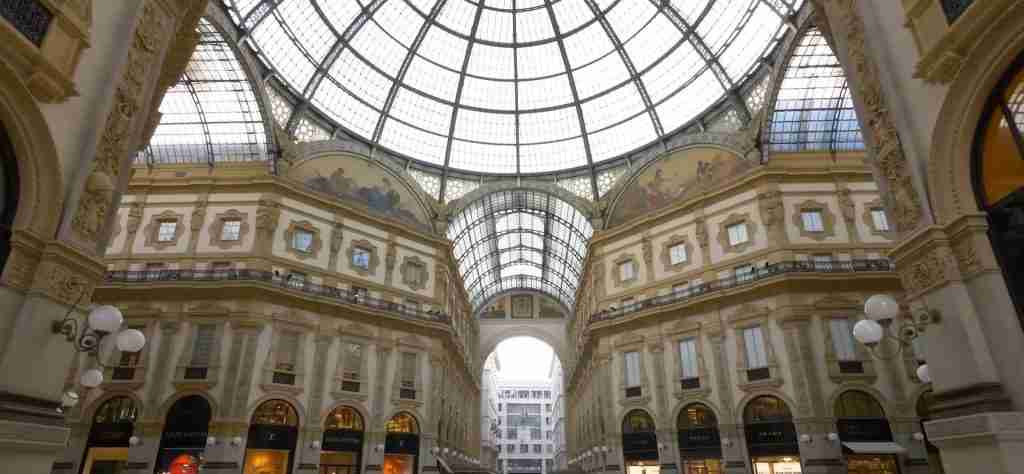
10 days
Milan 10-Day Complete Adventure
- ✓ Comprehensive Milan experience
- ✓ Expert local guides included
- ✓ All accommodation included
- ✓ Transportation provided
Multi-day tour packages powered by TourRadar. Prices and availability subject to change.
The Aperitivo Ritual: Milan’s Social Institution
Aperitivo represents Milan’s most distinctive cultural contribution to global social customs. This pre-dinner ritual transcends simple happy hour, functioning as social institution combining networking, relaxation, and economical dining. The tradition began in the 1920s when Milanese bars started offering small snacks with evening drinks, gradually evolving into elaborate buffets making dinner optional.
Contemporary aperitivo ranges from simple olive and chip presentations to complete buffet meals featuring pasta, risotto, pizza, salads, cheeses, cured meats, and desserts. Premium establishments offer sushi, oysters, and gourmet preparations. This abundance reflects Milanese generosity combined with competitive hospitality culture where venues distinguish themselves through buffet quality and variety.
Classic aperitivo drinks follow established formulas: Aperol Spritz combines Aperol, Prosecco, and soda water with orange slice garnish. Negroni mixes equal parts gin, Campari, and sweet vermouth. Campari soda provides lighter alternative. Prosecco, white wine, or cocktails serve those preferring different flavor profiles. Bartenders prepare drinks according to precise ratios reflecting Italian attention to proper preparation.
Navigli district hosts Milan’s densest aperitivo concentration along ancient canal banks. Dozens of bars and restaurants line the waterways, creating festive atmosphere particularly Thursday through Sunday evenings. Brera offers sophisticated aperitivo in art district setting, while Porta Venezia provides trendy alternatives. Corso Como attracts fashion industry professionals to upscale venues. Each neighborhood maintains distinct aperitivo character reflecting local demographics and cultural identity.
Aperitivo timing follows strict conventions: 6:00 PM marks acceptable earliest arrival, 7:00-7:30 PM represents peak period, 8:30 PM signals tradition’s end as Milanese transition to dinner plans. Summer extends aperitivo into outdoor spaces while winter concentrates activity in cozy interior settings. The ritual provides cultural constant regardless of season, serving as reliable social anchor in fast-paced urban environment.
Business professionals use aperitivo for informal meetings where professional relationships develop outside formal office settings. The relaxed atmosphere facilitates conversation while structured timing prevents excessive time commitment. Fashion industry members conduct informal networking during aperitivo hours, discussing projects and opportunities in casual environment. This professional dimension distinguishes Milanese aperitivo from purely social drinking culture found elsewhere.
Fashion Culture: Beyond the Runway
Milan’s fashion culture permeates daily life at depths uncommon elsewhere globally. The city functions as fashion capital not merely through designer headquarters and runway shows but through universal style consciousness affecting all residents regardless of profession or income level. Fashion represents cultural value, communication method, and social necessity rather than optional interest or vanity pursuit.
Quadrilatero della Moda (Fashion Quadrilateral) bounded by Via Montenapoleone, Via della Spiga, Via Sant’Andrea, and Via Manzoni concentrates global luxury brands in elegant streets where window shopping serves as cultural activity. These boutiques function as temples of Italian craftsmanship and design excellence, maintaining standards established over generations. Even non-shoppers appreciate architectural settings and creative window displays showcasing seasonal collections.
Milanese street style emphasizes coordination, quality, and appropriateness over trendy excess or casual comfort. The concept of “bella figura” (beautiful figure) governs presentation standards where appearance quality reflects personal respect and social consideration. This extends from business executives in tailored suits to students in carefully chosen casual combinations. Athletic wear remains confined to actual athletic activities rather than general casual contexts.
Seasonal fashion transitions follow strict timing: winter collections appear September-February featuring wool, leather, and dark colors. Spring/summer collections dominate March-August emphasizing linen, cotton, and lighter shades. The Milanese adapt wardrobes precisely to seasonal transitions, treating appropriate dress as cultural competence indicator. Fashion weeks in February/March and September/October intensify city-wide style consciousness as industry professionals from worldwide converge.
Vintage and secondhand fashion culture thrives through boutiques offering archival pieces from renowned designers at accessible prices. These shops concentrate in Brera, Porta Ticinese, and Isola neighborhoods, providing alternatives to luxury retail while maintaining quality standards. Vintage shopping requires patience and knowledge but yields unique pieces reflecting Milan’s fashion history.
Fashion careers extend beyond design into manufacturing, merchandising, communications, and retail management. Milan’s fashion schools including Istituto Marangoni, Politecnico di Milano, and Accademia del Lusso produce industry professionals while fashion houses maintain constant recruitment. This creates cultural environment where fashion knowledge and appreciation carry professional value across multiple sectors.
The relationship between fashion and architecture manifests in shared aesthetic values emphasizing clean lines, quality materials, and innovative design. Milan’s modernist architecture movement paralleled fashion industry development, creating visual dialogue between built environment and clothing design. This aesthetic coherence reinforces Milan’s identity as design capital encompassing multiple creative disciplines.
Professional Culture and Work Ethic
Milan’s professional culture combines northern European efficiency with Italian relationship emphasis, creating distinctive business environment. The city functions as Italy’s economic engine with major corporations, financial institutions, and international businesses headquartered in modern office districts. This concentration of economic activity generates cultural values around productivity, punctuality, and professional excellence.
Professional relationships develop through graduated formality stages: initial meetings maintain formal address using titles (Dottore, Professore, Ingegnere) and surnames, business cards exchange follows ritual importance, and personal relationships develop gradually through demonstrated reliability. The Milanese separate professional and personal spheres more distinctly than elsewhere in Italy, though successful collaboration eventually bridges these boundaries.
Meeting culture emphasizes punctuality, prepared materials, and efficient discussion. The Milanese consider lateness disrespectful and poor preparation unprofessional. Business lunches serve important networking function, combining meal enjoyment with deal discussion in time-efficient format. These lunches follow established patterns: arrive on time, order decisively, discuss business during main course, and conclude efficiently allowing afternoon work resumption.
Work schedules differ from southern Italian patterns with earlier starts (8:30-9:00 AM common), shorter lunch breaks (1 hour standard), and later departures (6:00-7:00 PM typical). This compressed schedule reflects northern European influence and metropolitan efficiency values. Many professionals continue working through email and phone outside official hours, creating always-connected culture uncommon in other Italian regions.
The city’s international business community creates multicultural professional environment where English functions as common language, yet Italian language skills remain professionally advantageous. Major companies employ multinational workforces where cultural sensitivity and adaptation skills prove essential. This cosmopolitan atmosphere attracts ambitious professionals from throughout Italy and globally, reinforcing Milan’s role as opportunity center.
Professional dress codes maintain traditional formality in finance, law, and corporate sectors where suits remain standard for men and equivalent formal attire for women. Creative industries including fashion, design, and advertising permit greater style expression while maintaining overall presentation quality. Technology sector introduces casual elements yet stops short of Silicon Valley informality. These varying standards require cultural awareness and appropriate adaptation.
Culinary Traditions and Food Culture
Milanese cuisine emphasizes rich, substantial dishes reflecting northern Italian agricultural abundance and historical prosperity. Signature preparations include risotto alla milanese with saffron, ossobuco (braised veal shanks), cotoletta alla milanese (breaded veal cutlet), and cassoeula (pork and cabbage stew). These traditional dishes appear on restaurant menus alongside contemporary interpretations maintaining authentic flavor profiles while embracing modern techniques.
Risotto alla milanese represents the city’s most iconic dish: Carnaroli or Vialone Nano rice cooked slowly with butter, beef marrow, white wine, beef broth, and saffron until creamy consistency develops. Proper preparation requires 18-20 minutes constant stirring, reflecting Italian patience and technique respect. The golden color from saffron symbolizes Milanese gold and prosperity, connecting food to cultural identity.
Ossobuco combines braised veal shanks with gremolata (lemon zest, garlic, parsley) and traditionally accompanies risotto alla milanese in combined dish called “risotto con ossobuco.” The marrow inside the bone provides delicacy eaten with small spoon, demonstrating Italian appreciation for utilizing entire ingredient. This dish exemplifies Milanese cooking philosophy emphasizing quality ingredients, proper technique, and generous portions.
Cotoletta alla milanese differs from Viennese schnitzel through bone-in preparation and butter-based frying method. The breading achieves golden crispness while maintaining meat tenderness. Authentic versions use veal rib chops pounded thin but not paper-thin, creating substantial yet refined preparation. Restaurants specializing in traditional Milanese cuisine maintain centuries-old recipes and preparation methods.
Panettone originated in Milan as Christmas tradition, now exported globally as symbol of Italian holiday baking. This sweet bread contains candied fruits and raisins, requiring specialized dough preparation and long rising periods. Artisan bakeries throughout Milan produce panettone following traditional methods, with master bakers maintaining family recipes passed through generations. The annual panettone season from October through January represents important cultural and commercial period.
Milan’s aperitivo culture extends into dining patterns where traditional meal structure (antipasto, primo, secondo, contorno, dolce) adapts to urban schedules and modern preferences. Many Milanese substitute aperitivo buffet for full dinner, particularly weeknight evenings. Weekend meals maintain greater formality with family gatherings emphasizing traditional courses and extended dining duration.
Contemporary Milanese dining scene incorporates international influences while preserving traditional restaurants called “trattorie” specializing in regional classics. Japanese, Chinese, Middle Eastern, and Latin American restaurants reflect the city’s international population. This culinary diversity coexists with strong attachment to Milanese traditional cooking, creating food culture balancing innovation and heritage preservation.
Neighborhood markets including Mercato Comunale in Porta Romana provide fresh produce, meats, cheeses, and specialty items following seasonal availability. Shopping at these markets connects residents to agricultural rhythms and quality ingredient sources. The Milanese maintain strong relationships with specific vendors, demonstrating loyalty and expertise appreciation characteristic of Italian food culture.
Neighborhood Identity and Urban Life
Milan’s neighborhood structure creates distinct urban villages within the metropolitan area, each maintaining unique character and cultural identity. These neighborhoods function as social centers where residents develop strong local attachments and community relationships. Understanding neighborhood distinctions proves essential for authentic Milan experience and residential decisions.
Brera combines artistic heritage with contemporary sophistication, attracting creative professionals, gallery owners, and cultural enthusiasts. The neighborhood centers on Pinacoteca di Brera and Academy of Fine Arts, creating intellectual atmosphere reinforced by independent bookstores, artisan workshops, and refined restaurants. Narrow cobblestone streets preserve historical character while boutique hotels and upscale retail maintain contemporary relevance.
Navigli district transformed from working-class industrial area into trendy nightlife and dining destination centered on historic canal system. The neighborhood attracts younger crowds, students, and creative professionals drawn to affordable apartments, vintage shops, and vibrant evening atmosphere. Weekend aperitivo and late-night entertainment dominate cultural identity, creating dynamic yet sometimes chaotic environment.
Porta Venezia combines residential stability with LGBTQ+ community presence, creating inclusive neighborhood character. Tree-lined streets, Liberty-style architecture, and proximity to Giardini Pubblici Indro Montanelli provide pleasant urban environment. The area maintains authentic Milanese residential feel while accommodating international residents and diverse businesses.
Isola developed reputation as emerging neighborhood combining working-class roots with creative gentrification. Independent shops, ethnic restaurants, and alternative culture venues contrast with nearby Porta Nuova’s corporate modernity. Recent development including Bosco Verticale (Vertical Forest) towers introduced architectural innovation while neighborhood activists work preserving community character against excessive gentrification pressure.
Porta Romana blends residential tranquility with convenient central location, attracting families, professionals, and established Milanese residents. The neighborhood features excellent transportation connections, neighborhood markets, traditional trattorie, and community stability. This represents classic Milanese residential environment balancing urban convenience with neighborhood cohesion.
Navigating Milan requires understanding tram, metro, and bus systems forming comprehensive public transportation network. The Milanese rely on public transit for daily commuting, treating car ownership as unnecessary expense rather than status symbol. Bicycle culture grows through bike-sharing programs and dedicated lanes, though traffic congestion and weather limit cycling’s dominance compared to northern European cities.
Social Etiquette and Cultural Norms
Milanese social etiquette reflects formal politeness combined with efficiency awareness, creating interaction patterns distinct from elsewhere in Italy. Understanding these unwritten rules facilitates smoother cultural integration and prevents inadvertent offense. The Milanese value directness, punctuality, and personal space respect while maintaining Italian warmth once relationships develop beyond initial formality.
Greeting customs follow hierarchical awareness: formal situations require handshakes with title usage (Signore, Signora, Dottore), while casual contexts permit double-cheek kissing among friends and acquaintances. The Milanese maintain greater physical distance than southern Italians, respecting personal space in public transit and queues. Eye contact demonstrates attention and respect during conversations while excessive staring appears rude.
Punctuality carries cultural importance exceeding elsewhere in Italy. Arriving 10-15 minutes late appears disrespectful rather than casually acceptable. Social invitations to apartments require bringing small gifts (wine, pastries, flowers) demonstrating consideration and gratitude. Dinner guests often bring quality wine matching meal sophistication, treating gift selection as cultural competence indicator.
Restaurant behavior follows established protocols: wait for host seating rather than self-selecting tables, summon waiters with subtle hand gestures avoiding loud calls, request the bill explicitly as it won’t arrive automatically (paying quickly and leaving appears rushed and rude). Tipping remains modest (5-10% for exceptional service) as service charges appear in bills. Splitting bills (“fare alla romana”) occurs commonly among friends though older generations sometimes resist this practice.
Coffee culture maintains strict rules: cappuccino belongs exclusively to morning hours (never after 11 AM or after meals), espresso requires standing at bar counter for authentic experience, and adding milk to coffee after lunch appears culturally ignorant. The Milanese order caffè (espresso) after lunch and dinner, drinking quickly while standing or conversing briefly before departing. Lingering over coffee in American style seems foreign to efficient Milanese patterns.
Phone usage in restaurants and social settings requires discretion. While phone checking occurs universally, extended phone conversations during meals appear rude. The Milanese silence phones during meetings and dining, answering only urgent calls briefly. This reflects respect for present company and social engagement value. Younger generations increasingly challenge these norms, creating generational tension around technology etiquette.
Dress code awareness extends beyond fashion consciousness to contextual appropriateness. The Milanese adapt attire to specific situations: business meetings require formal dress, casual Friday exists minimally, church visits demand covered shoulders and knees, opera attendance suggests elegant evening wear, and beach/mountain trips permit relaxed clothing. Mismatched dress codes indicate cultural unfamiliarity rather than personal style choice.
Language and Communication Patterns
Milan’s linguistic landscape combines standard Italian, Milanese dialect, and increasing English usage, creating multilayer communication environment. Professional contexts increasingly incorporate English for international business, while social situations maintain Italian dominance with dialect appearing in intimate or neighborhood settings. This linguistic complexity requires code-switching skills and cultural awareness.
Standard Italian serves as official language for education, media, and formal communication. The Milanese speak Italian with northern pronunciation patterns differing from Tuscan or Roman accents: vowel sounds shorten, consonants sharpen, and speech pace accelerates. These pronunciation differences identify regional origin while maintaining mutual intelligibility with other Italian regions.
Milanese dialect preserves linguistic heritage through unique vocabulary and grammar structures. Common dialect phrases include “Oh bej! Oh bej!” (traditional fair cry meaning “Oh beautiful!”), “Minga” (not/nothing), “Pisàa” (money/change), and “Sciûra” (polite address for women, equivalent to Signora). Dialect appears in neighborhood shops, traditional restaurants, elderly conversations, and cultural events celebrating Milanese identity.
Communication style emphasizes directness and efficiency exceeding southern Italian patterns. The Milanese get to the point quickly in business contexts, state opinions clearly without excessive diplomatic cushioning, and expect similar directness in return. This reflects northern European influence and professional culture values. Initial interpretation as coldness gives way to appreciation for honesty and time efficiency as relationships develop.
Non-verbal communication includes limited hand gestures compared to southern Italian regions, maintained eye contact during conversations, firm handshakes in professional settings, and moderate voice volume in public spaces. The Milanese avoid public emotional displays or loud phone conversations, treating these as inappropriate behavior rather than natural expression.
Foreign language knowledge varies by generation and profession: younger Milanese and business professionals speak English proficiently, older generations rely primarily on Italian, and multilingual skills appear increasingly common in international companies. Learning basic Italian phrases demonstrates respect and facilitates integration even when English suffices for many interactions.
Arts, Entertainment and Cultural Activities
Milan’s cultural scene extends beyond historic monuments into contemporary arts, performance, music, and entertainment programming that attracts international audiences while serving local community. The city maintains traditional opera and theater venues alongside experimental spaces, creating diverse cultural ecosystem balancing heritage preservation and contemporary innovation.
Teatro alla Scala represents pinnacle of global opera culture, hosting world-class productions from December through July. The opera season opening on December 7 (St. Ambrose Day, Milan’s patron saint) constitutes major social and cultural event attended by fashion, business, and political elite. Attending opera at La Scala requires advance booking (tickets sell out months ahead), formal evening dress, and opera knowledge appreciating vocal excellence and production sophistication.
Contemporary art thrives through numerous galleries, foundations, and exhibition spaces showcasing Italian and international artists. Fondazione Prada in former industrial complex presents cutting-edge exhibitions combining visual arts, performance, and architectural innovation. Hangar Bicocca occupies massive former industrial space hosting large-scale installations and experimental projects. These venues position Milan as contemporary art center rivaling traditional capitals.
Live music ranges from classical concerts at Auditorium di Milano and Conservatorio Giuseppe Verdi to jazz clubs including Blue Note Milan and contemporary music venues hosting international touring acts. Summer brings outdoor concerts in parks and squares, creating accessible cultural programming beyond traditional venue constraints. The Milanese support diverse musical genres reflecting cosmopolitan tastes and international influences.
Theater scene includes traditional dramatic productions at Piccolo Teatro di Milano and Teatro Franco Parenti alongside experimental companies exploring contemporary themes and innovative staging. Many productions maintain Italian language but some venues offer multilingual performances or subtitles accommodating international audiences. Theater attendance reflects educated middle-class cultural consumption patterns where subscription series and seasonal programming maintain audience loyalty.
Film culture centers on historic cinemas including Cinema Brera and Anteo Palazzo del Cinema presenting art-house programming and original language screenings. Annual film festivals including Milan Film Festival and Milano Design Film Festival attract industry professionals and cinema enthusiasts. The Milanese preference for original language versions with subtitles over dubbing reflects cultural sophistication and language skills.
Design exhibitions at Triennale Milano showcase Italian and international design across disciplines including industrial design, fashion, architecture, and visual communication. Design Week in April transforms the city into massive exhibition space with installations, brand presentations, and parties throughout neighborhoods. This annual event celebrates Milan’s design capital status while generating significant tourism and media attention.
Seasonal Rhythms and Annual Events
Milan’s cultural calendar follows seasonal rhythms punctuated by recurring events that structure urban life and provide community gathering occasions. These traditions maintain cultural continuity while adapting to contemporary circumstances, reflecting balance between heritage preservation and modern evolution.
December 7 marks St. Ambrose Day (Festa di Sant’Ambrogio), Milan’s patron saint celebration and traditional opera season opening at La Scala. This date initiates Christmas season and “Oh bej! Oh bej!” market near Castello Sforzesco selling traditional crafts, foods, and gifts. The festival atmosphere combines religious heritage with commercial tradition, attracting families and tourists to historic center.
Milan Fashion Weeks in February/March (Fall/Winter collections) and September/October (Spring/Summer collections) transform the city into global fashion showcase. Major brands stage elaborate runway shows while emerging designers present collections in alternative venues. Fashion Week brings international editors, buyers, celebrities, and fashion enthusiasts creating electric atmosphere and reinforcing Milan’s fashion capital status. Non-industry locals embrace fashion week energy while navigating traffic disruptions and celebrity sightings.
Design Week (Salone del Mobile) each April represents world’s largest design fair, exhibiting furniture, lighting, accessories, and experimental projects throughout the city. The official fair occurs at Rho Fiera exhibition center while “Fuorisalone” (outside Salon) programming fills neighborhoods with installations, parties, and brand activations. Design Week generates massive visitor influx requiring hotel booking months in advance while showcasing Milan’s design excellence and creative innovation.
Summer brings neighborhood festivals (sagre) celebrating patron saints with food stalls, live music, and community gatherings. These local celebrations maintain authentic Milanese character away from tourist-focused programming. Parco Sempione hosts outdoor cinema and concerts while many residents depart for August vacation (Ferragosto), creating quieter urban atmosphere.
Fall cultural season begins September with theater and opera programming resuming after summer break. October brings Formula E Grand Prix in recent years, combining automotive heritage with sustainable technology innovation. November’s cooler weather drives indoor cultural activities and traditional fall cuisine featuring mushrooms, game, and hearty preparations.
Annual Piano City fills venues throughout Milan with free piano concerts one weekend in May, making classical music accessible across neighborhoods and demographics. This relatively recent tradition reflects Milan’s embrace of cultural programming combining high art with popular accessibility, creating inclusive events beyond traditional barriers.
FAQ: Milan Local Culture
Is Milan a friendly city for foreigners?
Milan welcomes foreigners through international business environment, substantial expat community, and cosmopolitan outlook while maintaining initial formality that can appear cold. The Milanese treat efficiency, professionalism, and personal space respect as cultural values rather than unfriendliness. Building genuine relationships requires time investment and cultural adaptation, but the international community provides accessible social networks for newcomers. Learning basic Italian phrases demonstrates respect and facilitates integration despite widespread English usage.
How important is speaking Italian in Milan?
Italian language skills significantly enhance Milan experience despite functional English in business, tourism, and international contexts. Daily activities including shopping at neighborhood markets, visiting traditional restaurants, interacting with service providers, and developing genuine local relationships require Italian communication. The Milanese appreciate language learning efforts and respond more warmly to Italian attempts versus English expectations. Professional advancement in most sectors requires Italian proficiency as workplace language despite international company presence.
What should I wear for everyday activities in Milan?
Milan demands elevated presentation standards across all activities: coordinated casual style (fitted jeans, quality tops, leather shoes/boots) for daytime, business attire (suits for men, equivalent formal wear for women) for professional settings, smart-casual elegance (tailored trousers, dresses, quality fabrics) for dining and aperitivo, and seasonal appropriate adjustments maintaining overall sophistication. Avoid athletic wear outside actual exercise, overly casual beach style, or obviously tourist clothing. Invest in quality basics, proper fit, and seasonal appropriate layers. The Milanese notice presentation quality and treat appropriate dress as cultural competence and personal respect indicator.
How do I experience authentic aperitivo culture?
Authentic aperitivo requires visiting neighborhood bars in Navigli, Brera, or Porta Venezia between 6:30-8:00 PM, ordering classic drinks (Aperol Spritz, Negroni, Campari), accessing buffet with reasonable portions allowing others equal opportunity, and socializing for 1-2 hours. Choose venues frequented by locals rather than tourist-focused establishments. Stand at the bar for most authentic experience or claim small table for longer social engagement. Observe how regulars interact with staff and buffet, adapting behavior to local patterns. The aperitivo ritual combines social pleasure with efficiency awareness characteristic of Milanese culture.
What are essential Milanese dialect words to know?
Basic Milanese dialect includes “Ciao” (hello/goodbye, universal usage), “Grazie mille” (thanks a lot), “Minga” (not/nothing), “Bosètt” (term of affection), “Sciûra/Sciur” (polite address for women/men), “Dòmm retta” (listen to me), “Va là” (really?/you’re kidding), “Bauscia” (boastful person), and “El me parla minga” (doesn’t speak to me/ignores me). Understanding these expressions demonstrates cultural awareness and facilitates neighborhood integration, though fluency remains unnecessary as standard Italian suffices for all practical purposes.
How do Milanese differ from other Italians?
Milanese emphasize punctuality, efficiency, and professional achievement more than southern Italians, reflecting northern European influences and prosperous economic history. Social interactions proceed through greater formality stages before warmth emerges. Work schedules compress with earlier starts and shorter lunch breaks compared to southern patterns. Fashion consciousness permeates daily life at higher levels. Dialect preservation maintains distinct linguistic identity. Reserved public demeanor contrasts with Mediterranean expressiveness found elsewhere in Italy. These differences reflect centuries of Austrian, Spanish, and French rule combined with commercial prosperity and international exposure creating unique cultural character within Italian context.
What’s the best way to meet locals in Milan?
Meeting locals requires structured approaches including joining sports clubs, language exchange programs, professional networking groups, cultural associations, or taking Italian courses. Aperitivo venues, neighborhood cafés, and community events provide opportunities but initial conversations develop slowly respecting Milanese formality. Volunteering for cultural organizations or participating in local festivals facilitates natural interaction. Establishing regular patronage at local shops and restaurants builds recognition and rapport over time. The international expat community offers immediate social networks while pursuing parallel local connections. Patience and cultural adaptation prove essential as genuine Milanese friendships develop gradually through demonstrated reliability.
How does Milan celebrate Christmas and New Year?
Milan celebrates Christmas beginning December 7 (St. Ambrose Day) with festive decorations, “Oh bej! Oh bej!” market, and Christmas markets in Duomo square. Families gather for Christmas Eve dinner (La Vigilia) featuring fish-based menu and Christmas Day lunch with traditional dishes including tortellini in broth, roasted meats, and panettone. Many Milanese attend midnight mass at Duomo or neighborhood churches. New Year’s Eve brings private parties, restaurant dinners, and midnight gathering in Duomo square with fireworks, though celebrations remain more restrained than elsewhere in Italy. January 6 (Epiphany) concludes holiday season with Befana tradition bringing candy and small gifts.
What role does family play in Milanese culture?
Family maintains central importance in Milanese culture despite cosmopolitan lifestyle and career focus. Sunday family lunches continue as tradition across generations, adult children often live with parents into thirties while establishing careers, and extended family gatherings mark major holidays and celebrations. However, nuclear family structure predominates more than in southern Italy where multi-generational households remain common. Career ambitions and geographic mobility sometimes supersede family proximity, particularly for internationally-focused professionals. This creates cultural tension between traditional family values and modern individual autonomy.
How expensive is daily life in Milan compared to other Italian cities?
Milan ranks as Italy’s most expensive city for housing, dining, and general living costs exceeding Rome, Florence, and southern cities by 20-40%. Apartment rentals average €1,200-1,800 monthly for one-bedroom units in decent neighborhoods. Restaurant meals range €15-25 for casual dining, €40-60+ for mid-range restaurants. Public transportation costs €2 per ride or €39 monthly pass. Fashion and style expectations generate additional wardrobe expenses. However, salaries average higher than elsewhere in Italy, aperitivo provides economical dining alternative, and neighborhood markets offer affordable grocery options. Financial planning requires accommodating higher baseline costs while maximizing local strategies for cost management.