
Milan 3-Day Itinerary 2026: First-Time Visitor Travel Guide
Key Takeaways
- Three days provides comprehensive Milan coverage including Duomo, Last Supper, Sforza Castle, Navigli canals, and fashion districts with time for authentic experiences
- Total trip cost ranges €420-640 per person for three days (excluding accommodation), with budget optimization through advance Last Supper bookings and strategic meal planning
- Book Last Supper tickets 3-4 months ahead for €15 including mandatory booking fee – this is the single most important reservation for your Milan visit in 2026
- Milan’s efficient metro system costs €2.20 per ride or €7 for 24-hour passes, making public transportation the most economical choice for first-time visitors
- Strategic timing places art museums on Day 2, shopping districts on Day 3, and historic center on Day 1 to maximize energy levels and minimize backtracking across the city
- The 72-hour MilanoCard at €85 includes public transport, museum discounts, and fast-track entry at select venues, paying for itself with just three major attractions
Planning Your First Milan Visit in 2026
Milan rewards first-time visitors with extraordinary concentration – three carefully planned days deliver Leonardo da Vinci’s masterpieces, Gothic architectural marvels, Renaissance art collections, modern design showcases, and authentic Italian dining experiences within a walkable historic center. This itinerary balances Milan’s essential landmarks with neighborhood exploration, providing comprehensive introduction to Italy’s fashion and finance capital without rushing through surface-level tourism.
The strategic three-day structure dedicates Day 1 to Milan’s iconic historic center anchored by the Duomo, Day 2 to world-class art and culture concentrated in the Brera and Sempione districts, and Day 3 to contemporary Milan’s shopping galleries and canal-side dining. This progression moves from Milan’s medieval and Renaissance heritage through its artistic golden age to its modern identity as global fashion capital, creating narrative coherence while optimizing geographic efficiency.
First-time visitors benefit from Milan’s compact layout – the entire historic center spans just 2 kilometers, making most major attractions accessible on foot. The metro system provides efficient connections between districts, operating 6 AM to 12:30 AM with trains every 2-4 minutes during peak hours. This combination of walkability and public transit eliminates the need for taxis or rental cars, keeping transportation costs minimal while maximizing flexibility.
The 2026 season brings enhanced digital services including contactless museum entry at most venues, expanded English audio guide availability, and improved mobile apps for real-time public transport tracking. These updates streamline the visitor experience while maintaining Milan’s authentic character. The city’s tourism infrastructure now accommodates increased international visitors without compromising local atmosphere or requiring advance reservations beyond the Last Supper and Duomo rooftop access.
People Also Ask About Milan 3-Day Itinerary 2026
Is 3 days enough for Milan in 2026?
Three days provides comprehensive Milan coverage for first-time visitors, including all major landmarks, two world-class museums, authentic dining experiences, and neighborhood exploration without feeling rushed. This duration allows morning museum visits, afternoon walking tours, and evening aperitivo experiences while maintaining sustainable energy levels. Visitors complete the essential Milan circuit – Duomo complex, Last Supper, Sforza Castle, Brera district, Navigli canals, and Galleria Vittorio Emanuele II – with time for spontaneous discoveries like hidden courtyards, local markets, and neighborhood trattorias.
The three-day framework accommodates different travel styles through flexible afternoon activities. Art enthusiasts extend museum time at Pinacoteca di Brera or Museo del Novecento, fashion lovers explore Quadrilatero della Moda boutiques, architecture fans study Liberty-style buildings in Porta Venezia, and food travelers take cooking classes or market tours. Each day includes 2-3 hours of unscheduled time for personal interests, shopping, or rest without compromising the core itinerary structure.
How much does a 3-day Milan trip cost in 2026?
A three-day Milan visit costs €420-640 per person excluding accommodation, covering attractions, meals, local transportation, and incidental expenses. Budget travelers spending €140 per day focus on free attractions, casual dining, and public transport. Mid-range visitors at €180-215 daily add paid museum entry, sit-down restaurant meals, and occasional taxi rides. Premium travelers exceeding €215 daily include fine dining, private tours, and designer shopping. These ranges assume advance booking for the Last Supper at €15 and smart budgeting through lunch at local spots rather than tourist-focused restaurants.
Accommodation adds €90-180 per night for budget to mid-range hotels within walking distance of the Duomo, or €200-400+ for luxury properties. Three-night stays total €270-540 for budget accommodations, €360-720 for mid-range hotels, and €600-1200+ for premium options. Booking 2-3 months ahead secures better rates and preferred locations, particularly for stays coinciding with Milan Fashion Week (February and September) or design events when prices increase 40-60% above standard rates.
What is the best time to visit Milan in 2026?
Spring (April-May) and early fall (September-October) offer optimal Milan weather with temperatures of 15-22°C, moderate crowds, and full cultural calendar activation. April and May bring pleasant weather perfect for walking tours, outdoor dining at Navigli, and rooftop experiences at the Duomo without summer heat or winter rain. September and October deliver similar conditions with harvest season specialties in restaurants and reduced tourist density compared to peak summer months.
Summer (June-August) brings hot weather averaging 28-32°C but offers extended evening hours, outdoor cultural events, and reduced business travel making hotels more affordable. Many Milanese leave the city in August, creating quieter streets and some restaurant closures but excellent hotel availability. Winter (November-March) features Christmas markets, La Scala opera season, and Fashion Week excitement, though weather turns cold and rainy with temperatures of 2-10°C requiring indoor-focused itineraries and weather-appropriate clothing.
Do I need to book tickets in advance for Milan attractions in 2026?
The Last Supper requires mandatory advance booking 3-4 months ahead – tickets sell out completely for peak season months (April-October) and popular times year-round. Book through the official Cenacolo Vinciano website or authorized resellers for €15 including the €2 booking fee. This single reservation determines your entire Day 2 schedule as viewing slots occur at specific 15-minute intervals throughout the day. No same-day tickets become available, making advance planning essential for any Milan itinerary.
Duomo rooftop access benefits from advance booking through the official Duomo Milano website to skip ticket office queues, though same-day purchase remains possible during off-peak periods. Other Milan attractions including Sforza Castle museums, Pinacoteca di Brera, and Museo del Novecento accept walk-in visitors without advance reservations, though online booking saves 10-20 minutes at entry points during busy morning hours. The 72-hour MilanoCard purchased online before arrival includes fast-track entry at several venues while providing transportation coverage.
Extended multi-day tours – 5+ days
Featured Milan Multi-Day Tour Packages
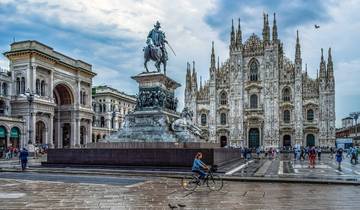
7 days
Two Cities & Two Lakes: From Como to Verona
- ✓ Comprehensive Milan tour
- ✓ Expert local guides included
- ✓ All accommodation arranged
- ✓ Transportation provided

5 days
5 Day Italy Tour Package with Bernina Express – Verona, Sirmione, Bellagio & Como
- ✓ Comprehensive Milan tour
- ✓ Expert local guides included
- ✓ All accommodation arranged
- ✓ Transportation provided
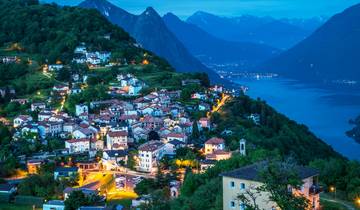
6 days
Lugano for All Ages: Adventures in the Alps
- ✓ Booking needs min. 2 travelers
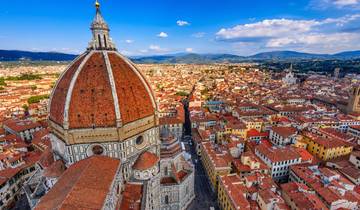
7 days
Discover Italy end Milan
- ✓ Comprehensive Milan tour
- ✓ Expert local guides included
- ✓ All accommodation arranged
- ✓ Transportation provided
Multi-day tour packages powered by TourRadar. Prices and availability subject to change.
Essential Planning Information 2026
Key Costs and Budget Planning
Milan attraction admission costs €15 for the Last Supper (including mandatory €2 booking fee), €20-25 for Duomo complex with rooftop access, €15 for Pinacoteca di Brera, €10 for Sforza Castle museums, and €10 for Museo del Novecento in 2026. Check official museum websites for current rates as pricing may vary. Combined attraction costs total €70-80 per person across three days when visiting all major paid venues. Free attractions include Galleria Vittorio Emanuele II, Navigli canal district, public parks, historic churches (excluding the Duomo interior), and window shopping in fashion districts.
Meal costs range €8-15 for casual breakfast at local bars (cappuccino and cornetto €3-5, full breakfast €8-12), €15-25 for lunch at neighborhood trattorias or €8-12 for quick panini and pizza slices, €35-50 for dinner at quality restaurants, and €6-12 for aperitivo including drinks and snacks. Daily food spending totals €65-100 depending on dining choices, with significant savings available through lunch at local spots, supermarket breakfast items, and aperitivo as dinner replacement. Milan’s aperitivo tradition offers exceptional value – a €10-15 cocktail includes substantial buffet access from 6-9 PM, effectively providing dinner.
Transportation costs €2.20 per metro ride, €7 for 24-hour passes, or €18 for 72-hour passes covering the entire three-day visit. The MilanoCard at €85 for 72 hours includes unlimited public transport plus discounts at museums, restaurants, and shops, paying for itself through three attraction visits and full transport coverage. Most first-time visitors find the 72-hour transport pass sufficient without additional MilanoCard benefits, saving €67 while maintaining full mobility. Taxis cost €15-25 for typical cross-city trips but prove unnecessary given metro efficiency.
Booking Timeline and Strategy
Begin Milan planning 3-4 months before travel to secure Last Supper tickets during preferred time slots. The official Cenacolo Vinciano website releases tickets three months ahead, selling out within days for spring and fall peak season. Check multiple times if initially sold out – cancellations create sporadic availability, particularly 2-3 weeks before travel dates. Authorized resellers offer higher-priced alternatives (€35-50) when official tickets sell out, providing reliable backup options though at premium cost.
Book accommodation 6-8 weeks ahead for standard rates, or 3-4 months ahead for Fashion Week periods when prices spike and availability shrinks. Hotels within walking distance of the Duomo or convenient metro stops offer best value for first-time visitors, eliminating transportation costs and maximizing evening flexibility. Neighborhoods near Duomo, Porta Venezia, Brera, or Navigli provide authentic local atmosphere with easy attraction access. Budget properties away from the historic center offer lower nightly rates but require metro commuting, reducing convenience for short stays.
Purchase Duomo rooftop tickets online 1-2 weeks ahead to secure preferred morning time slots when light enhances photography. Reserve dinner at popular restaurants 1-2 weeks ahead during high season, though many excellent trattorias accept walk-ins for lunch. Download the ATM Milano app for real-time public transport information and mobile ticket purchases, plus Moovit for route planning. The official YesMilano app provides current event listings, museum hours, and neighborhood guides updated weekly with temporary exhibitions and special programs.
Day 1 Milan Itinerary 2026: Historic Center and Duomo
Morning: Duomo Complex Experience (3 hours)
Begin at Duomo di Milano at 9 AM when doors open to avoid peak midday crowds. The morning light creates optimal photography conditions while energy levels remain high for climbing to rooftop terraces. The Duomo interior visit takes 45-60 minutes, allowing time to appreciate the soaring Gothic nave, intricate stained glass windows, massive supporting columns, and historic crypt. Look for the nail from the True Cross preserved above the altar, the astronomical meridian line crossing the floor, and 15th-century statues decorating side chapels.
Ascend to the rooftop terraces via elevator or stairs for extraordinary views across Milan’s skyline toward the Alps. The rooftop visit takes 60-90 minutes, walking among 135 spires and 3,400 statues while examining Gothic architectural details up close. Early morning visits provide cooler temperatures and softer light ideal for photography. The highest accessible point offers 360-degree panoramas including Torre Velasca, Porta Nuova skyscrapers, and on clear days, Monte Rosa in the Alps 140 kilometers distant.
Complete the Duomo complex with the archaeological area beneath the cathedral, revealing the baptistery of San Giovanni alle Fonti and remains of the 4th-century Basilica of Santa Tecla. This 30-minute underground visit provides historical context for Milan’s Christian heritage and urban evolution. The Duomo Museum adjacent to the cathedral displays original sculptures, architectural models, and restoration artifacts, adding another 30-45 minutes for visitors interested in technical details of the cathedral’s 600-year construction history.
Morning costs: Duomo complex ticket €20-25 depending on options selected (rooftop access via elevator €20, via stairs €15, full experience with museum €25), coffee €1.50-2. Total morning cost: €21.50-27 per person.
Midday: Galleria Vittorio Emanuele II and Lunch (2 hours)
Cross directly from the Duomo into Galleria Vittorio Emanuele II, Italy’s oldest active shopping mall and Milan’s “drawing room” since 1867. This architectural masterpiece combines Renaissance Revival style with innovative iron-and-glass engineering. Walk beneath the soaring glass dome reaching 47 meters high, admiring mosaic floors featuring the coat of arms of Italian cities. The tradition of spinning three times on the Turin bull mosaic brings good luck – watch for the worn spot where millions have performed this ritual.
Window shop among luxury boutiques including Prada, Gucci, and Louis Vuitton while appreciating the architectural setting free of charge. The Galleria houses historic establishments like Caffè Biffi (opened 1867) and Savini restaurant, though prices reflect the prestigious location. Photography enthusiasts capture the architectural symmetry, vaulted ceilings, and luxury window displays without entry fees or restrictions. The central octagon provides the signature photo opportunity with the glass dome framing Milan’s blue sky.
For lunch, walk 5 minutes to Via Dante or Via Torino where neighborhood trattorias serve authentic Milanese cuisine at reasonable prices. Order risotto alla milanese (saffron risotto, €12-16), cotoletta alla milanese (breaded veal cutlet, €18-24), or ossobuco (braised veal shank, €20-26) for classic Milan specialties. Luini Panzerotti near the Duomo offers excellent quick lunch alternative – their famous fried panzerotti cost €5-7 and attract long queues but move quickly. Local wisdom: arrive at noon before the 12:30 PM lunch rush intensifies.
Midday costs: Lunch at trattoria €15-25, or quick lunch €8-12, coffee €1.50-2. Total midday cost: €16.50-27 per person.
Afternoon: La Scala Opera House and Brera District (3 hours)
Walk to Teatro alla Scala, reaching the opera house in 10 minutes from Galleria Vittorio Emanuele II. The Museo Teatrale alla Scala occupies rooms adjacent to the theater, displaying costumes, set designs, musical instruments, and portraits of famous performers including Maria Callas and Arturo Toscanini. The museum visit takes 45-60 minutes and includes access to viewing boxes overlooking the theater interior when performances are not in rehearsal. The theater itself dazzles with red velvet seating, gold leaf decorations, and the magnificent crystal chandelier.
Continue to Brera district, Milan’s artistic quarter filled with galleries, antique shops, and sidewalk cafes. The neighborhood’s cobblestone streets and ivy-covered buildings create a romantic atmosphere distinct from the business-focused historic center. Browse art galleries along Via Fiori Chiari and Via Madonnina, many offering free entry to ground floor exhibitions. The afternoon provides ideal timing for gallery exploration as morning tourist crowds disperse and evening aperitivo preparations haven’t yet begun.
Save the Pinacoteca di Brera visit for Day 2 to avoid museum fatigue, instead focusing on neighborhood atmosphere and window shopping. Stop at Via Solferino for specialty food shops selling Milanese products, or explore vintage boutiques along Via Brera. The district rewards aimless wandering – discover hidden courtyards, small churches with art treasures, and local cafes where residents gather rather than tourists. This unstructured afternoon exploration provides authentic Milan experiences impossible to replicate in formal attractions.
Afternoon costs: La Scala Museum €12, gelato €3-5, snack or drink €5-8. Total afternoon cost: €20-25 per person.
Evening: Navigli Canals and Dinner (3 hours)
Take the metro to Porta Genova station, then walk 10 minutes to Navigli canals district for aperitivo and dinner. The Navigli neighborhood along the remaining navigable canals designed by Leonardo da Vinci transforms into Milan’s most vibrant evening destination. Arrive by 6:30 PM to secure good aperitivo spots along the canal banks. The aperitivo tradition serves complimentary food buffets with drink purchases from 6-9 PM, offering exceptional value for budget-conscious travelers.
Order Aperol Spritz or Negroni Sbagliato (€8-12) at waterfront bars and access buffets featuring Italian cheeses, cured meats, pasta salads, focaccia, and vegetables. Strategic aperitivo selections provide sufficient food for light dinner, saving €25-35 compared to full restaurant meals. The canal-side atmosphere includes street musicians, art vendors, and locals gathering after work. Sit along the canal wall between Naviglio Grande and Naviglio Pavese where the liveliest scene develops as evening progresses.
For full dinner, choose from trattorias one block from the canal where prices drop 20-30% compared to waterfront venues. Order local wines (€4-8 per glass, €18-30 per bottle), traditional Milanese dishes, and finish with tiramisù or panna cotta (€6-9). The neighborhood offers cuisine ranging from traditional Italian to international options, all maintaining quality standards that attract local residents. After dinner, stroll along the illuminated canals where antique markets operate on last Sundays of most months, or explore the side streets filled with artisan workshops and vintage shops.
Evening costs: Metro ride €2.20, aperitivo with drinks €10-15 (can replace dinner), or full dinner €35-50, dessert €6-9. Total evening cost: €48-66 per person.
Day 1 Summary and Total Costs
Day 1 covers Milan’s essential historic core including the Duomo complex with rooftop access, Galleria Vittorio Emanuele II, La Scala Museum, Brera district exploration, and Navigli canals evening experience. This combination balances major monuments with authentic neighborhoods, providing comprehensive introduction to Milan’s architectural heritage, cultural significance, and contemporary lifestyle. The itinerary requires moderate walking (approximately 10,000-12,000 steps) with strategic metro use and afternoon rest opportunities.
Duomo ticket €20-25, lunch €15-25, La Scala Museum €12, snacks €8-13, metro rides €4.40, aperitivo or dinner €45-65. Total day cost: €104.40-144.40 per person (excluding accommodation).
Day 2 Milan Itinerary 2026: Art, Culture, and Last Supper
Morning: Pinacoteca di Brera and Art District (3 hours)
Start Day 2 at Pinacoteca di Brera when doors open at 9:30 AM. This world-class art museum houses masterpieces by Caravaggio, Raphael, Mantegna, and Bellini within the 17th-century Palazzo Brera. The collection focuses on Italian art from the 14th-20th centuries with particular strength in Renaissance and Baroque periods. Plan 90-120 minutes for comprehensive viewing, focusing on masterpieces like Mantegna’s “The Lamentation of Christ,” Raphael’s “The Marriage of the Virgin,” and Caravaggio’s “Supper at Emmaus.”
The museum’s spacious galleries allow intimate viewing even during busy periods. Audio guides available for €5 provide detailed information about major works and artistic movements. The Brera collection emphasizes religious art commissioned for Lombard churches, offering insights into Milan’s spiritual and artistic heritage. Don’t miss the sculpture garden courtyard at the museum’s center, providing peaceful respite between gallery rooms. The bookshop sells high-quality art publications and exhibition catalogs for those interested in deeper exploration.
After the museum, explore the surrounding Brera Academy of Fine Arts complex where contemporary art students study and work. The academy courtyard features the Napoleonic-era statue of Napoleon as Mars the Peacemaker, stripped by later authorities who found it too immodest but now restored. Walk through Via Brera’s antique shops and contemporary galleries showing work by emerging Italian artists, many offering free entry to ground-floor exhibitions. The neighborhood’s artistic concentration creates a unique atmosphere found nowhere else in Milan.
Morning costs: Pinacoteca di Brera €15, audio guide €5 (optional), coffee €1.50-2. Total morning cost: €16.50-22 per person.
Midday: Last Supper Viewing and Santa Maria delle Grazie (2 hours)
Arrive at Santa Maria delle Grazie 15 minutes before your reserved Last Supper time slot. Punctuality is mandatory – late arrivals forfeit their tickets without refunds. The viewing experience follows strict protocols: groups of 25 enter every 15 minutes, spending exactly 15 minutes in the refectory where Leonardo da Vinci painted his masterpiece between 1495-1498. This limited exposure protects the fragile fresco while allowing meaningful viewing time for close examination.
Study Leonardo’s revolutionary composition before entering – the fresco depicts the moment Jesus announces one apostle will betray him, capturing psychological drama through gesture and facial expression. Look for details including the salt cellar overturned by Judas’s elbow, the dramatic perspective of the ceiling beams, and the subtle interplay of hands around the table. The fresco’s deteriorated condition results from Leonardo’s experimental technique, but extensive 20th-century restoration recovered much of the original brilliance. Binoculars prove useful for examining details in the upper portions.
After the Last Supper viewing, visit the Santa Maria delle Grazie church itself, a magnificent example of Renaissance architecture with Bramante’s famous tribune. The church visit takes 20-30 minutes and requires no reservation or additional fee. The contrast between the simple refectory where monks ate communal meals and the elaborately decorated church provides context for Leonardo’s masterpiece. Stop in the monastery courtyard to appreciate the architectural harmony between Gothic and Renaissance elements, photographing the facade and cloister from various angles.
For lunch, walk to nearby Via Magenta or Corso Magenta where trattorias serve local residents rather than tourist crowds. The area offers authentic Milan dining at reasonable prices – expect to spend €15-25 for quality meals including wine. Order minestrone alla milanese (vegetable soup, €8-12), cassoeula (pork and cabbage stew, €14-18), or panettone (year-round in Milan despite its Christmas association, €6-8 for dessert). This neighborhood provides genuine local atmosphere away from tourist circuits, with many establishments family-run for generations.
Midday costs: Last Supper ticket €15, lunch €15-25, coffee €1.50-2. Total midday cost: €31.50-42 per person.
Afternoon: Sforza Castle and Sempione Park (3 hours)
Walk or take the metro to Castello Sforzesco, Milan’s imposing Renaissance fortress housing six specialized museums. The castle complex itself is free to enter, allowing exploration of the courtyards, defensive towers, and external architecture without museum tickets. The main courtyard features the Torre del Filarete, reconstructed in the 20th century after explosions destroyed the original tower. Photography enthusiasts capture the castle’s dramatic architecture from multiple angles, particularly in afternoon light that enhances the brick façade’s warm tones.
Purchase museum entry (€10 for combined ticket) to access Michelangelo’s final sculpture, the Rondanini Pietà, displayed in its own dedicated space within the Ancient Art Museum. This unfinished masterpiece shows the aging artist’s revolutionary approach to form and spirituality. The museum ticket also grants access to the Museum of Ancient Art (medieval and Renaissance sculptures), Picture Gallery (15th-18th century paintings), Applied Arts Museum (furniture and decorative objects), and Egyptian Museum. Plan 90-120 minutes for comprehensive viewing, or focus on the Ancient Art Museum and Rondanini Pietà for a condensed 45-60 minute visit.
Exit through the back of the castle into Parco Sempione, Milan’s largest park and perfect spot for afternoon relaxation. Walk to Arco della Pace (Arch of Peace) at the park’s northwest corner, then return through the park’s tree-lined paths past the artificial lake, Triennale Design Museum, and Torre Branca observation tower. The park spans 95 acres of gardens, wooded areas, and open lawns where Milanese residents jog, picnic, and socialize. Spring and fall bring particularly pleasant weather for park exploration, while summer offers shaded paths and cooling breezes.
Consider ascending Torre Branca (€5) for panoramic city views if energy levels permit. This steel tower reaches 108 meters high, providing different perspectives than the Duomo rooftop visited on Day 1. The tower opens irregularly – check schedules before planning to ascend. Alternatively, visit the Triennale Design Museum (€12) showcasing Italian design history from furniture to fashion, architecture to industrial products. The museum features rotating exhibitions highlighting contemporary designers alongside permanent collection displays chronicling Milan’s evolution as global design capital.
Afternoon costs: Sforza Castle museums €10, gelato or snack €3-5, optional Torre Branca €5 or Triennale Museum €12. Total afternoon cost: €13-27 per person.
Evening: Corso Como and Modern Milan (3 hours)
Take the metro to Porta Garibaldi for Corso Como district, Milan’s center for contemporary art, design shops, and upscale dining. This neighborhood showcases Milan’s modern identity beyond historic monuments, with the Gae Aulenti piazza and Vertical Forest (Bosco Verticale) towers representing 21st-century architectural innovation. Walk around the piazza’s fountains and geometric patterns while admiring the residential towers covered in trees and plants – a striking example of sustainable urban architecture that has won international design awards.
Visit 10 Corso Como, a concept store combining art gallery, bookshop, design store, café, and restaurant in a former garage. The gallery entrance is free, displaying rotating contemporary art exhibitions in industrial-chic spaces. The attached bookshop specializes in fashion, photography, and design publications – excellent browsing even without purchases. The outdoor courtyard café offers aperitivo and light meals in a sophisticated atmosphere, though prices run higher than neighborhood trattorias. Budget €15-20 for drinks and snacks, or €40-60 for full meals.
For more affordable dinner, walk to Via Pepe or Via Ceresio where new restaurants serve modern Italian cuisine at accessible prices. These streets attract young Milanese professionals and design industry workers, creating energetic evening atmospheres. Order contemporary interpretations of classic dishes – deconstructed risotto, creative pasta presentations, seasonal vegetables prepared with Japanese or Mediterranean influences. Prices range €25-40 per person for full dinners including wine, appetizers, main courses, and desserts.
After dinner, explore the Porta Nuova district’s evening scene including rooftop bars, design shops open late, and the illuminated Gae Aulenti piazza where locals gather. This area comes alive after 8 PM when business workers transform into evening diners and bar-goers. The district offers striking contrast to historic Milan seen earlier in the trip, showcasing the city’s forward-looking identity and international outlook. Return to accommodation via metro from Garibaldi or Gioia stations.
Evening costs: Metro ride €2.20, aperitivo or dinner €30-60, coffee or drink €5-10. Total evening cost: €37.20-72.20 per person.
Day 2 Summary and Total Costs
Day 2 balances Milan’s world-renowned art collections with contemporary architecture and design districts. The Last Supper viewing serves as the day’s centerpiece, supplemented by Pinacoteca di Brera’s Renaissance masterpieces and Sforza Castle’s diverse museums. The evening in Corso Como and Porta Nuova demonstrates Milan’s role as design capital and international business center, providing comprehensive view of the city’s cultural spectrum from 15th century to 21st century.
Pinacoteca di Brera €15, Last Supper €15, lunch €15-25, Sforza Castle €10, snacks €3-5, metro rides €4.40, dinner €30-60, optional Triennale or Torre Branca €5-12. Total day cost: €97.40-146.40 per person (excluding accommodation).
Day 3 Milan Itinerary 2026: Fashion, Shopping, and Departing Impressions
Morning: Fashion District and Quadrilatero della Moda (3 hours)
Begin Day 3 in Quadrilatero della Moda, Milan’s famous fashion quadrilateral bounded by Via Montenapoleone, Via Manzoni, Via della Spiga, and Corso Venezia. This district houses flagship stores for every major Italian and international designer – Prada, Gucci, Versace, Armani, Dolce & Gabbana, Valentino, Bottega Veneta – in magnificent historic palazzi. Even without shopping budgets, the window displays and architectural settings create free museum experiences showcasing Italian design excellence and retail theater.
Focus on Via Montenapoleone and Via della Spiga for the highest concentration of luxury boutiques. Notice the architectural details of 18th and 19th century buildings now housing contemporary fashion, the careful window displays changed seasonally, and the service-oriented shopping culture where browsing is welcomed. Many stores feature art installations or design collaborations in ground floor galleries, accessible without purchase obligations. The neighborhood’s café culture provides observation points for watching the fashion-conscious Milanese in their natural habitat.
Visit Museo Bagatti Valsecchi (€10) for a unique detour into Renaissance-inspired 19th century interiors. This house museum occupies a Neo-Renaissance palazzo filled with authentic and reproduction Renaissance furniture, paintings, and decorative arts. The Bagatti Valsecchi brothers created these rooms in the 1880s as a living Renaissance environment, now preserved exactly as they left it. The museum provides insight into 19th century collecting culture and offers respite from shopping district crowds. Allow 60-75 minutes for comprehensive viewing of the ornate rooms and art collections.
For coffee break, choose between luxury hotel cafés with people-watching potential or neighborhood bars frequented by local workers. Cova (established 1817) on Via Montenapoleone serves excellent pastries and coffee in elegant surroundings, though prices reflect the prestigious address (€6-10 for cappuccino and pastry). Alternatively, walk one block to side streets where local bars charge €3-4 for the same quality. This price difference exemplifies Milan’s dual nature – luxury showcase and working city existing side by side.
Morning costs: Museo Bagatti Valsecchi €10 (optional), coffee and pastry €3-10, possible shopping €50-500+ depending on budget. Total morning cost: €13-520+ per person.
Midday: Porta Venezia and Public Gardens (2 hours)
Walk to Porta Venezia district, exploring Liberty-style architecture (Italian Art Nouveau) along Corso Buenos Aires and surrounding streets. This neighborhood escaped World War II bombing, preserving dozens of early 20th century buildings with characteristic floral decorations, wrought iron balconies, and geometric designs. The Casa Galimberti (Via Malpighi 3) and Casa Guazzoni (Via Malpighi 12) showcase the finest examples with elaborate façade decorations visible from the street. Architecture enthusiasts photograph building details for free while experiencing an architectural movement that shaped early modern Milan.
Enter the Giardini Pubblici (Public Gardens) for green space and the Museo Civico di Storia Naturale (Natural History Museum, €5). The gardens provide peaceful walking paths, a small lake, and shaded benches perfect for rest before lunch. The Natural History Museum appeals to families with children and science enthusiasts, displaying dinosaur skeletons, mineral collections, and dioramas of world ecosystems. The museum occupies a magnificent Neo-Romanesque building worth seeing for its architecture alone. Budget 45-60 minutes for museum visit or skip it to maximize lunch and afternoon time.
For lunch, explore the ethnic restaurants and casual eateries along Corso Buenos Aires where prices drop significantly compared to fashion district venues. This diverse neighborhood offers Chinese, Ethiopian, Indian, and Middle Eastern restaurants alongside traditional Italian trattorias, all serving local workers and residents. Order full meals for €12-20 per person including drinks – exceptional value for quality food in convenient locations. The neighborhood’s authentic character and multicultural offerings provide insights into contemporary Milan beyond tourist-focused areas.
Midday costs: Natural History Museum €5 (optional), lunch €12-20, coffee €1.50-2. Total midday cost: €13.50-27 per person.
Afternoon: Museo del Novecento and Duomo Piazza Return (2.5 hours)
Return to Duomo piazza for Museo del Novecento, Milan’s 20th-century art museum occupying the Palazzo dell’Arengario. This museum displays Italian modern art from Futurism through Arte Povera movements, including major works by Boccioni, Fontana, Burri, and Manzoni. The building’s design creates a dramatic spiral ramp ascending through chronological installations, culminating in a top-floor gallery overlooking the Duomo. The museum visit takes 90 minutes for comprehensive viewing, or 45 minutes focusing on major movements.
The museum’s highlights include Futurist works capturing early 20th century speed and modernity obsessions, Lucio Fontana’s slashed canvases exploring three-dimensional possibilities, and Arte Povera installations using everyday materials in conceptual arrangements. The top floor terrace provides exceptional Duomo views and photo opportunities, rivaling the paid rooftop experience from Day 1 with different angles emphasizing the cathedral’s side and apse. The free terrace access with museum admission makes this one of Milan’s best-value attractions for photography enthusiasts.
After the museum, return to Duomo piazza for final photos and people-watching from outdoor café tables. This return visit allows comparison between Day 1’s first impressions and Day 3’s informed appreciation after experiencing diverse aspects of Milan culture and history. Order aperitivo at piazza cafés (€10-15) while watching the evening transformation as lighting illuminates the cathedral façade. The piazza’s energy builds toward evening as locals, tourists, and street performers gather for Milan’s nightly theater of urban life.
Afternoon costs: Museo del Novecento €10, gelato or snack €3-5, aperitivo €10-15. Total afternoon cost: €23-30 per person.
Evening: Final Dinner and Reflection (2.5 hours)
Choose your final Milan dinner based on preferences discovered over three days. Budget-conscious travelers return to Navigli for aperitivo-as-dinner, spending €10-15 for substantial food and drinks. Mid-range diners select traditional trattorias in Brera or Porta Romana neighborhoods (€35-50 per person) for authentic Milanese cuisine in local atmospheres. Special occasion diners splurge at upscale restaurants in Porta Nuova or Corso Como districts (€60-100+ per person) for contemporary Italian cuisine with wine pairings and multi-course tasting menus.
Order signature Milanese dishes not yet sampled – mondeghili (fried meatballs, €8-12 for appetizer portion), risotto al salto (crispy risotto cake, €12-15), or nervetti (calf cartilage salad, €10-14 for adventurous eaters). Traditional desserts include panettone served year-round despite Christmas associations, sbrisolona (crumbly almond cake), and artisanal gelato from renowned gelaterias. Pair dinner with Lombardy wines – Franciacorta sparkling wines rival Champagne, Valtellina reds complement meat dishes, and light whites from Oltrepò Pavese suit risotto perfectly.
After dinner, take final evening stroll through your favorite discovered neighborhood or return to the illuminated Duomo piazza for nighttime photography. Milan’s evening transformation brings different energy as businesspeople return home, restaurants fill with diners, and aperitivo culture dominates the social scene. This evening reflection time allows processing three days of experiences while absorbing Milan’s distinctive atmosphere one final time before departure. Return to accommodation via metro or pleasant walk through historic streets.
Evening costs: Dinner €35-100+ depending on venue choice, metro €2.20, gelato or final coffee €3-6. Total evening cost: €40.20-108.20 per person.
Day 3 Summary and Total Costs
Day 3 completes the Milan experience with fashion district exploration, modern art appreciation, and flexible time for shopping, rest, or additional attractions based on personal interests. The itinerary balances structured morning activities with afternoon and evening freedom, allowing spontaneous decisions while maintaining access to major remaining attractions. This final day demonstrates Milan’s contemporary identity as fashion and design capital while providing opportunities to revisit favorite neighborhoods or pursue individual interests discovered over previous days.
Optional museum €10-15, coffee €3-10, lunch €12-20, Museo del Novecento €10, snacks €3-5, metro rides €2.20, aperitivo €10-15, dinner €35-100+. Total day cost: €85.20-177.20 per person (excluding accommodation and shopping).
Budget Planning for Your 2026 Milan Trip
Three-Day Cost Summary
The complete three-day Milan itinerary costs €286.80-468 per person for attractions, meals, and transportation excluding accommodation. Day 1 costs €104.40-144.40, Day 2 costs €97.40-146.40, and Day 3 costs €85-177.20 depending on dining choices, optional museum visits, and shopping expenditures. This range accommodates budget travelers focusing on essential attractions and casual dining, mid-range visitors adding museums and sit-down restaurants, and flexible spending for special meals or unexpected purchases. The lower budget delivers complete Milan experience without compromising major attractions or authentic dining.
Accommodation adds €90-180 per night (€270-540 total) for budget to mid-range hotels within metro access of main attractions, or €200-400+ per night (€600-1200+ total) for luxury properties in prime locations. Total trip cost combining activities and accommodation ranges €556.80-1008 for budget travelers, €780-1200 for mid-range visitors, and €1100-1800+ for premium experiences. These figures exclude international flights, shopping beyond souvenirs, and optional activities like cooking classes or private tours. Most first-time visitors find the mid-range budget of €900-1200 optimal for balancing value and comfort without financial stress.
Money-Saving Strategies for 2026
Purchase the 72-hour public transport pass for €18 covering all metro, tram, and bus rides throughout your visit – significant savings over individual €2.20 tickets adding to €26.40+ for ten rides. The pass eliminates payment friction and enables spontaneous exploration without calculating transportation costs. Alternatively, the MilanoCard at €85 includes transport plus museum discounts, but verify it covers your specific planned attractions since many museums now operate outside the card system.
Book the Last Supper tickets directly through the official Cenacolo Vinciano website for €15 rather than through resellers charging €35-50. This single booking saves €20-35 – substantial savings requiring only advance planning. Set calendar reminders to check availability three months before travel, and monitor for cancellations if initially sold out. The official website releases tickets predictably, making patient booking strategies more effective than panic purchases through premium resellers.
Use aperitivo culture strategically – the €10-15 cocktails with complimentary substantial food buffets from 6-9 PM provide dinner equivalents for half the cost of restaurant meals. This Milan tradition offers authentic local experiences while controlling costs. Target aperitivo at quality venues in Navigli, Corso Como, or Brera neighborhoods where buffets include pasta, cheeses, cured meats, and vegetables beyond simple chips and olives. Follow local timing – arrive 6:30-7 PM before crowds intensify and food selections deplete.
Eat lunch at neighborhood trattorias rather than tourist-focused restaurants near major attractions. Prices drop 30-40% one or two blocks from the Duomo piazza, Sforza Castle, or Galleria Vittorio Emanuele II. Local establishments serve identical quality food to residents and workers, offering multi-course lunches for €15-20 including wine, water, and coffee. Look for handwritten menus, Italian-only signage, and tables filled with business-casual locals – reliable indicators of authentic pricing and quality.
Visit churches for free art treasures – San Maurizio al Monastero Maggiore (the “Sistine Chapel of Milan”), Sant’Ambrogio, and Santa Maria presso San Satiro contain masterpiece frescoes, mosaics, and architectural innovations accessible without admission fees. These churches provide cultural experiences equivalent to paid museums while preserving budget for major attractions like the Last Supper and Duomo rooftop. Many churches close 12-3 PM for lunch – plan morning or late afternoon visits to ensure access.
Accommodation Strategies for 2026
Location Priorities for First-Time Visitors
Prioritize accommodation within walking distance of the Duomo or near metro stations on Lines M1 (red) and M3 (yellow) connecting to major attractions. Hotels in Porta Venezia, Brera, or near Stazione Centrale station offer excellent value with authentic neighborhood atmospheres and convenient transport access. These areas provide morning access to cafés where locals breakfast, evening options for dining away from tourist crowds, and metro connections reaching any attraction within 15 minutes. Walking distance to the Duomo adds €30-50 per night to hotel costs but eliminates transportation time and enables flexible schedules.
Budget travelers find good value near Stazione Centrale where hotels range €90-140 per night for clean, functional rooms with modern amenities. This area receives unfair negative reputation based on outdated information – the station district has undergone significant improvement with new restaurants, renovated streets, and enhanced safety. The central station location provides direct airport express train access (saving €10-15 in taxi costs each direction) plus metro connections to all attractions. Walk 10-15 minutes toward Corso Buenos Aires for even better values and more authentic neighborhood character.
Mid-range travelers booking €150-220 per night access excellent hotels in Brera, Porta Romana, or Porta Venezia with character-filled historic buildings, designer furnishings, and included breakfast. These properties occupy converted palazzi or modernist buildings offering more personality than chain hotels at similar prices. The included breakfast saves €10-15 per person daily while neighborhood locations provide evening entertainment options and local dining away from tourist circuits. Request rooms facing courtyards rather than streets for quieter sleep in these urban neighborhoods.
Booking Timeline and Strategies
Book accommodation 6-8 weeks ahead for standard rates during normal periods, or 3-4 months ahead for Fashion Week dates (February and September when prices spike 40-60%) and holiday periods (Christmas-New Year, Easter week). Milan hotels adjust rates dynamically based on business travel demand – prices increase significantly during major trade fairs and conferences throughout the year. Check Milano Convention Bureau calendar to avoid unintentional overlap with major events driving rate increases and capacity constraints.
Compare prices across multiple platforms – direct hotel websites sometimes offer better rates than booking aggregators, particularly for boutique properties and small chains. Many hotels provide free cancellation up to 24-48 hours before arrival, enabling strategic booking while maintaining flexibility if better options appear. Sign up for loyalty programs even for single visits – welcome bonuses and member rates sometimes reduce costs by 10-15% while providing breakfast inclusion or room upgrades. Boutique hotel direct bookings occasionally include perks like welcome drinks or flexible checkout unavailable through third-party platforms.
Transportation Tips for 2026
Public Transport Mastery
Milan’s metro system operates 6 AM to 12:30 AM daily with four lines (M1 red, M2 green, M3 yellow, M5 lilac) covering all major attractions efficiently. Trains run every 2-4 minutes during peak hours (7-9 AM, 5-8 PM) and every 5-10 minutes off-peak, making wait times negligible. The system integrates trams and buses on the same ticket – transfers between metro, tram, and bus cost nothing within 90-minute validity windows. Download the ATM Milano official app for real-time arrival information, route planning, and digital ticket purchases eliminating machine queues.
Purchase 72-hour passes for €18 covering unlimited rides throughout your three-day visit – the most economical choice for itineraries involving 2-3 metro trips daily. Validate tickets in yellow machines before entering metro platforms or boarding trams – spot checks fine violators €50 for invalid tickets. Keep validated tickets until exiting the system as inspectors check randomly. Single rides (€2.20) work efficiently for travelers staying near the Duomo making only 1-2 daily trips, though the 24-hour pass at €7 becomes cost-effective after three rides.
Alternative transport options include bike-sharing (BikeMi) with stations throughout the city charging €6 for daily access plus usage fees, and walking for trips within the historic center. The Duomo to Sforza Castle walk takes 15 minutes, Sforza Castle to Brera 10 minutes, and Duomo to Navigli 25 minutes – all pleasant walks through interesting neighborhoods. Reserve taxis for late night returns or groups sharing costs, though apps like FreeNow and Uber provide reliable service with transparent pricing. Taxis cost €15-25 for typical cross-city trips but prove unnecessary given metro efficiency and frequency.
Airport Connections 2026
Malpensa Airport (40 km northwest) connects to Milan Centrale station via Malpensa Express trains departing every 30 minutes from 5:30 AM to 11 PM. The journey takes 50 minutes and costs €13 one-way. Purchase tickets from machines in the airport terminal or online through Trenord app, validating before boarding. The express train delivers travelers directly to Stazione Centrale station with metro connections to all city districts. Buses (€10-13, 50-60 minutes) provide alternatives though offering no time or cost advantages over trains.
Linate Airport (7 km east) connects via metro M4 line opening 2022 with 15-minute journey times to the city center. The new connection costs €2.20 (standard metro ticket) making it exceptionally economical for budget travelers. Buses continue operating for €2.20 with 25-30 minute journey times to San Babila metro station. Taxis cost €25-30 fixed rate from Linate, worthwhile for groups of three or more sharing costs or travelers with substantial luggage. Bergamo Orio al Serio Airport (45 km northeast) serves budget airlines with bus connections to Stazione Centrale (€10, 60 minutes, departures every 20-30 minutes).
Frequently Asked Questions About Milan 2026 Visits
How far in advance should I book the Last Supper tickets?
Book Last Supper tickets 3-4 months ahead through the official Cenacolo Vinciano website when tickets release. Peak season months (April-October) sell out within days of release, while winter months maintain availability slightly longer but still require advance booking. Set calendar reminders for exactly 3 months before your travel date and check at midnight when new booking windows open. If sold out, monitor for cancellations appearing 2-3 weeks before travel dates – refresh frequently as individuals modify plans. Authorized resellers charge €35-50 as last resort options when official tickets prove unavailable.
Is Milan safe for first-time visitors in 2026?
Milan maintains excellent safety standards for tourists with violent crime extremely rare in central districts. Pickpocketing concentrates on metro lines M1 and M2 during rush hours and at Stazione Centrale station – use front pockets or secure bags, remain aware of surroundings, and avoid displaying expensive electronics or jewelry. The Stazione Centrale area previously had reputation for petty crime but has improved significantly through enhanced police presence and urban renewal. Women traveling solo report feeling safe walking evening streets in Brera, Navigli, and historic center, though standard precautions apply (stay in well-lit areas, avoid isolated streets late at night, use registered taxis after midnight).
What’s the dress code for Milan attractions?
The Duomo requires covered shoulders and knees – bring a light scarf or cardigan to cover up before entering. No specific dress code applies to museums, though Milanese tend toward elegant casual style making extremely casual beachwear or athletic clothing stand out. La Scala opera performances require business casual minimum, with many attendees wearing formal attire for evening performances. Restaurants welcome smart casual dress for dinner, though Michelin-starred establishments appreciate jackets for men. Milan’s fashion-conscious culture means residents dress stylishly even for casual activities – comfortable walking shoes that aren’t athletic sneakers help visitors blend with local style expectations.
Do I need to speak Italian to visit Milan?
English speakers manage Milan easily without Italian – major attractions employ English-speaking staff, restaurants in tourist areas provide English menus, and metro signage includes English translations. Learning basic phrases (grazie, buongiorno, per favore, scusi) demonstrates cultural respect and improves local interactions. Museum audio guides and official apps provide English content for self-guided exploration. Neighborhood trattorias away from tourist areas may have Italian-only menus and limited English-speaking staff, but gestures and translation apps facilitate ordering. Younger Milanese speak English fluently while older generations have more limited English skills – patience and good humor bridge communication gaps effectively.
What should I do if it rains during my Milan visit?
Milan’s numerous indoor attractions make rain days enjoyable without itinerary disruption. Prioritize the Last Supper, Pinacoteca di Brera, Sforza Castle museums, Museo del Novecento, and extended time in the Duomo interior when weather turns wet. The Galleria Vittorio Emanuele II provides covered shopping and café time connecting the Duomo to La Scala. Many Renaissance-era buildings feature covered arcades along ground floors, creating dry walking paths throughout the historic center. Purchase umbrellas from street vendors for €5-10 if caught unprepared – an umbrella proves more useful than raincoats given Milan’s intermittent showers and warm temperatures. Museums become more crowded during rain, so arrive when doors open for best viewing conditions.
Can I do Milan in less than three days?
Two days covers Milan’s essential attractions (Duomo, Last Supper, one major museum, Galleria, evening in Navigli) but eliminates depth experiences and neighborhood exploration. Single-day visits prove possible for travelers in transit, focusing on the Duomo complex and historic center, though this rushed approach misses Milan’s authentic character beyond major monuments. Four to five days allows day trips to Lake Como, Bergamo, or Pavia while maintaining relaxed city exploration. Most first-time visitors find three days optimal for balancing major attractions with discovery time without feeling rushed or exhausting themselves through overscheduling. The three-day structure accommodates different travel paces while ensuring comprehensive Milan experiences.
Where can I find authentic Milan cuisine?
Authentic Milanese cuisine appears in neighborhood trattorias one or two blocks from major tourist attractions. Look for handwritten daily menus, tables filled with local business people at lunch, and Italian-only signage – reliable indicators of traditional cooking. Order signature dishes: risotto alla milanese (saffron risotto, the city’s most iconic dish), cotoletta alla milanese (breaded veal cutlet), ossobuco con gremolata (braised veal shanks), cassoeula (pork and cabbage stew), and busecca (tripe soup for adventurous eaters). Via Torino, Via Dante, streets near Corso Buenos Aires, and one block from Navigli canals offer excellent concentration of authentic establishments serving multi-generation family recipes.
What souvenirs should I buy in Milan?
Milan’s iconic souvenirs include panettone (traditional Christmas cake sold year-round in local bakeries, €15-30 for artisanal versions), risotto alla milanese kits (packaged saffron rice with instructions, €8-15), Italian fashion accessories (scarves, leather goods from local artisans, €20-100+), design objects (from High Tech store or Triennale Design Museum shop, €15-200+), and food products (balsamic vinegar, olive oil, regional wines from Peck delicatessen, €10-50). Avoid mass-produced souvenirs sold around the Duomo – better value and quality appears in neighborhood shops and specialty stores. The Brera district features artisan workshops selling unique jewelry, prints, and crafts unavailable elsewhere.
Is the MilanoCard worth buying for 2026?
The 72-hour MilanoCard costs €85 including unlimited public transport, discounts at museums, and fast-track entry at select venues. Calculate whether it pays for itself based on your specific itinerary: the transport component equals €18 (72-hour pass), leaving €67 to justify through museum discounts and convenience. Museums now largely operate outside the card system, limiting value for attraction-focused travelers. The standard 72-hour transport pass at €18 provides identical mobility benefits while preserving €67 for other expenses. The MilanoCard makes sense for visitors planning extensive museum visits, numerous restaurant meals where the card offers discounts, or those valuing skip-the-line benefits at busy attractions. Most first-time visitors find the simple transport pass more economical and practical.
What’s the best neighborhood to stay in for first-time visitors?
Brera offers the optimal balance of location, atmosphere, and value for first-time visitors – walking distance to major attractions, authentic neighborhood character with local dining and shopping, and reasonable hotel rates (€130-220 per night for quality properties). Porta Venezia provides similar benefits with even better values and excellent metro connections. Staying near the Duomo maximizes convenience for morning starts and evening cathedral views but costs €50-100 more per night than equivalent quality elsewhere. Navigli brings evening entertainment directly to your doorstep with excellent restaurants and bars, though requiring metro rides to morning attractions. Budget travelers near Stazione Centrale get best values (€90-140 per night) with direct airport train access and metro connections, accepting less atmospheric surroundings for significant cost savings.