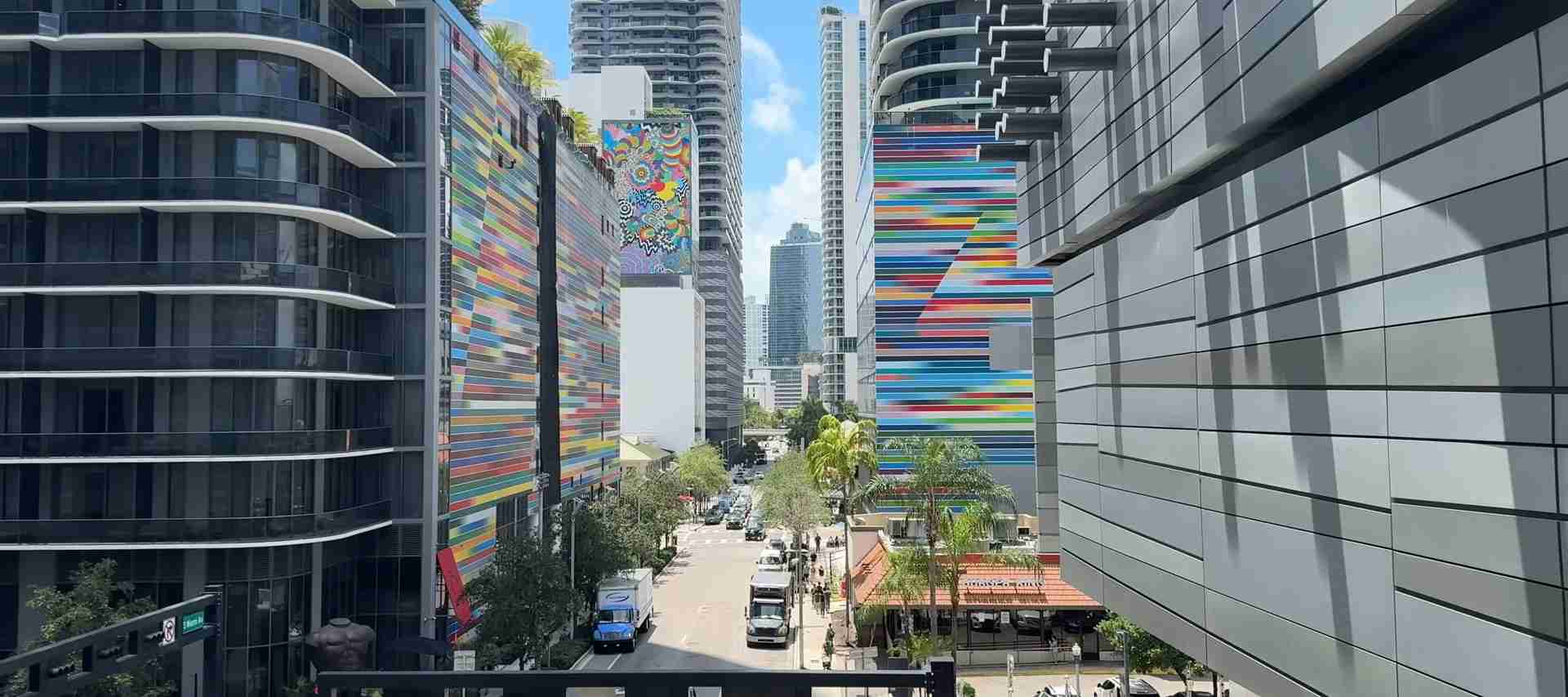
Miami Budget Guide 2026: Complete Cost Breakdown
Miami delivers tropical beaches, vibrant nightlife, and world-class dining at costs ranging from budget-friendly Cuban eateries to luxury oceanfront experiences. Understanding Miami’s price structure helps travelers maximize value in a city where accommodation dominates expenses, public transportation offers exceptional savings, and strategic timing unlocks significant discounts across all spending categories.
Key Takeaways: Essential Miami Budget Facts 2026
- Budget Travel 2026: Budget-conscious travelers spend $85-160 per person daily assuming two sharing budget hotel accommodation, with hostel dormitories reducing costs to the lower end and strategic meal choices maximizing savings.
- Mid-Range Comfort 2026: Mid-range visitors invest $215-355 per person daily for two sharing mid-range hotel rooms, quality restaurant meals, mixed transportation options, and comprehensive attraction access across Miami’s cultural landscape.
- Luxury Experience 2026: Luxury travelers spend $420-705+ per person daily when sharing high-end oceanfront accommodations, enjoying fine dining experiences, utilizing private transportation, and accessing premium tours and exclusive beach clubs.
- Seasonal Price Variations 2026: Summer and early fall deliver 40-60% accommodation savings compared to winter peak season, with hotels dropping from $300-450 nightly in February-March to $180-280 in August-September for comparable mid-range properties.
- Transportation Value 2026: Miami-Dade Transit’s $6 daily fare cap for unlimited Metrorail and Metrobus rides, combined with the free Metromover downtown loop, provides exceptional value compared to rideshare costs averaging $15-25 per trip.
- Weekly Trip Costs 2026: A week-long Miami visit costs approximately $595-1,120 per person for budget travelers, $1,505-2,485 for mid-range comfort, and $2,940-4,935+ for luxury experiences, all assuming two people sharing accommodation.
People Also Ask About Miami Budget 2026
How much does Miami cost per day in 2026?
Miami costs $85-160 per person daily for budget travel, $215-355 for mid-range comfort, and $420-705+ for luxury experiences, all assuming two people sharing hotel accommodation. Budget travelers staying in hostel dormitories can reduce costs to $60-90 daily by eliminating the accommodation-sharing calculation. Daily costs include accommodation divided by two for shared rooms, three meals ranging from food trucks to restaurants matching your budget tier, public transportation or rideshare depending on preference, and attraction admissions from free beaches to paid museums. Seasonal variation significantly impacts these ranges, with winter peak season (December-March) pushing all tiers 30-50% higher than summer low season (June-September) baseline costs.
What’s the biggest expense when visiting Miami in 2026?
Accommodation represents 40-55% of total daily costs across all budget tiers in Miami 2026, with hotel rates varying dramatically by season, location, and property type. Budget hotels near the airport or in less central neighborhoods cost $100-140 nightly, mid-range properties in Brickell or Coral Gables range $200-350, and luxury oceanfront South Beach hotels command $400-700+ per night. Strategic accommodation choices deliver the most significant budget impact, as selecting a hotel in Coconut Grove or Little Havana instead of South Beach can reduce nightly costs by $100-200 while maintaining quality, with the savings funding multiple days of dining and attractions. Booking 60-90 days in advance for winter peak season or monitoring last-minute deals for summer low season optimizes accommodation value.
How much should I budget for food in Miami in 2026?
Food costs in Miami 2026 range from $30-48 daily for budget-conscious travelers eating at food trucks and Cuban cafeterias, to $77-113 for mid-range restaurant dining, and $155-235+ for upscale culinary experiences per person. Budget meals include $5-8 breakfast from Cuban bakeries or supermarkets, $10-15 lunch from food trucks like Coyo Taco or authentic Little Havana spots like Versailles, and $15-25 dinner at casual restaurants. Mid-range dining delivers $12-18 cafe breakfasts, $25-35 lunch at restaurants like Yardbird Southern Table, and $40-60 dinner at quality establishments in Wynwood or Brickell. Luxury dining features $25-40 upscale brunches, $50-75 fine-dining lunches, and $80-120+ dinner at high-end restaurants where entrees start at $40-50. Miami’s three-course mid-range meal averages $60 per person, ranking as America’s least affordable dining city relative to local wages, making strategic meal choices and self-catering options particularly valuable for budget extension.
Is public transportation sufficient for tourists in Miami 2026?
Miami-Dade Transit’s integrated Metrorail, Metrobus, and free Metromover system effectively serves downtown Miami, Brickell, Coconut Grove, Coral Gables, and Miami International Airport, but South Beach and many beach attractions require supplementary transportation options. The $2.25 single-ride fare or $6 daily fare cap (reached after three rides) provides exceptional value for downtown exploration, museum visits, and airport transfers. However, Miami Beach, Wynwood, and Design District access often necessitates buses with less frequent service or rideshare supplements averaging $15-25 per trip. Budget travelers maximize transit value by selecting centrally-located accommodations near Metrorail stations, using the free Metromover for downtown circulation, and reserving rideshare for evening beach visits or destinations with inconvenient bus connections. A hybrid approach combining unlimited daily transit passes with strategic rideshare usage typically costs $15-30 daily compared to rideshare-only transportation exceeding $50-80 daily for comparable coverage.
Extended multi-day tours – 5+ days
Featured Southeast Usa Multi-Day Tour Packages

8 days
Short Family Journey in Florida
- ✓ Booking needs min. 2 travelers
9 days
The Ultimate Florida Road Trip
- ✓ Booking needs min. 2 travelers

14 days
Best of the South: Charleston to New Orleans
- ✓ Comprehensive Southeast Usa tour
- ✓ Expert local guides included
- ✓ All accommodation arranged
- ✓ Transportation provided
8 days
Florida Sunshine: From Miami to Key West
- ✓ Comprehensive Southeast Usa tour
- ✓ Expert local guides included
- ✓ All accommodation arranged
- ✓ Transportation provided
Multi-day tour packages powered by TourRadar. Prices and availability subject to change.
Introduction: Understanding Miami’s 2026 Cost Landscape
Miami’s 2026 budget landscape reflects a city transformed by global tourism demand, Latin American economic ties, and luxury real estate development, creating a dual-pricing environment where savvy travelers find exceptional value alongside internationally-priced premium experiences. The city’s accommodation market spans from $25 hostel dormitories in South Beach to $700+ nightly oceanfront suites, with strategic neighborhood selection and seasonal timing delivering 50-70% cost variations for comparable quality. Transportation infrastructure centered on the efficient Metrorail and Metrobus network provides budget travelers with comprehensive city access at fixed daily costs, while dining options range from $3 Cuban coffee and $10 authentic empanadas in Little Havana to $150+ tasting menus at celebrity-chef restaurants in South Beach and Wynwood.
Understanding Miami’s seasonal price dynamics proves essential for budget optimization, as winter peak season (December through March) commands premium rates when northeastern travelers escape cold weather, while summer low season (June through September) offers 40-60% accommodation discounts despite Miami’s excellent year-round beach weather and cultural calendar. The city’s unique cultural composition creates pricing tiers within neighborhoods, where Little Havana and Hialeah maintain authentic, affordable dining and services while South Beach and Brickell cater to international luxury markets with European-level pricing. Free attractions including world-class beaches, the Art Deco District, Wynwood Walls street art, and waterfront parks provide budget travelers with substantial daily value, while strategic use of museum free days, happy hour specials, and advance booking discounts extends purchasing power across all budget tiers.
Miami’s 2026 cost structure rewards research and planning, as accommodation location choices impact not only nightly rates but daily transportation expenses, restaurant prices fluctuate dramatically between tourist corridors and residential neighborhoods just blocks away, and attraction costs range from free beach access to $80+ theme park admissions. This guide provides comprehensive cost breakdowns across budget, mid-range, and luxury tiers, seasonal pricing analysis, neighborhood-by-neighborhood expense comparisons, and strategic recommendations for maximizing value while experiencing Miami’s beaches, culture, nightlife, and culinary diversity. Whether allocating $85 or $700 daily per person, understanding where costs concentrate and how strategic choices redistribute budgets toward preferred experiences transforms Miami from an expensive destination into one offering exceptional value for informed travelers.
Accommodation Costs Miami 2026: Complete Price Breakdown
Accommodation dominates Miami’s daily budget, representing 40-55% of total expenses across all spending tiers, with strategic property selection and neighborhood choice delivering the most significant budget optimization opportunities. Miami’s hotel landscape divides into distinct geographic pricing zones, with South Beach commanding 30-50% premiums over comparable properties in Coconut Grove, Little Havana, or near Miami International Airport, while seasonal fluctuations create 40-60% rate variations between winter peak and summer low seasons for identical rooms.
Budget Accommodation Miami 2026: $50-140 Nightly
Budget travelers choose between hostel dormitories at $25-35 per bed or budget hotels at $100-140 per room. Hostel options concentrated in South Beach include Generator Miami at $28-35 per dorm bed, offering social atmosphere, rooftop pool, and prime Ocean Drive location, while Freehand Miami in Mid-Beach provides bohemian ambiance at $25-32 per bed with acclaimed restaurant Broken Shaker on-site. These dormitory rates eliminate the sharing calculation, representing true per-person costs, and typically include basic breakfast, WiFi, and communal kitchen access for additional savings through self-catering.
Budget hotel rooms priced $100-140 nightly deliver private accommodations when divided between two travelers, with properties like Red Roof PLUS+ Miami Airport at $85-110 providing airport shuttle service and free parking, while Hampton Inn Miami Coconut Grove offers $110-140 rooms with breakfast included in residential neighborhood setting just 15 minutes from downtown. Budget hotels near Miami International Airport provide exceptional value for cruise passengers or those prioritizing transportation access over beach proximity, with rates 30-40% below South Beach equivalents. Downtown budget hotels in the $120-140 range position travelers near Metrorail stations for efficient city exploration without premium beach location costs.
Mid-Range Hotels Miami 2026: $200-350 Nightly
Mid-range accommodation delivers comfortable rooms, desirable locations, and quality amenities at $200-350 per night, translating to $100-175 per person when sharing. South Beach properties in this tier include Hampton Inn Miami Beach at $220-280 featuring rooftop pool and beachfront access, while Kimpton Angler’s Hotel offers boutique atmosphere at $250-320 in quieter South of Fifth neighborhood. Brickell and Downtown options like AC Hotel Miami Wynwood provide modern design-focused rooms at $200-260 with easy Metrorail access, rooftop bars, and proximity to Wynwood’s art galleries and restaurants.
Coral Gables delivers exceptional mid-range value with properties like Loews Coral Gables Hotel at $240-320 combining resort amenities, pool, fitness facilities, and elegant architecture in walkable Mediterranean-style neighborhood. Coconut Grove hotels in the $200-280 range position travelers in leafy residential area with waterfront parks, local restaurants, and CocoWalk shopping complex, offering authentic Miami neighborhood experience without South Beach tourism premiums. Mid-range properties typically include WiFi, fitness centers, and pools, with some offering complimentary breakfast that reduces daily food costs by $12-18 per person.
Luxury Accommodation Miami 2026: $400-700+ Nightly
Luxury hotels command $400-700+ per night, dividing to $200-350+ per person for two sharing, and deliver oceanfront locations, resort amenities, premium dining, and exceptional service. Iconic South Beach properties include Fontainebleau Miami Beach at $450-650 featuring dramatic architecture, multiple pools, direct beach access, and celebrity-chef restaurants, while The Setai Miami Beach offers zen-inspired luxury at $600-900 with Art Deco design, three infinity pools, and acclaimed Asian restaurant. These properties provide resort experiences eliminating need for external dining and entertainment, concentrating budget within single premium location.
Four Seasons Hotel Miami in Brickell commands $400-550 for bay-view rooms and $600-850 for suites, combining urban sophistication with pool deck, spa, and Brickell’s financial district energy. South Beach’s 1 Hotel South Beach emphasizes sustainable luxury at $500-750 with rooftop pool, beachfront cabanas, and farm-to-table dining, while Faena Hotel Miami Beach delivers theatrical opulence at $600-1,000+ including access to exclusive Faena Theater and Miami Beach’s most extravagant lobby. Luxury tier accommodations often include resort fees of $40-60 daily covering WiFi, pool access, fitness facilities, and beach services, requiring budget consideration beyond base nightly rates.
Neighborhood Accommodation Comparison 2026
South Beach maintains Miami’s highest accommodation costs, with budget hotels starting at $140-180, mid-range properties at $250-350, and luxury options at $500-900 nightly. The premium purchases immediate beach access, Art Deco architecture, vibrant nightlife, and walking access to restaurants and attractions, but creates significant daily accommodation expense that may limit other budget categories. Mid-Beach and North Beach deliver 20-30% savings on comparable properties while maintaining beach access, with less intensive nightlife scene and quieter atmosphere appealing to families and relaxation-focused travelers.
Downtown and Brickell offer 25-35% accommodation savings compared to South Beach equivalents, with budget hotels at $100-130, mid-range at $200-280, and luxury at $400-600. These neighborhoods provide excellent Metrorail connectivity, proximity to museums and waterfront parks, and authentic urban Miami atmosphere with less tourism concentration. Coconut Grove and Coral Gables maintain residential neighborhood character with budget options at $110-140, mid-range at $200-300, and luxury at $400-550, offering village atmosphere, local dining, and easy access to Vizcaya Museum and Fairchild Tropical Botanic Garden.
Airport-area hotels deliver Miami’s most economical accommodation at $85-120 for budget properties with shuttle service, appealing to cruise passengers, early-departure travelers, or those maximizing non-accommodation budget categories. Little Havana and Hialeah provide limited hotel options but exceptional Airbnb value for travelers seeking authentic Cuban neighborhood experience and accepting 20-30 minute commutes to beaches and major attractions.
Seasonal Accommodation Price Variations 2026
Winter peak season from December through March commands highest rates, with mid-range hotels averaging $280-350 nightly compared to $200-260 for identical properties in summer low season (June-September). South Beach experiences most dramatic seasonal swings, with luxury properties reaching $700-1,000+ during Art Basel Miami Beach (early December), Miami Music Week (March), and President’s Day weekend while dropping to $450-650 in August-September. Shoulder seasons of April-May and October-November offer 20-30% savings from winter peak while maintaining excellent weather and reduced crowd levels.
Strategic booking timing optimizes rates, with 60-90 days advance reservation recommended for December-March peak season securing lower rates before inventory tightens, while last-minute bookings for June-September low season frequently deliver 30-50% discounts as hotels fill remaining inventory. Miami’s hurricane season (June-November) creates perception-driven discounts despite low actual storm impact, with August-September offering exceptional accommodation value for travelers comfortable with statistically minimal weather risk.
Food and Dining Costs Miami 2026: Budget to Luxury
Miami’s dining costs span from $3 Cuban coffee and $10 authentic empanadas to $200+ tasting menus, with the city ranking as America’s least affordable for dining relative to local wages at an average $60 per person for three-course mid-range meals. Strategic restaurant selection between tourist corridors and residential neighborhoods, maximizing happy hour specials and lunch pricing, and incorporating self-catering for some meals substantially extends food budgets across all spending tiers.
Budget Dining Miami 2026: $30-48 Daily Per Person
Budget-conscious travelers spend $30-48 daily combining cheap breakfasts, food truck lunches, and casual restaurant dinners. Breakfast costs $5-8 at Cuban bakeries throughout Little Havana and Hialeah offering café con leche at $2-3 and pastelitos (pastries) at $2-3, or supermarket purchases of bagels, fruit, and coffee for hotel room consumption reducing costs to $3-5. Food trucks and casual eateries provide lunch at $10-15, with Coyo Taco serving authentic Mexican tacos at $3-4 each (order 3-4 for full meal), Ms. Cheezious offering gourmet grilled cheese at $10-12, and countless Cuban cafeterias in Little Havana delivering rice, beans, protein, and plantains for $10-15.
Dinner at budget tier costs $15-25 at restaurants like Versailles in Little Havana serving massive Cuban plates at $12-18, La Carreta offering similar authentic meals at $10-15, or pizza by the slice throughout South Beach at $4-6 per large slice (2-3 slices sufficient). Budget dining strategy includes making lunch the main meal when many restaurants offer $12-18 lunch specials for dishes costing $25-35 at dinner, shopping at Publix or Whole Foods for breakfast and snack supplies, and avoiding Ocean Drive and Lincoln Road where tourist-focused pricing adds 40-60% premiums to comparable meals blocks away.
Mid-Range Dining Miami 2026: $77-113 Daily Per Person
Mid-range food budget of $77-113 daily allows quality restaurant meals and Miami’s diverse culinary scene. Breakfast at cafes costs $12-18 for avocado toast, eggs benedict, or Cuban breakfast with café con leche, while hotel breakfast buffets when included save $15-20 daily. Lunch at $25-35 includes restaurants like Yardbird Southern Table & Bar offering Southern comfort food in $18-28 entree range, Bakan in Wynwood serving elevated Mexican at $20-32, or waterfront casual dining in Coconut Grove at $22-35 per entree plus drinks.
Dinner at mid-range tier costs $40-60 per person at quality establishments throughout Wynwood, Brickell, Coral Gables, and South Beach (away from Ocean Drive). Examples include Joe’s Stone Crab offering famous stone crab claws at market prices (typically $35-60) with sides, Mandolin Aegean Bistro in Design District serving Greek-Mediterranean at $28-45 entrees, and Novikov Miami in Brickell delivering Asian fusion at $32-58. Mid-range dining incorporates one or two drinks at $12-18 cocktails or $8-12 beers, with total meal costs reaching $50-75 including beverages and tax before tip. Miami’s standard 20% gratuity expectation (often automatically included for parties of 6+) adds meaningful costs requiring budget consideration.
Luxury Dining Miami 2026: $155-235+ Daily Per Person
Luxury dining budget of $155-235+ daily accesses Miami’s celebrity-chef restaurants and fine-dining establishments. Upscale brunch costs $25-40 at venues like Swan in Design District (David Grutman/Pharrell Williams collaboration) or The Surf Club Restaurant (Thomas Keller), with prices escalating to $50-80 for champagne brunch services. Lunch at fine-dining establishments costs $50-75 for multi-course experiences at restaurants like Le Zoo in Bal Harbour or Michael’s Genuine Food & Drink in Design District.
Dinner drives luxury food costs, with high-end restaurants commanding $80-120+ per person before drinks. Examples include Carbone in South Beach charging $45-65 for pasta dishes and $60-95 for entrees, Zuma Miami offering Japanese izakaya at $40-75 per dish with 2-3 dishes recommended per person, and Prime 112 steakhouse pricing steaks at $55-95 with $18-28 sides. Ultra-luxury experiences like Nobu Miami Beach deliver $150-250+ per person tasting menus, while chef’s table experiences and wine pairings push costs to $300-500+ for singular dining events. Luxury dining includes cocktails at $18-28, wine by glass at $18-35, and bottle service at clubs ranging $400-2,000+ for premium spirits and table access.
Neighborhood Dining Cost Variations 2026
Ocean Drive and Lincoln Road in South Beach maintain Miami’s highest dining costs, with casual meals starting at $25-35 and dinner entrees at $35-55 before achieving mid-range quality available elsewhere at $18-30. Walking two blocks inland from Ocean Drive to Washington Avenue or west from Lincoln Road to Alton Road reduces meal costs 25-35% for equivalent food quality. Little Havana offers Miami’s most authentic and affordable dining, with excellent Cuban meals at $10-18 and family-run restaurants maintaining neighborhood pricing despite increasing tourism interest.
Wynwood and Design District balance quality dining with relative value, offering creative restaurants at $25-45 entrees compared to $35-65 for comparable cuisine and ambiance in South Beach. Coral Gables maintains upscale residential dining at $28-48 entrees, while Coconut Grove delivers waterfront casual dining at $22-38. Brickell caters to financial district professionals with lunch specials at $15-25 and dinner at $30-55, offering better value than beach areas while maintaining quality and service standards.
Money-Saving Dining Strategies 2026
Happy hour specials throughout Miami run from 4pm-7pm offering 30-50% discounts on drinks and appetizers, with many bars providing free or heavily discounted food alongside drink specials. Restaurants like Sugar in Brickell, The Wharf Miami, and countless South Beach establishments offer happy hour deals transforming $18 cocktails to $8-10 and $15-20 appetizers to $6-10. Making early dinner during happy hour hours or late lunch around 3-4pm captures both reduced pricing and smaller crowds.
Lunch pricing provides identical food to dinner menus at 30-40% savings, with many upscale restaurants offering $20-28 lunch entrees for dishes costing $40-55 at dinner. Self-catering breakfast through supermarket purchases saves $10-15 daily compared to restaurant meals, with Publix, Whole Foods, and Trader Joe’s throughout Miami providing fresh fruit, bagels, coffee, and breakfast supplies. Miami Spice restaurant promotion (August-September) offers three-course lunches at $30 and dinners at $45-60 at participating high-end restaurants normally commanding $80-150+ per person, providing excellent value for luxury dining experiences during low season.
Transportation Costs and Strategies Miami 2026
Miami’s transportation costs range from free Metromover rides to $50+ daily rideshare expenses depending on neighborhood locations, attraction choices, and public transit comfort level. Strategic transportation planning dramatically impacts daily budgets, with the efficient Metrorail network serving downtown, airport, and major attractions at fixed low costs while South Beach access requires supplementary bus service or rideshare options.
Public Transportation Miami 2026: $6 Daily Maximum
Miami-Dade Transit operates integrated Metrorail, Metrobus, and Metromover services with single-ride fares at $2.25 and daily fare cap at $6 after three rides, providing unlimited travel throughout the network. Metrorail’s two lines (Green and Orange) connect Miami International Airport, downtown Miami, Brickell, Coconut Grove, Coral Gables, and extend north to Hialeah and south to Dadeland, operating 5am-midnight daily. Orange Line provides direct airport service every 15 minutes at $2.25 single fare, significantly undercutting taxi ($25-35) or rideshare ($15-22) costs for airport transfers.
Metromover operates as free elevated train circulating downtown Miami, Brickell, and Omni neighborhoods with stations every 2-3 blocks, arriving every 90 seconds during rush hours and 3 minutes off-peak. The free service connects Metrorail at Government Center and Brickell stations, provides access to Bayside Marketplace, Pérez Art Museum Miami, Frost Science Museum, and offers scenic downtown views while eliminating walking distances in Miami’s heat and humidity. Metrobus serves 95 routes including beach access to South Beach and Miami Beach, though less frequent service (15-30 minute headways) and longer travel times make it less convenient than Metrorail for some destinations.
Public transportation value peaks for downtown-focused itineraries, with unlimited daily travel at $6 supporting museum visits, Brickell exploration, Coconut Grove restaurants, and airport transfers within single capped cost. Budget travelers selecting accommodations near Metrorail stations maximize public transit utility, while beach-focused trips require bus connections or rideshare supplements challenging pure public transportation strategies.
Rideshare and Taxi Costs Miami 2026
Uber and Lyft dominate Miami transportation with typical rides costing $10-18 for short trips (2-3 miles), $15-25 for medium distances (5-7 miles), and $25-40 for longer journeys or airport transfers. South Beach to Wynwood costs $15-20, Miami Beach to downtown runs $18-25, and airport to South Beach ranges $22-35 depending on traffic and surge pricing. Peak hours (weekday rush periods and weekend nights) trigger surge pricing adding 1.5-2.5x multipliers to base fares, potentially reaching $40-60 for routes normally costing $20-25.
Taxis charge $3 flag-drop plus $1.30 per kilometer with typical trip costs 15-25% higher than rideshare base rates, though avoiding surge pricing during peak demand. Airport taxis charge flat rates to Miami Beach ($35-45) and downtown ($22-30) eliminating traffic-dependent pricing variability. Traditional taxis accept credit cards but prefer cash, while rideshare apps provide upfront pricing and automatic payment.
Daily rideshare costs escalate quickly with four trips (hotel to attraction, attraction to lunch, lunch to different area, return to hotel) totaling $50-80 compared to $6 public transit daily cap. Mid-range travelers often balance approaches, using Metrorail for airport, museums, and downtown while reserving rideshare for beach evenings and destinations with inconvenient transit access, typically spending $15-30 daily on mixed transportation.
Rental Car Considerations Miami 2026
Car rental costs $40-70 daily for economy vehicles plus $15-30 parking fees at hotels and $3-8 hourly or $15-25 daily at attraction parking lots. Miami International Airport rental car center offers most competitive rates at $35-55 daily for weekly rentals compared to $50-80 for shorter periods or hotel pickup locations. Full daily rental costs including parking typically reach $60-100, making rental cars economical only for travelers planning extensive area exploration to Everglades, Keys, or Fort Lauderdale, or families where per-person rideshare costs exceed rental economics.
Parking challenges throughout South Beach ($3-5 hourly meters, $25-45 hotel valet) and downtown ($15-25 daily garages) add friction and expense to rental car usage. Beach-focused trips rarely justify rental cars given concentration of activities, dining, and nightlife within walkable or inexpensive rideshare distances. Budget travelers almost universally avoid rental cars, while mid-range and luxury travelers evaluate based on planned day trips and accommodation parking costs.
Miami Beach Trolley and Bike Sharing 2026
South Beach Local shuttle bus operates for $0.25 throughout South Beach, connecting hotels, beaches, Lincoln Road, and Art Deco District with service every 15-30 minutes. The minimal fare provides extremely budget-friendly beach area transportation, though less frequent service and fixed routes limit flexibility compared to rideshare door-to-door convenience.
Citi Bike Miami offers bike sharing at $5 for single rides (30-minute limit) or $18 daily for unlimited 30-minute trips, with stations throughout South Beach, Miami Beach, downtown, and Brickell. Dedicated bike lanes along waterfront and through South Beach make cycling pleasant option for fit travelers comfortable with heat and humidity, though distances between neighborhoods and July-August temperatures challenge extended cycling. Bike rental shops offer beach cruisers at $20-30 daily, appealing for dedicated beach day cycling along oceanfront paths.
Attraction and Activity Costs Miami 2026
Miami’s attraction costs span from free world-class beaches and street art to $40-80 theme park admissions and $100+ boat tours, with strategic planning balancing paid cultural experiences against abundant free offerings. Understanding which attractions justify costs versus excellent free alternatives optimizes overall value while ensuring comprehensive Miami cultural experience.
Free Attractions and Beaches 2026
Miami’s greatest attractions require no admission fees, starting with 10 miles of public beaches from South Beach through Mid-Beach, North Beach, and Sunny Isles offering swimming, sunbathing, and people-watching. South Pointe Park provides oceanfront green space, fishing pier, and playground, while Lummus Park beach features iconic lifeguard stands and Ocean Drive Art Deco architecture backdrop. All Miami beaches maintain free public access despite premium hotel frontage, with scattered free beach equipment and ubiquitous chair and umbrella rentals at $20-35 daily for those wanting beach setup.
Wynwood Walls presents world’s largest curated outdoor street art museum with free general admission ($13 tickets required during special events) showcasing 35+ massive murals by internationally-renowned artists, adjacent to Wynwood’s gallery district for free contemporary art viewing. Bayside Marketplace offers free waterfront entertainment, street performers, and bay views, while Bayfront Park hosts free concerts and festivals year-round. The Art Deco District provides self-guided architectural walking tours through 800+ preserved 1930s-1940s buildings, with Miami Design Preservation League offering free guided tours Saturday mornings.
Fairchild Tropical Botanic Garden admits Miami-Dade residents free on Tuesdays, while Pérez Art Museum Miami (PAMM) offers free admission second Saturday monthly. Walking or cycling the Venetian Causeway provides free bay views connecting Miami to Miami Beach, and Little Havana’s Calle Ocho delivers free cultural immersion through cigar shops, domino parks, and authentic Cuban atmosphere.
Museum Admission Costs Miami 2026
Phillip and Patricia Frost Museum of Science charges $30 adult admission including aquarium, planetarium show, and interactive science exhibits, representing Miami’s most comprehensive museum value. The four-level aquarium, state-of-the-art planetarium, and hands-on STEM exhibits justify full-day visits, with combination tickets available for multiple planetarium shows. Pérez Art Museum Miami (PAMM) charges $18 general admission for contemporary international art with bay-view sculpture gardens, while Institute of Contemporary Art (ICA) maintains permanent free admission for cutting-edge exhibitions in Design District.
Vizcaya Museum and Gardens costs $28 admission for Italian Renaissance-style villa and European-inspired formal gardens, offering self-guided exploration of early 20th century industrialist estate and National Historic Landmark. The museum requires 2-3 hours for thorough visit, combining mansion interiors, 10 acres of formal gardens, and waterfront views. Deering Estate charges $15 admission for historic mansion, archaeological sites, and 444-acre nature preserve combining cultural history with coastal ecosystem exploration.
Wynwood Walls recently instituted $13 admission during museum hours (previously free outdoor viewing), though street art throughout surrounding Wynwood neighborhood remains free. Museum of Graffiti charges $16 admission for indoor graffiti art collection and history. HistoryMiami Museum costs $15 for exhibits covering Miami’s development, Cuban immigration, and South Florida cultural evolution, appealing to history enthusiasts and those seeking deeper Miami context.
Boat Tours and Water Activities 2026
Boat tours and water activities represent Miami’s most expensive attraction category, ranging from $30 sightseeing cruises to $300+ private charters. Biscayne Bay sightseeing tours cost $35-55 for 90-minute narrated cruises past celebrity homes on Star Island, Venetian Islands, and downtown Miami skyline. Millionaire’s Row boat tours run $40-65 showcasing waterfront mansions while providing Miami Beach and bay geography orientation. Sunset cruises command $45-75 for 2-hour voyages with drinks and entertainment, combining transportation with atmosphere and views.
Jet ski rentals cost $80-120 for one-hour guided tours through Biscayne Bay, while parasailing runs $75-95 for 10-12 minute flights offering aerial beach views. Stand-up paddleboard and kayak rentals cost $30-50 for 2-hour periods, providing budget-friendly water access for active travelers. Fishing charters range from $75-125 per person for shared half-day trips to $600-1,200 for private full-day charters, appealing to serious anglers accepting premium costs for targeted species and expert guidance.
Everglades airboat tours from Miami cost $45-75 for 60-90 minute experiences including transportation from Miami Beach meeting points, providing iconic South Florida alligator viewing and sawgrass ecosystem exploration. Snorkeling and diving trips to Biscayne National Park underwater preserve run $85-150 for half-day experiences, though requiring transportation 30-45 minutes south of Miami to park access points.
Theme Parks and Major Attractions 2026
Jungle Island charges $40 adult admission for interactive animal encounters, zip-lining, and tropical bird shows, requiring 3-4 hours for comprehensive experience. Miami Seaquarium costs $50 admission for marine mammal shows, dolphin encounters, and aquarium exhibits, though showing age compared to modern facilities and increasingly questioned for marine mammal welfare concerns. Zoo Miami, located 45 minutes south of downtown, charges $24 adult admission for 340-acre facility with 2,000+ animals, representing good value for families dedicating full day to zoo experience.
Super Blue Miami immersive art experience costs $37 for timed-entry ticket to interactive digital installations, appealing to Instagram-focused visitors and contemporary art enthusiasts. Paradox Museum Miami charges $30 for optical illusion and interactive exhibits designed for social media content creation. These newer experiential museums target 1-2 hour visits with high photography appeal but limited substantive content compared to traditional museums.
Activity Cost Optimization Strategies 2026
Go Miami Explorer Pass offers 2, 3, 4, or 5 attraction admissions at $69, $94, $119, and $144 respectively, delivering 30-45% savings versus individual tickets for travelers visiting multiple paid attractions. The pass includes Frost Science Museum ($30 value), Everglades airboat tours ($50 value), Wynwood Walls, jungle Island, and numerous other options with 30-day usage window allowing flexible scheduling. Value calculation requires selecting highest-priced attractions and visiting at least 3 attractions for break-even economics.
Miami-Dade Public Library Museum Pass program provides Miami-Dade residents free admission passes for Frost Science Museum, Zoo Miami, and other attractions, available through library branches on first-come basis. Non-residents should check museum websites for free admission days (PAMM second Saturday, ICA always free, Wynwood Walls free after hours for outdoor viewing) and plan visits accordingly. Many attractions offer 10-15% online booking discounts, while package deals combining transportation and admission reduce total costs $5-15 per attraction.
Complete Daily Budget Breakdowns Miami 2026
Comprehensive daily cost summaries demonstrate how accommodation, food, transportation, and attractions combine into total per-person expenses across budget, mid-range, and luxury tiers, all calculated assuming two people sharing hotel rooms. These breakdowns incorporate realistic meal selections, practical transportation choices, and balanced attraction access representing typical travel patterns.
Budget Traveler Daily Costs 2026: $85-160 Per Person
Budget daily costs of $85-160 per person assume two sharing budget hotel accommodation, cheap meals, public transportation, and selective paid attractions. Accommodation at budget hotel costs $100-140 per room, dividing to $50-70 per person when two share. Breakfast from Cuban bakery or supermarket runs $5-8, lunch from food truck or Cuban cafeteria costs $10-15, and dinner at casual restaurant ranges $15-25, totaling $30-48 daily food expenses. Transportation using Metrorail and Metrobus with $6 daily fare cap or less for shorter days costs $6-12 depending on activity patterns.
Attractions for budget travelers emphasize free beaches, Wynwood Walls outdoor viewing, Art Deco District walking tours, and Bayside Marketplace, with one or two paid admissions weekly at museums ($15-30) or affordable activities. Sample budget day totals $86 on low end (budget hotel $50 per person, cheap meals $30, minimal transport $6, free attractions $0) to $160 on high end (budget hotel $70, moderate budget meals $48, full daily transit $12, paid museum $30).
Budget travelers extend value through hostel dormitory selection reducing accommodation to $25-35 per person and eliminating sharing calculations, dropping low-end daily costs to $60-90. Strategic choices like hotel breakfast inclusion, self-catering some meals, maximizing free attractions, and walking shorter distances instead of transit further optimize budgets while maintaining quality Miami experience.
Mid-Range Traveler Daily Costs 2026: $215-355 Per Person
Mid-range daily costs of $215-355 per person provide comfortable hotels, quality restaurant dining, mixed transportation, and comprehensive attraction access. Accommodation at mid-range hotel costs $200-350 per room, dividing to $100-175 per person for two sharing. Meals include $12-18 cafe breakfast, $25-35 restaurant lunch, and $40-60 quality dinner, totaling $77-113 daily food expenses. Transportation combines Metrorail for some trips with rideshare convenience for beaches and evening activities, averaging $15-25 daily.
Attractions incorporate multiple paid museums, boat tours, or water activities weekly, averaging $25-40 daily when distributed across week-long visit. Sample mid-range day totals $217 on low end (mid-range hotel $100 per person, moderate meals $77, basic transport $15, some paid attractions $25) to $355 on high end (mid-range hotel $175, quality dining $113, full rideshare $25, premium activities $40).
Mid-range travelers balance value and comfort, selecting hotels in Brickell or Coral Gables over South Beach for 25-30% savings, making lunch the primary restaurant meal to capture pricing advantages, and mixing Metrorail for practical trips with rideshare for convenience situations. This tier delivers quality Miami experience without luxury premiums while avoiding budget-tier compromises on comfort and location access.
Luxury Traveler Daily Costs 2026: $420-705+ Per Person
Luxury daily costs of $420-705+ per person deliver premium oceanfront hotels, fine dining, private transportation, and exclusive experiences. Accommodation at luxury hotel costs $400-700+ per room, dividing to $200-350+ per person for two sharing South Beach or Brickell properties with resort amenities. Meals include $25-40 upscale brunch, $50-75 fine-dining lunch, and $80-120+ high-end dinner, totaling $155-235+ daily food expenses before adding premium cocktails and wine.
Transportation via rideshare exclusively costs $25-40 daily eliminating public transit entirely, while some luxury travelers add rental cars at $60-100 daily total for freedom and convenience. Activities incorporate private boat charters, premium fishing excursions, spa treatments, and VIP nightclub access, averaging $40-80+ daily for luxury-tier experiences beyond standard museum admissions.
Sample luxury day totals $420 on low end (luxury hotel $200 per person, upscale dining $155, rideshare $25, standard activities $40) to $705+ on high end (luxury hotel $350, fine dining $235, mixed transportation $40, premium experiences $80), with ultra-luxury experiences exceeding these ranges through $600-900 hotels, $300+ tasting menus, and $500+ bottle service easily pushing daily costs beyond $1,000 per person.
Sample Miami Itineraries with Daily Costs 2026
Detailed multi-day itineraries demonstrate realistic daily cost progressions across budget, mid-range, and luxury tiers, showing how strategic activity sequencing and neighborhood selection optimize value while ensuring comprehensive Miami experiences from beaches to culture to nightlife.
3-Day Budget Miami Itinerary: $260-480 Per Person Total
Day 1 focuses on South Beach orientation with free beach time, Art Deco District walking tour, and Ocean Drive atmosphere. Accommodation at Red Roof PLUS+ Miami Airport costs $90 per room ($45 per person sharing), breakfast from supermarket supplies $5, lunch from food truck $12, dinner at La Carreta Cuban restaurant $15. Metrorail from airport to South Beach via downtown transfer costs $4.50, with return to airport hotel $4.50. Free beach and architecture exploration eliminates attraction costs. Day 1 total $86 per person.
Day 2 explores downtown museums and Wynwood art with Metrorail downtown access and walking. Hotel same $45 per person, breakfast $6, lunch from Cuban cafeteria $12, dinner at casual restaurant $18. Frost Science Museum admission $30, Metrorail and Metromover transportation $6. Wynwood Walls outdoor viewing after hours provides free street art access. Day 2 total $117 per person.
Day 3 combines Coconut Grove waterfront and Vizcaya Museum before evening South Beach return. Hotel $45 per person, breakfast $7, lunch at Coconut Grove cafe $15, dinner from South Beach casual spot $20. Metrorail to Coconut Grove station $2.25, rideshare to Vizcaya $8, rideshare from Vizcaya to South Beach $12, late rideshare back to airport area $15 (total transport $37.25). Vizcaya admission $28. Day 3 total $152 per person.
Three-day budget trip totals $355 per person (Day 1: $86, Day 2: $117, Day 3: $152), with variations to $260 minimum through hostel accommodation at $28 per night and entirely free attractions, or $480 maximum through budget hotels at $70 per person and additional paid activities.
5-Day Mid-Range Miami Itinerary: $1,085-1,775 Per Person Total
Day 1 arrives afternoon with airport pickup, South Beach hotel check-in, and Ocean Drive dinner. AC Hotel Miami Beach accommodation $240 per room ($120 per person sharing), airport rideshare $25, casual dinner $45, evening drinks $25. Day 1 total $215 per person.
Day 2 explores South Beach thoroughly with morning beach time, lunch at Yardbird, Wynwood afternoon galleries, and Wynwood dinner. Hotel $120 per person, breakfast hotel included, beachside lunch $32, Wynwood dinner $55, coffee and snacks $15. Rideshare to Wynwood $18, return to South Beach $18 (total transport $36). Wynwood Walls paid admission $13. Day 2 total $271 per person.
Day 3 visits downtown museums and Brickell. Hotel $120 per person, breakfast included, lunch at waterfront restaurant $38, dinner at Brickell restaurant $58, coffee $6. Metrorail day pass usage $6. Frost Science Museum $30, PAMM $18 (total attractions $48). Day 3 total $276 per person.
Day 4 takes Everglades day trip with organized tour. Hotel $120 per person, breakfast included, lunch included in tour, return for South Beach dinner $52. Everglades tour with transport $75, evening rideshare to/from dinner $20. Day 4 total $267 per person.
Day 5 morning beach time before midday departure. Hotel $120 per person, breakfast included, early lunch $28, airport rideshare $25. Beach chair rental $25. Day 5 total $198 per person.
Five-day mid-range trip totals $1,227 per person (sum: $215+$271+$276+$267+$198), with variations from $1,085 through economy mid-range selections to $1,775 selecting higher mid-range hotels at $175 per person and premium restaurant choices throughout.
3-Day Luxury Miami Itinerary: $1,260-2,115 Per Person Total
Day 1 arrives private car service with Four Seasons Brickell accommodation at $500 per room ($250 per person sharing), welcome lunch at hotel restaurant $75, afternoon spa treatment $150, evening dinner at Zuma $120. Private car service airport $60, evening rideshare to/from dinner $25. Day 1 total $680 per person.
Day 2 explores South Beach luxury with morning hotel pool, South Beach lunch at Carbone $85, afternoon private boat tour $200 (divided between two: $100 each), sunset cocktails $40, late dinner at Prime 112 steakhouse $140. Hotel $250 per person, breakfast included, private car service throughout day $80. Day 2 total $695 per person.
Day 3 combines final beach time and cultural refinement with morning beach club access at 1 Hotel South Beach day pass $75, lunch at hotel $70, afternoon Vizcaya visit $28, early evening departure. Hotel $250 per person, breakfast included, private car to Vizcaya $30, airport private car service $60. Day 3 total $513 per person.
Three-day luxury trip totals $1,888 per person (sum: $680+$695+$513), with variations from $1,260 through luxury-tier economy choices to $2,115+ incorporating ultra-luxury hotels at $350+ per person and $200+ tasting menu experiences.
Neighborhood Budget Comparison Guide Miami 2026
Different Miami neighborhoods create distinct daily cost structures based on accommodation prices, restaurant availability, and transportation requirements, with strategic neighborhood selection potentially shifting overall budgets 30-50% while maintaining experience quality through trade-offs between location convenience and cost efficiency.
South Beach Budget Impact
South Beach concentrates Miami’s highest costs across all categories, with budget hotels starting $140-180 nightly, mid-range at $250-350, and luxury at $500-900+. Dining costs run 30-50% above comparable Miami neighborhoods, with casual restaurant entrees at $20-35, mid-range dinners at $45-75, and premium meals easily exceeding $100+ per person. The premium purchases immediate beach access, vibrant nightlife within walking distance, and Art Deco architecture immersion, reducing transportation costs through walkability but elevating accommodation and dining substantially.
South Beach makes budget sense for beach-focused trips where maximum beach time justifies accommodation premiums, short stays where location convenience outweighs nightly rate concerns, and travelers prioritizing nightlife over budget optimization. Staying South Beach while dining in nearby neighborhoods like Sunset Harbour (10-minute walk) or taking short rideshare trips to North Beach reduces food costs 20-30% while maintaining beach location advantages.
Downtown and Brickell Value Balance
Downtown and Brickell deliver 25-35% accommodation savings compared to South Beach equivalents, with budget hotels at $100-130, mid-range at $200-280, and luxury at $400-600. These neighborhoods provide excellent Metrorail connectivity, proximity to Pérez Art Museum Miami, Frost Science Museum, and Bayfront Park, with authentic urban Miami atmosphere and business district dining catering to local professionals rather than tourists. Restaurant costs run 20-30% below South Beach, with quality lunch specials at $15-25 and dinner entrees at $25-45 for mid-range dining.
Downtown/Brickell suits culture-focused travelers prioritizing museums over beaches, budget-conscious visitors willing to rideshare or bus to beaches, and those valuing Metrorail convenience for airport transfers and city exploration. A hybrid strategy combining downtown accommodation with planned beach days via $15-20 rideshare or $2.25 bus service optimizes budget while accessing both urban attractions and beach experiences.
Coconut Grove and Coral Gables Residential Value
Coconut Grove and Coral Gables offer residential neighborhood atmosphere with budget hotels at $110-140, mid-range at $200-300, and luxury at $400-550. These areas provide village character, local dining at 20-35% below South Beach rates, and appeal for travelers seeking authentic Miami living patterns over tourism intensity. Coconut Grove centers on waterfront parks, CocoWalk shopping, and cafe culture, while Coral Gables features Mediterranean architecture, upscale boutiques, and Miracle Mile pedestrian district.
Transportation costs slightly increase from these neighborhoods, requiring Metrorail access to downtown (single $2.25 fare, 10-15 minutes) and rideshare to beaches ($18-25, 15-20 minutes), adding $10-20 daily transportation compared to South Beach walking convenience. The accommodation savings of $50-100+ nightly easily offset transportation increases for stays exceeding 2-3 nights, while delivering quieter atmospheres and less tourism concentration appealing to longer-stay visitors and those prioritizing neighborhood exploration.
Airport Area Maximum Budget Efficiency
Airport-area hotels deliver Miami’s rock-bottom accommodation at $85-120 for budget properties with free shuttle service, appealing exclusively to cruise passengers, late-arrival/early-departure travelers, or extreme budget optimization accepting 20-30 minute commutes to all attractions. Food costs match citywide rates, while transportation expenses increase requiring rideshare or extended bus rides to reach beach, downtown, or cultural attractions, typically adding $20-40 daily compared to centrally-located accommodation.
Airport area makes economic sense only for 1-2 night stays where total accommodation savings of $50-120 exceed accumulated transportation costs, cruise embarkation/disembarkation logistics favoring airport proximity, or travelers renting cars where hotel parking fees at $0 versus South Beach’s $25-45 nightly valet create additional savings justifying peripheral location.
Seasonal Cost Variations and Planning Strategies 2026
Miami’s seasonal price fluctuations create 40-60% cost variations between winter peak and summer low seasons across accommodation, attractions, and even restaurant availability, with strategic seasonal planning potentially reducing total trip costs by thousands of dollars while accessing identical beach weather and attractions with different crowd levels and tourism intensity.
Winter Peak Season (December-March) Cost Premium
Winter peak season from December through March commands Miami’s highest prices, with mid-range hotels averaging $280-350 nightly compared to $200-260 identical properties in summer. South Beach luxury properties reach $700-1,000+ during Art Basel Miami Beach (early December), Miami Music Week (March), and President’s Day weekend, with some properties implementing 3-5 night minimum stays and charging 150-200% of typical luxury rates. Restaurant reservations become essential at popular establishments, with some upscale venues requiring bookings 2-4 weeks advance during peak periods.
Peak season delivers advantages of perfect beach weather averaging 75-80°F, minimal rainfall, and extensive special events including Art Basel, South Beach Wine & Food Festival, Miami Marathon, and Miami Open tennis. The influx of northeast US and international visitors creates vibrant atmosphere and maximum restaurant/nightlife energy, though crowds at South Beach, popular restaurants, and attractions increase wait times and reduce relaxed vacation feel.
Budget travelers avoiding peak season achieve significant savings, while those committed to winter visits should book accommodations 60-90 days advance when rates remain 20-30% below last-minute premium pricing, focus dining on lunch instead of dinner to capture better value, and visit free attractions during mornings when crowds concentrate at popular beach locations.
Summer Low Season (June-September) Value Opportunities
Summer low season delivers 40-60% accommodation discounts, with mid-range South Beach hotels at $180-260 nightly compared to $280-350+ winter rates for identical rooms. Luxury properties drop from $600-900 to $450-650, while budget hotels decrease from $140-180 to $100-130. These dramatic reductions reflect decreased demand from families constrained by school schedules, summer heat perception, and hurricane season concerns (June-November with peak risk August-October), despite Miami’s enjoyable summer beach weather and lower actual storm impact.
Summer advantages include authentic Miami experience with higher local-to-tourist ratios, immediate restaurant availability without advance reservations, less crowded beaches and attractions, and Last-minute travel deals with hotels offering 30-50% discounts weekly to fill inventory. Weather remains excellent for beach activities with temperatures 82-88°F, afternoon thunderstorms providing brief cooling and dramatic cloud formations, and ocean water at warmest annual temperatures.
Hurricane season risk remains statistically minimal, with Miami experiencing direct major hurricane impacts approximately once every 15-20 years despite seasonal monitoring. Travel insurance covering weather disruptions costs $40-80 for week-long trips and provides peace of mind, while actual storm impacts typically result in 1-2 day disruptions maximum even during direct-approach scenarios requiring evacuation or property closure.
Shoulder Season (April-May, October-November) Optimal Balance
Shoulder seasons of April-May and October-November deliver ideal weather with 20-30% savings from winter peak rates while avoiding summer heat intensity. April-May provides transition from peak to low season with hotels at $220-300 mid-range compared to $280-350 winter peaks, while October-November offers gorgeous weather emerging from summer with similar rate advantages. These periods maintain excellent beach conditions, reduced crowds compared to winter, and authentic Miami atmosphere without peak tourism intensity.
Shoulder season combines advantages of both peak and low periods, offering reliable sunshine and warm temperatures without excessive heat, availability at restaurants and attractions without advance booking requirements, and sufficient visitor presence for full nightlife and cultural programming. Budget travelers maximize value through shoulder season timing, accessing better accommodation quality at budget-tier prices and experiencing full Miami offerings without peak-season premiums.
Money-Saving Strategies and Budget Hacks 2026
Strategic planning and insider knowledge unlock substantial savings across accommodation, dining, attractions, and transportation categories, with informed travelers accessing comparable Miami experiences at 30-50% reduced costs compared to uninformed visitors through advance booking, off-peak timing, and local-savvy resource utilization.
Accommodation Booking Optimization
Booking 60-90 days advance for winter peak season (December-March) secures 20-30% lower rates before inventory tightens and prices escalate, while last-minute bookings (1-7 days advance) for summer low season capture 30-50% discounts as hotels fill remaining rooms. Hotel comparison sites like Kayak, Hotels.com, and Booking.com reveal price variations of $40-100+ nightly for identical rooms across booking platforms, warranting 15-minute research before reservation commitment.
Selecting hotels 2-3 blocks inland from Ocean Drive or off Lincoln Road in South Beach reduces costs 25-35% while maintaining 5-10 minute walking access to beach and nightlife. North Beach and Mid-Beach properties deliver genuine beach access at 30-40% below South Beach rates with less tourism intensity and more authentic neighborhood feel. Corporate chain hotels (Hampton Inn, Holiday Inn, Courtyard) often provide better value than independent boutique properties at mid-range tier, with consistent quality, free breakfast, and loyalty program benefits offsetting boutique atmosphere appeal.
Dining Cost Reduction Techniques
Happy hour dining (4pm-7pm) provides identical restaurant food at 30-50% savings through discounted appetizers often substantial enough for full meals, with many establishments offering $6-10 appetizers normally $15-20 and $8-12 cocktails typically $18-28. Making lunch the primary restaurant meal captures same menus at 30-40% lower pricing, with upscale restaurants offering $20-28 lunch entrees for dishes costing $40-55 at dinner.
Supermarket breakfast preparation saves $10-15 daily compared to restaurant meals, with Publix, Whole Foods, and Trader Joe’s providing fresh fruit, bagels, coffee, yogurt, and breakfast supplies for $3-5 per person daily. Little Havana restaurants deliver authentic Cuban meals at $10-15 compared to $25-35 tourist-corridor equivalents for similar food quality, rewarding travelers willing to venture from beach areas. Miami Spice restaurant weeks (August-September) offer three-course lunches at $30 and dinners at $45-60 at participating upscale restaurants normally charging $80-150+ per person, providing exceptional luxury dining value during low season.
Transportation Budget Maximization
Metrorail and Metrobus $6 daily fare cap reached after three $2.25 rides provides unlimited subsequent travel, making four or more daily trips effectively free and dramatically undercutting rideshare costs of $10-18 per trip. Staying near Metrorail stations (Brickell, Coconut Grove, Dadeland, Government Center) enables $2.25 airport transfers, free Metromover downtown access, and $6 maximum daily transportation compared to $50-80 rideshare-dependent daily costs for beach-area hotels.
South Beach Local shuttle at $0.25 provides ultra-budget beach area transportation, while walking during cool morning and evening hours (avoiding midday heat) eliminates transportation costs entirely for compact South Beach exploration. Mixing Metrorail for practical trips (airport, museums, downtown) with rideshare for convenience situations (late-night beach returns, luggage-heavy movements) optimizes value-to-convenience balance at $15-30 daily compared to rideshare-only $50+ or pure public transit inconvenience trade-offs.
Attraction Access Optimization
Free attraction emphasis including beaches, Wynwood Walls outdoor viewing after museum hours, Art Deco District architecture, Bayside Marketplace, Bayfront Park, and monthly free museum days (PAMM second Saturday, ICA always free) provides comprehensive Miami cultural experience at zero admission costs. Miami-Dade Library Museum Pass program offers free attraction admissions for library cardholders through participating branches, while Go Miami Explorer Pass delivers 30-45% savings for travelers visiting 3+ paid attractions through bundled pricing.
Booking attraction tickets online provides 10-15% discounts compared to gate purchases, while combination packages linking transportation and admission reduce total costs $5-15 per activity. Timing museum visits for late afternoon allows 2-3 hours quality exploration at full admission price while avoiding full-day commitment and enabling other free activities earlier in day.
Hidden Costs and Unexpected Expenses Miami 2026
Beyond obvious accommodation, food, and attraction categories, Miami travel includes numerous smaller costs that accumulate into meaningful budget impact without advance awareness and planning, with informed travelers budgeting additional 15-25% beyond primary categories for taxes, tips, resort fees, and incidental expenses.
Resort Fees and Hotel Surcharges
Many Miami Beach and luxury hotels charge resort fees of $40-60 daily covering WiFi, pool access, fitness facilities, and beach services, added to base room rates and often obscured during initial booking searches. These mandatory fees increase $250 nightly hotel by $50-60 to actual $300-310 daily cost, requiring scrutiny of total pricing during reservation process. Some properties additionally charge parking fees of $25-45 daily for hotel guests, urban destination fees of $15-25, or early check-in and late check-out fees of $50-100 for time-specific accommodation needs.
Budget and mid-range hotels typically avoid resort fees, with chains like Hampton Inn, Holiday Inn, and Courtyard operating on all-inclusive base rate models. Reading complete booking terms and searching specifically for “total rate including all fees” prevents surprise charges at checkout exceeding budgeted amounts by $50-100+ nightly.
Tipping and Service Expectations
Restaurant tipping at 18-20% standard (automatically added for parties of 6+) adds meaningful costs to dining budgets, with $60 mid-range dinner actually costing $72-75 after tip. Rideshare tipping expectations of 15-20% increase $18 trip to $21-22, while hotel valet parking at $25-35 expects $3-5 tips per retrieval, and airport shuttle drivers receive $2-3 per person tips. Bartenders expect $1-2 per drink or 18-20% on full bar tabs, while hotel housekeeping receives $3-5 daily tips for room service.
Comprehensive tipping adds 15-20% to overall daily costs beyond pre-tip pricing, with $200 daily budget requiring $230-240 actual spending to meet tipping expectations across dining, transportation, and hotel service categories. Budget travelers may reduce tipping percentage to 15% minimum acceptable standard and avoid valet parking in favor of self-parking options, while luxury travelers routinely tip 20-25% and provide additional service gratuities for exceptional assistance.
Beach Equipment and Incidental Rentals
Beach chair and umbrella rentals cost $20-35 daily for setup including two chairs and umbrella, with South Beach charging $25-35 and less touristy areas at $20-25. Umbrellas alone rent for $15-20, individual chairs $10-15, and beach towels (if hotel doesn’t provide) $5-8. Water sports equipment including paddleboards ($30-50 for 2 hours), kayaks ($30-40), and snorkel gear ($20-30) adds to beach activity costs, with some travelers accumulating $50-80 daily beach equipment expenses beyond free beach access.
Bringing beach towels from home or hotel, arriving early for prime free beach space positioning near lifeguard stands, and accepting sand-sitting instead of chair rentals reduces beach costs to zero while maintaining identical ocean access and sunshine exposure. Some hotels provide complimentary beach service for guests, including chairs, umbrellas, and towels, creating significant value additions worth hotel comparison consideration.
Parking and Transportation Hidden Costs
Parking meters throughout South Beach charge $3-5 hourly with 2-4 hour maximums requiring vehicle movement, while parking garages cost $15-25 daily and valet services run $25-45 plus tips. Attractions charge parking separately from admission, with $8-15 typical fees adding to visit costs. Rental car gasoline at $3.50-4.00 per gallon plus insurance options ($15-30 daily) and toll road charges on major highways create daily rental costs of $60-100 beyond base rates.
Public transportation avoids these hidden costs entirely at $6 maximum daily, while rideshare provides transparent all-inclusive pricing visible before trip commitment. Travelers renting cars should carefully evaluate actual driving distances, parking availability and costs at planned destinations, and whether rental economics justify benefits versus public transit and strategic rideshare combinations.
Budget Travel Tips for Different Traveler Types 2026
Specific traveler categories face unique budget considerations and optimization opportunities, with families, solo travelers, and seniors requiring tailored strategies to maximize value while meeting particular needs for child activities, single-occupancy premiums, or accessibility considerations.
Family Travel Budget Considerations 2026
Families with children face accommodation challenges as standard hotel rooms accommodate maximum two adults and two children with existing bedding, requiring suite upgrades ($40-80 nightly premium) or second rooms (doubling accommodation costs) for families of five or more. Apartment rentals through Airbnb often provide better value at $150-250 nightly for 2-bedroom units accommodating 4-6 people with full kitchens enabling breakfast and lunch preparation saving $30-60 daily on meals.
Child attraction admissions typically discount 25-40% from adult rates, with Frost Science Museum at $25 youth (ages 4-11) versus $30 adult, though teenagers pay full adult pricing. Many museums offer family packages with slight savings, while beaches and free attractions deliver identical value for children and adults. Children’s meals at restaurants cost $8-15 compared to adult entrees at $18-40, with casual restaurants providing crayons, activity sheets, and faster service accommodating family dining dynamics.
Family daily costs typically calculate as 3.5-4 adult equivalents (two adults at full rate, two children at 0.75-1.0 adult rate each), with budget families spending $300-560 daily total (equivalent to $85-160 per adult daily rate applied to family unit), mid-range families at $750-1,240 daily, and luxury family travel at $1,470-2,460+ daily for suite accommodations and comprehensive activity access.
Solo Traveler Budget Impact 2026
Solo travelers face significant accommodation premiums paying full room rates without sharing benefits, with $100-140 budget hotel charging full amount versus $50-70 per person for couples sharing, effectively doubling accommodation expenses. Hostel dormitories at $25-35 eliminate single-supplement premiums and provide social opportunities for solo travelers, while some hotels offer genuine single rooms at 60-70% of double room rates, though inventory remains limited requiring early booking.
Food and attraction costs remain unchanged for solo travelers compared to couples, though restaurant dining solo occasionally draws seating at bar areas with better service pace and atmosphere compared to table-for-one experiences. Solo travelers maximize public transportation value with $6 daily cap supporting comprehensive independent exploration, avoid rental car economics that distribute costs across multiple travelers, and benefit from flexible scheduling allowing last-minute deals and off-peak timing optimization.
Solo daily budgets calculate at $110-195 for budget tier (adding $25-35 single-room premium to shared couple rates), $240-405 for mid-range comfort, and $450-755+ for luxury experiences. Strategic hostel selection, emphasis on free attractions and self-catering meals, and public transportation optimization reduce solo budget gaps while maintaining quality Miami experiences.
Senior and Accessibility Considerations 2026
Senior travelers (65+) access discounted Metrorail and Metrobus fares at $1.10 (50% reduction from $2.25 standard) through EASY Card Discount Fare program, reducing daily transportation costs from $6 cap to $3 maximum with proper documentation and card registration. Many museums offer senior discounts of 10-20%, with Vizcaya Museum at $25 senior admission versus $28 general and some attractions providing free admission for seniors on specific days.
Accessibility needs for mobility-challenged travelers should emphasize hotel elevator access, step-free beach entries at designated accessibility points throughout Miami Beach, and Metrorail’s full accessibility with elevator access at all stations. South Beach’s flat topography and extensive sidewalk network supports wheelchair and walker usage, while some beach locations provide beach wheelchairs through local programs enabling ocean access for mobility-limited visitors.
Senior budget optimization combines discounted transit, strategic senior discounts, and off-peak travel during weekdays and shoulder seasons when crowds reduce and pace relaxes. Many seniors prefer mid-range tier allowing comfort without luxury premiums, with typical daily costs of $195-320 per person for quality hotel, leisurely restaurant meals, accessible transportation, and cultural attraction focus over intense activity scheduling.
Frequently Asked Questions: Miami Budget 2026
How much money should I bring to Miami for a week?
Bring approximately $595-1,120 per person for budget week-long visits, $1,505-2,485 for mid-range comfort, and $2,940-4,935+ for luxury experiences, all assuming two people sharing hotel accommodation. These amounts cover accommodation, three daily meals, local transportation, and balanced attraction access across seven days. Budget travelers can reduce costs to $420-630 weekly through hostel dormitories and exclusive free attractions, while ultra-luxury travelers easily exceed $7,000 per person weekly with premium hotels, fine dining, and private experiences. Credit cards provide optimal payment flexibility and fraud protection, with $200-400 cash recommended for small purchases, tips, and establishments preferring cash payments. Most Miami businesses accept credit cards, though some food trucks, parking meters, and small vendors require cash.
Is Miami expensive compared to other US cities?
Miami ranks as America’s most expensive city for dining relative to local wages, with three-course mid-range meals at $60 per person consuming 1.4% of average monthly salary compared to more favorable ratios in New York, Los Angeles, and Chicago. Accommodation costs align with major US coastal cities like San Diego and Boston, exceeding most inland metros while remaining below Manhattan and San Francisco premium rates. Transportation through public transit costs less than most major US cities at $6 daily maximum, though South Florida’s car-centric development creates challenges for non-drivers in some areas. Overall Miami costs approach coastal major metro levels for accommodation and dining while offering exceptional beach access and year-round outdoor activities creating value proposition balancing higher cash outlays against quality experiences.
When is the cheapest time to visit Miami?
August through October delivers Miami’s lowest prices with mid-range hotels at $180-260 nightly compared to $280-350+ in winter, while September specifically offers rock-bottom rates with some luxury properties at 50-60% below peak season pricing. Hurricane season perception creates discounts despite minimal actual storm impact, with Miami experiencing direct major hurricane hits approximately once every 15-20 years and most tropical systems producing only 1-2 days rain and wind without serious disruption. Early fall maintains excellent beach weather with temperatures 82-86°F and warm ocean water, fewer crowds than winter peak, and authentic local atmosphere with higher Miami resident-to-tourist ratios. Travel insurance costing $40-80 for week-long trips provides peace of mind for weather-concerned travelers while enabling significant cost savings through low-season timing.
Can I visit Miami on $100 per day?
Visiting Miami on $100 per person daily requires budget hotel ($50-70 per person sharing), cheap meals ($30-48), public transportation ($6-12), and free attraction emphasis, positioning budget at high end of budget tier ($85-160 daily range). This budget supports hostel dormitory accommodation at $25-35 per person enabling $65-75 for meals, transportation, and selective paid attractions, or budget hotel sharing with strict meal discipline through supermarket breakfasts, food truck lunches, and casual Cuban restaurant dinners. Travelers should emphasize Miami’s exceptional free attractions including beaches, Art Deco District, Wynwood Walls outdoor viewing, and waterfront parks while selecting one or two paid museums weekly. Summer low season timing maximizes $100 daily budget value through 40-60% accommodation discounts compared to winter peak pricing.
How much should I budget for food per day in Miami?
Budget $30-48 daily for budget-conscious eating, $77-113 for mid-range restaurant dining, and $155-235+ for upscale culinary experiences per person in Miami 2026. Budget tier combines $5-8 Cuban bakery breakfast, $10-15 food truck or Little Havana lunch, and $15-25 casual dinner. Mid-range dining delivers $12-18 cafe breakfast, $25-35 restaurant lunch, and $40-60 quality dinner at Wynwood, Brickell, or Coral Gables establishments. Luxury food budget supports $25-40 upscale brunch, $50-75 fine-dining lunch, and $80-120+ high-end dinner before adding cocktails at $18-28 or wine at $18-35 per glass. Strategic optimization through happy hour dining, making lunch the primary restaurant meal, and self-catering breakfast extends food budgets substantially while maintaining quality dining experiences.
Are there free things to do in Miami?
Miami offers extensive free attractions including 10 miles of public beaches from South Beach through Sunny Isles, Wynwood Walls outdoor street art viewing after museum hours, Art Deco District architecture with 800+ preserved 1930s-1940s buildings, free Metromover elevated train providing downtown and Brickell scenic transportation, Bayside Marketplace waterfront entertainment, Bayfront Park concerts and festivals, and monthly free museum days at Pérez Art Museum Miami (second Saturday) and perpetual free admission at Institute of Contemporary Art. Free activities enable comprehensive Miami cultural experiences at zero cost beyond transportation, with budget travelers easily filling 3-5 days through beach time, architecture appreciation, street art exploration, and waterfront park enjoyment before encountering paid attraction necessity.
Should I rent a car in Miami?
Rental cars cost $40-70 daily plus $15-30 hotel parking, $8-15 attraction parking, and gasoline expenses, totaling $60-100 daily compared to $6 Metrorail daily cap or $15-30 mixed public transit and rideshare strategies. Cars make economic sense for travelers planning extensive area exploration to Everglades, Florida Keys, or Fort Lauderdale, families where per-person rideshare costs exceed rental economics, or those prioritizing convenience and flexibility over budget optimization. Beach-focused trips concentrated in South Beach, downtown, and Brickell rarely justify rental cars given concentration of activities within walking or inexpensive public transit distances, parking challenges throughout tourist areas, and rideshare convenience for selective longer trips. Most Miami visitors optimize budgets through public transportation and strategic rideshare rather than rental car commitments.
How much do I need for a 3-day Miami trip?
Three-day Miami trips cost approximately $255-480 per person for budget travel, $645-1,065 for mid-range comfort, and $1,260-2,115+ for luxury experiences, all assuming two sharing hotel accommodation. Budget travelers can reduce costs to $180-270 through hostel dormitories and exclusive free attraction focus, while mid-range visitors access quality hotels, restaurant dining, and comprehensive cultural attractions within middle spending tier. Three-day duration suits first-time visitors covering Miami highlights including South Beach, Art Deco District, one or two museums, Wynwood arts district, and beach time, with optional fourth or fifth days adding Everglades excursions, Keys day trips, or deeper neighborhood exploration. Weekend visitors should book accommodations 30-60 days advance for winter peak season, while summer and shoulder season travelers often find last-minute deals within weekly arrival.
Is tipping mandatory in Miami restaurants?
Tipping at 18-20% is standard expectation in Miami restaurants, with many establishments automatically adding 18-20% gratuity for parties of six or more and some including service charges for all customers with notification on menus or bills. While legally voluntary, tipping represents substantial portion of service staff income in American hospitality industry, with servers, bartenders, and hotel staff depending on tips rather than base wages for livable earnings. Budget calculations should include tipping in total meal costs, with $60 dinner actually costing $72-75 after 20% tip, and rideshare trips, hotel valet services, and airport shuttles similarly expecting gratuity additions. Travelers uncomfortable with tipping culture should recognize American hospitality compensation structures differ fundamentally from European or Asian inclusive service models, with tips representing essential rather than exceptional service recognition.
What’s the best neighborhood to stay in Miami for budget travelers?
Downtown and Brickell deliver best budget-to-value balance for cost-conscious travelers, combining 25-35% accommodation savings versus South Beach, excellent Metrorail connectivity for airport and city exploration, authentic urban Miami atmosphere, and proximity to Pérez Art Museum Miami, Frost Science Museum, and Bayfront Park. Hotels in these neighborhoods cost $100-130 for budget properties and $200-280 mid-range compared to South Beach’s $140-180 budget and $250-350 mid-range rates. Coconut Grove and Coral Gables provide similar value for travelers prioritizing residential neighborhood character over downtown energy, while budget-tier travelers willing to sacrifice beach proximity maximize savings through airport-area hotels at $85-120 nightly accepting 20-30 minute commutes. North Beach and Mid-Beach deliver compromise positions maintaining genuine beach access at 30-40% below South Beach costs with less tourism intensity and more relaxed pace.