
Mexico City Solo Travel 2026: Safety Tips & Best Experiences
Key Takeaways
- Mexico City ranks among Latin America’s safest major cities for solo travelers with proper neighborhood selection and standard urban awareness
- Roma, Condesa, Polanco, and Coyoacán neighborhoods provide secure bases with walkable amenities, hostel communities, and evening safety
- Metro women-only cars, registered taxis, and ride-sharing apps create safe transportation options throughout city for solo female travelers
- Hostel social scenes, walking tours, cooking classes, and language exchanges facilitate organic traveler connections without forced group tourism
- Solo travel allows flexible pacing through museums, markets, and cultural sites enabling deep engagement impossible with group compromises
- Budget costs for solo travelers range $50-80 daily including accommodation, meals, transportation, and activities with proper planning
Introduction to Mexico City Solo Travel 2026
Mexico City emerges as one of Latin America’s premier solo travel destinations in 2026, combining world-class cultural attractions with developed tourism infrastructure and manageable safety conditions. The city hosts thousands of solo travelers annually ranging from digital nomads working remotely in Roma cafes to retirees exploring Pre-Columbian museums to gap-year backpackers navigating Central America routes. This volume creates established solo travel ecosystem including social hostels, walking tour companies, language schools, and traveler communities that facilitate connections while respecting independence. Unlike smaller Latin American cities where solo travelers stand out conspicuously, Mexico City’s 22 million population and international character allow anonymous exploration without constant attention.
The solo travel experience in Mexico City delivers both autonomy and community depending on traveler preferences. Hostel social scenes in Roma and Condesa generate nightly gatherings where travelers share recommendations, coordinate group activities, and form temporary travel partnerships. Free walking tours provide structured introduction to historic neighborhoods while creating natural social contexts for meeting other independent travelers. Cooking classes, mezcal tastings, and language exchanges offer activity-based social opportunities without committing to multi-day group tours. Simultaneously, the city accommodates introverted solo travelers seeking cultural immersion without forced socialization through vast museums, quiet parks, and solo-friendly cafes enabling days of independent exploration.
Safety considerations shape solo travel planning but need not prevent Mexico City visits when approached intelligently. The city experiences genuine security challenges in specific peripheral neighborhoods rarely visited by tourists while central districts frequented by travelers maintain conditions comparable to major U.S. or European cities. Strategic neighborhood selection, evening awareness, transportation choices, and standard urban precautions create solo travel experience no more dangerous than Barcelona, Paris, or New York. Female solo travelers represent significant percentage of Mexico City visitors, indicating practical safety through shared experiences and established protocols rather than theoretical acceptance. This guide provides comprehensive solo travel planning for 2026 covering safety strategies, neighborhood recommendations, social opportunities, budget planning, and specific tactics enabling confident independent exploration.
People Also Ask About Mexico City Solo Travel 2026
Is Mexico City safe for solo travelers in 2026?
Mexico City provides reasonably safe conditions for solo travelers in 2026 when exercising standard urban awareness and strategic neighborhood selection. Tourist-frequented areas including Roma, Condesa, Polanco, Coyoacán, and Historic Center experience security comparable to major American or European cities. These neighborhoods host daily presence of thousands of tourists, local residents, and international workers creating busy streets discouraging crime. Violent crime affecting tourists occurs rarely in central districts with property crime like pickpocketing representing primary concern addressed through awareness and basic precautions.
Safety challenges concentrate in peripheral neighborhoods rarely visited by tourists including Iztapalapa, Tepito areas, and certain eastern suburbs. Avoiding these districts eliminates exposure to higher-risk areas. Evening safety requires heightened awareness after 11 PM in all neighborhoods with transportation limited to registered taxis or ride-sharing rather than walking. Day and early evening (until 10 PM) in tourist zones functions safely for solo exploration. Female solo travelers visit Mexico City regularly using women-only Metro cars, registered transportation, and neighborhood awareness creating practical safety through established protocols. Mexico City solo travel works successfully for thousands of independent travelers annually who report positive experiences when combining common sense urban awareness with informed neighborhood choices.
What are the best neighborhoods for solo travelers in 2026?
Roma Norte leads solo traveler accommodation in 2026 with highest concentration of social hostels, walkable cafes, evening venues, and resident expat community. The neighborhood provides tree-lined streets with Art Deco architecture, abundant restaurants ranging from tacos stands to contemporary dining, and active nightlife maintaining street presence until midnight. Hostel social scenes facilitate natural traveler connections through communal kitchens, rooftop gatherings, and organized activities. Metro Insurgentes and multiple Metrobús stops provide excellent transportation connectivity.
Condesa offers similar advantages to Roma with slightly quieter atmosphere and more parks including Parque México and Parque España. The neighborhood attracts digital nomads and long-term travelers creating café culture conducive to solo working and casual interactions. Polanco delivers upscale option for solo travelers preferring boutique hotels over hostels with luxury shopping, fine dining, and high security. Coyoacán provides colonial charm and cultural depth for solo travelers seeking authentic neighborhood experience over backpacker social scene. Historic Center works for budget-conscious solo travelers accepting noisier urban environment in exchange for cheapest accommodation and direct access to major historical sites. Neighborhood selection depends on travel style preferences – social hostels in Roma/Condesa versus independent exploration from Coyoacán or Polanco.
How do solo travelers meet others in Mexico City in 2026?
Hostel social scenes create primary meeting context for solo travelers in 2026 with common areas, communal kitchens, rooftop spaces, and organized activities facilitating organic interactions. Many Roma and Condesa hostels host nightly gatherings, walking tour departures, cooking classes, and bar crawls attended by mix of solo travelers seeking social connection. Free walking tours offered by companies like Estación México and Free Walking Tour Mexico City attract primarily solo travelers creating natural conversation contexts during 2-3 hour group explorations.
Cooking classes teaching traditional Mexican cuisine draw solo travelers interested in culinary culture with small group formats encouraging interaction. Mezcal and tequila tasting experiences create social settings around cultural education. Spanish language schools including Universidad Nacional Autónoma de México (UNAM) and private institutes facilitate connections between international students. Café culture in Roma and Condesa supports solo travelers working remotely with regular customers and staff creating familiar faces over extended stays. Facebook groups including “Mexico City Expats,” “Digital Nomads Mexico City,” and “Solo Female Travelers Mexico” organize regular meetups, activities, and social events. Meeting other travelers requires minimal effort when staying in social hostels and participating in walking tours while remaining completely optional for travelers preferring independent exploration.
What is the daily budget for solo travelers in Mexico City in 2026?
Solo traveler daily budgets in Mexico City range $50-80 for budget-conscious travel in 2026. Hostel dormitory accommodation costs $15-25 per night in Roma or Condesa with private hostel rooms increasing to $35-50. Meals total $20-35 daily eating street food for most meals (tacos $15-20 each, quesadillas $25-35) with occasional budget restaurant dinner ($80-150). Metro and Metrobús transportation costs $20-40 daily depending on distance and frequency. Museum admissions range $0-90 depending on site selection with Sunday free admission reducing costs significantly.
Mid-range solo travel budget increases to $100-150 daily including private Airbnb room ($50-80), mix of street food and casual restaurants ($40-60 daily), transportation including occasional taxis ($40-60), and paid attraction admissions. Comfort solo travel at $180-250 daily allows boutique hotel accommodation ($100-150), restaurant meals ($80-120), taxis and ride-sharing as primary transport ($50-80), and unrestricted museum and activity access. Solo travel costs run 20-30% higher than couple travel due to unshared accommodation expense though eating street food and using public transportation minimizes solo premium. Weekly budget-conscious solo stay totals $350-560 while mid-range week costs $700-1,050. Mexico City ranks among most affordable major cities for solo travelers with accommodation, food, and transportation costs significantly below U.S. and European equivalents.
Extended multi-day tours – 5+ days
Featured Mexico City Multi-Day Tour Packages

1 days
Teotihuacan Pyramids & Temples from Mexico city
- ✓ Comprehensive Mexico City tour
- ✓ Expert local guides included
- ✓ All accommodation arranged
- ✓ Transportation provided

4 days
Welcome to Mexico City 4D/3N
- ✓ Comprehensive Mexico City tour
- ✓ Expert local guides included
- ✓ All accommodation arranged
- ✓ Transportation provided
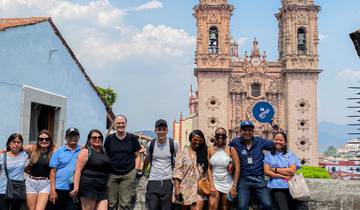
2 days
Colonial Adventure: Taxco, Pre-Hispanic Mine, Puebla & Cholula in 2 Days
- ✓ Comprehensive Mexico City tour
- ✓ Expert local guides included
- ✓ All accommodation arranged
- ✓ Transportation provided
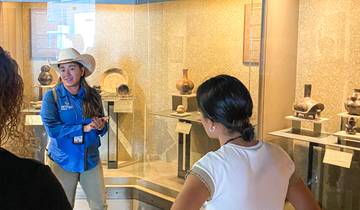
2 days
Teotihuacan Early Access & Prehispanic Mexico Walking Tour: A 2-Day Journey Through Time
- ✓ Comprehensive Mexico City tour
- ✓ Expert local guides included
- ✓ All accommodation arranged
- ✓ Transportation provided
Multi-day tour packages powered by TourRadar. Prices and availability subject to change.
Essential Safety Planning for Solo Travelers 2026
Neighborhood Safety Profiles in 2026
Understanding neighborhood safety profiles enables informed decisions about accommodation location and daily movement patterns in 2026. Roma Norte and Condesa maintain consistently safe conditions throughout daylight and early evening hours with heavy pedestrian traffic, police presence, and residential character. These neighborhoods host highest concentration of tourists, expats, and affluent local residents creating active streets and commercial vibrancy. Evening safety extends until 10-11 PM with restaurant and bar activity maintaining street presence. Late night post-midnight requires taxi rather than walking though areas remain relatively safe compared to other city districts.
Polanco delivers highest security levels as Mexico City’s wealthiest neighborhood with private security, luxury commercial development, and minimal street crime. The area feels more sterile and less culturally authentic than Roma or Condesa but provides maximum safety reassurance for travelers prioritizing security. Historic Center experiences mixed safety profile with major tourist zones around Zócalo functioning safely during day but becoming less secure after dark as area empties of tourists and commercial workers. Centro accommodation saves money but requires heightened evening awareness and consistent use of taxis rather than walking at night.
Coyoacán maintains excellent daytime safety as primarily residential middle-class neighborhood with strong community character and tourist presence around central plazas. Evening safety remains good until 10 PM particularly around main plaza areas though peripheral residential streets become quiet and darker requiring awareness. Areas requiring complete avoidance include Tepito market district despite tourist curiosity about this famous market – high crime rates make tourist visits inadvisable regardless of time. Iztapalapa, certain eastern suburbs, and areas north beyond Basilica also warrant avoidance as they offer little tourist interest and higher security risks. Focusing accommodation and activities within Roma, Condesa, Polanco, Coyoacán, and daytime Historic Center eliminates exposure to higher-risk districts while accessing virtually all cultural attractions solo travelers seek.
Transportation Safety Strategies in 2026
Safe transportation choices directly impact solo travel security in Mexico City in 2026. Metro operates safely during daylight and early evening (before 10 PM) with women-only cars marked in pink providing additional security for female solo travelers during crowded rush hour periods (7-9 AM, 6-8 PM weekdays). These dedicated cars eliminate physical crowding concerns and reduce harassment potential. Metro stations vary in cleanliness and maintenance but function safely for tourist travel. Avoiding Metro after 10 PM reduces late-night security concerns as station areas become less populated and trains carry fewer passengers.
Registered taxis identified by pink and white colors and taxi number provide safe late-night transportation option. Sitio taxis dispatched from official stands cost slightly more than street hails but offer superior security through company accountability. Never hailing unmarked or unofficial taxis eliminates scam and safety risks. Uber and Didi ride-sharing apps function extensively throughout tourist neighborhoods providing safest transportation option through driver identification, route tracking, and cashless payment. Rides cost similar to official taxis while offering convenience of app booking and payment transparency.
Metrobús operates on dedicated lanes above-ground providing safer feel than underground Metro with clear station visibility and less crowded conditions. The system functions safely throughout operating hours though evening awareness applies equally to Metrobús and Metro. Walking during daylight in tourist neighborhoods costs nothing and creates safest transportation through eliminating vehicle interaction. Solo travelers should confidently walk Roma, Condesa, Polanco, and Coyoacán during day while defaulting to ride-sharing or official taxis for evening transportation and any distance requiring 30+ minute walk. Transportation safety requires matching method to time and location rather than avoiding entire systems – Metro works perfectly for daytime tourist travel while Uber serves late evening needs creating comprehensive safe mobility.
Evening and Nighttime Safety Protocols
Evening safety in Mexico City differs significantly from daytime conditions requiring adjusted behaviors in 2026. Restaurant and bar areas in Roma and Condesa maintain safe conditions until 10-11 PM with active street presence and commercial lighting. Solo travelers comfortably dine out, attend cultural events, and enjoy evening activities in these neighborhoods during this timeframe. Returning to accommodation before midnight reduces late-night exposure when streets quiet and fewer people remain present. Areas safe during day including parts of Historic Center become inadvisable for walking after dark as tourist and commercial presence disappears.
Using Uber or Didi ride-sharing for all late-night transportation (post-10 PM) eliminates walking vulnerability even in generally safe neighborhoods. Rides cost $40-80 pesos for typical distance within central neighborhoods – minor expense creating major security improvement. Sharing ride details with hostel staff, friends, or family through app’s sharing function provides additional safety layer and accountability. Avoiding excessive alcohol consumption maintains judgment and awareness necessary for safe evening navigation. Solo travelers attending nightlife or cultural events should plan return transportation in advance rather than evaluating options while tired or intoxicated.
Evening activities in group settings enhance security through collective presence – hostel bar crawls, organized tours, or meeting other travelers for dinner creates social context and shared transportation. Some cultural venues including theaters and concert halls arrange group exits or taxi stands providing safe departure options. Trusting instincts about uncomfortable situations and locations enables quick exit decisions before problems develop. Evening and nighttime safety requires heightened awareness rather than fear – thousands of solo travelers enjoy Mexico City evenings safely through smart transportation choices, situational awareness, and reasonable risk management. The city offers rich nightlife and evening cultural programming accessible to solo travelers who balance experience-seeking with practical security protocols.
Best Solo Travel Experiences in Mexico City 2026
Museum Exploration at Personal Pace
Solo travel optimizes museum experiences in Mexico City allowing complete control over pacing, focus areas, and viewing duration in 2026. National Museum of Anthropology accommodates hours of focused engagement with Pre-Columbian collections where solo travelers spend three hours exploring Aztec halls or entire day covering all culture rooms without group compromise. The museum’s layout facilitates personal route selection – prioritizing ground floor archaeological exhibits versus upper floor ethnographic displays according to individual interests rather than tour guide scheduling.
Museum of Modern Art provides manageable 90-minute experience perfect for solo afternoon visit with murals by Rivera, Siqueiros, and Orozco viewable at contemplative pace. Solo travelers read exhibition labels thoroughly, revisit favorite pieces multiple times, and skip galleries holding less interest – flexibility impossible with tour groups or travel companions. Frida Kahlo Museum (Casa Azul) requires advance booking in 2026 with timed entry slots. Solo travelers book preferred morning timing avoiding afternoon crowds and spend exactly their desired duration without coordinating group departures.
Museum visiting reveals solo travel’s core advantage: complete autonomy over cultural consumption. Spending thirty minutes studying single artwork, skipping entire galleries, or extending museum visit beyond planned duration follows personal engagement rather than external schedules. Audio guides complement solo museum exploration providing expert commentary without social interaction requirement. Many solo travelers report museum experiences as highlight of Mexico City visits specifically due to freedom for deep engagement with cultural content. Weekday museum visits offer quieter conditions than Sunday free admission crowds providing even better solo viewing experiences for travelers able to afford weekday admission fees.
Market Exploration and Culinary Discovery
Markets deliver exceptional solo travel experiences in Mexico City providing cultural immersion through food, commerce, and social observation in 2026. Coyoacán Market welcomes solo wandering through produce stalls, prepared food vendors, and artisan goods displays without time pressure or group coordination. Solo travelers sample street foods individually – single tlacoyos, small portions of mole, fresh fruit cups – creating personalized tasting menu impossible when ordering for multiple people. Vendor interactions occur naturally with solo visitors receiving direct attention and conversation unavailable in group contexts.
La Ciudadela Artisan Market provides hours of browsing Mexican folk art, textiles, and ceramics at entirely personal pace. Solo travelers negotiate prices directly, learn artisan techniques through vendor explanations, and make purchase decisions without group input or budget coordination. San Juan Market’s gourmet food halls appeal to solo culinary explorers examining exotic ingredients, imported goods, and specialty products used by Mexico City chefs. Photography works better solo allowing unlimited time composing shots without impatient companions waiting.
Street food exploration reaches highest potential through solo travel as individual ordering patterns and timing work better than group coordination. Solo travelers eat when hungry rather than accommodating group consensus – grabbing tacos at 11 AM market visit, trying fresh juices mid-afternoon, having early dinner at 6 PM taquería. Dietary restrictions and preferences govern choices completely without compromise. Market exploration often generates chance encounters with other solo travelers, local residents, and vendors creating organic social interactions without forced group tourism. Solo market visiting combines cultural education, culinary adventure, and spontaneous human connection in ways impossible through organized tours or travel with predetermined companions.
Neighborhood Walking and Architectural Discovery
Walking neighborhoods independently constitutes pure solo travel experience allowing spontaneous route changes, lingering attention to interesting details, and personal discovery rhythm in 2026. Roma Norte architecture walks reveal Art Deco building details noticed only through patient observation – decorative ironwork, tile patterns, geometric facades emerging during unhurried examination. Solo travelers photograph buildings from multiple angles, return to interesting locations for different lighting, and explore side streets on impulse without group consultation.
Condesa’s circular Amsterdam Avenue and park surroundings invite solo wandering through tree-lined streets and Art Deco residential buildings. Discovering favorite cafe, best street taco stand, or ideal park bench for reading occurs through repeated solo walking impossible when following group schedules. Historic Center colonial architecture reveals itself through solo exploration as individual observers notice architectural evolution, construction details, and spatial relationships missed during guided tours’ narrative focus.
Solo walking creates contemplative travel experience where external observation balances internal reflection. Many travelers report neighborhood walks as moments of clarity, creative thinking, and travel satisfaction specifically because solitude enables both external cultural absorption and internal processing. Getting temporarily lost while walking generates discovery rather than anxiety as solo travelers consult maps, ask directions, and navigate independently building confidence and street knowledge. Neighborhood walking costs nothing beyond Metro access yet delivers profound cultural immersion and personal growth defining valuable solo travel experiences. The activity scales perfectly to available time – 30-minute morning walk or 4-hour afternoon exploration following energy and interest levels rather than external scheduling.
Social Opportunities for Solo Travelers 2026
Hostel Community and Social Spaces
Social hostels in Roma and Condesa create instant community for solo travelers seeking occasional companionship in 2026. Hostel common areas including rooftop terraces, communal kitchens, and lounge spaces facilitate natural interactions through shared facilities rather than forced socialization. Evening gatherings occur organically as travelers prepare dinner, share travel stories, and coordinate next-day activities. Many hostels organize weekly events including communal dinners, movie nights, and bar outings where participation remains optional but accessible.
Hostel staff function as local experts providing recommendations for restaurants, activities, and neighborhoods while occasionally joining social activities creating bridge between travelers and local culture. Some Roma hostels host regular Spanish/English language exchanges where local Mexicans learning English meet international travelers practicing Spanish. Rooftop parties, particularly weekends, attract both hostel guests and external travelers creating larger social contexts beyond individual hostel populations. Hostel atmospheres vary significantly – party hostels in Roma emphasize nightlife and social drinking while quieter options focus on cultural travelers and digital nomads seeking social connection without party atmosphere.
Selecting social hostel enables controllable social experience where travelers engage as desired without constant interaction requirement. Reading alone in common area, joining dinner conversation, or attending organized outing all remain valid options within same accommodation. Hostel stays reveal solo travel paradox – checking into shared space provides both community access and continued autonomy unavailable in either hotel isolation or full-time travel companionship. Many solo travelers report forming temporary travel partnerships through hostel meetings – visiting museums together, sharing taxi costs, or coordinating day trips while maintaining separate accommodation and schedules. Hostel social scene works best for travelers comfortable with dormitory living and communal spaces though private hostel rooms maintain community access while providing personal sleeping space.
Walking Tours and Activity-Based Connections
Free walking tours create structured social contexts for meeting other solo travelers while learning city history and culture in 2026. Companies including Estación México and Free Walking Tour Mexico City operate multiple daily departures in Historic Center, Roma, and Coyoacán attracting primarily solo travelers and small groups. Two to three-hour tour duration provides sufficient time for organic conversations during walking segments and break periods. Tours conclude near cafes and restaurants where groups often continue together for meals or drinks.
Cooking classes teaching traditional Mexican dishes draw solo travelers interested in culinary culture with hands-on formats encouraging interaction while focusing on shared activity rather than forced conversation. Class sizes typically range 8-12 participants with solo travelers comprising majority. Three to four-hour sessions include market visits, hands-on cooking, and communal meals creating natural progression of social engagement. Mezcal and tequila tasting experiences similarly attract solo travelers with educational focus providing conversation topics and shared experience.
Salsa dancing classes welcome beginners with rotation pairing ensuring everyone dances with multiple partners – format works perfectly for solo travelers providing physical activity, cultural learning, and social interaction without dating pressure. Language exchanges organized through apps like Tandem or HelloTalk connect solo travelers with local Mexicans for conversation practice combining language learning with cultural exchange and potential friendship formation. Activity-based social opportunities appeal to solo travelers preferring structured contexts over random hostel conversations – shared interests and goals facilitate connections more comfortably than pure social situations. These activities allow solo travelers to maintain independence while accessing community when desired creating balanced experience between solitude and socialization.
Digital Nomad and Expat Communities
Mexico City’s substantial digital nomad and expat population creates established communities welcoming solo travelers seeking local perspectives and sustained connections in 2026. Co-working spaces including WeWork locations, Impact Hub, and The Pool provide both workspace and social hubs where remote workers connect over professional and personal interests. Many digital nomads living temporarily in Mexico City maintain active social calendars including dinners, weekend trips, and cultural activities open to other independent travelers.
Facebook groups including “Mexico City Expats” (50,000+ members), “Digital Nomads Mexico City” (15,000+ members), and “Solo Female Travelers Mexico” organize regular meetups at bars, restaurants, and cultural venues. These gatherings attract mix of long-term residents and short-term travelers creating knowledge exchange and social opportunities. Meetup app hosts groups focused on hiking, language exchange, book clubs, and professional networking providing interest-based social options beyond traveler-specific communities.
Café culture in Roma and Condesa supports organic social interactions among remote workers and long-term travelers who frequent same establishments. Regular customers recognize each other creating casual friendships through repeated encounters rather than formal introductions. Neighborhood Facebook groups and WhatsApp communities sometimes welcome short-term visitors to events and activities providing glimpse into local social life beyond tourist experiences. Digital nomad and expat communities offer alternative to hostel social scenes for solo travelers preferring more established social networks or extended Mexico City stays. The communities demonstrate Mexico City’s appeal for remote work and long-term international living – context benefiting short-term solo travelers through access to local knowledge and diverse social opportunities beyond typical backpacker circuits.
Budget Planning for Solo Travelers 2026
Accommodation Cost Management Strategies
Accommodation represents largest solo travel expense in Mexico City with dormitory beds costing $15-25 per night in 2026 while private rooms increase to $35-80 depending on facility quality and neighborhood. Check statuecruises.com for current official rates as pricing may vary. Budget-conscious solo travelers booking dormitory beds at established hostels including Hostel Home, Selina Roma, or Casa Pepe reduce accommodation to $420-700 monthly for extended stays. Social hostels charge slight premiums over budget hostels but deliver superior common spaces, events, and social opportunities valuable for solo travelers seeking community.
Private hostel rooms split difference between dorm affordability and hotel privacy at $35-50 nightly. Many Roma hostels offer single private rooms allowing solo travelers to maintain social access through common areas while sleeping privately. Airbnb private rooms in local apartments cost $30-60 nightly providing authentic neighborhood experience and potential host interaction though reducing traveler community access. Entire apartment Airbnb rentals become cost-effective for stays exceeding two weeks as monthly rates decrease to $800-1,200 for basic studios in Roma or Condesa.
Booking directly with hostels sometimes yields better rates than booking platforms particularly for extended stays where weekly or monthly discounts apply. Avoiding peak tourism periods including Christmas holidays, Easter week, and Day of the Dead (late October/early November) reduces accommodation costs by 20-30% and improves availability. Female-only dormitories cost same as mixed dorms while providing additional security and comfort for women solo travelers. Strategic accommodation selection balancing cost, location, and social opportunities allows solo travelers to control largest expense category while maintaining desired travel style. Budget-conscious travelers minimize accommodation spending through dormitory stays while mid-range solo travelers justify private room premium through improved sleep quality and personal space.
Food Budget Optimization for Solo Travelers
Solo travelers control food costs effectively through strategic eating patterns combining street food, markets, and occasional restaurants in 2026. Street tacos from neighborhood taquerías cost $15-20 pesos each with three to four tacos providing filling meal for $45-80 pesos total. Eating street food twice daily maintains food budget around $180-300 pesos ($10-16 USD) daily while accessing authentic Mexican cuisine. Market fondas (small restaurants) serve complete meals including soup, main dish, rice, beans, and drink for $80-120 pesos creating economical sit-down dining option.
Supermarket shopping for breakfast and snacks reduces daily meal costs as yogurt, fruit, granola, and bread provide breakfast for $40-60 pesos when purchased from Walmart, Soriana, or local markets. Many hostels offer free breakfast ranging from basic (toast, coffee, fruit) to complete spreads (eggs, beans, fresh juice, pastries) reducing food spending for first meal. Hostel communal kitchens enable cooking when travelers tire of eating out with supermarket ingredients costing significantly less than restaurant meals. Prepared supermarket meals including rotisserie chicken, salads, and sandwiches provide budget alternatives to restaurants.
Solo dining allows complete control over food budgets as individual portions, street food flexibility, and personal preferences govern spending without group coordination or shared meal costs. Budget-conscious solo travelers maintain food costs below $500 pesos ($27 USD) daily through primarily street food and market meals with occasional mid-range restaurant splurges. Mid-range food budget of $700-1,000 pesos ($38-55 USD) daily allows mix of street food, casual restaurants, and weekend fine dining creating comprehensive culinary experience without extreme frugality. Solo travel eliminates social pressure around food spending enabling travelers to eat according to budget priorities rather than group expectations.
Activity and Transportation Cost Control
Transportation and activity costs remain controllable for solo travelers through strategic planning in 2026. Metro and Metrobús combined provide comprehensive city access for $5-6 pesos per ride with typical daily usage totaling $20-40 pesos for multiple neighborhood visits. Purchasing rechargeable Metro card with $100-peso load provides week of transportation without repeated ticket purchases. Walking between adjacent neighborhoods including Roma to Condesa or Historic Center internal movement eliminates transportation costs while providing cultural observation.
Sunday free museum admission reduces attraction costs to zero for travelers scheduling major museums including National Museum of Anthropology, Museum of Modern Art, and others on final day of week. Strategic museum visiting saves $180-270 pesos compared to weekday paid admission accumulating significant savings over week-long stay. Free walking tours operate on tip-based model where $50-100 peso ($3-6 USD) gratuity provides fair compensation while costing less than commercial tours. Free activities including Chapultepec Park exploration, market browsing, and neighborhood walking create comprehensive cultural experiences without admission fees.
Solo travelers avoid forced activity spending from group tourism or travel companions pursuing expensive options. Individual judgment determines which paid attractions justify costs versus which to skip in favor of free alternatives. Budget-conscious solo travelers maintain combined transportation and activity costs below $500 pesos daily through public transit and free/low-cost cultural options. Mid-range budget of $800-1,200 pesos daily allows paid museum admissions, occasional taxi use, and commercial tours when desired. Solo travel’s cost advantage appears most clearly in activity flexibility – skipping expensive tours, extending free activities, and personal prioritization create natural budget control impossible when coordinating with others’ interests and spending patterns.
Sample Solo Travel Itineraries 2026
Five-Day Solo Cultural Immersion
Five-day solo itinerary maximizes cultural depth through strategic site selection and personal pacing in 2026. Day 1 begins with morning arrival, hostel check-in Roma neighborhood, afternoon orientation walking through Roma and Condesa Art Deco districts. Evening joins hostel welcome gathering meeting other travelers. Accommodation dormitory bed $20, food $280 pesos (market breakfast, street tacos lunch, casual restaurant dinner with hostel travelers), transportation Metro $10 pesos. Total Day 1: $290 pesos per person.
Day 2 focuses on Historic Center with 9 AM Metro departure for morning Zócalo exploration, Metropolitan Cathedral interior, and Templo Mayor archaeological site ($90 pesos admission). Lunch at market fonda $100 pesos followed by afternoon Palacio de Bellas Artes interior ($90 pesos), Madero Street walking, and Torre Latinoamericana observation deck ($150 pesos). Evening returns Roma for dinner with travelers met on free walking tour. Accommodation $20, Templo Mayor $90, Bellas Artes $90, Torre $150, food $250, Metro $20. Total Day 2: $620 pesos per person.
Day 3 explores Chapultepec with Sunday free museum admission at National Museum of Anthropology (9 AM-12 PM), park botanical garden walk, lakeside picnic lunch with brought food $60 pesos. Afternoon Museum of Modern Art free admission (2-4 PM) followed by Polanco neighborhood walking and Soumaya Museum free entry. Evening returns for hostel communal dinner and social time. Accommodation $20, food $220, Metro $10. Total Day 3: $250 pesos per person.
Day 4 visits Coyoacán with morning market exploration, plaza time, Frida Kahlo Museum visit ($270 pesos requires advance booking), lunch in neighborhood $150 pesos. Afternoon takes cooking class learning traditional Mexican dishes ($800-1,200 pesos including market visit, instruction, and meal). Evening free time or joining class participants for drinks. Accommodation $20, Frida Museum $270, cooking class $1,000, food $150, Metro $20. Total Day 4: $1,460 pesos per person.
Day 5 offers flexible schedule with morning packing, late checkout, neighborhood favorites revisitation. Optional activities include Xochimilco canals visit, final museum, or shopping at La Ciudadela Market. Afternoon departure preparation and transportation to airport or next destination. Accommodation $20, food $280, transportation including airport $200. Total Day 5: $500 pesos per person.
Five-day total: $3,120 pesos ($170 USD) per person achieving comprehensive cultural experience including museums, neighborhoods, cooking class, and social opportunities while maintaining budget-conscious approach through dormitory accommodation, street food emphasis, and free activities exploitation.
Weekend Solo Social Trip
Three-day weekend emphasizes social connections and nightlife alongside cultural sites in 2026. Friday begins with afternoon arrival, hostel check-in Condesa, evening orientation walk through Parque México and Amsterdam Avenue Art Deco district. Dinner with hostel travelers followed by organized bar crawl visiting Roma mezcal bars and live music venues. Late return via Uber $60 pesos. Accommodation $22, food $300, bar crawl $400, Uber $60. Total Friday: $782 pesos per person.
Saturday joins free walking tour Historic Center departing 10 AM from hostel ($100 peso tip). Tour concludes 1 PM with group continuing to lunch at market fonda $120 pesos. Afternoon explores Coyoacán with travelers met on tour including market browsing and plaza time. Evening coordinates group dinner at Contramar or similar popular restaurant $500-800 pesos followed by live music at venue in Roma. Late Uber return $80 pesos. Accommodation $22, walking tour tip $100, food $920, entertainment $200, Metro/Uber $100. Total Saturday: $1,342 pesos per person.
Sunday uses free museum admission morning at National Museum of Anthropology, departing with travelers for 11:30 AM arrival avoiding crowds. Museum viewing 11:30 AM-2 PM followed by Chapultepec Park picnic lunch with brought snacks $80 pesos. Afternoon option of Soumaya Museum free entry or final Roma neighborhood time before evening departure. Dinner with weekend group at taquería $180 pesos, farewell drinks $150 pesos. Accommodation $22, food $410, Metro $20. Total Sunday: $452 pesos per person.
Weekend total: $2,576 pesos ($140 USD) per person balancing cultural activities with social opportunities through hostel community, walking tours, and traveler coordination while maintaining reasonable budget through dormitory stays and strategic free admission usage.
Frequently Asked Questions About Mexico City Solo Travel 2026
Is Mexico City good for first-time solo travelers?
Yes, Mexico City works well for first-time solo travelers who have some general travel experience in 2026. The city provides developed tourism infrastructure including established hostels, walking tours, traveler communities, and English-language resources making independent navigation manageable. Unlike smaller Latin American cities where travelers face genuine isolation, Mexico City’s large international community creates instant support network and social opportunities. Transportation using Metro, Metrobús, and ride-sharing apps functions clearly with English options and tourist-friendly design.
However, Mexico City presents more complexity than introductory destinations like Barcelona, Lisbon, or major U.S. cities. Spanish language skills enhance experience significantly though not absolutely required for basic tourist activities. City scale creates potential disorientation requiring comfort with navigation apps and map reading. First-time solo travelers succeed through preparation including neighborhood research, safety protocol understanding, and realistic expectations about Latin American urban environment. Starting solo travel in more straightforward destinations builds skills applicable to Mexico City, though motivated beginners successfully navigate the city through careful planning and willingness to learn through experience.
Can solo travelers safely use Airbnb in Mexico City in 2026?
Yes, Airbnb provides safe accommodation option for solo travelers in Mexico City focusing on well-reviewed properties in established tourist neighborhoods in 2026. Private rooms in local apartments cost $30-60 nightly offering authentic neighborhood experience while reducing isolation compared to entire apartments. Hosts often provide local recommendations and assistance with questions creating helpful relationship. Entire apartment rentals work for solo travelers comfortable with independent living particularly for extended stays where monthly rates decrease significantly.
Safety considerations include booking only “Superhost” properties with extensive positive reviews and verified identity. Reading recent reviews identifies any emerging concerns about property condition, neighborhood safety, or host reliability. Communicating with hosts before booking assesses responsiveness and helpfulness. Locations in Roma Norte, Condesa, Polanco, or Coyoacán provide safe neighborhood settings with established infrastructure. Avoiding suspiciously cheap listings or properties with limited reviews reduces risk. Solo travelers preferring social community benefit more from hostel stays while those seeking quiet independence or extended stays find Airbnb valuable alternative. Building access codes, neighborhood orientation, and emergency contacts should be confirmed before arrival ensuring smooth check-in and security awareness.
What items should solo travelers pack specifically for Mexico City?
Solo travelers should pack portable door lock or door wedge providing additional security in hostel dormitories or budget accommodation in 2026. Combination padlock secures hostel lockers for valuables storage. External battery pack maintains phone charge crucial for navigation, communication, and ride-sharing apps during full days exploring. Reusable water bottle with filter addresses Mexico’s tap water concerns while reducing plastic waste. Small daypack or crossbody bag carries daily essentials while keeping hands free and belongings secure against pickpockets.
Quick-dry towel essential for hostel stays as many provide no towels or charge rental fees. Basic first aid kit including stomach medication (Imodium, Pepto Bismol) addresses common traveler digestive issues. Spanish phrasebook or language app facilitates basic communication enhancing solo travel experience. Comfortable walking shoes mandatory as Mexico City exploration involves extensive daily walking on varied surfaces. Small laundry soap packets enable hostel sink washing reducing luggage and costs. Earplugs and sleep mask improve dormitory sleep quality. These items specifically address solo travel contexts including hostel living, independent navigation, and self-reliance requirements unavailable when traveling with companions who share resources and responsibilities.
How do solo female travelers specifically prepare for Mexico City in 2026?
Female solo travelers benefit from specific preparation addressing gender-related safety and cultural considerations in 2026. Women-only Metro cars operate during rush hours marked with pink signage at platform ends providing less crowded and more secure transportation. Using these cars eliminates physical crowding and inappropriate contact concerns common in packed public transport. Dressing conservatively (covered shoulders, avoiding revealing clothing) reduces unwanted attention though Mexico City residents dress fashionably making this less critical than smaller Latin American towns.
Staying in female-only hostel dormitories provides community with other women travelers while offering slightly quieter environment than mixed dorms. Booking accommodations in well-lit busy neighborhoods (Roma, Condesa) with evening street activity extends safe walking hours compared to quieter districts. Sharing ride details through Uber/Didi apps with friends or family provides accountability and safety backup. Joining walking tours and hostel activities creates social contexts reducing solo vulnerability perceptions.
Mexican cultural norms include more prevalent catcalling than U.S. or Northern European contexts though this occurs primarily in working-class neighborhoods rather than tourist zones. Ignoring catcalls and continuing walking confidently represents most effective response as engagement typically escalates interaction. Trusting instincts about uncomfortable situations and removing oneself quickly prevents escalation. Thousands of female solo travelers visit Mexico City annually with overwhelmingly positive experiences reporting the city safer than reputation suggests when employing standard urban awareness. Female-specific travel communities including “Solo Female Travelers Mexico” provide current advice and support from women with direct experience.
What Spanish language level helps solo travel in Mexico City?
Basic Spanish significantly enhances solo Mexico City travel though not absolutely required for primary tourist activities in 2026. Knowing numbers, directions, food vocabulary, and simple questions enables market shopping, restaurant ordering, and taxi directions creating smoother daily interactions. Basic phrases including “¿Cuánto cuesta?” (how much), “¿Dónde está?” (where is), and “No entiendo” (I don’t understand) facilitate essential communications. Many tourist-facing businesses including hostels, museums, and tour companies operate with English-speaking staff reducing language barriers in structured settings.
However, neighborhood restaurants, markets, local shops, and non-tourist contexts operate primarily in Spanish requiring basic communication ability or extensive gesture and translation app use. Solo travelers without Spanish face greater challenges forming local connections, understanding cultural nuances, and navigating unexpected situations. Language exchange meetups, Spanish classes, and hostel conversations with bilingual travelers provide opportunities to practice during trip. Google Translate app works effectively for reading menus, signs, and simple conversations through text or camera translation.
Intermediate Spanish transforms Mexico City solo travel from functional to immersive enabling conversations with vendors, hosts, and local residents. Advanced speakers access cultural depth including understanding museum presentations, reading local newspapers, and following cultural events unavailable to non-speakers. Solo travelers planning extended stays benefit enormously from intensive Spanish instruction before or during visit. Language skills matter more for solo travelers than couples or groups as individual interactions occur more frequently and support from English-speaking travel companions isn’t available. Basic Spanish investment before visiting pays significant dividends in experience quality, cultural access, and confidence navigating independently.
How do solo travelers handle loneliness in Mexico City?
Solo travel loneliness manifests differently across travelers based on personality, trip duration, and social approach in 2026. Choosing social hostels in Roma or Condesa provides instant community access preventing isolation through communal spaces and organized activities. Participating in free walking tours, cooking classes, and bar crawls creates structured social opportunities meeting other travelers sharing similar interests. Regular communication with home friends and family through WhatsApp, FaceTime, or social media maintains connection to support network while abroad.
Balancing social activities with solo time prevents both loneliness and social exhaustion as some alone time allows processing experiences and personal reflection valuable in travel context. Café culture in Roma and Condesa enables comfortable solo time in public spaces where presence of others reduces isolation without requiring direct interaction. Some solo travelers report loneliness during meals, addressed by eating at market fondas or casual taquerías where solo dining appears normal rather than formal restaurants designed for groups.
Extended solo travel beyond two weeks increases loneliness risk as novelty fades and routine establishes making intentional social planning more important. Digital nomad communities, language exchanges, and meetup groups provide ongoing social access for longer stays. Recognizing loneliness as normal solo travel element rather than personal failure helps travelers address it constructively through increased social activity or accepting quiet periods as valuable solo time. Many solo travelers report loneliness episodes intermittent and outweighed by benefits of autonomous travel including personal growth, cultural immersion depth, and freedom from group compromise. Loneliness management represents individual journey of finding right balance between solitude and socialization in foreign context.
Can solo travelers participate in day trips from Mexico City in 2026?
Yes, solo travelers easily access day trips from Mexico City through organized tours or independent travel in 2026. Teotihuacan pyramids located 50 kilometers northeast receive extensive solo traveler visits through both guided tours ($600-1,200 pesos including transportation, guide, admission) and independent bus travel ($104 pesos round trip from Terminal Norte). Tour groups attract primarily solo travelers and small parties creating social environment during transit and site exploration. Independent travel provides flexibility for personal pacing and photography though requires Spanish skills for bus station navigation.
Puebla, attractive colonial city 130 kilometers southeast, offers easy solo day trip via bus ($300-400 pesos round trip) or organized tours ($800-1,500 pesos). Solo travelers comfortably explore Puebla’s historic center independently or join walking tours after arrival. Xochimilco trajinera boats technically charge per boat ($350-600 pesos hourly) rather than per person though boat operators accommodate individual travelers joining group boats during busy weekend periods allowing solo participation at reduced per-person cost.
Organized day trips eliminate transportation logistics, provide historical context through guides, and create social environments comfortable for solo participation. Independent day trips offer cost savings and flexibility though require higher navigation confidence and potentially more planning. Solo travelers should assess personal comfort level with independent travel versus guided structure when selecting day trip approach. Both options work successfully with thousands of solo travelers participating in day trips annually. Transportation safety follows same protocols as Mexico City – using reputable bus companies, sharing travel plans, and maintaining awareness during travel.
What makes Mexico City particularly good for solo travelers versus other Latin American cities?
Mexico City offers several advantages over other Latin American cities for solo travelers in 2026. The city’s enormous scale (22 million metro area) creates anonymity allowing independent exploration without standing out as obvious tourist – advantage in major global cities versus smaller destinations where foreigners receive constant attention. Established hostel scene in Roma and Condesa provides social infrastructure and traveler community unmatched by cities lacking concentrated budget accommodation districts. English language appears more commonly than much of Latin America particularly in tourism contexts though still requiring basic Spanish for comprehensive experience.
Cultural depth including world-class museums, diverse neighborhoods, and culinary excellence creates extended engagement possibilities making solo stays beyond quick tourist circuit feasible and rewarding. Metro system provides safe, cheap, extensive transportation unlike cities dependent on taxis or ride-sharing for all movement. Digital nomad and expat communities offer social alternatives to hostel backpacker scenes providing diverse interaction options across age ranges and backgrounds. Security in tourist neighborhoods compares favorably to Rio, Lima, or Bogotá while offering more cultural depth than safer but smaller destinations like Antigua or San José.
Mexico’s proximity to U.S. facilitates easier solo travel planning through shorter flights, fewer travel barriers, and simpler logistics than South American destinations requiring longer travel commitments. The city works both as standalone destination for week-long focused stays and as base for extended exploration incorporating day trips and regional travel. Solo travelers report Mexico City’s combination of cultural substance, manageable logistics, social opportunities, and reasonable safety creates ideal environment balancing autonomy with community access. No Latin American city perfectly suits all solo travelers though Mexico City’s infrastructure, scale, and cultural offerings serve widest range of independent traveler styles and experience levels.