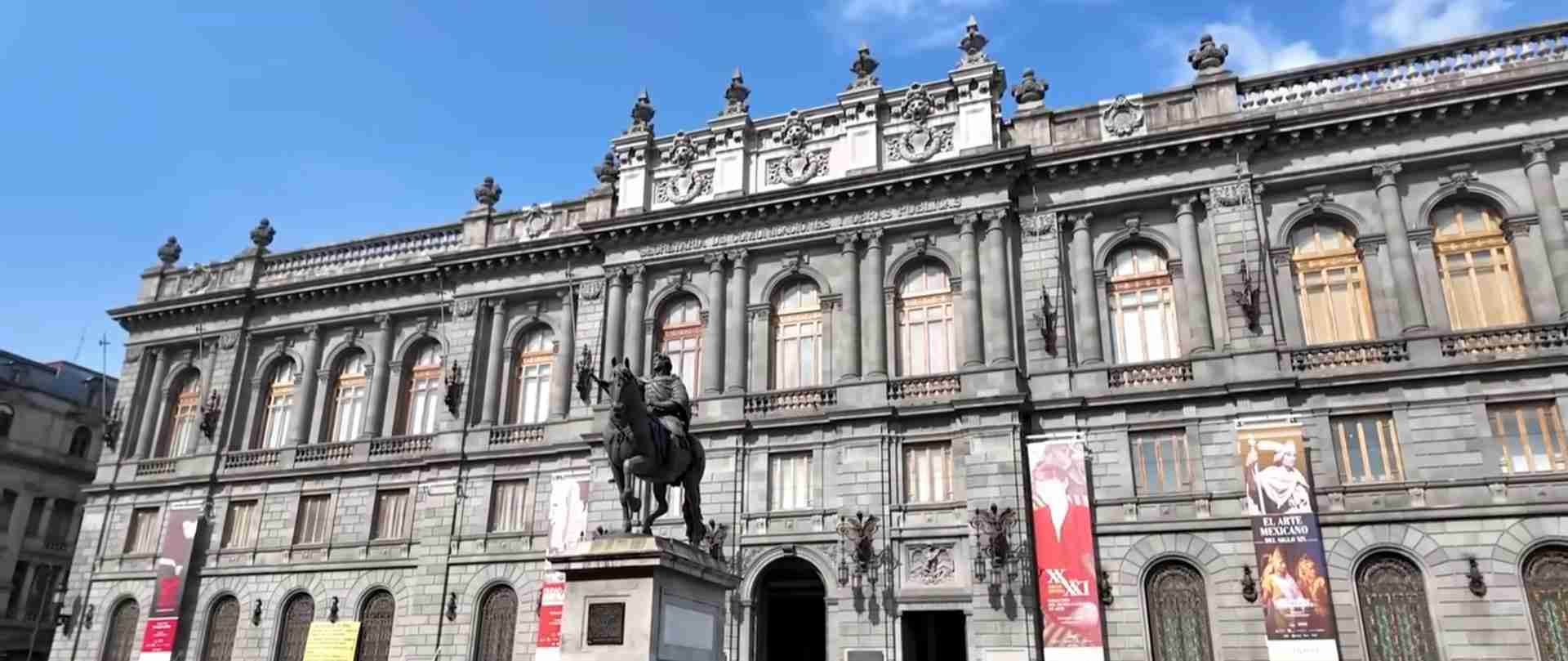
Mexico City 3-Day Itinerary 2026: First-Time Visitor Guide
Key Takeaways
- Three days covers Mexico City’s essential UNESCO sites, historic neighborhoods, and cultural highlights with proper time for museums and authentic experiences
- Total budget ranges $250-380 per person for three days excluding accommodation, with daily costs including attractions, meals, and metro transportation
- Metro costs $0.25 per ride making transportation incredibly affordable, while Uber provides safe alternatives for $3-8 across most routes in 2026
- Book Anthropology Museum and Teotihuacan tours 2-3 weeks ahead for optimal timing, while most attractions accept walk-in visitors throughout the day
- Stay in Roma Norte or Condesa neighborhoods for walkable access to restaurants, cafes, and cultural sites within 15-20 minutes of historic center
- Start days early at 8-9 AM to maximize museum time before afternoon crowds, with most major attractions opening 9-10 AM throughout the week
Introduction: Planning Your Mexico City Experience in 2026
Mexico City rewards first-time visitors with an extraordinary concentration of world-class museums, UNESCO World Heritage sites, and vibrant neighborhoods that showcase 700 years of continuous urban history. This carefully structured three-day itinerary balances iconic cultural attractions with authentic neighborhood exploration, providing newcomers with a comprehensive introduction to one of the Western Hemisphere’s most dynamic capitals while maintaining realistic pacing and budget-conscious planning.
The strategic three-day framework covers the historic center’s colonial architecture and Aztec archaeology on day one, Chapultepec Park’s museum complex and upscale neighborhoods on day two, and the floating gardens of Xochimilco plus colorful Coyoacán on day three. This progression moves from monumental sites to intimate neighborhoods, allowing visitors to understand Mexico City’s evolution from Aztec capital through Spanish colonial period to modern megalopolis while experiencing the daily rhythms of contemporary chilango life.
Mexico City’s exceptional public transportation network, with metro rides costing just $0.25 in 2026, enables efficient movement across this vast metropolitan area of 9 million residents. The combination of affordable local transport, reasonably priced museums with entry fees ranging $4-8 for major institutions, and excellent value dining options creates an accessible destination for first-time visitors managing varied budget levels. Strategic planning around opening hours, with most museums operating 9 AM – 5 PM Tuesday through Sunday, and advance booking for popular experiences like Teotihuacan pyramids and Xochimilco trajinera boats maximizes your three days in this captivating capital.
People Also Ask About Mexico City 3-Day Itineraries 2026
Is 3 days enough time to see Mexico City in 2026?
Three days provides adequate time to experience Mexico City’s essential highlights including the historic center, Anthropology Museum, Teotihuacan pyramids, Xochimilco floating gardens, and key neighborhoods like Roma, Condesa, and Coyoacán. This timeframe covers the UNESCO World Heritage Historic Center, world-renowned museum collections, pre-Hispanic archaeological sites, and authentic cultural experiences while maintaining comfortable pacing with 3-4 major activities per day. Visitors complete the core Mexico City experience in 72 hours, though the city’s extensive cultural offerings could easily fill two weeks for those with deeper interests in art, archaeology, or culinary exploration.
How much does a 3-day Mexico City trip cost in 2026?
A three-day Mexico City visit costs $250-380 per person excluding accommodation in 2026, with daily budgets averaging $80-125 covering attractions, meals, and transportation. Check official museum websites and tour operators for current rates as pricing may vary seasonally. Budget travelers spending $70-90 daily utilize metro transportation, eat at local markets, and visit free attractions, while mid-range visitors at $100-140 daily include paid museums, sit-down restaurants, and occasional Uber rides. Accommodation adds $40-80 nightly for budget hotels, $80-150 for mid-range options in neighborhoods like Roma or Condesa, with the metro’s $0.25 fare making transportation costs negligible compared to other major capitals.
What is the best area to stay in Mexico City for first-time visitors in 2026?
Roma Norte and Condesa neighborhoods provide the optimal base for first-time visitors in 2026, offering safe, walkable streets lined with cafes, restaurants, and boutiques while maintaining excellent metro connectivity to major attractions. These adjacent neighborhoods position visitors 15-20 minutes from the historic center via metro Line 1, place numerous dining and nightlife options within walking distance, and provide tree-lined streets with early 20th-century architecture that exemplifies Mexico City’s sophisticated urban character. The Polanco neighborhood offers upscale alternatives near Chapultepec Park but at higher accommodation costs, while staying in the historic center (Centro Histórico) puts colonial architecture outside your door but with more urban grit and noise compared to the leafy residential feel of Roma-Condesa.
Do I need to book Mexico City attractions in advance for 2026?
Book Teotihuacan pyramid tours and Xochimilco trajinera boats 2-3 weeks ahead for optimal timing and tour operator selection, while most Mexico City museums and attractions accept walk-in visitors throughout operating hours. The National Anthropology Museum, Chapultepec Castle, and Frida Kahlo Museum (Casa Azul) accommodate visitors without advance tickets, though arriving at opening time (9-10 AM) avoids afternoon crowds at popular institutions. Teotihuacan day tours from Mexico City operators fill quickly during peak season March-April and July-August, with morning departure slots (6-8 AM) selling out first, while Xochimilco trajinera boat rentals work on first-come basis but booking through tour operators guarantees English-speaking guides and optimal floating garden routes for first-time visitors navigating this unique canal system.
Extended multi-day tours – 5+ days
Featured Mexico City Multi-Day Tour Packages

1 days
Teotihuacan Pyramids & Temples from Mexico city
- ✓ Comprehensive Mexico City tour
- ✓ Expert local guides included
- ✓ All accommodation arranged
- ✓ Transportation provided

4 days
Welcome to Mexico City 4D/3N
- ✓ Comprehensive Mexico City tour
- ✓ Expert local guides included
- ✓ All accommodation arranged
- ✓ Transportation provided
2 days
Colonial Adventure: Taxco, Pre-Hispanic Mine, Puebla & Cholula in 2 Days
- ✓ Comprehensive Mexico City tour
- ✓ Expert local guides included
- ✓ All accommodation arranged
- ✓ Transportation provided
2 days
Teotihuacan Early Access & Prehispanic Mexico Walking Tour: A 2-Day Journey Through Time
- ✓ Comprehensive Mexico City tour
- ✓ Expert local guides included
- ✓ All accommodation arranged
- ✓ Transportation provided
Multi-day tour packages powered by TourRadar. Prices and availability subject to change.
Essential Planning Information for 2026
When to Visit Mexico City in 2026
Mexico City’s high-altitude climate at 7,350 feet elevation creates mild temperatures year-round with dry season November through April providing optimal conditions for first-time visitors. The peak dry season months of December through March deliver sunny days with temperatures 65-75°F, cool nights dropping to 45-55°F, and minimal rainfall making extended walking tours comfortable throughout daylight hours. These months attract maximum tourist numbers particularly during Christmas-New Year holidays and spring break March-April, resulting in higher accommodation rates and busier museums but excellent weather conditions for outdoor exploration and photography.
The shoulder seasons of November and April-May offer outstanding value with 20-30% lower hotel rates, smaller crowds at major attractions, and pleasant weather before or after rainy season. May marks the transition to wet season with afternoon thunderstorms becoming regular from June through October, though morning hours remain clear for sightseeing with daily rainfall concentrated in 1-2 hour bursts typically after 3-4 PM. The rainy season green season delivers lower prices, fewer tourists, and the city’s parks and gardens in lush condition, requiring only that visitors plan major outdoor activities for morning hours and carry compact umbrellas for potential afternoon showers.
Transportation Overview for 2026
The Mexico City Metro operates 12 lines connecting 195 stations across the metropolitan area with rides costing just $0.25 (5 pesos) in 2026, making it the most economical transportation option for visitors navigating between neighborhoods and major attractions. Metro trains run every 2-5 minutes during peak hours 7-10 AM and 5-8 PM, with service operating 5 AM – midnight Monday through Friday, 6 AM – midnight Saturday, and 7 AM – midnight Sunday, though crowding during rush hours makes early morning or midday travel more comfortable for visitors with luggage or concerns about pickpocketing in packed cars.
Uber and Didi ride-sharing services provide safe, affordable alternatives to taxis with typical rides costing $3-5 for short distances within neighborhoods and $6-10 for cross-town trips between areas like Roma and the historic center. The Metrobús rapid transit bus system complements metro coverage with dedicated lanes along major corridors, charging the same $0.25 fare and requiring a rechargeable card available at station kiosks for 15 pesos ($0.75) with 10 peso ($0.50) minimum initial load. For three-day visitors, purchasing 20-30 metro rides covers most transportation needs at $5-7.50 total, with Uber providing convenient options for late evening returns or trips with multiple bags where metro stairs pose challenges.
Safety and Practical Considerations for 2026
Mexico City’s main tourist neighborhoods including Roma, Condesa, Polanco, Coyoacán, and the historic center maintain strong security presence with regular police patrols, though standard urban precautions apply regarding valuables, phone usage on streets, and awareness of surroundings. Keep phones and cameras secured when not actively using them, use ATMs inside banks or shopping centers rather than street machines, and take registered taxis or ride-sharing services rather than street hails particularly after dark when walking between venues.
The city’s high altitude affects visitors from sea-level locations with reduced oxygen causing mild fatigue, slight breathlessness during physical activity, and occasionally light headaches during the first 1-2 days of acclimatization. Drink extra water throughout the day, avoid excessive alcohol consumption the first evening, and pace activities moderately on day one, with most visitors fully adjusting within 24-48 hours and experiencing no altitude effects during the remainder of their visit. Tap water requires purification so drink only bottled water, avoid ice in street vendor drinks unless from purified sources, and choose established restaurants for meals, with the city’s food safety standards excellent in sit-down establishments and well-regarded street food vendors operating with health permits.
Day 1 Itinerary 2026: Historic Center & Anthropology Museum
Morning: Zócalo and Historic Center Exploration
Begin your Mexico City experience at 9 AM in the Zócalo, Latin America’s largest public plaza and the heart of the UNESCO World Heritage Historic Center, where the Metropolitan Cathedral (entry free, opens 8 AM) showcases 250 years of colonial architecture blending Gothic, Baroque, and Neoclassical styles across its massive 128m x 59m footprint. Spend 45-60 minutes exploring the cathedral’s ornate interior featuring 14 chapels, the Altar of the Kings with its soaring golden retablo, and the fascinating crypt containing remains of archbishops and colonial-era notables, before walking the exterior perimeter to observe the building’s ongoing foundation stabilization addressing subsidence from the drained lakebed underlying the entire historic center.
Cross the plaza to the Templo Mayor archaeological site and museum (entry $5, opens 9 AM Tuesday-Sunday), where excavations beginning in 1978 revealed the main temple of Aztec capital Tenochtitlan with original 15th-century stonework, sacrificial altars, and extraordinary artifact collections including the massive 8-ton Coyolxauhqui stone depicting the dismembered moon goddess. The excellent site museum displays context for the temple’s construction, ritual practices, and the sophisticated hydraulic engineering of the island capital that housed 200,000 residents when Spanish conquistadors arrived in 1519, with informative displays in Spanish and English requiring 90 minutes for thorough examination of both outdoor ruins and indoor galleries.
Walk three blocks northeast to the Palace of Fine Arts (entry $5 for permanent exhibits, opens 10 AM Tuesday-Sunday), Mexico’s premier cultural venue housed in a stunning Art Nouveau-Art Deco building completed in 1934, where morning hours provide optimal lighting for viewing the building’s Tiffany glass curtain depicting the Valley of Mexico volcanoes and mural masterpieces by Diego Rivera, José Clemente Orozco, David Alfaro Siqueiros, and Rufino Tamayo. Allocate 60 minutes for the permanent collection focusing on murals and the rotating contemporary art exhibitions on upper floors, or catch the famous Ballet Folklórico performances (tickets $25-80) Wednesday and Sunday evenings if your schedule permits evening programming and interest in traditional Mexican dance traditions.
Afternoon: National Anthropology Museum
Take metro Line 2 from Bellas Artes station to Auditorio station (15 minutes, $0.25), then walk 12 minutes through Chapultepec Park to reach the National Museum of Anthropology by 1:30 PM for the afternoon session at one of the world’s finest archaeological museums. Museum entry costs $5 for general admission in 2026, with audio guides available for additional $5 providing essential context for the vast collections spanning 22 halls across two floors covering pre-Hispanic civilizations from the Olmec through Aztec periods and contemporary indigenous cultures across Mexico.
Focus your 2.5-3 hours on the ground floor’s archaeological halls arranged chronologically and geographically, beginning with the Sala Mexica featuring the iconic Aztec Sun Stone (Stone of the Fifth Sun) weighing 24 tons and carved with intricate cosmological symbolism in 1479. Progress through the Maya hall with treasures from Palenque including the jade funerary mask of Pakal the Great, the Teotihuacan gallery displaying monumental stone sculptures and the famous jaguar fresco, and the Oaxaca room showcasing Zapotec and Mixtec goldwork and carved stones from Monte Albán, with each hall providing comprehensive context for major civilizations encountered during Mexico travel.
The museum’s architectural design by Pedro Ramírez Vázquez features a dramatic courtyard with an 11-meter-high concrete umbrella supported by a single column, natural light flooding exhibition spaces, and outdoor areas with reconstructed temple facades and stone monuments. Allow extra time for the popular halls (Mexica, Maya, Teotihuacan) where crowds concentrate, considering arrival immediately at 9 AM opening for emptier galleries if you reschedule this museum for a different day, though afternoon visits work well with most tour groups departing by 3-4 PM and evening hours (open until 6 PM) offering the quietest viewing conditions.
Evening: Roma Norte Neighborhood
Return via metro to Insurgentes station on Line 1 and walk 10 minutes into Roma Norte, where tree-lined streets showcase early 20th-century architecture, contemporary art galleries, and excellent dining options concentrated around Álvaro Obregón Avenue and surrounding blocks. Explore the neighborhood’s distinctive character with Art Nouveau and Art Deco buildings, boutique shops, and the cultural hub of Casa Lamm with its changing art exhibitions and courtyard restaurant, taking time to wander residential streets observing daily life in one of the city’s most livable and creative districts.
Dine at one of Roma’s acclaimed restaurants ranging from casual taquerias serving $8-12 dinner portions to upscale contemporary Mexican cuisine at $25-40 per person, with standout options including Contramar for seafood specialties, Rosetta for refined Italian-Mexican fusion in a beautiful mansion setting, or neighborhood favorites like Máximo Bistrot Local for seasonal tasting menus. Conclude the evening exploring Roma’s bar scene with craft cocktail lounges, mezcalerias offering 50+ varieties of artisanal mezcal for $6-10 per pour, and local hangouts where Mexico City’s creative class gathers for conversation and drinks extending well past midnight.
Day 1 Cost Summary
Templo Mayor $5, Palace of Fine Arts $5, Anthropology Museum $5, lunch $15-22, dinner $25-35, snacks/coffee $8-12, metro rides $1 (4 rides). Total day cost: $64-85 per person (excluding accommodation).
Day 2 Itinerary 2026: Chapultepec Park & Polanco
Morning: Chapultepec Castle
Start day two at 9 AM with Chapultepec Castle (entry $5, opens 9 AM Tuesday-Sunday), perched atop the 200-foot-high Chapultepec Hill offering panoramic views across Mexico City to the surrounding volcanic peaks on clear mornings. The 15-20 minute uphill walk through Chapultepec Park’s ancient ahuehuete trees reaches the castle entrance where former presidential residence and military academy now houses the National History Museum chronicling Mexican history from conquest through revolution with excellent displays of carriages, furniture, and the opulent rooms of Emperor Maximilian and Empress Carlota during the 1860s Second Mexican Empire.
Allocate 90 minutes for comprehensive exploration including the castle’s architecture blending 18th-century fortress construction with 19th-century additions, the rooftop terrace with commanding views, and museum galleries detailing independence, reform period, and revolutionary upheaval through artifacts, paintings, and documents. The castle gardens showcase landscaping from different eras with formal European-style plantings, shaded walkways, and strategic viewpoints photographing the castle against city backdrop, making this one of Mexico City’s most photogenic historical sites combining architecture, history, and landscape in single location.
Mid-Morning: Modern Art Museum or Tamayo Museum
Descend from the castle and walk 10 minutes through Chapultepec Park to either the Modern Art Museum (entry $3, opens 10:15 AM Tuesday-Sunday) featuring Mexican modernist painters including Frida Kahlo, Diego Rivera, and Rufino Tamayo alongside international avant-garde works, or the Tamayo Contemporary Art Museum (entry $4, opens 10 AM Tuesday-Sunday) focusing on international contemporary art with rotating exhibitions and the permanent collection of abstract works assembled by Oaxacan painter Rufino Tamayo during his decades-long career. Both museums occupy distinctive modernist buildings designed by prominent Mexican architects, require 60-75 minutes for thorough viewing, and provide air-conditioned refuge during midday heat.
The Modern Art Museum’s circular galleries arranged around a central sculpture court display chronologically organized collections covering Mexican muralism, geometric abstraction, surrealism, and figurative painting through the 1950s-70s, with strong representation of women artists including María Izquierdo and Remedios Varo. The Tamayo Museum’s angular concrete structure houses regularly changing international exhibitions bringing contemporary global art discourse to Mexico City audiences, with the outdoor sculpture garden providing pleasant spaces for rest between gallery visits and occasional live performances or film screenings enhancing the cultural programming beyond static exhibitions.
Afternoon: Polanco Neighborhood and Lunch
Exit Chapultepec Park on the northwest side entering Polanco, Mexico City’s most upscale neighborhood featuring designer boutiques along Avenida Presidente Masaryk (Mexico’s equivalent to Rodeo Drive or Fifth Avenue), art galleries, and sophisticated restaurants concentrated around leafy residential streets. Walk 15 minutes from the park to the main commercial corridor where international luxury brands share space with Mexican designers, contemporary art galleries showcase blue-chip artists, and sidewalk cafes provide people-watching opportunities in this polished district housing embassies, corporate headquarters, and wealthy residents.
Lunch in Polanco ranges from $18-30 per person at casual-upscale restaurants serving contemporary Mexican cuisine, international options from Japanese to Italian, and local favorites like Quintonil (one of Latin America’s 50 Best Restaurants) for high-end tasting menus at $80-120 per person. More accessible options include Azul Histórico for traditional Mexican recipes in refined presentations, Dulce Patria for creative regional dishes with artistic plating, or neighborhood bistros offering three-course lunch menus at $20-28 during weekday meal hours maintaining quality while providing better value than dinner pricing.
Late Afternoon: National Auditorium Area or Soumaya Museum
Continue exploring Polanco with optional visits to the Soumaya Museum (free admission, opens 10:30 AM daily), the distinctive silver-clad building housing Mexican billionaire Carlos Slim’s art collection spanning European old masters, French Impressionism, Mexican colonial art, and Rodin sculptures across six floors of exhibition space. The museum’s permanent collection emphasizes quantity with over 66,000 works displayed in sometimes crowded galleries, though highlights include the world’s largest Rodin collection outside Paris, significant holdings of Tintoretto and El Greco paintings, and comprehensive survey of Mexican artists from colonial period through modernism, requiring 60-90 minutes for selective viewing of personal interest areas within the sprawling holdings.
Alternatively, dedicate late afternoon to shopping along Masaryk Avenue’s boutiques, relaxing in Lincoln Park’s modern landscaping, or visiting Parque México in adjacent Condesa neighborhood (15-minute Uber ride) where the oval park’s Art Deco fountains and mature trees create the district’s focal point surrounded by outdoor restaurants, bookstores, and residential buildings exemplifying Mexico City’s livable neighborhood character. This flexible afternoon slot accommodates personal interests whether focusing on art, shopping, architecture, or simply experiencing upscale Mexico City lifestyle through observation and café time.
Evening: Condesa Dining and Nightlife
Take a short Uber ride or metro to Condesa (Line 1 to Chapultepec station, 10-minute walk) for dinner in this bohemian-chic neighborhood where restaurant density creates exceptional dining variety within compact walkable area. The circular park Parque México and linear Parque España anchor the neighborhood with surrounding streets containing everything from tacos al pastor at $2-3 per order to Japanese-Mexican fusion at $35-45 per person, with standout restaurants including Meroma for contemporary seasonal Mexican cuisine, Lalo! for all-day casual dining with strong breakfast-brunch programs, and numerous international options reflecting the neighborhood’s cosmopolitan character.
Post-dinner exploration of Condesa’s nightlife includes craft cocktail bars, live music venues, and dance clubs concentrated along Amsterdam Avenue circling Parque México and the perpendicular streets radiating outward. Cover charges range free-$10 for most venues with drinks $6-10, live music starting around 10-11 PM, and peak crowds arriving after midnight when the neighborhood’s restaurants transform into social hubs continuing service until 2-3 AM maintaining Mexico City’s reputation for late-night vitality and social culture extending well beyond typical North American or European dining hours.
Day 2 Cost Summary
Chapultepec Castle $5, Modern Art or Tamayo Museum $3-4, Soumaya Museum free, lunch $18-30, dinner $25-40, drinks/coffee $12-18, metro and Uber $5-8. Total day cost: $68-105 per person (excluding accommodation).
Day 3 Itinerary 2026: Xochimilco & Coyoacán
Morning: Xochimilco Floating Gardens
Begin day three with an early departure to Xochimilco (metro Line 2 to Tasqueña, then light rail Tren Ligero to Xochimilco station, 50 minutes total, $0.50), arriving at the embarcaderos (boat docks) by 9-9:30 AM before peak crowds and midday heat. Trajinera boats, the traditional flat-bottomed gondola-style vessels painted in bright colors, accommodate 10-15 passengers with hourly rates $20-25 per boat in 2026, making group travel economical at $2-3 per person hourly or $15-20 per person for 2-2.5 hour cruises when booking individually through tour operators providing smaller group experiences with English-speaking guides.
The UNESCO-listed canal system represents the last remnant of the pre-Hispanic lake and chinampas (floating gardens) cultivation system that fed Aztec Tenochtitlan, with 170km of waterways winding through the southern district past flower nurseries, weekend family gatherings, and floating vendors selling food, drinks, and mariachi serenades. Two hours provides comfortable time for cruising the main canals, observing local life and agricultural traditions, and experiencing the festive atmosphere particularly strong on weekends when families gather for celebrations with music, food, and drinks transforming the waterways into floating party scenes unique in world travel experiences.
Enhance the trajinera experience by pre-arranging add-ons including flower decorations for $5-8, food baskets with tamales and Mexican snacks for $10-15 per person, or hiring mariachi bands ($15-20 for 3-4 songs) that navigate between boats performing traditional songs and modern Mexican ballads. Alternatively, book through operators like Xochimilco Travesía Turística offering 2-hour guided tours at $35-45 per person including transportation from central neighborhoods, English-language cultural context about the canals and chinampa farming, and stops at artisan workshops demonstrating traditional crafts, providing structured experience ideal for first-time visitors uncertain about navigating the boat dock bargaining process.
Late Morning: Coyoacán Historic Center
Return to central Xochimilco and take metro/light rail back to Tasqueña station, transferring to Line 3 toward Indios Verdes, then exit at Coyoacán station for 15-minute walk to the historic center (or take a direct Uber from Xochimilco to Coyoacán for $6-9, 25 minutes). The Coyoacán neighborhood centers on two connected plazas, Jardín Centenario and Plaza Hidalgo, surrounded by colonial-era buildings, street vendors, cafes, and the 16th-century San Juan Bautista Church anchoring the urban layout established during Cortés’s early presence when Coyoacán served as temporary Spanish headquarters before Mexico City construction began.
Explore the plaza areas where weekend craft markets operate Friday-Sunday, street food vendors offer esquites (corn cups), churros, and regional specialties, and outdoor cafes provide shade under mature trees for coffee breaks and people watching. The neighborhood’s cobblestone streets radiating from the central plazas contain bookstores, art galleries, artisan shops, and restaurants maintaining traditional character that distinguishes Coyoacán from more modernized districts, with architecture spanning colonial origins through early 20th century construction when the area developed as country retreat for wealthy Mexico City families before urban expansion absorbed the formerly separate town into the metropolitan area.
Afternoon: Frida Kahlo Museum (Casa Azul)
Walk 10 minutes from the plaza to the Frida Kahlo Museum at Londres 247 (entry $13, opens 10 AM Tuesday-Sunday), housed in the cobalt blue house where the iconic artist was born in 1907, lived most of her life, and died in 1954. The museum preserves rooms as Kahlo and husband Diego Rivera arranged them, displaying the artist’s personal belongings, pre-Hispanic art collection, studio space, and lush courtyard garden with tropical plants creating intimate glimpse into Kahlo’s daily environment and creative process beyond the persona constructed through her self-portrait paintings.
Advance online reservations through the museum website prevent long entry queues, particularly important during peak tourist season and weekends when the relatively small house reaches capacity quickly, with timed entry slots managing visitor flow through the 10 rooms open for viewing. Allocate 60-75 minutes for thorough exploration including the kitchen with traditional Mexican ceramics, Diego Rivera’s collection of pre-Hispanic figurines displayed throughout the house, Kahlo’s wheelchair and easel in the studio, and the garden where peacocks roam among volcanic rock sculptures and pyramidal structures reflecting the couple’s interest in indigenous Mexican culture and aesthetics.
Late Afternoon: Leon Trotsky Museum
Walk 5 minutes to the Leon Trotsky Museum at Río Churubusco 410 (entry $4, opens 10 AM Tuesday-Sunday), the fortified house where the exiled Russian revolutionary lived his final years 1939-1940 before assassination by Soviet agent Ramón Mercader. The museum preserves Trotsky’s study, bedroom, dining room, and office much as they appeared at his death, with bullet holes in walls from the first failed assassination attempt by Stalinist painter David Alfaro Siqueiros, gardens where Trotsky raised rabbits and chickens for food security, and his tomb in the garden containing ashes of the revolutionary theorist who found refuge in Mexico through Diego Rivera’s political connections.
The small museum requires 30-45 minutes for complete viewing including explanatory panels about Trotsky’s life, his relationship with Rivera and Kahlo (with whom he had a brief affair), and the circumstances of his assassination documented through photographs, newspaper clippings, and personal effects. The combination of Kahlo and Trotsky museums, both within Coyoacán’s compact historic core, provides fascinating glimpses into the intersection of art, politics, and international intrigue that characterized Mexico City’s role as refuge for European and Soviet intellectuals during the 1920s-40s when the city developed its cosmopolitan cultural character.
Evening: Coyoacán Dining and Final Exploration
Conclude your three-day Mexico City experience with dinner in Coyoacán where restaurants surrounding the main plazas offer traditional Mexican cuisine in colonial settings, with options ranging from street food tacos at $8-12 for full meal to sit-down restaurants at $20-35 per person. Local favorites include El Convento for upscale Mexican dishes in a converted monastery, Los Danzantes for Oaxacan specialties and exceptional mezcal selection, or casual spots around the plaza serving quesadillas, tlacoyos, and regional antojitos providing authentic dining experiences in this historic neighborhood.
Evening hours in Coyoacán, particularly Friday-Sunday, bring live music to plaza cafes, street performers, and local families creating vibrant atmosphere that extends past 10 PM with bookstores staying open late, heladerias (ice cream shops) serving lines of customers, and bars offering craft beer and cocktails in restored colonial buildings. This neighborhood pace, more relaxed than Roma-Condesa’s sophisticated scene or historic center’s tourist density, provides fitting conclusion to three days exploring Mexico City’s many facets from monumental pre-Hispanic sites to intimate artistic spaces, allowing final reflection on the city’s extraordinary cultural depth while planning your inevitable return visit to experience the districts, museums, and neighborhoods this introduction necessarily left unexplored.
Day 3 Cost Summary
Trajinera boat $15-20 (group rate per person), Frida Kahlo Museum $13, Trotsky Museum $4, lunch $12-18, dinner $20-35, snacks/drinks $10-15, metro and Uber $8-12. Total day cost: $82-117 per person (excluding accommodation).
Three-Day Budget Summary for 2026
The complete three-day itinerary costs $214-307 per person excluding accommodation, with daily averages of $64-85 (Day 1), $68-105 (Day 2), and $82-117 (Day 3) covering all museum admissions, meals, and transportation. Check official museum websites and tour operators for current rates as pricing may vary. This range accommodates varied dining choices from market stalls to upscale restaurants, includes all major museum entries and experiences like Xochimilco trajineras, and accounts for occasional Uber rides supplementing the primarily metro-based transportation strategy with rides costing just $0.25 each.
Accommodation adds $120-240 for three nights in Roma-Condesa mid-range hotels ($40-80 nightly), with budget hostels available from $25-40 for dorm beds or private rooms in guest houses, while boutique hotels in these same neighborhoods range $100-180 nightly for enhanced comfort and design-focused properties. Total trip cost including accommodation reaches $334-547 for budget-conscious travelers managing costs carefully, $500-750 for mid-range visitors balancing quality and value, demonstrating Mexico City’s exceptional affordability compared to other major world capitals where three-day cultural immersion typically exceeds $1,000-1,500 per person for equivalent experiences.
Money-Saving Strategies for 2026 Mexico City
Maximize value through free museum days with many institutions offering free Sunday admission, though arriving early becomes critical as local families fill galleries on complimentary days. The metro’s $0.25 fare represents one of world travel’s greatest bargains, making unlimited exploration feasible for under $2-3 daily even with multiple rides, while strategic Uber use only for late evening returns or trips with luggage keeps transportation costs minimal compared to exclusive ride-sharing dependency costing $25-40 daily in many cities.
Dining flexibility produces major savings with market meals at $5-8, street tacos at $1-2 each, and set-price lunch menus (comida corrida) at neighborhood restaurants offering three courses plus drink for $8-12 Monday-Friday. Splurge on dinner at acclaimed restaurants while keeping breakfast and lunch economical, or reverse the pattern with substantial traditional Mexican breakfast at $6-10 providing energy for full museum days followed by lighter evening meals. Water refills from your hotel room, bringing reusable bottles, avoiding overpriced museum cafes, and buying snacks at corner stores rather than tourist-area vendors easily saves $10-15 daily on incidental purchases that accumulate quickly during extended sightseeing.
Accommodation Recommendations for 2026
Roma Norte Area Hotels
Roma Norte provides the optimal base for first-time visitors with boutique hotels occupying converted early 20th-century mansions, excellent restaurant density within walking distance, and direct metro access via Insurgentes station on Line 1 connecting to the historic center in 15 minutes. Mid-range options at $70-130 nightly include design-focused properties emphasizing local art, rooftop terraces, and complimentary breakfast, with specific recommendations including Hotel Carlota for modernist architecture and social atmosphere, Villa Condesa for rooftop pool and intimate scale, or Casa Comtesse for historic building restoration with personalized service.
Budget travelers find value in Roma’s hostels and guest houses at $25-50 for private rooms with shared bathrooms, while luxury seekers choose properties like Casa Goliana or La Valise at $180-280 nightly for suites, spa services, and upscale amenities. The neighborhood’s tree-lined streets maintain residential tranquility while positioning restaurants, cafes, and nightlife within 3-10 minute walks, with evening returns feeling safe through well-lit streets and consistent pedestrian traffic even past midnight when Roma’s social scene maintains activity.
Condesa Area Hotels
Condesa offers similar appeal to Roma with slightly quieter residential feel, oval Parque México creating green centerpiece, and Art Deco architecture throughout the neighborhood’s early 1900s development. Accommodation options mirror Roma’s range with mid-range hotels at $80-150 including Red Tree House for social rooftop atmosphere and hostel-hotel hybrid model, Condesa DF for design-hotel landmark with rooftop restaurant, or smaller guest houses providing intimate alternatives to larger properties.
The Condesa-Roma border area allows walking access to both neighborhoods’ dining and nightlife scenes, with metro stations at Patriotismo (Line 9) and Chapultepec (Line 1) providing transportation options for museum visits and historic center exploration. Weekend stays capture the neighborhoods’ peak energy when locals fill parks, restaurants, and bars, though midweek visits offer easier reservations and slightly lower rates while maintaining access to the area’s substantial weekday restaurant and cafe culture serving local workers and residents.
Transportation Guide for 2026 Three-Day Visit
Metro Navigation Essentials
The Mexico City Metro’s 12 color-coded lines cover the essential tourist circuit with Line 1 (Pink Line) connecting Chapultepec through Insurgentes (Roma Norte) to the historic center’s Isabel la Católica and Pino Suárez stations. Line 2 (Blue Line) runs from Tasqueña (for Xochimilco) through Zócalo to Auditorio (for Anthropology Museum), while Line 3 (Olive Green Line) serves Coyoacán through Universidad and Centro Médico stations. Learn the color system and terminal station names rather than line numbers, as locals reference lines by color (Línea Rosa, Línea Azul) and directions by terminal names rather than compass directions.
Purchase a rechargeable Metro card at any station booth for 15 pesos ($0.75) and load with 50-100 pesos ($2.50-5) covering 10-20 rides across your three days, with card reload available at station windows or machines accepting cash only. Women traveling alone access exclusive women-and-children cars during rush hours marked with pink signs on platforms, while all travelers should secure bags with zippers closed and phones pocketed during crowded times when opportunistic theft occurs, though violent crime on metro remains rare with primary concern being pickpocketing in packed cars during peak commute hours 7-10 AM and 5-8 PM.
Uber and Taxi Strategy
Uber provides safe, metered transportation when metro seems impractical for routes like late evening returns, trips with luggage, or direct Xochimilco-to-Coyoacán transfers avoiding multiple metro connections. Rides within neighborhoods (Roma to Condesa, historic center internal movements) cost $3-5, while cross-town trips (Roma to Coyoacán, Centro to Chapultepec) run $6-10, with airport connections to Roma-Condesa neighborhoods $15-20 depending on traffic with 40-60 minute typical journey times from Terminal 1.
Always verify license plates match app display before entering vehicles, sit in back seat, and follow trip progress on your phone ensuring drivers follow mapped routes. Registered sitio taxis (taxi stands) provide legitimate alternatives particularly near museums and tourist sites where apps may have pickup restrictions, with rates negotiated upfront or metered at similar pricing to ride-sharing services, though Uber’s transparent pricing and digital payment eliminate negotiation confusion for Spanish-language learners uncomfortable with rapid-fire number discussions in unfamiliar currency.
Frequently Asked Questions About Mexico City 3-Day Visits
What should I skip if I only have 3 days in Mexico City?
Skip distant attractions like Teotihuacan pyramids (requiring half-day commitment with 1-hour drive each way) unless you substitute for day three’s Xochimilco-Coyoacán itinerary, and postpone peripheral museums like Anahuacalli Diego Rivera Museum or University City’s murals that demand additional transportation time from central neighborhoods. Limit shopping to incidental purchases rather than dedicated mall visits, avoid trying to see every Chapultepec museum (choose 1-2 rather than attempting all five in the park), and accept that neighborhoods like San Ángel, La Roma’s southern extension, or distant areas like Tlalpan require return visits rather than cramming too many destinations into three days resulting in exhaustion and superficial engagement with each site.
Is Mexico City safe for first-time visitors in 2026?
Mexico City’s main tourist neighborhoods maintain strong safety records with violent crime extremely rare in areas like Roma, Condesa, Polanco, Coyoacán, and the historic center where this itinerary focuses activity. Standard urban precautions apply including securing valuables, avoiding flashing expensive phones or jewelry on streets, using official transportation rather than unlicensed taxis, and maintaining awareness in crowded spaces like metro stations where pickpocketing represents the primary concern. Evening restaurant and bar areas in Roma-Condesa feel safe for walking until midnight-1 AM with consistent pedestrian traffic and police presence, while very late night returns (after 2 AM) warrant Uber rides rather than walking even short distances through quieter residential streets.
Do I need to speak Spanish to visit Mexico City?
Basic Spanish phrases significantly enhance Mexico City experiences though major museums provide English signage and audio guides, hotels in tourist areas maintain English-speaking staff, and restaurants in neighborhoods like Roma and Condesa often have bilingual menus or servers. Learn numbers for price negotiations, basic courtesy phrases (buenos días, por favor, gracias, disculpe), and simple questions about directions or recommendations, downloading Google Translate for real-time camera translation of menus and signs when needed. Metro navigation requires no language as color-coded lines use numbers and symbols, while ride-sharing apps eliminate verbal communication needs for most transportation, making Mexico City accessible for non-Spanish speakers willing to navigate occasional communication challenges with patience and translation technology.
When do Mexico City museums close during the week?
Most major Mexico City museums close Mondays with Tuesday-Sunday operation, opening 9-10 AM and closing 5-6 PM, requiring advance planning to avoid Monday disappointment when anthropology, modern art, Frida Kahlo, and most other institutions remain shuttered. Chapultepec Castle and several park museums also close Mondays, while the Palace of Fine Arts keeps Monday closures but extends Sunday hours, and some smaller institutions vary their schedules making individual website confirmation essential when building itineraries. The Monday closure tradition follows European museum conventions allowing weekly maintenance, with Sunday representing peak attendance days when local families fill galleries making weekday Tuesday-Friday visits optimal for smaller crowds and relaxed viewing conditions.
How much should I tip in Mexico City restaurants and for services?
Tip 10-15% in Mexico City restaurants with 10% representing acceptable minimum for satisfactory service, 15% for good service, and 18-20% for exceptional attention, with bills sometimes including suggested tip amounts or automatically added service charges (propina incluida) requiring verification before adding additional gratuity. Leave cash tips when possible even for card payments as servers receive tips more reliably, round up to convenient amounts for small bills, and skip tips for street food vendors or counter-service establishments where tipping doesn’t follow standard restaurant protocols. Other service tipping includes $1-2 per bag for hotel porters, $2-3 per day for hotel housekeeping, $5-10 for taxi or Uber drivers on longer airport runs (though not required for short city rides), and $5-10 for tour guides at minimum or 10-15% of tour costs for exceptional service.
Can I drink tap water in Mexico City?
Drink only bottled water throughout Mexico City as tap water requires purification for non-local digestive systems, even though city water treatment meets safety standards making it acceptable for tooth brushing, showering, and produce washing when combined with vegetable wash products. Hotels provide complimentary bottled water in rooms, restaurants serve purified water and ice from treated sources, and convenience stores sell 1.5-liter bottles for $0.75-1 making hydration affordable throughout your visit. Avoid ice in street vendor drinks unless confirmed as agua purificada, choose restaurants with established reputations and health permits for food safety, and carry a reusable bottle refilling from hotel sources rather than repeatedly purchasing small plastic bottles creating unnecessary waste in a city working to reduce single-use plastic consumption.
What is the best way to handle money in Mexico City for 2026?
Withdraw pesos from bank ATMs upon arrival using debit cards with no foreign transaction fees, taking 3,000-5,000 pesos ($150-250) initially to cover several days of cash needs for meals, markets, tips, and smaller purchases while avoiding excessive amounts in wallet. Use credit cards for hotel bills, upscale restaurants, museum entries where accepted, and major purchases, while carrying cash for street food, metro tickets, tips, and neighborhood restaurants where cards remain uncommon. Exchange rates at official banks or ATMs provide better value than airport exchange booths or hotel front desks which charge 10-15% unfavorable spreads, and notify your bank of Mexico travel dates preventing fraud holds that block cards when foreign purchases appear.
Should I book tours in advance or arrange them in Mexico City?
Book Teotihuacan pyramid tours, Xochimilco cultural experiences with English guides, and any weekend activities 2-3 weeks ahead during peak season (December-March, July-August) when popular tours and optimal time slots fill quickly, while most museums, neighborhood walking, and restaurant reservations work well with 1-2 day advance planning or same-day flexibility. Advance booking provides price transparency, English-language guarantee, and optimal timing selection, though last-minute hotel arrangements or asking hostel staff often yields acceptable options at similar pricing when schedule flexibility exists. Major museums never require reservations except Frida Kahlo’s Casa Azul where timed entry tickets purchased 3-5 days ahead prevent 1-2 hour queues during busy periods, with most other institutions accepting walk-up visitors throughout operating hours and crowds manageable except Sunday free-entry days.
What are the biggest mistakes first-time visitors make in Mexico City?
The most common first-time visitor errors include underestimating distances and trying to see too much, resulting in 4-5 museum days causing fatigue rather than enjoyment, and ignoring the city’s altitude which affects energy levels requiring moderation on day one. Other mistakes include staying in the historic center rather than Roma-Condesa neighborhoods, missing the extraordinary Anthropology Museum due to poor schedule planning, avoiding street food and markets by eating exclusively in tourist restaurants, and failing to explore beyond the Zócalo into neighborhoods where authentic Mexico City culture thrives. Additionally, visitors often overpay for taxis by not using Uber or metro, attempt Spanish fluency apologetically rather than trying basic phrases confidently, and schedule return flights too early on final day missing last morning opportunities for market visits or final museum stops before airport departure.
Is altitude sickness a concern for Mexico City visitors?
Mexico City’s 7,350-foot elevation causes mild altitude effects for visitors from sea level including slight breathlessness during physical activity, reduced alcohol tolerance, and occasional light headaches during the first 24-48 hours before acclimatization occurs. Minimize impact by drinking extra water throughout arrival day and beyond (8-10 glasses minimum), avoiding excessive alcohol consumption first evening, pacing day-one activities moderately with breaks, and eating light meals initially while body adjusts. Most visitors fully acclimate within 24-48 hours experiencing no further altitude symptoms, though individuals with heart or respiratory conditions should consult physicians before travel and may need prescription altitude medication like Diamox for prevention, while healthy adults typically adapt naturally through hydration and gradual activity increases over the first two days.
What neighborhoods should I avoid in Mexico City?
Stay within the main tourist neighborhoods of Roma, Condesa, Polanco, Coyoacán, historic center, and Chapultepec Park area where this itinerary focuses activities, avoiding peripheral areas like Iztapalapa, Ciudad Nezahualcóyotl, and certain sections of Gustavo A. Madero where poverty and crime rates exceed tourist districts. The boundaries between safe and sketchy neighborhoods sometimes shift within blocks requiring attention to surroundings and local advice, with evening caution appropriate even in generally safe areas when wandering off main commercial streets into purely residential blocks where activity levels drop. Trust instincts when areas feel uncomfortable, use transportation rather than walking through unfamiliar neighborhoods after dark, and recognize that nearly all tourist activities concentrate in established safe zones making ventures into questionable areas unnecessary when following standard sightseeing routes and recommended restaurant neighborhoods.