
Meteora Day Trip from Athens 2026: Complete Planning Guide
Meteora’s cliff-top monasteries rank among Greece’s most spectacular UNESCO World Heritage Sites, accessible as a challenging but rewarding day trip from Athens covering 350 kilometers each way through central Greece’s dramatic landscapes. The journey requires early departure and late return, but delivers unforgettable encounters with Byzantine spirituality suspended 400 meters above the Thessalian plains.
Key Takeaways for Meteora Day Trip 2026
- No Direct Train Service 2026: Storm damage in September 2023 destroyed the Athens-Meteora rail link. Current options are train+bus combo (€32.50 one-way, 4-5 hours) or express bus (€54 one-way, 4-4.5 hours). Direct train service unlikely to resume before mid-2027.
- Organized Tours Most Practical: Day tours from Athens cost €59-60 and include round-trip transport, local guide, visits to all six monasteries (entering three), with 13.5-hour duration departing 08:00 and returning 22:30.
- Monastery Entrance Fees: €5 per monastery cash-only (children under 12 free). Typical day trip visits three monasteries totaling €15 in entrance fees not included in tour prices.
- Challenging But Feasible Timeline: Independent day trips using public transport face tight schedules with only 4-6 hours in Meteora after 4-5 hour journeys each way. Tours optimize time with direct transport and expert routing.
- Physical Demands: Monastery visits require climbing 140-300+ stone stairs per site. Summer heat (30-35°C) intensifies physical challenges. Appropriate modest dress mandatory (long skirts for women, covered shoulders and knees for all).
- Best Time to Visit 2026: Spring (April-May) and autumn (September-October) offer moderate temperatures (18-25°C) and fewer crowds than summer peak season (June-August) when tour buses dominate 10:00-14:00 hours.
People Also Ask About Meteora Day Trip from Athens 2026
Can You Visit Meteora from Athens as a Day Trip in 2026?
Yes, Meteora functions as a feasible but demanding day trip from Athens in 2026 despite the absence of direct train service. Organized day tours departing Athens at 08:00 arrive in Meteora by 12:30, allow approximately 5-6 hours for monastery visits and local exploration, then depart Kalambaka at 18:00 for 22:30 return to Athens—totaling 14.5 hours door-to-door. Independent travelers using the train+bus combination face tighter schedules with only 4-5 hours in Meteora after accounting for transfer times at Palaiofarsalos station.
The critical consideration is whether abbreviated exposure justifies the 8-9 hours spent traveling. Day trippers typically enter three of the six functioning monasteries, miss sunset and sunrise photography opportunities, and experience Meteora during peak crowding (10:00-14:00 when tour buses concentrate). Overnight stays provide dramatically superior experiences with early morning monastery access before crowds arrive, sunset viewpoints, and time for hiking trails connecting rock formations. However, travelers with limited Greece itineraries and Athens-based accommodations find day trips deliver sufficient introduction to Meteora’s extraordinary landscape and Byzantine heritage.
How Much Does a Meteora Day Trip from Athens Cost in 2026?
Organized day tours from Athens to Meteora cost €59-60 per person in 2026, representing the most economical full-service option. This base price includes round-trip bus transportation (4-4.5 hours each way), English or Spanish-speaking local guide, visits to all six monasteries from exterior viewpoints, guided entry into three monasteries, multilingual audio guides, WiFi and USB charging onboard, photo stops at panoramic viewpoints, and brief seaside break in Kamena Vourla. Monastery entrance fees (€5 each, €15 total for three visits) are not included and must be paid cash-only at each site.
Independent travel using public transportation costs €65-€80 total depending on choices. The train+bus combination costs €32.50 one-way (€65 round-trip) for Athens-Palaiofarsalos-Kalambaka routing with one transfer. Express bus services cost €54 one-way. Add €1.20-1.40 for Athens metro from central locations to Larissis Station, €15-20 for Kalambaka taxi to monasteries, and €15 monastery entrance fees. Total independent costs range €96-115 without guided interpretation, optimized routing, or guaranteed monastery access timing—making organized tours superior value for single-day visits.
What Time Should I Leave Athens for Meteora Day Trip in 2026?
Organized day tours depart Athens at 08:00 from Larissis Station, arriving Meteora 12:30-13:00 after 4.5-hour journey including brief rest stop. This schedule allows 5-6 hours in Meteora before 18:00 departure and 22:30 Athens return. Attempting earlier independent departure using public transport proves challenging—the earliest train+bus combination departs Athens 07:58, reaches Kalambaka 12:45-13:15 after Palaiofarsalos transfer, and provides minimal time advantage over organized tours while requiring navigation stress.
The express bus services departing 08:00 match tour timing without guided benefits. No viable earlier departures exist for day trip purposes in 2026 due to rail service disruption. Meeting organized tour groups requires 07:45 arrival at Larissis Station departure point (Deligianni Street opposite main station entrance), allowing 15 minutes for attendance check and boarding. Athens hotels in Syntagma, Plaka, or Monastiraki neighborhoods position travelers 10-15 minutes from Larissis via metro red line, suggesting 07:15-07:20 hotel departure for comfortable timing including contingency buffer.
Is One Day Enough to See Meteora from Athens in 2026?
One day provides sufficient time to comprehend Meteora’s geological magnificence and monastic heritage without achieving comprehensive exploration. Day trip visitors typically enter three of six functioning monasteries (Great Meteoron, Varlaam, and Roussanou most commonly), photograph all six from exterior viewpoints, visit hermit caves near Kalambaka, and receive guided interpretation of Byzantine history and Orthodox monasticism during 5-6 hours on-site. This abbreviated experience captures Meteora’s essence and satisfies travelers seeking highlights introduction rather than deep immersion.
What day trips cannot provide: sunrise photography (golden light illuminating eastern monastery facades 06:30-07:30), sunset viewpoints (rock formations silhouetted against western sky 19:30-20:30 in summer), uncrowded monastery interiors before 09:00 morning rush, hiking trails connecting rock formations (3-6 hour routes through hermit caves and abandoned monasteries), starlit evening perspectives, and unhurried contemplation of frescoed chapels. Travelers prioritizing photography, hiking, or spiritual depth require overnight stays. Those accepting condensed overview within tight Athens-based itineraries find day trips adequate, particularly when booking organized tours that maximize limited time through expert routing and priority monastery access during optimal mid-day visiting hours.
Bookable tours via Viator · live prices
Extended multi-day tours – 5+ days
Featured Meteora Multi-Day Tour Packages
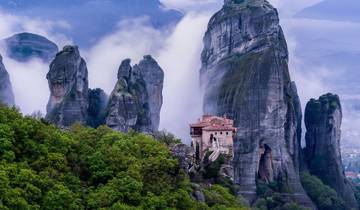
2 days
Two Days Tour from Athens to Meteora
- ✓ Comprehensive Meteora tour
- ✓ Expert local guides included
- ✓ All accommodation arranged
- ✓ Transportation provided

6 days
6 Days in Athens, Sightseeing Tourist Bus, Delphi and Meteora Tour & Day Cruise.
- ✓ Comprehensive Meteora tour
- ✓ Expert local guides included
- ✓ All accommodation arranged
- ✓ Transportation provided

2 days
2-Day Delphi & Meteora Tour
- ✓ Comprehensive Meteora tour
- ✓ Expert local guides included
- ✓ All accommodation arranged
- ✓ Transportation provided
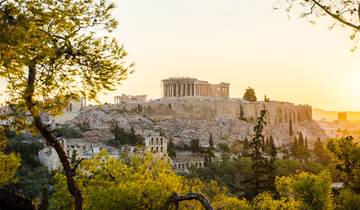
5 days
5-Day Journey Through Classical Greece
- ✓ Comprehensive Meteora tour
- ✓ Expert local guides included
- ✓ All accommodation arranged
- ✓ Transportation provided
Multi-day tour packages powered by TourRadar. Prices and availability subject to change.
Featured Meteora Multi-Day Tour Packages
2 days
Two Days Tour from Athens to Meteora
- ✓ Comprehensive Meteora tour
- ✓ Expert local guides included
- ✓ All accommodation arranged
- ✓ Transportation provided
6 days
6 Days in Athens, Sightseeing Tourist Bus, Delphi and Meteora Tour & Day Cruise.
- ✓ Comprehensive Meteora tour
- ✓ Expert local guides included
- ✓ All accommodation arranged
- ✓ Transportation provided
2 days
2-Day Delphi & Meteora Tour
- ✓ Comprehensive Meteora tour
- ✓ Expert local guides included
- ✓ All accommodation arranged
- ✓ Transportation provided
5 days
5-Day Journey Through Classical Greece
- ✓ Comprehensive Meteora tour
- ✓ Expert local guides included
- ✓ All accommodation arranged
- ✓ Transportation provided
Multi-day tour packages powered by TourRadar. Prices and availability subject to change.
Introduction: Meteora Day Trip Planning from Athens 2026
Planning a day trip from Athens to Meteora in 2026 requires understanding fundamental changes in transportation infrastructure and realistic timeline expectations. The September 2023 twin storms Daniel and Elias destroyed critical rail infrastructure between Palaiofarsalos and Kalambaka, eliminating the direct Athens-Meteora train service that previously made day trips straightforward. Current options involve multi-modal journeys combining train and bus transfers, express bus services, or organized tours that have adapted to post-storm realities. This transportation disruption paradoxically improved day trip experiences—organized tour companies now operate modern coaches with superior amenities and direct routing that saves 1-2 hours compared to historical train schedules.
Meteora represents one of Greece’s most extraordinary UNESCO World Heritage Sites, where six functioning Orthodox monasteries crown massive sandstone and conglomerate rock pillars rising 400 meters above the Pineios River valley. These Byzantine monastic complexes date from the 14th-16th centuries when hermit monks sought absolute isolation from Ottoman expansion and worldly temptation by constructing seemingly impossible architecture atop sheer cliff faces. Today’s visitors ascend stone staircases carved directly into rock to enter monastery complexes housing priceless frescoes, icons, and manuscripts while contemplating the faith and engineering genius required to hoist building materials to these vertiginous heights using primitive rope and pulley systems.
The geographical reality shapes day trip feasibility. Meteora lies 350 kilometers northwest of Athens in Thessaly region, requiring 4-4.5 hours minimum travel time each way under current 2026 conditions. This commits 8-9 hours to transportation, leaving 5-6 hours for actual monastery visits, meals, and local exploration within standard 14.5-hour day trip duration. Independent travelers gain flexibility but face complex logistics coordinating public transport schedules, monastery opening hours (each closes different weekdays), and Kalambaka taxi availability. Organized tours sacrifice independence but deliver optimized routing, guaranteed monastery access, expert interpretation, and elimination of navigation stress—critical advantages when working within compressed timeframes.
This guide provides comprehensive 2026-specific information for both organized tour participants and independent day trippers. Transportation sections detail current train+bus combinations, express bus services, and metro connections from Athens accommodations to departure points. Monastery visiting strategies address the six functioning sites, their individual characteristics, closure schedules, entrance procedures, and dress code requirements. Cost breakdowns separate tour packages from independent expenses including precise 2026 pricing for transport, admission fees, meals, and incidental costs. Timeline analysis examines hourly schedules to clarify exactly how much Meteora exposure day trips realistically provide. Physical preparation sections address stair climbing demands, summer heat management, and accessibility limitations that affect visitor experiences.
Special attention addresses the “is it worth it” question that confronts all prospective day trippers. Meteora’s visual impact and spiritual atmosphere create powerful impressions even during abbreviated visits, yet overnight stays unlock entirely different dimensions including photography golden hours, uncrowded early morning experiences, hiking opportunities, and contemplative engagement with monastic spirituality. This guide helps travelers make informed decisions balancing itinerary constraints against destination depth, acknowledging both the genuine rewards of day trips and the richer experiences awaiting those who can allocate 2-3 days to Thessaly’s most magnificent landscape.
Transportation from Athens to Meteora 2026: Current Options and Costs
Transportation from Athens to Meteora in 2026 operates under fundamentally different conditions than historical norms due to September 2023 storm damage that severed the direct Athens-Kalambaka rail link. The critical 90-kilometer segment between Palaiofarsalos and Kalambaka remains closed as of March 2026, with infrastructure restoration unlikely to complete before mid-2027 according to Greek Railways (Hellenic Train) and Infrastructure Ministry projections. This disruption transformed transportation logistics from straightforward four-hour train journeys to multi-modal combinations requiring strategic planning.
Three primary transportation options serve Athens-Meteora day trippers in 2026. The train+bus combination operated by Hellenic Train costs €32.50 one-way (€56.50 round-trip) and requires transferring from train to bus at Palaiofarsalos station mid-journey. Express bus services operated by tourism companies like Visit Meteora charge €54 one-way for direct Athens-Kalambaka routing via modern highway. Organized day tour packages priced €59-60 include round-trip bus transportation integrated with guided monastery visits, representing superior value despite marginally higher base cost. Each option presents distinct advantages for different traveler priorities regarding budget, flexibility, and convenience.
Train Plus Bus Combination Route 2026
The train+bus combination represents the only public transport option connecting Athens and Meteora in 2026. Hellenic Train operates four daily departures from Athens Larissis Station at 07:58, 10:58, 14:58, and 17:58. Trains travel the Athens-Thessaloniki mainline to Palaiofarsalos station (approximately 3 hours), where passengers transfer to Hellenic Train buses continuing to Kalambaka (90 minutes additional). Total journey time ranges 4.5-5 hours depending on transfer coordination and traffic conditions on the Palaiofarsalos-Kalambaka highway segment.
Only the 07:58 departure provides feasible day trip timing. This train reaches Palaiofarsalos 10:45-11:00, connects to bus arriving Kalambaka 12:15-12:45—matching organized tour arrival times but involving coordination stress and transfer risk. Return service departs Kalambaka 17:15, reaches Palaiofarsalos for train connection arriving Athens 21:25-22:00. This schedule allows approximately 4.5-5 hours in Meteora including monastery visits, meal, and local movement—tight but workable for visitors focusing on 2-3 key monasteries rather than comprehensive exploration.
Tickets cost €32.50 per person one-way, €56.50 round-trip when purchased together (small discount versus separate one-way fares). Purchase online at tickets.trainose.gr up to 30 days advance (Greek Railways’ frustrating booking window limit despite tourist demand for earlier confirmation). Credit card payment accepted online; station ticket windows accept cash and cards. The train segment offers comfortable seating, restrooms, and cafe service. The bus segment provides basic coach seating without amenities—bring water and snacks for this portion. Transfer at Palaiofarsalos requires 10-15 minute platform walk carrying luggage; station staff direct bus boarding locations but English proficiency varies.
Express Bus Services Direct to Kalambaka 2026
Express bus services operated by tourism companies provide direct Athens-Meteora routing without transfers. Visit Meteora’s daily express service departs Larissis Station 08:00, arrives Kalambaka 12:30 after 4.5-hour journey including 20-minute rest stop. Return departure 17:30-18:00 reaches Athens 22:00-22:30. These schedules align with organized tour timing but lack guided components, making them suitable for independent travelers who want direct transport without multi-modal complications.
The express bus costs €54 one-way compared to €32.50 for train+bus combination—a €21.50 premium buying transfer elimination, direct routing, and modern coach amenities. Buses feature WiFi, USB charging ports, air conditioning, reclining seats, and onboard restroom. The highway route through Lamia and Trikala showcases central Greece mountain landscapes superior to rail corridor views. The 20-minute rest stop at Kamena Vourla seaside provides coffee, refreshments, and leg-stretching at beachfront facilities.
Book express bus tickets through tourism company websites (visitmeteora.travel, meteora.com) or email reservations. Payment requires credit card deposit or full advance payment depending on operator. Tickets are date-specific with 24-48 hour cancellation policies allowing full refunds. Boarding occurs at Deligianni Street opposite Larissis Station main entrance—the same location organized tours use, requiring 07:45 arrival for 08:00 departure. This express option suits travelers who want guided monastery tours upon arrival (booking separate half-day Kalambaka-based tours for €25-30) while maintaining independent transport scheduling.
Athens Metro Connection to Larissis Station Departure Point
All Athens-Meteora transportation options depart from Larissis Station area, accessible via Athens Metro red line (Line 2). Larissa Station metro stop sits directly in front of the railway station main entrance. Single metro tickets cost €1.20 (90-minute validity from validation) or €1.40 for airport line connections. Purchase tickets from automated machines in metro stations accepting coins, bills, and credit cards with multilingual interfaces including English.
From central Athens locations: Syntagma Square to Larissa Station requires one direct red line train (4 stops, 8 minutes journey time). Monastiraki to Larissa Station takes 3 stops, 6 minutes on red line. Acropoli station connects in 5 stops, 10 minutes. Omonia Square provides alternative access (2 stops, 4 minutes). These timing estimates exclude platform waiting (5-10 minutes typical for red line frequency) and walking from hotel to nearest metro entrance (5-15 minutes depending on exact location).
For 08:00 departures requiring 07:45 arrival at Deligianni Street boarding point, travelers should exit hotels 07:15-07:20 to allow metro journey, station navigation, and contingency buffer. The Deligianni Street departure point sits across the road from Larissis Station main entrance—exit metro station, cross main road using pedestrian crossing, locate buses with “Meteora” or “Visit Meteora” signage on windshields. Tour operators position staff with company signs to direct participants to correct vehicles.
Organized Day Tour Packages 2026: What’s Included and What’s Not
Organized day tour packages from Athens to Meteora represent the most practical and economical option for single-day visits in 2026, priced €59-60 per person through major operators including Visit Meteora, Meteora Thrones Travel Center, and similar tourism companies. These comprehensive packages include round-trip bus transportation, professional English or Spanish-speaking local guides, visits to all six monasteries from exterior viewpoints, guided entry into three monasteries (typically Great Meteoron, Varlaam, and Roussanou), multilingual audio guides for self-paced chapel exploration, WiFi and USB charging onboard coaches, multiple panoramic photo stops, hermit cave visits near Kalambaka, and seaside rest break at Kamena Vourla beach restaurant.
The €59-60 base price excludes monastery entrance fees (€5 per monastery, €15 total for three entries), meals (optional lunch upgrades available €12-18), and gratuities for guides and drivers (customary €3-5 per person). Total out-of-pocket costs reach €77-90 per person including all excluded items. This compares favorably against independent travel expenses totaling €96-115 (€65 public transport, €15 monastery fees, €15-20 taxi fares in Kalambaka, €10-15 food) while delivering superior routing, guaranteed monastery access, expert interpretation, and stress-free logistics.
Transportation Components Included in Tour Packages
Tour packages provide modern 37-50 seat coaches equipped for long-distance comfort. Buses depart Athens Larissis Station (Deligianni Street boarding point) 08:00 sharp, travel direct highway route through Lamia and Trikala, and arrive Kalambaka 12:30-13:00 after 4.5-hour journey including one 20-minute rest stop. The coaches feature air conditioning, reclining seats, large windows for landscape viewing, onboard restroom facilities, complimentary WiFi (though signal drops in mountain sections), and USB charging ports at most seats. Professional drivers navigate challenging mountain roads with experience handling narrow monastery access routes.
The rest stop occurs at Kamena Vourla seaside town on the Gulf of Euboea, approximately 2.5 hours into northbound journey. Passengers disembark at Camino beach restaurant for coffee, refreshments, restroom access, and 15-minute seaside walk. This strategic pause breaks the long journey psychologically and physiologically before continuing into Thessaly mountain region. Return journey reverses routing, departing Kalambaka 18:00 and reaching Athens Larissis Station 22:30 with same Kamena Vourla stop. Passengers sleep or socialize during return—many exhausted from full-day monastery stair climbing appreciate passive travel after active exploration.
Pickup and dropoff occur exclusively at Larissis Station departure point—tours do not include hotel-to-hotel service from scattered Athens accommodations. Travelers must independently reach Deligianni Street meeting location by 07:45 for attendance confirmation and seat assignment. This centralized departure point simplifies logistics for tour operators managing 30-45 participants while remaining easily accessible via Athens metro from all tourist neighborhoods. Return dropoff 22:30 coincides with final metro services (red line runs until midnight), allowing safe return to accommodations across the city.
Guided Monastery Visits and Local Expert Interpretation
The guided components differentiate tour packages from independent travel. Professional English or Spanish-speaking guides (language specified during booking) accompany groups throughout Meteora exploration, providing historical context, architectural interpretation, Orthodox Christianity explanations, and logistical coordination that transforms monastery visits from sightseeing to educational experience. Guides handle monastery entrance procedures, navigate complex access roads avoiding traffic congestion, time visits to avoid peak crowding at popular sites, and answer questions about monastic life, Byzantine art, and geological formations.
Tours visit all six functioning monasteries from exterior viewpoints for photography and architectural appreciation: Great Meteoron (largest and oldest, 14th century), Varlaam (second-largest with museum), Roussanou (most photographed, dramatic cliff position), Holy Trinity (appeared in James Bond film “For Your Eyes Only”), St. Stephen (easiest access via bridge instead of stairs), and St. Nicholas Anapafsas (smallest, intimate atmosphere). Groups enter three monasteries for interior chapel viewing, icon study, and museum exploration—typically Great Meteoron, Varlaam, and Roussanou selected for optimal combination of historical significance, artistic quality, and logistical efficiency.
Inside monasteries, guides provide 15-20 minute orientations in courtyards before releasing participants for self-paced exploration using provided multilingual audio guides. Audio guides operate on smartphone apps or provided devices, offering content in English, Spanish, French, Italian, German, Dutch, Portuguese, Polish, Russian, Japanese, Korean, and Chinese. This dual-layer interpretation (live guide overview + detailed audio content) accommodates different learning styles and language preferences while preventing groups from crowding narrow chapel spaces. Photography policies vary by monastery—exteriors and courtyards allow photos, chapel interiors generally prohibit photography to protect frescoes from flash damage and maintain sacred atmosphere.
Additional Experiences Included in Standard Tour Packages
Beyond major monastery visits, tours include hermit cave exploration near Kalambaka town. These caves housed the original 11th-13th century hermit monks who preceded the grand monasteries, living in complete isolation within cliff-face cavities accessible only by rope ladders. The Badovas hermit caves feature weathered frescoes, carved niches for sleeping and prayer, and dramatic perspectives over the Pineios valley. Guides explain the extreme asceticism that drove Byzantine hermits to these precarious refuges and the evolution from individual hermits to organized monastic communities.
Multiple panoramic photo stops occur at strategic viewpoints between monasteries. The circuit road connecting all six sites winds through otherworldly landscape of giant rock pillars, offering constantly changing perspectives. Guides identify optimal pullouts for photography capturing multiple monasteries in single frames, rock formations backlit by afternoon sun, and sweeping valley vistas. These stops typically total 30-40 minutes across 6-8 locations, allowing participants to build comprehensive photo portfolios without the rushed feeling endemic to bus tours.
Brief free time in Kalambaka town (30-45 minutes before return departure) allows souvenir shopping, additional food or coffee, and personal exploration of this pleasant market town nestled below the rocks. Kalambaka’s main square features shops selling monastic handicrafts, religious icons, local honey, and Meteora photography books. Cafes and tavernas provide final opportunities for Greek coffee or quick mezze before the 4.5-hour return journey. This unstructured interlude helps transition from monastery immersion back to travel mode.
Independent Day Trip Planning 2026: Public Transport Strategy
Independent day trippers using public transportation face more complex logistics than organized tour participants but gain schedule flexibility and €30-40 cost savings before accounting for Kalambaka taxi expenses and time-value calculations. Success requires careful coordination of train schedules, bus transfers, monastery opening hours (each closes different weekdays), and local transportation in Kalambaka. The September 2023 rail disruption eliminated the simple direct train option, creating multi-modal journey with inherent transfer risk and timing pressure.
The only viable independent day trip schedule uses the 07:58 Athens departure reaching Kalambaka 12:15-12:45. This allows approximately 4.5-5 hours in Meteora before the sole return connection departing Kalambaka 17:15. Missing this return train requires overnight accommodation or expensive taxi to Athens (€250-350). The compressed timeline forces prioritization—independent travelers typically visit 2-3 monasteries maximum compared to organized tours’ 3-4 monastery entries, and sacrifice hermit caves, comprehensive photo stops, and relaxed meal breaks.
Booking Train Plus Bus Tickets Through Hellenic Train System
Book train+bus combination tickets through the official Hellenic Train website tickets.trainose.gr, available only 30 days before travel date (this frustrating limitation reflects Greek Railways’ operational approach rather than technical constraint). Create account with email address and password, select Athens (Larissa Station) as departure, Kalambaka as destination, choose travel date, and purchase tickets displaying as single journey despite train+bus combination. The system automatically includes the bus segment without requiring separate booking.
Tickets cost €32.50 one-way, €56.50 round-trip when both directions purchased together. The website interface switches between Greek and English via language selector in upper-left corner. Payment accepts Visa, Mastercard, and American Express (some travelers report Visa processing issues; Mastercard typically works reliably). Confirmation emails include QR codes for mobile ticket display—print backup copies recommended as phone battery failure or screen damage creates boarding complications.
Purchase tickets early morning on the 30-day availability opening to secure seats during summer peak season (June-August) when capacity constraints occur. Off-season (November-March) rarely sells out, allowing more relaxed booking timing. Tickets are date and time-specific with limited exchange flexibility. Cancellations may receive partial refunds depending on timing—review terms during purchase process.
Palaiofarsalos Transfer Procedure Between Train and Bus
The Palaiofarsalos transfer represents the critical vulnerability in independent day trip logistics. Upon arrival at Palaiofarsalos station (typically 10:45-11:00 for the 07:58 Athens departure), passengers must exit the train, follow platform signs directing to “Kalambaka Bus,” walk 200 meters to designated bus boarding area, and board the connecting Hellenic Train bus. Station staff wearing railway uniforms provide English-language assistance directing passengers to correct buses.
The bus transfer is coordinated—Hellenic Train schedules bus departures to align with train arrivals, providing 15-20 minute buffer. However, train delays disrupt coordination, potentially causing missed bus connections. If train delays exceed 30 minutes, Hellenic Train typically holds buses or arranges alternative transport, but this creates stress and timing uncertainty. The bus journey from Palaiofarsalos to Kalambaka requires 75-90 minutes depending on traffic and road conditions, arriving Kalambaka 12:15-12:45 under normal circumstances.
Return transfer reverses this process. The 17:15 Kalambaka bus departure reaches Palaiofarsalos for train connection to Athens. Buses connect to trains departing Palaiofarsalos approximately 18:30, arriving Athens Larissis Station 21:25-22:00. Allow minimum 15 minute transfer buffer at Palaiofarsalos—rushing between bus and train with luggage creates unnecessary stress.
Kalambaka Local Transportation to Monasteries
Upon arriving Kalambaka station, independent travelers must arrange transportation to monastery circuit 2-3 kilometers uphill from town center. Taxis wait at the station specifically serving monastery-bound tourists, charging €20-25 for one-way trips to first monastery stops like Great Meteoron or Varlaam. These fares are fixed/negotiated rather than metered, as monastery circuit lacks regular taxi service—drivers return to Kalambaka between customer calls rather than circulating for random pickups.
Walking from Kalambaka to monasteries is theoretically possible (6-8 kilometers with 300 meter elevation gain) but impractical for day trippers with limited time. The walk requires 1.5-2 hours uphill via road or hiking trail, consuming precious hours better allocated to monastery visits. Save walking for overnight visitors with full days available.
The monastery circuit road allows driving or taxi transport between individual monasteries. Distances range 1-3 kilometers between sites. Independent travelers typically hire taxis for 2-3 hour monastery tours (€60-80 negotiated rate) where drivers wait at each monastery then transport to next site. Alternatively, walk between closer monasteries (Great Meteoron to Varlaam = 10 minutes, Roussanou to St. Nicholas = 15 minutes) and taxi for longer gaps. This mixed approach requires good timing sense and monastery closure schedule awareness to avoid stranded situations.
No public bus service operates on the monastery circuit as of 2026—storm damage disrupted previous limited bus routes, and services have not resumed. This absence forces taxi dependence for independent travelers, adding €40-60 to day trip costs and partially negating the public transport savings versus organized tours.
Monastery Entrance Fees, Visiting Hours, and Access Requirements 2026
Meteora’s six functioning monasteries charge €5 entrance fee per person per monastery (cash only—no cards accepted, ATMs available in Kalambaka but not at monastery sites). Children under 12 years enter free with adult supervision. Standard day trip itineraries visit three monasteries, totaling €15 per adult in entrance fees. Attempting all six monasteries in a single day requires €30 per person plus exceptional time management, as individual monastery visits require 45-60 minutes each including stair climbing, courtyard orientation, chapel viewing, and museum exploration where available.
Each monastery maintains independent schedules, with every site closing one weekday while remaining open weekends (Saturday-Sunday). This rotating closure pattern means no single weekday provides access to all six monasteries simultaneously. Summer hours (April-October) typically run 09:00-17:00 or 09:00-18:00 depending on specific monastery. Winter hours (November-March) contract to 09:00-15:00 or 09:00-16:00 with additional weekday closures beyond the standard single day. Holy week and major Orthodox feast days alter schedules unpredictably—verify current hours before visiting via official sources rather than guidebook information that becomes outdated.
Individual Monastery Characteristics and Recommended Priorities
Great Meteoron (Megalo Meteoro) ranks as the largest, oldest, and historically most significant monastery, founded 1340s atop the highest rock formation (613 meters above sea level, 414 meters above valley floor). The entrance requires climbing 300+ stone stairs carved into sheer cliff face—among the most physically demanding monastery accesses. Interior highlights include the katholikon (main church) featuring 16th-century frescoes by Theophanis Strelitzas, extensive museum displaying monastic artifacts including illuminated manuscripts and liturgical vestments, preserved old kitchen and refectory, and panoramic terraces overlooking the entire rock forest. Allow 60-75 minutes for thorough exploration. Great Meteoron closes Tuesdays. Entry fee €5.
Varlaam Monastery occupies the second position in size and importance, established 1350s and rebuilt 1517 during monastic revival period. Access requires 195 steps—challenging but more manageable than Great Meteoron. Varlaam houses exceptional museum documenting monastery construction techniques including the preserved rope and pulley systems used to hoist building materials and supplies to the summit before stair construction. The katholikon contains outstanding 1548 frescoes illustrating apocalyptic themes and martyrdoms with vivid color preservation. Varlaam provides the best combination of historical content, artistic quality, and moderate physical demands, making it priority visit for time-limited travelers. Closes Fridays. Entry €5. Note: Varlaam does not provide free modesty skirts—women must bring appropriate clothing or purchase skirts at entrance (€3 additional).
Roussanou (St. Barbara) Monastery appears in countless Meteora photographs due to its dramatically narrow rock pedestal creating the illusion of impossible architecture defying gravity. Access via bridge from road and 140 stairs makes it moderately accessible. This former male monastery converted to female convent in 1988 and currently houses seven nuns maintaining Byzantine traditions. The small katholikon features well-preserved 16th-century frescoes despite the monastery’s compact size. Roussanou’s appeal lies primarily in its photogenic exterior position and the contrast between delicate appearance and fortress-like construction. Allow 30-40 minutes for visit. Closes Wednesdays. Entry fee €5.
Holy Trinity (Agia Triada) achieved international fame appearing in the 1981 James Bond film “For Your Eyes Only” where Roger Moore scales the cliff face. Access requires 140 steep stairs offering spectacular views during ascent. The monastery occupies a remote position at the circuit’s far end, making it logistically challenging for time-pressed day trippers. The katholikon and small museum provide typical monastic displays without exceptional artistic treasures, meaning Holy Trinity primarily rewards visitors seeking the specific movie-location experience or comprehensive monastery coverage rather than art-historical priorities. Allow 45 minutes. Closes Thursdays. Entry fee €5.
St. Stephen (Agios Stefanos) provides the easiest physical access via walking bridge instead of stair climbing, making it ideal for visitors with mobility limitations or those exhausted from other monasteries’ demanding climbs. This female convent (converted 1961) offers beautiful terrace views and small museum, though the World War II bombing and subsequent reconstruction means less architectural authenticity than never-restored sites. The katholikon contains decent frescoes and icon collection. St. Stephen’s accessibility attracts large tour groups, particularly 10:00-14:00 when crowds diminish the contemplative atmosphere. Visit early morning or late afternoon if possible. Closes Mondays. Entry fee €5.
St. Nicholas Anapafsas represents the smallest and most intimate monastery, clinging to narrow rock requiring 140-step access. The compact katholikon features exceptional early 16th-century frescoes by Theophanis the Cretan, among Meteora’s finest artistic achievements compressed into tiny space. The monastery’s remote position and difficult access deter tour groups, often providing the quietest and most meditative visiting experience. Art enthusiasts prioritize St. Nicholas for frescoes quality despite modest size. Allow 30-40 minutes. Closes Fridays. Entry fee €5.
Dress Code Requirements and Enforcement
Strict modest dress codes apply to all Meteora monasteries as functioning religious institutions housing active monastic communities. Requirements mandate: Women must wear long skirts covering knees (pants prohibited regardless of length), tops covering shoulders completely (no sleeveless, no bare shoulders). Men must wear long pants covering knees (no shorts), tops covering shoulders (no tank tops, no sleeveless shirts). These rules apply universally to all visitors regardless of religious affiliation, nationality, or personal beliefs about gender-specific clothing norms.
Enforcement varies by monastery. Roussanou and Varlaam maintain strictest policies with entrance gatekeepers refusing admission to improperly dressed visitors. Great Meteoron, St. Stephen, and Holy Trinity enforce rules but provide free-loan wrap skirts and shoulder shawls at entrances for unprepared visitors. St. Nicholas follows rules but rarely has large supply of loan clothing due to small size. Visitors should not rely on loan availability—proper clothing prevents entrance denial and awkward confrontations.
Summer heat (30-35°C typical July-August) makes long clothing uncomfortable but mandatory. Lightweight cotton or linen fabrics provide some relief while meeting modesty standards. Many female visitors wear long skirts over pants or shorts, removing the base layer after leaving sacred grounds. Male visitors find lightweight long pants acceptable. Bring sun hats and sunscreen for exposed skin—monastery courtyards and terraces offer limited shade.
Complete Day Trip Cost Breakdown Athens to Meteora 2026
Understanding complete day trip costs requires separating mandatory expenses from optional enhancements and comparing organized tour packages against independent travel. The cost analysis reveals organized tours provide superior value despite marginally higher base prices, once time-value, logistics stress, and guaranteed access factors receive proper weighting in decision calculus.
Organized Tour Package Complete Costs 2026
Organized day tour packages cost €59-60 per person base price through major operators (Visit Meteora, Meteora Thrones, similar companies). This base price includes round-trip bus transportation Athens-Meteora-Athens (4.5 hours each way), professional English or Spanish-speaking local guide, visits to all six monasteries from exterior viewpoints, guided entry into three monasteries, multilingual smartphone audio guides, WiFi and USB charging onboard, multiple panoramic photo stops, hermit cave visits, and seaside rest break at Kamena Vourla beach restaurant.
Mandatory additional costs not included in base package: Monastery entrance fees €5 per monastery, typically three monasteries visited totaling €15 per person. Meals: lunch (optional but recommended given 13.5-hour day duration) €12-18 for traditional taverna meals in Kalambaka or Kastraki. Drinks and snacks during journey and rest stops €5-8. Gratuities for guide and driver (customary though not required) €3-5 per person total. Total organized tour costs range €84-96 per person including all reasonable expenses.
Optional upgrades available at booking: Lunch inclusion packages add €12-15 to base price, providing set-menu traditional Greek meals at partner restaurants. Premium small-group tours (12-15 participants maximum versus 37-45 standard group size) cost €85-95 base price, offering more personalized attention and flexibility. Private tours for families or small groups (4-8 persons) range €350-450 total regardless of participant count, becoming economical for larger travel parties while delivering completely customized experiences.
Independent Travel Complete Costs 2026
Independent day trip costs appear lower initially but compound through required taxi services and time inefficiencies. Transport baseline: Train+bus combination €32.50 one-way, €56.50 round-trip Athens-Kalambaka-Athens. Athens metro from central hotels to Larissis Station €1.20-1.40 each way, total €2.40-2.80 round-trip. Kalambaka taxi from station to monastery circuit €20-25 one-way. Monastery circuit taxi hire for 2-3 hour guided tour €60-80, or individual taxi trips between monasteries €10-15 per segment (2-3 segments typical). Return taxi from monasteries to Kalambaka station €20-25. Total transportation costs €159-188.50 per person.
Additional mandatory costs: Monastery entrance fees €5 each, typically 2-3 monasteries visited independently totaling €10-15. Meals: lunch in Kalambaka €10-15 for basic taverna food, coffee and snacks €5-8. Water (essential for stair climbing and summer heat) €2-4. Total independent travel costs €186-230.50 per person including all realistic expenses.
The cost comparison reveals organized tours’ superior value: €84-96 organized tour total versus €186-230.50 independent total—a difference of €90-145 per person favoring organized tours. This dramatic inversion from apparent savings to actual premium reflects the taxi dependency independent travelers face once arriving car-less in Kalambaka with monasteries scattered across 10-kilometer mountainside circuit. The organized tour €59-60 base price essentially buys round-trip Athens transport AND comprehensive Kalambaka area transportation AND expert guiding for less than independent Athens transport alone.
Independent travel might justify costs for travelers seeking specific experiences: visiting particular monasteries not included in standard tour itineraries, spending extended time at single favorite monastery for contemplative purposes, photographing from non-standard viewpoints requiring time flexibility, or combining Meteora day trip with other Thessaly destinations impossible on fixed tour schedules. For standard day trip purposes prioritizing monastery highlights within single-day timeframe, organized tours deliver unambiguous value advantage.
Daily Budget Summary for Meteora Day Trip from Athens 2026
Organized tour participants: Base tour €59-60, monastery entrance fees €15, lunch €12-18, snacks and drinks €5-8, gratuities €3-5. Total day cost: €94-106 per person (excluding Athens hotel accommodation which is unchanged whether day-tripping or not). Budget travelers eliminating optional lunch and bringing packed snacks reduce costs to €77-83 per person minimum.
Independent travelers: Train+bus transport €56.50, Athens metro €2.40-2.80, Kalambaka taxis €80-120 (station transfers plus monastery circuit), monastery fees €10-15, meals and drinks €15-23. Total day cost: €164-226.30 per person. Budget optimization through walking between nearby monasteries and limiting taxi use might reduce costs to €140-160 minimum, still exceeding organized tour costs while delivering inferior experience.
Groups of 4-6 travelers: Private tour packages €350-450 total group price become economical, calculating to €58-113 per person depending on group size while providing personalized attention impossible in standard tours. Groups of 8+ persons might negotiate custom group tour rates approaching standard per-person pricing while maintaining privacy and schedule flexibility.
Is Meteora Feasible as Day Trip from Athens? Realistic Timeline Analysis 2026
The feasibility question requires honest assessment of what day trips realistically deliver versus overnight stays. Meteora functions as challenging but viable day trip for travelers accepting abbreviated exposure within tight timeframes. The experience provides authentic introduction to Byzantine monasticism and geological magnificence, but cannot replicate the depth, photography opportunities, and contemplative atmosphere overnight visitors enjoy.
Hour-by-Hour Schedule for Organized Tour Day Trips
07:15-07:45: Depart Athens hotel, metro to Larissis Station, walk to Deligianni Street departure point, check in with tour operator. 07:45-08:00: Boarding, attendance confirmation, seat assignment, departure briefing. 08:00-10:30: Athens to Kamena Vourla bus journey (2.5 hours) including highway driving through Boeotia plains and Mount Parnassus foothills, guide provides introduction to Meteora history and day schedule. 10:30-10:50: Rest stop at Kamena Vourla beach restaurant—coffee, restrooms, seaside walk, leg stretching. 10:50-12:30: Kamena Vourla to Kalambaka journey (1.75 hours) through Lamia, Farsala, and Trikala, entering Thessaly mountain region with increasingly dramatic rock formations visible.
12:30-13:00: Arrival Kalambaka, local guide boarding, orientation briefing, initial viewpoint stops for whole-site panoramas and photography. 13:00-14:00: First monastery visit (typically Great Meteoron or Varlaam)—stair climbing, courtyard orientation, guided chapel tour, museum viewing, individual exploration with audio guides. 14:00-15:00: Second monastery visit (typically Varlaam or Roussanou)—similar pattern with different architectural and artistic highlights. 15:00-15:45: Lunch break in Kalambaka town or Kastraki village—taverna meals for tour participants selecting lunch option, free time for independent meal sourcing or snack consumption for those declining lunch package.
15:45-16:45: Third monastery visit (typically Roussanou or Holy Trinity)—continuing monastery exploration pattern with final interior access of the day. 16:45-17:45: Panoramic photo tour—driving monastery circuit road with stops at strategic viewpoints capturing multiple monasteries, rock formations, and valley vistas; hermit cave visits (Badovas caves near Kalambaka featuring ancient frescoes and carved niches); final monastery exterior viewing completing all-six-monasteries objective. 17:45-18:00: Return to Kalambaka town center, brief free time for shopping or coffee before bus boarding.
18:00-20:30: Kalambaka to Kamena Vourla return journey (2.5 hours) retracing morning route, many participants napping after full-day physical exertion. 20:30-20:50: Final rest stop Kamena Vourla—refreshments, restrooms, evening seaside atmosphere. 20:50-22:30: Kamena Vourla to Athens final leg (1.67 hours), arrival Larissis Station, participant dispersal via metro or taxi to hotels.
This schedule delivers approximately 5.5 hours actual Meteora time (12:30-18:00) within 14.5-hour total experience. The 5.5 hours break down: 3 hours monastery interiors (three 60-minute visits), 1 hour lunch, 1 hour photo stops and hermit caves, 30 minutes driving between sites. This represents efficient use of limited time, but the experience feels rushed compared to 2-3 day itineraries allowing 8-12 hours daily Meteora exploration across multiple visits.
What Day Trips Cannot Provide: Missing Experiences
Sunrise photography represents the primary sacrifice of day trip timing. Meteora’s eastern-facing monasteries (Great Meteoron, Varlaam, Holy Trinity) glow brilliantly when struck by dawn sunlight 06:30-07:30 summer, 07:00-08:00 spring/autumn. This golden hour illuminates sandstone with warm amber tones, creates dramatic shadows emphasizing rock relief, and photographs monasteries against deep blue sky before heat haze develops. The early morning also provides the only truly uncrowded monastery experience—few visitors arrive before 09:00, meaning 07:00-08:30 window offers silent contemplation impossible once tour buses begin delivering groups.
Sunset viewpoints deliver equally spectacular photography from 19:00-20:30 summer (18:00-19:30 shoulder seasons). Western-facing monasteries (St. Stephen, Roussanou) silhouette against brilliant orange-red skies while eastern sites reflect final sunlight creating three-dimensional modeling impossible in flat midday illumination. Dedicated sunset viewpoints along the circuit road (accessible only to overnight visitors with rental cars or organized sunset tours) provide positions where multiple monasteries appear in single frame with dramatic sky backgrounds. Day trippers depart Meteora 18:00, missing this entire evening dimension.
Hiking trails connecting monasteries, hermit caves, and rock formations require 3-6 hours for various routes, exceeding day trip time budgets. The Ancient Monks Trail linking Great Meteoron to Varlaam via hermit cave complex takes 2 hours with moderate difficulty including rope-assisted rock scrambling sections. The Valley Trail from Kalambaka to Roussanou Monastery follows the original pilgrim path (3 hours) through forest understory revealing geological strata and abandoned hermitages. Rock climbing routes attract technical climbers worldwide—Meteora offers 60+ documented climbing routes ranging 5.6-5.13 difficulty, requiring full days for approach, climb, and descent. Overnight visitors engage these activities; day trippers glimpse trails from road viewpoints without experiencing vertical immersion in the landscape.
Multiple monastery visits across 2-3 days allow entering all six functioning sites at optimal times when specific monasteries experience lowest crowding. Day trips concentrate three monasteries into compressed afternoon window when tour bus traffic peaks. Overnight visitors might visit Great Meteoron at 08:00 opening before crowds, Roussanou at 16:00 as tour groups depart, and St. Nicholas late afternoon when its remote position deters day trippers. This strategic timing provides qualitatively different experiences—quiet chapel contemplation versus crowd-managed entry queues.
Best Time to Visit Meteora from Athens 2026: Seasonal Considerations
Meteora’s seasonal variations affect both practical logistics and experiential quality of day trips. Spring (April-May) and autumn (September-October) represent optimal visiting windows balancing moderate temperatures, manageable crowds, and favorable weather probability. Summer peak season (June-August) delivers guaranteed sunshine but intense heat and maximum tourist density. Winter (November-March) offers stark beauty and minimal crowds but unpredictable weather and reduced monastery hours.
Spring Season Advantages and Planning Considerations April-May 2026
April-May temperatures range 15-25°C (59-77°F), ideal for stair climbing without summer heat exhaustion risk. Wildflowers bloom across valley floor and rock crevices, adding color to already dramatic landscape. Trees display fresh spring foliage framing monasteries in vibrant green rather than summer’s dusty olive or winter’s bare branches. Rainfall probability remains moderate (10-15 days monthly average) but Greek spring storms typically pass quickly rather than settling for days.
Tour bus crowding begins increasing mid-April as European spring break and Easter travel commence but remains manageable compared to summer peak. Monasteries operate summer hours (09:00-17:00 or 18:00) starting April 1, providing extended access windows. Day length increases throughout spring—April sunset 19:30, May sunset 20:15—creating pleasant evening light during return bus journey after 18:00 Kalambaka departure.
Easter week (April 20-27, 2026) requires special consideration. Greek Orthodox Easter represents the religious calendar’s most significant celebration, when monasteries host pilgrims and observe complex liturgical schedules that alter normal visiting hours. Some monasteries close entirely to tourists during Holy Week (April 20-27), open only for services. Hotels and tours in Kalambaka increase prices 30-50% Easter week. Travelers seeking standard sightseeing should avoid April 20-27; those interested in Orthodox Easter traditions might deliberately target this period accepting modified access conditions.
Summer Peak Season Challenges June-August 2026
June-August temperatures reach 30-35°C (86-95°F) regularly, with occasional 38-40°C (100-104°F) extremes during heatwaves. Monastery stair climbing (140-300+ steps per site) becomes physically demanding in this heat, requiring frequent water breaks and shade-seeking. The rock formations absorb and radiate heat, creating microclimate temperatures 3-5°C higher than valley floor. Afternoon visits to south-facing monasteries feel oppressively hot 14:00-16:00.
Tourist crowds peak July-August when European summer holidays concentrate. Tour buses deliver 30-45 person groups simultaneously to popular monasteries 10:00-14:00, creating entrance queues and crowded chapel experiences. Great Meteoron and Varlaam see particularly heavy traffic requiring 15-20 minute waits for entry during peak hours. Photography suffers from unavoidable photo-bombers appearing in every frame. The contemplative monastic atmosphere diminishes when 100+ people simultaneously occupy courtyard designed for 15-monk communities.
Summer advantages include near-zero rainfall probability (July-August average 2-3 rain days monthly) and maximum daylight (June sunset 20:45, allowing excellent evening light on return journey). Wildflowers fade to brown vegetation but clear atmosphere provides exceptional long-distance visibility for valley panoramas. Families with school-age children accept summer timing despite heat and crowds, having no alternative scheduling flexibility.
Autumn Optimal Conditions September-October 2026
September-October represents many experienced travelers’ preferred Meteora visiting window. Temperatures moderate to 20-28°C (68-82°F) September declining to 15-22°C (59-72°F) October—comfortable for physical activity without summer heat stress. Autumn foliage creates dramatic color contrasts against gray-brown rock formations and red-tiled monastery roofs, particularly mid-October when deciduous trees display peak colors.
Crowds decrease substantially after September 15 when European school terms resume and family travel diminishes. October sees further reductions, delivering nearly spring-like conditions without Easter complications. Monasteries maintain summer hours through October, then shift to reduced winter schedules November 1. Day trip timing remains comfortable October with sunset 18:30 early month, 17:30 late month.
Rainfall probability increases compared to summer—September averages 6-8 rain days, October 8-10 rain days monthly—but Greek autumn storms typically arrive as brief afternoon thunderstorms rather than day-long downpours. Morning departures often enjoy clear conditions even when afternoon forecasts predict storms. Bring rain jacket as precaution but don’t cancel day trips based solely on weather forecasts showing possible afternoon storms.
Winter Season Alternative Experiences November-March 2026
November-March temperatures range 5-15°C (41-59°F) with occasional sub-freezing conditions and rare snowfall events creating winter wonderland transformations. Snow-covered monasteries photograph spectacularly but cold weather presents challenges including icy stairs creating safety hazards and reduced monastery hours (09:00-15:00 or 16:00) limiting visiting windows. Some monasteries add extra closure days beyond standard single weekday—verify current winter schedules before travel.
Winter offers nearly empty monasteries and unobstructed photography when weather cooperates. Tour bus traffic drops 70-80% compared to summer, with some days seeing 10-15 total visitors across all six monasteries. The stark landscape stripped of foliage emphasizes geological drama and architectural boldness. Monks become more accessible for conversation when not overwhelmed by summer crowds.
Weather unpredictability represents winter’s primary challenge. Rain days increase to 10-12 monthly November and March, 8-10 monthly December-February. Storms can settle for 2-3 days creating thoroughly miserable conditions. The 4.5-hour bus journey through mountain regions encounters occasional snow and ice requiring careful driving and potential delays. Day trip cancellations due to severe weather occur several times monthly December-February. Book winter day trips with flexible cancellation policies and backup plan acceptance.
Physical Demands and Accessibility Considerations for Meteora Visits
Meteora monastery visits require significant physical capability due to stair climbing demands, uneven surfaces, and exposure to elements. Travelers with mobility limitations, cardiovascular conditions, or moderate-to-severe joint problems should realistically assess whether monastery interiors justify the physical cost of access. Each of the six functioning monasteries requires stair climbing ranging 140 steps (moderate difficulty) to 300+ steps (strenuous) carved directly into rock faces with varying degrees of handrail support and rest platforms.
Stair Climbing Requirements by Individual Monastery
Great Meteoron (Megalo Meteoro) presents the most demanding access with 300+ stone stairs ascending the highest rock pillar. The stairs begin gradually from parking area, steepen significantly mid-climb, then culminate in nearly vertical final section with handrails but limited rest platforms. Total elevation gain approximately 80 meters over 200-meter horizontal distance, equivalent to climbing 8-10 story building. Descent reverses this challenge—many visitors find downward journey more knee-stressing than ascent. Allow 15-20 minutes ascent for average fitness levels, 10-15 minutes descent. This represents the maximum physical demand among all six monasteries.
Varlaam Monastery requires 195 steps with moderate gradient and good handrail support throughout. Several rest platforms allow catching breath during ascent. The climb feels less intimidating than Great Meteoron despite significant step count. Elevation gain approximately 60 meters. Allow 10-12 minutes ascent, 8-10 minutes descent for moderate fitness levels. Varlaam’s accessibility-to-reward ratio makes it popular choice for visitors avoiding extreme physical challenges while seeking major monastery experience.
Roussanou (St. Barbara) Monastery involves bridge crossing from road level followed by 140 stairs with good handrails and multiple rest platforms. The initial bridge crossing provides psychological ease-in before stair climbing begins. Moderate difficulty suitable for most visitors accepting some physical challenge. Allow 8-10 minutes total access time from parking to monastery entrance.
Holy Trinity (Agia Triada) features 140 steep stairs offering spectacular views during ascent but demanding cardiovascular fitness. Limited rest platforms and exposure to wind (the isolated position atop narrow pillar creates wind-tunnel effects) complicate climbing. Moderate-to-difficult rating. Allow 12-15 minutes ascent including photo stops at viewpoints along stairway.
St. Nicholas Anapafsas presents 140 stairs through narrow passages carved into rock. The confined spaces create psychological challenges for claustrophobic visitors, though physical demands remain moderate. Good handrail support throughout. Allow 8-10 minutes ascent to entrance level, then additional internal stairs to reach katholikon (main church) and upper levels.
St. Stephen (Agios Stefanos) offers unique accessibility via walking bridge connecting road to monastery entrance without stair climbing. This makes St. Stephen the only wheelchair-accessible monastery and the default choice for visitors with serious mobility limitations. Once inside, minimal stairs access courtyard, terrace viewpoints, and katholikon. St. Stephen accommodates elderly visitors, those using canes or walkers, parents with strollers, and anyone avoiding physical stress while still experiencing authentic monastery interiors.
Heat Management and Hydration During Summer Visits
Summer monastery visits (June-August) require serious heat management strategies. The exposed rock formations lack shade, stair climbing occurs in direct sunlight 11:00-16:00, and reflected heat from stone surfaces creates oven-like conditions. Temperature differentials between valley floor (ambient 32-35°C) and sun-exposed stairs (perceived 38-42°C due to radiation) cause heat exhaustion in unprepared visitors.
Bring minimum 1.5 liters water per person for summer day trips, consuming 250ml before each monastery stair climb. Dehydration symptoms (dizziness, headache, reduced coordination) appear rapidly in heat and altitude combination. Monastery courtyards provide limited shaded areas—seek these immediately upon reaching summit for 5-minute cooling before chapel entry. The cool stone interiors of chapels offer temporary relief but adjustment back to exterior heat requires gradual acclimatization.
Sun protection essential: Wide-brim hat or cap, SPF 30+ sunscreen on exposed skin (face, neck, arms), sunglasses for glare protection. Lightweight long-sleeve cotton shirts provide sun protection while meeting dress code shoulder-covering requirement and offering surprisingly better heat management than sleeveless tops (reduced direct sun exposure to skin). Light colors reflect solar radiation more effectively than dark clothing.
Recognize heat exhaustion warning signs: excessive sweating followed by cessation of sweating, pale or flushed skin, nausea, headache, dizziness, rapid heartbeat. If symptoms appear, immediately seek shade, drink water, rest until recovery occurs. Do not attempt additional monastery visits if heat exhaustion develops—return to air-conditioned bus or descend to valley-floor cafes for extended cooling period. Heat stroke (medical emergency) progression includes confusion, loss of consciousness, body temperature above 40°C. Tour guides carry emergency protocols and first aid supplies, but prevention through proper hydration and pacing remains critical.
Accessibility Options for Mobility-Limited Visitors
Visitors using wheelchairs, walkers, or having significant mobility limitations face stark choices—accept monastery exteriors and viewpoints only, or focus exclusively on St. Stephen Monastery’s bridge-accessible entrance. No other monasteries offer wheelchair access due to inherent rock-carved stair requirements that cannot be modified without destroying historical integrity and UNESCO World Heritage site protection.
St. Stephen provides excellent mobility-limited experience despite single-monastery restriction. The bridge access allows rolling entry to expansive courtyards, terrace viewpoints overlooking valley (perhaps Meteora’s finest panoramas from any monastery), katholikon with intact frescoes and icon screen, and small museum displaying monastic artifacts. Visitors spending 60-90 minutes at St. Stephen gain authentic monastery experience including religious architecture, Orthodox spiritual atmosphere, and comprehensive valley vistas without stair-climbing stress.
Panoramic viewpoints along the monastery circuit road allow photography of all six monasteries from exterior positions accessible by vehicle. Tour operators accommodate wheelchair users and mobility-limited visitors by facilitating photo stops while other group members enter monasteries. This exterior-only experience captures geological drama and architectural achievement while missing chapel interiors, frescoes, and museums—a significant but unavoidable compromise given physical infrastructure realities.
Elderly visitors with moderate mobility (able to climb stairs with handrails and rest breaks) might target Varlaam and Roussanou as manageable moderate-difficulty monasteries, skip Great Meteoron and Holy Trinity’s extreme challenges, and include St. Stephen’s easy access. This 3-monastery combination provides varied experiences spanning difficult, moderate, and easy access categories while respecting realistic physical capabilities. Tour guides accommodate slower climbing paces—communicate mobility concerns during booking to ensure appropriate time allocations.
Practical Tips for Optimizing Meteora Day Trip Experiences 2026
Successful Meteora day trips require strategic planning beyond basic transportation booking. Small preparation investments in appropriate gear, timing optimization, and cultural awareness dramatically improve experiences within compressed single-day timeframes.
Essential Items to Bring and Clothing Recommendations
Footwear represents the single most important equipment decision. Wear broken-in athletic shoes or hiking shoes with good ankle support, thick cushioned soles, and aggressive tread patterns. The 140-300 stone stairs per monastery, totaling 600-900 steps across three-monastery day trip itineraries, punish feet wearing inadequate shoes. Sandals, flip-flops, dress shoes, and fashion sneakers with minimal cushioning cause blisters, ankle strain, and slip hazards on smooth stone surfaces. Bring second pair of comfortable walking shoes as backup if primary footwear causes problems.
Modest clothing meeting monastery dress codes: Women must pack long skirts or dresses covering knees, tops with full shoulder coverage (short sleeves acceptable if shoulders covered, tank tops prohibited). Lightweight cotton or linen skirts provide comfort in summer heat while meeting requirements. Many female travelers wear skirts over shorts/pants, removing base layer after monastery exits. Men require long pants (lightweight cotton or quick-dry synthetics recommended for summer) and tops with shoulder coverage. All visitors should bring layers—air-conditioned buses create cool environments contrasting with hot exterior conditions.
Water bottles essential—bring 1-1.5 liter reusable bottles filled before departure, refill at Kamena Vourla rest stops. Snacks recommended even for travelers booking lunch options: energy bars, dried fruit, nuts provide quick calories during monastery climbing. Cameras and phone chargers—Meteora delivers endless photography opportunities; ensure devices fully charged with backup power banks for extended shooting. Bring lens cloth for camera cleaning as dust from rock formations accumulates on optics.
Small backpack or daypack allows hands-free stair climbing while carrying water, snacks, cameras, extra layers, and purchased souvenirs. Crossbody bags or shoulder purses work but create balance issues on steep stairs—backpacks distribute weight better. Include basic first aid items: adhesive bandages for blisters, pain relievers for headaches or muscle soreness, any prescription medications, sunscreen and lip balm.
Photography Strategy and Best Shooting Locations
Day trip photography focuses on midday and afternoon lighting (12:30-18:00 on-site hours) rather than optimal golden hour conditions. Accept this limitation and adapt techniques accordingly. Overcast days produce better color saturation and dynamic range than harsh midday sun—clouds become blessing rather than disappointment for serious photographers. Bring polarizing filter to reduce haze and enhance blue skies. Shoot in RAW format if camera supports it, allowing post-processing flexibility for challenging lighting conditions.
Monastery exterior shots: Standard tour photo stops provide classic compositions capturing multiple monasteries in single frames from strategic viewpoints. The Great Meteoron-Varlaam overlook (accessed from circuit road between these monasteries) shows both major sites with valley backdrop—shoot with wide-angle lens (16-35mm equivalent) for context or medium telephoto (70-200mm) for isolated monastery portraits. Roussanou photograph best from road approaching from Kalambaka, where narrow rock pedestal creates dramatic perspective with sky background—arrive this viewpoint early in circuit before afternoon sun creates blown highlights.
Interior monastery photography: Most monasteries prohibit photography inside katholikons (main churches) to protect frescoes from flash damage and maintain sacred atmosphere. Courtyard and terrace photography generally permitted—these exterior spaces provide architectural detail shots, valley panoramas, and authentic monastery life glimpses. Museum photography rules vary by monastery; ask permission before shooting. St. Stephen’s museum explicitly allows photography, Varlaam permits courtyard photography, Great Meteoron restricts most interiors.
People-free compositions require patience and timing. Wait at viewpoints for momentary crowd gaps rather than accepting photo-bombed frames. Vertical compositions exclude other tourists gathered at overlook railings by focusing upward on monastery architecture against sky. Early circuit arrival (first stops 13:00-14:00) provides somewhat less crowding than late afternoon when multiple tour groups converge.
Cultural Etiquette and Monastery Visit Protocol
Meteora’s monasteries function as active religious institutions housing Orthodox monks and nuns maintaining centuries-old spiritual traditions. Visitors enter sacred working communities, not historical museums or theme parks. Appropriate behavior respects monastic life while allowing legitimate tourism.
Silence and quiet voices inside monastery buildings, particularly katholikons during prayer hours. The acoustics of stone chambers amplify sound—loud conversation disrupts both worshipers and contemplative atmosphere. Speak in whispers inside churches, normal conversational tones acceptable in courtyards and terraces. Photography noise—cameras and smartphones with artificial shutter sounds—should be silenced or minimized. Turn phones to silent mode before entering monasteries.
Movement inside katholikons requires reverence awareness. Do not walk directly in front of iconostasis (ornate icon screen separating nave from altar sanctuary) while monks pray or conduct services. Peripheral circulation along nave side walls allows viewing without disrupting worship. Do not touch frescoes, icons, or religious objects—oils from human hands damage ancient pigments and gold leaf. Admire art from respectful distances. If candle-lighting areas exist (common in Orthodox churches for prayer intentions), visitors may participate by purchasing candles, lighting them, placing in sand-filled stands, and making silent prayer or reflection—this respectful engagement welcomed.
Dress code compliance signals respect even if personal beliefs differ from Orthodox Christianity. Wearing modest clothing demonstrates cultural sensitivity and facilitates smooth entry rather than entrance-gate confrontations. Women entering with pants instead of skirts create unnecessary conflicts drawing negative attention. Comply gracefully with rules rather than arguing gender equality or Western dress norms—these debates achieve nothing in Byzantine monastic context.
Donation boxes appear at monastery entrances and exits beyond mandatory entrance fees. While technically optional, small donations (€1-2 per person) support monastery maintenance, fresco restoration, and monastic community sustenance. These institutions rely partially on visitor contributions to preserve UNESCO-protected heritage. Contributing to donation boxes represents appropriate reciprocity for access to extraordinary spiritual and artistic patrimony.
Alternative Multi-Day Options and Extended Itineraries Beyond Day Trips
Travelers with schedule flexibility might reconsider day trip limitations in favor of 2-3 day Meteora itineraries unlocking exponentially richer experiences. The time investment increases modestly (one additional overnight) while quality improvements multiply through sunrise/sunset photography, uncrowded monastery visits, hiking opportunities, and unhurried cultural immersion.
Two-Day Meteora Itinerary Structure from Athens
Two-day packages offered by tour operators cost €105-125 per person including round-trip Athens transport, two guided half-day tours (typically sunset tour first day, morning or hiking tour second day), one hotel night in Kalambaka with breakfast, and all standard tour amenities. Compare to €59-60 day trip cost—the €45-65 premium adds hotel accommodation worth €40-60 independently booked plus second half-day guided tour worth €25-30, making packages economical while delivering transformative experience upgrade.
Day one: Depart Athens 08:00, arrive Meteora 12:30, check into Kalambaka hotel, afternoon rest or independent exploration, 17:00-21:00 sunset guided tour visiting 2-3 monasteries timed for evening golden hour and sunset viewpoint photography, return hotel for overnight. Day two: 08:00-12:00 morning monastery tour visiting different monasteries than previous evening in optimal early light before crowds, 12:00-18:00 free time for lunch, hiking, independent monastery visits, or relaxation, 18:00 depart Kalambaka returning Athens 22:30.
This structure provides approximately 14 hours actual Meteora time across two days versus 5.5 hours single-day trips—2.5x exposure for 1.8x cost. The psychological difference exceeds numerical ratios—overnight stays eliminate the rushed feeling inherent to day trips, allow processing experiences between monastery visits, and create memories of place rather than mere location checklist completion.
Three-Day Combined Meteora-Delphi Itineraries
Three-day packages combining Meteora with Delphi (Greece’s second-most significant archaeological site) cost €185-225 per person including round-trip Athens transport, two hotel nights (one Delphi area, one Kalambaka), guided tours at both sites, and most meals. This itinerary appeals to travelers seeking comprehensive mainland Greece highlights within compressed timeframe while maintaining overnight flexibility at each destination.
Day one: Athens to Delphi (2.5 hours), full afternoon Delphi archaeological site tour, overnight Delphi area. Day two: Morning Delphi museum visit, depart for Meteora (3 hours), afternoon arrival Kalambaka, sunset Meteora tour, overnight Kalambaka. Day three: Morning Meteora monastery tour, afternoon return Athens. This routing maximizes two UNESCO World Heritage sites within single efficient loop while avoiding backtracking.
Independent travelers with rental cars might extend this to four days, adding overnight in mountain villages like Kastraki (adjacent to Kalambaka with superior Meteora views from accommodations) or regional destinations like Mount Olympus National Park (1.5 hours north of Meteora), creating comprehensive northern Greece cultural and natural heritage tour. Car rental costs €40-60 daily for economy vehicles, hotel costs €40-80 nightly for mid-range accommodations, making independent 3-4 day itineraries cost €300-450 per person total—premium over day trips but delivering incomparable depth.
Frequently Asked Questions About Meteora Day Trip from Athens 2026
Can you do Meteora as a day trip from Athens independently without a tour?
Yes, independent day trips using the train+bus combination remain feasible in 2026 despite rail service disruption. The 07:58 Athens departure reaches Kalambaka 12:15-12:45, allowing 4.5-5 hours in Meteora before the 17:15 return connection. However, independent logistics prove substantially more complex and expensive than organized tours once Kalambaka taxi requirements are factored—total independent costs reach €164-226 per person versus €84-106 for organized tour packages that include equivalent transportation plus guided monastery visits. Independent travel makes sense only for travelers requiring specific flexibility (visiting particular monasteries not on standard itineraries, extended time at single favorite monastery, combining Meteora with other Thessaly destinations) rather than standard day trip sightseeing objectives.
How many monasteries can you realistically visit on a Meteora day trip from Athens?
Three monasteries represents the realistic maximum for day trip visitors given 5-6 hours total Meteora time including lunch break, transportation between sites, and photo stops. Each monastery requires 45-60 minutes for complete visits including stair climbing (10-20 minutes), courtyard orientation, guided chapel tour, and individual exploration with audio guides. Attempting four or more monasteries creates unsustainable rushing that diminishes experience quality and increases exhaustion from rapid stair-climbing repetition. Organized tours optimize three-monastery itineraries by selecting sites offering best combination of historical significance, artistic quality, and varied architectural styles—typically Great Meteoron (largest and oldest), Varlaam (excellent museum and frescoes), and Roussanou (most photogenic position). Independent travelers might substitute Holy Trinity for Roussanou if prioritizing James Bond film location or St. Nicholas Anapafsas if emphasizing fresco art quality over monastery size.
What happens if I miss the return train or bus from Meteora to Athens?
Missing the 17:15 Kalambaka return connection (only daily departure serving day trip timing) requires overnight accommodation in Kalambaka or expensive taxi to Athens (€250-350 for 350-kilometer journey). Kalambaka offers sufficient hotels across all budget categories (€40-150 nightly) making unplanned overnight manageable if inconvenient. The next morning’s first train departure 07:58 reaches Athens 12:15-12:45, consuming half the following day. This scenario emphasizes the importance of conservative time management—budget minimum 20-minute buffer before 17:15 departure, position yourself at Kalambaka station by 17:00, and resist temptation to squeeze in “just one more monastery” when schedule feels tight. Organized tour participants avoid this risk entirely as tour operators maintain strict departure timing and account for all participants before leaving Kalambaka.
Are Meteora monasteries wheelchair accessible or suitable for elderly visitors?
Only St. Stephen Monastery provides wheelchair accessibility via bridge entrance without stair climbing, making it the sole option for wheelchair users or visitors unable to manage stairs. The other five monasteries require climbing 140-300+ stone stairs carved into rock faces—inherently inaccessible to wheelchairs and unsuitable for many elderly visitors or anyone with significant mobility limitations. Elderly visitors with moderate fitness (able to climb stairs using handrails with rest breaks) might successfully visit Varlaam (195 steps, moderate difficulty) and Roussanou (140 steps, moderate difficulty) while avoiding Great Meteoron (300+ steps, strenuous) and Holy Trinity (140 steep steps, difficult). Visitors should honestly assess physical capabilities against specific monastery requirements rather than discovering limitations mid-climb. Monastery circuit road viewpoints allow photography of all six monasteries from vehicle-accessible positions, providing exterior experience for visitors unable to manage interior access.
What is the best month to visit Meteora from Athens in 2026?
May and September represent optimal visiting months balancing moderate temperatures (18-25°C), manageable crowds, extended daylight hours, and favorable weather probability. May offers spring wildflowers and fresh green vegetation framing monasteries, while September provides autumn color contrasts and post-summer crowd reduction while maintaining summer monastery operating hours. October works well for crowd avoidance and autumn foliage photography despite cooling temperatures (15-22°C) and increasing rain probability. April delivers excellent conditions but requires avoiding Greek Orthodox Easter week (April 20-27, 2026) when monasteries alter schedules and tourist infrastructure increases prices. June remains acceptable despite warming temperatures and increasing crowds if summer scheduling proves necessary. July-August deliver reliable sunshine but extreme heat (30-35°C+) creates stair-climbing stress and maximum crowd density diminishing experience quality.
Can you visit Meteora and Delphi in the same day from Athens?
No. Meteora and Delphi lie in opposite directions from Athens—Meteora 350 kilometers northwest, Delphi 180 kilometers northwest but different routing. Each site requires minimum full-day allocation to justify travel time. Attempting both in single day would involve 10+ hours driving with minimal site time, creating miserable rushed experience. Travelers wanting both destinations should book either 3-day combined tour packages (day one Delphi, day two-three Meteora, organized tour €185-225 per person including transport, hotels, guided visits) or independent 3-4 day itinerary with rental car allowing overnight stays at each location. Single-day Athens excursions must choose either Meteora or Delphi, not both.
Is lunch included in Meteora day trip tour packages from Athens?
Lunch inclusion varies by specific tour package and pricing tier. Base packages priced €59-60 typically exclude lunch, providing 45-60 minute lunch break in Kalambaka or Kastraki where participants independently source meals from local tavernas (€10-15 per person for traditional Greek lunch) or consume packed snacks. Upgraded packages add €12-18 to base price for included set-menu traditional Greek lunch at partner restaurants. Some operators offer lunch as optional add-on during booking rather than separate package tier. Travelers booking base packages without lunch should bring substantial snacks (energy bars, dried fruit, nuts, sandwiches) as lunch break timing (14:00-15:00 typical) may not align with restaurant schedules or personal hunger patterns after early Athens departure and minimal breakfast. The lunch break duration allows sit-down restaurant meals if desired but also accommodates quick snacking followed by extended monastery exploration for visitors prioritizing site time over dining experiences.
What should I wear to Meteora monasteries and will they provide skirts?
Women must wear long skirts or dresses covering knees with tops covering shoulders—pants prohibited regardless of length, sleeveless tops prohibited. Men must wear long pants covering knees with tops covering shoulders—shorts prohibited, sleeveless shirts prohibited. Most monasteries (Great Meteoron, St. Stephen, Holy Trinity, Roussanou, St. Nicholas) provide free-loan wrap skirts and shoulder shawls at entrances for unprepared visitors, though Varlaam does not provide free clothing and sells skirts for €3 separate from entrance fee. Visitors should not rely on loan availability—bringing appropriate modest clothing prevents entrance denial and embarrassing confrontations. Lightweight cotton or linen fabrics work best for summer heat while meeting requirements. Many female travelers wear long skirts over pants or shorts, removing base layer after leaving monasteries. Monastery dress codes apply to all visitors regardless of personal beliefs about gender-specific clothing norms or religious affiliation—compliance represents cultural respect and practical access rather than endorsement of particular religious views.
Can you take photos inside Meteora monasteries?
Photography policies vary by monastery and location within each site. All monasteries permit exterior photography including courtyard areas, terraces, and surrounding viewpoints. Most monasteries prohibit photography inside katholikons (main church buildings) to protect frescoes from flash damage and maintain sacred worship atmosphere. Museum photography rules differ by monastery—some explicitly allow it (St. Stephen), others restrict it (Great Meteoron). General policy: Ask permission before photographing inside any monastery building rather than assuming permission. Exterior spaces allow unrestricted photography for architectural details, valley panoramas, and monastery daily life documentation. Visitors should disable camera shutter sounds and avoid photographing monks/nuns without explicit permission, as these religious communities did not choose public-facing roles and deserve privacy despite operating tourist sites. The photography restrictions apply to smartphones equally as dedicated cameras—”just a quick phone snapshot” does not exempt visitors from katholikon photography prohibitions.
Are there restrooms and food available at Meteora monasteries?
Most monasteries provide basic restroom facilities in courtyard areas—Great Meteoron, Varlaam, and St. Stephen offer modern western-style toilets, while smaller monasteries (St. Nicholas, Holy Trinity) have more basic facilities. Great Meteoron surprisingly has only squat toilets despite being the largest monastery, while Varlaam offers cleaner western toilets—many visitors strategically use Varlaam facilities when visiting both sites. No restaurants or cafes operate at monasteries; only small canteens at Great Meteoron, Varlaam, and St. Stephen sell packaged snacks (chips, cookies), bottled water, and soft drinks at inflated tourist prices (water €2-3 versus €0.50-1 in Kalambaka shops). Bring adequate water (minimum 1-1.5 liters per person) and substantial snacks from Athens or Kalambaka rather than relying on limited monastery provisions. The monastery circuit lacks services between sites—plan restroom and hydration needs accordingly as significant distances separate monasteries without intermediate facilities.