
Mérida Travel Guide 2026: Gateway to Uxmal & Yucatán UNESCO Sites
This comprehensive guide examines every aspect of planning 2026 Mérida visits, from optimal timing and accommodation selection to budget management and day trip logistics. Whether you’re using Mérida as a brief stopover between archaeological sites or spending a week exploring the city’s museums, markets, and surrounding haciendas, you’ll find practical strategies maximizing your time and resources while experiencing the best of Yucatecan culture.
Key Takeaways:
- Mérida hotels range €45-85 for mid-range options in 2026, with luxury properties at €120-200 and budget hostels starting at €15-25 per night
- The city serves as the perfect base for exploring Uxmal (80 km), Chichén Itzá (120 km), and the entire Puuc Route within 90-minute drives
- November-March delivers optimal visiting conditions with temperatures of 22-28°C and minimal rainfall for UNESCO site exploration
- Colonial center exploration, cenote swimming, and hacienda visits complement archaeological excursions for comprehensive Yucatán experiences
- Daily costs average €45-75 per person including meals, local transportation, and activities (excluding accommodation)
- Book accommodations and major tours 2-3 weeks ahead during high season (December-March) to secure preferred options
Introduction: Planning Your Mérida Experience in 2026
Mérida stands as the cultural and logistical gateway to the Yucatán Peninsula’s extraordinary UNESCO World Heritage sites, combining colonial elegance with strategic positioning for archaeological exploration. The capital of Yucatán state offers travelers comfortable infrastructure, excellent dining, vibrant cultural scene, and access to three UNESCO sites within 2-hour drives: Uxmal (80 kilometers south), Chichén Itzá (120 kilometers east), and the historic fortified town of Campeche (180 kilometers southwest). The city’s transformation in 2026 continues enhancing visitor experiences while preserving its essential colonial character and Maya cultural identity.
The colonial historic center features stunning Spanish architecture from the 16th-19th centuries, with the massive Catedral de San Ildefonso anchoring the Plaza Grande surrounded by palaces, museums, and elegant mansions converted into boutique hotels and restaurants. The Paseo de Montejo boulevard showcases magnificent French-influenced mansions from the henequen boom era, now housing museums, galleries, and upscale accommodations. Daily cultural events, weekend festivals, and traditional markets create constant activity making Mérida a destination in its own right beyond serving as an archaeological base.
Modern Mérida balances heritage preservation with contemporary amenities travelers expect. International restaurants complement traditional Yucatecan cuisine, air-conditioned shopping malls coexist with artisan markets, and reliable public transportation serves neighborhoods beyond the tourist center. The city’s safety relative to other Mexican urban centers, moderate climate compared to coastal destinations, and strong English-speaking infrastructure in tourist zones make it accessible for first-time Mexico visitors while offering depth for experienced travelers seeking authentic cultural immersion.
People Also Ask About Mérida 2026
How many days should you spend in Mérida in 2026?
Plan 4-6 days in Mérida for optimal experiences combining the city’s colonial attractions with day trips to major UNESCO archaeological sites in 2026. This allocation allows 2 days exploring Mérida’s historic center, museums, and markets, plus single-day excursions to Uxmal (full day), Chichén Itzá (full day), and cenote swimming or hacienda visits (half day). Travelers focused primarily on archaeology can manage with 3-4 days using Mérida purely as a sleeping base, while those interested in colonial architecture, traditional cuisine, and cultural immersion benefit from 6-7 days enabling deeper exploration of neighborhoods, attending evening cultural events, and taking cooking classes or craft workshops. The city’s comfortable infrastructure and reasonable costs make extended stays financially viable compared to more expensive beach destinations.
What is the best time to visit Mérida in 2026?
The best time to visit Mérida in 2026 falls during November-March, when temperatures range 22-28°C with minimal rainfall creating ideal conditions for archaeological site exploration and city walking tours. December-February represents peak season with perfect weather but higher hotel rates (€80-120 for mid-range) and advance booking requirements for popular accommodations and tours. November and March deliver excellent value as shoulder months with 15-20% lower accommodation costs, fewer crowds at UNESCO sites, and equally pleasant weather. The rainy season (May-October) brings afternoon thunderstorms, high humidity, and temperatures reaching 32-36°C, though morning touring remains comfortable and hotel prices drop 30-40%. Avoid September-October when hurricane season peaks, potentially disrupting travel plans despite rock-bottom pricing.
How much does it cost to visit Mérida in 2026?
Budget travelers spend €45-65 daily in Mérida covering hostel accommodation (€15-25), street food and budget restaurant meals (€15-20), local transportation (€5-8), and free or low-cost activities in 2026. Check accommodation booking platforms for current rates as pricing varies by season and advance booking timing. Mid-range travelers allocating €90-140 daily stay in comfortable hotels (€50-75), enjoy quality restaurant meals (€25-35), take organized tours (€20-30), and visit museums and cenotes (€10-15). Luxury visitors spending €180-280 daily choose boutique colonial hotels (€120-180), dine at upscale restaurants (€40-60), book private tours and experiences (€30-50), and enjoy premium spa treatments and cultural events (€20-40). These budgets exclude major day trips to archaeological sites, which add €65-140 per excursion depending on tour type and destinations visited.
Is Mérida safe for tourists in 2026?
Mérida ranks as one of Mexico’s safest cities, with violent crime rates significantly lower than border cities or resort destinations like Cancún. The historic center maintains strong police presence, well-lit streets, and active evening foot traffic creating secure environments for walking tours and restaurant visits. Petty theft (pickpocketing, bag snatching) occurs occasionally in crowded market areas and on public buses during rush hours, making basic precautions advisable: use hotel safes for passports and excess cash, wear crossbody bags in markets, avoid displaying expensive jewelry or electronics, and take official taxis or Uber rather than unlicensed vehicles after dark. Solo female travelers report feeling comfortable in Mérida, though standard awareness applies regarding accepting drinks from strangers or walking alone in poorly lit areas late at night. The primary safety concerns involve traffic accidents (aggressive driving practices) and sun exposure rather than crime, making defensive crossing of streets and diligent sunscreen application more relevant precautions than fear of theft.
Extended multi-day tours – 5+ days
Featured Merida Multi-Day Tour Packages

3 days
Merida 3-Day Discovery Tour
- ✓ Comprehensive Merida experience
- ✓ Expert local guides included
- ✓ All accommodation included
- ✓ Transportation provided
5 days
Merida 5-Day Highlights Experience
- ✓ Comprehensive Merida experience
- ✓ Expert local guides included
- ✓ All accommodation included
- ✓ Transportation provided

7 days
Merida 7-Day Cultural Journey
- ✓ Comprehensive Merida experience
- ✓ Expert local guides included
- ✓ All accommodation included
- ✓ Transportation provided

10 days
Merida 10-Day Complete Adventure
- ✓ Comprehensive Merida experience
- ✓ Expert local guides included
- ✓ All accommodation included
- ✓ Transportation provided
Multi-day tour packages powered by TourRadar. Prices and availability subject to change.
Essential Planning Information 2026
Understanding Mérida’s Geography and Neighborhoods
Mérida’s layout centers on the colonial historic district surrounding Plaza Grande (also called Plaza de la Independencia), where the cathedral, government palace, and Casa de Montejo establish the city’s architectural heart. This compact area extending roughly 10 blocks in each direction contains most tourist accommodations, restaurants, museums, and cultural attractions within comfortable walking distance. The numbered street grid system (odd-numbered streets run north-south, even-numbered east-west) makes navigation straightforward once oriented to the basic pattern.
Paseo de Montejo extends north from the historic center for approximately 5 kilometers, lined with magnificent mansions from Mérida’s henequen (sisal) boom period (1880s-1920s). Many mansions now house museums, galleries, banks, and upscale hotels, with the boulevard serving as the city’s most prestigious address. The Monumento a la Patria (Monument to the Homeland) marks the northern end of Paseo de Montejo, with middle and upper-class residential neighborhoods extending beyond. Mid-range hotels cluster along the southern portion of Paseo de Montejo within walking distance of the historic center.
The Santiago and Santa Lucía neighborhoods adjacent to the historic center offer quieter atmospheres with local markets, traditional restaurants, and residential character providing authentic glimpses of daily Meridano life. Santiago features the Santiago Market (largest traditional market) and church, while Santa Lucía centers on its namesake plaza hosting Thursday evening serenades and Sunday cultural events. These neighborhoods contain excellent value accommodations slightly removed from tourist crowds while remaining easily accessible by foot or local bus.
The García Ginerés and Itzimná neighborhoods north of Paseo de Montejo feature modern residential development with shopping malls, chain restaurants, and contemporary hotels catering to business travelers. These areas lack colonial charm but offer modern amenities, reliable services, and convenient access to highway routes toward Uxmal and other regional destinations. Travelers preferring familiar international hotel chains over colonial properties find suitable options in these northern districts.
Climate Patterns and Seasonal Considerations for 2026
Mérida’s tropical climate creates two distinct seasons affecting travel planning and experiences. The dry season spanning November-April delivers minimal rainfall, comfortable overnight temperatures (18-22°C), and pleasant daytime highs (26-32°C) ideal for archaeological touring and city exploration. December-February represents the coolest period when evening temperatures occasionally drop to 15-17°C, making light jackets advisable for outdoor dining or evening cultural events. March-April sees temperatures rising toward 32-35°C during afternoon hours, though morning touring (before 11:00 AM) remains comfortable.
The rainy season from May-October brings afternoon thunderstorms occurring 50-70% of days, high humidity creating uncomfortable conditions during midday hours, and temperatures consistently reaching 33-36°C. Rain typically falls as intense downpours lasting 1-2 hours during 3:00-6:00 PM rather than all-day drizzle, allowing morning archaeological site visits and city tours before weather deteriorates. The rainy season discourages some travelers, creating substantial cost savings (30-40% lower hotel rates) and reduced crowds at major attractions for visitors accepting weather trade-offs.
Hurricane season officially runs June-November, with September-October representing peak threat periods when tropical storms or hurricanes occasionally affect the Yucatán Peninsula. Major hurricanes striking Mérida prove rare (the inland location provides some protection versus coastal cities), though peripheral rain bands from storms passing through the Gulf of Mexico or Caribbean can disrupt travel plans. Monitor weather forecasts during these months and verify hotel cancellation policies allowing rebooking if severe weather threatens.
The shoulder months of November and April deliver optimal value combinations, offering excellent weather (November sees rainy season ending, April precedes extreme summer heat) while hotel rates remain 15-25% below December-February peak pricing. These months see fewer tour groups at Uxmal and Chichén Itzá, enabling superior photography opportunities and more intimate archaeological experiences compared to crowded high season visits.
Currency, Costs, and Payment Methods in 2026
The Mexican peso (MXN) serves as local currency, with exchange rates fluctuating around 17-19 pesos per U.S. dollar and 19-21 pesos per euro in 2026. ATMs throughout the historic center and Paseo de Montejo accept international cards, dispensing pesos at favorable exchange rates (typically 2-3% better than currency exchange offices or hotels). Withdraw larger amounts less frequently to minimize ATM fees (€3-5 per transaction charged by Mexican banks plus any foreign transaction fees from home banks). Notify your bank before traveling to prevent card blocks due to suspected fraud when transactions suddenly appear from Mexico.
Credit cards see widespread acceptance at mid-range and upscale hotels, restaurants, tour operators, and museums, though small family restaurants, market vendors, and local transportation require cash pesos. Carry €200-300 in pesos for daily expenses (meals, taxis, market purchases, small museum fees), keeping larger amounts secured in hotel safes. Some businesses add 3-5% surcharges for credit card payments, making cash advantageous for purchases under €20 where the surcharge exceeds ATM withdrawal fees.
Tipping customs in Mérida follow Mexican standards: 10-15% at restaurants for good service (check whether service charges already appear on bills), €1-2 per bag for hotel porters, €3-5 daily for hotel housekeeping (left daily as staff rotates), €5-10 per person for tour guides (full-day excursions), and rounding up taxi fares to nearest convenient amount. Market vendors and street food sellers don’t expect tips, though small coins left as appreciation (€0.50-1) get warmly received for exceptional service or special accommodations.
Bargaining proves acceptable and expected at artisan markets and with independent tour guides, though fixed-price policies apply at established shops, restaurants, and licensed tour operators. Market vendors typically start prices 30-50% above what they’ll accept, making polite negotiation part of the shopping experience. Offer 50-60% of asking prices initially, settling around 70-80% through friendly back-and-forth. Hotels and restaurants maintain fixed pricing, though multi-day accommodation bookings sometimes negotiate 10-15% discounts for direct reservations during low season.
Best Time to Visit Mérida 2026
High Season (December-March): Optimal Weather and Peak Crowds
The December-March period delivers Mérida’s finest weather conditions, with daytime temperatures of 26-30°C, cool evenings at 18-22°C, and minimal rainfall creating perfect conditions for archaeological site touring and colonial city exploration. Clear skies prevail 85-90% of days, enabling reliable scheduling of outdoor activities without weather backup plans. The comfortable climate attracts maximum visitors, filling hotels 80-95% capacity during December-February and requiring advance booking 2-3 weeks ahead for preferred accommodations and popular tour departures.
Hotel rates reach annual peaks during high season, with mid-range properties charging €70-95 compared to €50-65 during shoulder months. Boutique colonial hotels on Paseo de Montejo command €140-200 versus €100-140 off-season, while budget hostels see modest increases from €15-18 to €20-25. The Christmas-New Year period (December 20-January 6) sees additional 15-20% surcharges at many hotels, with some properties requiring minimum 3-5 night stays during this peak fortnight. Easter week (dates vary by year) brings similar pricing and availability pressures as Mexican domestic tourism surges.
The cultural calendar intensifies during high season, with festivals, concerts, and special events occurring weekly. The Mérida Fest running throughout January features nightly concerts, dance performances, and cultural events at venues across the historic center, most offered free or at nominal costs (€3-8). February brings carnival celebrations with parades, costumes, and street parties rivaling those in more famous Mexican destinations. Museums and galleries schedule special exhibitions during winter months when visitor numbers justify extended hours and enhanced programming.
Day trips to Uxmal and Chichén Itzá during high season benefit from reliable weather but suffer from substantial crowds at archaeological sites. Tour buses arriving from Cancún and Playa del Carmen pack sites 10:00 AM-1:00 PM daily, making early morning departures (7:30-8:00 AM) essential for comfortable exploration and quality photography. Book archaeological tours 2-3 weeks ahead to secure small-group options limiting participants to 8-12 people rather than large bus tours carrying 25-40 visitors.
Shoulder Season (November and April): Value and Availability Balance
November and April represent optimal value months, combining favorable weather with significantly reduced costs and crowds. November sees rainy season ending with occasional afternoon showers (20-30% of days) offset by 20-25% lower hotel rates and excellent availability for same-week bookings. Daytime temperatures remain pleasant at 28-31°C, while evenings cool to comfortable 20-23°C ideal for outdoor dining and evening strolls through the historic center. Archaeological sites see 40-50% fewer visitors compared to January-February, creating superior touring conditions despite slightly increased rain probability.
April marks the transition into summer heat, with temperatures rising to 32-35°C during afternoon hours but mornings remaining comfortable for touring before 11:00 AM. The month delivers excellent weather reliability (90%+ sunny days) while hotel rates stay 15-20% below peak season pricing. Tour operators eager to extend high season momentum often discount archaeological excursions 10-15% during April, creating opportunities for budget-conscious travelers willing to handle moderate heat. Cenote swimming becomes particularly refreshing as temperatures rise, making afternoon cenote visits ideal complements to morning archaeological touring.
Cultural events continue during shoulder months though with reduced frequency compared to January-February programming. The Yucatán state capital designation ensures year-round cultural activity, with museums, galleries, and performance venues maintaining regular schedules. Sunday markets, evening serenades at Santa Lucía plaza, and traditional music performances occur weekly regardless of season, providing authentic cultural experiences without high-season crowds and pricing premiums.
Shoulder season travel enables spontaneous planning and flexible itineraries impossible during December-February when advance booking proves essential. Book hotels 5-7 days ahead with confidence in securing preferred properties, while day tours to Uxmal and Chichén Itzá accommodate same-week reservations even for small-group premium options. This flexibility proves valuable for travelers adjusting schedules based on energy levels, weather patterns, or unexpected discoveries requiring extended time in particular locations.
Low Season (May-October): Dramatic Savings with Weather Trade-offs
The May-October rainy season delivers Mérida’s lowest prices and minimal crowds but requires accepting afternoon thunderstorms, high humidity, and temperatures consistently exceeding 33-36°C. Hotel rates drop 30-40% below high season, with mid-range properties charging €40-55 and even luxury boutique hotels discounting to €80-120. Archaeological tour operators reduce prices 20-30% while increasing small-group tour availability as fewer visitors create space in premium options previously booked solid during winter months.
Daily weather patterns during rainy season follow predictable rhythms: sunny mornings perfect for touring before 12:00 PM, increasing clouds and heat building through early afternoon, intense thunderstorms 3:00-6:00 PM, and clearing skies by evening enabling comfortable outdoor dining. This pattern enables effective planning: schedule archaeological site visits and active touring during 8:00 AM-12:00 PM, return to air-conditioned hotels for siesta during peak heat and storm hours, and resume city exploration or dining after 6:00 PM when temperatures moderate and streets dry. Many travelers appreciate this rhythm, finding the forced afternoon rest compatible with the traditional Spanish siesta culture still practiced in Yucatán.
September-October represent the wettest months with afternoon storms occurring 60-80% of days and occasional tropical storms or hurricane remnants bringing multi-day rain events. However, morning touring windows remain largely reliable, with archaeological sites nearly deserted enabling photography impossible during crowded high season. Tour operators sometimes cancel departures when insufficient participants book, requiring flexible scheduling and backup plans. Verify cancellation and rebooking policies before committing to low-season tours.
Low season travel suits budget-conscious travelers comfortable with weather uncertainty, photographers seeking dramatic storm clouds and empty archaeological sites, and visitors with flexible schedules enabling adaptation to daily weather patterns. The substantial cost savings (€30-50 daily on accommodation plus discounted tours and activities) justify rain risks for travelers making extended trips where occasional weather disruptions minimally impact overall experiences. Avoid low season for honeymoons, once-in-a-lifetime trips, or visits on fixed schedules where weather disruptions would prove particularly disappointing.
Accommodation Strategies for 2026
Budget Options: Hostels and Economical Hotels
Mérida’s budget accommodation sector offers excellent value, with clean, safe hostels starting at €15-25 per night for dormitory beds and €35-45 for private rooms with shared bathrooms. Nomadas Hostel on Calle 62 and Hostel Zocalo near Plaza Grande provide secure lockers, air-conditioned dormitories, communal kitchens, and social areas facilitating traveler interactions. These properties attract backpackers, solo travelers, and budget-conscious couples, creating international atmospheres with organized activities, tour booking assistance, and informal Spanish-English language exchange.
Budget hotels charging €40-60 for private rooms with en-suite bathrooms offer modest comfort upgrades over hostel private rooms while maintaining economical pricing. Properties like Hotel Casa Lecanda and Hotel Residencial feature basic but clean accommodations with air conditioning, WiFi, and sometimes small pools, located within the colonial center walking distance to major attractions. These hotels lack the character of restored colonial properties or amenities of mid-range options but provide reliable shelter for travelers prioritizing budget over atmosphere. Book directly through hotel websites or phone reservations to save 10-15% versus online platforms, with managers sometimes negotiating multi-night discounts during low season.
The Santiago and Santa Lucía neighborhoods contain budget accommodations €5-10 cheaper than equivalent properties in the immediate Plaza Grande vicinity while remaining easily walkable to major attractions. This slight displacement from the tourist epicenter provides authentic neighborhood experiences, with local markets, traditional taco stands, and residential street life offering glimpses of daily Meridano culture impossible in the highly touristed central plazas. Morning walks to breakfast through residential streets become pleasant explorations rather than inconvenient distances.
Airbnb and vacation rental platforms feature private apartments and guesthouses starting at €30-50 nightly for entire units sleeping 2-4 people. These options deliver exceptional value for small groups or families, with kitchens enabling breakfast and lunch preparation reducing daily meal costs €15-25 per person. The best vacation rentals occupy restored colonial homes with courtyards, tile work, and architectural details rivaling boutique hotels at half the cost. Verify locations carefully using mapping tools, as some properties advertise “historic center” locations while actually residing 15-20 blocks from Plaza Grande requiring taxi or bus transportation.
Mid-Range Hotels: Comfort and Character Balance
Mid-range hotels in the €60-95 range deliver comfortable accommodations with character, often occupying restored colonial buildings or purpose-built properties incorporating traditional architectural elements. Hotel Julamis, Hotel Colonial, and Casa San Angel feature courtyards with fountains, tile-decorated rooms, air conditioning, WiFi, small pools, and included breakfasts, providing pleasant retreats after long days touring archaeological sites. These properties balance authentic atmosphere with modern comfort, avoiding the generic international hotel aesthetic while maintaining reliability business travelers and comfort-oriented tourists expect.
Included breakfast at mid-range hotels ranges from simple continental offerings (coffee, juice, pastries, fruit) to more substantial buffets with eggs, regional specialties, and made-to-order items. The breakfast inclusion saves €8-15 daily per person versus restaurant meals while providing convenient early starts for day trips to Uxmal or Chichén Itzá. Verify breakfast details when booking, as some properties charge €8-12 supplements for breakfast despite advertising “inclusive” rates actually referring only to base room costs.
Location proves critical in mid-range selection, with properties on Calle 60, 62, and surrounding Plaza Grande commanding slight premiums (€70-95) over hotels 8-12 blocks from the plaza charging €55-75 for comparable rooms and amenities. The walkability trade-off involves 10-15 minute walks versus immediate Plaza Grande access, with many travelers preferring slightly removed locations providing quieter sleeping environments away from evening restaurant noise and music while remaining easily accessible for daytime exploration.
Mid-range properties increasingly offer rooftop terraces with pools, lounges, and bars providing attractive spaces for sunset cocktails and evening relaxation. These amenities transform hotels from purely functional sleeping locations into destinations encouraging guests to spend afternoons by the pool reading or socializing after morning archaeological touring. Properties like Hotel Merida Santiago and Hotel Boutique Casa Lecanda market these rooftop spaces prominently, attracting travelers seeking resort-like amenities at urban hotel prices.
Luxury Boutique Hotels: Colonial Elegance and Premium Service
Luxury boutique hotels occupying restored colonial mansions charge €120-200 nightly but deliver exceptional architectural experiences, personalized service, and atmospheric immersion justifying premium costs for special occasions or travelers prioritizing comfort. Properties like Rosas & Xocolate, Hotel Hacienda Mérida, and Casa Lecanda feature original frescoes, antique furniture, spa services, gourmet restaurants, and concierge assistance with tour booking and cultural event access. Many occupy 17th-19th century mansions with architectural significance rivaling museums, providing guests opportunities to sleep in historic monuments impossible through standard museum visits.
The luxury tier differentiates through service quality and attention to detail: pre-arrival communication confirming preferences and dietary restrictions, welcome amenities (local rum, chocolate, tropical fruit), turn-down service with sweets and bottled water, and staff who remember names and preferences after single interactions. Concierges arrange private tours with specialized guides, secure reservations at exclusive restaurants, and coordinate unique experiences (cooking classes with renowned chefs, private museum tours, traditional Maya ceremonies) unavailable through standard tour operators.
Pools at luxury properties emphasize ambiance over size, often featuring mosaic tiles, fountain features, and lush tropical landscaping creating intimate courtyard atmospheres rather than large resort-style swimming facilities. Some properties position pools within restored courtyards surrounded by colonial arcades, enabling swimming beneath palm trees while viewing restored frescoes and architectural details. The aesthetic experience rivals swimming functionality, appealing to travelers valuing atmosphere over athletic pool access.
Luxury hotel restaurants serve as destinations themselves, with chefs creating innovative fusions of traditional Yucatecan ingredients and contemporary techniques. Dining at properties like Rosas & Xocolate rivals standalone upscale restaurants while offering convenience of in-house options after tiring day trips to archaeological sites. The breakfast included at luxury properties typically features made-to-order regional specialties, fresh juices, artisanal pastries, and international options, creating substantial meal value partially offsetting premium room rates when calculated holistically.
Transportation Guide for Mérida 2026
Getting to Mérida: Airport and Bus Connections
Mérida International Airport (MID) sits 8 kilometers southwest of the historic center, receiving direct flights from Mexico City, Monterrey, Houston, Miami, and seasonal service from Atlanta, Toronto, and several European cities. Domestic flights from Mexico City operate 6-8 times daily with 2-hour flight times, costing €80-150 round-trip when booked 4-6 weeks ahead. International flights from Houston and Miami range €250-400 round-trip depending on season and booking timing, with advance purchase 6-8 weeks before travel securing optimal pricing.
Transportation from airport to central Mérida uses fixed-rate taxi vouchers sold at official counters in baggage claim, costing €15-18 for up to 4 passengers traveling to historic center hotels. Uber operates at Mérida airport despite occasional regulatory challenges, charging €12-15 for equivalent rides when available. Shared shuttle services cost €8-10 per person but operate on fixed schedules rather than immediate departures, sometimes requiring 30-45 minute waits as shuttles fill or complete preceding hotel drop-offs. Private airport transfer services pre-booked through hotels or tour operators charge €25-35 but provide guaranteed pickup and direct routing to accommodations.
ADO bus service connects Mérida to major Mexican cities including Cancún (€25-30, 4.5 hours), Playa del Carmen (€28-32, 5 hours), Campeche (€12-15, 2.5 hours), and Mexico City (€85-95, 24 hours). The modern CAME bus terminal northeast of the historic center features comfortable waiting areas, cafeterias, ATMs, and frequent departures on first-class buses with air conditioning, reclining seats, and sometimes WiFi. Taxis from CAME terminal to Plaza Grande cost €5-7, while local buses charging €0.80 require familiarity with routes and stop locations making taxis preferable for arriving travelers with luggage.
Rental cars from airport or central Mérida offices cost €35-50 daily for economy vehicles, enabling independent exploration of Uxmal, Chichén Itzá, cenotes, and Puuc Route sites. International chains (Hertz, Avis, Budget) maintain airport and downtown locations with standard pricing and vehicle availability, while local operators sometimes discount rates 10-20% with slightly older vehicle fleets and more basic insurance coverage. Mexican car insurance proves mandatory (international policies typically exclude Mexico), adding €15-25 daily to rental costs and creating total expenses of €50-75 per rental day.
Local Transportation Within Mérida
Walking provides the primary transportation mode within the historic center, with most major attractions, restaurants, and accommodations clustered within a compact 15-block radius. The flat terrain and regular street grid simplify navigation, while pedestrian-friendly streets in several areas (Calle 60 between Parque Santa Lucía and Plaza Grande) eliminate vehicle traffic creating pleasant walking corridors. Comfortable walking shoes prove essential as sidewalks feature uneven pavement, colonial-era stones, and occasional tree roots disrupting smooth surfaces. Allow extra time for walks during midday heat (11 AM-3 PM) when temperatures slow comfortable pacing and shade becomes precious.
Taxis operate throughout Mérida using metered fares starting at €3 with additional charges of €0.80 per kilometer. Typical rides within the historic center cost €4-7, while trips from Plaza Grande to Paseo de Montejo hotels run €5-8, and journeys to the ADO bus terminal reach €6-9. Hail taxis at designated stands near major plazas and hotels rather than flagging vehicles on streets, as official taxi stands ensure regulated vehicles and prevent unofficial operators charging inflated rates. Hotel receptionists call taxis reliably, often within 3-5 minutes during daytime hours.
Uber operates in Mérida with variable reliability depending on current regulatory status and driver availability. When functioning normally, Uber provides convenient app-based booking and transparent pricing 10-20% below equivalent taxi fares. However, periodic regulatory pressure sometimes limits driver participation, creating longer wait times (15-25 minutes) or reduced geographic coverage compared to established taxi networks. Use Uber primarily during daytime hours when availability proves strongest, with taxi stands providing reliable backup options for evening transportation or urgent needs.
Local buses (peseros or colectivos) charge €0.60-0.80 for rides anywhere within the city, operating extensive networks connecting all neighborhoods and major destinations. However, the complex route system, lack of English signage, and rapid boarding/exit patterns make buses challenging for tourists unfamiliar with the city. Buses prove practical for budget-conscious travelers making repeat visits to specific destinations (daily trips from hotels to Santiago Market, regular transport to Paseo de Montejo museums) after learning relevant routes through trial and error. Most visitors find the time and confusion savings from taxis and Uber justify the modest additional costs versus navigating unfamiliar bus systems.
Day Trip Transportation to UNESCO Sites
Organized tours provide the most convenient access to Uxmal, Chichén Itzá, and other regional archaeological sites, with operators handling all transportation logistics, entrance fee payments, and guide services. Tours cost €65-140 depending on destinations visited and tour quality (budget group versus small-group premium), departing central Mérida locations 7:30-8:30 AM and returning 2:00-6:00 PM. Hotel pickup services eliminate need for taxis to departure points, while air-conditioned vehicles provide comfortable highway travel between sites. Group tours prove cost-effective compared to rental cars when factoring in vehicle costs (€50-75 daily), fuel (€15-25 for Uxmal or Chichén Itzá round trips), and parking fees (€3-5 per site).
Independent travelers can reach Uxmal via ADO bus service departing Mérida’s TAME terminal at 6:00 AM, 9:00 AM, and 12:00 PM, with return buses from Uxmal at 2:30 PM, 5:00 PM, and 7:00 PM (following evening light show). Round-trip bus costs €16 plus €25 site entrance fee (€41 total) save substantial amounts versus €65-75 guided tours but sacrifice expert interpretation and comfortable pacing. ADO bus schedules for Chichén Itzá depart 8:00 AM and 9:00 AM from CAME terminal, returning 4:30 PM and 6:00 PM (€24 round-trip plus €30 entrance). The fixed schedules create either excessive time at sites (6-7 hours exposed to afternoon heat) or insufficient time for thorough exploration (3-4 hours rushing through major structures).
Rental cars enable maximum flexibility for independent archaeological touring, accommodating spontaneous stops at lesser-known sites (Mayapán, Dzibilchaltún, Aké), cenote swimming breaks, and traditional village visits impossible on fixed tour itineraries. The Highway 261 route to Uxmal features excellent pavement and clear signage, making navigation straightforward even for travelers with basic Spanish. Chichén Itzá requires slightly more complex routing via Highway 180, though GPS navigation and improved signage reduce confusion compared to previous years. Parking at major sites costs €3-5, while restaurants and cenotes near archaeological zones offer safe parking included with meal purchases or admission fees.
Private tour arrangements through hotels or independent guides cost €200-350 for full-day excursions accommodating up to 4 people, creating per-person costs of €50-88 competitive with group tours while delivering personalized experiences. Private options prove particularly valuable for photography enthusiasts seeking optimal lighting and angles, families with children requiring flexible pacing, and travelers with academic interests needing extended time at specific structures. Negotiate private tour details carefully, confirming included sites, meal arrangements, entrance fee coverage, and total journey duration before committing to bookings.
Budget Planning for 2026 Mérida Visits
Daily Cost Breakdowns by Budget Level
Budget travelers allocating €50-70 daily per person (excluding accommodation) maintain comfortable experiences covering three substantial meals, local transportation, one paid activity or museum, and incidental expenses. Street food breakfasts (coffee, pastries, fruit) cost €3-5, market lunches featuring complete meals (soup, main, drink, dessert) run €5-8, and dinner at casual restaurants ranges €10-15. Local transportation via buses and shared taxis adds €5-8 daily, while museum entries (€3-5) and cenote visits (€8-12) complete daily activity budgets. Adding hostel accommodation (€15-25) creates total daily costs of €65-95, enabling month-long Mérida stays for under €2,000.
Mid-range travelers spending €90-140 daily per person (excluding accommodation) enjoy comfortable restaurant meals at each sitting, organized tours or activities, and occasional indulgences. Hotel breakfast buffets or restaurant breakfasts cost €8-12, lunches at quality local restaurants run €12-18, and dinners at upscale regional cuisine restaurants range €20-30. Daily transportation via taxis and Uber adds €8-15, while guided museum tours, cooking classes, or afternoon cenote excursions cost €20-40. Combined with mid-range hotel accommodation (€60-95), total daily costs reach €150-235, enabling week-long visits for €1,050-1,650.
Luxury travelers allocating €180-280 daily per person (excluding accommodation) experience Mérida’s finest dining, private tours, and cultural events without budget constraints. Upscale hotel breakfasts or renowned restaurant brunches cost €15-25, elegant lunches at hacienda restaurants run €25-40, and fine dining experiences featuring innovative Yucatecan cuisine range €35-60. Private guides, exclusive experiences (hacienda tours, traditional Maya ceremonies, chef-led market tours), and premium cultural events add €50-80 daily. With luxury boutique hotel accommodation (€120-200), total daily costs reach €300-480, creating week-long visit budgets of €2,100-3,360.
Day trip costs to Uxmal or Chichén Itzá add substantial one-time expenses: budget ADO bus transport plus entrance fees total €41-54, standard group tours cost €65-85, premium small-group tours reach €95-120, and private tours range €200-350 for up to 4 people. Budget 2-3 day trips into week-long visit costs, adding €130-360 to overall trip expenses depending on tour types selected and number of archaeological sites visited.
Money-Saving Strategies Without Sacrificing Experience
Strategic timing delivers substantial savings without experience compromises. Traveling during November or April shoulder season reduces accommodation costs 15-25% versus December-February peak pricing while maintaining excellent weather. Low season (May-October) cuts costs 30-40% but requires accepting afternoon thunderstorms and reduced cultural programming. Book accommodations and tours 3-4 weeks ahead to secure early booking discounts (10-15% off standard rates) while maintaining schedule flexibility impossible when booking 2-3 months in advance.
Meal strategy significantly impacts daily budgets. Breakfast at markets or street stands (€3-5) rather than hotels (€8-15) saves €5-10 daily, while lunch at economic fondas and comedores (€6-10) versus tourist-oriented restaurants (€12-18) preserves another €6-8. Splurge on dinner at quality restaurants showcasing regional cuisine (€20-35) while economizing on breakfast and lunch, creating balanced food experiences at €29-50 daily versus €40-68 eating all meals at tourist restaurants. Markets also sell fresh fruit, bread, cheese, and drinks for self-assembled breakfast or snack savings.
Free and low-cost activities fill days without depleting budgets. Sunday concerts at Plaza Grande and Santa Lucía plaza, free museum days (varies by institution), walking tours through historic neighborhoods, and evening markets provide cultural immersion at zero cost. Museums charging €3-5 entrance fees deliver hours of exploration comparable to activities costing €20-40. Time free activities during peak heat hours (12:00-3:00 PM) when paid activities become uncomfortable anyway, reserving morning and evening for paid experiences benefiting from pleasant temperatures.
Accommodation savings through strategic selection maintain comfort while reducing costs. Hostels providing private rooms with en-suite bathrooms (€35-45) deliver nearly equivalent amenities to budget hotels (€45-60) at €10-15 discounts. Airbnb apartments with kitchens enable breakfast and lunch preparation, saving €15-25 daily on meals and creating total savings of €105-175 weekly offsetting slightly higher nightly rates versus comparable hotel rooms. Booking directly through hotel websites or phone reservations avoids platform booking fees (10-15%) while sometimes enabling negotiation of multi-night discounts during low season.
Sample 2026 Mérida Itineraries
5-Day UNESCO Sites Focused Itinerary
This itinerary emphasizes archaeological exploration using Mérida as a strategic base, balancing major UNESCO sites with colonial city experiences and cenote swimming.
Day 1: Arrival and Historic Center Orientation
Morning arrival at Mérida airport, taxi transfer to historic center hotel (€15-18), check-in and settling. Afternoon walking tour of Plaza Grande area visiting Cathedral de San Ildefonso (free entry), Government Palace with murals (free entry), Casa de Montejo museum (€5), and Paseo de Montejo boulevard. Evening dinner at La Chaya Maya sampling cochinita pibil and sopa de lima (€18-25). Plaza Grande evening concert (free).
Accommodation €65, lunch €10-14, dinner €18-25, museum entry €5, transportation €18-22. Total day cost: €116-131 per person.
Day 2: Uxmal Full-Day Tour
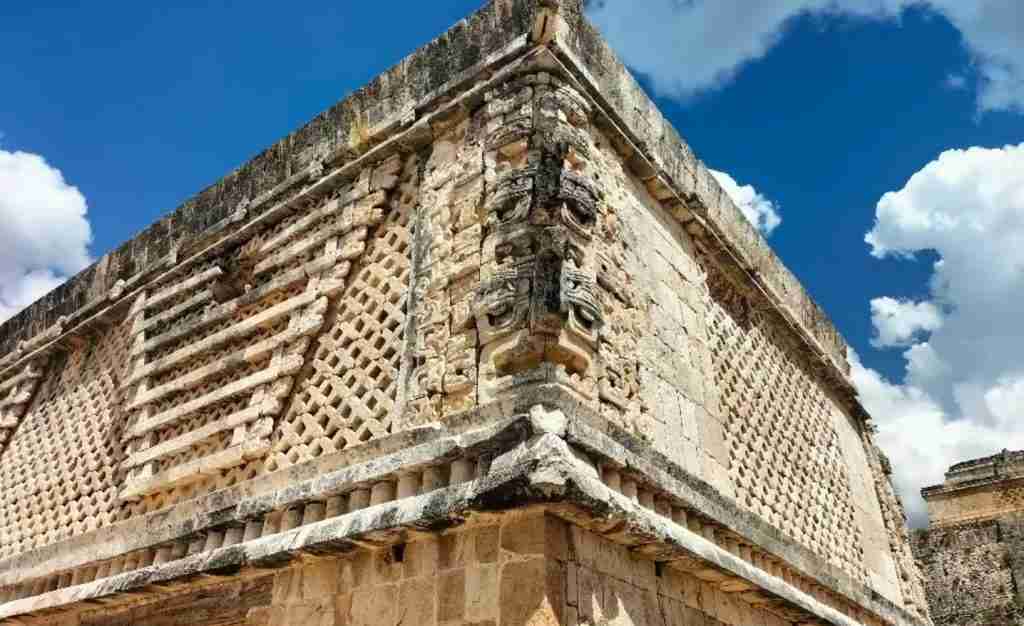
Premium small-group tour departing 8:00 AM (€95-110 including transportation, guide, entrance fees). Comprehensive exploration of Pyramid of the Magician, Nunnery Quadrangle, Governor’s Palace, and Great Pyramid. Return to Mérida 2:30 PM. Afternoon rest at hotel pool. Evening stroll through Santiago neighborhood, dinner at local taqueria (€12-18).
Accommodation €65, tour €95-110, evening meal €12-18. Total day cost: €172-193 per person.
Day 3: Cenotes and Local Culture
Morning visit to Museo Regional de Antropología (€5) and Gran Museo del Mundo Maya (€8). Lunch at Mercado Lucas de Gálvez market (€6-10). Afternoon cenote excursion to Cuzamá cenote circuit (taxi €40 round-trip for 2 people, entrance €10, horse cart €20 for 2). Evening cooking class learning Yucatecan specialties (€35-45 per person).
Accommodation €65, museum entries €13, lunch €6-10, cenote visit €40 (€20 per person), cooking class €35-45. Total day cost: €139-153 per person.
Day 4: Chichén Itzá Full-Day Tour
Early departure at 7:30 AM for Chichén Itzá combination tour (€100-120 including cenote Ik Kil swimming and buffet lunch). Exploration of Kukulcán Pyramid, Great Ball Court, Temple of Warriors, and observatory. Swimming break at cenote Ik Kil. Return to Mérida 6:00 PM. Light evening meal near hotel (€10-15).
Accommodation €65, tour €100-120, evening meal €10-15. Total day cost: €175-200 per person.
Day 5: Hacienda Visit and Departure
Morning visit to restored Hacienda Sotuta de Peón (€25 including transportation, tour, traditional lunch). Experience henequen processing, horse-drawn cart rides through plantations, and cenote swimming. Return to Mérida 3:00 PM. Final shopping at Artisan Market (€20-50). Evening departure or overnight depending on flight schedule.
Hacienda tour €25, artisan purchases €30, airport taxi €15-18. Total day cost: €70-73 per person (no accommodation if departing).
5-Day Total: Accommodation €325 (4 nights at €65, double occupancy), tours and activities €345-405, meals €90-120, local transportation €70-85, museum entries €23, airport transfers €33-40. Complete 5-day budget: €886-998 per person.
7-Day Colonial Cities and Culture Itinerary
This itinerary balances archaeological sites with colonial architecture, traditional culture, and culinary experiences across the Yucatán Peninsula’s historic cities.
Days 1-2: Mérida Orientation and Historic Center
Detailed exploration of Plaza Grande, cathedral, Government Palace murals, Casa de Montejo, Paseo de Montejo mansions and museums. Walking tours through Santiago and Santa Lucía neighborhoods. Evening cultural events at Plaza Grande (free concerts, traditional dances). Market visits at Lucas de Gálvez and Santa Ana. Museum visits: Regional Anthropology Museum, Popular Art Museum, and Gran Museo del Mundo Maya.
Accommodation €130 (2 nights), meals €65-85, museum entries €25-30, local transportation €20-25. Total 2-day cost: €240-270 per person.
Day 3: Uxmal and Puuc Route
Full-day combination tour visiting Uxmal, Kabah, and Sayil with lunch at traditional restaurant (€115 all-inclusive). Return to Mérida evening, rest at hotel.
Accommodation €65, tour €115. Total day cost: €180 per person.
Day 4: Day Trip to Izamal
Independent bus journey to Izamal yellow colonial town (€6 round-trip ADO bus, 90 minutes each way). Exploration of massive Convent of San Antonio de Padua, artisan markets, horse-drawn carriage rides around town (€15-20). Lunch at Kinich restaurant (€18-25). Return to Mérida evening.
Accommodation €65, transportation €6, lunch €18-25, carriage ride €18, snacks €8-12. Total day cost: €115-126 per person.
Day 5: Campeche Day Trip
ADO bus to Campeche UNESCO World Heritage fortified town (€12 each way, 2.5 hours). Walking tour of fortifications, colonial center, Baluarte museums. Lunch overlooking the Gulf of Mexico at La Pigua (€20-30). Evening return to Mérida.
Accommodation €65, transportation €24, lunch €20-30, museum entries €12-15, snacks €8-12. Total day cost: €129-146 per person.
Day 6: Cultural Immersion Experiences
Morning market tour and cooking class (€45-55 per person including market visit, instruction, meal). Afternoon traditional embroidery workshop (€25-35). Evening traditional Maya ceremony experience at hacienda (€40-50).
Accommodation €65, cooking class €45-55, embroidery workshop €25-35, Maya ceremony €40-50, transportation €15-20. Total day cost: €190-225 per person.
Day 7: Celestún Biosphere Reserve
Full-day tour to Celestún coastal biosphere (€75-90 including transportation, boat tour, guide). Flamingo observation, mangrove channels, beach time. Fresh seafood lunch at waterfront restaurant (€20-28). Return to Mérida evening or airport departure.
Tour €75-90, lunch €20-28, airport transfer €15-18. Total day cost: €110-136 per person (no accommodation if departing).
7-Day Total: Accommodation €455 (6 nights at €65, double occupancy), tours and activities €475-580, meals €160-210, transportation €100-130. Complete 7-day budget: €1,190-1,375 per person.
Practical Tips for 2026 Mérida Travel
Language and Communication
Spanish serves as the primary language throughout Mérida, with English proficiency varying substantially by context and location. Tourist-oriented businesses (hotels, tour operators, upscale restaurants) maintain English-speaking staff, while traditional markets, local eateries, and residential neighborhoods operate primarily in Spanish. Learning basic Spanish phrases (greetings, numbers, food terms, directions) dramatically enhances interactions and opens cultural doors impossible for travelers relying entirely on English. Mexicans appreciate even limited Spanish attempts, responding with patience and often switching to English once they recognize the effort.
Translation apps like Google Translate function reliably with Mérida’s strong WiFi and cellular coverage, enabling real-time translation of menus, signs, and basic conversations. Download Spanish language packs for offline functionality in areas with spotty connectivity or to avoid international data charges. The camera translation feature proves particularly valuable for reading restaurant menus, market price signs, and museum placards without manually typing text.
Yucatec Maya remains spoken in rural communities and occasionally heard in Mérida markets, though Spanish serves as the common language for commerce and tourism. Maya cultural tours sometimes incorporate basic Maya language lessons, with guides teaching number counting, greetings, and food terms. This linguistic diversity reflects the Yucatán’s complex cultural identity balancing indigenous heritage, Spanish colonial influence, and modern Mexican nationality.
Health and Safety Considerations
Mérida’s tap water undergoes treatment and meets Mexican municipal standards, but visitors should avoid drinking directly from taps to prevent gastrointestinal distress from different bacteria and mineral content. Hotels provide bottled water for drinking, while restaurants and cafes use purified water for beverages and food preparation. Purchase large water bottles (€1-2 for 1.5 liters) at convenience stores for hotel consumption, refilling reusable bottles to reduce plastic waste while maintaining hydration.
Sun protection proves essential given Mérida’s tropical latitude and intense UV radiation. Apply SPF 50+ sunscreen every 2 hours during outdoor activities, wear wide-brimmed hats for shade, and seek air-conditioned indoor spaces during 12:00-3:00 PM peak heat hours. Dehydration occurs quickly in Mérida’s heat and humidity, requiring 3-4 liters daily water consumption during active touring. Symptoms include headaches, fatigue, and dizziness – retreat to shade, drink water slowly, and rest if experiencing these warning signs.
Travel insurance covering medical emergencies, evacuation, trip cancellation, and lost luggage costs €35-65 for week-long trips depending on coverage limits and age. Mérida maintains modern private hospitals (Star Médica, Clínica de Mérida) accepting international insurance and providing care comparable to North American facilities. However, evacuation to U.S. or Canadian hospitals for serious emergencies can cost €25,000-75,000 without insurance coverage, making comprehensive policies valuable despite low probability of major incidents.
Pharmacies throughout Mérida stock common medications (pain relievers, antihistamines, antacids) available without prescriptions at lower costs than U.S. prices. Bring any prescription medications in original labeled bottles with doctor’s prescriptions, though Mexican pharmacies often provide equivalent medications at substantial savings. Consult pharmacists for minor ailments (traveler’s diarrhea, minor cuts, sun burns) before seeking doctor visits for conditions easily treated with over-the-counter remedies.
Cultural Etiquette and Local Customs
Meridanos maintain formal politeness in initial interactions, with greetings (buenos días, buenas tardes, buenas noches) expected when entering shops, restaurants, or beginning conversations. This courteous formality extends to service interactions where “por favor” (please) and “gracias” (thank you) demonstrate basic respect. The more relaxed, informal American communication style sometimes strikes Mexicans as abrupt or rude, making efforts toward traditional courtesy appreciated.
Dining customs differ subtly from North American practices. Servers allow leisurely dining without rushing courses or presenting checks unbidden, requiring explicit requests (“la cuenta, por favor”) when ready to pay. Tipping 10-15% at restaurants shows appreciation for good service, with cash tips preferred as card tips sometimes don’t reach servers. Mexicans eat late by U.S. standards, with lunch served 2:00-4:00 PM and dinner beginning 8:00-9:00 PM, though tourist restaurants accommodate earlier dining preferences.
Modest dress proves appropriate for church visits, with shoulders and knees covered showing respect for religious spaces. Shorts and tank tops acceptable elsewhere in the hot climate become inappropriate for sacred sites. Photography restrictions apply in some museums and archaeological sites, with signs indicating where cameras cannot be used. Ask permission before photographing people directly, particularly indigenous individuals in traditional dress who sometimes charge small fees (€1-2) for posed portraits.
The traditional siesta culture still influences Mérida rhythms, with many small businesses closing 2:00-4:00 PM during peak heat hours. Banks, government offices, and tourist attractions maintain continuous hours, but neighborhood shops, markets, and some restaurants observe afternoon breaks. Plan shopping and errands for morning or late afternoon hours to avoid closed-door frustrations during siesta periods. The practice reflects practical adaptation to tropical heat rather than laziness, with workers resuming activities through evening hours when temperatures moderate.
Frequently Asked Questions About Mérida 2026
Do I need a visa to visit Mérida and the Yucatán?
U.S., Canadian, European Union, Australian, and New Zealand citizens do not require visas for tourist visits up to 180 days in Mexico. Immigration officers at Mérida airport or land borders issue tourist cards (FMM) valid for stays of 30, 60, 90, or 180 days at officer discretion. Request maximum authorized stay during entry processing as extensions prove difficult and time-consuming within Mexico. Airlines sometimes charge €15-25 tourist card fees separate from ticket prices, though these fees are officially included in airfares and represent questionable additional charges. Keep the tourist card throughout your visit as hotels and domestic flight check-in require it, with lost cards requiring bureaucratic replacement processes. Citizens of countries not listed should verify visa requirements through Mexican consulates before traveling.
What vaccines or health precautions are needed for Mérida?
No vaccines are mandatory for entering Mexico from most countries, though recommended vaccinations include routine immunizations (MMR, tetanus, hepatitis A and B). Mérida sits outside yellow fever zones and malaria risk areas, eliminating those vaccination and prophylaxis requirements. Dengue fever occurs sporadically in the Yucatán during rainy season (May-October), transmitted by daytime-active mosquitoes requiring insect repellent containing DEET for prevention. The disease causes fever and severe joint pain but rarely proves fatal in healthy adults, though medical attention becomes essential if symptoms appear. Zika virus also occasionally affects the region, creating risks for pregnant women who should consult doctors before traveling to determine appropriate precautions. Standard travel health preparations include bringing personal medications, sunscreen, basic first aid supplies, and hand sanitizer for situations where handwashing proves difficult. Consult travel medicine specialists 4-6 weeks before departure for personalized health recommendations based on individual medical histories and specific itineraries.
Can I use U.S. dollars in Mérida or do I need pesos?
Mexican pesos are required for most transactions in Mérida, with some tourist businesses (upscale hotels, tour operators) accepting U.S. dollars at unfavorable exchange rates 10-15% worse than official rates. Use ATMs to withdraw pesos rather than exchanging dollars at currency exchange offices or hotels where rates and fees prove less competitive. Notify your bank before traveling to prevent card blocks when transactions suddenly appear from Mexico. Withdraw larger amounts less frequently to minimize ATM fees (€3-5 per transaction) while balancing security concerns about carrying excessive cash. Some U.S. credit cards charge foreign transaction fees (1-3% per transaction) making no-foreign-transaction-fee cards valuable for Mexico travel. Bring a debit card for ATM withdrawals and a credit card for hotel, restaurant, and tour bookings, avoiding reliance on single cards that could malfunction or get lost. Small denomination peso bills (20, 50, 100 peso notes) prove most useful for taxis, markets, and street food where merchants often lack change for 500 peso notes.
Is Mérida a good base for visiting Chichén Itzá?
Mérida serves as an excellent base for Chichén Itzá day trips, though the 120-kilometer distance (2-2.5 hours each direction) creates longer travel days compared to staying in Valladolid (45 minutes from Chichén Itzá). Tours from Mérida depart 7:30-8:00 AM to arrive at Chichén Itzá by 10:00-10:30 AM, completing site visits before peak afternoon heat and returning to Mérida 5:00-6:00 PM. The longer travel time proves manageable on comfortable tour buses or rental cars, particularly when combination tours include cenote swimming or Valladolid visits breaking up the return journey. Mérida’s superior hotel selection, restaurant quality, and cultural activities justify using it as a hub despite distance trade-offs, especially for travelers visiting both Uxmal (80 km from Mérida) and Chichén Itzá during single trips. Valladolid suits travelers focused exclusively on Chichén Itzá and nearby cenotes without interest in Mérida’s colonial attractions or Uxmal access.
What are the best restaurants in Mérida for trying Yucatecan cuisine?
La Chaya Maya near Plaza Grande delivers authentic Yucatecan specialties at reasonable prices (€12-20 per person), serving excellent cochinita pibil, sopa de lima, and poc chuc in casual surroundings. Apoala on Calle 60 offers modern interpretations of regional dishes with upscale presentation (€25-35), featuring innovative preparations of traditional ingredients. Néctar in Hotel Boutique Casa Lecanda provides gourmet Yucatecan cuisine in elegant courtyard setting (€30-45), with tasting menus showcasing seasonal specialties. Hacienda Teya, located 12 kilometers outside central Mérida, presents traditional dishes in restored henequen plantation setting (€18-28), with peacocks wandering gardens and mariachi performances creating atmospheric dining. Budget travelers should explore market fondas at Lucas de Gálvez and Santiago markets (€5-10 per complete meal) where local families eat daily, providing authentic experiences impossible at tourist restaurants. Street food stands near Plaza Grande serve excellent panuchos, salbutes, and marquesitas (€2-5 per item) for quick, economical sampling of Yucatecan street food traditions.
Are there direct flights to Mérida from the United States?
Direct flights connect Mérida with Houston (United Airlines, 2 hours 15 minutes, 1-2 daily), Miami (American Airlines, 2 hours, daily), and Dallas (American Airlines, seasonal service during winter months, 2.5 hours). These routes provide convenient access for U.S. travelers, though limited frequency and seasonal variations sometimes require flexibility in travel dates. Most travelers from other U.S. cities connect through Houston, Miami, or Mexico City, with total travel times of 5-8 hours including layovers. Booking flights 6-8 weeks ahead secures optimal pricing (€280-450 round-trip from U.S. gateway cities), while last-minute bookings (within 2 weeks of departure) sometimes cost €600-800 during high season. Consider flying into Cancún (4-hour bus ride to Mérida, €25-30) when Mérida flight prices prove excessive, as Cancún receives far more international flights with greater schedule flexibility and often better pricing. Some travelers fly into Cancún, bus to Mérida for UNESCO site exploration, then return to Cancún for beach time before departure.
What’s the WiFi and cellular coverage situation in Mérida?
Mérida features reliable WiFi coverage at hotels, restaurants, cafes, and major tourist attractions, with most accommodations providing complimentary internet access in rooms and public areas. Connection speeds prove adequate for email, web browsing, video calls, and social media, though sometimes slower than typical North American or European broadband. Cafes and restaurants generally share WiFi passwords with customers, enabling work sessions or communication while dining. Plaza Grande and major tourist areas offer free municipal WiFi with variable reliability and speeds.
Mexican cellular providers (Telcel, AT&T Mexico, Movistar) operate 4G LTE networks covering Mérida and major highways connecting to Uxmal and Chichén Itzá. Purchasing local SIM cards at airport or central city phone stores costs €15-30 for 2GB-5GB monthly data plans, providing independent connectivity for navigation, translation apps, and communication without relying on hotel WiFi or international roaming charges. Unlocked phones accept Mexican SIM cards, while locked devices require international roaming plans through home carriers (often expensive at €10-15 daily). T-Mobile USA includes Mexico in many plans at no extra charge, making it valuable for U.S. travelers with compatible service. Rural areas between cities and at some archaeological sites experience spotty coverage, making offline maps and translation apps advisable for independent travelers renting cars.
Can I drink alcohol in public places in Mérida?
Public alcohol consumption laws in Mexico prohibit drinking in streets, parks, and other public spaces, with violations potentially resulting in fines or brief detention. However, enforcement proves selective and inconsistent, focusing primarily on rowdy behavior or excessive public intoxication rather than discreet drinking. Restaurants and bars with outdoor seating and open-air plazas allow alcohol consumption as part of dining service, while Plaza Grande evening events sometimes feature beer vendors operating in gray legal zones.
The legal drinking age in Mexico is 18, strictly enforced at nightclubs and bars requiring ID verification at entry. Hotels and restaurants rarely check identification for adults appearing over 25, though bringing passport or driver’s license enables purchases if questioned. Grocery stores and convenience stores sell beer and spirits throughout the day with minimal restrictions, making alcohol widely available for private consumption in hotel rooms or vacation rentals. Drinking during day trips to archaeological sites is inadvisable given heat, sun exposure, and the professional atmosphere tour guides maintain.
What should I pack for a Mérida trip in 2026?
Lightweight, breathable clothing in natural fabrics (cotton, linen) proves essential for Mérida’s heat and humidity, with light colors reflecting sun better than dark clothing. Pack 4-5 changes of clothes for week-long stays as daily outfit changes become necessary due to perspiration. One nicer outfit for upscale dining or cultural events complements casual touring clothes. Comfortable walking shoes with good grip for archaeological site stairs (avoid sandals without back straps), sun hat with wide brim, polarized sunglasses, and SPF 50+ sunscreen prevent heat exhaustion and sun damage. Long-sleeve lightweight shirt provides sun protection during extended outdoor exposure while remaining cooler than constant sunscreen reapplication.
Modest clothing for church visits (covering shoulders and knees) shows cultural respect, with lightweight long pants or knee-length skirts and short-sleeve shirts meeting requirements. Swimsuit for hotel pools and cenote swimming, along with quick-dry towel taking minimal luggage space. Small daypack carries water bottles, sunscreen, camera, and purchased items during day trips. Reusable water bottle reduces plastic waste while maintaining hydration (many hotels provide filtered water refill stations). Rain jacket or compact umbrella during May-October rainy season protects against afternoon thunderstorms.
Power adapters for Mexico’s Type A/B outlets (same as U.S./Canada) prove unnecessary for North American travelers but essential for European/Asian visitors with different plug types. Camera with extra batteries and memory cards for extensive archaeological photography, though smartphones prove adequate for casual documentation. Basic first aid kit including pain relievers, antidiarrheal medication, antihistamine, bandages, and any prescription medications in labeled bottles. Copy of passport stored separately from original provides backup identification if passport gets lost or stolen.
How far in advance should I book Mérida hotels and tours for 2026?
High season (December-March) hotel bookings should be made 3-4 weeks ahead to secure preferred properties at reasonable rates, with 6-8 weeks advisable for Christmas holidays and Easter week when accommodation fills earliest. Premium small-group tours to Uxmal and Chichén Itzá require 2-3 weeks advance booking during high season to guarantee availability, particularly for morning departures arriving at sites before large tour groups. Budget group tours often accommodate 1-week advance bookings even during peak season due to larger capacity.
Shoulder season (November, April) allows flexible booking 1-2 weeks ahead with good availability across all hotel categories and tour types, sometimes enabling spontaneous travel approaches checking same-week options. Low season (May-October) features widespread availability with same-week bookings possible for most services, though checking several days ahead prevents rare situations where desired hotels or tours are unavailable. Many travelers book accommodations ahead while leaving day tours flexible based on weather forecasts and energy levels upon arrival.
Direct hotel and tour bookings through operator websites sometimes enable better cancellation terms and modest price savings (5-10%) versus platform bookings. However, booking platforms provide consolidated reviews, streamlined processes, and sometimes superior customer service when problems arise. Compare total costs including any platform fees before booking, and verify cancellation policies as flexible rebooking options prove valuable when travel plans shift or weather affects tour schedules.