
Mérida Spain Travel Guide 2026: Roman Spain Capital
Key Takeaways:
- Mérida preserves Spain’s most extensive Roman archaeological complex with UNESCO World Heritage status since 1993
- General admission to the Roman Theatre and Amphitheatre costs €15 in 2026, with combined site passes at €20 offering exceptional value
- Spring (March-May) and autumn (September-November) provide optimal visiting conditions with temperatures of 18-25°C and fewer crowds than summer
- Madrid lies just 3.5 hours away by direct train, making Mérida an accessible addition to any Extremadura or central Spain itinerary
- Budget travelers manage comfortably on €60-80 daily while mid-range visitors enjoy excellent experiences at €100-140 per day
- Advance booking for summer visits ensures better hotel rates and guaranteed availability during peak season
Planning Your Mérida Visit in 2026
Mérida stands as the archaeological crown jewel of Roman Spain, offering travelers an extraordinarily preserved glimpse into ancient Hispania. Founded in 25 BC as Augusta Emerita, this Extremadura capital served as the administrative center of Lusitania province and evolved into one of the Roman Empire’s most important cities on the Iberian Peninsula. The UNESCO World Heritage Archaeological Ensemble encompasses theaters, temples, bridges, aqueducts, and residential structures spanning five centuries of Roman occupation.
The city’s modern accessibility makes 2026 planning straightforward for both independent travelers and guided tour participants. High-speed rail connections from Madrid, Seville, and Lisbon position Mérida within easy reach of major Spanish and Portuguese cities. The compact historic center concentrates most Roman monuments within comfortable walking distance, eliminating complex transportation logistics once you arrive. This walkability, combined with exceptional value compared to Spain’s coastal destinations, creates ideal conditions for immersive archaeological exploration without overwhelming budgets or schedules.
Contemporary Mérida balances its ancient heritage with modern Spanish culture, offering excellent dining, comfortable accommodation, and vibrant local life beyond the archaeological sites. The city’s 60,000 residents maintain authentic Extremaduran traditions while welcoming international visitors year-round. Summer brings the renowned Festival de Teatro Clásico, transforming the Roman Theatre into a living performance space that has hosted classical drama continuously since 1933. This unique blend of preservation and cultural continuity distinguishes Mérida from museum-focused archaeological destinations elsewhere in Europe.
Understanding Mérida’s seasonal patterns, pricing structures, and logistical framework ensures you maximize both your archaeological experience and travel investment. The following comprehensive guide addresses every planning dimension from initial budget calculations through on-site navigation strategies, equipping you with the detailed knowledge needed for confident 2026 trip preparation.
People Also Ask About Mérida Spain 2026
How much does it cost to visit Mérida in 2026?
Visiting Mérida costs €60-140 per day depending on your travel style and accommodation choices. The Archaeological Ensemble general admission costs €15 for adults in 2026, with combined passes at €20 including all major sites (check consorciomerida.org for current official rates as pricing may vary). Budget travelers spending €60-80 daily cover hostel accommodation at €25-35, menu del día lunches at €12-15, self-catered breakfasts and dinners at €15-20 combined, and local transportation. Mid-range visitors at €100-140 daily enjoy private hotel rooms at €50-80, restaurant meals for all dining at €35-50 total, and additional site visits or guided experiences.
Transportation to Mérida adds to overall trip costs based on your origin point. Madrid to Mérida train tickets cost €35-55 depending on booking timing and train type, while buses from Seville or Lisbon range €20-35. Once in Mérida, the compact city center eliminates most local transportation expenses, with occasional taxi rides costing €5-8 maximum for trips beyond walking range. Multi-day visitors find the combined archaeological pass particularly economical, as individual site tickets at €6-8 each quickly exceed the €20 pass price with visits to three or more monuments.
When is the best time to visit Mérida in 2026?
Spring months from March through May and autumn from September through November offer optimal visiting conditions for Mérida in 2026. Temperatures during these shoulder seasons range 18-25°C, creating comfortable conditions for extensive outdoor archaeological exploration without summer’s intense heat. March and April bring wildflower blooms to the surrounding Extremadura countryside, while September and October maintain warm temperatures with decreased tourist crowds after the summer festival season concludes.
Summer visits from June through August provide access to the prestigious Festival de Teatro Clásico, with classical performances in the Roman Theatre creating unforgettable cultural experiences. However, July and August temperatures regularly exceed 35-40°C, requiring early morning site visits and afternoon breaks during peak heat hours. Winter months from December through February see the fewest visitors and lowest accommodation rates, with mild temperatures of 10-15°C allowing comfortable exploration despite occasional rain. The Archaeological Ensemble operates year-round with consistent hours, making winter visits perfectly viable for travelers seeking solitude among the ruins.
Do you need advance bookings for Mérida sites in 2026?
Advance bookings for Mérida’s Archaeological Ensemble sites are not required outside the summer festival period, as same-day ticket purchases at monument entrances accommodate most visitors throughout the year. The Roman Theatre, Amphitheatre, and other ensemble sites maintain ample capacity for walk-up visitors during spring, autumn, and winter months. However, summer visits from June through August benefit from advance online booking through the official consortium website, particularly for morning time slots when temperatures remain comfortable for outdoor exploration.
The Festival de Teatro Clásico requires advance ticket reservations, with popular performances selling out weeks ahead. Festival tickets go on sale in April each year, with prime seating for weekend shows and renowned productions disappearing within days. If your 2026 visit coincides with the festival (typically mid-June through late August), secure performance tickets immediately upon release to guarantee attendance. Guided tour bookings through local operators also merit advance arrangement during summer months, though shoulder season visitors find same-day tour availability readily accessible.
What’s the best way to reach Mérida in 2026?
Train travel provides the most comfortable and efficient method for reaching Mérida from major Spanish cities. Direct Renfe trains from Madrid’s Atocha station reach Mérida in 3.5 hours, operating multiple daily departures with tickets costing €35-55 depending on advance booking and service class. Trains from Seville require a connection in either Zafra or Cáceres, extending journey time to 5-6 hours total. The Mérida train station sits 1.5 kilometers from the city center, with city buses, taxis, and a pleasant 20-minute walk all providing easy access to accommodations and monuments.
Bus connections offer economical alternatives from cities without direct train service, with companies like ALSA operating routes from Lisbon (€25-35, 3.5 hours), Seville (€20-30, 4 hours), and Cáceres (€8-12, 1 hour). The bus station adjoins the train station, maintaining the same convenient access to the historic center. Travelers exploring Extremadura by car find Mérida ideally positioned on the A-5 autovía between Madrid and Badajoz, with abundant parking near the Archaeological Ensemble sites. However, the compact walkable center makes a car unnecessary once you arrive, with most visitors preferring to explore entirely on foot.
Extended multi-day tours – 5+ days
Featured Andalucia Multi-Day Tour Packages
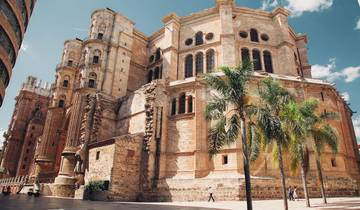
6 days
6 Day Malaga including visit to Gibraltar, Granada, Alhambra and Caminito del Rey
- ✓ Comprehensive Andalucia tour
- ✓ Expert local guides included
- ✓ All accommodation arranged
- ✓ Transportation provided
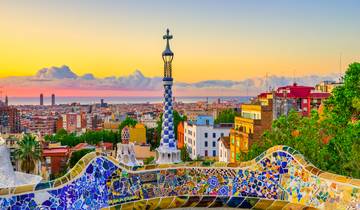
11 days
Flavors of Spain: A 11 Day Journey Through Madrid, Seville, Granada & Barcelona
- ✓ Comprehensive Andalucia tour
- ✓ Expert local guides included
- ✓ All accommodation arranged
- ✓ Transportation provided

11 days
A Taste of Spain: : 11 Days Across Madrid, Seville, Granada & Barcelona
- ✓ Comprehensive Andalucia tour
- ✓ Expert local guides included
- ✓ All accommodation arranged
- ✓ Transportation provided
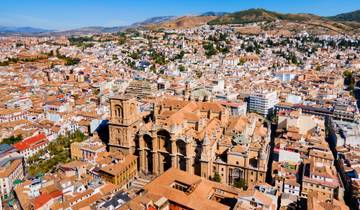
5 days
Granada: Crossroads of Arab and Christian Cultures
- ✓ Booking needs min. 2 travelers
Multi-day tour packages powered by TourRadar. Prices and availability subject to change.
Essential Planning Information 2026
Current Costs and Pricing Breakdown 2026
The Archaeological Ensemble of Mérida offers three ticketing options to accommodate different visiting patterns and interests. The general admission ticket costs €15 for adults in 2026 and includes access to the Roman Theatre, Amphitheatre, Casa del Mitreo, Columbarios, and Alcazaba fortress (check consorciomerida.org for current official rates as pricing may vary). The combined pass at €20 adds the National Museum of Roman Art, Casa del Anfiteatro, Circus, and Morería Cryptoporticus, providing exceptional value for comprehensive archaeological exploration. A third option at €12 covers the museum plus three sites of your choice, suiting visitors with limited time or specific monument interests.
Reduced admission at €7.50 applies to students, seniors over 65, and youth groups, requiring valid identification for verification. Children under 12 enter free to all ensemble sites when accompanied by paying adults. The museum operates free admission Sundays after 2 PM and public holidays year-round, allowing budget-conscious travelers to experience world-class Roman collections at no cost with strategic timing. Annual passes at €30 benefit Extremadura residents and frequent visitors, though most international travelers find single-visit passes more practical.
Beyond archaeological sites, additional costs include dining at €25-45 daily depending on restaurant choice versus self-catering, accommodation at €25-80 nightly across budget to mid-range options, and incidental expenses for taxis, snacks, or drinks at €10-20 daily. Guided tours through certified operators cost €15-25 per person for group walking tours, while private guides charge €100-150 for half-day personalized experiences. Photography permits for professional equipment require special authorization through the consortium, though standard tourist photography incurs no additional fees.
Transportation Options and Schedules 2026
Local transportation within Mérida proves largely unnecessary given the compact historic center, but city buses serve routes connecting the train and bus stations to peripheral neighborhoods and the Proserpina reservoir. Single bus tickets cost €1.20, with 10-ride cards at €8.50 offering savings for multi-day visitors using buses frequently. The primary bus lines 1 and 4 run 7 AM to 10 PM daily, with reduced weekend service. Taxis wait at the train station and Plaza de España, charging €5-8 for trips anywhere within the urban area with higher rates after 10 PM and weekends.
Bicycle rental from the municipal program Mérida en Bici costs €2 for four hours or €5 for full-day access, with rental stations near the Roman Bridge and Paseo de Roma. The flat terrain and designated bike lanes make cycling an enjoyable method for covering longer distances between archaeological sites, particularly for visits to the Los Milagros Aqueduct or San Lázaro Aqueduct located outside the immediate city center. Rental shops also offer electric bikes at €15-20 daily for effortless exploration of Mérida’s extended archaeological landscape.
Walking remains the optimal transportation mode for most visitors, with clearly marked pedestrian routes connecting all major ensemble monuments. The Roman Theatre to Roman Bridge walk takes 8 minutes, while the furthest site (Los Milagros Aqueduct) lies 25 minutes on foot from Plaza de España. Comfortable walking shoes prove essential for extended archaeological exploration, as uneven ancient paving and gravel paths surround many monuments. Summer visitors should plan walks during morning and late afternoon hours to avoid midday heat, while shoulder season travelers enjoy pleasant conditions throughout the day.
Best Time to Visit Mérida 2026
Seasonal Analysis for 2026
Spring emerges as the premier season for Mérida archaeological tourism, combining ideal temperatures, blooming landscapes, and manageable visitor numbers. March temperatures of 18-22°C allow full-day outdoor exploration without heat concerns, while April wildflowers transform the surrounding Extremadura plains into colorful natural displays. May brings warmer 25-28°C weather, still comfortable for monument visits before summer heat arrives. Spring also precedes the major festival crowds, ensuring easier access to popular viewing spots and more intimate archaeological experiences throughout the ensemble sites.
The summer Festival de Teatro Clásico from mid-June through late August creates Mérida’s cultural peak season, with international visitors joining Spanish nationals for classical performances in the Roman Theatre. This unique experience justifies summer heat exposure for theater enthusiasts, though daytime archaeological touring requires early starts before 10 AM or late afternoon visits after 6 PM. July and August see temperatures of 35-40°C routinely, with occasional heat waves pushing readings above 42°C. Hotels fill quickly during festival weeks, particularly for weekend performances, requiring advance reservations and accepting premium rates.
Autumn provides conditions nearly equal to spring, with September maintaining summer warmth at 28-32°C while crowds dissipate after festival conclusion. October offers particularly pleasant touring weather at 20-25°C, with harvest season bringing local food festivals and wine celebrations to Extremadura’s towns and countryside. November marks the transition to winter with temperatures dropping to 15-18°C and increased rainfall probability, though this remains mild by northern European standards. The Archaeological Ensemble sees minimal visitors in autumn, creating contemplative experiences among the ruins without competing for photograph angles or navigating tour groups.
Weather Patterns and Crowd Predictions 2026
Mérida’s Mediterranean-continental climate produces hot dry summers and mild winters with most annual rainfall concentrated in November through March. Summer months from June through August average less than 10mm monthly precipitation, virtually guaranteeing dry conditions for outdoor archaeological exploration despite intense heat. Spring and autumn rainfall remains moderate at 30-50mm monthly, falling primarily during brief afternoon thunderstorms that rarely disrupt full-day touring plans. Winter months see the highest precipitation at 50-70mm monthly, though this still translates to only occasional rainy days requiring umbrella or rain jacket preparation.
Crowd patterns follow predictable seasonal trends, with summer festival weeks (late June through August) bringing peak visitor numbers to both theatrical performances and daytime archaeological sites. Easter week in late March or early April attracts Spanish domestic tourists, creating a secondary high season for accommodation and popular monuments. The remainder of spring (March-May) and all autumn months (September-November) maintain steady moderate visitor levels, providing the optimal balance of pleasant weather and uncrowded sites. Winter months see the fewest visitors outside Christmas and New Year holidays, offering near-private experiences among the Roman ruins for travelers willing to accept cooler temperatures and potential rain.
The National Museum of Roman Art experiences consistent visitor flow year-round given its climate-controlled indoor environment, making it an excellent rainy-day option when outdoor monument visits prove uncomfortable. Museum crowds peak 11 AM to 2 PM daily regardless of season, suggesting morning arrivals before 10 AM or late afternoon visits after 3 PM for more relaxed gallery experiences. The Roman Theatre and Amphitheatre see concentrated morning traffic as tour groups and independent visitors both seek to avoid afternoon heat, creating a compelling argument for midday or evening visits during summer months when extended operating hours permit.
Accommodation Strategies 2026
Budget Accommodation Options 2026
Budget travelers find excellent value in Mérida’s hostel scene, with dormitory beds costing €18-25 nightly in centrally located properties. Hostal Nueva España near Plaza de España offers air-conditioned 4-6 bed dorms at €22 with shared bathrooms, kitchen access, and a rooftop terrace overlooking the Guadiana River. Hostal El Patio maintains similar rates at €20-24 with slightly more basic facilities but unbeatable location steps from the Roman Theatre. Both properties provide free WiFi, luggage storage, and knowledgeable staff who assist with archaeological site planning and transportation arrangements.
Private budget rooms in guesthouses and simple hotels cost €35-45 for doubles with private bathrooms, representing exceptional value for couples or those prioritizing privacy over hostel savings. Hostal Los Milagros charges €38 for spotless renovated rooms with air conditioning, flat-screen TVs, and continental breakfast included. Pensión El Arco offers even lower rates at €32-36 for basic but comfortable doubles in a historic building near the Alcazaba, though rooms lack air conditioning and rely on fans during summer months. These budget private options cluster in the old town, ensuring walking access to all major monuments without transportation costs.
Apartment rentals through platforms provide another budget avenue for groups or longer stays, with one-bedroom units costing €40-55 nightly and sleeping 2-3 people comfortably. Kitchen access enables grocery shopping at Mercadona or Carrefour supermarkets, dramatically reducing dining costs compared to restaurant-only meal plans. Look for properties near Calle Santa Eulalia or Avenida de Extremadura for central locations with easy market and monument access. Weekly rentals often include discounts of 10-15% off nightly rates, making extended Mérida exploration particularly economical for budget-conscious archaeological enthusiasts.
Mid-Range and Luxury Options 2026
Mid-range hotels in the €60-90 category offer comfortable modern amenities while maintaining central historic locations. Hotel Velada Mérida occupies a restored 16th-century convent near the Roman Bridge, providing atmospheric courtyard rooms at €75-85 with air conditioning, WiFi, and breakfast buffets featuring local Extremaduran products. Ilunion Mérida Palace delivers contemporary business-standard rooms at €65-80 with parking, fitness facilities, and professional service appealing to travelers who prioritize modern convenience over historic character. Both properties maintain swimming pools essential for post-touring relaxation during summer heat.
The boutique hotel category showcases Mérida’s design-conscious hospitality scene, with properties like Merida Palace Hotel offering stylish accommodations at €80-110 nightly. Rooms feature contemporary minimalist design balanced with Roman-inspired decorative elements, rain showers, pillow menus, and smart-room technology. The hotel restaurant serves elevated Extremaduran cuisine with local wines, while the rooftop terrace provides sunset views over the Archaeological Ensemble sites. Location on Plaza de España positions guests at the absolute center of old town Mérida, with the Roman Theatre less than 5 minutes’ walk.
Luxury seekers choose the Parador de Mérida, occupying an 18th-century convent built around a Roman temple and baroque church. Rooms cost €120-180 nightly depending on season and category, featuring antique furnishings, marble bathrooms, and views over the peaceful cloister or city monuments. The property’s restaurant holds regional cuisine recognition, while public spaces showcase archaeological fragments discovered during building renovations. The Parador represents Mérida’s pinnacle accommodation experience, blending historical significance with refined contemporary comfort for travelers who consider lodging an integral part of cultural immersion rather than simply a place to sleep.
Transportation Guide 2026
Reaching Mérida from Major Cities 2026
Madrid serves as the primary gateway for most international visitors, with direct Renfe trains departing Atocha station for Mérida 4-6 times daily. Journey time runs 3.5 hours aboard comfortable regional trains with power outlets, WiFi, and cafeteria service. Advance online booking through renfe.com secures the lowest fares at €35-40, while last-minute purchases at the station cost €50-55. Morning departures at 8:10 AM and 10:45 AM position arrivals for afternoon monument visits, while the 2:15 PM departure suits travelers completing morning Madrid activities before continuing to Extremadura.
Seville connections require either a direct bus (€25-30, 4 hours via ALSA) or a train connection through Zafra. The bus option proves more straightforward despite longer journey time, operating 2-3 departures daily from Seville’s Plaza de Armas station. Train journeys involve a Seville-Zafra leg (2.5 hours) followed by connection to Mérida (1.5 hours), totaling 5-6 hours with connection wait time but offering more comfort than buses for travelers prioritizing seat space and amenities. Check schedules carefully, as some connections require substantial wait periods between trains.
Lisbon travelers find direct ALSA buses operating daily at €30-35 for the 3.5-hour journey across the Portuguese border into Extremadura. This route makes Mérida an excellent addition to Portugal itineraries, particularly for travelers planning Évora-Mérida archaeological combinations exploring Roman heritage across both countries. Cáceres lies just 70 kilometers north with frequent bus service (€8-12, 1 hour every 1-2 hours), making day trips or multi-city Extremadura touring extremely practical. Badajoz to the west connects by train and bus in under an hour, positioning Mérida within easy reach of Spain’s Portuguese border region.
Local Transportation and Navigation 2026
Walking dominates local transportation for Archaeological Ensemble exploration, with all major monuments accessible within a compact 1.5 square kilometer historic center. The most distant sites—Los Milagros Aqueduct and San Lázaro Aqueduct—lie 2 kilometers from Plaza de España, manageable via 25-30 minute walks along the Guadiana River promenade. Street signs and pavement markers guide visitors to major monuments, while the tourist office provides free maps showing clearly marked walking routes connecting all ensemble sites in logical sequences.
City buses serve primarily residential neighborhoods rather than tourist circuits, though line 1 connects the train station to the city center and runs past the National Museum of Roman Art. The bus costs €1.20 per ride, with drivers selling tickets aboard. Service operates 7 AM to 10 PM weekdays with reduced weekend schedules. Most visitors find bus service unnecessary given the walkable distances and infrequent routes, though it provides options for travelers with mobility limitations or those seeking relief from summer heat between distant sites.
Taxis wait at the train station, Plaza de España, and the Roman Theatre, charging €5-8 for trips anywhere within Mérida’s urban area. Telephone booking through Radio Taxi Mérida (+34 924 37 11 11) ensures rapid pickup anywhere in the city, with 5-10 minute response times. Evening rates increase approximately 20% after 10 PM and weekends, though even premium fares rarely exceed €10 for cross-city journeys. Taxis prove particularly valuable for evening returns from dinner in outlying neighborhoods or late visits to the Los Milagros Aqueduct area.
Budget Planning for 2026
Daily Cost Breakdown by Travel Style 2026
Budget travelers completing a comfortable Mérida experience manage on €60-80 daily through strategic choices across accommodation, dining, and activities. Hostel dormitory beds at €20-25 provide the foundation, while menu del día lunches at local bars cost €12-15 for three-course meals with wine or soft drinks. Breakfast from supermarket purchases (bread, fruit, yogurt) runs €3-4, with evening meals assembled from market ingredients costing €8-10. The Archaeological Ensemble general pass at €15 covers all major sites for a single day, while free admission to the museum on Sunday afternoons saves €7.50. Total daily costs break down to: accommodation €22, meals €25-30, sites €5-8 (averaged across days with free museum visit), incidentals €8-10, reaching €60-70 total.
Mid-range visitors enjoying greater comfort and convenience operate on €100-140 daily budgets. Private hotel rooms cost €60-75 nightly for comfortable doubles with air conditioning and breakfast included. Restaurant dining for all meals totals €35-50 daily, with breakfast at €6-8 in cafés, menu del día lunches at €15-18, and dinner entrées at €14-20 plus drinks. The combined Archaeological Ensemble pass at €20 provides comprehensive site access, while optional guided tours add €15-25. Daily breakdown: accommodation €65, meals €40-50, sites and activities €20-30, incidentals €15-20, totaling €105-135 per day.
Luxury travelers investing in premium experiences budget €180-250 daily for exceptional comfort and service. Parador accommodation costs €140-160 nightly, while refined dining at establishments like A de Arco or Restaurante Rex Numitor runs €25-35 per meal plus wine. Private guides charge €100-150 for half-day personalized archaeological tours, while evening festival performances during summer add €30-60 for quality seating. This category emphasizes experiential depth through expert guidance, celebrated cuisine, and historically significant accommodation rather than simple monument admissions.
Money-Saving Strategies for 2026
Advance planning generates substantial savings across multiple expense categories in Mérida. Booking accommodation 6-8 weeks ahead secures early-bird rates 15-20% below peak season pricing, particularly important for summer festival visits when procrastination leads to limited availability and premium rates. Train tickets purchased online through renfe.com 2-4 weeks before travel cost €35-40 versus €50-55 for same-day station purchases, representing 30% savings on transportation. The combined Archaeological Ensemble pass at €20 delivers immediate value over individual site tickets (€6-8 each), paying for itself with visits to just three monuments.
Dining strategy separates economical from expensive Mérida experiences dramatically. Menu del día lunches at neighborhood bars cost €12-15 for substantial three-course meals that easily sustain energy through afternoon touring, compared to €25-35 for equivalent à la carte dinner service at the same establishments. Supermarket shopping for breakfast items and snack supplies (fruit, nuts, sandwiches) cuts daily food costs by €10-15 compared to café and restaurant reliance for all meals. Mérida’s tapas culture also enables economical evening dining, with €3-5 generous portions at bars allowing varied sampling for €15-20 total instead of €25-35 sit-down restaurant dinners.
Free and reduced-cost cultural access optimizes archaeological budgets significantly. Sunday afternoon museum admission at no charge saves €7.50 while providing world-class Roman art and artifact experiences equal to paid weekday visits. Many peripheral ensemble sites like the Morería Cryptoporticus and portions of the Alcazaba maintain open access at no admission cost, supplementing paid-entry monuments with additional historical exploration. Tourist office free walking tour maps enable self-guided monument circuits without €15-25 guided tour costs, though the excellent certified guides prove worthwhile for visitors seeking detailed historical interpretation beyond site signage.
Sample 2026 Itineraries
One-Day Mérida Archaeological Intensive
The single-day archaeological intensive maximizes monument exposure for travelers with limited Extremadura time. Begin at 9 AM when the Roman Theatre and Amphitheatre complex opens, arriving early to appreciate the theater’s dramatic scaenae frons (stage backdrop) in excellent morning light before tour groups arrive. Spend 90 minutes exploring both performance spaces, understanding their distinct functions and appreciating remarkably preserved architectural elements. The adjacent Casa del Anfiteatro Roman house reveals domestic life details through intricate mosaics depicting hunting scenes and geometric patterns.
Walk to the National Museum of Roman Art by 11 AM, dedicating 2-3 hours to Rafael Moneo’s stunning building and extraordinary collections spanning Republican through Visigothic periods. The museum contextualizes Mérida’s archaeological fragments through chronological displays, sculptural programs, and reconstructed villa environments. Lunch at 2 PM at a nearby bar with menu del día service refuels energy for afternoon touring. At 4 PM, visit the Alcazaba Moorish fortress built over the Roman bridge abutment, climbing to ramparts for panoramic city views including the Roman Bridge’s 60 arches spanning the Guadiana River.
Conclude with a sunset walk to Los Milagros Aqueduct, standing 25 meters tall with distinctive alternating brick and granite construction. The 20-minute walk along peaceful paths arrives at golden hour when dramatic side-lighting emphasizes the structure’s engineering sophistication. Return to the city center for dinner, reflecting on comprehensive Roman heritage encountered across a single remarkable day.
Combined Archaeological Ensemble pass €20, menu del día lunch €14, dinner €18-25, drinks and snacks €8-12. Total day cost: €60-71 per person (excluding accommodation).
Two-Day Comprehensive Heritage Experience
Day 1: Classical Mérida
Morning arrival by train from Madrid (€40-50 advance booking) positions visitors for afternoon archaeological exploration. Check into accommodation (€35-75 depending on category), then begin at 3 PM with the Roman Theatre and Amphitheatre complex. The theater’s exceptional preservation showcases its original function, hosting ancient audiences of 6,000 for theatrical performances and gladiatorial spectacles in the adjacent 15,000-seat amphitheatre. Adjacent Casa del Anfiteatro provides domestic context through geometric and figurative mosaic floors spanning multiple rooms.
Evening stroll across the Roman Bridge reveals remarkable engineering preserving 60 of 62 original arches across 792 meters, making it one of the longest surviving Roman bridges worldwide. Dinner at Restaurante Tabula Calda near the bridge serves modern interpretations of Roman recipes researched from historical sources, creating unique thematic dining linking contemporary cuisine to ancient food culture. Evening walk through the illuminated historic center concludes day one.
Accommodation €40-75, Roman Theatre/Amphitheatre €15, dinner €25-35, drinks €6-8. Total day cost: €46-58 per person (excluding accommodation).
Day 2: Deep Archaeological Exploration
Start at 9 AM with the National Museum of Roman Art, allowing 3 hours for comprehensive gallery exploration. The museum ranks among Spain’s finest archaeological institutions, housing monumental sculpture, intricate mosaics, domestic objects, and jewelry illuminating daily life in Roman Emerita. Mid-morning coffee break at the museum café restores energy before visiting Diana’s Temple in the adjacent plaza—one of mainland Spain’s best-preserved Roman temples incorporated into a 16th-century palace.
Lunch at 1:30 PM with menu del día service, followed by afternoon visits to the Circus (chariot-racing track accommodating 30,000 spectators), Morería Cryptoporticus (underground warehouse structure), and Casa del Mitreo with its exceptional Cosmological Mosaic. Late afternoon walk to Los Milagros Aqueduct provides quiet contemplation of Roman water engineering genius. Return to the city center for final evening in Mérida, perhaps attending a festival performance if visiting during summer months.
Museum admission €7.50 (included in combined pass), menu del día €14, circus and additional sites €5, dinner €20-28, drinks and snacks €10-12. Total day cost: €56-69 per person (excluding accommodation).
Three-Day Mérida and Extremadura Circuit
Day 1: Mérida Arrival and Introduction
Afternoon arrival allows leisurely introduction to Mérida’s archaeological landscape. Check into accommodation, then take orientation walk through the historic center, visiting the Alcazaba fortress for panoramic perspectives over the Roman Bridge and Guadiana River valley. The fortress incorporates Roman, Visigothic, and Moorish construction phases, illustrating Mérida’s multi-layered occupation history. Stroll across the Roman Bridge at sunset, experiencing the structure’s monumental scale and preservation quality.
Evening tapas tour samples Extremaduran specialties including Iberian ham, Torta del Casar cheese, and local wines from nearby Ribera del Guadiana appellations. Bar hopping along Calle John Lennon and Plaza de España introduces the modern city’s vibrant evening culture while supporting local establishments. This relaxed first evening preserves energy for intensive archaeological touring ahead.
Accommodation €40-75, Alcazaba €6, tapas dinner €18-25, drinks €8-12. Total day cost: €32-43 per person (excluding accommodation).
Day 2: Core Archaeological Ensemble
Dedicate the full day to Mérida’s primary Roman monuments beginning with 9 AM arrival at the Roman Theatre complex. The combined pass at €20 provides all-day access to multiple sites, starting with the theater, amphitheatre, and Casa del Anfiteatro. Mid-morning transition to the National Museum of Roman Art for 2-3 hours exploring extraordinary collections in Rafael Moneo’s acclaimed building. The museum restaurant serves light lunch overlooking the archaeological remains visible through ground-level windows.
Afternoon visits encompass the Circus chariot-racing track, Morería Cryptoporticus, Casa del Mitreo with its Cosmological Mosaic, and Diana’s Temple. Each site contributes distinct perspectives on Roman urban life, from public spectacle and commerce to private worship and domestic luxury. Late afternoon break at a café in Plaza de España provides rest before evening exploration of Los Milagros and San Lázaro aqueducts. Dinner at A de Arco features creative Extremaduran cuisine in an elegant setting near the Roman Bridge.
Combined pass €20, museum lunch €15-20, dinner €28-38, drinks and snacks €10-15. Total day cost: €73-93 per person (excluding accommodation).
Day 3: Cáceres Day Trip
Morning bus to Cáceres (€8-12, 1 hour) explores Extremadura’s other UNESCO World Heritage city. Cáceres preserves an extraordinary medieval and Renaissance old town built over Roman foundations, with intact city walls, palaces, and churches spanning the 14th-16th centuries. The compact historic center requires 3-4 hours for comprehensive exploration, including Plaza Mayor, Santa María Cathedral, Bujaco Tower, and the Jewish Quarter’s atmospheric narrow streets.
Lunch in Cáceres features regional specialties at traditional restaurants around Plaza Mayor, with menu del día service at €14-18 for three substantial courses. Afternoon return to Mérida by bus allows evening leisure time for shopping, additional site revisits, or final sunset at the Roman Bridge. Farewell dinner celebrates three days of Extremadura archaeological and cultural immersion, perhaps choosing the sophisticated Restaurante Rex Numitor for elevated cuisine reflecting the region’s culinary heritage.
Cáceres bus roundtrip €16-24, Cáceres sites €8-12, lunch in Cáceres €15-20, dinner in Mérida €30-40, snacks €8-10. Total day cost: €77-106 per person (excluding accommodation).
Booking Strategies for 2026
Accommodation Booking Timeline and Tactics 2026
Summer festival season demands the earliest accommodation booking attention, with rooms near the Roman Theatre selling out 3-4 months ahead for premium performance weekends. If your 2026 visit targets specific festival shows (check festival schedules released each April), reserve accommodation immediately upon finalizing performance dates. The Parador and boutique hotels in particular maintain limited inventory that disappears rapidly once festival programs attract international attention. Booking.com and hotel direct websites both show availability, though direct booking sometimes secures breakfast inclusion or room upgrades not available through third-party platforms.
Shoulder season visits (March-May, September-November) benefit from booking 6-8 weeks ahead to capture early reservation discounts typically 15-20% below standard rates. Most properties release promotional pricing during slow booking periods, rewarding advance planners with reduced rates while maintaining flexibility for travelers who finalize plans closer to departure. Winter visits require minimal advance booking given light tourism volumes, with same-week reservations securing excellent availability and potential last-minute discounts as hotels seek to fill otherwise empty rooms.
Cancellation policies prove particularly important for festival season bookings, as schedule changes or travel disruptions create significant financial exposure without flexible terms. Many hotels offer free cancellation until 2-7 days before arrival, providing valuable protection for uncertain travel plans. Properties charging non-refundable advance purchase rates discount 10-15% below standard pricing but eliminate modification flexibility. Balance this tradeoff based on your trip certainty—festival travelers benefit from standard rates with free cancellation given the complexity of coordinating performance tickets and accommodation, while confident winter visitors might choose discounted non-refundable rates.
Archaeological Site and Tour Reservations 2026
The Archaeological Ensemble sites themselves require no advance booking outside festival season, with same-day ticket purchases at monument entrances accommodating all but the most extreme summer crowds. Purchase the combined pass at your first site visit (typically the Roman Theatre complex or museum), then enjoy multiple-day validity for revisits and additional monuments at your own pace. The consortium’s official website (consorciomerida.org) offers online ticket purchases if you prefer to secure entry ahead, though this provides minimal practical benefit given reliable on-site availability.
Festival de Teatro Clásico tickets demand immediate attention upon schedule release each April, with popular productions and weekend performances selling out within days. The festival box office website (festivaldemerida.es) enables online purchases with credit card payment and print-at-home or mobile ticket delivery. Premium orchestra seating costs €30-60 depending on production and performance date, while gallery positions range €20-35. Festival tickets include site admission, making them exceptional value by combining world-class performance with the incomparable setting of the Roman Theatre.
Guided tour bookings through certified local operators merit advance arrangement during summer months, though shoulder season travelers find same-day availability through the tourist office. Group walking tours cost €15-25 per person for 2-3 hour experiences with expert historical interpretation enhancing self-guided exploration. Private guides charge €100-150 for half-day customized tours accommodating specific interests like Roman engineering, mosaic artistry, or comparative Roman urbanism. Email inquiries 2-4 weeks before arrival ensure preferred guide availability, though last-minute arrangements remain viable outside peak summer weeks.
2026 Updates and Current Information
New Developments and Changes for 2026
The Archaeological Ensemble consortium continues ongoing conservation and presentation improvements enhancing visitor experiences throughout 2026. Recent completion of Los Milagros Aqueduct restoration work improves access to the monumental structure, with new interpretive signage explaining the aqueduct’s construction and function within Mérida’s water supply network. The Casa del Anfiteatro reopened after extensive mosaic conservation, with climate-controlled viewing areas protecting fragile floor designs while enabling close appreciation of artistic detail.
Digital enhancement initiatives introduce augmented reality features at select monuments through the official ensemble mobile app. Visitors directing smartphones at designated locations trigger 3D reconstructions showing original Roman appearances, population visualizations, and historical context overlays. The app also provides audio guide functionality in multiple languages, offering an economical alternative to €5 on-site audio guide rentals. Free WiFi installation at major monuments supports app usage without data roaming charges for international visitors.
Transportation improvements include extended summer hours for city bus routes serving the train station and archaeological sites, with service continuing until 11 PM during July and August festival weeks. This assists evening performance attendees returning to accommodations outside the immediate theater area. The train station completed accessibility upgrades ensuring barrier-free access for travelers with mobility limitations, while several ensemble sites enhanced wheelchair access through ramping and pathway improvements.
Practical Tips for 2026 Visitors
Sun protection emerges as the single most important practical consideration for summer visitors, with Extremadura’s intense continental heat demanding serious preparation. Sunscreen, wide-brimmed hats, sunglasses, and light-colored breathable clothing prove essential for outdoor monument exploration during June through August. Carry water bottles and refill at public fountains positioned throughout the historic center—dehydration creates serious health risks during afternoon touring in 35-40°C conditions. Schedule intensive outdoor visits during morning hours before 11 AM, reserve midday for the air-conditioned museum, then resume outdoor exploration after 5 PM when temperatures moderate slightly.
Footwear choices significantly impact touring comfort given Mérida’s archaeological sites feature uneven ancient paving, gravel paths, and stairs requiring sure footing. Leave fashion sandals and heels at the hotel in favor of supportive walking shoes with good tread and ankle support. The Roman Bridge’s granite blocks become slippery when wet, requiring caution during and after rain. Shoulder season visitors should pack light rain jackets for occasional showers, though precipitation rarely persists long enough to seriously disrupt touring schedules.
Photography opportunities abound throughout Mérida’s monuments, with the Roman Theatre providing particularly dramatic compositions. Early morning and late afternoon light produces the most atmospheric results, with golden hour (the hour before sunset) illuminating the theater’s stage backdrop beautifully. Tripods require special authorization for professional photography but standard tourist cameras and smartphones face no restrictions. The Los Milagros Aqueduct photographs exceptionally well with side-lighting emphasizing the alternating brick and granite construction patterns, making late afternoon visits optimal for photography enthusiasts.
Frequently Asked Questions
Is one day enough to see Mérida?
One day proves sufficient for experiencing Mérida’s major archaeological highlights including the Roman Theatre, Amphitheatre, National Museum of Roman Art, and Roman Bridge. A focused itinerary beginning at 9 AM encompasses the theater complex, museum, and several additional ensemble sites before evening. However, two days allows more relaxed exploration, better photography opportunities, and inclusion of peripheral monuments like Los Milagros Aqueduct without rushed scheduling. Consider your overall Extremadura itinerary—single-day visits work for travelers prioritizing Cáceres or other regional destinations, while dedicated archaeological enthusiasts benefit from extended stays.
What is the best way to get from Madrid to Mérida?
Direct Renfe trains provide the most comfortable Madrid to Mérida transportation, departing Atocha station 4-6 times daily for the 3.5-hour journey. Advance online booking secures tickets at €35-40 versus €50-55 for same-day purchases. Trains offer spacious seating, power outlets, WiFi, and onboard cafeteria service. Buses operate similar routes at slightly lower costs but with less comfort and longer journey times. The train proves worthwhile for the combination of speed, comfort, and convenient arrivals at Mérida’s centrally located station just 1.5 kilometers from the archaeological sites.
Can you visit Mérida as a day trip from Seville?
Mérida functions as a long day trip from Seville, though the 4-hour bus journey each direction creates a demanding schedule. Departure on the early morning bus (typically 7-8 AM) allows arrival by noon, providing 6-7 hours for concentrated archaeological touring before evening return buses depart. This timeline suffices for the Roman Theatre, museum, and highlights of the archaeological ensemble, though it eliminates leisure dining and forces rapid monument navigation. Consider overnight stays if your schedule permits—the additional evening and morning dramatically improves the experience quality while eliminating exhausting same-day return travel.
Are Mérida’s archaeological sites wheelchair accessible?
The National Museum of Roman Art maintains full wheelchair accessibility with elevators, ramps, and accessible restrooms throughout. The Roman Theatre and Amphitheatre complex offers partial accessibility, with ramped access to the theater’s lower seating areas though upper gallery sections require stairs. The Alcazaba fortress presents significant accessibility challenges given medieval construction over uneven Roman foundations, with stairs and narrow passages limiting wheelchair navigation. Contact the Archaeological Ensemble office in advance (+34 924 31 16 90) to discuss specific mobility needs and receive detailed accessibility information for individual monuments based on your requirements.
Does Mérida have good restaurants?
Mérida offers excellent dining spanning from economical menu del día establishments to sophisticated restaurants celebrating Extremaduran cuisine. Traditional specialties include Iberian pork products from nearby Dehesa pastures, Torta del Casar cheese, game dishes featuring local partridge and venison, and vegetables from the Guadiana valley. Restaurante A de Arco near the Roman Bridge emphasizes creative presentations of regional ingredients, while Tabula Calda experiments with historically researched Roman recipes. Neighborhood bars around Plaza de España serve generous tapas portions, enabling economical sampling of multiple dishes. The dining quality significantly exceeds what many travelers expect from a mid-sized provincial city.
Is it safe to drink tap water in Mérida?
Tap water throughout Mérida meets EU safety standards and proves perfectly safe for drinking, though some visitors find the mineral content creates unfamiliar taste compared to home water supplies. Restaurants serve tap water upon request without charge, helping reduce plastic bottle waste and dining costs. Public drinking fountains positioned throughout the historic center provide free refills for water bottles during monument touring. Bottled water remains available from supermarkets and convenience stores if you prefer, costing €0.50-1 for large bottles versus €2-3 at tourist-area shops.
What language is spoken in Mérida?
Spanish serves as Mérida’s universal language, with limited English spoken outside major hotels and tourist-oriented businesses. Archaeological ensemble staff at ticket offices and museums speak functional English for basic transactions, though detailed historical discussions and complex questions benefit from Spanish proficiency or translation apps. Restaurants and shops primarily operate in Spanish, making basic phrase knowledge valuable for ordering meals and purchasing supplies. However, Mérida’s tourism infrastructure accommodates international visitors well, with multilingual signage at monuments and English-language audio guides and printed materials available for major sites.
Can I see a performance at the Roman Theatre?
The Festival de Teatro Clásico transforms the Roman Theatre into a living performance venue from mid-June through late August, hosting classical drama, contemporary productions, opera, ballet, and concerts. International companies present works by Sophocles, Euripides, Shakespeare, and modern playwrights in this extraordinary 2,000-year-old setting. Tickets go on sale each April through festivaldemerida.es, with popular weekend performances selling out rapidly. Prices range €20-60 depending on seating location and production type. Attending a performance creates an unforgettable experience connecting ancient theatrical traditions with contemporary artistic excellence in the structure’s original function.
Are there luggage storage options in Mérida?
The train station offers luggage storage services (consigna) operating daily 7 AM to 10 PM, charging €3-5 per bag for day storage. This proves valuable for travelers arriving early or departing late who wish to tour archaeological sites without carrying luggage through monuments. Many hotels and hostels also store bags after checkout for guests exploring the city before evening departures, typically at no additional charge as a courtesy service. The compact city center and short distances make luggage storage less critical than in larger cities, though the option exists for travelers who need it.
Is Mérida expensive compared to other Spanish cities?
Mérida ranks among Spain’s most affordable destinations for quality experiences, with costs substantially below Barcelona, Madrid, Seville, or coastal resort areas. Accommodation provides exceptional value, with comfortable mid-range hotels at €60-90 costing half or less than equivalent Barcelona properties. Dining similarly undercuts major cities, with menu del día lunches at €12-15 and quality restaurant dinners at €20-35 comparing favorably to €18-25 and €35-50+ in larger urban centers. Archaeological admission costs match other Spanish heritage sites despite Mérida’s exceptional preservation quality and UNESCO recognition, making it an outstanding value destination for culture-focused travelers.