
Menorca Complete Travel Guide 2026: UNESCO Biosphere Paradise
Key Takeaways:
- Menorca is Spain’s quieter Balearic Island with 216km of pristine coastline and UNESCO Biosphere Reserve status since 1993
- Peak season runs June-September with daily budgets €120-200 per person, shoulder months offer 30-40% savings
- Mahón Airport connects to major European cities with ferry alternatives from Barcelona and Valencia
- Car rental is essential for beach access and exploring archaeological sites, ranging €25-45 daily in 2026
- Best beaches require advance planning: Cala Macarella, Cala Turqueta, and Son Bou fill by 10 AM in summer
- Sustainable tourism guidelines protect the island’s natural heritage and traditional culture
Introduction to Menorca Planning 2026
Menorca stands apart from its Balearic siblings Mallorca and Ibiza with a remarkable commitment to sustainable development and environmental preservation. Designated a UNESCO Biosphere Reserve in 1993, the island balances tourism with ecological protection across 702 square kilometers of Mediterranean beauty. Unlike the party atmosphere of Ibiza or the crowded resorts of Mallorca, Menorca attracts travelers seeking pristine beaches, archaeological treasures dating back 3,000 years, and authentic Balearic culture.
The island’s 216 kilometers of coastline feature over 120 beaches ranging from wide sandy expanses to hidden rocky coves accessible only by foot or boat. Crystal-clear turquoise waters, white sand beaches framed by pine forests, and dramatic limestone cliffs define Menorca’s coastal landscape. Beyond the beaches, the interior reveals traditional whitewashed villages, prehistoric stone monuments called talaiots, British colonial architecture in Mahón, and working farms producing the famous Mahón-Menorca cheese.
Planning a 2026 visit to Menorca requires understanding the island’s seasonal patterns, transportation logistics, and sustainable tourism practices. This comprehensive guide provides everything needed to create an unforgettable Menorcan experience while respecting the island’s UNESCO Biosphere designation and supporting local communities.
People Also Ask About Menorca 2026
How much does a trip to Menorca cost in 2026?
A week in Menorca costs €840-1,400 per person for mid-range travel in 2026. Daily budgets break down to €120-200 per person including accommodation €70-120 per night (double occupancy), meals €30-50, car rental €15-25 (split between two), beach parking €5-8, and activities €10-30. Budget travelers manage on €80-100 daily by choosing hostels, self-catering, and free beaches, while luxury visitors spend €250-400+ daily for boutique hotels, fine dining, and private boat charters. Check accommodation booking platforms for current rates as pricing varies by season and availability.
What is the best time to visit Menorca in 2026?
May, June, September, and early October offer ideal Menorca conditions in 2026. May temperatures reach 22-25°C with minimal crowds and hotel rates 30-40% below peak season. June provides perfect beach weather (25-28°C) before July-August crowds arrive. September delivers warm seas (24-26°C) from summer heating, fewer tourists, and shoulder season pricing. Early October extends swimming season with pleasant 23-25°C temperatures. Avoid July-August when beaches overcrowd, accommodation prices peak, and temperatures exceed 30°C with limited parking availability.
Do I need to rent a car in Menorca in 2026?
Car rental is highly recommended for Menorca visits in 2026. Public buses connect major towns but run infrequently (every 1-2 hours) and don’t reach most beaches. The island’s best coves like Cala Macarella, Cala Turqueta, and Cala Pregonda require private transport. Rental cars cost €25-45 daily depending on season and vehicle type, with advance booking essential for June-September availability. Manual transmission vehicles cost 20-30% less than automatics. Alternative options include scooter rental (€20-30 daily) for single travelers or bicycle rental (€10-15 daily) for fit visitors exploring limited areas.
Is Menorca good for families in 2026?
Menorca excels as a family destination in 2026 with safe shallow beaches, calm waters, and child-friendly infrastructure. Son Bou beach extends 3 kilometers with gradual depth increase and lifeguards on duty May-October. Cala Galdana offers protected swimming, beach amenities, and nearby playgrounds. The Menorca Zoo in Alaior provides educational entertainment, while boat trips with glass-bottom viewing engage children. Accommodation options include family apartments with kitchens for budget management. Summer temperatures stay comfortable without the extreme heat of mainland Spain, and the island’s small size allows short driving distances between activities.
Extended multi-day tours – 5+ days
Featured Balearic Islands Multi-Day Tour Packages
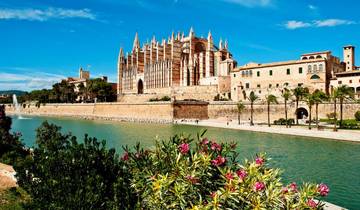
4 days
Palma de Mallorca City Break
- ✓ Comprehensive Balearic Islands tour
- ✓ Expert local guides included
- ✓ All accommodation arranged
- ✓ Transportation provided
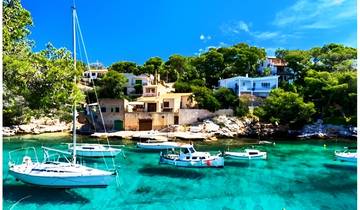
9 days
Mallorca: Cycling Paradise
- ✓ Comprehensive Balearic Islands tour
- ✓ Expert local guides included
- ✓ All accommodation arranged
- ✓ Transportation provided
6 days
Ibiza Getaway
- ✓ Booking needs min. 2 travelers

8 days
Mallorca in 8 Days: Sunsets, Serenity & Natural Wonders
- ✓ Booking needs min. 2 travelers
Multi-day tour packages powered by TourRadar. Prices and availability subject to change.
Essential Planning Information 2026
Current Costs and Pricing Breakdown
Menorca accommodation in 2026 ranges from budget hostels at €25-40 per person nightly to mid-range hotels at €70-120 per room (double occupancy) and luxury boutique properties at €200-450 per room. Apartments with kitchens cost €80-150 nightly for two people, offering savings on dining expenses. Check booking platforms for current official rates as pricing varies by location, season, and booking timing.
Restaurant meals cost €12-18 for casual lunch menus del día, €8-15 for pizza or pasta, €20-35 per person for dinner at mid-range restaurants, and €50-80+ for upscale dining experiences. Supermarket groceries for self-catering run €40-60 daily for two people preparing breakfast and lunch. Beach bars charge €3-5 for coffee, €6-10 for sandwiches, and €12-18 for simple meals.
Activities and attractions include free beach access (though parking costs €5-8 daily at popular coves), kayak rentals €15-25 for 2 hours, stand-up paddleboard rentals €12-18 hourly, boat tours €35-65 per person for half-day excursions, and archaeological site entry €3-6. The Menorca Zoo costs €18 for adults and €12 for children. Scuba diving experiences range €45-75 for single dives to €350-450 for Open Water certification courses.
Transportation Options and Schedules
Mahón Airport (MAH) serves Menorca with direct flights from major European cities April-October. Flight costs vary significantly: €80-150 round-trip from Barcelona or Valencia, €150-280 from Madrid, London, or Paris, and €200-400 from northern European cities. Book flights 2-3 months ahead for best rates, with Tuesday-Thursday departures offering lower prices than weekend travel.
Ferry services from Barcelona (Trasmediterránea and Baleària) operate year-round with 7-8 hour overnight crossings costing €60-120 per person plus €80-150 for vehicles. Valencia ferries run May-September with similar pricing. Book ferry tickets 4-6 weeks ahead for summer travel to secure preferred cabin types and vehicle spaces. Overnight ferries save one night’s accommodation while transporting your car for island exploration.
Airport transfers to Mahón cost €25-35 for taxis, €5-8 for public buses running hourly to the city center. Ciutadella sits 45 kilometers west with taxi transfers costing €45-60 and bus connections taking 1 hour with €8-12 fares. Pre-book shared shuttle services for €15-20 per person to popular resort areas.
Entry Requirements and Documentation
EU citizens enter Menorca with valid national ID cards or passports. Non-EU visitors require passports valid 6 months beyond travel dates. UK citizens need passports but no visas for stays under 90 days following Brexit regulations. US, Canadian, and Australian tourists enter visa-free for 90-day periods within 180-day windows.
Spain removed COVID-19 entry requirements in October 2022, with no vaccination certificates or testing needed for 2026 travel. Standard travel insurance covers medical emergencies at Menorca’s Hospital Mateu Orfila in Mahón. EU citizens use European Health Insurance Cards for basic coverage, while non-EU travelers should verify international health insurance includes Spain.
Best Time to Visit Menorca 2026
Seasonal Analysis for 2026 Planning
Spring (April-May) brings Menorca to life with wildflowers covering the countryside, comfortable temperatures of 18-24°C, and minimal tourist crowds. April sees occasional rain showers but offers excellent hiking conditions and budget accommodation rates 40-50% below summer peaks. May provides perfect conditions with warm days, cool evenings, and manageable visitor numbers. Beach swimming becomes comfortable by mid-May when water temperatures reach 19-21°C.
Early Summer (June) delivers ideal Menorca experiences with temperatures rising to 25-28°C, long sunshine hours extending to 9 PM, and beaches uncrowded before July school holidays. Water temperatures climb to 22-24°C for comfortable swimming. Accommodation prices remain 20-30% below July-August peaks while maintaining full service availability. June represents the sweet spot for weather, pricing, and crowd balance.
Peak Summer (July-August) brings maximum crowds, highest prices, and hottest weather exceeding 30°C. Popular beaches like Cala Macarella and Cala Turqueta fill parking lots by 10 AM, requiring early morning arrivals or alternative cove exploration. Water temperatures peak at 26-27°C for perfect swimming. Accommodation costs reach annual highs with advance booking essential. July-August suits families tied to school holiday schedules despite higher expenses and crowding.
Fall (September-October) offers exceptional value with warm sea temperatures (24-26°C in September, 22-24°C in October) maintained from summer heating. September crowds diminish after mid-month when European schools resume, while October sees further reductions. Hotel rates drop 30-40% from peak season while maintaining full operational services. Swimming season extends through early November for dedicated visitors. September-early October rivals June for optimal Menorca experiences.
Weather Patterns and Crowd Predictions 2026
Menorca’s Mediterranean climate delivers hot, dry summers and mild, occasionally rainy winters. Summer months (June-September) receive minimal rainfall averaging 10-20mm monthly with over 300 hours of sunshine. The Tramontana wind from the north brings cooler temperatures and rough northern coast waters, while southern coast beaches remain protected and swimmable. Wind patterns affect beach selection, with south-facing coves like Cala Galdana and Son Bou offering shelter during Tramontana periods.
Crowd levels peak during July-August when Spanish domestic tourists join international visitors for summer holidays. Popular beaches reach capacity by mid-morning, restaurants require reservations, and accommodation books solid months ahead. Easter week (April 13-20, 2026) sees moderate crowds with Spanish visitors creating mini-peak season. September 1-15 maintains summer crowds before sharp reductions post-September 15 when schools resume across Europe.
Off-season months (November-March) bring reduced services with many beach restaurants and hotels closing November-April. Winter temperatures average 12-16°C with increased rainfall, though sunny days remain common for hiking and cultural exploration. January-February see lowest visitor numbers and accommodation rates but limited beach appeal except for the hardiest swimmers.
Accommodation Strategies 2026
Budget Accommodation Options
Hostel beds in Mahón and Ciutadella cost €25-40 per person nightly during summer, dropping to €18-28 in shoulder seasons. Jardí de Ses Bruixes in Mahón offers social atmosphere, kitchen facilities, and terrace spaces €30-45 for dorm beds. Private hostel rooms cost €60-80, providing budget comfort for couples. Book hostels 4-6 weeks ahead for summer availability.
Budget hotels and pensions range €50-80 per double room with basic amenities including private bathrooms and air conditioning. Rural agroturismos (farm stays) in the island interior offer authentic experiences at €60-90 nightly with breakfast included. These family-run properties provide cultural immersion, traditional architecture, and farm-fresh meals while maintaining lower costs than coastal hotels.
Apartment rentals through booking platforms cost €70-120 nightly for one-bedroom units sleeping 2-3 people, with kitchen facilities enabling self-catering savings. Weekly rentals (€450-700) offer better rates than nightly bookings. Ciutadella and Mahón apartments provide walkable access to supermarkets, restaurants, and bus connections. Book apartments 2-3 months ahead for summer availability, with May, June, and September offering easier booking and lower rates.
Mid-Range and Luxury Options
Mid-range hotels cost €100-180 per double room with pool access, buffet breakfasts, and beach proximity. Properties like Hotel Xuroy in Ciutadella and Hotel Port Mahón combine central locations with modern amenities and rates €120-160 nightly. Cala Galdana beach resort hotels offer all-inclusive packages €140-220 per person including meals, drinks, and activities.
Boutique hotels in Ciutadella’s historic center occupy restored mansions with character-filled rooms, small pools, and personalized service at €150-250 nightly. Hotel Can Faustino and Hotel Rural Sant Ignasi provide romantic settings with stone walls, period furniture, and Mediterranean gardens. These properties cater to couples seeking intimate atmosphere without mega-resort scale.
Luxury options include five-star beach resorts €300-500+ nightly with spa facilities, multiple restaurants, kids’ clubs, and direct beach access. Rural luxury estates offer private villas with pools, chef services, and secluded settings at €400-800 nightly for groups of 4-6. Private villa rentals provide ultimate flexibility and privacy for families or friend groups willing to invest in premium accommodation. Book luxury properties 4-6 months ahead for summer 2026, with shoulder months offering better availability and 30-40% savings.
Transportation Guide 2026
Public Transport Options and Costs
Menorca’s public bus network (TMSA) connects major towns with limited beach access. Mahón-Ciutadella buses run hourly 7 AM-9 PM with €8-12 fares and 50-minute journey times. Town buses reach some beaches: Mahón-Son Bou (€5-7, 5-6 daily), Ciutadella-Cala Galdana (€4-6, 4-5 daily), but miss most popular coves requiring cars or walking.
Day passes cost €15-20 for unlimited bus travel, offering value for multi-town exploration without beach focus. Buses reduce frequency in shoulder seasons (April-May, October) with hourly service and eliminate evening routes. Winter schedules (November-March) see further reductions making car rental essential for full island access.
Taxi services operate from Mahón and Ciutadella with meter rates starting €3-5 plus €1.20-1.50 per kilometer. Mahón to Cala Macarella costs €25-35, Ciutadella to Son Bou €30-40, making taxis impractical for regular beach access. Pre-book taxis for airport transfers to secure availability and confirm prices, especially during July-August peak demand.
Car Rental and Alternative Transportation
Car rental provides freedom to explore Menorca’s hidden beaches and rural interior. Major international companies (Hertz, Europcar, Avis) and local operators offer vehicles €25-45 daily depending on size and season. Manual transmission compacts cost €25-35 daily, automatic upgrades add €8-12. Book 2-3 months ahead for June-September, with early booking securing lower rates and vehicle choice.
Rental inclusions cover basic insurance, unlimited kilometers, and pick-up/drop-off at Mahón Airport. Additional insurance options (collision damage waiver, theft protection) add €8-15 daily for comprehensive coverage reducing excess payments. Verify insurance coverage before accepting rental contracts. Fuel costs €1.50-1.80 per liter with full tanks requiring €50-70 for compact cars.
Scooter and motorcycle rentals offer alternatives for single travelers or couples seeking lower costs and easy parking. Scooters cost €20-30 daily with 50cc models requiring no special license and 125cc versions needing motorcycle endorsements. Scooters handle Menorca’s roads but lack storage for beach gear and expose riders to weather. Bicycle rentals (€10-15 daily) suit fit travelers exploring limited areas, though summer heat and hilly terrain challenge casual cyclists.
Parking at popular beaches costs €5-8 daily at attended lots during June-September. Arrive before 10 AM for parking availability at Cala Macarella, Cala Turqueta, and Cala Pregonda, as lots fill completely by mid-morning. Free roadside parking exists at less-popular beaches but requires early arrival. Many coves offer free parking in shoulder seasons when attended lots remain closed.
Money-Saving Strategies 2026
Advance Booking Benefits
Book flights 2-3 months ahead for 20-40% savings versus last-minute purchases. Tuesday-Thursday departures cost €30-60 less than Friday-Sunday travel for identical routes. Set price alerts through flight comparison sites to track fare changes and book when prices drop. Consider flying into Barcelona with ferry connections for potential savings versus direct Mahón flights.
Reserve accommodation 2-4 months ahead for summer travel, securing lower rates and preferred properties. Many hotels offer 10-15% early booking discounts for reservations made 90+ days ahead with full prepayment. Shoulder season booking (May, June, September) provides flexibility with 4-6 week advance reservations still securing good rates and availability.
Car rentals booked 2-3 months ahead cost 25-35% less than airport counter walk-ups. Compare rental company websites against aggregator platforms for best rates, with direct bookings sometimes offering better terms. Free cancellation options allow flexible planning while securing advance rates. Reserve popular vehicle types (compact automatics) early as availability tightens approaching summer months.
Seasonal Optimization Tips
Visit during May, early June, September, or early October for 30-40% accommodation savings versus July-August peaks. Shoulder season delivers comparable weather with fewer crowds and lower costs across hotels, restaurants, and activities. September offers particular value with warm seas, reduced visitors, and peak-season services still operating.
Self-cater for breakfasts and lunches using supermarket provisions, saving €15-25 daily versus restaurant meals. Mercadona and Eroski supermarkets stock fresh produce, local cheese, cured meats, and bread for beach picnics. Enjoy dinners at restaurants for cultural experiences while controlling overall dining budgets. Many apartments include kitchens making self-catering practical.
Explore free beaches rather than paying beach club entrance fees (€20-40 daily at some locations). Menorca’s UNESCO Biosphere status protects public beach access, with spectacular coves accessible without charges. Parking fees (€5-8) represent only cost for beach days compared to beach club packages. Pack snacks and drinks to avoid beach bar prices (€3-5 for water, €8-12 for sandwiches).
Sample 2026 Itineraries
Five-Day Menorca Beach Escape
Day 1 – Arrival and Ciutadella Exploration: Arrive at Mahón Airport and collect rental car. Drive 45 minutes to Ciutadella, check into hotel €70-120, and explore the historic center. Walk the harbor, visit the Cathedral of Menorca (free entry), and dine at Port de Ciutadella restaurants €25-40. Evening stroll through old town streets. Rental car €30, lunch €15-20, dinner €25-40, parking €5. Total day cost: €75-95 per person (excluding accommodation).
Day 2 – Southern Coast Beaches: Drive to Cala Turqueta (20 minutes), arriving by 9:30 AM for parking. Swim in turquoise waters and relax on white sand. Pack supermarket picnic lunch €8-12. Afternoon at nearby Cala Macarella, walking between coves through pine forest trails. Return to Ciutadella for dinner at Smoix restaurant €30-45. Car fuel €10, parking €6, lunch €8-12, dinner €30-45, snacks €5-8. Total day cost: €59-81 per person (excluding accommodation).
Day 3 – North Coast Adventure: Drive to Cala Pregonda (45 minutes), parking at Binimel-là beach and hiking 20 minutes to the cove. Unique reddish sand and rock formations create dramatic scenery. Swim and explore tide pools. Beach bar lunch €12-18. Afternoon at nearby Cavalleria Beach with lighthouse visit. Return to Ciutadella for relaxed dinner €20-30. Parking €6, lunch €12-18, beach snacks €6-10, dinner €20-30, fuel €12. Total day cost: €56-76 per person (excluding accommodation).
Day 4 – Mahón and Eastern Exploration: Check out and drive to Mahón (50 minutes). Visit Xoriguer Gin Distillery for free tastings and €15-25 bottle purchases. Walk Mahón’s harbor and historic center. Lunch at seafood restaurant €25-35. Afternoon at Cala Mesquida beach (20 minutes north). Hotel check-in €70-120. Evening harbor dining €30-45. Parking €8, lunch €25-35, gin purchase €15-25, dinner €30-45, fuel €10. Total day cost: €88-123 per person (excluding accommodation).
Day 5 – Son Bou and Departure: Morning at Son Bou, Menorca’s longest beach with 3 kilometers of sand. Swim and relax before lunch at beach restaurant €15-25. Visit nearby Talayotic archaeological sites (free). Afternoon return to Mahón for airport departure. Beach parking €6, lunch €15-25, snacks €5-8, fuel €8. Total day cost: €34-47 per person (excluding accommodation).
Five-Day Budget Total: Accommodation €280-480 (4 nights double occupancy, €70-120 per night), car rental €120-150 (5 days), daily costs €312-422 per person. Total trip cost: €712-1,052 per person including accommodation, or €432-572 per person excluding accommodation.
Week-Long Menorca Complete Discovery
Days 1-2: Follow five-day itinerary Days 1-2 exploring Ciutadella and southern beaches. Two-night total: €134-176 per person plus accommodation €140-240.
Day 3 – Fornells and Northern Villages: Drive to Fornells fishing village (30 minutes) famous for seafood. Take boat tour €45-65 per person exploring northern coastline and sea caves. Lunch at Fornells caldereta (lobster stew) restaurant €40-60. Afternoon exploring Cap de Cavalleria lighthouse and beaches. Return to Ciutadella for dinner €25-35. Boat tour €45-65, lunch €40-60, dinner €25-35, fuel €15, parking €6. Total day cost: €131-181 per person (excluding accommodation).
Day 4 – Central Heritage Sites: Visit Naveta des Tudons prehistoric burial monument (€3), Torre d’en Galmés talayotic settlement (€5), and Talatí de Dalt (€3). Lunch in Alaior town €15-20. Afternoon at Menorca Zoo €18. Evening in Mahón with harbor dinner €30-40. Site entries €29 (includes zoo), lunch €15-20, dinner €30-40, fuel €12. Total day cost: €86-101 per person (excluding accommodation).
Day 5 – Eastern Beaches: Explore Cala en Porter with dramatic cliff-setting and beach cave bars. Lunch at cliffside restaurant €20-30. Afternoon at S’Algar or Punta Prima beaches. Evening Mahón tapas crawl €25-35. Parking €8, lunch €20-30, drinks €10-15, dinner €25-35, fuel €10. Total day cost: €73-98 per person (excluding accommodation).
Day 6 – Active Adventure Day: Kayak rental €20-30 for 3 hours exploring coastal caves. Beach picnic lunch €10-15. Afternoon stand-up paddleboard session €15-20. Sunset dinner at beach restaurant €35-45. Kayak €20-30, SUP €15-20, lunch €10-15, dinner €35-45, parking €6. Total day cost: €86-116 per person (excluding accommodation).
Day 7 – Relaxation and Departure: Morning beach session at preferred cove. Lunch €15-20. Shopping for Menorca cheese and ensaimada pastries €20-30. Afternoon airport return. Parking €6, lunch €15-20, souvenirs €20-30, fuel €10. Total day cost: €51-66 per person (excluding accommodation).
Seven-Day Budget Total: Accommodation €420-720 (6 nights, €70-120 per night double occupancy), car rental €150-200 (7 days), daily costs €561-738 per person. Total trip cost: €1,131-1,658 per person including accommodation, or €711-938 per person excluding accommodation.
Best Beaches and Coastal Areas 2026
Southern Coast Highlights
Cala Macarella ranks among Menorca’s most photographed beaches with brilliant turquoise water, white sand, and pine forest backdrop. The main beach offers 100 meters of sand with moderate crowds, while the adjacent Cala Macarelleta (10-minute walk) provides more secluded swimming in an even smaller cove. Parking costs €6 daily with lots filling by 10 AM June-September. The 20-minute walk from parking to beach deters some visitors but maintains beach quality. Beach bar serves drinks and snacks €4-12.
Cala Turqueta delivers similar stunning beauty with slightly easier access and larger parking area (€6 daily). The 15-minute walk from parking crosses through aromatic pine forest. Crystal-clear water and fine white sand create ideal swimming conditions. No beach facilities exist, so pack food and drinks for the day. Arrive by 9:30 AM for parking availability during summer months.
Son Bou stretches 3 kilometers as Menorca’s longest beach with full services including lifeguards May-October, beach bars, restaurants, sunbed rentals €15-20, and water sports equipment. The extensive sandy expanse never feels overcrowded even in peak summer. Roman ruins and early Christian basilica at the beach’s eastern end add historical interest. Free parking exists along beach access roads, though spaces fill midday in summer. Son Bou suits families with shallow gradual depth and consistent facilities.
Northern Coast Treasures
Cala Pregonda offers unique beauty with reddish sand and dramatic rock formations creating otherworldly landscape. Access requires 20-minute walk from Binimel-là parking (free), maintaining pristine conditions. The beach faces northeast with occasional rougher waters during Tramontana wind periods. Pack everything needed as no facilities exist. Swimming conditions vary with weather, so check forecasts before visiting.
Cavalleria Beach extends below the Cap de Cavalleria lighthouse with reddish sand and powerful waves attracting surfers. The wide beach offers space even during summer peaks. Beach bar serves basic refreshments €4-10. Free parking available at beach access. The lighthouse visit combines with beach time for full northern coast experience. Swimming requires caution due to stronger currents and waves compared to southern sheltered coves.
Cala Tortuga (northwest of Mahón) provides white sand and turquoise water in sheltered bay setting. The 10-minute walk from parking keeps crowds manageable. No facilities exist, maintaining natural character. Morning visits offer best swimming conditions before afternoon winds strengthen. The beach suits experienced swimmers comfortable with natural environments without lifeguard supervision.
Cultural Experiences and Local Life 2026
Historic Towns and Architecture
Ciutadella served as Menorca’s capital until 1722 when British occupation shifted administrative functions to Mahón. The historic center preserves medieval streets, noble palaces, and the Cathedral of Menorca built atop a mosque site after 1287 Christian conquest. Walk the harbor area with waterfront restaurants, explore Plaça des Born main square, and visit Diocesan Museum (€4) housing religious art and archaeological finds. Free walking tours operate from tourist information centers, providing cultural context for architectural heritage.
Mahón features British colonial architecture reflecting 70 years of Georgian occupation (1708-1782 with brief interruptions). The natural harbor stretches 5 kilometers as one of the world’s largest, with fortifications dating to multiple historical periods. Visit Xoriguer Gin Distillery for free tastings and €15-25 bottle purchases of Mahón’s signature spirit created during British rule. The weekly Tuesday market fills Claustro del Carmen with local produce, cheese, and crafts €5-25. Sunset harbor walks provide romantic evening activities.
Traditional villages like Alaior, Es Mercadal, and Ferreries maintain authentic Menorcan character with whitewashed houses, small squares, and local bakeries selling ensaimadas (coiled pastries) €3-6. Visit during morning hours to experience daily life when locals shop at markets and cafés fill with community members. These inland towns offer cultural immersion away from coastal tourism.
Local Cuisine and Dining
Mahón-Menorca cheese (DOP protected) represents the island’s signature product, with creameries offering tastings and €8-15 cheese purchases. The cow’s milk cheese ages 2-12 months developing sharp flavors perfect for tapas or sandwiches. Buy directly from farms for freshest products and cultural insights into traditional cheese-making.
Caldereta de langosta (lobster stew) defines Menorcan haute cuisine, particularly in Fornells village where restaurants specialize in this €50-80 per person dish. The tomato-based stew showcases sweet Menorcan lobster in richly flavored broth. Reserve ahead at Es Cranc or La Guàrdia restaurants for authentic preparations.
Sobrasada (cured sausage), carn i xulla (meat and vegetable stew), and oliaigua (soup with vegetables) represent hearty traditional dishes available at family restaurants €12-18 per portion. Ensaimadas provide breakfast or dessert with spiral pastry dusted in sugar €3-6. Local wines from Binifadet winery (€12-25 per bottle) complement regional cuisine.
Planning Your 2026 Visit
Sustainable Tourism Practices
Menorca’s UNESCO Biosphere Reserve designation requires visitor cooperation protecting natural resources. Stay on marked trails when accessing beaches to prevent erosion and vegetation damage. Many coves feature fragile dune systems requiring careful foot traffic. Carry out all trash as most remote beaches lack waste bins. Use reef-safe sunscreen to protect marine ecosystems, particularly in shallow cove areas.
Support local businesses by shopping at farmers’ markets, dining at family restaurants using island ingredients, and buying cheese directly from producers. Choose accommodations with environmental certifications and water conservation measures. Respect quiet hours in residential areas and traditional village centers where tourism impacts daily life.
Minimize single-use plastics by carrying reusable water bottles, shopping bags, and food containers. Many beaches have no facilities, making waste reduction essential. Choose tour operators with sustainable practices and small group sizes. Menorca’s beauty depends on thoughtful tourism respecting ecological limits and local culture.
Practical Tips and Considerations
Download offline maps before beach visits as cellular coverage varies in remote coves. Google Maps functions offline with advance download of Menorca region. Save beach locations and parking areas while connected to internet for navigation without service.
Pack beach essentials including sunscreen, hats, water bottles, snacks, and light covers for wind protection. Many coves lack facilities, requiring self-sufficiency. Bring sturdy walking shoes for beach access trails, with flip-flops for sand. Beach umbrellas (€20-35 purchase) provide sun protection where natural shade doesn’t exist.
Learn basic Spanish phrases as English proficiency varies outside main tourist areas. “Buenos días” (good morning), “por favor” (please), and “gracias” (thank you) facilitate friendly interactions. Restaurant menus often feature Spanish and Catalan with limited English translations.
ATMs exist in main towns but not at beaches. Carry cash for parking fees, beach bars, and small restaurants not accepting cards. Many family businesses operate cash-only, particularly in villages. Budget €30-50 daily cash for incidental expenses.
2026 Updates and Current Information
Menorca continues enhancing sustainable tourism infrastructure with improved cycling paths, expanded public transport in shoulder seasons, and new waste management systems at popular beaches. The island limits accommodation development to protect UNESCO Biosphere status, maintaining carrying capacity within ecological limits. These measures preserve Menorca’s natural character while supporting thoughtful tourism growth.
New direct flight routes for 2026 include expanded service from UK regional airports, increased German connections, and potential Scandinavian routes pending final airline announcements. Ferry services add summer frequencies from Barcelona and Valencia, improving accessibility for vehicle transport and budget travelers.
Digital improvements include expanded WiFi at beaches and towns, updated mobile apps for bus schedules and beach parking availability, and enhanced booking platforms for activities and restaurants. Many businesses now accept contactless payment, though cash remains important for small transactions and remote locations.
Check official Menorca tourism website (menorca.es) for current updates on services, events, and regulations before travel. Local tourism offices in Mahón and Ciutadella provide current information, maps, and activity recommendations. Follow sustainable tourism guidelines to protect Menorca’s UNESCO Biosphere Reserve for future generations.
Frequently Asked Questions About Menorca Travel 2026
Is Menorca expensive to visit?
Menorca costs moderate compared to Ibiza (30-40% cheaper) but similar to mainland Spanish destinations. Daily budgets of €120-200 per person cover comfortable mid-range travel including accommodation, meals, car rental, and activities. Budget travelers manage on €80-100 daily by choosing hostels, self-catering, and free beaches. Shoulder season visits (May, June, September) offer 30-40% savings versus July-August peaks.
How many days do you need in Menorca?
Five days allows thorough exploration of major beaches, both historic towns, and key cultural sites. Seven days enables relaxed pacing, secondary beach visits, and activity days including boat tours or kayaking. Three-day visits work for focused beach escapes from mainland Spain. The island’s compact size (45km east-west) makes all areas accessible for day trips from single accommodation bases.
Is Menorca better than Mallorca for beaches?
Menorca offers quieter, more pristine beaches than Mallorca with less development and smaller crowds. The island’s 120+ beaches include spectacular untouched coves inaccessible by car, maintaining natural character. Mallorca provides more beach variety including larger resort areas, but Menorca delivers superior tranquility and environmental protection. Choose Menorca for beach focus and sustainability, Mallorca for diverse activities and vibrant nightlife.
What is Menorca famous for?
Menorca holds UNESCO Biosphere Reserve status for environmental protection, features over 1,500 prehistoric monuments including talaiotic settlements unique to the island, produces DOP-protected Mahón cheese recognized worldwide, and offers 216 kilometers of pristine coastline with spectacular beaches. The island balances tourism with sustainability more effectively than other Mediterranean destinations.
Can you swim in Menorca in May?
Swimming becomes comfortable in May when water temperatures reach 19-21°C. Hardy swimmers enjoy the refreshing conditions, while others prefer waiting until June when temperatures climb to 22-24°C. May air temperatures of 22-25°C create pleasant beach conditions even if water feels cool. Southern coast coves warm faster than northern beaches exposed to cooler currents.
Does Menorca have nightlife?
Menorca offers limited nightlife focused on relaxed harbor bars and restaurants rather than clubs. Mahón and Ciutadella feature cocktail bars, wine bars, and casual pubs staying open until midnight-2 AM. Summer beach bars host sunset sessions with live music and DJ sets. The island attracts travelers seeking tranquility over party scenes, with families and couples representing primary demographics.
What language is spoken in Menorca?
Catalan and Spanish serve as official languages, with Menorquín (local Catalan dialect) spoken by residents. Tourist areas feature English-speaking staff at hotels, restaurants, and rental agencies. Learn basic Spanish phrases for interactions in villages and small businesses. Menus often appear in Catalan, Spanish, and English at tourist restaurants.
How do I get around Menorca without a car?
Public buses connect major towns but run infrequently (hourly) and miss most beaches. Limited beach routes serve Son Bou and Cala Galdana from Mahón and Ciutadella. Taxis provide expensive alternatives for beach access. Consider scooter rental (€20-30 daily) for single travelers, bicycle rental (€10-15 daily) for fit visitors in limited areas, or join organized beach tours eliminating transport logistics.
What should I buy in Menorca?
Purchase Mahón-Menorca cheese (€8-15) from creameries or markets, Xoriguer gin (€15-25 per bottle) from the distillery, handmade Menorcan sandals called avarcas (€40-80), local honey and olive oil (€8-15), and ensaimada pastries (€3-6). Craft shops sell ceramic tiles, jewelry, and textiles reflecting island traditions. Buy directly from producers for authenticity and supporting local economy.
Is Menorca good for kids?
Menorca excels for families with safe shallow beaches, calm waters, short driving distances, and child-friendly activities. Son Bou’s 3-kilometer beach offers space and facilities, while Cala Galdana provides protected swimming and playgrounds. The Menorca Zoo, boat trips with glass-bottom viewing, and easy beach access create engaging family experiences. Accommodation options include apartments with kitchens for budget management and flexible dining.