Manuel Antonio with Kids 2026: Family Travel Guide
Key Takeaways
- Manuel Antonio National Park offers safe, accessible trails perfect for children aged 3-12 with wildlife viewing guaranteed within the first hour
- Family-friendly beaches like Playa Espadilla provide calm waters, lifeguard supervision, and immediate access to restaurants and facilities
- Budget-conscious families can visit for $180-250 per day including mid-range accommodation, while luxury experiences reach $400-600 daily
- Advance booking 2-3 months ahead secures best family accommodations and guarantees national park entry during peak seasons
- Dry season (December-April 2026) provides optimal conditions for families, with minimal rain and consistent wildlife sightings
- Private family tours ($200-350) offer educational value with bilingual naturalist guides who engage children through interactive wildlife discovery
Planning Your Manuel Antonio Family Trip 2026
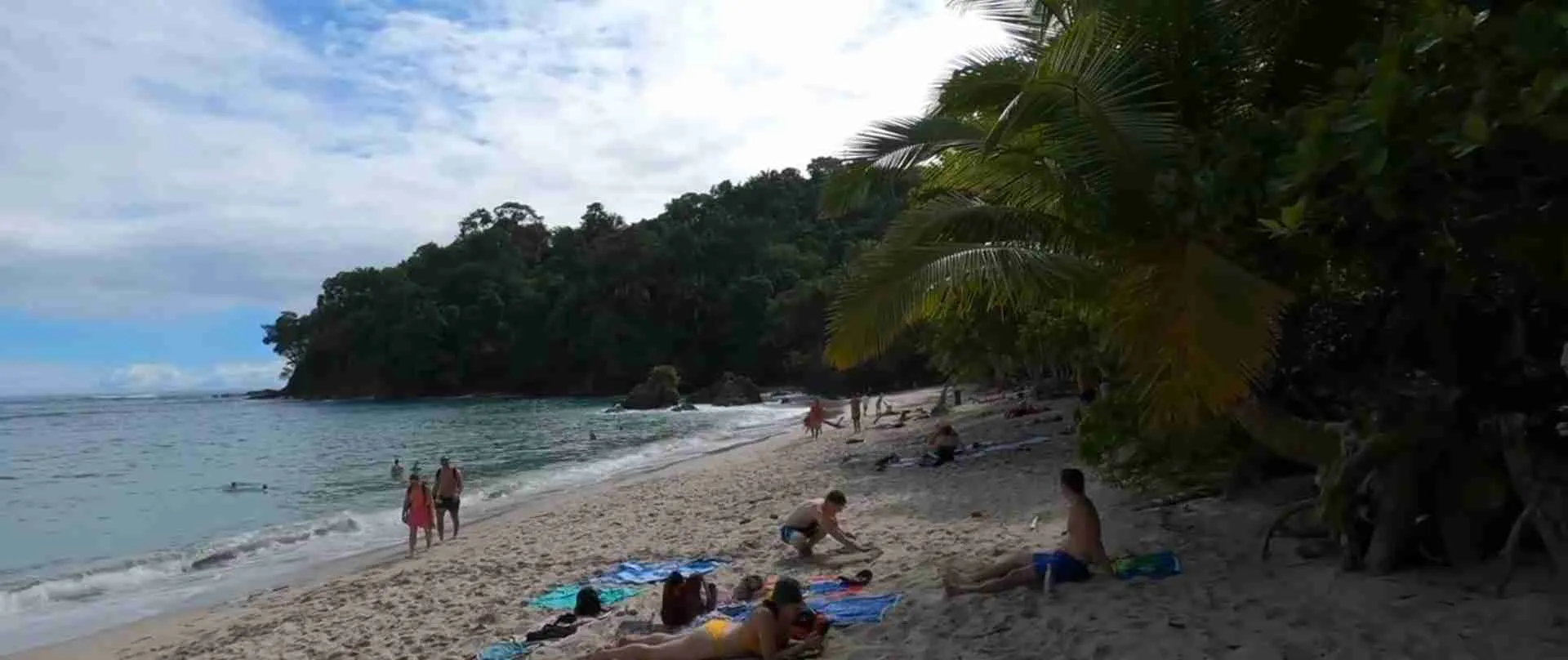
Manuel Antonio National Park stands as Costa Rica’s most family-accessible nature destination, combining guaranteed wildlife encounters with child-safe beaches and infrastructure designed for young visitors. The 2026 season brings enhanced family facilities including expanded bathroom access at park entrance, improved stroller-friendly pathways along Playa Manuel Antonio, and new shaded picnic areas with direct beach access. The park’s compact 683-hectare size means families with young children can experience complete biodiversity without exhausting multi-hour hikes, with main wildlife viewing concentrated within a 1.2-kilometer loop accessible to children as young as three years old.
The destination’s family appeal extends beyond the national park through Manuel Antonio village’s pedestrian-friendly layout, where hotels, restaurants, and tour operators cluster along a single main road eliminating navigation stress for parents. Local businesses have adapted specifically to family needs, offering high chair availability in 90% of restaurants, children’s menus featuring familiar options alongside local cuisine, and tour operators providing child-sized equipment from snorkeling gear to zip-line harnesses. The 2026 infrastructure improvements include new pedestrian crossings with traffic lights along the main beach road, enhanced beach shower facilities, and designated family zones at Playa Espadilla with lifeguard stations every 200 meters.
Successful family visits to Manuel Antonio in 2026 center on strategic timing and realistic daily planning. The park’s 8:00 AM opening creates ideal conditions for morning visits when wildlife activity peaks and temperatures remain comfortable for children, with most families completing satisfying park experiences by 11:00 AM before transitioning to beach activities. The afternoon beach time from 12:00 PM to 4:00 PM capitalizes on calm water conditions at protected Manuel Antonio beaches, while evening hours from 5:00 PM onwards offer family-friendly dining without the midday heat. Parents should plan rest periods built into daily schedules, as tropical conditions and excitement can exhaust children faster than temperature-zone environments, with most successful family itineraries incorporating 1-2 hours of hotel downtime between morning and afternoon activities.
People Also Ask About Manuel Antonio with Kids 2026
What is the best age for kids to visit Manuel Antonio in 2026?
Children aged 5-12 years experience optimal Manuel Antonio visits, with physical capability for easy park trails while maintaining attention spans for wildlife observation and environmental education. The park’s main loop trail presents zero technical difficulty, consisting of well-maintained flat paths suitable for children who can walk independently for 30-45 minutes with rest breaks. Families with children aged 3-4 years successfully visit Manuel Antonio by utilizing baby carriers for trail sections and limiting park time to 60-90 minutes focused on beach areas and wildlife viewing platforms near the entrance, where monkeys and sloths appear consistently without extensive hiking.
Teenagers aged 13-17 years find Manuel Antonio engaging through adventure activities beyond basic park tours, including surf lessons at Playa Espadilla ($45-65 for 2-hour sessions), zip-lining through rainforest canopy ($85-110 per person), and snorkeling excursions to coral formations near Biesanz Bay ($75-95 including equipment). The destination accommodates multigenerational family groups through activity diversity, where grandparents enjoy leisurely beach time and wildlife photography while parents supervise active children on nature trails, and teenagers pursue independent adventure activities with operator supervision. Family groups report highest satisfaction when children fall within the 6-10 age range, combining genuine enthusiasm for animal encounters with physical stamina for full-day activities and appreciation for environmental education provided by naturalist guides.
How much does a Manuel Antonio family trip cost in 2026?
A family of four (two adults, two children aged 5-12) spends $180-250 daily for mid-range Manuel Antonio experiences including accommodation, meals, and basic activities in 2026. National park admission costs $16 for adults and free for children under 12 (check sinac.go.cr for current official rates as pricing may vary), while family-friendly tours range $200-350 for private four-person groups. Mid-range family accommodations with pool access and kitchen facilities cost $120-180 per night during high season (December-April 2026), while budget options start at $80-100 nightly for basic family rooms. Meal expenses reach $80-120 daily for family dining, with breakfast costs of $25-35, lunch $30-40, and dinner $35-50 including children’s meals at family-friendly restaurants.
Luxury family experiences in Manuel Antonio reach $400-600 daily, featuring ocean-view suites with separate children’s rooms ($280-450 nightly), private naturalist-guided tours ($350-450 for four-person families), and upscale dining at resort restaurants ($150-200 daily for family meals). Budget-conscious families can reduce costs to $120-160 daily by selecting accommodations with kitchen facilities ($80-100 nightly), preparing breakfast and some lunches independently (reducing meal costs to $50-70 daily), and joining shared group tours instead of private experiences ($45-65 per adult for group national park tours with children often receiving 50% discounts). The most significant cost variable involves accommodation choice and tour selection, where families opting for self-catered apartments and free beach activities versus all-inclusive resorts with daily guided tours can save $150-250 daily while maintaining excellent Manuel Antonio experiences.
Is Manuel Antonio safe for young children in 2026?
Manuel Antonio ranks as Costa Rica’s safest major tourist destination for families with young children, featuring 24-hour security presence along hotel zones, well-maintained infrastructure specifically designed for tourist safety, and comprehensive emergency medical services including private clinics with English-speaking pediatricians located 5 minutes from main hotel areas. The national park maintains professional lifeguard coverage at Playa Manuel Antonio and Playa Espadilla Sur from 8:00 AM to 4:00 PM daily, with clearly marked swimming zones and warning flag systems identical to international beach safety standards. Park rangers conduct regular wildlife monitoring to ensure safe distances between visitors and animals, with white-faced capuchin monkeys habituated to human presence but controlled through feeding prohibitions that prevent aggressive behavior toward children.
The primary safety considerations for families involve sun exposure management, where tropical sun intensity at 9°N latitude requires sunscreen reapplication every 90 minutes (children burn within 15 minutes without protection), and dehydration prevention through consistent water consumption (children need 500ml per hour during active outdoor time). Families should also maintain vigilance regarding personal belongings on beaches, where opportunistic monkey theft of unattended bags occurs regularly, though this presents nuisance rather than danger. Manuel Antonio’s compact geographic layout eliminates getting-lost concerns, as the entire tourist area spans 3 kilometers along a single main road with hotels, beaches, and the national park all within easy walking distance or quick taxi rides. Parents report feeling more secure in Manuel Antonio than in major cities like San José due to visible tourism police presence, well-lit streets, and a tourist-dependent economy that prioritizes visitor safety and positive experiences.
What wildlife will kids see at Manuel Antonio in 2026?
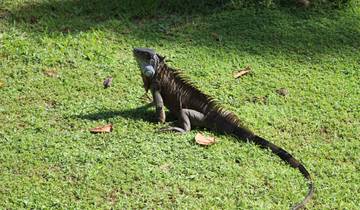
Children visiting Manuel Antonio in 2026 encounter guaranteed sightings of three monkey species within the first hour of park entry, with white-faced capuchins appearing at the entrance area in groups of 8-15 individuals, howler monkeys vocalizing from treetops along main trails, and endangered Central American squirrel monkeys visible in afternoon hours near Playa Manuel Antonio. Two-toed and three-toed sloths hang from cecropia trees along the primary loop trail, with rangers and guides easily spotting these cryptic animals that children struggle to detect independently—families should join guided tours for reliable sloth viewing. Park trails also reveal Jesus Christ lizards running across water surfaces at creek crossings, colorful poison dart frogs in leaf litter near wet areas, and iguanas basking on beach rocks at Playa Manuel Antonio.
Birdwatching engages children through easily identifiable species including brilliant scarlet macaws flying overhead in pairs, toucans with oversized colorful beaks perched in fruiting trees, and pelicans diving for fish visible from beach areas. Marine life encounters occur while wading at protected beaches, where children spot tropical fish in clear shallow water, hermit crabs along shorelines, and occasionally sea turtles swimming near rocky points (though turtle nesting occurs on other Pacific coast beaches, not within Manuel Antonio). The wildlife experience succeeds with children because sightings happen at close range (monkeys approach within 3-5 meters), animals exhibit interesting behaviors that capture attention (capuchins’ acrobatics, howler calls), and the variety ensures that even brief attention spans encounter multiple species. Parents should manage expectations by explaining that jaguars, tapirs, and other large mammals live in the park but avoid areas with human presence, focusing children’s excitement on the abundant and accessible species that appear consistently during every park visit.
Extended multi-day tours – 5+ days
Featured Costa Rica Multi-Day Tour Packages
10 days
Essential Costa Rica – Package with Manuel Antonio National Park
- ✓ Comprehensive Costa Rica tour
- ✓ Expert local guides included
- ✓ All accommodation arranged
- ✓ Transportation provided
10 days
Costa Rica Adventure
- ✓ Comprehensive Costa Rica tour
- ✓ Expert local guides included
- ✓ All accommodation arranged
- ✓ Transportation provided
9 days
Costa Rica Quest
- ✓ Comprehensive Costa Rica tour
- ✓ Expert local guides included
- ✓ All accommodation arranged
- ✓ Transportation provided
10 days
Essential Costa Rica – Package with Guanacaste
- ✓ Comprehensive Costa Rica tour
- ✓ Expert local guides included
- ✓ All accommodation arranged
- ✓ Transportation provided
Multi-day tour packages powered by TourRadar. Prices and availability subject to change.
Essential Planning Information 2026
Current Costs and Pricing Breakdown
National park admission in 2026 costs $16 for adults and provides free entry for children under 12 years, with tickets purchased online through sinac.go.cr or at the park entrance (check official website for current rates as pricing may vary). Guided family tours range $45-65 per adult for shared group experiences with naturalist guides, while private family tours cost $200-350 for groups of four providing personalized attention and flexible pacing for young children. Adventure activities include surf lessons at $45-65 per child for 2-hour beginner sessions, snorkeling tours at $55-75 per person including equipment rental, and zip-line canopy tours at $65-85 for children meeting 45-kilogram minimum weight requirements.
Transportation costs from San José to Manuel Antonio reach $16-20 per person via direct public buses departing Tracopa terminal (6:00 AM, 12:00 PM, 6:00 PM daily), with journey times of 3.5 hours along scenic coastal routes. Private shuttle services cost $50-65 per person with guaranteed seating, air conditioning, and hotel pickup/dropoff, while families renting vehicles pay $45-70 daily for mid-size SUVs suitable for four passengers plus luggage. Local transportation in Manuel Antonio includes taxis charging $8-12 for trips between hotels and national park entrance, and public buses running between Quepos and Manuel Antonio for $0.85 per person every 30 minutes from 6:00 AM to 8:00 PM.
Dining expenses for families average $25-35 for breakfast at hotels or local sodas (traditional Costa Rican restaurants), $30-45 for lunch at beachfront restaurants, and $40-60 for dinner at family-friendly establishments offering children’s menus. Grocery stores in Quepos (10 minutes from Manuel Antonio) provide options for families to purchase snacks, drinks, and breakfast items, with typical shopping expenses of $30-50 for 3-4 days of supplementary food items reducing restaurant meal frequency. Activity costs accumulate quickly for families, with a typical full-day itinerary including park admission ($32 for two adults), guided tour ($200 for private family experience), lunch ($40), and snacks/drinks ($15-20) totaling $285-290 for a family of four before accommodation expenses.
Weather and Seasonal Considerations for 2026
The dry season from December through April 2026 offers optimal conditions for families visiting Manuel Antonio, with minimal rainfall (1-3 brief afternoon showers per month), consistent sunshine averaging 8-9 hours daily, and calm Pacific Ocean conditions ideal for children’s beach activities. Morning temperatures range 24-27°C (75-80°F) during park visits, reaching peak heat of 32-34°C (90-93°F) during midday beach time, then cooling to pleasant 26-28°C (79-82°F) for evening activities. Dry season crowds peak during December holidays and Easter week (March 27-April 6, 2026), when park entrance queues extend 30-45 minutes and beaches reach maximum capacity, making February and early March the sweet spot for families seeking ideal weather with moderate visitor numbers.
The green season from May through November 2026 presents budget-friendly opportunities for flexible families willing to work around afternoon rain patterns, with accommodation prices dropping 30-40% compared to high season rates and tour operators offering discounts up to 25%. Morning hours from 7:00 AM to 12:00 PM remain largely dry even during rainy season, allowing families to complete park visits and morning beach activities before predictable 2:00-5:00 PM afternoon showers. Green season advantages include dramatically reduced crowds (park entries peak at 200-300 visitors versus 800-1000 in high season), enhanced wildlife activity during fruiting season when monkeys and birds become more visible, and lush rainforest conditions with waterfalls flowing at full volume along park trails.
Families with rigid vacation schedules should book December-April 2026 dates for guaranteed sunshine and dry conditions, accepting premium pricing and larger crowds as trade-offs for weather certainty. Adventurous families with flexible children who adapt well to schedule changes can capitalize on green season value while experiencing the rainforest at its most vibrant, with afternoon rain often providing welcome relief from heat and opportunities for hotel pool time or educational activities. Parents should pack rain jackets regardless of season (even dry months experience occasional brief showers), and schedule important activities like national park visits during morning hours when weather remains most predictable year-round.
Kid-Friendly Activities Manuel Antonio 2026
National Park Exploration
The Manuel Antonio National Park loop trail provides perfect introduction to tropical rainforest for children, combining easy walking paths with guaranteed wildlife encounters and educational opportunities at every turn. The 1.2-kilometer main trail from entrance to Playa Manuel Antonio beach features interpretive signs explaining ecosystem relationships, wildlife identification guides, and conservation messages presented at child-appropriate reading levels. Park rangers stationed at key viewpoints offer free educational talks explaining monkey behavior, sloth adaptations, and rainforest ecology in English and Spanish, with children encouraged to ask questions and handle educational props like seed pods and preserved insects (not live specimens).
Beach time at Playa Manuel Antonio combines swimming in calm protected waters with tide pool exploration during low tides, when rocky areas near Punta Catedral reveal trapped fish, sea stars, hermit crabs, and occasionally small octopuses in shallow pools perfect for young children to observe. The beach features clean bathroom facilities with changing areas, covered picnic tables in shaded areas 20 meters from shoreline, and lifeguard supervision during park operating hours (7:00 AM-4:00 PM). Parents should bring reef-safe sunscreen (required within park boundaries), snorkel masks for older children to observe fish in clear water areas, and water shoes to protect feet from sharp rocks and sea urchins near rocky sections.
Guided family tours transform standard park visits into interactive educational experiences, with naturalist guides carrying spotting scopes that allow children to see details of monkeys’ faces, sloths’ claws, and birds’ plumage from safe distances. The best family guides explain concepts through age-appropriate analogies, involve children in wildlife searching games (“who can spot the next sloth?”), and adjust tour pacing to match children’s energy levels and attention spans. Private family tours costing $200-350 for four-person groups provide flexibility to take frequent rest breaks, spend extended time at areas where children show particular interest, and return to hotel when young children begin showing fatigue rather than following fixed group schedules.
Beach Activities and Water Sports
Playa Espadilla serves as Manuel Antonio’s primary family beach, stretching 1.8 kilometers with gentle waves suitable for children’s swimming, boogie boarding, and introduction to surfing. The beach features lifeguard towers every 300 meters from 8:00 AM to 5:00 PM daily, clearly marked swimming zones with yellow flags indicating safe areas versus red flags warning of rip currents, and immediate access to beach restaurants providing shade, bathrooms, and freshwater showers. Surf schools positioned along the beach offer 2-hour children’s lessons costing $45-65 including board rental, wetsuit, and instruction from certified teachers experienced with children aged 6-14 years.
Biesanz Bay provides alternative family beach experience for families seeking calmer water and enhanced snorkeling, located 2 kilometers south of main hotel zone accessible via $8-10 taxi ride or 25-minute walk along shaded forest trail. The protected bay features minimal wave action ideal for young swimmers, clear water visibility of 6-8 meters during dry season enabling easy fish observation, and rental equipment available from beachside operators ($12-15 for snorkel sets, $8-10 for boogie boards). Parents should arrive before 11:00 AM to secure shaded areas under almond trees, as afternoon sun eliminates natural shade and beach reaches maximum capacity by midday during high season.
Kayaking tours from Biesanz Bay offer family-friendly adventure for children aged 8 years and older, with 2-hour guided excursions costing $65-85 per person including double kayaks, life vests, and bilingual guides pointing out coastal wildlife. The tours paddle along protected coastline viewing rock formations, sea caves accessible during calm conditions, and occasional dolphins swimming in deeper water beyond the bay. Standup paddleboard rentals ($15-20 per hour) provide alternative water activity for older children and teenagers, though beginners should expect frequent falls and start in calm morning conditions before afternoon breezes increase difficulty.
Adventure Activities for Older Children
Zip-line canopy tours engage children aged 8 years and older (minimum 45 kilograms weight) through aerial perspectives of rainforest ecosystems, with courses featuring 8-12 cable sections spanning up to 240 meters between platforms. The 2.5-hour experiences cost $65-85 per person including safety equipment, professional guides, and ground transportation from hotels, with children accompanied by parents or traveling in groups under guide supervision. Reputable operators including Titi Canopy Tours and Midworld Costa Rica maintain perfect safety records through double-safety-line systems, regular equipment inspection, and guide-controlled descent speeds ensuring that nervous children complete courses successfully.
ATV tours designed for families with teenagers aged 14+ (driver’s license required) explore inland areas beyond tourist zones, visiting local farms, river crossings, and viewpoints overlooking the Pacific coastline. The 2-3 hour tours cost $85-110 per person riding individual ATVs or $120-140 per double ATV with parent driving and child as passenger, including safety briefing, helmets, and guide escorts. Tours traverse muddy trails during green season creating exciting conditions for teenagers while remaining mechanically simple for inexperienced drivers, with guides setting conservative speeds ensuring group cohesion.
Chocolate and coffee farm tours provide educational breaks from beach activities, teaching children about Costa Rica’s agricultural heritage through hands-on experiences. Tours lasting 2-3 hours cost $35-50 per person including tasting sessions, with children participating in cocoa pod opening, bean roasting, and chocolate preparation following traditional methods. The best family-oriented tours incorporate interactive elements like coffee bean sorting games, wildlife observation in farm shade trees where birds and butterflies congregate, and take-home chocolate bars that children make themselves during workshops.
Educational and Cultural Activities
Wildlife rescue centers near Manuel Antonio provide children with up-close encounters with Costa Rican animals while teaching conservation messages about habitat protection and responsible wildlife tourism. Refugio Alturas Wildlife Sanctuary (15 minutes from Manuel Antonio) houses rescued animals unable to return to wild including sloths, monkeys, toucans, and reptiles, with 2-hour guided tours costing $30-40 per person and volunteers explaining each animal’s rescue story. Children learn why feeding wild animals creates problems, how habitat destruction threatens species survival, and what actions individuals can take to support conservation efforts.
Cooking classes designed for families teach preparation of traditional Costa Rican dishes including gallo pinto (rice and beans), casado (traditional plate lunch), and plantain dishes that children enjoy making and eating. The 3-hour classes cost $75-95 per family of four, held in local homes or small cooking schools where instructors explain ingredient origins and cultural significance while guiding hands-on preparation. Children as young as 6 years participate in age-appropriate tasks like tortilla making, plantain cutting (with supervision), and tres leches cake decoration, creating meals the family enjoys together at class conclusion.
Butterfly gardens and frog exhibits provide close-up insect and amphibian observation impossible during rainforest hikes, with enclosed environments allowing safe handling opportunities under guide supervision. The exhibits cost $15-20 per person for 45-60 minute guided tours, explaining life cycles, ecological roles, and adaptations through interactive presentations geared toward children. Blue morpho butterflies, poison dart frogs in non-toxic captive breeds, and giant atlas moths create memorable photo opportunities while naturalist guides answer endless questions from curious children about why butterflies taste with their feet and how frogs defend themselves.
Family Accommodation Options Manuel Antonio 2026
Best Hotels for Families with Young Children
Hotels with dedicated children’s pools, playground facilities, and family suites provide optimal accommodations for families traveling with children under 8 years, combining kid-friendly amenities with adult comfort and relaxation spaces. Si Como No Resort ($280-380 per night for family suites) features two pools including shallow children’s area with waterslide, Kids Club offering supervised activities, and two-bedroom suites with kitchenettes allowing flexible meal scheduling for young children. The resort’s on-site cinema screens family films nightly at no additional charge, while restaurants provide children’s menus and early dining hours accommodating families eating at 5:30-6:30 PM.
Tulemar Bungalows & Villas ($320-450 per night) offers private bungalows with full kitchens, washer/dryer units essential for families with young children, and three pools including zero-entry children’s pool with integrated playground. The property’s private nature reserve features wildlife viewing platforms and short trails where families spot resident sloths without entering crowded national park, plus private beach access via funicular railway eliminating stair climbing with strollers or tired children. Each bungalow includes living room spaces where parents can relax after children’s bedtime without confined hotel room limitations.
Hotel Costa Verde ($180-250 per night for studios) provides budget-friendly family accommodation with kitchenette facilities, three pools at different property levels, and studios sleeping up to four in configurations including separate sleeping areas for parents. The signature converted Boeing 727 airplane suite ($420-480 per night) creates memorable family accommodation experience, though the novelty suits families with older children better than those requiring standard amenities like full kitchens and laundry. Property restaurants serve affordable family meals ($35-50 for family of four), eliminating nightly decisions about where to eat outside the hotel.
Vacation Rentals and Condos for Families
Vacation rentals through Airbnb and VRBO offer families maximum flexibility and value, particularly for stays exceeding 5 nights when nightly rates drop significantly below comparable hotel pricing. Two-bedroom condos in Manuel Antonio cost $120-180 per night with full kitchens, washing machines, multiple bathrooms, and living spaces allowing families to spread out beyond single hotel rooms. Properties with pools provide entertainment for children during afternoon rest periods, while locations within walking distance of beaches eliminate constant taxi expenses and parking challenges at crowded beach areas.
The best family rental properties include Casa de Leon near Playa Espadilla ($140-180 nightly for 2BR), offering 5-minute walk to beach, pool with children’s section, and screened balconies preventing insect issues during evening hours. La Mariposa area rentals ($160-220 nightly) provide spectacular ocean views, shared pool facilities, and security services important for families carrying valuable electronics and camera equipment. Quepos rentals ($80-120 nightly) located 10 minutes from beaches offer significantly better value while still providing quick beach access via frequent public buses ($0.85) or short taxi rides ($8-10).
Families should prioritize rental properties with air conditioning in bedrooms (not just ceiling fans), screens on all windows preventing mosquito entry at night, and fully equipped kitchens including blender for fruit smoothies children enjoy. Properties advertising “family-friendly” typically include high chairs, pack-n-plays for toddlers, beach toys, boogie boards, and Netflix-enabled TVs for rainy day entertainment. Reading recent reviews specifically from families reveals which properties accurately represent their photos versus those with maintenance issues, cleanliness problems, or location challenges requiring vehicle rental despite “walking distance to beach” claims.
All-Inclusive and Meal Plan Options
All-inclusive resorts remain limited in Manuel Antonio compared to Caribbean destinations, though several properties offer meal plan packages simplifying family vacation logistics and budget planning. Hotel Parador Resort ($240-320 per night) includes breakfast and provides optional meal plans adding lunch and dinner for $65 per adult, $35 per child daily, with unlimited drinks at pool bar and beachside service included. The meal plan value depends on dining preferences, as families eating at hotel restaurants would spend $90-120 daily anyway, while those exploring local restaurants find better value and variety paying individually.
Half-board packages at properties like Arenas del Mar ($340-450 per night including breakfast and dinner) suit families preferring hotel dining convenience for two meals while exploring local lunch options during beach days. The arrangements eliminate evening dinner decisions when children are tired and parents want stress-free dining without venue research, table waits, or transportation logistics. Hotel restaurants at full-service properties provide children’s menus, high chairs, flexible seating times, and willingness to modify dishes for picky eaters—conveniences not always available at local restaurants despite excellent food quality.
Budget-conscious families achieve better value through accommodations with kitchens, purchasing breakfast items and lunch supplies at Quepos supermarkets ($40-50 for 3-4 days of food), and dining at local sodas for authentic affordable meals ($8-15 per person) versus hotel restaurants. The hybrid approach of self-catered breakfasts, restaurant lunches at beach locations, and prepared hotel dinners when children tire creates balanced budgets while maintaining vacation convenience. Families must calculate whether meal plans actually save money based on eating patterns, as children eating small portions or snacking between meals often don’t justify per-person meal plan costs matching adult pricing.
Sample Family Itineraries Manuel Antonio 2026
4-Day Manuel Antonio Family Adventure
Day 1: Arrival and Beach Introduction
Arrive San José airport, collect rental car ($55 for mid-size SUV), drive 3 hours to Manuel Antonio arriving by 2:00 PM. Check into Hotel Costa Verde ($180-220), family studio with kitchenette and pool access. Afternoon at Playa Espadilla, children’s first Pacific Ocean swimming, boogie board rentals $8-10 each. Dinner at Soda Sanchez ($35-45 for family of four) featuring casado plates and children’s portions. Early 8:00 PM bedtime for children adjusting to travel.
Day 1 cost: Rental car $55, accommodation $180-220, boogie boards $20, lunch during drive $25-30, dinner $35-45, snacks $10-15. Total day cost: $325-385 (including accommodation).
Day 2: National Park Discovery Day
Breakfast at hotel ($25-30 for family). Arrive national park 7:45 AM before 8:00 AM opening, avoiding entrance queues. Private family naturalist tour $250 including guide, park admission, spotting scope. Spot three monkey species, two sloths, scarlet macaws within first 90 minutes. Beach time at Playa Manuel Antonio until 11:30 AM, return to hotel for lunch and rest. Afternoon pool time at hotel, late afternoon walk to viewpoint restaurant. Dinner at El Avion ($55-70) in converted airplane, children’s menu available.
Day 2 cost: Breakfast $25-30, park tour $250 (includes admission), lunch at hotel $30-40, dinner $55-70, snacks $15-20, drinks $10-15. Total day cost: $385-425 per family (excluding accommodation $180-220).
Day 3: Beach and Adventure Day
Breakfast at hotel. Children’s surf lesson at Playa Espadilla 9:00-11:00 AM, $50 per child including equipment. Parent supervision from beach, coffee and snacks from beachside vendors $8-12. Lunch at beachfront restaurant ($45-60). Afternoon visit Rainmaker Park or butterfly garden ($15-20 per person, $60-80 family). Return to hotel for pool time and rest. Pizza dinner at Ronny’s Place ($40-50), casual family atmosphere.
Day 3 cost: Breakfast $25-30, surf lessons $100 (two children), lunch $45-60, snacks $10-15, butterfly garden $60-80, dinner $40-50, drinks $10. Total day cost: $290-345 per family (excluding accommodation).
Day 4: Local Culture and Departure
Final breakfast at hotel. Morning visit Feria (farmers market) in Quepos if Friday or Saturday, purchasing fresh fruit and local crafts. Pack, checkout by 12:00 PM. Lunch at local soda ($25-35). Drive back to San José arriving by 5:00 PM, return rental car, evening departure flight.
Day 4 cost: Breakfast $25-30, farmers market purchases $20-30, lunch $25-35, road snacks $15-20, fuel $40-50. Total day cost: $125-165.
4-Day Total Budget: Accommodation $540-660 (3 nights), daily costs $1,125-1,320, rental car $165 (3 days). Grand total: $1,830-2,145 for family of four.
7-Day Extended Family Vacation
Days 1-2: Arrival and orientation following 4-day itinerary Day 1-2 format ($710-810 including accommodation).
Day 3: Damas Island Kayaking Adventure
Breakfast at accommodation. Damas Island mangrove kayaking tour 8:00 AM-1:00 PM, $75 per adult, $55 per child, includes transportation, guide, equipment, snacks. Observe crocodiles, birds, monkeys in mangrove ecosystem. Return to hotel 2:00 PM, rest period. Evening at Playa Biesanz for calmer swimming, bring picnic dinner from grocery purchases ($30-40 for family).
Day 3 cost: Breakfast $25-30, kayaking tour $260 family, picnic supplies $30-40, snacks $10-15. Total day cost: $325-345 (excluding accommodation $180-220).
Day 4: Free Beach Day and Cooking Class
Leisurely breakfast at accommodation. Full morning at Playa Espadilla, free activities, boogie boarding. Lunch at beach restaurant ($45-60). Afternoon family cooking class 3:00-6:00 PM, $85 per family, learn to prepare traditional Costa Rican meal. Eat prepared dinner at cooking school, no additional dinner cost.
Day 4 cost: Breakfast $25-30, lunch $45-60, cooking class $85, snacks $10-15. Total day cost: $165-190 (excluding accommodation).
Day 5: Zip-Line and Wildlife Sanctuary
Breakfast at hotel. Morning zip-line canopy tour 8:00-11:00 AM, $70 per person, $280 family of four. Return to hotel for lunch and rest ($30-40). Afternoon visit Alturas Wildlife Sanctuary, $35 per person, $140 family, 2-hour guided tour. Dinner at Gabriella’s restaurant ($70-90), upscale family dining.
Day 5 cost: Breakfast $25-30, zip-line $280, lunch $30-40, sanctuary $140, dinner $70-90, snacks $15-20. Total day cost: $560-600 (excluding accommodation).
Day 6: La Fortuna Day Trip
Early 6:00 AM departure for La Fortuna (3.5 hours). Visit Arenal Volcano area, La Fortuna Waterfall ($18 admission per adult, children free), lunch in La Fortuna ($50-65). Return to Manuel Antonio by 7:00 PM. Late simple dinner at hotel or takeout ($35-45).
Day 6 cost: Breakfast $25-30, fuel $50-60, waterfall admission $36, lunch $50-65, dinner $35-45, snacks/drinks $20-30. Total day cost: $216-266 (excluding accommodation).
Day 7: Departure Day
Final breakfast, checkout, departure following 4-day itinerary Day 4 format ($125-165).
7-Day Total Budget: Accommodation $1,080-1,320 (6 nights), daily costs $2,486-2,876, rental car $330 (6 days). Grand total: $3,896-4,526 for family of four.
Budget-Friendly Family Week
Budget optimization strategies: Stay in vacation rental with kitchen ($100-140 per night), prepare breakfasts and some lunches independently, use public transportation instead of rental car, join shared group tours instead of private experiences, focus on free beach activities supplemented with 2-3 paid tours.
Sample budget day: Self-prepared breakfast using grocery purchases ($8-12 for family), public bus to park entrance ($3.40 for family), shared group park tour $45-55 per adult ($90-110 family), packed lunch from grocery items ($12-18), afternoon free beach time, self-prepared dinner ($15-20). Total daily cost: $128-163 excluding accommodation ($100-140), achieving $228-303 daily total versus $400-600 mid-range approaches.
Weekly budget estimate: Accommodation $700-980 (7 nights vacation rental), daily costs $900-1,140, public transportation $50-70, grocery provisions $150-200. Total 7-day budget: $1,800-2,390 for family of four, representing 45-50% savings compared to mid-range hotel and tour approaches.
Safety and Health Tips for 2026
Sun Protection and Heat Management
Tropical sun intensity in Manuel Antonio at 9°N latitude causes children to burn within 10-15 minutes without protection, making aggressive sunscreen application the single most important health measure for family visits. Apply SPF 50+ reef-safe sunscreen (required in national park) 30 minutes before sun exposure, reapply every 90 minutes regardless of “all-day” product claims, and after swimming even if labeled “water resistant.” Children’s faces, ears, backs of necks, and tops of feet represent most commonly missed areas resulting in painful burns that ruin vacation days. Rashguards or UV-protection swim shirts eliminate torso sunburn concerns while reducing sunscreen application areas, with most children willingly wearing these when parents explain protection benefits.
Heat exhaustion prevention requires consistent water consumption, with children needing 500ml (17oz) per hour during outdoor activities even if they don’t complain of thirst—dehydration symptoms appear after damage already occurs. Parents should enforce mandatory water breaks every 30 minutes during park visits and beach activities, carrying insulated water bottles keeping drinks cold in hot conditions. Schedule major activities during coolest morning hours (before 11:00 AM), plan midday rest periods at air-conditioned hotels or shaded beach areas, and recognize early heat exhaustion symptoms including unusual irritability, fatigue, headache, or nausea requiring immediate shade, hydration, and cooling measures.
Appropriate clothing for children includes lightweight long-sleeve shirts for extended sun exposure (available at local surf shops if not packed from home), wide-brimmed hats protecting face and neck during park visits, and water shoes protecting feet from hot sand, sharp rocks, and sea urchins near rocky beach areas. Many families underestimate afternoon beach sand temperatures reaching 50°C (122°F), causing foot burns requiring medical attention—water shoes or flip-flops eliminate this risk entirely. Lightweight rain jackets pack small and prevent afternoon shower inconveniences, though most families embrace warm tropical rain as novel experience children enjoy.
Wildlife Safety and Interactions
The cardinal rule for children regarding wildlife: look but never touch, following the 3-meter (10-foot) minimum distance guideline enforced by park rangers. White-faced capuchin monkeys display aggression if approached too closely or if they perceive food being protected, with bites requiring medical attention and potential rabies concern. Parents must supervise children’s distance from monkeys at all times, particularly during lunch breaks when food presence attracts monkey interest. Never allow children to feed wildlife despite seeing other tourists violating rules—fed animals become aggressive, dependent, and develop health problems from human food incompatible with natural diets.
Venomous snake encounters occur rarely on main tourist trails but require immediate recognition and calm response. Fer-de-lance vipers and coral snakes inhabit forested areas, with bites requiring immediate medical evacuation to Quepos hospital or San José for antivenom treatment. Teach children to watch where they place hands and feet, avoid reaching under logs or into dense vegetation, and immediately alert parents to any snake sighting. In reality, snake encounters on maintained trails prove extremely rare, with guides and rangers trained in snake identification and safety protocols protecting tourists effectively.
Marine hazards include sea urchins near rocky areas causing painful spine punctures if stepped on, stingrays buried in sandy bottom that sting if accidentally stepped on, and rip currents at certain beaches particularly Playa Espadilla during high tides. Water shoes prevent most sea urchin incidents, teaching children the “stingray shuffle” (sliding feet along bottom instead of stepping) prevents ray stings, and strict adherence to lifeguard swimming zones eliminates rip current risk. Parents should establish clear beach boundaries for children, maintaining visual contact at all times, and teaching children to swim parallel to shore if caught in current rather than attempting to swim directly against it toward shore.
Health Preparations and Medical Facilities
Costa Rica requires no vaccinations for entry from most countries, though CDC recommends routine vaccinations current plus Hepatitis A (transmitted through contaminated food/water) and Typhoid for travelers eating at local restaurants beyond tourist zones. Parents should consult pediatricians 6-8 weeks before travel to ensure recommended vaccinations completed, as Hepatitis A requires two doses spaced 6 months apart for full protection. Malaria doesn’t exist in Manuel Antonio region, and dengue fever risk remains low in dry season months (December-April) with highest risk during rainy season when mosquito populations peak.
Travel medical insurance covering children becomes essential given U.S. health insurance typically not covering international medical care. Medical emergencies in Costa Rica cost significantly less than U.S. equivalents, but parents still face $500-2,000 out-of-pocket expenses for emergency room visits, x-rays, or specialist consultations. Several reputable private clinics in Quepos (Dr. Max Terán Clinic, Clínica Bíblica) provide high-quality care with English-speaking doctors, 24/7 emergency services, and direct billing to international insurance when possible. Serious medical emergencies requiring surgery or intensive care necessitate evacuation to San José, where private hospitals (CIMA San José, Clínica Bíblica) maintain Joint Commission International accreditation meeting American standards.
Pack a comprehensive first-aid kit including children’s fever reducer/pain reliever (both acetaminophen and ibuprofen), antihistamine for allergic reactions or bug bites, hydrocortisone cream for rashes, adhesive bandages, antibiotic ointment, and oral rehydration packets for severe diarrhea cases. Prescription medications should remain in original labeled containers with copies of prescriptions, as Costa Rican customs occasionally questions travelers carrying unlabeled pills. Many common medications including antibiotics require prescriptions in Costa Rica, though pharmacists often provide professional advice and over-the-counter alternatives for minor issues. Motion sickness medication for children helps during winding coastal drives from San José to Manuel Antonio, with non-drowsy formulations allowing children to enjoy scenery along the journey.
Food and Water Safety
Tap water in Manuel Antonio meets safe drinking standards, with hotels and restaurants serving tap water and ice cubes without health concerns for tourists. Some families prefer bottled water for peace of mind, available at grocery stores for $1.50-2.50 per large bottle. Raw fruits and vegetables served at tourist-oriented restaurants present minimal risk given proper washing procedures, though budget-conscious families purchasing produce at farmers markets should wash items with bottled or boiled water before consumption. Street food and local sodas maintain good hygiene standards, with food poisoning incidents no more common than home countries—trust visual inspection and busy establishments indicating high food turnover and freshness.
Children’s adventurous eating should be encouraged within reason, allowing them to try local fruits (mango, papaya, pineapple), traditional rice and beans, plantains, and fresh fish while maintaining backup options of familiar foods when needed. Most family restaurants provide children’s menus featuring recognizable items (chicken fingers, pasta, pizza) alongside local options, preventing meal-time stress when exhausted children refuse unfamiliar foods. Parents should avoid the common mistake of exclusively feeding children western food during entire trip, missing opportunities to expand palates and create positive cultural associations with Costa Rican cuisine. Introduce new foods gradually, lead by enthusiastic parental example, and avoid pressuring children to eat unfamiliar items creating negative associations.
Traveler’s diarrhea affects 20-30% of international visitors to Costa Rica, caused by different bacterial strains in water and food rather than contamination. Mild cases resolve within 1-2 days with rest, bland foods (BRAT diet: bananas, rice, applesauce, toast), and adequate hydration maintaining electrolyte balance. Oral rehydration solutions prove essential for children with diarrhea combined with vomiting, preventing dangerous dehydration developing rapidly in tropical heat. Seek medical attention if children develop fever exceeding 39°C (102°F), bloody stools, signs of dehydration (reduced urination, lethargy, dry mouth), or symptoms persisting beyond 48 hours. Pharmacies throughout Quepos and Manuel Antonio stock pediatric electrolyte solutions, probiotic supplements potentially reducing diarrhea duration, and anti-diarrheal medications though these generally not recommended for children without medical consultation.
Transportation and Logistics 2026
Getting to Manuel Antonio
San José’s Juan Santamaría International Airport (SJO) serves as primary arrival point for international families, located 170 kilometers (3-3.5 hours drive) from Manuel Antonio via well-maintained Route 27 coastal highway. Direct public buses operated by Tracopa depart San José’s terminal at Calle 5, Avenida 18 three times daily (6:00 AM, 12:00 PM, 6:00 PM) costing $16-20 per person with comfortable reclining seats, air conditioning, and bathroom-equipped coaches. The 6:00 AM departure works best for families with morning international arrivals, reaching Manuel Antonio by 10:00 AM for hotel check-in or afternoon beach time. Advance bus tickets can be purchased online through Tracopa website, though booking generally unnecessary outside December-January peak season and Easter week.
Private shuttle services including Monkey Ride, Interbus, and Grayline offer hotel-to-hotel transportation eliminating taxi logistics at both ends, costing $50-65 per person with guaranteed reserved seating, air conditioning, and professional English-speaking drivers. The services coordinate with flight arrivals, adjust departure times based on actual landing versus scheduled times, and provide child car seats upon request with advance notice. Shared shuttles make 2-3 hotel stops along Manuel Antonio, adding 20-30 minutes to journey time but providing significant savings compared to private vehicle services costing $280-350 for family of four regardless of passenger count.
Rental cars provide maximum flexibility for families planning multiple destinations beyond Manuel Antonio or wanting freedom to explore area beaches, waterfalls, and attractions on personalized schedules. Mid-size SUVs suitable for family of four with luggage cost $45-70 daily through major agencies (Adobe, Economy, Budget) including mandatory liability insurance but excluding optional CDW coverage ($15-25 daily, often duplicate of credit card coverage). The coastal drive proves scenic and straightforward, though mountain sections between San José and coastal lowlands feature hairpin curves requiring careful driving. Rental car advantages include no schedule constraints, ability to purchase groceries in Quepos for accommodation consumption, and visiting less accessible beaches and attractions impossible via public transportation.
Local Transportation
Manuel Antonio’s compact geography makes taxis the preferred local transportation method, with rides between any two points within tourist zone costing $5-12 depending on distance. Standard rates include $8-10 from typical hotel locations to national park entrance, $10-12 from Quepos to Manuel Antonio, and $8 for airport transfers in Quepos for regional flights. Taxis park at designated stands near beaches and major hotels, respond to phone calls within 5-10 minutes, and accept cash payment in colones or U.S. dollars at current exchange rates. All legal taxis display red triangle on door and working meters (“maría” in Spanish), though meter use remains optional with negotiated flat rates typically matching metered prices anyway.
Public buses connect Quepos and Manuel Antonio every 30 minutes from 6:00 AM to 8:00 PM daily, costing $0.85 per person regardless of distance along the route. The service provides economical beach access and park transportation for budget-conscious families, though crowded conditions during peak times (8:00-9:00 AM park opening, 3:00-5:00 PM beach departure) mean standing-room-only with no guaranteed seating for children. Buses stop at major hotels along the main road, marked by blue-and-white bus stop signs, with drivers accepting cash payment upon boarding and providing change for small bills up to $5 USD.
Walking proves feasible for families staying near beaches or national park, with paved sidewalks along main road and shaded sections under rainforest canopy. The 2-3 kilometer walk between central Manuel Antonio and national park entrance takes 30-40 minutes for families with young children, passing hotels, restaurants, and souvenir shops along the way. Morning walks to the park arriving before 8:00 AM opening allow families to avoid intense midday heat, while return walks work less well when children tire after park visits and beach activities. Parents pushing strollers encounter challenging sections with steep hills and intermittent sidewalk coverage, making taxis or public buses more practical for families with children unable to walk extended distances.
Regional Day Trip Transportation
Quepos domestic airport receives daily flights from San José (30 minutes, $80-120 per person) through Sansa Airlines and Aerobell, providing quick connections for families adding Manuel Antonio to multi-destination Costa Rica itineraries. The airport lies 10 minutes from Manuel Antonio hotels via $8-10 taxi rides, eliminating 3-hour overland journey from San José and maximizing beach vacation time. Families visiting exclusively Manuel Antonio find limited value in expensive flights given scenic coastal drive enjoyment, but those combining multiple destinations (Arenal, Monteverde, Peninsula de Osa) benefit significantly from aerial connections saving 4-6 hours per journey.
Rental vehicles enable independent exploration of South Pacific coast, visiting nearby destinations including Dominical (45 minutes south), Uvita and Marino Ballena National Park (90 minutes), and inland waterfalls including Nauyaca (60 minutes). Day trips to Arenal/La Fortuna (3.5 hours) prove ambitious but manageable for early-starting families willing to drive 7 hours round-trip, though overnight stays make more sense given travel time. Vehicle rental also allows grocery shopping at large Quepos supermarkets (Mas x Menos, Super Compro), visiting weekday/weekend Quepos farmers market, and transporting beach equipment, coolers, and multiple bags impossible via taxi or public transportation.
Tour operators provide transportation included in excursion pricing, with most activities featuring hotel pickup/dropoff eliminating independent navigation. Packages specify exact pickup times (typically 7:00-8:00 AM for full-day tours), vehicle types (usually air-conditioned vans or buses), and return schedules allowing families to plan around other activities. The convenience of included transportation justifies premium tour pricing over independent visits for families without rental vehicles, particularly for distant attractions like Damas Island mangrove tours or adventure parks requiring detailed directions families might struggle locating independently.
Booking Strategies for 2026 Season
Advance Planning Timelines
High season accommodation (December-April) requires 2-3 months advance booking for preferred properties, with best-value hotels and vacation rentals reaching full occupancy 60-90 days before arrival dates. Families with December holiday travel (December 20-January 5) or Easter week (March 27-April 6, 2026) need 4-6 months advance reservations as peak periods see 100% occupancy rates and premium pricing 40-60% above regular high season rates. Mid-range hotels maintain flexibility with 3-4 weeks advance notice during January-March, while budget properties and vacation rentals offer more last-minute availability given less advance planning by budget travelers.
Tour and activity bookings prove less critical than accommodation, with most operators accepting reservations 1-2 weeks ahead during high season. National park entry requires no advance tickets, though crowded conditions during peak periods (December-January) create 30-45 minute entrance queues arriving after 8:30 AM. Families prioritizing specific tour operators or private tour times should book 2-3 weeks ahead, while shared group tours maintain daily availability throughout season with possible same-day booking during low-occupancy periods. Specialized activities including zip-lining, ATV tours, and chocolate workshops rarely sell out, though advance booking guarantees preferred time slots and eliminates vacation day uncertainty.
Green season travel (May-November 2026) demands minimal advance planning, with quality accommodations available 1-2 weeks before arrival at reduced rates and last-minute deals. Tour operators offer flexibility with same-day or next-day booking, national park sees no entrance queues regardless of arrival time, and restaurants maintain table availability without reservations. Flexible families willing to monitor hotel deals and direct property contact can save 30-40% through last-minute booking during green season, though families requiring specific properties or dates should book 3-4 weeks ahead for peace of mind.
Money-Saving Booking Strategies
Direct hotel booking through property websites or phone contact often yields better rates than online travel agencies (OTAs), with properties avoiding OTA commission fees and passing savings to customers or offering free upgrades, meal inclusions, or activity discounts. Many Manuel Antonio hotels provide “book direct” promotions through their websites, with typical offers including fourth night free for three-night minimum stays, complimentary breakfast additions, or free airport/hotel shuttle transportation. Families should research desired properties through booking platforms to read reviews and compare rates, then contact hotels directly via email requesting rate matching or improvements on OTA pricing.
Vacation rental platforms including Airbnb and VRBO feature weekly discounts (typically 15-20% off nightly rate) and monthly discounts (25-35% reduction) benefiting families with extended stays, with owners motivated to secure longer bookings reducing vacancy between guests. Properties listing “flexible cancellation” policies allow families to book early securing preferred dates and pricing, then cancel without penalty if better deals appear closer to travel dates. The booking strategy requires monitoring and willingness to rebook, but risk-free given cancellation flexibility and potential 20-30% savings for patient deal-seekers.
Package deals through international tour operators or Costa Rica-specific agencies (Anywhere Costa Rica, Tiquicia Tours) bundle accommodation, transportation, and tours at 15-25% discount versus booking components separately. The packages work best for families wanting stress-free planning with guaranteed quality properties and activities, though loss of flexibility and potential overpayment for unused included components offset some savings. Comparing package total costs against equivalent independent booking through same properties and tours reveals whether bundle represents genuine value or convenient but expensive simplification.
Cancellation Insurance and Flexibility
Travel insurance with “cancel for any reason” coverage costs 8-10% of total trip expense but protects families against unpredictable child illness, family emergencies, or changed circumstances forcing vacation cancellation. Standard travel insurance covers specific circumstances (medical emergencies, family death, mandatory work obligations) but excludes voluntary cancellation due to changed minds or non-covered circumstances. The premium “cancel for any reason” policies return 75% of prepaid expenses if trips are cancelled, providing substantial protection though not full recovery of costs.
Properties with flexible cancellation policies (typically cancellation permitted up to 7-14 days before arrival) suit families with uncertain schedules or children prone to pre-travel illness, accepting slightly higher base rates in exchange for booking flexibility. Some budget accommodations enforce strict “no refund” policies requiring full payment at booking with zero flexibility, appropriate only for families with certainty about travel dates and backup plans if circumstances change. Credit cards including Chase Sapphire Reserve and certain premium American Express cards include trip cancellation insurance as cardmember benefits, providing coverage without separate policy purchase when trip charged to covered cards.
The booking strategy balancing advance planning and flexibility involves reserving accommodations 2-3 months ahead during high season for rate security and availability, selecting properties with moderate cancellation terms (14-day notice), and maintaining flexibility on specific daily activities until arrival allowing response to weather, family energy levels, and discovered opportunities. Advance tour booking for 1-2 priority activities (national park private tour, special excursion) while leaving remaining days flexible creates structure preventing vacation drift while maintaining spontaneity families enjoy. Most families report optimal experiences when 50-60% of vacation time includes planned activities while 40-50% remains flexible for beach days, rest periods, and spontaneous discoveries making travel with children unpredictable and rewarding.
FAQ: Manuel Antonio with Kids 2026
Can toddlers enjoy Manuel Antonio National Park?
Toddlers aged 2-4 years can experience Manuel Antonio successfully with realistic parental expectations focused on beach time rather than extensive hiking. The park’s beach areas including Playa Manuel Antonio provide toddler-appropriate activities through sand play, shallow water wading, and close-range monkey observation when animals visit beach zones. Parents should carry toddlers in ergonomic carriers rather than expecting independent walking, as the 1.2-kilometer main trail exceeds most toddlers’ walking stamina in tropical heat. Morning visits from 8:00-10:00 AM work best before toddlers tire and temperatures rise, with 60-90 minute park experiences proving sufficient before returning to hotels for naps. The park entrance area features monkey sightings within the first 100 meters, allowing toddler families to experience wildlife without extensive trail hiking, while beach bathroom facilities and covered picnic areas support toddler needs. Parents should pack ample snacks, water, sun protection, and plan for shortened park time compared to families with older children who complete full trail loops and extended beach stays.
What immunizations do children need for Manuel Antonio?
Children visiting Manuel Antonio require no mandatory vaccinations, with Costa Rica immigration allowing entry based on valid passport alone without proof of immunization. The CDC recommends ensuring routine childhood vaccinations remain current (MMR, DTaP, varicella, polio, annual influenza) before international travel regardless of destination, plus Hepatitis A vaccination for children over 12 months given potential exposure through food and water in developing countries. Hepatitis A requires two doses spaced 6-12 months apart for complete protection, though single dose provides substantial immunity for trip duration, with families planning Costa Rica visits benefiting from Hepatitis A vaccination protecting against disease prevalent in Central America. Typhoid vaccination, administered to children over 2 years, provides additional protection though remains optional given lower typhoid risk in tourist areas like Manuel Antonio with good sanitation infrastructure. Parents should schedule vaccination consultation with pediatricians 6-8 weeks before travel allowing time for multi-dose vaccines and addressing any doctor recommendations based on children’s health histories, planned activities, and specific itinerary details affecting disease exposure risk.
Are there pediatricians near Manuel Antonio?
Quepos town (10 minutes from Manuel Antonio) hosts private medical clinics staffed with general practitioners experienced treating pediatric cases, including Dr. Max Terán Clinic and Clínica Bíblica both located on main road through Quepos. The clinics provide English-speaking medical care, maintain evening hours until 8:00 PM for tourist convenience, and handle common childhood travel issues including fever, ear infections, respiratory infections, skin rashes, gastrointestinal problems, and minor injury treatment. Consultation costs range $40-80 depending on complexity, with prescription medications filled at attached pharmacies for $10-40 depending on treatment, representing significant savings compared to U.S. medical costs. For serious medical emergencies requiring specialized pediatric care or hospitalization, families face evacuation to San José (3 hours by road, 30 minutes by air ambulance) where Hospital CIMA and Clínica Bíblica maintain pediatric departments with board-certified specialists and equipment matching American hospital standards. Hotel front desk staff can call clinics for same-day appointments, arrange taxi transportation to medical facilities, and often provide English-Spanish interpretation if needed, with tourist-serving hotels maintaining relationships with reliable local doctors serving international visitors.
What if it rains during our Manuel Antonio vacation?
Afternoon rain during green season (May-November) typically lasts 1-3 hours from 2:00-5:00 PM, allowing families to complete morning park visits and beach activities during dry hours before returning to hotels when showers begin. The rain provides natural break for rest time, pool activities under covered areas, or exploring indoor options including butterfly gardens ($15-20 per person), interactive frog exhibits, and local restaurants serving extended lunch meals during afternoon downpours. Many families learn to embrace tropical rain as part of authentic rainforest experience, with warm rain temperatures (24-26°C/75-79°F) allowing children to continue beach play during light showers, and dramatic afternoon storms creating memorable experiences watching lightning over Pacific Ocean from covered hotel balconies. Hotels with covered pool areas, games rooms, or on-site restaurants enable entertainment during rain periods, while vacation rentals with Netflix access, board games, and full kitchens allow families to create indoor activities until weather clears. The worst-case scenario involves extended multi-day rain (rare but possible 2-3 times annually during September-October peak wet season), when families should pivot to alternative activities including cooking classes, wildlife rescue center visits (operating rain or shine), covered spa treatments, or indoor cultural attractions in nearby Quepos, maintaining vacation enjoyment despite weather challenges beyond control.
Can children swim safely at Manuel Antonio beaches?
Manuel Antonio beaches range from very safe to unsuitable for children depending on specific location and tidal conditions, with parents needing beach-specific knowledge for safe swimming decisions. Playa Manuel Antonio inside the national park provides the safest children’s swimming through protected positioning creating calm water with minimal waves, lifeguard supervision during park hours, and gradual depth increase allowing young swimmers to wade comfortably. Playa Espadilla outside park entrance features more variable conditions with small-to-medium waves suitable for older children and boogie boarding, professional lifeguard coverage along the 1.8-kilometer beach, and clearly marked swimming zones with flag systems indicating safe areas (yellow flags) versus dangerous conditions (red flags warning of rip currents). Parents should never allow children to swim at beaches without lifeguard presence, particularly Playa Biesanz where absence of lifeguards and rocky entry points require strong swimming skills and adult supervision. The ocean currents along Pacific coast prove stronger than Caribbean side or inland lakes, with children needing demonstrated swimming competency before entering water beyond ankle depth, and all children regardless of swimming ability requiring adult supervision within arm’s reach during ocean swimming. Parents should arrive at beaches during morning hours when conditions typically remain calmest, teach children about rip current response (swim parallel to shore rather than fighting current), and establish clear boundaries beyond which children cannot venture without direct adult accompaniment.
How do we avoid monkey encounters getting out of control?
White-faced capuchin monkeys in Manuel Antonio exhibit bold behavior around humans due to decades of tourist feeding (now prohibited but still occurring), requiring families to implement strict protocols preventing problem interactions. Never allow children to feed monkeys regardless of other tourists’ behavior, as fed monkeys become aggressive demanding food and associate humans with feeding leading to threatening approaches and potential bites. Secure all food items in closed backpacks or bags rather than leaving items visible, as monkeys rapidly grab exposed food including taking items directly from children’s hands if given opportunity. Maintain 3-meter (10-foot) minimum distance from all monkeys, teaching children to back away slowly if monkeys approach rather than running (triggers chase response) or attempting to shoo animals away with aggressive movements. Parents should actively supervise children during any monkey sightings, intervening immediately if children attempt approaching or photographing animals too closely, and maintaining grip on backpack straps as monkeys have learned to unzip bags and steal contents within seconds. Park rangers will warn visitors getting too close to wildlife and can provide guidance on proper observation distance, though ultimately parents bear responsibility for ensuring children follow rules protecting both family safety and wildlife welfare. If a monkey acts aggressively (lunging, displaying teeth, making threatening vocalizations), slowly back away while facing the animal, avoid direct eye contact perceived as challenge, and create physical barrier between monkey and children using backpack or other objects if needed until sufficient distance established.
Should we book private or shared tours with kids?
Private family tours costing $200-350 for four-person groups provide superior experiences for families with young children (under 8 years) through flexible pacing accommodating short attention spans, ability to take frequent rest breaks without delaying groups, and customized content matching children’s interests and comprehension levels. Private guides adjust tour difficulty to family capability, spend extended time at areas where children show particular engagement, and abbreviate or skip sections when children tire or lose interest, creating experiences impossible within fixed-schedule group tours. The private tour investment makes most sense for families with children under 6 years who cannot maintain 3-hour tour attention spans, families wanting educational depth from naturalist guides who can answer children’s endless questions, or families concerned about children disrupting group experiences through normal kid behaviors including bathroom needs, snack breaks, and occasional meltdowns in tropical heat.
Shared group tours costing $45-65 per adult (children often 50% discount) deliver excellent value for budget-conscious families with well-behaved children aged 7+ years who can follow group schedules and maintain attention during 2.5-3 hour experiences. Group tours expose children to other families creating social dynamics and potential playmate connections, provide professional naturalist guides with high-quality spotting scopes and knowledge, and follow proven itineraries maximizing wildlife sightings through timing and route selection. Parents must assess children’s group-readiness honestly, as children unable to stay with group, frequently complaining, or requiring excessive attention create stress for parents, guides, and other tour participants reducing everyone’s experience quality. The middle-ground option involves booking shared tours but selecting morning departures when children’s energy and cooperation peak, choosing operators known for small group sizes (8-10 people maximum versus 20+ person groups), and having backup plan to independently explore if children fail adapting to group tour structure despite best intentions.
What’s the best beach for families with young children?
Playa Manuel Antonio inside the national park (requiring $16 adult admission) ranks as the optimal family beach for children under 8 years through exceptional calm water conditions created by offshore rock formations and Punta Catedral headland protection, plus professional lifeguard supervision throughout park hours (8:00 AM-4:00 PM). The beach features gradual depth increase allowing children to wade 15-20 meters offshore while maintaining chest-deep water, clean bathroom facilities with changing areas located 2-minute walk from beach, and shaded picnic areas with tables providing sun protection during rest breaks. Parents can position themselves at covered picnic areas maintaining direct sightlines to children playing in shallow water 10-15 meters away, with lifeguard stations providing additional supervision and quick response to any issues. Playa Manuel Antonio’s protected position eliminates the larger waves found at Playa Espadilla, reducing wave-related injuries while still providing enough movement to engage children through gentle surf play, and the national park setting means no beach vendors, loud music, or other commercialization that can detract from peaceful family beach experiences found at developed tourist beaches. The only disadvantage involves 4:00 PM park closure requiring families to exit regardless of beach enjoyment, and no food/drink sales within park meaning families must pack all supplies for day visits.
How do we deal with picky eaters in Costa Rica?
Costa Rican cuisine features mild flavors and familiar ingredients making it more accessible to picky eaters than some international cuisines, with rice, beans, chicken, and plantains forming staple foods that children often accept with minimal resistance. Family restaurants throughout Manuel Antonio provide children’s menus featuring internationally recognized items including pasta, pizza, chicken fingers, and french fries, allowing fallback options when children refuse trying local foods. Parents should adopt low-pressure approach to food introduction, offering tastes of local dishes without forcing consumption, praising adventurous trying without punishing refusal, and maintaining familiar safe foods to prevent meal-time battles on vacation when everyone’s stress tolerance decreases. Most successful strategy involves letting children see parents enthusiastically enjoying local foods, casually offering bites without expectation, and celebrating any willingness to try new items regardless of whether children actually enjoy the food after tasting. Costa Rican sodas (traditional family restaurants) serve massive portions allowing families to order single plates for two children or share adult meals when children eat small amounts, reducing costs and food waste while still providing proper meal experiences. Accommodations with kitchens allow families to prepare familiar breakfasts (cereal, toast, fruit) and occasional comfort food dinners (pasta, grilled cheese) when children reach tolerance limits for restaurant meals and unfamiliar foods, with local supermarkets stocking international brands including American cereal, peanut butter, and other products providing taste-of-home during extended stays. Parents should pack favorite non-perishable snacks from home (granola bars, crackers, dried fruit) easing hunger between meals while children adjust to different meal schedules and new food experiences, with familiar snacks providing security when everything else feels unfamiliar during travel.
Is Manuel Antonio too touristy for authentic experience?
Manuel Antonio represents Costa Rica’s most developed beach tourism destination, with high hotel density, international restaurant chains, and infrastructure specifically built for foreign visitors creating less “authentic” cultural experience than rural areas. However, families should evaluate authenticity against practical travel needs with children, as Manuel Antonio’s tourism development provides English-speaking medical care, reliable infrastructure, safety systems, and child-friendly facilities that rural “authentic” areas lack. The tourism development means families access quality medical care within minutes if children become ill, enjoy restaurants with familiar food options and high chairs when needed, and navigate area easily without getting lost or facing communication barriers that can create stress during family travel with young children. Families prioritizing authentic cultural experiences should consider Quepos town (10 minutes from Manuel Antonio) where local Costa Rican families live, eat at neighborhood sodas serving workers rather than tourists, and interact at Friday/Saturday farmers markets where vendors speak primarily Spanish and sell to local customers. The balanced approach involves basing family stay in tourist-friendly Manuel Antonio for infrastructure and child safety advantages while taking intentional trips to Quepos market, local sodas, and neighborhoods beyond tourist zones for authentic interactions, creating combination of convenience and cultural exposure that serves family travel needs while still providing genuine Costa Rican experiences beyond the resort bubble that characterizes many beach destinations.
Final Planning Recommendations
Manuel Antonio succeeds as family destination through unique combination of accessible wildlife encounters, safe beaches, developed infrastructure, and manageable scale that doesn’t overwhelm young children with excessive travel between attractions. Families report highest satisfaction when maintaining realistic daily expectations (one major activity plus beach time rather than three activities daily), building in rest periods at hotels, and accepting that vacation pace with children moves slower than adult-only travel. The destination rewards flexible families who adjust plans based on children’s energy and interests rather than rigidly following predetermined itineraries, with some of best family memories coming from spontaneous beach play, unexpected wildlife sightings near hotels, and simple pleasures of sharing tropical fruit at roadside stands rather than expensive organized tours.
Success factors for Manuel Antonio family vacations include choosing accommodations matching family’s specific needs (kitchen facilities for picky eaters, pools for afternoon entertainment, proximity to beaches for minimal transportation), managing sun exposure and hydration proactively before problems develop, and maintaining patience with children experiencing sensory overwhelm from heat, unfamiliar surroundings, and travel fatigue affecting behavior beyond home patterns. Parents should lower expectations for perfect behavior during vacation, accept that some activities may need to be abbreviated or skipped when children struggle, and focus on positive experiences and wildlife encounters that children will remember long after vacation ends rather than perfect execution of comprehensive itinerary attempting to maximize every travel opportunity. The destination provides sufficient attractions and activities to accommodate both energetic days when everyone functions well and low-key beach days when rest takes priority, creating flexibility that distinguishes successful family travel from stressful attempts to accomplish too much with young children in unfamiliar environments.
Manuel Antonio in 2026 continues evolving as family-friendly destination, with infrastructure improvements, enhanced safety measures, and tour operators increasingly specializing in family experiences with children. The investment in family vacation to this destination provides value beyond immediate enjoyment through children developing appreciation for nature, wildlife conservation awareness, and memories of family adventure in exotic tropical setting. Parents who approach Manuel Antonio with realistic expectations, adequate preparation, and flexibility to adapt plans will create successful family vacations that children remember as magical wildlife encounters, perfect beach days, and special time together rather than stressful attempts to navigate unfamiliar destination while managing disappointed children’s expectations.