
Manchester Responsible Tourism Guide: Sustainable Travel Practices & Eco-Friendly Experiences
Manchester combines industrial heritage with forward-thinking environmental initiatives, offering visitors opportunities to explore one of Britain’s most dynamic cities while minimizing ecological impact and supporting local communities. From extensive cycling infrastructure and regenerated green spaces to independent ethical businesses and cultural institutions committed to sustainability, the city provides a model for responsible urban tourism that balances authentic experiences with environmental stewardship.
Key Takeaways: Sustainable Travel in Manchester
- Low-Carbon Transportation Network: Manchester’s integrated public transport system—Metrolink trams, extensive bus routes, and cycling infrastructure including 150 miles of dedicated cycle lanes—enables car-free exploration across the city and Greater Manchester region.
- Regenerated Urban Spaces: Former industrial sites transformed into accessible green spaces, including the National Trust’s Quarry Bank Mill, MediaCityUK’s sustainable redevelopment, and the Northern Quarter’s pedestrian-priority streets, demonstrate urban renewal aligned with environmental principles.
- Independent Ethical Economy: The Northern Quarter, Chorlton, and Didsbury neighborhoods concentrate independent shops, cafes, and restaurants prioritizing local sourcing, fair trade, and waste reduction, with many businesses holding B Corp certification or equivalent sustainability credentials.
- Community-Centered Cultural Institutions: Major museums including the Manchester Museum (recently renovated with environmental sustainability focus), the Whitworth Art Gallery (surrounded by public parkland), and the People’s History Museum offer free admission and community programming that emphasizes accessibility and social responsibility.
- Active Conservation Participation: Visitor opportunities to engage directly with environmental projects through volunteer programs at Fletcher Moss Park, Heaton Park, and the city’s canal network, plus citizen science initiatives monitoring urban wildlife in partnership with local conservation groups.
- Waste Reduction Infrastructure: Comprehensive recycling facilities throughout the city center, refill stations for water bottles at major attractions, and an established network of charity shops and repair cafes supporting circular economy principles.
People Also Ask About Manchester Responsible Tourism
What makes Manchester a good destination for sustainable tourism?
Manchester excels as a sustainable tourism destination through its comprehensive public transport network, extensive green infrastructure, and concentration of ethical businesses. The city’s Metrolink tram system connects major attractions without vehicular emissions, while the Bee Network cycling initiative provides protected lanes reaching every district. Former industrial sites have been transformed into accessible parks—Mayfield Park, New Islington Marina, and the Castlefield conservation area demonstrate adaptive reuse of historic infrastructure. The Northern Quarter and Ancoats neighborhoods concentrate independent businesses with transparent supply chains and local sourcing, while major cultural institutions including Manchester Museum and the Whitworth Art Gallery maintain free admission and sustainability certifications. The city’s compact walkable core allows visitors to explore significant historic and cultural sites within pedestrian-friendly zones.
How can visitors reduce environmental impact while visiting Manchester?
Visitors reduce environmental impact by utilizing Manchester’s extensive public transport network rather than cars, choosing accommodations with recognized sustainability certifications, and supporting businesses with transparent ethical practices. The Metrolink tram system reaches all major districts and regional destinations, while the city’s cycling infrastructure includes bike-share schemes and dedicated lanes. Accommodation options range from eco-certified hotels to independent guesthouses emphasizing waste reduction and local sourcing. Dining at establishments participating in Manchester’s Food Waste Action Plan or holding Soil Association certification ensures support for sustainable food systems. Shopping at Northern Quarter independent retailers, Unicorn Grocery cooperative, and regular farmers’ markets prioritizes local economies over multinational chains. Free museums and galleries eliminate transportation between paid attractions, while volunteer opportunities with park conservation groups allow direct environmental contribution.
Which Manchester neighborhoods best support responsible tourism?
The Northern Quarter leads Manchester’s responsible tourism offerings with pedestrian-priority streets, independent retailers emphasizing ethical sourcing, and cafes reducing single-use plastics. Ancoats combines industrial heritage preservation with sustainable modern development, featuring adaptive reuse of Victorian cotton mills as residential and commercial spaces. Chorlton concentrates ethical businesses including Unicorn Grocery cooperative, numerous vegetarian and vegan restaurants, and independent shops with transparent supply chains. Castlefield demonstrates environmental restoration through canal network cleanup and heritage building preservation, accessible entirely on foot or by water taxi. Didsbury offers green space access through Fletcher Moss Park and Parsonage Gardens, with village-center independent businesses reducing chain retail presence. These neighborhoods share characteristics of walkability, public transport connectivity, local business concentration, and active community environmental initiatives.
What environmental initiatives can visitors observe in Manchester?
Visitors observe Manchester’s environmental initiatives through visible infrastructure projects, regenerated urban spaces, and community programs. The Bee Network cycling scheme features distinctive yellow bikes and expanding protected lane networks throughout the city. Mayfield Park represents the UK’s largest new urban park development, transforming former railway land into accessible green space. The National Cycling Centre and Velodrome demonstrate Olympic legacy infrastructure repurposed for community use. Canal restoration projects by the Canal & River Trust show ongoing waterway cleanup and wildlife habitat creation. Community gardens throughout Hulme, Moss Side, and Rusholme neighborhoods demonstrate local food production and green space creation. The city’s district heating network, utilizing combined heat and power technology, supplies sustainable energy to city center buildings. These initiatives combine visitor accessibility with practical environmental benefit, allowing tourists to witness urban sustainability in action.
Extended multi-day tours – 5+ days
Featured Manchester Multi-Day Tour Packages

5 days
Windermere, Peak District & Snowdonia 5-Day Small-Group Tour
- ✓ Comprehensive Manchester tour
- ✓ Expert local guides included
- ✓ All accommodation arranged
- ✓ Transportation provided

3 days
The Manchester City Stadium Experience
- ✓ Comprehensive Manchester tour
- ✓ Expert local guides included
- ✓ All accommodation arranged
- ✓ Transportation provided
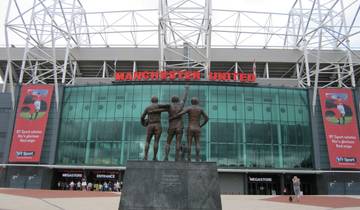
3 days
Old Trafford Museum Experience
- ✓ Comprehensive Manchester tour
- ✓ Expert local guides included
- ✓ All accommodation arranged
- ✓ Transportation provided
3 days
Lake District From Manchester (Hotel) – 3 days
- ✓ Comprehensive Manchester tour
- ✓ Expert local guides included
- ✓ All accommodation arranged
- ✓ Transportation provided
Multi-day tour packages powered by TourRadar. Prices and availability subject to change.
Introduction: Manchester’s Evolution as a Sustainable Tourism Destination
Manchester’s identity as birthplace of the Industrial Revolution carries complex environmental legacy—the city that pioneered mass mechanization and urban industrial development now leads Britain’s post-industrial cities in sustainable regeneration. The transformation from textile manufacturing center with severe air and water pollution to modern city prioritizing green infrastructure and environmental responsibility spans decades of deliberate policy, community activism, and innovative urban planning.
The city’s compact geography facilitates sustainable tourism. Manchester’s major cultural, historical, and commercial districts concentrate within a two-mile radius of Piccadilly Gardens, creating natural pedestrian accessibility. This density contrasts with sprawling metropolitan areas requiring vehicular transit between attractions. The Metrolink tram network, expanded continuously since 1992, connects the city center with suburbs, airport, and satellite towns through electric-powered transit reaching 99 stops across eight lines. Bus services complement trams with comprehensive route coverage, while dedicated cycling infrastructure grows annually through the Bee Network initiative targeting 1,800 miles of protected cycle routes across Greater Manchester.
Environmental regeneration defines post-industrial Manchester. Former mill buildings in Ancoats, once representing exploitative labor conditions and unchecked pollution, now house sustainable residential developments and ethical businesses emphasizing worker welfare and environmental responsibility. The Rochdale Canal and Ashton Canal, historically polluted industrial waterways, have been cleaned and restored as wildlife corridors and recreational assets through decades of community volunteer efforts and environmental agency investment. Parks created from former industrial sites—Mayfield Park, New Islington Marina, Philips Park—demonstrate transformation of contaminated brownfield land into accessible green space.
The city’s cultural institutions increasingly prioritize environmental responsibility alongside social mission. Manchester Museum’s recent renovation incorporated sustainability features including natural ventilation, renewable energy, and water conservation systems, while expanding free public programming and community access. The Whitworth Art Gallery operates carbon-neutral facilities and maintains surrounding parkland as public resource. The Science and Industry Museum occupies historic railway buildings preserved through adaptive reuse rather than demolition, interpreting Manchester’s industrial history while acknowledging environmental costs of unchecked industrialization.
Community-level environmental initiatives permeate Manchester neighborhoods. Local food cooperatives, community gardens, repair cafes, and waste reduction programs operate through volunteer networks in Hulme, Moss Side, Chorlton, and Didsbury. These grassroots organizations welcome visitor participation, creating opportunities for tourists to engage directly with local sustainability efforts rather than observing passively. The prevalence of independent businesses in the Northern Quarter, Ancoats, and Chorlton reflects conscious consumer choices supporting local economies and transparent supply chains over multinational retail and hospitality chains.
Manchester’s sustainable tourism framework balances historical authenticity, cultural vitality, and environmental responsibility. Visitors encounter industrial heritage preserved through conservation rather than demolished for modern development, neighborhoods retaining distinctive character through independent business support, and green infrastructure accessible without admission fees or exclusive access. This approach positions responsible tourism not as separate niche but as fundamental framework for experiencing the city authentically.
Sustainable Transportation: Car-Free Manchester Exploration
Metrolink Tram Network for Zero-Emission City Transit
Manchester’s Metrolink tram system provides comprehensive zero-emission public transit connecting all major districts, cultural attractions, and regional destinations across Greater Manchester. The network operates 99 stops along eight color-coded lines spanning 57 miles, with trams running every 6-12 minutes during peak periods and every 12-20 minutes during off-peak hours and weekends. Single journeys cost £1.80-4.80 depending on zones crossed, while day tickets at £5.20-13 permit unlimited travel. Contactless payment cards and mobile ticketing through the Bee Network app eliminate paper waste from single-use tickets.
The tram network reaches major sustainable tourism destinations directly. The Eccles and MediaCityUK lines serve the Lowry arts complex and Imperial War Museum North at Salford Quays, both institutions with environmental certifications. The East Didsbury line reaches Fletcher Moss Park and Didsbury village’s concentration of independent ethical businesses. The Altrincham line connects Trafford Bar for Old Trafford stadium (accessible for match days without private vehicles) and terminates at Altrincham Market, featuring local food producers and vintage goods traders. The airport line eliminates rental car necessity by connecting Manchester Airport directly to city center in 20 minutes.
Tram accessibility features accommodate diverse visitor needs. All stations provide level boarding for wheelchairs, mobility scooters, and prams without steps or gaps. Audio announcements and visual displays announce upcoming stops in multiple formats. Service operates from approximately 6 AM until midnight on weekdays, with reduced hours on Sundays. The network’s radial design allows intuitive navigation—all lines pass through central interchange stations at Piccadilly Gardens, Market Street, or Victoria, enabling simple transfers between routes without complex route planning.
Environmental benefits extend beyond zero tailpipe emissions. Trams reduce urban congestion by removing private vehicle trips, decreasing overall air pollution and noise. Electric power sourced increasingly from renewable generation reduces carbon intensity compared to diesel bus alternatives. The network’s expansion prioritizes connections to areas lacking rail service, improving sustainable transit equity across Greater Manchester rather than serving only affluent districts.
Bee Network Cycling Infrastructure and Bike Share Programs
The Bee Network initiative creates protected cycling infrastructure connecting every Greater Manchester district, with 150 miles currently operational toward an ambitious 1,800-mile target. Painted cycle lanes, separated cycle tracks, and traffic-calmed streets enable safe cycling regardless of rider experience. The network prioritizes route continuity—protected lanes connect through intersections and across major roads, eliminating dangerous gaps where cyclists must merge with vehicular traffic. Distinctive yellow road markings identify Bee Network routes, with wayfinding signage indicating distances and journey times to major destinations.
Bike share schemes provide visitor access to cycling infrastructure without bringing personal bicycles. Beryl Bikes operate yellow pedal bikes and e-bikes available through smartphone app rental. Bikes park at designated bays throughout the city center, Northern Quarter, universities, and major parks. Rental costs £1 to unlock plus 5p per minute for pedal bikes or 15p per minute for e-bikes, with daily and weekly passes available for extended use. The e-bike option assists riders navigating Manchester’s occasional hills or traveling longer distances to suburban attractions.
Dedicated cycle routes connect major sustainable tourism destinations. The Fallowfield Loop follows a former railway line for 6 miles through south Manchester parks and neighborhoods, accessible entirely off-road. The Bridgewater Canal towpath provides traffic-free cycling from Castlefield through Stretford to Salford Quays and beyond, passing historic industrial sites and urban nature reserves. The Oxford Road corridor features separated cycle tracks connecting universities, museums, and hospitals with protected infrastructure along one of Britain’s busiest bus routes.
Cycling infrastructure includes essential support facilities. Bike parking racks at museums, parks, and shopping districts provide secure bicycle storage. Repair stations with basic tools allow on-route maintenance. Cycling cafes in Chorlton, Northern Quarter, and Didsbury cater specifically to cyclists with bike parking, repair services, and route planning resources. This comprehensive infrastructure treats cycling as legitimate transportation mode rather than recreational activity, normalizing car-free city exploration.
Comprehensive Bus Network for Complete City Coverage
Bus services complement the Metrolink network with routes reaching neighborhoods without tram access. Major operators including Stagecoach and Go North West provide frequent service on high-demand corridors, with buses every 5-10 minutes during peak hours on Oxford Road, Wilmslow Road, and other primary routes. Single fares range £1.50-3.80, while day tickets at £4.50-5.50 permit unlimited travel on operator services. The Bee Network app integrates bus, tram, and train information for multi-modal journey planning.
Electric and hybrid buses increasingly replace diesel vehicles across the network. Stagecoach operates electric double-decker buses on high-frequency routes, reducing emissions on the busiest corridors. Hybrid buses combine electric motors with diesel engines for improved fuel efficiency compared to conventional diesel. The city’s Clean Air Zone, operational in the city center, incentivizes fleet modernization by charging older polluting vehicles, accelerating transition to cleaner bus technology.
Free city center shuttle buses reduce short-distance private vehicle use. The Metroshuttle services (currently suspended but planned for reinstatement) operated zero-emission buses connecting railway stations, shopping districts, and business areas within the city center. When operational, these services eliminated need for taxis or private cars for moving between central attractions separated by walkable but time-consuming distances.
Night bus services extend sustainable transport beyond daytime hours. The Vantage network operates 24-hour services on major corridors, while Night Network buses run Friday and Saturday nights when regular services cease. This provision supports evening cultural activities and nightlife without requiring private vehicles or expensive taxi use, maintaining sustainable transport options regardless of visit schedule.
Walking Routes Through Pedestrianized Districts
Manchester’s compact city center prioritizes pedestrian movement through extensive traffic-free zones. King Street, Market Street, and adjacent shopping streets prohibit vehicular traffic except early-morning deliveries, creating safe pedestrian environments connecting major retail and cultural destinations. The Northern Quarter features pedestrian-priority streets where vehicles travel at walking pace, giving foot traffic clear precedence. St Ann’s Square and Albert Square provide pedestrianized public spaces for rest and orientation between walking routes.
Canal towpaths offer traffic-free walking routes connecting major districts. The Rochdale Canal towpath links Piccadilly Basin to Ancoats, passing under historic canal bridges and alongside restored warehouses converted to residential and commercial use. The Ashton Canal continues east through Clayton toward Ashton-under-Lyne, following industrial heritage routes accessible entirely without crossing vehicular roads. These waterside paths provide quiet alternatives to busy street routes while offering industrial archaeology interpretation.
Guided walking routes interpret Manchester’s history through self-guided or volunteer-led tours. The Manchester Histories Heritage Walks Trust operates free walking tours led by knowledgeable volunteers, covering topics including industrial heritage, suffragette movement, and architectural development. These walks prioritize pedestrian routes and public transport connections, eliminating vehicle requirements while providing educational context enhancing historical site understanding.
Accessibility improvements accommodate diverse walking abilities. Dropped kerbs, tactile paving, and pedestrian crossing phases enable wheelchair users and visually impaired visitors to navigate independently. Seating areas throughout the city center provide rest points for visitors with limited mobility. Pedestrianized zones eliminate conflicts between foot traffic and vehicles, creating safer, more comfortable walking environments than shared-use streets.
Eco-Friendly Accommodation: Sustainable Places to Stay
Certified Green Hotels and Guesthouses
Manchester accommodations increasingly pursue environmental certifications validating sustainability commitments. The Midland Hotel maintains ISO 14001 environmental management certification, implementing energy conservation, waste reduction, and water efficiency programs across its historic building. The Lowry Hotel holds Green Tourism certification for environmental and social responsibility practices including renewable energy use, local food sourcing, and community engagement programs. These certifications require third-party auditing and continuous improvement, distinguishing genuine environmental commitment from superficial “greenwashing.”
Independent guesthouses and boutique hotels often lead sustainability innovation. The Cow Hollow Hotel in the Northern Quarter emphasizes waste reduction through eliminated single-use plastics, refillable toiletry dispensers, and comprehensive recycling systems. Roomzzz Aparthotels across Manchester locations incorporate energy-efficient lighting, water-saving fixtures, and furniture from sustainable sources. These smaller properties frequently operate more agilely than large hotel chains, implementing environmental improvements without corporate approval processes.
Sustainable accommodation features extend beyond certifications. Look for properties offering bicycle storage and repair facilities, encouraging cycling over vehicle use. Keycard-controlled room electricity prevents energy waste when guests leave rooms. Low-flow showerheads and dual-flush toilets reduce water consumption without compromising functionality. LED lighting throughout buildings reduces electricity demand. Locally sourced breakfast provisions support regional farmers and reduce food transportation emissions. On-site recycling facilities enable guests to participate in waste reduction. Chemical-free cleaning products minimize water pollution from housekeeping operations.
Location choices impact environmental footprint as significantly as property practices. Accommodations within walking distance of major attractions eliminate transportation requirements, reducing overall trip emissions. Properties near Metrolink stations enable car-free regional exploration. Northern Quarter, city center, and university corridor locations provide pedestrian access to museums, restaurants, shops, and cultural venues without requiring public transport beyond arrival and departure journeys.
Alternative Accommodations: Hostels and Apartment Rentals
Hostels naturally support sustainable tourism through resource sharing and community building. YHA Manchester occupies a converted canal warehouse in Castlefield, combining industrial heritage preservation with sustainable operations including comprehensive recycling, energy-efficient systems, and community programming. Hatters Hostels operate multiple Manchester locations emphasizing waste reduction, local food sourcing, and visitor education about sustainable city exploration. Shared dormitories reduce per-person space and resource consumption compared to private hotel rooms, while communal kitchens enable self-catering and food waste reduction.
Serviced apartments and aparthotels suit longer stays while reducing environmental impact through self-catering facilities. King Street Townhouse apartments provide full kitchens enabling grocery shopping and meal preparation, eliminating packaging waste from restaurant meals and reducing food costs. Weekly stays justify local grocery shopping at markets and cooperatives rather than convenience stores with higher packaging ratios. Laundry facilities reduce clothing brought, minimizing luggage weight and associated transportation emissions.
Peer-to-peer rentals require careful evaluation. Platforms like Airbnb connect visitors with local hosts, potentially supporting residential neighborhoods and local economies. However, responsible visitors should verify properties serve as primary residences occasionally rented rather than investment properties removed from housing stock. Properties with hosts on-site or nearby encourage cultural exchange and local knowledge sharing. Entire-home rentals in residential neighborhoods should respect community character through quiet behavior and proper waste disposal in provided recycling systems.
Co-living spaces and extended-stay accommodations appeal to longer-term visitors. These properties emphasize community building, shared facilities, and sustainable operations through reduced per-person resource consumption. Regular community events encourage cultural exchange between visitors and residents. Shared workspaces reduce individual heating and electricity consumption. Communal meals decrease food waste through bulk purchasing and shared cooking.
University and Institutional Accommodations During Summer Breaks
Manchester universities offer visitor accommodation in student residences during summer holidays when students vacate campus. The University of Manchester operates various residence halls available June through September, providing budget-friendly rooms in locations adjacent to museums, parks, and public transport. Manchester Metropolitan University similarly offers residence halls near city center and major attractions. These accommodations repurpose existing infrastructure seasonally rather than constructing dedicated tourist facilities, reducing overall building stock and environmental impact.
University accommodations provide sustainable benefits beyond building reuse. Campus locations enable walking access to Manchester Museum, Whitworth Art Gallery, and other university cultural facilities. On-site cafeterias operate seasonally with institutional food service prioritizing bulk purchasing and waste reduction. Proximity to Oxford Road Metrolink stations and bus corridor ensures excellent public transport connectivity. Academic environments often maintain higher environmental standards than commercial properties through institutional sustainability commitments and student environmental activism.
Conference and event venues offer occasional public accommodation. Historic buildings operated by universities or cultural institutions sometimes provide overnight stays associated with special events or conferences. These opportunities allow visitors to experience significant architecture while supporting heritage preservation and institutional funding rather than commercial hotel chains.
Sustainable Dining: Local Food and Ethical Restaurants
Farmers’ Markets and Local Food Cooperatives
Manchester’s farmers’ markets connect visitors directly with regional food producers, eliminating intermediary transportation and supporting local farming economies. Levenshulme Market operates twice-monthly Saturday markets featuring vendors from within 30 miles of Manchester, selling vegetables, meat, dairy, baked goods, and prepared foods. Altrincham Market houses permanent stalls from local producers alongside vintage goods and crafts traders, accessible via Metrolink. The Manchester Food and Drink Festival’s annual October event concentrates local producers and sustainable food vendors in Albert Square and surrounding city center locations.
Unicorn Grocery in Chorlton operates as worker cooperative prioritizing organic, local, and fair-trade products. The cooperative sources from Northwest farms where possible, reducing transportation distances and supporting regional food security. Bulk food sections reduce packaging waste by allowing customers to bring reusable containers for grains, nuts, dried fruits, and other staples. The cooperative’s democratic structure ensures worker welfare and community accountability, contrasting with exploitative labor practices common in conventional grocery retail.
Community Supported Agriculture schemes connect consumers directly with farms through subscription vegetable boxes. Unicorn and other retailers facilitate CSA connections between Manchester residents and surrounding farms. Visitors staying in self-catering accommodation can participate in single-box purchases or week shares, accessing seasonal produce at harvest freshness while supporting farm financial stability through advance payment arrangements.
Food shopping at markets and cooperatives reduces packaging waste, supports local economies, and provides cultural insight. Conversations with producers offer information about farming practices, seasonal variations, and regional food traditions. Market environments encourage exploration and experimentation with unfamiliar ingredients. The social atmosphere contrasts sharply with impersonal supermarket transactions, creating memorable experiences alongside practical provisioning.
Restaurants Emphasizing Local Sourcing and Sustainability
Manchester restaurants increasingly advertise supply chain transparency and environmental commitments. The Refuge by Volta in the Principal Hotel sources ingredients from named regional farms and suppliers, listing producer details on menus. Hispi in Didsbury prioritizes British ingredients with minimal processing and maximum flavor, changing menus seasonally based on availability. These establishments demonstrate that sustainability need not compromise quality—indeed, fresh local ingredients often surpass flavor and nutritional value of industrially produced alternatives.
The city’s concentration of independent restaurants in Northern Quarter, Ancoats, and Chorlton provides alternatives to chain dining. Bundobust serves Indian street food using locally sourced vegetables and artisan products where possible, with vegetarian menu eliminating meat production environmental impacts. Mowgli Street Food emphasizes scratch cooking from whole ingredients rather than processed components. These independents frequently operate on tighter margins than chains, meaning visitor spending directly supports small business owners and their suppliers rather than distant shareholders.
Zero-waste restaurants implement comprehensive waste reduction strategies. Plant-based and vegetarian establishments eliminate meat production emissions while often prioritizing organic ingredients and minimal processing. Some restaurants compost food waste through municipal programs or on-site systems, diverting organic material from landfills. Others partner with food waste apps like Too Good To Go, offering end-of-day surplus at reduced prices rather than discarding unsold items.
Certification schemes help identify genuinely sustainable restaurants. Soil Association certification verifies organic ingredient sourcing. Fair Trade certification ensures ethically sourced coffee, tea, chocolate, and other products. Restaurants displaying these certifications undergo regular auditing, providing assurance beyond self-proclaimed sustainability claims. Visitor spending at certified establishments signals market demand for verified environmental and social standards, encouraging broader industry adoption.
Vegetarian and Vegan Dining Options
Plant-based dining significantly reduces environmental footprint compared to meat-heavy diets. Animal agriculture generates substantial greenhouse gas emissions, requires extensive land and water resources, and creates pollution through waste runoff. Manchester’s vegetarian and vegan restaurant scene offers diverse options eliminating these impacts while providing nutritious, flavorful meals.
Dedicated vegetarian and vegan restaurants serve exclusively plant-based menus. V Rev Vegan Diner in Fallowfield creates comfort food classics—burgers, loaded fries, milkshakes—using entirely plant-based ingredients. Vertigo operates as vegetarian worker cooperative with affordable daily-changing menus. Eighth Day Cafe combines wholefood vegetarian menu with cooperative grocery selling organic and bulk foods. These establishments prove plant-based eating extends beyond salads to encompass full range of cuisines and meal types.
Mainstream restaurants increasingly accommodate plant-based preferences. Bundobust’s entirely vegetarian menu makes no compromise on flavor or variety, while many Indian restaurants naturally offer extensive vegetarian options through traditional cuisine rather than special accommodation. Middle Eastern restaurants serve mezze and grain-based dishes naturally plant-forward. Asian cuisine frequently centers vegetables and tofu as primary proteins. This cultural diversity makes Manchester particularly welcoming for plant-based visitors without requiring dining exclusively at dedicated vegan venues.
Environmental benefits compound through local sourcing of plant ingredients. Restaurants sourcing vegetables from regional farms eliminate both meat production emissions and long-distance transportation impacts. Seasonal menus ensure ingredients reach peak freshness and nutritional value while supporting diverse crop rotations beneficial for soil health. Visitors choosing plant-based meals, even occasionally, measurably reduce trip environmental impact.
Food Waste Reduction and Surplus Food Apps
Manchester participates in food waste reduction initiatives rescuing surplus food from disposal. Too Good To Go connects restaurants, cafes, and grocers with customers purchasing end-of-day surplus at reduced prices. Businesses post “magic bags” containing items approaching sell-by dates or end-of-service leftovers, sold at approximately one-third regular prices. Visitors download the app, browse nearby offerings, purchase bags through the platform, and collect during specified windows. This system simultaneously reduces food waste, saves visitor money, and supports business revenue recovery on items otherwise discarded.
Olio operates similar model but emphasizes free food sharing within communities. Home cooks, retailers, and restaurants list surplus food available for collection, with volunteers coordinating distribution. The platform particularly suits visitors staying in self-catering accommodation who can prepare meals from rescued ingredients. Participation requires minimal planning—simply check the app for nearby listings and arrange collection from willing donors.
Manchester Food Waste Action Plan coordinates institutional food waste reduction across the city. Participating restaurants, hotels, and caterers implement waste tracking, menu planning, and donation programs to minimize discarded food. Visitors can identify participating businesses through program signage and website listings, choosing to patronize establishments actively addressing food waste rather than defaulting to conventional operations lacking waste consciousness.
Ethical Shopping and Supporting Local Economy
Independent Retailers in Northern Quarter and Beyond
The Northern Quarter concentrates independent retailers offering alternatives to multinational chain stores. Afflecks Palace indoor market houses over 70 independent stalls selling vintage clothing, records, handmade crafts, art supplies, and alternative fashion. Each stall operates independently, with traders sourcing inventory ethically and often creating products on-site. Oklahoma vintage shop curates secondhand clothing from European and American sources, extending garment lifecycles and reducing fast fashion demand. Magma bookshop stocks design, architecture, and illustrated books from independent publishers unlikely to appear in chain bookstores.
Record shops maintain vinyl culture through specialized curation and personal service impossible in digital-only music consumption. Piccadilly Records, Vinyl Revival, and other stores stock new releases and secondhand records across diverse genres, creating community hubs for music enthusiasts. Staff recommendations and in-store performances build relationships beyond transactional commerce. Purchasing physical music from independent retailers supports artists more substantially than streaming services while creating lasting objects rather than ephemeral digital files.
Craft and maker markets showcase local artisan production. Manchester Craft and Design Centre houses 18 maker studios producing jewelry, ceramics, textiles, and other crafts on-site, with public workshops allowing visitors to observe creative processes. The monthly markets at Mackie Mayor and other venues feature jewelry makers, printmakers, ceramicists, and textile artists selling directly without intermediary retailers. These face-to-face transactions allow conversations about materials, techniques, and inspiration while ensuring makers receive fair compensation for skilled labor.
Bookshops specializing in independent publishing offer alternatives to online retail giants. News From Nowhere cooperative bookshop stocks radical politics, social justice, environmental, and cultural titles unlikely to reach mainstream retail. Chorlton Bookshop emphasizes local author events and community programming alongside carefully curated inventory. These specialized shops provide expert recommendations and community gathering spaces, creating cultural value beyond pure product sales.
Charity Shops and Secondhand Markets
Manchester’s concentration of charity shops and vintage markets extends product lifecycles while funding social causes. Cancer Research UK, British Heart Foundation, Oxfam, and other major charities operate shops throughout city center and neighborhoods, selling donated clothing, books, homewares, and other goods. Purchase proceeds fund charitable programs while keeping usable items circulating rather than entering waste streams. Northern Quarter and Chorlton particularly concentrate charity shops due to demographic patterns and retail patterns favorable to secondhand retail.
Vintage markets operate regularly in various locations. Bury Market, accessible via Metrolink, operates permanent vintage and secondhand sections alongside fresh food stalls. The monthly vintage fairs at Manchester Central and other venues bring dealers from across Northwest England selling clothing, furniture, records, books, and collectibles. These curated events feature higher-quality selections than typical charity shops, appealing to visitors seeking distinctive items rather than basic necessities.
Specialized secondhand retailers curate specific categories. COW Vintage focuses on curated clothing from 1920s through 1990s, organized by era and style rather than random charity shop assortment. Retro Rehab offers 20th-century furniture and homewares restored to functional condition. These businesses require expertise in authentication, restoration, and presentation, creating value through knowledge and skill beyond simple resale.
Environmental benefits of secondhand shopping extend beyond individual purchases. Each item purchased secondhand represents one fewer new item manufactured, reducing production emissions, resource extraction, and eventual disposal. Textile waste particularly benefits from secondhand market strength—garments may circulate through multiple owners over years or decades rather than single-season use followed by disposal. Visitor purchases contribute to this circular economy while often discovering unique items unavailable new.
Repair Cafes and Circular Economy Initiatives
Manchester hosts regular repair cafes where volunteers help repair broken items rather than replacing them. These community events provide tools, expertise, and workspace for fixing electrical appliances, clothing, bicycles, and other goods. Visitors can participate by bringing items needing repair or observing repair processes to learn maintenance skills. The events emphasize community building and skill sharing alongside practical repair outcomes, creating social value beyond pure economic considerations.
The Library of Things operates sharing schemes reducing consumption through access-over-ownership models. Members borrow tools, equipment, and other infrequently used items for specific projects rather than purchasing items used rarely. Visitors staying longer-term can access these services for specific needs—camping equipment for Peak District trips, tools for bicycle repair, kitchen appliances for special cooking projects. This model dramatically reduces per-person consumption while ensuring equipment remains actively utilized rather than idle in storage.
Scrapstores collect industrial waste and surplus materials for reuse in education, arts, and crafts. Creative Reuse operates scrapstore collecting clean industrial offcuts, packaging materials, fabric remnants, paper stock, and other materials diverted from commercial waste streams. These materials sell at minimal cost to schools, community groups, artists, and individuals for creative projects. The model prevents usable materials reaching landfills while providing affordable craft supplies and encouraging creative experimentation.
Responsible Attractions: Museums, Galleries, and Heritage Sites
Free Museums with Sustainability Commitments
Manchester Museum offers free admission alongside comprehensive sustainability program addressing environmental impact, social responsibility, and ethical collection management. The 2023 renovation incorporated energy-efficient building systems, sustainable materials, and accessibility improvements aligned with environmental and social justice principles. Natural ventilation reduces cooling energy consumption. Rainwater harvesting supplies toilets and irrigation. Solar panels generate renewable electricity. Exhibition design emphasizes minimal material use and modular construction enabling future reconfiguration without demolition. The museum’s collections include contentious items addressed through participatory processes involving source communities, acknowledging colonial acquisition histories and exploring repatriation possibilities.
The Whitworth Art Gallery operates carbon-neutral facilities through renewable energy, energy efficiency, and carbon offset programs. The gallery surrounds Whitworth Park, 18 acres of green space maintained as public resource with community programming and environmental education. Free admission removes economic barriers to cultural access, while community programs emphasize inclusion of marginalized groups historically excluded from museum spaces. The Whitworth combines environmental sustainability with social justice, recognizing these interconnected dimensions of responsible institutional operation.
Science and Industry Museum occupies historic railway buildings documenting Manchester’s industrial heritage while acknowledging environmental and social costs of unchecked industrialization. Free admission allows deep exploration of collections spanning textiles, railways, computing, and scientific innovation. The museum addresses contemporary sustainability challenges through exhibitions on renewable energy, climate change, and technological solutions while avoiding triumphalist narratives celebrating progress uncritically. This nuanced approach encourages visitors to consider how historical industrial practices created current environmental challenges.
People’s History Museum documents working-class history, trade union movements, and social justice struggles with free admission supporting widest possible access. The museum’s focus on economic inequality, labor exploitation, and political activism connects historical struggles to contemporary issues including environmental justice and climate inequality. Exhibitions emphasize collective action and grassroots organizing as mechanisms for social change, positioning visitors as potential participants in ongoing justice movements rather than passive observers of completed history.
Heritage Sites Demonstrating Conservation and Restoration
Quarry Bank Mill (National Trust) demonstrates industrial heritage preservation alongside environmental restoration. The water-powered cotton mill, preserved with original machinery and interpreted through costumed demonstrations, sits within restored gardens and woodland managed for biodiversity. The Apprentice House shows living conditions of child workers, acknowledging brutal labor practices underlying industrial prosperity. National Trust management emphasizes environmental sustainability through organic gardens, renewable energy, and conservation grazing. The site combines historical interpretation with contemporary environmental stewardship, showing industrial heritage need not celebrate exploitation uncritically.
Castlefield Urban Heritage Park preserves Manchester’s Roman fort site, canal network, and Victorian railway viaducts within accessible green space. The area demonstrates adaptive reuse of industrial infrastructure—canals transitioned from freight transport to recreation and wildlife corridors, while derelict warehouses converted to residential and commercial use. The park’s interpretation emphasizes layered history from Roman occupation through industrial revolution to contemporary regeneration, showing cities as palimpsests of evolving human activity rather than static monuments.
Manchester Cathedral maintains medieval and Victorian architecture through ongoing conservation funded partly by visitor donations and event venue rental. The building operates as active worship space alongside heritage attraction, demonstrating living use preserves structures more effectively than museum-ification. Recent conservation work employed traditional materials and techniques maintaining historical authenticity while incorporating environmental improvements including LED lighting and upgraded heating systems balancing preservation with sustainability.
Contemporary Art Spaces and Creative Communities
HOME arts center combines cinema, theater, and contemporary art galleries in sustainable building designed for energy efficiency and accessibility. The venue programs independent film, experimental performance, and contemporary art exhibitions alongside mainstream offerings, supporting diverse artistic practices. Free gallery admission and affordable cinema pricing prioritize access over exclusivity. The building’s design incorporates natural ventilation, daylight maximization, and efficient mechanical systems reducing operational environmental impact.
Independent galleries throughout Northern Quarter and Ancoats showcase local artists and experimental practices outside commercial gallery systems. Islington Mill Art Academy operates artist studios, exhibition spaces, and performance venues in former textile mill, providing below-market studio rents enabling artistic experimentation. Rogue Studios houses 75 artist studios with regular open studio events allowing public interaction with creative processes. These grassroots organizations support artistic careers while maintaining affordable access and community connection.
Public art installations across the city provide free cultural experiences in accessible locations. Tony Wilson Place, Piccadilly Gardens, and other public spaces feature permanent and temporary artworks interpreting Manchester’s cultural identity. These interventions transform utilitarian spaces into cultural assets without admission fees or exclusive access, democratizing art consumption and activating public realm.
Environmental Education and Conservation Participation
Volunteer Opportunities with Parks and Waterways
Manchester parks operate volunteer programs welcoming short-term participation from visitors. Friends of groups at Heaton Park, Philips Park, Fletcher Moss Park, and other green spaces organize regular conservation workdays including woodland management, wildflower planting, litter cleanup, and habitat creation. Tasks require no prior experience—volunteer coordinators provide tools, instruction, and supervision suitable for various abilities. Single-session participation suits travelers staying several days or weeks, allowing direct environmental contribution while meeting local volunteers and learning about park ecology.
Canal restoration through Canal & River Trust engages volunteers in waterway maintenance and improvement. Regular workdays address towpath maintenance, vegetation management, water quality monitoring, and heritage structure preservation. Volunteers gain insight into canal engineering and ecology while physically contributing to accessible recreation routes and wildlife corridors. The work combines conservation outcomes with historical interpretation and community building.
Community gardens across Manchester neighborhoods welcome volunteer support. Growing spaces in Hulme, Moss Side, Rusholme, and other areas produce food for participants while creating green space in dense urban environments. Visitors contribute through weeding, planting, harvesting, or construction projects depending on seasonal needs. Garden participation provides direct interaction with local residents and insight into community food security initiatives beyond tourist-oriented agriculture.
Citizen Science and Wildlife Monitoring Programs
Manchester Natural History Society coordinates amateur naturalist activities accessible to visitors with interest in urban ecology. Regular walks led by expert volunteers identify birds, insects, plants, and other wildlife in parks and green spaces. These excursions combine recreational outdoor activity with scientific observation and education. Participants learn identification skills while contributing casual observations to biodiversity records supporting conservation planning.
The Manchester Urban Buzz project monitors pollinator populations through community science. Volunteers conduct standardized surveys recording bee and other pollinator species in gardens, parks, and green spaces. The aggregated data tracks pollinator diversity and abundance trends informing urban habitat management. Participation requires minimal training—brief online tutorials prepare volunteers to distinguish major pollinator groups and conduct simple surveys. Visitors contribute meaningful scientific data while learning about urban ecology.
River water quality monitoring through Riverfly Partnership engages volunteers in invertebrate surveys indicating stream health. The Medlock, Irk, and other Manchester rivers benefit from regular monitoring detecting pollution events and habitat degradation. Training sessions teach invertebrate identification and sampling protocols, enabling volunteers to collect data comparable across sites and times. This citizen science directly supports environmental protection through early pollution detection.
Educational Programming at Environmental Centers
The Museum of Science and Industry offers sustainability-focused educational programming addressing climate change, renewable energy, and environmental technology. Interactive exhibits allow hands-on exploration of wind power, solar energy, and energy efficiency concepts. Public lectures and workshops bring researchers and practitioners to discuss contemporary environmental challenges and solutions. These programs position visitors as active learners rather than passive consumers, encouraging critical thinking about technology and environment.
Manchester Museum’s environmental exhibitions address biodiversity loss, climate change, and human-environment relationships through natural history collections and contemporary research. The museum’s Living Worlds gallery presents ecosystems and conservation challenges globally while connecting to local environmental issues. Public programming includes researcher talks, specimen handling sessions, and conservation discussions bringing scientific knowledge to general audiences in accessible formats.
Reducing Waste During Your Visit
Comprehensive Recycling Infrastructure
Manchester provides extensive recycling facilities throughout the city center and neighborhoods. Public bins separate general waste, recycling (mixed paper, cardboard, plastic bottles, metal cans), and glass. Recycling infrastructure appears in parks, shopping districts, transport hubs, and public spaces alongside general waste bins. Clear labeling with visual guides assists proper sorting despite variations in international recycling systems visitors may encounter at home.
Accommodation recycling facilities enable responsible waste disposal. Hotels, hostels, and apartments increasingly provide in-room or corridor recycling bins separated by material type. Clear instructions explain local recycling rules—Manchester accepts mixed recycling of paper, cardboard, plastic bottles and containers, metal cans and foil, but not plastic bags, food waste, or contaminated packaging. Visitors minimize waste impact by utilizing provided facilities and following sorting guidelines.
Refill stations throughout the city eliminate single-use plastic bottle waste. The Refill app maps participating cafes, restaurants, and businesses offering free tap water refills to anyone carrying reusable bottle. Manchester’s high-quality municipal water eliminates health concerns about tap water consumption. Carrying reusable bottle and planning refill stops throughout the day prevents bottled water purchases generating plastic waste.
Single-Use Plastic Reduction Strategies
Manchester businesses increasingly eliminate single-use plastics voluntarily or through regulation. Many cafes offer discounts for customers bringing reusable cups—typically 25-50p price reduction incentivizes behavioral change while reducing disposable cup waste. Some establishments charge supplements for disposable cups, framing reusable containers as default rather than alternative. Independent cafes particularly embrace these policies, viewing waste reduction as integral to business identity.
Grocery shopping strategies minimize packaging waste. Unicorn Grocery and other retailers offer bulk sections where customers bring reusable containers for grains, nuts, dried fruits, and other staples. This eliminates packaging entirely for these products while allowing precise quantity purchasing preventing food waste from buying excess. Farmers’ markets sell produce loose or in paper bags rather than pre-packaged in plastic. These options require modest planning but dramatically reduce packaging waste.
Personal habits extend waste reduction beyond business policies. Carrying reusable shopping bags eliminates plastic bag use—many retailers charge for bags as waste reduction incentive. Bringing reusable cutlery and food containers enables takeaway meal transport without disposable packaging. Choosing sit-in dining over takeaway when possible eliminates packaging entirely. These small behavioral adjustments compound over trip duration to significantly reduce waste generation.
Responsible Waste Disposal and Litter Prevention
Manchester street cleaning infrastructure maintains high standards but relies on visitor cooperation. Use provided bins rather than littering—bins appear frequently in city center, parks, and major routes. When bins overflow or no bin appears immediately accessible, carry waste until proper disposal rather than leaving on ground or in inappropriate locations. This basic courtesy prevents urban degradation and reduces cleaning costs funded by local taxpayers.
Cigarette butt disposal requires particular attention. Smokers should use designated cigarette waste receptacles attached to many public bins or carry personal portable ashtrays. Cigarette filters contain plastic fibers persisting in environment and leaching toxins—their small size encourages casual littering with disproportionate environmental impact. Responsible smokers ensure butts reach proper disposal rather than contributing to widespread street contamination.
Park and waterway environments demand heightened waste consciousness. Carry out all waste generated during park visits—picnic wrappings, drink containers, food scraps attracting pests. Follow “leave no trace” principles treating green spaces respectfully regardless of urban location. Canal towpaths lack regular bin provision requiring visitors to carry waste until reaching public disposal points. This expectation preserves environmental quality for subsequent visitors and wildlife.
Cultural Respect and Community Engagement
Supporting Cultural Diversity Through Thoughtful Tourism
Manchester’s diverse communities deserve respect transcending superficial cultural tourism. Rusholme’s Curry Mile, Chinatown, and other ethnic enclaves reflect immigration histories and contemporary cultural vitality rather than theme park recreations. Visiting these neighborhoods requires awareness that businesses serve resident communities primarily, with tourism secondary. Approach restaurants, shops, and cultural centers respectfully as guest rather than entitled consumer. Learn basic cultural etiquette relevant to communities encountered—appropriate mosque behavior when visiting Islamic landmarks, understanding Sikh gurdwara protocols if attending community meals.
Cultural festivals throughout the year celebrate community identities while welcoming broader participation. Manchester Caribbean Carnival in August showcases Caribbean culture through parade, music, dance, and food. Diwali celebrations light Rusholme with festivities marking Hindu new year. Chinese New Year transforms Chinatown with performances, markets, and traditional observances. These events welcome respectful visitors interested in cultural learning and celebration rather than voyeuristic spectating. Participation demonstrates appreciation rather than appropriation when approached with genuine interest and cultural sensitivity.
Supporting community businesses sustains cultural diversity. Choosing family-run restaurants over chains maintains economic vitality in ethnic neighborhoods. Shopping at South Asian grocers, Middle Eastern markets, or African specialty shops distributes visitor spending beyond mainstream economy. These businesses preserve cultural foodways and material culture potentially unavailable in homogenized retail environments. Visitor patronage demonstrates market demand for cultural diversity countering development pressures toward generic commercial strips.
Ethical Photography and Privacy Respect
Photography in public spaces requires consideration beyond legal permissions. While street photography remains generally legal, courtesy suggests requesting permission before photographing individuals identifiably, particularly in private moments or vulnerable situations. Children deserve particular protection—photograph only with parental permission. Respectful photographers focus on architecture, streetscapes, and environmental details rather than treating residents as exotic subjects or poverty tourism spectacles.
Religious and cultural sites demand heightened photography sensitivity. Some mosques, gurdwaras, or temples prohibit photography of worship spaces or ritual activities. Observe posted signs and ask permission from religious authorities before photographing. Even where permitted, avoid intrusive photography during active worship or ceremonies. Photography should document architecture and cultural significance rather than treating spiritual practice as tourist spectacle.
Social media sharing requires ethical consideration. Posting identifiable images of individuals without consent raises privacy concerns even when legal. Consider whether subjects would welcome global publication before sharing. Geotagging locations can assist fellow travelers but also increases visitor pressure on small businesses or hidden spaces potentially harmed by excessive attention. Thoughtful sharing balances information exchange with respect for privacy and place preservation.
Participating in Community Events and Local Traditions
Manchester hosts numerous community events welcoming visitor participation. Park runs operate free weekly 5-kilometer runs in Heaton Park, Platt Fields, and other locations, bringing together runners of all abilities. Visitor participation requires simple registration and appropriate clothing—locals welcome new participants and casual atmosphere suits non-competitive runners. The events build community through shared activity in public space without commercial transaction.
Community markets serve dual purposes—practical provisioning and social gathering. Levenshulme Market, Levy Market, and neighborhood markets create weekly rhythms where residents meet, socialize, and maintain community connections. Visitors participating respectfully contribute to vibrant atmosphere while gaining insight into neighborhood life beyond tourist zones. Purchase from vendors, engage in conversation, and treat events as community occasions rather than entertainment staged for visitors.
Public celebrations around holidays and events demonstrate community spirit. Bonfire Night displays across parks on November 5th, Christmas markets in Albert Square, and other seasonal events welcome public participation. These occasions showcase local culture and tradition organically rather than through commercialized tourist presentations. Respectful participation means following crowd management directions, using public transport to reduce traffic, and treating events as community traditions shared with visitors rather than shows performed for tourist consumption.
Extending Sustainable Practices Beyond Manchester
Day Trips Using Public Transportation
Manchester’s excellent public transport connections enable sustainable exploration of Northwest England without car rental. The Metrolink airport line facilitates departure-day excursions before flights. Northern Rail and TransPennine Express services reach Peak District towns including Glossop and Edale for hiking access. Chester, Liverpool, and York appear within two hours by direct train, enabling day trips to medieval cities and maritime heritage sites without vehicular emissions.
The Peak District National Park lies immediately east of Manchester with multiple entry points accessible via public transport. Trains serve Glossop, Edale, Hathersage, and Hope Valley stations providing trailheads for classic walks including Kinder Scout and Mam Tor. Bus services operate weekends and summer seasons connecting Manchester to Castleton, Bakewell, and other tourist towns lacking rail service. These services enable outdoor recreation without private vehicle requirements, reducing national park congestion and emissions.
Historic towns throughout the region reward public transport exploration. Chester’s Roman walls and medieval center reach via direct train in 40 minutes. Liverpool’s maritime heritage and cultural attractions appear via frequent train service under one hour. The Lake District, while requiring longer journey times, becomes accessible via train to Windermere or Oxenholme connecting to local bus networks. These excursions demonstrate sustainable tourism extending beyond single destination to regional exploration reducing overall environmental impact.
Sharing Sustainable Tourism Knowledge
Visitor experiences with sustainable tourism inform future travelers through reviews, social media, and conversations. Documenting successful sustainable practices encountered during Manchester visits—excellent public transport, outstanding independent businesses, effective recycling infrastructure—encourages others to prioritize these options. Highlighting specific businesses deserving support spreads awareness beyond marketing-heavy chains more visible but less deserving of patronage.
Constructive feedback to businesses encourages sustainability improvements. Complimenting effective waste reduction or local sourcing reinforces positive practices. Politely suggesting improvements—offering reusable cup discounts, eliminating single-use plastics, installing bicycle parking—demonstrates customer demand for sustainability. Businesses respond to demonstrated market preferences, and visitor voices carry weight in shaping practices.
Engaging travel networks with sustainable tourism concepts normalizes responsible practices. Discussing car-free city exploration, successful public transport use, or rewarding ethical business patronage demonstrates these approaches’ feasibility to skeptical acquaintances. Personal testimony from satisfied travelers carries more persuasive weight than abstract environmental advocacy. Each visitor practicing and sharing sustainable tourism expands movement beyond niche interest toward mainstream expectation.
Frequently Asked Questions
How much does sustainable tourism in Manchester cost compared to conventional travel?
Sustainable tourism in Manchester often costs less than conventional approaches. Public transport day tickets at £5-13 cost dramatically less than car rental plus parking fees approaching £20-40 daily. Free museum admission eliminates major expense category affecting conventional tourism. Independent restaurants and markets often price below chain establishments while offering superior quality and ethical practices. Charity shop shopping provides clothing and souvenirs at fraction of retail prices. Sustainable choices typically reduce rather than increase travel costs, with premium expenses appearing only in luxury eco-hotels charging for certifications and amenities—budget and mid-range sustainable accommodation matches conventional pricing.
Can disabled visitors participate fully in sustainable tourism activities in Manchester?
Manchester’s sustainable tourism infrastructure accommodates diverse abilities effectively. Metrolink trams provide level boarding throughout the network without steps or gaps, with designated wheelchair spaces and audio-visual station announcements. Buses operate low-floor designs with wheelchair ramps and designated spaces. Museums and galleries maintain comprehensive accessibility including level access, lifts, accessible toilets, and mobility aids. Many parks provide accessible paths through natural areas, though some trails remain challenging for wheelchair users. Independent businesses vary in accessibility—Northern Quarter historic buildings sometimes lack lifts despite ground-floor accessibility. Advance research identifies accessible options within sustainable tourism framework, with accessibility and sustainability complementing rather than conflicting goals in well-designed urban environments.
What sustainable tourism activities suit families with children?
Family-friendly sustainable tourism in Manchester includes free museums with interactive exhibits—Science and Industry Museum’s hands-on demonstrations, Manchester Museum’s natural history displays, and People’s History Museum’s social history programming engage children educationally. Parks throughout the city provide playgrounds, open space, and nature contact without admission fees. Metrolink tram riding itself entertains children while providing sustainable transport—kids enjoy watching the city pass and experiencing public transit. Cycling via Bee Network routes on family-friendly traffic-free paths combines outdoor activity with sustainable transport education. Farmers’ markets introduce children to food production and local sourcing. Community events like park runs or seasonal festivals provide age-appropriate participation. These activities combine entertainment, education, and sustainability without requiring expensive admission fees or resource-intensive activities.
How can visitors reduce food waste while staying in Manchester?
Visitors reduce food waste through strategic shopping, appropriate portion control, and surplus food utilization. Self-catering accommodation enables grocery shopping in quantities matching actual consumption rather than restaurant portions often exceeding appetite. Shopping at markets and cooperatives allows precise quantity purchasing rather than pre-packaged amounts. Using surplus food apps like Too Good To Go rescues end-of-day restaurant and cafe offerings at reduced prices, preventing disposal while saving money. Choosing restaurants practicing visible waste reduction supports businesses addressing the issue systematically. Sharing dishes family-style rather than individual entrees reduces over-ordering. Carrying reusable containers enables leftover transport for later consumption rather than leaving unconsumed food at restaurants. These practices require modest planning but significantly reduce per-person food waste.
What are the most environmentally damaging tourism practices to avoid in Manchester?
Environmental harm concentrates in transportation choices, accommodation practices, and consumption patterns. Driving unnecessarily within the city generates emissions and congestion despite excellent public transport availability—Manchester’s compact geography and comprehensive transit network make car use largely unnecessary. Staying in energy-inefficient accommodation without recycling facilities multiplies daily environmental impact across multiple nights. Supporting chain retailers and restaurants funnels spending toward distant shareholders rather than local economies while often involving less transparent supply chains. Single-use plastic consumption through bottled water, disposable coffee cups, and excessive packaging compounds when multiplied across trip duration. Food waste from restaurant over-ordering or grocery shopping exceeding actual consumption represents wasted production resources and methane-generating disposal. These avoidable practices undermine sustainability more than unavoidable impacts like flight emissions reaching Manchester initially.
Does Manchester offer sustainable tourism certifications or recognition programs for businesses?
Manchester lacks citywide tourism certification but businesses pursue national and international sustainability certifications. Green Tourism certification schemes assess hotels and attractions on environmental and social responsibility across energy, water, waste, purchasing, and community engagement. ISO 14001 environmental management certification demonstrates systematic environmental performance improvement. Fair Trade certification applies to cafes and retailers selling ethically sourced products. Soil Association certification verifies organic food sourcing in restaurants. B Corp certification assesses overall social and environmental performance across business operations. These third-party certifications provide verified sustainability claims beyond self-described eco-friendly marketing. Visitors identify certified businesses through certification logos, websites listing participants, or direct inquiry about practices and certifications maintained.
How can visitors support Manchester’s environmental initiatives beyond their stay?
Visitor support extends beyond trip duration through advocacy, purchasing, and relationship maintenance. Sharing sustainable tourism experiences through reviews, social media, and personal networks encourages others to prioritize responsible practices and patronize sustainable businesses. Continuing purchases from Manchester-based independent online retailers and artists discovered during visits sustains economic relationships beyond physical presence. Following and engaging with environmental organizations encountered during trip—parks friends groups, conservation charities, sustainable business networks—through social media and email maintains awareness and potential donation opportunities. Applying lessons learned in Manchester’s sustainable practices—public transport prioritization, independent business support, waste reduction—to home communities spreads impact beyond single destination. Advocating for similar infrastructure and policies in home cities based on Manchester examples contributes to broader sustainable tourism movement.
What seasonal considerations affect sustainable tourism in Manchester?
Manchester’s maritime climate produces year-round moderate temperatures without extreme seasonal variation affecting sustainable tourism feasibility. Summer months May through September offer longest daylight and warmest temperatures favorable for cycling, outdoor markets, and park activities. Winter darkness by 4 PM limits evening outdoor activities but creates atmosphere for indoor cultural experiences at museums and galleries. Rain occurs throughout year without distinct wet season—waterproof clothing enables year-round cycling and walking regardless of weather. Seasonal events including summer festivals, winter Christmas markets, and spring community plantings provide timing-specific sustainable activities. Low season (November through March excluding Christmas) sees reduced visitor numbers and potentially lower accommodation prices, reducing strain on infrastructure and local resources. Shoulder seasons (April-May, September-October) balance favorable weather, manageable visitor numbers, and full cultural programming.
Can business travelers incorporate sustainable practices during Manchester visits?
Business travel in Manchester accommodates sustainability through venue selection, transportation choices, and time utilization. Conference and meeting venues increasingly advertise environmental certifications and sustainable catering options—requesting these facilities signals market demand for business sustainability. Choosing city center hotels within walking distance of meeting venues eliminates taxi use for conference commutes. Utilizing breaks between meetings for museum visits, park walks, or independent cafe patronage extends business trip benefits beyond professional purposes while supporting local sustainable businesses. Evening meal choices at ethical restaurants rather than expense-account chain establishments distributes business spending toward deserving independent operators. Using visit extensions for weekend leisure travel eliminates separate trip emissions while generating additional sustainable tourism benefit. Business travelers wielding significant expense budgets amplify impact through sustainable choices.
How does Manchester’s sustainable tourism compare to other UK cities?
Manchester ranks favorably among UK cities for sustainable tourism infrastructure but trails leaders in specific categories. Edinburgh and Bristol often receive higher sustainability rankings for comprehensive environmental policies and strong cycling culture. Manchester’s extensive Metrolink network surpasses most UK cities except London for rapid transit coverage. The concentration of independent businesses in Northern Quarter matches but doesn’t exceed similar districts in Bristol, Brighton, or Edinburgh. Manchester’s free museum policy matches national standard for major institutions but some cities offer more extensive cultural access. The city’s industrial heritage provides unique opportunities for adaptive reuse and heritage conservation impossible in cities lacking similar building stock. Manchester represents strong sustainable tourism destination without claiming superiority over all alternatives—visitors choosing among UK cities find comparable opportunities with distinctive character rather than clear hierarchical ranking.