
Manchester Best Tours & Walking Routes 2026: Football, Music & Industrial Heritage
Manchester’s identity as England’s first industrial city, birthplace of legendary bands, and home to two of world football’s most storied clubs creates an unmatched touring landscape where Victorian warehouses meet Oasis pilgrimage sites and Old Trafford sits blocks from the world’s oldest railway station. The city’s compact center and well-preserved heritage buildings make self-guided and organized tours equally rewarding, with options spanning free tips-based walking tours to exclusive behind-the-scenes stadium experiences and music tours led by those who lived the Madchester scene firsthand.
Key Takeaways: Manchester Tours & Walking Routes 2026
- Free Daily Walking Tours: Multiple operators run excellent free walking tours departing 10-11am from central meeting points, covering Manchester’s industrial heritage, music history, and architectural evolution. Tips typically £10-20 per person.
- Football Stadium Access: Old Trafford tours cost £28 including museum access, while Etihad Stadium tours start from £45 with premium VIP experiences at £85. Both offer behind-the-scenes access to changing rooms, tunnels, and pitchside areas.
- Music Heritage Tours: Specialized walking and bus tours trace the footsteps of Oasis, The Smiths, Joy Division, and Stone Roses through iconic locations including Salford Lads Club, The Hacienda site, and Burnage neighborhoods where the Gallagher brothers grew up.
- Industrial Heritage: The Science and Industry Museum offers free admission to explore Manchester’s role in the Industrial Revolution, housed in the world’s oldest passenger railway station with working steam engines and textile machinery demonstrations.
- Self-Guided Routes: The city center’s compact layout allows easy self-guided exploration of Castlefield’s canal heritage, Northern Quarter’s street art and music venues, and the Cathedral Quarter’s medieval architecture within a 2-3 mile walking loop.
- Specialist Experiences: Jonathan Schofield’s themed tours (£20-25) cover everything from hidden gardens and Victorian architecture to industrial canals and political history, led by Manchester’s most experienced guide with encyclopedic local knowledge.
People Also Ask About Manchester Tours 2026
What are the best free walking tours in Manchester in 2026?
Free Manchester Walking Tours operates daily at 11am from the Alan Turing Memorial in Sackville Gardens, covering approximately 2.5-3 hours of city center exploration with guides including Josh, Mike, Hannah, and Gareth. The tour encompasses Manchester Cathedral, Chinatown, the LGBT quarter including Canal Street, St Peter’s Square with the Emmeline Pankhurst statue, the Midland Hotel, and the Royal Exchange, incorporating stories spanning from Roman settlement through the Industrial Revolution to the 1996 IRA bombing and subsequent regeneration. Tips are given at tour conclusion via card or cash, with most participants contributing £10-20 based on value received.
Si Manchester Free Walking Tours offers both English and Spanish language tours at 10am daily from Piccadilly Gardens, recognized as the second-best Spanish-language tour guide globally by freetour.com. The company’s comprehensive city center coverage earned best tour rankings on TripAdvisor, Yelp, and Civitatis in 2018, with guides providing what Creative Tourist describes as tours “accessible and interesting for someone who may be a total newcomer to Manchester, whilst still making it thoroughly engaging for locals.” The tour structure covers all four historical phases of Manchester’s development, providing newcomers with solid foundational understanding while revealing lesser-known details to residents.
How much do Manchester football stadium tours cost in 2026?
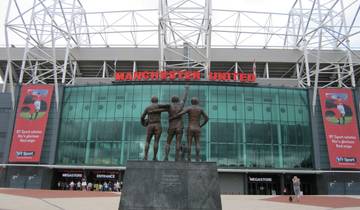
Old Trafford stadium tours cost £28 for adults in 2026, including museum access and lasting approximately 90 minutes (check official Manchester United website for current rates). The standard tour provides access to the players’ dressing room, walk through the tunnel onto the pitch, visit to the manager’s dugout, and exploration of the Manchester United Museum spanning three floors with artifacts chronicling the club’s history from 1878 formation through 64 trophy wins. Special experiences include Take To The Pitch sessions combining full stadium tours with coaching sessions on the actual Old Trafford turf, and Go Behind the Scenes with a Legend tours offering access to exclusive stadium areas while hearing firsthand accounts from former players.
Etihad Stadium tours start from £45 for adults for the standard Manchester City Stadium Tour, with VIP tours available from £85 and Walk With A Legend experiences from £50. The combined Manchester City Stadium Tour plus Academy Stadium package costs £45, providing exclusive access to both the main Etihad Stadium and the City Football Academy training facilities. Tours last 75-120 minutes depending on package selected, featuring interactive technology allowing visitors to sit with and interact with virtual Pep Guardiola in the press room, 360-degree cinema experiences immersing guests in the City story, and audio-visual shows directly from the First Team changing room. Tours are translated into French, German, Italian, Mandarin, Spanish, Korean, Arabic, and Portuguese using state-of-the-art media guides.
What music tours are available in Manchester in 2026?
Manchester Music Tours, founded by late Inspiral Carpets drummer Craig Gill and now operated by his wife Rose Gill, offers specialized band-specific tours including dedicated experiences for Oasis, The Smiths, The Stone Roses, and Joy Division/New Order. The Oasis tour runs as 3-hour bus and walking combination visiting Burnage where the Gallagher brothers grew up, Sifters Records, The Boardwalk site where Oasis first played, India House where Noel Gallagher wrote classics including “Live Forever,” and Johnny Roadhouse guitar shop. Tours incorporate Rose’s firsthand Madchester scene experience, providing insider stories and personal anecdotes from Manchester’s 1980s-1990s music explosion while also covering The Hacienda, Happy Mondays, New Order, and Stone Roses connections. Tours accommodate both individuals and large groups with corporate packages available.
Brit Music Tours operates Manchester Music Walking Tours covering approximately 1.75 hours and 1.5-2 miles through the Northern Quarter, visiting the former Hacienda nightclub site, Free Trade Hall where Bob Dylan was famously booed in 1966 and where Sex Pistols and Buzzcocks performed in 1976, The Ritz where The Smiths played their first gig, and St James’ Building where Joy Division were discovered after a set at Rafters. Guides share behind-the-scenes stories, iconic lyrics, and fascinating trivia about how punk and post-punk scenes emerged, the rise of the Madchester rave movement in the late 1980s, and Manchester’s ongoing influence on contemporary artists. The tour meets outside The Bridgewater Hall on Lower Mosley Street and concludes 300m from the start location at Castlefield Gallery.
Are there self-guided walking routes in Manchester in 2026?
VoiceMap and similar platforms offer self-guided audio tours allowing visitors to explore Manchester at their own pace, typically covering 4 kilometers across 20 stops over 2-3 hours. These routes trace Manchester’s radical history from the Peterloo Massacre through the suffragettes, Alan Turing’s story, and the 1996 IRA bomb that rebuilt the city center, connecting two thousand years of history with full refund guarantees and start-anytime flexibility. The self-guided format eliminates fixed schedules and group constraints while providing richer narrative detail than many rushed group tours permit.
The Manchester Music Map curated by Hayley Flynn provides an alternative trail with interesting facts on historical venues throughout the city center, spanning from Aatma in the Northern Quarter to various other significant music locations. This trail allows music enthusiasts to explore iconic sites independently, moving at preferred pace and spending desired time at locations of particular interest. Combined with the city’s compact center—most major attractions within 2-3 miles of each other—self-guided routes efficiently cover Castlefield’s canal heritage and Roman fort remnants, the Northern Quarter’s independent shops and street art, Cathedral Quarter medieval architecture, and the rejuvenated Spinningfields business district, all accessible via well-marked pedestrian pathways and the extensive Metrolink tram network connecting outer neighborhoods.
Extended multi-day tours – 5+ days
Featured Manchester Multi-Day Tour Packages
5 days
Windermere, Peak District & Snowdonia 5-Day Small-Group Tour
- ✓ Comprehensive Manchester tour
- ✓ Expert local guides included
- ✓ All accommodation arranged
- ✓ Transportation provided
3 days
Old Trafford Museum Experience
- ✓ Comprehensive Manchester tour
- ✓ Expert local guides included
- ✓ All accommodation arranged
- ✓ Transportation provided

3 days
The Manchester City Stadium Experience
- ✓ Comprehensive Manchester tour
- ✓ Expert local guides included
- ✓ All accommodation arranged
- ✓ Transportation provided
3 days
Lake District From Manchester (Hotel) – 3 days
- ✓ Comprehensive Manchester tour
- ✓ Expert local guides included
- ✓ All accommodation arranged
- ✓ Transportation provided
Multi-day tour packages powered by TourRadar. Prices and availability subject to change.
Introduction to Manchester’s Tour Landscape 2026
Manchester transformed from Roman fort Mamucium to world’s first industrial city to contemporary cultural powerhouse, creating layered historical narratives visible in every neighborhood. The compact city center concentrates remarkable density of significant sites: medieval Manchester Cathedral stands blocks from the Science and Industry Museum occupying the world’s oldest passenger railway station; Victorian warehouses converted to hotels overlook Castlefield’s Roman fort foundations and canal networks; Northern Quarter’s independent boutiques and street art occupy former textile district buildings; and Chinatown’s archway marks the underground Cold War bunker that few walking tours mention but all should visit.
The touring infrastructure matured significantly through the 2020s as Manchester positioned itself as England’s second city for cultural tourism. Free walking tours proliferated, football stadium experiences expanded beyond basic facility visits to include VIP access and legend-led sessions, music heritage tours evolved from general overviews to band-specific deep dives led by scene participants, and specialist operators like Jonathan Schofield developed niche experiences covering everything from hidden gardens to political radicalism. This diversification means 2026 visitors choose from dozens of tour formats spanning free to premium, general to hyper-specialized, group to private, and guided to self-directed.
Geography favors exploration. Manchester’s city center measures roughly 2 miles east-west and 1.5 miles north-south, with most tour starting points within 15 minutes’ walk of each other. The Metrolink tram system radiates from the center to outer neighborhoods including Old Trafford, Etihad Stadium, Salford Quays, and residential areas where music heritage sites cluster. This accessibility allows visitors to combine multiple tour types in single days—morning free walking tour, afternoon stadium visit, evening music tour—without excessive transit time or complicated logistics.
Seasonal patterns affect tour availability and experience quality. Summer months June-August bring peak tourist numbers, longer daylight hours for photography, and occasional outdoor festival disruptions to standard routes. Winter December-February sees reduced crowds, atmospheric Victorian-era street lighting perfect for industrial heritage tours, and potential Christmas market additions to city center routes. Spring and autumn provide moderate temperatures and balanced crowd levels, with March-May and September-November representing optimal periods for extensive walking and outdoor photography. Match day schedules impact stadium tour availability—Old Trafford and Etihad tours do not operate on home fixture days, requiring advance schedule checking for football-focused itineraries.
Free Walking Tours Manchester 2026
Free Manchester Walking Tours established itself as the city’s original free tour operator, departing daily at 11am from the Alan Turing Memorial bench in Sackville Gardens regardless of weather conditions. The tour requires no advance booking though optional reservation via Eventbrite reduces organizer costs for those preferring confirmed spots. Meeting at the Alan Turing Memorial—a peaceful garden commemorating the mathematician who cracked the Enigma code and later suffered persecution for homosexuality—immediately establishes Manchester’s themes of innovation, tragedy, and social progress that recur throughout the 2.5-3 hour experience.
Tour routes vary slightly by guide but consistently cover Manchester Cathedral’s mix of medieval and modern architecture following IRA bombing reconstruction, Chinatown with stories of Manchester’s Chinese community and the hidden Cold War nuclear bunker beneath, the Gay Village centered on Canal Street where Manchester pioneered LGBTQ+ rights activism, St Peter’s Square marking the Peterloo Massacre site where cavalry charged peaceful protesters in 1819, and the Royal Exchange Theatre built inside a former cotton exchange. Guides including Josh, Mike, Hannah, and Gareth bring individual styles—some emphasizing music connections with Oasis playing from backpack speakers between sites, others focusing on political history and labor movements, all incorporating recent visitor feedback praising knowledge depth and entertainment value.
The tips-based model means tour quality directly correlates with guide performance, creating incentive for engaging delivery and accurate information. Most participants contribute £10-20 per person via card reader or cash at tour conclusion, though amounts remain entirely discretionary. This system democratizes access—budget travelers pay less, satisfied visitors pay more—while ensuring guides earn living wages through volume and quality rather than fixed ticket prices that exclude price-sensitive visitors. TripAdvisor reviews consistently rate the experience 5 stars, with specific praise for how tours work equally well for total newcomers seeking city orientation and longtime residents discovering lesser-known historical details.
Si Manchester Free Walking Tours offers alternative daily departures at 10am from Piccadilly Gardens, distinguishing itself through bilingual English-Spanish capability and award recognition including second-best Spanish-language tour guide globally. The company’s comprehensive approach earned best tour rankings across multiple platforms, with Creative Tourist specifically highlighting accessibility for newcomers while maintaining engagement for locals—a difficult balance most tours fail to achieve. The dual-language offering serves Manchester’s growing Spanish-speaking visitor demographic while providing English speakers with guides whose international perspective enriches standard local narratives.
Both operators maintain consistent quality through guide training, route refinement based on participant feedback, and flexible pacing allowing bathroom breaks and coffee stops. The roughly 2.5-3 hour duration strikes effective balance—long enough for substantial content and multiple neighborhood explorations, short enough to maintain energy and attention. Routes total approximately 2-3 miles at leisurely pace with minimal elevation change, making tours accessible to most fitness levels though cobblestones in Castlefield and Northern Quarter require sturdy footwear. Wheelchair accessibility remains limited due to historic district infrastructure, though operators accommodate restricted mobility participants where possible through alternative routes and lift access to raised areas.
Football Heritage Tours Manchester 2026
Old Trafford stadium tours transport visitors through Manchester United’s rise from Newton Heath LYR Football Club formed by railway workers in 1878 to global brand generating hundreds of millions in annual revenue. The £28 adult ticket (check official Manchester United website for current rates) includes museum access and approximately 90-minute guided tour commencing from the Tour & Museum entrance on Sir Matt Busby Way. Tours operate Sunday-Thursday 9:30am-4pm and Friday-Saturday 9:30am-5pm, closing entirely on home match days when operational requirements make behind-the-scenes areas unavailable. The museum independently opens during tour closure periods, allowing match day visitors to explore trophy collections and interactive exhibits even when stadium access remains restricted.
The tour sequence follows player journey from arrival through match preparation to pitch entry. Visitors begin in the trophy room displaying 64 major honors including 20 English league titles, 12 FA Cups, and 3 European Cups/Champions Leagues, with interactive screens explaining significance of each competition and legendary matches that secured silverware. The players’ dressing room reveals the practical reality behind televised pre-match scenes—personal lockers for each squad member, tactical boards where managers outline game plans, and the surprisingly compact space where world-class athletes prepare for matches watched by millions globally.
Walking through the tunnel onto the pitch itself provides the tour’s emotional peak. The perspective from pitch level emphasizes Old Trafford’s scale—76,000-seat capacity making it the United Kingdom’s largest club football stadium—while standing in the technical area where managers pace during matches connects visitors to moments they’ve watched on television. Guides share behind-the-scenes details about match day routines, superstitions players maintain, and famous incidents that occurred in specific locations. The dugout seats where managers and substitutes sit during matches offer photo opportunities with personalized shirts, creating shareable moments for social media documentation.
Special tour variants expand the standard experience for dedicated fans and those seeking enhanced access. Take To The Pitch packages, returning in 2026 after successful 2025 launch, combine full stadium tours with coaching sessions on Old Trafford’s actual playing surface, allowing participants to train where Cristiano Ronaldo, Eric Cantona, and David Beckham played. Go Behind the Scenes with a Legend tours add former Manchester United players as guides, providing firsthand accounts and exclusive stadium area access not available on standard tours. These premium experiences require advance booking and command higher prices, though exact 2026 rates were not finalized at time of research.
The Manchester United Museum merits separate visit time beyond the stadium tour itself. Three floors chronicle club history through artifacts, multimedia displays, and interactive exhibits. Ground floor focuses on founding years and early success under manager Ernest Mangnall, first floor covers the Matt Busby era including the Munich air disaster tragedy and subsequent European Cup triumph, and top floor documents the Alex Ferguson dynasty that delivered 13 Premier League titles between 1993-2013. Dedicated sections honor individual legends including Bobby Charlton, George Best, Eric Cantona, and Cristiano Ronaldo, with personal memorabilia and video compilations of greatest moments.
Etihad Stadium tours showcase Manchester City’s transformation from long-suffering local club to oil-backed global powerhouse winning four consecutive Premier League titles 2020-2024. Standard tours cost £45 for adults and last 75 minutes, commencing from Gate M on the stadium’s south side. The experience emphasizes cutting-edge technology integration—virtual reality press conference with Pep Guardiola, 360-degree cinema immersion in City story, audio-visual shows in the First Team changing room—creating more multimedia-heavy experience than Old Trafford’s tradition-focused approach.
Tour routes include the glass players’ tunnel walked by Kevin De Bruyne and Erling Haaland on match days, pitchside areas providing stadium bowl perspectives, and home team dressing room where visitors photograph themselves with favorite players’ shirts hanging in designated lockers. The interactive press room technology allows groups to pose questions to virtual Pep Guardiola, who responds with pre-recorded answers covering tactics, player development, and his football philosophy. This innovation particularly appeals to younger visitors accustomed to multimedia experiences, though some traditionalists prefer Old Trafford’s emphasis on physical artifacts and historical narrative over digital interactivity.
VIP Stadium Tours (£85 adults) extend standard experience to 120 minutes with additional access to hospitality areas, directors’ boxes, and executive facilities not included in basic packages. Walk With A Legend tours (£50 adults) add former Manchester City players as guides, though specific legends rotate based on availability and scheduling. The combined Stadium Tour plus Academy Stadium package (£45) transports participants by bus to the City Football Academy training ground where first team trains, providing behind-the-scenes access to facilities where tactical sessions and skill development occur away from public view. This combined package particularly suits dedicated supporters interested in operational aspects beyond match day spectacle.
Both stadium tour operators maintain strict no-access policies on home match days when operational requirements make changing rooms, tunnels, and technical areas unavailable. This restriction requires visitors to check fixture schedules before planning stadium visits, particularly during peak season September-May when matches occur weekly. The official Manchester United and Manchester City websites publish up-to-date tour availability calendars, allowing advance planning and alternative date selection when preferred dates conflict with scheduled fixtures. Third-party ticket sellers sometimes offer stadium tours as package components with transportation and city tours, though direct booking through official websites typically provides better value and more flexible cancellation policies.
Music Heritage Tours Manchester 2026
Manchester’s musical legacy spans from 1960s beat groups through punk’s late-1970s explosion, the Madchester rave scene of 1988-1992, Britpop’s mid-1990s dominance, and continuing influence on contemporary indie and electronic artists. This layered heritage creates touring opportunities unavailable in cities where musical significance concentrates in single eras or genres. Walking past buildings where Joy Division rehearsed, Oasis first performed, and The Smiths found inspiration allows music fans to physically trace evolution of sounds that shaped global popular music across five decades.
Manchester Music Tours operates the city’s most established specialist music tour business, founded by Inspiral Carpets drummer Craig Gill who experienced Madchester firsthand before his 2016 passing. His widow Rose Gill now leads tours, bringing authentic insider perspective from someone who lived through the Factory Records era, attended Hacienda nights, and witnessed the transformation from post-industrial decline to cultural renaissance. This firsthand experience distinguishes Manchester Music Tours from operators relying on researched knowledge rather than personal participation in the scenes they describe.
The Oasis tour runs as 3-hour combination of bus transport and walking, departing from Vinyl Revival record shop before boarding a double-decker bus to Burnage neighborhood where Liam and Noel Gallagher grew up. The tour visits their childhood homes, Sifters Records where they browsed vinyl, and local pubs where the brothers drank before fame. Returning to city center, the route includes The Boardwalk site where Oasis played their first Manchester gig, India House where Noel Gallagher wrote seminal tracks including “Live Forever” and “Slide Away,” and Johnny Roadhouse guitar shop supplying the band’s instruments. Rose incorporates stories from people who knew the Gallaghers before fame, providing context for how working-class Manchester backgrounds and sibling rivalry shaped the band’s confrontational persona and anthemic songwriting.
The Smiths tour focuses on sites connected to Morrissey and Johnny Marr’s creative partnership, including Salford Lads Club immortalized on The Queen Is Dead album cover, The Ritz where the band played their first gig in 1982, and neighborhoods referenced in lyrics that transformed mundane Manchester locations into romantic locations for devoted fans. The tour explores how The Smiths synthesized kitchen-sink realism with romantic aestheticism, creating uniquely British sound and lyrical sensibility that influenced generations of subsequent indie artists. Morrissey’s complex Manchester relationship—deep affection mixed with desire to escape—provides thematic thread connecting physical locations to emotional landscapes in songs like “Rusholme Ruffians” and “Cemetery Gates.”
The Stone Roses tour covers Chorlton and surrounding areas where the band formed and developed their fusion of indie guitar rock with dance rhythms that defined Madchester. Sites include rehearsal spaces, the warehouse where they threw legendary concerts including the famous Blackpool Empress Ballroom shows, and locations referenced in their debut album’s artwork and lyrics. The tour contextualizes how The Stone Roses emerged from post-punk Manchester, absorbed acid house influences from Ibiza and The Hacienda, and created blueprint for guitar bands incorporating dance music elements—a template followed by countless 1990s Britpop acts.
Joy Division/New Order tours focus on Macclesfield and Manchester locations connected to Ian Curtis and the band’s transformation following his 1980 suicide. The route includes the Factory Records office where Tony Wilson signed the band, venues where they performed including the Factory club, and sites referenced in Curtis’s lyrics exploring alienation, urban decay, and psychological darkness. The tour examines how Joy Division’s post-punk sound—Peter Hook’s melodic basslines, Stephen Morris’s precise drumming, Bernard Sumner’s atmospheric guitar—created template for gothic rock while their transformation into New Order pioneered electronic dance music integration that presaged 1980s synthpop and 1990s rave culture.
General Manchester Music Tours combine elements from all eras, visiting The Hacienda nightclub site where acid house culture exploded in UK consciousness between 1986-1992, the Free Trade Hall where Bob Dylan’s 1966 electric set provoked famous “Judas” accusation and where Sex Pistols’ 1976 performance inspired Manchester punk scene formation, and various Northern Quarter venues where contemporary bands like The 1975 and Blossoms continue Manchester’s musical traditions. These overview tours suit visitors wanting broad musical education rather than deep dives into specific bands or eras.
Brit Music Tours operates Manchester Music Walking Tours covering approximately 1 hour 45 minutes through the Northern Quarter and city center. The company’s experienced guides emphasize how Manchester’s industrial heritage created working-class culture that valued authenticity and collective experience, fostering music scenes where commercial success mattered less than artistic credibility and community connection. This cultural context explains why Manchester consistently produces artists who reject mainstream polish in favor of rough-edged authenticity—from Buzzcocks’ punk minimalism through Oasis’s lager-fueled swagger to contemporary grime and indie artists maintaining the city’s oppositional stance toward London-dominated music industry.
Tour routes pass the former Hacienda site now occupied by apartment buildings, with only a plaque marking where Britain’s most influential nightclub once stood. Guides explain how Factory Records boss Tony Wilson operated The Hacienda as loss-making cultural project rather than profit-seeking venue, creating space where DJs could experiment with acid house and rave music that mainstream clubs rejected. The club’s influence extended beyond music to fashion, design, and youth culture, establishing Manchester as UK’s second cultural capital and pioneering the superclub model that spread globally in the 1990s.
The Free Trade Hall receives extended attention for its multiple musical significance moments. The venue hosted Bob Dylan’s 1966 electric tour stop where folk purist Keith Butler shouted “Judas” at Dylan’s rock transformation, captured on bootleg recording Before the Flood and analyzed in I’m Not There film treatment. A decade later, Sex Pistols performed to tiny audience that included future members of Joy Division, The Fall, Buzzcocks, and The Smiths—essentially launching Manchester punk scene through single 1976 gig. This layered history demonstrates how single venue accumulates significance through successive generational transformations.
Specialist operators including Manchester Taxi Tours offer customizable music tours in vehicles, allowing greater geographic range than walking-only experiences. These taxi tours visit Salford Lads Club, the Gallagher brothers’ Burnage childhood homes, Ian Curtis’s Macclesfield residence, and outer-suburb locations where rehearsal spaces and recording studios operated beyond city center concentration. The vehicle-based format suits elderly visitors or those with mobility limitations preventing extended walking, weather-dependent travelers wanting shelter from Manchester’s frequent rainfall, and time-pressured visitors wanting maximum coverage in minimum duration.
Self-guided music tours provide alternative for independent travelers preferring flexible pacing and private experiences. The Manchester Music Map curated by Hayley Flynn plots significant music locations across the city with historical context and recommended reading for deeper dives. Combined with online resources and band biographies, dedicated fans can construct personalized tours focusing on specific bands, eras, or neighborhoods matching individual interests. This DIY approach works particularly well for researchers, superfans visiting multiple times, and visitors whose favorite bands receive insufficient coverage on general tours.
Industrial Heritage Tours Manchester 2026
The Science and Industry Museum occupies five listed buildings spanning the world’s oldest passenger railway station and associated warehouses, providing free admission to explore Manchester’s Industrial Revolution legacy. Located on Liverpool Road in Castlefield, the museum opens daily 10am-5pm except Christmas and New Year closures. The site’s historical significance matches its collection quality—standing on platforms where the Liverpool and Manchester Railway commenced passenger service in 1830, visiting warehouses that stored goods transported by that revolutionary rail connection, and examining machinery that powered Manchester’s transformation from market town to Cottonopolis processing 30% of global cotton supply by 1860.
Power Hall: The Andrew Law Gallery reopened in 2026 following major restoration, displaying working steam engines and textile machinery that visitors can see demonstrated daily. The hall’s scale impresses immediately—massive stationary engines that once powered entire factory floors, their connecting rods and flywheels moving with methodical precision during demonstration runs. The sight, smell of steam and oil, and sounds of mechanical operation provide visceral understanding of industrial power that transformed human civilization in the 19th century. Interactive exhibits explain how these engines converted coal’s chemical energy to mechanical motion, distributed power through line shafts and belt drives to individual machines, and achieved efficiency improvements that made Manchester’s mass production economically viable.
The textile machinery gallery demonstrates how Manchester became global textile production center. Spinning mules, power looms, and carding engines show the mechanization process that replaced hand spinning and weaving, increasing productivity by factors of hundreds while creating factory system employment concentrating thousands of workers in single buildings. Daily demonstrations bring machines to life, with museum staff operating equipment and explaining how operators managed multiple machines simultaneously in deafening factory floors before hearing protection regulations existed. The human cost of industrialization receives honest examination—child labor exploitation, dangerous working conditions, respiratory diseases from cotton dust exposure, and social dislocations as rural populations migrated to urban slum housing near mills.
The Revolution Manchester gallery explores how innovation beginning in Manchester spread globally. Interactive displays connect local inventions to worldwide transformations—Dalton’s atomic theory founding modern chemistry, Joule’s thermodynamic research enabling efficient engines, Rutherford’s atom-splitting experiments at Manchester University launching nuclear age. The gallery emphasizes Manchester’s role not just as manufacturing center but as scientific research hub where theoretical discoveries enabled practical applications. The combination of academic research institutions, engineering expertise, and industrial capital created innovation ecosystem rarely matched elsewhere.
The Air and Space gallery showcases Manchester’s aerospace contributions, including early aircraft engines and the Manchester computing collection demonstrating the city’s pioneering role in computer development. The Ferranti Mark 1—the world’s first commercially available general-purpose computer, delivered in 1951—sits alongside interactive exhibits explaining how Manchester researchers including Alan Turing advanced theoretical computer science and practical computing simultaneously. Touch-screen displays allow visitors to program simple algorithms, providing hands-on understanding of how modern digital technology emerged from mechanical calculators and electro-mechanical computing devices developed in mid-20th century Manchester.
The 1830 Station and Warehouse buildings underwent multi-million-pound restoration closing them temporarily, with phased reopening through 2026-2027 revealing original architectural features and creating new gallery spaces. These buildings represent globally significant heritage—the railway station marking passenger rail service birth, the warehouse demonstrating integrated transport-storage systems that made Manchester’s import-export economy viable. When fully reopened, visitors will experience authentic spaces where Victorian-era cargo handlers loaded cotton bales, where passengers from Liverpool first disembarked after steam-powered journey, and where administrative offices coordinated the logistics making Manchester the industrial world’s administrative center.
Special exhibitions rotate regularly, covering topics from specific inventions to broader themes about technology’s social impacts. The museum’s 2026 program includes “Horrible Science: Cosmic Chaos” launching February 2026, exploring the solar system through mystery and science-based exhibits designed for family audiences. These temporary exhibitions provide reasons for repeat visits beyond the permanent collection’s considerable attractions, ensuring the museum remains dynamic institution rather than static historical repository.
Group tours and educational programs cater to schools, corporate groups, and special interest organizations. Dedicated education staff develop curriculum-linked workshops for students from primary through university levels, using museum collections to teach science, technology, engineering, and mathematics through historical context. Corporate groups can book private evening events in Power Hall, combining networking with heritage appreciation in atmospheric settings few venues match. These specialized programs require advance booking through the museum’s education and events departments.
The museum shop stocks science kits, engineering toys, Manchester-themed gifts, and extensive book selection covering industrial history, scientific biography, and popular science topics. Purchases support the museum’s educational mission while providing visitors with tangible connections to their museum experience. The shop particularly excels in children’s science education materials, offering experiments kits, building toys, and illustrated books that extend museum learning beyond the visit itself.
Castlefield Urban Heritage Park surrounds the Science and Industry Museum with canal networks, Roman fort remnants, Victorian railway viaducts, and converted warehouse buildings demonstrating Manchester’s layered history. Self-guided walks explore the canal towpaths where horses once pulled barges loaded with raw cotton and finished textiles, examine Roman wall foundations marking Mamucium fort boundaries, and photograph Victorian engineering achievements including the dramatic railway viaducts carrying trains above canal level. The park’s compact concentration—spanning roughly half-mile radius—allows easy exploration connecting industrial heritage sites into comprehensive understanding of how Victorian Manchester functioned as integrated production, transport, and commercial system.
Jonathan Schofield’s walking tours include specialized industrial heritage routes examining Manchester’s canals, warehouses, and Victorian commercial architecture. These expert-led tours cost £20-25 and reveal architectural details and historical connections casual observers miss. Schofield’s encyclopedic knowledge extends beyond standard industrial narrative to cover personalities involved in Manchester’s development, political conflicts shaping policy decisions, and social movements responding to industrialization’s dislocations. His “Trees, Flowers and Manchester City Centre Green Spaces” tour demonstrates how even industrial city contains hidden gardens and re-wilded spaces, while his “Sleazy, Sinister and Haunted Manchester” tour explores darker aspects of Victorian-era social problems including crime, poverty, and exploitation that accompanied industrial prosperity.
Self-Guided Walking Routes Manchester 2026
Manchester’s compact city center and excellent pedestrian infrastructure make self-guided exploration highly feasible for confident navigators comfortable using smartphone maps and printed guides. The approximately 2-3 mile core area concentrates major attractions within easy walking distance, with clear signage, pedestrianized shopping streets, and canal towpaths providing continuous routes avoiding heavy vehicle traffic. Self-guided approaches offer flexibility impossible with scheduled tours—starting whenever desired, adjusting pace to energy levels and interest intensity, spending unlimited time at personally significant locations, and abandoning routes midway when weather deteriorates or alternative attractions beckon.
The Northern Quarter Self-Guided Route begins at Piccadilly Gardens and proceeds north through Manchester’s creative district. Afflecks Palace at 52 Church Street functions as Northern Quarter’s iconic landmark—multi-floor indoor market housing dozens of independent boutiques selling vintage clothing, alternative fashion, vinyl records, and subcultural paraphernalia. The building’s ramshackle aesthetic and eclectic vendor mix embodies Northern Quarter’s bohemian character, attracting visitors seeking alternatives to mainstream chain retail dominating nearby shopping districts.
Continuing through Oldham Street and Tib Street reveals the neighborhood’s evolution from Victorian commercial district through mid-20th century decline to late-1990s hipster renaissance. Independent coffee shops occupy former textile warehouses, street art covers building facades with works by local and internationally-recognized artists, and vintage shops display clothing and design objects from multiple decades. The walking route passes Vinyl Revival record shop—meeting point for Manchester Music Tours and functioning retail space for serious collectors—and numerous small music venues where contemporary Manchester bands perform to audiences of dozens in intimate spaces recalling punk-era immediacy.
The street art concentration particularly impresses photography enthusiasts. Large-scale murals by artists including Aske, Qubek, and international contributors transform entire building sides into vibrant artworks, while smaller paste-ups and stencil works fill doorways and alleyways. The constantly evolving nature means each visit reveals new works while previous favorites may have disappeared under fresh layers—creating urgency to document favorite pieces before they vanish. Online resources including Manchester Street Art Map and dedicated Instagram accounts provide guidance for locating specific works and learning artist backgrounds.
The Castlefield Heritage Walk explores Manchester’s Roman origins and industrial canal system in concentrated half-mile area. Beginning at the Science and Industry Museum, the route follows Potato Wharf and Castle Street to Castlefield Roman Fort reconstruction marking Mamucium’s location. The reconstructed section provides sense of original fort’s scale and defensive capabilities, though most archaeological remains lie buried beneath later development. Interpretation boards explain Roman military organization, daily life in frontier garrison town, and trade networks connecting Mamucium to empire-wide commercial systems.
The canal network surrounding the fort demonstrates Victorian engineering achievement. The Bridgewater Canal, completed 1761 to transport coal from Worsley mines to Manchester, pre-dates the Industrial Revolution’s full flowering but established canal transport’s viability for bulk goods movement. Later canals including the Rochdale and the extended Bridgewater network created water transport system moving raw materials into Manchester and finished goods to Liverpool docks for global export. Walking the towpaths reveals changing architectural styles as 18th-century brick warehouses give way to Victorian iron-frame construction and finally to contemporary apartment conversions preserving industrial facades while inserting modern residential interiors.
The canal basin area hosts numerous bars and restaurants occupying converted warehouses, creating pleasant stopping points for refreshment during walks. The Wharf and Dukes 92 offer waterside seating with views across canal basins toward Victorian railway viaducts, combining historical atmosphere with contemporary comfort. These commercial establishments maintain Castlefield’s function as social gathering place, though serving different demographic than the working-class communities that historically populated surrounding neighborhoods.
The Cathedral Quarter Route begins at Manchester Cathedral and proceeds through the medieval core’s remaining fragments. The Cathedral itself combines 15th-century perpendicular Gothic architecture with 20th-century reconstruction following IRA bomb damage, creating intriguing mixture of authentic medieval craftsmanship and modern restoration. The interior’s widest nave of any medieval church in England reflects Manchester’s medieval wool trade prosperity, when the city served as regional market town before industrial transformation. The choir stalls feature detailed medieval wood carvings depicting religious and secular scenes, providing rare glimpses of medieval artistic achievement surviving centuries of religious conflict, industrial pollution, and wartime bombing.
Chetham’s Library, adjacent to the Cathedral, claims status as English-speaking world’s oldest free public library, established 1653 and maintaining continuous operation since. The reading room where Karl Marx and Friedrich Engels studied in the 1840s remains preserved, allowing visitors to see the exact location where foundational communist theory texts were researched. The library’s atmospheric medieval buildings, oak-paneled reading rooms, and ancient manuscript collections create tangible connection to Manchester’s intellectual history often overlooked amid emphasis on industrial and musical heritage.
The route continues to Shambles Square, a small medieval street layout preserved amid modern development, and the National Football Museum occupying Urbis building. The free museum (£24 for adults in 2026; check official website for current rates) houses the world’s greatest collection of football memorabilia, interactive exhibits allowing visitors to test skills and tactical knowledge, and exhibitions exploring football’s social and cultural significance beyond sporting competition. The museum’s location in Manchester reflects the city’s claim to football birthplace status—both through modern game development in 19th-century public schools and through professional league football’s establishment with founding clubs including Newton Heath (later Manchester United).
The Spinningfields and John Rylands Library Route explores Manchester’s Victorian commercial grandeur and contemporary business district development. The John Rylands Library on Deansgate stands as one of England’s finest neo-Gothic buildings, constructed 1890-1899 by Enriqueta Rylands as memorial to her textile merchant husband John Rylands. The library’s exterior impresses with elaborate stone carving and soaring architectural presence, while the interior reading room delivers breathtaking effect—vaulted ceilings, stained glass windows, and the atmosphere of medieval cathedral applied to temple of learning. The library functions as working research institution housing rare manuscripts and incunabula while allowing public access to appreciate architecture and rotating exhibitions from special collections.
Spinningfields adjacent to the library demonstrates Manchester’s 21st-century reinvention as northern financial and legal services center. Glass office towers housing law firms, accounting practices, and financial institutions surround public squares hosting outdoor dining and seasonal events. The area’s planned development contrasts with Northern Quarter’s organic evolution, creating sleek contemporary aesthetic that some critics view as characterless corporate architecture while supporters praise successful economic regeneration attracting high-wage employment. The Avenue Spinningfields provides pleasant pedestrian route through the district with public art installations and landscaped spaces softening office tower dominance.
VoiceMap and similar platforms offer numerous self-guided audio tours downloadable to smartphones. These combine self-paced flexibility with expert narrative, allowing visitors to explore independently while hearing contextual information, historical background, and entertaining anecdotes professional guides provide on organized tours. Popular routes include “From Industrial Revolution to Modern Manchester” covering Castlefield and city center, “Manchester Music History” tracing sites connected to iconic bands, and “Hidden Manchester” revealing lesser-known locations casual visitors miss. Prices typically range £5-10 per audio tour, with unlimited replay allowing revisits to favorite sections and pauses whenever photo opportunities or refreshment breaks appeal.
Downloadable walking route maps from Visit Manchester and other tourism organizations provide free guidance for independent exploration. These typically include suggested routes, estimated walking times, brief descriptions of key sites, and recommendations for cafes, restaurants, and public toilets along routes. The maps suit visitors preferring printed materials over smartphone navigation, though most also exist as PDFs accessible via mobile devices. The free nature encourages experimental route-following—abandoning paths that disappoint or proving less interesting than expected without financial loss.
Specialist Tour Experiences Manchester 2026
Jonathan Schofield established Manchester’s most comprehensive specialist tour business, operating themed walks covering niche topics attracting serious history enthusiasts and residents seeking deeper engagement with their city’s past. Prices typically range £20-25 per person for 2-3 hour experiences meeting at specified city center locations. Tours operate year-round with weather rarely causing cancellations—Manchester residents and long-term tour guides develop philosophical acceptance of rainfall as inevitable accompaniment to outdoor activities.
The “Friedrich Engels and Karl Marx in Manchester” tour examines the city’s role in communist theory development. Engels lived in Manchester 1842-1844 and again 1850-1870, managing his family’s cotton mill while documenting working-class conditions that informed The Condition of the Working Class in England. The tour visits locations Engels described, including slum housing areas demolished in Victorian-era improvements, factory sites where exploitation he witnessed occurred, and Chetham’s Library where he and Marx studied. The route explores paradox of wealthy industrialist’s son developing revolutionary communist theory while profiting from capitalist manufacturing, providing nuanced examination of Victorian-era social contradictions that simplistic historical narratives miss.
The “Trees, Flowers and Manchester City Centre Green Spaces” tour reveals hidden gardens, re-wilded viaducts, and canal-side vegetation often overlooked amid emphasis on industrial architecture. The route demonstrates how urban nature persists and sometimes thrives in spaces abandoned by human use—former railway lines becoming wildlife corridors, Victorian park plantings surviving decades of minimal maintenance, and deliberate urban greening initiatives creating peaceful refuges from traffic and commercial activity. The tour appeals to gardening enthusiasts, environmental advocates, and visitors seeking gentler Manchester perspective than industrial might and musical rebellion narratives dominate.
The “Sleazy, Sinister and Haunted Manchester” tour examines darker aspects of Victorian-era urban life including crime, prostitution, poverty, and sensational murders that gripped public imagination. The route visits locations connected to famous crimes, discusses social conditions creating desperate populations turning to illegal survival strategies, and explains how public fascination with criminal behavior shaped popular culture and influenced social reform movements. The tour maintains respectful tone while not sanitizing historical reality—acknowledging suffering while avoiding exploitation of tragedy for entertainment value.
The “Ruined St Luke’s Church, Cheetham Hill” tour explores one of Manchester’s most atmospheric heritage sites—a Gothic Revival church gutted by fire in 1975 and left as maintained ruin. The tour examines Victorian church architecture, discusses Cheetham Hill’s transformation from wealthy suburb to working-class neighborhood to contemporary regeneration area, and explores themes of preservation versus demolition when historic buildings reach end of useful life. The dramatic roofless church interior with ivy-covered walls creates powerful atmosphere rarely found in conventional heritage sites maintaining pristine condition.
The “Kimpton Clocktower Hotel Tour” provides exclusive access to one of Britain’s most impressive Victorian commercial buildings, originally housing the Refuge Assurance Company and featuring elaborate Renaissance Revival architecture. The tour explores hidden spaces containing original features, examines architectural details visible from public areas but rarely understood, and explains how adaptive reuse preserved the building while creating contemporary luxury hotel. The £25 ticket grants access to areas closed to hotel guests, including behind-the-scenes spaces revealing Victorian construction methods and decorative programs.
Manchester Taxi Tours offers customizable private experiences in black cabs, combining local driver knowledge with vehicle convenience. Tours can focus on specific interests—music heritage, football stadiums, Victorian architecture, contemporary street art—or provide general introduction covering multiple topics. The taxi format particularly suits elderly visitors, families with young children, participants with mobility limitations, and groups wanting private experiences without strangers joining. Prices vary based on tour duration and specific route, though typical 3-4 hour experiences cost £80-120 for the vehicle regardless of passenger number up to taxi capacity.
Food tours explore Manchester’s culinary diversity through tastings at independent restaurants, markets, and specialty food shops. Routes typically cover Chinatown’s Cantonese bakeries and dim sum restaurants, Northern Quarter’s international street food offerings, Curry Mile’s South Asian restaurants, and contemporary chef-driven establishments pioneering modern British cooking. Tours include 5-7 food stops with sufficient quantities constituting full meal, allowing participants to experience diverse cuisines while learning about Manchester’s multicultural communities and food production history. Prices typically range £50-70 per person for 3-hour experiences with all food included.
Beer and brewery tours visit craft breweries that proliferated in Manchester since 2010s microbrewery renaissance. Cloudwater Brew Co, Marble Beers, Shindigger Brewing Company, and others operate taprooms offering tours explaining brewing processes, ingredient sourcing, and flavor development. Some tours combine multiple brewery visits with pub stops at historically significant drinking establishments including Peveril of the Peak with its distinctive tiled facade. Prices vary by operator and route length, typically £35-50 including brewery tours and beer samples.
Ghost walks and paranormal tours explore allegedly haunted locations including Manchester Cathedral’s crypt, St Ann’s Church burial grounds, and sites connected to historical murders and tragic deaths. These entertainment-focused experiences emphasize storytelling and atmospheric presentation over historical accuracy, appealing to visitors seeking light-hearted evening activities rather than serious historical education. Prices typically £15-20 per person for 90-minute evening walks meeting at central locations.
Booking and Planning Strategies 2026
Free walking tours require no advance booking though some operators offer optional reservation reducing administration costs. Simply arrive at specified meeting point 5-10 minutes before departure time with comfortable footwear and weather-appropriate clothing. Bringing £10-20 cash or ensuring mobile payment capability allows tipping at tour conclusion based on satisfaction level. The tips-based model means poor experiences cost nothing, encouraging trying multiple operators to find preferred guides and styles.
Football stadium tours require advance booking through official club websites or authorized third-party sellers. Direct booking through Manchester United and Manchester City official sites typically offers best value and most flexible cancellation policies. Checking fixture schedules before booking prevents disappointment from tours unavailable on home match days. Peak season September-May sees higher demand and fuller tour groups, while summer June-August offers better availability though missing match-day atmosphere entirely. Booking 1-2 weeks advance generally secures preferred time slots, though last-minute availability often exists for midweek tours.
Music tours from Manchester Music Tours book through company website or by phone/WhatsApp contact. Scheduled public tours run on advertised dates, while private tours accommodate groups of any size on requested dates subject to guide availability. The Oasis tour particularly benefits from advance booking as tour frequency increased dramatically following Oasis reunion announcement in 2025, with dedicated fans traveling internationally specifically for band-related experiences. Tours run year-round with cancellations rare even in poor weather, as most route portions occur in covered locations or brief outdoor segments.
Jonathan Schofield tours book through Creative Tourist website listing full schedule with descriptions, dates, and pricing. Popular tours including the Kimpton Clocktower exclusive access and seasonal offerings sell out weeks ahead, requiring early booking for visitors with fixed travel dates. The broad topic range means most visitors find multiple relevant tours if preferred options reach capacity, allowing substitution without significant disappointment.
Science and Industry Museum requires no advance booking for general admission as entry remains free with donations encouraged. Special exhibitions occasionally require timed entry tickets bookable online, though walk-up access generally succeeds except during peak school holiday periods. Weekend mornings and school holidays see highest visitor numbers, while weekday afternoons typically offer quieter experiences with easier access to interactive exhibits and staff-led demonstrations.
Multi-day planning allows combining different tour types and self-guided exploration into comprehensive Manchester experiences. A three-day itinerary might include: Day 1 morning free walking tour providing city orientation followed by afternoon self-guided Northern Quarter exploration and evening music venue attendance; Day 2 morning Science and Industry Museum visit, afternoon football stadium tour, and evening food tour; Day 3 morning specialist Jonathan Schofield tour, afternoon Castlefield canal walk, and evening pub sampling historic drinking establishments. This structure balances guided learning with independent discovery, varying formats preventing fatigue from excessive guide narration, and mixing indoor-outdoor activities providing weather contingency options.
Weather considerations affect tour enjoyment though rarely prevent operations. Manchester averages 150 rainy days annually with precipitation possible year-round. Waterproof jackets, sturdy waterproof footwear, and accepting philosophical attitude toward dampness prove essential for extended walking. Some tours provide covered route portions or weather contingency plans, while self-guided approaches allow seeking shelter when downpours intensify beyond tolerance. Winter December-February brings shorter daylight hours limiting afternoon photography but creates atmospheric evening experiences with Victorian street lighting particularly effective around Castlefield and Cathedral Quarter.
Transportation planning enhances efficiency. The Metrolink tram system connects major tour starting points with Old Trafford and Etihad Stadium, Salford Quays, and outlying neighborhoods. Day tickets cost £5-8 depending on zone coverage, providing unlimited tram travel across specified areas. Many central tours operate within walking distance of each other, eliminating tram requirements for city center-focused itineraries. Taxis and ride-sharing services provide weather contingencies and time-saving options when connecting dispersed locations, though costs accumulate quickly compared to public transport alternatives.
Practical Information Manchester Tours 2026
Tour departure points concentrate in easily accessible city center locations. Most free walking tours meet at Sackville Gardens (Alan Turing Memorial) or Piccadilly Gardens, both served by multiple tram lines and bus routes with nearby public toilets and cafe options. Old Trafford tours depart from the stadium on Sir Matt Busby Way, accessible via dedicated Old Trafford Metrolink stop. Etihad Stadium tours meet at Gate M on the stadium’s south side, reached via Etihad Campus tram stop or 10-15 minute walk from city center.
Mobility considerations vary by tour type. Free walking tours covering 2-3 miles over 2.5-3 hours present challenges for wheelchair users and those with significant mobility limitations due to cobblestones in older districts, lack of curb cuts at some locations, and uneven canal towpath surfaces. Stadium tours offer wheelchair accessibility with lift access to most areas, though some locations including steep viewing sections remain inaccessible. The Science and Industry Museum maintains full wheelchair accessibility with lifts connecting all floors and accessible toilets throughout the site.
Photography policies generally permit personal photography for non-commercial purposes. Football stadiums restrict photography in certain areas for security reasons and prohibit professional equipment including tripods and large lenses. Museums typically allow photography without flash, though special exhibitions may impose restrictions protecting light-sensitive artifacts. Commercial photography and video recording require advance permission and often involve fees, particularly for wedding and promotional photography in heritage locations.
Age considerations affect tour appropriateness. Free walking tours welcome families though 2.5-3 hour duration and adult-focused historical narratives may bore young children. Football stadium tours appeal to all ages with football interest, though height restrictions and adult accompaniment requirements apply for very young visitors. The Science and Industry Museum excels for families with interactive exhibits, hands-on activities, and dedicated children’s programming maintaining engagement across age ranges. Music tours predominantly attract adult audiences, though teenage fans of featured bands often enjoy specialized tours covering their favorite groups.
Restroom access presents practical concern during extended walks. Free walking tours typically include mid-route breaks at locations with public toilet facilities or cooperative cafes allowing non-customer usage. Manchester city center maintains public toilets at Piccadilly Gardens, though finding facilities during self-guided walks sometimes requires entering department stores, shopping centers, or hospitality establishments. Stadium tours provide toilet access within tour facilities, while museums maintain ample visitor amenities throughout buildings.
Food and drink options exist throughout tour routes. Northern Quarter particularly concentrates independent cafes, restaurants, and bars within compact area. Castlefield offers waterside dining at converted warehouses, while Spinningfields provides upscale restaurants and chain establishments in corporate district setting. Many tours operate near traditional pubs serving food alongside drinks, allowing authentic Manchester hospitality experiences. Vegan, vegetarian, and dietary restriction accommodation has improved dramatically in recent years, with most establishments offering options beyond default meat-heavy traditional fare.
Souvenir shopping opportunities appear throughout the city but particularly concentrate in tourist-heavy areas. Museum shops including Science and Industry Museum and National Football Museum offer educational toys, books, and Manchester-themed merchandise with purchases supporting institutional missions. Football club megastores at Old Trafford and Etihad Stadium stock official merchandise from replica kits to household items bearing team branding. Northern Quarter’s independent boutiques provide alternative shopping experiences with vintage clothing, vinyl records, and locally-designed items unavailable in chain retail elsewhere.
Safety remains high priority with Manchester maintaining generally safe environment for visitors exercising normal urban caution. Pickpockets occasionally target tourist-heavy areas including Piccadilly Gardens and major shopping streets, making vigilance with bags and valuables advisable. Evening safety improves through staying in well-lit busy areas, using licensed taxis when traveling after dark, and avoiding confrontations with intoxicated individuals in nightlife districts. Emergency services respond quickly to incidents with visible police presence in city center particularly on weekend evenings and during major events.
Language considerations favor English speakers though increasing international visitor numbers encourage multilingual accommodation. Si Manchester Free Walking Tours offers Spanish language options alongside English, while Etihad Stadium tours provide translation through media guides in French, German, Italian, Mandarin, Spanish, Korean, Arabic, and Portuguese. Museum exhibits increasingly include multilingual signage or translation apps, while restaurant menus in international cuisine areas often feature native language alongside English descriptions. Basic English suffices for most interactions, though learning pleasantries in other languages enhances cultural exchange experiences.
Combining Tours with Other Manchester Experiences 2026
Tours integrate effectively with broader Manchester exploration strategies. Morning free walking tours provide city orientation establishing mental maps of district relationships and historical development patterns, allowing informed independent exploration in subsequent days. Afternoon museum visits following morning walking create balanced days mixing guided learning with self-paced exhibition browsing. Evening music venue attendance after daytime music heritage tours connects historical context with contemporary music scene experiencing ongoing evolution of Manchester’s musical traditions.
Match day experiences transform stadium tours into elements of larger football pilgrimage journeys. Attending actual Manchester United or Manchester City matches provides full sensory immersion in supporter culture, atmospheric intensity, and sporting drama that stadium tours can only approximate through empty venues and archived footage. Combining pre-match stadium tours with match attendance creates comprehensive football experiences, though securing match tickets requires advance planning through official channels or authorized resellers with single-match tickets to major fixtures commanding premium prices sometimes exceeding stadium tour costs by factors of ten or more.
Cultural institution visits complement tours covering related topics. John Rylands Library’s neo-Gothic splendor and rare manuscript collections enhance understanding of Victorian Manchester’s cultural aspirations beyond industrial production. The Whitworth Art Gallery in Manchester University campus area houses significant British art collections including Pre-Raphaelite paintings and contemporary installations. Manchester Art Gallery in city center displays comprehensive British art from Renaissance to contemporary periods with particular strength in Victorian painting reflecting Manchester’s 19th-century prosperity.
Food experiences extend tour-provided introductions to Manchester’s culinary diversity. Curry Mile in Rusholme concentrates South Asian restaurants serving regional Indian, Pakistani, and Bangladeshi cuisines in family-run establishments often operating for multiple generations. Chinatown offers Cantonese restaurants, dim sum parlors, and Asian supermarkets stocking ingredients for home cooking. Northern Quarter’s independent cafes and international restaurants reflect the area’s bohemian character with vegetarian-focused establishments, specialist coffee roasters, and fusion cuisine experimentation.
Shopping combines historical architecture appreciation with contemporary retail therapy. Manchester Arndale center occupies massive footprint in city center with typical chain retail similar to shopping centers nationwide. The contrast between Arndale’s functional modernism and surrounding Victorian commercial palaces demonstrates architectural evolution responding to changing commercial requirements. Independent shops in Northern Quarter, vintage markets including Afflecks Palace, and specialist retailers throughout the city provide alternatives to mainstream chain shopping.
Nightlife exploration reveals Manchester’s reputation as significant UK music city extending beyond historical heritage into contemporary scenes. Venues including Manchester Academy, O2 Ritz, Night and Day Cafe, and Band on the Wall host live performances nightly ranging from developing local acts to established touring artists. The Northern Quarter particularly concentrates smaller venues and late-opening bars creating lively evening atmosphere Thursday-Saturday. The Gay Village centered on Canal Street pioneered UK LGBTQ+ nightlife with clubs and bars that influenced mainstream culture through music, fashion, and social attitudes.
Sporting events beyond football include cricket at Old Trafford Cricket Ground (distinct from football stadium despite name similarity), rugby league and rugby union matches, and various athletic competitions at national and international levels. Manchester’s sporting infrastructure developed for 2002 Commonwealth Games continues hosting major events attracting international competitors and spectators.
Beyond Manchester: Regional Tour Extensions 2026
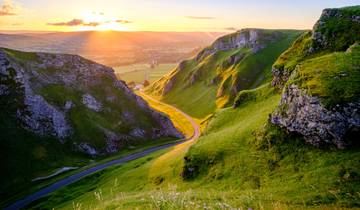
The Peak District National Park lies 30 minutes from Manchester city center by train or car, offering countryside hiking, picturesque villages, and dramatic moorland landscapes contrasting sharply with urban industrial heritage. Castleton village provides base for cave systems including Blue John Cavern with distinctive fluorite mineral formations, while Bakewell attracts visitors with its weekly market and original Bakewell pudding producers. The Monsal Trail follows converted railway line through stunning limestone valley scenery, demonstrating Victorian engineering achievement in rural context rather than urban industrial setting.
Liverpool sits 35 minutes from Manchester via frequent trains, offering complementary heritage experiences as major port city where Manchester’s exported goods departed for global markets. Beatles-related sites including The Cavern Club, Penny Lane, and Strawberry Field attract music pilgrims, while Albert Dock’s maritime museums, Tate Liverpool art gallery, and waterfront regeneration demonstrate port city evolution paralleling Manchester’s post-industrial transformation. The Beatles Story museum and various Beatles tours provide thorough coverage of the band’s Liverpool origins, early performances, and breakthrough to international fame.
Chester preserves Britain’s most complete Roman and medieval town walls, creating distinctive character as heritage city with remarkably intact historical fabric. The 2-mile wall circuit provides elevated walking route encircling the city center, passing medieval gates, Victorian-era additions, and viewpoints over surrounding countryside. Chester Cathedral represents English Gothic architecture at highest quality, while The Rows—unique two-level medieval shopping galleries—demonstrate commercial architecture innovation pre-dating covered shopping arcades by centuries. Chester Zoo ranks among Europe’s finest wildlife collections, adding family attraction to historical and architectural draws.
York lies 90 minutes east via train, offering complementary medieval heritage experience to Manchester’s industrial focus. York Minster represents English Gothic cathedral architecture’s pinnacle, the Shambles preserves medieval street layouts with overhanging timber-frame buildings, and the National Railway Museum houses world’s largest collection of historic locomotives and rolling stock. York’s Viking and Roman heritage sites, city walls, and abundant medieval churches create saturated historical atmosphere contrasting with Manchester’s predominantly Victorian character.
The Lake District National Park, approximately 90 minutes north by train or car, provides England’s most dramatic mountain scenery with numerous literary connections including William Wordsworth’s Dove Cottage and Beatrix Potter’s Hill Top Farm. Hiking routes range from gentle lakeside strolls to challenging fell climbs, while historic towns including Keswick and Ambleside offer accommodation bases and tourist amenities. Steam railway experiences, lake cruises, and literary pilgrimage sites combine outdoor recreation with cultural tourism in UNESCO World Heritage landscape.
Blackpool’s seaside resort tradition offers working-class leisure heritage contrasting with Manchester’s production emphasis. The Pleasure Beach amusement park, Blackpool Tower modeled on Paris’s Eiffel Tower, the Illuminations light display extending autumn season, and traditional fish-and-chips seaside culture demonstrate how Victorian-era industrial workers spent hard-earned wages on day trips and holiday weeks. The town’s slightly shabby charm and unpretentious entertainment reflect authentic working-class resort character increasingly rare in gentrified Britain.
Frequently Asked Questions: Manchester Tours & Walking Routes 2026
Do I need to book Manchester’s free walking tours in advance?
No advance booking is required for free walking tours, though some operators including Free Manchester Walking Tours offer optional reservation via Eventbrite to reduce administrative costs. Simply arrive at the specified meeting point 5-10 minutes before the posted departure time—typically 10-11am depending on operator. The Alan Turing Memorial in Sackville Gardens serves as the primary meeting point for Free Manchester Walking Tours, while Si Manchester Free Walking Tours departs from Piccadilly Gardens. Tours operate daily regardless of weather, with guides easily identifiable through branded clothing, signs, or described characteristics like the blue jacket and Oasis-playing rucksack mentioned in reviews. The tips-based payment structure means you’re under no financial obligation if you arrive and decide the tour doesn’t suit your interests, though most participants contribute £10-20 at conclusion based on satisfaction with the experience provided.
Can I visit Old Trafford and Etihad Stadium on the same day in 2026?
Yes, visiting both stadiums in a single day is logistically feasible though requires careful timing and realistic expectations about pace. Old Trafford tours last approximately 90 minutes, Etihad Stadium tours run 75-120 minutes depending on package selected, and travel between stadiums requires 30-40 minutes via Metrolink tram. A practical schedule might involve morning Old Trafford tour at 9:30am, completion by 11am, tram journey to Etihad arriving 11:45am for 12pm or 1pm tour slot, finishing by 2:30pm. This allows time for lunch and rest before evening activities, though attempting three stadium experiences or combining with other major tours risks exhaustion from tour saturation. Both stadiums close tours on home match days when operational requirements make behind-the-scenes areas unavailable, so checking fixture schedules on official Manchester United and Manchester City websites prevents wasted journey. Booking both tours advances secures preferred times and prevents disappointment from sold-out slots during peak visitor periods.
What should I wear for Manchester walking tours in 2026?
Comfortable waterproof footwear represents the single most important consideration for Manchester walking tours, as rain occurs frequently year-round and tour routes include cobblestones, canal towpaths, and uneven historic district surfaces. Waterproof jacket or coat with hood provides essential protection from Manchester’s famously unpredictable weather—tours typically operate rain or shine, with cancellations rare even during heavy precipitation. Layered clothing allows adjustment to changing temperatures, as walking generates body heat while standing during guide explanations causes cooling. Comfortable trousers or jeans suit the casual tone of most tours, though avoid restrictive clothing limiting stride length during extended walking. Small backpack or crossbody bag keeps hands free while securing personal items including phone, wallet, water bottle, and any purchased souvenirs collected during tour. Summer months warrant sun protection including hat and sunscreen despite Manchester’s cloud cover reputation, as exposed skin burns during extended outdoor periods even through overcast skies.
Are Manchester music tours suitable for visitors unfamiliar with the bands featured?
Music tours provide value even for visitors lacking deep familiarity with featured bands, as guides contextualize Manchester’s broader musical significance beyond individual artist appreciation. The tours explain how the city’s industrial heritage, working-class culture, and specific venues created environment fostering musical innovation across multiple generations. Visitors unfamiliar with Oasis still appreciate learning how the band emerged from Burnage council estates to achieve global fame, while those who’ve never heard Joy Division grasp the post-punk scene’s importance through stories about Factory Records, The Hacienda nightclub, and Manchester’s transformation from industrial decline to cultural renaissance. General Manchester Music Tours covering multiple eras and artists particularly suit those wanting musical education without commitment to specific bands. However, specialized single-band tours including dedicated Oasis or Smiths experiences assume some baseline familiarity and appeal primarily to existing fans making musical pilgrimages to significant locations. Researching featured bands before booking and listening to greatest hits compilations during pre-visit preparation maximizes appreciation of historical context and location significance guides explain.
How much time should I budget for the Science and Industry Museum in 2026?
Plan minimum 2-3 hours for meaningful Science and Industry Museum exploration, though comprehensive visits examining all galleries and attending demonstrations easily consume 4-5 hours. Power Hall: The Andrew Law Gallery alone merits 60-90 minutes to appreciate working steam engines and textile machinery during scheduled demonstrations. The textile machinery gallery, Air and Space exhibits, Revolution Manchester displays, and temporary exhibitions each warrant 30-45 minutes, while the Manchester computing collection appeals particularly to technology history enthusiasts willing to spend extended periods understanding early computer development. Families with children typically spend longer than adult-only groups due to interactive exhibits designed for hands-on engagement and energy-burning. The museum’s free admission allows splitting visits across multiple days without financial penalty—spending 2 hours on first visit exploring highest-priority exhibits, then returning later to cover remaining collections when energy and interest permit. Café facilities support extended stays with refreshment breaks preventing fatigue, while the museum shop provides conclusion activity allowing souvenir browsing before departure. Weekday afternoons typically offer quieter experiences than weekend mornings and school holiday periods, allowing more leisurely exhibit examination without crowds.
Can I do a self-guided music tour of Manchester in 2026?
Self-guided music tours work effectively for independent travelers comfortable using smartphone navigation and online resources. The Manchester Music Map curated by Hayley Flynn plots significant music locations with historical context accessible via web browser. Combining this map with band biographies, online articles about Manchester music history, and photo-sharing sites showing current appearance of historic locations allows construction of personalized tours focusing on specific interests. Key self-guided destinations include Salford Lads Club (featured on The Smiths’ The Queen Is Dead album cover), the former Hacienda nightclub site now occupied by apartment buildings with commemorative plaque, Afflecks Palace where alternative music fans still shop, and numerous Northern Quarter venues hosting contemporary live music. The Science and Industry Museum’s exhibits on Manchester’s contribution to computing and recording technology provide additional context for how the city’s technical innovation influenced music production. Self-guided approaches sacrifice expert commentary and insider stories that specialized guides like Rose Gill provide from firsthand Madchester scene experience, but gain flexibility to spend unlimited time at personally significant locations, photograph without group pressure to maintain tour pace, and visit at preferred times rather than scheduled tour departures.
What are the best months to visit Manchester for tours and walking in 2026?
May-September offers optimal weather probability for extended outdoor walking, with longer daylight hours allowing more daily activity and lower chance of persistent rain disrupting plans. However, these summer months also bring highest tourist numbers, fuller tour groups, and premium accommodation prices during peak season. March-April and September-October provide excellent compromise with moderate temperatures, manageable visitor numbers, and spring/autumn foliage adding visual interest to park and canal walks. These shoulder season months deliver better value accommodation while maintaining reasonable weather for comfortable outdoor exploration. December-February winter months see reduced crowds and atmospheric street lighting enhancing Victorian architecture appreciation, though shorter daylight hours limit afternoon activities and increased rain probability requires flexible planning with indoor alternatives readily available. Match day schedules affect availability of football stadium tours throughout the season September-May, while summer June-August sees no domestic league fixtures though pre-season preparations occasionally restrict access. Music venue calendar intensity peaks during university term times October-December and January-May when student audiences support emerging local bands, while summer festival season concentrates outdoor events including Parklife in June.
Are there tours covering Manchester’s role in the Industrial Revolution in 2026?
The Science and Industry Museum provides the most comprehensive self-paced exploration of Manchester’s Industrial Revolution contributions through extensive permanent galleries and working machinery demonstrations. Jonathan Schofield’s specialized tours including canal heritage walks and Victorian architecture experiences examine industrial-era development through expert-guided street-level exploration of surviving buildings, infrastructure, and neighborhoods. Free walking tours incorporate industrial heritage elements while covering broader historical periods, explaining how Manchester transformed from market town to Cottonopolis processing 30% of global cotton supply by 1860. The Castlefield Urban Heritage Park’s self-guided walking routes explore canal networks, railway viaducts, and warehouse conversions demonstrating integrated transport-storage systems enabling Manchester’s import-export dominance. The John Rylands Library’s neo-Gothic architecture exemplifies cultural institutions wealthy industrialists funded to demonstrate sophistication beyond mere manufacturing wealth. Combined, these resources allow visitors to construct comprehensive understanding of Manchester’s pivotal Industrial Revolution role through mix of indoor museum exhibits, outdoor architectural appreciation, and specialist guide interpretation of complex technological, social, and economic transformations that began in Manchester and spread globally across the 19th century.
Do football stadium tours include access to trophy rooms and changing areas in 2026?
Yes, standard stadium tours at both Old Trafford and Etihad Stadium include trophy room access displaying major honors won throughout club histories and changing room visits where visitors see player lockers, tactical boards, and match preparation facilities. Old Trafford’s trophy room showcases 64 major trophies including 20 English league titles and 3 European Cups/Champions Leagues, with interactive displays explaining tournament histories and legendary matches. The players’ changing room reveals surprisingly compact space where squads prepare for matches, with each player’s designated locker area and central tactical boards. Etihad Stadium tours similarly access home team dressing room with opportunities to photograph favorite players’ shirts and virtual reality technology allowing interaction with manager Pep Guardiola in the press conference room. Both tours include tunnel walks leading to pitchside areas and manager’s dugout access for photos in locations seen on television broadcasts. However, these areas remain inaccessible on home match days when operational requirements keep them closed, requiring visitors to check fixture schedules before booking. VIP tour packages at Etihad Stadium (£85 adults) provide extended access to hospitality areas and executive facilities beyond standard tour routes, while Old Trafford’s Go Behind the Scenes with a Legend experiences add former player guides and exclusive area access.
Can I bring children on Manchester walking tours in 2026?
Children are welcome on most Manchester walking tours, though appropriateness varies by tour type, child age, and attention span. Free walking tours lasting 2.5-3 hours present challenges for young children who may struggle maintaining interest during adult-focused historical narratives and extended periods standing while guides explain city development. Families with children under 8 typically find standard walking tours too lengthy, though some operators accommodate family requests for abbreviated routes or more child-friendly pacing when booking private tours. The Science and Industry Museum excels for families with hands-on exhibits, interactive displays, and dedicated children’s programming maintaining engagement across age ranges from toddlers through teenagers. Football stadium tours appeal to children with existing football interest, combining behind-the-scenes access with tangible connection to sport they watch on television or play themselves. Music tours predominantly attract adult audiences given featured bands’ heyday predating young children’s birth, though teenage fans of groups like Oasis may enjoy specialized tours covering their favorite artists. Jonathan Schofield’s themed tours vary in child-appropriateness—the Trees and Green Spaces tour suits families more than Victorian architecture technical analysis or political history deep dives. When planning family tours, consider child-specific factors including need for bathroom breaks, snack access, and flexibility to abandon tours early if boredom or fatigue sets in.
Conclusion: Creating Your Manchester Tour Experience 2026
Manchester’s compact center, exceptional public transport, and diverse tour offerings support customizable exploration matching varied interests and budget levels. Free walking tours provide excellent foundation for city understanding before investing in specialized experiences, while premium stadium tours and specialist guides deliver deeper engagement with specific passions. The city rewards both structured group tours and independent wandering, with self-guided routes revealing details organized tours necessarily skip while sacrificing expert commentary that professional guides provide.
Combining multiple tour types over several days creates comprehensive Manchester appreciation spanning industrial heritage, musical legacy, and contemporary cultural vitality. Morning orientation through free walking tour, afternoon self-guided neighborhood exploration, and evening music venue attendance balances learning formats preventing tour fatigue. The relatively low costs for many excellent experiences—free walking tours, no-admission museums, affordable specialist tours—make Manchester accessible to budget-conscious travelers while premium options exist for those seeking exclusive access and enhanced experiences.
Tour Manchester not just for historical education but for understanding how Victorian industrial might, post-war cultural innovation, and contemporary regeneration created distinctive British city character found nowhere else. The tours reveal Manchester’s continuing influence on global culture through music that shaped generations, industrial innovations that transformed civilization, and social movements that advanced human rights. Walking streets where these transformations occurred connects abstract historical knowledge to physical places, creating lasting memories and deeper appreciation for how cities evolve through human creativity, struggle, and determination.