
Manchester 3-Day Itinerary 2026: First-Time Visitor Complete Guide
Manchester combines industrial heritage with contemporary culture across three perfectly paced days of free museums, football shrines, vibrant neighborhoods, and distinctive Northern dining. This itinerary balances iconic landmarks with local favorites while respecting your budget and maximizing your time in England’s original modern city.
Key Takeaways
- Budget-Conscious Exploration 2026: Budget travelers experience Manchester for £60-85 per person daily (two sharing budget accommodation), benefiting from free world-class museums and the £2 capped bus fare frozen through 2026.
- Mid-Range Comfort 2026: Mid-range visitors invest £115-165 per person daily (two sharing mid-range hotels) for enhanced dining, premium football stadium tours, and comfortable city-center accommodation within walking distance of major attractions.
- Luxury Experience 2026: Luxury travelers spend £225-340+ per person daily (two sharing boutique hotels) accessing exclusive experiences, Michelin-quality dining, and iconic properties in Manchester’s most prestigious neighborhoods.
- Free Cultural Wealth 2026: Manchester Museum, Science and Industry Museum, Manchester Art Gallery, People’s History Museum, and National Football Museum offer free admission, delivering exceptional value for cultural exploration without admission costs.
- Transportation Excellence 2026: The Bee Network integration provides £2 single bus fares, £2.80 tram rides within zones, and £9.50 all-day unlimited bus+tram passes, with fares frozen through 2026 making navigation both affordable and convenient.
- Three-Day Investment 2026: Complete three-day Manchester experiences range from £180-255 for budget travelers to £345-495 for mid-range comfort and £675-1,020+ for luxury exploration, covering accommodation, dining, transport, and attractions per person.
People Also Ask About Manchester 3-Day Itinerary 2026
How much does a 3-day Manchester trip cost in 2026?
Three days in Manchester costs £180-255 per person for budget travelers (two sharing budget hotels, using free museums and £2 buses), £345-495 per person for mid-range visitors (two sharing mid-range hotels with enhanced dining and paid attractions), and £675-1,020+ per person for luxury experiences (two sharing boutique hotels with premium dining and exclusive tours). Budget tier daily costs run £60-85 per person including accommodation divided by two, meals £27-38, transport £5-8, and attractions £10-15 mixing free museums with occasional paid entries. Mid-range daily expenses reach £115-165 per person with hotel share £40-60, meals £48-67, transport £9, and attractions £20-30. These ranges account for seasonal variations and dining choices across Manchester’s diverse restaurant landscape.
What are the must-see attractions for first-time visitors to Manchester in 2026?
First-time visitors prioritize the Science and Industry Museum showcasing Manchester’s Industrial Revolution heritage (free admission), Manchester Museum featuring Stan the T-Rex and Egyptian collections (free with suggested £5 donation), Old Trafford Stadium Tour exploring the Theatre of Dreams (from £19), the vibrant Northern Quarter with street art and independent shops, John Rylands Library’s neo-Gothic architecture (free admission), and either Etihad or Old Trafford for football culture immersion. The three-day itinerary balances these iconic sites with neighborhood exploration in Castlefield, the Gay Village along Canal Street, and MediaCityUK at Salford Quays. Free museums deliver world-class experiences without admission fees, while stadium tours and specialty attractions require advance booking during peak 2026 visitor seasons.
Is 3 days enough time to experience Manchester properly in 2026?
Three days provides sufficient time for first-time visitors to experience Manchester’s essential attractions, explore diverse neighborhoods, understand football culture through stadium tours, and sample the city’s dining scene from Northern Quarter independents to Deansgate fine dining. The itinerary dedicates Day 1 to city center museums and culture, Day 2 to football heritage and industrial history, and Day 3 to MediaCityUK, shopping districts, and neighborhood character. Visitors departing with comprehensive Manchester understanding should note that deeper exploration of surrounding areas like the Peak District, extended football experiences visiting both major stadiums, or intensive cultural immersion across all free museums would benefit from four to five days. Three days balances iconic experiences with practical touring pace for first-time visitors establishing Manchester familiarity.
What’s the best way to get around Manchester during a 3-day visit in 2026?
The Bee Network’s integrated bus and tram system provides optimal Manchester navigation with £2 single bus fares frozen through 2026, £2.80 tram rides between city zones, and £9.50 all-day unlimited bus+tram passes covering peak travel. City center attractions cluster within 20-minute walking distances, while trams efficiently connect Old Trafford, MediaCityUK, and the airport. Purchase contactless tickets via the Bee Network app or tap directly at readers. The three-day itinerary assumes one all-day pass (£9.50) for Day 2 football stadium visits requiring tram travel, with walking covering Day 1 city center exploration and selective £2 bus rides for Day 3 movements. Manchester’s compact central zone encourages walking between Northern Quarter, Spinningfields, and Castlefield, reserving public transport for outer attractions and accommodation-to-city transfers.
Extended multi-day tours – 5+ days
Featured Manchester Multi-Day Tour Packages
5 days
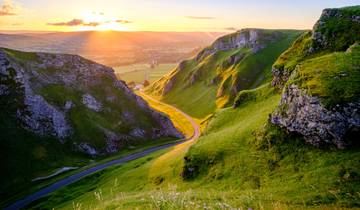
Windermere, Peak District & Snowdonia 5-Day Small-Group Tour
- ✓ Comprehensive Manchester tour
- ✓ Expert local guides included
- ✓ All accommodation arranged
- ✓ Transportation provided

3 days
The Manchester City Stadium Experience
- ✓ Comprehensive Manchester tour
- ✓ Expert local guides included
- ✓ All accommodation arranged
- ✓ Transportation provided
3 days
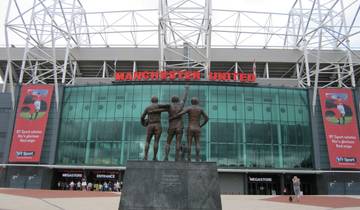
Old Trafford Museum Experience
- ✓ Comprehensive Manchester tour
- ✓ Expert local guides included
- ✓ All accommodation arranged
- ✓ Transportation provided
3 days
Lake District From Manchester (Hotel) – 3 days
- ✓ Comprehensive Manchester tour
- ✓ Expert local guides included
- ✓ All accommodation arranged
- ✓ Transportation provided
Multi-day tour packages powered by TourRadar. Prices and availability subject to change.
Introduction to Manchester’s Three-Day Discovery 2026
Manchester transformed itself from Industrial Revolution birthplace into contemporary cultural powerhouse without abandoning the cotton mills, warehouses, and railway architecture that defined its Victorian zenith. Three days reveal this layered complexity through free world-class museums documenting scientific innovation, football stadiums hosting global sporting theatre, canal-side neighborhoods repurposed into dining destinations, and the Northern Quarter’s independent creative energy challenging London’s cultural monopoly. The city’s compact walkable core concentrates experiences within manageable distances while the Metrolink tram system connects outer attractions like Old Trafford and MediaCityUK with affordable efficiency.
Manchester’s 2026 visitor landscape benefits from the fully realized Bee Network integration delivering London-style public transport convenience at significantly lower costs. The £2 bus fare cap and frozen tram pricing through 2026 address cost-of-living concerns while encouraging sustainable navigation. Cultural institutions maintain free admission policies that distinguish Manchester from European counterparts charging €15-20 museum entries, with the Science and Industry Museum, Manchester Museum, and Art Gallery collectively offering experiences equivalent to major national collections without admission barriers. This combination of affordable transport and free cultural access positions Manchester as exceptional value for budget-conscious travelers while mid-range and luxury visitors access elevated dining, boutique hotels, and premium football experiences.
The three-day structure balances iconic attractions with neighborhood character exploration. Day 1 establishes cultural foundations through city center museums, architectural landmarks like John Rylands Library, and Northern Quarter creative energy. Day 2 immerses visitors in football heritage through stadium tours while exploring industrial history at Castlefield and the Science and Industry Museum. Day 3 ventures to MediaCityUK’s waterfront development, addresses shopping desires at Trafford Centre or Arndale, and allows flexible afternoon exploration based on emerging interests. This framework accommodates different traveler priorities while ensuring first-time visitors depart understanding Manchester’s historical significance, contemporary vitality, and distinctive Northern character.
Budget considerations shape itinerary execution without compromising experience quality. Budget travelers exploiting free museums, £2 transport, and £10-15 lunch deals achieve comprehensive Manchester immersion for £60-85 daily per person when sharing budget accommodation. Mid-range visitors investing £115-165 daily access enhanced dining, premium stadium tours with museum access, and central hotels within walking distance of nightlife. Luxury travelers spending £225-340+ daily experience boutique hotels like Hotel Gotham or The Lowry, Michelin-quality restaurants, and exclusive experiences. All tiers access identical free museums and neighborhoods, with budget differentiation occurring through accommodation location, dining venue selection, and supplementary paid attractions. The universal £2 bus fare and abundance of free cultural offerings level access to Manchester’s essential character regardless of spending capacity.
Seasonal timing influences 2026 planning decisions. Summer (June-August) delivers peak temperatures averaging 18-20°C but coincides with premium hotel pricing and visitor crowds at popular attractions. Spring (April-May) and autumn (September-October) balance pleasant weather with moderate pricing and reduced queues at Old Trafford tours. Winter (November-March) offers exceptional hotel value with rates dropping 40% below summer peaks while Manchester’s covered shopping centers, museum focus, and indoor attractions suit rainy conditions. Football fixtures operate September through May, ensuring stadium atmosphere during most visiting periods while summer offers stadium tours without match-day crowds. The three-day itinerary functions year-round with indoor-outdoor balance accommodating Manchester’s variable weather patterns.
Practical preparation enhances three-day efficiency. Book Old Trafford or Etihad stadium tours minimum one week advance during summer peak season, as daily tour capacities fill completely during major football events. Download the Bee Network app for seamless transport payments avoiding ticket machine queues. Reserve dinner tables at popular restaurants like Hawksmoor or Dishoom, particularly Friday-Saturday evenings when walk-in availability evaporates. Budget travelers should note that while museums offer free admission, suggested donations of £5 per person support ongoing operations. Mid-range and luxury visitors booking boutique hotels in Northern Quarter or Spinningfields eliminate transport costs through central positioning. The following daily breakdowns provide hour-by-hour guidance while encouraging spontaneous detours into neighborhoods and experiences that capture individual interest.
Day 1: City Center Culture and Northern Quarter Character 2026
Morning: Manchester Art Gallery and Central Architecture (9:00 AM – 12:30 PM)
Begin Manchester exploration at Manchester Art Gallery (Mosley Street, free admission, opens 10:00 AM) to avoid afternoon crowds while morning light enhances the pre-Raphaelite collection. The gallery houses exceptional British art spanning six centuries with particular strength in Victorian social realism, L.S. Lowry’s industrial landscapes depicting Manchester’s mill workers, and contemporary installations challenging traditional narratives. Budget travelers appreciate free admission eliminating cultural costs, while the gallery café offers reasonable £4-6 coffee and pastries for morning fuel. Allow 90 minutes for comprehensive gallery exploration or 60 minutes for highlights including the Lowry gallery and pre-Raphaelite rooms.
Exit eastward along Mosley Street toward Piccadilly Gardens, Manchester’s central plaza connecting major transport routes. The walk passes Albert Square dominated by the neo-Gothic Manchester Town Hall, currently completing restoration work revealing Victorian civic ambition through intricate stone carvings and Albert Memorial. Photography enthusiasts should capture the Town Hall’s western facade during morning light when shadows emphasize architectural detail. Continue north along Cross Street into the historic banking district where Edwardian commercial palaces showcase Manchester’s financial power during cotton industry dominance.
Reach John Rylands Library (Deansgate, free admission, opens 10:00 AM Tuesday-Saturday) by 11:00 AM for one of Manchester’s most spectacular architectural experiences. The neo-Gothic library designed by Basil Champneys houses rare manuscripts including medieval illuminated texts and Gutenberg Bible fragments within cathedral-like reading rooms featuring soaring vaulted ceilings, intricate stone tracery, and stained glass filtering Manchester’s typically overcast light into amber glows. Free admission makes this essential stop for all budget tiers while the intimate scale ensures 45 minutes covers comprehensive exploration including the historic reading room and rotating manuscript exhibitions.
Cross Deansgate westward into Spinningfields, Manchester’s modern business district where contemporary glass towers contrast medieval-inspired library architecture. Lunch options range from budget-friendly Pret A Manger or Greggs (£4-6 sandwiches) to mid-range Dishoom (£12-15 plates) serving Bombay-style breakfast-lunch fusion. Budget travelers continuing toward free afternoon museums might pack supermarket sandwiches (Tesco Metro on Market Street, £3-4) saving £5-8 daily toward evening dining upgrades. Mid-range visitors should experience Dishoom’s bacon naan or house chai before afternoon exploration.
Afternoon: Northern Quarter Exploration and People’s History Museum (12:30 PM – 5:00 PM)
Walk north from Spinningfields along Bridge Street into the Northern Quarter, Manchester’s creative neighborhood where Victorian warehouses converted into independent shops, record stores, vintage boutiques, and street art installations create distinctly un-corporate atmosphere. Budget one hour wandering Oldham Street, Tib Street, and Stevenson Square photographing murals, browsing Affleck’s Palace’s multi-floor alternative market (eclectic independent vendors selling everything from vinyl to vintage clothing), and absorbing neighborhood character through café culture observation.
Northern Quarter lunch spots cater to all budgets: Soup Kitchen (£6-8 burgers), Idle Hands (£8-10 brunch plates), or upscale Mackie Mayor food hall (£10-15 per vendor). The neighborhood rewards spontaneous exploration rather than rigid routing, with hidden courtyards, independent coffee roasters, and vintage shops creating discovery opportunities. Street art concentrates around Stevenson Square and Port Street where commissioned murals celebrate Manchester music heritage from Joy Division to Oasis alongside contemporary social commentary pieces.
Proceed west to People’s History Museum (Left Bank, Spinningfields, free admission, opens 10:00 AM) by 2:30 PM allowing two hours before 5:00 PM closing. This exceptional social history museum documents British democracy evolution, trade union movements, and working-class political organizing through interactive exhibitions spanning Peterloo Massacre (1819) to contemporary activism. Free admission delivers remarkable value as exhibitions equal major national museums in scope and presentation quality. The museum’s riverside location alongside the Rochdale Canal provides outdoor breaks between gallery floors while the café offers reasonable refreshments.
Museum highlights include the Peterloo Massacre section connecting Manchester’s 1819 protest tragedy to democratic reform movements, the extensive trade union banner collection visualizing industrial labor organizing, and the Ideas Changing The World gallery exploring social movements from suffragettes to LGBTQ+ rights. Budget two hours for comprehensive exploration or 90 minutes for core exhibitions. Photography permitted throughout encourages documentation, while interactive elements engage younger visitors making this family-friendly cultural stop.
Evening: Castlefield Canals and Dinner Selection (5:00 PM – 10:00 PM)
Walk south from People’s History Museum into Castlefield, Manchester’s oldest neighborhood where Roman fort ruins (AD 79) coexist with Victorian railway viaducts, canal basins, and industrial warehouse conversions. The Castlefield area provides peaceful canal-side walking contrasting city center energy while demonstrating Manchester’s layered history through visible architectural eras. Free exploration along the Bridgewater Canal and Rochdale Canal allows photography of iron bridges, restored narrowboats, and waterfront dining venues as late afternoon transitions into evening.
Castlefield’s canal-side restaurants offer diverse dining experiences. Budget travelers find affordable options at The Wharf (£10-15 mains, canal views) or return to Northern Quarter for £8-12 curry houses along Curry Mile (Rusholme). Mid-range visitors might experience The Oast House’s unique treehouse-style outdoor dining (£15-20 mains, advance booking recommended weekends) or Albert’s Shed (£12-18 dishes, extensive beer selection). Luxury diners should consider Australasia’s subterranean space (£25-40 mains, inventive Pacific Rim cuisine) or 20 Stories rooftop restaurant (£30-50 mains, spectacular city views from twentieth floor of Spinningfields tower).
Evening extends through optional activities based on energy levels and interests. The Gay Village along Canal Street (five-minute walk from Castlefield) provides vibrant nightlife with inclusive bars, clubs, and late-night venues creating one of England’s most significant LGBTQ+ districts outside London. Budget-conscious visitors might enjoy pub atmosphere at traditional Manchester establishments like The Briton’s Protection (£4-5 pints, historic Peterloo pub) or Peveril of the Peak (Victorian corner pub, distinctive green tiled exterior). Cultural events including theater performances at Manchester Opera House or comedy shows at the Frog and Bucket add entertainment variety, though ticket costs (£15-45) impact daily budgets.
Return to accommodation via Metrolink tram (£2.80 typical zone crossing) or walking if centrally located. Budget travelers in hostels or budget hotels near Piccadilly Station complete Day 1 having spent approximately £8-12 on food beyond accommodation (utilizing free museums, packed lunch, budget dinner) plus minimal transport costs. Mid-range visitors investing in enhanced dining and possible evening entertainment reach £40-60 daily spending beyond accommodation. Day 1’s free cultural institutions and walkable distances demonstrate Manchester’s accessibility while establishing foundational understanding of the city’s industrial heritage, political history, and contemporary creative energy.
Day 2: Football Heritage and Industrial Innovation 2026
Morning: Old Trafford Stadium Tour (9:00 AM – 12:00 PM)
Dedicate Day 2 morning to Manchester’s defining cultural institution: football. Depart accommodation by 9:00 AM for Old Trafford Stadium Tour (check official website for current rates and availability) requiring tram travel on the Altrincham line to Old Trafford stop (15-20 minutes from city center, £2.80 single fare or included in £9.50 all-day pass recommended for Day 2 multiple destinations). Tours operate daily except match days with first departures around 9:30 AM, making advance online booking essential during peak summer season when daily capacities fill completely.
The 80-minute Old Trafford tour immerses visitors in Manchester United’s history through access to normally restricted stadium areas including the players’ dressing room where current squad prepares for Premier League matches, the tunnel emerging onto the pitch where match-day atmosphere can be imagined, the dugout offering pitch-level perspective, and the press room hosting post-match manager interviews. Tour guides deliver commentary blending club history, architectural evolution, and contemporary team insights while encouraging photography throughout. The tour includes access to the Manchester United Museum displaying trophies, historic kits, and interactive exhibits documenting the club’s evolution from 1878 foundation through Ferguson-era dominance to present-day status.
Budget considerations for football experiences vary significantly. Old Trafford tours start from £19 for basic stadium access with advance online booking, while combination packages including museum access and digital guides reach £25-30. Budget travelers choosing one stadium tour should prioritize the club matching personal football allegiance, while neutral visitors might select based on convenience or tour availability. Mid-range visitors could experience both Old Trafford and Etihad Stadium tours across separate days, though the three-day itinerary recommends one comprehensive stadium experience rather than rushing multiple football venues.
Alternative football experiences for budget-conscious travelers include the free National Football Museum in city center (Urbis Building, Cathedral Gardens) offering comprehensive football history, interactive skill challenges, and trophy collections without admission fees. This represents exceptional value for families or visitors primarily interested in football’s broader cultural impact rather than specific club immersion. The museum requires 90-120 minutes for thorough exploration and functions as Day 1 or Day 3 alternative if Old Trafford tours exceed budget allocations.
Midday: Science and Industry Museum Experience (12:30 PM – 4:00 PM)
Return to city center via Metrolink (Old Trafford to Deansgate-Castlefield, one stop, £2 or included in day pass) reaching the Science and Industry Museum (Liverpool Road, Castlefield, free admission) by 12:30 PM for afternoon exploration of Manchester’s industrial heritage. This exceptional museum occupies the world’s oldest surviving passenger railway station (1830) with galleries distributed across historic railway buildings, warehouses, and modern extensions creating atmospheric exhibition spaces where Victorian engineering achievements contrast contemporary science demonstrations.
Museum highlights span multiple buildings requiring 2.5-3 hours comprehensive coverage. The Power Hall displays working steam engines, beam engines, and mill machinery demonstrating technologies that transformed Manchester into the world’s first industrial city during the 1800s. The Air and Space Hall features historic aircraft including Avro Manchester bomber and interactive aviation exhibits. The Revolution Manchester gallery explores textile innovation, worker experiences, and social consequences of rapid industrialization through preserved machinery, documentary materials, and atmospheric reconstructions of Victorian-era working conditions.
Current special exhibitions (check museum website) often explore contemporary science topics through interactive installations particularly engaging for younger visitors. The museum’s free admission policy makes this essential stop for all budget tiers, though suggested £5 donations support ongoing operations. Families appreciate extensive hands-on elements including interactive science demonstrations, while adult visitors find substantive content exploring Manchester’s global impact through industrial innovation. The on-site café provides reasonably priced refreshments (£4-6 sandwiches, £2-3 coffee) suitable for afternoon breaks between building explorations.
Photography permitted throughout encourages documentation of impressive Victorian machinery and architectural spaces, while the museum shop offers industrial-themed gifts and books. Budget travelers might pack lunch consumed in designated eating areas, saving £8-10 daily toward enhanced dinner options. The museum’s Castlefield location positions visitors for evening exploration of canal-side dining venues or return to city center for shopping districts.
Evening: Deansgate Shopping and Diverse Dining 2026
Transition from industrial history to contemporary commercial Manchester along Deansgate, the city’s primary shopping street connecting Castlefield to northern city center. Deansgate concentrates high-street chains (Zara, H&M, Topshop) alongside department stores including House of Fraser and Selfridges, though true shopping enthusiasm should reserve time for Day 3’s Trafford Centre or Arndale Market exploration. Late afternoon Deansgate walking allows window shopping, British retail observation, and architecture appreciation as Victorian commercial buildings frame modern glass insertions.
Dinner selection on Day 2 reflects personal preferences and budget allocations. Deansgate itself offers extensive options: Bundobust (£8-12 vegetarian Indian small plates, exceptional value), Dishoom (£12-18 Bombay café dishes, mid-range favorite), or Hawksmoor (£25-45 steaks, luxury tier). The nearby Spinningfields district concentrates upscale dining including The Ivy Spinningfields (£20-35 mains, classic British-European), while King Street’s restaurant row features international cuisines from Japanese izakaya to modern European fine dining.
Budget travelers seeking exceptional value should explore Manchester’s diverse cheap eats: Mughli (Rusholme, £8-12 curries, authentic Pakistani cuisine), Bundobust (mentioned above, £3-5 per small plate allowing multiple dish sampling), or Tampopo (£10-15 Asian noodles and rice dishes across multiple city locations). These venues deliver quality substantially exceeding price points while providing cultural dining experiences beyond generic chain restaurants. Mid-range visitors allocating £15-25 per person for dinner access Manchester’s strong casual dining scene featuring everything from Vietnamese pho to Argentine steakhouses.
Evening entertainment options include Manchester’s famous music venues like Band on the Wall (live music, £10-25 tickets), comedy at Frog and Bucket (£12-18), or traditional pub atmosphere throughout city center. The Northern Quarter’s bar scene provides craft beer specialists, cocktail bars, and late-night venues, though budget-conscious travelers should note that Manchester drink prices (£5-7 pints, £8-12 cocktails) accumulate quickly during extended pub crawls. Alternatively, peaceful evening canal walks through Castlefield or return to accommodation allows budget preservation for Day 3 activities while processing Day 2’s comprehensive football and industrial history immersion.
Day 3: MediaCityUK, Shopping Choices, and Flexible Exploration 2026
Morning: MediaCityUK and Salford Quays Transformation (9:00 AM – 12:30 PM)
Day 3 ventures beyond central Manchester to MediaCityUK via Metrolink tram (MediaCityUK stop on Eccles line, 20 minutes from city center, £2.80 or included in day pass). This purpose-built digital media hub transformed former Salford Docks into BBC headquarters, ITV Granada studios, and contemporary waterfront development demonstrating Manchester’s economic evolution from industrial manufacturing to creative industries. Morning exploration allows photography of striking contemporary architecture before afternoon crowds while BBC buildings permit external viewing (though studio tours require separate advance booking and substantial costs unsuitable for three-day itinerary time constraints).
MediaCityUK’s waterfront promenade provides pleasant walking along transformed canal basins where historic cranes and dock infrastructure coexist with glass office towers, residential apartments, and outdoor dining venues. The Lowry arts complex (Pier 8, Salford Quays) offers free gallery admission featuring contemporary visual art and rotating exhibitions, typically requiring 60-90 minutes for comprehensive viewing. The distinctive angular architecture designed by Michael Wilford makes the building itself noteworthy while interior spaces provide cultural content supplementing the three-day museum experiences.
Adjacent to The Lowry, the Imperial War Museum North (Trafford Wharf Road, free admission, opens 10:00 AM) delivers powerful war history exhibitions within Daniel Libeskind’s striking aluminum-clad building evoking shattered globe. Thematic galleries explore conflict impact through personal stories, historic artifacts, and multimedia presentations creating emotional rather than chronological approaches to warfare documentation. Free admission makes this valuable addition for history-focused travelers, though thematic content addressing human cost of conflict creates heavier atmosphere than preceding days’ industrial and cultural museums. Budget 90-120 minutes for comprehensive exploration.
MediaCityUK lunch options include waterfront restaurants like The Alchemist (£12-18 mains, theatrical cocktails) or budget-friendly Pier Eight café (£6-10 dishes). Alternatively, return toward city center shopping destinations for lunch integrated with afternoon retail therapy. The MediaCityUK tram stop provides direct connections to Trafford Centre (Britain’s largest shopping complex, separate tram line requiring transfer) or central Manchester’s Arndale Centre, with route selection depending on shopping priorities and remaining itinerary time.
Afternoon: Shopping District Selection and Final Exploration (12:30 PM – 5:00 PM)
Afternoon shopping selection reflects personal retail interests and remaining energy levels. The Trafford Centre (Intu Trafford Centre tram stop, 25 minutes from MediaCityUK with one transfer) represents Britain’s largest shopping mall with 200+ stores, extensive food courts, and distinctive Baroque-inspired architecture creating theatrical retail environment. Budget three hours for comprehensive coverage though retail fatigue might limit actual shopping time to 90-120 minutes. Lunch at Trafford Centre’s Barton Square food hall provides international options at £8-15 per meal suitable for all budget tiers.
Alternatively, Manchester Arndale Centre (Market Street, city center) offers more compact shopping within covered complex featuring 200+ stores including British high-street favorites, international chains, and Arndale Market’s independent vendors selling everything from vintage clothing to international foods. The central location allows easy integration with final afternoon explorations through Northern Quarter vintage shops, Affleck’s Palace alternative market, or King Street’s luxury boutiques showcasing British and international designer brands.
Budget-conscious travelers might skip dedicated shopping time entirely, instead returning to missed Day 1 or Day 2 attractions based on emerged interests. Options include Manchester Cathedral (free admission, peaceful Gothic interior offering spiritual contrast to industrial heritage), additional Northern Quarter vintage shopping combining browsing with café culture, extended time at National Football Museum if Old Trafford tour whetted football appetite, or simply relaxed canal-side walking through Castlefield processing three days of intensive urban exploration.
Mid-range and luxury visitors might indulge final afternoon experiences reflecting personal interests: afternoon tea at Cloud 23 bar (Hilton Deansgate twentieth floor, £20+ per person during 2026 anniversary pricing, spectacular city views), spa treatments at luxury hotels, or curated shopping experiences along King Street’s designer boutiques. The flexible afternoon structure acknowledges that three intensive days of cultural immersion, walking, and new city navigation creates legitimate fatigue requiring either continued exploration for energetic travelers or peaceful downtime for those maximizing final evening dining experiences.
Evening: Farewell Dinner and Manchester Reflections (5:00 PM – 10:00 PM)
Final evening dinner selection should reflect accumulated Manchester understanding while celebrating three-day exploration completion. Budget travelers might return to discovered favorites from Days 1-2 or explore previously unvisited neighborhoods like Chinatown’s extensive Asian restaurant concentration (Faulkner Street, £10-15 meals) or Rusholme’s Curry Mile (Wilmslow Road, £8-12 curries, authentic subcontinental cuisines from Pakistani to Bangladeshi). These areas provide cultural dining experiences and exceptional value while demonstrating Manchester’s multicultural character beyond tourist-focused city center venues.
Mid-range farewell dinners might celebrate at Manchester institutions like Hispi (£15-20 mains, modern British bistro, advance booking essential), El Gato Negro (£18-25 tapas experience, Spanish flavors), or Tattu (£20-30 mains, contemporary Chinese in theatrical setting). These restaurants balance quality, atmosphere, and reasonable pricing while delivering memorable final-evening experiences worthy of three-day adventure celebration. Friday-Saturday bookings require one-week advance reservations during peak season, emphasizing planning importance for popular venues.
Luxury tier finale might include Adam Reid at The French (£85-120 tasting menus, Michelin-starred modern British, advance booking essential), 20 Stories (£40-60 mains, rooftop dining with panoramic Manchester views), or Hawksmoor (£35-55 steaks, British beef specialists in dramatic Victorian banking hall). These experiences deliver exceptional food quality, sophisticated atmospheres, and service standards justifying premium pricing while providing culminating memories of Manchester’s evolved dining scene competing favorably with London establishments at significantly lower costs.
Post-dinner evening might include final neighborhood walking, return to favorite Northern Quarter bar for farewell drinks, or peaceful canal-side reflection on three days of discovery. Budget-conscious travelers completing three intensive days of cultural immersion, football heritage, industrial history, and neighborhood exploration while maintaining £60-85 daily spending demonstrate Manchester’s accessibility. Mid-range visitors investing £115-165 daily accessed enhanced experiences without extravagance, while luxury travelers’ £225-340+ daily spending delivered premium comfort and exclusive access. All tiers depart understanding Manchester’s historical significance, contemporary vitality, and distinctive character separating this Northern powerhouse from London’s gravitational pull on British cultural consciousness.
Budget Breakdowns by Traveler Tier 2026
Budget Traveler Daily Costs Manchester 2026
Budget travelers experience comprehensive Manchester for £60-85 per person daily assuming two people sharing budget accommodation. Hostel dormitories cost £18-25 per person nightly, while budget hotels near Piccadilly Station or Salford run £35-45 per room (£18-23 per person when sharing). Meals reach £27-38 daily through strategic selection: supermarket breakfast (Tesco, £3-5 cereal, fruit, yogurt), £10-12 lunch at budget-friendly venues like Bundobust, Soup Kitchen, or Tampopo workers’ lunch menus, and £12-18 dinner at curry houses along Rusholme’s Curry Mile or Northern Quarter casual spots. Transport costs minimize through walking central attractions with selective £2 bus rides or £9.50 all-day tram+bus pass for Day 2 stadium visits, totaling £5-8 daily average.
Attraction costs for budget tier emphasize free museums (Manchester Museum, Science and Industry Museum, Art Gallery, People’s History Museum) providing world-class cultural experiences without admission fees. One Old Trafford stadium tour (£19) represents the primary paid attraction, supplemented by free National Football Museum if football interest justifies additional time allocation. Daily attraction budget averages £10-15 across three days accounting for one major paid experience plus suggested museum donations. Three-day total expenditure reaches £180-255 per person including all meals, accommodation shares, transport, and attractions, demonstrating Manchester’s exceptional value for budget-conscious cultural travelers.
Budget optimization strategies include Tesco Metro supermarket visits for breakfast supplies and packed lunches (saving £8-10 daily versus café breakfasts and restaurant lunches), utilizing free museum cafe facilities for breaks rather than commercial cafés, selecting hostels with included breakfast reducing morning meal costs, and timing restaurant visits during lunch hours when many venues offer £10-15 set menus unavailable at dinner. The Bee Network’s frozen £2 bus fare through 2026 and abundance of walkable attractions minimize transport expenditure while January-March visiting captures 25-40% hotel discounts without sacrificing cultural access or neighborhood character.
Mid-Range Traveler Daily Costs Manchester 2026
Mid-range visitors invest £115-165 per person daily (two sharing mid-range hotels) accessing enhanced comfort, dining quality, and attraction experiences. City-center hotels near Spinningfields or Northern Quarter cost £80-120 per room nightly (£40-60 per person sharing), positioning travelers within walking distance of major attractions while eliminating transport costs between accommodation and city core. Meals reach £48-67 daily through elevated selections: hotel or café breakfast (£8-12), lunch at mid-range restaurants like Dishoom, Mackie Mayor vendors, or Hispi (£15-20), and dinner at quality establishments including Hawksmoor lunch service, El Gato Negro tapas, or Deansgate restaurants (£25-35 per person).
Transport for mid-range tier typically involves one £9.50 all-day bus+tram pass for Day 2 destinations with remaining days utilizing central accommodation proximity for walking, averaging £9 daily. Attractions expand beyond free museums to include Old Trafford stadium tour with museum access (£25-30), possible Etihad Stadium tour for comprehensive football experience (£25), and premium afternoon tea or specialty experiences (£20-30), totaling £20-30 daily average attraction spending. Three-day mid-range experience costs £345-495 per person covering comfortable central accommodation, enhanced dining across Manchester’s restaurant diversity, comprehensive transport access, and expanded attraction selection including both major football stadiums or cultural specialties.
Mid-range value optimization includes advance booking for hotel deals (£80-100 rooms rather than walk-in £120+ rates), targeting lunch service at upscale restaurants where £19-25 set menus deliver quality equivalent to £35-45 dinner pricing, selecting Thursday-Monday visiting avoiding Friday-Saturday peak hotel rates, and using hotel breakfast inclusion (common at mid-range properties) eliminating £10-12 daily breakfast costs. Restaurant offers throughout 2026 including January-March 25-50% discounts and year-round set menu options provide enhanced dining experiences at budget-conscious pricing for strategic planners.
Luxury Traveler Daily Costs Manchester 2026
Luxury visitors spend £225-340+ per person daily (two sharing boutique hotels) experiencing Manchester’s finest accommodations, dining, and exclusive attractions. Boutique hotels like Hotel Gotham (King Street), The Lowry (Salford Quays), or Stock Exchange Hotel (Norfolk Street) cost £160-250 per room nightly (£80-125 per person sharing), delivering design-focused interiors, prime locations, and sophisticated service standards. Meals reach £90-130 daily through premium selections: luxury hotel breakfast or upscale brunch venues (£15-20), elevated lunch at restaurants like 20 Stories or Australasia (£30-40), and fine dining experiences including Adam Reid at The French, Hawksmoor dinner service, or Tattu (£45-70 per person).
Transport for luxury tier often involves private cars, taxis, or premium ride-sharing services rather than public trams, reaching £15-25 daily though some luxury travelers utilize £9.50 day passes for efficient MediaCityUK access or environmental consciousness. Attraction expenses expand to £40-60 daily averaging across premium stadium tours with hospitality packages, exclusive afternoon tea experiences, possible private museum tours, and specialty cultural events. Three-day luxury Manchester experience totals £675-1,020+ per person delivering exceptional comfort, Michelin-quality dining, exclusive access, and sophisticated urban exploration without budget constraints limiting spontaneous experiences or premium venue selection.
Luxury tier maximizes experience quality through advance reservations at distinguished restaurants (Adam Reid, Mana, Where The Light Gets In requiring weeks advance booking for weekend tables), selecting suites or signature rooms at boutique properties, arranging private transportation for MediaCityUK or out-of-city excursions, and pursuing cultural events including theatre performances, concert tickets, or specialty exhibitions beyond core free museum offerings. Weekend visiting during football season might include match tickets (£60-200+) supplementing stadium tours for complete football immersion, while extended stays allow deeper neighborhood exploration and relaxed pacing impossible during compressed three-day itineraries.
Seasonal Variations and Optimal 2026 Visiting Windows
Spring Manchester March-May 2026
Spring visiting (March-May) balances pleasant weather, moderate pricing, and reduced crowds creating optimal conditions for first-time Manchester exploration. March temperatures average 8-12°C with increasing daylight hours extending afternoon exploration possibilities while April-May warm to 12-16°C approaching summer comfort without peak-season pricing. Hotel rates remain 20-30% below summer peaks during March-April, rising gradually through May as European summer season commences. Rainfall remains significant (Manchester averages 12-15 rain days monthly year-round) requiring waterproof layers regardless of optimistic forecasts, though spring showers typically pass quickly rather than producing all-day downpours.
Spring cultural calendar includes Manchester International Festival planning announcements for July events, football season concluding in May providing final stadium atmosphere opportunities before summer closures, and parks like Heaton Park displaying spring blooms. Restaurant patios and outdoor seating areas reopen during April-May creating canal-side dining opportunities unavailable during winter months, while longer daylight allows evening neighborhood walks without 4:30 PM darkness constraining outdoor exploration. Budget travelers benefit from continued off-peak pricing through April while mid-range visitors enjoy comfortable temperatures and manageable crowds at major attractions.
Summer Manchester June-August 2026
Summer delivers Manchester’s peak visitor season with temperatures averaging 18-20°C, extended daylight until 9:30 PM, and maximum outdoor festival activity. Hotel prices reach annual peaks with city-center mid-range properties climbing to £100-140 per room nightly (£50-70 per person sharing) while boutique hotels command £180-280+ per room. Restaurant patios, canal-side seating, and outdoor bars operate fully creating atmospheric dining and drinking environments, though popularity creates weekend booking challenges requiring advance reservations. Manchester’s museums maintain air-conditioned comfort during occasional heat waves while outdoor attractions like MediaCityUK waterfront or Castlefield canals maximize appeal during dry weather.
Summer cultural highlights include potential Manchester International Festival (biennial event, odd years, check 2026 schedule), outdoor concerts at venues across the city, and park festivals. Football season concludes in May meaning stadium tours operate without match-day atmosphere but with guaranteed availability and comprehensive access. Summer rainfall continues Manchester’s year-round precipitation patterns though warm temperatures make wet weather more tolerable than winter downpours. Budget travelers should book accommodation minimum one month advance during June-August capturing early-bird rates rather than facing £60-80 hostel beds during peak-week sellouts, while luxury visitors reserving boutique hotels should expect premium pricing and minimum stay requirements during major event weekends.
Autumn Manchester September-November 2026
Autumn provides exceptional value combining pleasant early-autumn weather, football season resumption, and declining hotel rates as summer tourists depart. September temperatures average 16-18°C creating comfortable exploration conditions while October-November cool to 10-14°C requiring layered clothing but avoiding winter’s harsh cold. Hotel prices drop 25-35% from summer peaks during September with further declines through November, positioning autumn as sweet spot for budget-conscious travelers seeking cultural experiences without weather extremes or premium pricing.
Football season resumption in late August transforms stadium atmosphere with Old Trafford and Etihad hosting Premier League matches September through November, though tour availability reduces on match days requiring schedule checking during booking. Autumn cultural calendar includes theatre season launches, orchestral programs at Bridgewater Hall, and potential music festivals in September-October. Parks display autumn foliage creating photographic opportunities during Castlefield or Heaton Park exploration, while shorter daylight hours (sunset advancing from 7:30 PM September to 4:30 PM November) compress afternoon exploration requiring earlier daily starts for maximizing natural light.
Winter Manchester December-February 2026
Winter visiting delivers Manchester’s lowest hotel rates with city-center mid-range properties dropping to £50-80 per room (£25-40 per person sharing), representing 40-50% discounts versus summer peaks. Temperatures average 4-8°C requiring warm layers, waterproof outerwear, and acceptance of 4:00 PM winter darkness limiting afternoon outdoor exploration. Manchester’s indoor-focused attractions including comprehensive museum network, covered shopping centers (Arndale, Trafford Centre), and canal-side covered walkways suit winter conditions better than outdoor-dependent cities, while atmospheric Victorian architecture gains Gothic romance during grey overcast conditions typical of Northern England winters.
December features Manchester Christmas Markets (Albert Square, Cathedral Gardens) creating festive atmosphere with German-style market stalls, seasonal foods, and craft vendors operating mid-November through late December. January-March hotel discounts reach maximum levels with exceptional deals including Visit Manchester campaigns offering 20-25% additional reductions on already-low baseline rates. Winter restaurant offers throughout January-February provide 25-50% discounts at quality establishments addressing post-holiday slowdowns, creating optimal dining value for strategic visitors. Football season operates fully September through May ensuring stadium atmosphere, though weather conditions during December-February matches require serious cold-weather preparation for outdoor stadium exposure.
Money-Saving Strategies Manchester 2026
Accommodation Cost Optimization
Accommodation represents largest daily expense for all budget tiers, making strategic selection critical for overall trip costs. Budget travelers should compare hostel dormitories (£18-25 per person) versus budget hotel doubles (£35-45 per room, £18-23 per person sharing), as private room sharing often costs equivalently to dorm beds while delivering privacy and space. Locations slightly outside city center like Salford or Rusholme offer 20-30% lower rates than Spinningfields or Northern Quarter while maintaining 15-minute tram access to core attractions, though budget travelers should calculate whether transport savings (£5-8 daily walking versus £9.50 tram passes) justify central premium pricing.
Booking timing significantly impacts rates with advance reservations (60-90 days) capturing early-bird discounts averaging 15-25% below last-minute walk-in pricing. Mid-range travelers should target Sunday-Thursday nights when business hotel demand drops, creating weekend rates £20-40 higher than midweek identical rooms. Winter visiting (January-March excluding Valentine’s weekend) delivers maximum value with rates 40-50% below summer while cultural attractions maintain full operations. Package deals combining hotel with train tickets from London or airport transfers occasionally provide better value than separate bookings, particularly during Visit Manchester promotional campaigns.
Dining Cost Management Without Quality Sacrifice
Manchester’s diverse restaurant landscape enables strategic dining maintaining quality while controlling costs. Lunch service at upscale restaurants delivers identical food quality to dinner at significantly lower prices: Hawksmoor lunch steaks cost £19-25 versus £35-45 dinner pricing for same cuts, while many mid-range establishments offer £12-18 two-course lunch menus unavailable during evening service. Budget travelers should exploit supermarket meal deals (Tesco, Sainsbury’s, £3-4 sandwich, crisps, drink) for one daily meal, directing savings toward elevated dinner experiences rather than paying café prices for utilitarian lunches.
Restaurant offer culture throughout 2026 provides exceptional value for informed diners. January-March brings widespread 25-50% discounts addressing post-holiday slowdowns, while year-round weekly specials include Tuesday steak nights (£28 three courses at various venues), Wednesday happy hours, and Sunday roast traditions (£12-18 for traditional British Sunday lunch with Yorkshire pudding, roast meats, vegetables). Ethnic restaurants along Rusholme’s Curry Mile or Chinatown deliver authentic cuisines at £8-15 per person while quality substantially exceeds British pub food at equivalent pricing, creating cultural dining experiences and budget optimization simultaneously.
Transport Efficiency and Passes
Manchester’s compact central core enables walking between major Day 1 attractions (Art Gallery, John Rylands Library, People’s History Museum, Northern Quarter) eliminating transport costs entirely for city-center days. Strategic tram use for outer destinations (Old Trafford, MediaCityUK) justifies £9.50 all-day bus+tram pass only when multiple journeys occur, as two £2.80 single tram rides (£5.60) costs less than daily pass. Budget travelers walking extensively should purchase single £2 bus rides or £2.80 tram singles rather than automatic day passes, saving £4-7 daily when three-plus journeys don’t materialize.
The Bee Network’s frozen £2 bus fare through 2026 makes buses exceptionally economical for short journeys where tram zones create higher pricing. Calculate whether accommodation positioning justifies transport savings: Piccadilly Station hostels within 10-minute walk of city center eliminate daily £5-9 transport costs versus Salford budget hotels saving £8-12 nightly but requiring £9.50 daily tram passes, creating scenarios where central accommodation costs less overall despite higher per-night rates. Free Metroshuttle buses connect key city-center points providing completely free transport within downtown core, though limited routes and schedules restrict utility for comprehensive exploring.
Free Attractions Maximization
Manchester’s exceptional free museum network enables comprehensive cultural exploration without admission costs. Manchester Museum, Science and Industry Museum, Manchester Art Gallery, People’s History Museum, and National Football Museum collectively provide content equivalent to major European national museums charging €15-20 entries, representing £75-100 saved admission costs across five attractions. Budget-conscious three-day itineraries could theoretically achieve complete cultural immersion through free museums alone, adding only Old Trafford tour as single paid attraction for comprehensive Manchester experience totaling £19 attraction spending across three days.
Free architectural exploration includes John Rylands Library’s spectacular neo-Gothic interior, Manchester Cathedral’s Gothic spaces, and neighborhood walking through Northern Quarter street art, Castlefield canals, and Spinningfields contemporary architecture. Self-guided exploration using online resources or downloaded walking tour apps replicates paid guided tour content at zero cost, though missing live commentary and insider perspectives. Photography throughout free museums and architectural landmarks creates souvenir documentation without gift shop expenditures, while picnicking along Castlefield canals or in Piccadilly Gardens using supermarket supplies (£5-8 meals) provides atmospheric dining at fraction of restaurant costs.
Practical Tips for First-Time Manchester Visitors 2026
Weather Preparation and Clothing Strategies
Manchester’s maritime climate delivers year-round rainfall averaging 12-15 wet days monthly regardless of season, making waterproof layers essential packing priority. Lightweight packable rain jackets serve better than umbrellas for active urban exploration involving walking, museum visits, and photography where hands-free rain protection enables smartphone use and shopping bag carrying. Layered clothing approach (base layer, mid-layer fleece, waterproof outer) accommodates Manchester’s variable conditions where morning overcast might transition to afternoon sun then evening drizzle within single day.
Winter visitors (December-February) should pack serious cold-weather gear including insulated jackets, warm layers, waterproof boots, and accessories addressing 4-8°C temperatures and potential rain/sleet combinations. Summer temperatures rarely exceed 22-24°C meaning lightweight layers suffice though evening cooling requires long sleeves for outdoor dining. Comfortable walking shoes prioritizing water resistance over fashion enable extensive exploration across cobblestone streets, canal paths, and museum floors without foot fatigue or wet sock misery during inevitable rain showers.
Safety Considerations and Neighborhood Awareness
Manchester maintains generally safe urban environment with violent crime rates lower than London or other major British cities, though standard urban precautions apply. City center and tourist areas (Northern Quarter, Spinningfields, Castlefield) remain safe for walking during evening hours, while late-night navigation (post-midnight) should utilize well-lit main streets and avoid isolated canal paths or quiet residential areas. Piccadilly Gardens, despite central location, accumulates homeless populations and occasional antisocial behavior creating discomfort rather than danger but meriting awareness during evening transits.
Public transport operates safely throughout operating hours with tram platforms and buses monitored by CCTV and regular patrols. Solo travelers including women report comfortable navigation during daylight and evening hours through tourist areas, though very late-night solo tram rides (post-11:00 PM) might prompt taxi alternatives costing £6-12 for short central distances. Standard precautions against pickpocketing apply in crowded areas like Northern Quarter markets, Trafford Centre, or during events, though Manchester experiences lower rates than Barcelona, Rome, or Paris tourist zones.
Booking Priorities and Advance Reservations
Old Trafford stadium tours require advance online booking during peak season (June-August) as daily tour capacities fill completely during major football events or summer tourist periods. Booking one week minimum advance during summer, or 2-3 days during off-peak seasons, ensures availability at preferred times rather than accepting inconvenient late-afternoon slots or soldout disappointment. Restaurant reservations become essential for popular venues on Friday-Saturday evenings when walk-in seating evaporates by 7:00 PM, particularly at mid-range favorites like Dishoom, Hawksmoor, or El Gato Negro requiring minimum one-week advance booking during peak periods.
Accommodation booking minimum 30-60 days advance during summer peak captures early-bird rates and ensures preferred locations before city-center properties sell out. Last-minute booking (1-3 days advance) during off-peak winter months might capture distressed inventory discounts, though risk of limited availability or poor location selection outweighs potential savings. Theatre tickets, concert performances, or specialty events require separate research and booking outside three-day itinerary core planning, though spontaneous availability occasionally provides evening entertainment opportunities without advance commitments.
Communication and Connectivity
Wi-Fi availability throughout Manchester museums, many restaurants, and accommodation facilities reduces mobile data requirements for navigation and research. Free Wi-Fi in Metrolink tram stations enables journey planning between destinations, while major chains (Starbucks, Costa Coffee, Pret A Manger) provide connection points for budget travelers avoiding international data charges. International visitors should verify EU roaming agreements post-Brexit or purchase UK SIM cards (£10-20 for week’s data) enabling navigation apps, restaurant reservations, and communication without expensive roaming fees.
The Bee Network app simplifies transport payment through contactless purchases avoiding ticket machine queues and cash requirements. Credit cards with contactless payment widely accepted throughout Manchester (hotels, restaurants, museums, transport) making cash increasingly optional, though £20-40 cash reserves enable small purchases at market vendors, tips at cash-only establishments, and emergency backup if card issues arise. Museum suggested donations typically accept contactless payment at entrance desks, removing cash requirements even for voluntary contributions.
Hidden Costs and Unexpected Expenses 2026
Accommodation Add-Ons and Resort-Style Fees
Manchester hotels increasingly implement add-on charges beyond advertised nightly rates. City-center parking ranges £15-30 per 24 hours at hotel facilities or nearby lots, substantially increasing costs for drivers versus public transport users. Some mid-range and luxury properties charge “facilities fees” or “resort charges” of £5-15 per night covering gym access, Wi-Fi, or amenities previously included in base rates, though these remain less prevalent than American resort fee culture. Breakfast inclusion varies by property with budget hotels typically excluding (£8-12 add-on) while mid-range chains might include basic continental spreads and boutique hotels offering comprehensive full English breakfast as standard amenity.
Tourist tax or city levies don’t currently apply in Manchester unlike European destinations charging €2-5 per person nightly, though future implementation remains possible as UK cities explore funding mechanisms. Early checkout fees (departing before 10:00 AM) or late checkout charges (staying past 11:00 AM-noon standard) might apply at some properties, particularly during high-demand periods when room turnover maximizes revenue. Budget travelers booking hostels should verify whether towels and linens include in dormitory rates or require rental fees (typically £2-5 if applicable).
Dining Service Charges and Tipping Expectations
British tipping culture differs significantly from American expectations with 10-12.5% considered standard for table service restaurants while 15-20% American norms don’t apply. Many Manchester restaurants automatically add 10-12.5% service charges to bills, particularly for groups of six-plus diners, making additional tipping unnecessary beyond perhaps rounding up change. Budget travelers should check bills carefully before adding tips as double-paying (service charge plus additional tip) represents common tourist error costing unnecessary £5-10 per meal.
Pub and bar service doesn’t expect tipping when ordering at counter, though £1 gratuities for complex cocktails or exceptional service represent appreciated gestures rather than obligations. Tipping taxi drivers follows rounding-up convention (£8.50 fare rounded to £9-10) rather than percentage-based calculations. Hotel porters might receive £1-2 for luggage assistance though self-service predominates at mid-range properties, while housekeeping tips remain optional and uncommon in British hotel culture unlike American practices expecting $2-5 daily room gratuities.
Stadium Tour and Attraction Upsells
Old Trafford basic tours (£19) provide comprehensive access but various upsells inflate costs: museum-and-tour combination packages (£25-30), digital guide rentals (£3-5), photo packages with green-screen team photos (£10-15), and legend-led premium tours (£45+) doubling base costs. Budget-conscious travelers should clarify included elements during booking avoiding on-site upsell pressure for experiences non-essential to core stadium tour satisfaction. Gift shop temptations at conclusion of tours represent major budget risks as official Manchester United merchandise commands premium pricing (£30-50 replica jerseys, £20-30 scarves, £15-25 mugs and accessories).
Museum gift shops throughout Manchester’s free cultural institutions create subtle pressure for reciprocal purchases supporting institutions after free admission enjoyment. While completely optional, budget travelers might allocate £5-10 gift shop budget across multiple museums for small souvenirs or books rather than feeling obligated for purchases despite free entry. Café and restaurant charges within museums sometimes exceed external café pricing by 10-20%, making packed refreshments or external breaks legitimate budget-optimization strategies without cultural institution abandonment.
Day Trip Alternatives from Manchester 2026
Peak District National Park Access
The Peak District National Park’s southeastern edge lies 45 minutes from Manchester city center via train (Manchester Piccadilly to stations including Edale, Hope, or Buxton, £8-15 return) creating accessible countryside escape for Day 3 alternatives when urban saturation overwhelms. Edale village provides hiking access to Kinder Scout plateau, England’s most popular hillwalking destination, requiring moderate fitness and proper footwear but delivering dramatic moorland landscapes contrasting Manchester’s urban density. Buxton town offers Georgian spa architecture, Pavilion Gardens, and civilized country town atmosphere at gentler pace than hillwalking extremes.
Peak District day trips suit active travelers prioritizing countryside over additional Manchester museums, though weather dependency makes planning challenging given Manchester’s variable conditions. Budget travelers should pack lunches as Peak District village options remain limited and expensive compared to Manchester urban competition, while proper outdoor clothing (waterproofs, walking boots, warm layers) becomes essential given exposed moorland conditions significantly harsher than city shelter. The day trip consumes 8-10 hours including transport, walking, and village exploration, essentially replacing full Manchester day from three-day itinerary rather than supplementing existing urban schedule.
Liverpool Cultural Alternative
Liverpool lies 50 minutes from Manchester via frequent trains (Piccadilly to Liverpool Lime Street, £15-25 return depending on advance booking) enabling full-day Beatles heritage exploration, Albert Dock museum complex, and Merseyside maritime history immersion. The rival city relationship between Manchester and Liverpool creates friendly sporting tension though cultural tourists appreciate both cities’ complementary rather than competing offerings. Liverpool’s waterfront UNESCO World Heritage status, Tate Liverpool contemporary art museum, and Beatles Story exhibition create distinct experiences unavailable in Manchester, though comprehensive Liverpool exploration ideally requires dedicated 2-3 day visits rather than rushed day-trip sampling.
Day-trip Liverpool logistics involve 7:00 AM-8:00 AM Manchester departure, 9:00 AM-6:00 PM Liverpool exploration, and 7:00 PM-8:00 PM Manchester return consuming 12-13 hours. Budget travelers might find this exhausting following intensive Manchester Days 1-2, while mid-range visitors could justify Liverpool day trip by reducing Manchester itinerary to two days then dedicating Day 3 to Merseyside rather than MediaCityUK and shopping districts offering less distinctive experiences. Train advance booking (7-14 days) captures £15 return fares versus £25-30 walk-up pricing, representing meaningful budget savings for spontaneous versus planned travelers.
Frequently Asked Questions Manchester 2026
Do I need to rent a car for visiting Manchester in 2026?
Car rental remains unnecessary for Manchester city visits as the compact central core enables walking between major attractions while the Bee Network’s integrated tram and bus system efficiently connects outer destinations including Old Trafford, MediaCityUK, and the airport. City-center parking costs £15-30 daily at hotels or public lots, street parking remains extremely limited with resident permit zones surrounding most neighborhoods, and congestion makes driving slower than walking or trams for central movements. Budget travelers save £40-60 daily by avoiding rental fees and parking charges, while environmental consciousness supports public transport utilization over private vehicle dependency. Car rental makes sense only for extensive Peak District exploration or multi-city UK touring beyond Manchester’s urban boundaries, scenarios falling outside typical three-day first-time visitor itineraries.
Is Manchester safe for solo travelers in 2026?
Manchester maintains safe environment for solo travelers including women navigating independently, with violent crime rates lower than many European capitals and tourist areas like Northern Quarter, Spinningfields, and Castlefield busy enough during evenings to provide ambient safety through activity and visibility. Standard urban precautions apply including avoiding isolated areas during very late hours (post-midnight), maintaining awareness in crowded tourist zones where pickpocketing occasionally occurs, and using well-lit main routes rather than deserted shortcuts during evening navigation. Solo female travelers report comfortable experiences across accommodation types from hostels to boutique hotels, with Manchester’s Northern industrial culture creating less aggressive street harassment than Mediterranean tourist destinations. Public transport operates safely throughout service hours, though very late-night solo tram rides might prompt taxi alternatives for enhanced security and direct door-to-door service.
What’s the best neighborhood for first-time visitors to stay in Manchester 2026?
City center locations near Piccadilly Station, Northern Quarter, or Spinningfields optimize first-time visitor experiences through walking access to major attractions, dining diversity, and evening entertainment while eliminating daily transport costs between accommodation and core sites. Budget travelers find hostel concentration near Piccadilly with prices £18-25 per dormitory bed, while mid-range hotels cluster in Northern Quarter (£80-120 per room) delivering boutique character and independent restaurant access. Luxury visitors might prefer Spinningfields for contemporary sophistication or King Street for historic Victorian architecture housing boutique conversions. Salford locations near MediaCityUK offer 20-30% lower rates than city center but require 15-minute tram rides for Manchester core access, creating scenarios where transport costs and time consumption offset nightly savings for three-day compressed itineraries.
Can I visit both Old Trafford and Etihad Stadium during a 3-day Manchester trip in 2026?
The three-day itinerary recommends one comprehensive stadium tour rather than rushing both venues, as each tour consumes 2-3 hours including travel time, museum exploration, and return journeys. Football enthusiasts might substitute Day 3 MediaCityUK morning for Etihad Stadium tour (Manchester City, Etihad Campus, £25-30 including museum, tram accessible on Ashton line), though this creates schedule pressure for afternoon shopping and dining. Neutral visitors or those prioritizing one club should select based on personal allegiance or tour availability, as both stadiums deliver comparable behind-scenes access, trophy displays, and pitch-level experiences. Budget travelers allocating £19 for single stadium tour avoid doubling attraction costs to £38-48 for both venues, directing savings toward enhanced dining or additional cultural experiences providing greater Manchester understanding than duplicative football immersion.
What should I pack for a Manchester trip in 2026?
Essential packing includes waterproof rain jacket or packable raincoat addressing Manchester’s year-round precipitation averaging 12-15 wet days monthly, comfortable walking shoes with water-resistant properties for extensive urban exploration across cobblestones and museum floors, and layered clothing enabling temperature adaptation as weather shifts between morning overcast and afternoon sun. Winter visitors (December-February) require serious cold-weather gear including insulated jacket, warm layers, waterproof boots, and accessories for 4-8°C temperatures and potential rain/sleet. Summer travelers (June-August) pack lightweight layers for 18-20°C averages plus evening cooling requiring long sleeves, while spring/autumn visitors emphasize versatile mid-weight clothing adapting to 10-16°C variable conditions. Smartphone with navigation apps, portable battery pack for extended photography days, and UK plug adapter (Type G three-prong) complete technology essentials, while credit cards with contactless payment reduce cash requirements throughout increasingly cashless Manchester.
Are Manchester museums really free in 2026?
Manchester Museum, Science and Industry Museum, Manchester Art Gallery, People’s History Museum, and National Football Museum maintain free admission policies in 2026, though suggested donations of £5 per person support ongoing operations and exhibition development. Donations remain completely voluntary with no pressure or entrance denial for declining contribution, though conscientious visitors appreciating world-class cultural access might allocate £5-10 total across multiple museum visits recognizing operational costs and conservation requirements. Special temporary exhibitions occasionally charge separate admission (typically £8-12) while core permanent collections remain free, requiring exhibit checking during planning for travelers specifically targeting ticketed shows. The free admission model delivers exceptional value as equivalent museums in Paris, Barcelona, or Rome charge €12-20 entries, representing £60-100 saved admission costs across Manchester’s five major free institutions during comprehensive three-day cultural exploration.
How much should I budget for food per day in Manchester 2026?
Daily food budgets range from £27-38 for budget travelers utilizing supermarket breakfasts (£3-5), affordable lunch venues like Bundobust or workers’ lunch menus (£10-12), and budget dinners at curry houses or casual spots (£12-18), to £48-67 for mid-range visitors enjoying café breakfasts (£8-12), quality lunch restaurants (£15-20), and elevated dinner experiences at establishments like Hawksmoor lunch service or El Gato Negro (£25-35). Luxury tier food spending reaches £90-130 daily through upscale breakfast venues or hotel dining (£15-20), premium lunch at restaurants like 20 Stories (£30-40), and fine dining experiences including Michelin-quality establishments (£45-70 per person). Strategic budget optimization includes supermarket meal deals for one daily meal, exploiting lunch-service pricing at upscale restaurants for quality without dinner premiums, and targeting January-March restaurant offers providing 25-50% discounts at quality establishments addressing post-holiday slowdowns.
Is it better to visit Manchester in summer or winter 2026?
Summer (June-August) provides warmest weather averaging 18-20°C with extended daylight until 9:30 PM enabling maximum outdoor exploration, though hotel prices reach annual peaks with mid-range properties commanding £100-140 per room versus winter’s £50-80, representing 40-50% seasonal premium. Winter (December-February) delivers exceptional hotel value and restaurant offers (January-March 25-50% discounts), though 4-8°C temperatures, 4:00 PM darkness, and persistent rainfall create atmospheric challenges requiring acceptance of grey conditions and indoor-focused exploration. Manchester’s museum concentration, covered shopping centers, and canal-side sheltered areas suit winter better than outdoor-dependent cities, while Christmas Markets (mid-November through late December) create festive atmosphere justifying cold-weather visiting. Budget travelers prioritize winter for maximum accommodation and dining value, while weather-sensitive visitors preferring outdoor comfort select spring (April-May) or autumn (September-October) for moderate temperatures, reasonable pricing, and reduced crowds balancing summer’s peak conditions with winter’s value proposition.
Can I see everything in Manchester’s free museums during a 3-day visit in 2026?
Comprehensive coverage of all five major free museums (Manchester Museum, Science and Industry Museum, Art Gallery, People’s History Museum, National Football Museum) requires 10-12 hours assuming 2-2.5 hours per institution, creating theoretical feasibility within three-day schedule though museum fatigue and neighborhood exploration desires make selective rather than exhaustive approach more rewarding. The itinerary prioritizes Art Gallery, People’s History Museum, and Science and Industry Museum as Day 1-2 essentials delivering diverse content (fine art, political history, industrial innovation) while positioning Manchester Museum and National Football Museum as flexible additions based on emerged interests or weather-driven schedule adjustments. Travelers specifically prioritizing cultural immersion over shopping or football could theoretically dedicate full days to comprehensive museum exploration, though balanced itineraries integrating neighborhoods, dining experiences, and architectural landmarks create more memorable Manchester understanding than rushed museum marathons checking completion boxes without absorption or reflection.
What payment methods are accepted throughout Manchester in 2026?
Contactless credit and debit cards achieve near-universal acceptance throughout Manchester hotels, restaurants, museums, public transport, and retail establishments, making cash increasingly optional for most transactions. The Bee Network transport system accepts contactless payment at all tram platforms and bus readers, museum suggested donations process via contactless terminals, and even small independent shops typically maintain card readers. However, £20-40 cash reserves enable purchases at market vendors (Arndale Market, Northern Quarter vintage shops), tips at cash-preferred establishments, and emergency backup if card issues arise. International visitors should verify their credit cards lack foreign transaction fees or consider travel-specific cards avoiding 2-3% charges applied to each purchase, as these fees accumulate to £15-30 additional costs during three-day Manchester trips with £500-1,000 total spending. Apple Pay, Google Pay, and similar mobile payment systems function equivalently to physical contactless cards throughout Manchester’s payment infrastructure.