
Manaus Budget Guide 2026: How to Visit the Amazon on a Budget
This comprehensive budget guide breaks down costs across all major categories: accommodation from hostels through luxury hotels, food from market stalls to fine dining, transportation including buses and taxis, cultural attractions from free experiences to guided tours, and Amazon jungle expeditions representing the region’s signature travel experience. Sample daily budgets demonstrate realistic cost scenarios for different traveler types, while money-saving strategies identify specific techniques reducing expenses without diminishing travel quality. The goal is empowering informed financial planning that aligns spending with personal priorities while avoiding budget surprises that compromise trip enjoyment.
Key Takeaways
- Budget travelers visit Manaus for R$180-250 per day (US$36-50) including basic accommodation, public transportation, market meals, and selective free cultural experiences
- Mid-range budgets of R$400-600 per day provide comfortable hotels, organized tours, restaurant dining, and comprehensive attraction access without luxury pricing
- Accommodation represents the largest variable: hostels cost R$40-60 per night dormitory or R$80-140 private rooms, mid-range hotels R$180-280, and premium properties R$350-550 in 2026
- Amazon jungle lodge experiences range R$450-800 per person per day including transportation, accommodation, meals, and guided activities—typically the largest single expense
- Advance booking saves 15-25% across accommodation, tours, and jungle lodge packages compared to walk-in rates, with shoulder seasons (March-May, September-November) offering additional 15-20% reductions
- Public transportation costs R$4.50 per ride with unlimited daily passes unavailable, while taxis average R$20-35 within Centro and R$80-100 for airport transfers
Introduction: Understanding Manaus Travel Costs for 2026
Manaus presents budget travelers with a complex equation balancing urban costs, Amazon jungle experiences, and strategic decisions about tour investments versus independent exploration. The Amazon gateway position makes this city the essential starting point for rainforest adventures, but costs vary dramatically depending on accommodation choices, tour selections, and daily lifestyle decisions. Understanding the complete cost structure enables travelers to allocate budgets effectively across different experience categories while identifying strategic savings opportunities that preserve authentic Amazonian encounters without compromising essential elements.
The 2026 budget landscape reflects Brazil’s economic conditions with prices stated in Brazilian reais (R$) and approximate US dollar equivalents based on exchange rates around R$5-5.20 per dollar. Currency fluctuations affect international visitors significantly—monitor exchange rates during planning and consider timing purchases of prepaid tour packages when favorable rates reduce dollar costs. Most tour operators accept credit cards in reais or US dollars, while accommodation booking platforms process payments in your home currency with conversion rates that may include 2-3% premiums above spot rates.
People Also Ask About Manaus Budget Travel 2026
How much does a trip to Manaus cost in 2026?
A week-long Manaus trip costs R$3,500-5,500 (US$675-1,060) for budget travelers staying in hostels, eating market meals, using public transport, and selecting one budget jungle lodge package. Check current accommodation and tour operator rates as pricing varies seasonally. Mid-range travelers budgeting R$6,000-9,000 (US$1,150-1,730) enjoy comfortable hotels, restaurant dining, organized city tours, and mid-tier jungle lodge experiences with enhanced amenities. Luxury travelers spend R$12,000-18,000+ (US$2,300-3,460+) for premium hotels, fine dining, private guides, and high-end jungle lodges with exclusive experiences and superior service levels.
These week estimates include 3-4 nights in Manaus city accommodation, 2-3 nights jungle lodge stay, meals, transportation, city tours, and cultural attractions. Flights to Manaus cost US$400-800 from major US cities, US$250-450 from São Paulo or Rio de Janeiro, and €600-1,000 from European capitals depending on season and booking timing. Add international flight costs to ground expenses for complete trip budgets. Budget travelers can reduce total costs by shortening jungle lodge stays (which represent 40-50% of total expenses), selecting hostel dormitories over private rooms, and maximizing free cultural experiences in the city.
What’s the cheapest way to experience the Amazon rainforest from Manaus in 2026?
Budget jungle day tours from Manaus cost R$280-400 per person in 2026, providing 8-10 hour Amazon experiences including river transportation, jungle walking, piranha fishing, and indigenous community visits. Book directly with small local operators rather than hotel concierges to eliminate commission markups. Two-day/one-night budget lodge packages cost R$600-900 per person with basic accommodation, meals, transportation from Manaus, and guided activities—this represents minimum investment for authentic overnight jungle immersion versus day trips that limit rainforest exposure.
Camping tours offer the most economical multi-day option at R$450-650 per person for two-day/one-night packages including camping equipment, meals, and guides. These rustic experiences suit adventurous travelers comfortable with basic conditions (hammocks with mosquito nets, river bathing, simple cooking over fires). The budget lodges and camping tours access rainforest areas 30-50 kilometers from Manaus requiring 90-minute boat transfers, while premium lodges travel 80-150+ kilometers for more remote wilderness locations with enhanced wildlife viewing but proportionally higher costs (R$800-1,200+ per person per day).
Is Manaus expensive for budget travelers in 2026?
Manaus costs compare favorably to major Brazilian cities like Rio de Janeiro and São Paulo, though Amazon jungle experiences represent significant additional expenses beyond typical urban travel budgets. Daily city costs of R$180-250 (US$36-50) for budget travelers rival or undercut Rio and São Paulo where equivalent experience levels cost R$220-300. However, jungle lodge packages costing R$900-2,400 for 2-3 night stays create expense spikes that define overall trip budgets—Manaus becomes expensive primarily through Amazon access costs rather than urban living expenses.
Strategic budget management balances urban savings with necessary jungle investments. Spend less on city accommodation by choosing hostels (R$40-60 dormitory, R$80-140 private room) rather than hotels (R$180-280 mid-range), eat at markets and simple restaurants (R$15-30 per meal) instead of tourist-oriented establishments (R$45-85 per meal), and use buses (R$4.50 per ride) over taxis (R$20-35 per trip). These daily savings accumulate to R$80-120 per day, funding enhanced jungle lodge selections or extending trip duration without budget increases. View Manaus as two distinct budgets: urban exploration requiring modest daily spending, and Amazon immersion demanding concentrated investment in multi-day packages that deliver the region’s primary attraction.
How much should I budget for food in Manaus in 2026?
Budget travelers eating primarily at markets and simple restaurants spend R$60-100 per day in 2026—breakfast R$12-20, lunch R$20-35, dinner R$20-40, plus snacks and drinks R$8-15. Market food stalls serve authentic regional dishes at lowest prices: tacacá soup R$12-15, grilled tambaqui plates R$22-30, açaí bowls R$15-20. Self-catering from supermarkets reduces costs further to R$40-60 daily by preparing simple meals in hostel kitchens, though limited refrigeration and cooking facilities in budget accommodations restrict practical self-catering to breakfast and snacks rather than full meal preparation.
Mid-range dining budgets of R$120-180 daily cover breakfast at hotel or café (R$20-30), lunch at casual restaurant (R$40-55), dinner at mid-range establishment (R$50-75), plus coffee and snacks (R$10-20). This budget allows regional specialties at established restaurants rather than market stalls, occasional beer or caipirinha with dinner (R$12-20 per drink), and nicer dining environments with English menus and tourist-oriented service. Restaurant recommendations include Canto da Peixada and Tambaqui de Banda for regional cuisine at R$60-95 per full meal with drinks.
Luxury dining experiences at premium establishments cost R$250-350+ daily including fine dining for dinner (R$120-180 per person), upscale lunch venues (R$80-120), breakfast at premium hotels (R$35-50), and multiple coffee/beverage breaks (R$15-30 total). Top restaurants like Banzeiro and Amazônico represent culinary destinations featuring contemporary interpretations of Amazonian ingredients with sophisticated preparations, wine pairings, and elevated service standards justifying premium pricing for special occasion dining during Manaus stays.
Extended multi-day tours – 5+ days
Featured Manaus Multi-Day Tour Packages
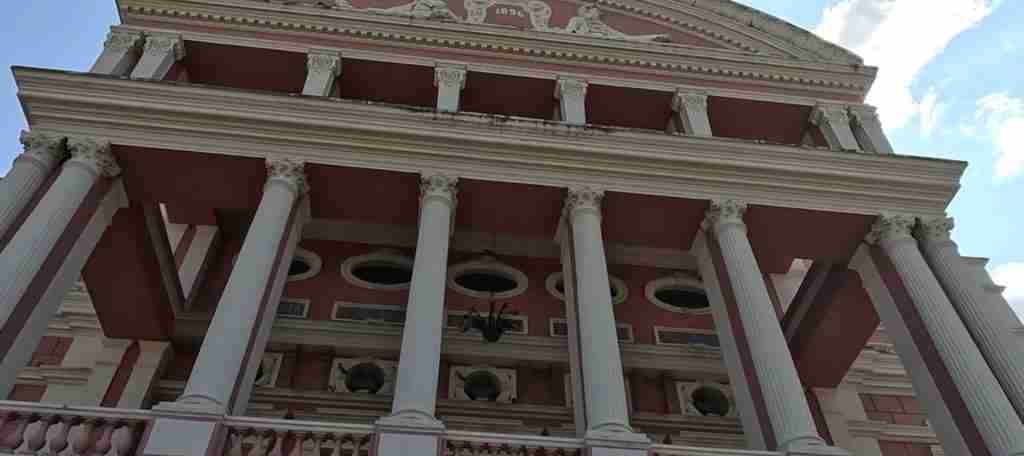
3 days
Manaus 3-Day Discovery Tour
- ✓ Comprehensive Manaus experience
- ✓ Expert local guides included
- ✓ All accommodation included
- ✓ Transportation provided
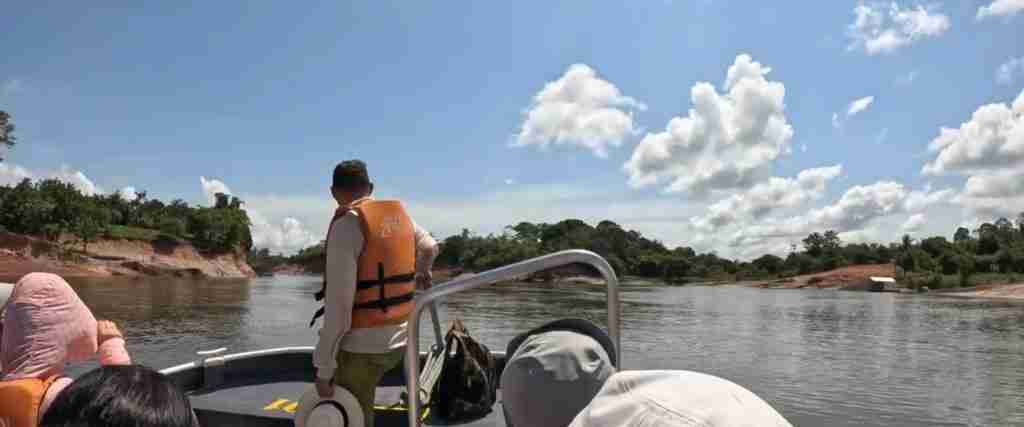
5 days
Manaus 5-Day Highlights Experience
- ✓ Comprehensive Manaus experience
- ✓ Expert local guides included
- ✓ All accommodation included
- ✓ Transportation provided

7 days
Manaus 7-Day Cultural Journey
- ✓ Comprehensive Manaus experience
- ✓ Expert local guides included
- ✓ All accommodation included
- ✓ Transportation provided
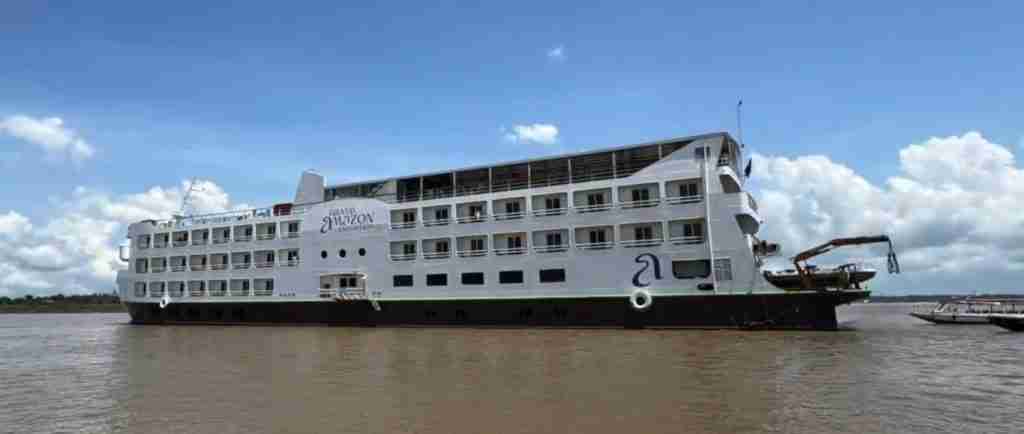
10 days
Manaus 10-Day Complete Adventure
- ✓ Comprehensive Manaus experience
- ✓ Expert local guides included
- ✓ All accommodation included
- ✓ Transportation provided
Multi-day tour packages powered by TourRadar. Prices and availability subject to change.
Essential Planning Information 2026
Accommodation Cost Breakdown for 2026
Hostel accommodation represents the most economical option for budget-conscious travelers. Dormitory beds in central Manaus hostels cost R$40-60 per night in 2026, with private rooms in the same properties ranging R$80-140 for double occupancy. Check hostel booking platforms for current rates as pricing varies by season and specific property. Popular budget hostels like Ararinha Jungle Hostel and Manaus Hostel provide basic amenities including free WiFi, shared kitchens, common areas for socializing, and tour booking assistance. Locations within 1-2 kilometers of Teatro Amazonas require 15-25 minute walks or R$15-20 taxi rides to reach the historic center’s cultural core.
Mid-range hotels in the Centro district cost R$180-280 per night with standard amenities including air conditioning, private bathrooms, WiFi, and breakfast buffets. Properties like Intercity Manaus and Go Inn Manaus offer reliable international brand standards with English-speaking staff and convenient positioning within 400-800 meters of Teatro Amazonas. These hotels balance affordability with comfort, particularly valuable for travelers prioritizing good sleep and morning breakfast convenience over social hostel atmospheres. Room categories include standard doubles (R$180-220), superior rooms with better views or updated decor (R$220-260), and occasional promotional rates during low season (March-April, September-October) reducing costs by R$30-50 per night.
Historic district boutique hotels in restored Belle Époque buildings cost R$350-550 per night, offering atmospheric experience matching cultural tourism focus. Hotel Villa Amazônia exemplifies this category with period architecture, rooftop pool, restaurant serving regional cuisine, and prime location 200 meters from Teatro Amazonas. Premium pricing reflects unique architectural character, superior service levels, and maximum convenience for independent cultural exploration. These properties appeal to travelers valuing authentic historic ambiance and willing to allocate larger accommodation budgets for enhanced daily living environments during city stays.
Ponta Negra beach district hotels 18 kilometers south of Centro range R$200-400 per night, offering resort amenities including pools, beach access, and recreational facilities. This district suits travelers combining city cultural tours with leisure time, though daily transportation to historic center attractions (R$80-100 round-trip taxi, R$9 round-trip bus) adds costs offsetting accommodation savings compared to central hotels. The Tropical Manaus Ecoresort represents the premier Ponta Negra option with extensive grounds and comprehensive facilities, while smaller beach hotels provide simpler accommodations at R$200-280 targeting domestic Brazilian tourists seeking weekend beach retreats.
Transportation Costs and Options for 2026
Local buses cost R$4.50 per ride throughout Manaus with payment by cash or prepaid cards purchased at Terminal de Integração stations. Buses connect Centro to major districts including Ponta Negra beach (routes 120, 206, 208 requiring 45-60 minutes), airport area (route 306 taking 50-70 minutes), and suburban neighborhoods where budget accommodation concentrates. Buses run 5:30 AM-11 PM on major routes with 15-30 minute intervals during peak hours (7-9 AM, 5-7 PM) extending to 30-60 minute intervals during off-peak and weekend periods. No unlimited daily passes exist—each ride costs the fixed R$4.50 fare regardless of distance traveled within city boundaries.
Taxis provide flexible transportation for direct routing and air-conditioned comfort. Within Centro district, taxi rides cost R$15-25 for short trips between Teatro Amazonas and riverfront market areas. Longer routes include Centro to Ponta Negra beach district at R$45-60 (25-minute drive), Centro to Meeting of Waters viewpoint at R$120-150 round-trip (40 minutes each direction), and airport to Centro hotels at R$80-100 (25-35 minutes depending on traffic). Taxi meters run in reais with typical starting fare around R$6 plus R$3-4 per kilometer, though airport taxis use fixed-rate systems posted at terminal exit areas eliminating meter concerns and negotiation requirements.
Ride-sharing apps Uber and 99 Taxi operate throughout Manaus with rates comparable to or slightly below traditional taxi costs. Apps provide payment convenience through linked credit cards, ride tracking for safety, and English-language interfaces for non-Portuguese speakers. Uber from Centro to Ponta Negra costs R$40-55, airport to Centro hotels R$70-90, and short Centro trips R$12-20. Peak-hour surge pricing increases costs 20-40% during morning and evening commute periods (7-9 AM, 5-7 PM) and during rain showers when demand spikes. Pre-book rides 10-15 minutes ahead during peak periods to ensure availability and avoid extended waiting times.
Jungle lodge transportation is typically included in package pricing, with operators providing boat transfers from Manaus dock facilities to lodge locations. Independent transportation to jungle areas requires private boat charters costing R$400-800 per day depending on distance and vessel size—practical only for groups of 4-6+ people splitting costs, making organized packages with included transport more economical for most travelers. River ferries to interior towns like Parintins or Santarém offer budget transportation for adventurous independent travelers, costing R$150-300 for hammock space on multi-day voyages, though these serve regional transportation needs rather than tourist jungle access and require Portuguese language skills for navigation and onboard interactions.
Attraction and Activity Costs for 2026
Teatro Amazonas guided tours cost R$20 for adults with reduced R$10 student rates and free entry for children under 12. Tours run daily 9 AM-5 PM except Mondays, with English departures at 10 AM, 12 PM, and 3 PM. Performance tickets range R$50-200 depending on seating section and production type—standard concerts cost R$50-80 for gallery seats and R$100-150 for orchestra seating, while special productions during the Amazonas Opera Festival (April-May) cost R$150-200 for premium locations. Budget travelers can experience the building’s architectural splendor through guided tours without incurring performance ticket costs, while opera enthusiasts should prioritize festival attendance when international artists present major productions justifying premium pricing.
Museum admission costs remain modest: Museu do Índio charges R$10, Palácio Rio Negro guided tours cost R$15, and Museu Amazônico requires R$8 entry. Most churches including Igreja São Sebastião offer free admission during non-mass hours. The Mercado Municipal requires no entrance fee with individual purchases varying by product—craft items cost R$5-15, regional food products R$15-30, and fresh juice at stalls R$8-12. A comprehensive day covering Teatro Amazonas tour, two museums, and market exploration costs R$38-53 in admission fees, representing excellent value for cultural immersion and historical education compared to tourist attractions in major international cities.
Organized city tours cost R$150-280 per person depending on duration and inclusions. Half-day tours (4-5 hours) covering Teatro Amazonas, historic center, and Mercado Municipal cost R$150-180 with transportation and English guide included. Full-day comprehensive tours (7-8 hours) adding lunch, Palácio Rio Negro, and Meeting of Waters viewpoint cost R$220-280. Private tours for 2-4 people cost R$400-600 total offering flexible scheduling and customized routing based on specific interests—architectural photography, indigenous culture focus, or Belle Époque history emphasis. Budget travelers can execute independent exploration for R$80-120 daily including admission fees, meals, and public transportation, saving R$70-160 compared to organized tour packages while requiring greater planning effort and Portuguese language skills.
Amazon jungle day tours cost R$280-400 per person for 8-10 hour experiences including river transportation, jungle walking, piranha fishing, and indigenous community visits. These provide economical rainforest sampling for travelers unable to commit full multi-day budgets to lodge packages. Two-day/one-night budget lodge stays cost R$600-900 per person with basic accommodation, meals, and guided activities—minimum investment for authentic overnight jungle immersion. Mid-range lodge packages for 2-3 nights cost R$1,200-2,000 per person offering comfortable rooms, enhanced meal quality, broader activity options, and more remote forest locations with superior wildlife viewing opportunities. Premium lodges exceed R$2,400-4,000+ for comparable durations delivering luxury accommodations, gourmet dining, specialized guides, and exclusive experiences in pristine rainforest settings.
Complete Budget Breakdown 2026
Ultra-Budget Traveler: R$180-250 Per Day
Hostel dormitory bed R$50 per night (private room alternative R$100-120 increases daily budget to R$230-320). Breakfast included at hostel or purchased at market bakery R$8-12 (pão com manteiga and coffee). Public bus transportation for two rides daily R$9 covering Centro to attractions and return. Teatro Amazonas guided tour R$20, Museu do Índio R$10, or free experiences like Igreja São Sebastião and riverfront walking alternate days creating average R$10 daily attraction cost. Lunch at market food stall R$20-30 for grilled fish plate or regional soup. Dinner at simple restaurant R$25-35 for pasta, pizza, or Brazilian standards like rice, beans, and grilled meat. Snacks and drinks R$8-15 including fresh juice, coffee, and occasional beer or caipirinha. Market craft purchases average R$10-20 daily budget for souvenirs accumulated over week-long stay.
This ultra-budget approach requires accommodation in hostel dormitories accepting reduced privacy and potential sleep disturbances from roommates. Meal choices emphasize markets and simple local restaurants where Portuguese menus and limited English create ordering challenges for non-speakers. Transportation relies exclusively on buses requiring route understanding and tolerance for crowded conditions during peak hours. Cultural experiences prioritize free attractions and selective paid admissions, potentially missing some museums and organized tours. Despite limitations, this budget delivers authentic Amazonian experience for travelers prioritizing duration over comfort—stretching funds for 10-14 day stays including budget jungle lodge package within overall trip budget of R$2,500-3,500 excluding international flights.
Sample ultra-budget day itinerary: Hostel dormitory R$50, market breakfast R$10, bus to Centro R$4.50, Teatro Amazonas tour R$20, market lunch R$25, free riverfront walking, bus to hostel R$4.50, simple restaurant dinner R$30, evening snacks and drinks R$12, market craft purchase R$15. Total day cost: R$171 per person (excluding accommodation R$50, equals R$121 daily operational costs). Weekly total: R$1,197-1,400 for six nights accommodation (R$300-360) plus daily costs (R$897-1,040), allowing R$600-900 budget lodge package within R$2,000-2,300 weekly total supporting authentic Amazon experience on minimal spending.
Mid-Range Traveler: R$400-600 Per Day
Mid-range hotel double room R$220 per night (R$110 per person shared occupancy). Hotel breakfast buffet included with room rate providing substantial morning meal through 10 AM. Half-day organized city tour R$170 including transportation, English guide, Teatro Amazonas admission, and market visit—convenient alternative to independent exploration requiring 3-4 hours versus full-day time commitment. Lunch at casual restaurant R$45-55 for regional fish, rice dishes, or Brazilian standards with table service and English menu availability. Afternoon taxi to Ponta Negra beach district R$50 round-trip for sunset viewing and evening leisure time. Dinner at mid-range restaurant R$65-85 including appetizer or salad, main course featuring regional specialties, dessert, and drink. Evening coffee or caipirinha R$15-20 at plaza café enjoying Teatro Amazonas exterior views and local social atmosphere.
This mid-range budget prioritizes comfort and convenience while maintaining reasonable cost control. Hotel accommodation provides private rooms with reliable air conditioning, hot water, comfortable beds, and convenient locations. Organized tours eliminate navigation stress and language barriers while ensuring efficient attraction coverage. Restaurant dining offers varied cuisine beyond budget market stalls, accommodating dietary preferences and providing more refined atmospheric experiences. Transportation flexibility through taxis and ride-sharing apps reduces waiting times and travel duration compared to buses. Cultural programming might include Teatro Amazonas performance attendance (R$80-150 additional for concert tickets) creating special evening experiences beyond standard sightseeing activities.
Sample mid-range day itinerary: Hotel room R$110 per person (double occupancy), included breakfast, organized half-day city tour R$170, casual restaurant lunch R$50, taxi to Ponta Negra R$50, mid-range restaurant dinner R$75, evening drinks R$18, attraction admission beyond tour R$15. Total day cost: R$378 per person (excluding accommodation R$110, equals R$268 daily operational costs). Weekly total: R$2,646-3,150 for six nights accommodation (R$660-840) plus daily costs (R$1,986-2,310), allowing R$1,400-1,800 mid-range jungle lodge package within R$4,000-5,000 weekly budget delivering comprehensive Amazon experience with comfortable standards throughout city and rainforest components.
Comfort Traveler: R$800-1,200+ Per Day
Boutique historic hotel double room R$450 per night (R$225 per person shared occupancy) in restored Belle Époque building with superior amenities. Premium breakfast at hotel restaurant or nearby café R$35-45 featuring regional specialties, tropical fruits, and quality coffee. Private city tour R$150 per person (R$600 for couple) with dedicated guide and vehicle offering flexible scheduling and personalized attention to specific interests—architecture, photography, indigenous culture, or culinary focus. Lunch at upscale restaurant R$80-120 for contemporary Brazilian-Amazonian cuisine with wine or craft cocktail pairing. Afternoon taxi to Meeting of Waters R$140 round-trip with private boat tour R$60 per person for closer water-level perspective. Dinner at premium restaurant R$120-180 featuring chef-driven regional interpretations, wine selections, and sophisticated service. Evening Teatro Amazonas performance R$150 for orchestra seating at special production or concert featuring visiting artists.
This comfort-level budget emphasizes quality, convenience, and exclusive experiences. Accommodation in historic properties delivers authentic architectural experience with superior service levels and prime locations. Private tours provide customized pacing, flexible itineraries, and one-on-one guide attention impossible in group settings. Dining focuses on culinary destinations where talented chefs present contemporary Amazonian cuisine rather than traditional preparations, appealing to food enthusiasts seeking gastronomic experiences. Cultural programming includes performance attendance showcasing the region’s artistic achievements beyond architectural tours of venues. Transportation exclusively uses taxis and private vehicles for maximum efficiency and comfort.
Sample comfort-level day itinerary: Historic hotel room R$225 per person, premium breakfast R$40, private city tour R$150, upscale lunch R$100, Meeting of Waters private tour R$140 transport + R$60 boat, premium dinner R$150, Teatro performance R$150, snacks and additional drinks R$35. Total day cost: R$825 per person (excluding accommodation R$225, equals R$600 daily operational costs). Weekly total: R$5,775-7,350 for six nights accommodation (R$1,350-1,800) plus daily costs (R$4,425-5,550), allowing R$2,400-3,200 premium jungle lodge package within R$8,200-10,500 weekly budget delivering exceptional Amazon experience with luxury standards, exclusive access, and memorable special moments throughout both urban and rainforest components of the journey.
Amazon Jungle Lodge Budget Planning 2026
Budget Lodge Options: R$600-900 Per Person
Budget jungle lodges 30-50 kilometers from Manaus offer basic accommodation with shared facilities and simple meals. Two-day/one-night packages cost R$600-750 per person, three-day/two-night packages R$850-1,100, including boat transportation from Manaus, accommodation in simple rooms or hammocks with mosquito nets, basic meals featuring regional staples, and guided activities like jungle walking, river fishing, and wildlife spotting. These lodges prioritize authentic rainforest immersion over comfort, with cold-water showers, fans instead of air conditioning, and basic meal presentations lacking variety but providing adequate nutrition and genuine Amazonian flavors.
Typical budget lodge activities include morning bird watching walks (6-8 AM when avian activity peaks), daytime jungle trail exploration teaching plant identification and survival techniques, afternoon river fishing for piranha and other species using traditional methods, evening caiman spotting by boat with spotlight revealing reflective eye shine, and visits to indigenous communities showing traditional crafts, forest resource use, and contemporary lifestyles balancing ancestral knowledge with modern opportunities. These activities provide educational rainforest encounters without luxury trappings, emphasizing direct nature engagement and cultural learning over comfortable amenities.
Budget lodges appeal to younger travelers, backpackers, and nature enthusiasts prioritizing wilderness experience over accommodation quality. Guests should expect rustic conditions including basic pit toilets or simple flush facilities, limited electricity (often solar-powered with evening-only availability), no WiFi or phone coverage eliminating digital distractions, and shared dining spaces where meals are served family-style promoting social interaction among guests. These limitations create authentic jungle atmosphere where rainforest sounds, wildlife encounters, and natural rhythms dominate experience rather than modern conveniences insulating guests from environment. Travelers comfortable with basic conditions achieve significant cost savings—R$300-500 per person per day less than mid-range alternatives—while experiencing comparable wildlife and educational opportunities in similar forest ecosystems.
Mid-Range Lodge Packages: R$1,200-2,000 Per Person
Mid-range jungle lodges 60-100 kilometers from Manaus provide comfortable accommodation with private rooms, en-suite bathrooms with hot water, and enhanced meal quality. Two-day/one-night packages cost R$900-1,200 per person, three-day/two-night packages R$1,400-1,800, including all transportation, accommodation in rooms with screened windows and fans or basic air conditioning, varied meals featuring regional specialties and international options, and comprehensive guided activities with bilingual naturalist guides providing English-language interpretations. These lodges balance comfort with authentic rainforest setting, offering reliable amenities supporting relaxed enjoyment without luxury pricing.
Enhanced activities at mid-range lodges include early morning canoe expeditions through flooded forest areas (during high water December-June), specialized wildlife tracking with guides teaching animal sign recognition and behavior patterns, fishing trips using multiple techniques for diverse species, night forest walks revealing nocturnal species and bioluminescent fungi, cultural exchanges with indigenous communities including craft workshops and traditional meal preparation participation, and longer expedition options to more remote forest areas for guests seeking extended wilderness immersion. Activity variety and quality guide training justify increased costs over budget alternatives while maintaining accessible pricing for travelers seeking enhanced but not luxury experiences.
Mid-range lodges attract mature travelers, families with older children (age 8+), and wildlife enthusiasts desiring comfort without sacrificing authentic jungle atmosphere. Accommodation features include screened rooms protecting against insects while maintaining natural ventilation, decent mattresses and bedding supporting quality sleep after active days, improved bathroom facilities with consistent hot water, electricity throughout day supporting device charging and lighting, and common areas with comfortable seating for relaxation and wildlife observation from covered platforms. Meal quality improves significantly with varied menus accommodating dietary restrictions, fresh salads and fruits complementing protein options, and occasional special dinners featuring regional delicacies like pirarucu or exotic fruits. This comfort level costs R$100-300 more per person per day than budget lodges but delivers meaningful amenity improvements particularly valuable for less physically adventurous travelers or those requiring reliable comfort for multi-night stays.
Premium Lodge Experiences: R$2,400-4,000+ Per Person
Premium jungle lodges located 80-150+ kilometers from Manaus in more remote forest areas provide luxury accommodation, gourmet dining, specialized guides, and exclusive experiences. Two-day/one-night packages rarely offered at premium properties (which emphasize longer stays maximizing remote location access), three-day/two-night minimum packages cost R$2,400-3,200 per person, with four-day/three-night stays at R$3,600-4,800 including air-conditioned private bungalows with Amazon river views, en-suite bathrooms with hot water and quality fixtures, exceptional meals featuring regional ingredients in sophisticated preparations, premium bar selections, and comprehensive activities led by expert naturalist guides with advanced wildlife tracking skills and scientific knowledge.
Exclusive premium activities include specialized bird watching expeditions targeting rare species with expert ornithological guides, private canoe explorations customized to individual interests and physical abilities, extended expedition options venturing deep into pristine forest areas rarely accessed by standard tours, photography-focused excursions with guides trained in optimal positioning and timing for wildlife images, cultural immersion programs involving overnight stays in indigenous communities for authentic lifestyle experiences, and helicopter or floatplane access to exceptionally remote wilderness areas where wildlife density and diversity surpass more accessible regions. These exclusive offerings justify premium pricing through unique access, expert guidance, and memorable encounters impossible at budget or mid-range properties.
Premium lodges target affluent travelers, serious wildlife photographers, honeymoon couples, and nature enthusiasts prioritizing exceptional experiences over cost considerations. Facilities include spacious bungalows with Amazon River views and private decks for wildlife observation, air conditioning providing climate control in tropical heat, premium bedding and furnishings supporting luxury comfort, WiFi available in common areas (though not recommended to use—disconnection enhances jungle experience), spa services including massage treatments using Amazonian plant-based products, infinity pools overlooking rainforest canopy, and elegant dining areas where gourmet meals showcase regional ingredients through creative preparations. Some properties include cultural elements like indigenous-style architecture, local art collections, and craft demonstrations connecting guests with regional heritage while maintaining international luxury standards. Daily costs of R$800-1,200 per person reflect genuine luxury rather than inflated tourist pricing, delivering experiences justifying investment for travelers seeking Amazon immersion without compromising comfort or exclusivity.
Money-Saving Strategies for 2026
Advance Booking and Seasonal Timing
Book accommodation 4-6 weeks ahead for early booking discounts of 10-15% compared to walk-in rates. Hotels and hostels offer promotional rates rewarding advance commitment, particularly during shoulder seasons (March-May and September-November) when lower overall demand creates flexible pricing strategies. Mid-range hotels in Centro district dropping from R$240-280 to R$200-240 through early booking represent savings of R$40-80 per night accumulating to R$240-480 over six-night stays—meaningful reductions funding additional activities or extending trip duration.
Shoulder season visits reduce costs 15-20% across accommodation and tours compared to peak season (June-August and December-January). Historic center hotels cost R$280-350 during peaks reducing to R$220-280 in shoulders. Tour operators occasionally offer 10-15% discounts on jungle lodge packages during slower periods, though wildlife viewing quality remains excellent—seasonal animal behavior variations interest dedicated naturalists but don’t significantly affect general visitor experiences. Shoulder seasons also deliver reduced crowd levels at cultural attractions, more authentic local atmosphere without peak tourist presence, and enhanced guide availability improving personalized attention during tours.
Avoid major Brazilian holidays including Carnival (February-March), Easter week (March-April), and New Year (late December-early January) when domestic tourism spikes prices 30-50% and crowds compromise experience quality. Christmas week, Brazilian Independence Day (September 7), and major long weekends see moderate 15-25% increases—less dramatic than Carnival but still affecting budget travelers. Optimal timing balances weather reliability, crowd levels, and cost considerations: September-November offers the best combination with reduced rainfall, comfortable temperatures, lower prices, and excellent wildlife activity as dry season transitions to wet season bringing increased animal movement and feeding behaviors.
Food Cost Reduction Techniques
Eat main meal at lunch when many restaurants offer prato feito (fixed-price plates) or buffets charged by weight at R$25-35 per kilogram allowing generous portions for R$18-28 total cost. These midday meals provide restaurant food quality at near-market prices, with varied options including grilled meats, regional fish preparations, rice and beans, salads, and tropical fruits. Lunch buffets support cost-conscious dining without sacrificing meal quality or variety, particularly valuable for travelers eating market breakfast (R$10-15) and simple dinner (R$20-30) to minimize daily food expenses while maintaining one substantial quality meal.
Purchase snacks and drinks at supermarkets rather than tourist-oriented convenience stores or hotel shops. Supermarkets charge R$3-5 for 1.5-liter water bottles versus R$8-12 at convenience stores. Fresh tropical fruits cost R$8-15 per kilogram at markets compared to R$20-30 for small pre-cut portions at tourist areas. Bring reusable water bottle and refill at accommodation rather than buying multiple small bottles daily—some hostels and hotels provide filtered water dispensers allowing free refills supporting both budget savings and environmental responsibility reducing plastic waste.
Focus dining budget on regional specialties unavailable elsewhere rather than international cuisine costing similar to home countries. Skip expensive Italian and Asian restaurants (R$65-95 per meal) in favor of regional fish preparations, Amazonian soups, and traditional Brazilian dishes (R$35-55 per meal) offering unique flavors specific to destination. Reserve splurge meals for genuine local specialties like tambaqui ribs at traditional churrascarias or contemporary Amazonian fusion at chef-driven restaurants—these dining experiences provide cultural value beyond nutrition, justifying premium spending for memorable regional encounters unavailable at home. Avoid familiar international chains charging premium rates for generic experiences contributing nothing to authentic destination engagement.
Tour and Activity Optimization
Join group tours rather than booking private options when guide personalization doesn’t justify cost increases. Group city tours cost R$150-180 per person versus R$400-600 total for private tours serving 2-4 people—private tours cost R$100-150 per person for couples compared to R$150-180 per person for groups, saving only R$30-50 while requiring coordination of larger total payment. Groups work well for standard city routes where flexibility matters less and social interaction with fellow travelers adds value. Reserve private tours for specialized interests like photography requiring flexible timing or architecture focus needing extended stops at specific locations where group pacing compromises individual objectives.
Combine multiple tourists for shared jungle lodge packages when traveling solo or as couple. Some operators offer shared booking options matching individual travelers into small groups for lodge packages, reducing per-person costs by 20-30% compared to couples paying full double occupancy rates without the group pricing benefits of larger parties. Budget lodges particularly accommodate this approach with dormitory-style sleeping and group meals creating natural social environments where shared booking integrates seamlessly with overall experience. Mid-range lodges sometimes offer single-supplement waivers during low season, eliminating the 30-50% surcharge solo travelers typically pay for private room occupancy.
Select one comprehensive jungle lodge package rather than multiple single-day tours. Three single-day tours at R$320 each total R$960 with repeated transportation time reducing actual jungle exposure. One three-day/two-night budget lodge at R$900 provides longer forest immersion, overnight experiences revealing nocturnal rainforest life, deeper guide relationships allowing personalized naturalist education, and elimination of daily 90-minute transfers. Multi-day packages maximize value through continuous rainforest presence, accumulated wildlife sightings (animals emerging gradually rather than appearing predictably during brief day visits), and meaningful environmental connection impossible during rushed single-day outings. Budget lodge packages deliver better value propositions than repeated day tours despite higher single-line costs appearing more expensive—evaluate total forest time and experience depth rather than comparing individual daily rates.
Sample 2026 Weekly Budgets
Budget Traveler: R$2,200-2,800 Per Week
Day 1-2: Manaus arrival and city exploration. Hostel dormitory R$50 per night (R$100 total), independent city tours R$80 daily (Teatro Amazonas R$20, bus transport R$9, meals R$45-55). Two-day city costs: R$260-280.
Day 3: Preparation and shopping for jungle trip. Hostel R$50, breakfast R$10, lunch R$25, market purchases for jungle supplies (insect repellent, snacks) R$40, simple dinner R$30, bus transport R$9. Day cost: R$114.
Day 4-5: Budget jungle lodge two-night package R$850 including all transportation, accommodation, meals, and activities. No additional daily costs required.
Day 6: Return to Manaus, rest day. Hostel R$50, late breakfast/brunch R$25, afternoon at Ponta Negra beach (bus R$9 round-trip), casual dinner R$35, evening drinks R$15. Day cost: R$134.
Day 7: Final city day and evening departure. Hostel R$50, breakfast R$12, morning market exploration, lunch R$28, afternoon museum visits R$18, simple dinner R$30, airport taxi R$85. Day cost: R$173.
Weekly total: City accommodation R$300 (6 nights), jungle package R$850, daily operational costs R$801-861 (excluding accommodation already counted). Total: R$1,951-2,011 for seven days/six nights excluding international flights. Adding R$250-400 buffer for unexpected expenses, souvenirs, and contingencies brings realistic budget to R$2,200-2,800 supporting authentic Amazon experience on minimal spending.
Mid-Range Traveler: R$4,500-5,500 Per Week
Day 1-2: Manaus arrival and comprehensive city touring. Mid-range hotel R$220 per night double (R$110 per person, R$220 total), organized half-day city tour R$170 day one, independent afternoon exploration day two R$50 attractions and transport, casual restaurant lunch R$50 daily, mid-range dinner R$70 daily. Two-day costs: R$810-850.
Day 3: Leisure and excursion day. Hotel R$110, Meeting of Waters organized tour R$180, restaurant lunch R$55, evening dinner R$75, miscellaneous transport and snacks R$30. Day cost: R$450.
Day 4-6: Mid-range jungle lodge three-night package R$1,600 including all transportation, comfortable accommodation, quality meals, and comprehensive activities. No additional daily costs required.
Day 7: Return to Manaus, Teatro Amazonas evening performance. Hotel R$110, late brunch R$35, afternoon rest, pre-performance dinner R$85, concert tickets R$120, post-show drinks R$25, airport taxi R$90. Day cost: R$465.
Weekly total: City accommodation R$550 (5 nights hotel at R$110 per person double occupancy), jungle package R$1,600, daily operational costs R$2,175-2,265 (excluding accommodation already counted). Total: R$4,325-4,415 for seven days/six nights. Adding R$175-285 for additional meals, souvenirs, and contingencies brings realistic budget to R$4,500-5,500 delivering comfortable Amazon experience with reliable amenities throughout urban and rainforest components.
Comfort Traveler: R$8,500-10,500 Per Week
Day 1-2: Luxury Manaus arrival. Historic boutique hotel R$450 per night double (R$225 per person, R$450 total), private city tour R$300 per couple (R$150 per person) day one, independent high-end dining and exploration day two R$200 per person, premium meals R$250 per person daily total. Two-day costs: R$1,450-1,550.
Day 3: Exclusive excursion day. Hotel R$225, private Meeting of Waters tour with custom boat R$200 per person, premium lunch R$120, upscale dinner with wine R$180, miscellaneous R$50. Day cost: R$775.
Day 4-7: Premium jungle lodge four-night package R$4,200 including air-conditioned bungalows, gourmet dining, expert guides, exclusive activities, and all transportation. No additional daily costs required.
Day 8: Return to Manaus, final evening. Hotel R$225, premium brunch R$65, afternoon spa treatment R$150, fine dining farewell dinner R$200, Teatro special performance R$180, private airport transfer R$120. Day cost: R$940.
Weekly total: City accommodation R$900 (4 nights at R$225 per person), premium jungle package R$4,200, daily operational costs R$3,165-3,265 (excluding accommodation already counted). Total: R$8,265-8,365 for eight days/seven nights. Adding R$235-435 for additional premium experiences, fine wines, special tours, and contingencies brings realistic budget to R$8,500-10,500 delivering exceptional Amazon experience with luxury standards, exclusive access, and memorable special moments throughout the journey.
Booking and Payment Strategies for 2026
Currency Considerations and Payment Methods
Brazilian real (R$) represents the local currency with exchange rates around R$5.00-5.20 per US dollar in 2026. Monitor rates during trip planning using XE.com or similar services, and consider favorable exchange timing for significant purchases like jungle lodge packages. Most tour operators and hotels accept US dollars directly at rates typically 2-3% below official exchange rates—this convenience fee may justify dollar payment when Brazilian real acquisition involves bank fees or unfavorable exchange rates. Major credit cards (Visa, Mastercard) process international charges at competitive exchange rates within 1-2% of spot rates, making credit cards often the best payment method for large purchases like accommodation and tours.
ATM withdrawals provide reais at good exchange rates (typically within 1% of spot rates) plus fixed withdrawal fees of US$3-6 per transaction. Withdraw larger amounts less frequently to minimize fee impact—R$1,000-1,500 withdrawals reduce percentage costs compared to multiple smaller R$200-300 withdrawals. Bradesco and Banco do Brasil ATMs offer reliable service accepting international cards, though daily withdrawal limits of R$1,000-1,500 restrict large single transactions. Notify your bank of Brazil travel dates to prevent fraud blocks on international card usage.
Cash remains important for small purchases, markets, taxis without card readers, and budget establishments. Carry daily spending money of R$100-200 in mixed denominations (R$10, R$20, R$50 notes) while securing larger amounts at accommodation. Hotels and hostels provide safes or secure storage for excess cash and backup credit cards. Avoid displaying large cash amounts in public markets or crowded tourist areas where pickpocket risk increases. Money belts or neck pouches worn under clothing provide secure storage for backup cards and emergency cash reserve (US$200-300 or equivalent reais) supplementing daily spending wallet.
Tour Booking Procedures and Confirmation
Book jungle lodge packages 4-6 weeks ahead during peak season (June-August, December-January) when popular properties fill early. Email operators directly for best rates and confirmed availability, asking specific questions about inclusions, activity options, dietary accommodation, and physical requirements ensuring packages match your capabilities and interests. Operators typically require 50% deposit at booking with balance due 48-hours before departure, accepting credit cards or PayPal for international clients. Save all confirmation emails and payment receipts, printing copies as backup since internet access may be limited at lodges lacking WiFi connectivity.
Verify exactly what’s included in quoted rates: transportation from Manaus, number of meals, activity types and frequency, guide languages, equipment provision (boots, rain gear, fishing poles), and any potential additional costs like bar tabs or optional activities. Some operators separate basic packages from premium activity supplements—clarify total costs upfront to avoid surprises when additional charges appear for services assumed included. Request detailed day-by-day itineraries showing meal times, activity schedules, and free time allocation helping you assess whether pacing suits your preferences for intensive wildlife tracking versus relaxed nature observation.
Consider travel insurance covering trip cancellation, medical emergencies, and evacuation particularly for jungle lodge stays in remote areas requiring boat or aircraft transfers for medical emergencies. Comprehensive travel insurance costs 4-6% of total trip value (R$200-400 for R$5,000-7,000 trip) but provides essential protection if unexpected health issues or family emergencies force trip cancellation. Review policies carefully ensuring rainforest activities don’t void coverage—some insurance excludes “adventure travel” potentially including jungle lodge stays, while others specifically accommodate ecotourism when activities don’t involve extreme sports like whitewater rafting or mountaineering absent from standard Amazon tours.
2026 Updates and Current Information
Economic Context and Pricing Trends
Brazil’s 2026 economic conditions show moderate inflation affecting tourism costs. Accommodation prices increased 5-8% compared to 2025 levels, with budget hostels raising rates from R$38-55 to current R$40-60 for dormitories reflecting increased operational costs including utilities, staff wages, and maintenance. Mid-range hotels experienced similar 6-9% increases from 2025 rates of R$170-260 to 2026 rates of R$180-280, while premium properties raised rates 8-10% responding to demand increases from international tourism recovery and domestic Brazilian travel growth. These price adjustments reflect broader economic trends rather than tourism-specific inflation—overall increases remain moderate by international standards.
Jungle lodge packages saw larger cost increases of 12-18% over 2025 levels due to fuel price rises affecting boat transportation, enhanced staff wages for guides and lodge workers, improved food quality and variety in response to guest feedback, and infrastructure investments in solar power systems, water treatment, and building upgrades. Budget packages previously costing R$520-650 for two-night stays now range R$600-750, while mid-range packages increased from R$1,050-1,550 to current R$1,200-1,800. Premium lodges raised rates most significantly from R$2,100-3,500 to R$2,400-4,000 reflecting luxury market’s price elasticity and continued high demand from affluent international travelers prioritizing exceptional experiences over cost considerations.
Currency fluctuations create opportunities for international visitors when real weakens against major currencies. The real trading at R$5.00-5.20 per dollar in 2026 represents 8-12% depreciation compared to 2024 levels around R$4.80-4.95, effectively offsetting domestic price increases for dollar-paying tourists. European visitors see similar benefits with euro exchange rates around R$5.40-5.60 per euro. Monitor exchange rates during trip planning and consider timing major purchases like lodge packages when favorable currency movements reduce dollar costs even as real prices remain stable or increase moderately. Brazilian economic volatility creates ongoing currency opportunities rewarding flexible travelers able to book during favorable exchange periods.
Infrastructure and Service Improvements
Manaus completed historic center pedestrianization projects improving walkability between major attractions. Rua 10 de Julho transformation into pedestrian-priority zone with widened sidewalks, shade trees, and benches enhances the walking route between Teatro Amazonas and surrounding cultural sites. These improvements support budget travelers relying on walking rather than taxis, reducing daily transportation costs while improving safety and comfort during extended urban exploration. Enhanced street lighting increases evening safety supporting post-performance dining and nighttime activities expanding usable tourist hours beyond daylight-limited schedules.
Jungle lodge infrastructure saw significant upgrades across all price categories. Budget lodges installed solar power systems providing evening electricity without generator noise, improving guest experience while reducing operational costs through renewable energy adoption. Mid-range properties enhanced bathroom facilities with consistent hot water systems and improved water treatment ensuring safe drinking water reducing plastic bottle dependency. Premium lodges added air conditioning in bungalows previously relying on fans alone, responding to guest feedback prioritizing climate control during tropical heat and humidity. These improvements justify recent rate increases by delivering tangible amenity enhancements rather than simple price inflation without service improvements.
Digital payment acceptance expanded throughout Manaus with most restaurants, shops, and tour operators now accepting credit cards even for small purchases previously requiring cash. This convenience benefits international travelers avoiding large cash withdrawals and associated security concerns while providing transaction records useful for expense tracking and budget management. However, market stalls and street vendors still prefer cash—carry R$50-100 daily for small purchases, fruit, juices, and street food supporting budget dining strategies emphasizing authentic local experiences at market-stall prices unavailable at card-accepting tourist-oriented restaurants.
FAQ: Manaus Budget Travel 2026
Can you visit Manaus and the Amazon on US$50 per day?
US$50 per day (approximately R$250-260) supports basic Manaus city experiences including hostel dormitory accommodation (R$50), market meals (R$60-80 daily total), public transportation (R$9-18), selective attraction admissions (R$20-30 averaged over multiple days including Teatro Amazonas and museums), and minimal entertainment or shopping (R$20-30). This ultra-budget approach limits jungle lodge experiences—budget two-night packages costing R$600-750 require saving US$115-145 (R$600-750) over 5-6 city days by spending well below US$50 daily average, or extending trip duration to accumulate lodge funds. US$50 daily works for city-focused visits but challenges travelers prioritizing Amazon rainforest immersion requiring concentrated spending on multi-day lodge packages within overall budget constraints.
Is it cheaper to book jungle lodges from Manaus or online in advance?
Advance online booking typically secures better rates through promotional pricing and avoids commission markups from hotel concierges or local travel agencies adding 15-25% to walk-in rates. Operators offer early booking discounts of 10-15% when reservations are made 6-8 weeks ahead, rewarding commitment with reduced rates. Online booking also guarantees availability during peak seasons when popular lodges fill 3-4 weeks before departure dates. However, last-minute walk-in deals occasionally appear during slow periods when lodges have unsold capacity 2-3 days before departures—these deals require flexibility and risk not finding availability, making them impractical for travelers with fixed itineraries or limited Manaus time. Book online for reliability and optimal rates, considering walk-in options only if you have schedule flexibility and low-season timing when availability risks are minimal.
What’s the most expensive part of visiting Manaus?
Amazon jungle lodge packages represent the largest single expense, costing R$600-4,000+ per person depending on comfort level and duration. A budget traveler spending R$180-250 daily in Manaus city (R$1,260-1,750 for seven days) adds R$850-1,100 jungle lodge package creating total budget of R$2,110-2,850, with lodge costs representing 40-45% of total spending. Mid-range travelers spending R$400-600 daily in city (R$2,000-3,000 for five city days) plus R$1,600-2,000 lodge package total R$3,600-5,000, with lodges representing 44-48% of costs. Premium travelers with R$800-1,200 daily city budgets (R$2,400-3,600 for three city days) and R$4,200-5,600 lodge packages total R$6,600-9,200 with lodges comprising 64-65% of expenditures—as accommodation quality increases, jungle lodge proportion grows because multi-day immersive experiences amplify premium service costs more dramatically than single-night city hotels.
Are there free things to do in Manaus?
Several cultural experiences require no admission fees. Igreja São Sebastião offers free entry during non-mass hours (Tuesday-Saturday 8 AM-12 PM and 2-5 PM). Palácio Rio Negro ground-floor galleries and formal gardens provide free access Tuesday-Sunday 10 AM-5 PM. Riverside walking along porto flutuante costs nothing while revealing authentic working port activities and river commerce. Praça São Sebastião serves as community gathering space where evening hours bring local residents, street food vendors, and spontaneous musical performances—free cultural observation opportunities. The historic center’s architectural walking routes require no fees for exterior photography and urban exploration, though interior museum visits and Teatro Amazonas tours require paid admission. Budget 2-3 full days exploring free attractions while saving paid admission expenses for selective must-see highlights like Teatro Amazonas guided tour representing essential cultural experience justifying the R$20 cost through architectural access and historical education.
Can vegetarians/vegans eat affordably in Manaus?
Brazilian cuisine accommodates vegetarians reasonably well with rice, beans, salads, vegetables, fruits, and cheese widely available at similar costs to standard meals. Market food stalls serve açaí bowls (R$15-20), tropical fruit plates (R$12-18), and rice-and-beans combinations (R$18-25) providing affordable plant-based options. Restaurant buffets charged by weight allow vegetarian selections at R$25-35 per kilogram, similar to omnivore meal costs. Vegan options prove more challenging—traditional Brazilian cooking uses animal products extensively including butter, cheese, and meat-based broths. Dedicated vegan restaurants exist in Manaus but concentrate in specific neighborhoods requiring transportation beyond the historic center budget walking routes. Vegans should seek accommodations with kitchen access allowing self-preparation of breakfast and simple meals supplementing restaurant dining where vegan selections limit choices. Budget R$10-15 extra daily compared to omnivore costs due to reduced market options and occasional need for specialized restaurant selections at premium pricing.
How much should I tip in Manaus?
Restaurants include 10% service charge (serviço) on bills as standard practice—this charge is optional but customary to pay unless service was genuinely poor. Additional tipping beyond the 10% service charge is unnecessary for standard service, though rounding up bills or leaving an extra R$5-10 for exceptional service is appreciated. Taxis don’t require tipping—round fares to nearest R$5 for convenience (R$28 fare rounded to R$30) or leave no additional amount for standard rides. Tour guides deserve tips for excellent service—R$30-50 per day for group tour guides, R$80-120 per day for private tour guides, and R$100-150 per person for multi-day jungle lodge guides providing comprehensive naturalist interpretation and exceptional personal attention. Jungle lodge packages sometimes include guide tips in quoted rates—inquire during booking whether tipping is included or expected as separate gratuity at trip conclusion.
Is travel insurance necessary for Manaus?
Travel insurance covering medical emergencies, evacuation, and trip cancellation provides essential protection for Amazon travel. Jungle lodges operate in remote areas requiring boat or small aircraft transfers for medical emergencies—evacuation costs can exceed US$10,000-25,000 without insurance coverage. Comprehensive policies cost 4-6% of total trip value (R$200-400 for R$5,000-7,000 trip) but protect against catastrophic expenses. Medical facilities in Manaus are adequate for routine issues but serious emergencies may require evacuation to São Paulo or Rio de Janeiro for specialized care. Insurance policies should cover “adventure travel” including rainforest activities—review coverage carefully ensuring jungle lodge stays don’t void protection. Trip cancellation coverage reimburses prepaid costs if emergencies force itinerary changes, particularly valuable given 50% deposits required for lodge bookings 6-8 weeks ahead when unexpected events might prevent travel.
Can I use my phone in Manaus and jungle lodges?
Manaus city has excellent 4G/5G mobile coverage with prepaid SIM cards available at airport and shopping centers for R$30-50 including 10-15GB data valid 30 days. International roaming through home carriers proves expensive (US$5-10 per day) making local SIM cards cost-effective for trips exceeding 3-4 days. Most hotels, restaurants, and cafes offer free WiFi for internet access without mobile data consumption. Jungle lodges vary dramatically—budget and mid-range properties lack phone coverage and WiFi entirely, creating complete digital disconnection that many guests appreciate as authentic wilderness experience. Premium lodges sometimes provide limited WiFi in common areas (not bungalows) for emergency communications, though bandwidth supports messaging not video streaming. Plan for communication blackouts during jungle stays—inform family of itinerary and expected return dates, complete essential work before departure, and embrace the opportunity for digital detox enhancing rainforest presence and nature engagement impossible while distracted by constant connectivity.
What vaccinations do I need for Manaus?
Yellow fever vaccination is strongly recommended for Amazon travel, required by some countries for return entry after visiting Brazil’s endemic regions. Get vaccinated at least 10 days before travel allowing immunity development—the vaccine provides lifetime protection with no booster requirements after 2016 WHO policy changes. Some jungle lodges require yellow fever certificates for admission due to outbreak risks in remote areas. Routine vaccinations including Hepatitis A and Typhoid are recommended for Brazil travel regardless of region. Malaria prophylaxis deserves consideration depending on specific jungle lodge locations—some areas have higher transmission risks than others. Consult travel medicine specialists 6-8 weeks before departure for personalized recommendations based on exact itinerary, existing health conditions, and current disease prevalence in your specific Amazon destinations. Factor vaccination costs (US$150-300 total for recommended vaccines without insurance coverage) into overall trip budget planning.
When is the cheapest time to visit Manaus?
Shoulder seasons from March-May and September-November offer the best value combining 15-20% reduced accommodation costs, lower tour prices, and decreased crowd levels compared to peak season (June-August and December-January). Historic center hotels drop from R$280-350 to R$220-280, while tour operators occasionally discount jungle packages by 10-15% during slower periods. April and November represent optimal months balancing lower costs with good weather—April has more rainfall but also features the Amazonas Opera Festival for cultural programming, while November marks dry season end before December holiday price increases. Avoid Carnival (February-March), Easter week, and Brazilian Independence Day (September 7) when domestic tourism spikes prices 25-40% without proportional experience improvements—these holiday periods crowd attractions, inflate costs, and reduce authentic local atmosphere as tourist services overwhelm regular city life.