Visiting Machu Picchu and Huayna Picchu in one day is a dream for many travelers. These iconic landmarks offer distinct perspectives on Inca history and breathtaking Andean landscapes. However, coordinating this ambitious journey requires precise planning to balance exploration with strict entry schedules.
The ancient citadel of Machu Picchu attracts over 1.5 million annual visitors, while Huayna Picchu’s steep trails limit access to just 400 daily hikers. This scarcity makes advance ticket reservations essential. Travelers must account for elevation changes, shuttle bus timetables, and weather patterns when crafting their schedule.
We’ve designed this guide using current visitation data and local expert insights. It reveals practical strategies for maximizing your experience without rushing key highlights. From sunrise viewings to strategic rest breaks, every detail contributes to a fulfilling dual-site adventure.
Key Takeaways
- Entry tickets for both sites often sell out months in advance
- Morning hours provide optimal lighting and fewer crowds
- Altitude acclimatization significantly impacts hiking performance
- Shuttle buses between Aguas Calientes and Machu Picchu run hourly
- Guided tours can streamline navigation through complex site layouts
- Contact us by filling out the trip planner form, our expert travel advisors will work closely with you to create your tailor-made itinerary (Free Service)
Overview of a One-Day Machu Picchu Adventure
Conquering two iconic Inca landmarks in 12 hours demands strategic pacing. Early arrivals secure golden morning light over the Machu Picchu citadel, while afternoon slots reveal Huayna Picchu’s hidden terraces. This dual exploration blends architectural wonder with mountain wilderness.
Understanding the Significance of Huayna Picchu and Machu Picchu
The 15th-century citadel served as a royal estate, its agricultural terraces and temples showcasing Inca engineering. Huayna Picchu’s summit housed ceremonial spaces and watchtowers. Together, they form a UNESCO World Heritage Site representing Andean cosmology.
| Feature | Machu Picchu | Huayna Picchu |
|---|---|---|
| Elevation | 7,972 ft | 8,835 ft |
| Key Structures | Sun Temple, Intihuatana | Moon Temple, Gran Caverna |
| Daily Visitors | 5,600 | 400 |
| Avg. Visit Time | 3-4 hours | 2-3 hours |
What to Expect on the Journey
Morning tours typically cover the citadel’s main areas – the agricultural sector, urban zone, and sacred plazas. Afternoon hikers navigate Huayna Picchu’s stone staircases to panoramic viewpoints. Licensed guides enhance visits with insights into Inca history and construction techniques.
Essential details: Combined tickets sell out 3-4 months ahead. Pack layered clothing for shifting mountain weather. Sturdy footwear proves crucial for uneven pathways. We recommend reserving the earliest entry slot to avoid midday crowds.
How to manage your time to visit Huayna Picchu and Machu Picchu on the same day
Maximizing a single day at these Inca treasures requires clockwork precision. Entry tickets for both landmarks specify strict time windows, with Machu Picchu access typically granted first. Many travelers secure 7-8 AM entry to explore the citadel before ascending its neighboring peak.
Guided tour Machu Picchu packages prove invaluable for synchronization. Reputable operators handle ticket verification and shuttle transfers, freeing visitors to focus on exploration. We recommend reserving tours that include:
- Pre-dawn departure from Aguas Calientes
- Guaranteed Huayna Picchu entry between 10 AM-1 PM
- Dedicated routes avoiding backtracking
Strategic pacing separates successful dual visits from rushed attempts. Allocate 90 minutes for moving between sites, including the 25-minute walk from Machu Picchu’s main gate to Huayna’s trailhead. Build in 15-minute hydration breaks every 90 minutes to combat altitude effects.
| Activity | Recommended Duration | Critical Timing |
|---|---|---|
| Citadel Exploration | 2.5-3 hours | Complete by 10:30 AM |
| Peak Ascent | 2-2.5 hours | Start by 11 AM |
| Shuttle Transfers | 40 minutes total | Buffer between activities |
| Breaks | 30 minutes total | Post-hike & midday |
Late afternoon light enhances photography at both locations. However, tour Machu groups prioritizing Huayna Picchu in morning hours often report better visibility. Whatever your schedule, confirm return shuttle times to Aguas Calientes when finalizing tickets.
Planning Your Itinerary: Overnight vs. Day Trip Options
Choosing between an Aguas Calientes overnight stay and a rushed day trip from Cusco impacts every aspect of your adventure. Proximity to the archaeological site often determines whether visitors experience serene exploration or logistical challenges.
Benefits of Staying Overnight in Aguas Calientes
Sleeping in this gateway town positions travelers just 30 minutes from Machu Picchu’s entrance. Guests gain:
- Sunrise access without 3 AM wake-up calls
- Flexibility to adjust schedules for weather changes
- Reduced stress from missed train connections
Evening arrivals via PeruRail or Inca Rail allow leisurely dinners and altitude adjustment. Morning shuttles depart every 15 minutes, ensuring timely entry.
Managing Early Morning Departures from Cusco
Day trips require catching the 5:30 AM train from Poroy Station. This itinerary leaves little room for delays:
| Factor | Overnight Stay | Day Trip |
|---|---|---|
| Proximity | 0.5-1 hour | 3.5+ hours |
| Departure Time | 6-7 AM | 3-4 AM |
| Flexibility | High | Low |
| Fatigue Risk | Moderate | High |
We recommend allocating two days minimum for those combining both sites. This allows proper time to appreciate each location’s unique features without exhaustion. Visitors opting for same-day returns should book the latest possible train from Aguas Calientes (typically 7:30 PM).
Step-by-Step Guide for the Huayna Picchu Ascent
Ascending Huayna Picchu combines physical challenge with archaeological discovery. This iconic peak rewards determined hikers with unparalleled perspectives of Machu Picchu and the Urubamba River Valley. Success depends on smart preparation and understanding the trail’s unique demands.
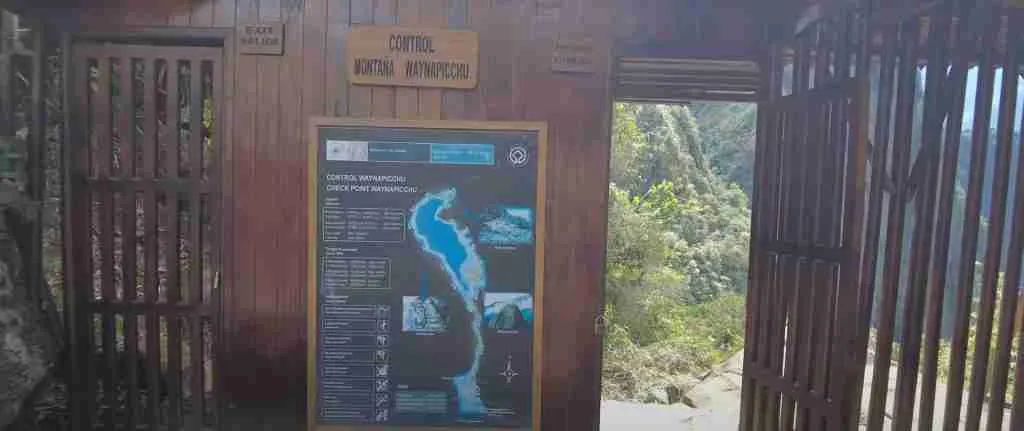
Essential Preparations and Safety Tips
Proper preparation ensures a safe climb. Start with broken-in hiking boots and moisture-wicking layers. Pack 1.5 liters of water minimum – dehydration risks increase at higher elevations. Rangers require registration at the trailhead checkpoint before 11 AM.
Key safety measures include:
- Applying reef-safe sunscreen every 90 minutes
- Using trekking poles for steep stone staircases
- Monitoring weather via Aguas Calientes forecasts
Registering and the Route Highlights
The ascent begins with a mandatory sign-in at the guardhouse. Initial switchbacks wind through cloud forest before reaching exposed granite slopes. At the 45-minute mark, hikers encounter the “Stairs of Death” – a narrow cliffside section requiring cautious footing.
Panoramic views unfold near the summit, revealing Machu Picchu’s terraced layout. Photographers should pause at the Moon Temple ruins for iconic photos framed by mist-shrouded peaks. Allow 2.5 hours total for the round-trip journey, including rest stops.
Descending requires equal caution – loose gravel makes downhill travel slower. Those completing the hike often describe it as the ultimate Andean adventure, blending hiking challenges with cultural immersion.


Detailed One-Day Travel Itinerary
A meticulously planned itinerary transforms an ambitious dual-site visit into an achievable adventure. Successful travelers balance early starts with strategic pacing, leveraging precise timetables for buses and trains. This framework ensures seamless transitions between Machu Picchu’s archaeological wonders and Huayna Picchu’s rugged trails.
Early Morning: Breakfast, Bus, and Entry Protocol
Begin at 5:30 AM with a quick breakfast in Aguas Calientes. Local cafes near the bus station offer portable meals like quinoa muffins. Board the 6:00 AM ecological bus – the first departure guarantees minimal crowds at the citadel entrance.
| Time | Activity | Key Details |
|---|---|---|
| 6:30 AM | Arrival at MP gate | Present Picchu tickets & passport |
| 6:45-9:15 AM | Citadel exploration | Focus on Main Plaza & Temple areas |
| 9:30 AM | Exit registration | Mandatory for Huayna access |
Midday to Afternoon: Summit Challenge & Return
Reach the Huayna Picchu checkpoint by 10:00 AM. Rangers verify tickets and log entry times. The ascent typically takes 60-90 minutes, with summit views peaking around noon. Descend by 1:30 PM to catch return shuttles.
- 11:00 AM: Reach Moon Temple viewpoint
- 12:15 PM: Summit photography window
- 2:00 PM: Final bus to Aguas Calientes
Late afternoon trains to Cusco depart between 3:30-4:30 PM. We recommend booking the 5:15 PM service for buffer time. Those extending their journey can explore Aguas Calientes’ artisan markets before departure.
Key Tips for a Successful Experience
Smart preparation transforms challenging hikes into rewarding adventures. Visitors tackling both sites need gear that balances functionality with weight savings. Equally vital: strategies to conserve energy while absorbing the landscape’s grandeur.

What to Pack: Essentials for the Hike
Essential items address weather shifts and trail demands. Prioritize:
- Lightweight rain jacket (Andean storms develop rapidly)
- High-SPF sunscreen and lip balm
- Electrolyte tablets for water bottles
| Category | Recommended Items | Weight Savings Tip |
|---|---|---|
| Clothing | Moisture-wicking base layers | Use convertible pants |
| Footwear | Ankle-support hiking boots | Break in shoes pre-trip |
| Nutrition | Trail mix, energy bars | Pre-portion snacks |
Pacing Yourself and Enjoying the Scenery
Altitude impacts stamina more than fitness level. Climbers acclimatizing in Aguas Calientes typically handle ascents better. Follow this rhythm:
- 20-minute warm-up walk before steep sections
- 5-minute breaks hourly for hydration and photos
- Descend before fatigue compromises footing
| Milestone | Pacing Strategy | Scenic Reward |
|---|---|---|
| First Viewpoint | Moderate speed | Citadel panoramas |
| Summit Approach | Slow, steady steps | Cloud forest vistas |
| Descent | Deliberate foot placement | Unique rock formations |
Photography enthusiasts should pack a lightweight tripod for sunrise shots. Remember: rushing diminishes the experience – scheduled pauses let you appreciate Huayna Picchu’s hidden carvings and Machu Picchu’s misty valleys.
Travel Logistics: Tickets, Trains, and Accommodation
Securing access to Peru’s iconic sites demands strategic coordination of permits and transportation. Early planning ensures travelers experience Machu Picchu and its neighboring peak without logistical hiccups. Timing reservations correctly unlocks seamless transitions between archaeological wonders and mountain trails.
Booking Your Tickets in Advance
Machu Picchu tickets for both sites disappear 4-6 months ahead during peak seasons. Official portals release 300 combined passes daily – half for morning entry. We recommend purchasing through authorized platforms like the Ministerio de Cultura website.
Key booking details:
- Select “Circuit 4 + Huayna Picchu” for dual access
- Verify passport numbers match physical documents
- Print tickets or save mobile copies with QR codes
Choosing the Right Train and Accommodation Options
Three rail services connect Cusco to Aguas Calientes Machu Picchu:
| Service | Travel Time | Key Features |
|---|---|---|
| PeruRail Expedition | 3.5 hours | Budget-friendly, panoramic windows |
| PeruRail Vistadome | 3.25 hours | Luxury seating, Andean performances |
| Belmond Hiram Bingham | 3 hours | Gourmet dining, observatory car |
Lodging near Calientes Machu Picchu station maximizes morning flexibility. Top picks include Inkaterra Machu Picchu Pueblo Hotel’s eco-bungalows and Hatun Inti Boutique’s rooftop terraces. Both offer early breakfast service for 6 AM shuttle departures.
Pro tip: Book round-trip train tickets with afternoon return times. This buffers against delays while hiking. Guides often suggest reserving seats on the left side for optimal Urubamba River views during descent.
Conclusion
Experiencing both Machu Picchu and its neighboring peak in one day becomes achievable through meticulous preparation. Securing tickets months in advance remains non-negotiable, as does respecting strict entrance times and shuttle schedules. Strategic timing transforms this ambitious journey into a seamless blend of cultural discovery and physical challenge.
Climbing Huayna Picchu rewards travelers with panoramic views that redefine Andean beauty, while exploring the citadel offers tangible connections to Inca history. Capture iconic photos at sunrise and summit viewpoints, but prioritize safety over rushed itineraries.
This trip demands more than logistics – it requires embracing the region’s spirit. Pair early morning dedication with afternoon wonder, allowing Machu Picchu’s mysteries to unfold naturally. Guided tours enhance context without sacrificing self-guided exploration moments.
Ultimately, successful dual-site visits balance structure with flexibility. Let thorough planning enable spontaneous connections to this world wonder, ensuring your visit Machu Picchu becomes a chapter in your travel story that resonates for years.
