Mallorca Free Things to Do 2026: Complete Guide to Cost-Free Experiences
This comprehensive guide reveals every worthwhile free experience across Mallorca for 2026 visitors. From strategic timing that unlocks free museum entries to hidden beaches away from tourist crowds, you’ll discover how to experience the authentic Balearic Islands while keeping your budget intact. Whether you’re a backpacker stretching every euro or a family seeking affordable activities, Mallorca delivers extraordinary value through its generous free offerings.
Key Takeaways:
- Mallorca offers dozens of spectacular free experiences from pristine beaches to historic old towns
- Cathedral of Palma provides free entry on specific days, saving €9 per person in 2026
- Serra de Tramuntana UNESCO World Heritage hiking trails cost nothing to explore
- Weekly markets across the island offer free cultural immersion and people-watching
- Budget travelers can experience Mallorca’s highlights spending under €50 daily
- Strategic planning combines free activities with affordable dining for maximum savings
Introduction to Free Mallorca Experiences in 2026
Mallorca, the largest of Spain’s Balearic Islands, rewards budget-conscious travelers with an extraordinary wealth of free experiences that rival any paid attraction in the Mediterranean. While the island attracts luxury visitors to its five-star resorts and exclusive beach clubs, savvy travelers discover that Mallorca’s most memorable experiences cost absolutely nothing.
The island’s UNESCO World Heritage Site, Serra de Tramuntana mountain range, offers unlimited free hiking through dramatic landscapes. Historic Palma de Mallorca reveals centuries of architectural splendor along free-to-explore cobblestone streets. Pristine beaches stretching across 550 kilometers of coastline welcome visitors without entrance fees. Traditional village markets showcase authentic Mallorcan culture without requiring a single euro.
People Also Ask About Free Things in Mallorca 2026
What can you do for free in Mallorca in 2026?
Mallorca offers extensive free experiences including all public beaches (Playa de Muro, Es Trenc, Cala Mondragó), Serra de Tramuntana hiking trails, Palma’s historic old town exploration, La Seu Cathedral exterior viewing, weekly village markets, Cap de Formentor scenic drive, and numerous viewpoints across the island. The Fundació Pilar i Joan Miró offers free Sunday afternoon entry, and Palma’s contemporary art museum Es Baluard provides free entry on Tuesdays in 2026.
Is Mallorca expensive to visit in 2026?
Mallorca accommodates all budgets in 2026. Budget travelers spend €50-80 daily using free beaches, hiking trails, and strategic free museum days. Mid-range visitors budget €120-180 daily including comfortable accommodation and dining. Luxury travelers spend €300+ daily at premium resorts. The island’s abundant free attractions make budget travel entirely feasible without sacrificing quality experiences.
Are Mallorca beaches free in 2026?
All public beaches in Mallorca remain completely free in 2026. This includes famous beaches like Es Trenc, Playa de Muro, Cala Mondragó, Cala Varques, and dozens of hidden coves. Some beaches charge for sunbed rental (€8-15 for two loungers and umbrella), but bringing your own towel and shade means zero beach costs. Parking near popular beaches costs €5-10 during peak season.
What are the best free hikes in Mallorca in 2026?
Serra de Tramuntana UNESCO World Heritage Site offers Mallorca’s finest free hiking. Top trails include the Dry Stone Route (GR221) sections, Torrent de Pareis gorge walk, Puig de Massanella summit (1,365m), and the Barranc de Biniaraix ancient path. All trails are free, though some require advance permits during summer months (permits also free but limited in number).
Extended multi-day tours – 5+ days
Featured Mallorca Multi-Day Tour Packages
3 days
Mallorca 3-Day Discovery Tour
- ✓ Comprehensive Mallorca experience
- ✓ Expert local guides included
- ✓ All accommodation included
- ✓ Transportation provided

5 days
Mallorca 5-Day Highlights Experience
- ✓ Comprehensive Mallorca experience
- ✓ Expert local guides included
- ✓ All accommodation included
- ✓ Transportation provided
7 days
Mallorca 7-Day Cultural Journey
- ✓ Comprehensive Mallorca experience
- ✓ Expert local guides included
- ✓ All accommodation included
- ✓ Transportation provided

10 days
Mallorca 10-Day Complete Adventure
- ✓ Comprehensive Mallorca experience
- ✓ Expert local guides included
- ✓ All accommodation included
- ✓ Transportation provided
Multi-day tour packages powered by TourRadar. Prices and availability subject to change.
Free Beach Experiences Across Mallorca in 2026
North Coast Free Beaches
Mallorca’s northern coastline delivers some of the island’s most spectacular free beach experiences. Playa de Muro stretches eight kilometers along the Bay of Alcúdia, offering powdery white sand and crystal-clear shallow waters perfect for families. The beach divides into four sections, with Sector 1 nearest Alcúdia Port featuring the calmest waters and gentlest entry. Public access points every 500 meters ensure easy beach arrival without paid parking—simply park along the Ma-12 road and walk five minutes through pine forests.
Playa de Alcúdia continues the free beach experience with excellent swimming conditions and views toward Cap des Pinar. The municipal beach area provides free cold-water showers, public toilets, and wheelchair-accessible ramps. Windier afternoons attract kitesurfers and windsurfers, creating free entertainment for beach spectators.
Cala Sant Vicenç on the northern tip comprises four connected coves—Cala Barques, Cala Clara, Cala Molins, and Cala Carbó—each offering free access and distinct character. Cala Barques provides the best snorkeling along its rocky edges, while Cala Clara offers the sandiest bottom for comfortable swimming. Early morning visits (before 9 AM) guarantee parking along the access road without fees.
East Coast Free Beaches
The eastern coastline features Mallorca’s most photogenic free beaches. Cala Mondragó sits within Mondragó Natural Park, offering two pristine beaches—S’Amarador and Cala Mondragó—connected by easy walking paths through pine forests. Park entry is completely free, though parking costs €6 per vehicle. Arriving before 10 AM or after 5 PM often reveals empty parking spots along the access road, eliminating even this modest cost.
Cala Varques remains one of Mallorca’s finest free beaches precisely because reaching it requires effort. A 20-minute walk from the nearest parking area (free roadside spots along the Ma-4014) leads through scrubland to a stunning turquoise cove framed by limestone cliffs. The lack of facilities keeps crowds manageable even in August. Bring everything you need—water, food, shade—for a perfect free beach day.
Cala Mesquida near Artà provides an expansive sandy beach backed by protected dunes. The beach itself costs nothing, and free parking exists along the access road if you arrive before 10 AM during summer. Waves here run larger than typical Mallorcan beaches, creating free entertainment for body surfers and boogie boarders who bring their own equipment.
South Coast Free Beaches
Es Trenc, consistently rated among Europe’s finest beaches, maintains completely free public access across its three-kilometer stretch. The challenge lies in avoiding parking fees (€6-10 at official lots). Savvy visitors park in the free lot at Colònia de Sant Jordi and walk 25 minutes along the coastal path, combining free parking with a scenic warm-up walk. Alternatively, parking near the salt flats (Salines d’Es Trenc) provides closer free access plus the bonus of watching flamingos in their natural habitat.
Cala Llombards offers a intimate cove experience without any costs. The small parking area fills quickly, but arriving before 9 AM secures free spots. The beach provides excellent snorkeling along its eastern rocks, where colorful fish populate the shallow waters. Bring your own mask and snorkel—equipment rental isn’t available here.
West Coast Free Beaches
The dramatic western coastline features fewer sandy beaches but offers spectacular free swimming spots. Port de Sóller’s town beach provides free access with a charming backdrop of the historic tramway and surrounding mountains. The beach slopes gently, making it excellent for families with young children.
Cala Deià, beloved by artists and writers for generations, requires a steep 20-minute descent (and subsequent climb back) but rewards effort with a stunning pebble beach framed by towering cliffs. Free parking exists along the Ma-10 road above, though spaces are limited. The Ca’s Patro March restaurant overlooking the beach appears in countless photographs—viewing is free even if dining isn’t.
Free Hiking in Serra de Tramuntana 2026
Understanding the UNESCO World Heritage Landscape
Serra de Tramuntana earned UNESCO World Heritage status in 2011 as a Cultural Landscape, recognizing centuries of human adaptation to this dramatic mountain environment. The range stretches 90 kilometers along Mallorca’s northwestern coast, rising to 1,445 meters at Puig Major. Every trail within this protected area is completely free to hike, offering some of Europe’s most spectacular Mediterranean mountain scenery without any entrance fees.
The traditional dry-stone terraces (marges), ancient olive groves, and historic pathways represent a unique agricultural heritage shaped over a millennium. Walking these trails connects you with generations of Mallorcan farmers, charcoal makers, and ice harvesters who created the paths you follow today.
Top Free Hiking Routes for 2026
Barranc de Biniaraix: This ancient cobblestone path climbs 700 meters through a dramatic gorge, following the route pilgrims and traders used for centuries. The three-hour round trip from Biniaraix village passes through original dry-stone architecture, natural springs, and panoramic viewpoints. Completely free, with parking available in the village.
Torrent de Pareis: The most dramatic gorge walk in the Balearics follows a dry riverbed between 200-meter limestone cliffs. The full descent from Escorca to Sa Calobra takes 3-4 hours and requires scrambling abilities, but the experience rivals any paid adventure activity. Start early to avoid afternoon heat reflecting off canyon walls.
Puig de Massanella: Mallorca’s highest accessible summit (1,365m) rewards a 4-5 hour round trip with 360-degree views encompassing the entire island. The trail from Lluc Monastery climbs through holm oak forests and rocky terrain, emerging above the treeline for the final ascent. Bring layers—summit temperatures run 10-15°C cooler than sea level.
Camí des Correu: This historic postal route between Esporles and Banyalbufar follows ancient paths through traditional terraced landscapes. The 10-kilometer point-to-point hike (arrange transport or hitchhike back) showcases the agricultural heritage that earned Serra de Tramuntana its UNESCO designation.
GR221 Dry Stone Route Sections: The island-spanning GR221 trail offers numerous day-hike sections, all completely free. The section from Deià to Sóller (4-5 hours) ranks among the finest, passing through olive groves, traditional estates, and mountain villages. Trail markings guide the way without need for paid guides.
Free Hiking Practicalities for 2026
All Serra de Tramuntana trails remain free in 2026, but certain popular routes require advance permits during summer months (June-September). The Torrent de Pareis descent, for example, limits daily hikers to protect the fragile canyon environment. Permits are free but must be obtained through the Consell de Mallorca website. Request permits 2-3 weeks before your planned hike date.
Trailhead parking varies by location. Many routes start from villages where free street parking exists if you arrive early. Popular trailheads like the Lluc Monastery lot charge €4, but alternative starting points from nearby villages eliminate this cost.
Water sources exist along some trails, but carrying 2-3 liters per person remains essential. The Font des Noguer along the Barranc de Biniaraix route provides reliable spring water, but other sources may run dry during summer months.
Free Cultural Experiences in Palma 2026
Palma’s Historic Old Town
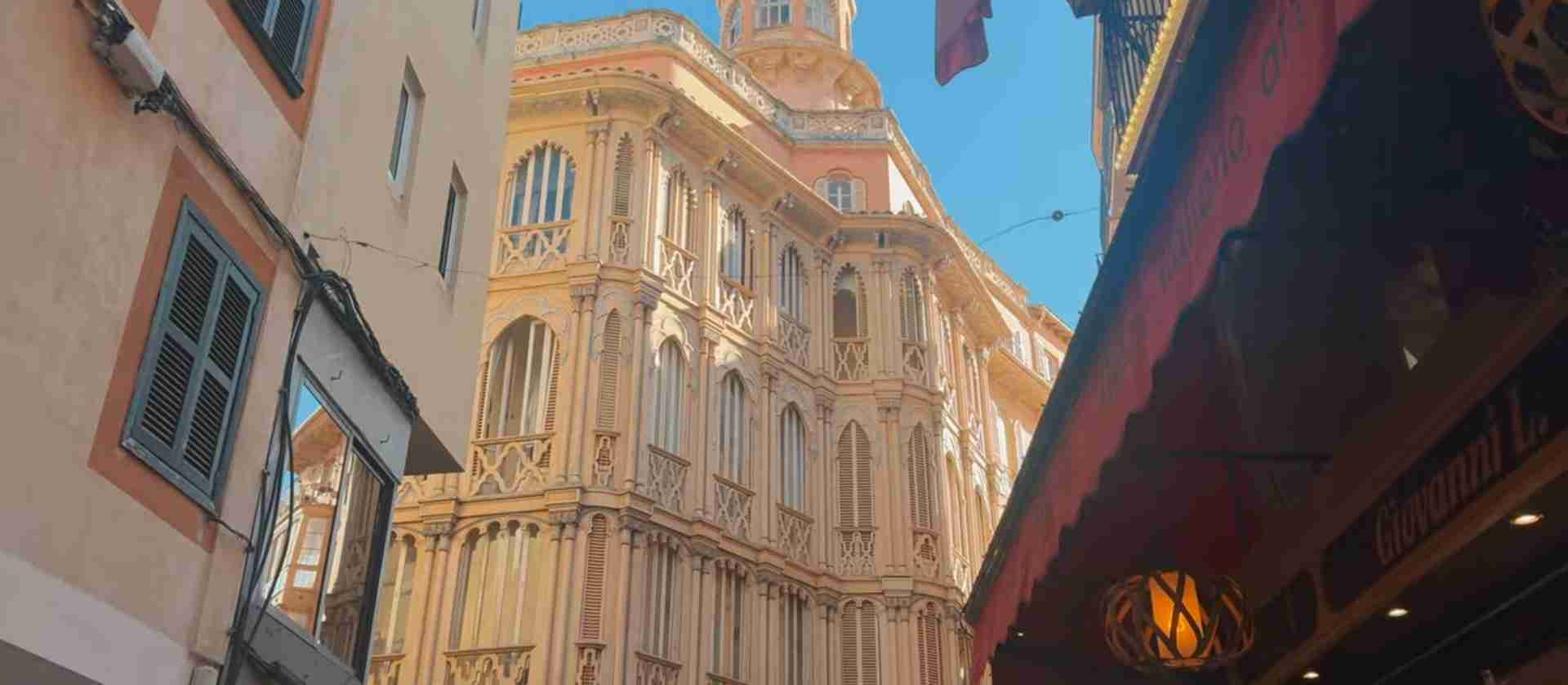
Palma de Mallorca’s historic center offers unlimited free exploration through centuries of architectural heritage. The atmospheric maze of narrow streets, Gothic churches, Renaissance courtyards, and Modernista facades requires no admission—simply walking these lanes provides a world-class cultural experience.
Start at Plaça Major, Palma’s central square built atop the former Inquisition headquarters. The covered colonnades shelter cafes (expensive) but window-shopping and people-watching cost nothing. From here, Carrer Sant Miquel leads toward the cathedral through the shopping district, while Carrer de la Unió heads toward the more atmospheric Jewish Quarter.
The Call (Jewish Quarter) preserves its medieval street layout from when Palma hosted one of Mediterranean’s largest Jewish communities before the 1435 expulsion. Winding through Carrer de la Sol, Carrer del Mont-Sion, and surrounding alleys reveals hidden courtyards, ancient doorways, and the occasional synagogue foundation. A free walking tour of imagination and observation.
Palma’s distinctive patis (courtyards) represent a unique architectural tradition best observed through open doorways along Carrer Can Savellà and surrounding streets. These elegant Renaissance and Baroque interior spaces feature grand staircases, potted plants, and centuries-old tiles. Dozens remain semi-publicly visible—pause respectfully at open doorways for free glimpses of aristocratic Mallorcan life.
La Seu Cathedral Exterior
While La Seu Cathedral charges €9 for interior entry (€12 with terrace access), the exterior provides an equally magnificent free experience. The massive Gothic structure dominates Palma’s waterfront, its flying buttresses and rose window creating one of Mediterranean’s most photographed silhouettes.
The south facade facing Parc de la Mar offers the classic cathedral view, best photographed during golden hour when honey-colored sandstone glows against blue sky. The reflecting pool in the park creates perfect mirror images on calm days—arrive at sunrise for the finest light and smallest crowds.
Walking around the cathedral’s perimeter reveals different architectural perspectives. The north side along Carrer de Palau Reial showcases the main portal, while the east end displays the oldest construction from the 13th century. The adjacent Almudaina Palace exterior provides additional free architectural interest.
Free Entry Days: La Seu Cathedral offers free admission during Sunday morning Mass (8:00 and 10:30 AM services). Attending the 10:30 Mass includes organ music in one of Europe’s most magnificent Gothic interiors. Respectful visitors are welcome regardless of religious affiliation—simply dress appropriately (covered shoulders and knees) and observe quietly.
Free Museums and Galleries in 2026
Es Baluard Museum of Modern and Contemporary Art: Palma’s premier contemporary art museum occupies a stunning restored fortress overlooking the harbor. Standard admission costs €8, but free entry is available every Tuesday (check current hours as seasonal schedules vary). The permanent collection includes works by Picasso, Miró, Barceló, and other major artists, while rotating exhibitions showcase cutting-edge contemporary work. Even without entering, the fortress ramparts offer free panoramic views over Palma.
Fundació Pilar i Joan Miró: Located in Cala Major, Miró’s former studios and home now house a museum dedicated to his work. Standard admission costs €9, but Sunday afternoons (3-6 PM) are free. The museum includes Miró’s preserved studio exactly as he left it, surrounded by gardens with outdoor sculptures. The building itself, designed by Rafael Moneo, represents significant contemporary architecture.
CaixaForum Palma: Housed in the stunning Modernista Grand Hotel (1903), CaixaForum consistently offers free or heavily discounted admission to its rotating exhibitions. The building alone merits a visit for its Domènech i Montaner-designed facade and restored interior. Check the current exhibition schedule, as programming varies throughout 2026.
Museo de Mallorca: The island’s archaeology and fine arts museum charges only €2.40 (free for EU citizens under 25 and over 65). Collections span prehistoric Talaiotic culture through modern times, housed in a 17th-century palace. For most visitors, this effectively counts as free given the minimal cost.
Free Churches and Religious Heritage
Palma’s churches beyond La Seu Cathedral all offer free entry. The Basílica de Sant Francesc contains the tomb of Ramon Llull, Mallorca’s medieval philosopher, within a stunning Gothic cloister. The church interior features impressive Baroque decoration and quiet atmosphere for reflection.
Santa Eulàlia church represents Palma’s oldest Gothic construction (14th century) with soaring naves and original stonework. The adjacent square hosts a small market on Saturday mornings. Sant Miquel church displays excellent Baroque interior decoration, while Montesion church showcases the Jesuit architectural style.
The Convent de Santa Clara offers a unique free experience—purchase cookies and pastries made by the enclosed nuns through a revolving wooden window (torno). Ring the bell, place your order, and receive handmade treats passed through the medieval communication system. A few euros buys delicious cookies while supporting centuries-old monastic tradition.
Free Markets and Cultural Events 2026
Weekly Village Markets
Mallorca’s traditional markets operate year-round, offering free entertainment, cultural immersion, and people-watching. While buying products costs money, simply experiencing these colorful gatherings is completely free.
Sineu Wednesday Market: The island’s most authentic agricultural market draws farmers from across Mallorca to this central town. Livestock sales continue in designated areas, while stalls overflow with local produce, artisan goods, and traditional crafts. Arrive by 9 AM for the liveliest atmosphere, though the market continues until early afternoon. Free parking exists on town outskirts.
Inca Thursday Market: Mallorca’s largest weekly market fills the streets of this industrial town. Beyond produce, Inca specializes in leather goods—the town’s traditional industry. Window-shopping through leather workshops and outlet stores costs nothing. The covered market building provides atmospheric browsing regardless of weather.
Pollença Sunday Market: The most picturesque market setting occupies Pollença’s beautiful main square beneath ancient plane trees. Local artists display paintings alongside produce vendors and craft sellers. The 365-step Calvari staircase offers free climbing to hilltop views any day, but combines perfectly with market-morning visits.
Alcúdia Tuesday and Sunday Markets: The Tuesday market fills Alcúdia’s medieval walled town with stalls spilling through ancient gates. Sunday markets offer similar atmosphere. Either day provides free exploration of one of Mallorca’s best-preserved historic centers.
Artà Tuesday Market: This charming eastern town hosts a smaller, more local market perfect for experiencing authentic Mallorcan life. The Sant Salvador sanctuary above town offers free panoramic views reached via a pleasant 15-minute climb.
Free Festivals and Events in 2026
Mallorca’s festival calendar provides numerous free cultural experiences throughout 2026. Sant Sebastià celebrations in Palma (around January 20) transform the city with free concerts, bonfires, and traditional demon runs (correfocs). The atmosphere electrifies the old town, and all outdoor events are completely free.
Semana Santa (Holy Week, April 2026) brings solemn processions through Palma’s streets. The most impressive emerge from churches on Holy Thursday and Good Friday evenings, with hooded penitents carrying elaborate floats through candlelit streets. Viewing positions along the route cost nothing—arrive early for the best spots.
Sant Joan celebrations (June 23-24) feature bonfires on beaches island-wide. The largest gathering at Playa de Palma welcomes thousands for free beach parties, fireworks, and traditional rituals greeting the summer solstice.
Various village fiestas throughout summer feature free evening concerts, traditional dances, and community celebrations. Check local listings for festa major dates in towns you’re visiting—these authentic celebrations welcome tourist participation at no cost.
Free Scenic Drives and Viewpoints 2026
Cap de Formentor Drive
The winding road to Cap de Formentor lighthouse delivers Mallorca’s most spectacular free driving experience. From Port de Pollença, the Ma-2210 climbs and twists through pine forests with numerous pull-off viewpoints offering dramatic coastal panoramas.
The Mirador des Colomer (Colomer Viewpoint) provides the route’s most famous perspective, looking down on rocky islets from a vertiginous cliff edge. Parking here is free, and the short walk to the viewing platform takes two minutes. Arrive before 10 AM to avoid summer crowds and parking challenges.
The lighthouse at Cap de Formentor marks Mallorca’s northernmost point. While the lighthouse itself isn’t open to visitors, the surrounding cliffs and views toward Menorca create a dramatic endpoint. The small beach at Cala Figuera, passed en route, offers free swimming in a spectacular setting.
2026 Access Note: During peak summer months (July-August), vehicle access to Cap de Formentor may be restricted during midday hours to reduce congestion. Free shuttle buses operate from Port de Pollença during restriction periods. Check current regulations, but early morning or evening drives remain unrestricted.
Ma-10 Tramuntana Road
The Ma-10 highway traversing Serra de Tramuntana ranks among Europe’s most scenic drives, completely free to travel. From Andratx to Pollença, the route passes through Valldemossa, Deià, Sóller, and numerous mountain villages.
Key free viewpoints along the route include the Mirador de Ricardo Roca (stunning coastal views), Mirador de Ses Barques (overlooking Port de Sóller), and numerous unmarked pull-offs with panoramic perspectives. Each village passed offers free exploration of atmospheric streets and traditional architecture.
The historic Sóller tunnel shortcut costs €4.95 per car, but the original mountain road over Coll de Sóller remains free and far more scenic. Budget an extra 20 minutes for the winding ascent and descent, rewarded with dramatic mountain landscapes the tunnel bypasses entirely.
Eastern Cape Roads
The Cap de Ses Salines drive to Mallorca’s southernmost point passes through salt flat landscapes where flamingos often feed (free wildlife viewing). The lighthouse marks the island’s closest point to Africa, with unrestricted free access.
The road to Cala Figuera fishing village showcases the island’s eastern character—flat agricultural landscapes giving way to dramatic limestone cliffs. The village itself provides free wandering through one of Mallorca’s most photogenic harbor settings.
Free Wildlife and Nature Experiences 2026
S’Albufera Natural Park
Mallorca’s largest wetland, S’Albufera, offers completely free access to one of the Mediterranean’s most important bird habitats. Entry requires registering at the reception center (free permit issued immediately), and all trails within the park are free to explore.
Over 300 bird species have been recorded here, with free viewing opportunities year-round. Spring migration (April-May) brings the greatest diversity, while summer residents include purple herons, marsh harriers, and various warblers. Multiple bird hides positioned throughout the park provide excellent free observation points.
Walking trails range from easy boardwalks accessible to all visitors to longer routes through diverse wetland habitats. The Can Picafort entrance provides the most direct access to prime birding areas. Bring binoculars—the park doesn’t loan equipment, but serious birders find exceptional viewing nonetheless.
Mondragó Natural Park
Beyond its famous beaches, Mondragó Natural Park offers free walking trails through coastal pine forests and Mediterranean scrubland. The park’s information center provides free maps detailing various routes, from 30-minute strolls to two-hour explorations.
Wildlife within the park includes Balearic endemic species and varied birdlife. Free observation points overlook the beaches from clifftop perspectives, providing different angles on these famous coastal landscapes.
Cabrera National Park Viewing
While actually visiting Cabrera requires paid boat excursions (€45-65), free views of this offshore national park are possible from Ses Salines and Colònia de Sant Jordi. The archipelago, visible on clear days, represents one of the best-preserved Mediterranean marine ecosystems. Informational displays at the Colònia de Sant Jordi harbor explain Cabrera’s significance—free education about a place you might later choose to visit.
Free Religious and Historic Sites 2026
Santuari de Lluc
Mallorca’s most important pilgrimage site welcomes visitors free of charge to its church and grounds. The Moreneta (Black Madonna) statue draws faithful pilgrims, but the complex interests all visitors for its mountain setting and historic architecture.
The church interior is free to enter, featuring the famous La Moreneta statue behind the altar. The adjacent botanical garden and surrounding trails are also free. If timing aligns, the Escolania de Lluc boys’ choir performs during certain services—check schedules for free musical experiences.
Parking at Lluc costs €4, but arriving early or visiting during quieter seasons often means free spots along the access road. The monastery makes an excellent base for free hiking, with trails to Puig de Massanella and other peaks departing directly from the complex.
Talaiotic Archaeological Sites
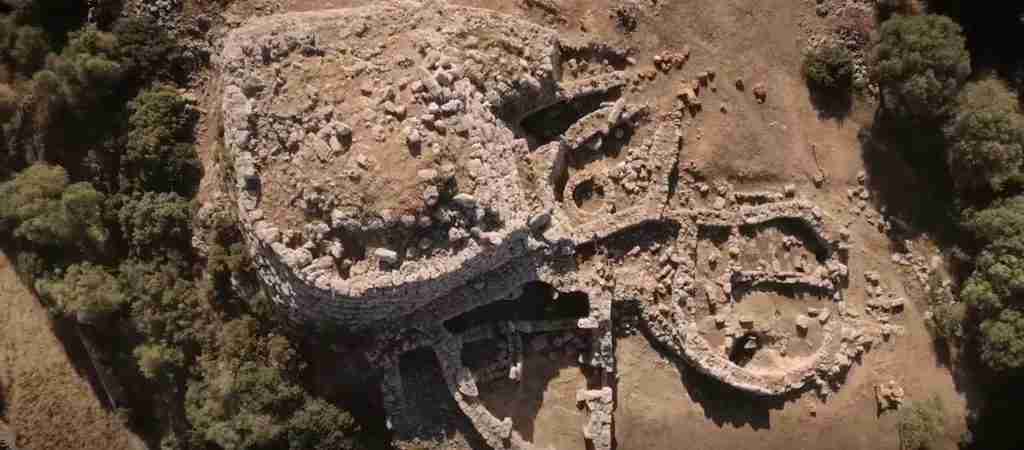
Mallorca’s Bronze Age heritage survives at numerous Talaiotic settlements, most offering free or minimal-cost access. These prehistoric stone structures date from 1300-123 BCE, representing a unique Balearic civilization.
Ses Païsses (Artà): This impressive Talaiotic settlement charges only €4 admission (free for children under 8). The well-preserved walls, talaiots (stone towers), and sanctuaries provide insight into Bronze Age life. Alternatively, visible portions of the exterior walls are free to observe.
Capocorb Vell: Located near Llucmajor, this large Talaiotic village charges €3.50 admission but offers significant free exterior viewing. The massive stone structures visible from the roadside convey the site’s scale and importance.
Son Fornés: Near Montuïri, this excavated village showcases the largest known Talaiotic taula (T-shaped stone monument) in Mallorca. The interpretive center charges modest admission, but the outdoor archaeological areas are partially visible for free.
Historic Monasteries
Several historic monasteries beyond Lluc offer free exploration of their grounds and exteriors, with church interiors typically free to enter.
Ermita de Betlem: This remote hermitage northeast of Artà requires a winding drive but rewards visitors with panoramic views and peaceful atmosphere. The small church and surrounding grounds are free, and the setting provides excellent free picnicking spots.
Santuari de Sant Salvador: Rising above Felanitx, this hilltop sanctuary offers free access to the church and grounds, plus panoramic views across eastern Mallorca. The Cristo Rei statue and adjacent viewpoints cost nothing to visit.
Santuari de Cura: Atop Puig de Randa between Algaida and Llucmajor, this monastery provides free church access and stunning 360-degree views from the mountaintop. The drive up passes two other free-to-visit hermitages: Santuari de Nostra Senyora de Gràcia and Ermita de Sant Honorat.
Budget Day Itineraries with Free Activities 2026
Palma Culture Day (Nearly Free)
Begin at Plaça d’Espanya for free orientation to the city. Walk through Carrer Sant Miquel’s shops (window-shopping only) to Plaça Major. Continue through the Call (Jewish Quarter) exploring medieval streets. Reach La Seu Cathedral for exterior photography and Parc de la Mar reflections. Time your visit for free Tuesday entry at Es Baluard modern art museum, or attend Sunday morning Mass at La Seu for free interior access.
Lunch: Pack a picnic from Mercat de l’Olivar (€6-8 for quality provisions). Afternoon: Explore Palma’s free churches—Sant Francesc, Santa Eulàlia, Sant Miquel. End at the waterfront promenade watching sunset over the harbor.
Coffee €2.50, market lunch supplies €8, afternoon gelato €3.50, evening tapa €6. Total day cost: €20 per person (excluding accommodation).
Beach and Village Day (Completely Free)
Drive to Cala Mondragó, arriving before 10 AM to secure free roadside parking. Spend the morning swimming and snorkeling at S’Amarador beach. Walk the connecting trail to Cala Mondragó beach for a change of scenery.
Pack a cooler with breakfast and lunch from your accommodation kitchen. Mid-afternoon, drive to Cala Figuera village for free exploration of the photogenic fishing harbor. Climb to the clifftop path for coastal views.
Return via Santanyí, parking free in the town center to explore the Wednesday market (if applicable) or simply wander the atmospheric stone streets. The parish church interior is free to visit.
Fuel approximately €12-15 for the day’s driving. Total day cost: €12-15 per person sharing vehicle (excluding accommodation and food brought from lodging).
Mountain Hiking Day (Free)
Begin in Sóller, parking free on residential streets if arriving early. Walk through the picturesque town center—free exploration of Modernista architecture around Plaça Constitució. The church of Sant Bartomeu features a stunning facade.
From Sóller, drive to Biniaraix (free village parking) for the Barranc de Biniaraix hike. The three-hour round trip climbs through spectacular gorge scenery on ancient cobblestones. Pack water and snacks from your accommodation.
Afternoon option: Continue to Port de Sóller beach for free swimming, or drive the scenic Ma-10 to Deià for free village exploration. Watch sunset from Sa Foradada viewpoint (free parking at the mirador).
Fuel approximately €8-12 for driving. Total day cost: €8-12 per person sharing vehicle (excluding accommodation and food brought from lodging).
Market and Culture Day
Time your visit for Sineu Wednesday market or Inca Thursday market. Arrive by 9 AM for authentic market atmosphere and easier parking (free in town outskirts). Wander the stalls, observing local life and traditional commerce—all free unless you purchase.
From Sineu, drive to nearby Petra, birthplace of Fray Junípero Serra (founder of California missions). The modest museum charges €2.40, but the village and Serra’s birthplace exterior are free to explore.
Continue to Artà, climbing free to the Sant Salvador sanctuary for panoramic views. The fortified church complex offers free entry with perspectives across the eastern plains. Walk down through the medieval streets of the old town.
Market snacks €5-8, Petra museum €2.40 (optional), fuel €10-12. Total day cost: €15-20 per person sharing vehicle (excluding accommodation).
Money-Saving Strategies for Mallorca 2026
Accommodation Cost Reduction
Apartment rentals with kitchens enable free meal preparation, dramatically reducing food costs. A family of four saves €50-80 daily cooking breakfast and packing picnic lunches compared to restaurant dining. Markets like Mercat de l’Olivar in Palma or supermarkets island-wide provide quality ingredients at reasonable prices.
Shoulder season visits (April-May, October) offer lower accommodation rates while maintaining excellent weather for free outdoor activities. High-season prices (July-August) often double or triple—scheduling around these months maximizes budget.
Inland locations like Sineu, Inca, or Artà offer lower accommodation costs than coastal resorts while providing easy access to both beaches and mountains. A rental car (essential for free activity access) covers any distance quickly.
Transportation Optimization
Renting a car unlocks Mallorca’s free experiences—beaches, hikes, villages, and viewpoints are scattered island-wide. Weekly rentals cost €120-200 for economy cars in shoulder season, €200-350 in high season. Book 3-4 weeks ahead for best rates. Check Autoeurope, Goldcar, and local agencies like Hiper rent a car for competitive pricing.
Fuel costs approximately €1.50-1.70 per liter, with a full island exploration day using roughly €15-20 in fuel. Four travelers sharing a car spend €4-5 each daily for unlimited access to free attractions.
Public buses serve major routes but limit access to remote beaches and trailheads. The Palma-Sóller train (€25 round trip) provides a scenic experience but costs money you could save by driving the free mountain road.
Food Budget Strategies
Markets offer the best value for quality Mallorcan food. Mercat de l’Olivar in Palma, mercados in Alcúdia and Inca, and supermarkets island-wide stock excellent local products at reasonable prices. Budget €8-12 per person daily for self-catered breakfast and lunch.
Menu del día lunch specials (€12-18) provide the best restaurant value, typically including three courses plus drink. Dinner prices run 50-100% higher for equivalent quality—dine well at midday, simply in evenings.
Tapas bars in Palma’s Santa Catalina neighborhood offer quality small plates at €4-8 each. Three tapas plus a drink (€15-20) makes a satisfying, affordable dinner. Avoid tourist-trap restaurants on main squares, where prices inflate 30-50% for inferior quality.
Free Alternative Strategies
Replace paid activities with free equivalents whenever possible. Skip €45 boat trips to Cabrera—instead, hike free coastal trails offering similar views. Avoid €30 winery tours—most bodegas allow free tastings if you’re genuinely interested in purchasing. Cancel €25 kayak rentals—bring snorkels and explore beaches on foot.
Use free museum days strategically: Es Baluard Tuesday, Miró Foundation Sunday afternoon, La Seu Sunday Mass. One dedicated “free museum day” in Palma covers major cultural institutions without cost.
Free walking replaces paid tours in most situations. Printed maps from tourist offices (free) or downloaded apps guide self-led exploration of Palma’s old town, village centers, and historic sites without €15-30 tour fees.
Sample 2026 Budget Breakdown
Ultra-Budget Week (Primarily Free Activities)
This itinerary maximizes free experiences for budget travelers prioritizing cost savings.
Accommodation: Hostel dormitory or basic apartment €25-35 per person per night = €175-245 weekly.
Daily activity costs (average): €15-25 per person including modest food purchases, fuel share for car, occasional coffee.
Weekly activity/food budget: €105-175 per person.
Car rental share (economy car split 2-4 ways): €40-70 per person weekly.
Total ultra-budget week: €320-490 per person including accommodation, transportation, food, and activities.
Moderate Budget Week (Mixed Free and Paid)
This approach combines free activities with occasional paid experiences and comfortable accommodation.
Accommodation: Mid-range apartment or hotel €60-90 per person per night (double occupancy) = €420-630 weekly.
Daily activity costs (average): €35-50 per person including one restaurant meal, fuel share, occasional paid entry.
Weekly activity/food budget: €245-350 per person.
Car rental share: €50-90 per person weekly.
Total moderate week: €715-1,070 per person including all expenses.
Practical Planning Tips for Free Mallorca 2026
Essential Gear for Free Activities
Maximizing free experiences requires bringing appropriate equipment. Beach days need: towels, shade (umbrella or tent), cooler, snorkeling gear, reef-safe sunscreen. Hiking requires: sturdy footwear, 2-3 liters water per person, snacks, sun protection, layers for mountain weather.
A good smartphone with offline maps (Google Maps, Maps.me) replaces paid GPS rental. Downloaded trail maps for Serra de Tramuntana eliminate guide needs. Camera equipment captures memories of free experiences.
Timing Strategies
Early starts unlock free parking at popular beaches and trailheads. Arriving at Cala Mondragó before 10 AM, Formentor before 9 AM, or mountain trailheads before 8 AM avoids parking fees and crowds.
Free museum days require strategic scheduling: Tuesday for Es Baluard, Sunday afternoon for Miró Foundation. Build your weekly itinerary around these free windows.
Market days structure inland exploration: Wednesday Sineu, Thursday Inca, Sunday Pollença. Combine market visits with nearby free attractions for efficient themed days.
Weather Considerations
Mallorca’s Mediterranean climate supports free outdoor activities year-round. Summer (June-September) brings beach-perfect weather but peak crowds at free beaches. Spring (April-May) and autumn (October-November) offer ideal hiking conditions with moderate temperatures and smaller crowds.
Occasional rain days redirect activities toward free indoor options: Palma’s covered markets, free churches, museum free-entry days (schedule accordingly). A dedicated “Palma culture day” works regardless of weather.
FAQ: Free Activities in Mallorca 2026
Can you visit Mallorca on a tight budget?
Absolutely. Budget travelers spend €40-60 daily combining free beaches, hiking, and cultural exploration with hostel accommodation and self-catering. Mallorca’s free offerings rival any paid Mediterranean destination.
Are any museums free in Mallorca?
Yes. Es Baluard Modern Art Museum offers free Tuesday entry. Fundació Pilar i Joan Miró provides free Sunday afternoon (3-6 PM) admission. Various municipal museums offer free or €2-3 entry. La Seu Cathedral is free during Sunday Mass services.
What’s the best free beach in Mallorca?
Es Trenc consistently ranks as Mallorca’s finest beach with completely free access. Cala Mondragó offers a beautiful alternative within a natural park. Playa de Muro provides family-friendly conditions with eight kilometers of free coastline.
Can you hike in Mallorca for free?
All Serra de Tramuntana trails are free. The UNESCO World Heritage landscape offers unlimited hiking opportunities from easy walks to challenging summit climbs. Some popular routes require free permits during summer—apply online in advance.
Are village markets free to visit?
Yes, all traditional markets are free to browse. Sineu (Wednesday), Inca (Thursday), Pollença (Sunday), and dozens of others welcome visitors without entrance fees. Only purchases cost money.
What free viewpoints exist in Mallorca?
Mirador des Colomer on Cap de Formentor, various miradors along the Ma-10, Sant Salvador sanctuary near Felanitx, Santuari de Cura on Puig de Randa, and Calvari steps in Pollença all offer free panoramic views.
Is Palma old town free to explore?
Completely free. The historic center, Jewish Quarter, churches (except La Seu interior without Mass), courtyards, and waterfront promenade all cost nothing to explore on foot.
Do I need a car for free activities?
A rental car significantly expands free activity access, reaching remote beaches, trailheads, and villages. Within Palma, walking suffices. Island-wide, a car (€120-250 weekly) unlocks Mallorca’s best free experiences.
What’s the cheapest time to visit Mallorca?
Shoulder seasons (April-May, October-November) offer lowest accommodation prices while maintaining excellent weather for free outdoor activities. January-February provides the lowest prices but cooler, wetter conditions.
Can families visit Mallorca cheaply?
Families benefit enormously from free beaches (equipment brought from home), hiking, and self-catering accommodation. A family of four can experience Mallorca for €150-200 daily total, covering accommodation, car, food, and occasional treats.