
Mallorca Budget Guide 2026: Complete Cost Breakdown for Your Balearic Island Escape
Key Takeaways:
- Budget travelers spend €70-85 per day in Mallorca, mid-range travelers €150-180, and luxury travelers €300-400+
- Shoulder seasons (April-May, September-October) offer 30-50% savings on accommodation compared to peak summer
- Public buses connect major destinations for €2-15, while car rental costs €25-40/day in low season and €60-80/day in summer
- Free attractions include stunning beaches, Serra de Tramuntana hiking trails, and charming village exploration
- Booking flights and accommodation 2-3 months ahead secures the best rates for 2026 travel
- Menu del día lunch specials offer three-course meals for €12-18, providing excellent value
Understanding Mallorca Travel Costs in 2026
Mallorca stands as one of the Mediterranean’s most accessible island destinations, offering experiences across every budget level from shoestring backpacking to opulent luxury retreats. The largest of Spain’s Balearic Islands attracts over 10 million visitors annually, drawn by its 300+ days of sunshine, turquoise coves, UNESCO-listed mountain landscapes, and vibrant capital city Palma. Understanding the true cost of visiting Mallorca in 2026 requires examining each expense category while recognizing that seasonal timing dramatically affects your bottom line.
The island operates on a pronounced seasonal pricing model, with costs fluctuating significantly between winter lows and summer peaks. January through March represents the most affordable period, when many resort hotels close and those remaining slash rates by 50-70%. The shoulder seasons of April-May and September-October deliver the optimal balance of pleasant weather, reasonable crowds, and moderate pricing. July and August command premium rates across every category as European families descend on the island’s beaches during school holidays.
Your travel style fundamentally shapes your Mallorca budget. Backpackers and budget-conscious travelers who embrace hostels, picnic lunches, public transport, and free beach days can explore Mallorca comfortably on €70-85 per person per day. Mid-range travelers opting for three-star hotels, restaurant meals, rental cars, and organized tours should budget €150-180 daily. Those seeking four-star accommodations, fine dining, and premium experiences will spend €250-350 per day, while true luxury travelers can easily exceed €400 daily at five-star resorts with exclusive experiences.
People Also Ask About Mallorca Budget 2026
How much does a week in Mallorca cost in 2026?
A week in Mallorca costs €500-600 for budget travelers, €1,050-1,260 for mid-range visitors, and €1,750-2,450 for luxury travelers in 2026 (check current rates on booking platforms as prices fluctuate seasonally). These figures exclude flights but include accommodation, meals, transportation, and activities. Budget travelers achieve these rates by staying in hostels or budget guesthouses, preparing some meals, using public transport, and focusing on free beach and hiking activities. Mid-range budgets cover three-star hotels, restaurant meals, car rental, and several paid attractions. Luxury budgets include four and five-star hotels, fine dining, private tours, and premium experiences. Traveling during shoulder season reduces these costs by 20-30%, while peak summer adds 30-50% to most expenses.
Is Mallorca expensive compared to other European islands in 2026?
Mallorca sits in the mid-range for European island destinations. The island costs less than Santorini, Capri, Mykonos, or Corsica but more than mainland Spain destinations like Costa Brava or Valencia. Compared to other Balearic Islands, Mallorca offers better value than Ibiza (which commands premium nightlife pricing) while costing slightly more than Menorca. The key advantage lies in Mallorca’s diverse accommodation options spanning from €22 hostel beds to €500+ luxury suites, allowing travelers to calibrate spending precisely to their preferences. Competition among the island’s 3,000+ hotels keeps prices competitive, particularly when booking in advance.
What is the cheapest month to visit Mallorca in 2026?
January and February rank as Mallorca’s cheapest months, with accommodation rates 50-70% below summer peaks and flight prices at their annual lows. A three-star hotel room costing €150-200 in August drops to €40-80 during winter. The tradeoff involves cooler temperatures (average highs of 14-16°C), limited resort services, and reduced flight frequencies. For travelers prioritizing value while maintaining pleasant conditions, late April, early May, late September, and October deliver 30-40% savings compared to peak season while offering beach-worthy weather and full tourism infrastructure.
Can you visit Mallorca on a tight budget in 2026?
Mallorca accommodates tight budgets effectively despite its resort island reputation. Hostels in Palma charge €22-30 per night for dorm beds. Public buses reach most destinations for €2-15. Beaches and hiking trails cost nothing. Supermarkets stock picnic supplies for €8-12 per day. Free activities include exploring Palma’s historic center, beach hopping along the coast, hiking the Serra de Tramuntana, and discovering traditional villages. Budget travelers can experience Mallorca on €50-70 daily by avoiding restaurants, using public transport, and prioritizing free attractions. The key lies in visiting during shoulder season, booking accommodation well ahead, and embracing the island’s abundant free natural attractions.
Extended multi-day tours – 5+ days
Featured Mallorca Multi-Day Tour Packages
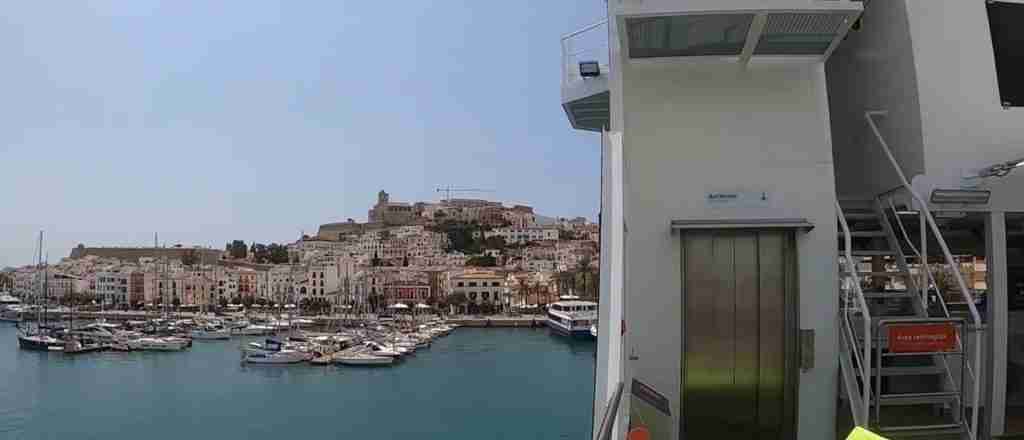
3 days
Mallorca 3-Day Discovery Tour
- ✓ Comprehensive Mallorca experience
- ✓ Expert local guides included
- ✓ All accommodation included
- ✓ Transportation provided
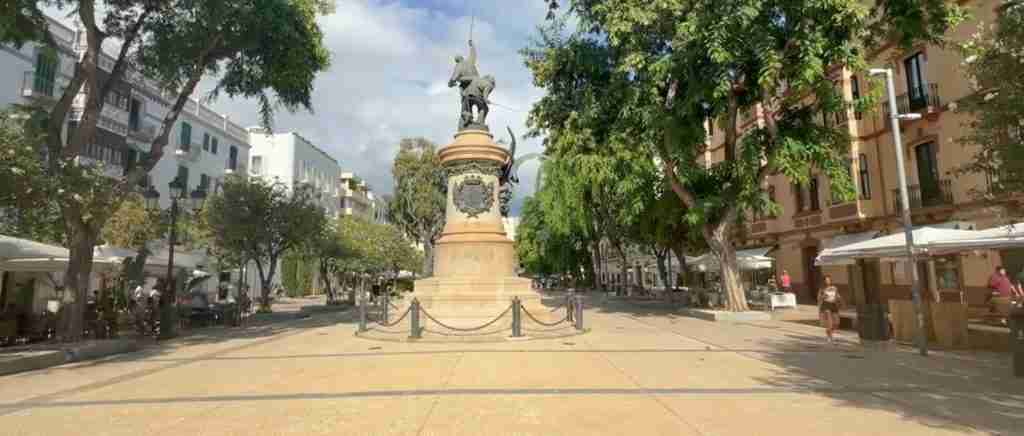
5 days
Mallorca 5-Day Highlights Experience
- ✓ Comprehensive Mallorca experience
- ✓ Expert local guides included
- ✓ All accommodation included
- ✓ Transportation provided

7 days
Mallorca 7-Day Cultural Journey
- ✓ Comprehensive Mallorca experience
- ✓ Expert local guides included
- ✓ All accommodation included
- ✓ Transportation provided
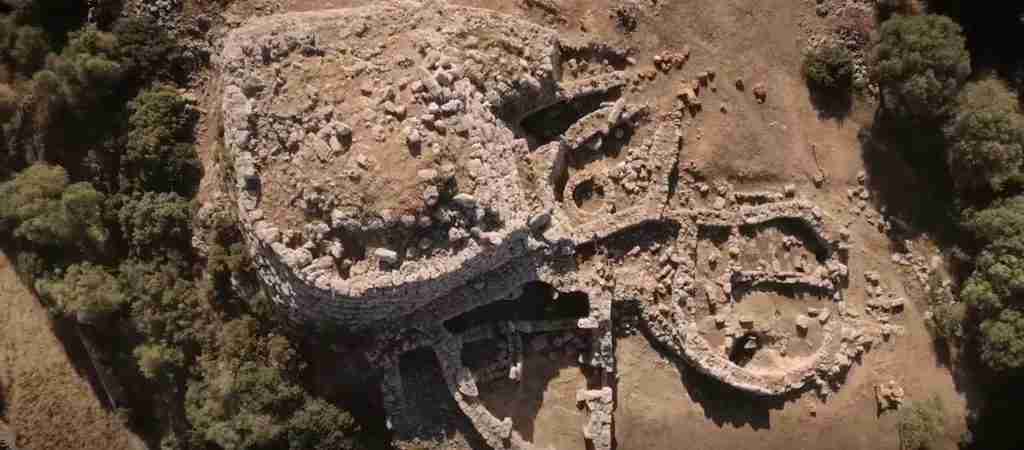
10 days
Mallorca 10-Day Complete Adventure
- ✓ Comprehensive Mallorca experience
- ✓ Expert local guides included
- ✓ All accommodation included
- ✓ Transportation provided
Multi-day tour packages powered by TourRadar. Prices and availability subject to change.
Flight Costs to Mallorca in 2026
Palma de Mallorca Airport (PMI) serves as the primary gateway to the island, ranking among Europe’s busiest airports during summer months. Flight costs vary dramatically based on departure city, booking timing, and travel season. The airport receives direct connections from major hubs throughout Europe, with low-cost carriers providing competitive pricing.
From major European cities like London, Berlin, Milan, Amsterdam, and Paris, roundtrip flights range from €50-120 during shoulder season to €200-350 during peak summer (check Skyscanner, Google Flights, and airline websites for current 2026 fares as prices change based on demand). Low-cost carriers including Ryanair, EasyJet, Vueling, and Eurowings dominate routes from Northern and Central Europe. Budget airlines often charge €20-35 for checked baggage and €6-12 for seat selection, so factor these into your total flight budget.
From smaller or more distant European airports like Helsinki, Warsaw, or Lisbon, expect to pay €120-200 roundtrip in shoulder season and €250-400 during summer. North American travelers typically connect through Madrid or Barcelona, with total journey costs ranging from €600-900 in shoulder season to €900-1,400 during peak summer.
Booking strategies significantly impact flight costs. Prices reach their lowest point 8-12 weeks before travel for European routes and 3-4 months ahead for intercontinental connections. Tuesday and Wednesday departures often cost 15-25% less than weekend flights. Flexibility with dates using fare comparison tools reveals savings of €50-100 on identical routes. Setting price alerts through Google Flights or Skyscanner notifies you when fares drop to attractive levels.
Accommodation Costs in 2026
Budget Accommodation Options 2026
Mallorca’s budget accommodation scene centers on Palma, where several quality hostels serve backpackers and budget travelers. The Boc Hostels operates two locations in Palma, charging €22-30 per night for dorm beds depending on season and room size. El Josemari Youth Hostel offers similar rates at €25-28 per night. Private rooms in hostels cost €50-70 per night for two people.
Budget guesthouses and two-star hotels expand options beyond Palma. Rates range from €25-50 per night in winter to €60-90 during summer. These properties cluster in Palma, Alcúdia, Pollença, and resort areas like Cala Millor, Peguera, and Santa Ponsa. Basic amenities include private bathrooms, air conditioning, and often breakfast.
Vacation rentals through Airbnb and similar platforms offer excellent value for groups and longer stays. Studio apartments start at €40-60 per night in low season and €70-100 during summer. One-bedroom apartments accommodate couples for €50-80 off-peak and €90-140 in summer. Renting apartments with kitchens enables cooking meals, reducing food costs substantially.
Mid-Range Accommodation in 2026
Three-star hotels represent Mallorca’s accommodation sweet spot, delivering comfortable rooms, pools, and good locations at moderate prices. Rates range from €50-100 per night during winter and shoulder season to €100-200 in summer. These hotels concentrate in Palma’s city center, beach resort areas, and charming towns like Sóller and Pollença.
Four-star hotels elevate the experience with superior facilities, larger rooms, and prime locations. Expect to pay €80-150 during shoulder season and €150-300 in peak summer. Many four-star properties offer half-board options (breakfast and dinner included) at €30-50 per person daily, providing predictable meal costs and good value compared to restaurant dining.
All-inclusive resorts deserve consideration for families and those preferring bundled pricing. Rates of €100-180 per person daily include accommodation, all meals, drinks, and often activities. While seemingly expensive, all-inclusive packages eliminate variable costs and can deliver excellent value when comparing total vacation spending.
Luxury Accommodation Options 2026
Five-star hotels in Mallorca occupy spectacular coastal and hilltop locations, commanding €200-500 per night depending on property and season. Properties like the Belmond La Residencia in Deià, Cap Rocat near Palma, and Jumeirah Port Soller represent the pinnacle of island luxury. Peak season rates at top properties exceed €600 nightly.
Luxury finca rentals (traditional Mallorcan country houses) suit families and groups seeking privacy and space. Properties with pools, gardens, and 3-5 bedrooms rent for €300-800 per night, splitting among multiple travelers creates reasonable per-person costs while delivering villa-style luxury.
Food and Dining Budget for 2026
Budget Dining Strategies 2026
Eating affordably in Mallorca requires embracing local customs and strategic restaurant selection. The menu del día (daily menu) represents Spain’s greatest contribution to budget travel, offering three-course lunches including bread, drink, and sometimes coffee for €12-18. Available at countless local restaurants Monday through Friday, these set menus feature rotating dishes of authentic Mallorcan and Spanish cuisine. Seeking out restaurants where locals eat, away from tourist promenades, yields the best menu del día value.
Supermarkets enable significant savings for self-catering travelers. Mercadona, Eroski, and Lidl operate stores throughout the island, with grocery costs running 10-15% below mainland Spain. Budget €8-12 per person daily for picnic supplies including bread, cheese, jamón, fruit, and drinks. Markets like Mercat de l’Olivar in Palma and weekly village markets offer fresh produce, local specialties, and prepared foods at reasonable prices.
Tapas bars provide economical evening dining when ordering strategically. Individual tapas cost €3-6, allowing mix-and-match meals for €12-20 per person. Bocadillos (sandwiches) and empanadas from local bakeries cost €3-5 and make satisfying cheap lunches. Cafés serve coffee and pastry breakfasts for €4-6, while hotel buffet breakfasts included in room rates eliminate morning food costs entirely.
Mid-Range Restaurant Dining 2026
Restaurant meals in Mallorca cost €15-30 for main courses at mid-range establishments. A typical dinner including starter or dessert, main course, and drinks runs €30-50 per person. Palma restaurants charge 10-20% more than smaller towns, with waterfront and tourist-area establishments adding further premiums.
Seafood restaurants serve fresh catches at varying prices based on weight. Expect to pay €18-35 for fish dishes and €25-50 for seafood platters. Traditional Mallorcan specialties like tumbet (vegetable casserole), sobrassada (cured sausage), and frito mallorquín (fried meat and vegetables) cost €12-18 at local restaurants.
Pizza and pasta provide reliable mid-range options at €10-15 per dish. International cuisine including Asian, Mexican, and Middle Eastern options clusters in Palma, with main courses ranging €12-20. Beachfront restaurants charge premium prices, often 20-40% above inland equivalents for similar quality.
Fine Dining Costs 2026
Mallorca’s fine dining scene has flourished, with several Michelin-starred restaurants and numerous acclaimed establishments. Tasting menus at top restaurants range from €80-150 per person, with wine pairings adding €50-100. Upscale restaurants without Michelin recognition serve excellent meals for €60-90 per person including wine.
Hotel restaurants at five-star properties charge €40-70 for main courses, with complete dinners reaching €100-150 per person. Beach clubs and trendy establishments in locations like Puerto Portals command similar premium pricing.
Transportation Costs in Mallorca 2026
Public Transport Options and Prices 2026
Mallorca’s public bus network, operated by TIB (Transport de les Illes Balears), connects Palma with major towns and tourist destinations across the island. Single tickets cost €2-5 for shorter routes and €8-15 for longer distances like Palma to Alcúdia or Palma to Sóller. The intermodal card offers discounted fares, reducing costs by 30-50% for frequent travelers.
Palma’s urban bus service (EMT) covers the city and surrounding areas. Single tickets cost €1.50 per journey, payable in cash to the driver (have small bills ready as drivers rarely accept notes over €10). A 10-journey card costs €10, reducing per-ride costs to €1 and available at tobacco shops and the EMT office.
The historic Sóller train provides scenic transport from Palma through the Tramuntana Mountains to Sóller town. Tickets cost €25 one-way and €32 roundtrip for tourists (residents pay discounted rates). The connected tram from Sóller to Port de Sóller costs €8 one-way. While expensive, the vintage wooden train delivers a memorable experience through stunning mountain scenery.
Palma’s hop-on-hop-off tourist buses cost €21 for adults and €10 for children (8-15) and seniors (65+). The 24-hour ticket covers 18 stops including the cathedral, Bellver Castle, and key attractions, with buses departing every 25-30 minutes and audio commentary in eight languages.
Car Rental Costs 2026
Renting a car provides the most flexible way to explore Mallorca’s diverse landscapes, hidden coves, and mountain villages. Rental costs vary dramatically by season and booking timing. Low season rates (November-March) start at €20-30 per day for compact cars, rising to €40-60 during shoulder season and €60-100 in peak summer.
Economy cars (Fiat 500, VW Polo) cost €25-40 per day in shoulder season and €50-70 in summer. Mid-size vehicles (Seat Leon, VW Golf) run €35-55 off-peak and €65-90 in summer. SUVs and larger vehicles start at €50-70 and reach €100-150 during peak periods. Automatic transmission adds €10-20 per day compared to manual vehicles.
Additional rental costs require careful attention. Collision Damage Waiver (CDW) often adds €10-20 daily unless using credit card coverage. Full fuel policies eliminate hidden charges but require returning the tank full. Child seats cost €5-10 per day. GPS navigation runs €8-12 daily, though smartphone apps provide free alternatives. Young driver surcharges (under 25) add €10-25 per day, and additional driver fees cost €5-15 daily.
Fuel costs approximately €1.55-1.70 per liter for petrol and €1.45-1.60 for diesel. A full tank for a compact car runs €50-65, sufficient for 500-700km of island exploration. Palma’s airport location features numerous rental companies, with off-airport agencies often offering 10-20% lower rates in exchange for shuttle transfers.
Taxi and Transfer Costs 2026
Taxis in Mallorca operate on meters with regulated fares. Within Palma, rides cost €8-15 for most city journeys. Airport transfers to Palma city center cost €25-35, to resort areas like Magaluf €35-45, and to more distant destinations like Alcúdia or Pollença €75-100.
Pre-booked airport transfers offer predictable pricing and convenience. Shared shuttle services cost €10-15 per person to common destinations. Private transfers match or slightly exceed taxi rates while eliminating meter uncertainty and providing door-to-door service.
Attractions and Activities Costs 2026
Major Attractions Pricing 2026
Palma Cathedral (La Seu) charges €10 for general admission, which includes access to the Cathedral Museum and Es Baluard Museu d’Art Contemporani (check the official cathedral website for current rates as prices may adjust). The cathedral ranks among Spain’s largest Gothic churches, featuring contributions by Antoni Gaudí and contemporary artist Miquel Barceló. Guided tours including terrace access cost approximately €30 per person.
Bellver Castle, Palma’s circular Gothic fortress, charges €4 for adults, with reduced rates for students, seniors, and children. The castle houses the City History Museum and offers panoramic views across Palma and the bay. Opening hours run Tuesday through Sunday, with Monday closures.
The Caves of Drach (Cuevas del Drach) in Porto Cristo represent Mallorca’s most-visited natural attraction. Adult tickets cost €18 and children (2-12) pay €11 (verify current prices on the official website). The visit includes a tour through four connected caves, culminating at Lake Martel, Europe’s largest underground lake, with a classical music concert performed from boats. Organized tours including transport from resort areas cost €45-65 per person.
The Fundación Pilar i Joan Miró in Palma showcases the artist’s studio and extensive works. Entry costs €9 for adults with reduced rates for students and seniors. The Arab Baths (Banys Àrabs), among Palma’s oldest structures, charge €3 admission.
Free Activities and Attractions 2026
Mallorca’s beaches provide unlimited free entertainment. The island boasts over 200 beaches and coves ranging from broad sandy expanses to intimate rocky inlets. Popular beaches like Playa de Muro, Es Trenc, Cala Agulla, and Cala Millor charge nothing for access, though sun loungers and umbrellas rent for €10-15 per set.
Hiking trails through the Serra de Tramuntana UNESCO World Heritage landscape cost nothing to access. Routes range from easy coastal walks to challenging mountain ascents. The Dry Stone Route (GR221) traverses the mountain range through traditional villages, with no fees for trail access.
Palma’s historic center rewards hours of free exploration. The old town’s Gothic quarter, Arab Quarter, and Jewish Quarter contain architectural treasures at every turn. The Passeig des Born promenade, Plaça Major, and waterfront Parc de la Mar provide pleasant strolling without cost.
Village exploration reveals Mallorca’s traditional character. Valldemossa, Deià, Fornalutx, Pollença, Alcúdia, and Santanyí charm visitors with stone architecture, craft shops, and local life. Weekly markets in towns throughout the island offer free browsing and affordable local products.
Organized Tours and Experiences 2026
Boat tours range from large party boats at €30-50 to intimate sailing excursions at €80-150. Catamaran day trips including lunch and drinks cost €60-90. Glass-bottom boat tours cost €15-25. Private yacht charters start at €300-500 for half days.
Wine tasting experiences at Mallorca’s growing number of bodegas cost €15-35 including tours and multiple wine samples. Combined vineyard tours with transport and lunch run €60-90.
Water sports pricing varies by activity. Kayak rental costs €15-25 per hour, stand-up paddleboard rental €20-30 per hour, jet ski rental €80-120 per 30 minutes, and scuba diving introductory courses €60-90.
Guided hiking tours through the Tramuntana cost €35-60 for group excursions and €100-200 for private guides. Cycling tours including bike rental range from €40-70 for half days to €80-120 for full days.
Sample Budget Breakdowns for 2026
Budget Traveler Daily Costs 2026
A budget traveler staying in hostel dormitories, preparing some meals, using public transport, and focusing on free attractions achieves a comfortable Mallorca experience on €70-85 per person daily.
Sample Budget Day: Hostel dorm bed €26, supermarket breakfast €4, menu del día lunch €14, picnic dinner €8, bus transport €6, beach day free, gelato €4. Total day cost: €62 per person (excluding accommodation).
Weekly Budget Summary: Accommodation €154-210 (7 nights hostel), meals €126-168 (mix of self-catering and menu del día), transport €42-70 (buses and occasional taxi), activities €30-50 (1-2 paid attractions), miscellaneous €30-50. Weekly total: €382-548 per person.
Mid-Range Traveler Daily Costs 2026
Mid-range travelers enjoy three-star hotels, restaurant meals, rental car flexibility, and a mix of free and paid activities for €150-180 per person daily when traveling as a couple.
Sample Mid-Range Day: Three-star hotel €55 per person (€110 double room), café breakfast €8, restaurant lunch €25, dinner with wine €45, rental car share €30, cathedral entry €10, gelato €5. Total day cost: €123 per person (excluding accommodation).
Weekly Mid-Range Summary: Accommodation €385-525 per person (€770-1,050 for couple), meals €350-450, car rental €175-280 (split), fuel €40-60 (split), activities €80-120, miscellaneous €50-80. Weekly total: €1,080-1,515 per person.
Luxury Traveler Daily Costs 2026
Luxury travelers selecting five-star hotels, fine dining, premium tours, and exclusive experiences spend €300-450 per person daily.
Sample Luxury Day: Five-star hotel €175 per person (€350 double), hotel breakfast included, seaside lunch €60, gourmet dinner €100, premium rental car €60 per person, yacht excursion €150, spa treatment €80. Total day cost: €450 per person (excluding accommodation).
Weekly Luxury Summary: Accommodation €1,225-1,750 per person, meals €700-1,000, car/transport €350-500, activities/experiences €500-800, spa/wellness €200-400, miscellaneous €150-250. Weekly total: €3,125-4,700 per person.
Money-Saving Tips for Mallorca 2026
Accommodation Savings Strategies 2026
Booking accommodation 2-3 months before travel secures the best rates, particularly for peak summer visits. Properties release rooms at higher prices as dates approach and availability decreases. Flexible date searches using booking platforms reveal price variations of 20-40% across nearby dates.
Choosing locations strategically impacts costs significantly. Palma and major resort areas command premium rates, while inland towns like Inca, Manacor, or smaller coastal villages offer equivalent quality at 20-30% lower prices. Staying slightly outside prime locations and using buses or rental cars for beach access produces meaningful savings.
Apartment rentals with kitchens enable self-catering savings of €20-40 per person daily compared to restaurant-only dining. For stays exceeding one week, many properties offer 10-15% discounts. Booking directly with hotels rather than through third-party platforms sometimes yields better rates or complimentary upgrades.
Food and Dining Savings 2026
Embracing the Spanish eating schedule aligns with budget-friendly options. Menu del día lunches (served approximately 1-4 PM) cost half the price of evening à la carte dining while providing generous portions. Making lunch the main meal and enjoying lighter tapas or self-prepared dinners optimizes the food budget.
Local markets offer fresh produce, cheese, charcuterie, and prepared foods at supermarket-competitive prices with superior quality. The Saturday market in Palma’s Plaça Major and weekly markets in virtually every town provide authentic shopping experiences alongside good value.
Drinking costs add up quickly at restaurants. Ordering house wine (vino de la casa) at €8-15 per bottle rather than by the glass saves 30-50%. Buying beer and wine from supermarkets for beach or apartment consumption costs 70-80% less than bar prices. Tap water is safe throughout Mallorca, eliminating the need for purchased bottled water.
Transport and Activity Savings 2026
Public buses provide affordable transport for travelers not requiring constant flexibility. Planning excursions around bus schedules and clustering visits to connected areas maximizes efficiency. The TIB intermodal card reduces per-trip costs substantially for frequent users.
Car rental rates drop dramatically with advance booking and off-airport collection. Comparing prices across multiple rental platforms (including local agencies like Hasso, Record, and Goldcar alongside international chains) reveals savings of 20-40%. Declining unnecessary insurance when credit card coverage applies eliminates €10-20 in daily charges.
Free walking tours in Palma operate on a tip-based model, providing excellent city introductions without fixed costs. Beaches and hiking trails cost nothing, offering unlimited entertainment without spending. Visiting attractions during free or reduced-price periods (many museums offer free entry certain days) stretches the activity budget.
Seasonal Cost Variations for 2026
Peak Season Costs (July-August) 2026
Summer peak season commands maximum pricing across all categories. Accommodation rates reach annual highs, often requiring minimum stays of 5-7 nights. Flight prices surge 100-150% above shoulder season levels. Restaurants and attractions maintain standard pricing, but increased demand can mean longer waits and fewer tables at popular establishments.
Despite premium costs, July and August deliver optimal beach conditions with sea temperatures of 25-27°C, minimal rain, and long daylight hours extending past 9 PM. Families with school-age children have limited alternatives, making early booking (4-6 months ahead) essential for both value and availability.
Shoulder Season Value (April-May, September-October) 2026
Shoulder seasons deliver Mallorca’s best value proposition. Accommodation rates drop 30-40% from peak levels while weather remains pleasant for both beach and activities. Flights cost 40-60% less than summer peaks. Rental car prices decrease 30-50%, and booking becomes easier with shorter advance requirements.
April and May offer blooming landscapes, comfortable hiking weather, and increasingly warm seas (reaching swimmable temperatures of 18-20°C by late May). September and October maintain summer warmth with sea temperatures at their annual peak (25-26°C in September) while crowds thin and prices moderate.
Low Season Savings (November-March) 2026
Winter travel unlocks Mallorca’s deepest discounts but involves significant tradeoffs. Many resort hotels close entirely from November through March. Those remaining cut rates by 50-70%, with four-star properties available at three-star prices. Flights reach annual lows with roundtrip fares from major European cities sometimes dipping below €50.
Winter weather brings mild temperatures (14-18°C average highs) suitable for hiking and sightseeing but too cool for comfortable swimming. Rain increases, particularly November through January. Cultural attractions, urban exploration, and gastronomy remain fully accessible, making winter ideal for visitors prioritizing these over beach time.
Budget Planning Tips for 2026
Pre-Trip Booking Strategies 2026
Creating a booking timeline maximizes savings across categories. For summer travel, secure flights and accommodation 3-4 months ahead. Shoulder season travel allows 6-8 weeks advance booking for good rates. Winter visitors find excellent deals even 2-3 weeks out, though specific properties benefit from earlier planning.
Setting fare alerts through Google Flights, Skyscanner, or Kayak captures price drops for flexible travelers. Monitoring prices over several weeks reveals patterns and optimal booking windows. For fixed travel dates, booking sooner rather than later typically secures better rates.
Consider travel insurance when booking, particularly for non-refundable reservations. Policies costing 5-8% of trip value protect against cancellation, medical emergencies, and travel disruptions. Credit card travel protections may provide coverage for cardholders making relevant purchases.
On-Island Budget Management 2026
Tracking expenses during your trip prevents budget creep. Mobile apps for expense tracking maintain visibility on spending by category. Daily spending limits for discretionary categories like dining and activities keep totals on target.
ATMs throughout Mallorca dispense euros with reasonable fees for most international cards. Withdrawing larger amounts less frequently minimizes per-transaction charges. Credit cards receive wide acceptance in urban and tourist areas, though smaller establishments and rural vendors may require cash.
The euro serves as Mallorca’s currency as part of Spain and the European Union. Travelers from eurozone countries avoid currency exchange entirely. Those converting from other currencies find competitive exchange rates at ATMs and banks, with airport exchange offices and tourist-area bureaux typically offering inferior rates.
Practical Budget Considerations for 2026
Tipping and Service Charges 2026
Tipping in Spain follows more modest conventions than North American practice. Restaurant bills do not require mandatory tips, though rounding up or leaving 5-10% for good service is appreciated. Exact tipping depends on service level and restaurant type, with locals often leaving small change or €1-2 at casual establishments.
Taxi drivers do not expect tips but appreciate rounding to the nearest euro. Hotel housekeeping receives €1-2 per night if desired. Tour guides and drivers customarily receive €5-10 per person for day tours and €2-5 for shorter excursions.
Hidden Costs to Anticipate 2026
Tourist taxes add €1-4 per person per night at Mallorca accommodations, with rates varying by property star rating and season. These sustainable tourism fees fund environmental and infrastructure maintenance.
Beach services carry costs beyond free sand and sea access. Sun lounger and umbrella sets rent for €10-15 per day at organized beaches. Beach clubs charge €15-30 for lounger access, often applicable to food and drink minimums. Showers and changing facilities may require €1-2 coins.
Parking in Palma and tourist areas ranges from €1-3 per hour in metered zones to €15-25 for full-day garage parking. Beach parking in summer may cost €5-10 at popular locations. Rural and village parking remains largely free.
Communication and Connectivity Costs 2026
EU mobile roaming regulations allow travelers from EU countries to use their home plans without surcharges. UK travelers post-Brexit face potential roaming charges depending on carrier policies. Non-EU visitors should check international roaming rates or consider local SIM cards.
Spanish prepaid SIM cards cost €10-25 including data packages of 5-15GB. Providers like Vodafone, Orange, and Movistar sell cards at airport locations, electronics stores, and convenience shops. Free WiFi at hotels, restaurants, and cafés reduces data consumption for most travelers.
FAQ About Mallorca Budget 2026
What currency does Mallorca use?
Mallorca uses the euro (€) as part of Spain and the European Union. ATMs are widely available throughout the island, and credit cards are accepted at most hotels, restaurants, and shops.
Are credit cards widely accepted in Mallorca?
Yes, Visa and Mastercard receive nearly universal acceptance in tourist areas, hotels, restaurants, and shops. American Express is less commonly accepted. Small establishments, markets, and rural vendors may require cash.
How much should I budget for souvenirs?
Traditional Mallorcan crafts like pearls, leather goods, and ceramics range from €10-50 for modest items to €100-300 for quality pieces. Edible souvenirs like ensaïmada pastries (€5-15), sobrassada sausage (€8-20), and local wines (€8-30) make affordable gifts.
Is travel insurance necessary for Mallorca?
Travel insurance is recommended for all international travel. EU citizens carrying the European Health Insurance Card (EHIC) or Global Health Insurance Card (GHIC) receive emergency medical coverage. Comprehensive travel insurance covering trip cancellation, medical emergencies, and belongings provides broader protection.
Can I use public transport to reach beaches from Palma?
Yes, TIB buses connect Palma with major beach areas including Platja de Palma, Cala Major, and more distant beaches. Journey times range from 15 minutes to 1.5 hours depending on destination. Bus routes and schedules are available at the TIB website.
What is the best way to exchange currency?
ATM withdrawals offer the most favorable exchange rates for most international bank cards. Avoid airport currency exchange bureaux which charge premium rates. Credit card transactions also receive competitive rates through card network exchanges.
How much does a day at the beach cost?
Beach access is free throughout Mallorca. Optional costs include sun lounger and umbrella rental (€10-15), parking at popular beaches (€5-10 in peak season), and food/drink from beach bars. Packing supplies from supermarkets enables virtually free beach days.
Are there any free museums or attractions?
Several museums offer free admission days, including Es Baluard contemporary art museum (included with cathedral ticket). The Arab Baths charge only €3. Free attractions include churches, public markets, parks, beaches, and village exploration throughout the island.
What is the average cost of a restaurant meal?
Menu del día lunches cost €12-18 for three courses. Casual dinner main courses range €12-20. Mid-range restaurant dinners average €30-50 per person with drinks. Fine dining experiences start at €60-90 per person.
Should I rent a car or use public transport?
Rental cars provide maximum flexibility for exploring hidden coves, mountain villages, and areas with limited bus service. Public transport works well for visitors focused on Palma and major resort areas. For week-long visits mixing city and countryside exploration, renting a car for 3-4 days while using buses otherwise optimizes both value and access.