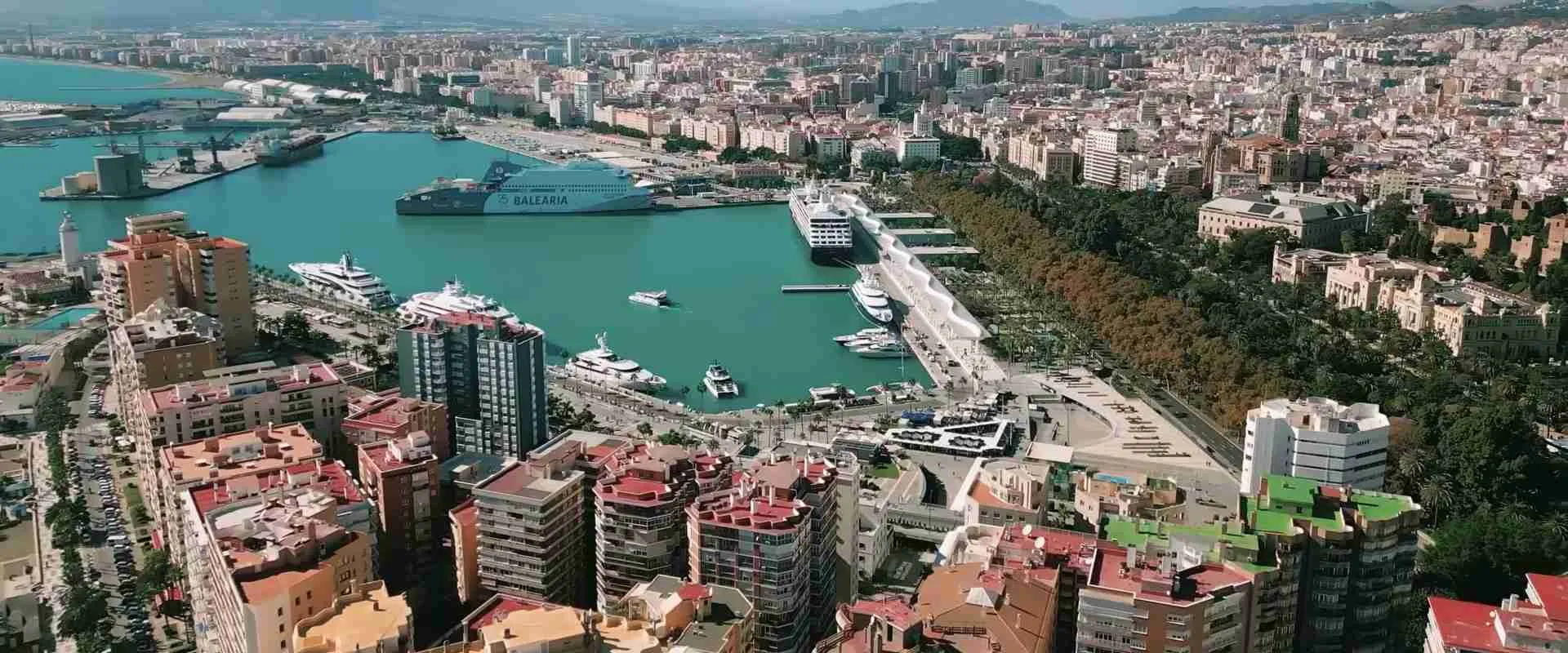
Malaga Travel Guide 2027: Costa del Sol Planning Resource
Nestled between the sun-bleached foothills of the Sierra Nevada and the Mediterranean Sea, Malaga welcomes millions of visitors each year as the urban heart of the Costa del Sol. Pablo Picasso’s birthplace has reinvented itself from a transit stopover into one of southern Spain’s most compelling city-break destinations, with a walkable historic center, exceptional museums, and beaches within steps of the old city. This guide delivers everything you need to plan a confident, well-budgeted visit to Malaga in 2027.
Key Takeaways
- Budget travelers need approximately €75–115 per person daily (two sharing a basic hotel, using public transport, and taking advantage of free Sunday admission windows at major museums).
- Mid-range visitors spend approximately €145–220 per person daily (two sharing a comfortable 3- to 4-star hotel, eating at proper restaurants, and covering the main attractions).
- Malaga’s top attractions are genuinely affordable: the Alcazaba costs €7 for general admission, the Picasso Museum Malaga costs €10 for full access, and both offer free admission on Sunday afternoons.
- Malaga-Costa del Sol Airport connects to the city center by express bus (€4) or suburban Cercanías rail (approximately €2), making Malaga one of the cheapest European city-break destinations to arrive in.
- Day trips to Granada, Ronda, and Nerja are all feasible within a single day from Malaga by public transport or organized tour, broadening the value of a Malaga base considerably.
- Shoulder season — April through May and September through October — delivers the best combination of warm weather, manageable crowds, and hotel rates running 20–35% below peak summer prices.
People Also Ask About Malaga 2027
How much does a trip to Malaga cost per day in 2027?
Daily costs in Malaga in 2027 vary widely by travel style. Budget travelers sharing a basic hotel room manage approximately €75–115 per person per day, covering accommodation, three meals, local bus transport, and a couple of paid attractions. Mid-range visitors sharing a 3- to 4-star hotel spend approximately €145–220 per person daily, while luxury travelers staying in five-star or boutique properties typically invest €265–445 per person daily. These figures assume two people sharing accommodation; solo travelers should budget the full room rate rather than half, which adds approximately €35–100 per night depending on the hotel tier. All costs are in euros, Spain’s local currency.
What is the best time to visit Malaga in 2027?
The best time to visit Malaga in 2027 is the shoulder season: April through May and September through October. During these months, daytime temperatures range from 20–28°C (68–82°F), crowds are lighter than in July and August, and hotel rates run 20–35% below peak summer prices. Beach conditions are good from May through October. Winter (November–March) is mild by northern European standards — rarely below 12°C (54°F) — and offers the lowest prices, but the sea is too cool for most swimmers. Summer (June–August) brings intense heat regularly above 32°C (90°F), peak crowds at the most popular attractions, and the highest accommodation prices of the year. Semana Santa (Holy Week, in April 2027) draws enormous crowds and causes hotel rates to spike; book months ahead if visiting then.
How do I get from Malaga Airport to the city center in 2027?
Three options connect Malaga-Costa del Sol Airport (AGP) to the city center in 2027. The most affordable is the express airport bus, which runs to Paseo del Parque in the city center for approximately €4, operating every 20–30 minutes during the day. The Cercanías C1 suburban train from the airport’s own station reaches Malaga María Zambrano (the main rail hub) in around 12 minutes for approximately €2 per person; it runs frequently and is the fastest option. A licensed taxi costs approximately €20–25 in daytime hours and around €25–30 at night or on weekends. Check official fares with the operating companies before travel, as these are the most recently verified figures available at the time of writing.
What are the must-see attractions in Malaga in 2027?
Malaga’s core attractions combine Moorish heritage, 20th-century modern art, and Baroque religious architecture in one walkable historic center. The Alcazaba, an 11th-century Moorish fortified palace, is the city’s signature landmark at €7 general admission. The Picasso Museum Malaga holds 141 original works in a Renaissance palace near the artist’s birthplace, with full access at €10. Malaga Cathedral — known as La Manquita (The One-Armed Lady) for its single completed tower — admits visitors at €10, or €12 including rooftop access. The Centre Pompidou Malaga at the renovated waterfront and the Carmen Thyssen Museum Malaga round out one of the most concentrated museum corridors of any mid-sized Spanish city. The Castillo de Gibralfaro, perched on the hilltop above the Alcazaba, offers the finest panoramic views of the bay and shares a combined ticket with the Alcazaba for €10.
Extended multi-day tours – 5+ days
Featured Malaga Multi-Day Tour Packages

3 days
Malaga 3-Day Discovery Tour
- ✓ Comprehensive Malaga experience
- ✓ Expert local guides included
- ✓ All accommodation included
- ✓ Transportation provided

5 days
Malaga 5-Day Highlights Experience
- ✓ Comprehensive Malaga experience
- ✓ Expert local guides included
- ✓ All accommodation included
- ✓ Transportation provided
7 days
Malaga 7-Day Cultural Journey
- ✓ Comprehensive Malaga experience
- ✓ Expert local guides included
- ✓ All accommodation included
- ✓ Transportation provided
10 days
Malaga 10-Day Complete Adventure
- ✓ Comprehensive Malaga experience
- ✓ Expert local guides included
- ✓ All accommodation included
- ✓ Transportation provided
Multi-day tour packages powered by TourRadar. Prices and availability subject to change.
Why Visit Malaga in 2027: The Costa del Sol’s Cultural Capital
Malaga’s transformation from a beach-resort gateway into a genuine cultural capital is now well-established, and 2027 offers a particularly strong moment to visit. The city has built a museum district over the past two decades that rivals those of much larger Spanish cities. Beginning with the Picasso Museum Malaga in 2003, Malaga added the Centre Pompidou Malaga, the Carmen Thyssen Museum Malaga, the Malaga Museum (one of Andalusia’s largest combined fine art and archaeology institutions, now housed in the restored Palacio de la Aduana), and a branch of the Russian Art Museum, among others. The concentration of cultural institutions within a 15-minute walk of the Alcazaba is striking for a city of around 600,000 people.
Beyond its cultural offer, Malaga is logistically well-positioned. Malaga-Costa del Sol Airport (AGP) handles direct flights from over 100 airports across Europe, and transatlantic connections from North America continue to expand each season. The city sits at the hub of the Costa del Sol motorway network and connects to Madrid by AVE high-speed rail in approximately two hours and fifteen minutes. Day trips to Granada (approximately 1.5 hours by bus), Seville (approximately 2 hours by bus), Cordoba (approximately 1.5 hours by train), and Ronda (approximately 2 hours by bus) are all easily manageable within a single day from a Malaga base.
The climate reinforces everything else. Malaga averages around 320 days of sunshine per year and enjoys mild winters that draw long-stay visitors from northern Europe. Even in January, midday temperatures regularly reach 17–19°C (63–66°F), making outdoor sightseeing comfortable throughout the year. The food scene has matured alongside the cultural one: traditional Malagueño cuisine — fresh anchovies (anchovies in vinegar), sardines grilled over beach fires (espeto de sardinas), white almond and garlic soup (ajoblanco), and the distinctive sweet wines of the Malaga designation of origin — is embraced and elevated by a younger generation of chefs without being displaced by tourist menus.
For visitors planning a Costa del Sol holiday around a single base, Malaga offers the most balanced combination of urban culture, authentic local life, beach access, and connectivity to the wider region. Visitors who write Malaga off as a transit hub in favor of heading directly to Torremolinos or Marbella are missing the most interesting destination on the Costa del Sol coast.
Getting to Malaga in 2027
By Air: Malaga-Costa del Sol Airport (AGP)
Malaga-Costa del Sol Airport is the main international entry point for the Costa del Sol and processes around 20 million passengers per year. Terminal 3 handles most international and domestic flights; Terminal 2 operates for specific carriers and charter services. Direct services operate from most major European hubs — London Heathrow, London Gatwick, Manchester, Dublin, Amsterdam, Frankfurt, Paris Charles de Gaulle, and Rome among them — and seasonal transatlantic services from New York, Boston, and Toronto have been added in recent years, with more expected in 2027. Check airline websites for the latest transatlantic schedule, as routes in this market are added and discontinued seasonally.
Booking flights to Malaga as early as possible is essential for summer arrivals. Fares from major northern European cities typically increase 60–80% between shoulder season and peak summer. Shoulder season flights from major UK airports can be found from around £50–100 return when booked months in advance; summer equivalents frequently top £250–400. Fare comparison sites including Skyscanner and Google Flights provide the most current pricing.
From the Airport to the City Center in 2027
The express airport bus (identified as Line A on EMT Malaga signage) departs from outside the Terminal 3 arrivals hall and runs to Paseo del Parque in the city center every 20–30 minutes, from approximately 7:00 AM to midnight. The fare is approximately €4 per person each way (check emtmalaga.es for current fares before traveling). Journey time is around 20–30 minutes depending on traffic — longer during summer morning and evening rush hours.
The Cercanías C1 suburban train is faster and slightly cheaper. The airport has its own train station, connected to the terminal by a covered walkway. Trains run every 20 minutes during peak hours and reach Malaga María Zambrano (the main rail hub, also connected to the AVE high-speed network) in around 12 minutes, and Malaga Centro-Alameda a few minutes beyond that. The single fare is approximately €2 per person (check renfe.com for current fares). This is the recommended option for travelers arriving at the city center without heavy luggage.
Licensed taxis operate 24 hours from the official rank outside the arrivals exit. The metered fare from the airport to the city center runs approximately €20–25 during daytime hours (06:00–22:00) and €25–30 at night, on weekends, and on public holidays (check the official Malaga taxi rate schedule for current charges). An additional supplement applies for airport departures and for luggage. Ride-sharing apps including Uber and Cabify both operate in Malaga and typically offer comparable fares to metered taxis; book via the app from inside the terminal before stepping outside.
By High-Speed Train in 2027
Malaga María Zambrano station is a principal stop on the AVE high-speed rail network, with direct services to Madrid Atocha in approximately 2 hours 15 minutes. Advance-purchase Turista class fares start from around €25–35; peak-time and last-minute tickets rise to €70–100. The budget high-speed operator Ouigo also serves the Madrid–Malaga corridor at lower base prices with fewer flexibility options; book via ouigo.com. From Seville, direct high-speed trains reach Malaga in approximately 2 hours, with fares from around €20–35 in advance. Cordoba is accessible in approximately 1 hour by direct train — making it a highly practical day trip — with fares from €15–25 advance purchase. Granada does not have a direct high-speed connection to Malaga; the most practical route is by ALSA bus from Malaga bus station.
By Bus to Malaga in 2027
The Malaga bus station (Estación de Autobuses de Málaga on Paseo de los Tilos) handles domestic and international coach services. ALSA operates the most extensive network, with frequent services to Granada (approximately 1.5 hours, €10–14 each way), Seville (approximately 2.5 hours, €15–20), Cordoba (approximately 2.5 hours, €12–17), Marbella (approximately 45 minutes, €5–7), Ronda (approximately 2 hours, €10–14), and Nerja (approximately 1.5 hours, €5–7). Fares are current at time of writing; check alsa.com for 2027 schedules and advance-purchase discounts, which can reduce fares by 20–40%.
Where to Stay in Malaga 2027
Malaga accommodation divides into three main geographic clusters: the historic center (Centro Histórico), the beach district around the Malagueta area, and the Soho arts district south of Calle Larios. Each offers a distinct atmosphere, and the location decision affects both price and convenience significantly.
Budget Accommodation in Malaga 2027
Budget travelers in 2027 find a solid supply of hostels, pensions, and basic hotels concentrated in the streets between the Alcazaba and the Atarazanas market. Hostel dormitory beds start from approximately €15–25 per person per night in low season, rising to €30–45 in peak summer. Private rooms in pensions and guesthouses range from approximately €50–80 per room per night in low season and €80–120 in peak summer, depending on location and facilities. Budget hotel rooms (two-star or unclassified) typically run €70–100 per room per night in shoulder season — the tier used in the budget daily cost calculations throughout this guide. Always confirm air conditioning before booking a budget room for summer; rooms without AC are significantly cheaper but become uncomfortably hot in July and August when temperatures regularly exceed 32°C (90°F).
Mid-Range Hotels in Malaga 2027
Mid-range three- and four-star hotels cluster around the Alameda Principal boulevard, the Soho district, and the streets near Malagueta beach. Room rates for a comfortable three-star in a good location run approximately €100–150 per room per night in shoulder season and €150–220 in peak summer — the tier underpinning the mid-range budget calculations in this guide. Boutique hotels in converted historic palaces in the centro histórico tend to command a 15–25% premium over chain hotels of similar star rating, usually justified by the character and location. For travelers prioritizing beach access, the Malagueta neighborhood places guests within a 5-minute walk of the shore while remaining a 20-minute walk from the main museum cluster. For cultural immersion, the streets around the Picasso Museum and the Cathedral put every major attraction within a 10-minute walk.
Luxury Hotels and Boutique Stays in Malaga 2027
Malaga’s luxury end is anchored by the Gran Hotel Miramar GL, a Belle Époque palace on Paseo de Reding facing the sea, representing the city’s benchmark for traditional five-star hospitality. Room rates at properties of this tier start from approximately €250–350 per room per night in shoulder season and can exceed €500 in peak summer. The boutique luxury market has grown significantly in recent years, with restored 19th-century mansions in the historic center and design-led hotels in the Soho district offering highly personalized stays — often at rates somewhat below the traditional five-star flagship. The Soho area in particular has attracted architecturally ambitious boutique openings that target culturally engaged travelers.
Best Neighborhoods for Accommodation in Malaga 2027
The historic center (Centro Histórico) is the most convenient for first-time visitors, placing the Alcazaba, Picasso Museum, Cathedral, and the Atarazanas market within 10–15 minutes on foot. It is also the noisiest at night, especially the streets around Calle Granada and the tapas district, which remain active until the early hours on weekends.
The Soho district, immediately south of Calle Larios and stretching toward the port, offers a quieter but increasingly fashionable alternative. Its street art murals and independent galleries give it a distinct personality; it is a 10-minute walk from both the historic center and the Muelle Uno waterfront.
The Malagueta beach area offers ocean proximity and a more residential atmosphere, slightly further (15–20 minutes on foot) from the main museum cluster but with immediate beach access and lower nighttime noise levels than the central tapas quarter. Families and those prioritizing beach time tend to prefer this area.
Top Attractions and Entry Prices in Malaga 2027
Malaga’s museum district is genuinely dense for a city of its size. All the major cultural attractions cluster within a 15-minute walk of the Alcazaba, making it entirely practical to visit two or three attractions in a single morning before taking a long lunch in the Spanish style. The concentration of free Sunday afternoon admission at multiple sites rewards flexible itinerary planning.
Alcazaba of Malaga 2027
The Alcazaba is the defining symbol of Malaga’s Moorish heritage. Construction began in the 11th century under the Hammudid dynasty on a hilltop site overlying earlier Phoenician and Roman structures, and the complex was expanded significantly in the 13th and 14th centuries under subsequent rulers. Its defensive towers, horseshoe arches, central palaces, water channels, and gardens survive in a state of remarkable completeness, and the views from its upper terraces — across the Roman Theatre at its foot, over the port and harbor, and out to the Mediterranean — are among the most photographed in the city.
General admission costs €7 for adults (check the official Malaga city council website at malaga.eu for current rates, as this price was updated in 2025 and may be subject to further review). Reduced rates of €3 apply for students, those aged 65 and over, unemployed visitors, and people with a disability of at least 33%. Group tickets (15 or more people) cost €5 per person. Admission is free on Sundays from 2:00 PM until closing — arrive at least 20–30 minutes before 2:00 PM to join the queue in peak summer. Tickets are available at the entrance kiosk; independent visitors can generally arrive and enter without advance booking, though guided tours of the Alcazaba are available through several operators and include skip-the-line access.
Castillo de Gibralfaro 2027
The Castillo de Gibralfaro crowns the hill above the Alcazaba and is connected to it by the coracha, a fortified wall pathway. The castle’s current form dates largely to the 14th century, built on a site with a much longer history of defensive use. Its primary draw today is the panoramic view from the battlements: on clear days, the African coastline is visible across the Strait of Gibraltar, and the full sweep of the Costa del Sol from Torremolinos to Nerja unfolds below.
General admission costs €7. A combined ticket covering both the Alcazaba and the Castillo de Gibralfaro costs €10 — the best-value option for visitors planning to see both. The reduced rate for the combined ticket is €5. Free entry on Sundays from 2:00 PM applies equally. The castle is accessible by hiking the signposted path from the Alcazaba (approximately 20–30 minutes on a steep slope in full sun — take water in summer) or by taking EMT Bus Line 35, which runs a circular route to the castle from the city center.
Picasso Museum Malaga 2027
The Picasso Museum Malaga (Museo Picasso Málaga) opened in 2003 in the Palacio de Buenavista, a 16th-century Renaissance palace a short walk from Plaza de la Merced, where Pablo Picasso was born on October 25, 1881. The museum holds 141 works from the collection donated and loaned by Christine Ruiz-Picasso (wife of Picasso’s son Paulo) and Bernard Ruiz-Picasso (the artist’s grandson), spanning the full arc of Picasso’s career from academic early works through Cubism, neoclassical experimentation, and late-period paintings from the 1970s. The collection covers painting, drawing, sculpture, ceramics, and graphic works.
A full-access ticket covering the permanent collection and current temporary exhibition costs €10 for adults (check museopicassomalaga.org for current rates). A permanent-collection-only ticket costs €7. Children under 18 enter free. A 50% reduction applies for students under 26 and visitors aged 65 and over. Free admission is offered on Sundays from 4:00 PM until closing — in peak summer, a queue forms well before 4:00 PM. The museum opens daily from approximately 10:00 AM to 7:00 PM, with extended hours in summer; check the official website for current schedules and to book timed-entry tickets for busy periods. The nearby Picasso Birthplace (Casa Natal de Picasso) on Plaza de la Merced is a separate institution run by the Pablo Ruiz Picasso Foundation, with its own admission.
Malaga Cathedral 2027
Malaga Cathedral — formally the Cathedral Basilica of the Incarnation — was begun in the 16th century on the site of the city’s former principal mosque following the Christian reconquest of Malaga in 1487. Construction extended across more than two centuries, and the building reflects this long gestation in its blend of late Gothic vaulting, Renaissance proportions, and Baroque decorative detailing. The incomplete southern tower — left unfinished in the 18th century when funds were redirected, according to local tradition, toward other civic priorities — earned the cathedral its affectionate Malagueño nickname: La Manquita (The One-Armed Lady). The missing tower is not understood locally as a flaw but as part of the building’s character and a visual landmark recognizable from across the city.
The interior preserves an exceptional Baroque choir, carved by Pedro de Mena in the 17th century and widely regarded as one of the finest examples of this type in Spain. The 40 stalls depict saints and bishops in wood carving of considerable expressiveness. The paintings, retablos, and chapels distributed around the nave and aisles represent a cross-section of Malagueño religious art from the 16th through 18th centuries.
General admission to the Cathedral interior costs €10 for adults (check malagacatedral.com for current rates). A combined ticket including rooftop access — the terrace above the nave, with panoramic views of the city and a close-up perspective on the completed tower and its incomplete twin — costs €12. Reduced rates are available for seniors, young people aged 13–17, and students. Malaga residents enter free. The Cathedral permits free entry during morning Mass hours (approximately 8:30–9:00 AM on weekdays and early on Sundays; verify current liturgical schedule on the official website). Opening hours are generally Monday to Saturday 10:00 AM to 8:00 PM and Sunday 2:00 PM to 6:00 PM; always confirm current hours before visiting.
Centre Pompidou Malaga 2027
The Centre Pompidou Malaga opened in 2015 at Muelle Uno, the redeveloped waterfront port area east of the city center, under a partnership with the Centre Pompidou in Paris. The building is immediately identifiable by its striking cube-shaped glass structure on the harbor front. The collection rotates regularly, drawn from the Paris holdings, and has featured major 20th-century names including Frida Kahlo, René Magritte, Francis Bacon, Constantin Brâncuși, Alberto Giacometti, and Picasso works held by the Paris collection that do not overlap with those in the Picasso Museum Malaga.
General admission costs approximately €9 for adults (check centrepompidou-malaga.eu for current pricing and hours before visiting, as the terms of the Paris partnership have been subject to periodic renegotiation and the specific admission structure may change). Free admission on certain days is available; check current terms on the official site. The museum opens daily except Tuesdays from 9:30 AM to 8:00 PM. Its waterfront location makes it a logical endpoint for a walk along the harbor from the historic center.
Carmen Thyssen Museum Malaga 2027
The Carmen Thyssen Museum Malaga occupies a restored 16th-century palace near the Atarazanas market and focuses on 19th-century Spanish painting, particularly Andalusian landscapes and genre scenes. The collection of over 200 works, drawn from the personal collection of Carmen Cervera (Baroness Thyssen-Bornemisza), documents the development of Spanish Romantic and Realist painting in the decades before Picasso’s generation transformed the European avant-garde. The museum provides an important counterpoint to the modernist focus of the city’s other major institutions, and its 19th-century Andalusian landscapes — olive groves, fiestas, coastal light — offer a direct visual link to the scenery visitors encounter in the surrounding countryside.
General admission with audio guide costs €12 (verify at carmenthyssenmalaga.org for current rates). A combined ticket including the adjacent archaeological site costs €15. Reduced rates of €8 (or €10 with the archaeological site) apply for seniors, students aged 18–26, and holders of the European Youth Card. Visitors under 18, people with disabilities of 33% or more, and registered unemployed individuals enter free. Free admission every Sunday from 4:00 PM applies year-round. The museum opens Tuesday to Sunday from 10:00 AM to 8:00 PM; it is closed on Mondays, Christmas Day, New Year’s Day, and Epiphany (January 6).
Malaga Museum 2027
The Malaga Museum (Museo de Málaga) is one of the largest combined fine art and archaeology museums in Andalusia, housed in the restored Palacio de la Aduana (the former customs palace) near the Alcazaba. Its archaeology collection covers Malaga province’s extraordinary depth of habitation — from Phoenician and Greek trading colonies through the Roman city of Malaca to the Moorish city — while the fine art collection runs from the 16th century through the 20th and includes significant works by painters born in or connected to Malaga province. The museum tends to attract fewer international visitors than the Picasso Museum or Alcazaba, meaning queues are generally light even in peak season.
Admission to the Malaga Museum is free for EU and EEA citizens; non-EU visitors are typically charged a nominal fee (check museosdeandalucia.es for the current admission terms and opening schedule before visiting, as both have been subject to adjustment).
Free Attractions in Malaga 2027
Malaga offers a substantial number of genuinely free sights. The Roman Theatre at the base of the Alcazaba can be viewed from the street and from the adjacent interpretation center (which has a small admission charge, but the theatre itself is visible without entering). The Soho arts district — concentrated around Calle Tomás Heredia and Calle Trinidad Grund — is entirely free and represents one of the most extensive urban mural collections in southern Spain; allow 30–45 minutes for a self-guided walk through the main streets. The Muelle Uno waterfront area and adjacent fishing port offer atmospheric evening promenading at no cost. La Concepción Botanical Garden on the northern edge of the city charges a small admission but can be reached by public bus and provides a tranquil counterpoint to the urban density of the center.
Dining in Malaga 2027: Tapas, Seafood, and Andalusian Tradition
Malaga’s food culture is firmly rooted in Andalusian tradition, with the prominent addition of a working fishing port that keeps seafood central and fresh. The city’s social rhythm revolves around tapas — small dishes served alongside drinks in bars — and the midday menú del día (fixed-price lunch) makes eating well on a budget straightforward.
Traditional Malaga Food and Local Specialties
Anchovies in vinegar (anchovias de boquerón, sometimes labeled boquerones en vinagre) are among the most distinctive foods of the region — fresh anchovies marinated briefly in vinegar until just cured, served cold as a tapa. They are found across Spain, but the Malaga version uses the local anchovy catch and carries a particular delicacy. The espeto de sardinas — sardines threaded onto split bamboo canes and grilled over an open wood fire built inside a small traditional boat dug into the beach sand — is a seasonal ritual of the chiringuito restaurants on the seafront, most active from spring through autumn.
Ajoblanco is the white gazpacho of Malaga, made from ground almonds, garlic, water, and sherry vinegar, typically garnished with Moscatel grapes. It predates the tomato-based gazpacho of the broader region and remains a house specialty at traditional Malagueño restaurants. Malaga wine — the protected-designation sweet wine made from Pedro Ximénez and Moscatel grapes grown in the Axarquía hills east of the city — ranges from pale, almost dry styles to dark, intensely raisined sweet wines. A glass costs approximately €2–4 at local bars and is the culturally appropriate drink to order in a traditional establishment alongside tapas.
Budget Eating in Malaga 2027
Budget eating in Malaga in 2027 is genuinely accessible. The menú del día — a fixed two- or three-course lunch menu with bread and often a drink included — is the single most important tool for budget travelers. Expect €10–13 per person at traditional restaurants in the historic center, somewhat less in neighborhoods away from the main tourist corridors. This is the main meal of the day for most Malagueños, served between approximately 1:30 PM and 4:00 PM.
For even cheaper options, the stalls inside the Atarazanas market serve fresh food through the morning; the surrounding streets have bocadillo (filled roll) shops and bakeries where a filled roll with jamón (cured ham) or tortilla española costs €2–4. A budget traveler eating tostada (toast with olive oil and fresh tomato) for breakfast at a bar (€2–4), a menú del día lunch (€11–13), and tapas shared at dinner (€4–6 per dish, typically two dishes per person) can eat satisfyingly for €25–30 per day total.
Mid-Range Restaurants in Malaga 2027
The mid-range restaurant scene clusters in a crescent running from the streets behind the Picasso Museum through the Soho district and along Calle Larios. At mid-range level — approximately €25–45 per person for a full dinner with wine — expect quality raciones (larger portions than tapas), Malaga wine by the glass, and cooking that reflects the city’s seafood, vegetable, and olive oil abundance. The Soho district has attracted a cluster of modern Andalusian restaurants offering creative interpretations of local produce alongside Spanish natural wine lists. Avoid the most prominently tourist-facing tables directly opposite the Picasso Museum, where prices tend to be higher relative to quality than restaurants even one or two streets away.
Fine Dining in Malaga 2027
Malaga has a small but credible fine dining scene, with several restaurants in the historic center and beach district achieving recognition for modern Andalusian tasting menus at approximately €60–120 per person. Five-star properties including the Gran Hotel Miramar GL operate formal restaurant experiences at luxury-level pricing. For the most current recommendations — the restaurant landscape changes faster than heritage attractions — consult the Michelin Guide Spain or Repsol Guide for 2027 editions before visiting.
Atarazanas Central Market and Street Food in Malaga 2027
The Atarazanas Central Market is the city’s principal covered market, housed in a remarkable 14th-century Nasrid gateway building on Calle Atarazanas, a short walk from the Cathedral. It operates from approximately 8:00 AM to 2:00 PM, Tuesday through Saturday (closed Sunday and Monday). Inside, fish, meat, fruit, and vegetable stalls surround a central bar and tapa area where vendors serve fresh seafood and local dishes at market prices. A coffee, tostada, and fresh-pressed orange juice at the market costs approximately €3–5 and represents one of Malaga’s most atmospheric budget starts to the day.
Getting Around Malaga in 2027
Malaga’s historic center is compact enough that walking is the primary mode of transport for the main tourist corridor. The Alcazaba, Picasso Museum, Cathedral, Carmen Thyssen Museum Malaga, and the Atarazanas market can all be covered on foot within a 15-minute walk of each other. For attractions further afield and for beaches, the city’s public transport network is reliable and very cheap.
EMT City Buses
Malaga’s EMT bus network covers the city and the coastal beach areas comprehensively. A single bus fare costs approximately €1.30 per journey. A rechargeable EMT travel card (available at the main bus station and tobacco shops/kiosks) reduces the per-journey cost significantly for visitors making multiple trips; a day pass for unlimited bus travel costs approximately €3–4 (check emtmalaga.es for current fares). EMT Bus Line 35 serves the Castillo de Gibralfaro and the Malagueta beach area. Bus Line 19 connects the center to the western beaches toward Torremolinos.
Cercanías C1 Suburban Train
The Cercanías C1 line runs along the coast from Fuengirola in the west, through Torremolinos and the airport, to Malaga city center and then east toward Vélez-Málaga. For visitors, the C1 is most useful for reaching the airport (see Airport section), Torremolinos, Benalmádena, and Fuengirola. Fares are distance-based: city center to airport approximately €2, city center to Torremolinos approximately €2, city center to Fuengirola approximately €3 (verify at renfe.com before travel; prices reflect conditions at time of writing). The C1 runs frequently during the day and reduces the cost of beach excursions dramatically compared with taxis.
Malaga Metro
Malaga’s metro network (two lines) primarily serves the western university and suburban areas. For most visitors exploring the historic center, the beach district, and the museum corridor, the metro adds limited practical value compared with the bus network. It is useful for reaching the El Corte Inglés shopping complex on Avenida de la Aurora and the western residential neighborhoods.
Taxis and Ride-Sharing
Licensed taxis in Malaga are metered. Common journeys: city center to Malagueta beach approximately €5–9; city center to the Castillo de Gibralfaro approximately €5–8 (the bus is significantly cheaper but the taxi is faster on a hot afternoon). Uber and Cabify both operate in Malaga and typically match metered taxi prices. Taxis are most useful for late-night journeys when buses run less frequently, and for the airport transfer if traveling with heavy luggage.
Walking and Cycling
The historic center is almost entirely pedestrianized around its main arteries — Calle Larios, Plaza de la Constitución, and the streets radiating toward the Alcazaba and the Cathedral — making walking the default and most pleasant option for sightseeing. The flat terrain of the seafront and much of the center is easy for all fitness levels; the only significant inclines are on the path up to the Castillo de Gibralfaro and the steep streets of the Alcazaba itself. Malaga has a public bicycle hire scheme (BiciMálaga) with docking stations near major attractions; day hire costs approximately €2–4 and the seafront cycling path (paseo marítimo) extends several kilometers along the coast.
Day Trips from Malaga in 2027
Malaga’s geographic position at the center of a well-connected Andalusian transport network makes it one of the best bases in southern Spain for regional day trips. Six destinations stand out for first-time visitors.
Granada and the Alhambra Day Trip from Malaga 2027
Granada is the most popular day trip from Malaga, and the Alhambra — the extraordinary Nasrid palace and fortress complex overlooking the city — is the primary motivation. The ALSA coach from Malaga bus station takes approximately 1.5 hours and costs €10–14 each way; several departures operate from early morning, allowing a full day in Granada. A bus departing at 8:00 AM reaches Granada by 9:30–10:00 AM, leaving eight or more hours before the last return service.
The Alhambra and Generalife gardens require advance booking; general admission costs €18 for adults (check patronato-alhambra-generalife.es before visiting, as this price is subject to annual review). Tickets routinely sell out weeks or months in advance in high season — for a summer or spring visit, booking the Alhambra first and arranging transport second is the correct order of operations. Organized guided day trips from Malaga including transport and Alhambra access cost approximately €55–75 per person and are the safest option for those who want guaranteed entry.
Ronda Day Trip from Malaga 2027
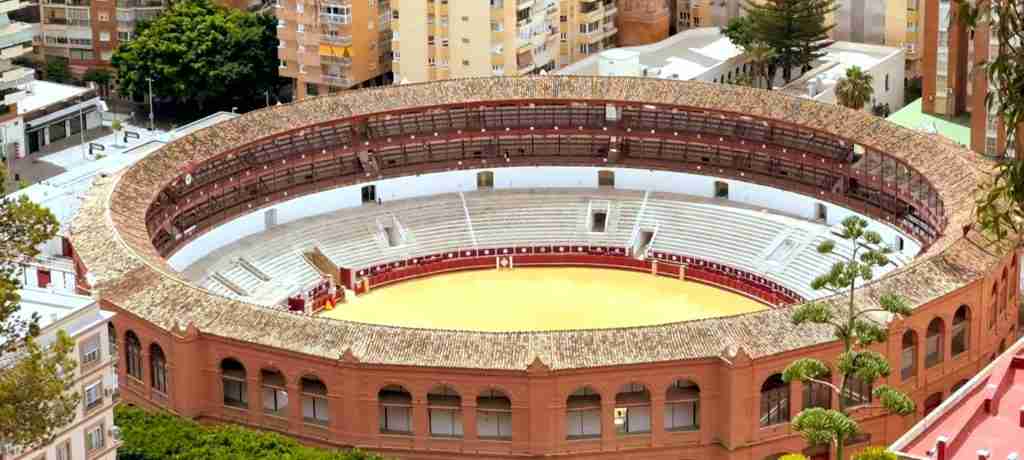
Ronda is one of the most dramatically positioned towns in Spain, built on a plateau bisected by a 120-meter-deep gorge. The Puente Nuevo (New Bridge), built in the 18th century, spans the gorge between the old and new quarters and is the defining image of the city. The ALSA bus from Malaga takes approximately 2 hours and costs €12–14 each way. The town is compact and navigable on foot: the views over the gorge from the Puente Nuevo and the Mirador de Aldehuela, the Arab Baths (Baños Árabes) in the lower quarter, the old bullring (one of Spain’s oldest, dating to 1785), and the medieval Moorish quarter are all within walking distance of the bus station.
Organized day trips from Malaga to Ronda — often combined with a visit to Setenil de las Bodegas, a village whose houses are built directly into the overhanging rock face of a narrow gorge — cost approximately €55–70 per person including transport and a guide. These are particularly useful for visitors with limited time who want context for what they are seeing.
Nerja and Frigiliana 2027
Nerja lies approximately 55 km east of Malaga along the coast. Its Balcón de Europa — a clifftop promenade with panoramic views of the sea and the coast — and the Nerja Caves (Cuevas de Nerja) are the main draws. The Nerja Caves are a system of prehistorically inhabited limestone caverns with striking stalactite and stalagmite formations; admission is approximately €13 for adults (check cuevadenerja.es for current rates). The ALSA bus from Malaga takes approximately 1.5 hours and costs approximately €4–6 each way.
Frigiliana, a whitewashed Moorish village perched 6 km above Nerja in the Sierra Almijara, is consistently listed among Andalusia’s most picturesque villages. Its narrow lanes, ceramic tile historical panels, and intact Moorish street plan are compelling at any season. Local buses connect Nerja and Frigiliana throughout the day. Combining Nerja and Frigiliana in a single day trip from Malaga is achievable and highly recommended — the contrast between the coastal resort atmosphere of Nerja and the mountain village quiet of Frigiliana adds depth to the day.
Marbella and Puerto Banus 2027
Marbella lies approximately 60 km west of Malaga along the Costa del Sol. The town combines a well-preserved historic old quarter (casco antiguo) — its whitewashed streets, orange-tree plaza, and tapas bars largely unchanged by decades of resort development — with a long seafront boulevard. Adjacent Puerto Banus, approximately 6 km southwest of central Marbella, is the Costa del Sol’s most famous luxury marina, with superyachts, designer boutiques, and beachside restaurants forming a spectacle worth seeing regardless of budget. Entry to the port area is free; spending is optional.
The ALSA bus from Malaga to Marbella takes approximately 45–60 minutes and costs approximately €5–7 each way. A local bus connects central Marbella to Puerto Banus in approximately 15–20 minutes. Marbella works well as a half-day trip combined with a few hours at the beach; for a full day, budget for lunch in the old quarter (approximately €15–25 per person for a proper sit-down meal).
Antequera and El Torcal Natural Park 2027
Antequera, approximately 45 km north of Malaga, is a significantly underrated destination with one of Andalusia’s finest Baroque town centers and a UNESCO World Heritage Site in the Dolmens of Antequera. The dolmens — a complex of Neolithic megalithic tombs dating to around 3500–2500 BCE — include the Menga and Viera dolmens (just outside the town center) and the Romeral tholos (a few kilometers away). They are among the largest and best-preserved megalithic monuments in Europe. Admission is free for EU and EEA citizens; non-EU visitors typically pay a nominal fee (check dolmenesdeantequeera.es for current admission terms).
El Torcal de Antequera, immediately south of the town, is a limestone karst plateau with dramatically eroded rock formations shaped over millions of years into towers, crevices, and arches. Marked walking trails range from 45-minute circuits to full-day hikes. No admission is charged to the natural park itself. The ALSA bus from Malaga to Antequera takes approximately 45–60 minutes and costs approximately €5–8 each way. El Torcal is most easily reached from Antequera by taxi (approximately €8–12 each way from the town center) or by car.
Caminito del Rey 2027
The Caminito del Rey is a celebrated walkway pinned to the near-vertical walls of the Desfiladero de los Gaitanes gorge, approximately 60 km northwest of Malaga near El Chorro. Originally constructed in the early 20th century for workers maintaining a hydroelectric system, restored and reopened in 2015 after decades of dangerous disrepair, it now offers one of the most spectacular and entirely safe walking experiences in Spain. The route leads through tunnels, along vertiginous metal boardwalks above a river far below, and through some of the most dramatic limestone scenery in Andalusia — a 7.7 km one-way route taking approximately 3–4 hours.
Tickets cost approximately €10 for the main gorge walkway (plus a small additional charge for the preceding natural path section); book well in advance at caminitodelrey.info as daily visitor numbers are capped and peak-season slots sell out. Organized day trips from Malaga, including transport and guided commentary, cost approximately €40–60 per person. Independent visitors can reach El Chorro by Cercanías C1 train (change at Gobantes) with additional walking time from the station to the entry point.
Malaga Budget Breakdown 2027
The following cost breakdowns reflect 2027 planning figures, calculated per person per day assuming two people sharing accommodation. All prices are in euros, Spain’s local currency. Hotel rates are divided by two before being added to individual meal and transport costs — the standard methodology applied throughout this guide. Ranges reflect realistic variation within each tier rather than single figures that create false precision.
Budget Traveler Daily Costs in Malaga 2027
A budget traveler in Malaga in 2027 — staying in a basic hotel or pension, eating the menú del día for lunch, having coffee and tostada for breakfast, choosing tapas bars for dinner, and taking the bus for all transport — can plan as follows (per person daily, two sharing a budget room):
- Accommodation per person: €35–50 (room rate €70–100, divided by two)
- Breakfast: €3–5 (coffee and tostada at a neighborhood bar)
- Lunch: €10–13 (menú del día including drink)
- Dinner and drinks: €10–17 (two to three shared tapas plates at a bar)
- Local transport: €3–6 (bus day card or two to three individual journeys)
- Attractions: €7–15 (spread across the day, using free Sunday afternoon windows and choosing one to two paid attractions at base rates)
Total: approximately €75–115 per person daily (budget traveler, two sharing). A week at budget level costs approximately €525–805 per person, or approximately €1,050–1,610 for two traveling together.
Mid-Range Traveler Daily Costs in Malaga 2027
A mid-range traveler staying in a comfortable 3- to 4-star hotel, eating at proper sit-down restaurants for lunch and dinner, and visiting the main paid attractions can plan as follows (per person daily, two sharing a mid-range room):
- Accommodation per person: €65–100 (room rate €130–200, divided by two)
- Breakfast: €8–12 (hotel breakfast or a quality café)
- Lunch: €18–25 (full meal at a mid-range restaurant with wine)
- Dinner: €25–35 (mid-range restaurant, two courses with wine)
- Coffee, drinks, and snacks: €5–10
- Local transport: €8–15 (bus day card plus one to two taxi journeys)
- Attractions: €15–25 (one to two paid attractions per day at general admission rates)
Total: approximately €145–220 per person daily (mid-range traveler, two sharing). A week at mid-range level costs approximately €1,015–1,540 per person, or approximately €2,030–3,080 for two.
Luxury Traveler Daily Costs in Malaga 2027
A luxury traveler staying in a five-star or high-end boutique hotel, dining at the best restaurants, and incorporating private tours and premium experiences can plan as follows (per person daily, two sharing a luxury room):
- Accommodation per person: €125–200 (room rate €250–400, divided by two)
- Breakfast: €15–25 (hotel breakfast or upscale café)
- Lunch: €35–55 (upscale restaurant with wine)
- Dinner: €55–80 (fine dining, wine pairing or premium selection)
- Coffee, drinks, and entertainment: €15–30
- Local transport: €25–50 (taxis and private transfers)
- Attractions and experiences: €30–60 (private guided tours, premium access, day trip upgrades)
Total: approximately €265–445 per person daily (luxury traveler, two sharing). A luxury week in Malaga costs approximately €1,855–3,115 per person.
Sample Packed Day Budget for Malaga 2027
For a practical single-day illustration: a mid-range couple covering the Alcazaba, the Picasso Museum, Malaga Cathedral, lunch, and dinner would spend approximately the following per person. Alcazaba: €7. Picasso Museum full access: €10. Cathedral interior: €10. Total attractions: €27. Lunch at a mid-range restaurant: €22. Coffee and afternoon drinks: €8. Dinner: €30. Bus journeys (four at approximately €1.30 each): €5. Day total excluding accommodation: approximately €92 per person. Adding the mid-range accommodation component (€65–100 per person for two sharing) produces an all-in daily total of approximately €155–190 per person — consistent with the mid-range range of €145–220, with this particular day sitting toward the higher end because of three paid attractions.
Seasonal Pricing and When to Visit Malaga in 2027
Peak Season Malaga 2027 (June–August)
June, July, and August are peak months, driven by European family beach tourism. Three-star hotels in the historic center operate at or near capacity through July and August, with room rates reaching €180–280 per room per night in July compared with €100–150 in May. Temperatures regularly exceed 32°C (90°F) in July and August; outdoor sightseeing in the middle of the day becomes uncomfortable, and the Malagueño tradition of a long midday rest (2:00 PM–5:00 PM) makes practical sense. Attractions are at their busiest, though the Alcazaba and Picasso Museum remain manageable with early arrival (before 10:00 AM) or with skip-the-line tickets booked in advance.
Summer has genuine advantages: long evenings until 10:00 PM allow late outdoor dining; chiringuito beach restaurants are at full operation; cultural programming, concerts, and festivals peak from June through August; and the sea temperature is warmest. Visitors prepared for the heat and the crowds, and who book accommodation many months in advance, enjoy an authentic summer Costa del Sol experience.
Shoulder Season Malaga 2027 (April–May and September–October)
Shoulder season represents the optimal conditions for most visitors. April and May bring daytime temperatures of 20–25°C (68–77°F) with stable sunshine and crowds well below peak levels. Sea temperature in May is typically around 19–20°C — refreshing for a swim rather than warm; most European visitors wait until June for comfortable sustained bathing. Hotel rates in May are approximately 20–30% below August peaks.
September and October offer arguably the best conditions of all. Sea temperatures peak around 23–24°C in September, the August crowds have dispersed, and temperatures have moderated from the summer maximum to a very comfortable 24–28°C (75–82°F). Hotel rates fall noticeably from September: a room costing €200 in August typically drops to €120–140 in October. The city’s cultural calendar remains active through October, and the harvest festivals of the Malaga wine region (Axarquía) add a seasonal dimension for interested visitors.
Low Season Malaga 2027 (November–March)
Winter in Malaga is mild — January averages around 12°C (54°F) at night and 17°C (63°F) by day, with frequent sunny periods — but sea temperatures (around 15–16°C in January) are too cold for most swimmers. The city center, all museums, and virtually all restaurants operate normally. Hotel rates are at their annual low: comfortable 3-star rooms frequently appear for €70–100 per room per night, and even five-star properties offer winter promotions. The quieter streets reveal a more authentic urban rhythm. Long-stay visitors from northern Europe, particularly retirees, make up a significant proportion of winter visitors, and their presence supports a year-round restaurant and café scene.
The most important date in the winter calendar is Semana Santa (Holy Week), in 2027 falling in the week leading up to Easter Sunday in April. Malaga’s Holy Week processions are among the most elaborate and emotionally intense in Andalusia, featuring dozens of brotherhoods (hermandades) carrying their floats (pasos) through the city streets in late-night candlelit ceremonies. Hotels fill months in advance; book immediately if planning a visit during this period. The processions are free to observe from the streets, though the best viewing positions along the official route fill early.
Money-Saving Strategies for Malaga 2027
Strategic planning significantly reduces costs in Malaga without materially reducing the quality of the experience.
Maximize free Sunday admission. Both the Alcazaba and Castillo de Gibralfaro are free from 2:00 PM on Sundays. The Picasso Museum Malaga offers free entry from 4:00 PM on Sundays. The Carmen Thyssen Museum Malaga is free from 4:00 PM on Sundays. Structuring one day around Sunday afternoon can save approximately €27–29 per person across these three attractions — nearly a full day’s budget-tier attraction budget reclaimed in a single afternoon.
Eat the menú del día. The fixed-price midday menu (two courses, bread, and a drink for €10–13) is the single greatest value-for-money meal in Malaga. Making lunch the main meal and supplementing with lighter tapas or a bocadillo for dinner dramatically reduces daily food costs.
Take the Cercanías train to and from the airport. The approximately €2 per person train fare versus a €20–25 taxi saves approximately €46 return for two travelers — equivalent to two or three paid museum admissions.
Book accommodation in shoulder season. The price difference between a 3-star hotel room in May and the same room in July is typically €50–80 per room per night, representing a saving of €350–560 per room over a week’s stay.
Explore the free museum windows. The Malaga Museum (free for EU/EEA citizens), the Roman Theatre (free to view from outside), and the Soho street art district (entirely free) together provide a half-day of substantive culture without any admission cost.
Check the Malaga Card. The tourist card bundles access to multiple museums and public transport at a fixed price per 24, 48, or 72 hours. Whether it delivers value depends on how many paid attractions you plan to visit in the card period. Check the current price and inclusions at malagaturismo.com and compare against the total of individual admissions for your planned itinerary.
Use bus and Cercanías for beach visits. The Cercanías C1 train opens up Torremolinos and Benalmádena beaches at approximately €2 return per person — cheaper and faster than a taxi, and comparable in comfort. Beach taxi fares add up quickly over a week of daily beach visits.
Hidden Costs and Practical Considerations in Malaga 2027
Tourist tax. Malaga city currently does not levy a separate tourist accommodation tax of the kind applied in Barcelona or Amsterdam at the time of writing, though this remains under periodic review by the Junta de Andalucía. Check the tax status before booking for 2027, as this could change before your visit.
Parking. Visitors arriving with a rental car face parking costs of approximately €15–25 per night in or near the historic center — a significant addition to the accommodation bill. The city center is largely pedestrianized, so a car adds little value for in-city sightseeing; rent only for day trips requiring one.
Beach sun lounger and umbrella rental. On Malagueta beach and throughout the Costa del Sol chiringuito stretch, sunbed and umbrella rental typically costs €5–10 per unit per day in peak season. For a family or couple spending multiple afternoons at the beach, this is an easy additional cost to overlook in advance budgeting.
Bottled water. Malaga’s tap water is safe to drink and of acceptable quality throughout the city. Using a refillable bottle avoids the repeated cost of purchasing 500ml bottles at café prices (typically €1.50–2.50 each). Restaurants are required under Spanish law to provide tap water on request at no charge.
Tipping. Tipping in Malaga is customary but lower-rate than in North America. Rounding up to the nearest euro, or leaving €0.50–2, is perfectly appropriate at a café or bar. A full sit-down dinner merits 5–10% if service has been attentive; 10–15% is above the Spanish norm and unnecessary at most establishments. Tourist-facing restaurants in high-traffic areas sometimes suggest higher tip amounts on receipts — there is no social obligation to follow these suggestions.
Pickpocket awareness. Malaga’s busy tourist areas — Calle Larios, the Atarazanas market, the approaches to the Alcazaba, and the Muelle Uno waterfront — attract the opportunistic pickpocketing common to all popular Spanish city destinations. Using an inner pocket, money belt, or a bag worn across the front eliminates virtually all this risk. The city is not unsafe; standard vigilance in crowded areas is all that is needed.
Day trip admission costs. The Alhambra in Granada (€18) plus bus transport (€28–28 return) makes a Granada day trip cost approximately €46 per person before food. Factor day trip admissions into the overall trip budget from the start, not as afterthoughts.
Malaga for Different Traveler Types in 2027
Malaga for Families with Children 2027
Malaga is broadly family-friendly. Playa de la Malagueta, the main urban beach, is 20 minutes on foot from the historic center (or a short bus ride) and is well-serviced with showers, lifeguards in season, and chiringuito restaurants. Most of Malaga’s top museums offer free admission for under-18s, including the Picasso Museum and the Carmen Thyssen Museum, which reduces daily attraction costs significantly for families. The Roman Theatre at the foot of the Alcazaba engages children interested in history, and the Alcazaba’s fortified passages and views work well for most ages.
For more active families, the Caminito del Rey walkway suits children aged approximately 8 and above (younger children may struggle with the 7.7 km route and the vertiginous sections). Bioparc Fuengirola, a zoological park approximately 35 minutes by Cercanías C1 train from Malaga city center, offers an immersive zoo experience with genuine conservation programming; admission is approximately €19–23 for adults and €13–16 for children (check biofuengirola.es for current rates). For accommodation, apartment hotels near the Malagueta beach area often provide kitchens useful for budget-conscious families preparing some of their own meals.
Malaga for Solo Travelers 2027
Malaga is highly comfortable for solo travel. The city is safe, the streets are active until late, and solo dining at a tapas bar — ordering at the bar, eating standing or on a bar stool, and moving on — is culturally normal in Spain rather than awkward. The city’s free and tip-based walking tours (departing daily from Calle Larios) provide an excellent way to orientate on arrival and meet other independent travelers.
Solo travelers face the standard economic cost of not splitting a hotel room. Budget for approximately €70–120 per night for a private room in a budget to mid-range property (sole occupancy), representing an additional €35–60 per night above the per-person rate for two sharing. Hostels with private rooms (around €40–60 per night in shoulder season) offer a strong middle ground between dormitory and mid-range hotel pricing for solo visitors. The overall daily solo budget in Malaga runs approximately €120–180 per day at budget to mid-range level.
Malaga for Couples 2027
Couples find Malaga well-suited to a long weekend or short city break. The combination of museums in the morning, lunch in the shade, beach in the afternoon, and tapas and wine in the evening creates a naturally varied program without requiring extensive planning. The Castillo de Gibralfaro at sunset — when the late light catches the harbor, the Cathedral’s single completed tower, and the sweep of the coast — is one of the most scenic moments in any city on this part of the Mediterranean coastline.
For couples interested in a wider regional experience, renting a car for one or two days to drive the Axarquía region east of Malaga — passing through the white villages of Competa and Frigiliana, the almond and avocado orchards of the interior, and the less-developed coastal sections between Nerja and Torre del Mar — provides a dimension of southern Andalusia that public transport does not reach easily. Car hire from Malaga Airport starts from approximately €25–40 per day for a small vehicle in shoulder season; compare current rates on aggregator sites.
Practical Information for Malaga 2027
Currency and Payment Methods
Spain uses the euro. Card payment is accepted universally in hotels, restaurants, museums, and shops of any size in Malaga. Contactless (including mobile) payment is the default for most bar and café transactions. ATMs are plentiful throughout the historic center and at the airport; use your own bank’s network where possible to minimize foreign transaction fees. Carrying €20–40 in cash is sufficient for markets, small bars, and beach vendors who may not accept cards; most transactions in Malaga are card-friendly in practice.
Tipping in Malaga 2027
Rounding up to the nearest euro, or leaving coins totaling €0.50–2, is appropriate at a bar or café. A proper sit-down dinner warrants 5–10% if the service has been good; 10% is generous and well-received. Tour guides typically expect €5–15 per person for a walking tour; private guides warrant more. Taxi drivers appreciate rounding up to the nearest euro. These levels are lower than North American norms and reflect genuine Spanish custom rather than under-tipping.
Safety in Malaga 2027
Malaga is considered a safe city for tourists by the standards of European urban destinations. The principal risk is opportunistic theft in crowded tourist areas, addressed adequately by standard precautions (secure inner pockets, bags worn at the front, awareness in tight crowds). The emergency number in Spain is 112 for police, ambulance, and fire. The Policía Local maintains a significant presence in the tourist areas and the historic center. A specialist tourist police unit operates in the centro histórico during peak season.
Language Tips for Malaga 2027
Spanish (Castilian) is the language throughout Malaga and the whole of Andalusia. English is spoken to a reasonable standard in hotels, the main museums, and tourist-oriented restaurants. Outside the tourist core — markets, neighborhood bars, local shops — Spanish is the working language. A few key phrases improve nearly every interaction: Buenos días (good morning), por favor (please), gracias (thank you), la cuenta, por favor (the bill, please), ¿Habla inglés? (do you speak English?), and ¿Dónde está…? (where is…?). Malagueño Spanish has a distinctive Andalusian accent — consonants at the ends of syllables are often softened or dropped — which can sound quite different from textbook Castilian, but spoken communication with basic phrases works well regardless.
Internet and Connectivity in Malaga 2027
Free WiFi is available at the airport, in virtually all hotels, and in an increasing number of bars and restaurants. Municipal free WiFi zones cover the main public squares in the historic center. Mobile data coverage on Spanish networks is excellent throughout the city and along the coastal road. Visitors from EU countries roam on Spanish networks under EU roaming rules at no extra charge. Visitors from outside the EU should verify international roaming costs before departure; purchasing a local SIM card at the airport (available from Vodafone, Orange, and Movistar kiosks) typically provides better-value data than international plan pricing from home carriers.
Frequently Asked Questions About Malaga in 2027
How many days do I need in Malaga in 2027?
Two to three days covers the main museum corridor — Alcazaba, Picasso Museum Malaga, Cathedral, Centre Pompidou Malaga, and Carmen Thyssen Museum Malaga — plus a beach afternoon, an evening on the waterfront, and one significant day trip to either Granada or Ronda. Four to five days allows a more relaxed pace, the addition of Nerja or Antequera as day trips, and time to explore the Soho arts district, the Atarazanas market area, and Malagueta beach properly. Visitors using Malaga as a base for the broader Costa del Sol may stay a week or more; the Cercanías C1 makes beach resort towns along the coast convenient for day use without needing to stay there.
Is Malaga more expensive than other Spanish cities in 2027?
Malaga is generally less expensive than Madrid and Barcelona for accommodation and restaurant meals, and broadly comparable to Seville. Restaurant prices in the historic center are lower on average than equivalent establishments in Madrid or Barcelona, and the menú del día culture is as strong as anywhere in Spain. Hotel rates outside peak summer are competitive with any major Spanish city. The coastal resort economy drives up prices in beach-facing hotels and some tourist-targeted restaurants, but the core city experience remains genuinely affordable by European city-break standards — particularly in shoulder season.
Do I need to book Malaga attractions in advance for 2027?
For most of Malaga’s major attractions, advance booking is not strictly necessary outside peak July–August weekends, but it is advisable for saving time queuing. The Picasso Museum Malaga benefits most from online booking in high season; ticket purchase is available on the official website. The Cathedral can be busy in the morning and is quieter in the afternoon. The Alcazaba generally admits independent visitors on arrival. The critical exception is the Alhambra in Granada if a day trip is planned: Alhambra tickets must be booked many weeks or months in advance for summer and spring visits, as they routinely sell out. Book the Alhambra first; arrange everything else around it.
What is the Malaga Card and is it worth buying in 2027?
The Malaga tourist card provides combined access to multiple museums and unlimited public transport at a fixed price over a 24-, 48-, or 72-hour period. Whether it delivers value depends on how many paid attractions you plan to visit within the card window. For visitors planning to cover the Alcazaba, Picasso Museum Malaga, Catherine Thyssen Museum Malaga, Malaga Cathedral, and the Centre Pompidou Malaga in two to three days, the card typically yields meaningful savings. For visitors taking advantage of the free Sunday afternoon admission windows at three of those sites, the calculation changes significantly. Check the current price and inclusion list at malagaturismo.com before purchasing.
What are the best beaches near Malaga in 2027?
Playa de la Malagueta is the most accessible urban beach — 15–20 minutes on foot east of the historic center — and is well-serviced with chiringuito restaurants, sunbed hire, showers, and lifeguards in season. For longer, less-crowded beaches, the Cercanías C1 train provides direct access to Torremolinos (approximately 20 minutes, less busy outside peak months), Benalmádena, and Fuengirola, all with good beach infrastructure. East of Malaga, the beaches near Rincón de la Victoria and Torre del Mar are somewhat less developed than the western Costa del Sol resorts, accessible by local bus in approximately 30–45 minutes. The beaches around Nerja, approximately 55 km east, are the most scenically situated and least crowded of the easily reachable options.
Is Malaga suitable for a winter city break in 2027?
Yes. December through February offers Malaga’s lowest accommodation rates, much quieter streets, and daytime temperatures typically between 15–20°C (59–68°F) — fully comfortable for walking and outdoor sightseeing. All museums and most restaurants operate normally throughout winter. The beach is pleasant for a walk even when too cold for swimming. The quieter city reveals a more authentic Malagueño rhythm than the packed summer streets. Christmas markets and events enliven the historic center from late November, and Semana Santa in April provides one of the most atmospheric cultural events in Andalusia. For travelers primarily interested in culture, history, and the food scene rather than beach swimming, winter and early spring represent excellent value.
Are Malaga’s attractions accessible for visitors with disabilities in 2027?
Accessibility standards vary significantly across Malaga’s historic sites. The Picasso Museum Malaga and the Centre Pompidou Malaga have good provision, including elevator access to upper floors. The Cathedral has partial wheelchair access to the main nave. The Alcazaba presents significant challenges: some lower areas are accessible, but the upper terraces require sustained stair climbing on uneven historic paving. The Castillo de Gibralfaro is largely inaccessible for wheelchair users due to its hilltop terrain. The Carmen Thyssen Museum Malaga has made accessibility improvements and is broadly accessible; confirm current specifics directly with each attraction before visiting, as renovation work can change access arrangements from season to season.
What day trip from Malaga is best for first-time visitors in 2027?
For first-time visitors to southern Spain, the Granada day trip including the Alhambra is the most significant experience available from Malaga — the Nasrid palaces of the Alhambra are among the finest examples of medieval Islamic architecture in the world. The critical requirement is booking Alhambra tickets months in advance for any visit between March and October; this is the non-negotiable planning step. Visitors who have already seen the Alhambra on a previous trip should prioritize Ronda for its dramatic gorge landscape and historic old town, or Nerja and Frigiliana for a contrasting coastal and mountain village experience. The Caminito del Rey walkway is the standout choice for outdoor and adventure travelers.
What are the most useful practical apps for visiting Malaga in 2027?
The EMT Malaga app or the city council’s transit tools give bus routes and real-time arrivals. The Renfe app covers Cercanías timetables for the C1 airport and coastal line. Google Maps or a similar navigation app covers walking routes in the historic center reliably. The ALSA app covers regional bus booking for day trips to Granada, Ronda, Nerja, and beyond. Most museum websites offer digital tickets that can be stored on a phone, eliminating the need to queue at ticket counters. The Patronato de la Alhambra website (patronato-alhambra-generalife.es) must be used for official Alhambra ticket purchase; third-party resellers charge significant premiums.