Málaga Photography Guide: Best Spots & Views
Key Takeaways:
- Málaga offers exceptional Mediterranean light conditions with 320 days of sunshine annually, creating ideal photography opportunities across all seasons
- The city combines historic Moorish architecture, modernist installations, vibrant street scenes, and coastal landscapes within a compact, walkable photography circuit
- Alcazaba fortress and Gibralfaro castle provide elevated panoramic viewpoints capturing the entire cityscape from Mediterranean coast to mountain backdrop
- Golden hour photography transforms the historic center’s ochre facades, creating dramatic contrasts between illuminated architecture and deep blue shadows
- Street photography thrives in authentic neighborhoods like El Palo and Pedregalejo, where traditional fishing culture meets contemporary coastal lifestyle
- Technical mastery of harsh midday Mediterranean light separates amateur snapshots from professional-quality architectural and landscape photography
Understanding Málaga’s Photographic Appeal
Málaga presents photographers with a compelling synthesis of architectural heritage, coastal beauty, and authentic Andalusian culture that distinguishes it from Spain’s more touristed destinations. The city’s compact geography concentrates photographic opportunities within a three-kilometer radius, allowing dedicated photographers to capture diverse subjects from mountain fortresses to Mediterranean beaches in a single session.
The unique quality of Costa del Sol light defines Málaga’s photographic character. Mediterranean atmospheric conditions create luminosity that enhances color saturation while maintaining detail in highlight and shadow areas. This natural advantage has attracted painters since the 19th century, including Pablo Picasso, whose birthplace museum anchors the city’s contemporary art district. Understanding how this distinctive light interacts with Málaga’s architectural forms and natural landscapes becomes essential for capturing compelling imagery.
Málaga’s photography rewards patient observation and technical precision. The city reveals itself gradually through changing light conditions, seasonal variations, and daily rhythms that transform familiar locations into fresh photographic subjects. Successful photography here requires understanding not just where to point your camera, but when, how, and why specific technical choices enhance particular subjects and moments.
The convergence of historic preservation and contemporary development creates visual contrasts that energize photographic compositions. Medieval Moorish fortifications rise above glass-and-steel museum structures. Traditional fishing boats rest beside luxury marina yachts. Palm-lined promenades transition into centuries-old alleyways within single city blocks. These juxtapositions provide rich material for photographers interested in documenting cultural evolution and architectural dialogue.
People Also Ask About Málaga Photography
What makes Málaga good for photography?
Málaga excels for photography through the convergence of diverse architectural styles, exceptional Mediterranean light quality, authentic cultural scenes, and accessible elevated viewpoints. The city’s 2,800-year history has layered Phoenician, Roman, Moorish, Renaissance, and contemporary structures within a compact urban core, creating visual complexity without requiring extensive travel between locations.
The Costa del Sol’s atmospheric conditions produce clear, luminous light that enhances color reproduction and maintains tonal range across highlight and shadow areas. This natural lighting advantage combines with Málaga’s geographic orientation—the city faces south toward the Mediterranean with mountain ranges providing northern backdrop—creating dramatic lighting scenarios throughout the day. The Alcazaba and Gibralfaro fortifications offer elevated vantage points for panoramic cityscape photography impossible in flatter coastal cities.
Cultural authenticity distinguishes Málaga from heavily touristed Spanish destinations. Neighborhoods like El Palo maintain traditional fishing community character, providing genuine street photography opportunities. The Port district’s transformation from industrial zone to cultural quarter documents contemporary urban renewal, while historic center alleyways preserve centuries-old daily life patterns. This range of photographic subjects supports varied portfolios from architectural documentation to cultural photojournalism.
Where are the best photography spots in Málaga?
Gibralfaro castle ramparts provide the premier panoramic photography location, offering 360-degree views encompassing the entire city, Mediterranean coastline, and surrounding mountain ranges. The elevated position allows telephoto compression of cityscape elements while wide-angle lenses capture sweeping coastal vistas. Morning light from the east illuminates the historic center’s facades, while evening light creates dramatic silhouettes of the cathedral and port installations.
Alcazaba palace gardens combine architectural detail photography with landscape compositions. The terraced Nasrid gardens frame views toward the Roman theater and city below, while interior courtyards showcase geometric tile patterns and carved stucco details. The connection pathway between Alcazaba and Gibralfaro offers mid-elevation viewpoints capturing the fortification walls against urban backdrop.
Cathedral rooftop tours access photography perspectives unavailable from ground level. The roofwalk encircles the Renaissance dome, providing intimate views of baroque architectural details while overlooking Plaza del Obispo and surrounding historic district. The elevated position creates opportunities for compressed urban compositions using medium telephoto lenses.
Muelle Uno waterfront promenade captures contemporary Málaga with palm trees, modernist installations, and marina yachts against historic city backdrop. The extended eastern walkway toward La Malagueta beach provides changing perspectives on the city skyline and port infrastructure. Sunset photography from this location silhouettes the Gibralfaro fortress against colorful western skies.
Paseo del Parque’s botanical gardens offer shaded photography escapes during harsh midday light. The mature subtropical plantings create layered compositions with filtered light patterns. The park’s eastern terminus at Plaza de la Marina provides urban photography opportunities capturing the intersection of historic and contemporary city quarters.
What equipment should I bring for Málaga photography?
A versatile zoom lens covering 24-70mm focal length range handles the majority of Málaga’s photography situations from wide architectural interiors to standard street photography. The moderate wide-angle capability captures narrow alleyways and courtyard compositions, while short telephoto compression works for isolating architectural details and candid street portraits. Image stabilization proves valuable for handheld shooting in dim church interiors and evening street scenes.
Adding a 70-200mm telephoto zoom extends creative possibilities for panoramic viewpoint photography from Gibralfaro and cathedral rooftop locations. The telephoto compression effect enhances cityscape compositions by layering architectural elements and emphasizing the relationship between foreground landmarks and distant mountain ranges. This lens also enables discreet street photography from comfortable working distances.
A compact 35mm or 50mm prime lens provides low-light capability for evening photography and museum interiors where flash photography is prohibited. The wide maximum aperture creates shallow depth-of-field effects for isolating subjects against busy urban backgrounds. The smaller physical profile proves advantageous for inconspicuous street photography in crowded market areas and narrow pedestrian streets.
Circular polarizing filters enhance Mediterranean sky saturation and reduce reflective glare from whitewashed building facades and water surfaces. The filter proves particularly valuable during midday photography when harsh overhead light creates problematic reflections. Rotating the polarizer allows precise control over sky drama and surface reflection intensity.
A sturdy travel tripod supports long-exposure photography for evening street scenes, light trail compositions on Muelle Uno promenade, and motion-blur fountain photography in Plaza de la Constitución. Carbon fiber construction balances stability with portability for walking photography circuits covering multiple kilometers. Quick-release mechanisms speed setup for capturing fleeting golden hour light.
When is the best light for photography in Málaga?
Golden hour—the period beginning forty-five minutes before sunset—transforms Málaga’s historic center into ideal photography territory. The low-angle warm light illuminates ochre building facades with directional modeling that emphasizes architectural texture and depth. The cathedral’s Renaissance stone glows amber while creating long dramatic shadows across Plaza del Obispo. Narrow alleyways experience brief moments of perfect side-lighting as the sun angle penetrates between buildings.
Blue hour immediately following sunset extends photography opportunities with balanced ambient light and artificial illumination. The transition period when daylight and street lighting reach equal intensity creates rich blue skies that complement warm building lights. Cathedral facade lighting, plaza fountains, and pedestrian street activity combine in compositions impossible during pure daylight or full darkness.
Early morning light from the east provides clean, directional illumination for the Port district and Muelle Uno waterfront. The morning session offers advantages beyond light quality—fewer tourists populate photography locations, fishing boats return with catches creating authentic activity, and morning haze softens distant backgrounds in cityscape compositions. The period between sunrise and mid-morning maintains manageable contrast ranges for balanced exposures.
Overcast conditions, while less dramatic than direct sunlight, eliminate harsh shadows and reduce contrast for detail-rich photography. Cloudy skies work particularly well for architectural detail documentation, street photography where consistent exposure across scenes matters, and color photography where saturated hues benefit from soft lighting. The diffused light reveals subtle colors in building facades that harsh sunlight bleaches out.
Extended multi-day tours – 5+ days
Featured Malaga Multi-Day Tour Packages
3 days
3-Day Cordoba, Seville & Costa del Sol from Madrid
- ✓ Comprehensive Malaga tour
- ✓ Expert local guides included
- ✓ All accommodation arranged
- ✓ Transportation provided
7 days
The Timeless Roads of Southern Spain
- ✓ Booking needs min. 2 travelers
6 days
Heart of Andalusia 6 Days, Self-drive
- ✓ Comprehensive Malaga tour
- ✓ Expert local guides included
- ✓ All accommodation arranged
- ✓ Transportation provided
3 days
Seville, Ronda & White Villages in 3 days from Madrid
- ✓ Comprehensive Malaga tour
- ✓ Expert local guides included
- ✓ All accommodation arranged
- ✓ Transportation provided
Multi-day tour packages powered by TourRadar. Prices and availability subject to change.
Technical Foundations for Mediterranean Light
Mediterranean light conditions present unique technical challenges that distinguish Costa del Sol photography from temperate climate shooting. The intense direct sunlight creates extreme contrast ranges between illuminated surfaces and shadow areas that exceed most camera sensors’ dynamic range capabilities. Successful photography in these conditions requires understanding exposure strategies that preserve detail across the tonal spectrum.
Expose for highlight preservation rather than shadow detail when photographing sunlit architecture. The human eye tolerates underexposed shadow areas more readily than blown highlights that lose all detail. Setting exposure to maintain texture in bright building facades allows shadow recovery during post-processing while protecting irretrievable highlight information. This approach produces technically correct files that maximize post-processing flexibility.
Bracket exposures when photographing high-contrast scenes that exceed single-exposure capabilities. Capturing three frames—one properly exposed for highlights, one for midtones, and one for shadows—provides raw material for HDR processing or manual blending that preserves detail throughout the tonal range. The bracketing technique proves essential for interior-to-exterior views through doorways and windows where light levels differ by ten or more stops.
Shoot RAW format exclusively to maximize post-processing control over Mediterranean light’s challenging characteristics. RAW files retain full sensor data, allowing significant highlight recovery, shadow lifting, and white balance adjustment impossible with compressed JPEG files. The additional file size and processing time investment pays dividends when working with extreme lighting conditions common in Málaga photography.
Understand white balance adjustments for Málaga’s varying light conditions. Morning and evening golden hour require warm white balance settings around 5500-6500K to enhance the natural amber glow. Midday overhead sun benefits from cooler 6500-7500K settings that counteract excessive warmth in whitewashed building facades. Automatic white balance fails in mixed lighting situations combining daylight and artificial illumination, requiring manual kelvin adjustments for accurate color reproduction.
Master exposure compensation for Málaga’s predominantly bright scenes that fool camera meters. Whitewashed buildings, bright limestone fortifications, and reflective water surfaces cause automatic exposure systems to underexpose, rendering white surfaces as middle gray. Applying +0.7 to +1.3 stops of exposure compensation restores proper brightness while requiring careful histogram monitoring to prevent highlight clipping.
Utilize histogram analysis rather than LCD screen preview for exposure evaluation. Málaga’s bright outdoor conditions make LCD screens difficult to see clearly, while screen brightness settings influence perceived exposure accuracy. The histogram provides objective exposure data showing precise highlight and shadow distribution regardless of viewing conditions. Develop the discipline to check histograms after every shot in challenging lighting situations.
Alcazaba and Gibralfaro: Elevated Perspective Photography
Gibralfaro castle ramparts constitute Málaga’s premier panoramic photography location, offering commanding views across the entire city from elevated vantage points 130 meters above sea level. The fortification’s strategic position provides 360-degree photography opportunities encompassing Mediterranean coastline, urban landscape, port infrastructure, and mountain backdrop. Understanding how to maximize these viewpoints transforms standard tourist snapshots into professional-quality cityscape images.
Arrive at Gibralfaro during early morning light for optimal atmospheric conditions and manageable tourist presence. The eastward-facing rampart sections capture first light illuminating the city below, while morning coastal haze adds atmospheric perspective that separates foreground, middleground, and background elements. The clean morning air produces sharp distant details impossible during afternoon heat haze. Plan for sixty to ninety minute photography sessions that allow exploration of multiple rampart viewpoints as changing light transforms scenes.
Use telephoto lenses in the 70-200mm range to compress cityscape layers and create visual relationships between distant architectural elements. Telephoto compression exaggerates the apparent proximity between cathedral spires, port cranes, and mountain peaks, producing dramatic compositions that emphasize Málaga’s geographic context. The longer focal lengths also eliminate distracting foreground elements like other tourists and fortification railings that clutter wide-angle views.
Incorporate Gibralfaro’s fortification walls as compositional foreground elements that provide context and scale to cityscape views. The weathered stone battlements add textural interest and historical narrative to modern city photographs. Position the camera to include wall sections at image edges, creating natural frames that direct viewer attention toward the urban landscape beyond. This layering technique adds depth and visual interest to panoramic compositions.
Experiment with vertical panorama stitching to capture the full vertical range from foreground fortifications to distant mountain ranges. Standard horizontal compositions often sacrifice either interesting foreground detail or dramatic sky elements. Shooting a series of vertical frames with thirty percent overlap, then stitching them in post-processing, produces ultra-high-resolution images that maintain detail throughout the scene while allowing large print reproduction.
Return to Gibralfaro for sunset photography that silhouettes the fortification against colorful western skies while the illuminated city provides foreground interest. The transition from daylight to artificial lighting creates brief opportunities for balanced exposures capturing both sky color and urban detail. Tripod-mounted cameras enable long exposures that smooth water surfaces in the port while maintaining architectural sharpness through the use of cable releases or timer delays.
Alcazaba palace provides complementary photography opportunities focusing on architectural detail and garden compositions rather than panoramic cityscapes. The terraced Nasrid gardens create intimate spaces where filtered light, geometric tile patterns, and reflecting pools combine in carefully composed architectural studies. The palace’s elevated position frames views toward the Roman theater ruins below, creating layered historical narratives in single compositions.
Photograph Alcazabra’s interior courtyards during morning light when low sun angles penetrate the enclosed spaces with directional illumination. The carved stucco details and geometric tile work require side-lighting to reveal three-dimensional texture and craftsmanship. Midday overhead light flattens these details, while afternoon backlighting creates deep shadows that obscure decorative elements. The morning session provides optimal conditions for architectural documentation.
Capture the connecting pathway between Alcazaba and Gibralfaro for mid-elevation city views that balance intimate detail with broader context. The stone pathway winds through fortified gardens offering changing perspectives on Málaga’s urban landscape. These intermediate viewpoints provide alternatives to Gibralfaro’s elevated panoramas, showing the city from more human-scale perspectives that emphasize neighborhood character rather than monumental overview.
Cathedral and Historic Center Architecture
Málaga Cathedral’s Renaissance facade and baroque interior present contrasting photography challenges requiring different technical approaches. The exterior’s massive scale demands wide-angle perspective control to minimize distortion, while the dim interior requires high ISO capability and tripod stability. Understanding these architectural photography fundamentals separates successful cathedral documentation from disappointing amateur attempts.
Photograph the cathedral facade from Plaza del Obispo during morning light when the east-facing entrance receives clean directional illumination. The stone surface reveals texture and depth under side-lighting that emphasizes carved details impossible to capture during flat midday conditions. Position yourself at the plaza’s western edge to include the entire facade while minimizing perspective distortion that makes vertical elements converge toward the top of the frame.
Use tilt-shift lenses or perspective correction in post-processing to maintain parallel vertical lines in cathedral architecture photography. Converging verticals—where walls appear to lean backward—create unprofessional-looking images that distract from architectural grandeur. Tilt-shift lenses allow real-time perspective control, while software correction in Lightroom or Photoshop produces similar results through cropping and digital manipulation of the image geometry.
Access cathedral rooftop tours for unique photography perspectives unavailable from ground level. The roofwalk encircles the Renaissance dome at 50 meters elevation, providing intimate views of baroque architectural details while overlooking the historic center’s terracotta roofscape. The elevated position creates compressed urban compositions using 70-200mm telephoto lenses that layer cathedral elements against cityscape backgrounds. Book rooftop tours in advance through the official cathedral website.
Photograph cathedral interior during midday when maximum daylight enters through clerestory windows and the incomplete south tower. The dim interior still requires ISO settings of 1600-3200 even during peak daylight hours. Tripods enable long exposures at low ISO for maximum image quality, but cathedral authorities permit tripod use only during off-peak hours with advance permission. Handheld photography requires image stabilization and acceptance of higher ISO noise levels.
Bracket exposures for interior photography that includes views through doorways to bright exterior spaces. The extreme dynamic range between dark interior and bright plaza exceeds single-exposure capabilities. Capture three or five bracketed frames for HDR processing that maintains detail throughout the tonal range. This technique proves essential for doorway and window compositions that combine interior architecture with exterior context.
Explore historic center alleyways during golden hour when low sun angles briefly penetrate the narrow passages with dramatic side-lighting. The maze of pedestrian streets creates constantly changing light conditions as sun angles shift throughout the session. Move deliberately through the neighborhood, watching for moments when specific corners or building facades catch perfect illumination. These fleeting opportunities reward photographers who understand how to read light angles and anticipate ideal conditions.
Photograph whitewashed building facades during blue hour when balanced ambient and artificial light creates rich blue skies complementing warm building illumination. The transition period after sunset produces color relationships impossible during pure daylight. Expose for the illuminated facades, allowing the deepening blue sky to reach saturation that enhances the warm building tones. This technique creates dramatic evening urban photography that captures Málaga’s architectural character.
Capture architectural details throughout the historic center that reveal craftsmanship and historical layers. Carved wooden doors, wrought iron balconies, decorative tile work, and weathered stone surfaces tell Málaga’s architectural story through intimate close-up photography. Use macro lenses or close-focusing capabilities to isolate these elements against simplified backgrounds. The detail photography approach builds comprehensive architectural portfolios that document the city beyond iconic landmarks.
Port District and Contemporary Architecture
The Muelle Uno waterfront development presents photography opportunities documenting Málaga’s contemporary transformation from industrial port to cultural destination. The modernist palm-lined promenade, art installations, and marina infrastructure contrast dramatically with historic city views across the harbor. Understanding how to photograph this contemporary environment produces images that balance architectural documentation with artistic interpretation.
Shoot Muelle Uno during blue hour when artificial lighting activates the promenade while maintaining sky detail and color. The palm trees receive uplighting that creates dramatic silhouettes against twilight skies. Modern sculptures and architectural elements glow with integrated lighting that defines their forms. Expose for the illuminated elements, allowing the sky to deepen to rich blue tones that complement warm artificial lighting. Long exposures of two to five seconds smooth water surfaces while maintaining sharpness in static architectural elements.
Utilize the extended waterfront walkway for changing cityscape perspectives that layer marina yachts, port cranes, and historic city backdrop. Move along the promenade photographing the same scene from varying distances and angles, observing how foreground-background relationships change with position. Telephoto compression from the eastern end of the walkway stacks architectural elements vertically, while wide-angle compositions from the western section emphasize harbor breadth and activity.
Photograph the Pompidou Centre’s distinctive glass cube during both day and night sessions. The contemporary museum’s colorful facade creates bold compositions during daylight hours when the transparent elements reveal interior exhibitions. Night photography transforms the structure into a glowing installation where internal lighting creates abstract color patterns. Vary your approach between clean architectural documentation and creative interpretations that emphasize color and light rather than structural form.
Capture marina reflections during calm morning conditions when water surfaces mirror yacht masts and waterfront architecture. Early sessions before wind disturbs the harbor surface produce perfect reflection photography impossible during afternoon breeze conditions. Use polarizing filters judiciously—complete polarization eliminates reflections entirely, while partial polarization maintains mirror effects while enhancing sky saturation. Adjust the polarizer while watching the effect to achieve desired balance between reflection and transparency.
Document the industrial port’s working infrastructure for photography that contextualizes Málaga’s economic character beyond tourist attractions. Container cranes, cargo ships, and logistics operations provide subject matter for urban industrial photography. Telephoto lenses allow detailed documentation from public waterfront areas without trespassing on restricted port property. The industrial elements create powerful compositional contrast when included as background elements in otherwise polished contemporary cityscape images.
Photograph the cruise ship terminal during arrival and departure operations for maritime photography documenting Málaga’s tourism economy. Large vessels passing the Gibralfaro backdrop create dramatic scale comparisons between human engineering and natural landscape. Morning arrivals receive favorable lighting, while sunset departures produce silhouette opportunities. Long exposures of 30 seconds or more transform moving ferries into ghostly blurs that emphasize motion against static port infrastructure.
Beach and Coastal Photography
Málaga’s urban beaches present distinct photography subjects from the historic center, requiring different technical approaches for successful coastal imagery. La Malagueta beach and the eastern Pedregalejo and El Palo neighborhoods combine Mediterranean coastal beauty with authentic fishing community character that distinguishes Málaga from purely touristic beach destinations.
Photograph La Malagueta beach during early morning sessions when fishing boats launch and light quality favors coastal photography. The clean directional morning light illuminates beach activities and coastal architecture while maintaining manageable contrast. Dawn photography captures the beach empty of tourists, revealing the natural coastal environment and traditional fishing culture before recreational beach use begins. Plan arrival thirty minutes before sunrise to capture the transition from darkness to daylight.
Use long exposures to transform Mediterranean wave action into ethereal smooth surfaces that contrast with sharp architectural and landscape elements. Exposure times of 30 seconds to several minutes require neutral density filters that reduce light reaching the sensor, enabling long shutter speeds even during daylight conditions. The smoothed water effect creates serene, minimalist compositions that emphasize form and color over documentary detail. Tripod stability proves essential for sharp focus throughout long exposures.
Capture traditional fishing boats on El Palo and Pedregalejo beaches for cultural documentation that reveals Málaga’s maritime heritage. The colorful wooden boats rest on sandy beaches between fishing sessions, providing accessible subjects for detail photography. Morning light reveals the craftsmanship and weathered character of working vessels. Interact respectfully with fishermen to understand their craft and gain permission for close-up photography that includes people working with their boats.
Photograph the coastal promenade during sunset sessions when western light creates dramatic silhouettes of palm trees against colorful skies. The Paseo Marítimo’s palm-lined walkway provides endless composition opportunities as changing light transforms familiar scenes. Vary your approach between wide environmental shots establishing coastal context and telephoto isolations that compress promenade elements into layered compositions. Include people in silhouette to add human scale and activity to environmental photography.
Document the beach chiringuitos (traditional beach restaurants) during midday when umbrellas, seafood displays, and dining activity create authentic cultural scenes. The rustic structures and casual dining atmosphere provide street photography opportunities distinct from historic center architecture. Photograph from respectful distances using moderate telephoto lenses that allow candid documentation without intrusive presence. Focus on environmental details—paella pans, fresh fish displays, casual dining scenes—that capture coastal lifestyle without photographing people in close-up.
Capture coastal landscape photography from elevated viewpoints along the eastern beaches where cliffs provide perspective over the Mediterranean. The natural rock formations and native vegetation create foreground interest for seascape compositions extending to distant horizons. Use graduated neutral density filters to balance bright sky and darker foreground elements, maintaining detail throughout the tonal range. Wide-angle lenses emphasize the expansive coastal environment and dramatic sky conditions.
Street Photography and Daily Life
Málaga’s authentic neighborhoods beyond the tourist center provide rich street photography opportunities documenting contemporary Andalusian urban life. Successful street photography requires understanding not just technical camera skills but also cultural sensitivity, legal awareness, and ethical approaches to photographing people in public spaces.
Focus street photography efforts in traditional neighborhoods like Pedregalejo, El Palo, and the Lagunillas district where authentic daily life continues largely unaffected by tourism. These areas maintain genuine character—neighborhood markets, local cafes, children playing in plazas, elderly residents socializing on street corners. The unforced authenticity produces compelling cultural documentation impossible in heavily touristed zones where staged photo opportunities replace genuine daily activities.
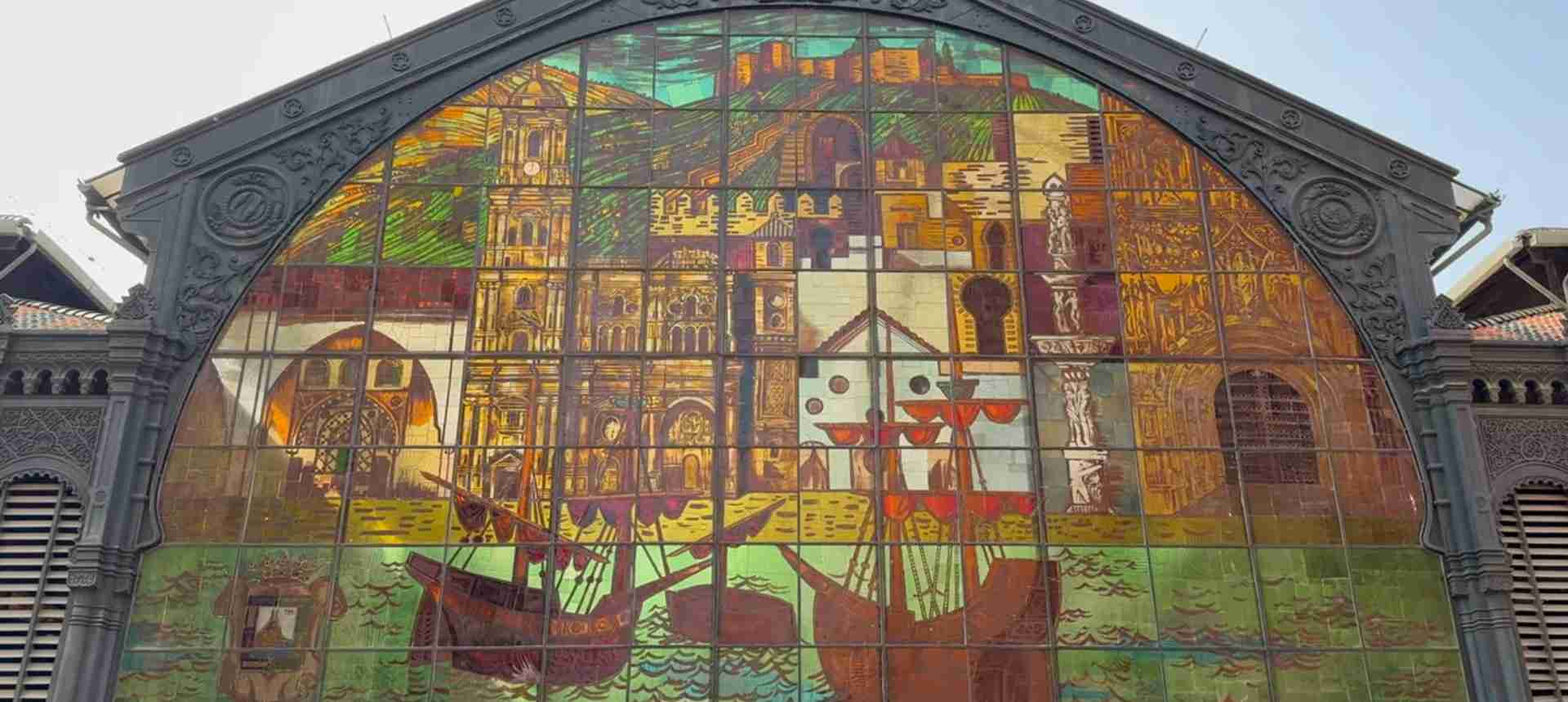
Photograph the Atarazanas Market during morning hours when vendors arrange displays and locals shop for daily provisions. The 19th-century market hall’s Moorish architecture creates dramatic lighting conditions as daylight streams through stained glass windows. The authentic market activity—vendor-customer interactions, colorful produce displays, traditional seafood offerings—provides endless subject matter for cultural documentation. Use moderate wide-angle lenses (35mm) that capture environmental context while allowing comfortable working distances.
Develop a respectful street photography approach that balances documentation with privacy concerns. Spanish privacy laws protect individuals from commercial use of their likeness without permission, though editorial and artistic photography in public spaces remains legal. When photographing identifiable individuals in close-up, seek permission through friendly interaction, explaining your artistic interest. Many people appreciate being photographed once they understand your sincere artistic intentions.
Master the pre-focus and zone-focusing techniques that enable quick candid photography without obvious camera manipulation. Set your camera to manual focus at a fixed distance (three to five meters for 35mm lens street photography), set appropriate aperture for sufficient depth of field (f/8 to f/11), then capture scenes as they develop without fumbling with autofocus systems. This technique allows immediate response to fleeting moments while maintaining inconspicuous presence.
Photograph Plaza de la Merced during evening hours when the square transforms into social gathering space. The outdoor cafes, children playing, and casual socializing create dynamic scenes that capture Málaga’s social culture. Position yourself at cafe tables with camera ready, photographing the scene as it unfolds naturally. The relaxed cafe setting provides cover for extended observation and photography without seeming intrusive or suspicious.
Document traditional shops and workshops throughout the historic center that maintain craft traditions and authentic commercial character. Small family businesses—traditional bakeries, craft workshops, specialty food shops—provide cultural photography opportunities before modernization erases these traditional enterprises. Seek permission to photograph interiors and craftspeople at work, explaining your interest in documenting traditional culture. Most proprietors welcome respectful documentation that honors their craft heritage.
Capture spontaneous moments rather than posed situations whenever possible. Street photography’s power lies in capturing authentic human behavior and cultural moments as they occur naturally. Wait patiently for elements to align—interesting characters, compelling backgrounds, favorable light—rather than arranging or directing scenes. The unforced authenticity of genuine moments produces images with emotional impact impossible in staged photography.
Photograph during festivals and local celebrations that reveal Málaga’s cultural traditions and community life. Holy Week processions, the August fair, and neighborhood patron saint celebrations provide extraordinary cultural documentation opportunities. Understand the events’ cultural significance before photographing to ensure respectful coverage that honors tradition rather than exploiting spectacle. Position yourself where you can photograph without blocking participants or spectators’ views.
Museum and Indoor Photography
Málaga’s museum quarter presents specialized photography challenges combining dim lighting, reflective surfaces, and institutional regulations. Understanding museum photography protocols and technical requirements enables successful documentation of artistic and cultural exhibitions while respecting institutional rules and artwork integrity.
Verify photography policies before visiting museums as regulations vary significantly between institutions. The Picasso Museum prohibits all photography regardless of flash usage, while the Contemporary Art Centre permits non-flash photography throughout most exhibitions. The Carmen Thyssen Museum allows photography without flash in permanent collections but restricts photography in temporary exhibitions. Check official websites or call ahead to understand current policies rather than discovering restrictions after paying admission.
Master high-ISO photography techniques essential for museum conditions where artificial lighting creates dim environments. Modern cameras handle ISO 3200-6400 with acceptable noise levels when proper exposure and processing techniques are employed. Shoot RAW format to maximize post-processing flexibility for noise reduction and exposure adjustment. Accept that museum photography will show more noise than outdoor photography—the documentary value justifies the technical compromise.
Disable all camera sounds and lights that disturb other visitors or draw security attention. Set cameras to silent shutter mode if available, or use electronic shutter options that eliminate mechanical noise entirely. Turn off autofocus assist lights that illuminate in dim conditions. Disable image review screens’ automatic illumination that creates bright distractions in dark galleries. Respectful museum photography maintains minimal presence and maximum consideration for others’ viewing experience.
Handle reflective glass and plexiglass cases that protect artworks from direct access. Shoot at angles perpendicular to glass surfaces to minimize reflections, or position yourself to avoid reflections appearing in the composition. Use polarizing filters to reduce surface reflections, rotating the filter to find the angle that minimizes glare while maintaining color saturation. When reflections prove unavoidable, embrace them as compositional elements that acknowledge the viewing context rather than fighting impossible technical battles.
Photograph artwork details rather than attempting comprehensive documentation that reproduces entire pieces. Museum photography should enhance appreciation and memory rather than replace direct viewing experience. Focus on details that reveal technique, texture, or elements that deserve closer attention. This selective approach respects artwork while creating meaningful photographic documentation that supplements rather than substitutes for the in-person viewing experience.
Respect other visitors’ experience by avoiding extended photography sessions that block viewing areas or create disturbances. Take a few thoughtful photographs of pieces that particularly interest you, then move along to allow others their viewing time. Return to favorite pieces if the gallery remains uncrowded, but avoid monopolizing prime viewing positions for extended photography sessions. Museum photography requires balancing documentation interests with community responsibility.
Seasonal Considerations and Weather Photography
Málaga’s Mediterranean climate creates distinct photography opportunities across seasons, though temperature and weather variations prove more subtle than in temperate climates. Understanding seasonal light characteristics, weather patterns, and cultural calendars optimizes photography planning and subject selection throughout the year.
Spring photography from March through May offers ideal conditions combining pleasant temperatures, blooming vegetation, and manageable tourist crowds. The seasonal vegetation adds color to park and garden photography while perfect weather conditions support extended outdoor photography sessions. Spring light maintains clarity without summer heat haze that reduces distant detail. Holy Week processions in late March or early April provide extraordinary cultural photography opportunities unique to this season.
Summer conditions from June through August present technical challenges from intense midday light, high temperatures, and maximum tourist presence. Successful summer photography requires adapting to harsh light through strategic timing, shaded locations, and technical approaches that handle extreme contrast. Plan morning and evening photography sessions while avoiding midday hours when overhead sun creates problematic lighting. Summer’s extended daylight hours provide lengthy golden hour sessions that partially compensate for challenging midday conditions.
Autumn photography from September through November balances summer’s favorable light with spring’s pleasant temperatures and reduced crowds. The season provides transitional conditions as intense summer light moderates toward winter’s softer character. October stands out for excellent photography conditions before winter weather becomes factor. The Málaga Film Festival in March and autumn cultural events provide documentary photography opportunities.
Winter photography from December through February offers the year’s softest natural light as lower sun angles create extended golden hour conditions. Overcast days increase in frequency, providing perfect conditions for architectural detail photography and street scenes requiring consistent lighting. Winter tourism decreases dramatically, allowing photography of major sites without crowd management challenges. Accept shorter photography windows between late sunrise and early sunset while enjoying perfect light quality and uncrowded conditions.
Photograph rare rainfall events when Mediterranean storms transform the city’s visual character. The dramatic cloud formations, wet reflective streets, and moody atmospheric conditions create photography opportunities distinct from typical sunny weather imagery. Rain photography requires weather-sealed camera equipment or rain protection, but rewards photographers with unique images impossible during normal conditions. The dramatic light during storm approach and clearance produces extraordinary cloud formations and color saturation.
Monitor weather forecasts and cloud patterns to anticipate dramatic sky conditions that enhance landscape and cityscape photography. The weather service website provides detailed forecasts useful for photography planning. Unexpected weather often creates the most dramatic photography conditions—approaching storms, unusual cloud formations, post-storm clarity—so remain flexible enough to alter plans when exceptional conditions develop.
Post-Processing Techniques for Málaga Photography
Post-processing transforms well-exposed RAW files into finished images that realize the photographic vision impossible through in-camera capture alone. Málaga photography particularly benefits from processing approaches that manage Mediterranean light’s extreme contrast while enhancing color relationships and architectural details.
Develop a consistent RAW processing workflow that begins with lens correction, white balance adjustment, and exposure optimization before addressing creative adjustments. Adobe Lightroom or Capture One provide industry-standard RAW processing with comprehensive adjustment tools. Apply lens corrections that eliminate vignetting, distortion, and chromatic aberration automatically through lens profiles. Set white balance based on scene lighting conditions rather than accepting camera’s automatic settings. Adjust basic exposure, highlights, shadows, whites, and blacks to optimize tonal distribution across the histogram.
Master highlight recovery techniques essential for Málaga’s bright architecture and sky photography. Modern RAW files contain significant highlight detail beyond what initial processing reveals. Use Lightroom’s Highlights slider aggressively (often -80 to -100) to recover blown highlight detail while maintaining overall image brightness through Exposure and Whites adjustments. This approach preserves texture in bright building facades and cloud detail in bright skies while avoiding muddy, flat-looking images.
Employ graduated filters for sky enhancement in landscape and cityscape photography where dramatic clouds deserve emphasis. Lightroom’s Graduated Filter tool applies selective adjustments to specific image areas, darkening skies while maintaining foreground exposure. This digital equivalent of traditional graduated neutral density filters provides more precise control and non-destructive adjustment. Apply subtle adjustments that enhance natural drama rather than creating obvious artificial effects.
Utilize clarity and texture adjustments to reveal architectural detail and surface character. The Clarity slider enhances midtone contrast, bringing out three-dimensional modeling in architecture and landscape elements. Texture adjustment affects fine detail without excessive midtone contrast, perfect for emphasizing weathered stone surfaces and intricate decorative elements. Apply these adjustments globally or selectively through adjustment brushes that target specific image areas.
Develop color adjustment skills that enhance Málaga’s characteristic color palette—ochre building facades, blue Mediterranean skies, green subtropical vegetation. Use HSL (Hue, Saturation, Luminance) controls to adjust specific colors independently. Shifting orange and yellow hues toward warmer tones enhances building facades while reducing saturation prevents artificial-looking oversaturation. Deepening blue saturation emphasizes Mediterranean skies while maintaining realistic color relationships.
Apply perspective corrections to architectural photography that maintains parallel vertical lines essential for professional-looking building photography. Lightroom’s Transform panel provides automatic and manual correction tools. The Vertical slider corrects converging vertical lines, while additional manual adjustments address horizontal convergence and rotation. Accept some image cropping as necessary cost of perspective correction—the professional appearance justifies losing marginal edge areas.
Develop noise reduction strategies for high-ISO museum and low-light photography. Lightroom’s Detail panel provides luminance and color noise reduction controls. Apply luminance noise reduction progressively (typically 30-50 for ISO 3200-6400) while monitoring detail preservation through 100% zoom views. Color noise reduction can often reach 100% for high-ISO images without detail loss. Balance noise reduction against sharpness to maintain acceptable detail while achieving acceptable noise levels.
Create preset collections that streamline processing for common Málaga photography situations—golden hour architecture, midday landscapes, museum interiors, street photography. Presets provide starting points for consistent look development while allowing individual image adjustments. Save favorite adjustment combinations as custom presets that can be applied with single clicks during batch processing sessions.
Building a Málaga Photography Portfolio
Comprehensive Málaga photography extends beyond iconic landmarks to document the city’s cultural complexity, architectural diversity, and authentic character. Successful portfolio development requires strategic planning that balances popular subjects with original perspectives that distinguish your work from typical tourist photography.
Organize portfolio projects around specific themes that provide coherent narrative structure beyond random collection of attractive images. Potential themes include architectural styles evolution, traditional fishing culture documentation, contemporary urban transformation, religious heritage, daily life rhythms, or neighborhood character studies. Thematic organization provides purpose and direction that elevates photography from casual documentation to purposeful artistic project.
Balance iconic locations with lesser-known subjects that reveal Málaga’s authentic character. Include Gibralfaro panoramas and cathedral architecture, but dedicate equal energy to neighborhood markets, traditional workshops, residential streets, and working-class coastal areas. The combination of recognizable landmarks and intimate cultural documentation creates portfolio depth that demonstrates serious engagement with place rather than superficial tourist coverage.
Develop consistent visual style through coherent processing approaches, color palettes, and compositional strategies that unite diverse subjects. While individual images should receive appropriate treatments for their specific requirements, overall portfolio benefits from recognizable aesthetic that reflects your artistic vision. Consistency doesn’t require identical processing of every image, but rather deliberate choices that create family resemblance across the body of work.
Document seasonal variations by returning to favorite locations across different months and weather conditions. The same viewpoint photographed during all four seasons reveals Málaga’s subtle changes and demonstrates commitment beyond single-visit photography. Seasonal coverage also provides practical stock photography value for clients seeking specific seasonal imagery.
Include detail photography that complements wide environmental shots with intimate views revealing texture, pattern, and craftsmanship. Architectural details, market close-ups, cultural artifacts, and material textures add variety and depth to portfolios dominated by scenic views. The combination of wide establishing shots with detail photography creates more engaging visual narratives.
Frequently Asked Questions
Do I need photography permits for Málaga’s historic sites?
Personal photography for non-commercial purposes requires no special permits at most public spaces and exterior architecture throughout Málaga. The Alcazaba, Gibralfaro, cathedral rooftops, and public streets allow photography with handheld cameras without advance permission. Tripod use in some locations requires staff permission but involves no fees for personal photography. Commercial photography sessions requiring models, props, or extended professional setups need advance coordination with site administrators and potentially city permits, but casual professional photography with professional equipment faces no restrictions beyond standard visitor rules.
Can I use flash photography in Málaga’s museums?
Flash photography is prohibited in virtually all Málaga museums regardless of whether general photography is permitted. The Picasso Museum, Carmen Thyssen Museum, Málaga Museum, and Contemporary Art Centre all prohibit flash use to protect artworks from cumulative light damage and to avoid disturbing other visitors. Some institutions prohibit all photography regardless of flash usage, while others permit non-flash photography throughout exhibitions. Verify specific policies through official museum websites or admission desk staff before beginning photography. Violation of photography rules results in immediate warnings and potential expulsion from the premises.
What camera settings work best for Málaga’s bright sunlight?
Base exposure settings for Málaga’s midday sunlight typically require ISO 100-200, f/8-f/11 for architectural depth of field, and shutter speeds of 1/250-1/500 second depending on desired motion blur characteristics. Apply +0.7 to +1.3 stops exposure compensation when photographing predominantly bright scenes with whitewashed buildings to prevent meter-induced underexposure. Shoot RAW format for maximum highlight recovery capability essential when working with extreme contrast scenes. Enable highlight warnings (“blinkies”) that indicate clipped highlights requiring exposure adjustment. Bracket important scenes to ensure usable exposures when single-frame exposure proves inadequate for extreme dynamic range situations.
How do I photograph Málaga’s narrow alleyways effectively?
Wide-angle lenses in the 16-35mm range capture narrow alleyway spaces while exaggerating perspective that emphasizes depth and three-dimensionality. Position yourself at corridor endpoints looking down the passage rather than shooting from midpoints that create static, compressed views. Include people walking through alleys to provide scale and add life to architectural photography. Photograph during golden hour when low sun angles briefly penetrate narrow passages with directional side-lighting that reveals texture and depth. Convert alleyway photography to black and white processing that emphasizes form, light, and texture while eliminating distracting color variations in mixed architectural materials.
Where can I photograph sunrise over the Mediterranean in Málaga?
The eastern Pedregalejo and El Palo beaches provide direct Mediterranean sunrise views from accessible beachfront positions. Arrive thirty minutes before sunrise time to capture pre-dawn color development and position yourself with interesting foreground elements—fishing boats, beach structures, coastal rocks—that add compositional interest beyond simple horizon shots. La Malagueta beach offers urban context with city skyline backdrop, though sunrise orientation makes this location less ideal for direct sunrise photography. The Paseo del Parque’s eastern sections capture morning light over the port and Mediterranean with palm trees providing natural frames. Winter sunrise photography proves more reliable than summer when coastal morning haze often obscures sunrise visibility.
What focal lengths are most useful for Málaga photography?
A versatile 24-70mm zoom handles approximately seventy percent of Málaga photography situations from architectural interiors to street photography. Add a 70-200mm telephoto for panoramic viewpoint photography from Gibralfaro and cathedral rooftops that benefit from compression effects. A fast 35mm or 50mm prime lens provides low-light capability for evening photography and museum interiors while maintaining compact size for discreet street photography. Ultra-wide lenses in the 16-24mm range prove useful but not essential, primarily valuable for narrow interior spaces and dramatic architectural perspective. This three-lens kit—24-70mm zoom, 70-200mm telephoto, 35mm or 50mm prime—covers comprehensive photography requirements without excessive equipment burden.
How can I avoid tourist crowds in my Málaga photography?
Photograph major tourist sites during early morning sessions beginning at opening time when visitor numbers remain minimal. The Alcazaba, Gibralfaro, and cathedral receive significantly lighter traffic during first two hours after opening compared to midday crowds. Winter months from November through February see dramatic tourist reductions while maintaining excellent photography conditions. Focus photography efforts on authentic neighborhoods like Pedregalejo, El Palo, and Lagunillas district where tourism presence remains minimal regardless of season. Visit major sites during meal times (2-4 PM) when Spanish dining schedules temporarily reduce visitor numbers. Employ patient waiting approaches where brief gaps in tourist flow allow clear shots of popular viewpoints—continuous shooting over thirty-minute periods often yields several crowd-free frames.
What weather conditions create the best Málaga photography?
Partly cloudy conditions with scattered cumulus clouds provide ideal Málaga photography weather, combining directional sunlight with dramatic sky elements and natural light modulation as clouds pass. Complete clear skies create harsh midday contrast and featureless blue backgrounds, while overcast conditions provide perfect architectural detail photography through soft, even lighting. Storm approach and clearance periods produce extraordinary dramatic cloud formations, enhanced color saturation, and unique atmospheric effects rare in Mediterranean climate. Morning coastal haze adds atmospheric perspective that separates foreground, middle ground, and background elements in landscape photography. Light rainfall transforms street photography through reflective wet surfaces and moody atmospheric character distinct from typical sunny conditions.
Should I shoot JPG or RAW for Málaga photography?
Shoot RAW format exclusively for Málaga photography to maximize post-processing flexibility essential when working with Mediterranean light’s extreme contrast and challenging exposure situations. RAW files retain complete sensor data allowing significant highlight recovery, shadow lifting, and white balance adjustment impossible with compressed JPEG files. The extreme dynamic range between bright whitewashed buildings and deep shadows exceeds JPEG’s tonal capacity, while RAW files preserve detail throughout the brightness range for post-processing extraction. The additional file size and processing time investment proves worthwhile when processing reveals detail and quality impossible through in-camera JPEG rendering. Configure cameras to shoot RAW+JPEG if you desire immediate-use files while maintaining RAW processing options.
How do I photograph Málaga’s street performers respectfully?
Approach street performer photography with respect for their livelihood and artistic practice. Observe performances from comfortable distances using moderate telephoto lenses (70-135mm) that allow discrete documentation without intrusive presence. After watching complete performances and appreciating their craft, offer tips or donations before requesting permission for closer photography. Many performers welcome photography if asked politely and compensated fairly, understanding that quality images might enhance their promotional materials. Avoid photographing performers without contribution—these artists work for tips, and photography without compensation essentially steals their product. When performers decline photography, respect their wishes absolutely and move along without argument. Share resulting photographs with performers when possible, providing them with professional-quality images documenting their work.