Málaga Complete Travel Guide 2026: Ultimate Planning Resource
Key Takeaways
- Málaga combines UNESCO heritage sites, Picasso Museum, Moorish Alcazaba fortress, and Mediterranean beaches in compact walkable city center accessible from international airport in 15 minutes
- Budget travelers manage €60-85 daily including accommodation, meals, and attractions, while mid-range visitors allocate €120-180 for enhanced comfort and dining experiences
- Spring (April-May) and autumn (September-October) provide optimal visiting conditions in 2026 with temperatures 18-26°C, manageable crowds, and lower accommodation rates than summer peak
- Historic center concentrates major attractions within 2-kilometer radius allowing complete exploration on foot without public transportation requirements
- Three-day minimum enables comprehensive coverage of cultural sites, beach time, and day trip to nearby UNESCO destinations like Ronda or Granada
- Advance booking for Picasso Museum and Alcazaba recommended during peak season (July-August) though walk-up access typically available spring and autumn
Understanding Málaga as Your 2026 Andalusian Base
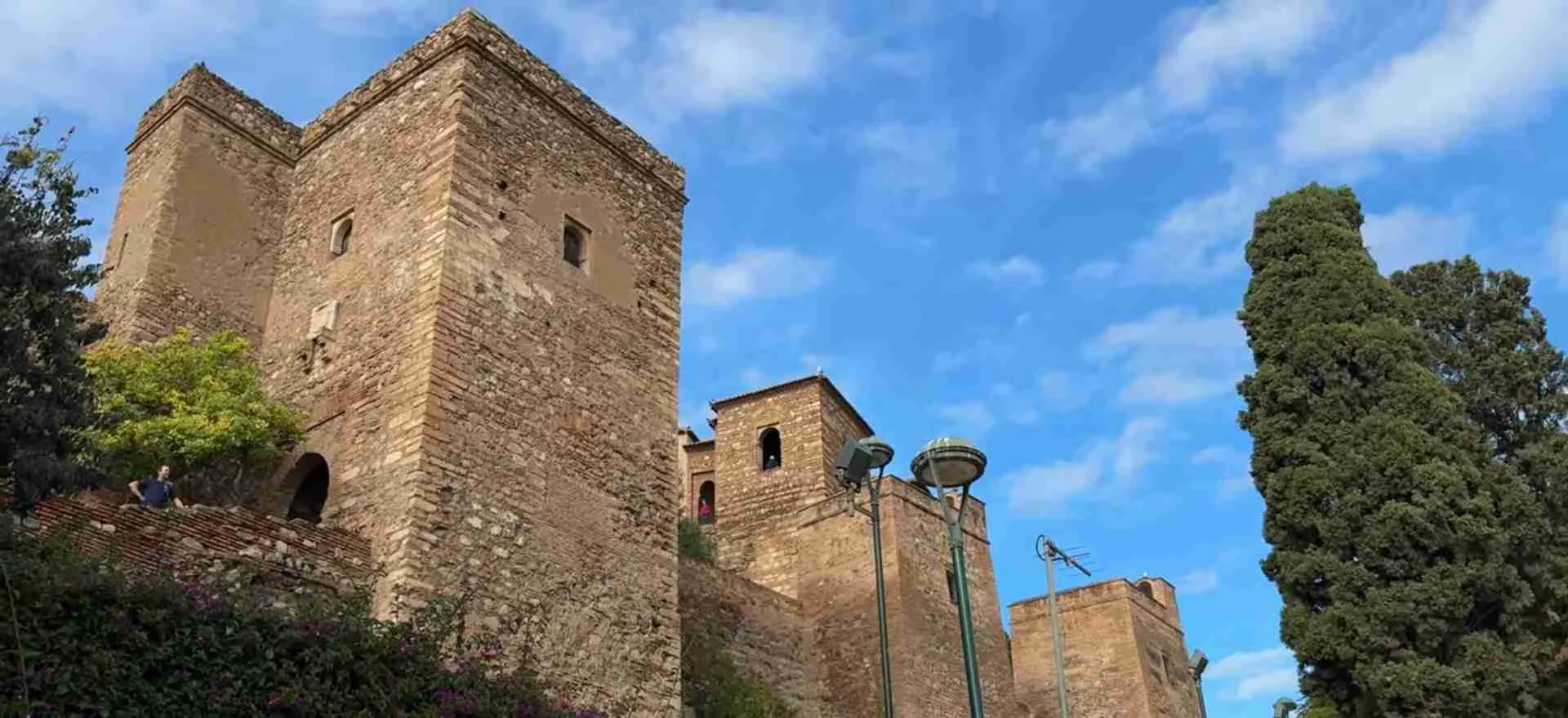
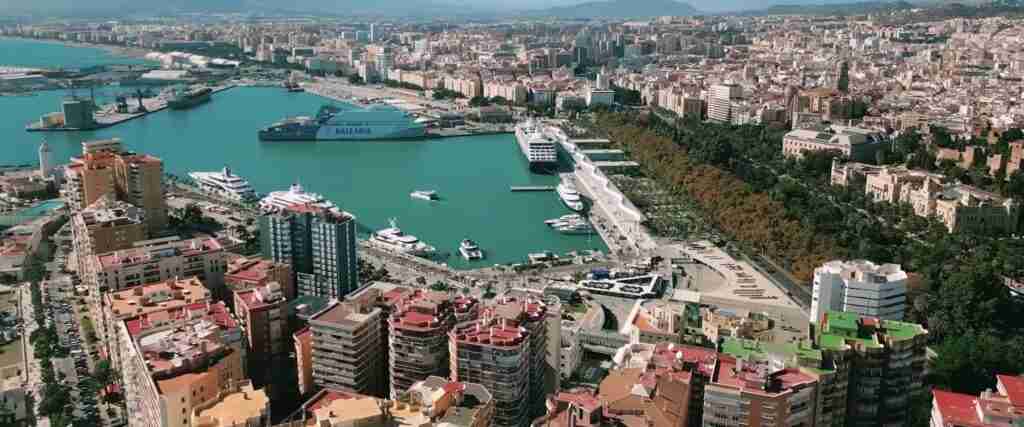
Málaga represents Andalusia’s second-largest city and serves as the region’s primary coastal gateway, combining 3,000 years of history with modern Mediterranean resort atmosphere. Located on Spain’s Costa del Sol, the city functions as strategic base for exploring southern Spain while offering substantial cultural attractions meriting multiple days independent exploration. The historic center preserves layers of Phoenician, Roman, Moorish, and Spanish heritage concentrated in compact walkable district crowned by imposing Alcazaba fortress and Gibralfaro castle. Pablo Picasso’s birthplace now houses world-class museums while port redevelopment created contemporary cultural spaces balancing traditional Andalusian architecture.
The city’s international airport handles 20+ million annual passengers with direct connections to 150+ European destinations, making Málaga easily accessible from major European cities. Mild Mediterranean climate delivers 300+ days annual sunshine with minimal rainfall outside November-February period. This combination of accessibility, cultural depth, beach proximity, and transportation connections explains Málaga’s popularity among independent travelers, cruise passengers, and those seeking authentic Spanish urban experience beyond stereotypical coastal resorts. Your 2026 visit benefits from continued infrastructure investment while enjoying established tourism services maintaining quality standards.
People Also Ask About Málaga Travel 2026
How much money do you need for Málaga in 2026?
Budget travelers require €60-85 per day in 2026 including hostel accommodation €20-35, breakfast €5-8, lunch €10-15, dinner €15-25, attractions €10-15, and local transportation €3-5. Mid-range budgets run €120-180 daily with hotel accommodation €60-90, quality restaurant meals €40-60 total, attraction passes €15-25, and taxi/comfort expenses €10-15. Luxury travelers allocate €250-400+ daily for upscale hotels €120-180+, fine dining €80-120, private tours €50-100, and premium experiences. Check official tourism websites and booking platforms for current rates as pricing varies seasonally with summer commanding 30-50% premium over winter rates.
What is the best month to visit Málaga in 2026?
May and September represent optimal months for Málaga visits in 2026, combining comfortable temperatures 20-26°C (68-79°F), moderate tourist crowds, and reasonable accommodation rates. May offers spring atmosphere with blooming flowers and beach weather without excessive heat. September provides post-summer tranquility while maintaining warm sea temperatures perfect for swimming. April and October serve as excellent secondary choices with slightly cooler weather (18-24°C) and even lower prices. Avoid August unless comfortable with peak crowds, fully booked accommodations, and temperatures exceeding 30°C (86°F).
How many days do you need in Málaga in 2026?
Three days provides comfortable timeframe for comprehensive Málaga exploration including historic center attractions, Picasso Museum, Alcazaba, beach time, and one day trip to nearby destinations like Ronda or Granada. Two-day minimum covers essential cultural sites and introductory beach experience. Four to five days allows relaxed pace with multiple beach days, thorough museum exploration, evening tapas culture immersion, and two day trip options. Week-long stays suit travelers using Málaga as base for exploring broader Andalusian region while maintaining consistent accommodation rather than moving between cities.
Is Málaga worth visiting in 2026?
Málaga absolutely merits dedicated visit time in 2026 for travelers interested in authentic Spanish urban culture, significant art collections, Moorish architectural heritage, and Mediterranean beach lifestyle. The city offers substance beyond typical coastal resort experiences: Picasso Museum rivals major European art institutions, Alcazaba represents Spain’s best-preserved Moorish fortress, historic center provides atmospheric wandering opportunities, and local food culture delivers genuine Andalusian gastronomy. Málaga functions both as worthy destination itself and strategic base for regional exploration, with excellent value compared to other major Spanish cities. Three-day minimum investment yields substantial cultural and recreational rewards.
Extended multi-day tours – 5+ days
Featured Andalucia Multi-Day Tour Packages

3 days
Andalucia 3-Day Discovery Tour
- ✓ Comprehensive Andalucia experience
- ✓ Expert local guides included
- ✓ All accommodation included
- ✓ Transportation provided
5 days
Andalucia 5-Day Highlights Experience
- ✓ Comprehensive Andalucia experience
- ✓ Expert local guides included
- ✓ All accommodation included
- ✓ Transportation provided

7 days
Andalucia 7-Day Cultural Journey
- ✓ Comprehensive Andalucia experience
- ✓ Expert local guides included
- ✓ All accommodation included
- ✓ Transportation provided
10 days
Andalucia 10-Day Complete Adventure
- ✓ Comprehensive Andalucia experience
- ✓ Expert local guides included
- ✓ All accommodation included
- ✓ Transportation provided
Multi-day tour packages powered by TourRadar. Prices and availability subject to change.
Essential Planning Information for 2026
Getting to Málaga in 2026
Málaga-Costa del Sol Airport (AGP) serves as primary arrival point with direct flights from 150+ European destinations operated by major carriers and budget airlines. The airport operates two terminals handling budget (Ryanair, EasyJet) and traditional carriers (British Airways, Lufthansa, Iberia). Airport-city center transportation includes Cercanías commuter train Line C1 (€1.90, 12 minutes to Centro-Alameda station), express bus Line A (€3, 20 minutes to city center), and taxis (€20-25, 15-20 minutes depending on traffic).
High-speed AVE trains connect Málaga María Zambrano station with Madrid (2.5 hours, €35-80), Barcelona (5.5 hours, €60-120), and Seville (2 hours, €25-50). Regional trains serve Costa del Sol destinations and inland cities like Ronda and Granada. Long-distance buses operate from Málaga’s central bus station adjacent to María Zambrano, connecting to all Andalusian cities and beyond. Book train tickets through Renfe website (renfe.com) 60 days in advance for lowest fares.
Málaga Accommodation Options for 2026
Historic center accommodations range €50-90 per night for mid-range hotels with breakfast, providing walking access to all major attractions. Budget hostels operate €20-35 per night for dorm beds, €40-60 for private rooms with shared bathrooms. Luxury hotels in renovated historic buildings or modern waterfront properties charge €120-180 per night with rooftop pools and upscale amenities. Book 2-3 months ahead for spring and autumn visits, 4-6 months for summer peak season when properties fill quickly and prices increase 30-50%.
Neighborhoods worth considering include: Historic Center (Centro Histórico) for cultural immersion and monument access, Port Area (Muelle Uno) for modern atmosphere and waterfront dining, Eastern Beach (Playa de la Malagueta) for beach proximity and evening promenade, and Soho District for artistic atmosphere and contemporary restaurants. Avoid industrial zones west of port and consider noise levels in old town where bars operate until 2-3 AM weekends.
Transportation Within Málaga 2026
Walking serves as primary transportation mode for historic center exploration with compact layout placing attractions within 2-kilometer radius. Comfortable shoes handle cobblestone streets and occasional hills ascending to Gibralfaro castle. Public buses operate comprehensive network throughout metropolitan area with €1.40 single tickets or 10-journey Bonobus card €8.30 providing savings for multiple trips. Bus routes connect beaches, residential areas, and peripheral attractions though historic center itself requires no bus use.
Málaga Metro opened in 2014 serving primarily commuter function with limited tourist utility. Two lines connect suburbs to city center but don’t reach major attractions directly. Single tickets cost €1.35 with multi-journey cards available. Taxis operate through official ranks and hailing system with minimum fare €4 plus €1 per kilometer. Expect €8-12 for rides within city limits. Uber and Cabify function in Málaga offering app-based booking similar to taxi pricing. Bicycle rental operates through municipal BiciMás program and private companies at €10-15 daily, though traffic and cobblestones limit practical utility in historic center.
Major Attractions and Sites for 2026
Museo Picasso Málaga
The Picasso Museum occupies restored 16th-century Buenavista Palace in historic center, housing permanent collection of 200+ works spanning the artist’s career from early academic studies through revolutionary Cubist innovations and late-period ceramics. The collection emphasizes family connections as grandson donated majority of works, providing intimate perspective on Picasso’s development. Entrance fees cost €9 for permanent collection, €7 for temporary exhibitions, €12 combined ticket in 2026 (check museopicassomalaga.org for current official rates). Audio guides cost additional €3 offering detailed commentary on major works and artistic contexts.
The museum operates Tuesday-Sunday 10:00 AM-7:00 PM, closing Mondays and select holidays. Peak visiting hours run 11:00 AM-2:00 PM when tour groups concentrate, with early morning (10:00-11:00 AM) or late afternoon (5:00-7:00 PM) providing quieter exploration opportunities. Allocate 2-3 hours for comprehensive visit including temporary exhibitions. Combined tickets with Picasso Birthplace Museum offer value at €15 versus €17 purchased separately. Book online through official website to avoid ticket counter queues during summer peak season.
Alcazaba and Gibralfaro Castle
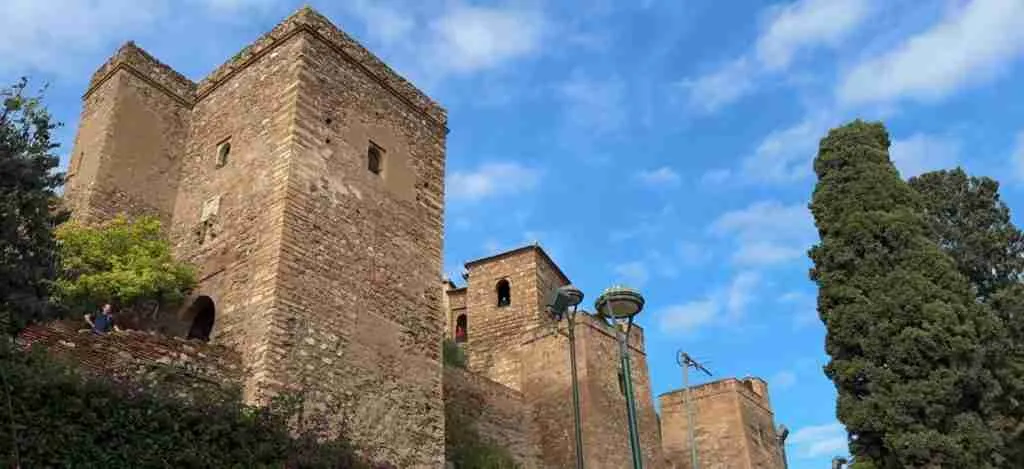
Alcazaba fortress represents Spain’s best-preserved Moorish military architecture, constructed 11th century atop Roman theater ruins. The double-walled fortress features elaborate entrance gates, defensive towers, internal gardens, and palatial areas demonstrating sophisticated Islamic architectural principles. Archaeological museum within fortress displays artifacts from Phoenician, Roman, and Moorish periods excavated from Málaga and surrounding region. Entrance costs €3.50 for Alcazaba only, €5.50 combined ticket with Gibralfaro castle providing better value for complete hillside exploration.
Gibralfaro castle occupies hilltop position 130 meters above sea level, constructed 14th century for defending Alcazaba and port below. Defensive walls stretch around hill perimeter offering spectacular panoramic views of city, port, Mediterranean coast, and inland mountains. Combined ticket allows exploration of both fortifications via connecting path ascending through gardens and defensive positions. Walking ascent from city center takes 20-30 minutes on steep path or opt for bus route 35 (€1.40) reducing climb. Open daily 9:00 AM-6:00 PM winter, 9:00 AM-8:00 PM summer. Visit morning or late afternoon avoiding midday heat during summer months.
Málaga Cathedral
Renaissance cathedral known colloquially as “La Manquita” (one-armed lady) due to incomplete south tower left unfinished when construction funds diverted to American War of Independence support. The cathedral blends Gothic foundations with Renaissance and Baroque additions, featuring elaborate choir stalls carved by Pedro de Mena, impressive organ, and religious art collection. Entrance costs €6 including audio guide providing architectural and historical context. Rooftop tours operate separately for €10, offering unique city views and close examination of cathedral domes and bell tower.
Located in historic center near Bishop’s Palace and surrounding plaza, the cathedral dominates city skyline. Interior spans 117 meters length with 40-meter ceiling height creating impressive spatial proportions. Operating hours run Monday-Friday 10:00 AM-6:00 PM, Saturday 10:00 AM-5:00 PM, Sunday closed for religious services. Allocate 45-60 minutes for interior visit, 90 minutes including rooftop tour. Dress modestly covering shoulders and knees as functioning religious site. Photography permitted without flash though restrictions apply during services.
Roman Theater
First-century Roman theater discovered 1951 during construction work, representing Málaga’s oldest visible monument. The semicircular amphitheater seated approximately 1,000 spectators for theatrical performances during Roman imperial period. Archaeological excavation revealed orchestra area, stage building foundations, and spectator seating tiers carved into hillside. Visitor center adjacent to theater provides context on Roman Málaga and theatrical traditions through audiovisual presentations and artifact displays. Entrance remains free with center open Tuesday-Saturday 10:00 AM-6:00 PM, Sunday 10:00 AM-4:00 PM.
The theater occupies base of Alcazaba fortress, creating layered historical experience combining Roman and Moorish periods. Evening illumination enhances architectural drama when viewing from surrounding streets. Summer months feature occasional theatrical performances on original stage, reviving ancient function. Visit requires 30-45 minutes including visitor center and theater exploration. Combine with Alcazaba visit as locations share immediate proximity and complementary historical narratives.
Beaches and Coastal Areas for 2026
Playa de la Malagueta
La Malagueta serves as Málaga’s principal urban beach stretching 1.2 kilometers along city waterfront between port and eastern residential areas. Dark sand beach features full facilities including beach bars (chiringuitos), showers, changing rooms, umbrellas and lounger rentals (€6-8 per day for set), and lifeguard service operating June-September. Promenade (Paseo Marítimo Pablo Ruiz Picasso) parallels beach with restaurants, cafés, and evening strolling opportunities. Water quality maintains EU Blue Flag standards with generally calm Mediterranean conditions suitable for swimming April-October.
Beach experiences peak crowds July-August when locals and tourists fill available space particularly weekends. Spring and autumn visits provide comfortable beach experiences with fewer people and pleasant 20-24°C air temperatures, though sea temperature drops to 18-20°C requiring adjustment period. Morning hours (9:00-11:00 AM) offer peaceful beach atmosphere before afternoon crowds arrive. Eastern end near Baños del Carmen provides slightly quieter environment than central sections near port.
Eastern Beaches (Pedregalejo and El Palo)
Traditional fishing neighborhoods Pedregalejo and El Palo occupy eastern coastal areas 3-4 kilometers from city center, maintaining authentic local atmosphere despite tourism development. Beaches feature dark sand mixed with some rocky sections, smaller than Malagueta but less crowded except August. Prominent beach restaurants (chiringuitos) specialize in fresh seafood grilled on beach-side open fires, offering sardine espeto (grilled sardines on cane skewers) as regional specialty at €6-10 per serving. Beachfront promenade continues several kilometers enabling pleasant seaside walks.
Access operates via bus routes 3, 11, and 34 from city center (€1.40, 20-25 minutes) or bicycle/scooter rental for scenic coastal ride. These neighborhoods attract Spanish families and locals rather than international mass tourism, providing authentic coastal culture experience. Evening visits capture traditional Spanish beach dining atmosphere as families gather for seafood dinners 8:00-11:00 PM. Allocate half-day for beach time and seafood lunch experiencing genuine Málaga coastal lifestyle beyond tourist-oriented historic center.
Málaga Dining Scene for 2026
Traditional Andalusian Cuisine
Málaga’s culinary identity centers on Mediterranean seafood, mountain products from inland regions, and distinctive local preparations. Fried fish (pescaíto frito) represents quintessential Málaga dish with anchovies, red mullet, squid, and small fish battered and fried in olive oil, served in paper cones €8-15 per portion. Gazpachuelo (hot fish soup with mayonnaise and potatoes) provides local alternative to cold gazpacho, favored during cooler months €6-9 per bowl. Ensalada malagueña combines oranges, cod, olives, and onions reflecting Málaga’s agricultural and fishing heritage €8-12.
Espeto de sardinas (sardines grilled on wooden skewer over open fire) constitutes summer specialty at beach chiringuitos €6-10 per skewer serving 6-8 sardines. Ajoblanco (cold almond and garlic soup garnished with grapes or melon) originated in Málaga province as ancient Moorish-influenced dish €5-8 per serving. Sweet wines from Málaga denomination including sweet Moscatel and Pedro Ximénez accompany desserts or function as dessert themselves €3-6 per glass. Sample traditional pastries at historic bakeries: borrachuelos (fried pastries with wine and honey), tortas de aceite (thin crispy sweet biscuits) €1-3 each.
Restaurant Categories and Pricing for 2026
Budget dining operates through tapas bars offering small plates €3-6 each with 2-3 tapas and drink totaling €10-15 per person. Many bars provide free tapa with drink purchase, stretching budget further though free tapa quality varies significantly. Traditional restaurants charge €12-18 per main course with three-course menú del día (daily set menu) €12-15 including drink representing excellent value. Seafood specialists on beaches and in port area command €15-25 per main course depending on fish selection and preparation methods.
Mid-range restaurants throughout historic center offer quality Andalusian and Spanish cuisine €18-30 per main course with modern interpretations of traditional dishes. Wine selections range house wine €8-12 per bottle to quality regional wines €15-30 per bottle. Fine dining establishments primarily concentrate in Soho artistic district charging €40-60 per person for tasting menus or €30-45 for à la carte main courses. Málaga’s restaurant scene provides exceptional value compared to other major Spanish cities with Barcelona and Madrid commanding 20-30% higher prices for equivalent quality.
Tapas Culture and Bar-Hopping Strategy
Authentic tapas experience operates through bar-hopping (tapeo) visiting multiple establishments 8:00-11:00 PM having 1-2 tapas and drink at each location before moving to next bar. Traditional bars cluster in historic center streets around Calle Granada, Plaza de la Merced, and Soho district. Order caña (small draft beer €1.50-2.50), tinto de verano (red wine with lemon soda €2.50-3.50), or fino (dry sherry €2-3) accompanying tapas selections.
Popular tapas include: pringá (slow-cooked meat stew on bread €4-6), tortilla española (potato omelet €3-5), gambas al pil-pil (garlic prawns €6-9), patatas bravas (fried potatoes with spicy sauce €4-6), and jamón ibérico (cured ham €8-12 per portion). Allocate €25-40 per person for complete tapas evening visiting 3-4 bars. Stand at bar counter rather than taking table service for authentic experience and sometimes better prices. Embrace Spanish dining schedule with tapas starting 8:00 PM earliest, peak activity 9:30-11:00 PM.
Sample 2026 Málaga Itineraries
Three-Day Comprehensive Málaga Experience
Day 1: Historic Center and Cultural Sites
9:00 AM: Breakfast at accommodation or local café with tostada con aceite (olive oil toast €2-4) and café con leche (€1.50-2.50). Walk to historic center beginning at Plaza de la Marina, gateway between port area and old town.
10:00 AM: Visit Picasso Museum (€9-12) spending 2-3 hours exploring permanent collection and temporary exhibitions. Audio guide (€3) enhances understanding of artistic development. Museum gift shop offers quality art books and Picasso-themed items.
1:00 PM: Lunch at traditional restaurant in historic center. Try menú del día (€12-15) for economical three-course meal or order à la carte main course (€15-22) with wine or beer. Sample local specialties like pescaíto frito or gazpachuelo.
3:00 PM: Walk to Málaga Cathedral (€6) exploring Renaissance interior and choir stalls. Consider rooftop tour (€10 additional) for panoramic city views. Allow 1-1.5 hours total including optional rooftop experience.
4:30 PM: Explore historic center streets wandering Calle Larios (main shopping street), Plaza de la Constitución, and atmospheric side streets with artisan shops and local businesses. Visit Mercado Central Atarazanas (covered market) seeing fresh produce, seafood, and regional products.
6:00 PM: Afternoon break at traditional café with Spanish coffee and pastries (€5-8). Rest before evening activities as Spanish dinner schedule runs late.
8:00 PM: Tapas bar-hopping in historic center visiting 3-4 establishments. Order small plates and drinks at each location experiencing authentic Spanish dining culture. Budget €25-35 per person for complete evening including drinks.
Day Cost Summary: Picasso Museum €12, Cathedral €6, meals €40-60, coffee €8, tapas €30. Total day cost: €96-116 per person (excluding accommodation).
Day 2: Moorish Heritage and Coastal Experience
9:00 AM: Breakfast then walk or take bus 35 (€1.40) to Gibralfaro castle avoiding midday heat. Combined ticket (€5.50) includes both Gibralfaro and Alcazaba.
9:30 AM: Explore Gibralfaro castle walking defensive walls and enjoying panoramic views. Spend 45-60 minutes photographing city, coast, and mountains. Descend via connecting path to Alcazaba (30-minute walk).
10:45 AM: Tour Alcazaba fortress (included in combined ticket) exploring Moorish architecture, interior gardens, and archaeological museum. Roman theater at fortress base adds historical layer. Allow 1.5-2 hours for thorough exploration.
1:00 PM: Lunch in historic center at casual restaurant or beach chiringuito depending on weather. Beach option provides immediate coastal access (€15-25 per person main course and drink).
3:00 PM: Afternoon at Playa de la Malagueta beach. Rent umbrella and lounger (€6-8) or spread beach towel on sand. Swim in Mediterranean, relax in sun, or walk along promenade. Alternative: visit eastern beaches (Pedregalejo) via bus for more authentic local atmosphere.
6:00 PM: Return to accommodation for shower and rest. Evening begins late following Spanish schedule.
8:00 PM: Dinner at beach chiringuito in Pedregalejo specializing in grilled sardines (espeto) and fresh seafood. Expect €20-30 per person for complete meal with multiple courses and drinks. Watch sunset over Mediterranean while dining.
10:00 PM: Evening stroll along coastal promenade or return to historic center for gelato and people-watching in Plaza de la Constitución or Plaza de la Merced.
Day Cost Summary: Alcazaba-Gibralfaro €5.50, bus €1.40, meals €40-60, beach rental €8, ice cream €4. Total day cost: €59-79 per person (excluding accommodation).
Day 3: Day Trip or Additional Málaga Exploration
Option A – Ronda Day Trip: Early departure (7:30 AM train €10-16 one-way, 2 hours) to dramatic mountain town featuring iconic Puente Nuevo bridge spanning gorge. Explore historic center, Plaza de Toros, Arab Baths. Return evening train (€20-32 round-trip total). Day trip cost €50-80 per person including transportation, entrance fees, meals.
Option B – Málaga Deep Dive: Visit Museo Carmen Thyssen (€10) featuring 19th-century Spanish and Andalusian art. Explore Soho district street art and contemporary galleries. Lunch at modern restaurant in port area (Muelle Uno). Afternoon shopping on Calle Larios and surrounding streets. Evening flamenco show at peña (flamenco club) €15-25 including drink. Relax final evening preparing for departure.
Day Cost Summary (Málaga Option): Museum €10, meals €35-50, shopping/souvenirs €20-40, flamenco show €20. Total day cost: €85-120 per person (excluding accommodation).
Budget-Focused Two-Day Málaga Visit
Day 1 Budget Approach: Free walking tour of historic center (tip guide €10-15). Visit Roman theater and visitor center (free). Picasso birthplace museum (€3) instead of main museum. Lunch from Mercado Central purchasing fresh items for picnic (€8-10). Afternoon at free beach. Dinner at budget tapas bars with free tapa per drink (€15-20 total including drinks). Supermarket snacks and drinks save versus restaurant pricing.
Day 2 Budget Approach: Alcazaba-Gibralfaro combined ticket (€5.50). Walk both fortifications avoiding bus cost. Pack lunch from supermarket (€5-8). Afternoon exploring free sites: cathedral exterior, historic streets, public parks. Early dinner at menú del día restaurant (€12-15 three courses). Evening people-watching in plazas costs nothing while experiencing authentic local life.
Two-Day Budget Total: Accommodation €40-70 (hostel), attractions €18-20, meals €50-70, transportation €5. Total: €113-165 for complete two-day Málaga experience including accommodation.
Day Trip Options from Málaga 2026
Ronda Mountain Town
Direct train service (2 hours, €10-16 one-way) connects Málaga with spectacular mountain town famous for Puente Nuevo bridge spanning 100-meter gorge. Ronda offers dramatic scenery, historic Plaza de Toros, Arab Baths, and traditional Andalusian mountain atmosphere. Day trip enables 6-7 hours exploration covering major sites and authentic lunch. Return trains depart afternoon/evening allowing flexible timing. Complete day trip costs €50-85 per person including round-trip transportation, entrance fees, and meals. Book train tickets 2-4 weeks ahead for weekend travel securing preferred departure times.
Granada and Alhambra
Bus service operates multiple daily departures (2.5-3 hours, €12-18 one-way) connecting Málaga with Granada, home to world-famous Alhambra palace complex. Alhambra requires advance ticket booking weeks or months ahead as daily visitor capacity limits access. Full-day visit enables Alhambra tour (3-4 hours), Albaicín neighborhood exploration, and authentic Granada dining. Return bus operates evening departures. This represents ambitious day trip with early departure (7:00-8:00 AM) and late return (8:00-9:00 PM) recommended. Consider overnight stay enabling relaxed exploration without rushing. Alhambra tickets cost €19.09 for general admission with Nasrid Palaces requiring specific entry time.
Nerja and Frigiliana White Villages
Eastern Costa del Sol destinations accessible via bus (1-1.5 hours, €4-6 one-way) provide mountain and coastal combination. Nerja features famous caves with prehistoric paintings (€13 entrance), attractive old town, and quality beaches. Frigiliana occupies nearby hillside position representing picturesque white village with Moorish origins. Combine both locations in single day trip using local bus connections. Less cultural depth than Ronda or Granada but easier logistics and lower costs make this option suitable for relaxed day excursion focusing on scenery and traditional architecture.
Money-Saving Strategies for 2026
Accommodation Savings
Book accommodation 2-3 months ahead securing early booking discounts of 10-20% compared to last-minute rates. Consider stays Sunday-Thursday when weekend leisure travel demand subsides and rates drop 15-30%. Hostel private rooms provide budget hotel alternative at fraction of cost (€40-60 vs. €70-100 for equivalent hotel room). Apartment rentals through platforms like Airbnb offer kitchen facilities enabling self-catering breakfast and some meals reducing dining expenses significantly.
Stay slightly outside immediate historic center (5-10 minutes walk) accessing lower rates while maintaining comfortable distance to attractions. Eastern neighborhoods near Pedregalejo beaches provide local atmosphere and restaurants with 20-30% lower pricing than tourist-oriented center establishments. Avoid port area luxury hotels unless prioritizing waterfront views as pricing reflects location premium versus nearby alternatives.
Dining and Food Savings
Embrace menú del día (daily set menu) for lunch providing three-course meal €12-15 versus á la carte ordering €25-35 for equivalent food. Traditional Spanish restaurants offer best menú del día value compared to tourist-oriented establishments. Seek bars providing complimentary tapa with drink purchases, strategically choosing establishments known for generous portions. Two drinks with free tapas (€6-8 total) plus one ordered tapa (€4-5) creates satisfying meal under €15.
Shop at Mercado Central Atarazanas or local supermarkets purchasing fresh produce, cheese, bread, wine for apartment picnics or beach lunches. Supermarket meals cost €5-10 per person versus €15-25 restaurant equivalent. Reserve restaurant dining for evening tapas experience or special dinners while managing breakfast and lunch through self-catering. Avoid touristy restaurants on main plazas where pricing reflects location rather than quality.
Attraction and Transportation Savings
Visit free attractions including Roman theater, historic center wandering, beaches, public parks, and cathedral exterior viewing. Many churches allow free entry outside service hours or charge minimal €1-2 donations. Free walking tours operate through historic center with tip-based compensation enabling budget access to guided experience (€10-15 typical tip).
Walk between attractions rather than using buses or taxis as compact historic center enables complete exploration on foot. Ten-journey Bonobus card (€8.30) provides savings versus individual tickets (€1.40 each) if using buses to beaches or peripheral areas. Rent bicycle for coastal exploration (€10-15 daily) versus multiple taxi rides to beaches. Avoid airport taxis (€20-25) using Cercanías train (€1.90) or airport bus (€3) saving €17-22 one-way.
Practical Tips for Your 2026 Málaga Visit
Best Times to Visit Sites
Visit major museums (Picasso Museum, Carmen Thyssen) immediately at opening (10:00 AM) avoiding tour group concentrations arriving 11:00-11:30 AM. Late afternoon hours (5:00-7:00 PM) before closing provide second window of reduced crowds. Alcazaba and Gibralfaro benefit from early morning visits (9:00-10:00 AM) completing ascent before midday heat while enjoying clear mountain views before afternoon haze. Beach visits operate most comfortably 9:00-11:00 AM or after 5:00 PM avoiding peak sun exposure and crowded afternoon conditions.
Restaurant timing follows Spanish schedule with lunch service 1:30-4:00 PM and dinner beginning 8:30-9:00 PM earliest. Arriving outside these windows finds many traditional establishments closed or operating limited service. Embrace late dining experiencing authentic local culture as streets fill with families and couples 9:00-11:00 PM. Morning activities focus on attractions while afternoons accommodate Spanish siesta tradition when some sites close 2:00-4:00 PM.
Weather and Packing for 2026
Summer (June-September) brings temperatures 28-35°C (82-95°F) with intense sun and minimal rainfall. Pack lightweight breathable clothing, high SPF sunscreen, sun hat, and reusable water bottle for hydration. Light layers accommodate air-conditioned indoor spaces versus outdoor heat. Spring and autumn (April-May, October) deliver comfortable 18-26°C (64-79°F) with occasional light rain requiring compact umbrella or light rain jacket. Winter (November-March) runs mild 10-18°C (50-64°F) with higher rainfall probability necessitating proper jacket and rain protection.
Comfortable walking shoes handle cobblestone historic center streets and varied terrain exploring fortifications and hillside neighborhoods. Beach visits require swimwear, beach towel, and sun protection even during shoulder seasons. Modest attire covering shoulders and knees accesses cathedral and churches as functioning religious sites. Evening dining and nightlife operate casually without formal dress requirements though Spanish style tends toward neat casual rather than athletic wear or beach attire.
Safety and Security in 2026
Málaga maintains generally safe environment with low violent crime but experiences typical tourist-area petty theft. Pickpockets concentrate in crowded areas including Calle Larios, major plazas, beaches, and public transportation. Secure valuable items in front pockets or cross-body bags worn forward. Avoid displaying expensive cameras, jewelry, or large cash amounts drawing unnecessary attention. Beach theft occurs when belongings left unattended while swimming—minimize valuables brought to beach or take turns swimming while companion guards belongings.
Stay aware in late-night situations returning from bars or restaurants, using well-lit main streets rather than dark side streets. Official taxis operate safely from designated ranks. Emergency number 112 connects to police, medical, and fire services with English-speaking operators available. Tourist police (Policía Nacional) station operates near Puerto Deportivo assisting visitors with theft reports and documentation needed for insurance claims. Keep digital copies of passport and important documents separate from originals facilitating replacement if theft occurs.
Language and Communication for 2026
Spanish Proficiency Levels
English proficiency varies significantly in Málaga with hotel staff, major tourist sites, and center restaurants offering functional English communication. Smaller restaurants, local shops, and traditional businesses operate primarily in Spanish. Basic Spanish phrases enhance experiences and demonstrate cultural respect: greetings (buenos días, buenas tardes), thank you (gracias), please (por favor), numbers for ordering, and simple questions about pricing or directions. Spanish people appreciate attempts at their language even if limited to basic phrases.
Restaurant menus increasingly include English translations in tourist areas though traditional establishments maintain Spanish-only formats. Translation apps on smartphones facilitate menu reading and basic communication. Writing numbers or pointing resolves many simple transaction situations. Younger staff members and those in tourism industry generally speak better English than older generations or those in non-tourist professions. Learning Spanish numbers 1-100 enables price understanding and negotiation in markets.
Mobile Connectivity and WiFi
Major Spanish mobile carriers (Movistar, Vodafone, Orange) provide reliable 4G/5G coverage throughout Málaga with data speeds supporting navigation, translation apps, and communication needs. EU visitors use domestic plans without roaming charges under EU regulations. Non-EU travelers face international roaming costs unless purchasing prepaid Spanish SIM card at airport or carrier shops (€15-30 including data allowance) or activating travel data packages through home carriers before arrival.
Free WiFi operates at most hotels, many restaurants and cafés, major attractions, and airport. Quality varies significantly with hotel WiFi generally reliable while public WiFi networks experience limitations during peak usage. Download offline maps (Google Maps, Maps.me) and translation dictionaries before arrival enabling navigation and basic communication without data connection. WhatsApp functions as primary Spanish messaging app with most businesses and services accepting WhatsApp contact for reservations and communication.
Booking Your 2026 Málaga Trip
Optimal Booking Timeline
Book flights 2-3 months ahead for spring/autumn travel, 3-4 months for summer peak season securing reasonable fares on preferred routes. Budget carriers (Ryanair, EasyJet) release seats 6 months ahead with lowest fares available during initial release period before progressive price increases closer to departure. Monitor fare comparison sites setting price alerts for target routes. Tuesday-Thursday departures typically cost less than weekend travel as business travel patterns influence pricing.
Reserve accommodation 2-3 months ahead for spring/autumn visits ensuring availability at properties in desired neighborhoods and price ranges. Summer bookings (July-August) benefit from 4-6 months advance booking as popular properties fill quickly during peak European vacation season. Weekend rates run higher than weekdays with Friday-Saturday nights commanding 20-40% premiums. Compare prices across booking platforms, direct hotel websites, and vacation rental sites as rates vary significantly for identical properties.
Essential Websites and Resources
Official Málaga tourism website (malagaturismo.com) provides comprehensive information on attractions, events, practical planning, and current regulations. Regional Andalusian tourism portal (andalucia.org) covers broader region useful for day trip planning. Renfe (renfe.com) handles all Spanish train bookings including high-speed AVE and regional services. Málaga transport authority (emtmalaga.es) details bus routes, schedules, and fare information for local transportation.
Picasso Museum official site (museopicassomalaga.org) enables online ticket purchase avoiding queues. Cathedral information and rooftop tour booking through malagacatedral.com. Alcazaba and Gibralfaro information available through municipal tourism sites though tickets purchase on-site without advance booking required. Hotel and apartment booking operates through Booking.com, Airbnb, and direct property websites. Flight comparison sites (Skyscanner, Google Flights, Kayak) assist finding optimal routing and pricing for international connections.
Extending Your Andalusian Journey from Málaga 2026
Multi-City Andalusian Itineraries
Combine Málaga with Seville (2 hours by train, €25-50), Granada (2.5-3 hours by bus, €12-18), and Córdoba (1.5 hours by train, €20-35) creating comprehensive 7-10 day Andalusian circuit. Allocate 3 days Málaga as coastal base with beach access, 3 days Seville exploring Alcázar and Cathedral, 2-3 days Granada for Alhambra and mountain atmosphere, 1-2 days Córdoba seeing Mezquita and Jewish Quarter. This routing enables logical progression without excessive backtracking while covering region’s most significant heritage sites.
Transportation operates efficiently between cities through train and bus networks avoiding rental car hassles in urban environments. Book each city segment separately versus trying to arrange continuous multi-city bookings. Stay 2-3 nights each location enabling day trip options from each base (Ronda from Málaga, Carmona from Seville, Sierra Nevada from Granada, Medina Azahara from Córdoba). Total costs run €80-120 per day including mid-range accommodation, meals, transportation, and entrance fees.
Coastal Extension to Eastern Costa del Sol
Extend Málaga visit eastward exploring less-developed Costa del Sol destinations including Nerja, Frigiliana, Salobreña, and Almuñécar. These towns maintain more authentic character than heavily developed western coast areas (Marbella, Torremolinos). Nerja combines attractive old town with quality beaches and famous prehistoric caves. Frigiliana represents quintessential white village with Moorish origins and dramatic mountain position. Both locations access easily via local bus service (€4-8, 1-2 hours).
Consider 1-2 night stays in these smaller destinations experiencing coastal and mountain atmosphere beyond Málaga’s urban environment. Budget accommodations run €40-70 per night with dining costs 20-30% lower than Málaga center. This extension suits travelers seeking relaxed beach days and traditional Spanish village atmosphere complementing Málaga’s cultural attractions and urban energy. Total addition costs €100-180 per day including accommodation, meals, local transportation, and activities.
Frequently Asked Questions About Málaga 2026
Is 2 days enough for Málaga?
Two days provides adequate time for essential Málaga experiences covering major cultural sites (Picasso Museum, Alcazaba, Cathedral), historic center exploration, and introductory beach time. This minimal timeframe requires efficient planning focusing on top priorities without attempting comprehensive coverage. Three days enables more relaxed pace including day trip option to Ronda or Granada while avoiding constant rushing. Two-day visitors should prioritize either deep cultural immersion or balanced culture-beach combination based on personal interests rather than attempting everything superficially.
Is Málaga expensive to visit in 2026?
Málaga offers excellent value compared to other major Spanish cities and European destinations. Budget travelers manage €60-85 daily including hostel accommodation, self-catered breakfast, menú del día lunches, tapas dinners, and major attractions. Mid-range budgets of €120-180 daily enable comfortable hotels, quality restaurant meals, and cultural activities without particular financial constraints. Málaga costs 20-30% less than Barcelona or Madrid for equivalent accommodation, dining, and experiences. Peak summer rates (July-August) increase accommodation 30-50% versus shoulder seasons.
What should I avoid in Málaga?
Avoid eating on Plaza de la Constitución or other major tourist plazas where restaurants charge premium prices for mediocre quality. Walk 2-3 blocks into side streets finding better value and authenticity. Skip organized beach club packages unless prioritizing specific amenities as public beaches provide excellent free access. Avoid tourist-trap flamenco shows in center—authentic performances occur at peñas (flamenco clubs) or smaller venues. Don’t purchase souvenirs at airport or major tourist spots where pricing runs 30-50% higher than local shops. Avoid overpacking schedules trying to see everything—embrace Spanish slower pace and relaxed atmosphere.
Can you drink tap water in Málaga 2026?
Yes, Málaga tap water meets EU safety standards and remains safe for drinking. The water originates from Guadalhorce river and mountain reservoirs with treatment facilities ensuring potability. Taste quality varies based on specific neighborhood and infrastructure age, with some areas experiencing chlorine taste or mineral content some visitors find unpleasant. Locals often prefer bottled water for taste reasons rather than safety concerns. Restaurants provide bottled water (€2-3) unless specifically requesting “agua del grifo” (tap water). Bring refillable water bottle for environmental reasons and cost savings while exploring city.
Do I need to speak Spanish in Málaga?
No, extensive Spanish proficiency proves unnecessary for Málaga visits though basic phrases enhance experiences significantly. Major tourist sites, hotels, and center restaurants offer English-speaking staff facilitating essential communication. Translation apps on smartphones resolve most complex situations. That said, learning basic Spanish (greetings, numbers, please/thank you, simple questions) demonstrates respect and enables richer cultural interactions. Spanish people appreciate any attempt at their language even if limited. Outside main tourist areas, English proficiency decreases requiring more creative communication strategies through gestures, writing, and translation technology.
Is Málaga better than Barcelona for first-time Spain visitors?
Málaga and Barcelona serve different traveler preferences making “better” subjective to individual priorities. Málaga offers smaller scale, lower costs, easier navigation, better beach integration, and more accessible Andalusian culture. Barcelona provides world-class architecture (Gaudí), cosmopolitan atmosphere, extensive shopping, and broader dining sophistication. First-time visitors interested in relaxed beach atmosphere and traditional Spanish culture prefer Málaga. Those prioritizing architectural landmarks, urban energy, and diverse cultural offerings lean toward Barcelona. Málaga suits travelers seeking authentic experiences without overwhelming tourist crowds characteristic of Barcelona’s most famous sites.
How far is Málaga from the beach?
Playa de la Malagueta, Málaga’s main urban beach, sits 10-15 minutes walk from historic center depending on specific starting point. The Paseo del Parque provides pleasant tree-lined promenade connecting center to beach waterfront. Some historic center hotels place guests 5-7 minutes from beach access while properties near port achieve even closer proximity. Eastern beaches (Pedregalejo, El Palo) require 20-25 minute bus ride or 3-4 kilometer bicycle/scooter journey. This proximity enables easy morning beach visits followed by afternoon cultural exploration without lengthy transfers typical of destinations lacking integrated beach-urban environments.
What is Málaga famous for?
Málaga claims fame as Pablo Picasso’s birthplace with world-class museum collection occupying restored palace. The city’s Moorish Alcazaba fortress represents Spain’s best-preserved Islamic military architecture overlooking Roman theater ruins demonstrating layered history. Costa del Sol gateway position makes Málaga primary access point for southern Spain’s beach resorts and inland heritage cities. Regional cuisine including fried fish, sweet Málaga wines, and espeto de sardinas attracts culinary tourists. Modern port redevelopment created contemporary cultural spaces while maintaining historic character. Málaga balances 3,000-year history with modern Mediterranean resort atmosphere appealing to diverse traveler interests.
Is Málaga safe for solo travelers in 2026?
Yes, Málaga maintains safe environment for solo travelers including women traveling alone. The city experiences typical tourist-area petty theft but minimal violent crime. Standard precautions apply: secure valuables, stay aware in crowded areas, avoid isolated dark streets late night, use official taxis, don’t display expensive items conspicuously. Solo travelers easily meet other visitors at hostels, walking tours, beach areas, and bars. Spanish culture embraces solo dining and activity participation without social stigma. Women should exercise normal urban caution particularly late evenings though harassment levels remain lower than many other European cities. Emergency services respond quickly with tourist police specifically assisting foreign visitors.
What is the best area to stay in Málaga?
Historic center (Centro Histórico) provides optimal location for first-time visitors placing all major attractions within walking distance while offering numerous dining and nightlife options. The area suits travelers prioritizing cultural experiences over beach proximity. Eastern beach neighborhoods (Playa de la Malagueta area, Pedregalejo) suit those wanting beach access while maintaining reasonable distance to historic center. Port area (Muelle Uno, Puerto) offers modern hotels with waterfront positions and contemporary atmosphere. Budget travelers find better value in residential areas slightly outside immediate center maintaining 5-10 minute walking distance while reducing costs 20-30%. Avoid western industrial zones lacking tourist infrastructure and atmospheric qualities.