
Málaga Budget Guide 2026: Complete Cost Breakdown
Key Takeaways:
- Budget travelers can experience Málaga for €60-90 daily including hostel accommodation, local dining, public transport, and free attraction optimization
- Mid-range visitors spend €150-220 per day on boutique hotels, restaurant dining, mix of paid and free attractions, and occasional taxis
- Strategic timing and booking enable 30-40% savings: visiting shoulder seasons, booking accommodation 2-3 months ahead, and utilizing Sunday free museum hours
- Málaga offers exceptional value compared to Barcelona or Madrid with similar-quality accommodation 25-35% cheaper and dining costs 20-30% lower
- Free experiences worth €30-80 daily admission value—beaches, Sunday museum hours, viewpoints—enable quality travel on modest budgets without sacrificing cultural richness
- Transportation represents minimal expense with compact walkable city eliminating most transit costs and single bus rides costing just €1.40 when needed
Planning Your Málaga Budget for 2026
Málaga presents one of southern Spain’s most budget-friendly destinations, offering Mediterranean beaches, world-class museums, UNESCO heritage sites, and vibrant culture at costs 20-35% below Barcelona or Madrid equivalents. The combination of competitive accommodation pricing, excellent value dining, strategic free attractions, and compact walkable layout creates opportunities for travelers across all budget ranges to experience authentic Spanish coastal living without financial strain. In 2026, Málaga continues delivering exceptional value while maintaining cultural richness and infrastructure quality matching more expensive European destinations.
Understanding Málaga’s cost structure enables realistic budget planning and prevents the common mistake of either over-budgeting (wasting money on unnecessary upgrades) or under-budgeting (creating stressful financial constraints that diminish enjoyment). The city operates on a tiered pricing system where budget options genuinely deliver quality experiences rather than serving as merely survivable alternatives to premium choices. A €30 hostel bed provides clean comfortable accommodation in central locations, €12 Menu del Día lunches offer three courses at family-run restaurants, and free Sunday museum hours grant access to collections worth hundreds of millions of euros—creating viable budget travel without sacrificing experience quality.
Seasonal pricing variations significantly impact total costs, with summer high season (July-August) commanding premium rates 40-60% above shoulder season (April-June, September-October) for equivalent accommodation and tour experiences. The budget-conscious traveler who visits Málaga in May rather than July saves €30-50 daily on accommodation alone while enjoying superior weather conditions—comfortable 22-25°C temperatures versus sweltering 30-35°C summer heat—and fewer crowds at beaches and museums. Strategic timing represents the single most effective cost control measure, outweighing all other budget optimizations in total savings potential.
Currency considerations affect costs for non-Euro travelers, with exchange rate fluctuations creating 5-15% variability in real costs depending on home currency strength. US dollar travelers in 2026 benefit from relatively favorable exchange rates making Spain more affordable than during peak-euro periods, while British pound visitors face moderate exchange considerations post-Brexit. The practical impact means budgets calculated in home currencies require 10% contingency buffers to absorb potential exchange rate movements during multi-month advance planning periods before actual travel dates.
People Also Ask About Málaga Costs 2026
How much does a trip to Málaga cost in 2026?
A complete Málaga trip in 2026 costs €60-90 daily for budget travelers, €150-220 for mid-range visitors, and €300-450 for luxury experiences, with total trip costs depending on duration and travel style. Budget travelers staying in hostels (€25-40 per person nightly), eating Menu del Día lunches and casual dinners (€25-35 daily food), using public transportation (€3-5 daily), and optimizing free attractions spend €60-90 per day achieving comfortable experiences without deprivation. A four-day budget Málaga trip costs €240-360 per person excluding international flights.
Mid-range travelers booking boutique hotels or 3-star accommodations (€80-150 nightly), dining at sit-down restaurants for most meals (€50-70 daily food), mixing paid attractions with free options (€15-25 daily activities), and occasional taxi use (€10-15 daily transport) spend €150-220 per day. A four-day mid-range trip totals €600-880 per person excluding flights, delivering quality hotel comfort, restaurant dining diversity, and comprehensive attraction access without budget anxiety.
Luxury travelers selecting 4-5 star hotels (€200-400 nightly), fine dining experiences (€100-150 daily food), private tours and premium attractions (€50-80 daily activities), and taxi or rental car transportation (€30-50 daily) spend €300-450 per day. A four-day luxury experience costs €1,200-1,800 per person excluding flights, providing top-tier accommodation, Michelin-quality dining, and exclusive cultural access. These ranges exclude international flights which add €100-500 depending on origin city and booking timing, but include all on-ground expenses during Málaga stays.
Is Málaga expensive to visit in 2026?
Málaga ranks as moderately affordable compared to other major European coastal destinations, offering 25-35% cost savings versus Barcelona, 30-40% savings versus French Riviera cities, and similar pricing to Valencia or Seville. The value proposition—Mediterranean beaches, Picasso Museum, UNESCO Alcazaba fortress, year-round sunshine—delivers experiences comparable to much more expensive destinations at significantly lower costs. Budget travelers find Málaga particularly accessible with hostel beds €25-40, Menu del Día lunches €10-15, and numerous free attractions including beaches and Sunday museum hours.
Compared to other Spanish cities, Málaga costs slightly more than inland destinations like Granada or Córdoba (10-15% higher) but substantially less than Barcelona (25-35% savings) or Madrid (20-30% savings). The coastal premium adds €10-20 daily to accommodation costs versus comparable inland Spanish cities, justified by beach access and Mediterranean climate advantages. Within Andalusia, Málaga prices match Seville almost exactly while offering coastal experiences Seville lacks, making the cities equivalent value propositions for different travel preferences.
International comparisons demonstrate exceptional Málaga value. Equivalent quality accommodation in Italian coastal cities (Amalfi Coast, Cinque Terre) costs 50-80% more than Málaga equivalents, while French Mediterranean destinations (Nice, Cannes) run 70-100% higher for similar experiences. Greek islands offer comparable or slightly lower prices but lack Málaga’s museum density and cultural infrastructure. Portuguese Algarve destinations match Málaga pricing almost exactly, making southern Iberian coast the Mediterranean’s budget-friendly segment without quality compromises.
What is the cheapest month to visit Málaga in 2026?
January and February represent the cheapest months to visit Málaga in 2026, with accommodation costs 40-50% below summer peak rates and significantly fewer tourists creating peaceful exploration conditions. Mid-range hotels charging €120-150 nightly in July drop to €70-90 in January for identical rooms, while budget hostels fall from €35-40 to €25-30. The trade-off involves cooler temperatures averaging 12-17°C and occasional rain, though Málaga’s 300+ annual sunshine days ensure many pleasant winter days suitable for sightseeing and beach walking if not swimming.
November and March offer intermediate budget positioning with costs 25-35% below peak summer while weather remains very comfortable—November averages 18°C with autumn colors, March reaches 16-19°C with spring blooms beginning. These shoulder months deliver excellent value combinations of reasonable pricing and good weather, though March sees spring break crowds from northern Europe creating brief demand spikes at specific dates. Hotel rates in these months run €80-120 for mid-range options versus €120-180 in summer.
The absolute cheapest individual weeks occur in late January and early February between New Year tourism and Easter preparations, when hotels actively seek to fill empty rooms with promotional rates 50-60% below peak season. Booking during these weeks enables luxury experiences at mid-range prices—€150-200 secures 4-star beachfront hotels that cost €300-400 in August. The diminished daylight (sunset around 6 PM) and cool temperatures make this timing optimal for culture-focused travelers prioritizing museums and urban exploration over beach activities.
How much money should I budget per day in Málaga in 2026?
Budget travelers should allocate €60-90 per person daily covering hostel accommodation (€25-40), three meals (€25-35), local transportation (€3-5), and activities mixing free attractions with occasional paid entries (€5-15). This budget enables comfortable experiences staying in social hostels with good facilities, eating Menu del Día lunches at local restaurants, utilizing public buses when needed, swimming at free beaches, and visiting free Sunday museums supplemented by occasional paid attractions. The €60-90 range reflects seasonal variations—lower end works for winter visits with cheaper accommodation, upper end applies to summer travel with peak pricing.
Mid-range travelers should budget €150-220 per person daily including boutique hotel or 3-star accommodation (€80-150), restaurant meals and café stops (€50-70), mix of walking and taxi transport (€10-15), and paid attractions plus tours (€15-25). This budget delivers private bathroom comfort, air-conditioned hotel amenities, diverse restaurant dining from traditional tapas to contemporary cuisine, stress-free taxi use when tired or rushed, and comprehensive museum entry without calculating every admission fee. The range accommodates doubles sharing rooms (lower end) versus solo travelers (upper end requiring single supplements).
Luxury travelers should allocate €300-450 per person daily covering 4-5 star hotels (€200-400), fine dining and premium restaurants (€100-150), private transportation or rental car (€30-50), and exclusive tours plus premium experiences (€50-80). This enables beachfront suite accommodation, Michelin-starred dining, private guided tours, and access to exclusive experiences like yacht charters or wine tastings at premium estates. The wide range reflects choice between business-class luxury (€300-350 daily) versus true indulgence (€400-450 daily) with every premium option maximized.
Extended multi-day tours – 5+ days
Featured Malaga Multi-Day Tour Packages
3 days
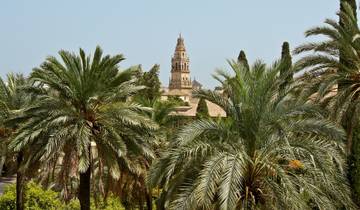
3-Day Cordoba, Seville & Costa del Sol from Madrid
- ✓ Comprehensive Malaga tour
- ✓ Expert local guides included
- ✓ All accommodation arranged
- ✓ Transportation provided

7 days
The Timeless Roads of Southern Spain
- ✓ Booking needs min. 2 travelers
6 days
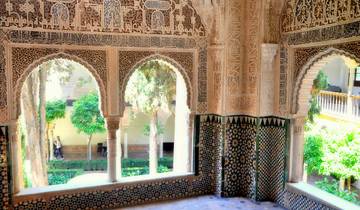
Heart of Andalusia 6 Days, Self-drive
- ✓ Comprehensive Malaga tour
- ✓ Expert local guides included
- ✓ All accommodation arranged
- ✓ Transportation provided
3 days
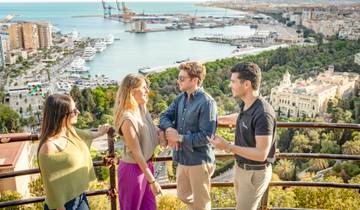
Seville, Ronda & White Villages in 3 days from Madrid
- ✓ Comprehensive Malaga tour
- ✓ Expert local guides included
- ✓ All accommodation arranged
- ✓ Transportation provided
Multi-day tour packages powered by TourRadar. Prices and availability subject to change.
Essential Planning Information 2026
Current Costs and Pricing Breakdown
Málaga’s pricing structure in 2026 reflects post-pandemic recovery stabilization with moderate inflation adjustments from 2023-2024 levels. Museum entry costs €12 for Picasso Museum, €10 for Carmen Thyssen Museum, €9 for Centre Pompidou Málaga, and €8 for cathedral interior in 2026. Check official museum websites for current pricing as rates may adjust seasonally or for special exhibitions. The Alcazaba and Gibralfaro castle combined ticket costs €5.50, representing exceptional value for UNESCO heritage site access compared to equivalent European fortifications charging €12-18 entry fees.
Transportation costs remain highly economical with single bus tickets at €1.40, 10-ride Bonobus cards reducing per-trip costs to €0.82, and taxis charging €1.40 base fare plus €1.05 per kilometer for metered trips. Airport to city center taxi rides cost €20-25 depending on exact destination and traffic conditions, while airport buses run €3 for the same journey with slightly longer travel times due to multiple stops. Rental cars start at €25-35 daily for compact vehicles, though Málaga’s walkable center and good public transport make car rental unnecessary for city-focused visits.
Activity pricing spans wide ranges depending on experience type. Free walking tours operate on tip basis with €10-15 per person expected gratuities, paid guided tours cost €25-40 for group experiences and €80-150 for private tours. Day trips to Nerja Caves cost €25-35 including transport and cave admission, while Ronda excursions run €45-65 for full-day experiences with guided components. Flamenco show tickets range €18-25 for basic performances to €40-65 for dinner-show combinations at premium venues.
Understanding Málaga’s Price Tiers
Málaga operates on distinct pricing tiers that don’t always correlate with quality as strongly as in other destinations. Budget establishments often deliver experiences comparable to mid-range alternatives through local family operation, traditional recipes, and authentic atmospheres rather than contemporary amenities or English-language services. A €12 Menu del Día at a neighborhood restaurant frequented by locals provides three courses of home-cooked quality matching €25-30 à la carte restaurant meals in tourist areas, though the experience involves Spanish-language menus, neighborhood setting, and functional rather than design-forward décor.
The mid-range tier represents Málaga’s sweet spot for most international visitors, balancing comfort, convenience, English-language capability, and quality without luxury premiums. Mid-range hotels (€80-150) provide air conditioning, private bathrooms, central locations, and professional service, while mid-range restaurants (€15-25 per entrée) offer creative modern Spanish cuisine with English menus and sophisticated wine lists. This tier delivers stress-free travel without constant budget calculations while avoiding luxury markups for amenities many travelers don’t value like spa services or concierge support.
The luxury tier in Málaga charges 2-3x mid-range prices for genuinely elevated experiences rather than marginal improvements. Five-star beachfront hotels at €300-400 nightly deliver dramatically superior room quality, service standards, and amenities compared to €150 3-star alternatives, while Michelin-starred restaurants at €80-120 per person provide culinary experiences qualitatively different from €40-50 upscale casual dining. Luxury travelers get substantial value returns on premium spending in Málaga, contrasting with destinations where luxury tiers extract maximum pricing for minimal quality improvements.
Seasonal Price Variations Throughout 2026
Summer peak season (July-August) commands maximum pricing with mid-range hotels charging €120-180 nightly versus shoulder season rates of €80-120 for identical properties. The 40-60% summer premium reflects intense demand from European vacation travelers, particularly northern Europeans escaping to Mediterranean sun, and Spanish domestic tourists during traditional August holiday periods. Booking summer accommodation requires 3-4 months advance planning to secure reasonable rates, with last-minute July-August bookings facing limited availability and inflated pricing from remaining inventory.
Shoulder seasons (April-June, September-October) offer optimal value combinations of comfortable weather and moderate pricing. Hotels charge 20-30% below summer peak while temperatures remain very pleasant—May averages 22°C, September 24°C—and attractions face manageable crowds. Early October particularly delivers value with lingering summer weather, diminished tourist numbers, and hotels eager to fill rooms before low season begins. Restaurant pricing remains stable year-round, but tour operators offer shoulder season discounts of 10-20% on group excursions competing for customers during slower periods.
Low season (November-March excluding Christmas/New Year) sees dramatic price reductions with accommodation costs dropping 40-50% below peak summer rates. Four-star hotels available at €180-220 in August fall to €90-120 in January, while luxury properties reduce rates even more aggressively to maintain occupancy during slow winter months. The catch involves cooler temperatures averaging 12-18°C, though Málaga’s exceptional sunshine record ensures many pleasant winter days. Low season timing works perfectly for culture-focused travelers prioritizing museums, city exploration, and dining over beach activities.
Accommodation Costs 2026
Budget Accommodation Options
Hostel dormitory beds in Málaga cost €25-40 per person nightly during summer peak season, dropping to €18-30 in shoulder seasons and €15-25 in winter low season. Quality budget hostels like Feel Hostels Soho Malaga and Oasis Backpackers’ Hostel Málaga provide clean modern facilities, social common areas, fully equipped kitchens enabling meal self-preparation, free WiFi, and often include breakfast in bed rates. Central locations place budget travelers within walking distance of beaches, museums, and nightlife without requiring transportation costs, while hostel social atmospheres facilitate meeting fellow travelers and sharing attraction recommendations.
Private rooms in budget hostels or budget hotels cost €50-80 nightly for doubles in summer, €40-65 in shoulder seasons, and €35-55 in winter. These options deliver private bathroom comfort and couple/friend accommodation without dormitory social intensity, suitable for travelers wanting budget pricing with more privacy. Properties like Dulces Dreams Boutique Hostel and Room007 Málaga combine hostel pricing with hotel-style private rooms, offering best-of-both approaches for budget-conscious travelers uncomfortable with dormitory sleeping arrangements.
Apartment rentals through platforms provide budget alternatives for groups or longer stays, with studio apartments costing €45-70 nightly and one-bedroom apartments €60-90 in central neighborhoods. The kitchen access enables grocery shopping and meal preparation, saving €20-30 daily on restaurant dining for travelers comfortable cooking. Week-long apartment stays often include 10-20% discounts versus nightly rates, making extended Málaga visits particularly cost-effective for remote workers or slow travelers exploring southern Spain bases.
Mid-Range Hotel Costs
Mid-range 3-star hotels in central Málaga cost €80-150 nightly for doubles during summer peak season, €65-120 in shoulder seasons, and €55-90 in winter months. Properties like Hotel Molina Lario, Soho Boutique Málaga, and Casual del Mar Málaga provide air-conditioned rooms, private bathrooms, central locations within walking distance of major attractions, breakfast options (typically €8-12 additional), and English-speaking staff capable of handling international guest needs. Room sizes average 18-22 square meters—comfortable for European standards though potentially feeling compact for travelers accustomed to larger North American hotel rooms.
Boutique hotels occupy the mid-range upper tier at €120-180 nightly summer, €90-140 shoulder, and €70-110 winter, delivering design-forward aesthetics, personalized service, unique character, and often superior locations compared to chain 3-star equivalents. Properties like Room Mate Valeria and Molina Lario rooftop properties combine contemporary design with historic building restorations, creating Instagram-worthy accommodation experiences justifying 30-40% premiums over standard 3-star hotels for travelers prioritizing aesthetics and distinctive stays.
Beachfront mid-range hotels command €20-40 nightly premiums over equivalent-quality properties 5-10 minutes walk from beaches, with the convenience and views justifying costs for beach-focused travelers. Properties like Hotel MS Maestranza deliver direct beach access, sea-view balconies, and waterfront locations worth the upcharge for visitors prioritizing beach time, though budget-conscious travelers save substantially by accepting short walks to La Malagueta while staying in slightly inland neighborhoods.
Luxury Accommodation Pricing
Four-star hotels in Málaga cost €150-250 nightly summer, €110-180 shoulder seasons, and €80-140 winter, providing superior room sizes (25-30 square meters), enhanced amenities like rooftop pools and fitness centers, concierge services, and elevated breakfast buffets. Properties like Gran Hotel Miramar GL and Vincci Selección Posada del Patio deliver 4-star quality at Spain’s historically moderate luxury pricing, offering amenities matching 5-star properties in higher-cost European markets while maintaining relatively accessible rates.
Five-star luxury hotels command €250-450 nightly in summer peak season, €180-320 in shoulder periods, and €140-240 in winter months. Málaga’s premier luxury properties include Hotel Palacio Solecio, Gran Hotel Miramar GL (Málaga’s only true grand hotel), and upcoming international luxury brands. These properties deliver exceptional service standards, beachfront or historic center prime locations, spa facilities, fine dining restaurants, and room sizes 35-50 square meters creating genuine luxury rather than simply upgraded mid-range experiences.
Boutique luxury accommodations occupy specialized niches at €200-350 nightly, combining luxury comfort with intimate scale and distinctive character. Properties in restored historic palaces or contemporary design showcases deliver personalized service impossible at large luxury hotels, with room counts under 30 enabling staff to remember guest preferences and provide customized recommendations. The boutique luxury segment appeals to travelers valuing authentic character and personalized attention over standardized international luxury brand experiences.
Food and Dining Budget 2026
Budget Dining Strategies
Menu del Día (daily set lunch menus) represent Málaga’s ultimate dining value, with local restaurants serving three courses including drink for €10-15 per person. The typical Menu del Día includes choice of starter (salad, soup, or small plate), main course (meat, fish, or paella), dessert or coffee, bread, and glass of wine or soft drink—delivering complete satisfying meals at prices matching fast food in expensive northern European cities. Restaurants near business districts and residential neighborhoods (rather than prime tourist zones) offer best value, with workers and locals filling tables confirming authentic quality at fair pricing.
Breakfast costs €3-7 at local cafés with Spanish breakfast traditions emphasizing coffee and simple pastries rather than elaborate Anglo breakfast spreads. Café con leche with tostada (toasted bread with olive oil, tomato, or jam) runs €3-4.50 at neighborhood spots, providing fuel for morning sightseeing at minimal expense. Budget travelers self-preparing breakfast from supermarket supplies spend €2-3 per person buying yogurt, fruit, bread, and coffee for in-hostel consumption, saving €15-25 weekly versus daily café breakfasts.
Dinner costs €15-25 per person at casual tapas bars and local restaurants, with sharing multiple tapas plates creating varied interesting meals at controlled costs. Ordering 3-4 tapas at €4-7 each plus drinks enables sampling diverse dishes—patatas bravas, gambas al ajillo, croquetas, jamón ibérico—while maintaining budget parameters. Supermarkets enable dinner self-preparation for €5-8 per person with quality ingredients from Mercadona or Carrefour creating picnic dinners on beaches or hostel terraces in pleasant weather.
Mid-Range Dining Expenses
Sit-down restaurant dinners at mid-range establishments cost €25-40 per person including appetizer or salad, main course, dessert, and wine or beer. Contemporary Spanish restaurants like La Cosmopolita and El Mesón de Cervantes serve creative modern interpretations of traditional dishes with sophisticated wine selections, while seafood specialists near the port deliver fresh catches prepared simply to highlight ingredient quality. These restaurants provide English menus, attentive service, and comfortable dining atmospheres suitable for special occasion meals or travelers prioritizing dining experiences over budget minimization.
Lunch at mid-range restaurants runs €18-28 per person when ordering à la carte rather than Menu del Día options, with the flexibility enabling specific dish selection and timing outside traditional 1-3 PM lunch service hours. Weekend brunches at trendy Soho neighborhood cafés cost €15-22 per person for elaborate breakfast/lunch hybrid meals with international influences—avocado toast, eggs benedict variations, acai bowls—appealing to travelers seeking familiar breakfast foods beyond traditional Spanish coffee and pastry.
Wine with dinner adds €12-25 to meal costs with house wines running €12-16 per bottle providing drinkable quality, while mid-range Spanish selections at €18-25 deliver superior regional expressions worth the moderate upcharge. By-the-glass pricing ranges €4-7 enabling sampling without full bottle commitments, though sharing bottles creates better per-glass value for couples or groups dining together. Málaga’s proximity to excellent wine regions—Ronda, Sierras de Málaga, Ribera del Duero—ensures restaurant wine lists feature strong local and regional selections at fair markups.
Luxury Dining and Culinary Experiences
Fine dining restaurants in Málaga cost €60-90 per person for multi-course tasting menus at establishments like José Carlos García (Michelin-starred) and Kaleja, delivering innovative modern Spanish cuisine with exceptional ingredient quality and sophisticated presentations. These experiences include amuse-bouche, bread service, palate cleansers between courses, and petit fours with coffee, creating complete culinary journeys beyond simple meals. Wine pairings add €30-50 per person with sommeliers selecting glasses complementing each course’s flavors and textures.
Seafood splurges at premium restaurants like El Tintero (unique auction-style seafood service) and Mariscos del Mediterráneo cost €50-80 per person for abundant fresh catches including langostinos, percebes (goose barnacles), grilled fish, and local specialties. These restaurants justify premium pricing through exceptional freshness, harbor views, and authentic local atmospheres attracting knowledgeable Spanish diners willing to pay for quality. The experience orientation—theatrical service, waterfront settings, abundant portions—creates memories beyond nutritional value.
Cooking classes and culinary experiences range €65-95 per person for hands-on sessions learning paella preparation, tapas creation, or Andalusian specialties. These activities combine cultural education with practical skills and social interaction, often including market visits to source ingredients, 3-4 hours of instruction, and enjoying the prepared meal with wine. The educational component justifies pricing versus simple restaurant meals, while the souvenir value of acquired cooking skills and recipes enhances overall trip value beyond single-experience enjoyment.
Transportation Expenses 2026
Public Transportation Costs
City buses provide Málaga’s most economical transportation option with single tickets at €1.40 per ride purchased from drivers or contactless payment, making even occasional bus use budget-friendly. The 10-ride Bonobus card reduces per-trip costs to €0.82, purchased at tobacco shops, lottery kiosks, or transit offices for total €8.20 providing substantial savings for travelers using buses regularly during multi-day stays. Bonobus cards work across the entire city network and remain valid indefinitely, allowing unused rides to be saved for future Málaga visits or shared among travel companions.
Airport connections cost €3 per person on Express Line A buses running every 15-20 minutes between airport and city center with 15-20 minute journey times. The bus route stops at major hotel areas and continues to central locations near the historic district, bus station, and train station. Return airport journeys use the same €3 fare, making round-trip airport transport just €6 per person—dramatically cheaper than €20-25 taxi fares for the identical route, though taxis provide door-to-door service versus bus stops requiring short walks to final destinations.
Train connections to nearby cities and coastal towns use Cercanías (commuter rail) with fares ranging €2.50-8 depending on distance. Málaga to Fuengirola costs €2.50 for 40-minute coastal journeys with sea views, while Málaga to Álora (gateway to Caminito del Rey) runs €5-6 for 45-minute trips through Guadalhorce valley. The train system serves Costa del Sol beaches and inland towns efficiently, enabling budget-friendly day trips exploring the region beyond Málaga city without expensive tour bookings or rental cars.
Taxi and Rideshare Pricing
Taxis charge metered rates starting at €1.40 base fare plus €1.05 per kilometer, with typical in-city rides costing €8-15 for journeys between major areas—beach to city center, train station to hotels, downtown to Gibralfaro. Taxis provide stress-free point-to-point transport when tired from walking, carrying luggage, or traveling in groups where per-person taxi costs approximate bus fares while delivering superior convenience. Airport taxi rides to city center cost €20-25 as mentioned, though traffic congestion during rush hours can increase fares through time-based charges in addition to distance rates.
Evening and weekend taxi rates increase with supplements added for nighttime service (10 PM to 6 AM), Sundays, and holidays. The supplements typically add €2-4 to metered fares, making late-night returns from restaurants or bars slightly more expensive than daytime equivalent journeys. Budget-conscious night transportation requires awareness of these surcharges when comparing taxi costs to other options like walking or using last buses (typically running until 11 PM on main routes).
Uber and Cabify operate in Málaga but offer minimal savings versus official taxis—typically 5-10% cheaper during standard hours while potentially more expensive during peak demand surge pricing periods. The apps provide upfront fare transparency and payment convenience through pre-registered credit cards, appealing to travelers uncomfortable with metered taxi uncertainty or Spanish-language interactions. However, official taxis remain reliable, professional, and cost-competitive, making ride-sharing apps convenient alternatives rather than necessary budget optimizations.
Walking and Self-Powered Transport
Walking costs €0 while delivering the most intimate Málaga experiences through neighborhood immersion, accidental discoveries, and flexible spontaneous routing impossible from motorized transport. The historic center measures just 1.5 kilometers across, placing major attractions within 15-20 minute walks of each other, while beach promenades extend three kilometers providing pleasant coastal walking routes connecting La Malagueta to western suburbs. Comfortable walking shoes with good arch support prove essential for multi-hour daily walking on varied surfaces from smooth promenades to cobblestone medieval streets.
Bicycle rentals cost €10-15 daily from shops near the waterfront and historic center, with electric bikes running €20-25 daily for pedal-assist models reducing effort on Málaga’s hilly terrain. The city’s bike lane network extends along waterfront areas and into several neighborhoods, though historic center access faces limitations from pedestrian-only zones and narrow medieval streets. Bike rentals work best for travelers planning extended waterfront exploration or visiting multiple beaches in single days, while city center touring remains easier on foot through restricted-access streets.
Scooter and motorcycle rentals range €25-40 daily depending on engine size and model, enabling day trips to nearby coastal towns, mountain villages, or inland attractions at self-directed pacing without tour bus schedules. The freedom to explore at individual rhythm justifies costs for independent travelers comfortable with two-wheel navigation, though Málaga’s excellent public transit and compact walkable center make motorized rentals optional rather than necessary for city-focused visits. Insurance and helmet rentals add €8-12 daily to base scooter costs.
Attraction and Activity Costs 2026
Museum and Cultural Site Fees
Major museum admissions cost €9-12 per entry with Picasso Museum at €12, Carmen Thyssen Museum €10, and Centre Pompidou Málaga €9 representing primary cultural venues. Combined three-museum visits cost €31 at regular admission, though strategic Sunday scheduling enables free entry to all three institutions—Carmen Thyssen free all day Sunday, Picasso and Pompidou free Sunday afternoons after 4 PM. Budget-conscious travelers visiting on Sundays save significant amounts while accessing identical collections and exhibitions available to full-price weekday visitors.
Historic monuments charge more modest fees with Alcazaba fortress €3.50 for interior access, Gibralfaro castle €3.50, or combined Alcazaba+Gibralfaro ticket €5.50 providing slight savings. The cathedral interior requires €8 admission for architectural and art appreciation, though exterior viewing and plaza areas remain free. These heritage site costs total €13.50 for comprehensive interior access to Málaga’s top three historic monuments—exceptional value compared to equivalent UNESCO heritage sites charging €15-25 individual entries elsewhere in Mediterranean Europe.
Specialty museums and smaller cultural sites cost €3-6 entry with Automobile Museum at €9, Málaga Museum €1.50, and various smaller collections charging €3-5 depending on scale and location. Many smaller museums offer free admission certain days or hours, with the main Málaga Museum free Tuesday-Friday afternoons and all day Sunday. Strategic planning around free hours extends museum experiences without admission costs, though travelers genuinely interested in specific collections should prioritize them even during paid hours rather than skipping worthwhile experiences to save €3-6 entrance fees.
Tour and Activity Pricing
Group walking tours cost €15-25 per person for 2-3 hour guided experiences covering historic center highlights, Picasso’s Málaga, or specialized thematic routes. Free walking tours operate on tip-basis with €10-15 per person expected gratuities, creating similar total costs to paid tours while allowing flexibility to tip based on actual guide quality and experience value. Private walking tours run €80-150 for 2-4 people, making them cost-effective for couples or small groups seeking personalized attention and flexible pacing unavailable in larger group tours.
Day trip tours to nearby attractions cost €35-65 per person depending on destination and inclusions. Ronda full-day tours including transportation and guided city exploration run €55-75, while Nerja Caves and Frigiliana village combinations cost €45-60. Caminito del Rey gorge walks range €65-85 including transport, entrance tickets (€10 value), and guiding, with the all-inclusive pricing justifying moderate premiums over independent visits requiring transportation coordination and advance ticket booking effort.
Food and wine tours cost €50-90 per person for 3-4 hour experiences combining walking, cultural information, and substantial food tastings at multiple stops. Tapas tours visiting 4-5 bars with drinks and portions cost €50-65, while wine tasting experiences in nearby Ronda region run €70-90 including transportation and vineyard visits. These experiences justify pricing through curated venue selection, local expertise, and quantities of food/wine consumed—typically equivalent to full meal value—while delivering cultural education and social interaction beyond simple consumption.
Beach and Outdoor Activities
Beach access remains completely free year-round with all Málaga beaches providing no-cost entry, swimming, and sunbathing opportunities. Optional beach equipment rentals cost €6-8 for umbrella and two sunbed sets if desired, though most budget travelers bring towels and use free beach space without rental expenses. Beach showers, restrooms, and foot-washing stations operate free of charge, while lifeguard services during summer season (June-September) provide safety coverage without fees.
Water sports and beach activities follow individual pricing with paddleboard rentals at €12-15 per hour, kayak rentals €15-20 per hour, and jet ski rentals €50-70 per 30 minutes. Parasailing experiences cost €40-60 for 10-15 minute flights providing aerial Mediterranean views, while boat rentals range €150-300 for half-day small boat hire accommodating 4-6 people. These activities remain optional enhancements to free beach enjoyment rather than necessary expenses, with basic swimming and sunbathing delivering complete beach experiences without equipment costs.
Hiking and outdoor exploration costs €0 for most trails and natural areas surrounding Málaga, with Montes de Málaga Natural Park providing free access to numerous hiking routes through Mediterranean forest and mountain terrain. Guided hiking tours cost €35-50 per person for half-day experiences including transportation and expert naturalist guidance, while equipment like good hiking boots and sun protection represent one-time personal purchases rather than per-trip expenses. The mild climate enables year-round outdoor activities without specialized gear required for harsher weather destinations.
Sample Budget Breakdowns 2026
Budget Traveler: Four Days in Málaga
Accommodation €120 total (€30 nightly hostel dorm bed × 4 nights summer shoulder season), breakfast €16 (€4 daily supermarket self-prepared × 4), lunch €52 (€13 Menu del Día average × 4), dinner €76 (€19 casual tapas/restaurant mix × 4), snacks and coffee €24 (€6 daily × 4), local transport €8.20 (10-ride Bonobus shared rides), attractions €0 (optimizing Sunday free museums, beaches, viewpoints), miscellaneous €20 (unexpected expenses, tips). Total: €316.20 for four days, averaging €79.05 daily.
This budget enables comfortable hostel accommodation in social properties with good facilities, full three meals daily including restaurant Menu del Día lunches, flexibility for occasional café stops and snacks, public transport access when walking isn’t practical, and comprehensive free attraction access through strategic Sunday museum scheduling. The budget traveler experiences authentic Málaga culture, swims at Mediterranean beaches, views world-class Picasso collections, explores UNESCO heritage sites, and dines at local restaurants serving traditional cuisine—all within budget constraints that many backpackers could sustain for weeks of travel.
Cost savings opportunities within budget tier include breakfast self-preparation saving €8-12 versus café breakfasts, some dinner self-preparation reducing meal costs by €20-30, and walking exclusively eliminating €8.20 transport expenses. However, these extreme economies sacrifice convenience and cultural immersion—Menu del Día lunches at local restaurants provide both value and authentic experiences worth prioritizing over maximum savings through constant self-catering.
Mid-Range Traveler: Four Days in Málaga
Accommodation €440 total (€110 nightly boutique hotel double × 4 nights shoulder season, €55 per person), breakfast €48 (€12 daily hotel breakfast or café × 4), lunch €100 (€25 restaurant dining × 4), dinner €140 (€35 sit-down restaurant × 4), coffee and snacks €40 (€10 daily × 4), transport €40 (mix of walking, buses €8, taxis €32 for luggage/tired moments), attractions €60 (€15 daily average including paid museums, tours), miscellaneous €50 (souvenirs, tips, contingency). Total: €918 for four days, averaging €229.50 daily (€114.75 per person when sharing double room).
Mid-range budgets deliver stress-free comfortable experiences with private bathroom hotel comfort, air conditioning, central locations, comprehensive restaurant dining diversity from traditional to contemporary, freedom to take taxis when convenient, full museum access without scheduling around free hours, and budget space for occasional tours or activities enhancing trip value. This tier appeals to travelers who’ve budgeted specifically for vacation experiences and prefer eliminating constant cost calculations to focus on enjoyment and cultural engagement.
The mid-range positioning enables upgrade flexibility—occasional luxury splurges on fine dining (€80-100) remain feasible within overall budget, while pulling back slightly on less-valued categories (breakfast self-preparation one day, walking instead of taxis) creates funds for priority experiences. This financial flexibility reduces travel stress while maintaining good overall value compared to luxury-tier daily costs approaching €300-400 per person.
Luxury Traveler: Four Days in Málaga
Accommodation €1,200 total (€300 nightly 5-star beachfront hotel × 4 nights summer), breakfast €80 (€20 premium hotel buffet or upscale café × 4), lunch €160 (€40 upscale restaurant × 4), dinner €320 (€80 fine dining × 4), coffee and wine €80 (€20 daily premium café/wine bar × 4), transport €200 (rental car €120 for 4 days, parking €50, fuel €30), attractions and experiences €300 (€75 daily private tours, premium activities, wine tastings), miscellaneous €160 (souvenirs, tips, contingency). Total: €2,500 for four days, averaging €625 daily (€312.50 per person when traveling as couple).
Luxury budgets enable every premium option: beachfront suite accommodation with spa facilities and concierge service, gourmet breakfasts and fine dining at Michelin-quality restaurants, private guided tours with expert local guides, rental car freedom for countryside exploration, and exclusive experiences like private yacht charters or winery visits. This tier eliminates all compromises, creating vacation experiences focused entirely on enjoyment, comfort, and cultural immersion without financial constraints affecting decisions.
Luxury Málaga travel delivers exceptional value compared to equivalent experiences in French Riviera, Italian Amalfi Coast, or other premium Mediterranean destinations charging 50-100% premiums for similar quality. The €300-350 daily per-person luxury budget in Málaga secures experiences requiring €500-700 daily in Nice or Portofino, making southern Spain’s coast an intelligent luxury destination choice for travelers seeking maximum quality per euro spent.
Sample One-Day Budget Scenarios
Ultra-Budget Day (€45-55 per person):
Hostel dorm €25, breakfast self-prepared €2, lunch Menu del Día €11, dinner supermarket picnic €7, snacks €3, transport €0 (walking only), attractions €0 (Sunday free museums, beaches). Total day cost: €48 per person (excluding hostel accommodation already listed). This ultra-budget approach works for extended travelers or students maximizing trip duration through minimal daily spending while still accessing quality cultural experiences.
Comfortable Budget Day (€75-90 per person):
Hostel private room €30 per person, breakfast café €5, lunch Menu del Día €13, dinner tapas restaurant €22, coffee and snacks €6, transport Bonobus €1.64 (two trips), attractions €0 (free Sunday museums). Total day cost: €77.64 per person (excluding accommodation). This represents realistic comfortable budget travel with private accommodation, all restaurant meals, and comprehensive cultural access without extreme economies affecting enjoyment.
Mid-Range Day (€150-180 per person):
Boutique hotel €55 per person (€110 double shared), breakfast café €10, lunch restaurant €22, dinner sit-down restaurant €32, coffee/wine/snacks €12, transport mix €8 (buses and one taxi), attractions €18 (museum entries, activity). Total day cost: €157 per person (excluding accommodation €55 listed separately). Mid-range daily spending enables quality across all categories without luxury premiums, suitable for vacation trips with dedicated travel budgets.
Luxury Day (€300-350 per person):
Five-star hotel €150 per person (€300 double shared), breakfast premium €18, lunch upscale restaurant €40, dinner fine dining €75, coffee/wine/bars €25, transport rental car share €30, attractions/tours €80 (private guide). Total day cost: €418 per person (excluding accommodation already listed). Luxury daily budgets eliminate all constraints, enabling every premium choice from accommodation to dining to exclusive experiences.
Money-Saving Strategies for 2026
Advance Booking Benefits
Accommodation booking 2-3 months ahead secures 15-30% savings versus last-minute rates, with early-bird pricing rewarding committed travelers planning ahead. Hotels release inventory at promotional rates for advance bookings, knowing some cancellations will occur and betting on high occupancy through volume. The savings prove substantial—a €120 nightly rate booked three months ahead might cost €150-170 for identical room purchased one week before arrival, creating €120-200 total savings over four-night stays.
Flight booking timing affects total trip costs dramatically with 2-3 month advance purchases typically delivering optimal pricing for European routes. Last-minute flight deals occasionally appear but can’t be relied upon for trip planning, while extreme advance booking (6+ months) sometimes faces higher prices from airlines testing demand. The sweet spot for most European routes sits 8-12 weeks before travel dates, balancing advance planning benefits against excessive early-booking premiums.
Museum and attraction advance booking enables online-only discounts at certain venues while guaranteeing entry during high-demand periods. Picasso Museum online tickets save €1-2 versus on-site purchases, while Caminito del Rey gorge walk advance booking secures entry to popular attraction that sells out weeks ahead. The advance booking discipline forces trip planning reducing spontaneous overspending while ensuring priority experiences receive guaranteed access versus risky assumptions about walk-up availability.
Free and Low-Cost Experiences
Sunday museum free hours deliver €31 combined value from Picasso Museum, Carmen Thyssen Museum, and Centre Pompidou Málaga access spending €0 on admission. Strategic Sunday visit planning creates comprehensive cultural days worth substantial amounts in regular admission while maintaining budget discipline. The free museum windows operate year-round providing consistent savings opportunities regardless of travel season, while weekday visitors pay full prices for identical collection access.
Beach activities provide unlimited free Mediterranean enjoyment year-round with swimming, sunbathing, beach volleyball, waterfront walking, and sunset watching costing €0. The beaches deliver vacation experiences worth premium amounts in other destinations—Hawaiian or Caribbean beach access involves expensive flights and often resort fees—while Málaga beaches remain permanently free with excellent facilities and services. Year-round climate enables beach use even in winter months for hardy swimmers and sun-seekers willing to brave 15-17°C water temperatures.
Free walking routes, viewpoints, and street art exploration create comprehensive city experiences spending nothing on transportation or admission. The Soho street art district provides contemporary culture accessible 24/7, Gibralfaro viewpoints deliver panoramic city vistas without castle entrance fees, and historic center walking routes cover 3,000 years of heritage through observation and publicly available information. These free experiences often prove more memorable than paid attractions through active engagement, unexpected discoveries, and flexible unscheduled enjoyment impossible in pre-paid guided tours.
Meal Cost Optimization
Menu del Día lunch strategy saves €10-15 per meal versus dinner à la carte pricing at equivalent-quality restaurants. The identical restaurant serving €13 three-course Menu del Día at lunch charges €25-35 for similar food quality at dinner, creating substantial daily savings through strategic meal timing. Budget travelers prioritize Menu del Día for largest daily meal, supplementing with lighter cheaper breakfast and dinner rather than expensive three-meal restaurant schedules.
Supermarket shopping for breakfast and occasional dinners reduces food costs by 40-60% versus constant restaurant dining. Morning supermarket visits buying yogurt, fruit, bread, coffee, and cheese for €8-10 feeds two people breakfast versus €12-20 at cafés, while evening picnic dinners assembled from market ingredients cost €10-15 per person versus €25-40 restaurant meals. The savings accumulate quickly over multi-day stays while still allowing restaurant experiences for culturally significant meals like traditional Andalusian lunches.
Tapas sharing strategy controls dinner costs while enabling dish diversity and cultural authenticity. Two people sharing four tapas plates at €5-7 each plus drinks spend €30-38 total versus €50-70 for seated dinner courses, with the tapas experience delivering authentic Spanish dining culture and flexibility to sample multiple flavors and preparations. Standing at bars rather than seated tables sometimes reduces costs further with bar pricing 10-20% cheaper than table service at the same establishment.
Transportation Savings Tactics
Walking maximizes free transportation while delivering superior city immersion compared to bus or taxi transit. Málaga’s compact 1.5-kilometer historic center places major attractions within 15-20 minute walks, eliminating most transit needs for centrally located travelers. Beach promenades extend walking routes three kilometers along coast without vehicle requirements, while even Gibralfaro Hill ascents take just 20-30 minutes on foot saving €8-12 round-trip taxi fares.
10-ride Bonobus cards reduce per-trip costs from €1.40 to €0.82—a 41% savings versus single tickets when buses prove necessary for tired moments, luggage transport, or reaching outlying neighborhoods. The €8.20 card investment pays back after six trips with subsequent rides delivering incremental savings, while shared cards among travel companions maximize value by pooling rides across the 10-trip total. The cards never expire enabling unused rides to be saved for future Málaga visits.
Strategic taxi use for specific situations—airport arrival with luggage, late night returns, traveling in groups where per-person taxi costs approximate bus fares—optimizes convenience-to-cost ratios versus absolute budget minimization. Four people splitting €12 taxi fare pay €3 each approximating bus costs while gaining door-to-door service, making selective taxi use intelligent rather than wasteful spending within overall budget frameworks.
2026 Planning and Booking Timeline
Optimal Booking Windows
Summer accommodation (July-August) requires 3-4 months advance booking to secure reasonable rates and desirable properties, with popular beachfront hotels and boutique properties selling out completely during peak weeks. January and February bookings for summer travel capture early-bird promotional rates before seasonal demand drives prices upward, creating 20-30% savings versus May-June bookings for identical August stays. The trade-off involves commitment to specific travel dates without flexibility, though most properties allow free cancellation until 1-2 weeks before arrival enabling changes if circumstances require.
Shoulder season accommodation (April-June, September-October) benefits from 6-8 week advance booking balancing spontaneity with reasonable rates. The reduced demand pressure versus summer peak means last-minute availability usually exists, though advance booking secures better room selections and 10-20% lower rates than week-of purchases. Shoulder season booking allows more flexibility experimenting with exact travel dates to capture best hotel availability and pricing windows.
Low season accommodation (November-March) enables successful 2-4 week advance booking with minimal rate differences between early and late reservations. Hotels actively seek winter occupancy creating promotional rates available even with short planning windows, while the reduced demand means preferred properties rarely sell out. Last-minute winter bookings sometimes capture exceptional deals from hotels reducing rates further to fill empty inventory, creating opportunities for spontaneous travelers comfortable with booking uncertainty.
Seasonal Visit Planning
May and early June represent optimal timing for many visitors, combining comfortable 20-24°C temperatures, beach-viable water temperatures reaching 18-20°C, manageable tourist crowds before peak summer, and moderate shoulder-season pricing 20-30% below July-August rates. The longer daylight hours (sunset around 9 PM in June) enable extended sightseeing without rushed schedules, while spring blooms and festival celebrations create vibrant cultural atmospheres enhancing trip experiences beyond weather and pricing considerations.
September delivers similar advantages with lingering summer warmth (24-26°C air, 22-23°C water), diminished crowds as families return to school schedules, and shoulder season pricing enabling quality accommodation €30-50 nightly cheaper than equivalent August bookings. Early September particularly works well maintaining peak-season weather while avoiding peak-season crowds and costs, creating sweet spot timing for travelers with flexible schedules not tied to traditional vacation periods.
Winter visits (December-February) optimize for culture-focused travelers prioritizing museums, dining, and urban exploration over beach activities. The dramatically reduced accommodation costs—40-50% below summer peak—enable luxury experiences at mid-range prices or mid-range comfort at budget costs. Clear winter days deliver spectacular photography opportunities with crisp air and dramatic coastal light, while reduced tourist density creates intimate cultural experiences at popular museums and historic sites facing summer overcrowding.
Budget Planning Contingencies
Build 10-15% contingency buffers into total trip budgets accounting for unexpected expenses, currency fluctuations, spontaneous opportunities, or miscalculated costs in initial planning. A four-day trip budgeted at €800 should allocate €880-920 total providing €80-120 flexibility for unplanned restaurant splurges, discovered attractions worth experiencing, or simple planning errors underestimating certain expense categories. The contingency prevents stressful mid-trip budget crisis or disappointing declined opportunities from rigid spending limits without safety margins.
Track actual spending against budgets during trips enabling course corrections when certain categories run over projections. Daily expense review—easily accomplished through smartphone notes or expense apps—identifies budget leaks early allowing adjustments before entire trip budgets evaporate. Discovering lunch costs running €5-8 higher than projected by day two enables conscious dinner economies or activity reductions preventing day-four budget exhaustion and diminished experiences.
Prioritize spending on genuinely valued experiences rather than pursuing arbitrary savings across all categories equally. Travelers passionate about food should allocate larger dining budgets while economizing on accommodation, while museum enthusiasts invest in comprehensive admission tickets while saving through Menu del Día lunches and picnic dinners. The personalized budget allocation approach maximizes trip satisfaction per euro spent compared to generic balanced budgets treating all expense categories as equally important regardless of individual traveler values and priorities.
Frequently Asked Questions
Is Málaga cheaper than Barcelona or Madrid?
Málaga costs 25-35% less than Barcelona and 20-30% less than Madrid for equivalent accommodation quality, with mid-range hotels in Málaga at €80-150 versus Barcelona €120-220 and Madrid €100-180 for similar comfort and locations. Dining prices show similar advantages—Menu del Día lunches €10-15 in Málaga versus €12-18 Barcelona and €13-17 Madrid, while restaurant dinners cost 20-25% less in Málaga across all tiers. Málaga’s compact size and beach access create additional value through eliminated transportation costs and free recreation options unavailable in Barcelona or Madrid’s urban settings.
How much cash should I bring to Málaga?
Bring €200-300 initial cash for arrivals, tips, small purchases, and establishments not accepting cards, though credit cards work widely across hotels, restaurants, museums, and shops. ATMs provide convenient Euro withdrawals throughout the city, with competitive exchange rates better than airport currency exchange services. Small neighborhood tapas bars, market vendors, and some attraction tickets still prefer cash, while taxi drivers accept cards but appreciate cash for simplicity. The €200-300 amount covers several days small expenses without excessive carrying amounts creating security concerns.
Should I buy a Málaga tourist pass?
Málaga tourist passes offer mixed value depending on travel style and planned attractions. The Málaga Card 24-hour version costs €22 including public transport and admission to several attractions, but strategic Sunday free museum scheduling provides equivalent value spending €0, while the 48-hour (€32) and 72-hour (€42) versions only prove worthwhile for travelers visiting numerous paid attractions in condensed timeframes. Calculate actual planned attraction costs versus pass pricing—if your itinerary includes mostly free beaches and Sunday museums, passes waste money rather than save it.
Can I use US dollars or British pounds in Málaga?
Euros remain the only accepted currency in Málaga with US dollars and British pounds requiring exchange to Euros before use. Currency exchange services at airports and tourist areas offer poor rates with high fees—avoid them. ATM withdrawals using debit cards deliver better exchange rates and lower fees than exchange services, while credit cards for major purchases avoid cash exchange entirely. US and UK travelers should use debit cards for cash withdrawals and credit cards for hotels/restaurants rather than converting home currency to Euros through exchange services.
Is tipping expected in Málaga restaurants?
Tipping remains optional in Spain with service charges included in menu prices, though rounding up bills or leaving 5-10% for exceptional service shows appreciation without obligation. Budget Menu del Día lunches don’t require tips beyond rounding €12.50 bills to €13, while mid-range restaurant dinners merit €2-5 tips for attentive service. Luxury fine dining experiences warrant 10% tips reflecting the elevated service standards. Bars require no tips for simple drink service, while taxi drivers appreciate rounded fares but don’t expect percentage-based tipping.
What payment methods work in Málaga?
Credit cards (Visa, Mastercard) work widely at hotels, mid-range to upscale restaurants, chain stores, museums, and larger establishments, while American Express faces limited acceptance at smaller businesses. Contactless payment through cards or smartphones operates at most modern establishments including buses, shops, and restaurants. Cash remains necessary for small neighborhood bars, market vendors, small purchases under €10 at some establishments, and ensuring backup payment options if card systems fail. Carry €50-100 cash alongside cards for comprehensive payment capability across all situations.
How expensive is food shopping in Málaga supermarkets?
Supermarket food costs run 30-40% below restaurant prices with Mercadona, Carrefour, and Día offering competitive pricing on groceries and prepared foods. A supermarket breakfast buying yogurt, fruit, bread, and coffee costs €3-4 per person versus €6-10 café breakfasts, while dinner ingredients (pasta, sauce, salad, wine) run €8-12 serving two people versus €30-50 restaurant equivalent meals. Fresh produce prices reflect Spain’s agricultural abundance with excellent tomatoes, peppers, and fruit at low costs, while Spanish wines start at €3-5 bottles for drinkable quality and €8-12 for good regional selections.
Are there hidden costs I should know about?
Tourist tax doesn’t exist in Málaga unlike Barcelona or Ibiza, eliminating surprise per-night accommodation charges. Hotel breakfast often costs €8-15 additional per person beyond room rates unless specifically included—verify breakfast inclusion before booking. Some museum special exhibitions require separate tickets beyond permanent collection admission. Credit card foreign transaction fees (1-3% per purchase) from some US banks add costs—use cards without foreign transaction fees for Spain travel. Resort fees and mandatory service charges don’t exist in Spanish hotels, avoiding common hidden costs at US properties.
How much should I budget for souvenirs and shopping?
Souvenir budgets vary dramatically by personal shopping habits, with meaningful Málaga keepsakes ranging from €5-10 postcard/magnet collections to €50-100 quality Spanish ceramic, leather goods, or food products. Local specialties worth considering: Spanish olive oil €10-20 for quality bottles, sweet Málaga wine €12-25, ceramics €15-40 depending on size, leather goods €30-80. Budget €50-100 for modest souvenir collecting, €100-200 for active shoppers seeking quality local products as gifts and personal keepsakes. Avoid tourist-trap shops on main streets charging inflated prices; better values exist in residential neighborhood shops and artisan markets.
Can I travel Málaga on €50 per day?
€50 daily proves achievable for extreme budget travelers willing to make significant compromises: hostel dorm bed €20-25, self-prepared breakfast and dinner €8-10 total, one Menu del Día lunch €11-13, complete walking (€0 transport), optimizing Sunday free museums and beaches (€0 attractions), minimal extras €6-8 (coffee, snacks). This ultra-budget approach works for extended backpackers maximizing trip duration but involves constant cost consciousness, limited restaurant experiences, no paid attractions during weekdays, and social sacrifices from budget-focused rather than experience-focused travel. Most travelers find €60-75 daily minimum more realistic for comfortable budget travel maintaining good experiences.