Madrid Travel Guide 2026: Ultimate Planning Resource
Key Takeaways
- Madrid’s three UNESCO World Heritage sites (Paseo del Prado and Retiro, El Escorial, Alcalá de Henares) form Spain’s most accessible concentration of heritage destinations, all reachable within 90 minutes from the city center
- Budget €80-120 per person daily for mid-range experiences in 2026, with accommodation adding €100-180 per night for comfortable double occupancy hotels in central Madrid
- Spring (April-May) and autumn (September-October) offer optimal visiting conditions with comfortable 15-25°C temperatures, manageable crowds, and 20-30% lower accommodation costs compared to summer peaks
- Madrid’s integrated Metro and Cercanías rail system provides exceptional value with €12.20 ten-journey tickets and comprehensive coverage of UNESCO sites, museums, and neighborhoods across the metropolitan area
- Book Prado Museum tickets and Toledo day trips 2-3 weeks ahead for 2026 visits, while Royal Palace and Reina Sofía allow same-week reservations with minimal availability concerns
- The Madrid City Pass (€95-135 depending on duration) pays for itself after visiting 3-4 major attractions, providing skip-the-line access and public transport inclusion for efficient sightseeing
Planning Your Madrid Adventure in 2026
Madrid stands as one of Europe’s most rewarding capital cities, combining UNESCO World Heritage grandeur with authentic Spanish culture, world-class museums, and exceptional culinary traditions. The city’s compact historical center concentrates centuries of royal heritage, artistic masterpieces, and architectural splendor within walkable distances, while modern infrastructure ensures comfortable exploration across all seasons.
The 2026 travel season presents optimal conditions for Madrid discovery. Recent infrastructure improvements to Metro lines 6 and 11 enhance connectivity between major attractions, while the expansion of pedestrian zones around Plaza Mayor and Puerta del Sol creates more pleasant walking experiences. The completion of the Prado Museum’s renovation project delivers enhanced viewing experiences for Velázquez, Goya, and El Greco masterpieces, with improved climate control protecting these irreplaceable works.
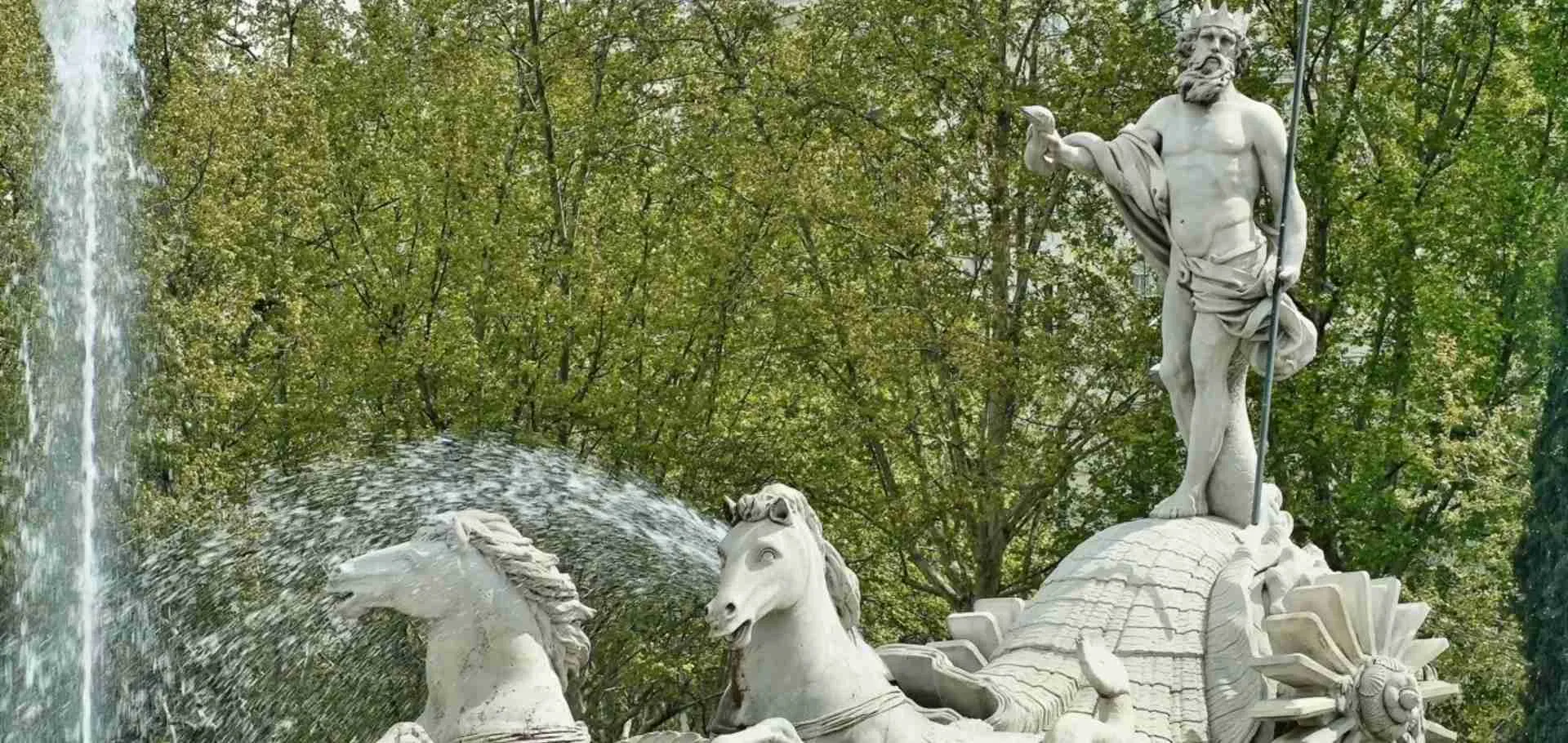
Madrid’s UNESCO World Heritage recognition spans three distinct sites. The Paseo del Prado and Retiro Park, inscribed in 2021 as “Landscape of Light,” represents Europe’s first urban landscape to achieve World Heritage status. This 200-hectare cultural corridor combines botanical gardens, neoclassical fountains, scientific institutions, and the Retiro Park’s formal gardens. The Royal Site of San Lorenzo de El Escorial, recognized since 1984, showcases Renaissance architectural achievement through Philip II’s monastery-palace complex. Alcalá de Henares, inscribed in 1998, preserves the world’s first planned university city, birthplace of Cervantes, and exceptional urban planning from 1499.
This comprehensive guide addresses every aspect of 2026 Madrid planning, from detailed cost breakdowns and seasonal optimization to transportation strategies and accommodation selection. Whether allocating three days for essential highlights or a full week for thorough exploration, the following sections provide actionable information for building your ideal Madrid experience.
People Also Ask About Madrid 2026
How much does visiting Madrid cost in 2026?
Madrid requires €80-120 per person daily for mid-range experiences in 2026, covering meals, local transportation, museum entries, and miscellaneous expenses. This budget assumes breakfast €8-12 at hotel or café, lunch menu del día €15-20, dinner at traditional restaurants €25-35, and admission to 1-2 major attractions daily. Add €100-180 per night for comfortable central accommodation (double occupancy). Budget travelers manage €50-70 daily by utilizing free museums, menu del día deals, and budget accommodation, while luxury visitors allocate €200-300+ daily for Michelin dining, premium hotels, and private experiences.
The Madrid City Pass costs €95 for 3 days or €135 for 5 days in 2026, providing skip-the-line access to 50+ attractions including the Royal Palace (€15 standalone), Prado Museum (€15), Reina Sofía (€12), and unlimited public transport. The pass pays for itself after visiting 3-4 major sites. Check the official Madrid tourism website for current pass rates as pricing may vary.
When is the best time to visit Madrid in 2026?
April-May and September-October deliver optimal Madrid experiences, combining pleasant 15-25°C temperatures, manageable tourist volumes, and 20-30% lower accommodation costs compared to July-August peaks. Spring brings longer daylight hours (sunrise 7:00 AM, sunset 9:00 PM by May) and Retiro Park blooms, while autumn offers comfortable walking weather and cultural season openings. Summer provides extended museum hours and outdoor terrace dining but brings 32-38°C heat and higher hotel rates. Winter (December-February) sees 8-14°C temperatures, occasional rain, and excellent off-season pricing, though some restaurants close for vacation in January.
Do you need advance bookings for Madrid attractions in 2026?
The Prado Museum requires 2-3 week advance booking for weekend visits during peak season (April-October), while same-week reservations suffice for weekday visits. Skip-the-line tickets cost €15 with €2 online booking fee. The Royal Palace accepts reservations up to 60 days ahead, recommended for April-June visits when crowds peak, though walk-up availability exists most days. Reina Sofía Museum and Thyssen-Bornemisza rarely sell out, allowing same-week or even same-day booking. Popular day trips to Toledo and Segovia require 1-2 week advance booking for guided tours during spring and autumn high seasons.
Is Madrid safe for tourists in 2026?
Madrid ranks among Europe’s safest capital cities, with violent crime exceptionally rare in tourist areas. Pickpocketing concentrates around Puerta del Sol, Gran Vía, and crowded Metro stations during peak hours, requiring standard precautions like securing bags and avoiding phone use while walking. The city maintains 24-hour police presence in central districts, with dedicated tourist police offering English assistance near major attractions. Solo travelers, families, and elderly visitors navigate the city confidently day and night in well-lit central neighborhoods. After-hours safety remains high in traditional tapas districts like La Latina and Malasaña, where locals create natural oversight through active nightlife culture.
Extended multi-day tours – 5+ days
Featured Madrid Multi-Day Tour Packages
7 days
7 Days in Madrid: Echoes of Empire: Madrid, Ávila & Segovia
- ✓ Comprehensive Madrid tour
- ✓ Expert local guides included
- ✓ All accommodation arranged
- ✓ Transportation provided

4 days
Madrid: Cultural Experience with Toledo Half-day tour, City Break
- ✓ Comprehensive Madrid tour
- ✓ Expert local guides included
- ✓ All accommodation arranged
- ✓ Transportation provided
5 days
5-Day Madrid Including Toledo, Avila and Segovia
- ✓ Comprehensive Madrid tour
- ✓ Expert local guides included
- ✓ All accommodation arranged
- ✓ Transportation provided
2 days
Segovia, Avila and Toledo in 2 days from Madrid
- ✓ Comprehensive Madrid tour
- ✓ Expert local guides included
- ✓ All accommodation arranged
- ✓ Transportation provided
Multi-day tour packages powered by TourRadar. Prices and availability subject to change.
Essential Planning Information 2026
Current Costs and Pricing Breakdown
Madrid’s 2026 pricing reflects moderate increases from 2025, with strategic planning enabling substantial savings. Major museum entries cost €12-15, with the Prado Museum at €15, Reina Sofía at €12, Thyssen-Bornemisza at €13, and Royal Palace at €15 in 2026. Check official websites for current rates as pricing may vary. The Madrid City Pass (€95-135 depending on duration) includes skip-the-line access to these venues plus 45+ additional attractions and unlimited public transport.
Dining expenses vary dramatically by location and establishment type. Traditional menu del día lunches cost €12-18 in local neighborhoods, rising to €20-30 in tourist zones around Plaza Mayor. Evening tapas bar circuits require €25-35 per person for satisfying meals with drinks, while sit-down dinners at quality restaurants range €35-55 per person. Michelin-starred experiences start at €80-120 for tasting menus. Supermarket meals and bakery offerings enable budget dining at €15-20 daily per person.
Transportation costs remain Madrid’s best value proposition. Ten-journey Metro tickets cost €12.20 (€1.22 per journey), while single tickets run €1.50-2.00 depending on zones. Tourist transport passes provide unlimited travel: 1-day €8.40, 2-day €14.20, 3-day €18.40, 5-day €26.80, 7-day €35.40. These passes cover Metro, buses, and light rail across all central zones, though not airport connections or regional trains to UNESCO sites.
Accommodation pricing follows seasonal patterns. Budget hostels charge €25-45 per bed in shared rooms, budget hotels €60-90 for basic doubles, mid-range hotels €100-180 for comfortable central locations, and luxury properties €250-450+ for premium experiences. Airbnb apartments cost €80-150 per night for well-located two-bedroom units, offering kitchen facilities for meal cost reduction. Book 2-3 months ahead for spring and autumn visits to secure optimal rates.
Documentation and Entry Requirements
EU citizens require only valid national ID cards for 2026 Madrid visits, with no advance registration needed. US, Canadian, Australian, and UK visitors enter visa-free for stays up to 90 days within 180-day periods, requiring passports valid at least three months beyond departure dates. The European Travel Information and Authorization System (ETIAS) launches in 2025, requiring online pre-registration (€7 fee, 10-minute process, three-year validity) for non-EU travelers, though implementation may extend into early 2026.
Travel insurance, while not mandatory, provides essential protection for medical emergencies and trip disruptions. EU citizens should carry European Health Insurance Cards for medical coverage reciprocity. Non-EU visitors need comprehensive travel insurance covering €50,000+ medical expenses, as Spain’s healthcare system charges non-residents full costs. Quality insurance policies cost €30-60 for week-long trips, covering medical care, trip cancellation, and lost belongings.
Best Time to Visit Madrid 2026
Seasonal Analysis for 2026
Spring (April-May) delivers Madrid’s finest weather conditions, with temperatures ranging 12-24°C, minimal rainfall (35-40mm monthly), and lush park landscapes. April brings Semana Santa (Holy Week) crowds and increased hotel rates, while May offers optimal conditions without major holiday pressures. Museums maintain standard hours (10:00 AM-8:00 PM) with comfortable indoor temperatures, while outdoor café terraces provide perfect lunch settings. Book accommodation 2-3 months ahead for May visits, as Spanish holiday weekends fill hotels quickly.
Summer (June-August) presents challenging heat conditions, with July-August reaching 32-38°C daily highs and occasional 40°C+ peaks. Locals embrace siesta culture, closing shops 2:00-5:00 PM and dining after 10:00 PM to avoid midday heat. Museums extend hours (some until 10:00 PM), offering air-conditioned refuge during peak temperatures. August sees many restaurants and shops close for vacation, though major tourist services continue operating. Hotel rates peak in July, then drop 20-30% in August when locals depart for coastal holidays.
Autumn (September-October) rivals spring for optimal visiting conditions. September temperatures (25-30°C) remain warm for outdoor exploration, while October brings crisp 15-22°C weather perfect for walking tours. Cultural season launches in September, with opera, theater, and concert seasons beginning. Retiro Park’s autumn foliage peaks in late October, creating exceptional photography conditions. Accommodation costs drop 25-35% from summer peaks, and restaurant reservations ease considerably after August crowds dissipate.
Winter (November-March) offers budget-conscious opportunities with hotel rates 40-50% below peak season. Temperatures range 5-14°C, requiring layered clothing for outdoor exploration. Rain increases to 50-55mm monthly November-December, then decreases January-March. Museums maintain comfortable year-round conditions, making winter ideal for art-focused visits. Christmas markets (late November-January 6) bring festive atmosphere to Plaza Mayor, while New Year’s Eve at Puerta del Sol attracts massive crowds for grape-eating traditions. January closures affect some restaurants and shops during Spanish post-holiday vacation periods.
Weather Patterns and Crowd Predictions
Madrid’s continental climate creates distinct seasonal characteristics. Summer heat requires strategic planning: museum visits morning and evening, siesta during 2:00-6:00 PM peak heat, lightweight clothing, and constant hydration. Air conditioning presence in hotels, restaurants, and museums provides essential comfort. Spring and autumn offer ideal conditions for full-day exploration, with comfortable temperatures enabling 6-8 hour walking itineraries without heat-related fatigue.
Crowd patterns follow predictable annual rhythms. Peak congestion occurs Easter week (March 24-31, 2026), May Day weekend (May 1-4), summer weekends (June-August), and Christmas period (December 20-January 6). Shoulder seasons (April, September-October) balance manageable crowds with pleasant weather. Winter months (January-February, excluding Christmas) see lowest tourist volumes, creating intimate museum experiences and immediate restaurant availability.
Spanish public holidays impact Madrid operations significantly. January 1 (New Year), January 6 (Epiphany), May 1 (Labor Day), May 2 (Community Day), May 15 (San Isidro), August 15 (Assumption), October 12 (National Day), November 1 (All Saints), December 6 (Constitution), December 8 (Immaculate Conception), and December 25 (Christmas) see museum closures or reduced hours, crowded restaurants, and full hotels. Plan around these dates or embrace holiday atmosphere and book well ahead.
Accommodation Strategies 2026
Budget Accommodation Options
Hostel accommodations range €25-45 per bed in shared dormitories, with properties concentrated in Malasaña, Lavapiés, and near Atocha station. Top-rated hostels include The Hat (Plaza Mayor proximity, rooftop bar), Way Hostel (design-focused, social atmosphere), and Ok Hostel Madrid (central location, included breakfast). Private hostel rooms cost €65-90, providing budget hotel alternatives with social common areas. Book directly through hostel websites for lowest rates and best cancellation policies.
Budget hotel chains deliver reliable mid-range experiences at competitive prices. Ibis Budget properties (€60-80 per night) offer basic but clean accommodations near Metro stations, while Room Mate hotels (€85-120) provide design-focused rooms in prime central locations. NH Hotel Group properties (€90-130) balance comfort and value with consistent quality standards and comprehensive breakfast buffets. Search rates 8-12 weeks ahead for optimal pricing, as dynamic pricing can create 30-40% variations.
Apartment rentals through Airbnb and Vrbo range €80-150 per night for well-located two-bedroom units, enabling meal preparation for cost savings. Lavapiés and Malasaña neighborhoods offer authentic local atmosphere at lower prices than tourist-centric areas, with excellent Metro access and neighborhood restaurant scenes. One-week rentals sometimes include cleaning services and better cancellation terms than shorter stays. Verify building elevator presence, as fifth-floor walkups challenge travelers with luggage.
Mid-Range and Luxury Options
Mid-range hotels (€100-180 per night) concentrate around Gran Vía, Salamanca district, and Retiro Park. Vincci hotels provide contemporary design and central locations at fair pricing, while Catalonia properties deliver reliable comfort with breakfast included. Petit Palace chain offers excellent value with central locations, bike rentals, and tablet-equipped rooms. These properties typically include air conditioning, elevators, English-speaking staff, and complimentary WiFi.
Boutique hotels (€150-280) provide distinctive character and personalized service. Hotel Único (Salamanca district) combines 1920s mansion architecture with Michelin-starred dining and Retiro Park proximity. Hotel Orfila (residential Chamberí) offers intimate luxury in restored palace setting with 32 rooms and exceptional service standards. Dear Hotel (Gran Vía) delivers rooftop pool, skyline views, and contemporary design. These properties justify premium pricing through unique experiences and memorable settings.
Luxury properties (€280-550+) deliver exceptional experiences for special occasions. The Westin Palace overlooks Neptune Fountain with 1912 architectural grandeur, legendary afternoon tea, and Prado Museum walkability. Villa Magna (Castellana district) provides contemporary luxury with two-Michelin-star Charrúa restaurant and exceptional staff-to-guest ratios. Four Seasons Hotel Madrid occupies seven historic buildings around private courtyard, offering 200 rooms, rooftop dining, and exhaustive concierge services. Book directly for best available rates and potential complimentary upgrades.
Transportation Guide 2026
Public Transport Options and Costs
Madrid’s Metro system ranks among Europe’s finest, with 13 lines covering 294 kilometers and 302 stations providing comprehensive city coverage. Trains run 6:00 AM-1:30 AM daily, with 2:00 AM weekend extensions. Ten-journey tickets (€12.20) offer best value for 3-7 day visits, while tourist transport passes provide unlimited travel: 1-day €8.40, 2-day €14.20, 3-day €18.40, 5-day €26.80, 7-day €35.40. Purchase tickets at automated machines (English available) or station ticket offices, accepting cash and cards.
EMT buses complement Metro coverage with 200+ routes serving neighborhoods and destinations lacking rail access. Bus travel costs match Metro rates (€1.50 single, included in ten-journey tickets and tourist passes). Night buses (Búhos) operate 11:45 PM-5:30 AM when Metro closes, converging at Plaza Cibeles hub. Download the EMT Madrid app for real-time arrival information and route planning. Most buses accept contactless card payments, though traditional tickets remain valid.
Cercanías commuter trains connect Madrid with UNESCO sites and regional destinations. Line C-3 serves El Escorial (€4.90 one-way, 50-60 minutes), while Line C-2 reaches Alcalá de Henares (€2.85, 35-40 minutes). Purchase tickets at station machines or Renfe ticket offices. Multi-journey tickets don’t cover Cercanías, requiring separate fares. Trains depart every 15-30 minutes during daytime, reducing to hourly evening service. First class upgrades (€1-2 additional) provide quieter carriages and guaranteed seating.
Airport Connections and Alternatives
Madrid-Barajas Airport (MAD) sits 12 kilometers northeast of city center, with multiple connection options. Metro Line 8 (pink line) links Terminal 4 to Nuevos Ministerios (25 minutes, €1.50-2.00 plus €3 airport supplement). Express Airport Bus runs 24 hours between airport and Atocha station (35-40 minutes, €5 one-way). Taxis charge flat €30 to central Madrid (30-45 minutes depending on traffic), while ride-sharing apps run €25-40 depending on demand and time.
Private transfers provide door-to-door service for €45-65 depending on vehicle type and group size, bookable through GetYourGuide, Viator, or direct provider websites. These services prove cost-effective for 3-4 person groups and eliminate luggage maneuvering on public transport. Booking 1-2 weeks ahead ensures vehicle availability and confirmed pricing. Some hotels arrange airport pickup through partnerships, sometimes offering competitive rates with welcome service included.
Rental cars remain unnecessary for Madrid city exploration given exceptional public transport. However, day trips to nearby regions (Toledo, Segovia, Ávila) benefit from car flexibility, with rental rates €30-55 daily for compact vehicles. Major agencies (Hertz, Europcar, Avis) operate airport locations with 24-hour service. Book 4-6 weeks ahead for lowest rates and widest vehicle selection. Madrid’s traffic congestion and limited parking make cars impractical for city use, though underground parking costs €20-30 daily in central locations.
Money-Saving Strategies 2026
Advance Booking Benefits
Museum passes deliver substantial savings for art enthusiasts. The Madrid City Pass (€95-135) includes Prado Museum (€15 value), Reina Sofía (€12), Royal Palace (€15), Thyssen-Bornemisza (€13), plus 45+ additional attractions and unlimited public transport. The pass pays for itself after 3-4 major sites, while time-saving skip-the-line access adds convenience value. Purchase directly through official Madrid tourism website or authorized resellers, avoiding unofficial third-party markups.
Accommodation booking windows significantly impact costs. Properties update rates dynamically, with 8-12 week advance booking typically securing 25-35% lower rates than week-of prices. Flexible-date searches often reveal 20-30% variations between adjacent dates, particularly around Spanish public holidays and Monday-Thursday versus Friday-Sunday patterns. Direct hotel booking sometimes provides lower rates than aggregator sites, particularly when properties promote special offers or loyalty program benefits.
Free museum hours eliminate entry costs for budget-conscious visitors. Prado Museum offers free admission Monday-Saturday 6:00-8:00 PM and Sundays 5:00-7:00 PM, though expect 30-45 minute entry queues and crowded galleries. Reina Sofía provides free access Monday-Saturday 7:00-9:00 PM and Sunday 12:30-2:30 PM. Many smaller museums offer free admission throughout May 18 (International Museum Day) and November 16 (Almudena Day, Madrid’s patron saint). Permanent collection access suffices for most visitors, making free hours highly valuable.
Seasonal Optimization Tips
Winter visits (January-February, excluding Christmas) deliver maximum budget optimization, with hotel rates 40-50% below peak season, restaurant reservations readily available, and flight costs significantly reduced. Museums maintain comfortable year-round conditions, prioritizing indoor cultural experiences over outdoor activities. Pack layers for 5-14°C temperatures and occasional rain, with waterproof footwear essential for comfortable winter exploration.
Menu del día lunches provide exceptional dining value, offering three-course meals (appetizer, entrée, dessert, bread, wine or soft drink) for €12-20 at quality restaurants charging €25-35 for equivalent à la carte dinner selections. This traditional Spanish lunch special operates Monday-Friday 1:00-4:00 PM, with weekend availability less common. Lavapiés, Malasaña, and Chamberí neighborhoods deliver best value compared to tourist-area restaurants around Plaza Mayor and Sol.
Free walking tours operate daily from Plaza Mayor and Puerta del Sol, covering historical center highlights in 2-3 hours. These tip-based tours (€10-15 per person suggested) provide orientation and historical context, enabling informed independent exploration afterward. Specialized free tours cover themes including Spanish Civil War history, literary Madrid, and street art. Book through GuruWalk, Sandemans, or Strawberry Tours 1-2 days ahead to secure English-language departure times.
Sample 2026 Itineraries
Three-Day Essential Madrid
Day 1 focuses on royal heritage and classical art. Begin at Royal Palace opening (10:00 AM) to minimize crowds, allocating 90-120 minutes for Throne Room, Royal Armory, and state apartments exploration. Walk through adjacent Sabatini Gardens and Almudena Cathedral (free admission), then lunch at menu del día restaurant in La Latina district (€15-20). Afternoon dedicates to Prado Museum (2:00-6:00 PM), covering Velázquez masterpieces in Rooms 12-16, Goya’s Black Paintings in Rooms 65-67, and El Greco collection in Rooms 9-10. Evening tapas circuit in La Latina covers €25-35 per person.
Royal Palace entry €15, lunch €15-20, Prado Museum €15, dinner €25-35, Metro day pass €8.40, snacks €8-12. Total day cost: €86-105 per person (excluding accommodation).
Day 2 explores contemporary art and park landscapes. Start at Reina Sofía Museum opening (10:00 AM), prioritizing Guernica and Picasso collection (Room 206), Dalí works (Rooms 210-211), and Joan Miró pieces (Rooms 406-409). Lunch near Atocha station (€15-20), then afternoon in Retiro Park: rent rowboat on lake (€6 per 45 minutes), visit Crystal Palace (free), explore Rosaleda rose gardens. Evening shopping along Gran Vía and dinner in Chueca district (€30-40).
Reina Sofía €12, lunch €15-20, rowboat €6, dinner €30-40, Metro €1.50, snacks €10-15. Total day cost: €74-93 per person (excluding accommodation).
Day 3 ventures to El Escorial UNESCO site. Take Cercanías Line C-3 from Atocha (departures 7:30 AM-10:00 AM, €4.90 each way). Arrive El Escorial 9:00-9:30 AM, purchasing monastery tickets (€12) at opening to minimize crowds. Explore basilica, royal pantheon, library, and Philip II apartments (2.5-3 hours). Lunch in El Escorial village (€15-25), then return afternoon train to Madrid. Evening free for shopping, additional museum visits, or neighborhood exploration.
El Escorial ticket €12, train roundtrip €9.80, lunch €15-25, dinner €25-35, snacks €8-12. Total day cost: €69-93 per person (excluding accommodation).
Week-Long Comprehensive Experience
Seven-day itineraries expand beyond essential highlights, incorporating UNESCO sites, specialized museums, day trips, and neighborhood immersion. Day 4 covers Thyssen-Bornemisza Museum morning, Salamanca district shopping afternoon, and evening flamenco performance (€35-55). Day 5 dedicates to Toledo day trip via high-speed train (€13.90 each way, 33 minutes), exploring cathedral, alcázar, and medieval streets. Day 6 visits Alcalá de Henares UNESCO site via Cercanías, touring birthplace of Cervantes and university complex. Day 7 combines Archaeological Museum morning, Malasaña neighborhood afternoon, and Mercado de San Miguel evening tastings.
This extended timeframe enables deeper exploration: multiple museum visits, specialized interest pursuits (cooking classes €75-95, photography walks, architecture tours), and relaxed neighborhood discovery. Budget €95-140 daily for varied experiences including one splurge meal, one cultural performance, and comprehensive attraction coverage. The Madrid City Pass (5-day €135) becomes highly valuable for week-long stays, covering most major sites and all public transport needs.
Booking and Reservations 2026
Official Booking Channels
Prado Museum tickets require advance online booking through museonacionaldelprado.es, the only official source. Book 2-3 weeks ahead for April-October weekends, 1 week for weekday visits. Skip-the-line tickets (€15 plus €2 booking fee) provide timed entry, eliminating queue waits. Free admission tickets during evening hours also require online reservation, releasing 1 week ahead and booking out quickly. Arrive 15 minutes before entry time at Goya Door (northern entrance) for smooth admission.
Royal Palace accepts online bookings through patrimonionacional.es up to 60 days ahead, though same-week and walk-up availability exists most days outside Easter and May peak periods. Tickets cost €15 with €1 online booking fee. Combined tickets with Royal Collections Gallery (€19) or guided tours (€22-28) provide enhanced experiences. Audio guides (€5) explain palace history, though comprehensive room plaques provide substantial information without additional cost.
Reina Sofía and Thyssen-Bornemisza museums accept online booking but rarely require advance purchase given lower visitor volumes than Prado. Book through official websites (museoreinasofia.es, museothyssen.org) 1-2 days ahead for peace of mind, though same-day walk-up tickets remain available except rare special exhibition openings. Combined Paseo del Arte pass (€32) covers all three museums with single-entry validity, useful for art enthusiasts completing comprehensive museum visits.
Tour Operator Recommendations
Day trips to Toledo, Segovia, and El Escorial operate daily through multiple operators. GetYourGuide and Viator aggregate offerings from 15+ providers, enabling price and itinerary comparison. Full-day Toledo tours (€65-85 per person) include transportation, cathedral entry, and guided historical tours. Combined Segovia-Ávila trips (€75-95) cover Roman aqueduct, gothic cathedral, and medieval walls across both cities. Book 1-2 weeks ahead for preferred departure times and guaranteed English-language guides.
Food tours provide exceptional cultural immersion and dining value. Devour Madrid offers 3.5-hour tapas experiences (€95-115) covering 6-8 tastings at traditional establishments with knowledgeable guides explaining Spanish food culture. Private food tours (€150-250 per person) customize itineraries to dietary preferences and neighborhood interests. These experiences replace typical restaurant dinners while providing cultural education and local insider access worth the premium pricing.
Skip-the-line tours combine priority access with expert interpretation. Prado Museum skip-the-line tours (€55-75 per person) provide 2-hour guided experiences covering Velázquez, Goya, and Bosch highlights with art historian commentary. Royal Palace skip-the-line options (€45-65) explain palace history, royal family stories, and architectural significance across 90-minute tours. Book through GetYourGuide, Viator, or direct operator websites 1-2 weeks ahead for desired dates and languages.
Planning Your 2026 Visit
Practical Preparation Timeline
Begin planning 3-4 months before travel for optimal results. Book international flights 10-14 weeks ahead for best pricing on transatlantic routes, 6-8 weeks for European connections. Secure accommodation 8-12 weeks prior for spring and autumn visits, 4-6 weeks sufficient for summer and winter seasons except Christmas period. Purchase Madrid City Pass 2-4 weeks ahead through official tourism website, though last-minute purchase remains possible.
Reserve Prado Museum tickets 2-3 weeks before visit, Toledo day trips 1-2 weeks ahead, food tours 1-2 weeks prior. Book Royal Palace tickets 1 week ahead for peace of mind, though same-week availability exists most periods. Research neighborhood restaurant options 2-3 weeks before arrival, noting particularly popular establishments for reservation attempts. Download offline maps and translation apps 1-2 weeks prior, ensuring phone functionality without constant data connection.
Final week preparation includes confirming all reservations, printing or downloading tickets to phone wallets, reviewing transportation routes between hotel and key attractions, and checking weather forecasts for appropriate packing. Purchase travel insurance if not already secured. Exchange small amounts of cash for tips and small purchases, though credit cards work universally at hotels, restaurants, and attractions. Pack lightweight daypack for museum visits, water bottle for hydration, comfortable walking shoes, and layers for variable indoor-outdoor temperatures.
Essential Apps and Resources
Download EMT Madrid app for real-time bus arrivals and route planning. Metro Madrid app provides comprehensive underground network navigation with offline map functionality. Google Maps works reliably for walking directions and restaurant discovery, while Citymapper combines all transport options into unified trip planning. WhatsApp proves essential for international communication with hotel staff, tour operators, and local contacts without international SMS charges.
Restaurant discovery benefits from TheFork (Spanish restaurant booking platform with user reviews and sometimes discounted rates) and Google Maps restaurant ratings. TripAdvisor maintains comprehensive Madrid coverage though reviews skew toward tourist-focused establishments. Rick Steves Audio Europe app provides free walking tour commentary for major attractions and neighborhoods, downloadable for offline use during exploration.
Museum apps enhance experiences significantly. Prado, Reina Sofía, and Thyssen-Bornemisza offer official apps with collection highlights, room guides, and artwork descriptions. Download before visits for offline functionality within museums. YouTube channels including Art History School and Madrid Tourism Board provide preparatory videos explaining historical context and artistic significance, making museum visits more meaningful through advance knowledge.
2026 Updates and Current Information
Recent Infrastructure Developments
Madrid’s continued infrastructure investment enhances 2026 visitor experiences. Metro Line 11 extension opened late 2025, connecting Las Rosas neighborhood with city center and improving access to Madrid-Barajas Airport via connection at Nuevos Ministerios. Line 6 circular route underwent platform lengthening and accessibility improvements, now accommodating longer trains during peak hours and providing better wheelchair access at 25 stations.
Pedestrian zone expansions around Plaza Mayor and Puerta del Sol completed in 2025 create more pleasant walking environments with reduced traffic noise and improved outdoor dining spaces. Paseo del Prado underwent transformation, widening sidewalks, reducing vehicle lanes, and installing improved street lighting between Atocha and Cibeles. These changes enable safer, more comfortable walking between Prado Museum, Thyssen-Bornemisza, and Reina Sofía.
The Prado Museum’s Building B renovation completed in 2025, providing enhanced climate control protecting Velázquez and Goya masterpieces while creating additional exhibition space for temporary shows. New visitor facilities include expanded cafeteria, improved restrooms, and enlarged gift shop. The Royal Palace completed throne room restoration, returning original 18th-century silk wall coverings to their former brilliance after five-year conservation project.
Sustainability Initiatives
Madrid’s Madrid 360 environmental strategy continues reducing city center vehicle traffic through progressive restrictions. Low Emission Zone (Zona de Bajas Emisiones) covers 472 hectares within M-30 ring road, restricting vehicle access for high-emission cars. These measures reduce air pollution, improve walking conditions, and decrease traffic noise, creating more pleasant experiences for pedestrian-focused visitors. Public transport, bicycles, and electric vehicles face no restrictions.
BiciMAD bike-share system expanded to 280 stations and 3,500 electric bikes in 2025, providing environmentally friendly transportation across central Madrid and nearby neighborhoods. Annual pass costs €25 (unlimited 30-minute trips), while casual use charges €2 per 30 minutes after €10 registration fee. Bikes feature electric assist for Madrid’s occasional hills, cargo baskets for day bags, and GPS tracking for station-to-station routing.
Hotels increasingly participate in sustainability certifications, with 40+ properties holding EU Ecolabel or Green Key certifications indicating water conservation, renewable energy use, and waste reduction practices. Many restaurants source ingredients from nearby Castile region farms, reducing food miles and supporting local agriculture. Visitors contribute to sustainability by using public transport, avoiding single-use plastics, and choosing certified accommodation and dining establishments when possible.
Frequently Asked Questions About Madrid 2026
How many days do you need in Madrid?
Three days cover essential highlights: one day for Royal Palace and Prado Museum, one day for Reina Sofía and Retiro Park, one day for El Escorial day trip. This compressed itinerary requires efficient planning and early starts, fitting major attractions without rushed experiences. Five days enable comfortable exploration adding Thyssen-Bornemisza Museum, Salamanca shopping, flamenco performance, and relaxed neighborhood wandering. Seven days incorporate Toledo and Segovia day trips, specialized museums (Archaeological, Naval), and thorough neighborhood immersion in La Latina, Malasaña, and Chueca districts. Art enthusiasts allocate extra museum time, while architecture fans explore additional neighborhoods and modernist buildings.
Is Madrid expensive compared to other European capitals?
Madrid ranks as moderately priced among major European capitals, costing 20-30% less than London, Paris, or Amsterdam, while running 15-25% higher than Lisbon or Athens. Budget travelers manage €50-70 daily using free museum hours, menu del día lunches, and hostel accommodation. Mid-range visitors allocate €100-150 daily for comfortable hotels, restaurant dining, and comprehensive attraction coverage. Luxury experiences cost €250-400+ daily with premium accommodation, Michelin dining, and private tours. Strategic planning through museum passes, menu del día utilization, and public transport optimization enables substantial cost reductions while maintaining experience quality.
Do you need to speak Spanish in Madrid?
English proficiency varies widely across Madrid. Hotels, major museums, and tourist restaurants staff English-speaking personnel, enabling smooth interactions for basic needs. Neighborhood restaurants, small shops, and local services often require basic Spanish phrases for communication. Learning essential phrases (greetings, numbers, food terms, directions) enhances experiences and demonstrates cultural respect. Translation apps like Google Translate provide real-time assistance for menu reading and complex interactions. Younger Spaniards generally speak better English than older generations, while service industry workers in central tourist areas develop English skills through daily international visitor interaction.
Is Madrid safe at night?
Madrid maintains excellent nighttime safety in tourist areas and residential neighborhoods, with locals dining until midnight and active street life creating natural security through population presence. Central districts (Sol, Gran Vía, La Latina, Malasaña) remain busy until 2:00-3:00 AM weekends with restaurant, bar, and theater activity. Police maintain visible presence near major plazas and Metro stations. Standard precautions apply: remain aware of surroundings, secure bags in crowded areas, avoid isolated side streets when alone, and keep valuables close in nighttime crowds. Solo travelers, including women, navigate the city confidently during evening hours in well-trafficked areas.
What is Madrid famous for?
Madrid’s global reputation rests on three UNESCO World Heritage sites (Paseo del Prado and Retiro, El Escorial, Alcalá de Henares), the world-class Prado Museum housing Velázquez, Goya, and El Greco masterpieces, and vibrant cultural life combining traditional tapas culture with contemporary art, music, and nightlife. The city serves as Spain’s political capital and largest metropolitan area, concentrating governmental institutions, corporate headquarters, and cultural organizations. Royal heritage remains visible through preserved palaces, gardens, and monuments documenting Spanish monarchy from medieval origins through modern constitutional monarchy.
Can you do Madrid and Barcelona in one trip?
Madrid and Barcelona combine effectively for 7-10 day Spain itineraries. High-speed AVE trains connect both cities in 2 hours 30 minutes-3 hours, departing hourly 6:00 AM-9:00 PM. Tickets cost €40-120 depending on booking timing and train class, with 4-6 week advance purchase securing lowest fares. Allocate 3-4 days minimum per city for worthwhile experiences covering major attractions without rushed schedules. This combination provides contrasting experiences: Madrid’s royal heritage and classical art versus Barcelona’s modernist architecture and Mediterranean setting. Morning train departures enable afternoon arrival with remaining day for orientation, while evening trains waste valuable sightseeing time.
What should I not miss in Madrid?
Essential experiences include Prado Museum’s Golden Age Spanish art collection, Royal Palace’s opulent state rooms and throne hall, Reina Sofía’s Guernica and 20th-century Spanish art, El Escorial UNESCO monastery-palace day trip, Retiro Park’s Crystal Palace and boating lake, tapas bar circuit through La Latina or Malasaña, Gran Vía and Plaza Mayor for architectural appreciation, and evening flamenco performance at traditional tablao. These experiences capture Madrid’s artistic excellence, royal history, cultural vitality, and contemporary Spanish life in representative samplings across 3-7 day visits.
Are Madrid museums crowded?
Crowd levels vary significantly by season, day, and time. Prado Museum sees peak congestion April-October weekends 11:00 AM-2:00 PM, with 30-45 minute entry queues for ticket holders and longer waits for walk-up visitors. Opening hour (10:00 AM) and late afternoon (4:00-6:00 PM) provide better experiences with more personal space viewing masterpieces. Free admission evening hours (6:00-8:00 PM weekdays, 5:00-7:00 PM Sundays) create extremely crowded conditions compromising viewing quality. Royal Palace crowds peak April-June mid-morning to early afternoon, while Reina Sofía maintains manageable visitor volumes except special exhibition openings. Off-season visits (November-March excluding Christmas) deliver optimal viewing conditions across all venues.
What is the best area to stay in Madrid?
Sol and Gran Vía provide maximum convenience for first-time visitors, positioning guests within walking distance of major museums, Royal Palace, and prime dining areas, though hotel rates run 20-30% higher than peripheral neighborhoods. Salamanca combines upscale accommodation with quieter residential atmosphere, excellent restaurants, and Retiro Park proximity. La Latina offers authentic neighborhood character, traditional tapas scene, and better value hotels while maintaining solid Metro connections to major attractions. Malasaña attracts younger visitors with vibrant nightlife, independent shops, and artistic community, delivering local flavor at moderate prices. Choose based on priorities: convenience versus authenticity, nightlife versus tranquility, premium versus budget accommodation options.
Do I need a Madrid tourist card?
Madrid City Pass (€95 for 3 days, €135 for 5 days) proves worthwhile for visitors planning comprehensive museum coverage and frequent public transport use. The pass includes skip-the-line access to 50+ attractions (Prado €15 value, Royal Palace €15, Reina Sofía €12, Thyssen-Bornemisza €13, plus dozens more), unlimited Metro and bus transport, and 10% discounts at partner restaurants and shops. Calculate value based on planned activities: visiting 4-5 major museums plus daily public transport usage justifies purchase, while selective itineraries focusing on 1-2 key sites may not provide sufficient value. Skip-the-line benefit adds convenience value beyond pure cost calculations, particularly during crowded spring and autumn seasons.